
Article

A Geospatial Platform for Crowdsourcing Green Space Area Management Using GIS and Deep Learning Classification

by
Supattra Puttinaovarat
1 and
Paramate Horkaew
2,*
1
Faculty of Science and Industrial Technology, Prince of Songkla University, Surat Thani Campus, Surat Thani 84000, Thailand
2
School of Computer Engineering, Institute of Engineering, Suranaree University of Technology, Nakhon Ratchasima 30000, Thailand
*
Author to whom correspondence should be addressed.
ISPRS Int. J. Geo-Inf. 2022, 11(3), 208; https://doi.org/10.3390/ijgi11030208
Submission received: 26 December 2021 / Revised: 28 February 2022 / Accepted: 12 March 2022 / Published: 20 March 2022

Abstract

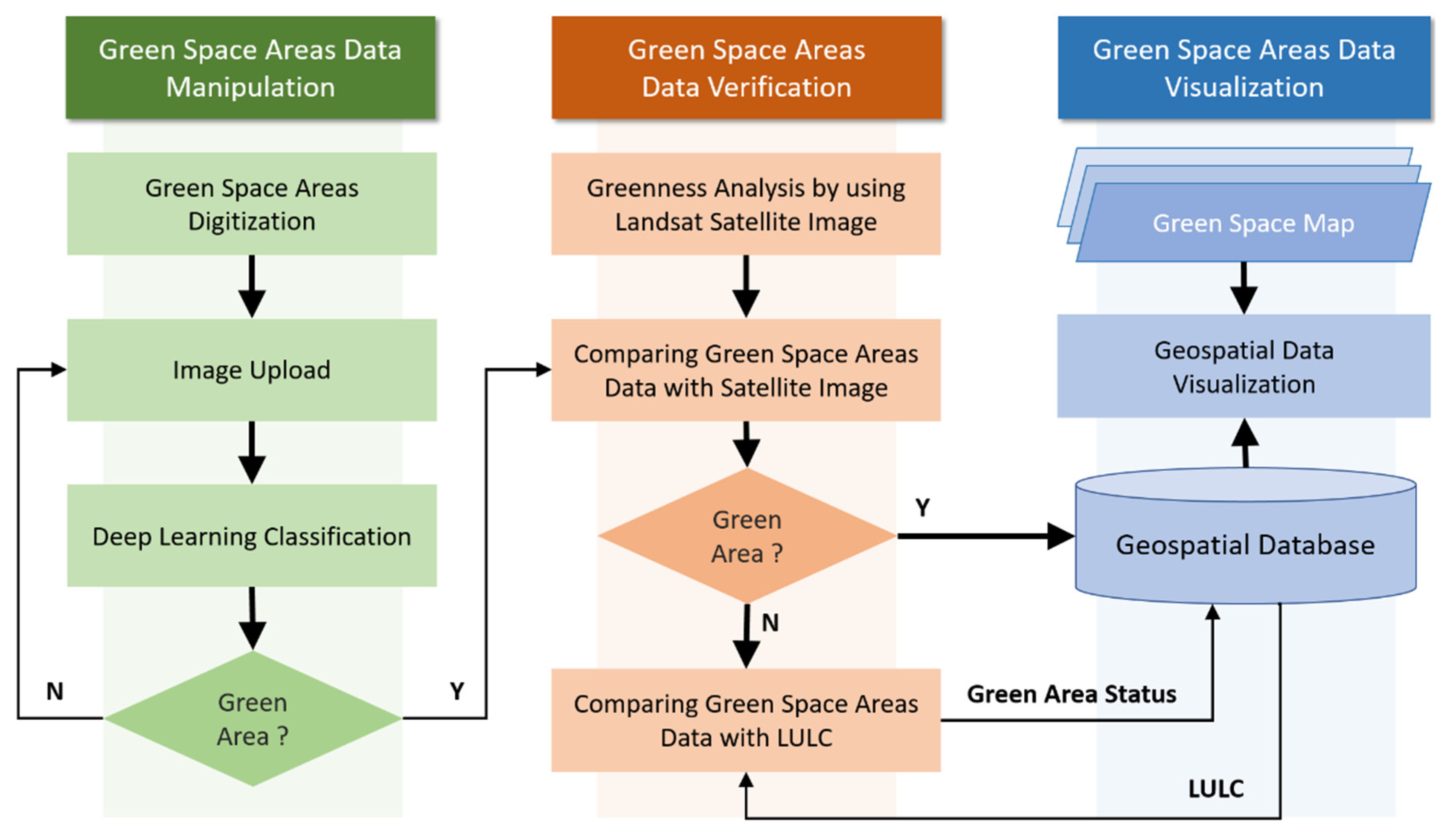
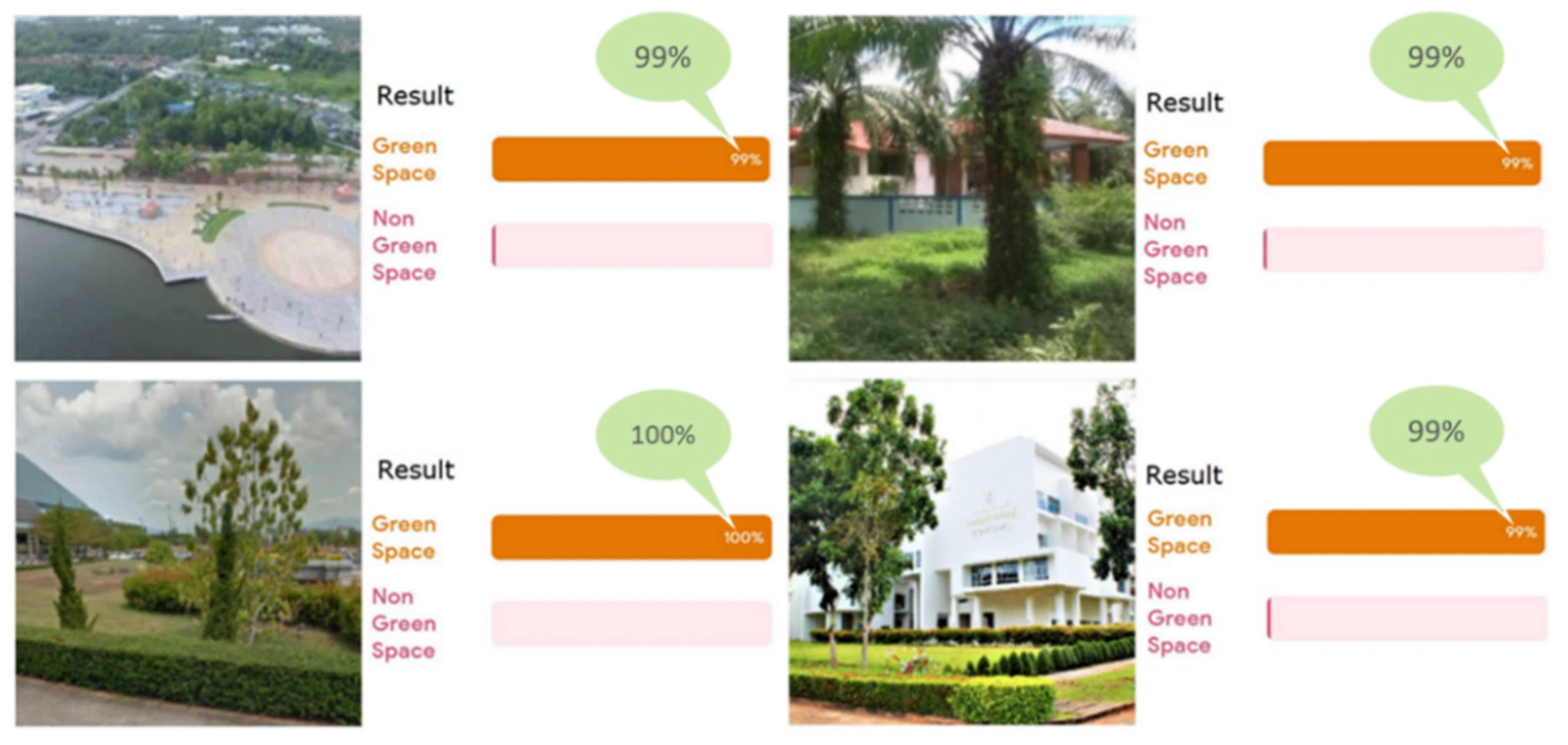
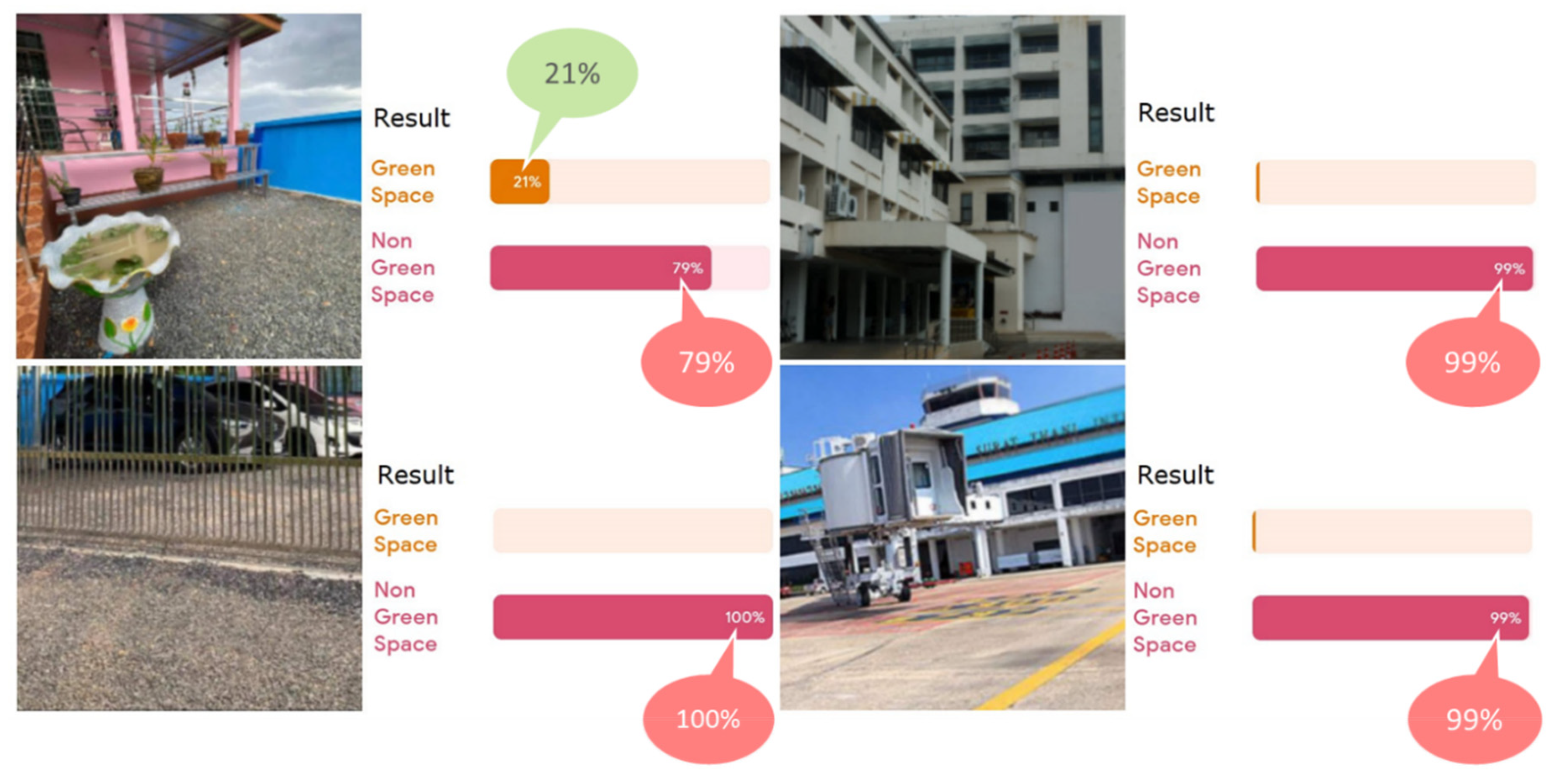
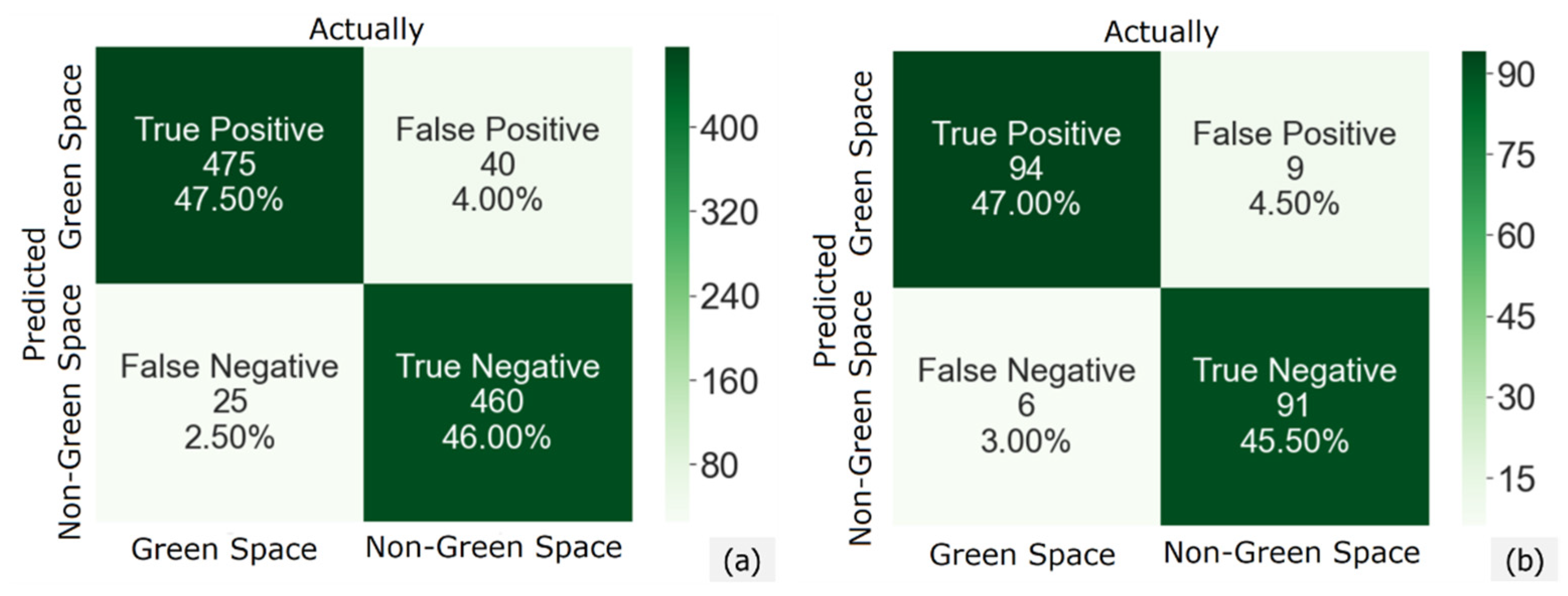
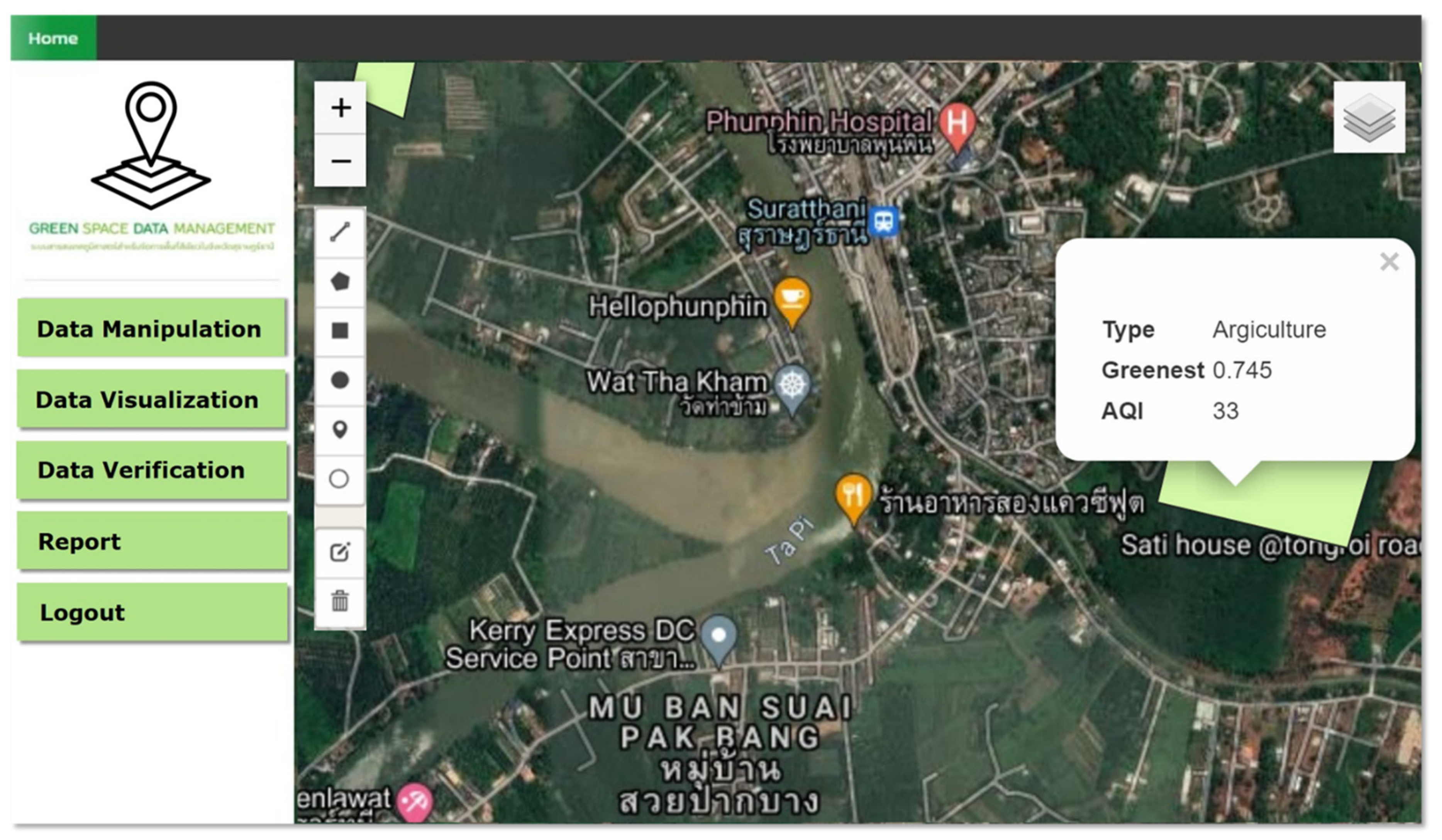
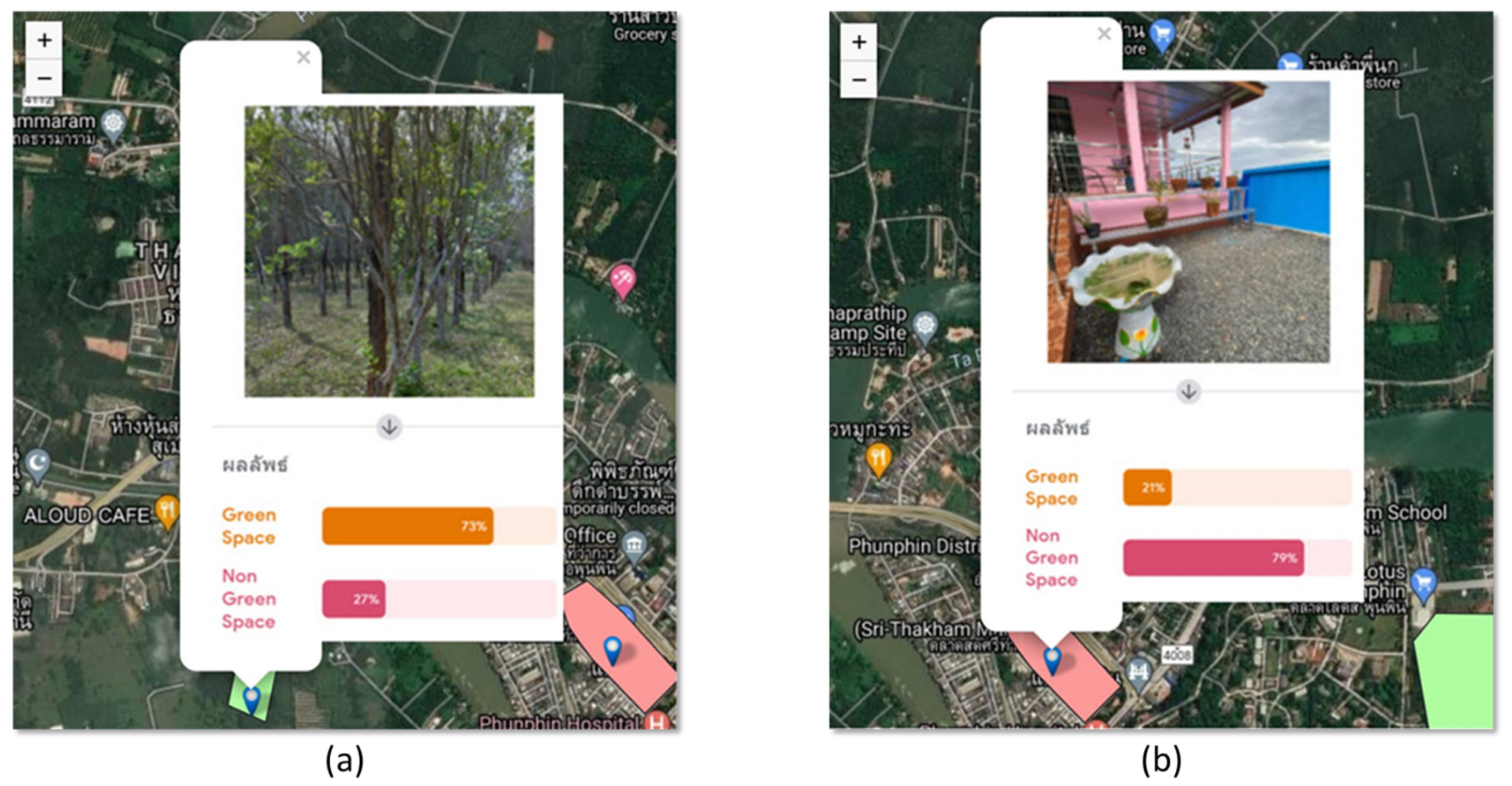
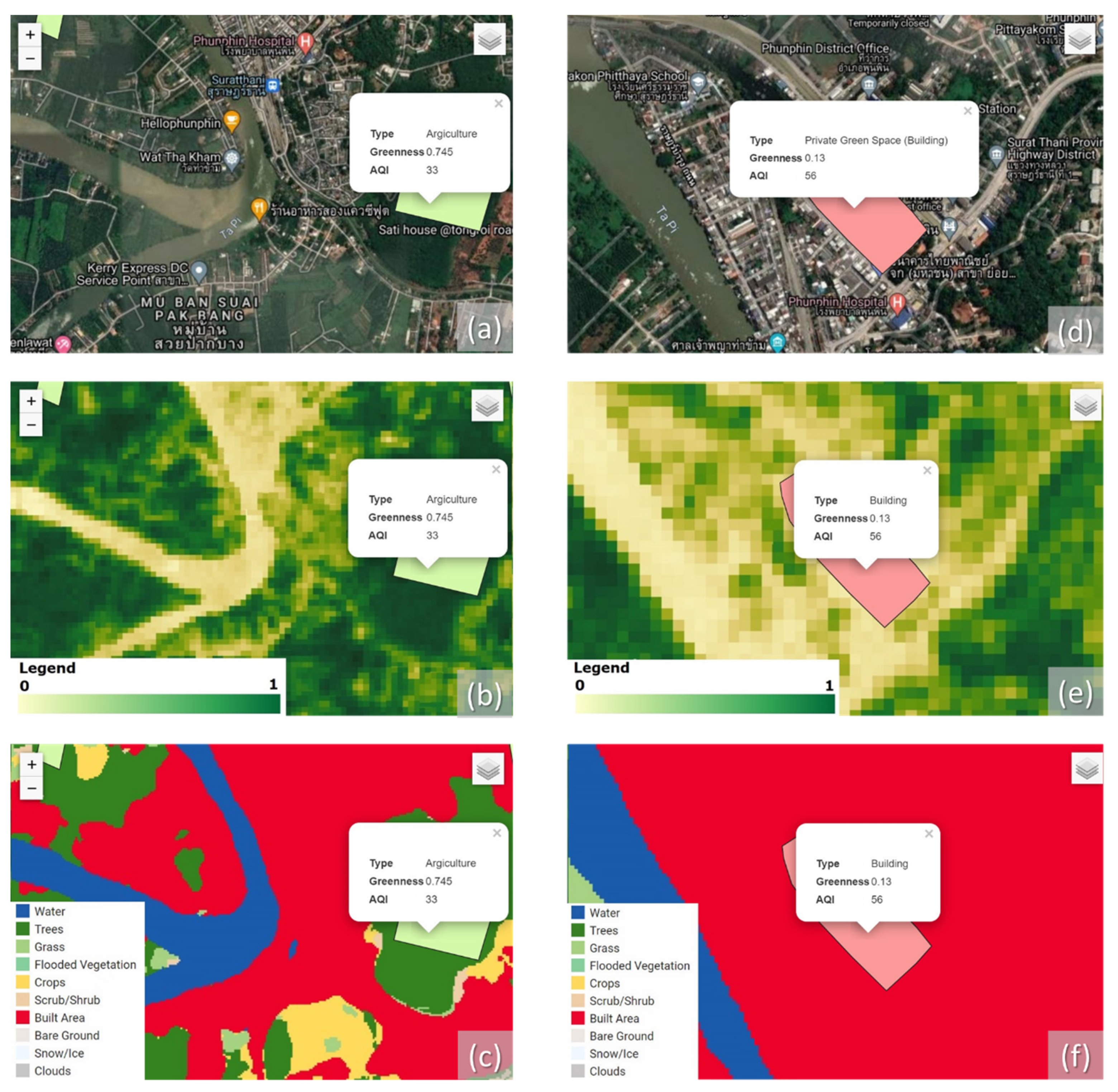
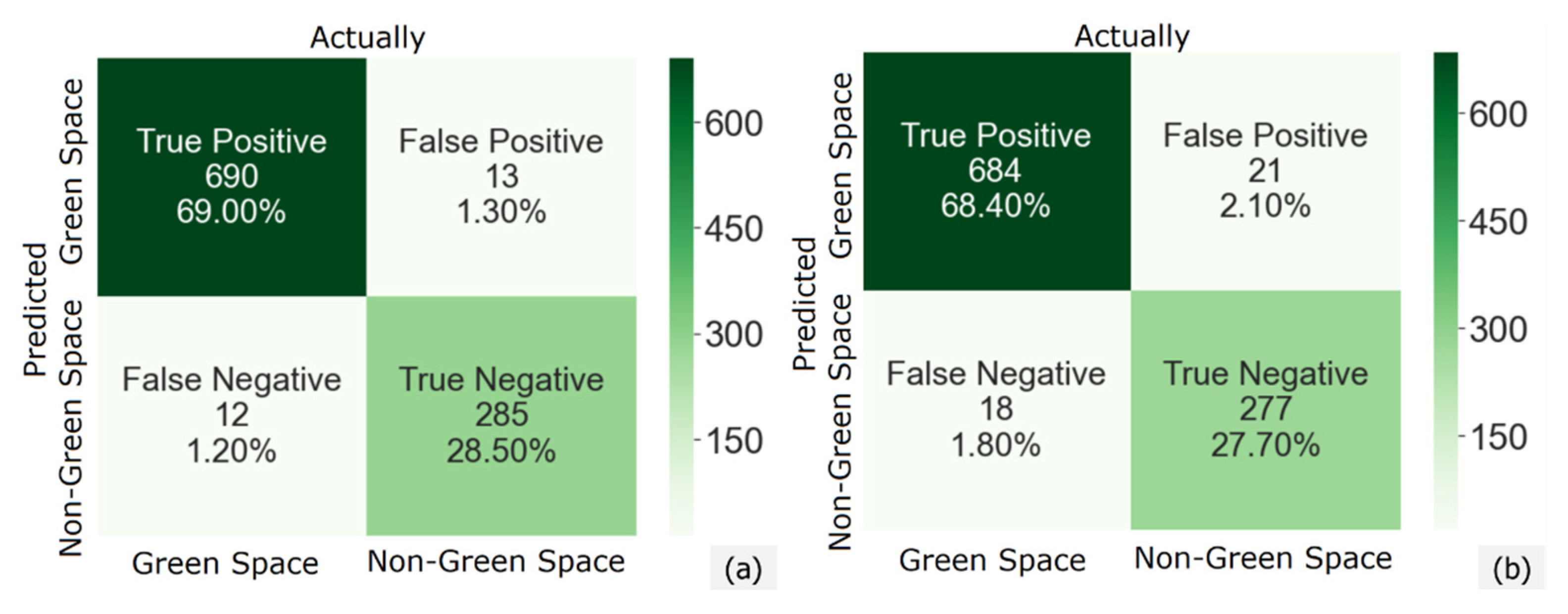
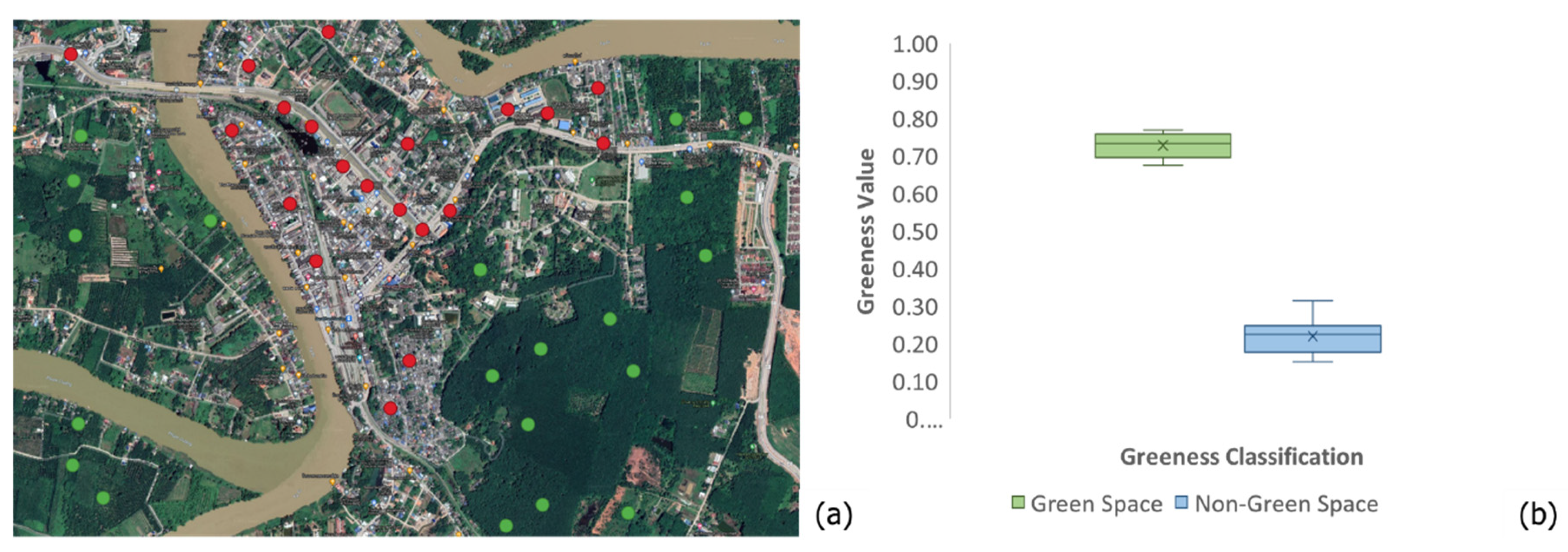
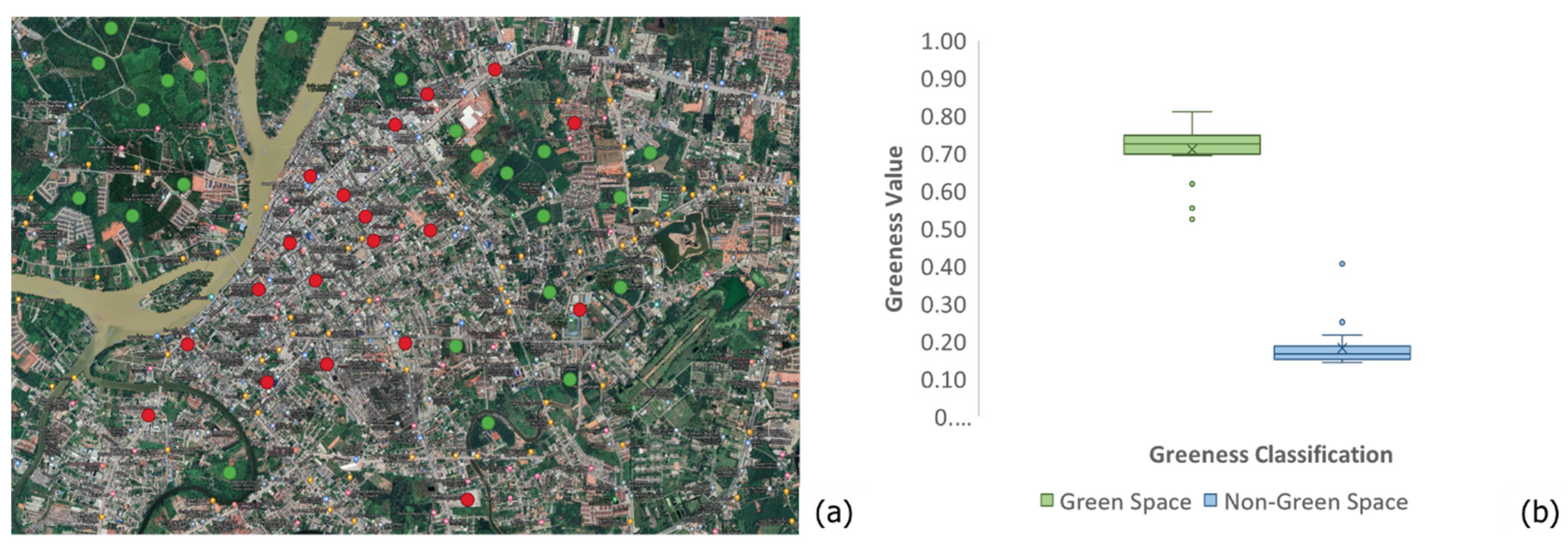
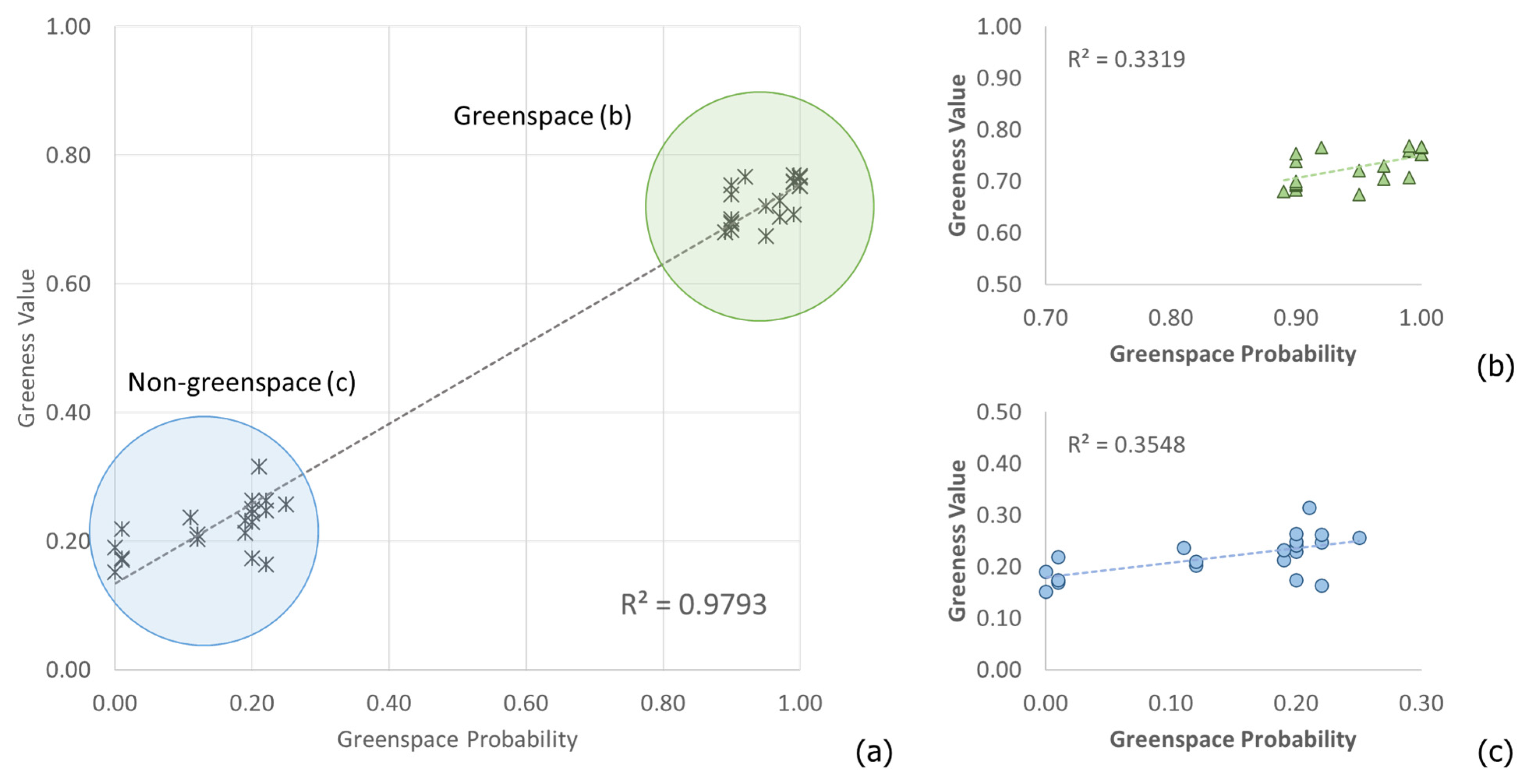
Green space areas are one of the key factors in people’s livelihoods. Their number and size have a significant impact on both the environment and people’s quality of life, including their health. Accordingly, government agencies often rely on information relating to green space areas when devising suitable plans and mandating necessary regulations. At present, obtaining information on green space areas using conventional ground surveys faces a number of limitations. This approach not only requires a lengthy period, but also tremendous human and financial resources. Given such restrictions, the status of a green space is not always up to date. Although software applications, especially those based on geographical information systems and remote sensing, have increasingly been applied to these tasks, the capability to use crowdsourcing data and produce real-time reports is lacking. This is partly because the quantity of data required has, to date, prohibited effective verification by human operators. To address this issue, this paper proposes a novel geospatial platform for green space area management by means of GIS and artificial intelligence. In the proposed system, all user-submitted data are automatically verified by deep learning classification and analyses of the greenness areas on satellite imagery. The experimental results showed that the classification and analyses can identify green space areas at accuracies of 93.50% and 97.50%, respectively. To elucidate the merits of the proposed approach, web-based application software was implemented to demonstrate multimodal data management, cleansing, and reporting. This geospatial system was thus proven to be a viable tool for assisting governmental agencies to devise appropriate plans toward sustainable development goals.
Keywords: greenness; ZFNet; volunteered geographic information; data-driven policy; SDGs greenness; ZFNet; volunteered geographic information; data-driven policy; SDGs