Article

Genomic, Transcriptomic and Enzymatic Insight into Lignocellulolytic System of a Plant Pathogen Dickeya sp. WS52 to Digest Sweet Pepper and Tomato Stalk


1
Marine Agriculture Research Center, Tobacco Research Institute of Chinese Academy of Agricultural Sciences, Qingdao 266101, China
2
Tobacco Research Institute of Nanping, Nanping, Fujian 353000, China
3
Department of Research & Development, Biotechnology, Uttaranchal University, Dehradun 248007, India
*
Authors to whom correspondence should be addressed.
These authors contributed equally to this work.
Biomolecules 2019, 9(12), 753; https://doi.org/10.3390/biom9120753
Submission received: 31 October 2019 / Revised: 15 November 2019 / Accepted: 18 November 2019 / Published: 20 November 2019
(This article belongs to the Special Issue Biology, Biotechnology and Bioprospecting of Microbial Biomolecules)

Abstract

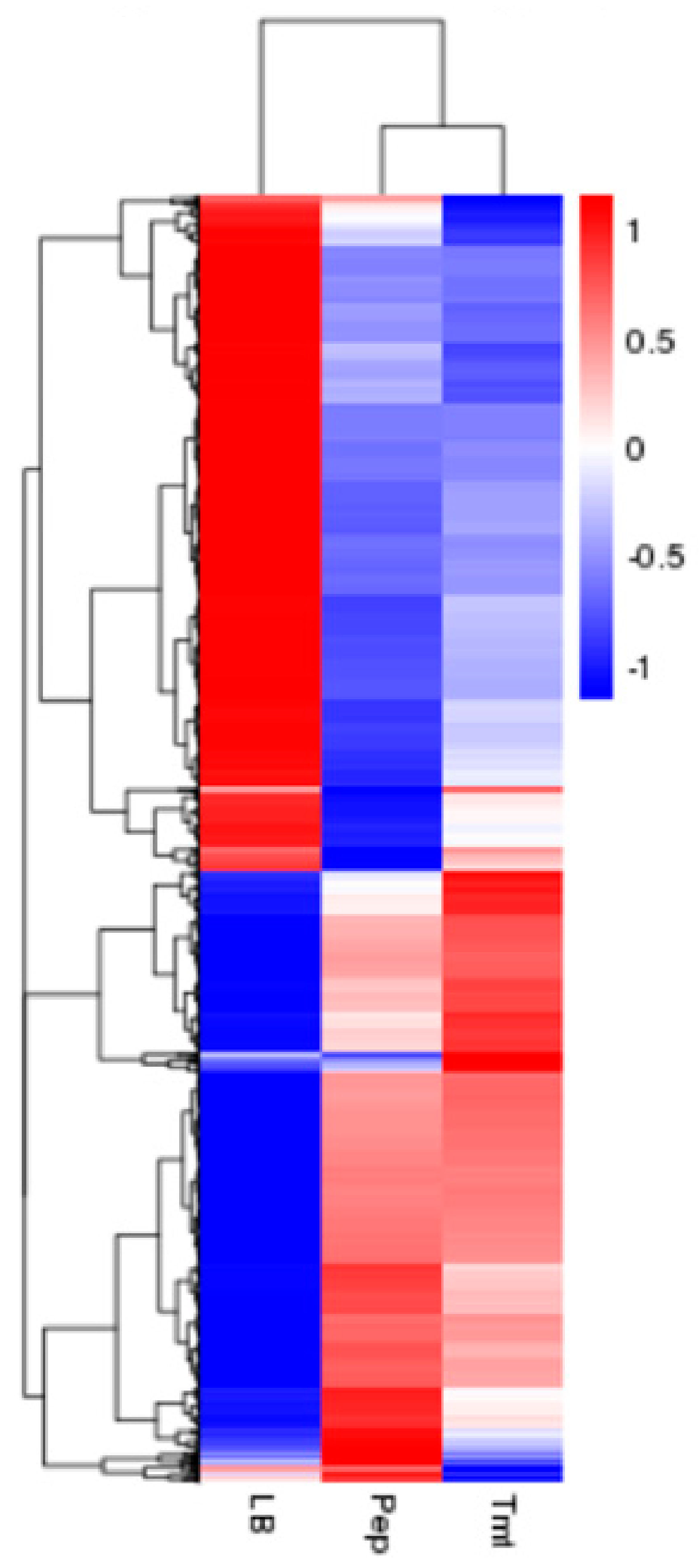
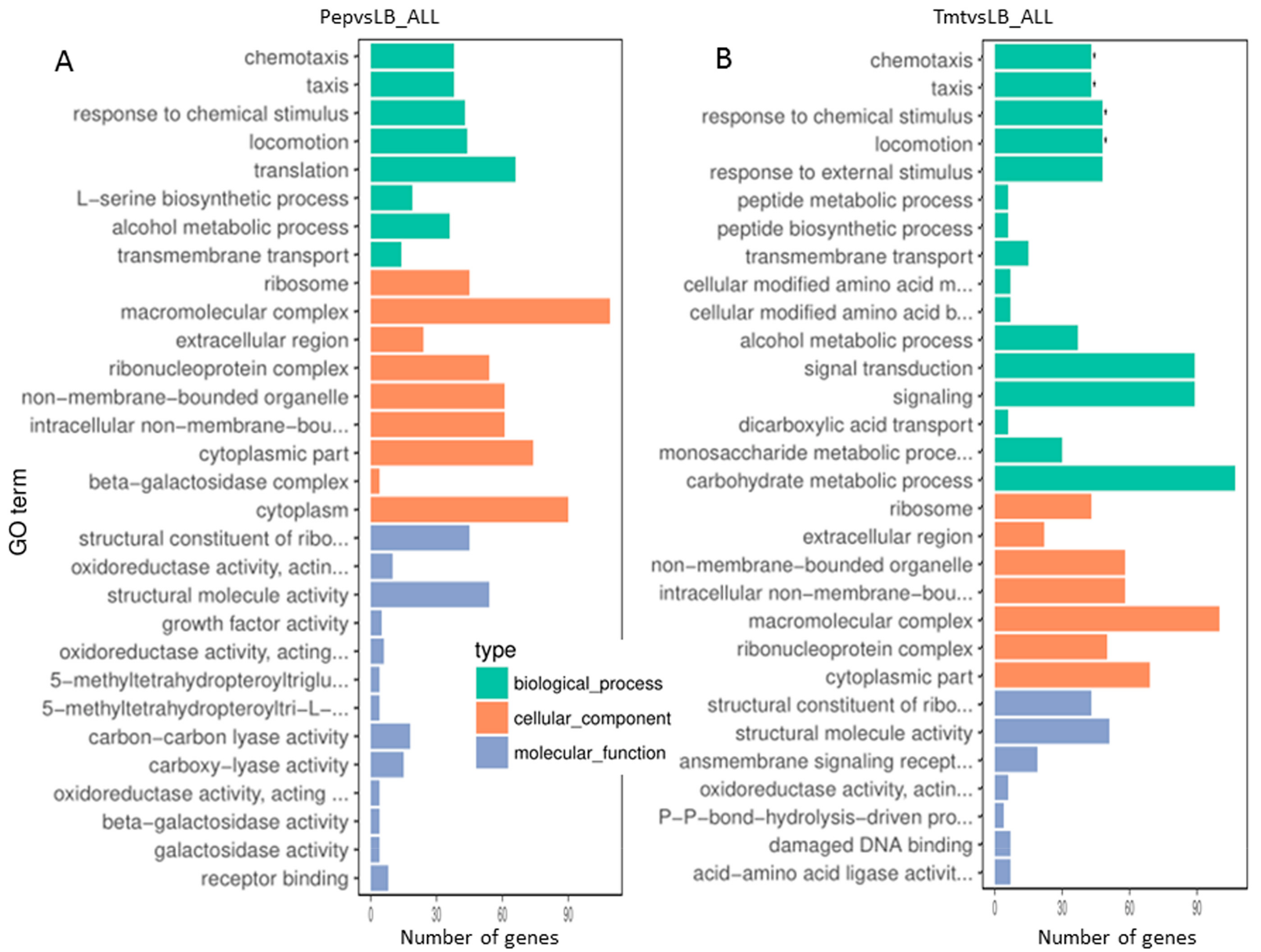
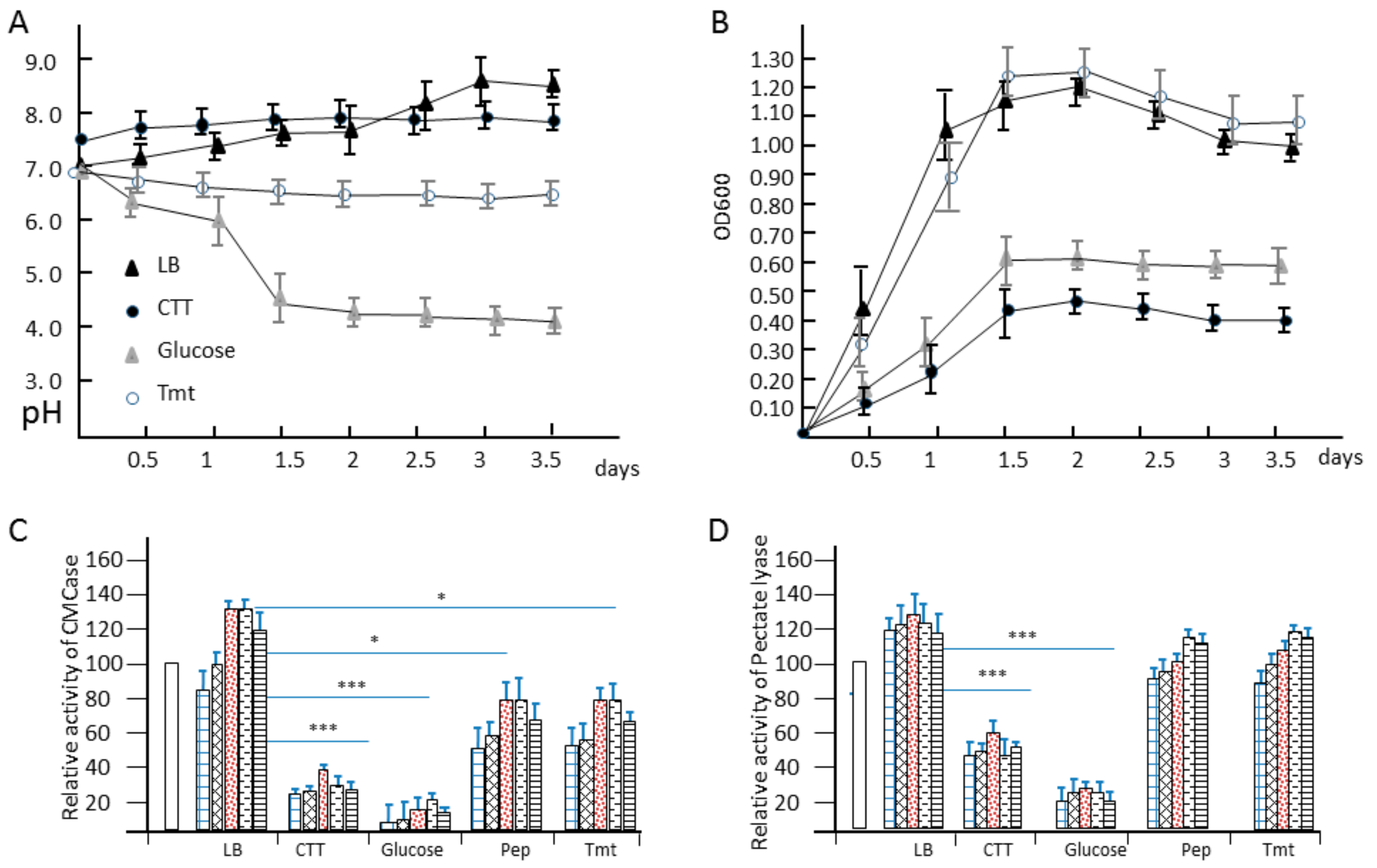
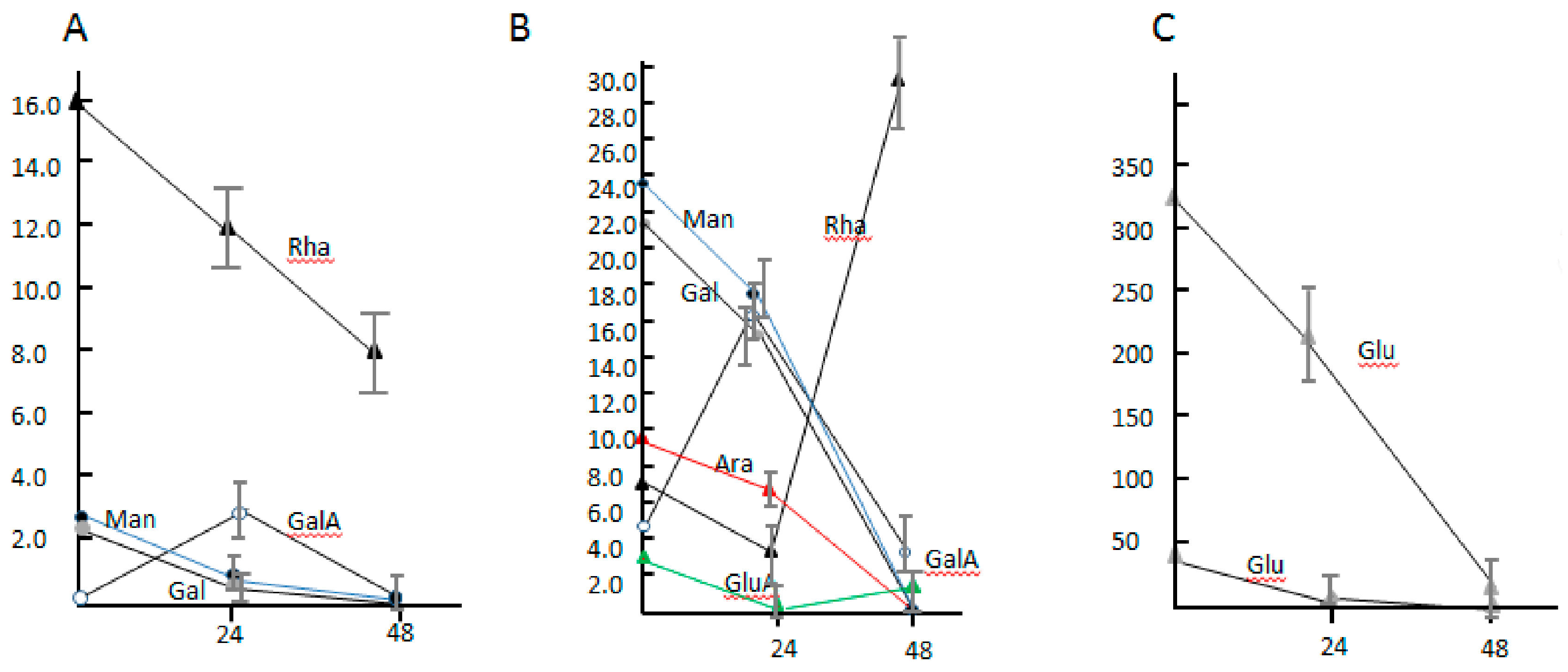
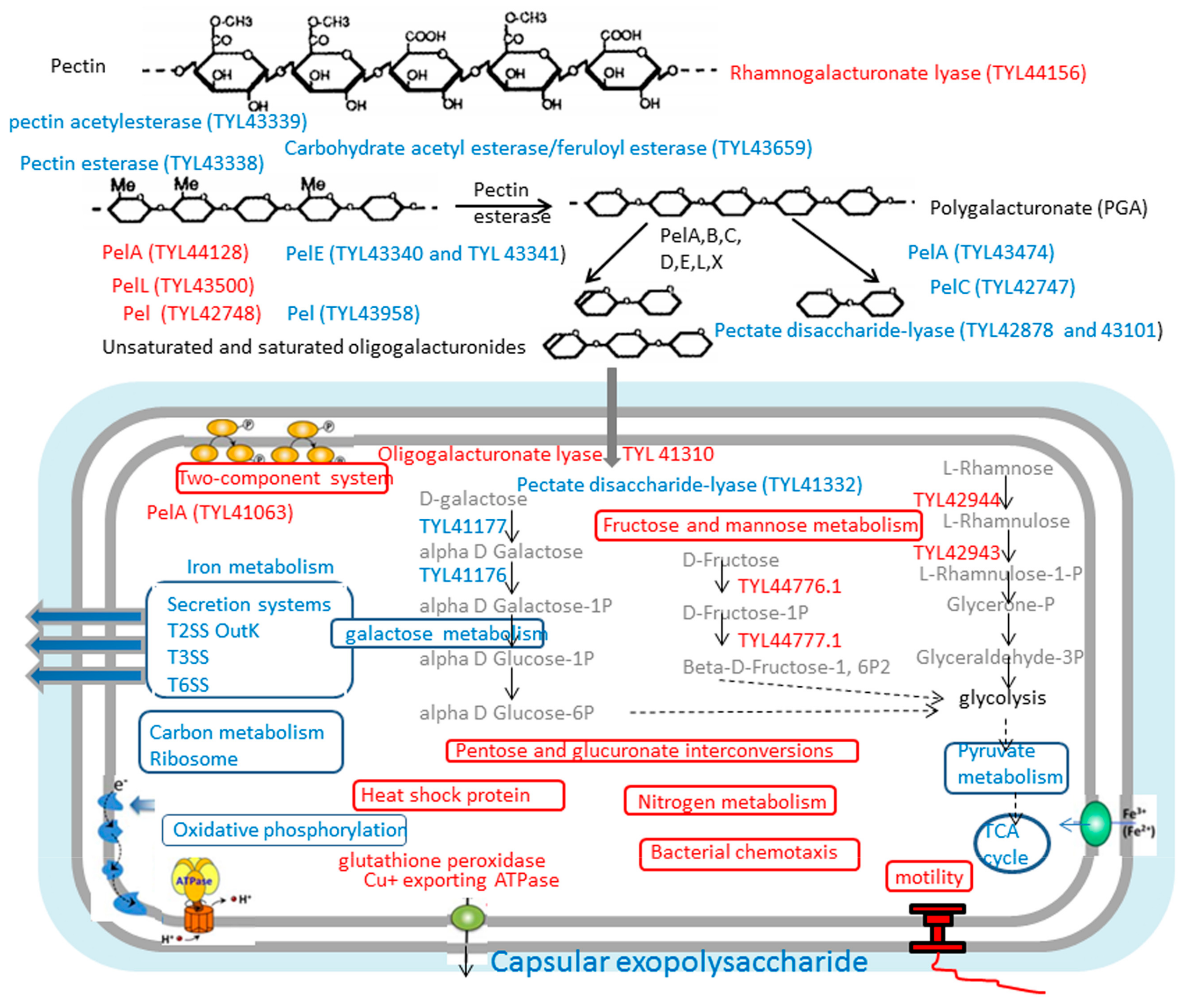
Dickeya sp., a plant pathogen, causing soft rot with strong pectin degradation capacity was taken for the comprehensive analysis of its corresponding biomass degradative system, which has not been analyzed yet. Whole genome sequence analysis of the isolated soft-rotten plant pathogen Dickeya sp. WS52, revealed various coding genes which involved in vegetable stalk degradation-related properties. A total of 122 genes were found to be encoded for putative carbohydrate-active enzymes (CAZy) in Dickeya sp. WS52. The number of pectin degradation-related genes, was higher than that of cellulolytic bacteria as well as other Dickeya spp. strains. The CAZy in Dickeya sp.WS52 contains a complete repertoire of enzymes required for hemicellulose degradation, especially pectinases. In addition, WS52 strain possessed plenty of genes encoding potential ligninolytic relevant enzymes, such as multicopper oxidase, catalase/hydroperoxidase, glutathione S-transferase, and quinone oxidoreductase. Transcriptome analysis revealed that parts of genes encoding lignocellulolytic enzymes were significantly upregulated in the presence of minimal salt medium with vegetable stalks. However, most of the genes were related to lignocellulolytic enzymes, especially pectate lyases and were downregulated due to the slow growth and downregulated secretion systems. The assay of lignocellulolytic enzymes including CMCase and pectinase activities were identified to be more active in vegetable stalk relative to MSM + glucose. However, compared with nutrient LB medium, it needed sufficient nutrient to promote growth and to improve the secretion system. Further identification of enzyme activities of Dickeya sp.WS52 by HPLC confirmed that monosaccharides were produced during degradation of tomato stalk. This identified degradative system is valuable for the application in the lignocellulosic bioenergy industry and animal production.
Keywords: Dickeya sp.; lignocellulose degradation; CAZy; pectin degradation; transcriptome sequencing; monosaccharide analysis Dickeya sp.; lignocellulose degradation; CAZy; pectin degradation; transcriptome sequencing; monosaccharide analysis