Article

Genome and Genetic Engineering of the House Cricket (Acheta domesticus): A Resource for Sustainable Agriculture


1
All Things Bugs LLC, Invertebrate Studies Institute, Inc., 2211 Snapper Ln., Oklahoma City, OK 73130, USA
2
USDA Agricultural Research Service, Center for Grain and Animal Health Research, 1515 College, Ave., Manhattan, KS 66502, USA
3
Department of Entomology and Plant Pathology, North Carolina State University, Raleigh, NC 27695, USA
4
USDA Agricultural Research Service, Jamie Whitten Delta States Research Center, 141 Experiment Station Road, Stoneville, MS 38776, USA
5
Genome Informatics Section, Computational and Statistical Genomics Branch, National Human Genome Research Institute, National Institutes of Health, Bethesda, MD 20894, USA
6
Department of Entomology, Texas A&M University, College Station, TX 77843, USA
7
Faculty of Science and Engineering, Waseda University, 2-2 TWIns #02C214, Wakamatsu-cho, Shinjuku-ku, Tokyo 162-8480, Japan
*
Author to whom correspondence should be addressed.
Biomolecules 2023, 13(4), 589; https://doi.org/10.3390/biom13040589
Submission received: 14 February 2023 / Revised: 10 March 2023 / Accepted: 11 March 2023 / Published: 24 March 2023
(This article belongs to the Special Issue The Genomics Era: From Reference Genomes to Pan-Genomic Graphs)

Abstract

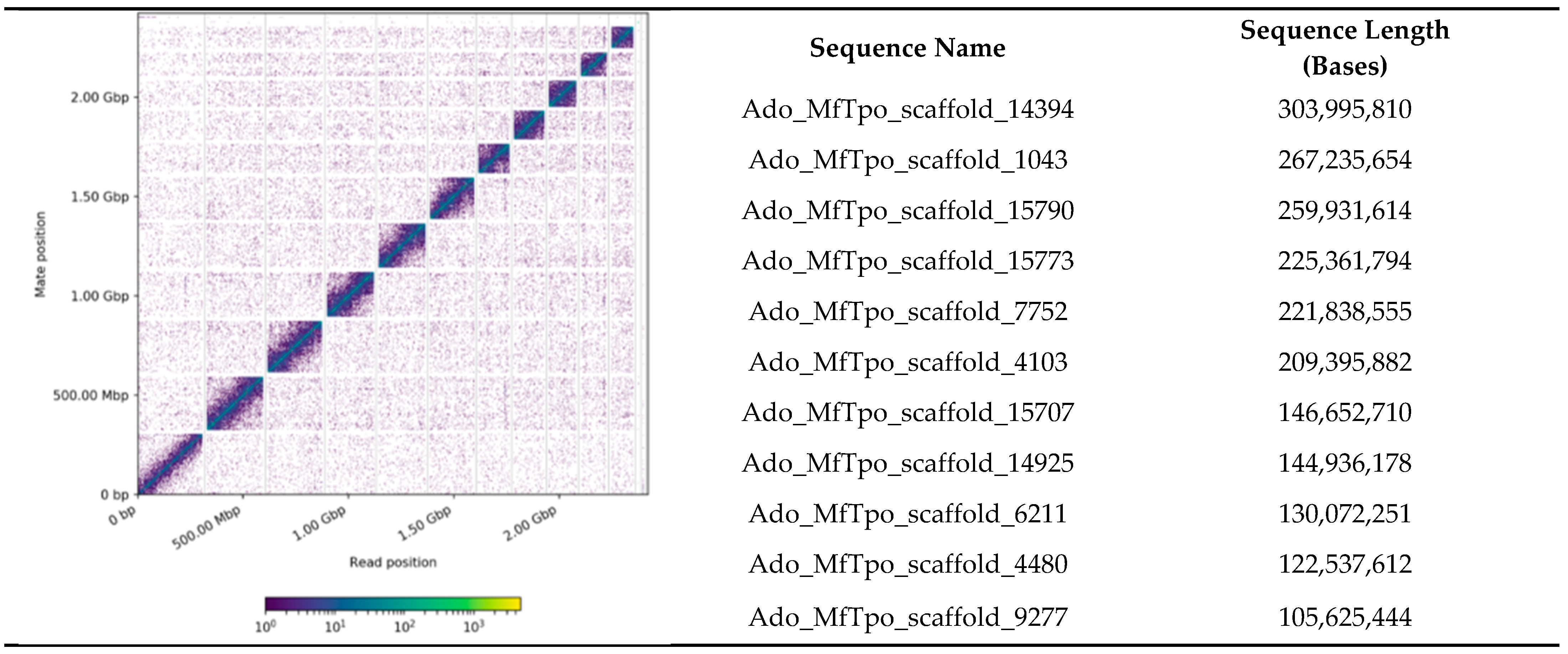
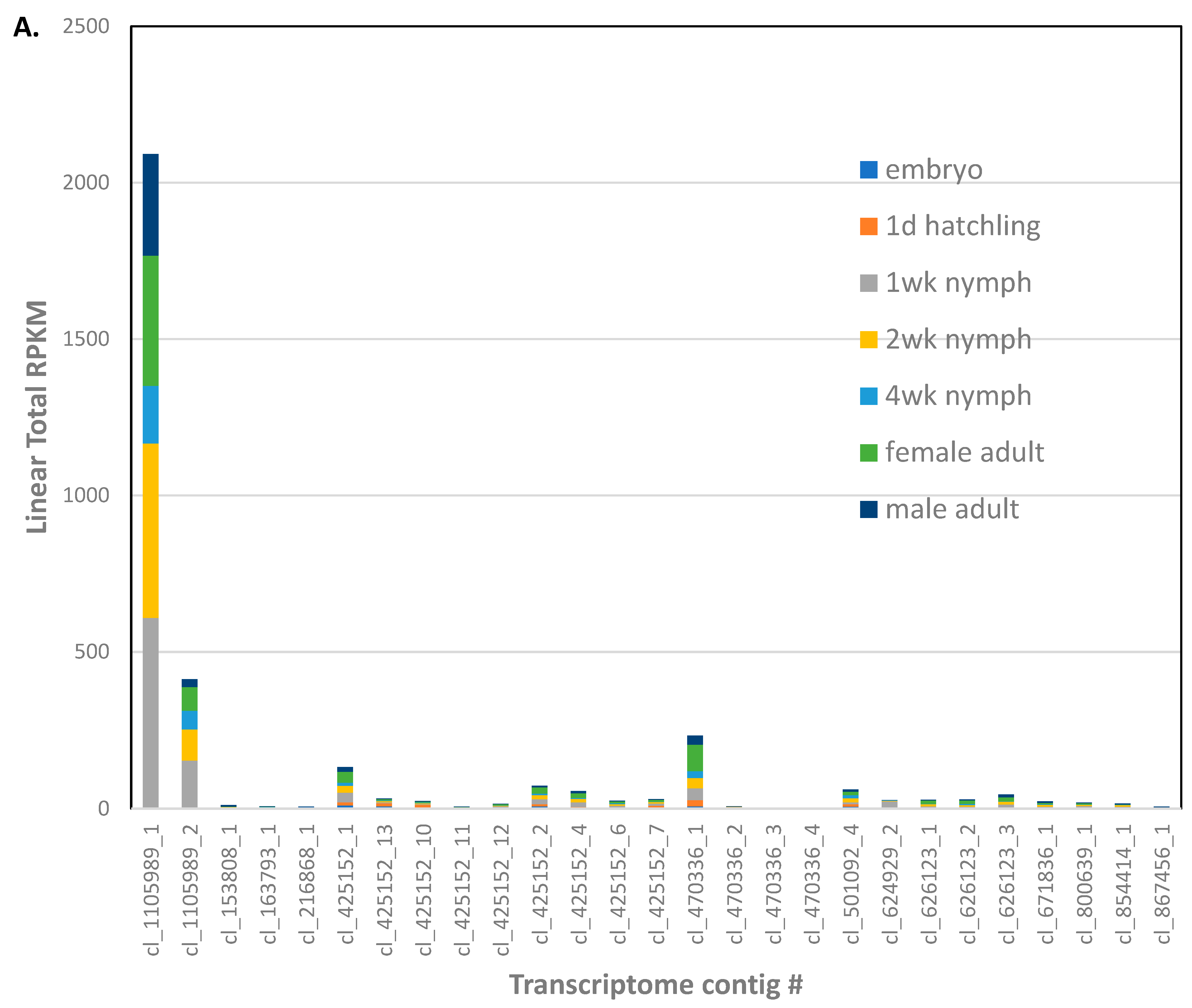
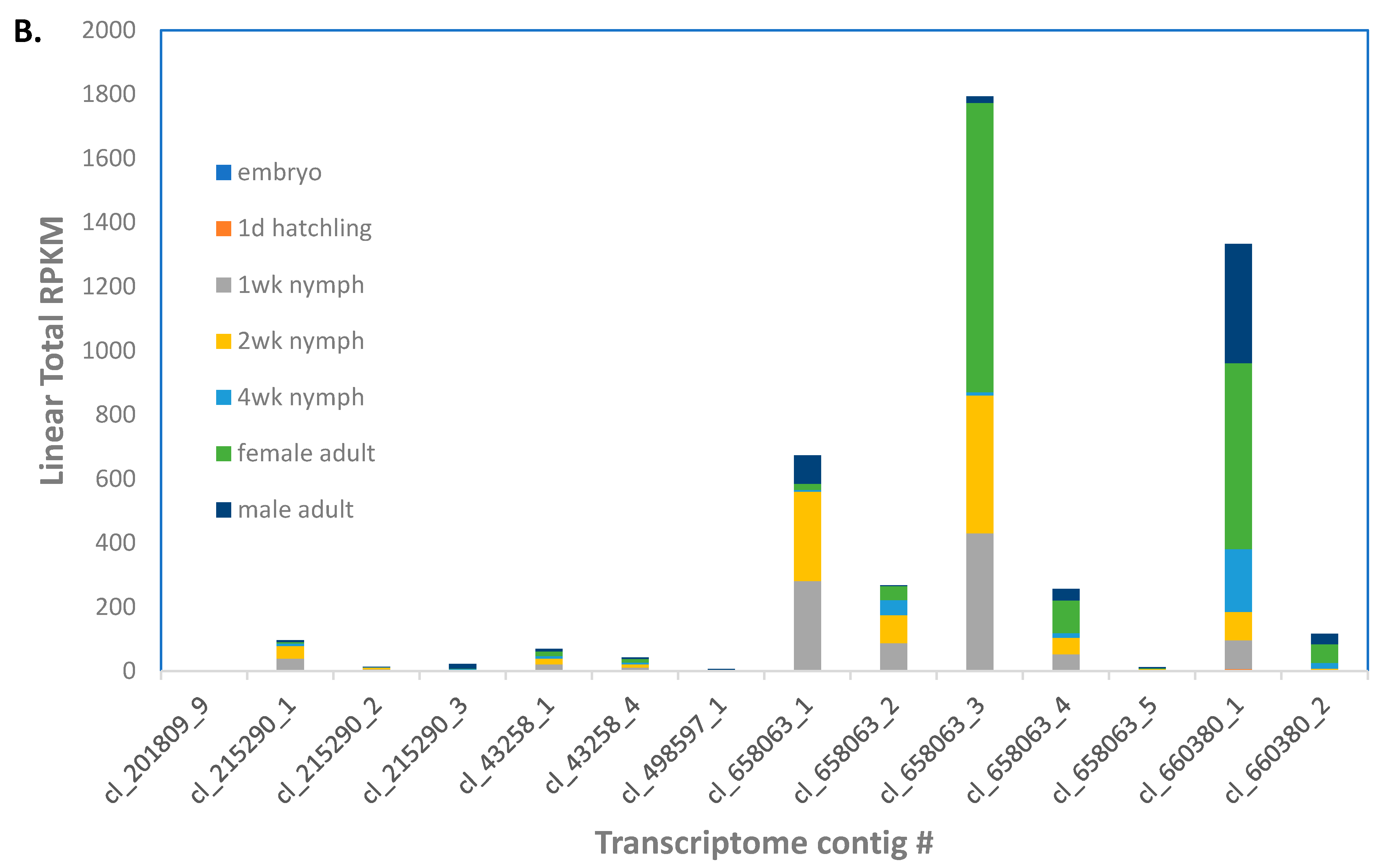
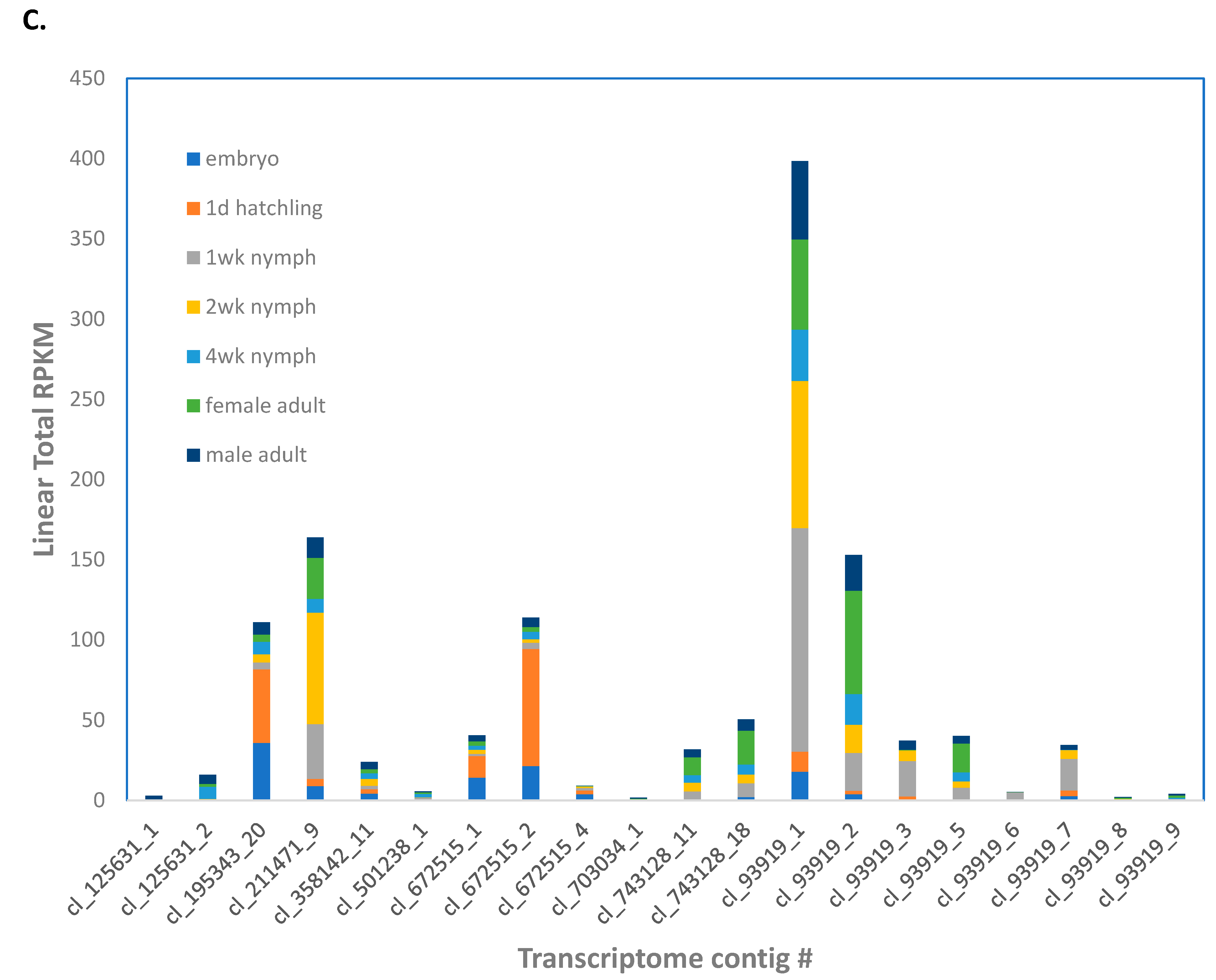
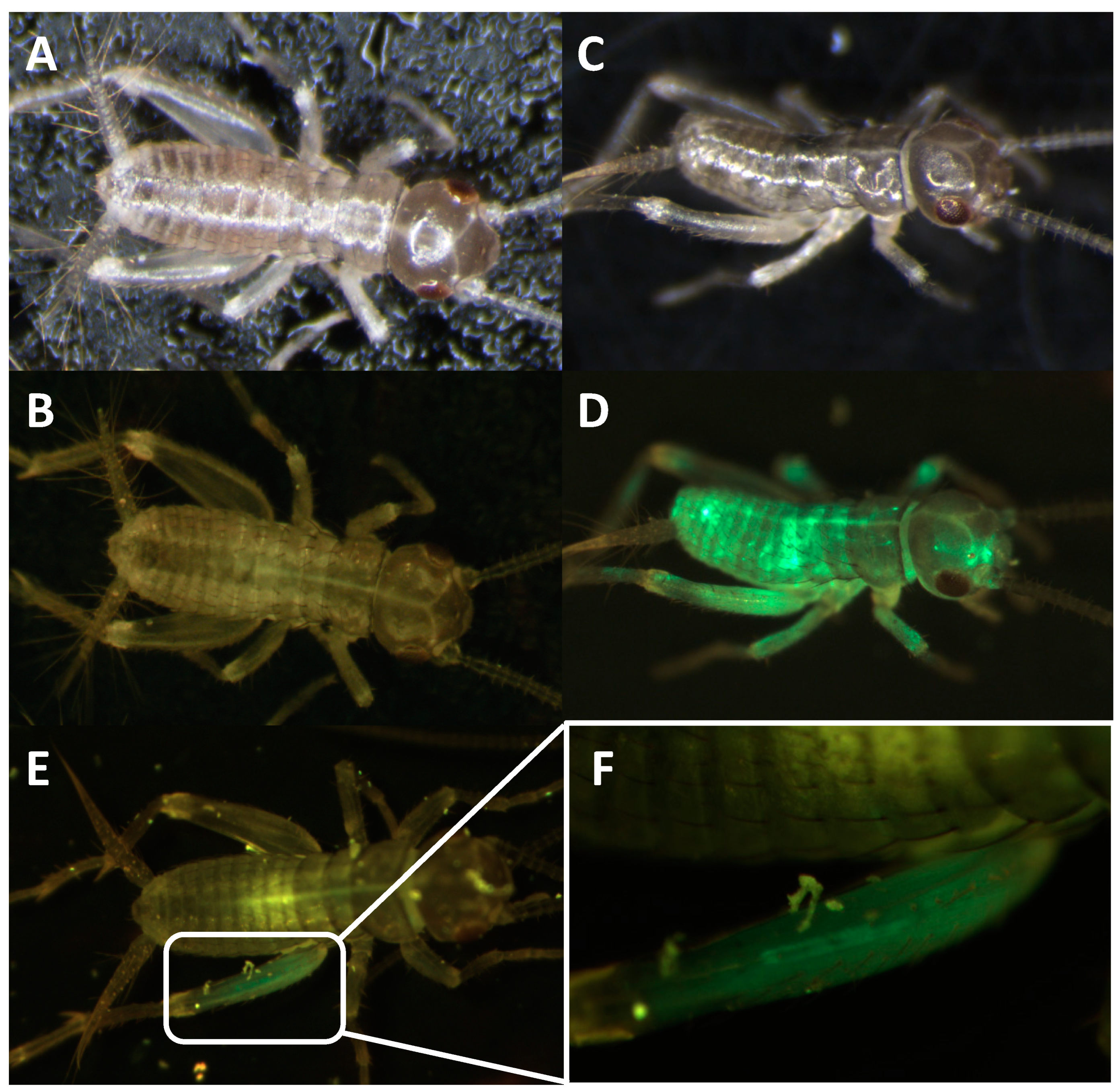
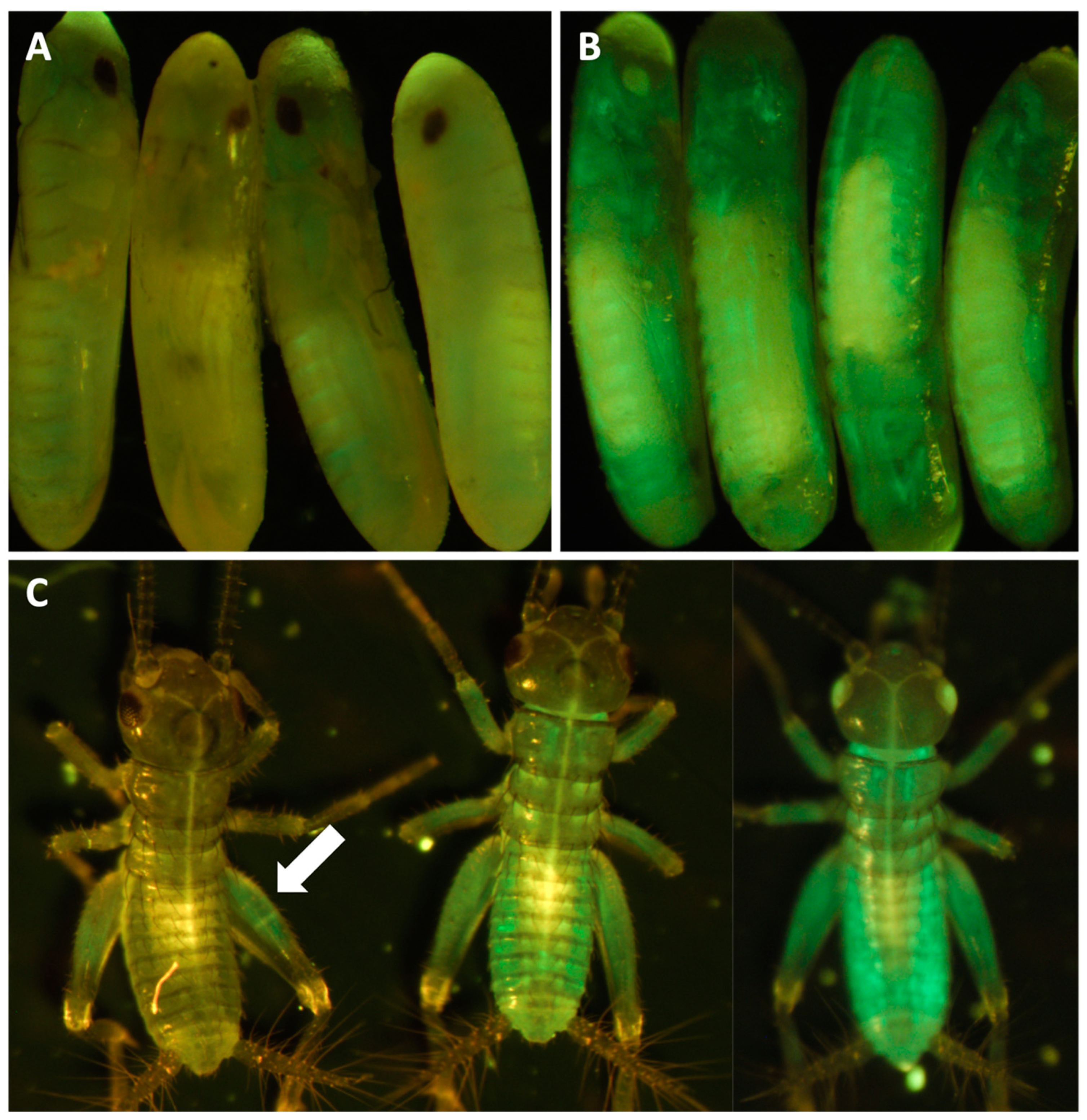
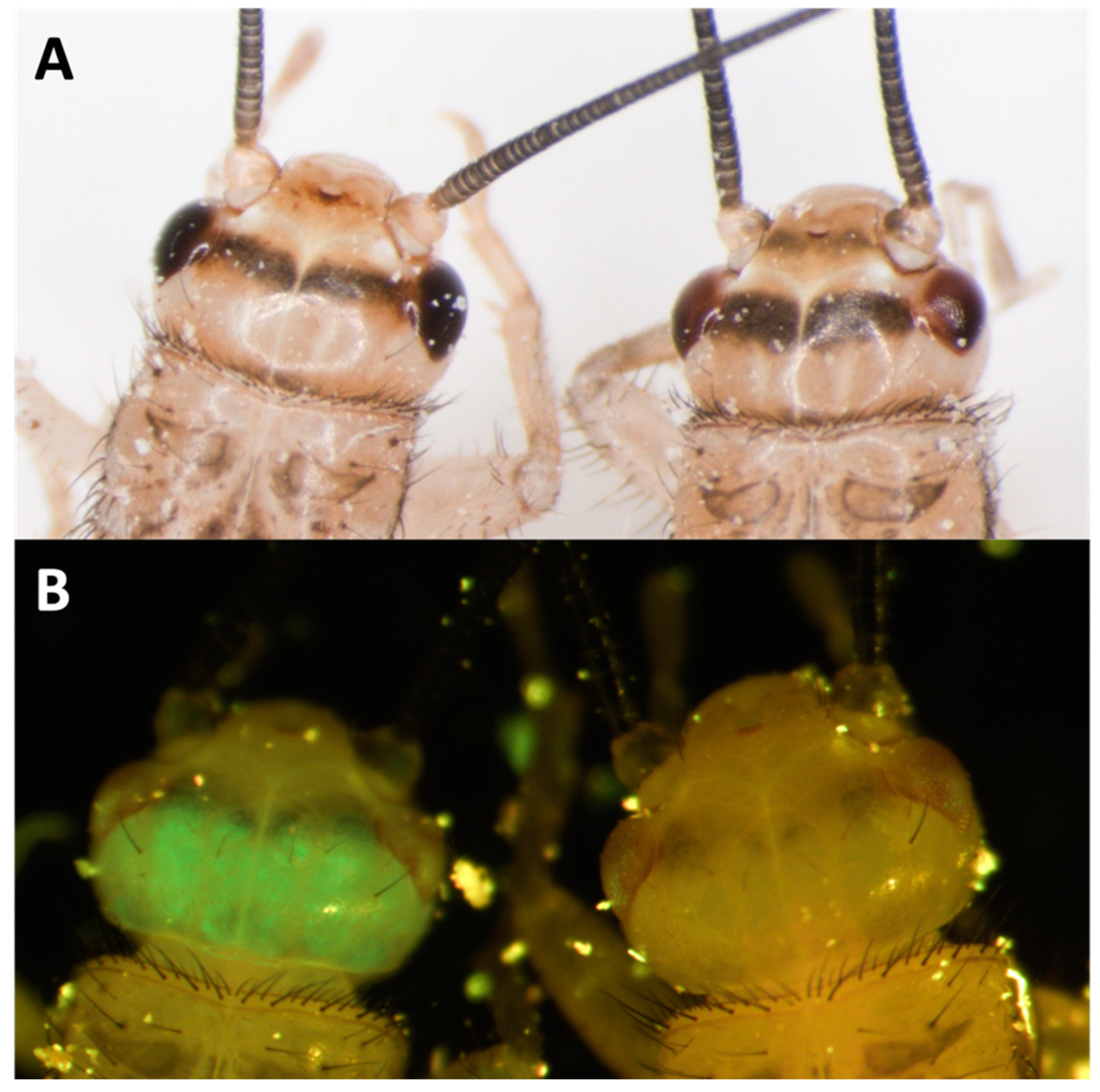
Background: The house cricket, Acheta domesticus, is one of the most farmed insects worldwide and the foundation of an emerging industry using insects as a sustainable food source. Edible insects present a promising alternative for protein production amid a plethora of reports on climate change and biodiversity loss largely driven by agriculture. As with other crops, genetic resources are needed to improve crickets for food and other applications. Methods: We present the first high quality annotated genome assembly of A. domesticus from long read data and scaffolded to chromosome level, providing information needed for genetic manipulation. Results: Gene groups related to immunity were annotated and will be useful for improving value to insect farmers. Metagenome scaffolds in the A. domesticus assembly, including Invertebrate Iridescent Virus 6 (IIV6), were submitted as host-associated sequences. We demonstrate both CRISPR/Cas9-mediated knock-in and knock-out of A. domesticus and discuss implications for the food, pharmaceutical, and other industries. RNAi was demonstrated to disrupt the function of the vermilion eye-color gene producing a useful white-eye biomarker phenotype. Conclusions: We are utilizing these data to develop technologies for downstream commercial applications, including more nutritious and disease-resistant crickets, as well as lines producing valuable bioproducts, such as vaccines and antibiotics.
Keywords: food security; cricket; protein; genome; sustainability; agriculture; insects as food and feed; Acheta domesticus; insect genome; CRISPR-Cas9; genetic engineering food security; cricket; protein; genome; sustainability; agriculture; insects as food and feed; Acheta domesticus; insect genome; CRISPR-Cas9; genetic engineering