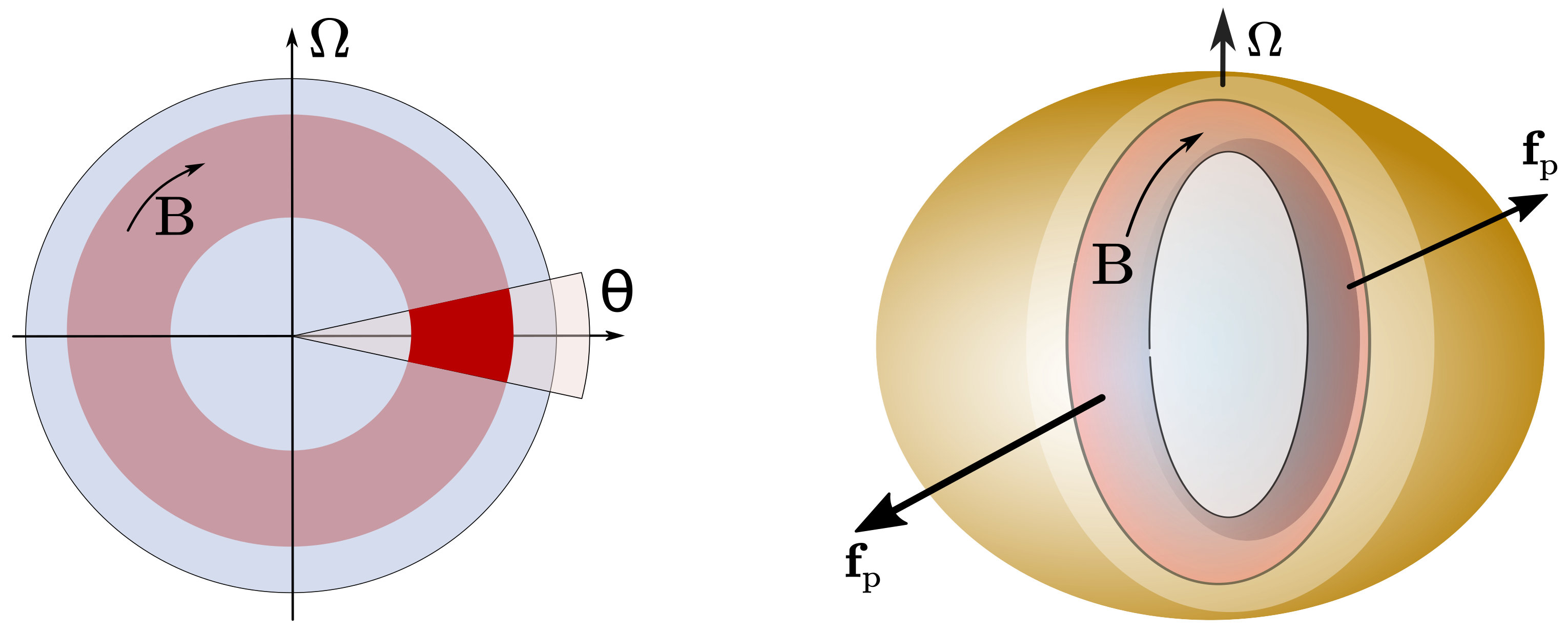


Continuous Gravitational Wave Emissions from Neutron Stars with Pinned Superfluids in the Core



Abstract
Share and Cite
Haskell, B.; Antonelli, M.; Pizzochero, P. Continuous Gravitational Wave Emissions from Neutron Stars with Pinned Superfluids in the Core. Universe 2022, 8, 619. https://doi.org/10.3390/universe8120619
Haskell B, Antonelli M, Pizzochero P. Continuous Gravitational Wave Emissions from Neutron Stars with Pinned Superfluids in the Core. Universe. 2022; 8(12):619. https://doi.org/10.3390/universe8120619
Chicago/Turabian StyleHaskell, Brynmor, Marco Antonelli, and Pierre Pizzochero. 2022. "Continuous Gravitational Wave Emissions from Neutron Stars with Pinned Superfluids in the Core" Universe 8, no. 12: 619. https://doi.org/10.3390/universe8120619
APA StyleHaskell, B., Antonelli, M., & Pizzochero, P. (2022). Continuous Gravitational Wave Emissions from Neutron Stars with Pinned Superfluids in the Core. Universe, 8(12), 619. https://doi.org/10.3390/universe8120619