
Article

Multi-Wavelength Observations of a Failed Filament Eruption and Associated Hovered Coronal Mass Ejection

1
Key Laboratory of Solar Activity, National Astronomical Observatories, Chinese Academy of Sciences, Chaoyang District, Beijing 100012, China
2
School of Astronomy and Space Science, University of Chinese Academy of Sciences, Beijing 100049, China
*
Author to whom correspondence should be addressed.
Universe 2021, 7(11), 405; https://doi.org/10.3390/universe7110405

Submission received: 31 August 2021 / Revised: 21 October 2021 / Accepted: 24 October 2021 / Published: 28 October 2021
(This article belongs to the Special Issue Solar Coronal Loop Dynamics)

Abstract

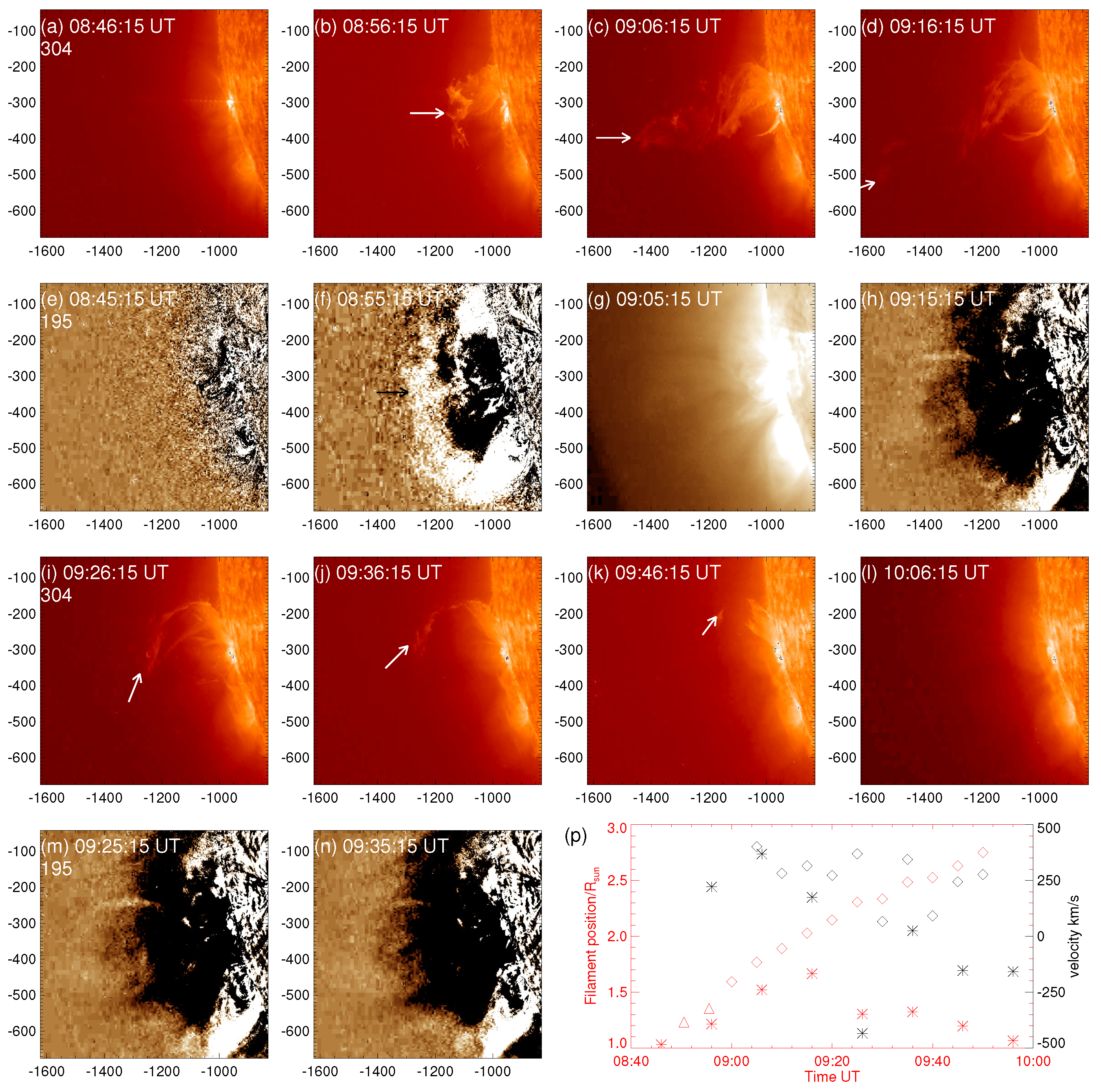
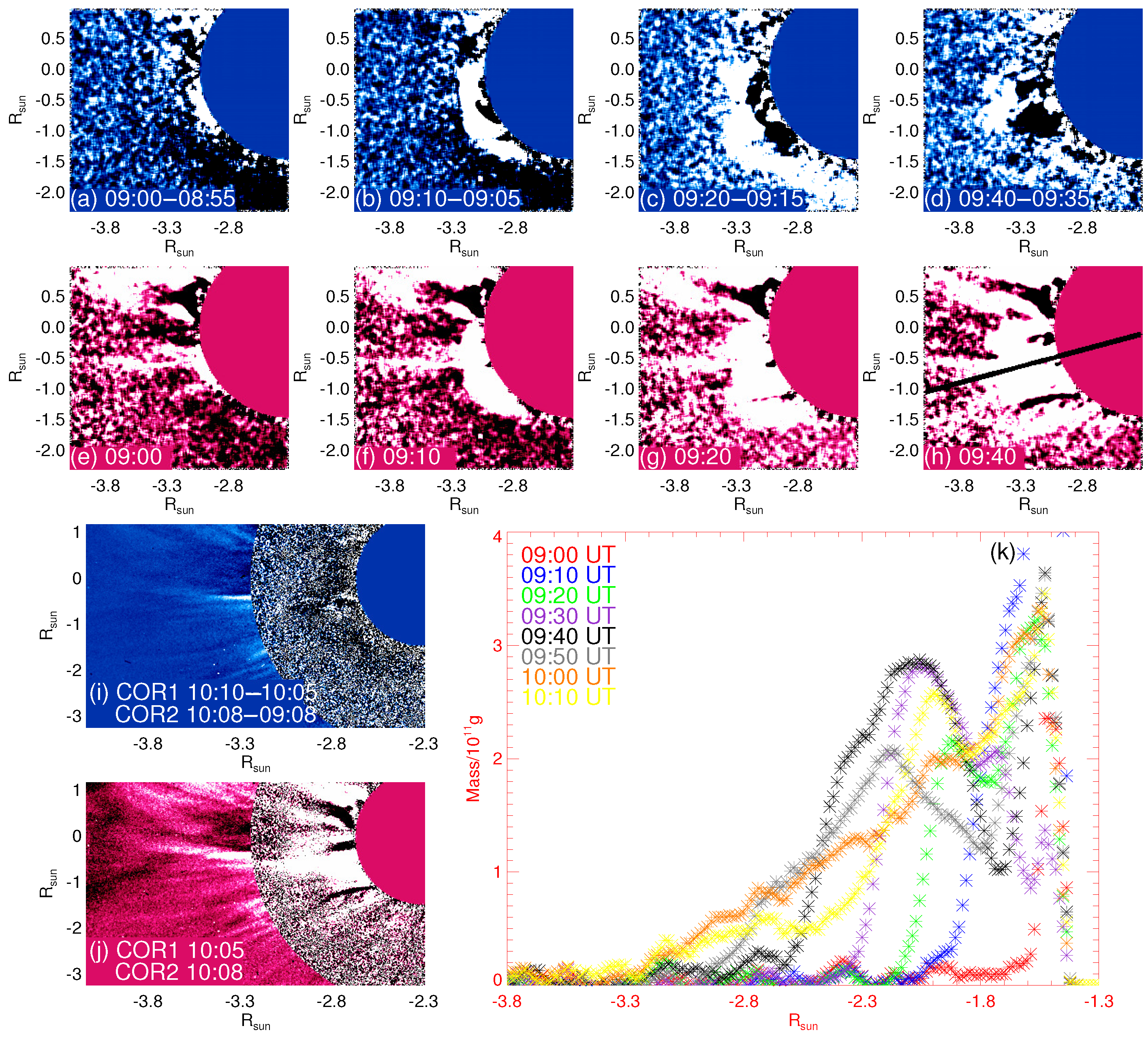
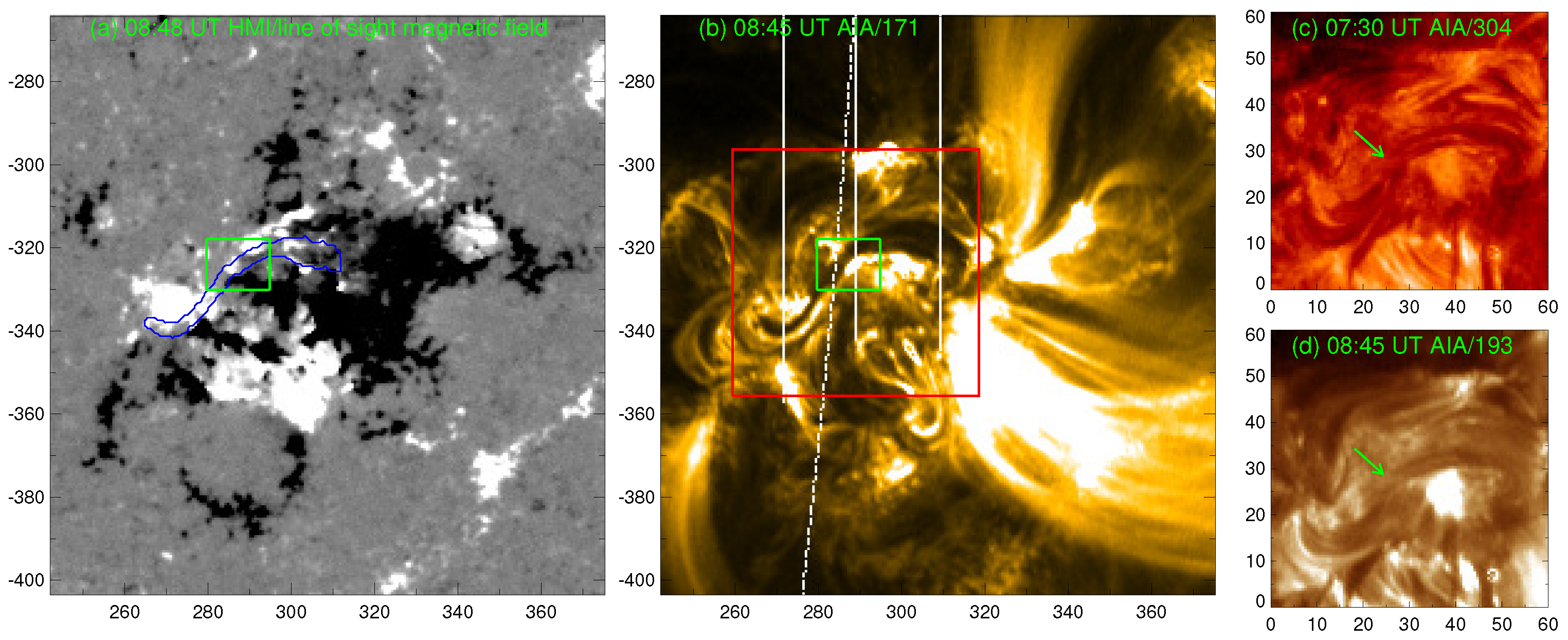
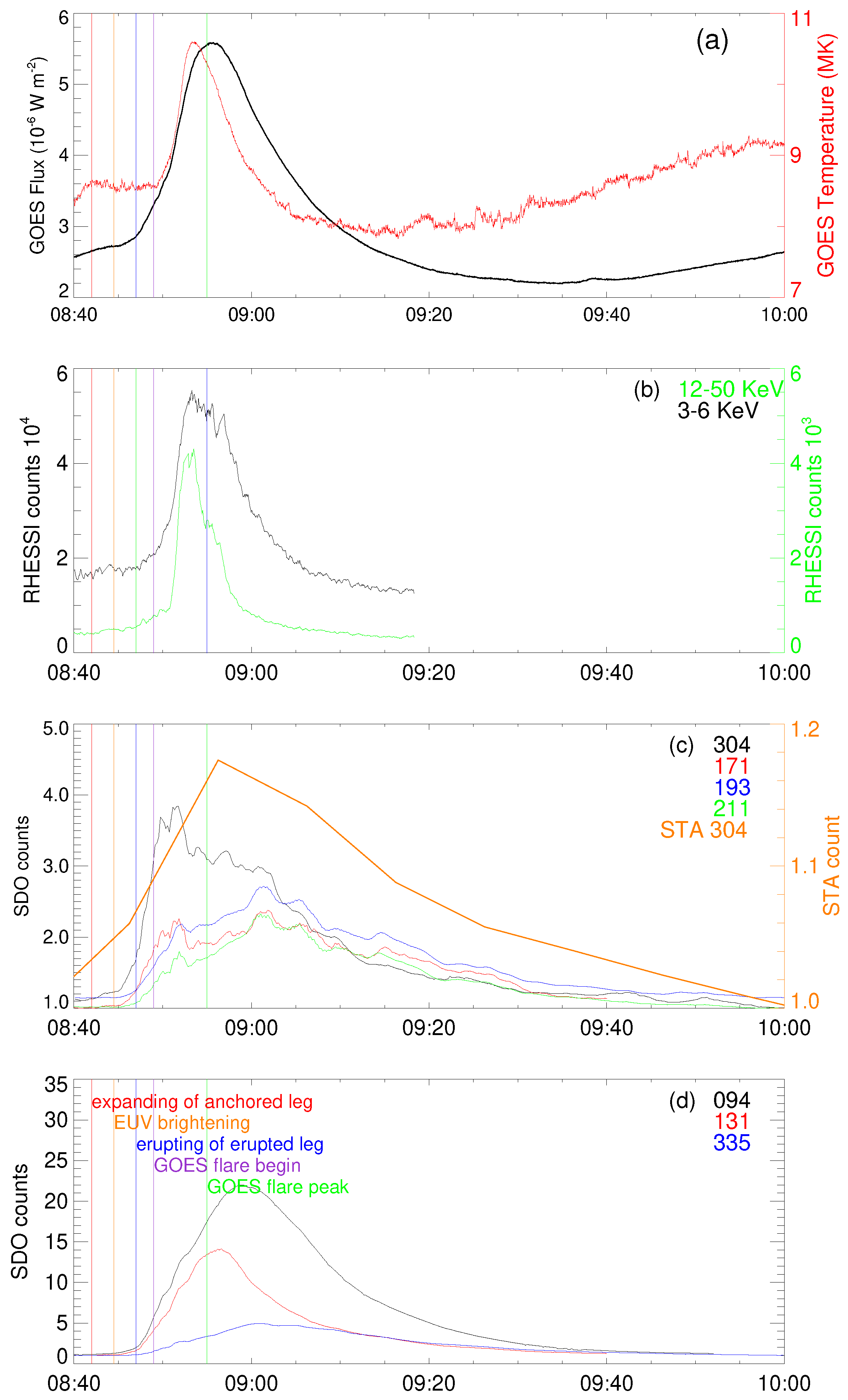
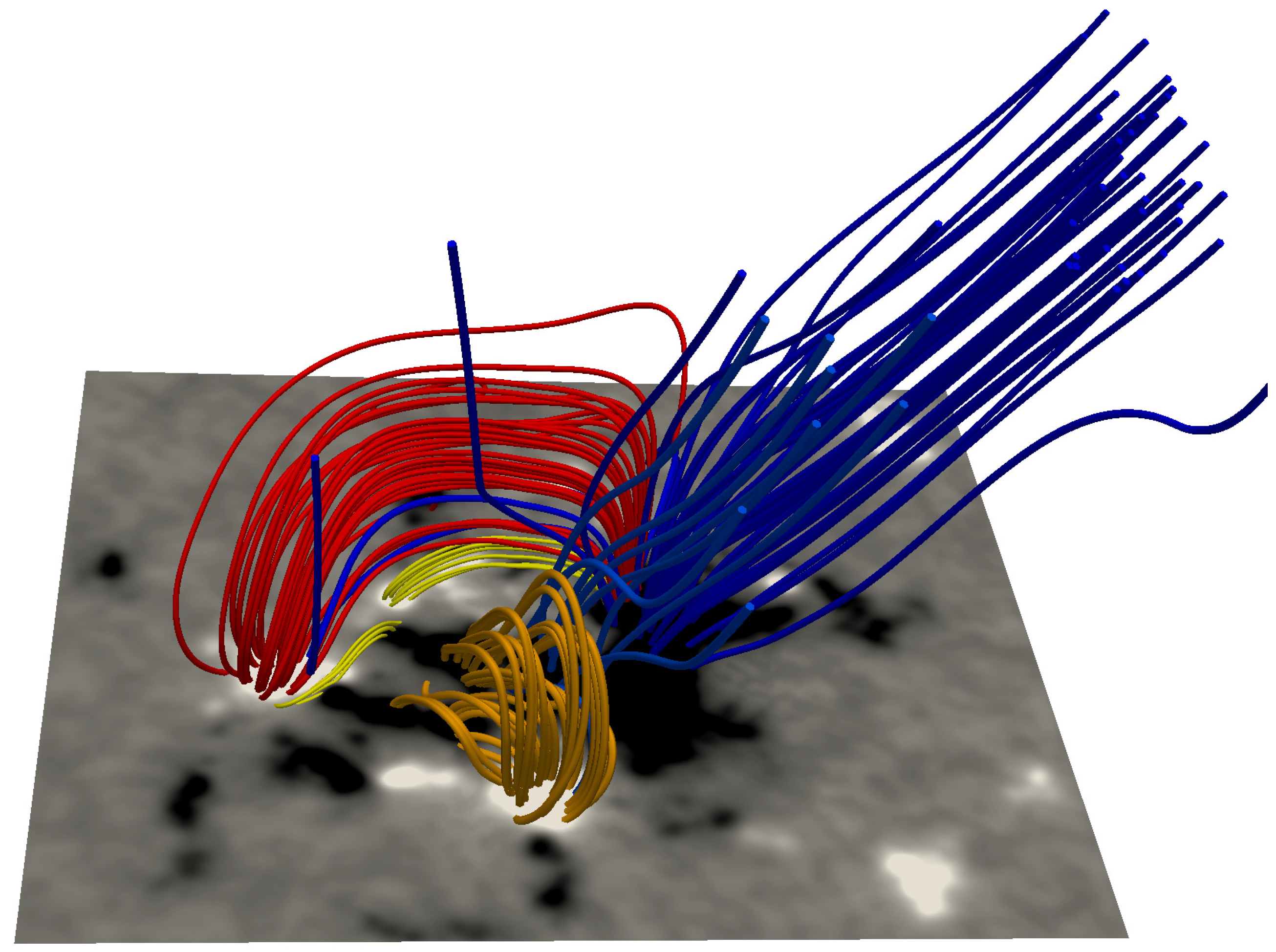
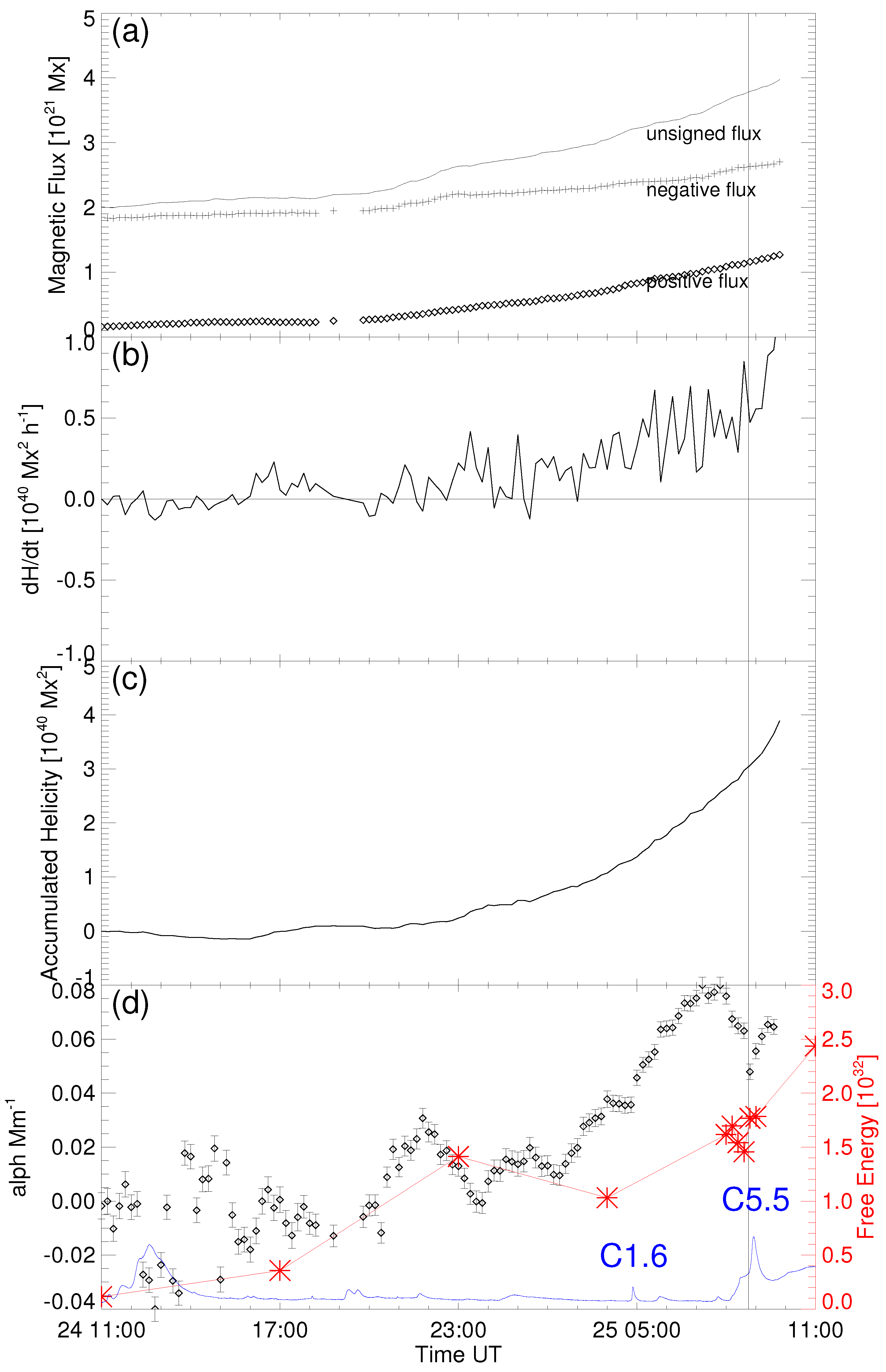
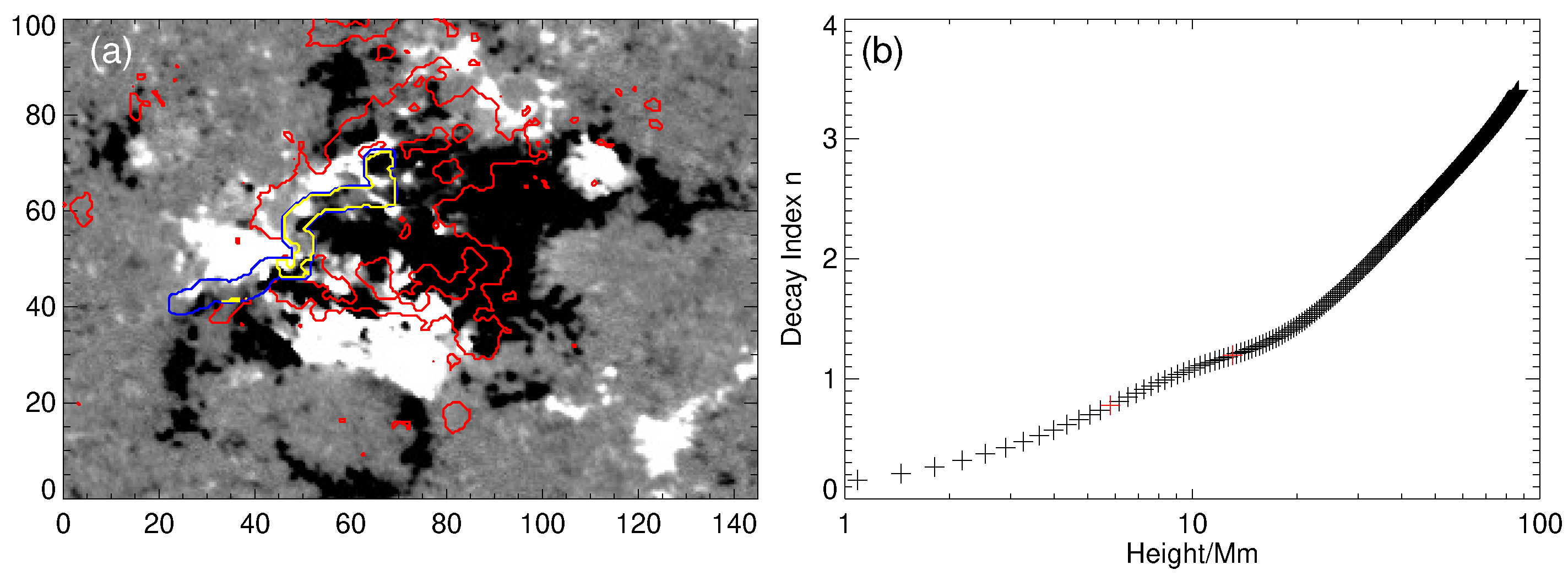
Failed filament eruption remains mysterious on its initiation, magnetic environment, and erupting and failing mechanisms. We present multi-wavelength observations of a failed filament eruption and its associated hovered coronal mass ejection (hovered-CME) from limb observations of the Ahead of Solar Terrestrial Relations Observatory. On-disk observations from Solar Dynamics Observatory show the expansion of the anchored leg of an S-shaped filament during the pre-eruption phase. The main eruption starts as a sudden ejection of the erupted leg, which is followed by the appearance of EUV brightening in the S-shaped magnetic field. The brightening is spatio-temporal accompanied with hard X-ray emission enhancement, and cancellation of opposite magnetic polarities, which imply possible reconnection. After reaching the maximum displacement, the erupted material drains back to the Sun along the remaining anchored leg. The non-linear force free magnetic field extrapolation shows an S-shaped magnetic field, formed by two magnetic structures, with a strong enveloped magnetic field. The decay index at the possible apex of the filament is 0.8–1.2. Observations indicate that the failed filament eruption is triggered by tether cutting reconnection and is possibly confined by the upper magnetic field. The hovered-CME, resulting from the failed filament eruption and recording as a coronal mass ejection (CME), may cause the overestimation of the CME count.
Keywords: coronal mass ejections (CMEs); filaments/prominences; magnetic fields; reconnection coronal mass ejections (CMEs); filaments/prominences; magnetic fields; reconnection