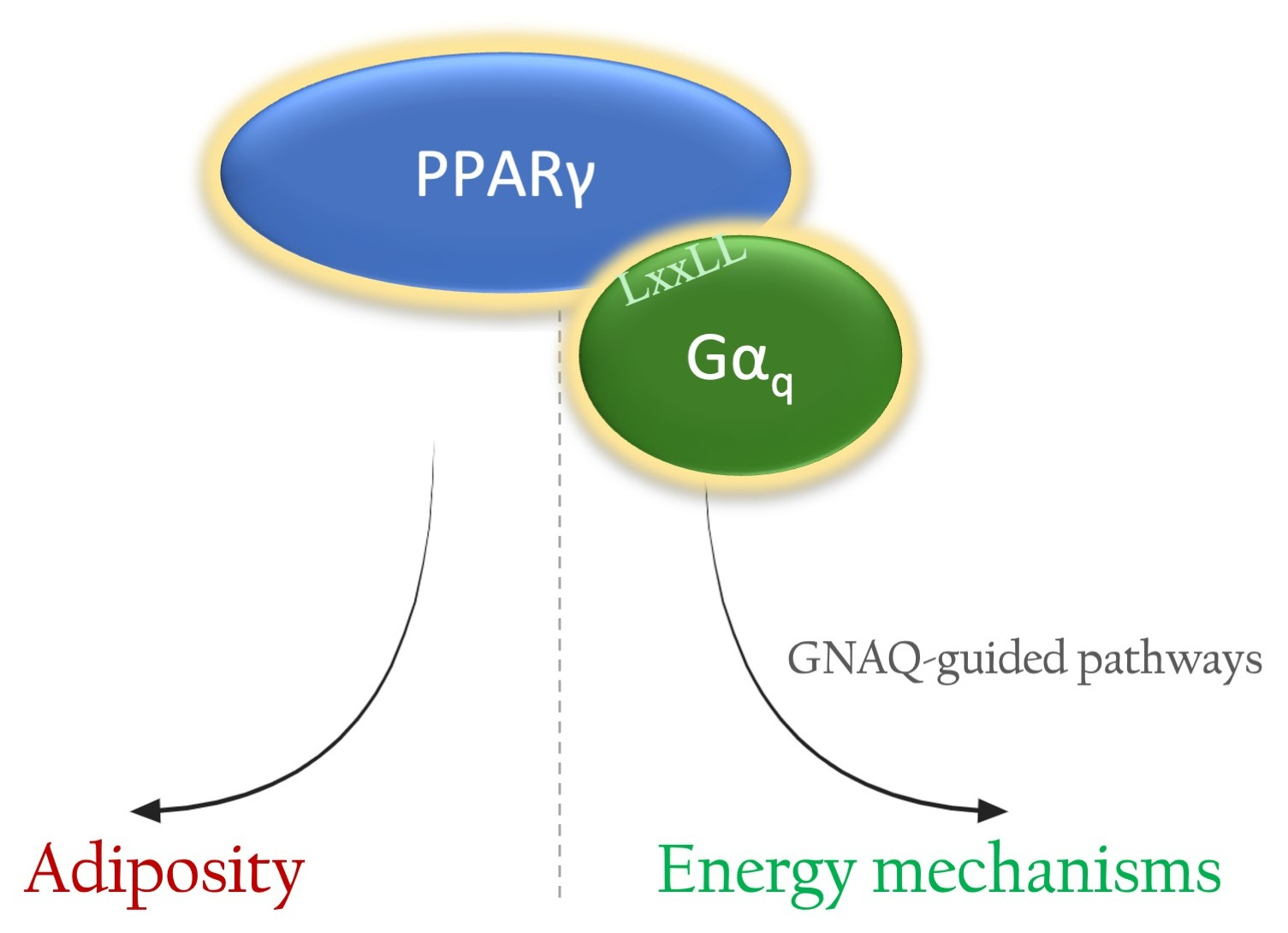
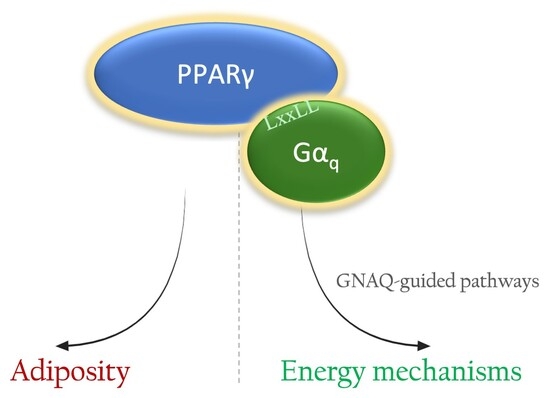
Gαq Is a Heterotrimeric G-Protein Subunit That Directs the Selectivity of PPARγ-Induced Gene Pathways Toward Energy-Related Processes Rather than Adiposity
 ,
,  , , , , and
Highlights
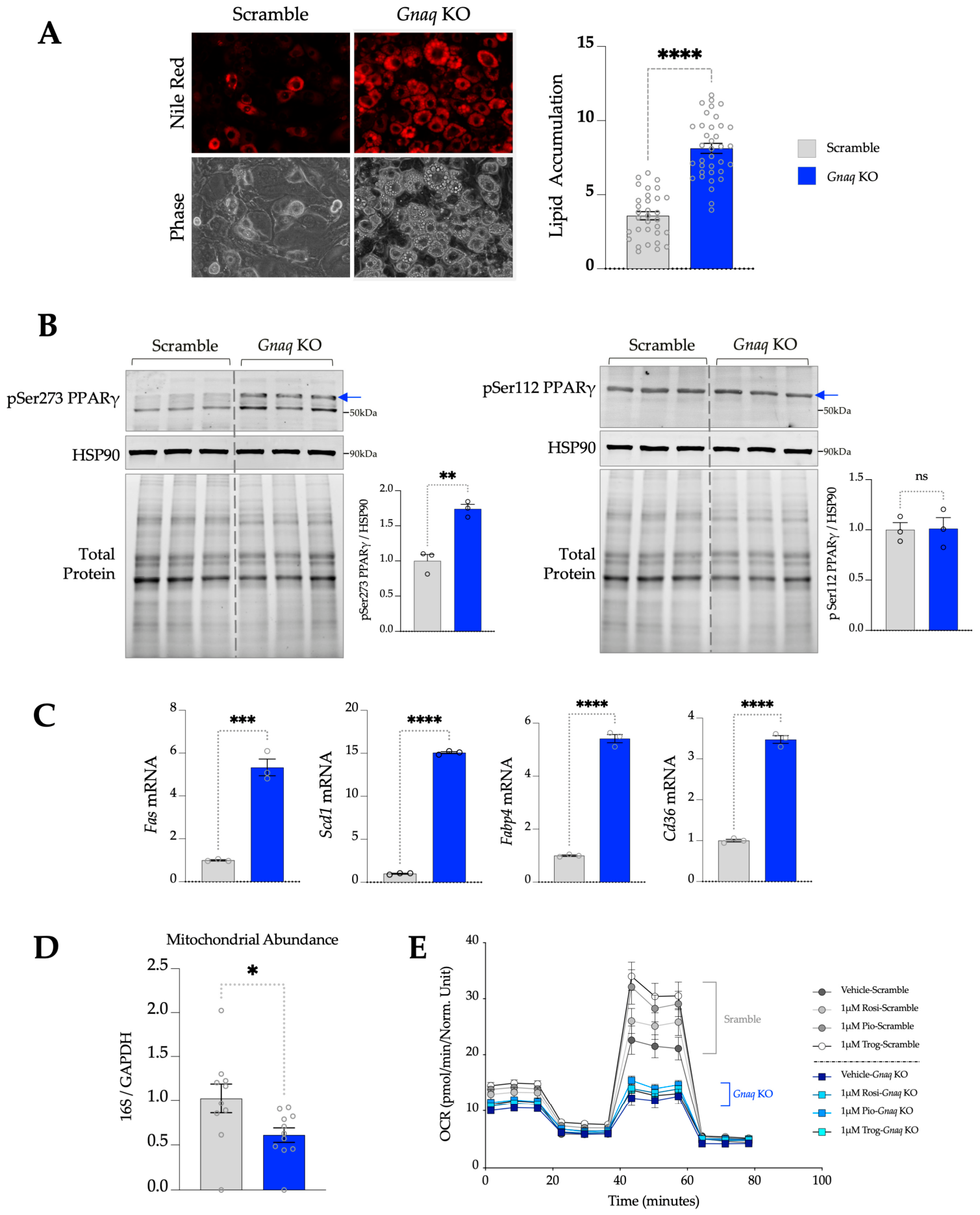
- Gαq is a key regulator of PPARγ signaling in adipocytes—its loss increases lipid accumulation, enhances PPARγ-driven adipogenic gene expression, raises phosphorylation at Ser273, and reduces mitochondrial abundance and respiration, indicating disrupted energy metabolism.
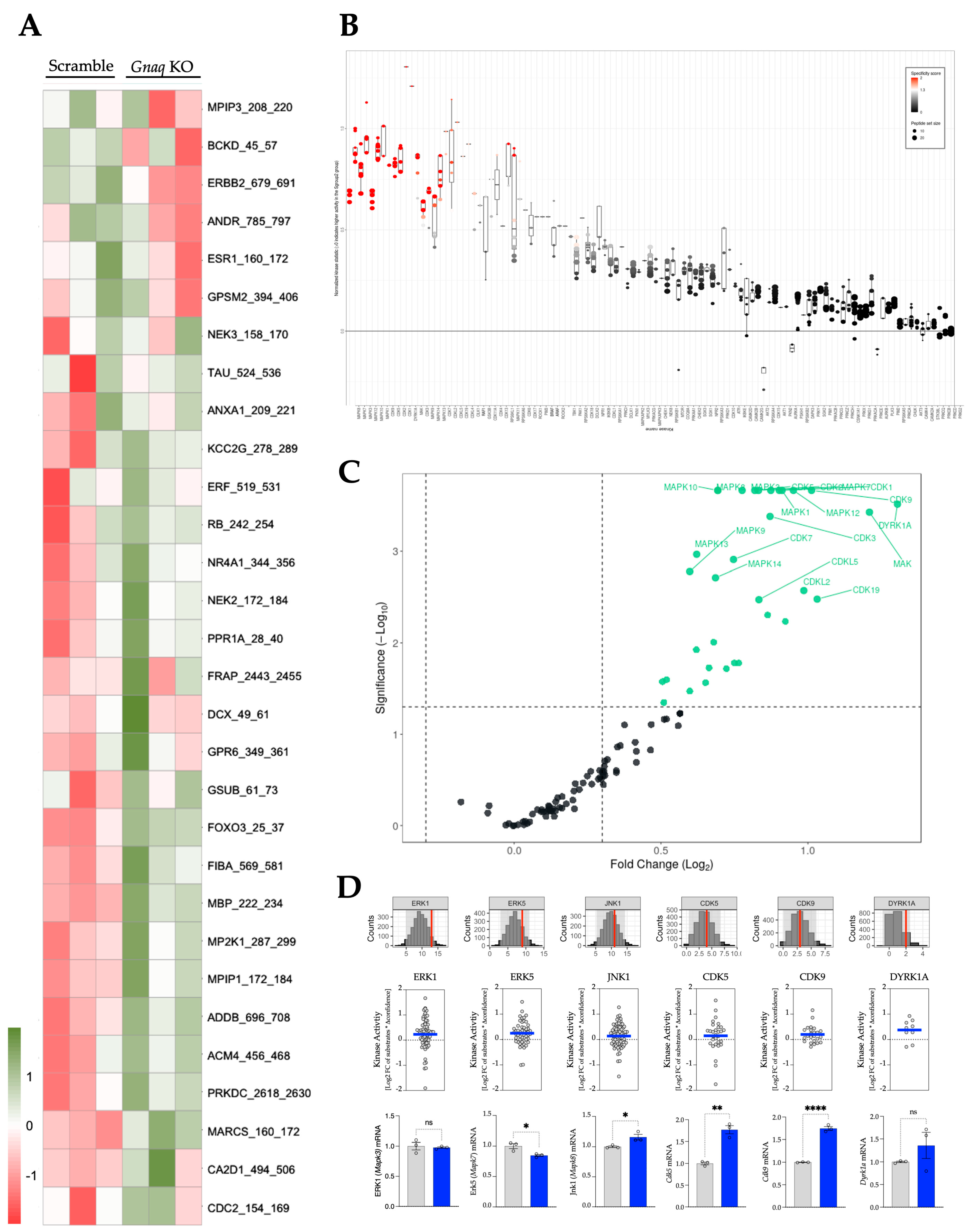
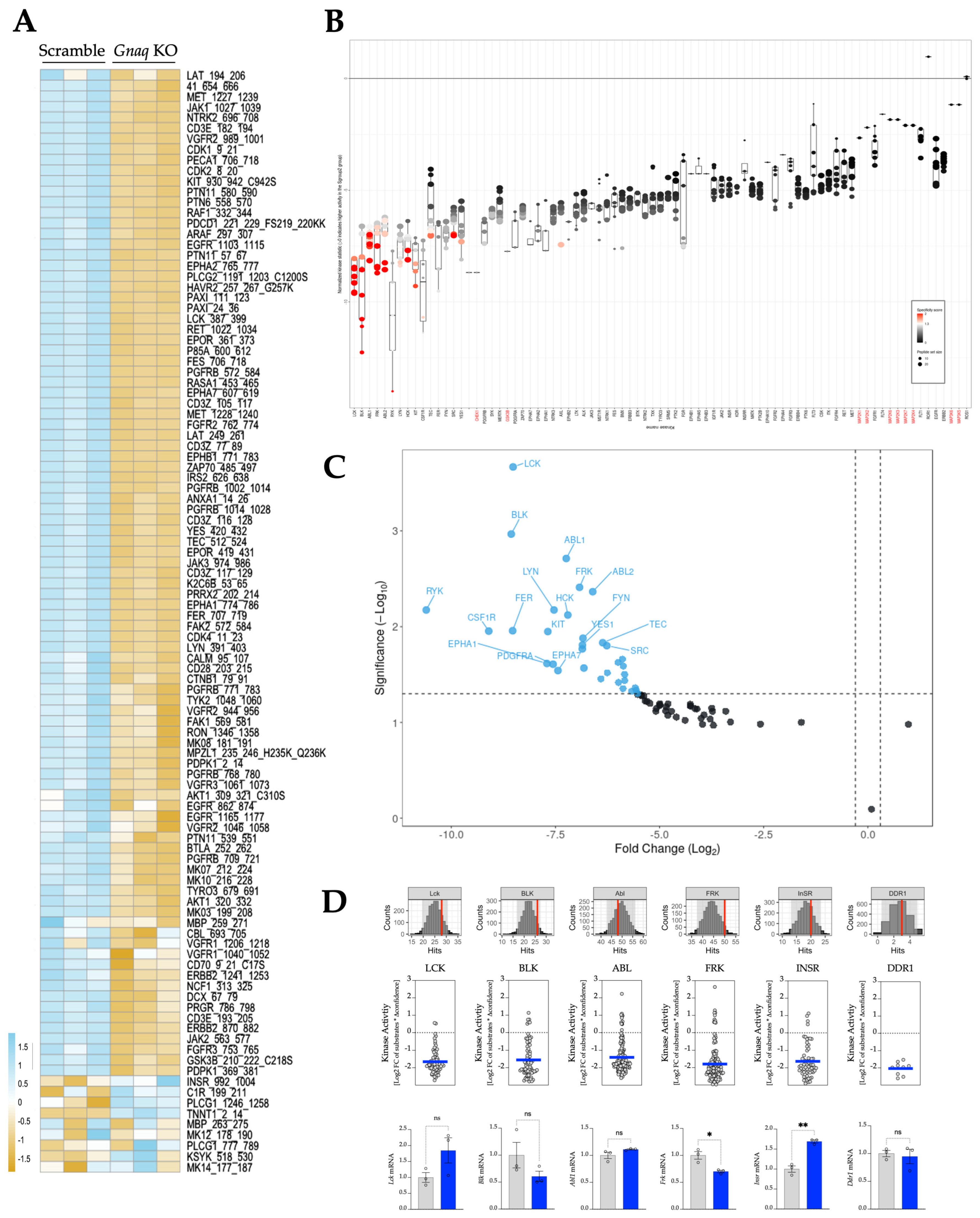
- Gαq deficiency causes widespread kinase reprogramming—with elevated MAPK and CDK (Ser/Thr kinase) activity and reduced SRC-family (Tyr kinase) activity, revealing that Gαq modulates both transcriptional and kinase pathways critical for adipocyte differentiation and metabolic balance.
- Therapeutic potential: Targeting the Gαq–PPARγ interaction could enable the development of treatments that enhance insulin sensitivity and adipocyte function without the adverse effects associated with current thiazolidinediones (TZDs) drugs.
- Metabolic insight: Gαq acts as a molecular switch linking lipid accumulation, mitochondrial activity, and kinase signaling, suggesting it plays a central role in balancing energy storage and expenditure in adipose tissue.
Abstract
1. Introduction
2. Materials and Methods
2.1. Cell Culture and Generation of Stable Cell Lines
2.2. Gnaq CRISPR Knockout and Validation
2.3. Genomic DNA Knockout Validation
2.4. Adipocyte Differentiation
2.5. Nile Red Staining
2.6. Mitochondrial Abundance
2.7. Mitochondrial Stress Test
2.8. Nuclear Hormone Receptor PamChip Assay
2.9. PamGene PamStation Sample Preparation
2.10. PamGene PamStation Kinome Data Analysis
2.11. Phyla Tree Figure Generation
2.12. RNA Sequencing
2.13. Gel Electrophoresis and Western Blotting
2.14. Quantitative Real-Time PCR Analysis
2.15. Statistical Analysis
3. Results
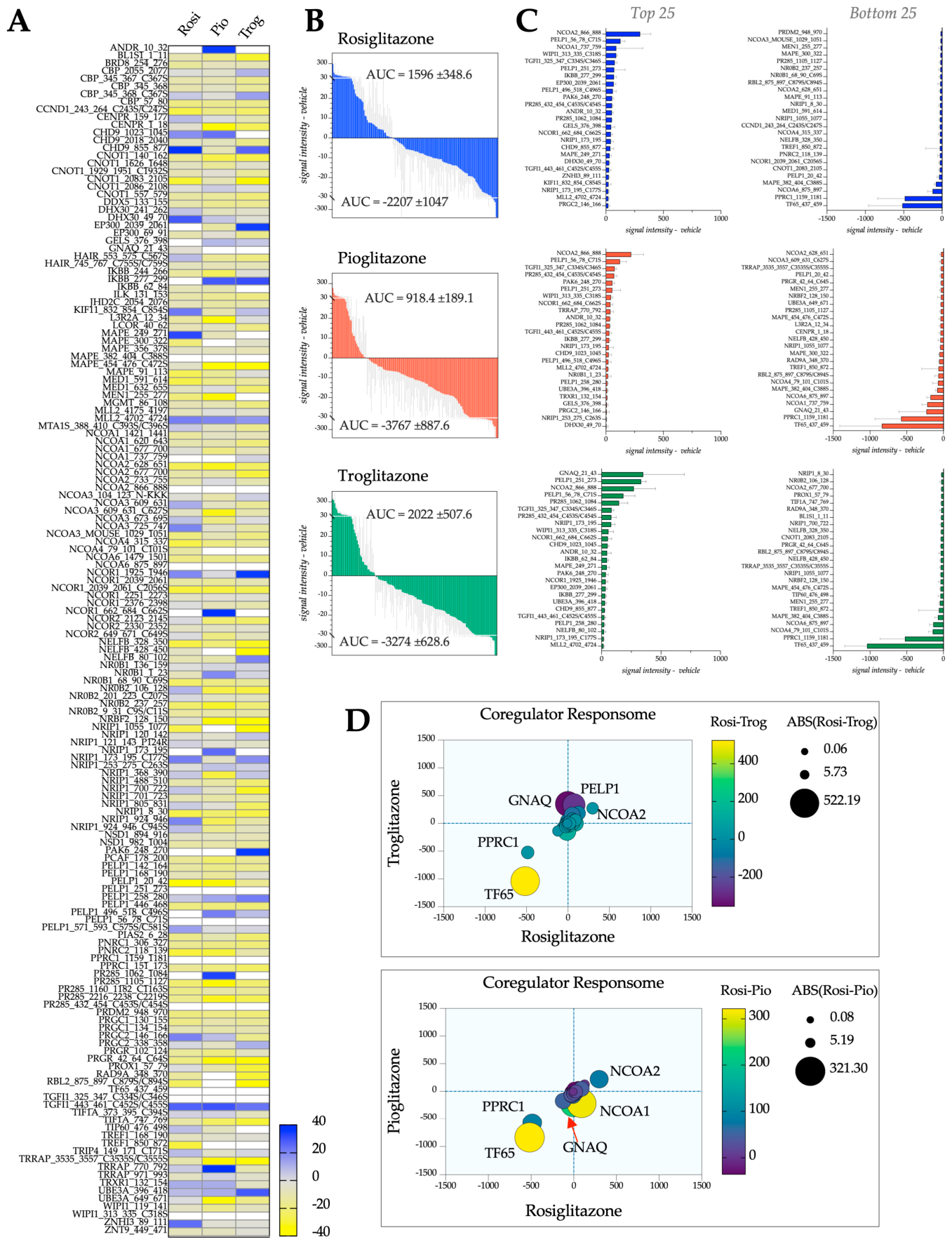
3.1. PPARγ Coregulator Recruitment by Different Ligands
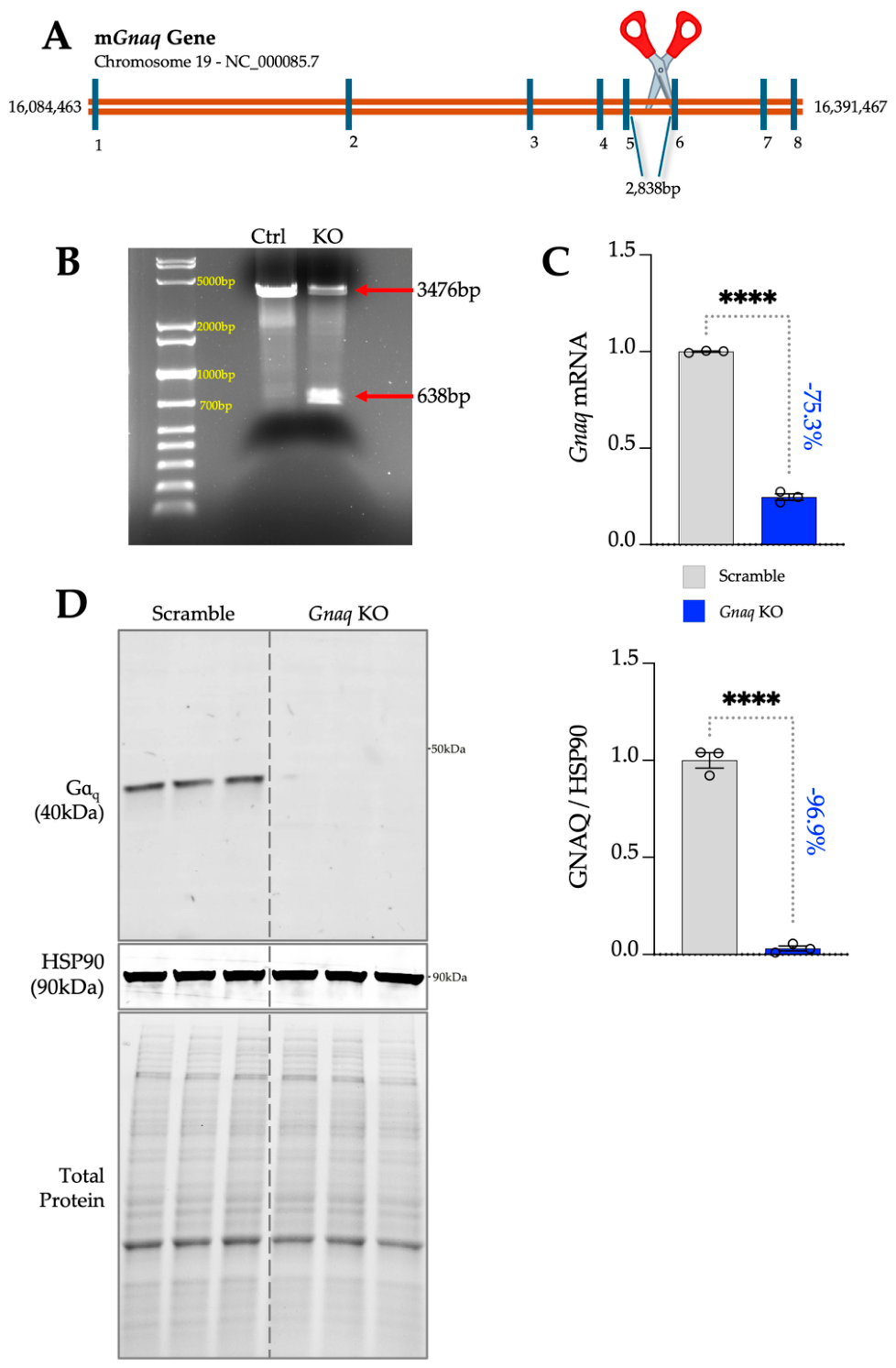
3.2. CRISPR-Mediated Targeting of the Gαq Gene in Adipocytes and Effects
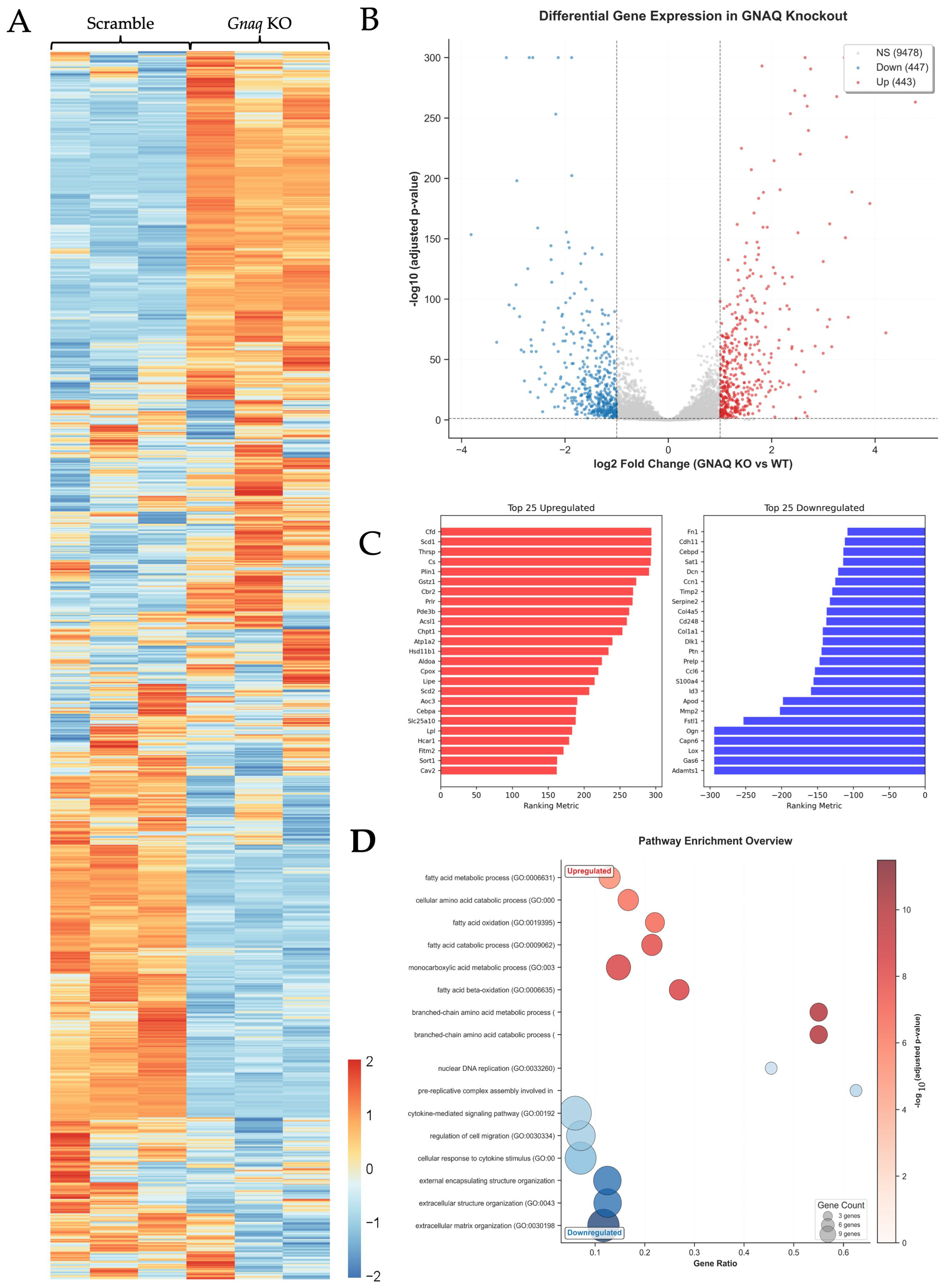
3.3. Deleting Gαq Alters the Gene Expression Profile of Adipocytes
3.4. Gαq Regulates Serine/Threonine Kinase Activity in Adipocytes
3.5. Gαq Alters Phosphotyrosine Kinase Activity in Adipocytes
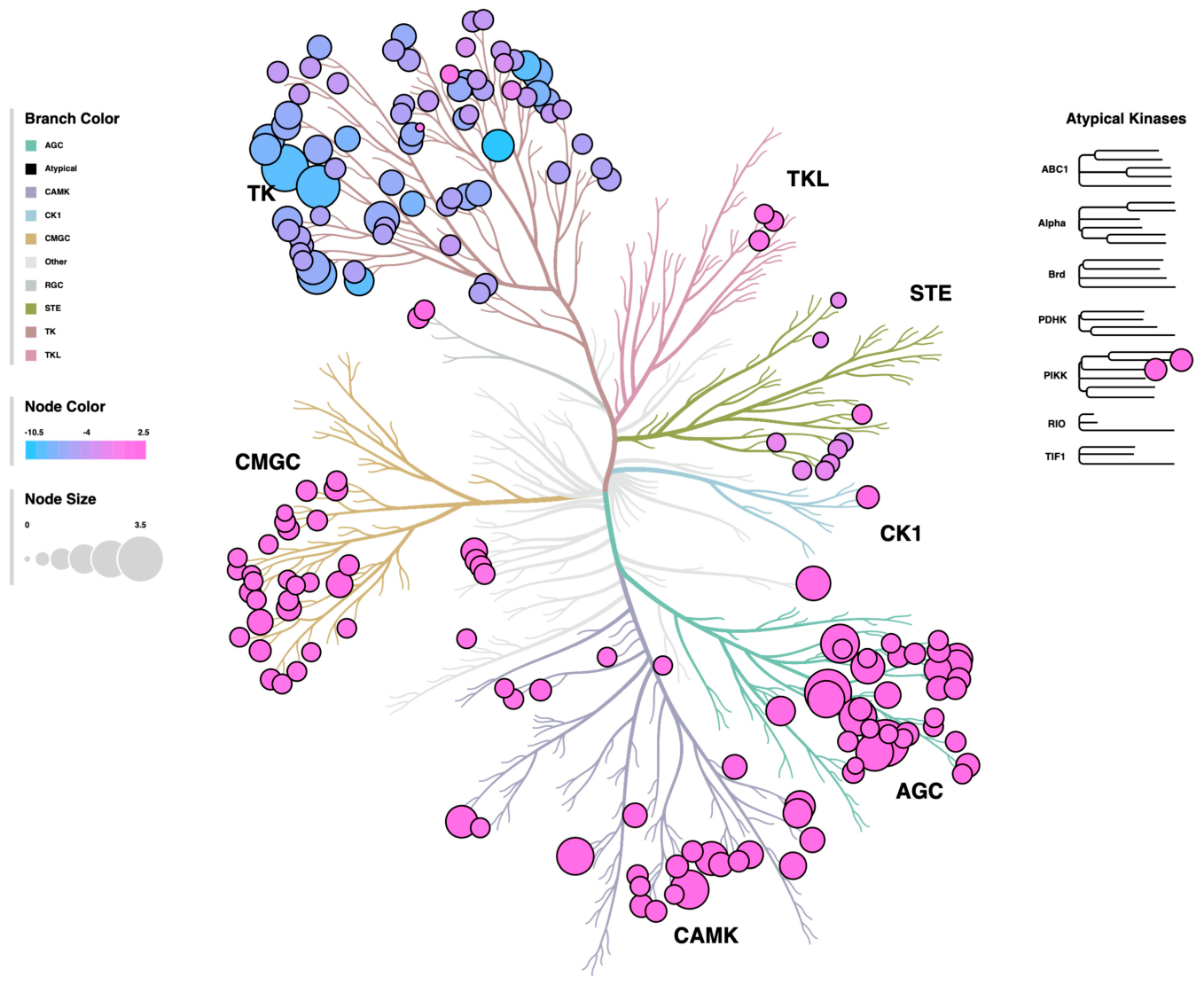
3.6. The Phylogenetic Tree of Kinase Activities in the Absence of Adipocyte Gαq
4. Discussion
5. Conclusions
Author Contributions
Funding
Institutional Review Board Statement
Informed Consent Statement
Data Availability Statement
Acknowledgments
Conflicts of Interest
Abbreviations
References
- Hong, F.; Pan, S.; Guo, Y.; Xu, P.; Zhai, Y. PPARs as Nuclear Receptors for Nutrient and Energy Metabolism. Molecules 2019, 24, 2545. [Google Scholar] [CrossRef] [Scilit] [PubMed]
- Martinez, G.J.; Stec, D.E.; Hinds, T.D., Jr. Glucocorticoid resistance-induced inflammation drives cardiovascular-kidney-metabolic (CKM) syndrome pathophysiology. Trends Endocrinol. Metab. 2026. [Google Scholar] [CrossRef] [Scilit] [PubMed]
- Kipp, Z.A.; Badmus, O.O.; Stec, D.E.; Hall, B.; Hinds, T.D., Jr. Bilirubin bioconversion to urobilin in the gut-liver-kidney axis: A biomarker for insulin resistance in the Cardiovascular-Kidney-Metabolic (CKM) Syndrome. Metabolism 2025, 163, 156081. [Google Scholar] [CrossRef] [Scilit] [PubMed]
- Lee, W.H.; Najjar, S.M.; Kahn, C.R.; Hinds, T.D., Jr. Hepatic insulin receptor: New views on the mechanisms of liver disease. Metabolism 2023, 145, 155607. [Google Scholar] [CrossRef] [Scilit] [PubMed]
- Lee, W.H.; Kipp, Z.A.; Pauss, S.N.; Martinez, G.J.; Bates, E.A.; Badmus, O.O.; Stec, D.E.; Hinds, T.D., Jr. Heme oxygenase, biliverdin reductase, and bilirubin pathways regulate oxidative stress and insulin resistance: A focus on diabetes and therapeutics. Clin. Sci. 2025, 139, 171–198. [Google Scholar] [CrossRef] [Scilit] [PubMed]
- Lee, W.H.; Kipp, Z.A.; Bates, E.A.; Pauss, S.N.; Martinez, G.J.; Hinds, T.D., Jr. The physiology of MASLD: Molecular pathways between liver and adipose tissues. Clin. Sci. 2025, 139, 1015–1046. [Google Scholar] [CrossRef] [Scilit] [PubMed]
- Lebovitz, H.E. Thiazolidinediones: The Forgotten Diabetes Medications. Curr. Diabetes Rep. 2019, 19, 151. [Google Scholar] [CrossRef] [Scilit] [PubMed]
- Nesto, R.W.; Bell, D.; Bonow, R.O.; Fonseca, V.; Grundy, S.M.; Horton, E.S.; Le Winter, M.; Porte, D.; Semenkovich, C.F.; Smith, S.; et al. Thiazolidinedione use, fluid retention, and congestive heart failure: A consensus statement from the American Heart Association and American Diabetes Association. Circulation 2003, 108, 2941–2948. [Google Scholar] [CrossRef] [Scilit] [PubMed]
- Chiu, M.; McBeth, L.; Sindhwani, P.; Hinds, T.D. Deciphering the Roles of Thiazolidinediones and PPARgamma in Bladder Cancer. PPAR Res. 2017, 2017, 4810672. [Google Scholar] [CrossRef] [Scilit] [PubMed]
- Pauss, S.N.; Bates, E.A.; Martinez, G.J.; Bates, Z.T.; Kipp, Z.A.; Gipson, C.D.; Hinds, T.D., Jr. Steroid receptors and coregulators: Dissemination of sex differences and emerging technologies. J. Biol. Chem. 2025, 301, 108363. [Google Scholar] [CrossRef] [Scilit] [PubMed]
- Kim, T.H.; Kim, M.Y.; Jo, S.H.; Park, J.M.; Ahn, Y.H. Modulation of the transcriptional activity of peroxisome proliferator-activated receptor gamma by protein-protein interactions and post-translational modifications. Yonsei Med. J. 2013, 54, 545–559. [Google Scholar] [CrossRef] [Scilit] [PubMed]
- Hinds, T.D., Jr.; Stechschulte, L.A.; Cash, H.A.; Whisler, D.; Banerjee, A.; Yong, W.; Khuder, S.S.; Kaw, M.K.; Shou, W.; Najjar, S.M.; et al. Protein phosphatase 5 mediates lipid metabolism through reciprocal control of glucocorticoid receptor and peroxisome proliferator-activated receptor-gamma (PPARgamma). J. Biol. Chem. 2011, 286, 42911–42922. [Google Scholar] [CrossRef] [Scilit] [PubMed]
- Gordon, D.M.; Neifer, K.L.; Hamoud, A.A.; Hawk, C.F.; Nestor-Kalinoski, A.L.; Miruzzi, S.A.; Morran, M.P.; Adeosun, S.O.; Sarver, J.G.; Erhardt, P.W.; et al. Bilirubin remodels murine white adipose tissue by reshaping mitochondrial activity and the coregulator profile of peroxisome proliferator-activated receptor alpha. J. Biol. Chem. 2020, 295, 9804–9822. [Google Scholar] [CrossRef] [Scilit] [PubMed]
- Onodera, T.; Kim, D.S.; Wang, M.Y.; Virostek, M.; Chen, S.; Kipp, Z.A.; Bates, E.A.; Li, Y.; Crewe, C.; Li, C.; et al. A comparison of adiponectin-deficient mice reveals the fundamental role of intracellular adiponectin. bioRxiv 2025. [Google Scholar] [CrossRef] [Scilit] [PubMed]
- Klenke, S.; Tan, S.; Hahn, S.; Mann, K.; Hauner, H.; Manthey, I.; Peters, J.; Siffert, W.; Frey, U.H. A functional GNAQ promoter haplotype is associated with altered Gq expression and with insulin resistance and obesity in women with polycystic ovary syndrome. Pharmacogenet. Genom. 2010, 20, 476–484. [Google Scholar] [CrossRef] [Scilit] [PubMed]
- Lamba, S.; Felicioni, L.; Buttitta, F.; Bleeker, F.E.; Malatesta, S.; Corbo, V.; Scarpa, A.; Rodolfo, M.; Knowles, M.; Frattini, M.; et al. Mutational profile of GNAQQ209 in human tumors. PLoS ONE 2009, 4, e6833. [Google Scholar] [CrossRef] [Scilit] [PubMed]
- Imamura, T.; Vollenweider, P.; Egawa, K.; Clodi, M.; Ishibashi, K.; Nakashima, N.; Ugi, S.; Adams, J.W.; Brown, J.H.; Olefsky, J.M. G alpha-q/11 protein plays a key role in insulin-induced glucose transport in 3T3-L1 adipocytes. Mol. Cell. Biol. 1999, 19, 6765–6774. [Google Scholar] [CrossRef] [Scilit] [PubMed]
- Kimura, T.; Pydi, S.P.; Wang, L.; Haspula, D.; Cui, Y.; Lu, H.; Konig, G.M.; Kostenis, E.; Steinberg, G.R.; Gavrilova, O.; et al. Adipocyte G(q) signaling is a regulator of glucose and lipid homeostasis in mice. Nat. Commun. 2022, 13, 1652. [Google Scholar] [CrossRef] [Scilit] [PubMed]
- Hinds, T.D., Jr.; John, K.; McBeth, L.; Trabbic, C.J.; Sanchez, E.R. Timcodar (VX-853) Is a Non-FKBP12 Binding Macrolide Derivative That Inhibits PPARgamma and Suppresses Adipogenesis. PPAR Res. 2016, 2016, 6218637. [Google Scholar] [CrossRef] [Scilit] [PubMed]
- Stec, D.E.; John, K.; Trabbic, C.J.; Luniwal, A.; Hankins, M.W.; Baum, J.; Hinds, T.D., Jr. Bilirubin Binding to PPARalpha Inhibits Lipid Accumulation. PLoS ONE 2016, 11, e0153427. [Google Scholar] [CrossRef] [Scilit] [PubMed]
- Creeden, J.F.; Kipp, Z.A.; Xu, M.; Flight, R.M.; Moseley, H.N.B.; Martinez, G.J.; Lee, W.H.; Alganem, K.; Imami, A.S.; McMullen, M.R.; et al. Hepatic kinome atlas: An in-depth identification of kinase pathways in liver fibrosis of humans and rodents. Hepatology 2022, 76, 1376–1388. [Google Scholar] [CrossRef] [Scilit] [PubMed]
- Lee, W.-H.; Kipp, Z.A.; Pauss, S.N.; Martinez, G.J.; Xu, M.; Hinds, T.D. Anatomical Atlas of Kinase Responsiveness to Weight Gain: Adipose Depot Reprogramming in Diet-Induced Adiposity. Metabolites 2026, 16, 318. [Google Scholar] [CrossRef] [Scilit] [PubMed]
- Kipp, Z.A.; Bates, E.A.; Martinez, G.J.; Lee, W.H.; Pauss, S.N.; Hinds, T.D., Jr. Kinase signaling in liver disease via clinical-trial-on-a-PamChip: A distinctive methodology for drug mechanisms and personalized medicine. J. Biol. Chem. 2026, 302, 111379. [Google Scholar] [CrossRef] [Scilit] [PubMed]
- Lee, W.H.; Bates, E.A.; Kipp, Z.A.; Pauss, S.N.; Martinez, G.J.; Blair, C.A.; Hinds, T.D., Jr. Insulin receptor responsiveness governs TGFbeta-induced hepatic stellate cell activation: Insulin resistance instigates liver fibrosis. FASEB J. 2025, 39, e70427. [Google Scholar] [CrossRef] [Scilit] [PubMed]
- Bates, E.A.; Kipp, Z.A.; Lee, W.H.; Martinez, G.J.; Weaver, L.; Becker, K.N.; Pauss, S.N.; Creeden, J.F.; Anspach, G.B.; Helsley, R.N.; et al. FOXS1 is increased in liver fibrosis and regulates TGFbeta responsiveness and proliferation pathways in human hepatic stellate cells. J. Biol. Chem. 2024, 300, 105691. [Google Scholar] [CrossRef] [Scilit] [PubMed]
- Bates, E.A.; Kipp, Z.A.; Martinez, G.J.; Badmus, O.O.; Soundarapandian, M.M.; Foster, D.; Xu, M.; Creeden, J.F.; Greer, J.R.; Morris, A.J.; et al. Suppressing Hepatic UGT1A1 Increases Plasma Bilirubin, Lowers Plasma Urobilin, Reorganizes Kinase Signaling Pathways and Lipid Species and Improves Fatty Liver Disease. Biomolecules 2023, 13, 252. [Google Scholar] [CrossRef] [Scilit] [PubMed]
- Badmus, O.O.; Kipp, Z.A.; Bates, E.A.; da Silva, A.A.; Taylor, L.C.; Martinez, G.J.; Lee, W.H.; Creeden, J.F.; Hinds, T.D., Jr.; Stec, D.E. Loss of hepatic PPARalpha in mice causes hypertension and cardiovascular disease. Am. J. Physiol. Regul. Integr. Comp. Physiol. 2023, 325, R81–R95. [Google Scholar] [CrossRef] [Scilit] [PubMed]
- DePasquale, E.A.K.; Alganem, K.; Bentea, E.; Nawreen, N.; McGuire, J.L.; Tomar, T.; Naji, F.; Hilhorst, R.; Meller, J.; McCullumsmith, R.E. KRSA: An R package and R Shiny web application for an end-to-end upstream kinase analysis of kinome array data. PLoS ONE 2021, 16, e0260440. [Google Scholar] [CrossRef] [Scilit] [PubMed]
- Chirumamilla, C.S.; Fazil, M.; Perez-Novo, C.; Rangarajan, S.; de Wijn, R.; Ramireddy, P.; Verma, N.K.; Vanden Berghe, W. Profiling Activity of Cellular Kinases in Migrating T-Cells. Methods Mol. Biol. 2019, 1930, 99–113. [Google Scholar] [CrossRef] [Scilit] [PubMed]
- Creeden, J.F.; Alganem, K.; Imami, A.S.; Brunicardi, F.C.; Liu, S.H.; Shukla, R.; Tomar, T.; Naji, F.; McCullumsmith, R.E. Kinome Array Profiling of Patient-Derived Pancreatic Ductal Adenocarcinoma Identifies Differentially Active Protein Tyrosine Kinases. Int. J. Mol. Sci. 2020, 21, 8679. [Google Scholar] [CrossRef] [Scilit] [PubMed]
- Metz, K.S.; Deoudes, E.M.; Berginski, M.E.; Jimenez-Ruiz, I.; Aksoy, B.A.; Hammerbacher, J.; Gomez, S.M.; Phanstiel, D.H. Coral: Clear and Customizable Visualization of Human Kinome Data. Cell Syst. 2018, 7, 347–350 e341. [Google Scholar] [CrossRef] [Scilit] [PubMed]
- Eid, S.; Turk, S.; Volkamer, A.; Rippmann, F.; Fulle, S. KinMap: A web-based tool for interactive navigation through human kinome data. BMC Bioinform. 2017, 18, 16. [Google Scholar] [CrossRef] [Scilit]
- Broekema, M.F.; Hollman, D.A.A.; Koppen, A.; van den Ham, H.J.; Melchers, D.; Pijnenburg, D.; Ruijtenbeek, R.; van Mil, S.W.C.; Houtman, R.; Kalkhoven, E. Profiling of 3696 Nuclear Receptor-Coregulator Interactions: A Resource for Biological and Clinical Discovery. Endocrinology 2018, 159, 2397–2407. [Google Scholar] [CrossRef] [Scilit] [PubMed]
- Stechschulte, L.A.; Hinds, T.D., Jr.; Khuder, S.S.; Shou, W.; Najjar, S.M.; Sanchez, E.R. FKBP51 controls cellular adipogenesis through p38 kinase-mediated phosphorylation of GRalpha and PPARgamma. Mol. Endocrinol. 2014, 28, 1265–1275. [Google Scholar] [CrossRef] [Scilit] [PubMed]
- Stechschulte, L.A.; Hinds, T.D., Jr.; Ghanem, S.S.; Shou, W.; Najjar, S.M.; Sanchez, E.R. FKBP51 reciprocally regulates GRalpha and PPARgamma activation via the Akt-p38 pathway. Mol. Endocrinol. 2014, 28, 1254–1264. [Google Scholar] [CrossRef] [Scilit] [PubMed]
- Camp, H.S.; Tafuri, S.R. Regulation of peroxisome proliferator-activated receptor gamma activity by mitogen-activated protein kinase. J. Biol. Chem. 1997, 272, 10811–10816. [Google Scholar] [CrossRef] [Scilit] [PubMed]
- Dias, M.M.G.; Batista, F.A.H.; Tittanegro, T.H.; de Oliveira, A.G.; Le Maire, A.; Torres, F.R.; Filho, H.V.R.; Silveira, L.R.; Figueira, A.C.M. PPARgamma S273 Phosphorylation Modifies the Dynamics of Coregulator Proteins Recruitment. Front. Endocrinol. 2020, 11, 561256. [Google Scholar] [CrossRef] [Scilit] [PubMed]
- Badmus, O.O.; Hinds, T.D., Jr.; Stec, D.E. Mechanisms Linking Metabolic-Associated Fatty Liver Disease (MAFLD) to Cardiovascular Disease. Curr. Hypertens. Rep. 2023, 25, 151–162. [Google Scholar] [CrossRef] [Scilit] [PubMed]
- Zelows, M.M.; Cady, C.; Dharanipragada, N.; Mead, A.E.; Kipp, Z.A.; Bates, E.A.; Varadharajan, V.; Banerjee, R.; Park, S.H.; Shelman, N.R.; et al. Loss of carnitine palmitoyltransferase 1a reduces docosahexaenoic acid-containing phospholipids and drives sexually dimorphic liver disease in mice. Mol. Metab. 2023, 78, 101815. [Google Scholar] [CrossRef] [Scilit] [PubMed]
- Bost, F.; Aouadi, M.; Caron, L.; Binetruy, B. The role of MAPKs in adipocyte differentiation and obesity. Biochimie 2005, 87, 51–56. [Google Scholar] [CrossRef] [Scilit] [PubMed]
- Abella, A.; Dubus, P.; Malumbres, M.; Rane, S.G.; Kiyokawa, H.; Sicard, A.; Vignon, F.; Langin, D.; Barbacid, M.; Fajas, L. Cdk4 promotes adipogenesis through PPARgamma activation. Cell Metab. 2005, 2, 239–249. [Google Scholar] [CrossRef] [Scilit] [PubMed]
- Pellarin, I.; Dall’Acqua, A.; Favero, A.; Segatto, I.; Rossi, V.; Crestan, N.; Karimbayli, J.; Belletti, B.; Baldassarre, G. Cyclin-dependent protein kinases and cell cycle regulation in biology and disease. Signal Transduct. Target. Ther. 2025, 10, 11. [Google Scholar] [CrossRef] [Scilit] [PubMed]
- Song, W.J.; Song, E.A.; Jung, M.S.; Choi, S.H.; Baik, H.H.; Jin, B.K.; Kim, J.H.; Chung, S.H. Phosphorylation and inactivation of glycogen synthase kinase 3beta (GSK3beta) by dual-specificity tyrosine phosphorylation-regulated kinase 1A (Dyrk1A). J. Biol. Chem. 2015, 290, 2321–2333. [Google Scholar] [CrossRef] [Scilit] [PubMed]
- Feng, J.; Zhang, X.; Shan, C.; Xia, J.; Zhang, Z.; Shi, H.; Leng, K.; Wu, Y.; Ji, C.; Zhong, T. Src family kinases involved in the differentiation of human preadipocytes. Mol. Cell. Endocrinol. 2021, 533, 111323. [Google Scholar] [CrossRef] [Scilit] [PubMed]
- Byeon, S.E.; Yi, Y.S.; Oh, J.; Yoo, B.C.; Hong, S.; Cho, J.Y. The role of Src kinase in macrophage-mediated inflammatory responses. Mediat. Inflamm. 2012, 2012, 512926. [Google Scholar] [CrossRef] [Scilit] [PubMed]
- Usui, M.; Uno, M.; Nishida, E. Src family kinases suppress differentiation of brown adipocytes and browning of white adipocytes. Genes Cells 2016, 21, 302–310. [Google Scholar] [CrossRef] [Scilit] [PubMed]
- Gao, Z.; Daquinag, A.C.; Su, F.; Snyder, B.; Kolonin, M.G. PDGFRalpha/PDGFRbeta signaling balance modulates progenitor cell differentiation into white and beige adipocytes. Development 2018, 145, dev155861. [Google Scholar] [CrossRef] [Scilit] [PubMed]
- Mukherjee, S.; Aseer, K.R.; Yun, J.W. Roles of Macrophage Colony Stimulating Factor in White and Brown Adipocytes. Biotechnol. Bioprocess Eng. 2020, 25, 29–38. [Google Scholar] [CrossRef] [Scilit]
- Puig, O.; Tjian, R. Transcriptional feedback control of insulin receptor by dFOXO/FOXO1. Genes Dev. 2005, 19, 2435–2446. [Google Scholar] [CrossRef] [Scilit] [PubMed]
- Shang, J.; Brust, R.; Griffin, P.R.; Kamenecka, T.M.; Kojetin, D.J. Quantitative structural assessment of graded receptor agonism. Proc. Natl. Acad. Sci. USA 2019, 116, 22179–22188. [Google Scholar] [CrossRef] [Scilit] [PubMed]
- Rigamonti, E.; Chinetti-Gbaguidi, G.; Staels, B. Regulation of macrophage functions by PPAR-alpha, PPAR-gamma, and LXRs in mice and men. Arterioscler. Thromb. Vasc. Biol. 2008, 28, 1050–1059. [Google Scholar] [CrossRef] [Scilit] [PubMed]
- Choi, J.H.; Banks, A.S.; Kamenecka, T.M.; Busby, S.A.; Chalmers, M.J.; Kumar, N.; Kuruvilla, D.S.; Shin, Y.; He, Y.; Bruning, J.B.; et al. Antidiabetic actions of a non-agonist PPARgamma ligand blocking Cdk5-mediated phosphorylation. Nature 2011, 477, 477–481. [Google Scholar] [CrossRef] [Scilit] [PubMed]
- Choi, J.H.; Banks, A.S.; Estall, J.L.; Kajimura, S.; Bostrom, P.; Laznik, D.; Ruas, J.L.; Chalmers, M.J.; Kamenecka, T.M.; Bluher, M.; et al. Anti-diabetic drugs inhibit obesity-linked phosphorylation of PPARgamma by Cdk5. Nature 2010, 466, 451–456. [Google Scholar] [CrossRef] [Scilit] [PubMed]
- Graham, D.J.; Green, L.; Senior, J.R.; Nourjah, P. Troglitazone-induced liver failure: A case study. Am. J. Med. 2003, 114, 299–306. [Google Scholar] [CrossRef] [Scilit] [PubMed]
- Donohoe, F.; Wilkinson, M.; Baxter, E.; Brennan, D.J. Mitogen-Activated Protein Kinase (MAPK) and Obesity-Related Cancer. Int. J. Mol. Sci. 2020, 21, 1241. [Google Scholar] [CrossRef] [Scilit] [PubMed]
- Keshet, R.; Bryansker Kraitshtein, Z.; Shanzer, M.; Adler, J.; Reuven, N.; Shaul, Y. c-Abl tyrosine kinase promotes adipocyte differentiation by targeting PPAR-gamma 2. Proc. Natl. Acad. Sci. USA 2014, 111, 16365–16370. [Google Scholar] [CrossRef] [Scilit] [PubMed]
- Ghosh-Choudhury, N.; Mandal, C.C.; Das, F.; Ganapathy, S.; Ahuja, S.; Ghosh Choudhury, G. c-Abl-dependent molecular circuitry involving Smad5 and phosphatidylinositol 3-kinase regulates bone morphogenetic protein-2-induced osteogenesis. J. Biol. Chem. 2013, 288, 24503–24517. [Google Scholar] [CrossRef] [Scilit] [PubMed]
- Lino, M.; Ngai, D.; Liu, A.; Mohabeer, A.; Harper, C.; Caruso, L.L.; Schroer, S.A.; Fu, F.; McKee, T.; Giacca, A.; et al. Discoidin domain receptor 1-deletion ameliorates fibrosis and promotes adipose tissue beiging, brown fat activity, and increased metabolic rate in a mouse model of cardiometabolic disease. Mol. Metab. 2020, 39, 101006. [Google Scholar] [CrossRef] [Scilit] [PubMed]


Disclaimer/Publisher’s Note: The statements, opinions and data contained in all publications are solely those of the individual author(s) and contributor(s) and not of MDPI and/or the editor(s). MDPI and/or the editor(s) disclaim responsibility for any injury to people or property resulting from any ideas, methods, instructions or products referred to in the content. |
© 2026 by the authors. Licensee MDPI, Basel, Switzerland. This article is an open access article distributed under the terms and conditions of the Creative Commons Attribution (CC BY) license.
Share and Cite
Bates, E.A.; Kipp, Z.A.; Lee, W.-H.; Martinez, G.J.; Pauss, S.N.; Scherer, P.E.; Hinds, T.D., Jr. Gαq Is a Heterotrimeric G-Protein Subunit That Directs the Selectivity of PPARγ-Induced Gene Pathways Toward Energy-Related Processes Rather than Adiposity. Metabolites 2026, 16, 418. https://doi.org/10.3390/metabo16060418
Bates EA, Kipp ZA, Lee W-H, Martinez GJ, Pauss SN, Scherer PE, Hinds TD Jr. Gαq Is a Heterotrimeric G-Protein Subunit That Directs the Selectivity of PPARγ-Induced Gene Pathways Toward Energy-Related Processes Rather than Adiposity. Metabolites. 2026; 16(6):418. https://doi.org/10.3390/metabo16060418
Chicago/Turabian StyleBates, Evelyn A., Zachary A. Kipp, Wang-Hsin Lee, Genesee J. Martinez, Sally N. Pauss, Philipp E. Scherer, and Terry D. Hinds, Jr. 2026. "Gαq Is a Heterotrimeric G-Protein Subunit That Directs the Selectivity of PPARγ-Induced Gene Pathways Toward Energy-Related Processes Rather than Adiposity" Metabolites 16, no. 6: 418. https://doi.org/10.3390/metabo16060418
APA StyleBates, E. A., Kipp, Z. A., Lee, W.-H., Martinez, G. J., Pauss, S. N., Scherer, P. E., & Hinds, T. D., Jr. (2026). Gαq Is a Heterotrimeric G-Protein Subunit That Directs the Selectivity of PPARγ-Induced Gene Pathways Toward Energy-Related Processes Rather than Adiposity. Metabolites, 16(6), 418. https://doi.org/10.3390/metabo16060418