
Predictive Biomarkers of Methotrexate Treatment Response in Patients with Rheumatoid Arthritis: A Systematic Review

 , , and
Abstract
1. Introduction
2. Materials and Methods
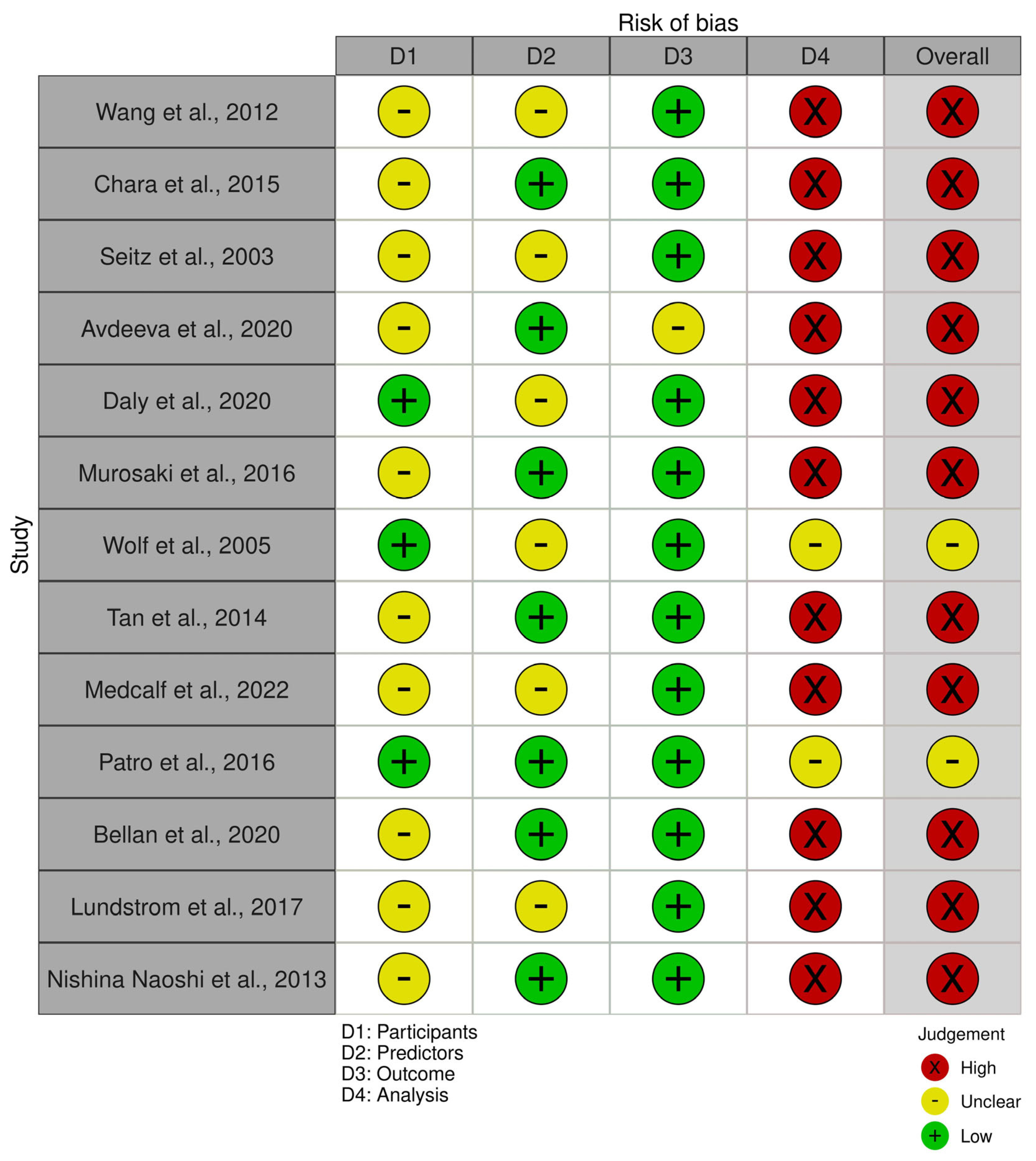
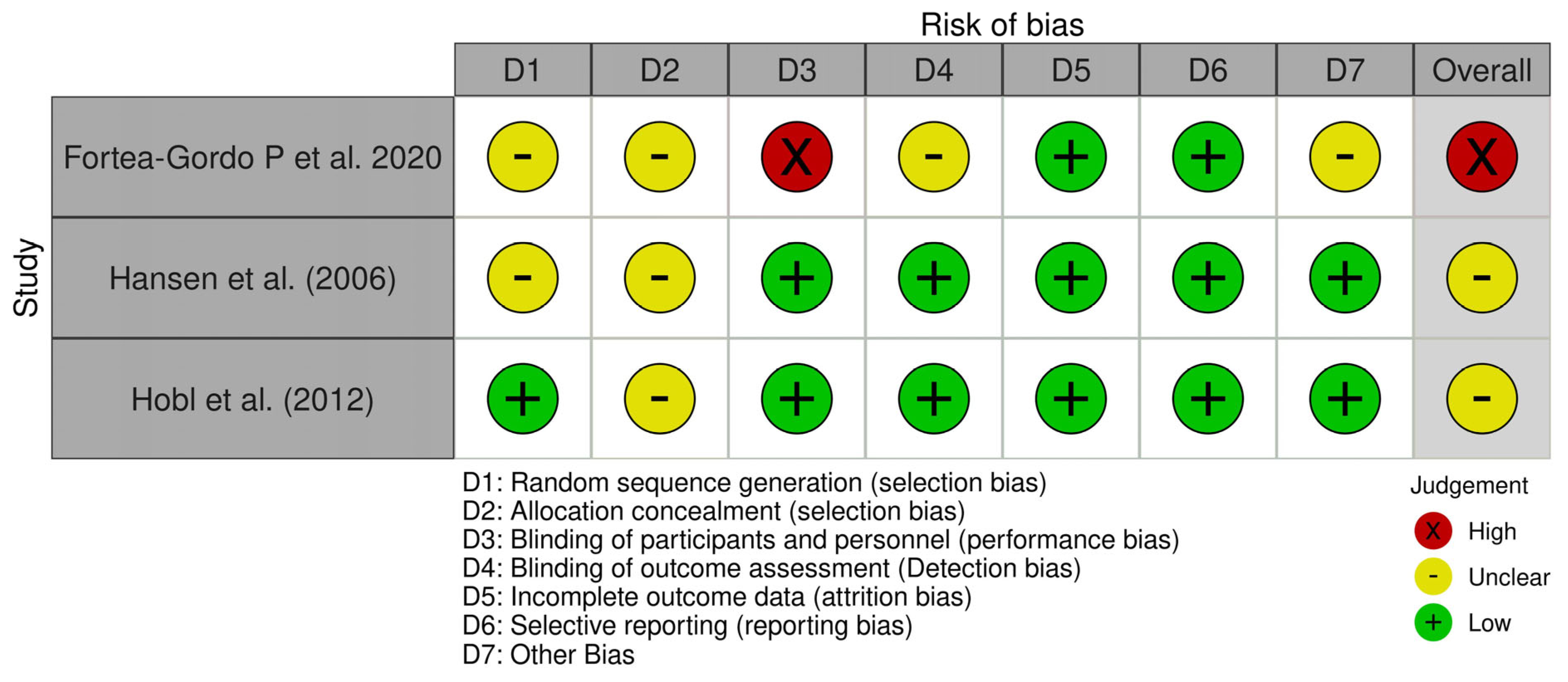
3. Results
4. Discussion
4.1. Inflammatory Pathways
4.2. Serum Protein Profiles
4.3. Immune Cell Biology
4.4. Our Recommendation for Methods
4.5. Strengths and Limitations of This Study
5. Conclusions
- Future directions
Supplementary Materials
Author Contributions
Funding
Institutional Review Board Statement
Informed Consent Statement
Data Availability Statement
Conflicts of Interest
References
- Alarcon, G.S. Epidemiology of rheumatoid arthritis. Rheum. Dis. Clin. N. Am. 1995, 21, 589–604. [Google Scholar] [CrossRef]
- Kvalvik, A.G.; Jones, M.A.; Symmons, D.P. Mortality in a cohort of Norwegian patients with rheumatoid arthritis followed from 1977 to 1992. Scand. J. Rheumatol. 2000, 29, 29–37. [Google Scholar] [CrossRef]
- Wallberg-Jonsson, S.; Ohman, M.L.; Dahlqvist, S.R. Cardiovascular morbidity and mortality in patients with seropositive rheumatoid arthritis in Northern Sweden. J. Rheumatol. 1997, 24, 445–451. [Google Scholar] [PubMed]
- van der Helm-van Mil, A.H.; le Cessie, S.; van Dongen, H.; Breedveld, F.C.; Toes, R.E.; Huizinga, T.W. A prediction rule for disease outcome in patients with recent-onset undifferentiated arthritis: How to guide individual treatment decisions. Arthritis Rheum. 2007, 56, 433–440. [Google Scholar] [CrossRef]
- van Dongen, H.; van Aken, J.; Lard, L.R.; Visser, K.; Ronday, H.K.; Hulsmans, H.M.; Speyer, I.; Westedt, M.L.; Peeters, A.J.; Allaart, C.F.; et al. Efficacy of methotrexate treatment in patients with probable rheumatoid arthritis: A double-blind, randomized, placebo-controlled trial. Arthritis Rheum. 2007, 56, 1424–1432. [Google Scholar] [CrossRef]
- Taylor, P.; Gartemann, J.; Hsieh, J.; Creeden, J. A systematic review of serum biomarkers anti-cyclic citrullinated Peptide and rheumatoid factor as tests for rheumatoid arthritis. Autoimmune Dis. 2011, 2011, 815038. [Google Scholar] [CrossRef]
- Matthijssen, X.M.E.; Niemantsverdriet, E.; Huizinga, T.W.J.; van der Helm-van Mil, A.H.M. Enhanced treatment strategies and distinct disease outcomes among autoantibody-positive and -negative rheumatoid arthritis patients over 25 years: A longitudinal cohort study in the Netherlands. PLoS Med. 2020, 17, e1003296. [Google Scholar] [CrossRef]
- Luurssen-Masurel, N.; Weel, A.; Hazes, J.M.W.; de Jong, P.H.P.; The tREACH Group Investigators. The impact of different (rheumatoid) arthritis phenotypes on patients’ lives. Rheumatology 2021, 60, 3716–3726, Erratum in Rheumatology 2022, 61, 4579. [Google Scholar] [CrossRef] [PubMed]
- England, B.R.; Tiong, B.K.; Bergman, M.J.; Curtis, J.R.; Kazi, S.; Mikuls, T.R.; O’Dell, J.R.; Ranganath, V.K.; Limanni, A.; Suter, L.G.; et al. 2019 Update of the American College of Rheumatology Recommended Rheumatoid Arthritis Disease Activity Measures. Arthritis Care Res. 2019, 71, 1540–1555. [Google Scholar] [CrossRef]
- Aletaha, D.; Smolen, J.S. Diagnosis and Management of Rheumatoid Arthritis: A Review. JAMA 2018, 320, 1360–1372. [Google Scholar] [CrossRef] [PubMed]
- Weinblatt, M.E.; Coblyn, J.S.; Fox, D.A.; Fraser, P.A.; Holdsworth, D.E.; Glass, D.N.; Trentham, D.E. Efficacy of low-dose methotrexate in rheumatoid arthritis. N. Engl. J. Med. 1985, 312, 818–822. [Google Scholar] [CrossRef] [PubMed]
- Visser, K.; van der Heijde, D. Optimal dosage and route of administration of methotrexate in rheumatoid arthritis: A systematic review of the literature. Ann. Rheum. Dis. 2009, 68, 1094–1099. [Google Scholar] [CrossRef]
- Braun, J.; Kastner, P.; Flaxenberg, P.; Wahrisch, J.; Hanke, P.; Demary, W.; von Hinuber, U.; Rockwitz, K.; Heitz, W.; Pichlmeier, U.; et al. Comparison of the clinical efficacy and safety of subcutaneous versus oral administration of methotrexate in patients with active rheumatoid arthritis: Results of a six-month, multicenter, randomized, double-blind, controlled, phase IV trial. Arthritis Rheum. 2008, 58, 73–81. [Google Scholar] [CrossRef]
- Cronstein, B.N.; Aune, T.M. Methotrexate and its mechanisms of action in inflammatory arthritis. Nat. Rev. Rheumatol. 2020, 16, 145–154. [Google Scholar] [CrossRef]
- Cronstein, B.N.; Naime, D.; Ostad, E. The antiinflammatory mechanism of methotrexate. Increased adenosine release at inflamed sites diminishes leukocyte accumulation in an in vivo model of inflammation. J. Clin. Investig. 1993, 92, 2675–2682. [Google Scholar] [CrossRef]
- Montesinos, M.C.; Takedachi, M.; Thompson, L.F.; Wilder, T.F.; Fernandez, P.; Cronstein, B.N. The antiinflammatory mechanism of methotrexate depends on extracellular conversion of adenine nucleotides to adenosine by ecto-5′-nucleotidase: Findings in a study of ecto-5′-nucleotidase gene-deficient mice. Arthritis Rheum. 2007, 56, 1440–1445. [Google Scholar] [CrossRef] [PubMed]
- Montesinos, M.C.; Yap, J.S.; Desai, A.; Posadas, I.; McCrary, C.T.; Cronstein, B.N. Reversal of the antiinflammatory effects of methotrexate by the nonselective adenosine receptor antagonists theophylline and caffeine: Evidence that the antiinflammatory effects of methotrexate are mediated via multiple adenosine receptors in rat adjuvant arthritis. Arthritis Rheum. 2000, 43, 656–663. [Google Scholar] [CrossRef]
- Li, J.; Che, N.; Xu, L.; Zhang, Q.; Wang, Q.; Tan, W.; Zhang, M. LC-MS-based serum metabolomics reveals a distinctive signature in patients with rheumatoid arthritis. Clin. Rheumatol. 2018, 37, 1493–1502. [Google Scholar] [CrossRef]
- Kremer, J.M.; Galivan, J.; Streckfuss, A.; Kamen, B. Methotrexate metabolism analysis in blood and liver of rheumatoid arthritis patients. Association with hepatic folate deficiency and formation of polyglutamates. Arthritis Rheum. 1986, 29, 832–835. [Google Scholar] [CrossRef]
- Moreland, L.W.; O’Dell, J.R.; Paulus, H.E.; Curtis, J.R.; Bathon, J.M.; St Clair, E.W.; Bridges, S.L., Jr.; Zhang, J.; McVie, T.; Howard, G.; et al. A randomized comparative effectiveness study of oral triple therapy versus etanercept plus methotrexate in early aggressive rheumatoid arthritis: The treatment of Early Aggressive Rheumatoid Arthritis Trial. Arthritis Rheum. 2012, 64, 2824–2835. [Google Scholar] [CrossRef] [PubMed]
- Xu, L.; Chang, C.; Jiang, P.; Wei, K.; Zhang, R.; Jin, Y.; Zhao, J.; Xu, L.; Shi, Y.; Guo, S.; et al. Metabolomics in rheumatoid arthritis: Advances and review. Front. Immunol. 2022, 13, 961708. [Google Scholar] [CrossRef] [PubMed]
- Gosselt, H.R.; Muller, I.B.; Jansen, G.; van Weeghel, M.; Vaz, F.M.; Hazes, J.M.W.; Heil, S.G.; de Jonge, R. Identification of Metabolic Biomarkers in Relation to Methotrexate Response in Early Rheumatoid Arthritis. J. Pers. Med. 2020, 10, 271. [Google Scholar] [CrossRef] [PubMed]
- Teitsma, X.M.; Jacobs, J.W.G.; Concepcion, A.N.; Petho-Schramm, A.; Borm, M.E.A.; van Laar, J.M.; Bijlsma, J.W.J.; Lafeber, F. Explorative analyses of protein biomarkers in patients with early rheumatoid arthritis achieving sustained drug-free remission after treatment with tocilizumab- or methotrexate-based strategies: From transcriptomics to proteomics. Clin. Exp. Rheumatol. 2018, 36, 976–983. [Google Scholar]
- Kim, S.; Hwang, J.; Xuan, J.; Jung, Y.H.; Cha, H.S.; Kim, K.H. Global metabolite profiling of synovial fluid for the specific diagnosis of rheumatoid arthritis from other inflammatory arthritis. PLoS ONE 2014, 9, e97501. [Google Scholar] [CrossRef]
- Onuora, S. Autoimmunity: TFH cells link gut microbiota and arthritis. Nat. Rev. Rheumatol. 2016, 12, 133. [Google Scholar] [CrossRef]
- Mei, L.; Yang, Z.; Zhang, X.; Liu, Z.; Wang, M.; Wu, X.; Chen, X.; Huang, Q.; Huang, R. Sustained Drug Treatment Alters the Gut Microbiota in Rheumatoid Arthritis. Front. Immunol. 2021, 12, 704089. [Google Scholar] [CrossRef]
- Artacho, A.; Isaac, S.; Nayak, R.; Flor-Duro, A.; Alexander, M.; Koo, I.; Manasson, J.; Smith, P.B.; Rosenthal, P.; Homsi, Y.; et al. The Pretreatment Gut Microbiome Is Associated with Lack of Response to Methotrexate in New-Onset Rheumatoid Arthritis. Arthritis Rheumatol. 2021, 73, 931–942. [Google Scholar] [CrossRef] [PubMed]
- Wu, X.; Yang, Q.; Liu, S.; Yang, P.; Liu, Z.; Zhu, Z. Metabolic profile changes in patients with rheumatoid arthritis detected using mass spectrometry. Sci. Rep. 2025, 15, 28887. [Google Scholar] [CrossRef]
- Bartikoski, B.J.; De Oliveira, M.S.; Do Espirito Santo, R.C.; Dos Santos, L.P.; Dos Santos, N.G.; Xavier, R.M. A Review of Metabolomic Profiling in Rheumatoid Arthritis: Bringing New Insights in Disease Pathogenesis, Treatment and Comorbidities. Metabolites 2022, 12, 394. [Google Scholar] [CrossRef]
- Ammitzboll, C.G.; Thiel, S.; Jensenius, J.C.; Ellingsen, T.; Horslev-Petersen, K.; Hetland, M.L.; Junker, P.; Krogh, N.S.; Ostergaard, M.; Stengaard-Pedersen, K. M-ficolin levels reflect disease activity and predict remission in early rheumatoid arthritis. Arthritis Rheum. 2013, 65, 3045–3050. [Google Scholar] [CrossRef]
- Babiker-Mohamed, M.H.; Bhandari, S.; Ranganathan, P. Pharmacogenetics of therapies in rheumatoid arthritis: An update. Best Pract. Res. Clin. Rheumatol. 2024, 38, 101974. [Google Scholar] [CrossRef] [PubMed]
- Mutlak, Q.M.; Kasim, A.A. Impact of MTHFR gene polymorphism on the outcome of methotrexate treatment in a sample of Iraqi rheumatoid arthritis patients. Sci. Rep. 2024, 14, 15119. [Google Scholar] [CrossRef]
- Arnett, F.C.; Edworthy, S.M.; Bloch, D.A.; McShane, D.J.; Fries, J.F.; Cooper, N.S.; Healey, L.A.; Kaplan, S.R.; Liang, M.H.; Luthra, H.S.; et al. The American Rheumatism Association 1987 revised criteria for the classification of rheumatoid arthritis. Arthritis Rheum. 1988, 31, 315–324. [Google Scholar] [CrossRef] [PubMed]
- van Riel, P.L. The development of the disease activity score (DAS) and the disease activity score using 28 joint counts (DAS28). Clin. Exp. Rheumatol. 2014, 32, S65–S74. [Google Scholar]
- Prevoo, M.L.; van ‘t Hof, M.A.; Kuper, H.H.; van Leeuwen, M.A.; van de Putte, L.B.; van Riel, P.L. Modified disease activity scores that include twenty-eight-joint counts. Development and validation in a prospective longitudinal study of patients with rheumatoid arthritis. Arthritis Rheum. 1995, 38, 44–48. [Google Scholar] [CrossRef]
- Daly, R.; Blackburn, G.; Best, C.; Goodyear, C.S.; Mudaliar, M.; Burgess, K.; Stirling, A.; Porter, D.; McInnes, I.B.; Barrett, M.P.; et al. Changes in Plasma Itaconate Elevation in Early Rheumatoid Arthritis Patients Elucidates Disease Activity Associated Macrophage Activation. Metabolites 2020, 10, 241. [Google Scholar] [CrossRef]
- Chara, L.; Sanchez-Atrio, A.; Perez, A.; Cuende, E.; Albarran, F.; Turrion, A.; Chevarria, J.; del Barco, A.A.; Sanchez, M.A.; Monserrat, J.; et al. The number of circulating monocytes as biomarkers of the clinical response to methotrexate in untreated patients with rheumatoid arthritis. J. Transl. Med. 2015, 13, 2. [Google Scholar] [CrossRef]
- Nishina, N.; Kaneko, Y.; Kameda, H.; Kuwana, M.; Takeuchi, T. Reduction of plasma IL-6 but not TNF-alpha by methotrexate in patients with early rheumatoid arthritis: A potential biomarker for radiographic progression. Clin. Rheumatol. 2013, 32, 1661–1666. [Google Scholar] [CrossRef]
- Wang, Z.; Chen, Z.; Yang, S.; Wang, Y.; Yu, L.; Zhang, B.; Rao, Z.; Gao, J.; Tu, S. (1)H NMR-based metabolomic analysis for identifying serum biomarkers to evaluate methotrexate treatment in patients with early rheumatoid arthritis. Exp. Ther. Med. 2012, 4, 165–171. [Google Scholar] [CrossRef] [PubMed]
- Wolf, J.; Stranzl, T.; Filipits, M.; Pohl, G.; Pirker, R.; Leeb, B.; Smolen, J.S. Expression of resistance markers to methotrexate predicts clinical improvement in patients with rheumatoid arthritis. Ann. Rheum. Dis. 2005, 64, 564–568. [Google Scholar] [CrossRef]
- Medcalf, M.R.; Bantis, L.E.; Shi, P.; Bhadbhade, P.; Gundry, R.L.; Mikuls, T.R.; England, B.R.; O’Dell, J.R.; Funk, R.S. Plasma metabolomic profiling as a tool to identify predictive biomarkers of methotrexate efficacy in rheumatoid arthritis. Semin. Arthritis Rheum. 2022, 56, 152056. [Google Scholar] [CrossRef]
- Avdeeva, A.; Rubtsov, Y.; Dyikanov, D.; Popkova, T.; Nasonov, E. Regulatory T cells in patients with early untreated rheumatoid arthritis: Phenotypic changes in the course of methotrexate treatment. Biochimie 2020, 174, 9–17. [Google Scholar] [CrossRef]
- Bellan, M.; Soddu, D.; Zecca, E.; Croce, A.; Bonometti, R.; Pedrazzoli, R.; Sola, D.; Rigamonti, C.; Castello, L.M.; Avanzi, G.C.; et al. Association between red cell distribution width and response to methotrexate in rheumatoid arthritis. Reumatismo 2020, 72, 16–20. [Google Scholar] [CrossRef]
- Fortea-Gordo, P.; Villalba, A.; Nuno, L.; Santos-Bornez, M.J.; Peiteado, D.; Monjo, I.; Puig-Kroger, A.; Sanchez-Mateos, P.; Martin-Mola, E.; Balsa, A.; et al. Circulating CD19+CD24hiCD38hi regulatory B cells as biomarkers of response to methotrexate in early rheumatoid arthritis. Rheumatology 2020, 59, 3081–3091. [Google Scholar] [CrossRef] [PubMed]
- Lundstrom, S.L.; Hensvold, A.H.; Rutishauser, D.; Klareskog, L.; Ytterberg, A.J.; Zubarev, R.A.; Catrina, A.I. IgG Fc galactosylation predicts response to methotrexate in early rheumatoid arthritis. Arthritis Res. Ther. 2017, 19, 182. [Google Scholar] [CrossRef] [PubMed]
- Murosaki, T.; Nagatani, K.; Sato, T.; Akiyama, Y.; Ushijima, K.; Lefor, A.K.; Fujimura, A.; Minota, S. Prediction of the therapeutic response to methotrexate at 24 weeks by methotrexate-polyglutamates concentration in erythrocytes at 8 weeks in patients with rheumatoid arthritis. Mod. Rheumatol. 2017, 27, 411–416. [Google Scholar] [CrossRef]
- Patro, P.S.; Singh, A.; Misra, R.; Aggarwal, A. Myeloid-related Protein 8/14 Levels in Rheumatoid Arthritis: Marker of Disease Activity and Response to Methotrexate. J. Rheumatol. 2016, 43, 731–737. [Google Scholar] [CrossRef] [PubMed]
- Tan, W.; Wang, F.; Guo, D.; Ke, Y.; Shen, Y.; Lv, C.; Zhang, M. High serum level of haptoglobin is associated with the response of 12 weeks methotrexate therapy in recent-onset rheumatoid arthritis patients. Int. J. Rheum. Dis. 2016, 19, 482–489. [Google Scholar] [CrossRef]
- Hobl, E.L.; Jilma, B.; Erlacher, L.; Duhm, B.; Mustak, M.; Broll, H.; Hogger, P.; Rizovski, B.; Mader, R.M. A short-chain methotrexate polyglutamate as outcome parameter in rheumatoid arthritis patients receiving methotrexate. Clin. Exp. Rheumatol. 2012, 30, 156–163. [Google Scholar]
- Hansen, I.B.; Ellingsen, T.; Hornung, N.; Poulsen, J.H.; Lottenburger, T.; Stengaard-Pedersen, K. Plasma level of CXC-chemokine CXCL12 is increased in rheumatoid arthritis and is independent of disease activity and methotrexate treatment. J. Rheumatol. 2006, 33, 1754–1759. [Google Scholar]
- Seitz, M.; Zwicker, M.; Villiger, P.M. Pretreatment cytokine profiles of peripheral blood mononuclear cells and serum from patients with rheumatoid arthritis in different american college of rheumatology response groups to methotrexate. J. Rheumatol. 2003, 30, 28–35. [Google Scholar]
- Andres Cerezo, L.; Mann, H.; Pecha, O.; Plestilova, L.; Pavelka, K.; Vencovsky, J.; Senolt, L. Decreases in serum levels of S100A8/9 (calprotectin) correlate with improvements in total swollen joint count in patients with recent-onset rheumatoid arthritis. Arthritis Res. Ther. 2011, 13, R122. [Google Scholar] [CrossRef]
- Hurnakova, J.; Hulejova, H.; Zavada, J.; Komarc, M.; Cerezo, L.A.; Mann, H.; Vencovsky, J.; Pavelka, K.; Senolt, L. Serum calprotectin may reflect inflammatory activity in patients with active rheumatoid arthritis despite normal to low C-reactive protein. Clin. Rheumatol. 2018, 37, 2055–2062. [Google Scholar] [CrossRef]
- Dalrymple, J.M.; Stamp, L.K.; O’Donnell, J.L.; Chapman, P.T.; Zhang, M.; Barclay, M.L. Pharmacokinetics of oral methotrexate in patients with rheumatoid arthritis. Arthritis Rheum. 2008, 58, 3299–3308. [Google Scholar] [CrossRef] [PubMed]
- Ando, Y.; Shimada, H.; Matsumoto, N.; Hirota, T.; Oribe, M.; Otsuka, E.; Ishii, K.; Morimoto, T.; Ohashi, K.; Ieiri, I. Role of methotrexate polyglutamation and reduced folate carrier 1 (RFC1) gene polymorphisms in clinical assessment indexes. Drug Metab. Pharmacokinet. 2013, 28, 442–445. [Google Scholar] [CrossRef]
- Luan, H.H.; Medzhitov, R. Food Fight: Role of Itaconate and Other Metabolites in Antimicrobial Defense. Cell Metab. 2016, 24, 379–387. [Google Scholar] [CrossRef]
- Hider, S.L.; Silman, A.J.; Thomson, W.; Lunt, M.; Bunn, D.; Symmons, D.P. Can clinical factors at presentation be used to predict outcome of treatment with methotrexate in patients with early inflammatory polyarthritis? Ann. Rheum. Dis. 2009, 68, 57–62. [Google Scholar] [CrossRef]
- Maciejewski, M.; Sands, C.; Nair, N.; Ling, S.; Verstappen, S.; Hyrich, K.; Barton, A.; Ziemek, D.; Lewis, M.R.; Plant, D. Prediction of response of methotrexate in patients with rheumatoid arthritis using serum lipidomics. Sci. Rep. 2021, 11, 7266. [Google Scholar] [CrossRef]
- Saroha, A.; Biswas, S.; Chatterjee, B.P.; Das, H.R. Altered glycosylation and expression of plasma alpha-1-acid glycoprotein and haptoglobin in rheumatoid arthritis. J. Chromatogr. B Analyt Technol. Biomed. Life Sci. 2011, 879, 1839–1843. [Google Scholar] [CrossRef] [PubMed]
- Theilgaard-Monch, K.; Jacobsen, L.C.; Nielsen, M.J.; Rasmussen, T.; Udby, L.; Gharib, M.; Arkwright, P.D.; Gombart, A.F.; Calafat, J.; Moestrup, S.K.; et al. Haptoglobin is synthesized during granulocyte differentiation, stored in specific granules, and released by neutrophils in response to activation. Blood 2006, 108, 353–361. [Google Scholar] [CrossRef] [PubMed]
- Hur, B.; Gupta, V.K.; Huang, H.; Wright, K.A.; Warrington, K.J.; Taneja, V.; Davis, J.M., 3rd; Sung, J. Plasma metabolomic profiling in patients with rheumatoid arthritis identifies biochemical features predictive of quantitative disease activity. Arthritis Res. Ther. 2021, 23, 164. [Google Scholar] [CrossRef] [PubMed]
- Ponchel, F.; Goeb, V.; Parmar, R.; El-Sherbiny, Y.; Boissinot, M.; El Jawhari, J.; Burska, A.; Vital, E.M.; Harrison, S.; Conaghan, P.G.; et al. An immunological biomarker to predict MTX response in early RA. Ann. Rheum. Dis. 2014, 73, 2047–2053. [Google Scholar] [CrossRef] [PubMed]
- Bansard, C.; Lequerre, T.; Daveau, M.; Boyer, O.; Tron, F.; Salier, J.P.; Vittecoq, O.; Le-Loet, X. Can rheumatoid arthritis responsiveness to methotrexate and biologics be predicted? Rheumatology 2009, 48, 1021–1028. [Google Scholar] [CrossRef]
- Dullaers, M.; Li, D.; Xue, Y.; Ni, L.; Gayet, I.; Morita, R.; Ueno, H.; Palucka, K.A.; Banchereau, J.; Oh, S. A T cell-dependent mechanism for the induction of human mucosal homing immunoglobulin A-secreting plasmablasts. Immunity 2009, 30, 120–129. [Google Scholar] [CrossRef]
- Rindfleisch, J.A.; Muller, D. Diagnosis and management of rheumatoid arthritis. Am. Fam. Physician 2005, 72, 1037–1047. [Google Scholar] [PubMed]
- Goekoop-Ruiterman, Y.P.; de Vries-Bouwstra, J.K.; Allaart, C.F.; van Zeben, D.; Kerstens, P.J.; Hazes, J.M.; Zwinderman, A.H.; Ronday, H.K.; Han, K.H.; Westedt, M.L.; et al. Clinical and radiographic outcomes of four different treatment strategies in patients with early rheumatoid arthritis (the BeSt study): A randomized, controlled trial. Arthritis Rheum. 2008, 58, S126–S135. [Google Scholar] [CrossRef]
- Klareskog, L.; van der Heijde, D.; de Jager, J.P.; Gough, A.; Kalden, J.; Malaise, M.; Martin Mola, E.; Pavelka, K.; Sany, J.; Settas, L.; et al. Therapeutic effect of the combination of etanercept and methotrexate compared with each treatment alone in patients with rheumatoid arthritis: Double-blind randomised controlled trial. Lancet 2004, 363, 675–681. [Google Scholar] [CrossRef]
- Kapral, T.; Stamm, T.; Machold, K.P.; Montag, K.; Smolen, J.S.; Aletaha, D. Methotrexate in rheumatoid arthritis is frequently effective, even if re-employed after a previous failure. Arthritis Res. Ther. 2006, 8, R46. [Google Scholar] [CrossRef]
- Aletaha, D.; Maa, J.F.; Chen, S.; Park, S.H.; Nicholls, D.; Florentinus, S.; Furtner, D.; Smolen, J.S. Effect of disease duration and prior disease-modifying antirheumatic drug use on treatment outcomes in patients with rheumatoid arthritis. Ann. Rheum. Dis. 2019, 78, 1609–1615. [Google Scholar] [CrossRef]
- Fraenkel, L.; Bathon, J.M.; England, B.R.; St Clair, E.W.; Arayssi, T.; Carandang, K.; Deane, K.D.; Genovese, M.; Huston, K.K.; Kerr, G.; et al. 2021 American College of Rheumatology Guideline for the Treatment of Rheumatoid Arthritis. Arthritis Rheumatol. 2021, 73, 1108–1123. [Google Scholar] [CrossRef]
- Smolen, J.S.; Landewe, R.B.M.; Bijlsma, J.W.J.; Burmester, G.R.; Dougados, M.; Kerschbaumer, A.; McInnes, I.B.; Sepriano, A.; van Vollenhoven, R.F.; de Wit, M.; et al. EULAR recommendations for the management of rheumatoid arthritis with synthetic and biological disease-modifying antirheumatic drugs: 2019 update. Ann. Rheum. Dis. 2020, 79, 685–699. [Google Scholar] [CrossRef]
- Amaral, J.M.; Brito, M.J.M.; Kakehasi, A.M. High frequency of methotrexate intolerance in longstanding rheumatoid arthritis: Using the methotrexate intolerance severity score (MISS). Adv. Rheumatol. 2020, 60, 43. [Google Scholar] [CrossRef] [PubMed]
- Luedders, B.A.; Johnson, T.M.; Sayles, H.; Thiele, G.M.; Mikuls, T.R.; O’Dell, J.R.; England, B.R. Predictive ability, validity, and responsiveness of the multi-biomarker disease activity score in patients with rheumatoid arthritis initiating methotrexate. Semin. Arthritis Rheum. 2020, 50, 1058–1063. [Google Scholar] [CrossRef]
- Duong, S.Q.; Crowson, C.S.; Athreya, A.; Atkinson, E.J.; Davis, J.M., 3rd; Warrington, K.J.; Matteson, E.L.; Weinshilboum, R.; Wang, L.; Myasoedova, E. Clinical predictors of response to methotrexate in patients with rheumatoid arthritis: A machine learning approach using clinical trial data. Arthritis Res. Ther. 2022, 24, 162. [Google Scholar] [CrossRef]
- Anderson, J.J.; Wells, G.; Verhoeven, A.C.; Felson, D.T. Factors predicting response to treatment in rheumatoid arthritis: The importance of disease duration. Arthritis Rheum. 2000, 43, 22–29. [Google Scholar] [CrossRef] [PubMed]
- Bologna, C.; Viu, P.; Jorgensen, C.; Sany, J. Effect of age on the efficacy and tolerance of methotrexate in rheumatoid arthritis. Br. J. Rheumatol. 1996, 35, 453–457. [Google Scholar] [CrossRef]
- Miriovsky, B.J.; Michaud, K.; Thiele, G.M.; O’Dell, J.R.; Cannon, G.W.; Kerr, G.; Richards, J.S.; Johnson, D.; Caplan, L.; Reimold, A.; et al. Anti-CCP antibody and rheumatoid factor concentrations predict greater disease activity in men with rheumatoid arthritis. Ann. Rheum. Dis. 2010, 69, 1292–1297. [Google Scholar] [CrossRef] [PubMed]
- Tan, Y.K.; Li, H.; Allen, J.C., Jr.; Thumboo, J. Anti-cyclic citrullinated peptide but not rheumatoid factor is associated with ultrasound-detected bone erosion among rheumatoid arthritis patients with at least moderate disease activity. Int. J. Rheum. Dis. 2020, 23, 1337–1343. [Google Scholar] [CrossRef]
- Mori, S.; Hirose, J.; Yonemura, K. Contribution of HLA-DRB1*04 alleles and anti-cyclic citrullinated antibodies to development of resistance to disease-modifying antirheumatic drugs in early rheumatoid arthritis. Clin. Rheumatol. 2010, 29, 1357–1366. [Google Scholar] [CrossRef]
- Brahe, C.H.; Ostergaard, M.; Johansen, J.S.; Defranoux, N.; Wang, X.; Bolce, R.; Sasso, E.H.; Ornbjerg, L.M.; Horslev-Petersen, K.; Stengaard-Pedersen, K.; et al. Predictive value of a multi-biomarker disease activity score for clinical remission and radiographic progression in patients with early rheumatoid arthritis: A post-hoc study of the OPERA trial. Scand. J. Rheumatol. 2019, 48, 9–16. [Google Scholar] [CrossRef]
- Luurssen-Masurel, N.; van Mulligen, E.; Weel-Koenders, A.; Hazes, J.M.W.; de Jong, P.H.P.; The tREACH Group Investigators. The susceptibility of attaining and maintaining DMARD-free remission in different (rheumatoid) arthritis phenotypes. Rheumatology 2022, 61, 2275–2284. [Google Scholar] [CrossRef] [PubMed]
- Sugiyama, D.; Nishimura, K.; Tamaki, K.; Tsuji, G.; Nakazawa, T.; Morinobu, A.; Kumagai, S. Impact of smoking as a risk factor for developing rheumatoid arthritis: A meta-analysis of observational studies. Ann. Rheum. Dis. 2010, 69, 70–81. [Google Scholar] [CrossRef]
- Floris, A.; Perra, D.; Cangemi, I.; Congia, M.; Chessa, E.; Angioni, M.M.; Mangoni, A.A.; Erre, G.L.; Mathieu, A.; Piga, M.; et al. Current smoking predicts inadequate response to methotrexate monotherapy in rheumatoid arthritis patients naive to DMARDs: Results from a retrospective cohort study. Medicine 2021, 100, e25481. [Google Scholar] [CrossRef]
- Saevarsdottir, S.; Wallin, H.; Seddighzadeh, M.; Ernestam, S.; Geborek, P.; Petersson, I.F.; Bratt, J.; van Vollenhoven, R.F.; The SWEFOT Trial Investigators Group. Predictors of response to methotrexate in early DMARD naive rheumatoid arthritis: Results from the initial open-label phase of the SWEFOT trial. Ann. Rheum. Dis. 2011, 70, 469–475. [Google Scholar] [CrossRef] [PubMed]
- Page, M.J.; McKenzie, J.E.; Bossuyt, P.M.; Boutron, I.; Hoffmann, T.C.; Mulrow, C.D.; Shamseer, L.; Tetzlaff, J.M.; Akl, E.A.; Brennan, S.E.; et al. The PRISMA 2020 statement: An updated guideline for reporting systematic reviews. BMJ 2021, 372, n71. [Google Scholar] [CrossRef] [PubMed]



| Aspect | Existing Systematic/Scoping Reviews | Current Systematic Review |
|---|---|---|
| Main Focus | Broadly evaluate metabolomics, clinical prediction models, or general biomarkers across various RA therapies (MTX, TNF inhibitors, IL-6 blockers, etc.). | Focused exclusively on predictive biomarkers of methotrexate (MTX) treatment response in early rheumatoid arthritis (ERA). |
| Objective | Summarize associations between biomarkers and disease activity or treatment response, often across multiple drugs. | Identify and validate metabolomic, proteomic, inflammatory, and immune cell biomarkers predictive of MTX response for precision medicine. |
| Study Type | Systematic or scoping reviews, some with meta-analyses (e.g., MTX–polyglutamates, clinical prediction models), heterogeneous in methods. | Systematic review, PROSPERO-registered (CRD42024547651), PRISMA-compliant with clearly defined eligibility and synthesis methods. |
| Data Scope | Typically, 10–25 studies including multiple RA therapies; focus on limited biomarker classes. | A total of 16 MTX-specific human studies (2000–2024); 946 patients; 102 biomarkers analyzed; 31 biomarkers identified as functionally predictive. |
| Therapeutic Scope | Include multiple therapeutic agents; MTX findings are secondary or indirect. | Dedicated entirely to MTX monotherapy in early RA. |
| Omic Integration | Usually single-omic focus (metabolomic or proteomic or genetic). | Integrates multi-omic domains: metabolomic, proteomic, inflammatory, and immune cell biomarkers. |
| Clinical Relevance | Rarely connect biomarkers with validated clinical indices (e.g., DAS28). | Directly links biomarker patterns to DAS28-based clinical outcomes and treatment response categories. |
| Novelty/Time Frame | Mostly include studies up to 2023; limited integration of recent findings, such as itaconate or IgG glycosylation. | Incorporates the latest evidence through 2024, including novel predictors (itaconate, FA2-IgG1, RFC/fMRP, MTX-PG1–7). |
| Outcome Orientation | Emphasize biological plausibility and mechanistic interpretation. | Provides a clinically actionable framework for individualized MTX therapy prediction. |
| Scientific Contribution | Offer general insights but lack MTX-specific predictive synthesis. | Advances the field from descriptive multi-drug biomarker reviews to an MTX-specific, multi-omic predictive precision medicine model. |
| No | 1 | 2 | 3 | 4 | 5 |
|---|---|---|---|---|---|
| Author | Age in Years Mean Age ± SD Median Age (Range) | Total No of Patients (M:F) | Country | Type of Study/MC/SC | |
| T | 16 Studies | 51.99 ± 5.79 (32.5–86) | 946 (200:746) | 11 Countries | RCT = 11 Pros = 4 Retros = 1 |
| 1 | Medcalf M R, et al., 2022 [41] | 53 (38–66) | 20 (6:14) | USA | Pros/SC |
| 2 | Daly R, et al., 2020 [36] | 56 ± 13 | 79 (25:54) | USA | Pros/SC |
| 3 | Avdeeva A, et al., 2020 [42] | 52 (32.5–57.5) | 45 (6:39) | Russia | Pros/SC |
| 4 | Bellan M, et al., 2020 [43] | 62.5 (52–69) | 82 (27:55) | Italy | Retros/SC |
| 5 | Gordo P F et al., 2020 [44] | 54 (40.8–59.8) | 48 (9:39) | Spain | RCT/SC |
| 6 | Lundstrom S, et al., 2017 [45] | 53 (45–62) | 59 (17:42) | Sweden | Pros/SC |
| 7 | Murasaki T et al., 2016 [46] | C1:66.0 (36.0–86.0) | 37 (11:26) | Japan | Pos/SC |
| 8 | Patro P S et al., 2016 [47] | 40 (33–50) | 87 (13:74) | India | Pros/SC |
| 9 | Chara L, et al., 2015 [37] | Rs: 52.44 ± 10.90 NRs: 52.08 ± 10.87 | 52 (14:38) | Spain | Pros/SC |
| 10 | Tan W, et al., 2014 [48] | Rs 42.3 ± 9.4 NRs 43.6 ± 11.6 | 69 (5:64) | China | Pros/SC |
| 11 | Nishina N., et al., 2013 [38] | 57 (NA) | 62 (13:49) | Japan | Pros/SC |
| 12 | Wang, Z. et al., 2012 [39] | 56.4 ± 2.8 | 38 (26:5) | China | Pros/SC |
| 13 | Hobl E L, et al., 2012 [49] | 56 years | 19 (6:13) | Austria | RCT/SC |
| 14 | Hansen IB, et al., 2006 [50] | 55.1 years | 36 (11:25) | Denmark | RCT/SC |
| 15 | Wolf J, et al., 2004 [40] | 59.5 years | 163 (47:116) | Austria | Pros/SC |
| 16 | Seitz M, et al., 2002 [51] | G1 = 50.9 ± 13.8 G2 = 52.2 ± 5.7 G3 = 55.9 ± 13.4 G4 = 52.9 ± 18.5 | 50 (G1 = 1:12) (G2 = 0:3) (G3 = 5:15) (G4 = 6:8) | Switzerland | Pros/SC |
| No | 1 | 2 | 3 | 4 | 5 | 6 | 7 | 8 | 9 | 10 | 11 |
|---|---|---|---|---|---|---|---|---|---|---|---|
| Author | No. of pts T = 946 | Disease Duration Median (Range) M± SD | Study Duration | Treatment Duration 465 W M = 29.06 (Range 12–129) | Diagnostic Criteria of the pts | Types and Nos. of Biomarkers (Total No = 102) | Biomarkers Baseline in pts | Methods of Biomarker Measurement | Intervals at Measurement/Week | No of HC | |
| 1 | Medcalf M R, et al., 2022 [41] | 20 | 9 (4–14) Ms | NA | 16 Ws | -ACR -DAS-28 | 19 plasma metabolomes | NA | (GC-MS) | -NA -16 Ws | NA |
| 2 | Daly R, et al., 2020 [36] | 79 | 5.3 ± 3.1 Ms | 3 Ms | 12.9 Ws (3 Ms) | -2010 ACR/EULAR DAS44-ESR | 9 plasma metabolites | NA | LC-MS Westergren method (ESR), RIA, ELISA, Nephelometry (CRP) | -0 W -12.9 Ws | NA |
| 3 | Avdeeva A, et al., 2020 [42] | 45 | 5 (4–6) Ms | 24 W | 24 Ws | 2010 ACR/EULAR | 1 (CD4+ FoxP3+ Treg cells) | NA | FACS analysis ELISA and multiplex immunoassays | -12 Ws -24 Ws | 20 |
| 4 | Bellan M, et al., 2020 [43] | 82 | 6 (2–26) Ms | January 2010–December 2018 | 24 Ws 3 Ms | 2010 ACR/EULAR | 1 (RDW) | 13.9% (13.1–14.8) | XN 2000 hematology analyzer sysmex | -0 Ws -12.9 Ws | NA |
| 5 | Gordo P, et al., 2020 [44] | 48 | 4 (2–6) Ms | NA | 51.6 Ws 12 Ms | 2010 ACR Revised | 5 (3 B cells, 2 T cells) | NA | Flow cytometry | -0 Ws -51.6 Ws | 48 |
| 6 | Lundstrom S L, et al., 2017 [45] | 59 | <1 yr | 1996–2006 | 14 Ws (13–15) | EULAR | 19 (Fc glycopeptides, IgG1-4) | MS-MS | -0 Ws -14 Ws | 11 | |
| 7 | Murosaki T. et al., 2016 [46] | 42 (C1) | C1: 0.3 (0.0–24.5) yrs | July 2013–November 2015 | 24 Ws | EULAR DAS28-CRP | 5 (MTXPG 1-5) | NA | HPLC | -0 Ws -8 Ws -24 Ws | NA |
| 8 | Patro P S et al., 2016 [47] | 87 | 28 Ms | February 2014–May 2015 | 17.2 Ws 4 Ms | EULAR 2010 | 1 (MRP8/14) | 19.95 µg/mL (11.49–39.06) | ELISA | -0 Ws -8 Ws -16 Ws | |
| 9 | Chara L, et al., 2015 [37] | 52 | <12 Ms | 6 Ms | 25.8 Ws 6 Ms | EULAR DAS 28 | 4-PBMC and its 3 subsets (CD14+high/low CD16+/−) | Low no. of PBMC in Rs | Flow cytometry | -0 Ws -12 Ws -24 Ws | 15 |
| 10 | Tan W, et al., 2014 [48] | 69 | <24 Ms | 1 yr | 12 Ws | ACR 1987 | 1 (Haptoglobin, Hap) | Hap mg/dL in: Rs (255.3 ↓ to 143.9) NRs (369.9 ↓ to 159.8) | -ABI TaqMan (mRNA) -ELIZA (Hap) | -0 Ws -12 Ws | 36 |
| 11 | Nishina N., et al., 2013 [38] | 62 | <36 Ms | 18 Ms | 21.5 Ws 1 year | DAS 28 | 2 (IL-6 and TNF-α) | IL-6 (4.72 ↓ to 1.04, p < 0.001) TNF (0.87 ↓ to 0.83, p < 0.14) | Chemiluminescent enzyme immunoassay | -0 Ws -1 yr | - |
| 12 | Wang Z., et al., 2012 [39] | 38 | 4.5 ± 1.9 yrs | 24 Ws | 24 Ws | ACR | 20 (11 significant ** and 9 non *) | -0 Ws -11 Ws (p < 0.05) -24 Ws (p < 0.01) | 1H NMR | -0 Ws -11 Ws -24 Ws | 20 |
| 13 | Hobl E.-L, et al., 2012 [49] | 19 | - | 2008–2009 | 17 Ws 16 Ws | ACR | 7 (MTXPG1-7) | -MTXPG2 Cmax 11.06 ± 12.51 ↑ to 22.06 ± 5.61 | HPLC | -0 Ws -5 Ws -10 Ws -16 Ws | - |
| 14 | Hansen I B, et al., 2006 [50] | 36 | 13.3 ± SD years | - | 28 Ws | ACR | 1 (p-CXCL12) | p-CXCL12 1855 ± 145 (p < 0.001) | ELISA | -0 Ws -16 Ws -28 Ws | 50 |
| 15 | Wolf J, et al., 2004 [40] | 163 | 7.6 ± SD years | - | 129 Ws 30 Ms | ACR | 2 (fMRP, RFC) | NA | -RT-PCR -Flow cytometry | -0 Ws -12 Ws | - |
| 16 | Seitz M, et al., 2002 [51] | 50 | 53.5 ± 7.12 year | - | 24 Ws | ACR | 5 (IL-1ra, IL1B, TNF-α sTENFR) | -G1–G4 = IL-1ra/IL-1ß > 100 -G1/G2 ↓ < 100 | ELISA | -0 Ws -12 Ws -24 Ws | - |
| N | 1 | 2 | 3 | 4 | 4 | 6 | 7 | 8 |
|---|---|---|---|---|---|---|---|---|
| Author | ACR/EULAR Response Criteria DAS28-ESR Before MTX (Baseline) M ± SD Median (Range) | ACR/EULAR Response Criteria DAS28-ESR After MTX M ± SD Median (Range) | Responders (Rs) No. of pts | Non-Responders (NRs) No. of pts | Positive ACCP or RF | MTX Rx Fixed Oral Dose/W | Other Therapy | |
| 1 | Medcalf M R, et al., 2022 [41] | DAS28-ESR 4.9 (4.1, 6.0) -PGA | ΔDAS28-ESR: 3.0 (1.7–4.7) Rs: ∆ − 3.6 (−4.6−2.7) | 11 pts | 9 pts | NA | 20 mg Oral/ SC | Folic acid |
| 2 | Daly R, et al., 2020 [36] | -DAS44-ESR -4.5 ± 1.2 -HAQ, ESR, CRP | DAS44 ESR 2.3 ± 1.3 | 75 pts | 4 pts | -53% CCP+ -65% RF | - | Steroid SSZ |
| 3 | Avdeeva A, et al., 2020 [42] | DAS28 median 5.0 (4.2–5.8) -SDAI | DAS28 3.1 (2.7–3.62) | 14 pts | 25 pts | 40 CCP+ 34 RF+ | 25 mg | NA |
| 4 | Bellan M, et al., 2020 [43] | DAS28-ESR 4.20 (3.27–5.03) | DAS28-ESR good Rs 4.85 (4.19–5.55) | -32 good Rs -20 moderate Rs | 30 pts | - | 15 mg | Steroid HCQ |
| 5 | Gordo P, et al., 2020 [44] | DAS28-ESR median: 5.1 (IQR 4.3–5.9) | NA | 28 pts (64%) | 16 pts | 41 pts ACCP+/RF+ | 25 mg | Steroid HCQ |
| 6 | Lundstrom S L, et al., 2017 [45] | EULAR DAS28-ESR -median 5.7 (5.0–6.2) -HAQ | DAS28-ESR 4.5 (2.6–5.1) | -19 good Rs -20 moderate Rs | 20 pts | 44 pts (75%) CCP+/RF+ | 20 mg | NSAIDs Steroid |
| 7 | Murosaki T. et al., 2016 [46] | EULAR DAS28-CRP C1 5.0 (3.2–8.1) | C1 NA ∆ DAS28 > 1.2 | 29 pts | 13 pts | CCP+C1 RF+C1 = 51.7% | 16 mg | DMARDs Steroid NSAIDs Folic acid |
| 8 | Patro P S, et al., 2016 [47] | EULAR 2010 DAS28-ESR 5.93 (5.4–6.5) -Rs: 5.95 (5.3–6.5) -NRs: 5.92 (5.6–6.6) -HAQ | DAS28 2.86 (2.4–3.7) | 69 pts | 18 pts | -69 (79) ACCP+ -71 (82) RF+ | 25 mg | Folic acid NSAID |
| 9 | Chara L, et al., 2015 [37] | EULAR-DAS28 -Rs: 3.38 ± 0.54 -NRs: 3.55 ± 0.76 -HAQ, CRP | EULAR-DAS28 Rs = 2.18 ± 0.44 NRs 3.49 ± 0.20 | 37 pts | 15 pts | -CCP+ -RF+ | 20 mg | Folic acid NSAIDs |
| 10 | Tan W, et al., 2014 [48] | ACR-DAS-28 -Rs: 5.2 4.8 ± 0.7 -NRs: 4.8 ± 0.9 -TSS, HAQ | ACR criteria DAS-28 -Rs: 3.9 ± 1.1 -NRs: 4.6 ± 1.2 -TSS, HAQ | 24 pts | 45 pt | 36 pts (52.3%) ACCP | 20 mg | NSAID HCQ |
| 11 | Nishina N, et al., 2013 [38] | DAS28 4.42 (3.60–5.62) SS, HAQ, MMP-3 | DAS28 2.58 (1.93–3.16) -TSS, HAQ, MMP-3 | 12 pts | 50 pts | -43 pts RF+/CCP+ -3 pts RF/CCP | Median: 8 mg | DMARDs SSZ TAC BUC Steroid |
| 12 | Wang Z, et al., 2012 [39] | ACR-DAS28 5.9 ± 1.4 | ACR DAS28 Rs: 2.3 ± 0.8 NRs: 4.6 ± 1.2 | 25 pts | 13 pts | 38 CCP+ /RF+ | 10 mg | No other therapy |
| 13 | Hobl E L, et al., 2012 [49] | ACR-DAS28 -4.7 ± NA -HAQ (1.5) | ACR criteria 3.0 ± NA reduced | 19 pts | None | 42% FR+ | 25 mg | Steroid Folic acid |
| 14 | Hansen I B, et al., 2006 [50] | ACR response criteria | Reduced ACR Criteria independent of metabolite | 17 pts | 19 pts | 7.5 mg | Steroid NSAIDs | |
| 15 | Wolf J, et al., 2004 [40] | EULAR-DAS28 -G1 = 3.08 ± 1.02 -G2 = 3.22 ± 1.30 -G3 = 3.38 ± 1.10 -G4 = 3.39 ± 0.95 | EULAR-DAS28 -G1 = 2.37± 1.0 -G2 = 1.99 ± 0.93 -G3 = 2.05 ± 1.14 -G4 = 2.30 ± 0.98 | -32 (G1) good Rs -33 (G2) good Rs -28 (G3) moderate Rs | 70 pts (G4) | - | 12.2 mg | Steroid HCQ SSZ, CsA NSAIDS Folic acid |
| 16 | Seitz M, et al., 2002 [51] | ACR response criteria | ACR response criteria | 14 (G1*) excellent 20 (G2*) good Rs | 13 (G4*) NRs 3 (G3*) poor Rs | - | 15 mg | Steroid NSAIDs |
| No | Author | Numbers and Types of Metabolomes Studied (Total No = 102) | Final No. 31 | Outcomes |
|---|---|---|---|---|
| 1 | Medcalf M R, et al., 2022 [41] | 19 plasma metabolites (nornicotine, N-methylisoleucine, and 2,3-dihydroxybutanoic acid, etc.) | 3 | Lower pre-treatment plasma levels of only three metabolites were associated with a greater reduction in DAS28-ESR (N-methyl isoleucine (0.54, p = 0.02), 2,3-dihydroxy butanoic acid (0.51, p = 0.02), and nor-nicotine (0.50, p = 0.02). |
| 2 | Daly R. et al., 2020 [36] | 9 plasma metabolites: itaconate and its derivatives (itaconate anhydride, CoA), several peptides, cholesterol, and fatty acids | 1 | Increased levels of itaconate and its derivatives in response to MTX treatment demonstrated a consistent reduction in disease activity level (measured by DAS44-ESR and CRP). |
| 3 | Avdeeva A. et al., 2020 [42] | 1 (CD4+ FoxP3+ Treg cells) | 1 | The defect in regulatory T cell (Treg) compartment negatively correlated with both RA activity and antibody level. MTX Rx of pts with early RA increased both the proportion and absolute number. Treg was a specific cellular marker of successful RA Rx. |
| 4 | Bellan M. et al., 2020 [43] | 1 (RDW) | 1 | A larger baseline RDW was associated with poorer treatment response at 12 weeks, but the larger the increase in RDW from baseline after MTX initiation, the better the pt’s response to it. |
| 5 | Fortea-Gordo P et al., 2020 [44] | 5 -3 B cells (cTrB, cMatN B cells, cMem B cells). -2 T cells (CD4+CDSRA−CD25−CXCR5+ and CD4+CD4SRA−CD25−). | 1 | Higher baseline frequencies of circulating regulatory B (cTrB) cells, but not cMatN or cMem B cells, were associated with a good EULAR response to MTX. |
| 6 | Lundstrom S L, et al., 2017 [45] | 19 (Fc IgG1 (12), Fc IgG2 (7)) | 1 | A baseline low level of galactosylated glycans (FA2G) of IgG1 in ERA (mainly low ratio of FA2/(FA2G1 + FA2G2) of IgG1) was significantly associated with nonresponse. |
| 7 | Murasaki T et al., 2016 [46] | 5 (MTX-PG1-5) | 1 | MTX-PGs (PG1-5) in erythrocytes were potential indicators and predictors of MTX efficacy. The routine measurement of MTX-PGs by HPLC was difficult to perform in clinical practice. |
| 8 | Patro P S et al., 2016 [47] | 1 (MRP8/14) | 1 | Serum MRP8/14 levels were correlated with disease activity at baseline and reduced on treatment with MTX in pts who responded to treatment. Thus, higher baseline MRP8/14 levels were associated with good response to MTX treatment. |
| 9 | Chara L, et al., 2015 [37] | 4: PBMCs and 3 subsets of (CD14+highCD16− CD14+high CD16+ CD14+lowCD16+) | 3 | In untreated pts, a higher pre-treatment number of circulating monocytes and higher numbers of cell subsets (CD14+highCD16−, CD14+highCD16+ and CD14+lowCD16+) provide good predictive biomarkers of a reduced clinical response to MTX. |
| 10 | Tan W, et al., 2014 [48] | 1 (3 Haptoglobins, Hap) | 1 | High serum levels of Hap at baseline were associated with the inadequate response of 12-week MTX treatment in early RA pts but could not predict the structural damage at one year. |
| 11 | Nishina N, et al., 2013 [38] | 2 (IL-6, TNF-α pg/ml) | 1 | Serum IL-6 levels significantly reduced after MTX treatment in early RA pts, while TNF-α plasma level did not change. A high plasma concentration of IL-6 after MTX was the parameter that was most associated with radiographic progression. |
| 12 | Wang, Z. et al., 2012 [39] | 20 (11 significant ** and 9 non-significant *) | 11 | Serum levels of 11 endogenous metabolites of the effective group showed a significant difference when compared with those of the non-effective group (p < 0.05) and correlated with good MTX response in pts with early RA. |
| 13 | Hobl E.-L, et al., 2012 [49] | 7 (MTXPG 1-7) | 1 | High pre-treatment level of short-chain MTXPG2 was revealed to be a potential biomarker for good clinical outcome in RA pts, and Cmax positively correlated with the improvement in DAS-28 (R = +0.518, p = 0.023). |
| 14 | Hansen I B, et al., 2006 [50] | 1 (p-CXCL12) | 1 | The p-CXCL12 level was constantly high and independent of any ACR disease activity variables, as well as response to MTX treatment. Indicated no response. |
| 15 | Wolf J, et al., 2004 [40] | 2 (fMRP and RFC) | 2 | The lack or the presence of both fMRP and RFC (fMRP+/RFC+ and fMRP−/RFC−) led to a significantly better therapeutic outcome. |
| 16 | Seitz M, et al., 2002 [51] | 5 (IL-1ra, IL-1B, sTENFRp55, sTENFRp75, TNF-a) | 1 | Constitutively increased IL-1ß produced by PBM significantly lowered the ratio of IL-1ra/IL-1ß (<100, p < 0.00001), which was associated with good and excellent responses to MTX. |
| Category | Up Regulated in Good Responders | Downregulated in Good Responders | Interpretation/Functional Notes |
|---|---|---|---|
| Metabolites and Amino Acids | Choline, inosine, hypoxanthine, guanosine, nicotinamide, diglyceride | N-methyl-isoleucine, 2,3-dihydroxy-butanoic acid, nor-nicotine, glucosyl-ceramide, itaconic acid | Higher energy-related metabolites and purines indicate effective MTX metabolism and anti-inflammatory adenosine signaling; decreased branched-chain and lipid-derived acids associate with favorable response. |
| Fatty Acid/Lipid Pathway Metabolites | Diglycerides, nicotinamide-linked phospholipids | Glucosylceramide, itaconate pathway intermediates (itaconate, itaconate anhydrase, itaconate CoA) | Altered lipid turnover reflects anti-inflammatory lipid remodeling; accumulation of itaconate derivatives predicts poor MTX response. |
| Serum Proteins/Enzymes | MRP8/14 complex (myeloid-related protein 8/14), short-chain MTX–polyglutamates (MTX-PG1–7, esp. PG2), functional multi-resistant protein (fMRP) + reduced folate carrier (RFC) co-expression | Haptoglobin (Hap) | Elevated baseline inflammatory MRP8/14 and efficient intracellular MTX transport (fMRP + RFC, MTX-PGs) predict good response; high acute-phase haptoglobin indicates non-response. |
| Immunoglobulin and Glycoprotein Markers | — | FA2 glycoform of IgG1 (low FA2/(FA2G1 + FA2G2) ratio → non-response) | Aberrant IgG1 Fc glycosylation linked to persistent inflammation and poor therapeutic outcome. |
| Immune Cell/Hematologic Parameters | Higher baseline circulating transitional regulatory B cells (cTrB); lower baseline Treg counts normalize post-therapy; moderate rise in red cell distribution width (RDW) after MTX initiation | High baseline monocyte counts (CD14+high/low CD16−/+ subsets) | cTrB enrichment and Treg restoration signify effective immune regulation; excess monocytes correlate with inadequate response. |
| Cytokine/Inflammatory Ratios | Lower IL-1ra/IL-1β ratio after MTX therapy | High IL-6, CRP, CCL19 before treatment → risk of poor outcome | Post-treatment IL-1β dominance indicates successful cytokine suppression cascade and therapeutic efficacy. |
Disclaimer/Publisher’s Note: The statements, opinions and data contained in all publications are solely those of the individual author(s) and contributor(s) and not of MDPI and/or the editor(s). MDPI and/or the editor(s) disclaim responsibility for any injury to people or property resulting from any ideas, methods, instructions or products referred to in the content. |
© 2025 by the authors. Licensee MDPI, Basel, Switzerland. This article is an open access article distributed under the terms and conditions of the Creative Commons Attribution (CC BY) license (https://creativecommons.org/licenses/by/4.0/).
Share and Cite
Hassan, A.B.; Hamid, R.M.; Alamien, S.H.; Khalil, N.A.; Saif, D.S.; Elfaki, M.; Jahrami, H. Predictive Biomarkers of Methotrexate Treatment Response in Patients with Rheumatoid Arthritis: A Systematic Review. Metabolites 2025, 15, 715. https://doi.org/10.3390/metabo15110715
Hassan AB, Hamid RM, Alamien SH, Khalil NA, Saif DS, Elfaki M, Jahrami H. Predictive Biomarkers of Methotrexate Treatment Response in Patients with Rheumatoid Arthritis: A Systematic Review. Metabolites. 2025; 15(11):715. https://doi.org/10.3390/metabo15110715
Chicago/Turabian StyleHassan, Adla B., Rowida M. Hamid, Saja H. Alamien, Namaa A. Khalil, Duaij Salman Saif, Mohammed Elfaki, and Haitham Jahrami. 2025. "Predictive Biomarkers of Methotrexate Treatment Response in Patients with Rheumatoid Arthritis: A Systematic Review" Metabolites 15, no. 11: 715. https://doi.org/10.3390/metabo15110715
APA StyleHassan, A. B., Hamid, R. M., Alamien, S. H., Khalil, N. A., Saif, D. S., Elfaki, M., & Jahrami, H. (2025). Predictive Biomarkers of Methotrexate Treatment Response in Patients with Rheumatoid Arthritis: A Systematic Review. Metabolites, 15(11), 715. https://doi.org/10.3390/metabo15110715