Article

Reduced Tilting Effect of Smartphone CMOS Image Sensor in Visible Light Indoor Positioning


by
Md Habibur Rahman
,
Mohammad Abrar Shakil Sejan
,
Jong-Jin Kim
* and
Wan-Young Chung
*
Department of Electronic Engineering, Pukyong National University, Busan 48513, Korea
*
Authors to whom correspondence should be addressed.
Electronics 2020, 9(10), 1635; https://doi.org/10.3390/electronics9101635

Submission received: 27 August 2020 / Revised: 29 September 2020 / Accepted: 30 September 2020 / Published: 3 October 2020
(This article belongs to the Special Issue New Challenges in Wireless and Free Space Optical Communications)

Abstract

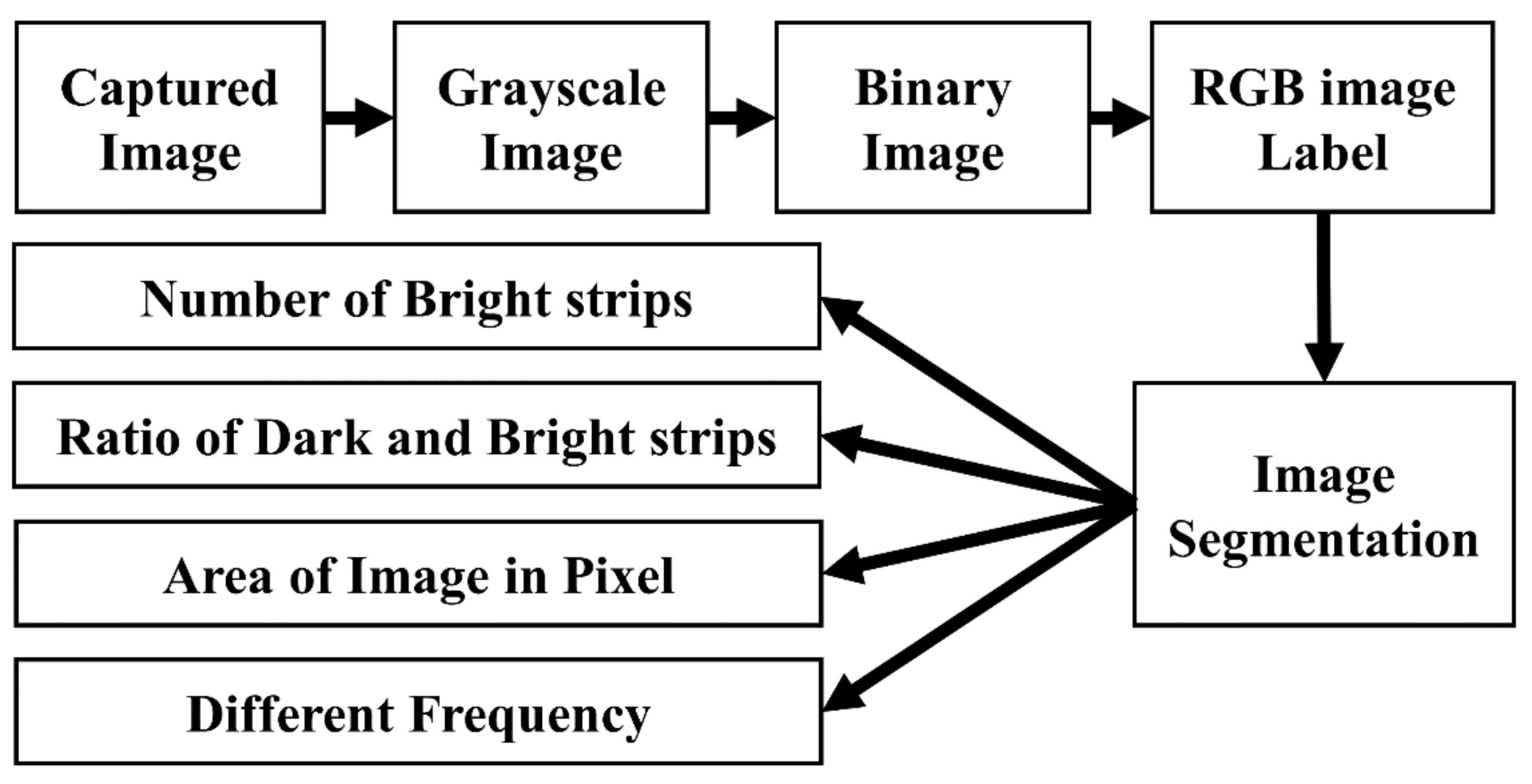
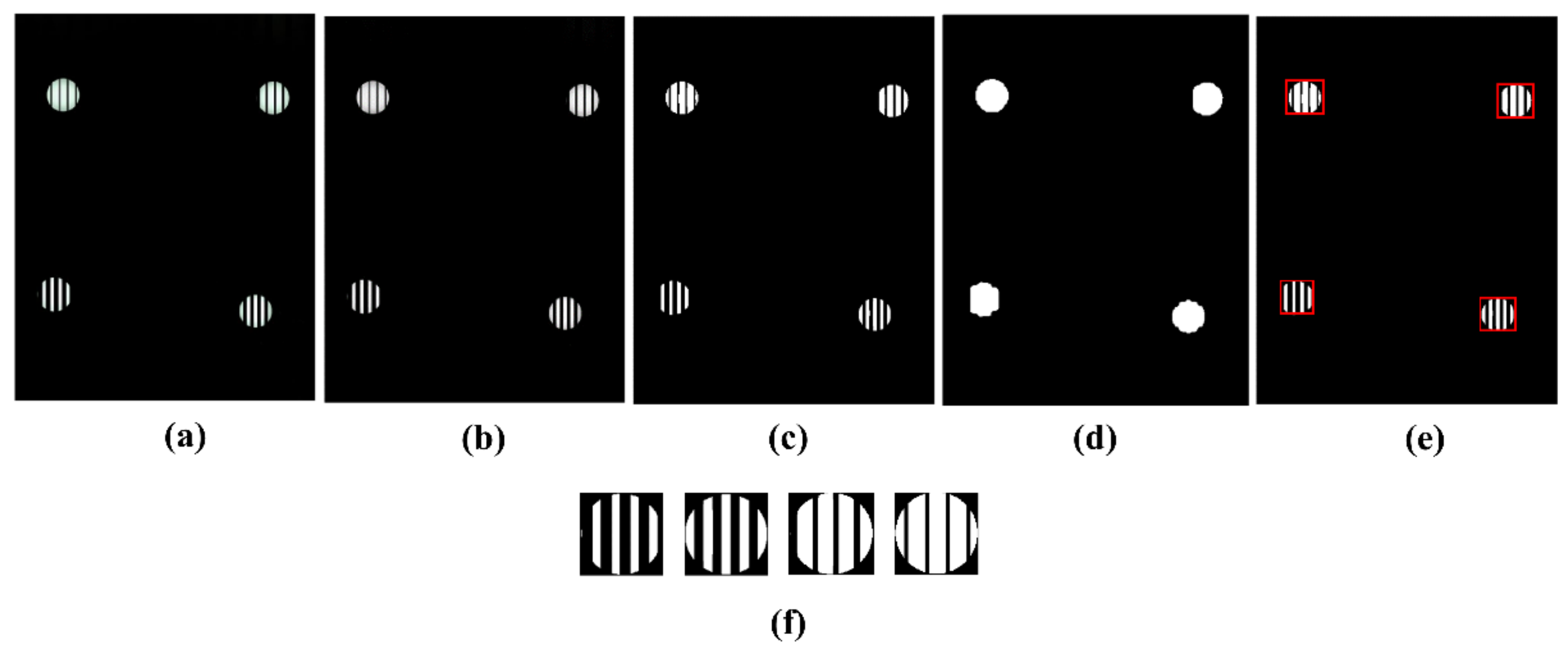
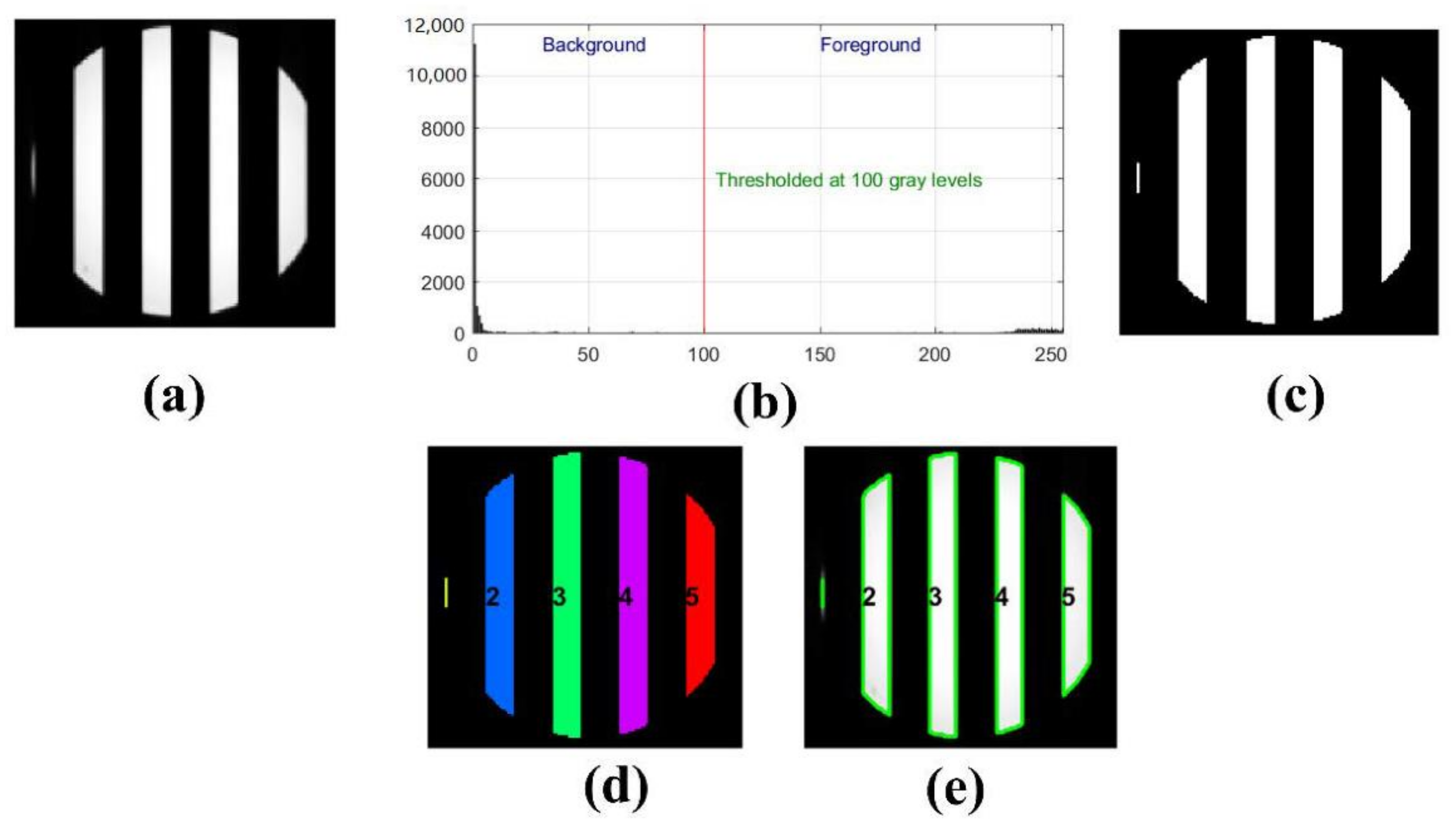
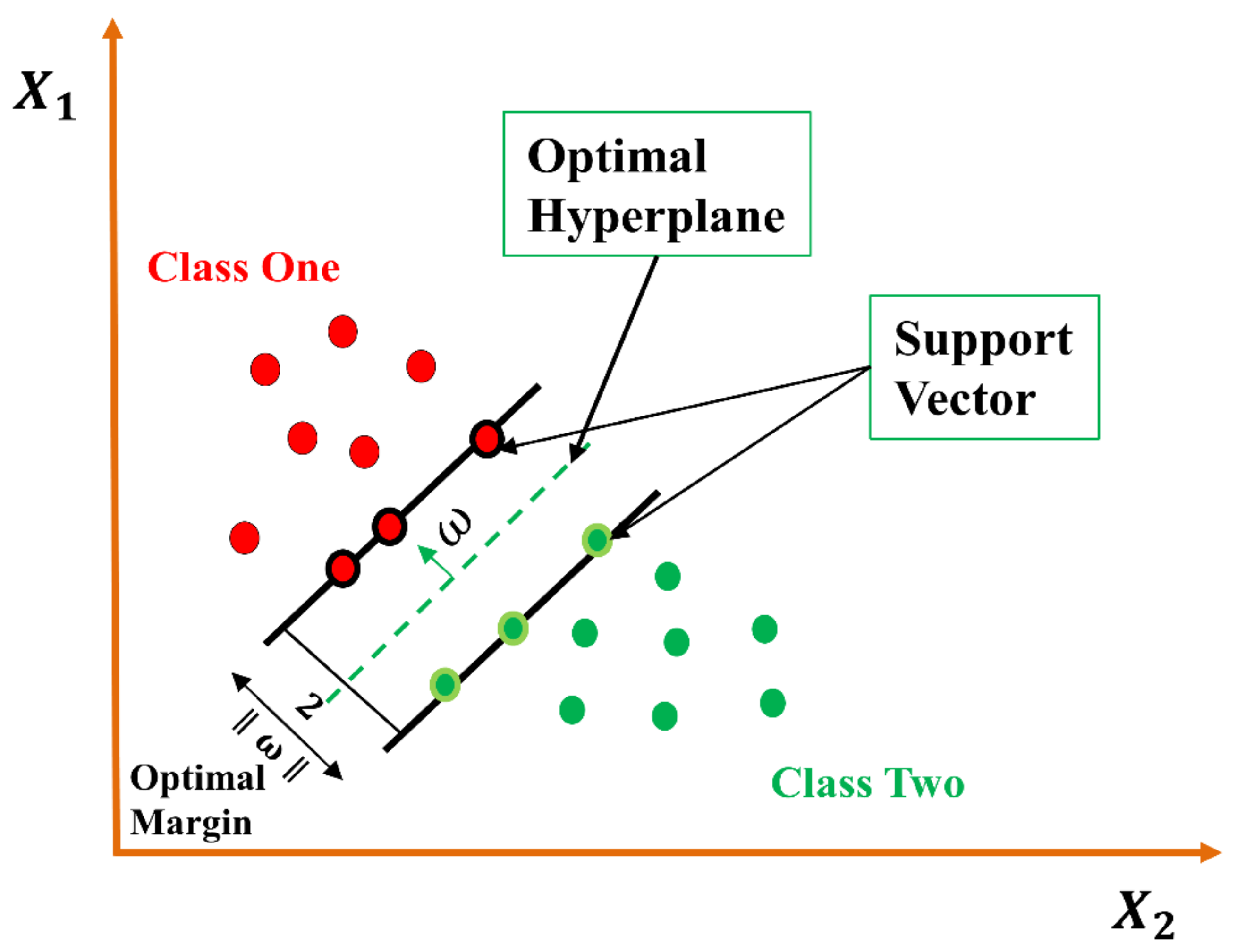
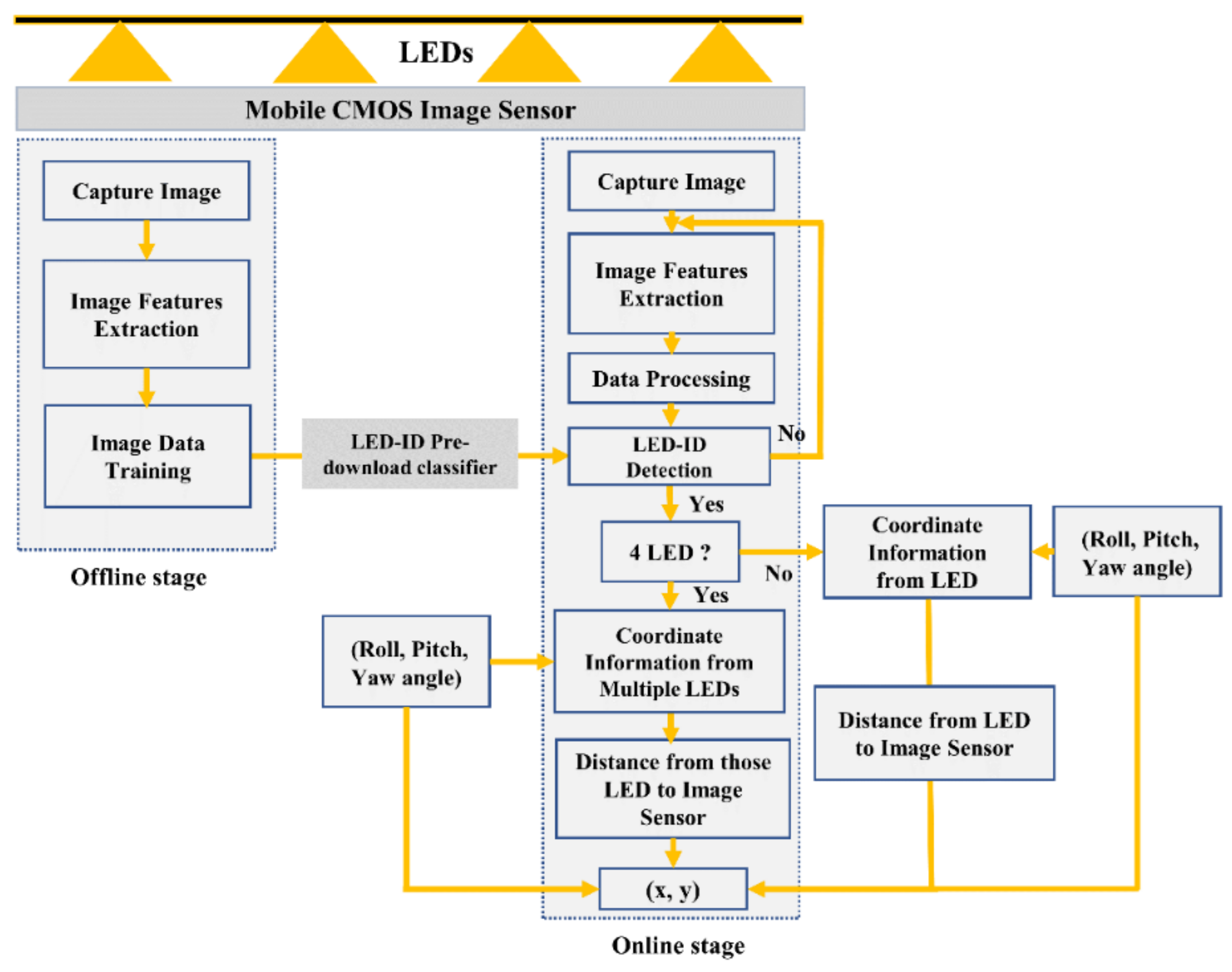
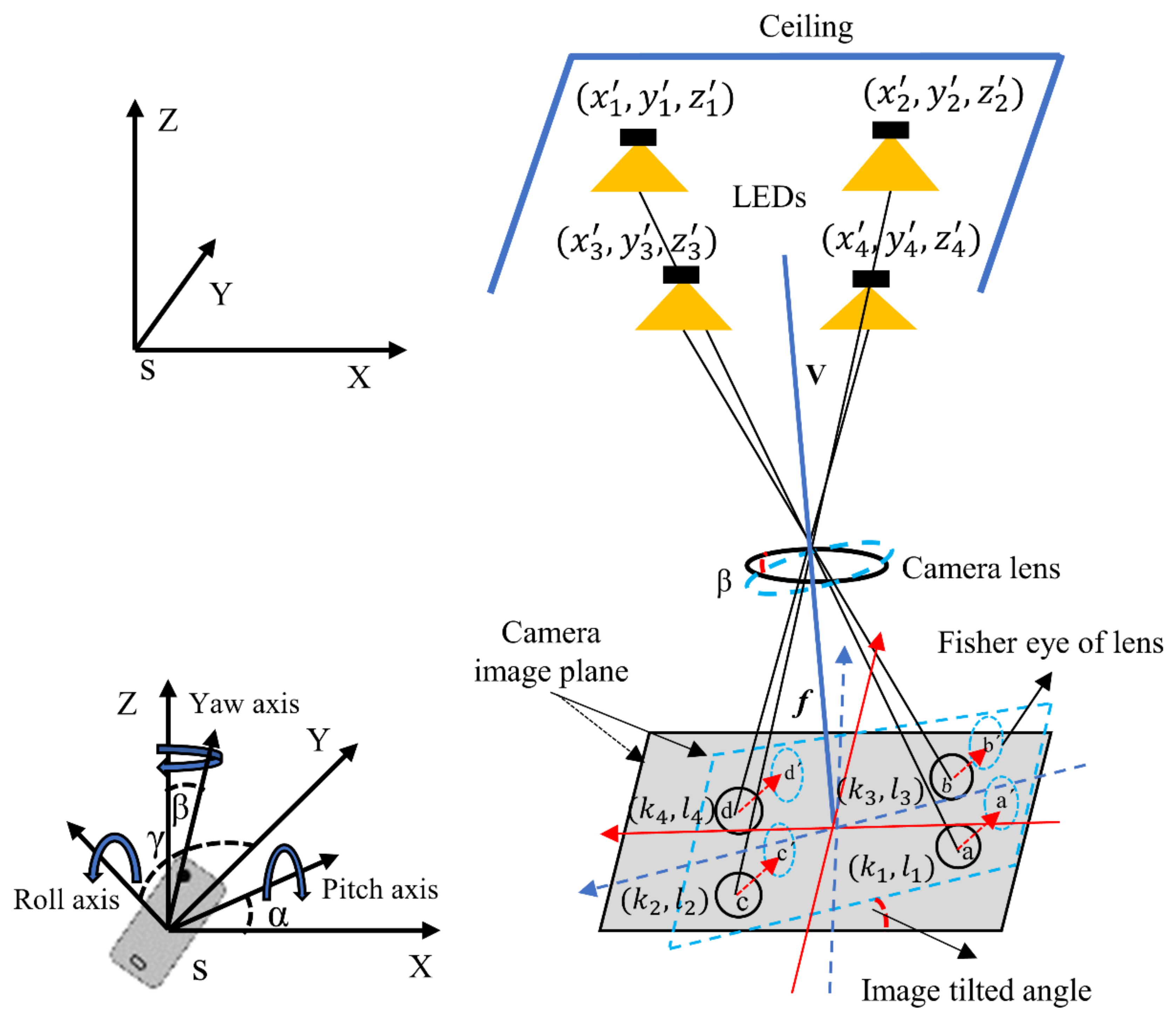
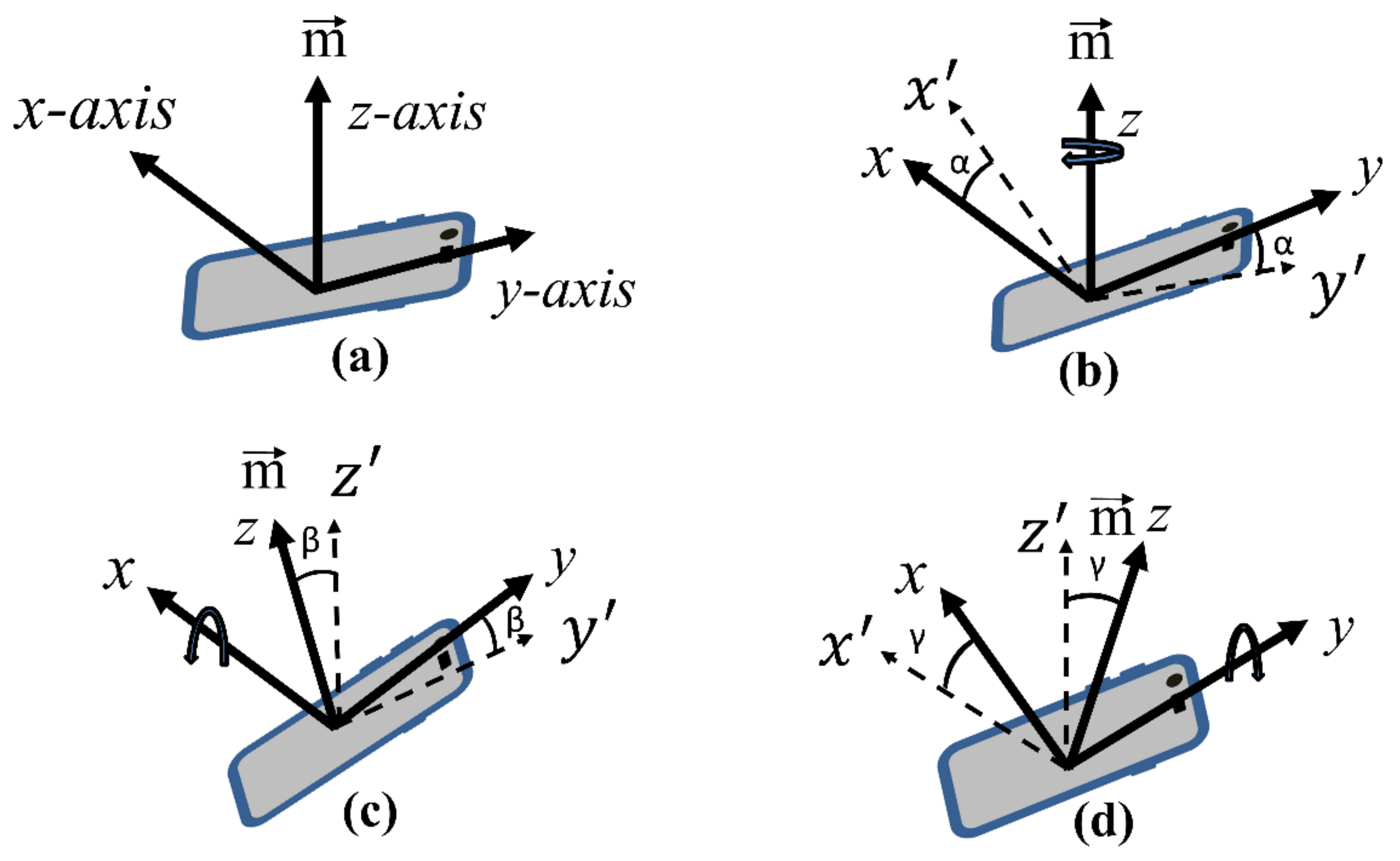
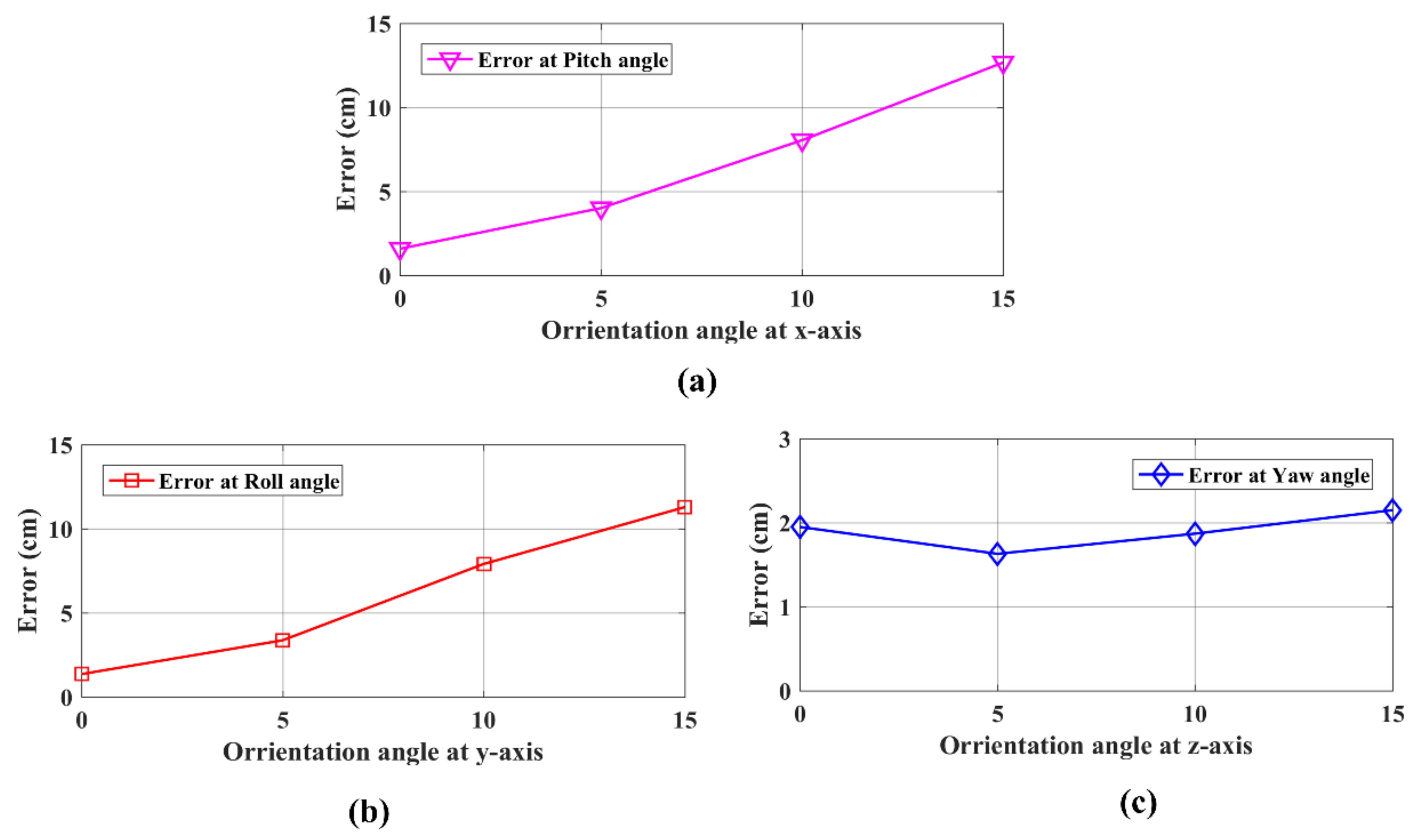
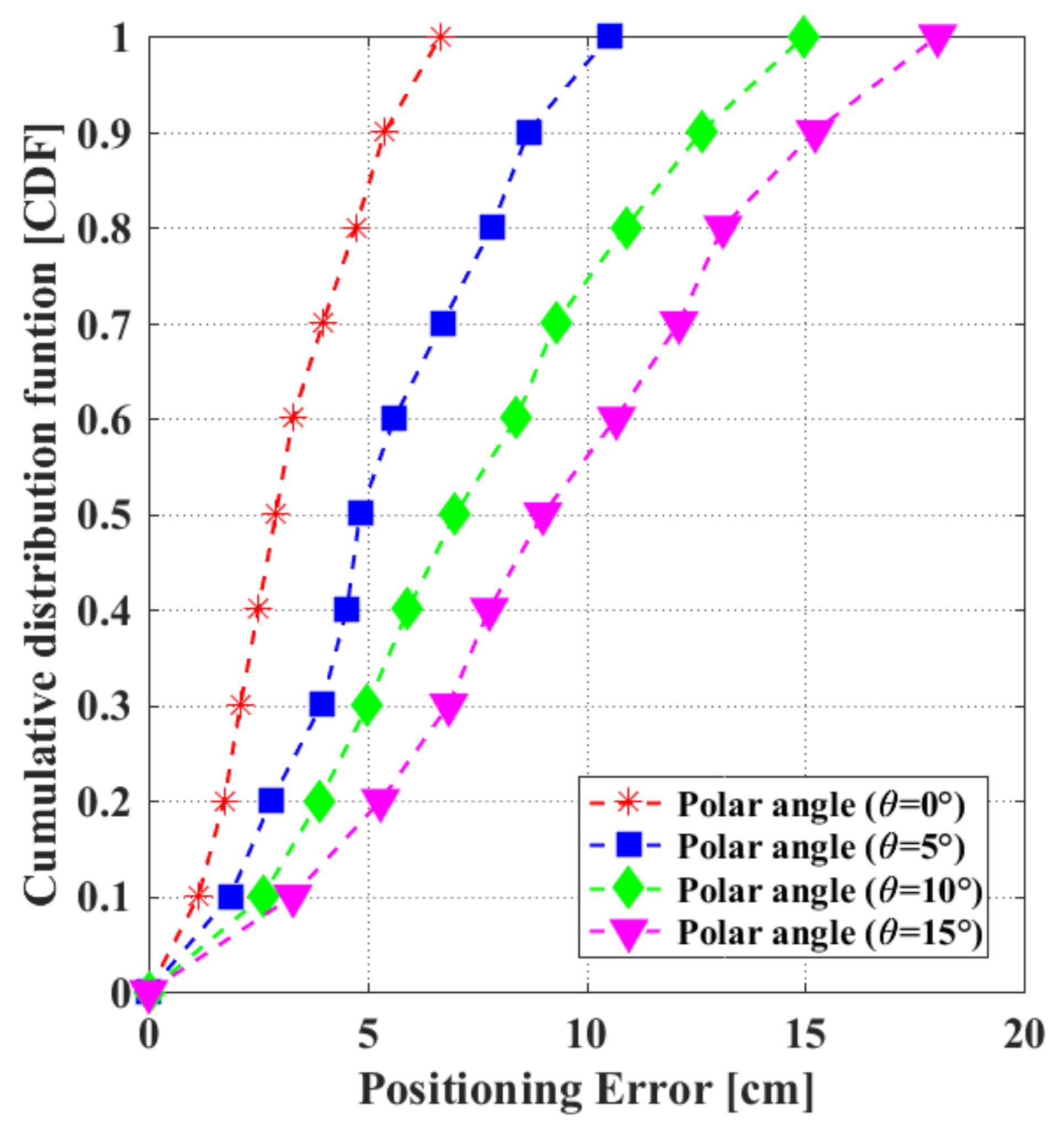
Visible light positioning (VLP) using complementary metal–oxide–semiconductor (CMOS) image sensors is a cost-effective solution to the increasing demand for an indoor positioning system. However, in most of the existing VLP systems with an image sensor, researchers assume that the receiving image sensor is positioned parallel to the indoor floor without any tilting and, thus, have only focused on the high-precision positioning algorithm and ignored the proper light-emitting diode (LED)-ID recognition. To address these limitations, we present, herein, a smartphone CMOS image sensor and visible light-based indoor localization system for a receiver device in a tilted position, and we have applied a machine learning approach for optimized LED-ID detection. For detection of the LED-ID, we generated different features for different LED-IDs and utilize a machine learning method to identify each ID as opposed to using the conventional coding and decoding method. An image processing method was used for the image features extraction and selection. We utilized the rolling shutter mechanism of the smartphone CMOS image sensor in our indoor positioning system. Additionally, to improve the LED-ID detection and positioning accuracy with the tilting of the receiver, we utilized the embedded fusion sensors of the smartphone (e.g., accelerometer, gyroscope, and magnetometer, which can be used to extract the yaw, pitch, and roll angles). The experimental results for the proposed positioning system show that it can provide 2.49, 4.63, 8.46, and 12.20 cm accuracy with angles of 0, 5, 10, and 15°, respectively, within a 2 m × 2 m × 2 m positioning area.
Keywords: visible light positioning; CMOS image sensor; machine learning; device orientation; light-emitting diode visible light positioning; CMOS image sensor; machine learning; device orientation; light-emitting diode