Article

Single-Ended Fault Detection and Fault Location in Transmission Lines Using Approximate Derivative


1
Department of Electrical and Electronics Engineering, Bitlis Eren University, Bitlis 13100, Türkiye
2
Department of Electrical and Electronics Engineering, Inonu University, Malatya 44280, Türkiye
3
Department of Electrical and Electronics Engineering, Munzur University, Tunceli 62000, Türkiye
*
Author to whom correspondence should be addressed.
Electronics 2026, 15(12), 2591; https://doi.org/10.3390/electronics15122591

Submission received: 3 May 2026 / Revised: 31 May 2026 / Accepted: 2 June 2026 / Published: 12 June 2026
(This article belongs to the Special Issue Energy Saving Management Systems: Challenges and Applications)

Abstract

Fault location in power transmission lines (PTLs) relies on impedance or traveling wave (TW) principles. TW approaches offer superior accuracy and high robustness against fault resistance. While multi-ended methods require precise terminal synchronization, single-ended TW (SETW) methods utilize measurements from one terminal, requiring accurate distinction of reflected waves. This study employs the computationally efficient approximate derivative (AD)—the difference between consecutive samples—for SETW fault detection and location. Normally near zero, the AD of modal signals produces sharp transitions during faults. Comparing AD output to a threshold achieves fault detection. The AD then identifies arrival times of the incident and reflected TWs. When using TW theory to distinguish reflections from the fault point and remote end, the fault distance is calculated from their arrival time difference. Validated through 293 diverse ATP simulated fault scenarios, the approach delivered highly accurate results despite using a lower sampling rate than established methods, utilizing an exceptionally short data window—only 2.03 ms for a 300 km line. Finally, operational boundaries for the signal-to-noise ratio (SNR) in noisy conditions are established.

1. Introduction

The energy transmission network represents the complex vascular system supporting modern technological infrastructure, facilitating the unified distribution of energy vital for contemporary societal functions. However, this intricate grid is susceptible to faults that disrupt the seamless flow of electricity. In this context, the rapid and precise detection of fault locations is of critical importance. In the field of energy transmission engineering, where reliability is the paramount concern, the development and implementation of effective fault detection methods are essential. These methods serve as indispensable diagnostic tools that allow for the rapid mitigation of faults, thereby ensuring a continuous supply of electricity to consumers.
Recent studies on fault location in PTLs can be classified into impedance-based [1,2,3,4], TW-based [5,6,7,8,9,10,11,12,13,14,15,16,17,18,19,20], and hybrid methods utilizing TWs and AI algorithms [21,22,23,24,25,26,27]. These methods can also be categorized by their measurement of line voltage and/or current. Multi-ended methods require data acquired from each terminal of the line [1,2,3,4,5,6,7,8,9,10,11,12,13,14,25,26], whereas single-ended methods require data from only one terminal [15,16,17,18,19,20,21,22,23,24]. Furthermore, some multi-ended methods require GPS time synchronization of the acquired data [1,2,5,6,7,8,9,10,11,12,25,26], while others operate asynchronously [3,4,13,14].
Most contemporary studies focusing on fault location in PTLs are based on TW theory [5,6,7,8,9,10,11,12,13,14,15,16,17,18,19,20]. TWs are high-frequency signals triggered by sudden disruptions such as faults, switching operations, or lightning strikes. When these waves hit a point of discontinuity (the fault itself or the line terminals), they reflect and refract [18]. Measuring the arrival times of these waves at the line ends provides the fault location. Methods operating with time-synchronized data from multiple ends of the line determine the fault location based on the arrival time of the first wave reaching each terminal [5,6,7,8,9,10,11,12]. Conversely, asynchronous multi-ended methods determine the fault location based on the arrival times of both the incident and reflected waves [13,14]. Single-ended methods determine the fault location by utilizing the arrival times of the incident wave, the wave reflected from the fault point, and the wave reflected from the line end [15,16,17,18,19]. Additionally, some methods determine the fault location by analyzing the harmonic frequencies generated by TWs from single-end data. For instance, TFSA identifies TW-generated frequencies using the FFT to determine the fault distance [20].
Each fault location method presents inherent limitations. Although impedance-based methods are cost-effective and possess noise immunity, they are often adversely affected by fault resistance and load flow. In contrast, TW methods are highly resilient to these parameters but remain highly susceptible to signal noise. Furthermore, impedance-based and TW-based methods utilizing synchronized measurements require dedicated communication channels and GPS time synchronization. While asynchronous TW methods only require a communication channel, some necessitate additional midpoint measurement hardware [13]. Generally, TW methods operating in the frequency domain exhibit greater noise immunity than time-domain methods but offer lower fault location accuracy [24]. AI methods provide superior accuracy and noise resilience compared to conventional TW methods; however, high computational burdens and training set dependencies remain significant challenges [4].
SETW time-domain methods require measurement from only one side but necessitate the precise decomposition of waves reflected from the fault point and the line end. Extracting these reflected TWs is exceptionally difficult in noisy systems due to their significantly lower amplitudes compared to the incident TW. For faults occurring near the voltage zero-crossing, the generated TW amplitudes are inherently low, making their detection nearly impossible in noisy environments. WT generally demonstrates a poor performance in noisy systems and during zero-crossing FIA [14].
To address these limitations, this study proposes a novel SETW method for the detection and location of PTL faults, with its efficacy rigorously examined through simulations. The method extracts TW arrival times from single-end data using the approximate derivative (AD), a technique previously applied only to synchronized, two-ended data [12]. The AD is defined as the discrete difference between an instantaneous sample value and its preceding value. Under normal, steady-state conditions, at high sampling frequencies, the AD of each current or voltage phase remains very close to zero.
The fault detection methodology presented in this study is similar to that in [20]: the absolute value of the AD of the aerial modes—derived from the three-phase current signal at one end of the PTL—is compared to a predetermined threshold. If the AD of any mode exceeds this threshold, a fault is detected. Following detection, a sufficient number of samples are extracted from the 3-P current or voltage signal, initiating from the fault inception sample. The acquired data is subjected to modal transformation, and the LMs of the AD for the selected mode are identified. Subsequently, the indices and amplitudes of the incident and reflected TWs are extracted. By utilizing TW theory, the specific sign and amplitude relationships of the TWs are determined. This allows the algorithm to successfully distinguish between TWs reflected from the line end and those reflected from the fault point. Notably, the AD demonstrates a superior capability compared to the WT in extracting TWs with the correct theoretical polarity and amplitude. Combining this robust signal extraction capability with the proposed algorithm makes this study highly valuable for practical application.
This study comprehensively evaluates the proposed AD-based method for single-ended fault detection and location in PTLs. The algorithm’s performance is rigorously tested against diverse operational and transient variables, including the fault distance, fault type, fault resistance, FIA, close-in faults, system configuration, pre-fault power flow, and signal noise. To achieve this, 293 distinct fault scenarios are simulated on 400 kV/50 Hz/300 km and 230 kV/60 Hz/100 km two-terminal PTL models using ATP, with subsequent detection and location calculations executed independently in MATLAB 2023b for both current and voltage signals. Recognizing that SETW methods are particularly vulnerable to noise and FIAs near zero, over one-third of the simulations specifically target zero-crossing conditions. Furthermore, all calculations incorporate noisy signals to firmly establish the method’s boundary noise tolerance. Ultimately, comparisons with the existing literature demonstrate that this novel AD-based approach significantly enhances fault location accuracy.
The main contributions of this study are summarized as follows:
  • The pioneering application of the AD as an SETW fault location method.
  • A comprehensive evaluation of FIA effects, definitively proving the method’s robustness under challenging zero-crossing conditions.
  • A rigorous assessment of noise impacts to establish operational boundary noise levels.
  • The introduction of a novel peak detection algorithm based on the extraction of LMs.
The remainder of this manuscript is organized as follows: Section 1.1 reviews the related literature regarding fault location methods. Section 2 details the mathematical background of TW theory, introduces the AD technique, and outlines the proposed fault detection and location algorithms. Section 3 presents comprehensive simulation results, evaluating the method against various scenarios. Finally, Section 4 provides a discussion of the findings and concludes the paper.

1.1. Related Work

1.1.1. Impedance-Based Methods

Impedance-based methods utilize voltage and current signals acquired from both sides of the line in phasor or time-domain formats. Some phasor-domain approaches use synchrophasors acquired from PMUs [1,2], while others operate without synchronization [3,4]. Because these methods focus on fundamental frequency components, high sampling frequencies are not required. Generally, they employ numerical techniques to solve fault location equations. For example, the Gauss–Newton method was utilized in [1] to estimate the fault location under high fault impedance conditions. Time-domain impedance-based methods utilize instantaneous current and voltage values, relying on numerical estimation techniques that necessitate strict time synchronization [2]. In [2], a distributed parameter line model and the leap-frog parameter estimation method were applied to account for line asymmetry. Alternatively, unsynchronized approaches often convert nonlinear equations into optimization problems, as demonstrated in [3] using a modified Newton method for a hybrid overhead–underground line. In [4], the fault location was estimated by analyzing the intersection of sequence voltage profiles.

1.1.2. Traveling Wave Methods

Recent studies present various techniques for extracting TW arrival times. In [5], the ITD method was used to find the arrival times of incident voltage TWs across a UPFC-compensated line. In [6], Kalman filtering with maximum likelihood estimation was applied to determine the location of lightning strikes. Otsu thresholding paired with a Canny power spectrum was proposed in [7] to extract incident TW arrival times under low-SNR conditions. To bypass the frequency response limitations of measurement transformers, some studies rely on direct sensor data; an electro-optic field sensor was utilized in [8] to obtain normalized electric fields, while tunnel magnetoresistance sensors captured magnetic field transients in [9]. MM, a nonlinear algebraic transformation based on the morphological gradient, was utilized to extract arrival times in [10]. In [11], the HHT—which subjects the signal to EMD to produce IMF—was used to obtain instantaneous TW frequencies.
WT is frequently used in contemporary fault location studies [13,14,22,23,25,26,27]. WTMM, defined as the local maxima of a three-scale DWT, was applied to unsynchronized current signals from three line ends to extract the time, amplitude, and polarity of TWs [14]. In [13], the TEO was applied to the DWT of single-end voltage signals for specific fault conditions, while a variable data window-based S-transform was applied to asynchronous multi-terminal voltage signals to obtain the frequency spectrum.
Recently, SETW-based methods operating in the time domain have gained significant traction [15,16,17,18,19]. NFD was employed in [15] to isolate internal faults and obtain TW arrival times on a networked line. Time-length decomposition was utilized in [16] for a two-ended double-circuit and a three-ended power system. In [17], the cross-correlation function of the Park transformation for voltage and current signals was used for a two-ended system. Curve fitting and dual unequal sliding windows were applied to extract TW arrival times in [18]. Finally, the Gabor transform was applied to single-end modal voltages on series-compensated lines to facilitate fault detection, classification, and location in [19].

1.1.3. Artificial Intelligence Methods

AI methods represent the most promising approach for maximizing fault location accuracy [21,22,23,24,25,26,27]. Generally, TW features are first extracted using conventional signal processing and subsequently fed into AI algorithms to map complex fault characteristics. For instance, ICA was utilized for feature extraction alongside an SVM classifier in [21]. WMRA was combined with an ANFIS in [22] to estimate locations on a four-circuit line. In [23], DWT was paired with game theory to formulate fault detection as an interactive decision-making process for lines with synchronous compensators. An MLP within an LBF utilized the FFT of single-ended current signals to pinpoint faults based on TW distortion in [24]. Deep learning architectures have also been applied to overcome noise uncertainties; DNN alongside DWT processed synchronized three-terminal current signals in [25]. Similarly, hybrid frameworks—such as the directed tree model combined with linear curve fitting and DWT [26], or the WAN approach applied to a UPFC line [27]—have successfully processed synchronized measurements across wide-area power grids.

2. Materials and Methods

2.1. TW Theory

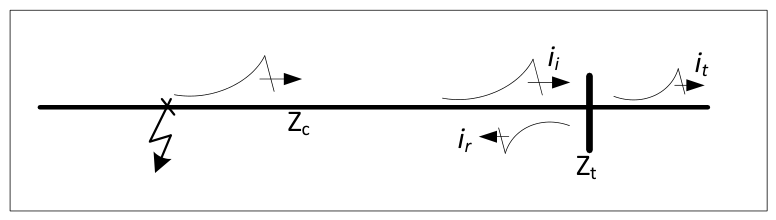
In PTLs, TWs are current and voltage waves that propagate toward both ends of the line from the point of origin during events that disrupt continuity, such as faults, breaker switching operations, or lightning strikes. TWs refract and reflect at points of discontinuity, such as line terminals or fault locations. The amplitudes and polarities of these reflected and refracted TWs vary depending on the line’s characteristic impedance (Zc) and the termination impedance (Zt). Figure 1 provides a visual representation of the incident (ii), reflected (ir), and refracted (it) current TWs as they reach a point of discontinuity.
The current and voltage phasors at any point along the line can be expressed as [28]
V x , t = v i + v r = v I e γ x + v R e γ x I ( x , t ) = i i + i r = i I e γ x + i R e γ x , γ = Z Y
where v i and i i are incident TWs reaching the measurement terminal, and v r and i r are reflections of these waves from the terminal. Here, γ represents the propagation constant, Z is the unit impedance of the line, and Y is the unit admittance of the line. The relationship between the voltage and current TWs is given by
v I i I = Z c = Z Y       v R i R = Z c = Z Y
Consequently, the current phasor (I) can be written as
I ( x , t ) = 1 Z c ( v I e γ x v R e γ x )
When TWs reach the points of discontinuity, the relationship between the voltage and current phasors at that point can be expressed as
v i = v I + v R i I + i R = Z t
Using Equations (1) and (4), the relationships between the incident ( v I , i I ) and reflected ( v R , i R ) TWs are derived as
v R = Z t Z c Z t + Z c v I           i R = Z c Z t Z t + Z c i I
It is clear from Equation (5) that the amplitude and polarity of the reflected TW depend on the values of Zc and Zt. In this study, since a two-terminal power system is simulated, the points of discontinuity during a fault are the line terminals and the fault location. At the line terminals, Zt represents the source impedance. At the fault location, Zt is the equivalent impedance resulting from the parallel combination of the fault resistance (Rf) and Zc. The relationships concerning incident, reflected and refracted ( i I , i R , i T and v I , v R , v T ) TWs at the fault location are given by
i R = Z c 2 R f + Z c i I ,         i T = i I + i R = 1 + Z c 2 R f + Z c i I v R = Z c 2 R f + Z c v I         v T = v I + v R = 2 R f 2 R f + Z c v I
As can be inferred from Equation (6), when the voltage TW reflects at the fault point, its polarity changes. Conversely, when the current TW reflects at the fault point, its polarity remains the same. The polarities of the current and voltage TWs refracted from the fault point are identical to the initial wave [28].
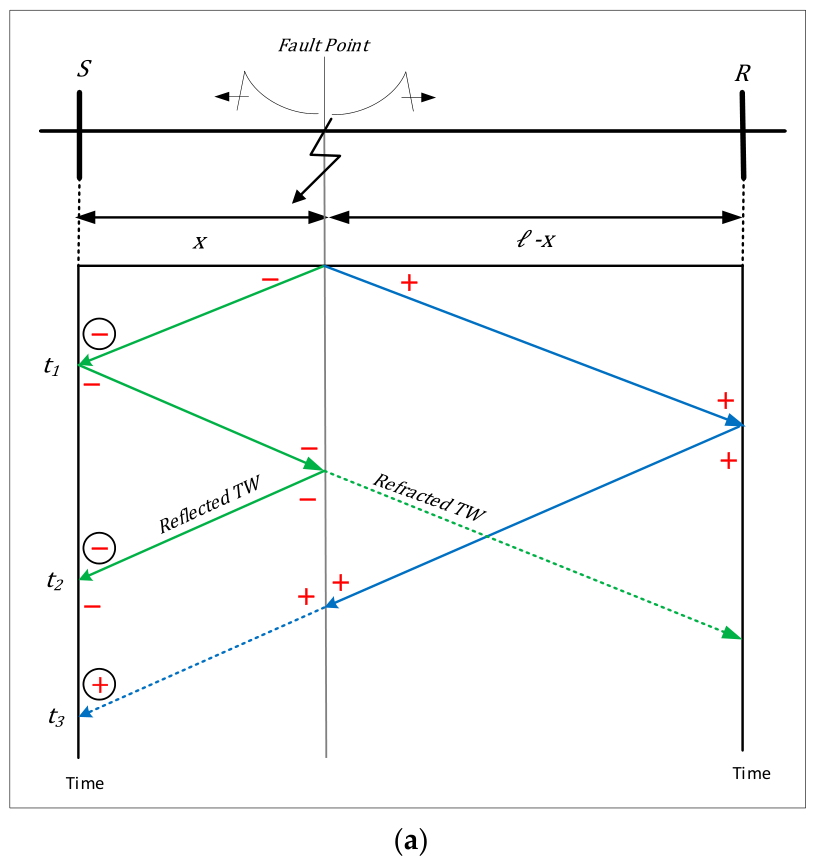
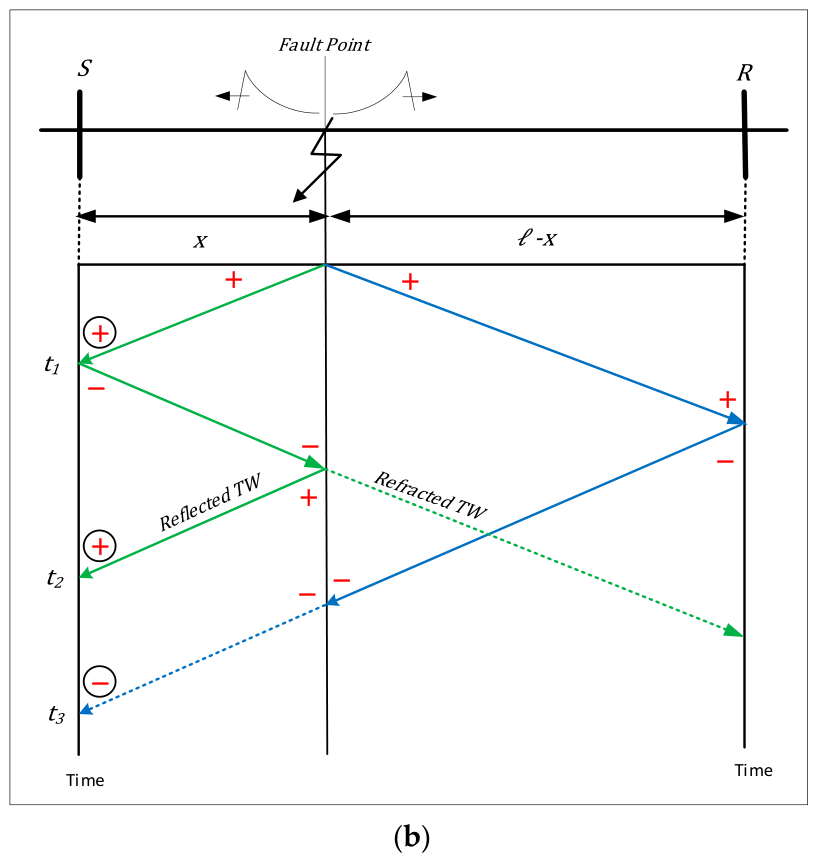
In the single-ended AD method, the fault location is determined based on the polarities and amplitudes of the TWs. The value of the source impedance determines the polarities of the TWs reflecting from the line ends. Figure 2a presents the arrival times and polarities of the current TWs at the measurement terminal for a fault occurring before the midpoint of the line. The voltage TWs and their polarities for the same fault are given in Figure 2b.
Regarding the TWs arriving at terminal S in Figure 2, t1 is the arrival time of the incident TW, t2 is the arrival time of the TW reflected from the fault point, and t3 is the arrival time of the TW reflected from the remote end of the line.
In most PTL configurations, Zc is greater than the source impedance [15]. According to Equation (5), when the source impedance is smaller than the characteristic impedance, the polarity of the voltage TW reverses upon reflection from the line ends. The polarity of the initial TW is given as positive for illustrative purposes. The same equation shows that the polarity of the current TW remains unchanged when it reflects from the line ends. Assuming the measurement terminal as the reference, if the polarity of the incident TW is taken as negative, its polarity at the remote end becomes positive. This is because during a fault, the currents at both ends of the line flow towards the fault point.
For a fault that may occur beyond the midpoint of the transmission line, t3 precedes t2. An analysis of Figure 2 reveals that the polarities of the TW reflected from the fault point, the TW reflected from the remote end, and the second TW reflected from the fault point, reaching the measurement terminal of the line, alter in the identical manner for both current and voltage with respect to the initial TW.
The amplitude hierarchy of secondary TWs is governed by propagation distance attenuation ( e γ x ) from Equation (1) and reflection coefficients at discontinuities (Equations (5) and (6)). The possible fault resistance (Rf) value is between 0 and 45 Ω, characteristic impedance (Zc) value is between 300 and 400 Ω and source impedance (as termination impedance) value is between 5 and 25 Ω in PTLs [14,15]. With these facts, for SLG faults, Rf dampens the fault reflection coefficient defined in Equation (6). When an SLG fault occurs before the midpoint, the short travel distance ensures that the fault-reflected wave maintains the greatest amplitude after the incident wave. However, when an SLG fault is located after the midpoint, increased exponential attenuation severely degrades the fault reflection. Consequently, the remote-end reflected wave—which travels a shorter total distance and experiences a strong terminal reflection (Equation (5), given Zc > Zt)—exhibits the greatest amplitude after the incident wave. Conversely, for other fault types involving multiple phases (e.g., LL, LLL, LLG), the equivalent fault resistance between phases is negligible. This maximizes the absolute fault reflection coefficient in Equation (6) to near 1. This near-total reflection overcomes distance attenuation, ensuring that the fault-reflected wave consistently remains the second greatest amplitude after the incident wave in every case, regardless of whether the fault is located before or after the midpoint.
The fault location calculations using the arrival times of the incident TW (t1), the first reflection from the fault (t2) and the reflection from the remote terminal (t3) can be written as
x = t 2 t 1 2 υ ,       x = l t 3 t 1 2
Here, υ is the propagation velocity in km/s, is the line length in km, and x is the distance to the fault in km.

2.2. Approximate Derivative (AD)

The AD of a discrete-time vector X with n elements is expressed as follows:
A D ( X ) = [ X ( 2 ) X ( 1 ) , X ( 3 ) X ( 2 ) , , X ( n ) X ( n 1 ) ]
Here, AD denotes the first-order approximate derivative. As can be seen, the AD operation reduces the number of elements in the vector by one. Upon examining Equation (8), it is evident that the AD is a very simple tool. Consequently, it is considered that it may reduce the computational burden in PTL protection applications. Unlike WT, the AD does not halve the number of samples in the signal. Therefore, compared to WT, it can provide the same fault location accuracy with lower sampling frequencies.

2.3. Fault Detection with AD

In the method presented in this study, the difference between the instantaneous value of any of the overhead modes—derived from the modal transformation of the three-phase current or voltage measured at one end of the PTL—and its previous value at each sampling instant is compared to a threshold. In other words, the AD of aerial modes is evaluated. The instantaneous values of the aerial modes are given by
S α n S β n S 0 n = 1 3 1 1 0 1 0 1 1 1 1 S a n S b n S c n S α n = S a n S b n 3 , S β n = S a n S c n 3
where Sa(n), Sb(n) and Sc(n) represent the values of the n sample of the three-phase currents or voltage. Sα(n) and Sβ(n) are the aerial mode values of the same sample. The AD of the aerial modes, using the instantaneous (n) and previous (n − 1) samples, is calculated as
A D S a n = S α n S α n 1 , A D S β n = S β n S β n 1
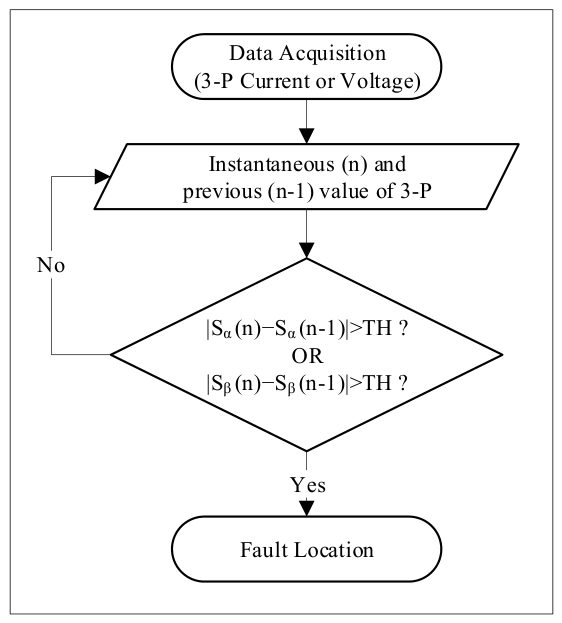
A D S a n and A D ( S β n ) are computed at every sampling instant. If the absolute value of either of these calculated values exceeds the threshold (TH), a fault is detected. The fault detection stages are illustrated in Figure 3.
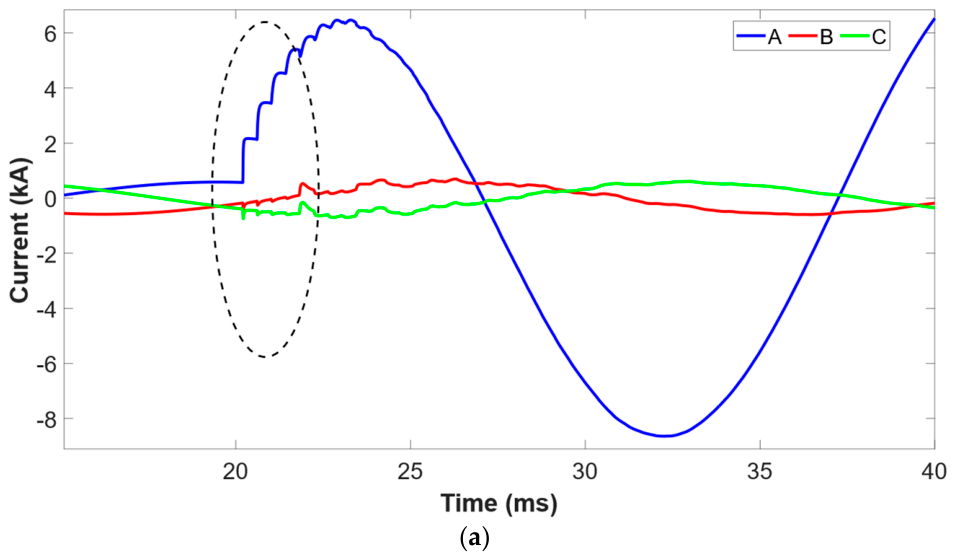
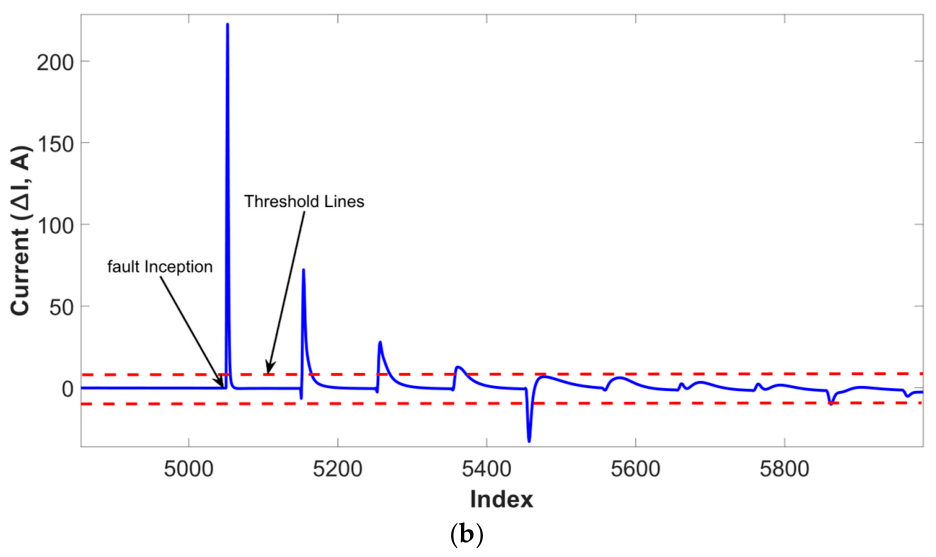
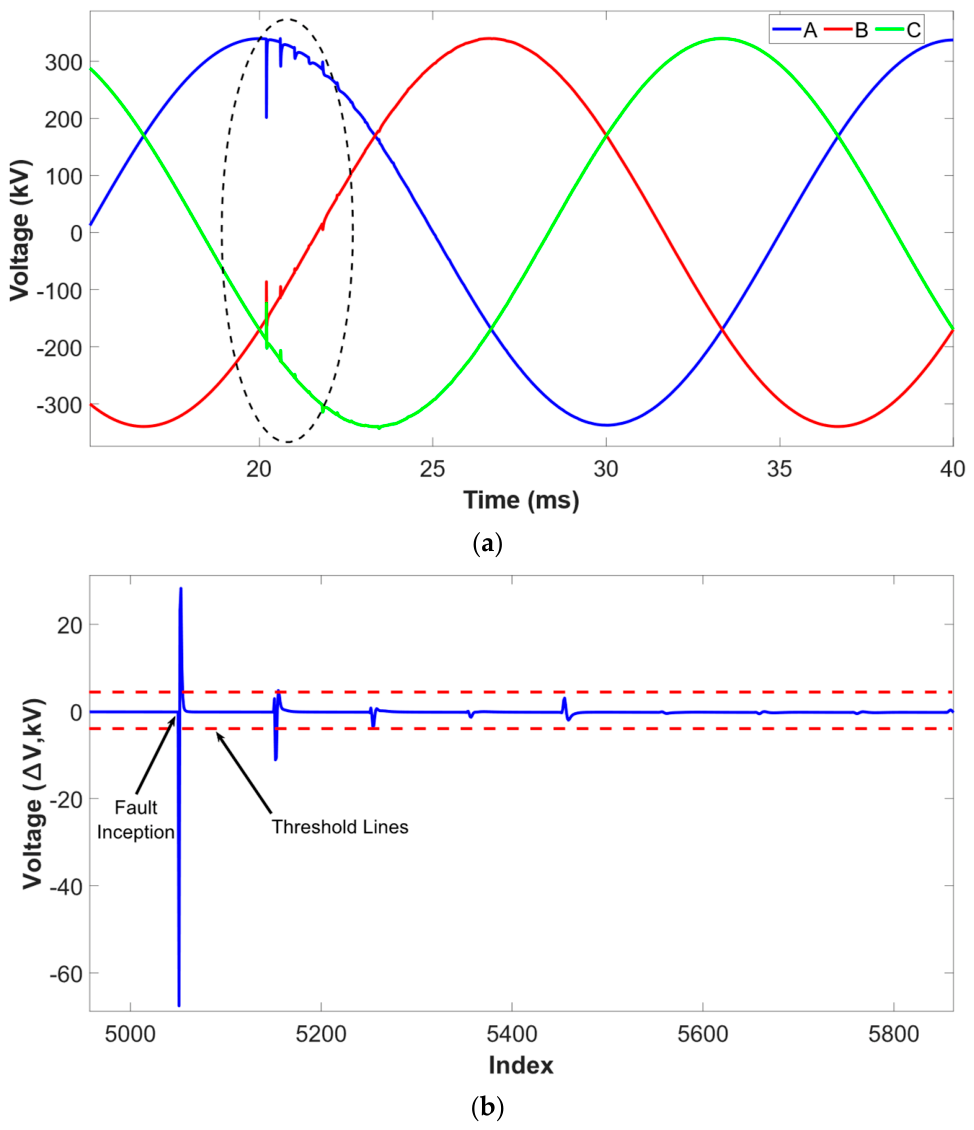
Figure 4a displays the three-phase currents of an AG fault simulation on a 400 kV, 300 km PTL occurring at 60 km. Dotted circle shows fault initiation stage. Figure 4b presents the AD of the current α-mode, the threshold lines, and the fault inception time. As can be seen in the figure, the AD remains very close to zero during non-fault periods. With the fault inception, the first jump—incident TW—is clearly visible. Figure 5 shows voltage waveform and AD of the voltage α-mode for the same fault. It is evident from the figure that fault detection can be easily performed using a predetermined threshold value.
The theoretical basis for this threshold is governed by the maximum discrete change in a fundamental frequency signal between two consecutive samples. For a modal signal with peak amplitude S m and angular frequency ω , sampled at frequency F s , the maximum theoretical pre-fault AD is calculated as
A D m a x = S m · ω F s
For the 400 kV, 50 Hz system sampled at 250 kHz, the theoretical maximum AD for the nominal α-mode voltage is approximately 236.9 V. Consequently, a fixed voltage threshold (THV) of 250 V was established, providing a secure margin above steady-state operations.
However, unlike voltage, the line current fluctuates significantly with load flow, meaning a fixed threshold is susceptible to desensitization during light loads or false triggering during severe overloads. Therefore, an adaptive thresholding strategy is implemented for current signals. The current threshold (THI) is dynamically updated based on the maximum absolute AD value observed within a pre-fault sliding window (e.g., one fundamental cycle), multiplied by a security coefficient (ks > 1) and supplemented by a noise margin (ϵ):
T H I = k s · max t T < τ < t A D c u r r e n t τ + ϵ
In these simulations, equivalent fault detection results were consistently achieved by setting ks = 1.1 and applying a minimum baseline equivalent to the noise floor.

2.4. Fault Location with AD

Following fault detection, the required number of samples is acquired from three phases, starting from the fault inception sample. Since the AD method focuses on determining the arrival times of the TWs, the number of samples to be acquired is determined by the arrival time of the first reflection originating from a potential fault at the remote end of the line. This duration is two times the wave propagation time (τ). The number of samples (N) can be expressed as
N = 2 τ / Δ t = 2 ( l / υ ) F s
where Fs is the sampling frequency in Hz, υ is the wave propagation velocity in km/s, and is the line length in km.
The acquired data is subjected to modal transformation to decouple the mutually coupled phase signals. In this study, the Karrenbauer Modal Transformation is utilized, as given in Equation (9). Depending on the fault type, the transient energy is distributed differently: the α-mode contains the transients for faults involving phases A and B, while the β-mode captures them for faults involving phases A and C. The zero-mode (0-mode) contains significant energy only during ground faults and may not capture all transient features. For fault location calculations, the algorithm exclusively selects either the α or β aerial mode. The specific selection criteria depend on the processed signal: for voltage signals, the mode with the largest absolute AD is selected, whereas for current signals, the mode with the largest absolute second-order AD is chosen. This exclusive reliance on aerial modes ensures the optimal performance. Unlike the zero-mode, which suffers from severe ground-path dispersion, aerial modes preserve sharp transient wavefronts. This guarantees a consistently high SNR and prevents peak misidentification, even in complex mixed-fault conditions or high-noise environments.
Subsequently, the LMs of the AD are identified. Because voltage and current TWs interact with the power system’s physical parameters differently, they exhibit distinct waveform characteristics (Figure 4b and Figure 5b). Current waves are primarily governed by line inductance and exhibit distinct high-frequency ringing. Conversely, voltage waves, constrained by system capacitance and stiff terminal sources, are highly susceptible to modal cross-coupling artifacts—spurious transient peaks resulting from the energy of healthy phases leaking into the faulted phase during modal transformation. Consequently, distinct LM extraction algorithms are required for each.
For the current signal, a candidate LM is established when an element in the AD vector is strictly greater or less than its two immediate neighbors. The algorithm logs the index of this element along with its peak amplitude difference relative to the sample three steps prior. For noise immunity, these candidates are compared against a threshold. To ensure robustness under varying fault resistance and FIA, a static threshold cannot be used, as a 0° FIA wave is orders of magnitude smaller than a 90° FIA wave. Instead, candidates are evaluated against a dynamic, adaptive threshold based on the local standard deviation of the amplitudes. This ensures the threshold scales proportionally with the surge energy. A final filter then removes up to three adjacent lower-amplitude peaks to isolate the definitive LMs, effectively ignoring the localized inductive ringing.
Conversely, to reject the severe modal cross-coupling artifacts inherent to the voltage signal, a candidate LM must not only be an extremum compared to its adjacent samples but also exceed the preceding element by an adaptive threshold equal to the absolute mean value of the second-order AD. The second-order AD effectively measures the ‘sharpness’ of the inflection, allowing the algorithm to differentiate true physical reflections from softer coupling transients. The final LMs are determined by applying an additional filter that eliminates up to two adjacent lower-amplitude peaks of the same sign, and up to three adjacent lower-amplitude peaks of the opposite sign.
While various conventional peak detection algorithms exist in the literature, these established methods frequently fail to identify true wave arrivals under zero-crossing conditions. During such faults, the generated TWs manifest as extremely low-amplitude transients superimposed on the dominant fundamental frequency waveform. By utilizing the aforementioned dynamic thresholds and transient suppression filters, the proposed LM extraction algorithm successfully isolates the true wave arrivals and their exact indices, ensuring a robust performance in boundary cases where standard peak detection logic breaks down.
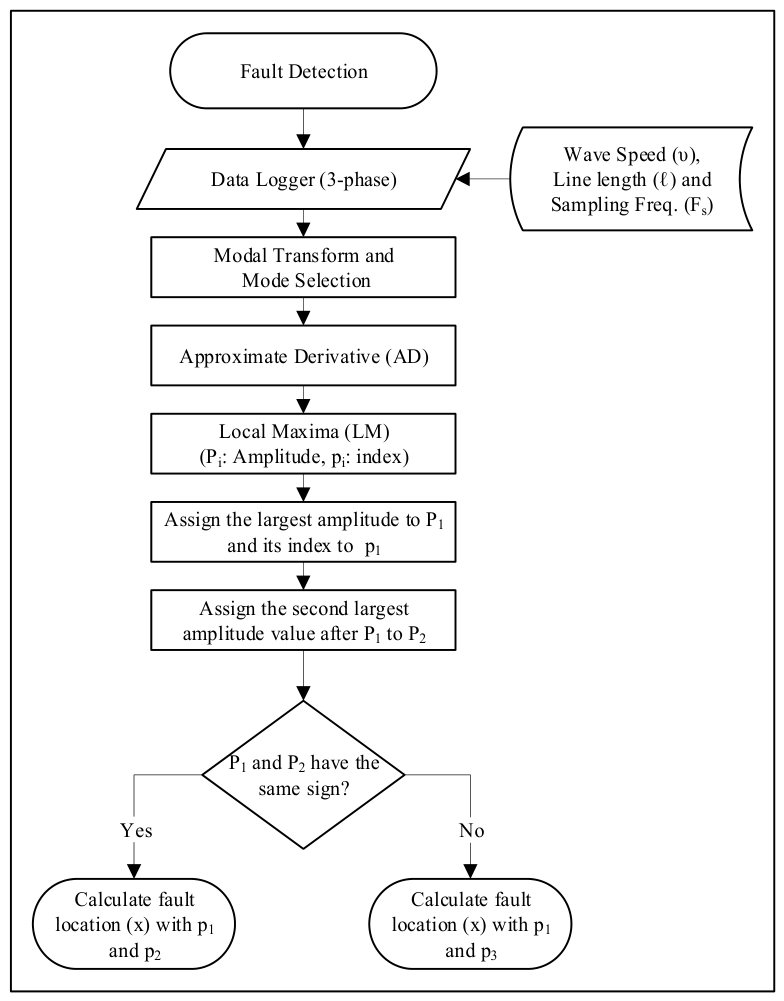
Finally, the incident and reflected TWs are identified from the LMs to calculate the fault location. The incident TW (P1) is the first and highest-amplitude peak within the LMs. Utilizing TW theory, the polarity and amplitude relationships between the waves are determined, allowing for the discrimination between TWs originating from the remote end of the line and those from the fault point. The algorithm then identifies the second-highest amplitude peak in the LMs. Depending on the fault distance and attenuation, this peak could physically be either the fault-reflected TW or the remote end-reflected TW. However, the algorithm definitively identifies its origin based solely on its polarity. As established by TW theory in Section 2.1, if this second-highest peak has the same sign as the incident TW (P1), it is the fault-reflected TW (P2). Conversely, if it possesses the opposite sign, it is the remote end-reflected TW (P3). This study estimates the fault location using the index of P2 or P3, as given in Equation (14):
x = p 2 p 1 2 υ F s ,           x = l p 3 p 1 2 υ F s  
where x is the fault location, and p 1 , p 2 , and p 3 are indexes of incident, fault-reflected and remote end-reflected TW, respectively. The fault location stages are illustrated in Figure 6.
The theoretical precision of the proposed method is fundamentally governed by F s and l . The basic spatial resolution is mathematically fixed as x = υ / 2 F s , yielding a discrete quantization step of ~0.591 km at 250 kHz. However, as established above, the LM algorithm enforces a multi-sample minimum peak separation (e.g., three samples). This establishes an effective minimum resolvable physical distance of ~1.77 km. Consequently, secondary waves from extreme close-in faults (e.g., <1.77 km) arrive within this transient suppression window and are intentionally filtered out, particularly under low-amplitude zero-crossing FIA conditions. A sampling frequency of 250 kHz is selected to optimally balance this highly localized boundary limit, with a significant reduction in computational hardware requirements compared to standard 1 MHz systems. Finally, for calculations utilizing the remote-end reflection (P3), precision is dependent on l , and any parametric inaccuracy in the assumed physical line length will translate directly into a static offset error.
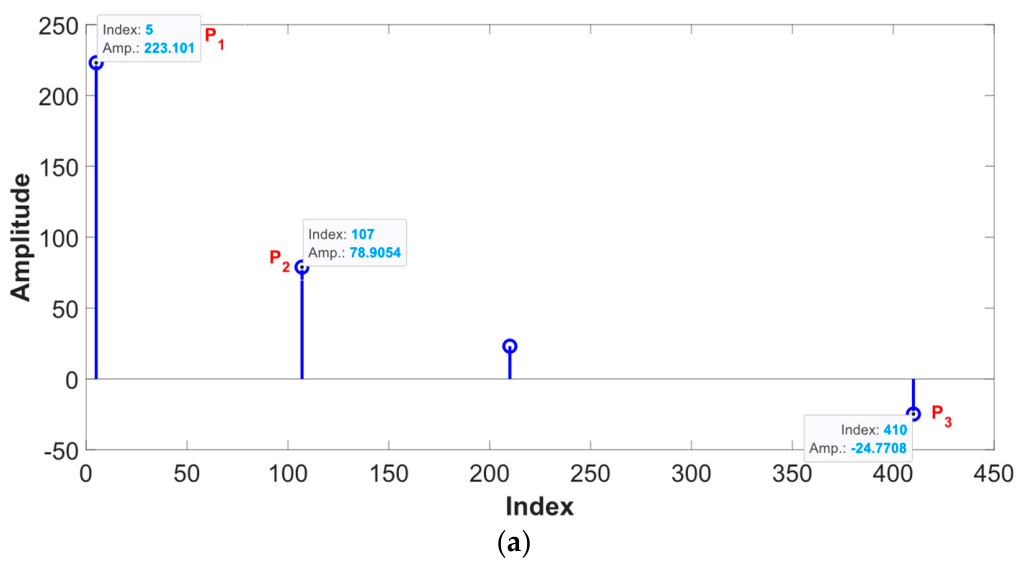
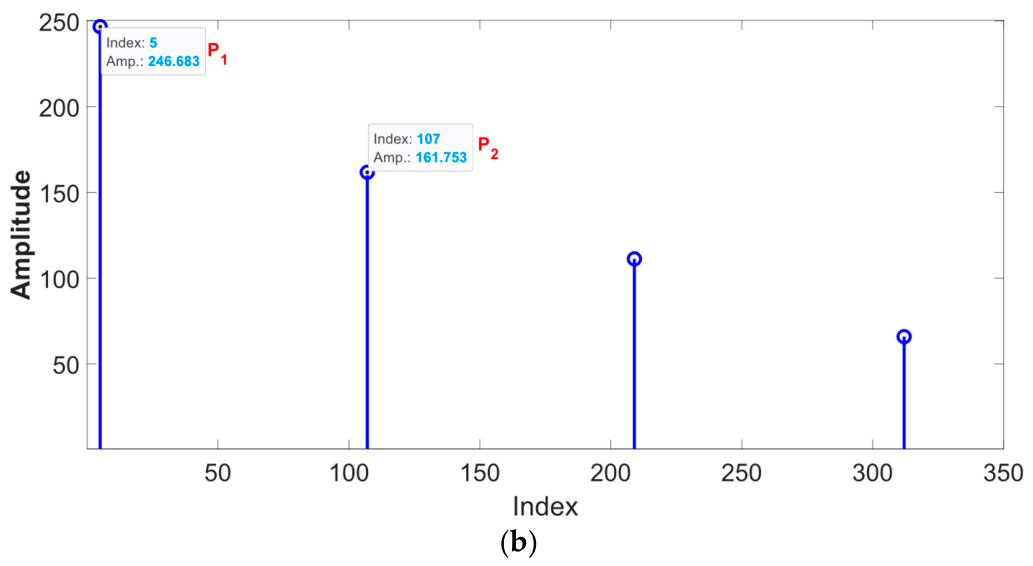
Figure 7 shows the current LMs of the α -mode ADs for AG and BCG faults, simulated at 60 km of a 400 kV, 300 km power system with source inductances of 1 mH/phase and fault resistance, Rf = 20 Ω. The incident and reflected TWs are marked in the figure. Since second-largest amplitude, P2, in the AG fault has the same polarity as the incident TW (P1), it is fault-reflected TW and the fault location can be calculated as
x = p 2 p 1 2 υ F s = 107 5 2 295,720 250,000 = 60.33   k m
As expected from theory, P3 could not be found in the BCG fault. The fault location is found in the same way as Equation (15).
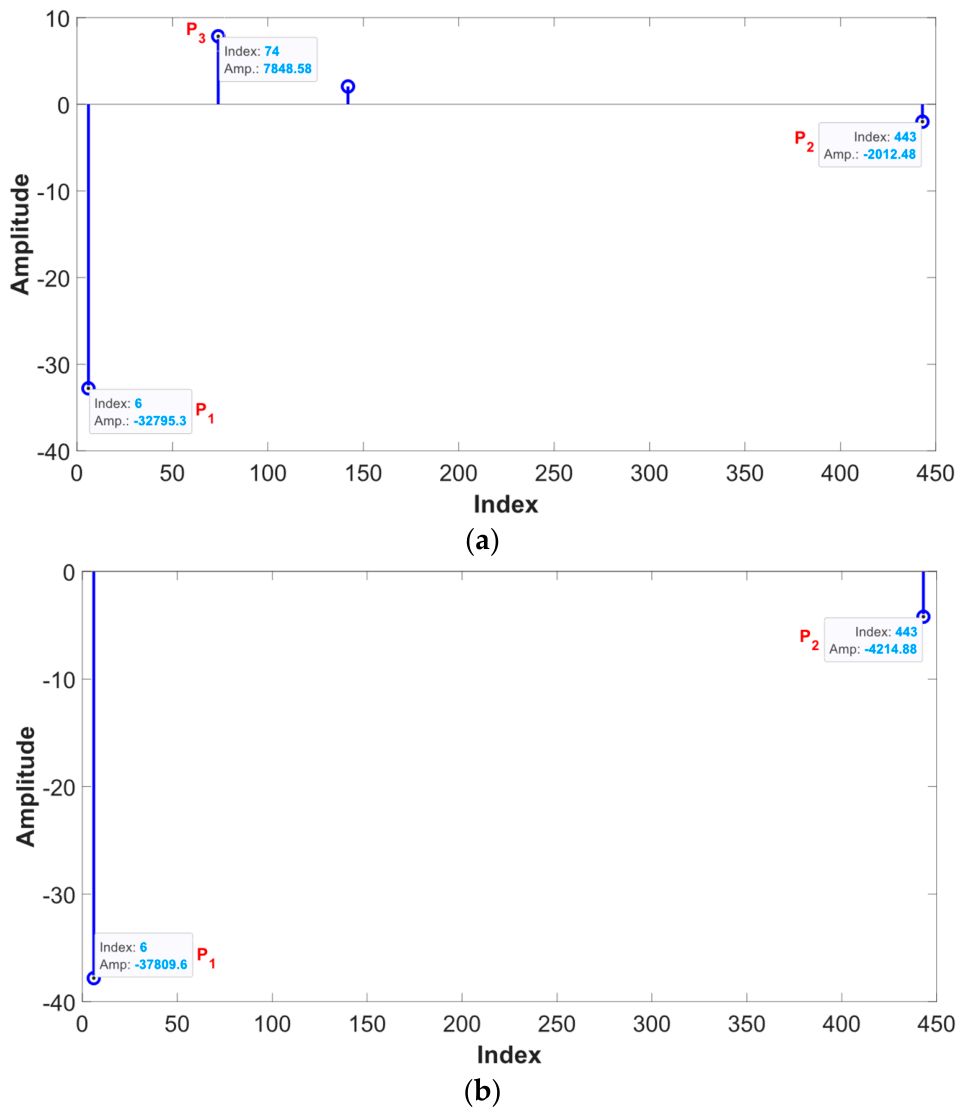
Figure 8 shows the voltage LMs of the α -mode ADs for AG and BCG faults, simulated at 260 km of a 400 kV, 300 km power system with same parameters given in the previous example. Since the second-largest amplitude, P3, in the AG fault has the opposite polarity to the incident TW (P1), the remote end-reflected TW and the fault location can be calculated as
x = l p 3 p 1 2 υ F s = 300 74 6 2 295,720 250,000 = 259.78   km
In the BCG fault, P3 could not be found, and the fault location can be found using
x = p 2 p 1 2 υ F s = 443 6 2 295,720 250,000 = 258.46   km

2.5. Case Study

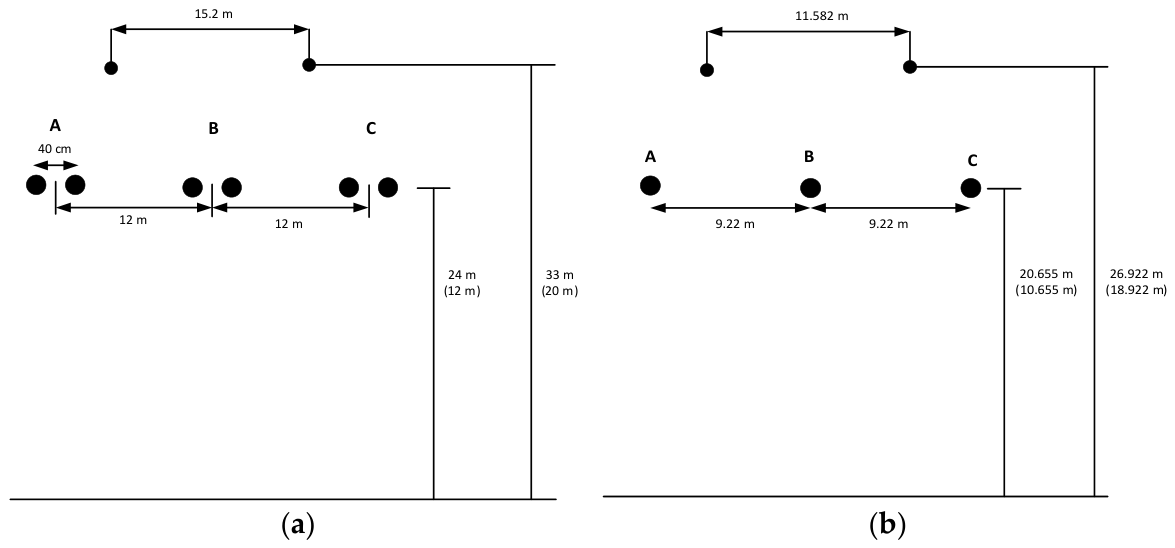
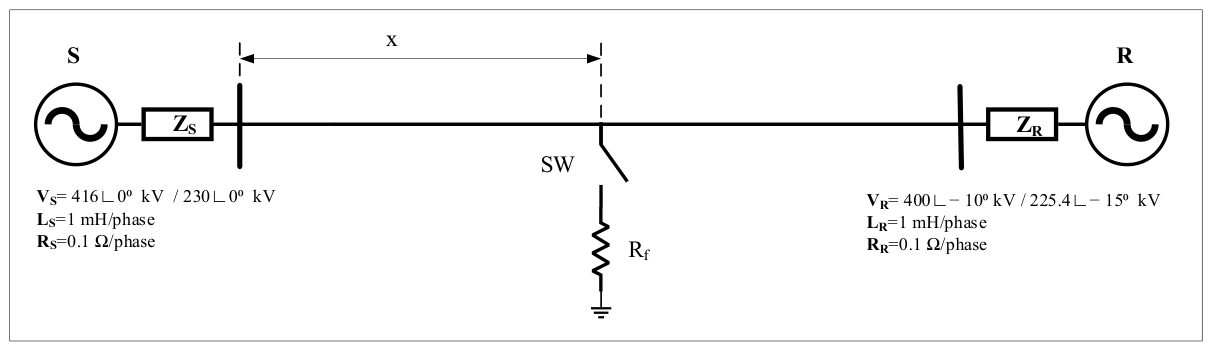
In this study, two power systems consisting of 400 kV–50 Hz and 230 kV–60 Hz two-terminal single PTL are simulated using ATP [29]. The line length is set to 300 km and 100 km respectively. The sampling frequency is set to 250 kHz, and the simulation duration to 40 ms. The J. Marti frequency-dependent line model is implemented using the LCC [30]. The skin effect is accounted for, and soil resistivity is taken as 20 Ω∙m. The line is configured as fully transposed and is divided according to the fault location. To establish specific pre-fault load conditions and simulate realistic active power flow, the source voltage magnitudes and phase angles are appropriately configured at both terminals of the line. Figure 9 illustrates the single-line diagram of power systems. As illustrated in Figure 9, S and R represent the sources at the sending and receiving terminals, respectively. The specific pre-fault voltage phasors for both the 400 kV and 230 kV test systems are denoted by VS and VR The corresponding source impedances at each terminal, ZS and ZR, are modeled using series source inductances (LS, LR) and source resistances (RS, RR). To simulate the transient event, a fault switch (SW) is utilized to introduce a fault resistance (Rf) into the circuit at a variable distance, x, measured from terminal S. The tower configurations and conductor data are provided in Appendix A. Using the tower configurations and conductor data provided in Appendix A, the wave propagation velocity is calculated as υ = 295,720 km/s for a 400 kV system and υ = 296,860 km/s for a 230 kV system.
To comprehensively evaluate the proposed method, 264 distinct fault simulations were performed on the 400 kV system. Within this dataset, 220 simulations systematically assessed the effects of the fault location, fault resistance, FIA, fault type, and involved phases. To analyze the algorithm’s performance under boundary conditions, 24 simulations focused specifically on close-in faults near the line terminals, with an additional 20 simulations evaluating these same terminal faults using a higher sampling frequency of 500 kHz. These 400 kV test cases are summarized in Tables 1, 3 and 4. Furthermore, 29 distinct simulations were conducted on the 230 kV system (detailed in Table 5) to verify the method’s applicability and robustness across different power system configurations, loading levels, and active power flow scenarios.

3. Results

3.1. Software Implementation Details

To evaluate the practical realization of the proposed method, the software implementation was executed in two phases: transient simulation and signal processing. First, the power system fault scenarios are simulated using ATP, and the resulting time-domain voltage and current waveforms were exported to MATLAB. Subsequently, the fault detection and location algorithms are implemented offline using MATLAB. A major advantage of the proposed AD method is its minimal computational footprint. Unlike AI-based methods that require specialized toolboxes and extensive training epochs, or WTs that necessitate complex filter bank convolutions, the AD algorithm relies exclusively on fundamental, built-in array operations. This lack of dependency on heavy, specialized toolboxes demonstrates that the proposed algorithm is highly optimized and adaptable for real-time protective relays.
The proposed fault detection and fault location strategy is applied to the simulated voltage and current signal in MATLAB. The results are demonstrated as
% E r r o r = A c t u a l   f a u l t   l o c a t i o n C a l c u l a t e d   f a u l t   l o c a t i o n L i n e   L e n g t h · 100
The fault location is measured as the distance from the S terminal, as illustrated in Figure 9. Fault detection failed in only one instance, and only when using the voltage signal: an AC fault at 1.5 km with an FIA of 0°. This failure occurred because the amplitude of the incident TW fell below the detection threshold.

3.2. Effects of Fault Location, Fault Resistance, FIA, Fault Type and Involved Phases

To evaluate the robustness of the proposed method against various system conditions, it is tested using 3-P current and voltage signals generated from 220 distinct fault simulations of the 400 kV system, as detailed in Table 1. These simulations systematically assess the impacts of the fault location, fault resistance, fault inception angle (FIA), fault type, and the specific phases involved. Faults are simulated at ten distinct locations along the transmission line. For non-ground faults (LL and LLL), phase-to-phase fault resistance is neglected. Conversely, for ground faults, the fault resistance is set to either 20 Ω or 50 Ω, reflecting typical values encountered in practical PTLs [15]. Additionally, each resistance scenario is evaluated at FIAs of 0°, 30°, and 90° across all possible phase combinations.
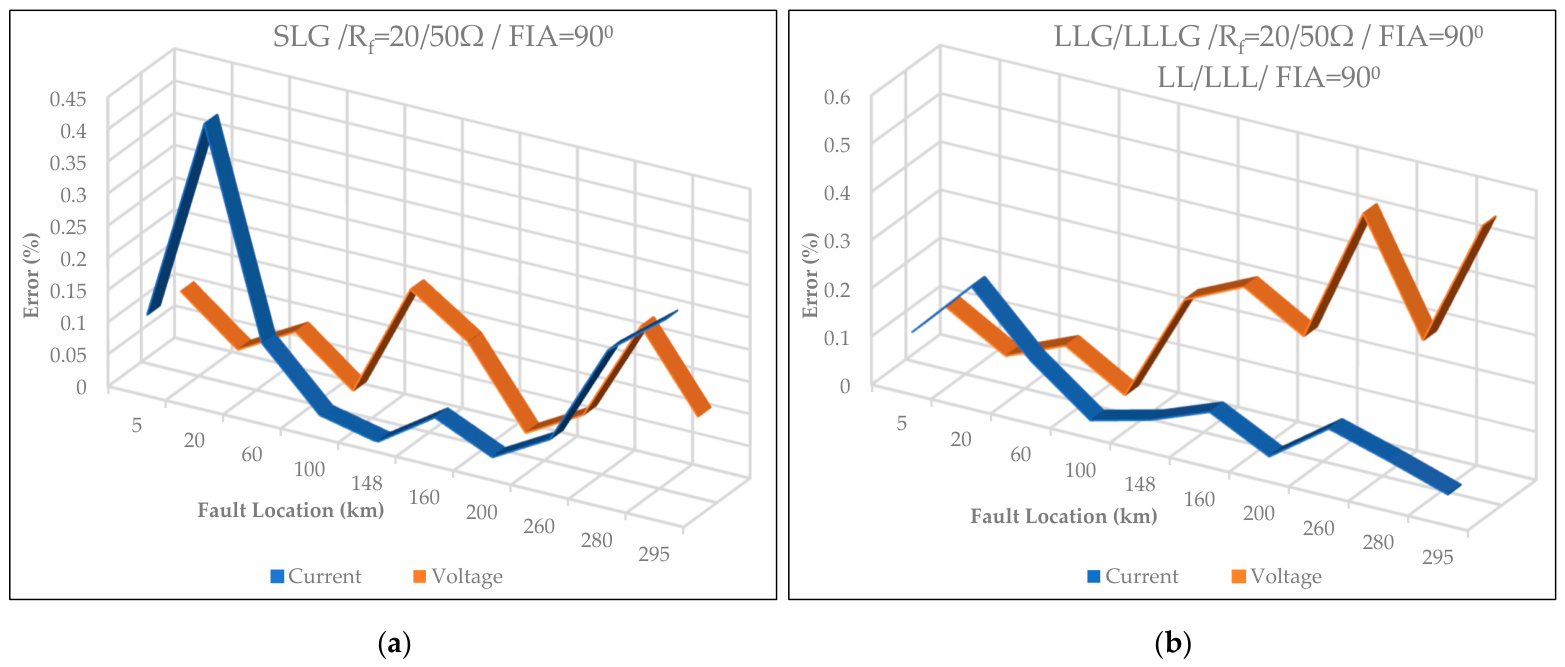
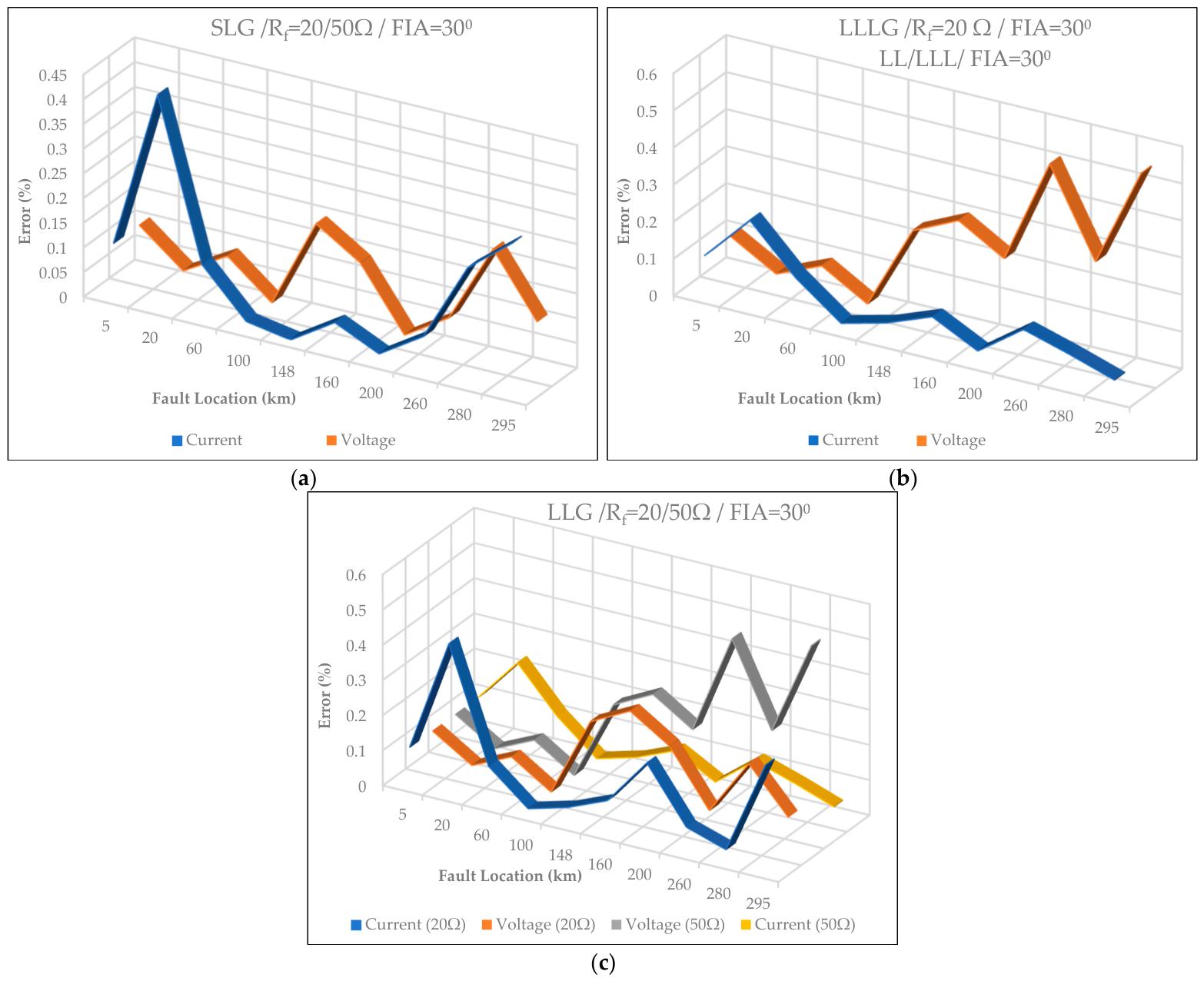
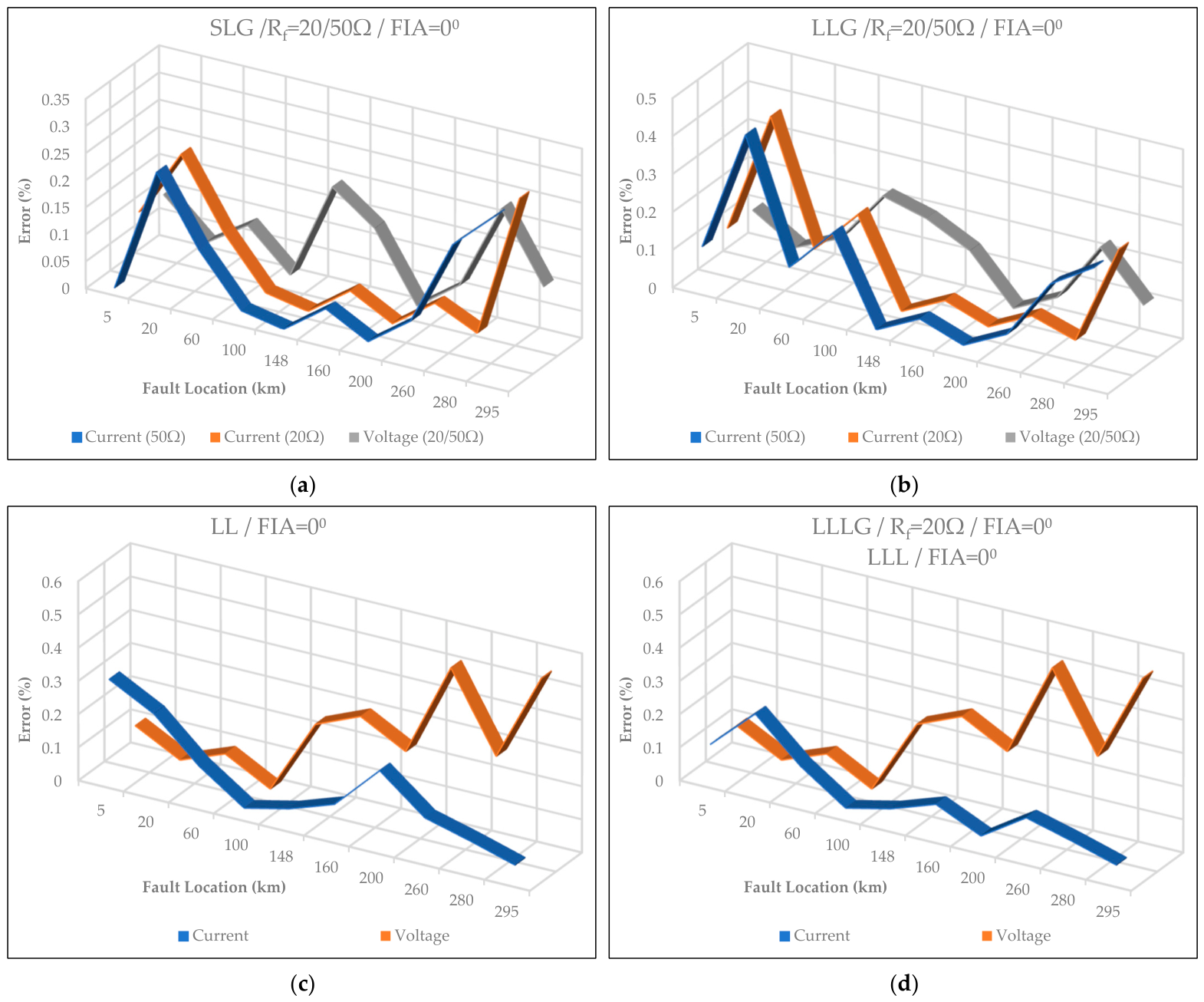
The fault location algorithm demonstrated high reliability, experiencing only a single instance of failure when exclusively utilizing the current signal. This failure occurred during a CG fault at a distance of 5 km, with an FIA of 0° and a fault resistance Rf of 50 Ω. This miscalculation is attributed to the algorithm’s inability to detect a reflected TW. A comprehensive graphical representation of these results is provided in Figure 10, Figure 11 and Figure 12.

3.3. Effects of Noise

Noise in signals significantly impacts SETW fault location methods by hindering the accurate detection of wave arrivals. To investigate the effect of noise on fault location calculations, white Gaussian noise (WGN) is superimposed onto the 3-P signals using MATLAB, calibrated to specific SNR levels in dB. In practical applications, the fault detection threshold can be adaptively adjusted based on the maximum AD value observed during the pre-fault period. Therefore, the evaluation of noisy signals in this study is exclusively focused on the fault location method. Based on the assumption that all 3-P are exposed to a common noise source, identical random noise sequences are injected into each phase of the 400 kV system. Due to the inherent surge impedance of transmission lines, aerial-mode current TWs typically exhibit lower magnitudes than their voltage counterparts; to account for their heightened susceptibility to noise contamination, current signals are evaluated at SNRs of 90 and 100 dB, whereas the more robust voltage signals are tested at 35 and 50 dB. The proposed fault location algorithm is applied to voltage and current signals of each case given in Table 1 with these noise levels. It is observed that for faults occurring at inception angles near zero—where TW amplitudes are inherently low—the presence of noise led to erroneous calculation results. Although faults in PTLs generally occur near the voltage peak [15], faults initiating near the zero-crossing, while rare, do occur. Table 2 shows erroneous computations under noisy conditions. It can be seen from the table that the combination of close fault and zero-crossing results in erroneous computation.

3.4. Effects of Faults Close to Line Ends

Faults occurring near terminals of PTLs generate closely spaced TWs in time. SETW fault location methods may yield erroneous computations in these scenarios due to the incorrect identification of reflected TWs. The combined effect of noise, zero-crossing and close fault may be the worst scenario for SETW fault location methods. To evaluate the performance of the proposed fault detection and location method against close faults, faults at 1.5 and 298.5 km of the 400 kV/300 km system with different fault types and FIAs of 90° and 0° are simulated, as depicted in Table 3. Since higher sampling frequencies provide a better resolution, these same cases are also simulated with a 500 kHz sampling frequency along with parameters identifying LMs. The results of the proposed fault location method are given in Table 3, where “Invalid” indicates a miscalculation of the fault location. As stated earlier in this section, the fault detection algorithm fails only in one case (AC fault at 1.5 km with an FIA of 0°). It can be concluded that a higher sampling frequency improves the accuracy for close faults. To establish an FIA boundary for the proposed method, cases that yielded invalid results were additionally tested with FIAs of 3° and 5°, as shown in Table 4. To cover all possible faults, the proposed detection and location algorithm is recommended with operational limits of a 90 dB SNR and a 5° FIA for current signals, and a 35 dB SNR and a 3° FIA for voltage signals.

3.5. Effects of Power System Configuration, Loading, and Power Flow

To investigate the performance of the proposed method under varying power system configurations, loading levels, and active power flow directions, a two-terminal 230 kV, 60 Hz system comprising a 100 km line was modeled in ATP (Figure 9). Fault resistance was set to 20 Ω for ground faults and neglected for non-ground faults. To assess the algorithm’s robustness under practical conditions, the SNR was fixed at 35 dB for voltage signals and 90 dB for current signals. Diverse pre-fault loading and power flow scenarios were simulated by systematically adjusting the voltage magnitudes and phase angles of the sources at both terminals. Faults are simulated at five locations along the line using five distinct fault types. The test cases and corresponding results are presented in Table 5.
The results in Table 5 demonstrate that the proposed method maintains a high fault location accuracy across diverse load conditions and power flow directions. Under the most extreme simulated loading scenario (a 30° phase angle difference), the current-based AD method yielded an invalid result strictly at a 0° FIA. However, when the FIA is marginally shifted to 5° under these exact same extreme load conditions, the algorithm successfully and accurately located the fault. This immediate recovery at a 5° FIA serves as definitive evidence that the algorithm is robust against load variations; the invalid result at 0° is caused exclusively by the severely attenuated TW amplitudes inherent to the zero-crossing, rather than the heavy pre-fault power flow.

4. Discussion

This study presents a novel, robust SETW fault detection and location method based on the AD, rigorously evaluated under severe power system conditions to which SETW methods are highly sensitive. Table 6 compares the proposed algorithm with existing SETW and unsynchronized multi-terminal studies. Although the referenced literature encompasses diverse network topologies (e.g., series-compensated or multi-terminal lines), the fundamental physical mechanism of extracting TW arrival times remains a universal comparative baseline. The referenced studies deploy detailed algorithms specifically to overcome the distortive effects of those complex topologies. Table 6 demonstrates that the AD method achieves competitive error margins while significantly reducing the computational burden.
The key advantages of the proposed method include the following:
  • Reduced Hardware Requirements: The method requires only a single current or voltage signal, simplifying practical application. Unlike most existing methods that necessitate 1 MHz or higher sampling frequencies, the proposed method operates effectively at just 250 kHz.
  • Efficient Detection Strategy: Minimizing data requirements, the algorithm utilizes a brief 2.03 ms signal window for a 300 km line. This ultra-short timeframe decreases computational demands and inherently avoids the impact of CT saturation, which typically initiates at around 5 ms [14].
  • Extensive Testing and Noise Tolerance: Tested against the highest number of fault cases listed in Table 6 at the lowest applicable noise levels, the results confirm that the method’s noise tolerance is highly competitive with existing works.
  • High Accuracy in Complex Scenarios: The method maintains an exceptionally low average fault location error, successfully resolving challenging zero-crossing and close-fault boundary cases that conventional methods frequently bypass. Its rate of invalid results remains comparable to other leading methods.
  • Superior Close-Fault Detection: Despite utilizing a lower sampling frequency, the method accurately locates shorter minimum fault distances and evaluates a substantially higher volume of close-fault cases than most competing techniques.
Practical Considerations and Future Work: In real-world applications, physical parameters like line traps and busbar stray capacitances alter theoretical wave velocities [31]. This is effectively resolved by empirically calibrating the true propagation speed using TWs generated during circuit breaker energization. Additionally, this study establishes that voltage signals offer superior robustness in noisy environments and utilize a significantly simpler detection threshold. To implement this practically, optical sensors [8] or signal compensation techniques [32] can be applied to successfully overcome CCVT high-frequency limitations.
Finally, in interconnected power systems, cross-line TWs sharing the same busbar can cause false fault detections. To ensure that detection is strictly isolated to the protected line, utilizing a combination of both current and voltage signals is recommended [15]. Adapting this method for highly interconnected networks and integrating an appropriate AI technique to further maximize noise immunity remain promising avenues for future research.

Author Contributions

Conceptualization, M.S.M. and D.A.; methodology, M.S.M.; software, M.A.; validation, M.S.M., D.A. and M.A.; formal analysis, M.A.; investigation, D.A.; resources, M.A.; data curation, M.A.; writing—original draft preparation, M.A.; writing—review and editing, M.A.; visualization, M.A.; supervision, M.S.M.; project administration, M.S.M. All authors have read and agreed to the published version of the manuscript.

Funding

This research received no external funding.

Data Availability Statement

Data is contained within the article.

Acknowledgments

During the preparation of this manuscript, the authors used Gemini 3.1 Pro for the purposes of translation and proofing. The authors have reviewed and edited the output and take full responsibility for the content of this publication.

Conflicts of Interest

The authors declare no conflicts of interest.

Abbreviations

The following abbreviations are used in this manuscript:
3-PThree-Phase
ABCPhases A, B and C
ABCGPhases A, B and C-to-ground
ABGPhases A and B-to-ground
ADApproximate derivative
AGPhase A-to-ground
AIArtificial intelligence
ANFISAdaptive network-based fuzzy inference system
ANNArtificial neural network
ATPAlternative transient program
CCVTCoupling capacitor voltage transformer
CTCurrent transformer
DNNDeep neural network
DWTDiscrete wavelet transform
EMDEmpirical mode decomposition
FFTFast Fourier transform
GPSGlobal positioning system
HHTHilbert–Huang transform
ICAIndependent component analysis
IMFIntrinsic mode function
ITDIntrinsic time decomposition
LBFLearning-based framework
LCCLine/cable card
LLLine-to-line
LLGLine-to-line-to-ground
LLLLine-to-line-to-line
LLLGLine-to-line-to-line-to-ground
LMLocal maximum
MLPMultilayer perceptron
MMMathematical morphology
NFDNewton’s forward difference
PMUPhasor measurement unit
PTLPower transmission line
SETWSingle-end traveling wave
SLGSingle line-to-ground
SNRSignal-to-noise ratio
SVMSupport vector machine
TEOTeager energy operator
TFSATransient frequency spectrum analysis
TWTraveling wave
UPFUnified power flow controller
WANWavelet-alienation-neural technique
WGN White gaussian noise
WMRAWavelet multi-resolution analysis
WTWavelet transform
WTMMWavelet transform modulus maxima

Appendix A

Figure A1. Tower configuration: (a) 400 kV; (b) 230 kV.
Electronics 15 02591 g0a1
Table A1. Conductor data.
Conductor TypeParameter400 kV230 kV
Phase conductorsNumber of conductors in bundle21
Outer radius of sub-conductor (cm)1.5211.25
Inner radius of sub-conductor (cm)0.5571.0211
Spacing btw. sub-conductors (cm)40
DC resistance (Ω/km)0.0596 0.0922
Ground wiresOuter radius of sub-conductor (cm)0.80.476
Inner radius of sub-conductor (cm)0.480.371
DC resistance (Ω/km)0.35273.51

References

  1. Doria-García, J.; Orozco-Henao, C.; Leborgne, R.; Montoya, O.D.; Gil-González, W. High impedance fault modeling and location for transmission line. Electr. Power Syst. Res. 2021, 196, 107202. [Google Scholar] [CrossRef]
  2. Liu, Y.; Wang, B.; Zheng, X.; Lu, D.; Fu, M.; Tai, N. Fault Location Algorithm for Non-Homogeneous Transmission Lines Considering Line Asymmetry. IEEE Trans. Power Deliv. 2020, 35, 2425–2437. [Google Scholar] [CrossRef]
  3. Hashemian, S.M.; Hashemian, S.N.; Gholipour, M. Unsynchronized parameter free fault location scheme for hybrid transmission line. Electr. Power Syst. Res. 2021, 192, 106982. [Google Scholar] [CrossRef]
  4. Gutiérrez-Cruz, C.M.; Rosas-Ortiz, G.; Ruiz-Vega, D. A new unsynchronized fault location approach based on sequence voltage profiles and a multiconductor line detailed model: Application to symmetrical transmission lines. Electr. Power Syst. Res. 2024, 232, 110419. [Google Scholar] [CrossRef]
  5. Mishra, S.; Gupta, S.; Yadav, A. Intrinsic time decomposition based fault location scheme for unified power flow controller compensated transmission line. Int. Trans. Electr. Energy Syst. 2020, 30, e12585. [Google Scholar] [CrossRef]
  6. Xi, Y.; Hu, K.; Wang, K. Lightning strike fault location based on adaptive Kalman filter residual analysis. Power Syst. Prot. Control 2020, 48, 30–39. (In Chinese) [Google Scholar] [CrossRef]
  7. Wang, S.; Zhuang, C.; Geng, Y.; Wang, T.; Luo, B.; Zeng, R. Fault location method based on edge detection for low SNR traveling waves. Electr. Power Syst. Res. 2021, 201, 107505. [Google Scholar] [CrossRef]
  8. Zhuang, C.; Xie, S.; Yang, H.; Yu, H.; Geng, Y.; Zeng, R. Flexible Noncontact Approach for Fault Location of Transmission Lines Using Electro-Optic Field Sensors. IEEE Trans. Electromagn. Compat. 2021, 63, 2151–2158. [Google Scholar] [CrossRef]
  9. Kwasi Anane, P.O.; Huang, Q.; Bamisile, O.; Ayimbire, P.N. Fault location in overhead transmission line: A novel non-contact measurement approach for traveling wave-based scheme. Int. J. Electr. Power Energy Syst. 2021, 133, 107233. [Google Scholar] [CrossRef]
  10. Aminirad, M.; Shahrtash, S.M. A novel protection and fault location combined algorithm for mixed/hybrid lines. IET Gener. Transm. Distrib. 2022, 16, 2016–2031. [Google Scholar] [CrossRef]
  11. Chen, W.; Wang, D.; Cheng, D.; Qiao, F.; Liu, X.; Hou, M. Novel travelling wave fault location principle based on frequency modification algorithm. Int. J. Electr. Power Energy Syst. 2022, 141, 108155. [Google Scholar] [CrossRef]
  12. Akmaz, D.; Mamiş, M.S. Fault location method on two-terminal transmission line using synchronized time information of traveling waves. Electr. Eng. 2022, 104, 979–990. [Google Scholar] [CrossRef]
  13. Nan, P.; Menghan, C.; Rui, L.; Zare, F. Asynchronous fault location scheme for half-wavelength transmission lines based on propagation characteristics of voltage travelling waves. IET Gener. Transm. Distrib. 2019, 13, 502–510. [Google Scholar] [CrossRef]
  14. Gaur, V.K.; Bhalja, B.R.; Saber, A. New ground fault location method for three-terminal transmission line using unsynchronized current measurements. Int. J. Electr. Power Energy Syst. 2022, 135, 107513. [Google Scholar] [CrossRef]
  15. Sawai, S.; Pradhan, A.K. Travelling-wave-based protection of transmission line using single-end data. IET Gener. Transm. Distrib. 2019, 13, 4659–4666. [Google Scholar] [CrossRef]
  16. Tian, X.; Shu, H. A new method of single terminal traveling wave location based on characteristic of superposition of forward traveling wave and backward traveling wave. Int. J. Electr. Power Energy Syst. 2021, 133, 107072. [Google Scholar] [CrossRef]
  17. Reis, R.L.A.; Lopes, F.V.; Neves, W.L.A.; Fernandes, D.; Ribeiro, C.M.S.; Cunha, G.A. An improved single-ended correlation-based fault location technique using traveling waves. Int. J. Electr. Power Energy Syst. 2021, 132, 107167. [Google Scholar] [CrossRef]
  18. Rezaei, D.; Gholipour, M.; Parvaresh, F. A new traveling-wave detection method for fault location based on two sequential sliding windows and curve fitting. IET Gener. Transm. Distrib. 2022, 16, 3333–3348. [Google Scholar] [CrossRef]
  19. Akbari, E.; Samady Shadlu, M. An Adaptive Simplified Travelling Wave-Based Fault Detection, Classification and Location Estimation Strategy for Series Compensated Transmission Lines. IET Smart Grid 2025, 8, e70041. [Google Scholar] [CrossRef]
  20. Akdağ, M.; Mamiş, M.S.; Akmaz, D. Enhancing Fault Location Accuracy in Transmission Lines Using Transient Frequency Spectrum Analysis: An Investigation into Key Factors and Improvement Strategies. Electricity 2024, 5, 861–876. [Google Scholar] [CrossRef]
  21. Almeida, A.R.; Almeida, O.M.; Junior, B.F.S.; Barreto, L.H.S.C.; Barros, A.K. ICA feature extraction for the location and classification of faults in high-voltage transmission lines. Electr. Power Syst. Res. 2017, 148, 254–263. [Google Scholar] [CrossRef]
  22. Khaleghi, A.; Oukati Sadegh, M. Single-Phase Fault Location in Four-Circuit Transmission Lines Based on Wavelet Analysis Using ANFIS. J. Electr. Eng. Technol. 2019, 14, 1577–1584. [Google Scholar] [CrossRef]
  23. Khalili, M.; Namdari, F.; Rokrok, E. A fault location and detection technique for STATCOM compensated transmission lines using game theory. IET Gener. Transm. Distrib. 2021, 15, 1688–1701. [Google Scholar] [CrossRef]
  24. Hamidi, S.M.; Ameli, A.; Ghafouri, M.; Lopes, F.V. A Learning-Based Framework for Locating Faults on Power Grid Lines Based on Distortion of Traveling Waves. IEEE Trans. Instrum. Meas. 2022, 71, 2514115. [Google Scholar] [CrossRef]
  25. Mirzaei, M.; Vahidi, B.; Hosseinian, S.H. Fault location on a series-compensated threeterminal transmission line using deep neural networks. IET Sci. Meas. Technol. 2018, 12, 746–754. [Google Scholar] [CrossRef]
  26. Yu, K.; Zeng, J.; Zeng, X.; Xu, F.; Ye, Y.; Ni, Y. A Novel Traveling Wave Fault Location Method for Transmission Network Based on Directed Tree Model and Linear Fitting. IEEE Access 2020, 8, 122610–122625. [Google Scholar] [CrossRef]
  27. Rathore, B.; Mahela, O.P.; Khan, B.; Padmanaban, S. Protection scheme using wavelet-alienation-neural technique for UPFC compensated transmission line. IEEE Access 2021, 9, 13737–13753. [Google Scholar] [CrossRef]
  28. Schweitzer, E.O.; Guzman, A.; Mynam, M.V.; Skendzic, V.; Kasztenny, B.; Marx, S. Locating faults by the traveling waves they launch. In Proceedings of the 2014 67th Annual Conference for Protective Relay Engineers, CPRE 2014, College Station, TX, USA, 31 March–3 April 2014; pp. 95–110. [Google Scholar] [CrossRef]
  29. Høidalen, H.K.; Prikler, L.; Peñaloza, F. ATPDRAW Version 7.5 for Windows Users’ Manual; European ATP-EMTP User Group: Liège, Belgium, 2023. [Google Scholar]
  30. Marti, J. Accurate Modelling of Frequency-Dependent Transmission Lines in Electromagnetic Transient Simulations. IEEE Trans. Power Appar. Syst. 1982, PAS-101, 147–157. [Google Scholar] [CrossRef]
  31. Jafarian, P.; Sanaye-Pasand, M. High-frequency transients-based protection of multiterminal transmission lines using the SVM technique. IEEE Trans. Power Deliv. 2013, 28, 188–196. [Google Scholar] [CrossRef]
  32. Reis, R.L.A.; Lopes, F.V.; Neves, W.L.A.; Fernandes, D.; Almeida Neto, F.G. Effects of CCVT stray capacitances on traveling wave-based applications. Electr. Power Syst. Res. 2021, 195, 107154. [Google Scholar] [CrossRef]
Figure 1. Incident, reflected and refracted TWs.
Electronics 15 02591 g001
Figure 2. (a) Current and (b) voltage TW time diagram.
Electronics 15 02591 g002aElectronics 15 02591 g002b
Figure 3. Fault detection flow chart.
Electronics 15 02591 g003
Figure 4. AG fault at 60 km: (a) 3-P Current; (b) AD of α-mode.
Electronics 15 02591 g004aElectronics 15 02591 g004b
Figure 5. AG fault at 60 km; (a) 3-P Voltage; (b) AD of α-mode.
Electronics 15 02591 g005
Figure 6. Fault location flow chart.
Electronics 15 02591 g006
Figure 7. Current LMs of (a) AG fault at 60 km and (b) BCG fault at 60 km.
Electronics 15 02591 g007aElectronics 15 02591 g007b
Figure 8. Voltage LMs of (a) AG fault at 260 km and (b) BCG fault at 260 km.
Electronics 15 02591 g008
Figure 9. Single-line diagram of test system.
Electronics 15 02591 g009
Figure 10. Results for FIA = 90°. (a) SLG, (b) LL, LLL, LLG and LLLG faults.
Electronics 15 02591 g010
Figure 11. Results for FIA = 30°. (a) SLG, (b) LL, LLL, LLLG and (c) LLG faults.
Electronics 15 02591 g011
Figure 12. Results for FIA = 0°. (a) SLG, (b) LLG, (c) LL, (d) LLL and LLG faults.
Electronics 15 02591 g012
Table 1. Test cases.
Location (km)TypeFault Resistance (Ω)FIA (°)Number of Simulations
5
20
60
100
148
160
200
260
280
295
AG209010
503010
BG200/3020
CG5090/3020
AB010
AC9010
BC3010
ABG20/50020
ACG5090/3020
BCG2090/3020
ABC0/30/9030
ABCG20/509020
200/3020
Table 2. Cases affected by noise.
SignalSNR (dB)Location (km)TypeFault Resistance (Ω)FIA (°)
Current100/905BG200
CG50
AB
Voltage355AB
Table 3. Results for close faults.
TypeLocation (km)FIA (°)Error (%)
Fs = 250 kHzFs = 500 kHz
No NoiseSNR = 90 dBSNR = 35 dBNo NoiseSNR = 90 dBSNR = 35 dB
CurrentVoltageCurrentVoltageCurrentVoltageCurrentVoltage
AG1.5900.090.090.090.090.290.190.290.19
0InvalidInvalidInvalidInvalid0.290.19Invalid0.19
298.590/00.450.530.450.530.980.090.980.09
AC1.5900.290.090.290.090.290.190.290.19
0InvalidInvalidInvalidInvalidInvalid0.09InvalidInvalid
298.5900.140.530.140.530.040.530.040.53
00.140.530.140.530.140.530.140.53
ABC1.590/00.290.090.290.090.290.190.290.19
298.590/00.140.530.140.530.040.530.040.53
ACG1.5900.290.090.290.090.290.190.290.19
00.090.090.090.090.290.190.190.19
298.5900.140.530.140.530.040.530.040.53
00.140.530.140.530.140.530.140.53
ABCG1.590/00.290.090.290.090.290.190.290.19
298.590/00.140.530.140.530.040.530.040.53
Table 4. Results for close faults with near-zero FIA.
TypeLocation (km)FIA (°)Error (%)
No NoiseSNR = 90 dBSNR = 35 dB
CurrentVoltageCurrentVoltage
AG1.530.090.090.090.09
50.090.090.090.09
AC1.530.290.09invalid0.09
50.290.090.290.09
Table 5. Results for 230 kV system.
TypeLocation (km)FIA (°)VSVRError (%)
(rms, k V ° )(rms, k V ° )CurrentVoltage
AG1.590 230 0 225.4 15 0.280.28
0 230 0 225.4 15 Invalid0.28
225.4 15 230 0
230 0 210 30
210 30 230 0 °
5 230 0 225.4 15 0.280.28
225.4 15 230 0
230 0 210 30
210 30 230 0 °
AB2090/0230∠0225.4∠−150.780.19
0 225.4 15 230 0
230 0 210 30
210 30 230 0 °
ABG4890230∠0225.4∠−150.090.09
0 230 0 225.4 15 0.250.09
225.4 15 230 0 0.25
230 0 210 30 0.090.09
210 30 230 0 °
ABC7090/0230∠0225.4∠−150.650.06
0225.4∠−15230∠0
230∠0210∠−30
210∠−30230∠0°
ABCG98.590/0230∠0225.4∠−150.060.06
0225.4∠−15230∠0
230∠0210∠−30
210∠−30230∠0°
Table 6. Comparison of the proposed method with existing studies.
Reference[13][14][15][16][17][18][19]Prop.Prop.
MethodTEO of DWT and S-transformWTMMNFDTime-length decompositionCorrelation of the Park transformationCurve fitting and sliding windowGabor transformADAD
Processed signalVoltageCurrentCurrentVoltage and
current
Voltage and
current
VoltageVoltageVoltageCurrent
Measurement3-terminal unsynchronized3-terminal unsynchronizedSingle-endSingle-endSingle-endSingle-endSingle-endSingle-endSingle-end
Fault detectionNoNoYesNoNoNoYesYesYes
Sampling freq. (kHz)10001000100010001560100010250250
Number of test case conditions (simulations)192~59≥78135120~10288244 *244 *
Lowest applicable SNR (dB)905054357035303590
Number of test case conditions with specified lowest applicable SNR2~591112035244244
Number of erroneous computations without/with noise (invalid or >1%)0/03/53/40/03/120/50/02/33/6
Average fault location estimation error (%)~0.140.140.340.18~0.190.010.210.190.12
Number of zero-crossing (FIA = 0°, 180° and 360°) simulations without/with noise96/410/01/00/0 (closest 5°)40/400/0 (closest 3°)2/080/8080/80
Closest faults to line end in km50.50.9210231.51.5
Number of closest faults to line end simulations without/with noise 1/0 1/01/07/048/4828/282/024/2424/24
* 400 kV cases.
Disclaimer/Publisher’s Note: The statements, opinions and data contained in all publications are solely those of the individual author(s) and contributor(s) and not of MDPI and/or the editor(s). MDPI and/or the editor(s) disclaim responsibility for any injury to people or property resulting from any ideas, methods, instructions or products referred to in the content.