1. Introduction
The six-port technique has attracted considerable attention in both academic and industrial research. It has been widely investigated for applications such as radar systems, direction-of-arrival (DoA) estimation, and direct-conversion quadrature demodulators [
1,
2,
3,
4,
5,
6,
7,
8,
9]. In telecommunications, six-port architectures have emerged as a promising alternative to conventional heterodyne and homodyne receiver topologies [
10,
11,
12]. By avoiding complex intermediate-frequency stages, six-port direct-conversion receivers offer reduced hardware complexity, lower cost, and potentially lower power consumption, making them particularly attractive future 5G/6G front-end modules, as well as in wireless backhaul and other emerging high-data-rate applications [
13,
14].
Beyond high-speed wireless communications, millimeter-wave six-port receiver architectures are also attracting increasing interest for applications such as high-accuracy localization and positioning, making them promising candidates for future integrated communication and sensing systems [
15].
The key features of the six-port architecture are also highly desirable in practical beam-steering applications, where compact size, robustness, and reliable signal recovery are essential. In such systems, antenna feeding networks, phase shifters, and beam-steering circuits often introduce amplitude and phase mismatches, degrading signal integrity and overall system performance [
16].
A typical six-port homodyne receiver consists of three main building blocks: a passive six-port network, RF power detectors, and baseband processing circuits. The six-port junction, typically implemented with hybrid couplers and power dividers, performs a passive vector combination of the received RF signal and a local oscillator (LO) reference, producing multiple outputs with defined relative phase shifts [
17]. These signals contain different linear combinations of the RF and LO components, and the RF power detectors convert them into low-frequency voltages proportional to their power levels. Through appropriate analog or digital baseband processing, the in-phase (I) and quadrature (Q) components are reconstructed from these detected signals. For QPSK modulation, this architecture enables direct down-conversion from the RF carrier to baseband without active mixers, reducing circuit complexity, power consumption, and nonlinear distortion. Owing to its passive nature and wideband capability, the six-port topology is particularly well-suited for high-frequency and millimeter-wave applications, where compactness, integration, and robustness are critical design considerations [
18,
19,
20,
21].
Practical implementations of millimeter-wave six-port receivers are highly sensitive to amplitude and phase imbalances due to the shorter wavelength and increased electromagnetic losses at high frequencies. At millimeter-wave frequencies, small fabrication tolerances in transmission-line dimensions, substrate thickness, and dielectric constant introduce significant phase deviations, while conductor surface roughness and enhanced skin effect increase amplitude imbalance. Moreover, dielectric losses and dispersion become more pronounced, resulting in frequency-dependent mismatches across the operating bandwidth. These impairments produce I/Q mismatches that manifest as constellation rotation, gain imbalance, quadrature error, and nonlinear distortion, ultimately degrading error vector magnitude (EVM). Therefore, accurate electromagnetic design, tight process control, and calibration or digital compensation techniques are essential to ensure reliable demodulation performance in millimeter-wave six-port receiver architectures [
22,
23].
Recent studies have investigated quadrature imbalance calibration and compensation in Doppler radar and millimeter-wave systems using a variety of approaches, including setup-independent calibration methods, robust data-driven techniques, and consistent-orthogonal correction strategies [
24,
25,
26,
27]. These works demonstrate that effective mitigation of I/Q imbalance is achievable in microwave and millimeter-wave Doppler radar systems, highlighting the importance of accurate calibration for reliable signal reconstruction and robust practical performance.
To the best of the authors’ knowledge, studies that combine measured millimeter-wave hardware data, analytical modelling, and system-level EVM evaluation within a unified framework for six-port QPSK demodulators have not yet been reported in the literature. Most previous contributions have focused on lower-frequency six-port implementations, investigating six-port architectures and I/Q imbalance effects separately.
This paper presents an in-depth experimental evaluation and theoretical analysis of I/Q imbalance in direct millimeter-wave six-port QPSK demodulators. The main contributions of this work can be summarized as follows. First, we present a measurement-driven characterization of amplitude and phase imbalances using an experimentally validated six-port circuit. This approach captures real-world manufacturing imperfections and provides a realistic view of non-ideal hardware behaviour. Second, we develop a hybrid co-simulation framework that combines measured data with system-level modelling, enabling a comprehensive evaluation of the effects of these imperfections on QPSK signal quality. Third, we establish a rigorous analytical model to describe how I/Q imbalance deforms the constellation diagram. In particular, the analysis illustrates the gradual transformation of the ideal circular trajectories into elliptical shapes as the imbalance increases. Fourth, we derive a closed-form expression that directly links I/Q imbalance parameters to Error Vector Magnitude (EVM), establishing a clear connection between hardware non-idealities and overall communication performance. Finally, we experimentally validate the proposed methodology, showing that the six-port receiver achieves an EVM of 8.7% even under the worst-case measured imbalance conditions, well below the 17.5% threshold specified by modern communication standards. Overall, these findings provide deeper insight into the effects of I/Q imbalance in millimeter-wave six-port receivers and offer practical design guidelines and implementation tolerance limits. The results confirm the robustness and reliability of the six-port architecture, highlighting its suitability for high-speed short-range wireless communications in emerging 5G and beyond systems.
2. I/Q Signal Demodulation in Direct Conversion Six-Port Receiver
As shown in
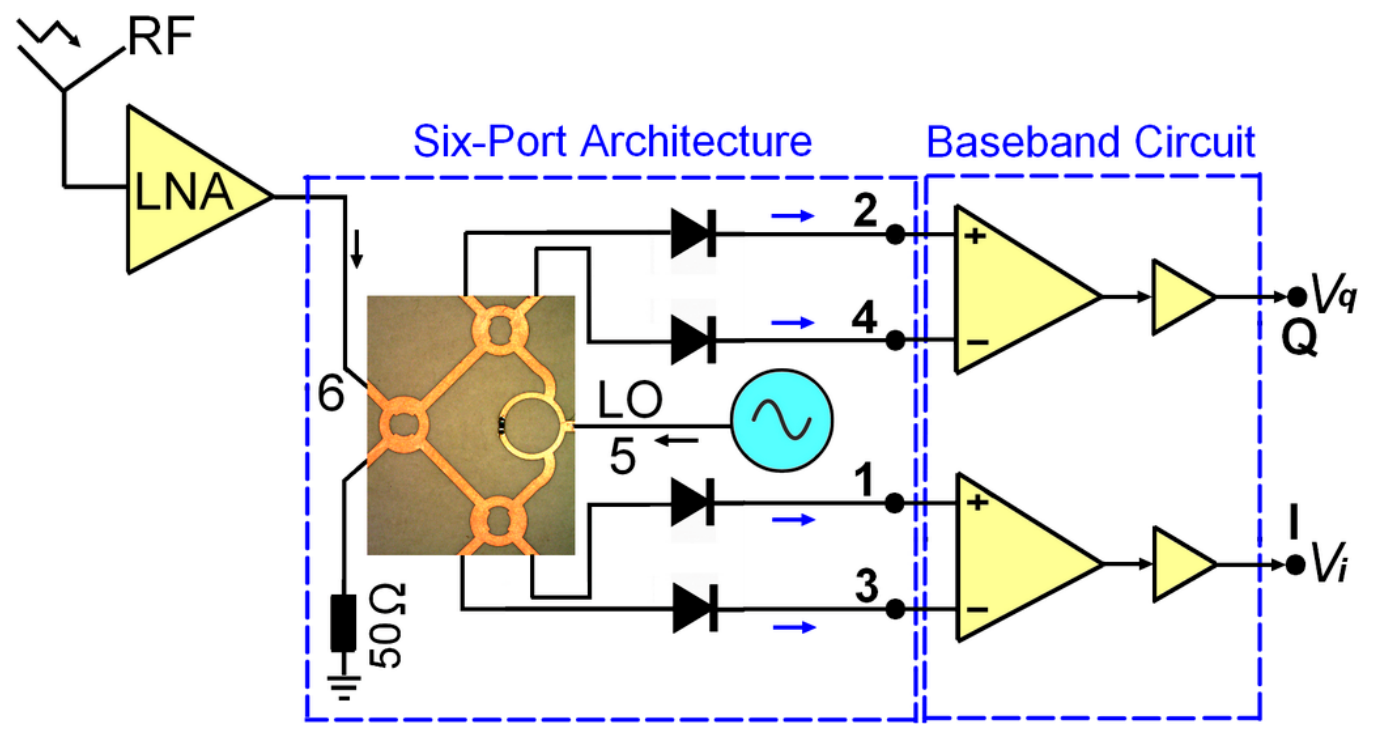
Figure 1, the RF front-end consists of a low-noise amplifier (LNA) and a local oscillator (LO), while the six-port architecture includes a six-port network and four power detectors. The RF signal is applied to port 6 and the LO signal to port 5. These signals are combined within the six-port network and directly down-converted to baseband, enabling extraction of the in-phase (I) and quadrature (Q) components. The LO is assumed to be coherent with the RF signal.
Ports 1 to 4 are connected to square low detectors, which measure the output power at each port and convert it into baseband voltages. These voltages (V1, V2, V3, and V4) are then processed by the baseband circuitry to recover the I/Q signals. The primary function of the detectors is to generate signals proportional to the signal’s instantaneous power at each port.
The I and Q components are subsequently obtained using a mathematical formulation, as given in (1) and (2), where
K is a constant,
a denotes the amplitude of the LO signal,
α represents the power ratio between the RF and LO signals, and Δϕ(t) = ϕ
6(t) − ϕ
5(t), is the phase difference between the RF and LO signals [
8].
3. Millimeter-Wave Six-Port Implementation and Characterization
For a more realistic six-port-based direct-conversion receiver model, a V-band six-port circuit was fabricated using a Miniature Hybrid Microwave Integrated Circuit (MHMIC) process on a thin-film alumina ceramic substrate (εr = 9.9, h = 127 μm). A conventional six-port topology was adopted, consisting of three rounded-shape 90° hybrid couplers (H90°) and a Wilkinson power divider. This topology is known for its high linear compatibility with homodyne receivers, enabling the generation of I/Q data outputs.
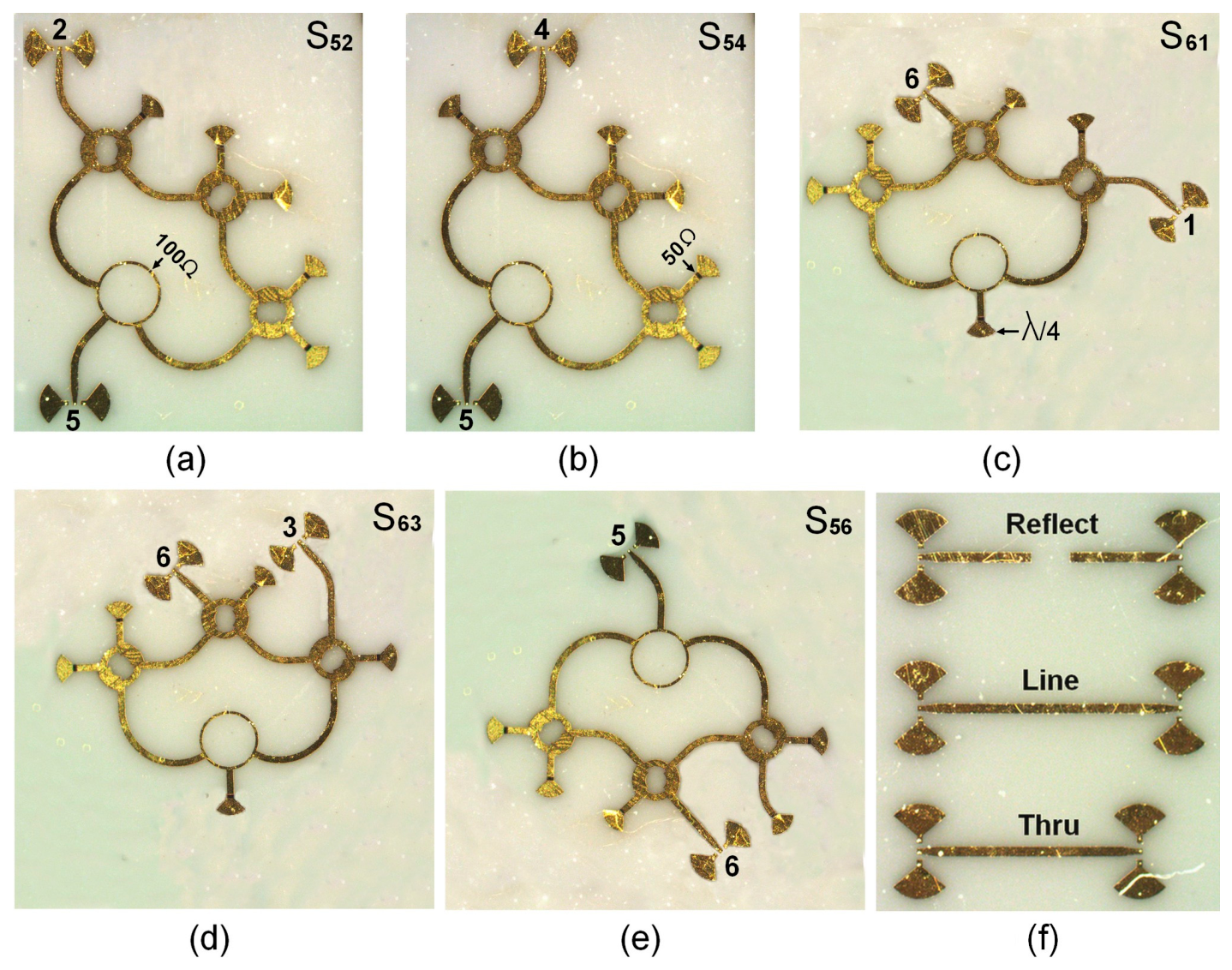
Figure 2a–e shows microphotographs of the fabricated MHMIC six-port circuit prepared for on-wafer S-parameter measurements at port pairs 2–5, 4–5, 1–6, 3–6, and 5–6. All remaining ports are terminated with 50 Ω matched loads integrated on the same substrate. In addition, millimeter-wave RF short circuits are implemented using quarter-wavelength sectors, thereby avoiding via-holes, which are difficult to realize reliably at millimeter-wave frequencies. The overall dimensions of the six-port circuit are approximately 6.5 mm × 6.5 mm.
The on-wafer characterization was carried out using a TRL (Through–Reflect–Line) calibration method, which is widely regarded as one of the most accurate approaches for millimeter-wave measurements. Its main advantage is that it moves the reference plane directly to the probe tips, significantly reducing systematic errors introduced by cables, connectors, and transitions. As shown in
Figure 2f, to further enhance calibration accuracy, both the TRL calibration kit and the six-port circuit were fabricated on the same 127-μm-thick alumina substrate using the same MHMIC process. This approach ensures that the calibration standards and the device under test share identical material properties, conductor thickness, and fabrication tolerances. As a result, de-embedding errors are minimized, and the overall measurement precision is improved. In terms of repeatability, the measurements were performed using a stable on-wafer setup with precision GSG probes and careful mechanical alignment. Multiple probe placements and repeated measurements confirmed good consistency of the extracted S-parameters, with only minor variations observed in amplitude and phase imbalance. The remaining uncertainties mainly stem from probe contact repeatability, residual calibration imperfections, instrument limitations, and unavoidable parasitic effects at millimeter-wave frequencies. However, these effects are sufficiently small and do not impact the overall validity of the analysis presented in this work.
The measurement and characterization setup illustrated in
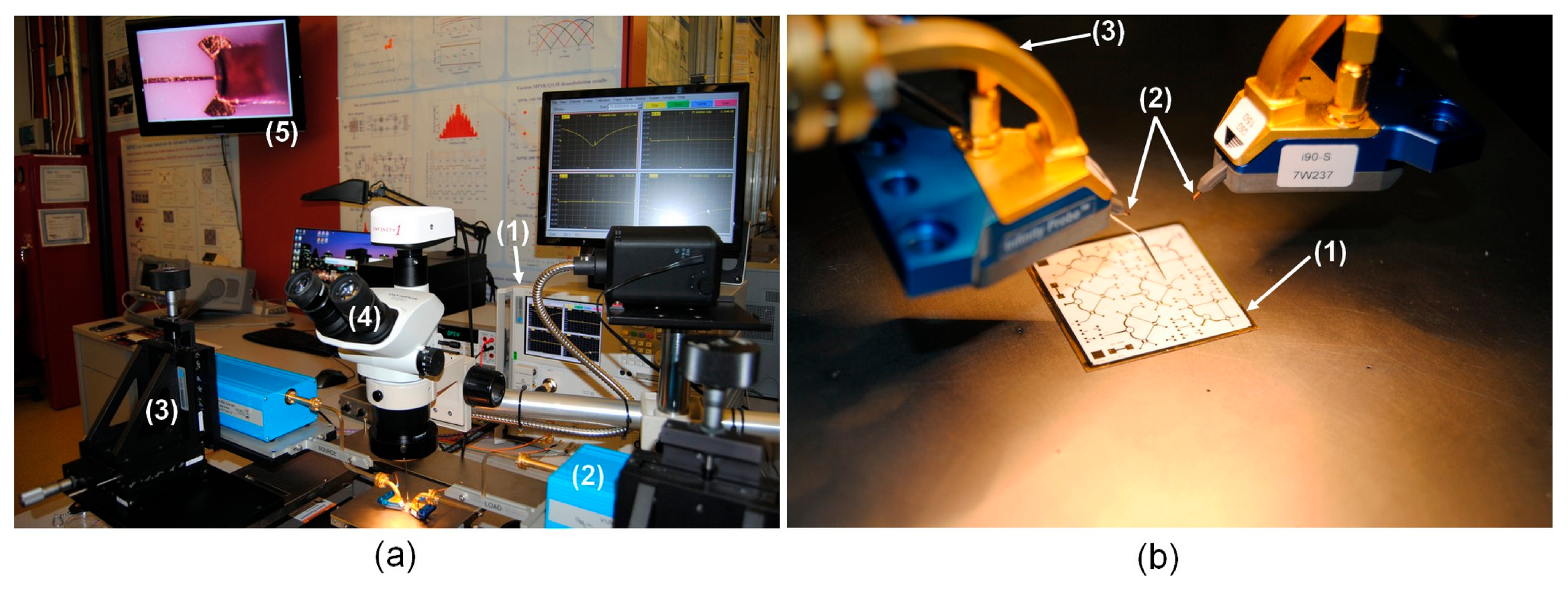
Figure 3a includes the following instrumentation: (1) an Agilent E8362B Vector Network Analyzer (VNA) from Keysight Technologies (Montreal, QC, Canada); (2) millimeter-wave extension modules, specifically the OML S12MS AG WR 12 Source Modules from OML Inc. (Morgan Hill, CA, USA), enabling measurements over the 60–90 GHz frequency range; (3) a Cascade Microtech 9000 Probe Station equipped with two microwave positioners manufactured by Focus Microwaves Inc. (Montreal, QC, Canada); (4) an Olympus Stereo Microscope integrated with a high-resolution Infinity CMOS Camera (Montreal, QC, Canada); and (5) an LCD monitor used for real-time visualization during probe alignment.
For experimental characterization, several test structures configured for two-port measurements were fabricated on a 25.4 × 25.4 mm
2 ceramic substrate.
Figure 3b illustrates the positioning of the device under test (DUT) during measurement using the probe station. The measurements are performed on (1) the 25.4 mm × 25.4 mm ceramic substrate hosting the test circuits, using (2) GSG150 Coplanar Probes (Ground–Signal–Ground, 150 μm pitch) and (3) WR-12 Rectangular Waveguides connecting the probes to the millimeter-wave extension modules.
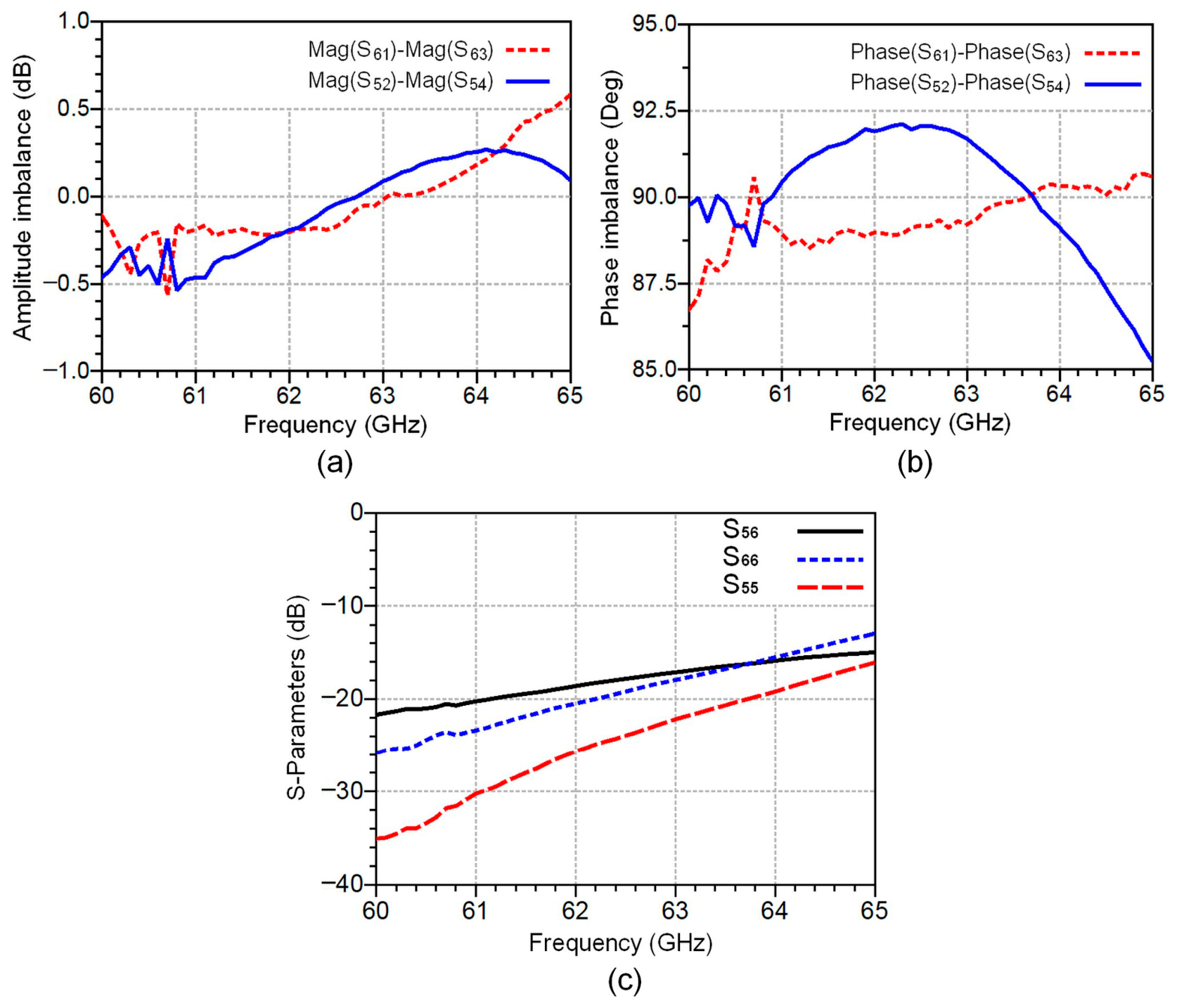
The six-port amplitude and phase imbalances, as well as the impedance matching and isolation over the 60–65 GHz frequency range, are illustrated in
Figure 4a,
Figure 4b and
Figure 4c, respectively. It should be emphasized that the experimental validation presented in this work is performed over the 60–65 GHz frequency range, which corresponds to the targeted operating band of the fabricated V-band six-port receiver and is constrained by the available measurement setup. In particular, the lower frequency limit of 60 GHz is imposed by the WR-12 mm-wave extension modules used for on-wafer S-parameter characterization. Although this experimentally validated bandwidth is relatively narrow, it remains representative of practical short-range, high-data-rate V-band communication applications and is sufficient to investigate the dominant amplitude and phase imbalance effects under realistic operating conditions.
It should be emphasized that the proposed methodology is not inherently restricted to this frequency range. The derived analytical model is frequency-independent in form and can therefore be applied to other operating bands, provided that the corresponding imbalance parameters are known. Likewise, the measurement-based ADS co-simulation framework can be readily extended to wider bandwidths or different frequency bands by importing the appropriate measured S-parameter data of the six-port network. In addition, electromagnetic simulations performed in Keysight ADS Momentum indicate consistent behaviour below 60 GHz, enabling partial extrapolation toward the lower V-band region.
Therefore, while the experimental validation is intentionally focused on the 60–65 GHz band, the proposed analytical and simulation framework remains scalable and applicable to a broader range of millimeter-wave and potentially sub-terahertz communication systems.
As shown in
Figure 4a, the amplitude imbalance remains below 0.7 dB across the considered frequency band, indicating a well-balanced power distribution among the signal paths. Minor variations across frequency can be attributed to conductor and dielectric losses, fabrication tolerances, and slight impedance mismatches in the microstrip transmission lines at millimeter-wave frequencies. In
Figure 4b, the phase imbalance remains within 5°, staying close to the ideal quadrature condition. These small deviations are mainly caused by dispersion effects, unequal electrical path lengths, and parasitic coupling that become more pronounced at higher frequencies.
Finally,
Figure 4c presents the circuit’s return loss and isolation characteristics. The results show that the responses remain below −15 dB throughout the operating band, indicating good impedance matching and strong isolation between the LO (Port 5) and RF (Port 6) ports. The slight degradation observed at higher frequencies is mainly related to increased dielectric and conductor losses, as well as unavoidable parasitic effects associated with on-wafer measurements and millimeter-wave interconnections.
It is worth noting that good return loss reflects effective impedance matching at the ports, which helps minimize signal reflections that could otherwise affect amplitude balance and distort the frequency response. Similarly, high RF–LO isolation reduces unwanted coupling between the local oscillator and RF input, thereby limiting LO leakage and reducing self-mixing effects. This helps prevent DC offset generation and preserves the linearity and accuracy of the demodulation process.
Overall, these results confirm that the proposed six-port configuration provides good amplitude balance, stable phase behaviour, and satisfactory isolation within the targeted millimeter-wave frequency band.
4. I/Q Imbalance Analysis at Millimeter-Wave Band
To accurately evaluate the operational behaviour of the proposed configuration shown in
Figure 1, envelope co-simulations are performed in Keysight ADS over the full 360° relative-phase range at operating frequencies of
f = 60 GHz, 63 GHz, and 65 GHz. As illustrated in
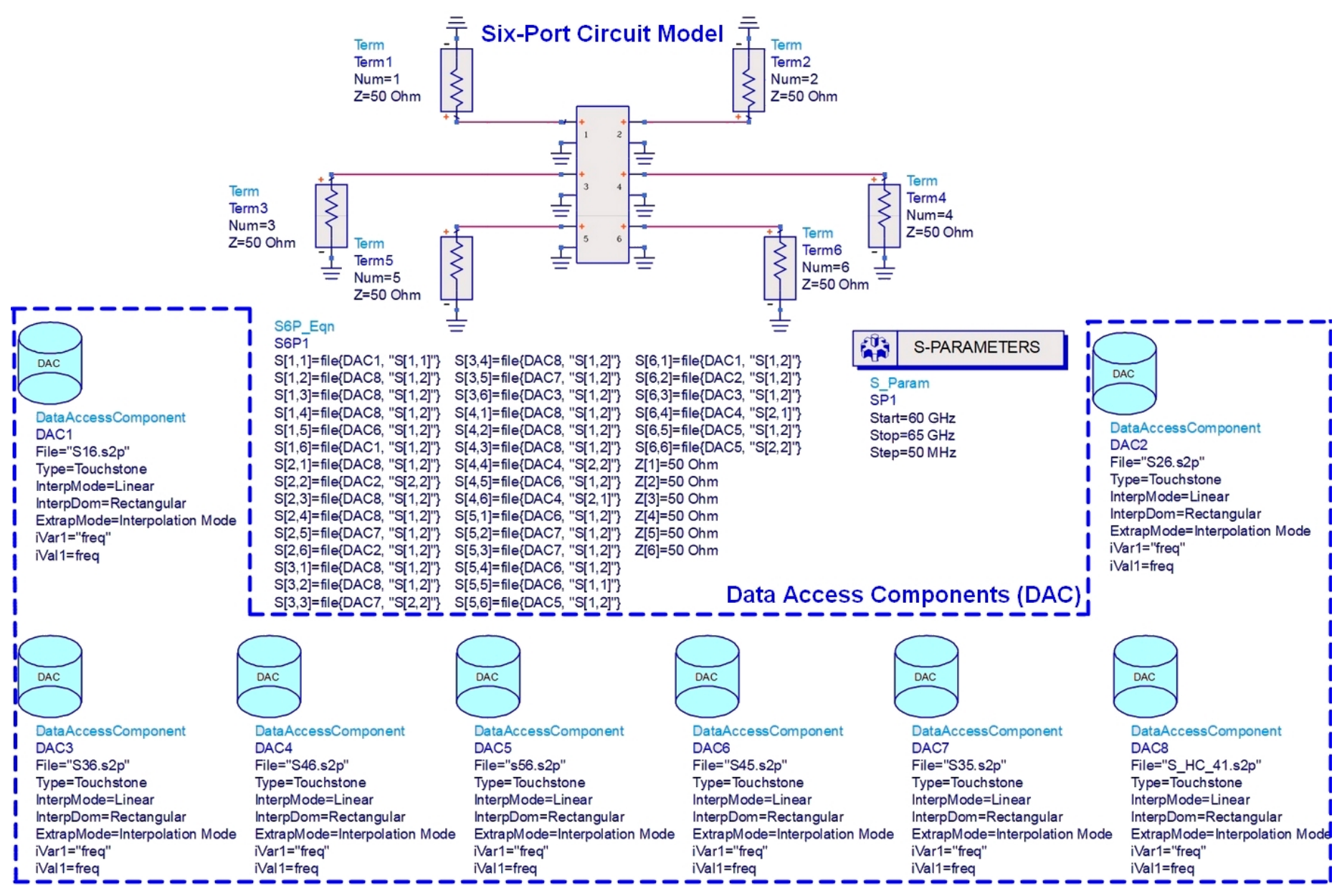
Figure 5, to provide a realistic system-level model, the measured S-parameters of the fabricated MHMIC six-port circuit are imported into the simulation environment via the Data Access Components (DAC) tool, so that the passive microwave network reflects its actual measured insertion loss, phase imbalance, return loss, and isolation.
The proposed analytical model is developed under a set of simplifying assumptions. In particular, it focuses on amplitude and phase imbalances between the I and Q channels and assumes moderate mismatch levels, in which higher-order nonlinear effects remain negligible. Simplified square-law detector models and ideal baseband processing are also adopted to isolate the impact of millimeter-wave front-end imperfections on demodulation performance, excluding additional signal-processing effects. Moreover, the analysis treats imbalance as a static impairment and does not explicitly include dynamic effects such as phase noise, frequency offset, or temperature-related drift over time. Despite these simplifications, the study remains closely connected to practical hardware conditions by integrating measured S-parameters into the ADS co-simulation framework. This measurement-informed approach makes the overall analysis more realistic and provides strong validation for the analytical predictions. As a result, while the model may not consider every possible realistic impairment, it offers a reliable and practical tool for understanding the dominant impact of I/Q imbalance on system performance.
The six-port receiver reconstructs the complex envelope of the received RF signal by generating the in-phase I(t) and quadrature Q(t) baseband components. These two orthogonal signals allow the complete representation of the modulated signal in the complex plane.
The complex baseband signal
s(
t) can be expressed as
where
VI(
t) and
VQ(
t) represent the voltages associated with the in-phase and quadrature channels at the output of the six-port demodulator, as described in (1) and (2). From these components, the instantaneous amplitude (
A) and phase (
ϕ) of the received signal can be derived. The signal amplitude is then obtained as
while the instantaneous phase is given by
These two equations represent the polar decomposition of the complex baseband signal. Equation (4) corresponds to the magnitude of the vector in the I/Q plane, whereas Equation (5) defines the angular position of the signal vector relative to the I-axis.
For an ideal quadrature receiver, the I and Q components satisfy perfect orthogonality and equal gain conditions. In this case, the received signal vector maintains a constant magnitude, and the phase values correspond directly to the discrete phase states of the QPSK modulation scheme.
However, practical six-port receivers inevitably exhibit amplitude and phase mismatches due to imperfections in the passive microwave components, such as hybrid couplers, power dividers, and detector circuits. These mismatches introduce distortions in the reconstructed I/Q signals, which directly impact the constellation diagram of the demodulated signal.
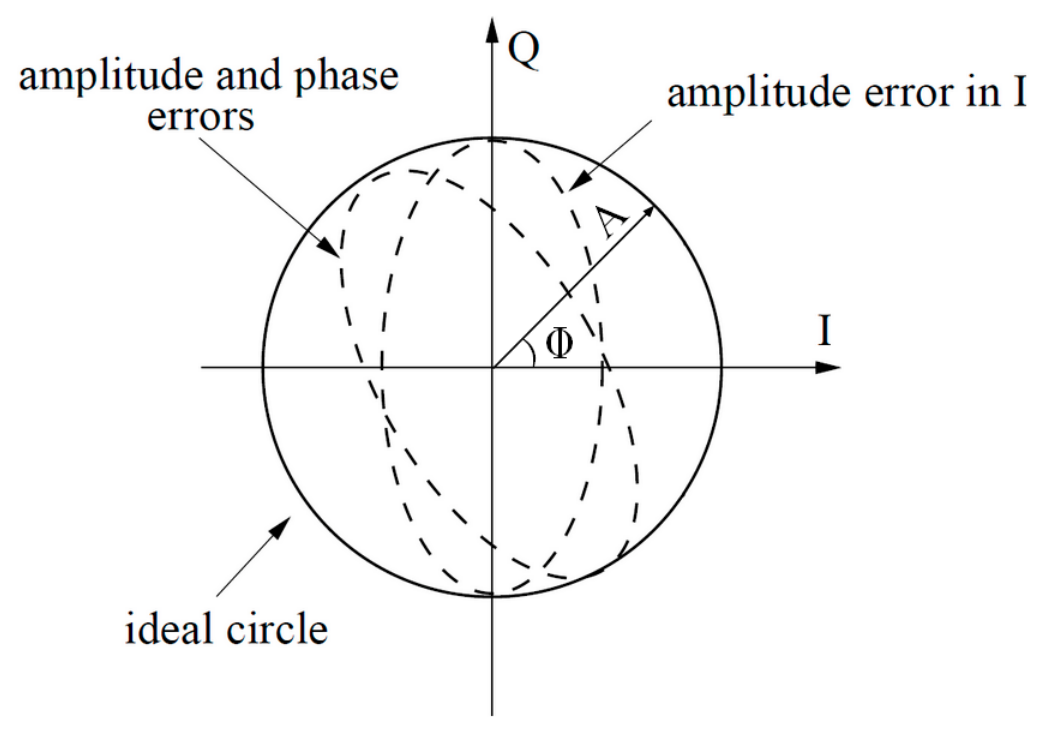
Figure 6 illustrates the geometric interpretation of these impairments in the I/Q plane. In the ideal case, the constellation points lie on a perfectly symmetric structure determined by the modulation format. When amplitude imbalance occurs between the I and Q channels, the scaling of the two components becomes unequal. This results in an elliptical deformation of the signal trajectory, where the constellation points are stretched along one axis of the I/Q plane.
Phase imbalance, on the other hand, arises when the quadrature condition between the two channels deviates from the ideal 90° phase difference. In this situation, a coupling between the I and Q components appears, causing a rotation and skewing of the constellation points. Consequently, the orthogonality of the axes is no longer preserved, and the demodulated symbols deviate from their ideal positions.
When both amplitude and phase errors are present simultaneously, the resulting constellation distortion becomes more noticeable. The signal points undergo both scaling and angular displacement, leading to increased symbol dispersion and degraded demodulation accuracy.
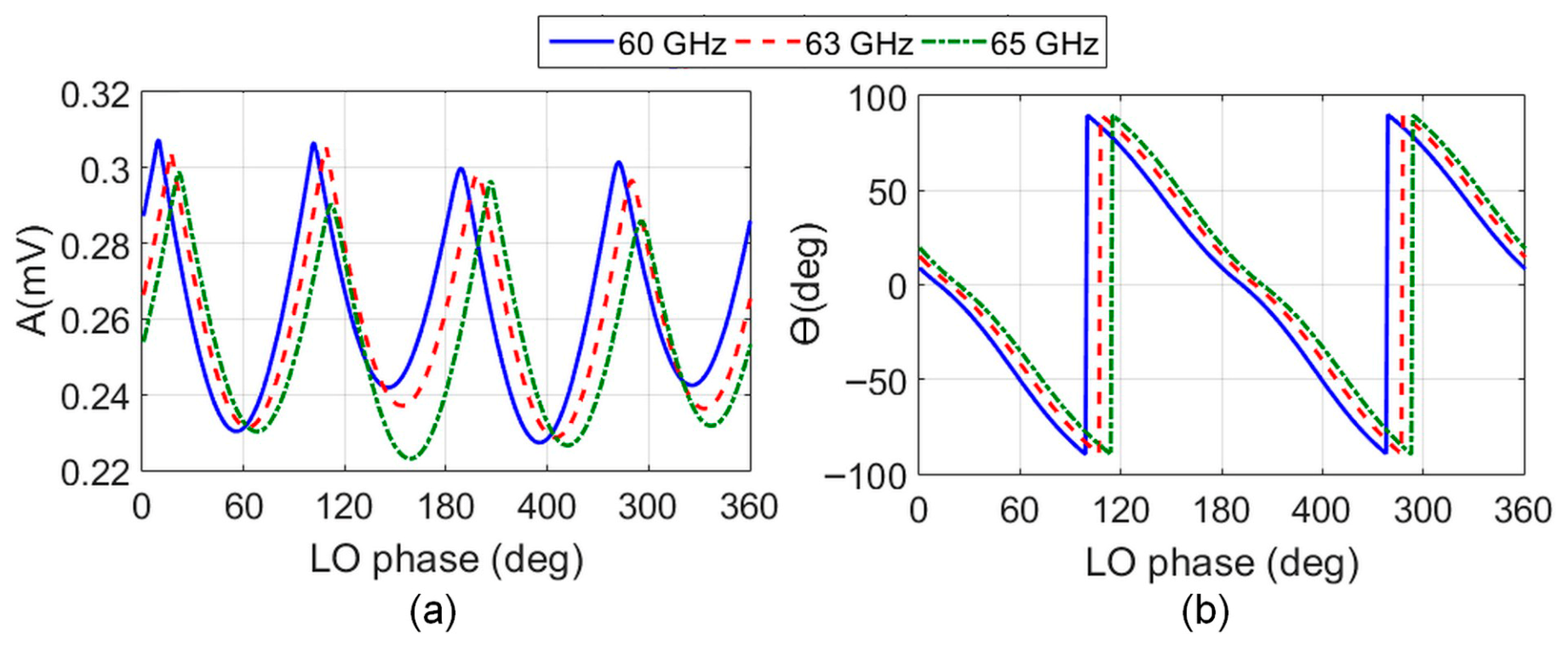
Figure 7 presents the variations in the reconstructed signal amplitude and phase as a function of the LO phase for three operating frequencies: 60 GHz, 63 GHz, and 65 GHz. Those frequencies were selected as representative points across the measured V-band to illustrate the progressive impact of frequency-dependent hardware imperfections on I/Q imbalance and EVM. Specifically, 60 GHz corresponds to the lower end of the measured band, where the six-port exhibits minimal imbalance; 63 GHz represents the mid-band behaviour; and 65 GHz reflects the upper-band worst-case condition, where both amplitude and phase mismatches reach their maximum measured values (about 0.7 dB and 5°). These three points, therefore, capture the overall trend of degradation across the operating band without overloading the figure. At the same time, the full frequency dependence of amplitude and phase imbalance is shown in
Figure 4 above.
The obtained results provide a quantitative evaluation of the amplitude and phase mismatches previously illustrated in
Figure 6. Otherwise, it shows how the reconstructed signal amplitude and phase evolve continuously as the LO phase varies over a full 360° cycle, illustrating the analog behaviour of the six-port demodulator. It is worth noting, however, that in practical digital modulation schemes such as QPSK, information is carried by only a few discrete phase states (typically 45°, 135°, 225°, and 315°). The continuous curves can therefore be seen as the set of all possible signal states, while the QPSK constellation points presented in the following figures represent specific sampled locations on these curves at the selected modulation phases. This helps clarify how amplitude and phase imbalances affect symbol positions and, consequently, the Error Vector Magnitude (EVM).
Figure 7a reveals small amplitude fluctuations across the LO phase range. These variations indicate a gain imbalance between the I and Q channels, resulting from imperfections in the passive microwave components of the six-port network, such as hybrid couplers, power dividers, and detector mismatches.
Figure 7b illustrates the variation in the reconstructed signal phase. Ideally, the phase should follow a perfectly linear relationship with the LO phase, reflecting the correct quadrature relationship between the I and Q channels. However, slight deviations from linearity can be observed, particularly at higher frequencies. These deviations correspond to phase imbalance in the six-port network, meaning that the phase difference between the I and Q channels deviates slightly from the ideal 90° quadrature condition.
The abrupt phase transitions observed in
Figure 7b are mainly due to phase wrapping, since the phase is displayed within the conventional range of −180° to +180°. When the reconstructed phase exceeds this interval, it is wrapped back to the opposite limit, creating apparent discontinuities in the curve.
Globally, the results show that both amplitude and phase deviations increase slightly as the operating frequency approaches 65 GHz. This behaviour can be attributed to the increased sensitivity of millimeter-wave circuits to fabrication tolerances, transmission line dispersion, and component mismatches at higher frequencies. Overall, the amplitude and phase variations observed in
Figure 7 confirm the presence of I/Q imbalance effects in the six-port receiver, resulting in the constellation distortions. These distortions are commonly quantified using the Error Vector Magnitude (EVM) metric, which measures the deviation between the ideal and received constellation points.
The impact of these impairments is further analyzed in the following section through simulation results obtained at different operating frequencies. The results demonstrate that increasing amplitude and phase mismatches lead to observable constellation distortion and higher EVM values, particularly at higher millimeter-wave frequencies.
5. EVM Analysis Under I/Q Imbalance
In a six-port receiver, the complex baseband signal is reconstructed from instantaneous power detection (square low detectors). Ideally, the In-phase (I) and Quadrature (Q) components are perfectly orthogonal and equal in magnitude. Therefore, the ideal complex signal
Sideal(
t) is represented as
When amplitude imbalance (
ΔA) and phase imbalance (
Δϕ) are introduced, the complex vector
Smeas(
t) formed by the measured In-phase and Quadrature components becomes:
where
The relationship between
Imeas and
Qmeas can then be expressed as a general quadratic form of an ellipse:
To provide a clear visual correlation between hardware non-idealities and signal integrity, the following analysis examines how the baseband signal locus transforms. By plotting the I/Q coordinates under varying levels of interference, we can directly observe how the signal’s geometric properties, specifically its circularity and orthogonality, are compromised as amplitude and phase mismatches increase.
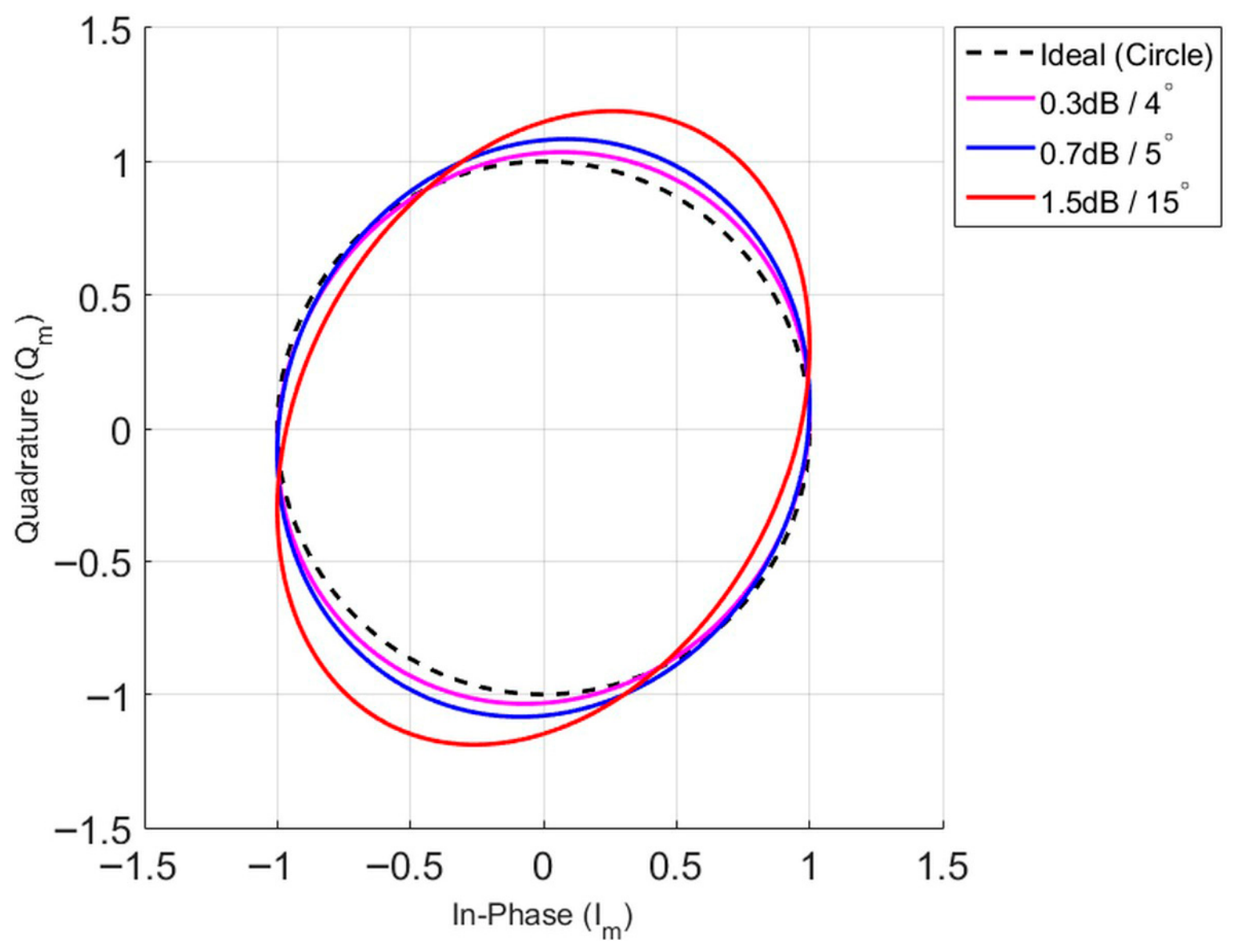
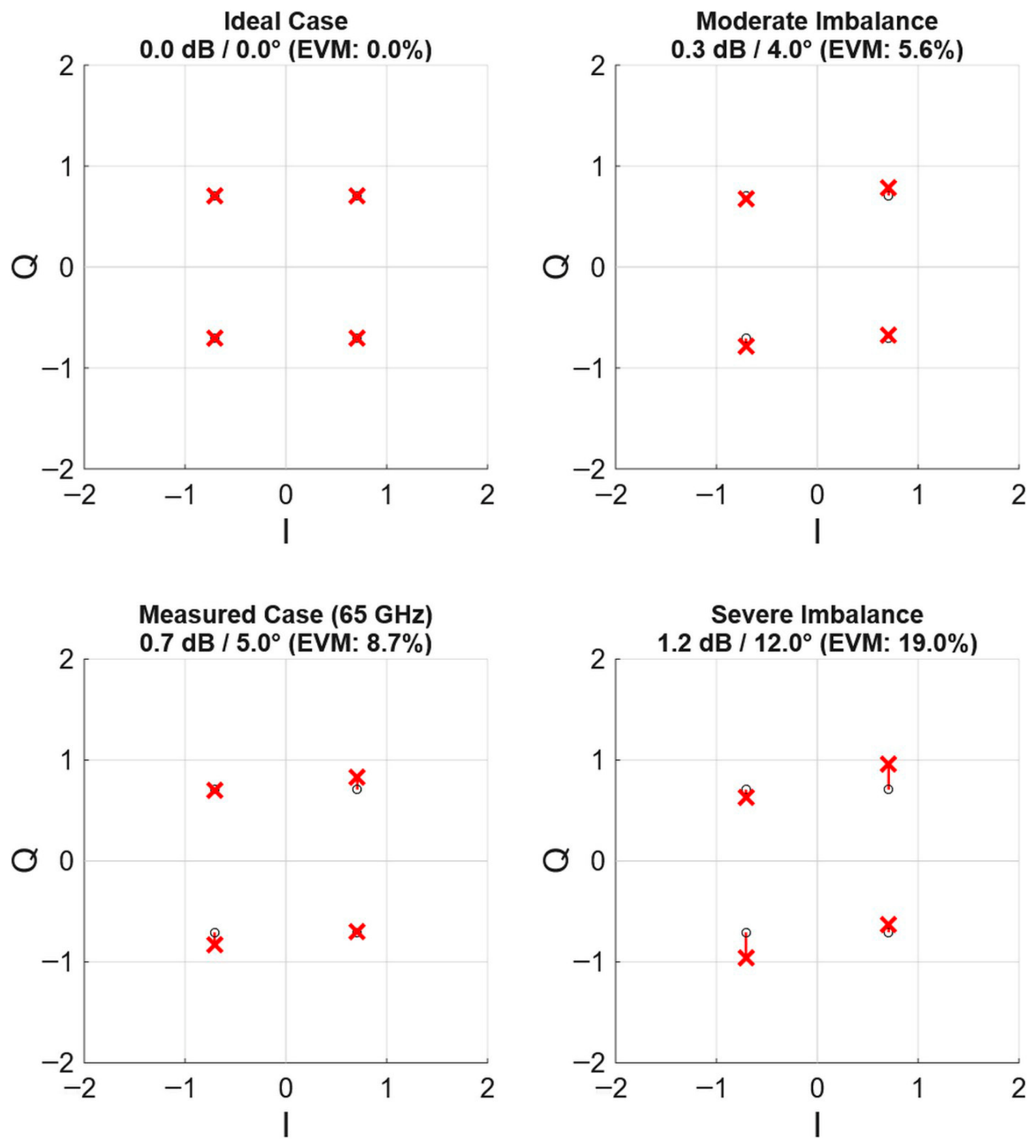
Figure 8 below illustrates this progressive degradation across four possible scenarios.
The first case establishes the ideal reference (0.0 dB, 0.0°), characterized by a black dashed circular contour that represents absolute quadrature orthogonality and perfectly matched branch gains. In this state, the In-phase and Quadrature components are entirely decoupled, serving as the benchmark for maximum symbol discrimination. The second case introduces a moderate imbalance (0.3 dB, 4.0°) consistent with high-precision V-band fabrication tolerances. Here, the onset of hardware non-idealities manifests as a subtle vertical extension and a minor angular tilt of the signal axes, indicating the beginning of elliptical compression. The third case identifies the measured experimental limit (0.7 dB, 5.0°) observed at 65 GHz. This scenario exhibits a pronounced elliptical deformation, in which the “slant” of the major axis reflects the phase-quadrature offsets inherent in millimeter-wave six-port junctions. Despite this distortion, the signal maintains sufficient clearance from the decision boundaries, validating the architecture’s stability at the upper edge of the V-band. Finally, the fourth case presents an extreme stress-test (1.5 dB, 15.0°) designed for sensitivity visualization. This trajectory demonstrates a severe elliptical collapse in which the I and Q components become highly coupled.
The operational robustness of the proposed six-port receiver is characterized by its ability to maintain signal integrity despite physical manufacturing tolerances. In the following study, we analyze the Error Vector Magnitude (EVM) performance under varying I/Q imbalance conditions. The Error Vector Magnitude (EVM) is the definitive figure of merit for assessing modulation quality in a millimeter-wave receiver, as it provides a single, normalized value that captures the cumulative impact of both amplitude and phase imbalances. Unlike simple gain or phase measurements, EVM quantifies the precise Euclidean distance between the received symbol
Smeas and its ideal reference
Sideal in the complex I/Q plane. Its primary advantage lies in its ability to directly correlate physical hardware non-idealities with system-level reliability, offering a clear threshold for standard compliance (such as the 17.5% limit for LTE QPSK) [
28] before the onset of significant bit errors. The mathematical definition of EVM as a percentage is expressed as the root-mean-square (RMS) of the error vector power relative to the reference signal power:
By substituting the imbalance equations, the EVM for a QPSK signal (normalized to unit power) can then be approximated by
where the term (1 −
ΔA∙cos(
Δϕ))
2 accounts for the In-phase error. It combines the loss of magnitude (1 −
ΔA) with the projection of the phase shift. However, the term (
ΔA∙sin(Δ
ϕ))
2 represents the Quadrature leakage. Since the axes are no longer 90° degrees apart, the I signal leaks into the Q channel and vice versa.
The impact of different amplitude and phase imbalance scenarios on the error vector magnitude (EVM) is illustrated in
Figure 9 below, using several QPSK constellation schemes.
In the ideal reference (0.0 dB, 0.0°), the constellation represents perfect quadrature orthogonality with symbols centered exactly at their reference coordinates, yielding a baseline EVM of 0.0%. As hardware non-idealities are introduced in a moderate imbalance (0.3 dB, 4.0°), the onset of vertical stretching and angular tilting causes the symbols to migrate from their ideal positions, pushing the EVM to 5.6% while maintaining a high reliability margin. The measured case (0.7 dB, 5.0°) characterizes the hardware performance at 65 GHz, exhibiting a pronounced elliptical shift due to phase-quadrature offsets inherent in the six-port junction, which cause visible symbol displacement; however, the system remains within an acceptable operational zone, with an achieved EVM of 8.7%. Finally, the fourth case (severe imbalance: 1.2 dB, 12.0°) demonstrates a critical collapse of the signal space driven by high-gain disparity and significant non-orthogonality, resulting in a recorded EVM of 19.0%. This analysis reveals that as the EVM exceeds the 17.5% LTE compliance threshold, the Euclidean distance between independent quadrature states is nearly compromised by excessive cross-channel leakage, significantly increasing the probability of symbol misinterpretation.
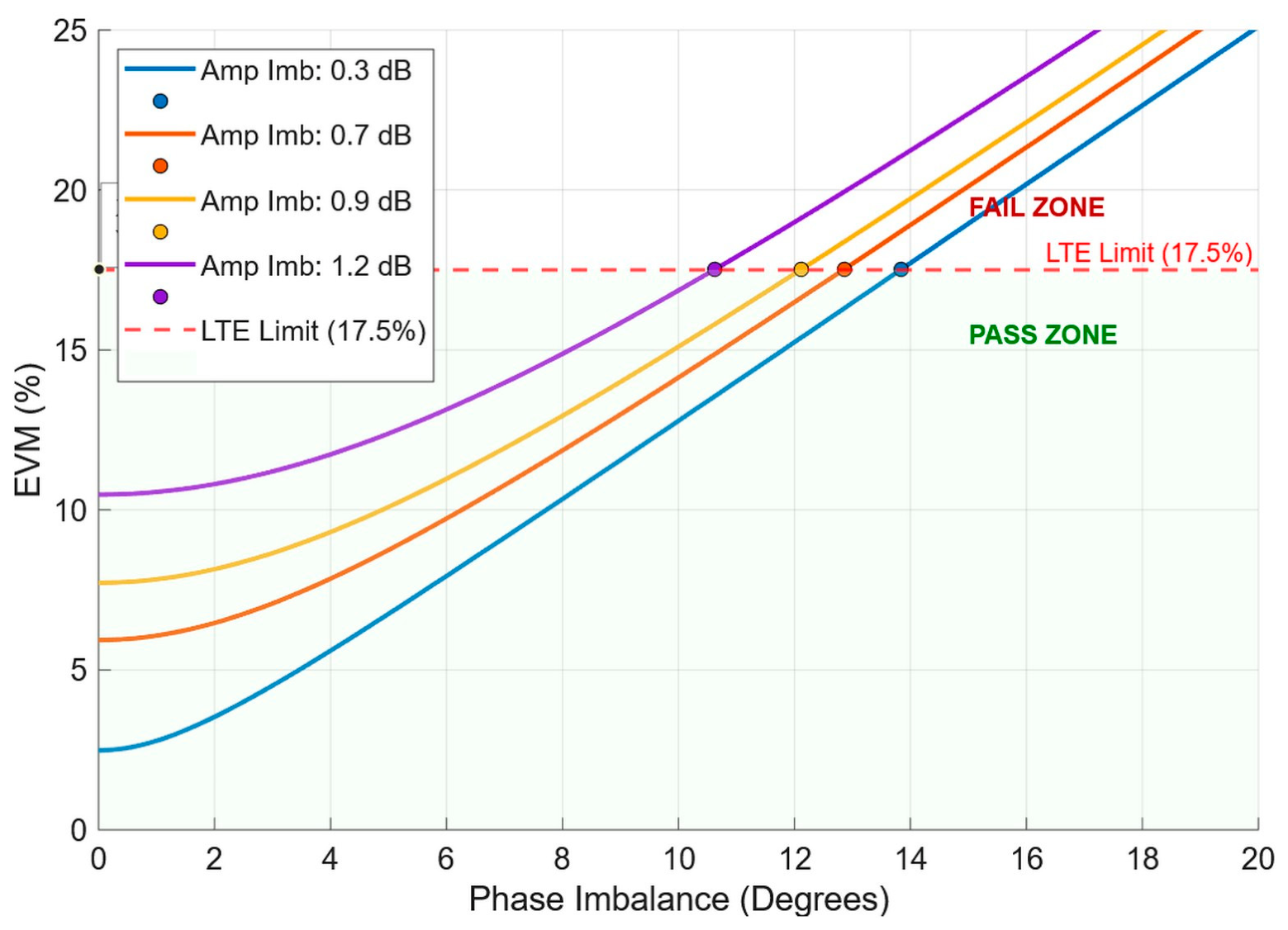
The analytical results plotted in
Figure 10 quantify the performance degradation of the Six-Port receiver by mapping the Error Vector Magnitude (EVM) against increasing phase imbalance for four specific amplitude-mismatch levels. The red dashed line denotes the 17.5% LTE compliance limit, dividing the operational space into a “PASS ZONE” and a “FAIL ZONE.”
A comparative analysis of the intersection points reveals a nonlinear contraction of the phase as amplitude errors escalate. For a low-imbalance scenario of 0.3 dB, the six-port receiver maintains compliance up to a significant phase deviation of approximately 13.75°. However, as the hardware non-ideality increases to the measured 0.7 dB level (representing the 65 GHz performance), the permissible phase margin drops to around 12.75°. This trend accelerates under more severe conditions: at 0.9 dB, the maximum allowable phase tolerance is reduced to 12.0°, and at the 1.2 dB stress-test limit, it reaches a critical minimum of about 10.8°. These results underscore a vital design trade-off: every about 0.3 dB increase in amplitude imbalance necessitates a tighter phase-orthogonality constraint of approximately 0.8–1.2° to avoid exceeding the EVM threshold. This sensitivity analysis demonstrates that, while the architecture is resilient to moderate mismatches, a coupling of 1.2 dB and phase errors beyond 15° result in an irreversible collapse of the QPSK sensitivity margin, rendering the raw signal non-compliant.
It is important to note that, although this work mainly focuses on characterizing the effects of I/Q imbalance, several mitigation strategies can be applied in practical implementations. At the hardware level, analog calibration techniques can help reduce amplitude and phase mismatches by carefully designing and optimizing components such as hybrid couplers, power dividers, and local oscillator distribution paths. At the system level, digital compensation approaches such as adaptive I/Q imbalance correction or widely linear signal processing can further suppress the remaining errors in the baseband domain [
29,
30]. In this context, the analytical relationship derived in this work between imbalance parameters and Error Vector Magnitude (EVM) provides a practical tool for defining acceptable tolerance limits and for guiding the design of efficient calibration and compensation schemes. In addition, the experimental results demonstrate that the proposed six-port receiver maintains satisfactory performance without any compensation, highlighting its inherent robustness. Overall, these observations not only emphasize the practical relevance of the study but also show that the six-port architecture is a promising and resilient solution for high-speed wireless communication systems.
Table 1 provides a quantitative comparison in terms of operating frequency, fabrication technique, demodulation scheme, and EVM performance to better position the proposed work relative to existing six-port direct-conversion receiver architectures. It is worth noting that some of the referenced works do not fully specify the fabrication technology and/or modulation scheme. In such cases, the comparison depends on the reported EVM values and available information. Differences in implementation, operating conditions, and evaluation methodologies may influence the results; therefore, the comparison should be interpreted as indicative rather than strictly equivalent.
The reported results indicate that conventional architectures can experience significant EVM degradation under hardware impairments, with measured EVM exceeding 10% and reaching 16.73% before compensation. The comparison also shows that only a limited number of studies report experimentally validated EVM performance at millimeter-wave frequencies, underscoring the practical relevance and contribution of the present work.
6. Conclusions
This study successfully characterized the impact of hardware imperfections on a six-port receiver operating in the 60–65 GHz millimeter-wave band, specifically focusing on how I/Q imbalances arising from manufacturing tolerances and phase offsets distort the ideal QPSK constellation into an elliptical shape. By utilizing Error Vector Magnitude (EVM) as a primary performance metric, the analysis demonstrated that even under worst-case conditions, specifically an amplitude imbalance of 0.7 dB and a phase error of 5° at 65 GHz, the resulting EVM of 8.7% remains well within the 17.5% limit required by modern wireless standards like LTE. Ultimately, the high correlation between ADS co-simulations and mathematical models validates the six-port architecture as a robust, cost-effective alternative to traditional heterodyne systems, proving its viability for high-speed data transmission in emerging 5G and 6G network infrastructures.