Article

Exploring Explainable Artificial Intelligence Techniques for Interpretable Neural Networks in Traffic Sign Recognition Systems


Department of Software, Sangmyung University, Cheonan 31066, Republic of Korea
*
Author to whom correspondence should be addressed.
Electronics 2024, 13(2), 306; https://doi.org/10.3390/electronics13020306

Submission received: 29 November 2023 / Revised: 5 January 2024 / Accepted: 8 January 2024 / Published: 10 January 2024

Abstract

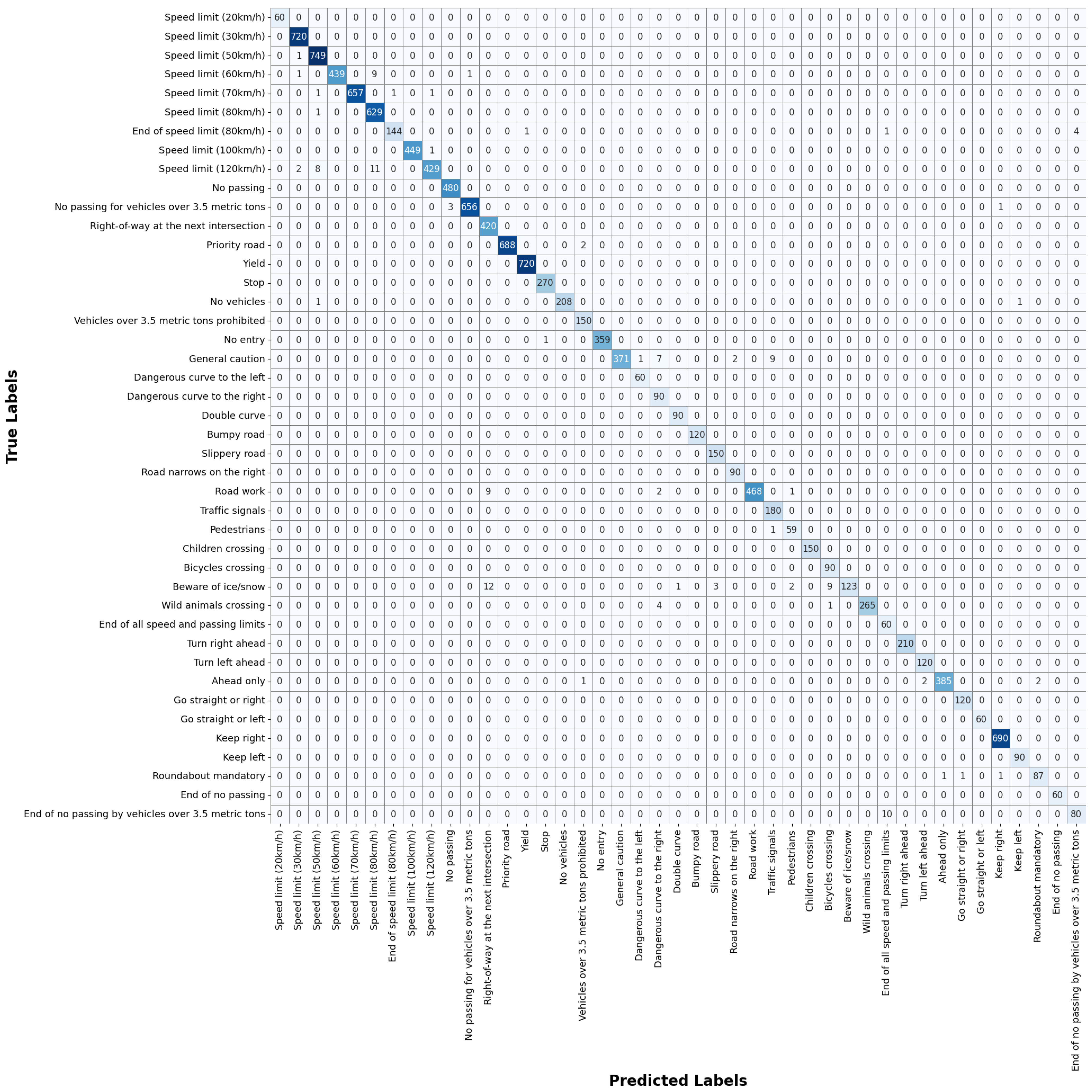
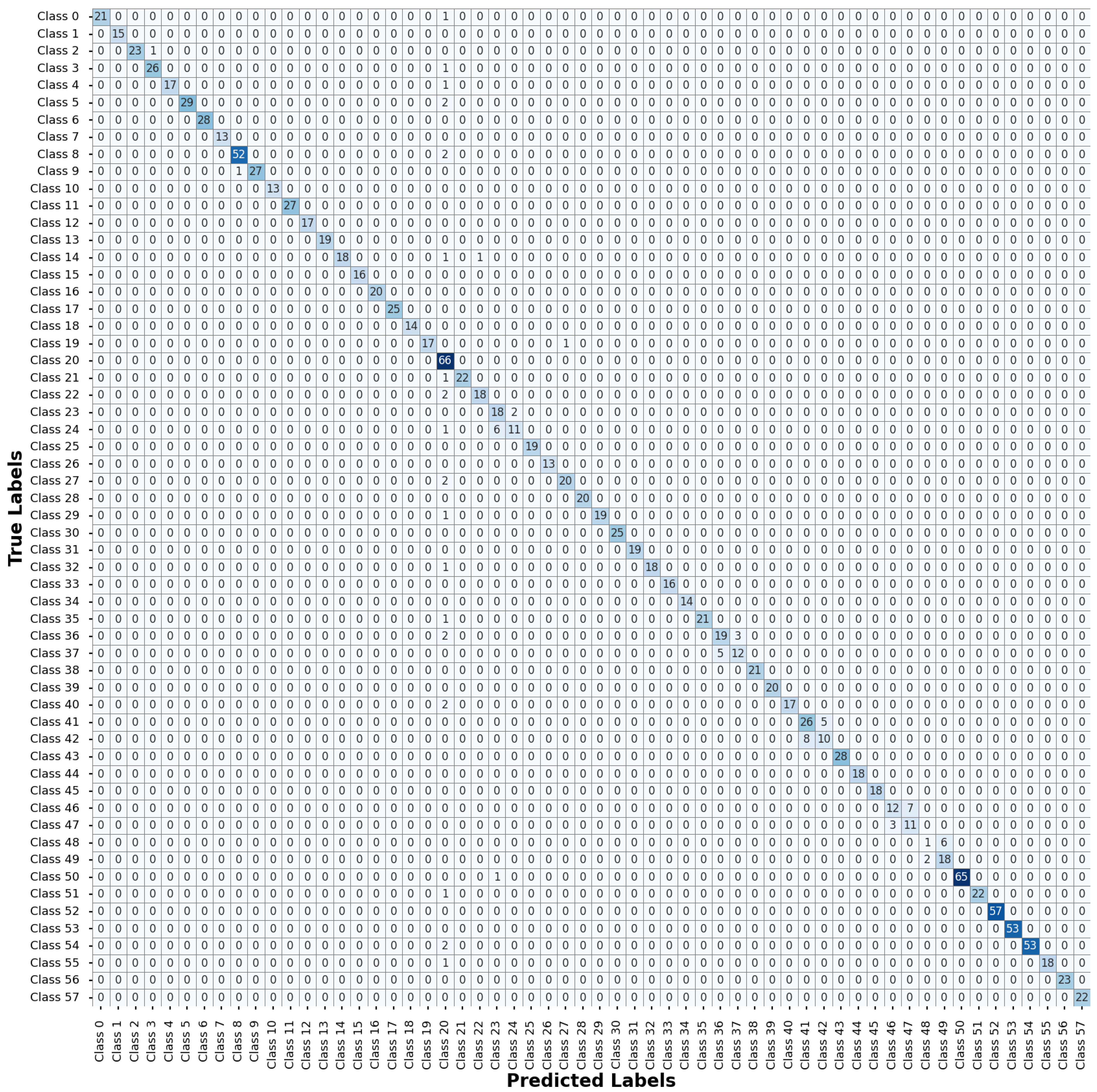
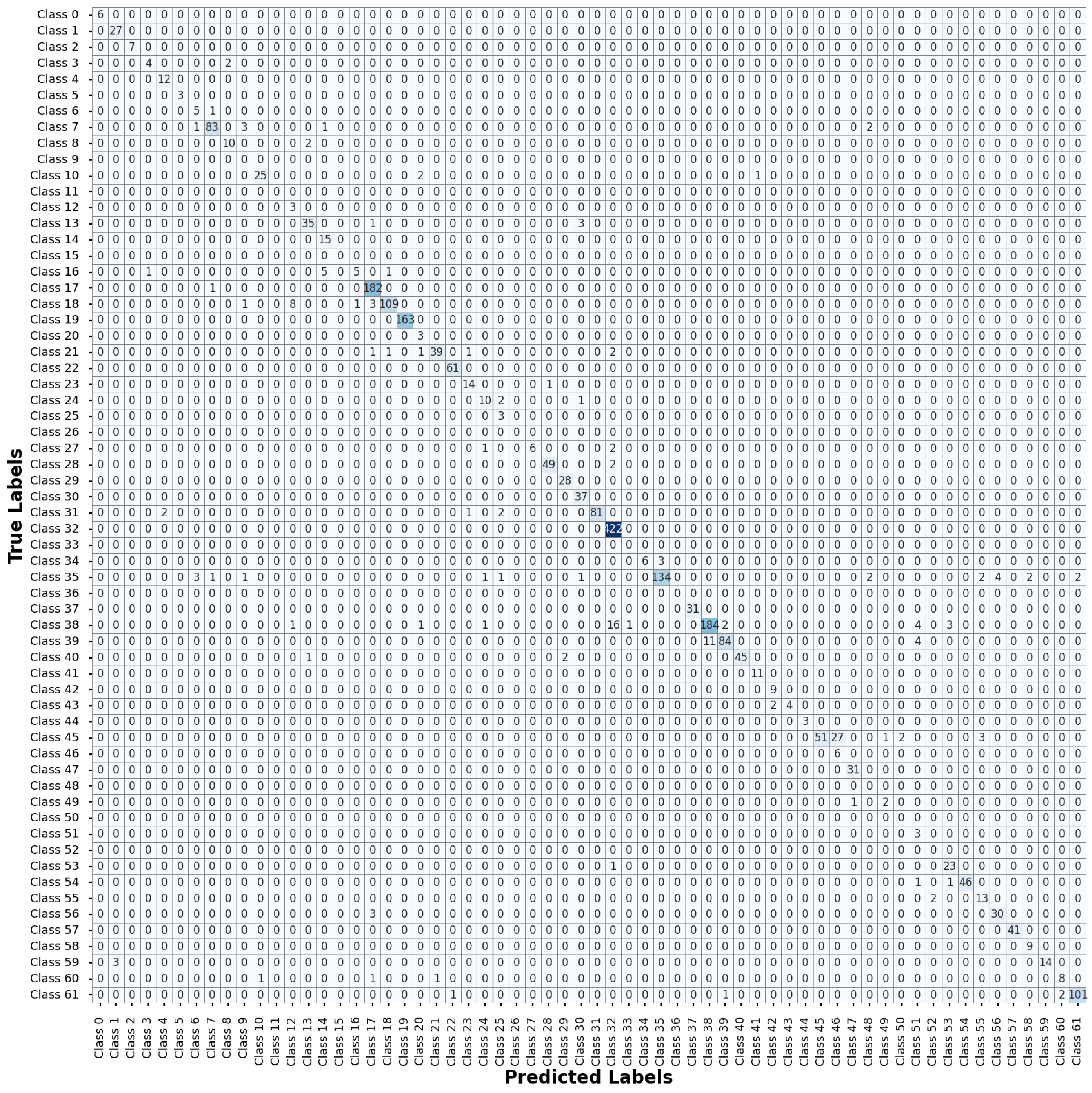
Traffic Sign Recognition (TSR) plays a vital role in intelligent transportation systems (ITS) to improve road safety and optimize traffic management. While existing TSR models perform well in challenging scenarios, their lack of transparency and interpretability hinders reliability, trustworthiness, validation, and bias identification. To address this issue, we propose a Convolutional Neural Network (CNN)-based model for TSR and evaluate its performance on three benchmark datasets: German Traffic Sign Recognition Benchmark (GTSRB), Indian Traffic Sign Dataset (ITSD), and Belgian Traffic Sign Dataset (BTSD). The proposed model achieves an accuracy of 98.85% on GTSRB, 94.73% on ITSD, and 92.69% on BTSD, outperforming several state-of-the-art frameworks, such as VGG19, VGG16, ResNet50V2, MobileNetV2, DenseNet121, DenseNet201, NASNetMobile, and EfficientNet, while also providing faster training and response times. We further enhance our model by incorporating explainable AI (XAI) techniques, specifically, Local Interpretable Model-Agnostic Explanations (LIME) and Gradient-weighted Class Activation Mapping (Grad-CAM), providing clear insights of the proposed model decision-making process. This integration allows the extension of our TSR model to various engineering domains, including autonomous vehicles, advanced driver assistance systems (ADAS), and smart traffic control systems. The practical implementation of our model ensures real-time, accurate recognition of traffic signs, thus optimizing traffic flow and minimizing accident risks.
Keywords: road safety; traffic sign recognition; traffic management; intelligent transportation systems; interpretable neural network road safety; traffic sign recognition; traffic management; intelligent transportation systems; interpretable neural network