Article

Bluetooth Low Energy Beacon Powered by the Temperature Difference
by
Patryk Pyt
,
Piotr Jankowski-Mihułowicz
* and
Mariusz Węglarski
*
Department of Electronic and Telecommunications Systems, Rzeszów University of Technology, ul. Wincentego Pola 2, 35-959 Rzeszów, Poland
*
Authors to whom correspondence should be addressed.
Electronics 2023, 12(6), 1278; https://doi.org/10.3390/electronics12061278

Submission received: 29 January 2023 / Revised: 28 February 2023 / Accepted: 5 March 2023 / Published: 7 March 2023
(This article belongs to the Special Issue Smart Antenna Optimization Techniques for Wireless Applications)

Abstract

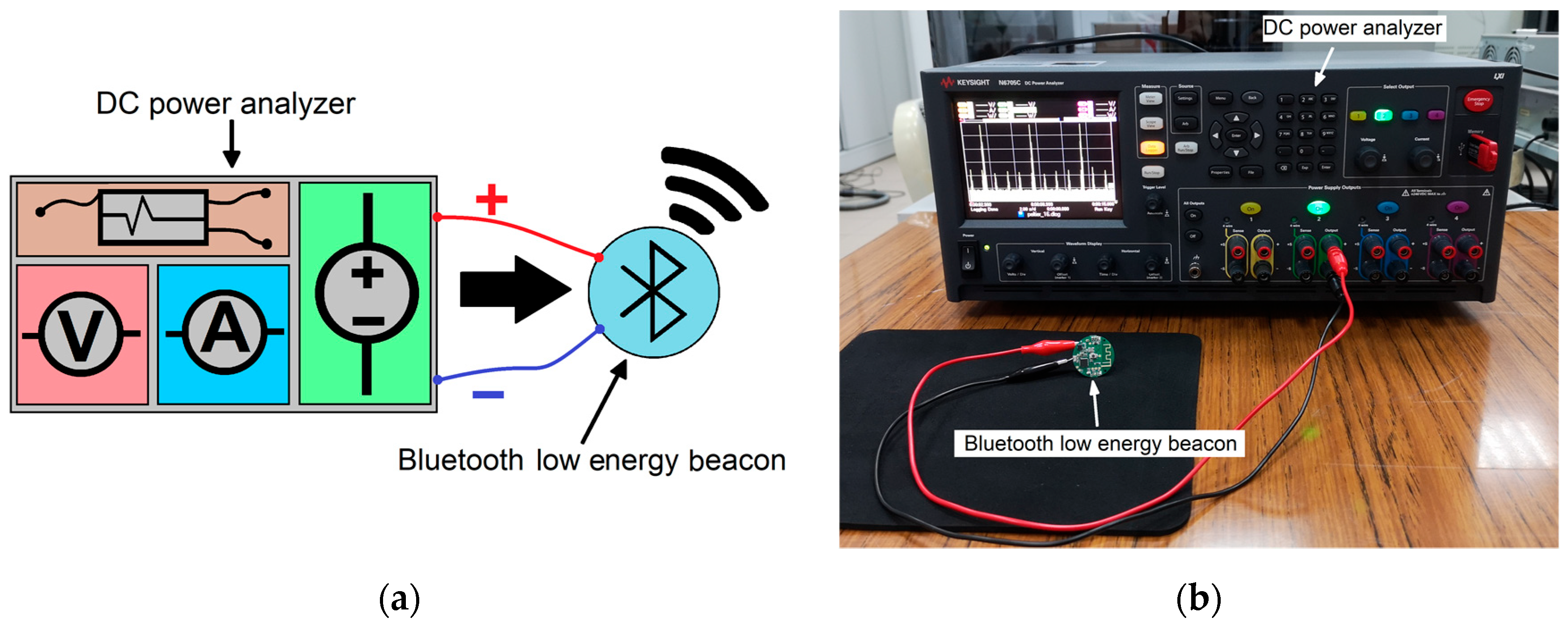
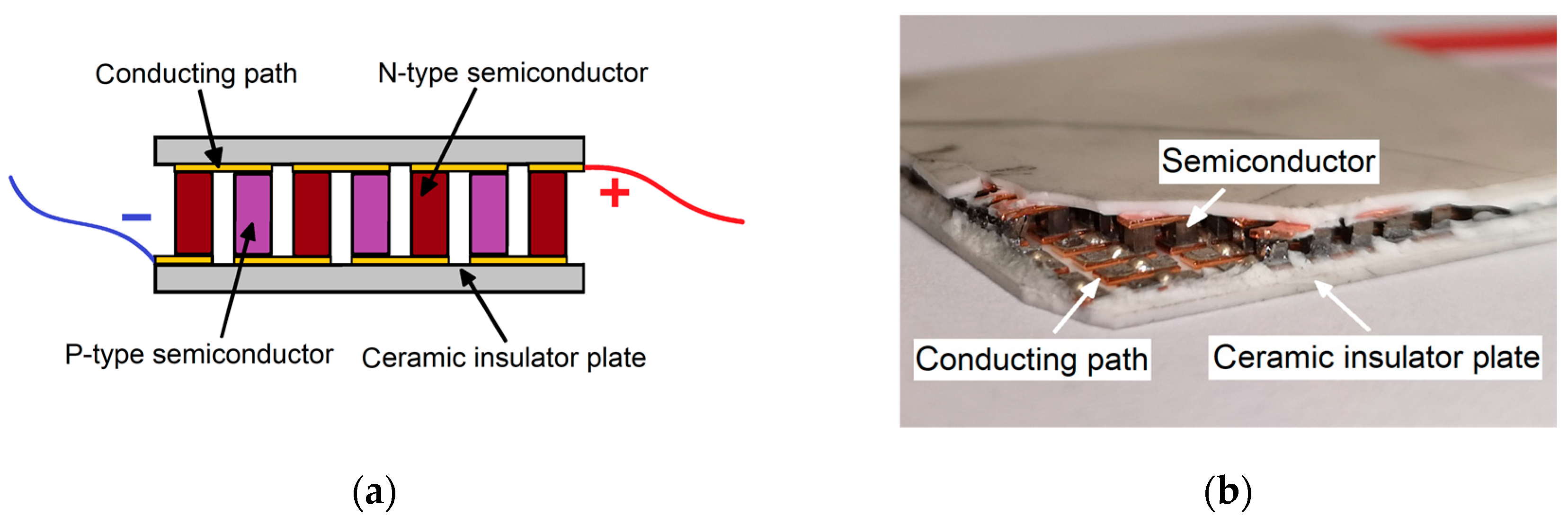
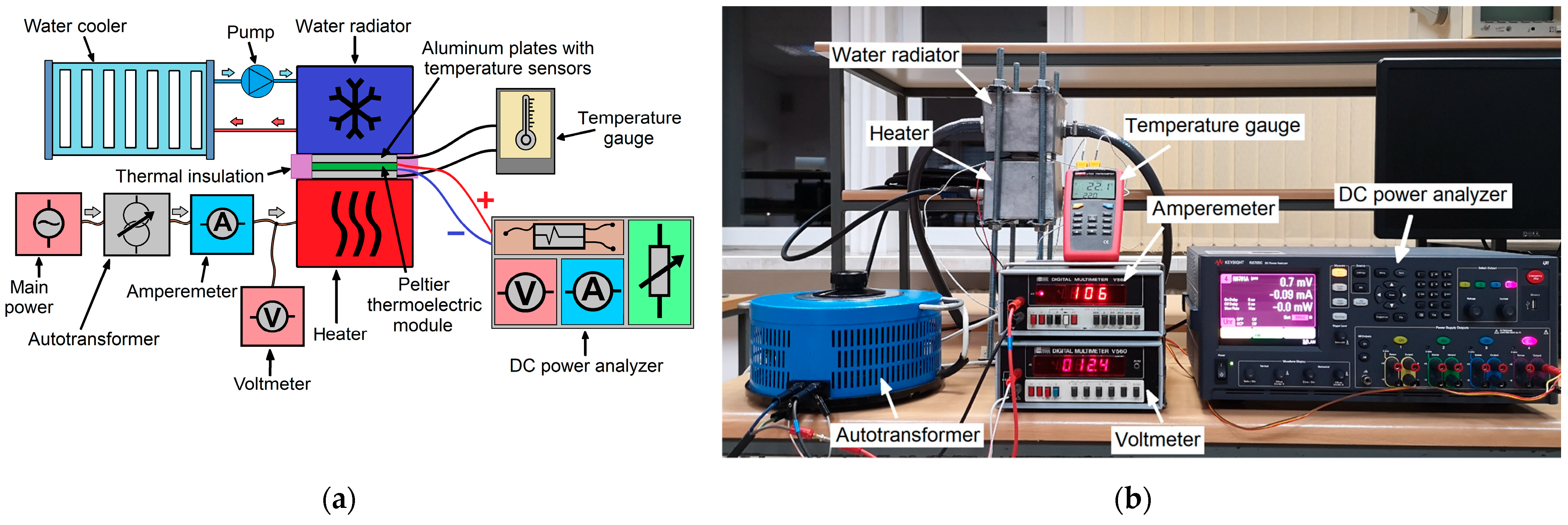
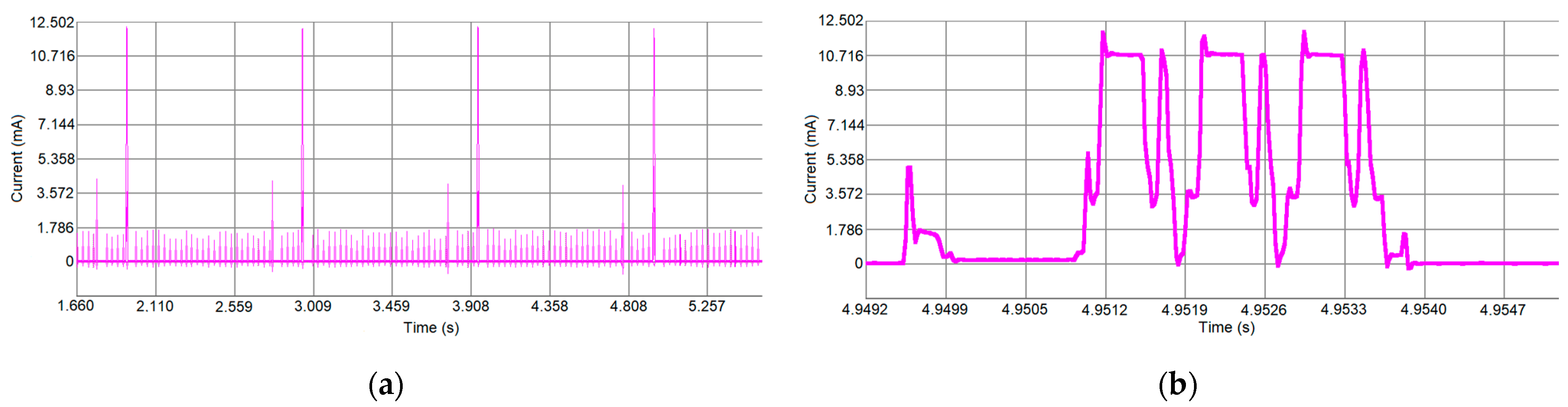
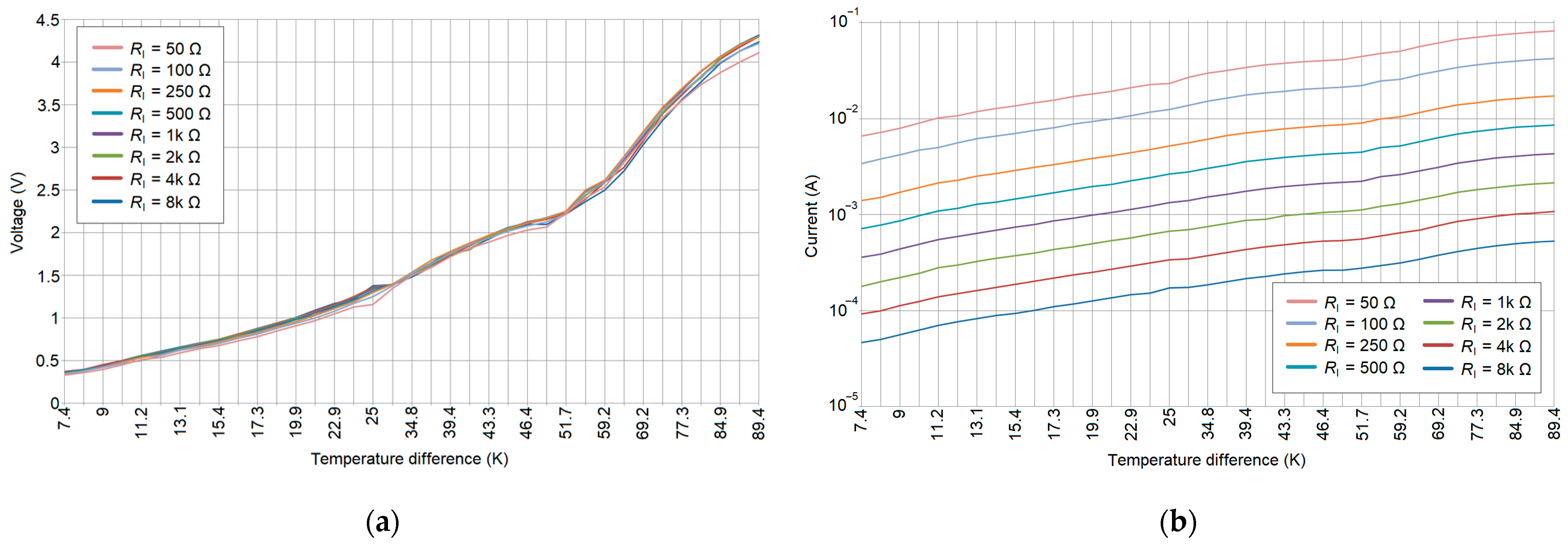
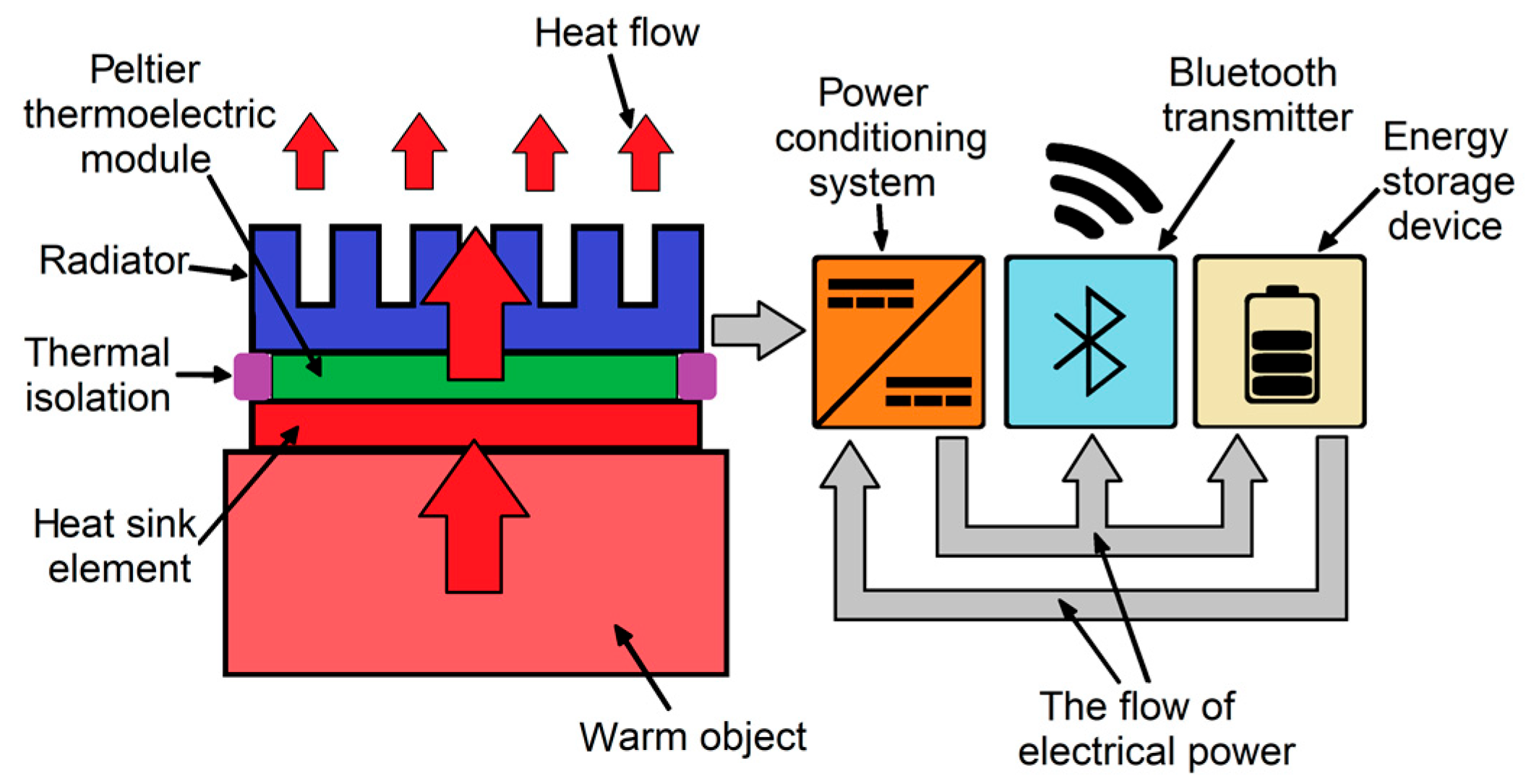
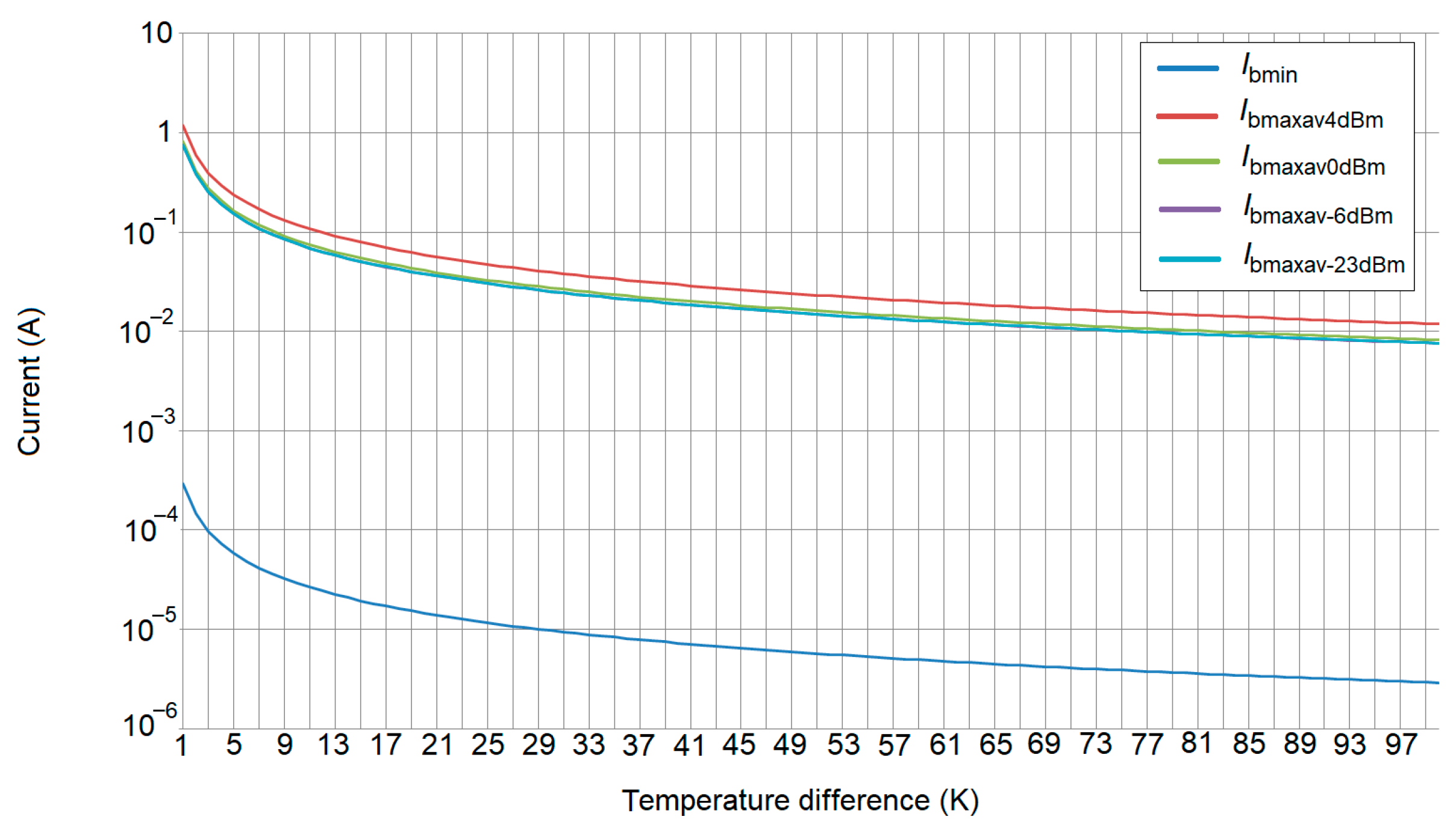
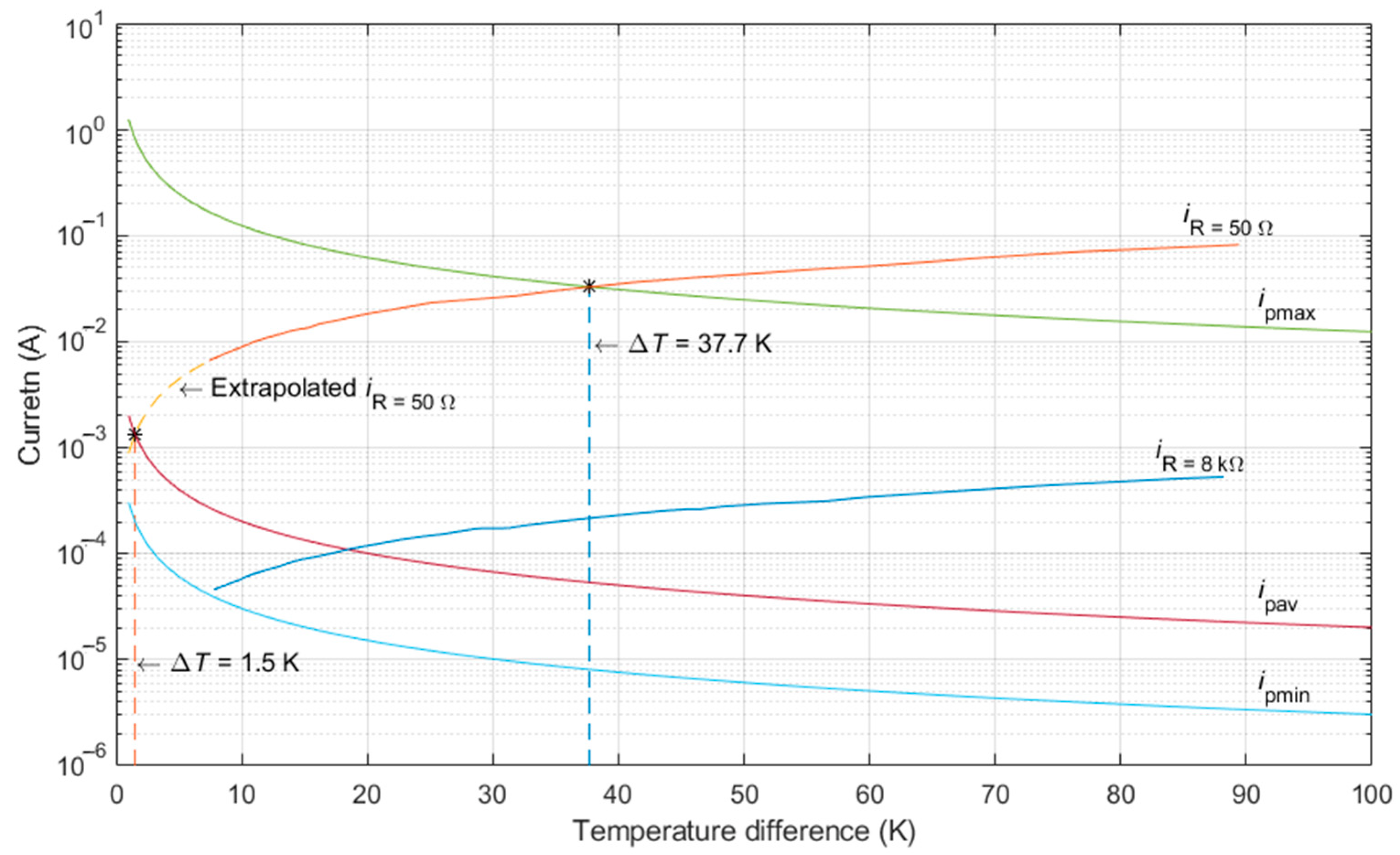
Bluetooth low energy beacons are active transmitters that send a radio signal at set intervals. Most beacons are powered by small batteries. The problem with systems based on such devices is the need to periodically replace the chemical cells. This is especially tedious when a large number of the beacons is used. The maintenance of such a system causes several serious problems related to the high cost of new batteries and their replacement, time-consuming service and environmental pollution. A solution to these problems is to use beacons with a power supply supported by photovoltaic panels. Their obvious drawback is the need to place them in good lighting conditions. To overcome this disadvantage, the use of a power source that gathers energy due to the Peltier effect is proposed in this paper. Since the temperature difference between two surfaces can be found in almost every environment, the authors analyzed the efficiency of this kind of energy source in the context of powering the beacons. In order to justify the idea, a multitude of measurements and simulations was performed. The power supply demand of the beacon was measured in various modes of operation. The Peltier module was examined at different loads and various temperature differences. On the basis of the gathered data, the energy conditioning system was defined for a given temperature difference sufficient to power the beacon. Finally, the model of the proposed device was developed. The elaborated solution eliminates the need for batteries and makes the beacon maintenance-free.
Keywords: beacon; Peltier module; energy harvesting; Bluetooth beacon; Peltier module; energy harvesting; Bluetooth