Article

An Improved VLSI Algorithm for an Efficient VLSI Implementation of a Type IV DCT That Allows an Efficient Incorporation of Hardware Security with a Low Overhead

by
Doru Florin Chiper
Technical Sciences Academy of Romania, Academy of Romanian Scientists, Faculty of Electronics, Telecommunication and Information Technology, “Gheorghe Asachi” Technical University of Iasi, 700506 Iasi, Romania
Electronics 2023, 12(1), 243; https://doi.org/10.3390/electronics12010243

Submission received: 29 October 2022 / Revised: 30 November 2022 / Accepted: 15 December 2022 / Published: 3 January 2023
(This article belongs to the Special Issue Efficient Algorithms and Architectures for DSP Applications)

Abstract

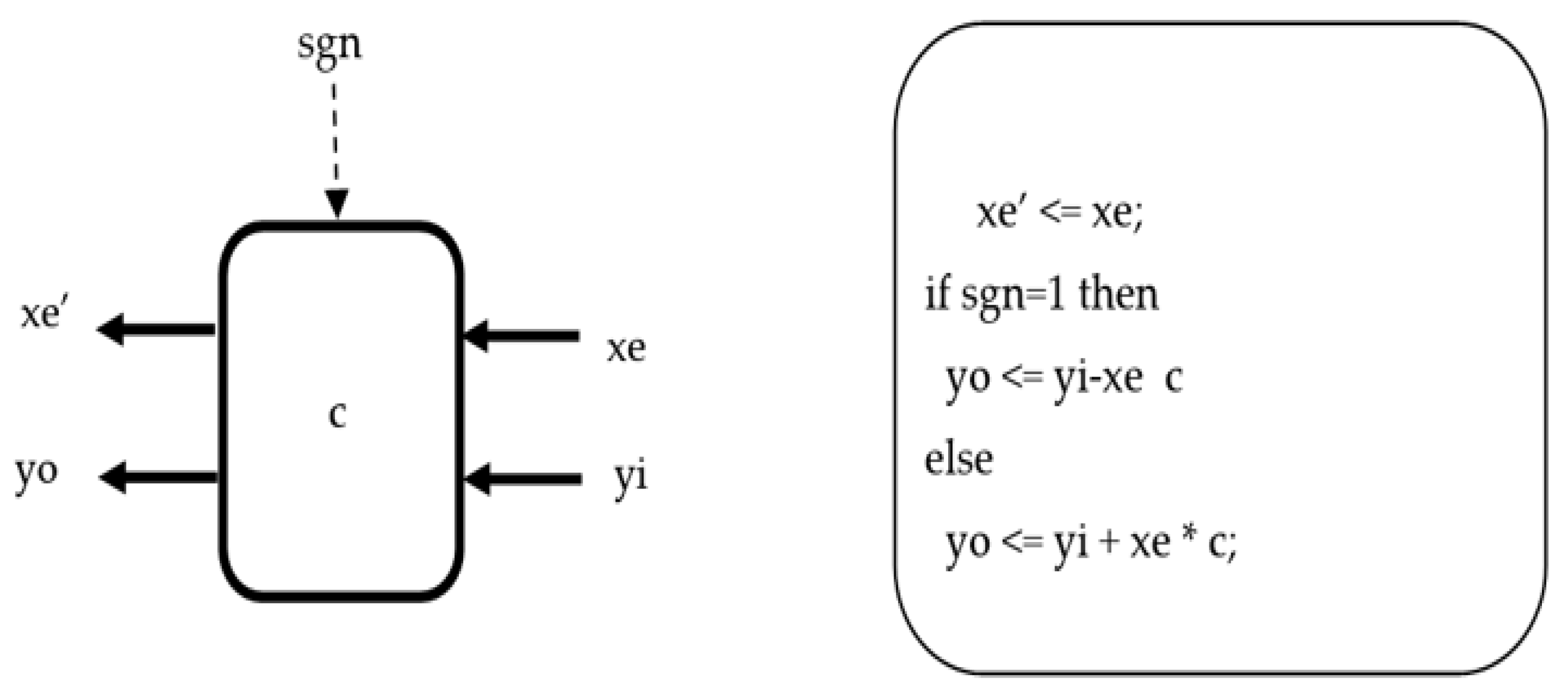
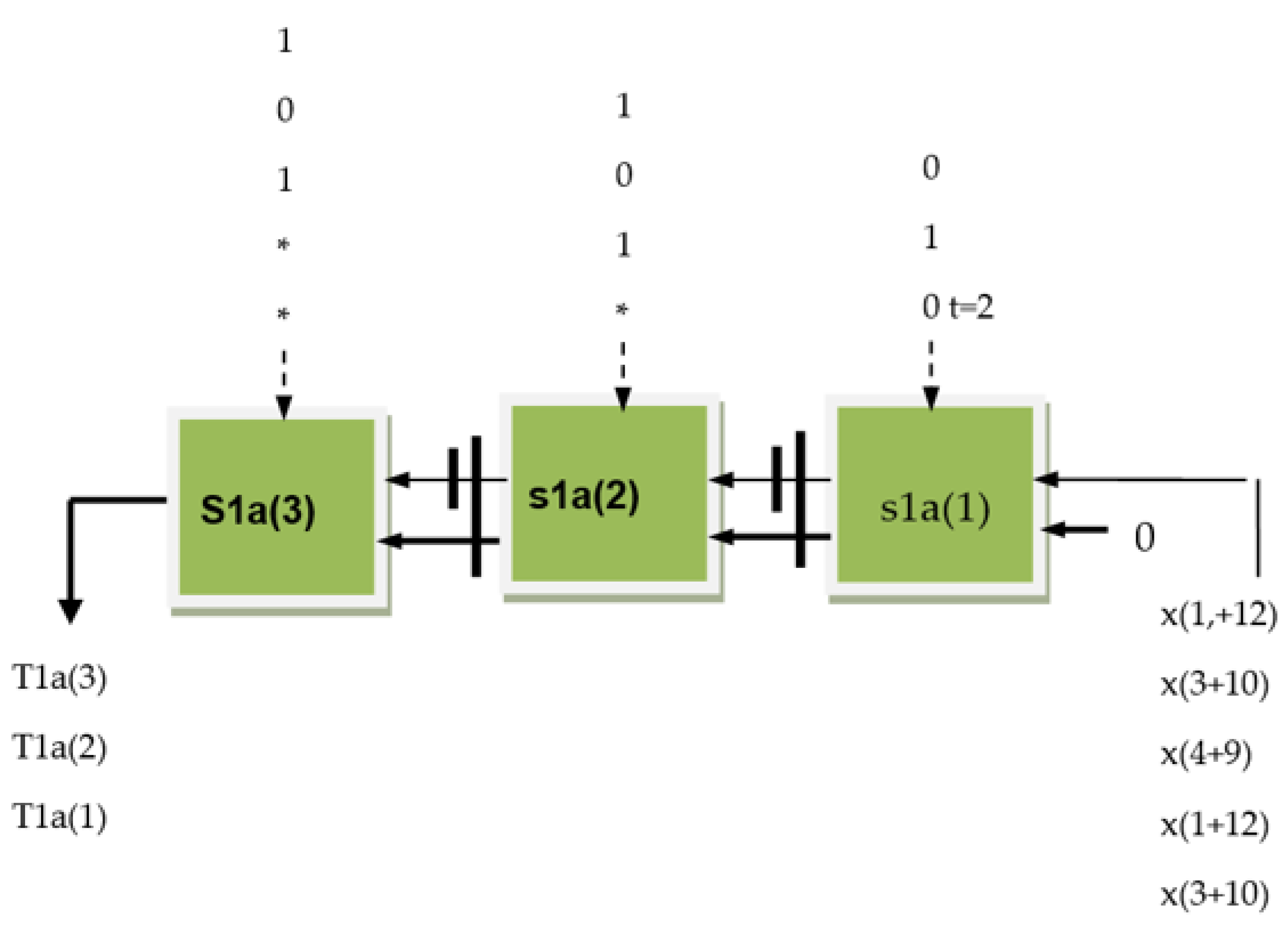
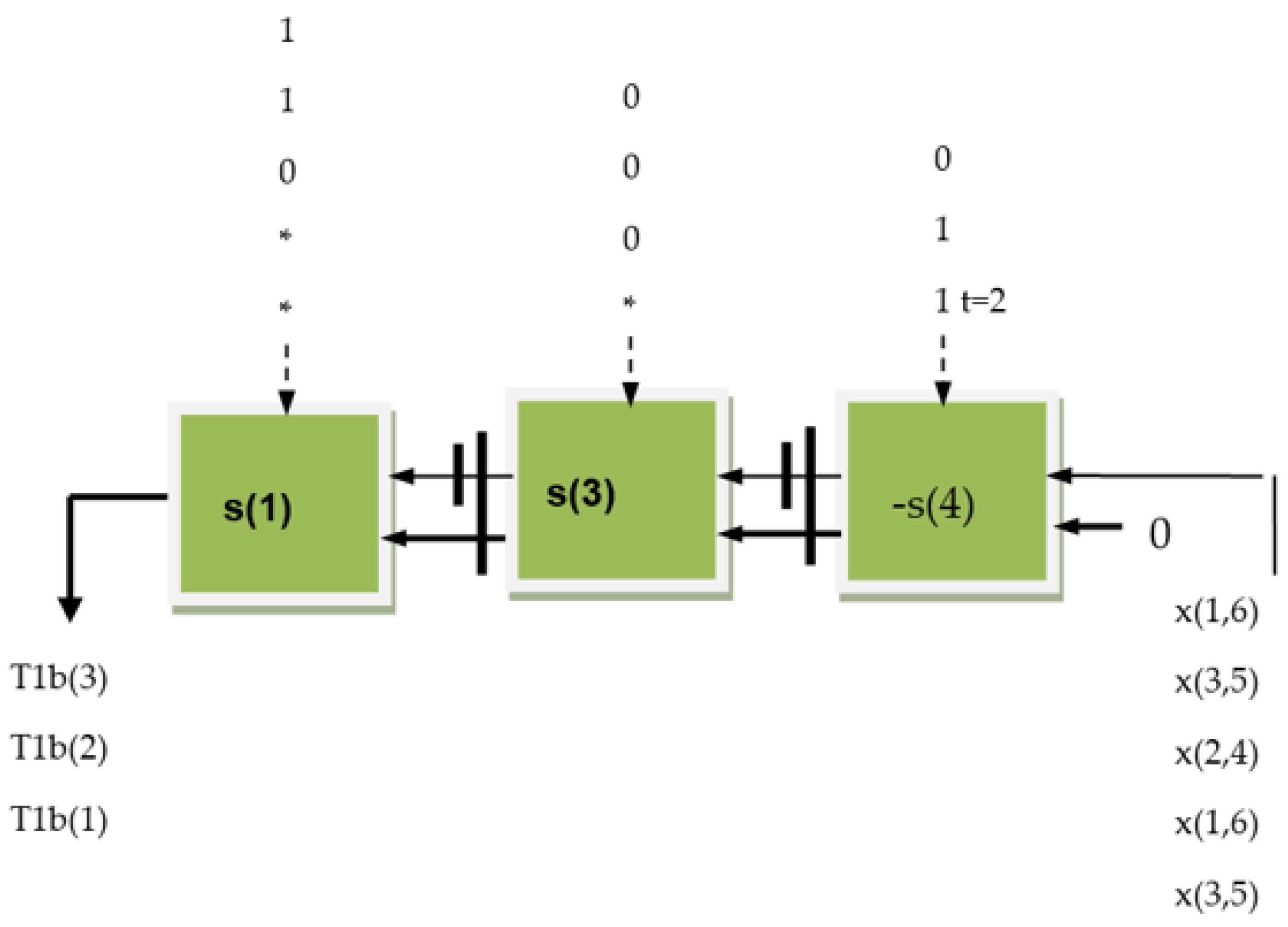
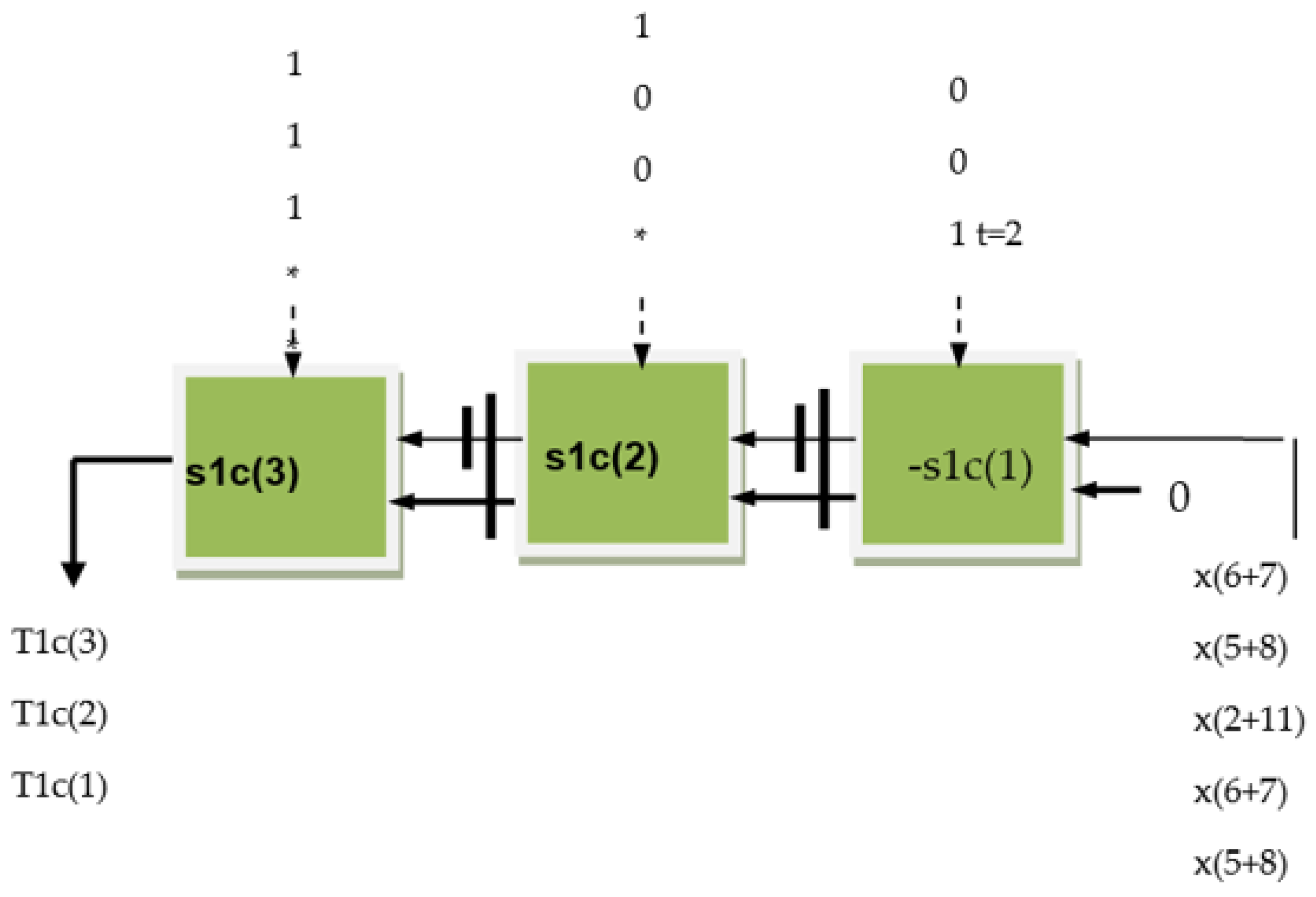
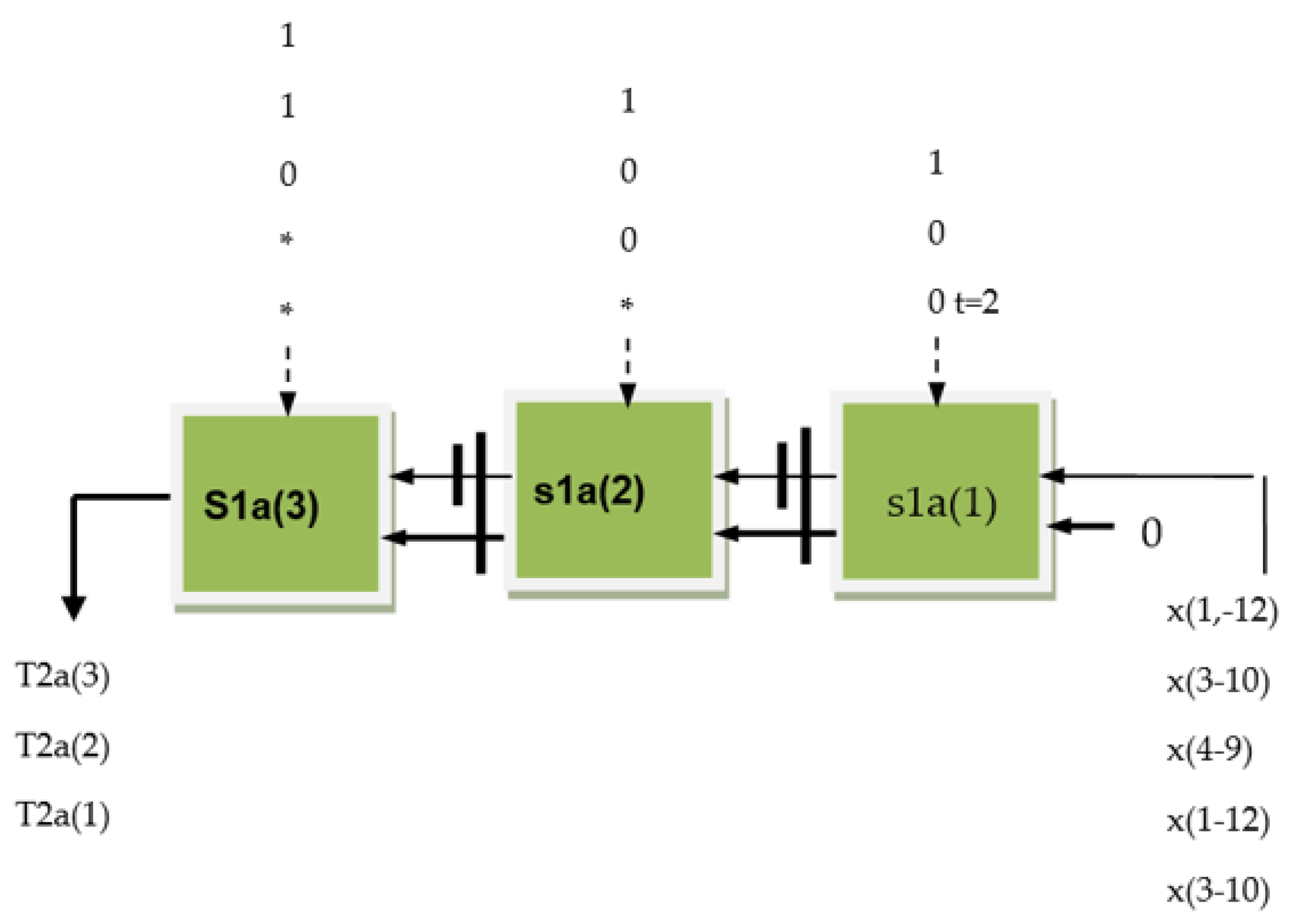
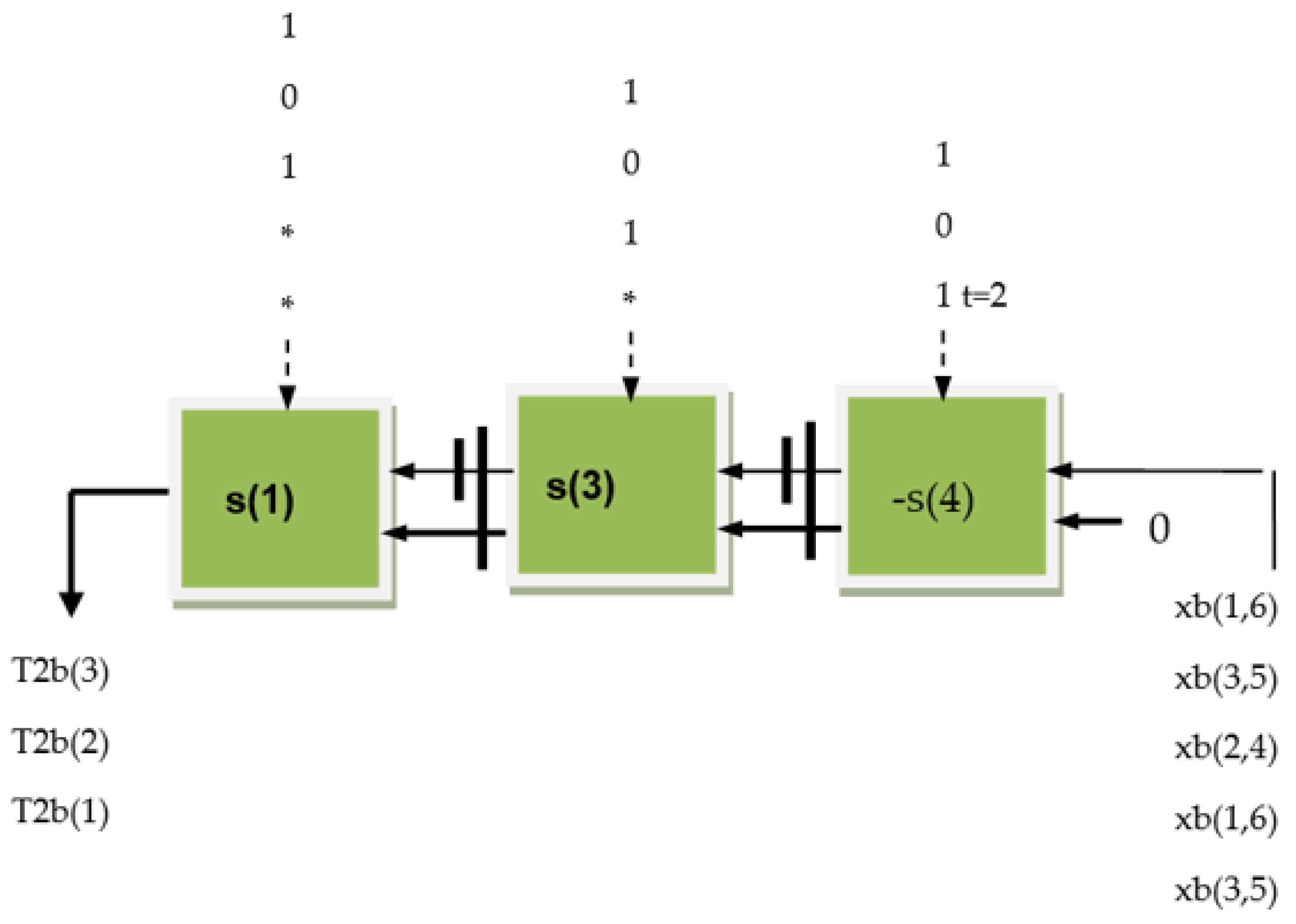
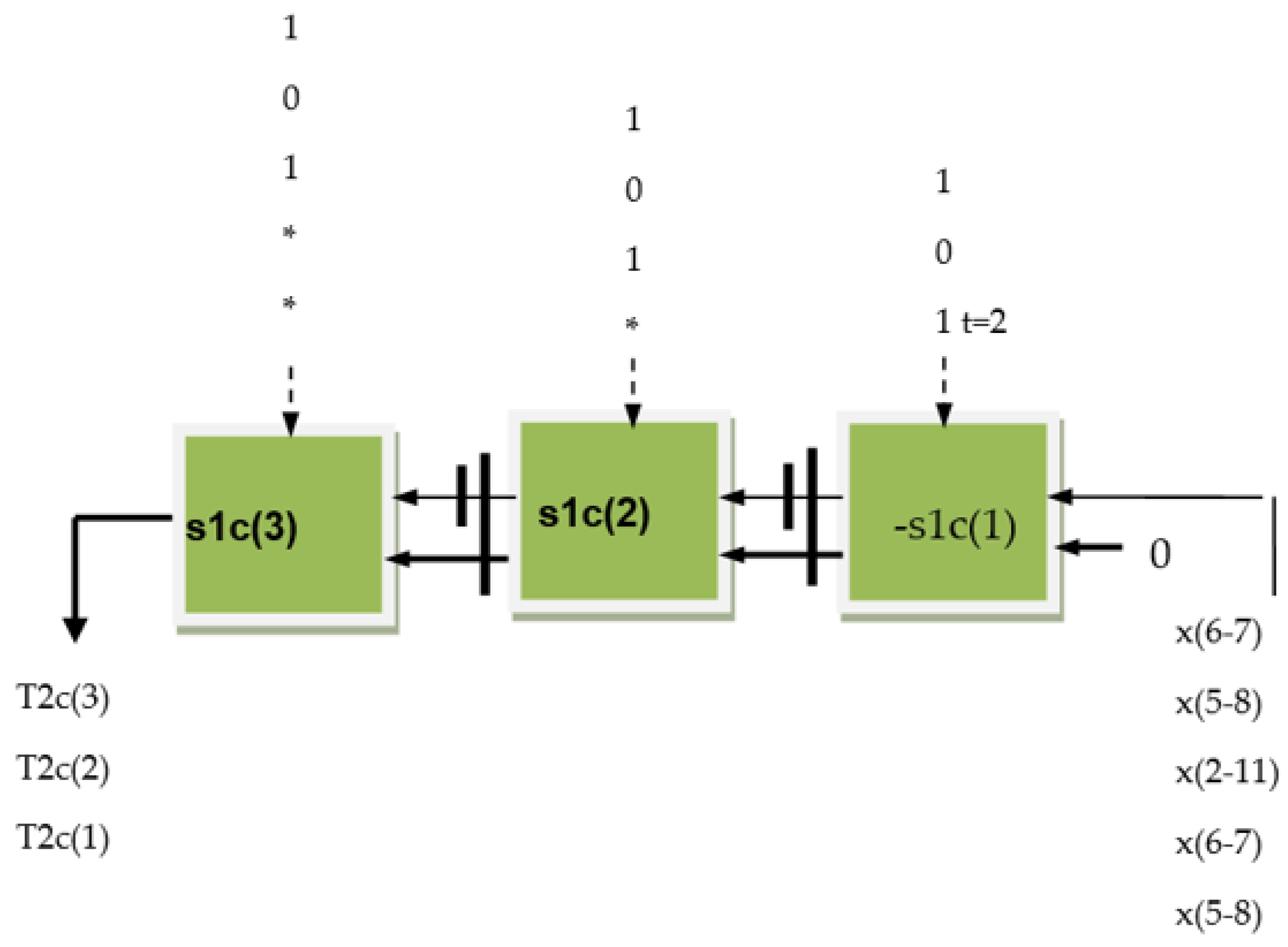
This paper aims to solve one of the most challenging problems in designing VLSI chips for common goods, namely an efficient incorporation of security techniques while maintaining high performances of the VLSI implementation with a reduced hardware complexity. In this case, it is very important to maintain high performance at a low hardware complexity and the overheads introduced by the security techniques should be as low as possible. This paper proposes an improved approach based on a new VLSI algorithm for including the obfuscation technique in the VLSI implementation of one important DSP algorithm used in multimedia applications. The proposed approach is based on a new VLSI algorithm that decomposes type IV DCT into six quasi-cycle convolutions and allows an efficient incorporation of the obfuscation technique. The proposed method uses a regular and modular structure called quasi-cyclic convolution and the obtained architecture is based on the architectural paradigm of systolic arrays. In this way we can obtain the advantages introduced by systolic arrays, especially high speed, with an efficient utilization of the hardware structure. Moreover, using the proposed VLSI algorithm, we can obtain the important benefit of attaining hardware security. Thus, a more efficient VLSI architecture for type IV DCT can be obtained, with a significant reduction of the hardware complexity, and an efficient incorporation of an improved hardware security mechanism with low overheads. These features are very important for resource-constrained common goods.
Keywords: DCT IV transform; discrete transforms; hardware security; systolic arrays; obfuscation technique; VLSI algorithms DCT IV transform; discrete transforms; hardware security; systolic arrays; obfuscation technique; VLSI algorithms