Article

High-Isolation MIMO Antenna for 5G Millimeter-Wave Communication Systems
1
Department of Telecommunication Engineering, University of Engineering & Technology, Taxila 47080, Pakistan
2
Department of Smart Device Engineering, Sejong University, Seoul 05006, Korea
3
Department of Information and Communication Engineering, Chungbuk National University, Cheongju 28644, Korea
*
Author to whom correspondence should be addressed.
Electronics 2022, 11(6), 962; https://doi.org/10.3390/electronics11060962

Submission received: 23 December 2021 / Revised: 28 February 2022 / Accepted: 7 March 2022 / Published: 21 March 2022
(This article belongs to the Special Issue Prospective Multiple Antenna Technologies for 5G and Beyond)

Abstract

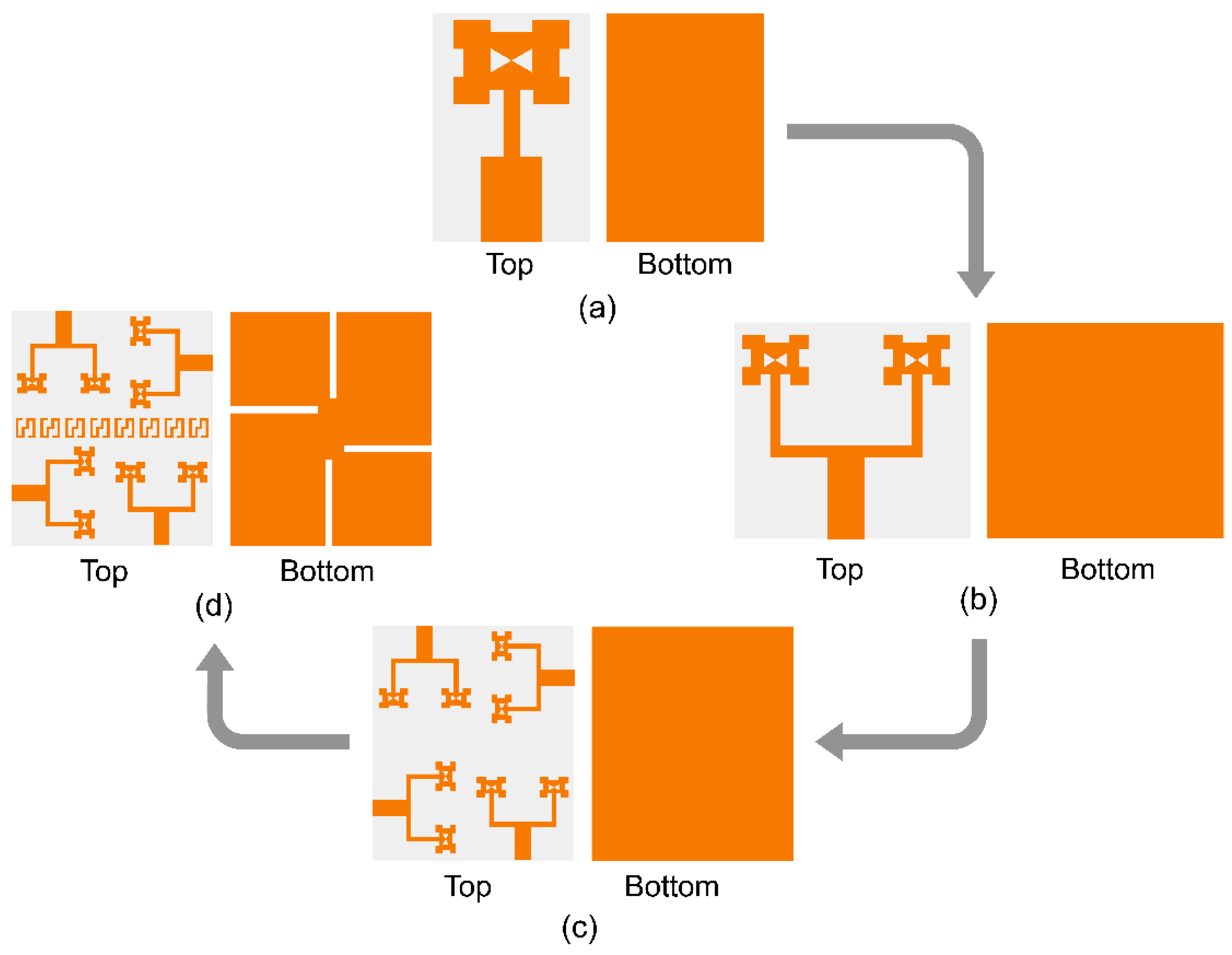
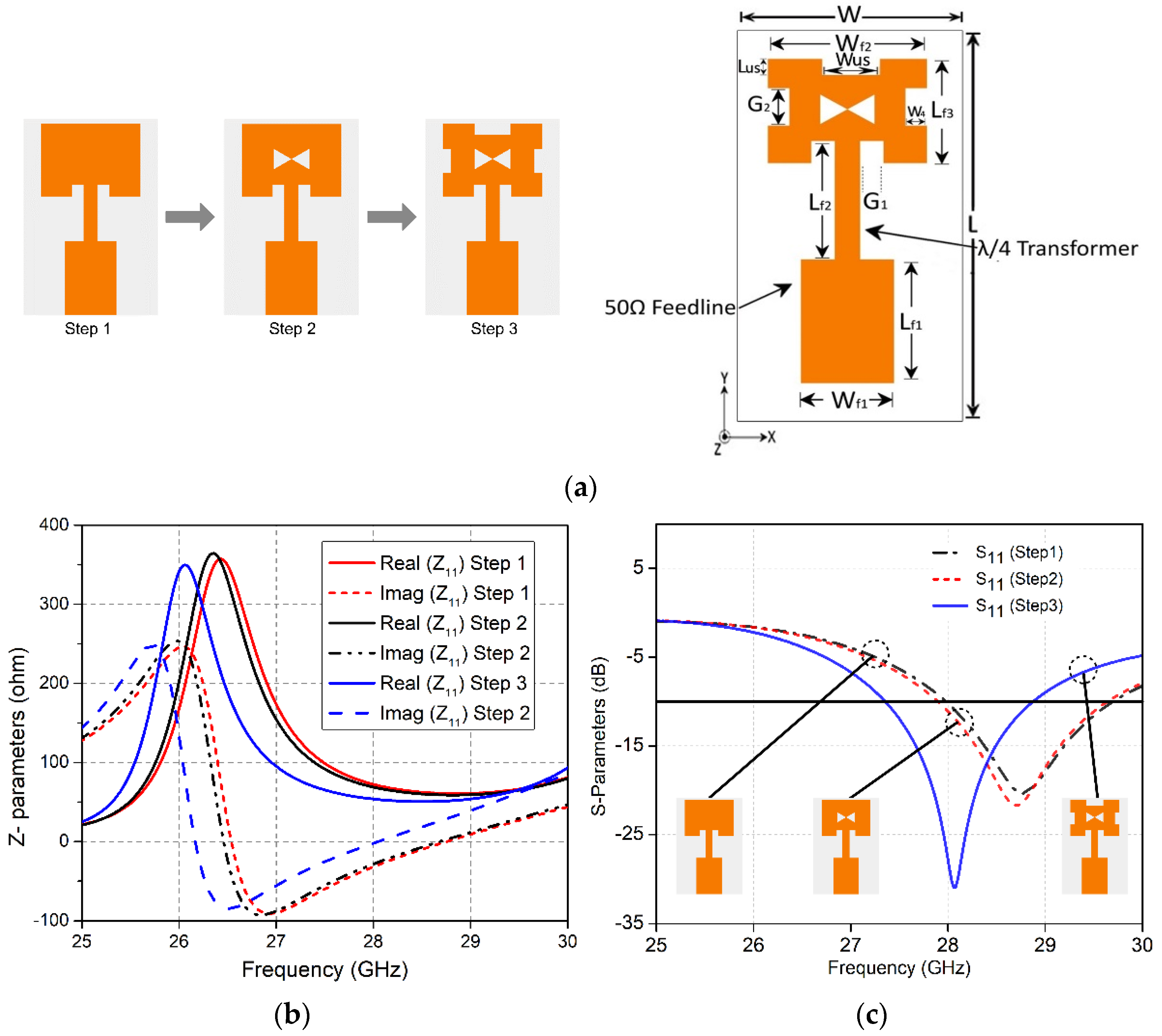
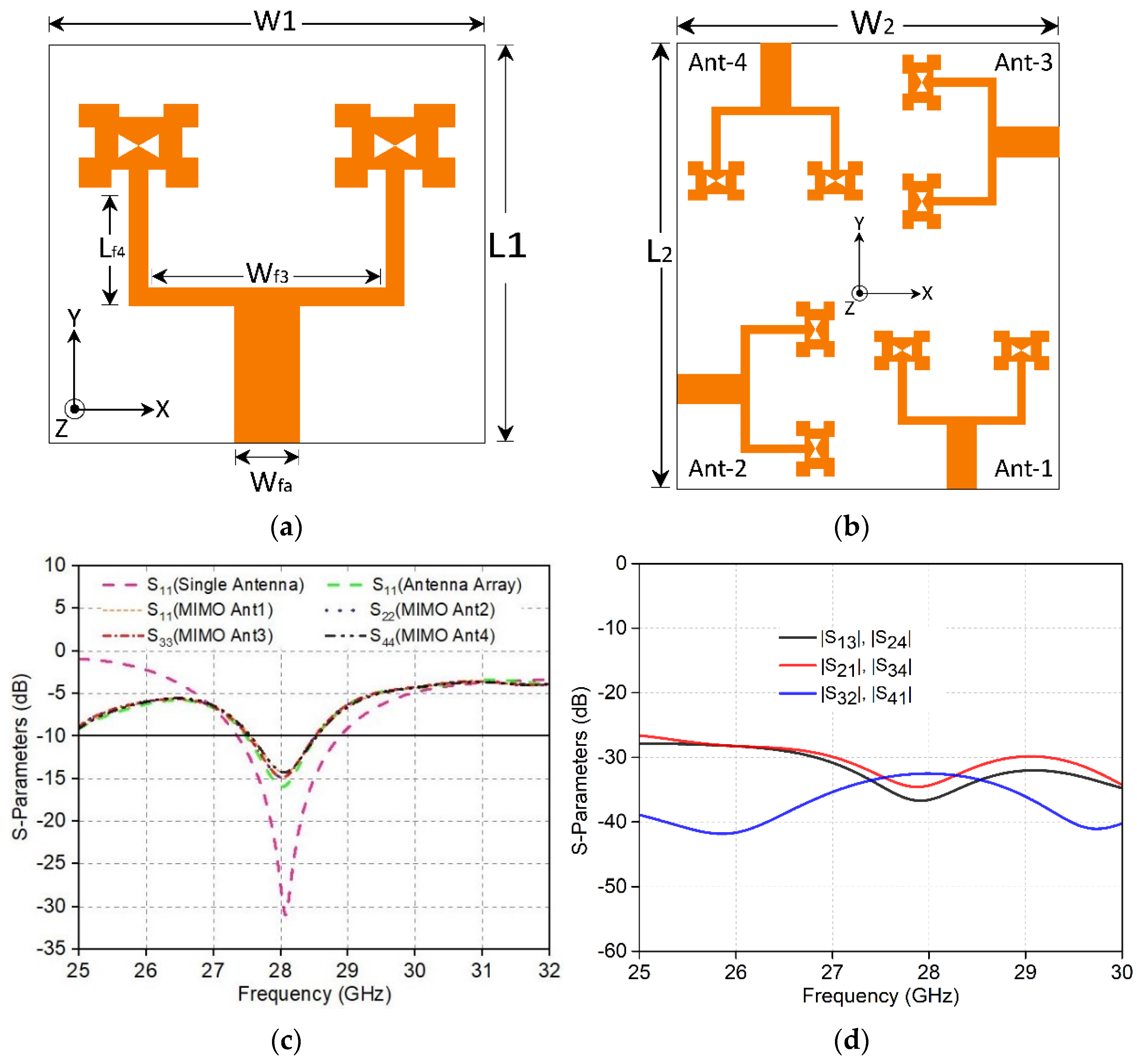
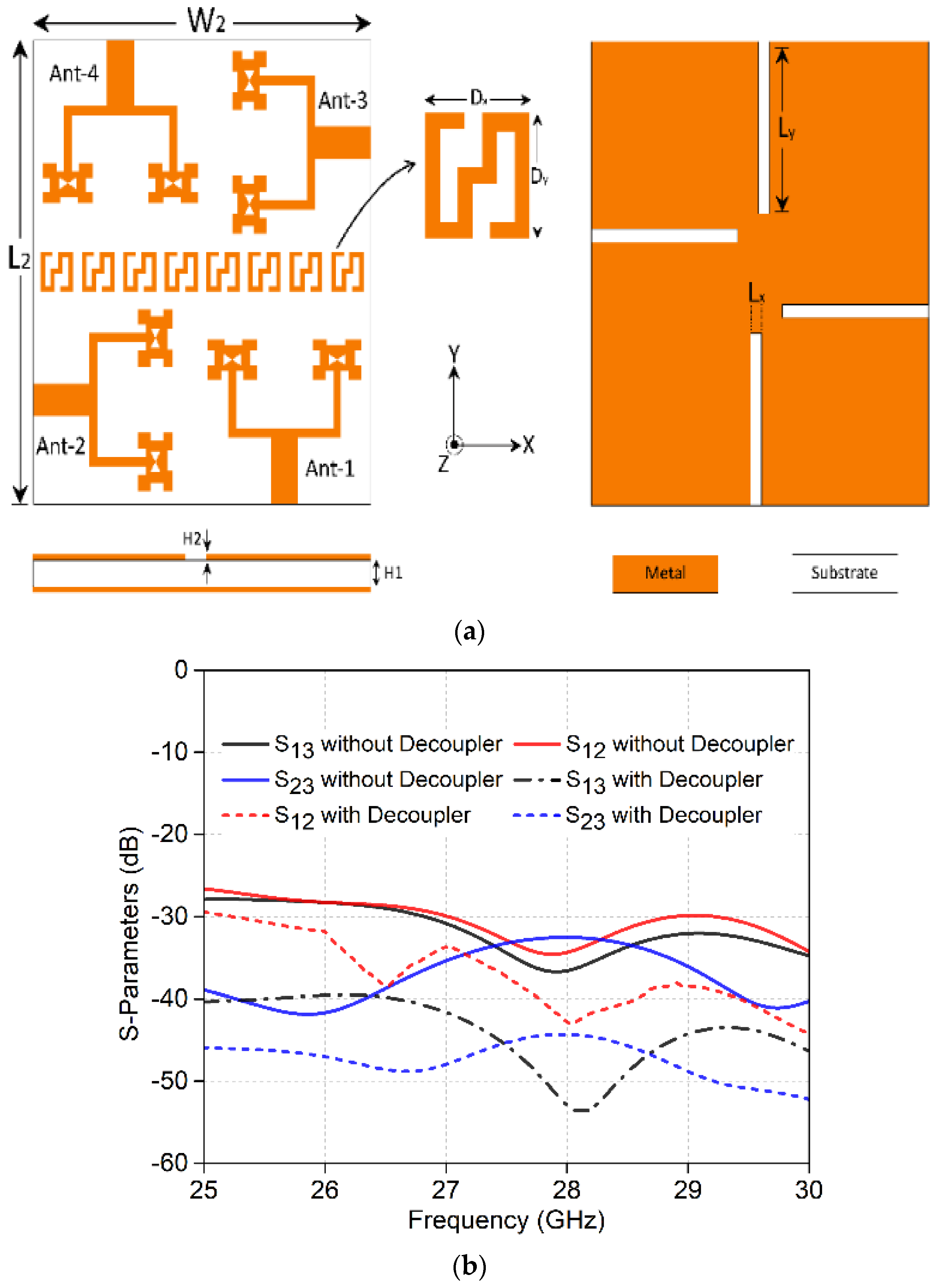
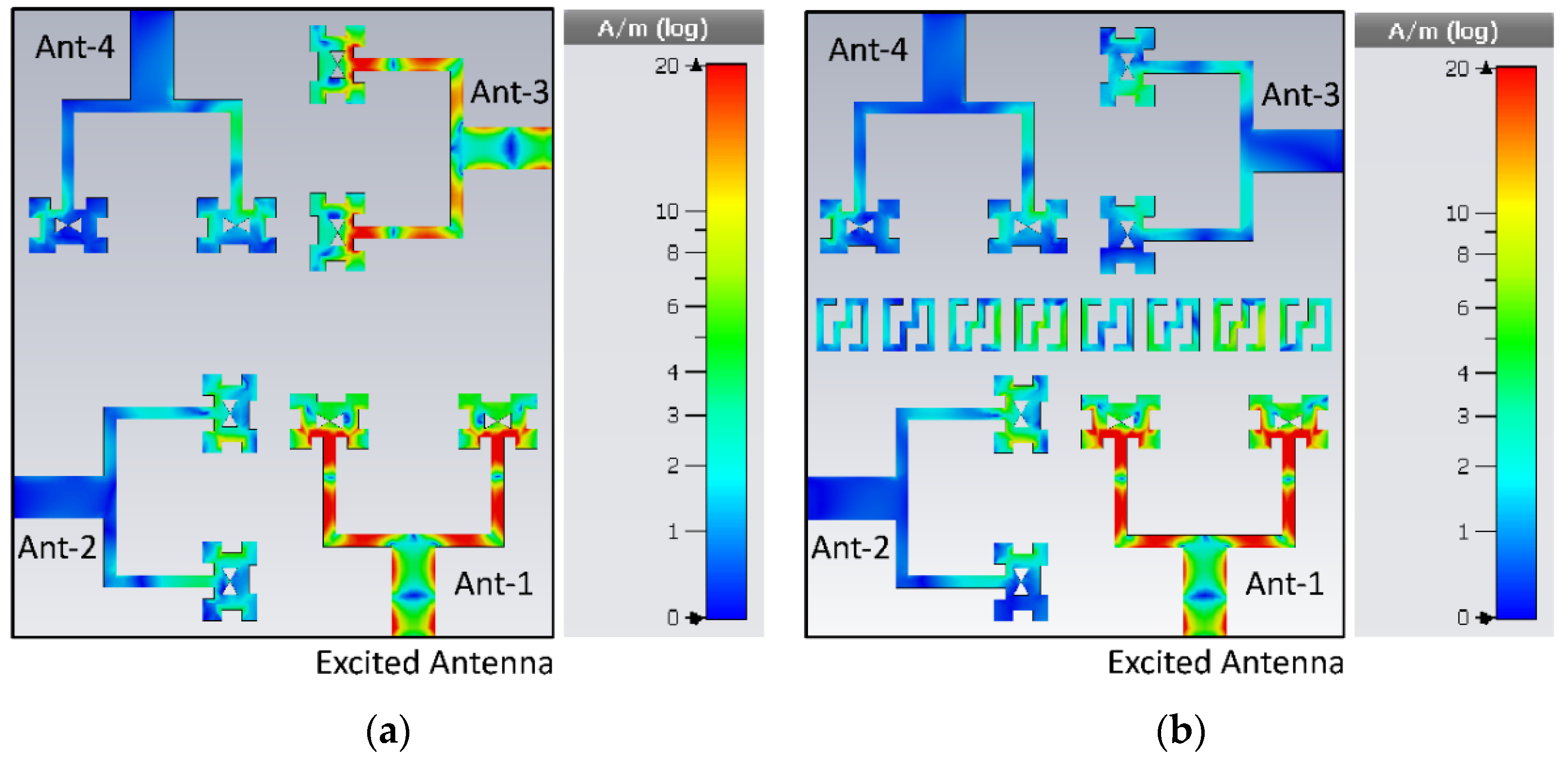
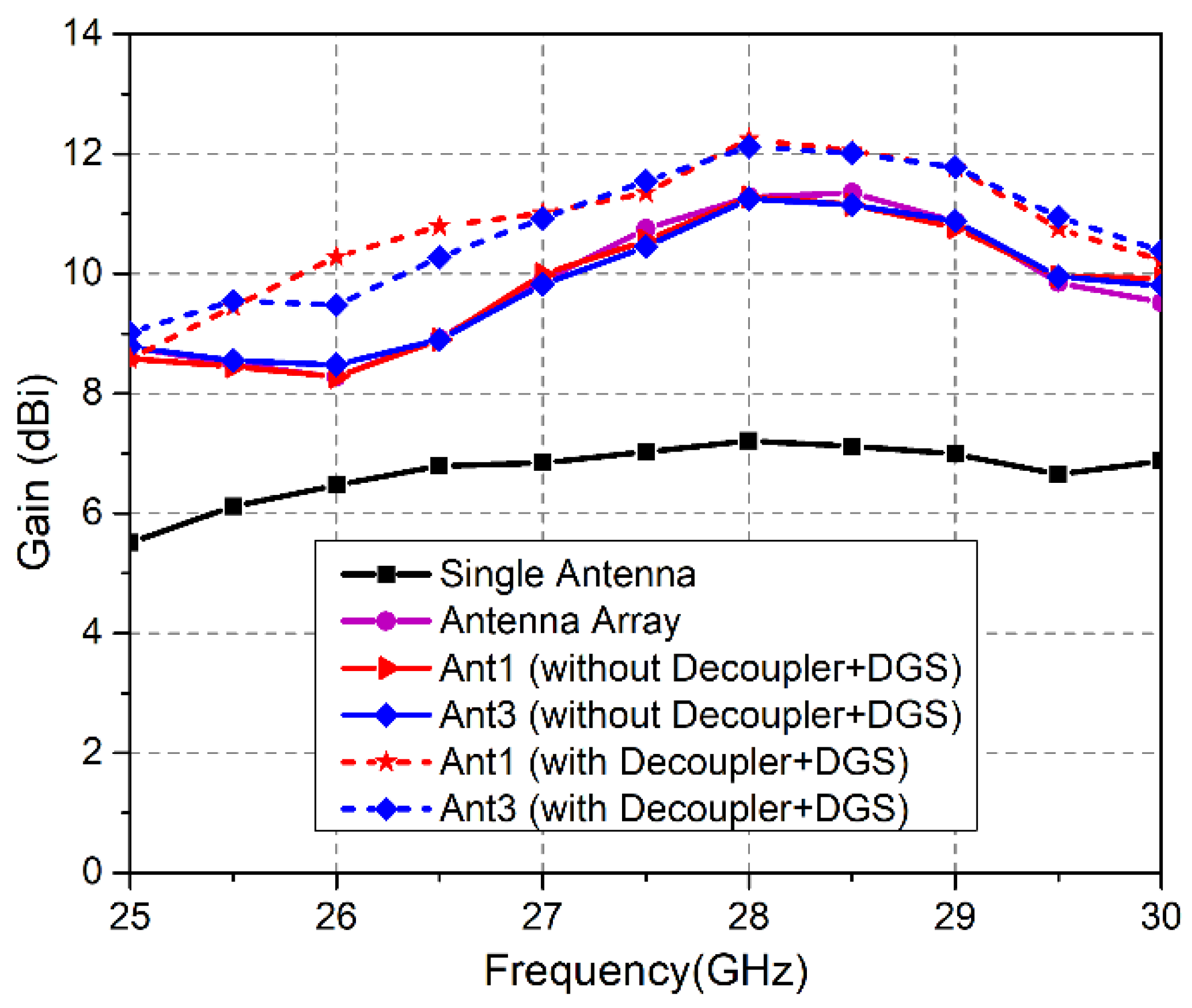
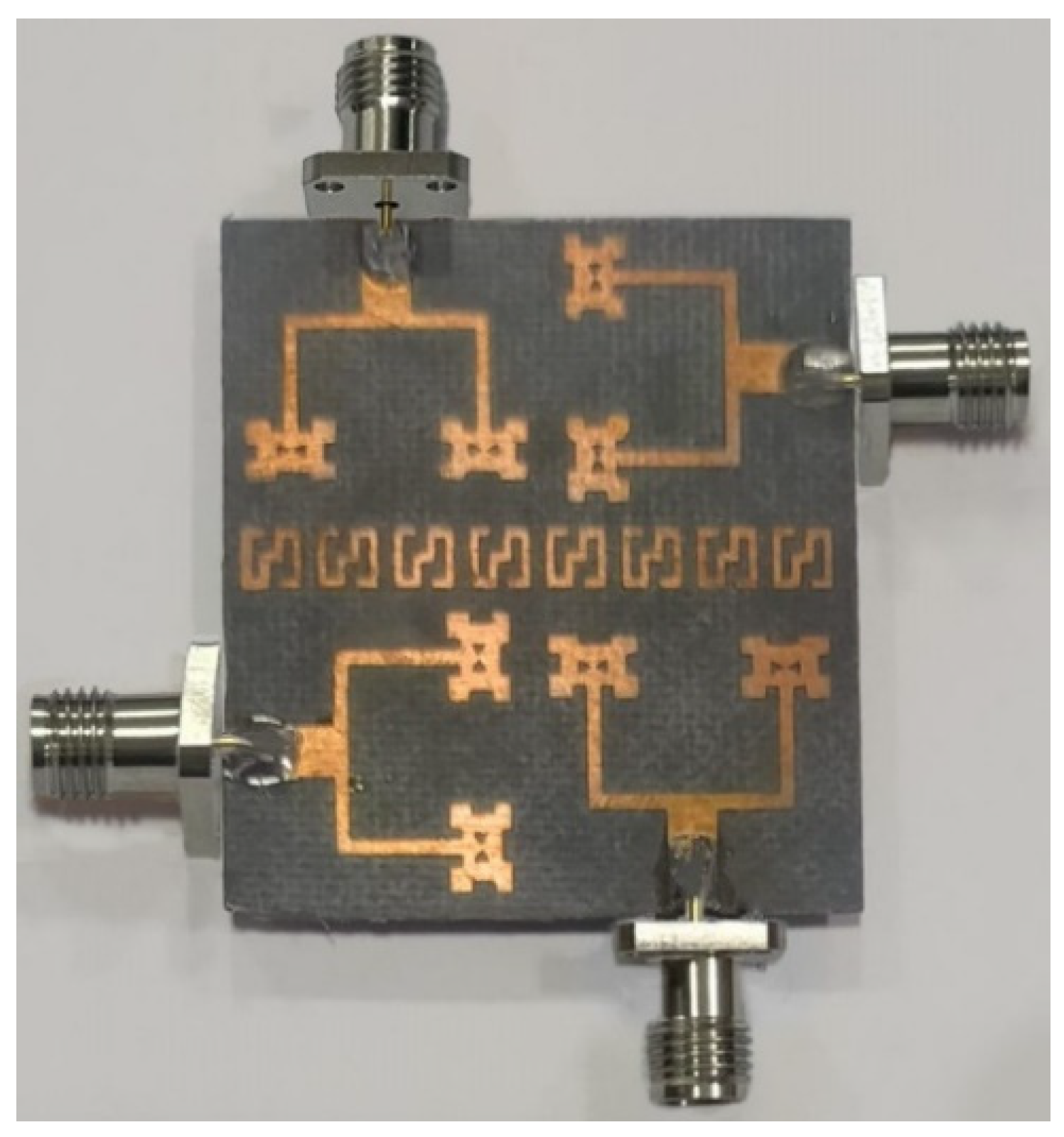
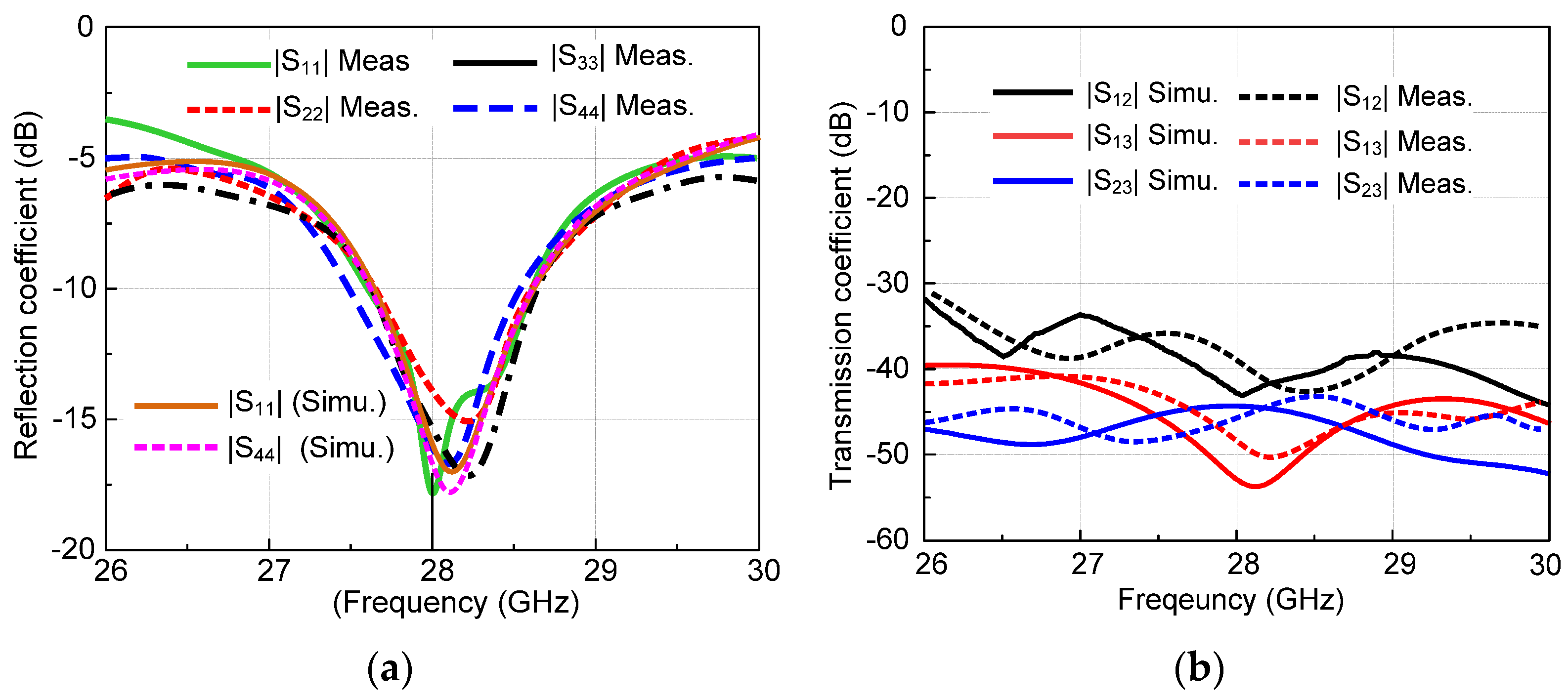
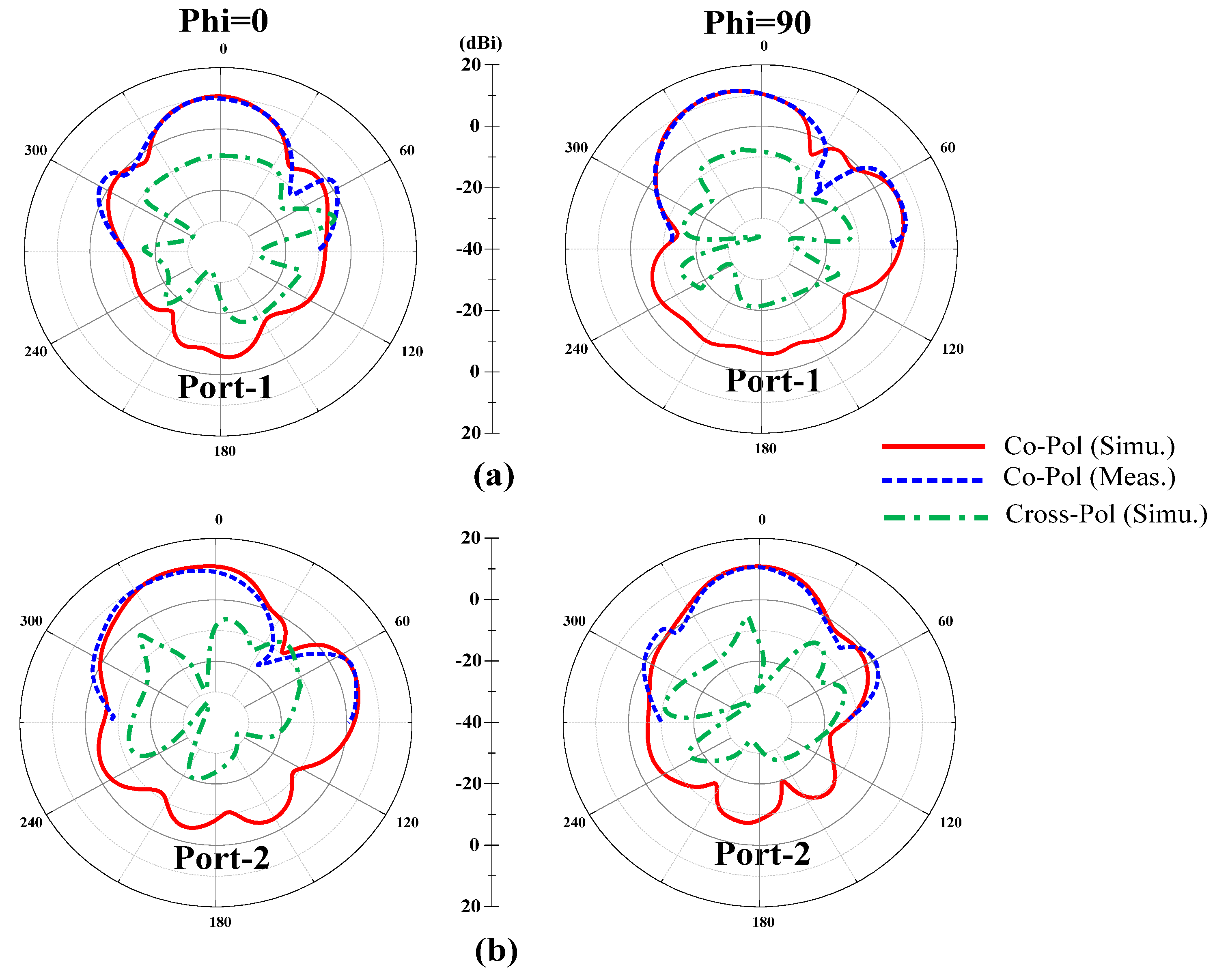
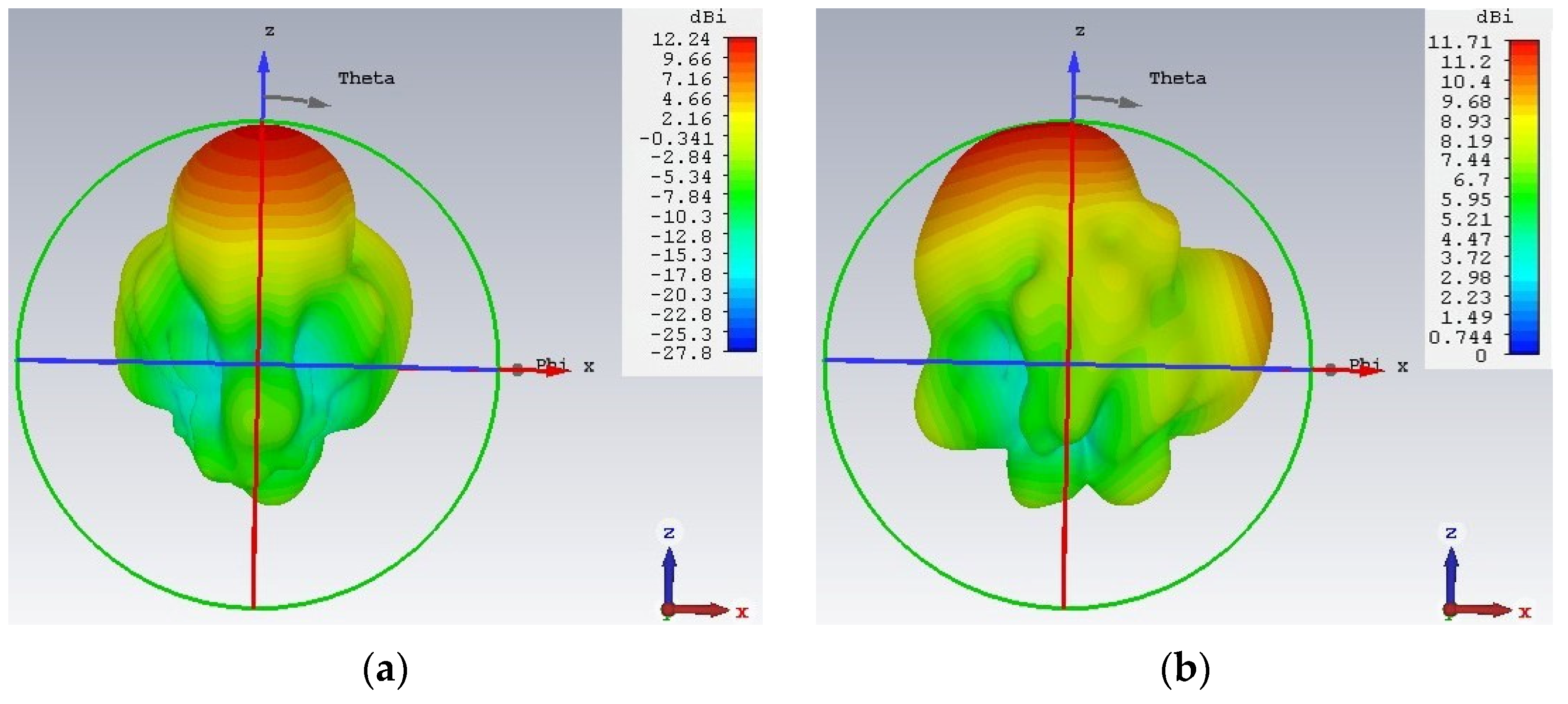
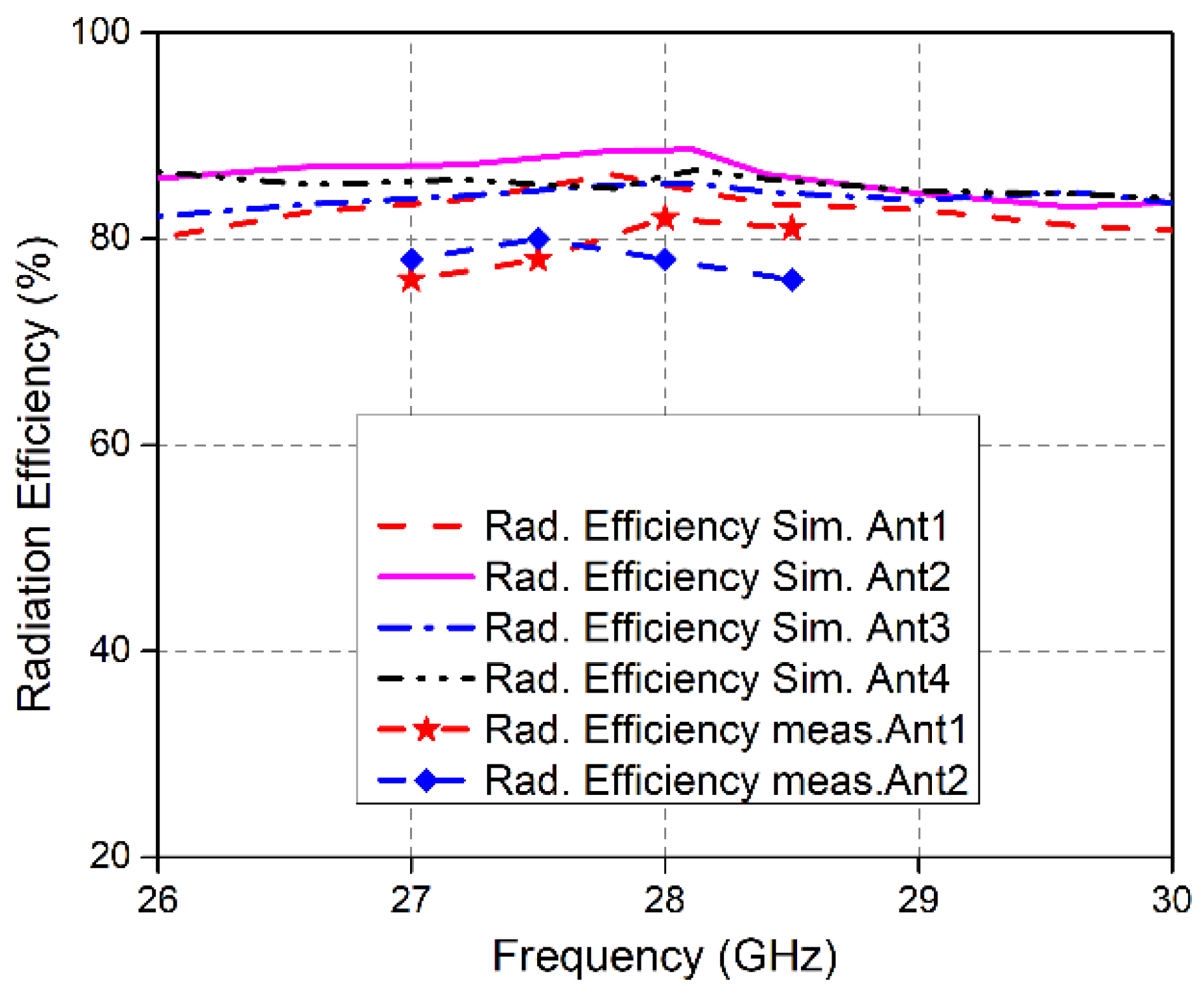
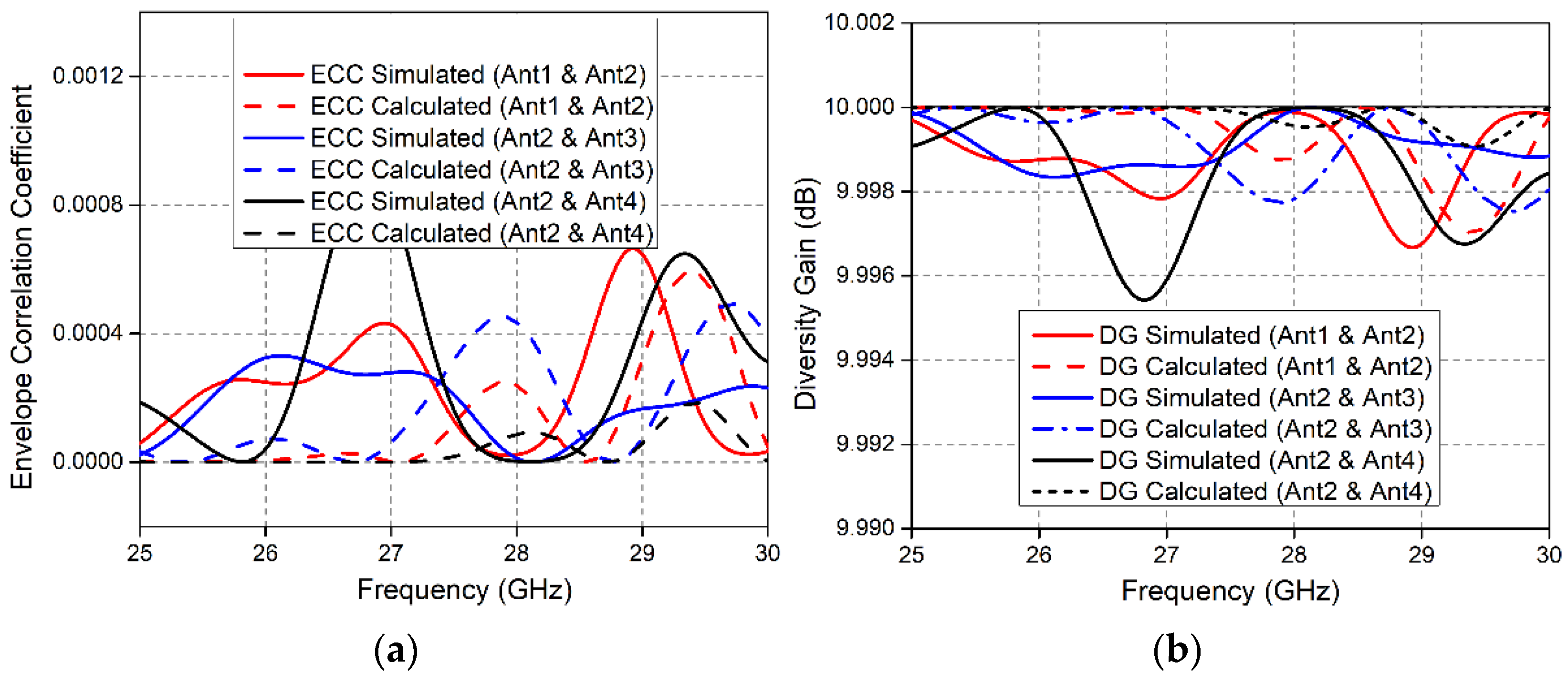
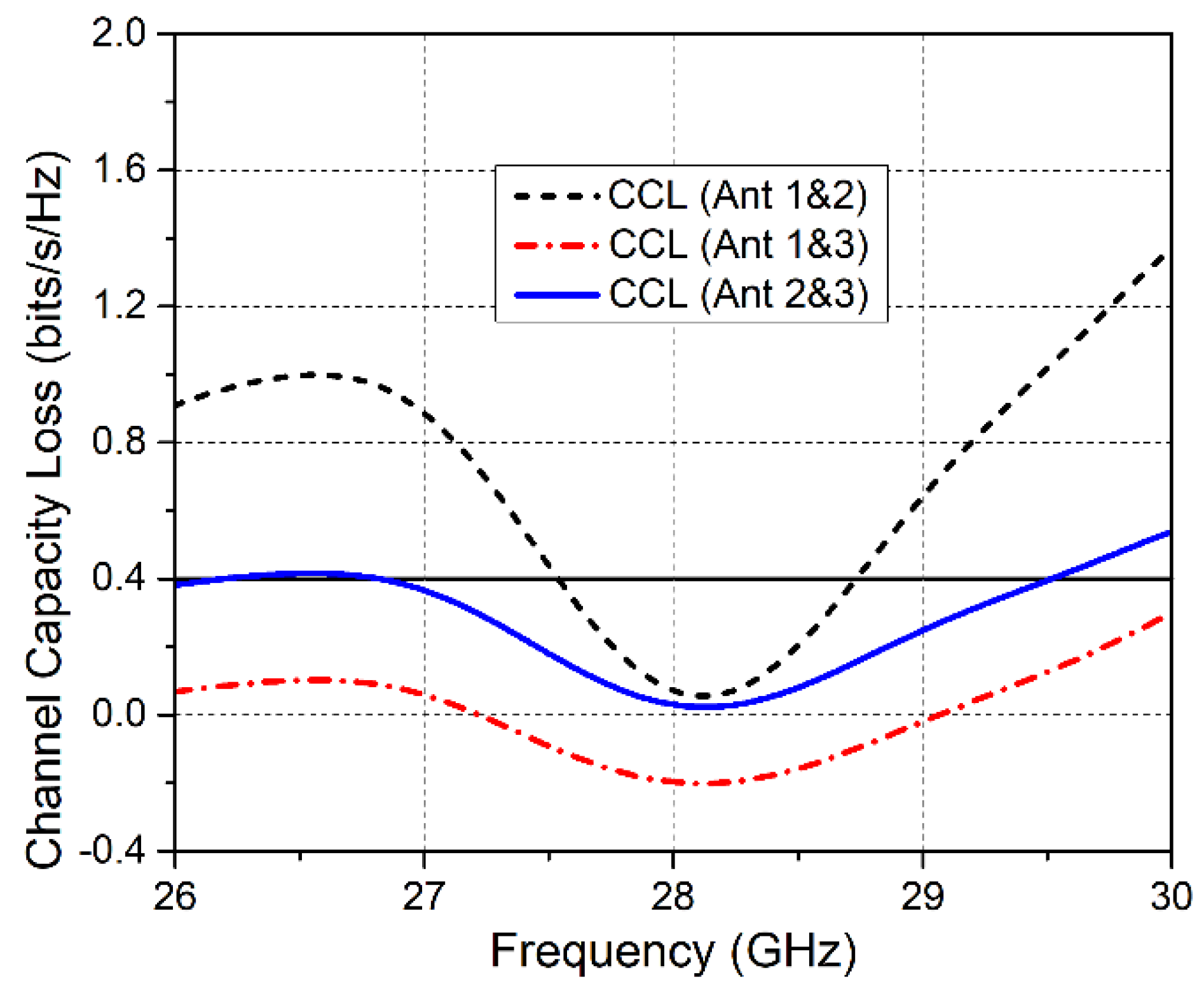
The work in this article presents the design and realization of a low-profile, four-port MIMO antenna supporting fifth-generation (5G) wireless applications operating at a millimeter-Wave (mm-Wave) band. Each MIMO antenna is a 2-element array fed with a corporate feeding network, whereas the single antenna is a patch with a bow-tie slot at the center and slits at the edges. The vertical and horizontal slots are incorporated as a Defected Ground Structure (DGS) to optimize the antenna performance. In addition, a slotted zig-zag decoupling structure is etched from edge to edge on the top side to enhance the isolation. Significant isolation (>−40 dB) is achieved between antenna elements by employing spatial and polarization diversity techniques. The proposed antenna covers the 5G mm-Wave band with a −10 dB bandwidth ranging from 27.6–28.6 GHz, whereas the maximum gain attained for the proposed structure is 12.02 dBi. Moreover, the lower correlation values, higher diversity gain, and lower channel capacity loss make it a suitable contender for 5G MIMO applications at the mm-Wave range.
Keywords: 5G antenna; antenna array; DGS; millimeter-wave antenna; MIMO; high isolation 5G antenna; antenna array; DGS; millimeter-wave antenna; MIMO; high isolation