Article

Collaborative Autonomy: Human–Robot Interaction to the Test of Intelligent Help

Institute of Cognitive Science and Technology, National Research Council of Italy (ISTC-CNR), 00185 Rome, Italy
*
Authors to whom correspondence should be addressed.
Electronics 2022, 11(19), 3065; https://doi.org/10.3390/electronics11193065

Submission received: 13 August 2022 / Revised: 19 September 2022 / Accepted: 21 September 2022 / Published: 26 September 2022
(This article belongs to the Special Issue Human Factors in the Age of Artificial Intelligence (AI))

Abstract

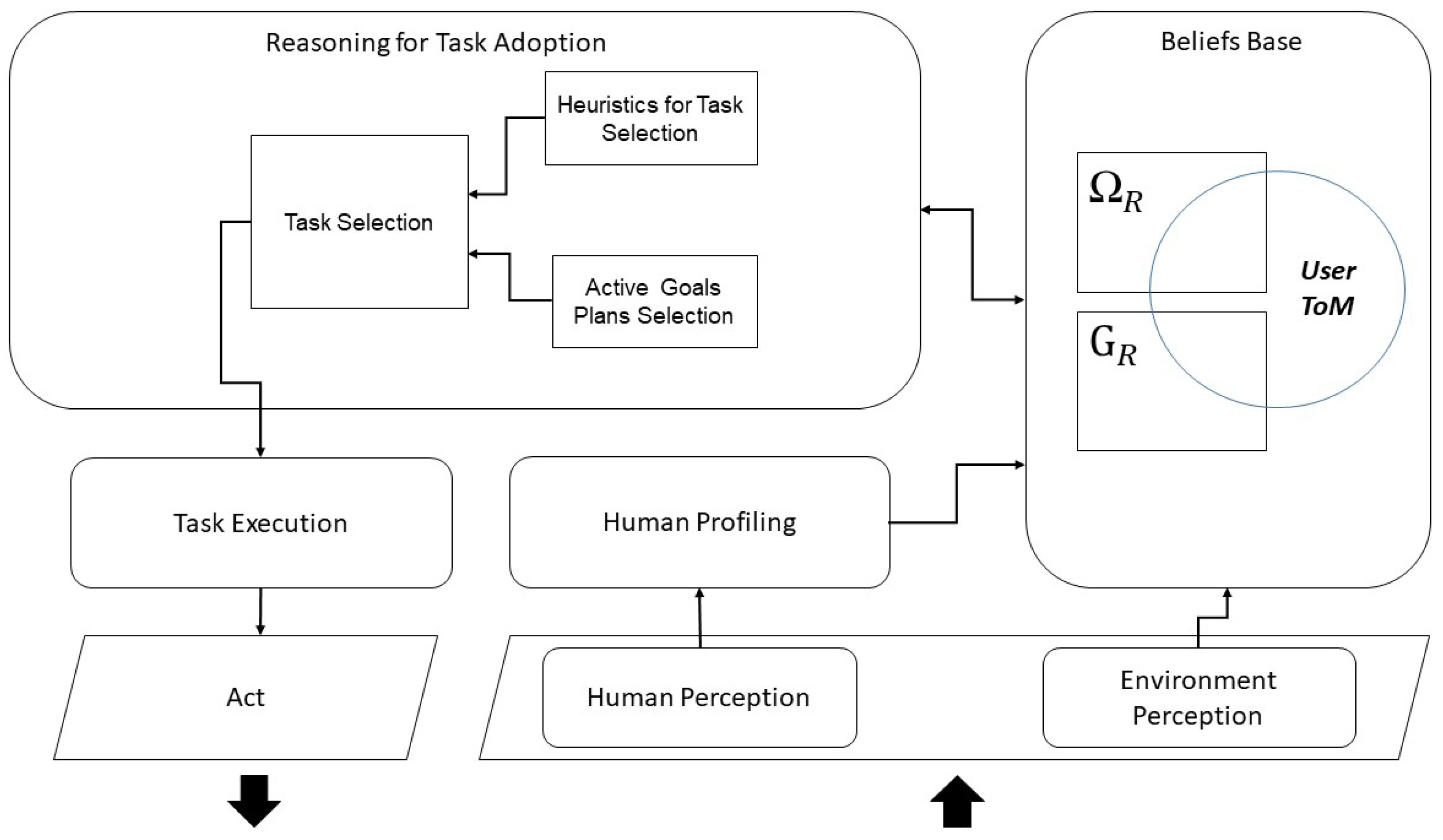
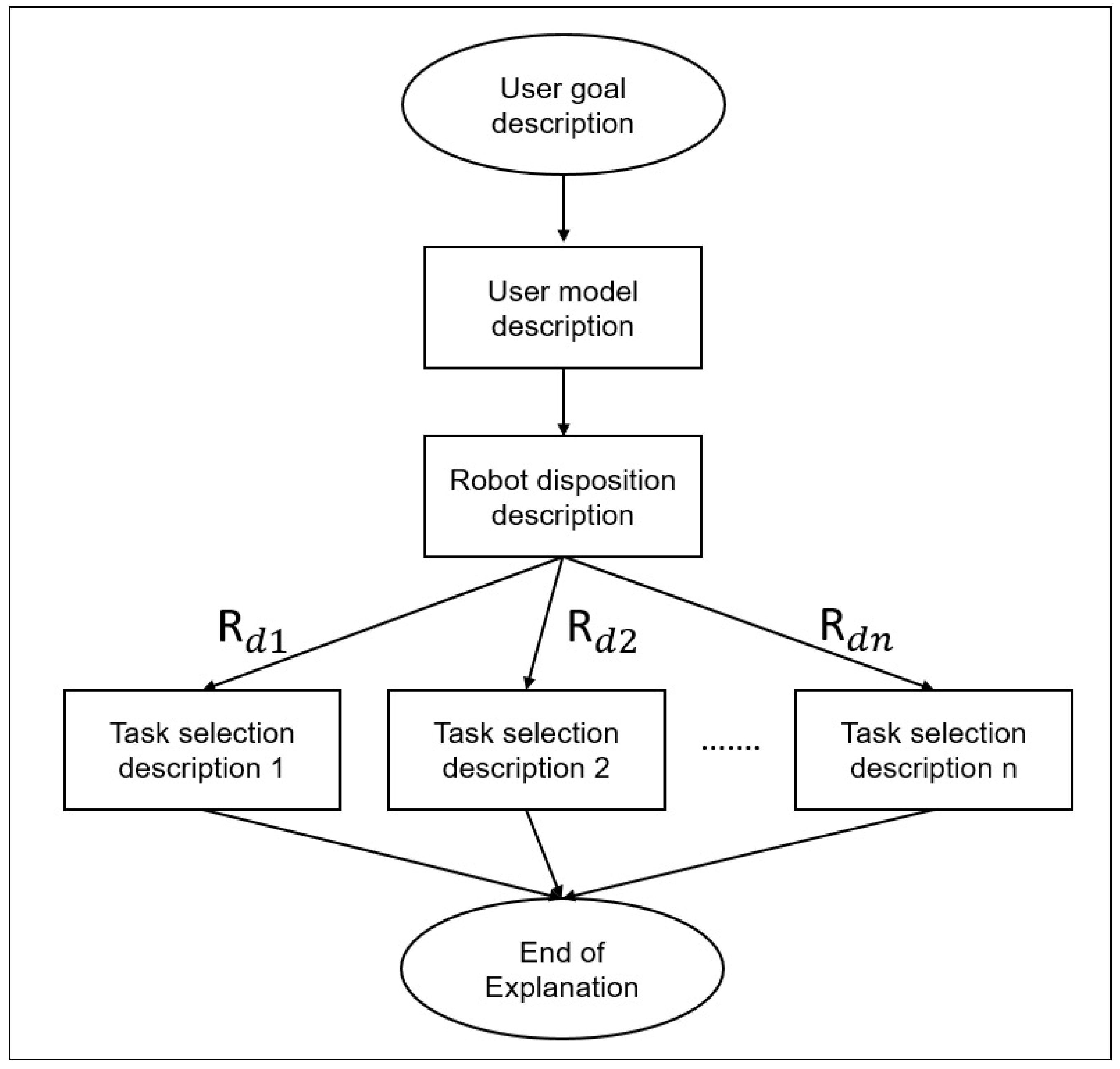
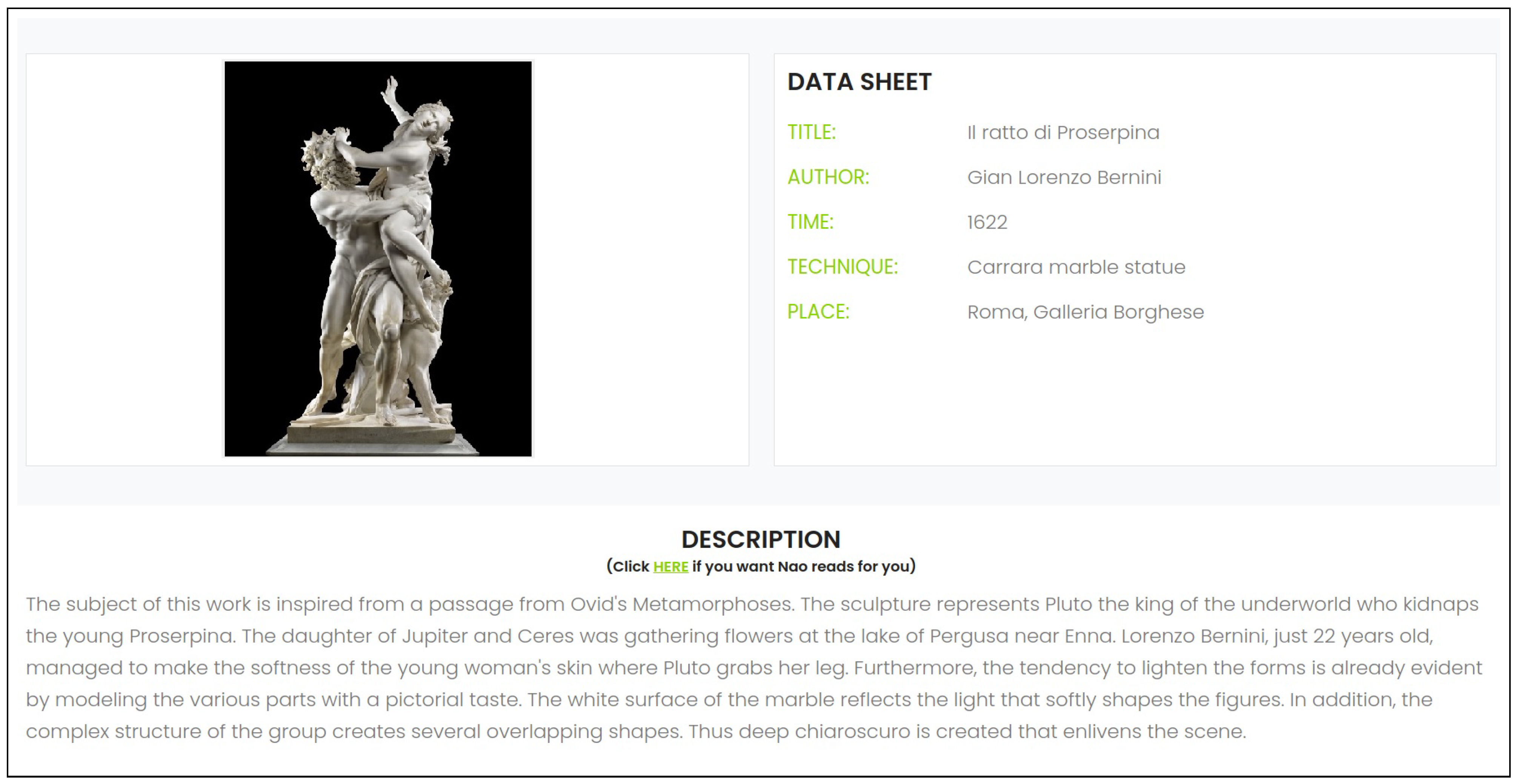
A big challenge in human–robot interaction (HRI) is the design of autonomous robots that collaborate effectively with humans, exposing behaviors similar to those exhibited by humans when they interact with each other. Indeed, robots are part of daily life in multiple environments (i.e., cultural heritage sites, hospitals, offices, touristic scenarios and so on). In these contexts, robots have to coexist and interact with a wide spectrum of users not necessarily able or willing to adapt their interaction level to the kind requested by a machine: the users need to deal with artificial systems whose behaviors must be adapted as much as possible to the goals/needs of the users themselves, or more in general, to their mental states (beliefs, goals, plans and so on). In this paper, we introduce a cognitive architecture for adaptive and transparent human–robot interaction. The architecture allows a social robot to dynamically adjust its level of collaborative autonomy by restricting or expanding a delegated task on the basis of several context factors such as the mental states attributed to the human users involved in the interaction. This collaboration has to be based on different cognitive capabilities of the robot, i.e., the ability to build a user’s profile, to have a Theory of Mind of the user in terms of mental states attribution, to build a complex model of the context, intended both as a set of physical constraints and constraints due to the presence of other agents, with their own mental states. Based on the defined cognitive architecture and on the model of task delegation theorized by Castelfranchi and Falcone, the robot’s behavior is explainable by considering the abilities to attribute specific mental states to the user, the context in which it operates and its attitudes in adapting the level of autonomy to the user’s mental states and the context itself. The architecture has been implemented by exploiting the well known agent-oriented programming framework Jason. We provide the results of an HRI pilot study in which we recruited 26 real participants that have interacted with the humanoid robot Nao, widely used in HRI scenarios. The robot played the role of a museum assistant with the main goal to provide the user the most suitable museum exhibition to visit.
Keywords: human–robot interaction; user modelling and user adaptation; theory of mind; social adjustable autonomy; explainabile agency human–robot interaction; user modelling and user adaptation; theory of mind; social adjustable autonomy; explainabile agency