


Abstract
Spirulina stands out as a sustainable bioactive microalga with health-promoting properties, and an important active ingredient of natural cosmetics products. Currently, Spirulina has been incorporated in topical skin-care formulations, such as a moisturizing, antiwrinkles, antiaging and antiacne agent. Furthermore, this microalga is used by cosmetic formulators to promote healthy sunscreen protection, to treat skin pigmentation disorders and to heal wounds. Most of commercial cosmetics claim a large range of Spirulina properties, including antioxidant, revitalizing, remineralizing, moisturizing, protecting alongside cleansing and shining action, both for hair and for skin. In this review, recent cosmetic applications of Spirulina are revised, by highlighting its ability in improving skin appearance and health. Additionally, the analysis of the Spirulina cosmetic benchmark is discussed. Looking at the current emergence of the beauty industry, many Spirulina extracts and dry powder/flakes, both the starting ingredient and final Spirulina-based cosmetic products, are available on the market. In this industrial field, Spirulina—mainly Spirulina platensis and Spirulina maxima—is used either as a powder, like in the case of cheaper products, or as a phycocyanin-rich blue extract, particularly in the luxury market. It is likely that, in the coming years, diversity, quality and topical applications of Spirulina will rapidly increase.
1. Introduction
Since ancient times, botanical extracts have been extensively used in cosmetics and skin care products. In recent decades, researchers have turned their interest towards microalgae and cyanobacteria for the preparation of healthy and nutrient natural products, both as food and cosmetics [1,2].
Between the microalgae, Spirulina (Arthrospira) is one of the most promising species, due to its precious content of phytochemicals and its greener and more sustainable production chain. Spirulina is a unicellular cyanobacterial-type microalga, which grows at pH 10–12. The genus Athrospira includes a great variety of species (see, i.e., ref. [3]), such as the most popular Spirulina platensis and Spirulina maxima. These two algae types differ in both ultrastructural and morphological characteristics, alongside in their geographic origin: the Spirulina platensis is mainly found in Africa and Asia, while Spirulina maxima is widespread in California and Mexico [4]. The safety of Spirulina utilization is well justified by its long history of use—this microalgae has been cultivated for centuries, and is still commonly consumed in Africa and in Chad—and by a plenty of in vivo/vitro studies [5,6,7,8].
Spirulina is considered also highly sustainable due to a multiplicity of synergic factors [1,9]: (i) it is easily grown in “bioreactors” under solar light with considerable savings in water, soil and (ii) without the need of pesticide or herbicide. (iii) This pretty simple production process requires minimal operator training and technical supervision thus ensuring a high economic impact. (iv) After cultivation the whole microalgae is used, unlike other fruit and vegetable crops where root, stem and leaf systems are all byproducts, (v) helping to save energy, cutting greenhouse gas emissions and the overall environmental impact. All these advantages are furthermore strengthened by the fact that (iv) Spirulina is highly dense and rich of nutrients and of phytochemicals [4,8,9,10,11]. Since the chemical composition of a given spirulina is strongly influenced by the genus and by the cultivation conditions, the list reported in Table 1 have to be considered as an example.

Table 1.
Phytochemicals of Spirulina [12].
In general, the main components of spirulina are proteins, carbohydrates and lipids. Among the various proteins, the most relevant (total amount around 60% on a dry weight basis) are phycobiliproteins, namely phycocyanin, allophycocyanin, and phycoerythrin. Besides proteins, the other well represented category is that of fatty acids. The main lipids found in Spirulina are γ-linolenic acid (18:3, n-6) from omega-6 family and palmitic acid (16:0) both known for their pharmaceutical potential to prevent cardiovascular diseases, hypercholesterolaemia and other disorders.
Furthermore, this alga is also a rich source of many other valuable compounds, such as several minerals and vitamins. The most commonly identified minerals are potassium, calcium, magnesium, selenium, iron and zinc. Among the vitamins, B vitamins are the most abundant. Its presence confers to the algae properties of in DNA repair, electron transfer, fatty acids synthesis and one-carbon metabolism [13]. Finally, in addition to phycobiliproteins mentioned before, other relevant Spirulina’s pigments are carotenoids and chlorophyll, whose colored compounds find potential interest in the food sector. Furthermore, these pigments exert potential health benefits over ingestion. There is evidence that the pigments consumption has enhanced the immune body response thus reducing the risk of developing degenerative chronic cardiovascular diseases, and certain types of cancer [14,15]. Nonetheless, Spirulina carries also out other pharmacological activities, i.e., enhancing body immunity against pathogenic bacteria, fungi, RNA viruses, including influenza and coronavirus [11,16,17,18,19] and preventing inflammatory diseases or cellular oxidative stress [20,21,22].
These features make this alga an attractive new ingredient, especially for the formulation of green and ecofriendly cosmetics [23]. In this context, a recent trend is using Spirulina food supplements as “nutricosmetics” that not only help to prevent diseases and become healthier, but also they enhance the natural beauty of skin, nails and hair [24,25,26].
However, despite the interest of the cosmetic-market in the natural-derived skin care products, up to now few studies have recommended the use of cyanobacteria for topic well-being treatments. In connection to the wide-ranging interests of our company in developing sustainable and innovative extracts [27,28] and high-quality food supplements, medical devices, foods for special medical purposes, probiotics and cosmetics [29]; in this paper we briefly review recent publications about cosmetic applications of Spirulina, with a focus on its potential activities and uses for improving appearance and skin health.
2. Benefits of Spirulina for Skin Care Formulations
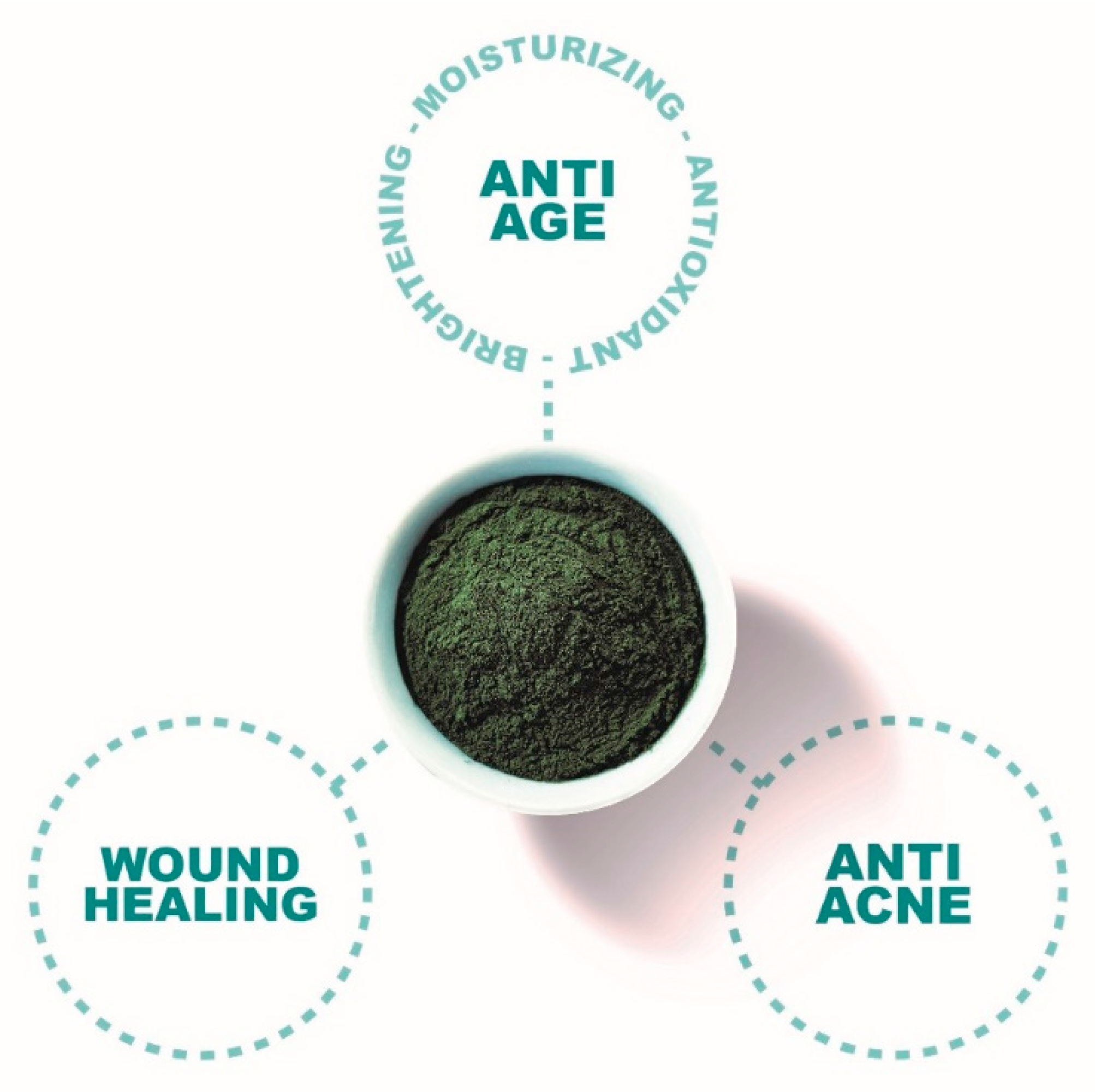
To date, few research have aimed at studying and demonstrating the Spirulina’s healthy effect on the skin. The most of cosmetic actions, supported by the literature and claimed by the market, are firstly the antiage one, including moisturizing, antioxidant and brightening proprieties, and secondly the antiacne and wound healing properties. The most relevant articles about this topic, which were published during the last few years, are classified in Figure 1, Table 2 and in the hereafter discussion.
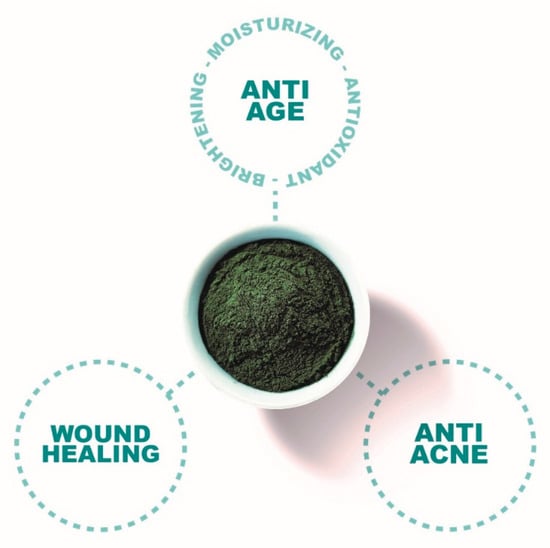
Figure 1.
Current application of Spirulina in skin care.
Table 2.
Selection of recent studies about the skin care benefits of Spirulina herein discussed.
2.1. Antiage
2.1.1. Moisturizing
Skin aging is a complex process that depends on both a genetic predisposition and external factors, and causes functional and structural skin damage. Water molecules play a pivotal role in maintaining the skin structural proprieties: indeed, water binds the dermal proteins, such as collagen, and ensures the tissue thickness. Therefore, aged skin is poor of bounded water and has weak hydration networks, which make skin look less and less glowy and firm. Typically, UV radiation, pollution, a poor diet and an unhealthy lifestyle are the main causes of skin aging, and therefore of the loss of moisture together with the decrease of skin barrier.
Currently, the increase in life expectancy and the growing interest in a youthful appearance have led the cosmetic market to formulate antiage products with moisturizing and wrinkle reduction effects. Considering that beauty companies are also involved in searching sustainable raw materials and active ingredients, the studies on the antiaging effects of algae, like Spirulina, aroused great interest in recent years [44,45].
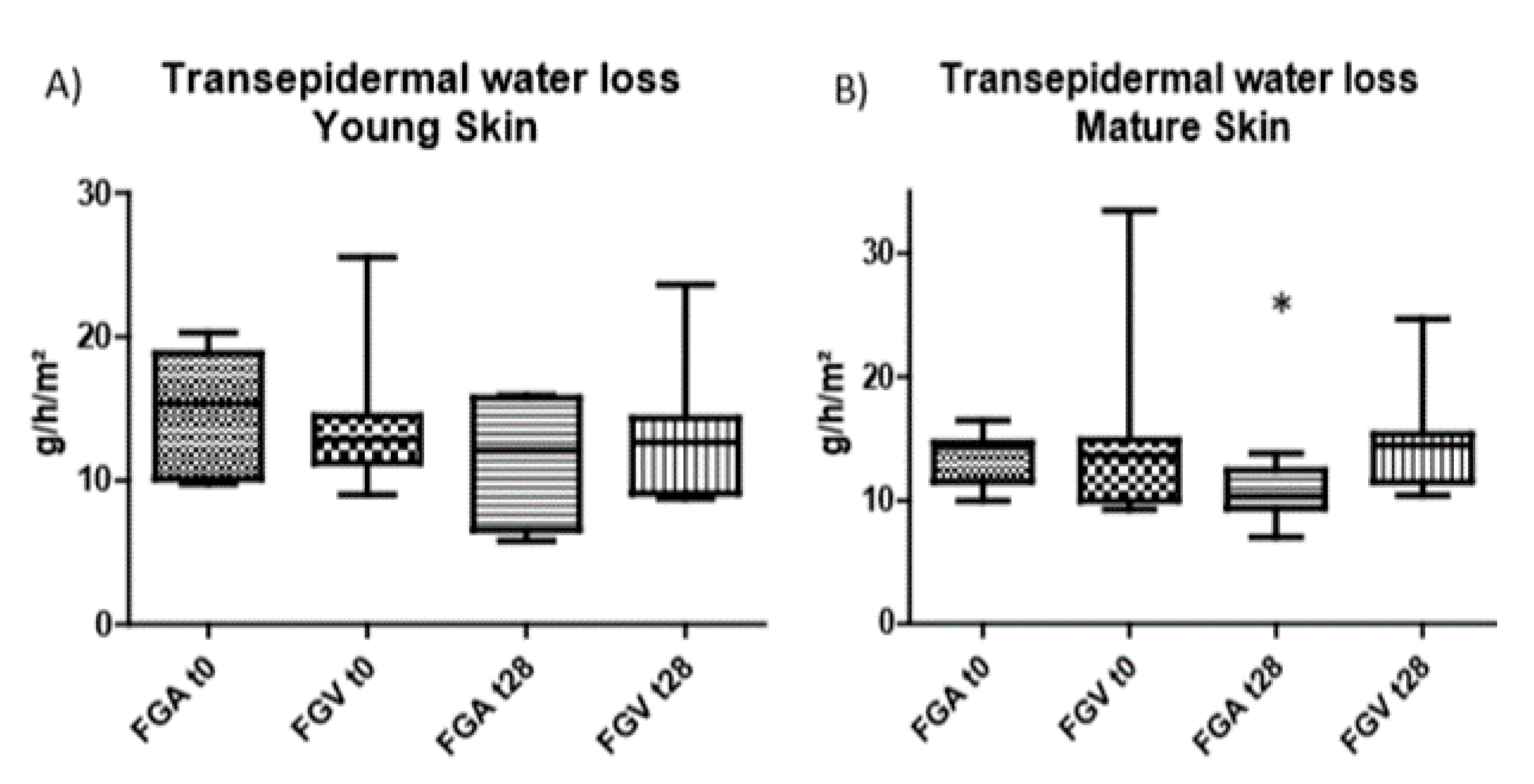
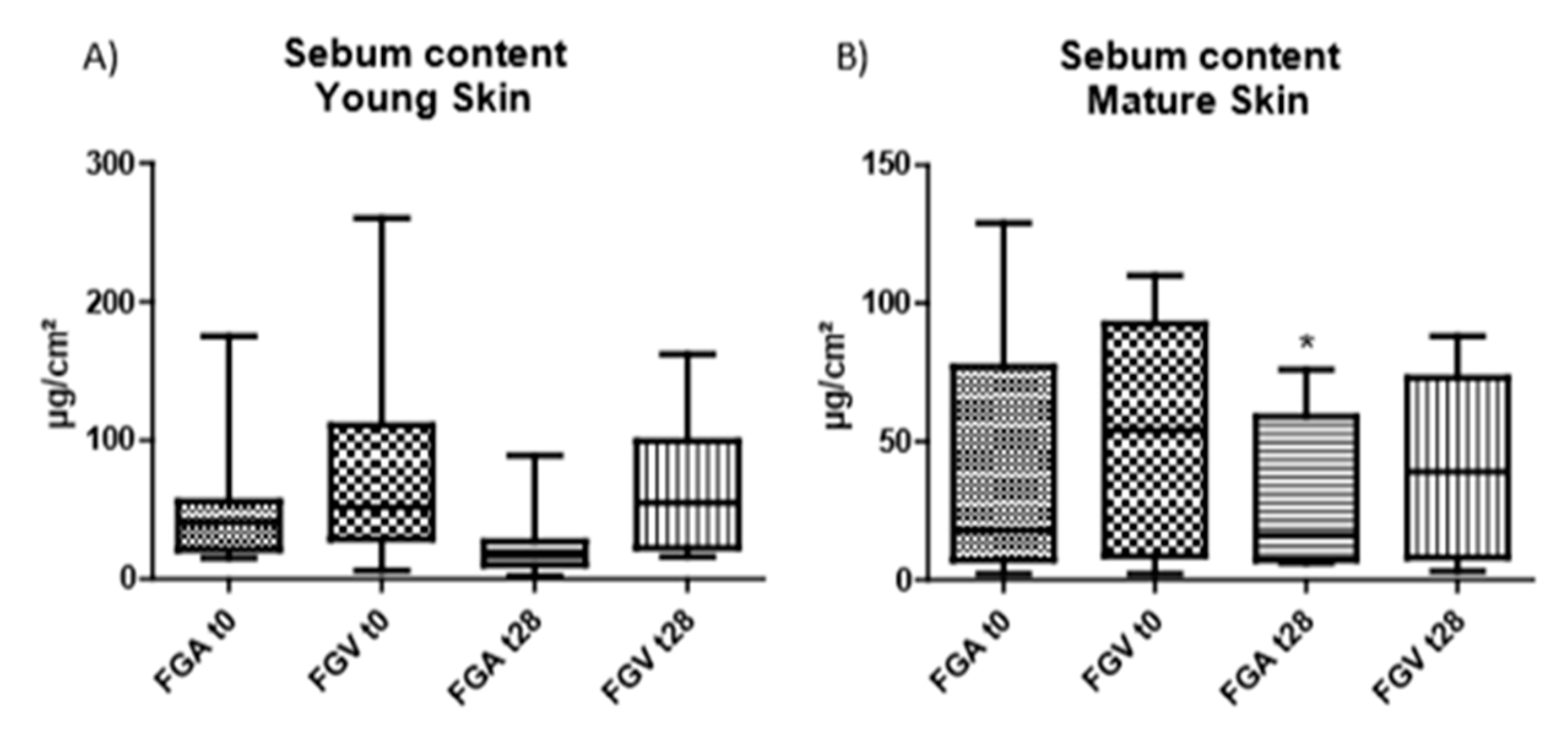
In this context, Delsin et al., in 2015 firstly promoted the use of Spirulina as an innovative ingredient for dermocosmetic products. They showed how the microalga improves the epidermis structure and acts as a hydration booster with positive results on skin barrier function, particularly to skin protection and antiage, and oil control [30]. Delsin’s research team prepared a gel-cream, formulated with the following ingredients: fatty alcohols, ammonium acryloyldimethyltaurate, NP copolymer and methylphenyl polysiloxane, phenoxyethanol and parabens, BHT and distilled and deionized water. This formulation was on the one hand supplemented gel cream containing 0.1% (w/w) of dry extract of Spirulina (FGA) and, on the other hand, it was gel cream free from the active alga(vehicle—FGV). They were both applied twice daily on the participants face area. In particular, 40 female healthy participants, aged between 18 and 39 (young group) and 40 and 65 (mature group), with phototypes II, III or IV, took part in the clinical study. Both groups were divided into two subgroups, composed of ten people each: the first group used the formulation containing Spirulina extract while the second one used the vehicle gel-cream. For comparison data were collected before or after the application of the cream (in total 28 days). The parameters considered were: skin hydration, trans epidermal water loss (TEWL), skin microrelief, sebum content (on the forehead region), dermis echogenicity and morphological and structural epidermal features (in the periorbital region), before and after the aforementioned trial period. Among these parameters, trans epidermal water loss is the most important for revealing the skin barrier quality and, consequently, the skin moisture content. The results showed a significant increase of the stratum corneum water content, a reduction of TEWL (Figure 2) and the amount of sebum on the skin (Figure 3), and an enhancement of the echogenicity of the dermis and the distribution of keratinocytes.
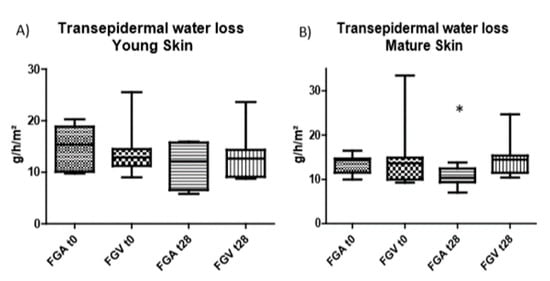
Figure 2.
Transepidermal water loss before (t0), and after 28 days (t28) of application of the formulations FGA (gel cream containing 0.1% of Spirulina extract) and FGV (gel cream without Spirulina extract) in young skin (18–39 years) (A) and mature skin (40–65 years) (B). (* Kruskal–Wallis, p < 0.05). Published by ref. [30].
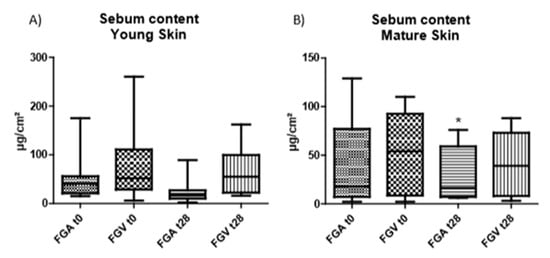
Figure 3.
Sebum content of the skin before (t0), and after 28 days (t28) of application of the formulations FGA (gel cream containing 0.1% of Spirulina extract) and FGV (gel cream without Spirulina extract) on young skin (18–39 years) (A) and mature skin (40–65 years) (B) (* Kruskal–Wallis, p < 0.05). Published by ref. [30].
As result of this study, the Spirulina’s fatty acids, such as α and γ linolenic acid, inhibited isoenzyme type 1 metabolism and improved the oily skin appearance. The polysaccharides contained in the alga extract, instead, stimulate the cell division process and contribute to the keratinization processes or to renew the stratum corneum. Vitamins, minerals and proteins contained into the alga may further contribute in improving skin microrelief and hydration.
Therefore, Spirulina extract was essential to improve the hydrolipidic character, regenerate the skin tissue thus protecting and moisturizing the skin. These effects were greatly visible on the mature group. To further investigate the behaviors of the spirulina in the skin care, in 2018 F. Apone et al. tested and compared two Spirulina with the analogous unfermented. The reported data show a greater effectiveness of the enzymatically fermented extract in moisturizing and protecting the skin cells [31].
Another important aspect related to skin aging is the peptides reduction in the dermis extracellular matrix. Peptides are a short chain of amino acidic residues, which are involved in several physiological processes, such as inflammation, immune response and skin remodeling, and stimulate the synthesis of structural proteins (collagen and elastin). For this reason, cosmetic products that are rich in peptides may prevent the onset of wrinkles and signs of aging [46]. As most cyanobacteria, Spirulina contains several bioactive compounds, notably proteins (53–62%). A large number of peptides have been screened, fractionated and purified from Spirulina extracts and further used into pharmaceuticals and cosmetic applications. With this purpose, in 2006 a French research team patented a dermatological peptide extract of Spirulina, claiming positive effects on the stimulation of fibroblast proliferation and on the glycosaminoglycans and collagen’s synthesis [32]. Moreover, a few years later, also Wang Z. et al., presented a study about antiaging peptides extracted from Spirulina platensis at the 13th International Congress on amino acids, peptides and proteins in Vienna [10].
2.1.2. Antioxidant
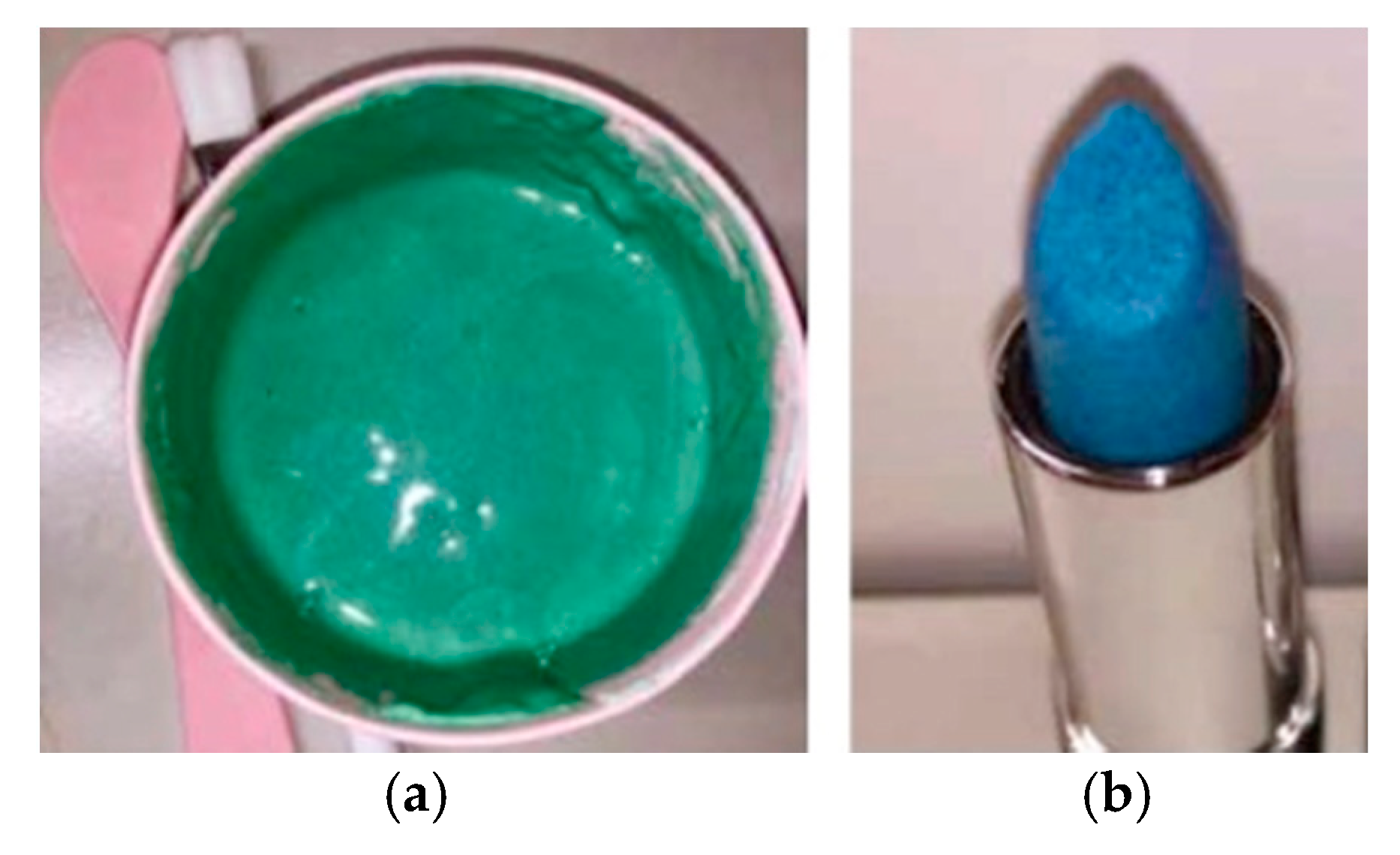
The antioxidant potential of blue-colored cyanobacteria is of great interest in the cosmesis. Pigments can be used as natural colorants in make-up products, like eyeliner and lipstick, and as antioxidant agents, which protect against UV radiation [1,23]. Indeed, Spirulina contains a lot of photosynthetic pigments like chlorophyll and especially phycocyanin, which determine a long-lasting green-blue coloration in cosmetic formulas (Figure 4) [47].
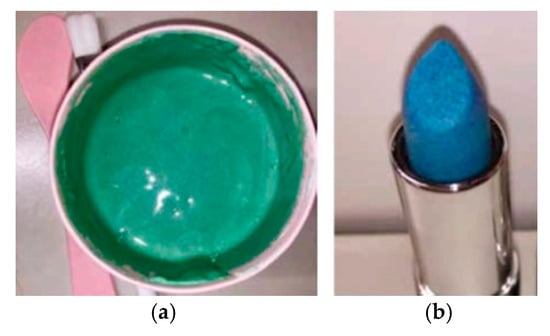
Figure 4.
Two formulas made by AromataGroup: (a) Mermaid Instant Mask with spirulina and rameic chlorophyll and (b) Marble Lipbalm with spirulina extract. Published by ref. [47].
In 2012 Dr. Lotan A. (Nidaria Technology Ltd., Israel) patented some biologic sunscreen formulas, which included a blend of algae as active ingredients [33]. The claimed activity was the synergistic effect of the simultaneous use of UV filters and algae, which absorb sunlight, “convert it in energy source”, protect the skin and improve its appearance. The patent argues that “the agent primarily responsible for the improved effect on the skin is the incorporation of the algae” and Spirulina was one of the tested algae (Spirulina, Dunaliela, Hematococus, Nannochlorosis and Tetraselmis). However, despite the importance of this statement, an undeniable scientific demonstration is missing. The patent proposed three formulations containing 10% w/w non-viable intact algae, a topical gel and both W/O and O/W emulsions.
Few years later, C. Souza et al., further developed a stable and effective sunscreen formulation containing a mixture of UV filters and antioxidants (using Spirulina between the others). As such it further encourages researchers to design more efficacious and reliable sunscreens (Table 3) [34]. As an antioxidant, Spirulina may reduce skin hyperpigmentation and protect skin against sun-induced damages (e.g., photoaging) by inhibiting ROS-induced damage to the dermis. Both visual and rheological analyses revealed that the sunscreen formulations were stable during the study period. Therefore, the inclusion of UV filters Tinosorb® S, Tinosorb® M, Uvinul® APlus and Uvinul® T150, along with Spirulina dry extract and dimethylmethoxy chromanol-loaded solid lipid nanoparticles (DMC-loaded SLN) did not alter the physical stability of the cream. Such formulations were characterized by a pH range between 5.3 and 5.8, suitable for topical application. DMC-loaded SLN were successfully produced with a high inclusion rate (approximately 96%, after 24 h) and stability (54 days). These formulations exhibited a non-Newtonian and pseudoplastic behavior and, in terms of safety, according to the sensorial analyses, they did not irritate the skin.
Table 3.
Composition of the sunscreen cream based on UV filters and antioxidants. Published by Ref. [34].
The C. Souza’s research team examined the photoprotective effects of the developed formulations, both in vitro and in vivo, and highlighted the pivotal contribution of the addition of Spirulina. The in vitro UVA protection of formula F2 and F3 was evaluated by the UVA/UVB ratio and by the critical wavelength. The in vivo SPF values of both formulations were nearly 30 while the in vitro SPF values of formulations F2 and F3 were respectively around 2.5-times and 3.0-times higher than those obtained in vivo. Therefore, in vitro results suggest that the combination of Spirulina and SLN loaded DMC with UV filters improve the SPF value. However, in vivo tests did not adequately confirm this result. It has been observed that, while in vitro experiment measures the formulation transmittance, the in vivo procedure determines the effective ability to prevent inflammatory reaction (erythema) triggered by solar radiation. This means that Spirulina increase the light scattering properties without furnishing enough anti-inflammatory activity.
To further clarify the benefit of using Spirulina into the formulations, a 3-month single-blind clinical study has been carried out with 44 healthy participants (30–50 years old), during which the water content of stratum corneum, TEWL, dermis echogenicity and skin elasticity and pigmentation were measured. The results showed that Spirulina-supplemented sunscreen significantly improves both the health of the dermis and the skin elasticity after 84 days of the treatment, with respect to the sunscreen itself. Moreover, as previously stated by Delsin et al. [30], topically applied Spirulina regenerates the skin barrier and reduces the loss of water.
2.1.3. Brightening
Skin hyperpigmentation is an aesthetic issue, which raises a growing concern in the current cosmetic market. Currently, whitening products are pivotal in the antiage skin care routine, since they reduce spots and skin dyschromia caused by UV exposure. The pigmentogenesis begins inside melanocytes, which are a type of cell located between the keratinocytes in the basal layer of epidermis. During the mentioned process, tyrosinase plays an important role in controlling the production of melanin and then in coloring hair, skin and eyes. In fact, this multicopper enzyme facilitates the transformation of L-tyrosine in L-dihydroxyphenylalanine (L-DOPA), which in turn oxidizes itself and becomes DOPA-quinone. A set of spontaneous cascade reactions leads to the creation of a pigment polymer, called melanin, which is released to the surrounding keratinocytes [49]. Both the abnormal loss and the overproduction of melanin may generate serious esthetical and dermatological skin disorders in humans, such as Acanthosis nigricans, melasma, Cervical poikiloderma, Lentigines, Periorbital hyperpigmentation, neurodegeneration associated with skin cancer risk and Parkinson’s disease. The most reliable strategy to treat such pigmentary disorders so far is to use inhibitors of the tyrosinase.
In the last decades, a huge number of natural and artificial inhibitors have been suggested for the production of hypopigmentation pharmaceuticals, antibrowning agents and skin whitening cosmetics [36,50,51,52,53] (Table 4). Arbutin, kojic acid and hydroquinone are among the best-known inhibitors, even though their use is currently limited because of certain side effects, among which irritation and allergies. Indeed, hydroquinone in cosmetic products is also forbidden by the EU and the FDA [54]. As a result, the use of Spirulina as a safer and greener tyrosinase inhibitor might have a huge potential application in the field. The effect of Spirulina on skin pigmentation was examined in detail by S. Sahin et al., in 2018 [36]. They demonstrated that this microalga has a big potential for the inhibition of tyrosinase and might be used for the development of skin whitening cosmetics, totally effective and safe. S. Sahin showed a high inhibitory effect on mushroom tyrosinase activity of Spirulina’s extracts. Moreover, the tyrosinase activity remarkably reduced in a dose dependent manner. In particular, the IC50 values of tyrosinase inhibition with Spirulina water and ethanol extracts were found as 1.4 × 10⁻³ and 7.2 × 10⁻³ g/mL, respectively. The values just mentioned were compared with other known natural tyrosinase inhibitors, and were found to be bigger than the IC50 value of kojic acid (IC50 = 2.8 × 10⁻⁴ g/mL).
Table 4.
Natural blends with inhibitory activity of tyrosinase. Published by Ref. [36] and references therein.
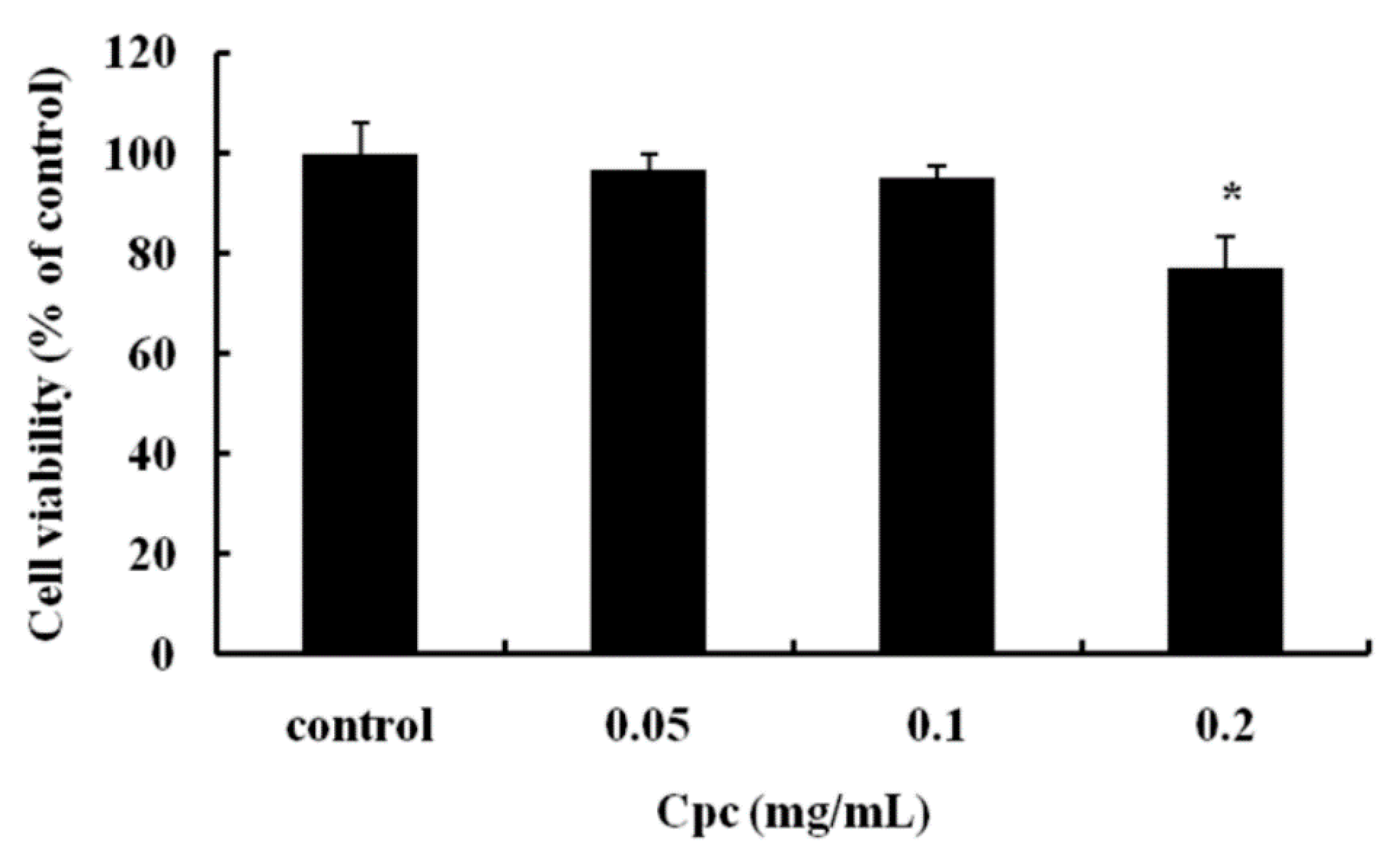
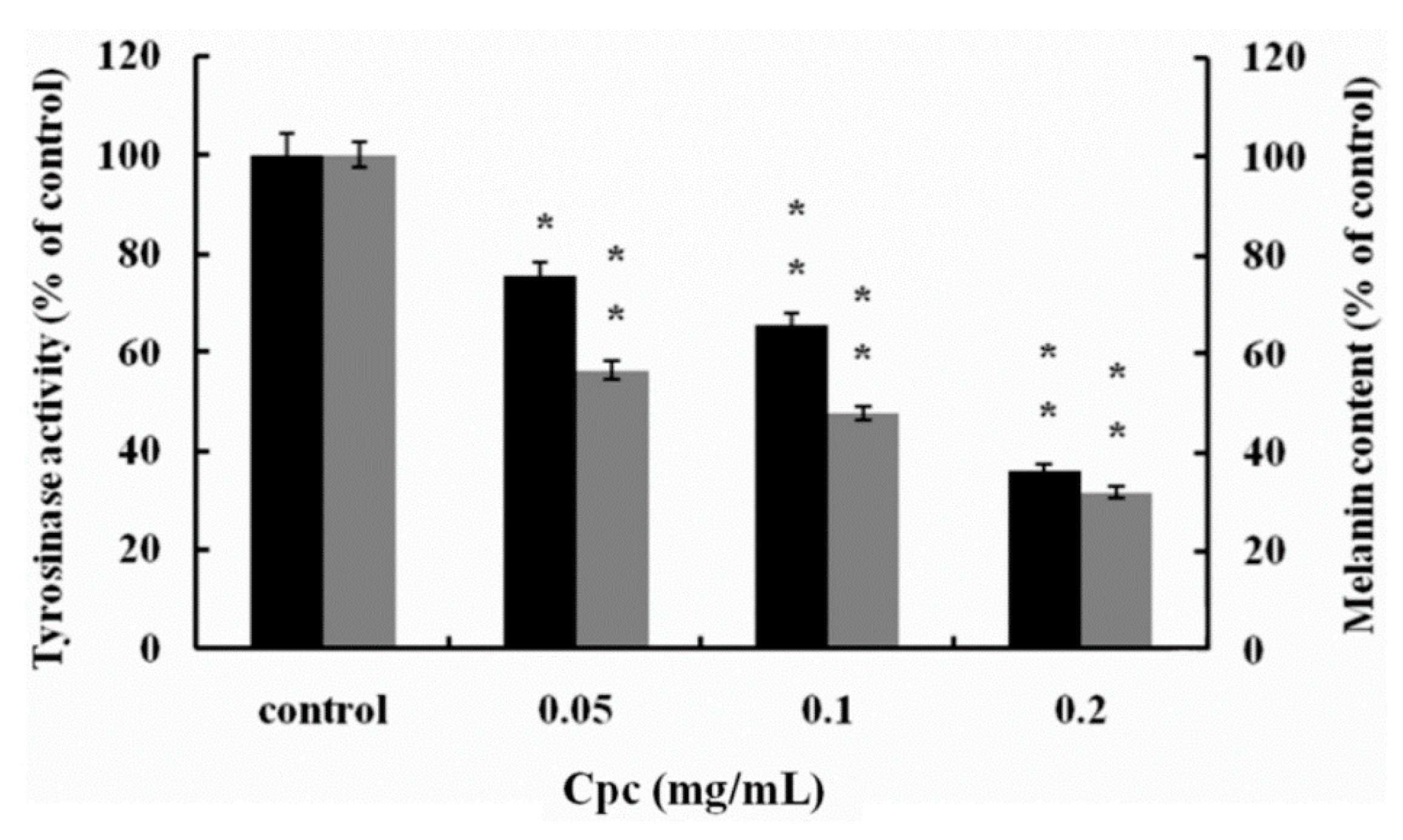
Overall, the whitening activity of Spirulina may be related to the presence of a phytocomplex containing vanillic acid—as the main phenolic acid component—caffeic acid and ferulic acid, which all synergically act to inhibit the enzyme. Another important component that could be responsible for this antimelanogenic effect is the c-phycocyanin, which has also antioxidant properties, as mentioned above. In fact, in 2011 a research team from Taiwan studied how this protein modulates the tyrosinase expression, both in transcriptional and post-transcriptional levels [35]. The outcomes of the study show that C-phycocyanin inhibits the pathway of p38 mitogen-activated protein (MAP) kinases, by downregulating the CREB activation and then the melanocyte inducing transcription factor (MITF) expression. At the same time, C-phycocyanin fits in the physiologic retro-control mechanism, that is a post-transcriptional pathway that downregulates an over synthesis of melanin. In doing so, the influence of the blue protein increases the cAMP levels (Figure 5) that trigger the MAPK/ERK pathway, which in turn phosphorylates the MITF on Serine 73. This last step results in an increased transcriptional activity and, at the same time, in the protein binding with ubiquitin monomers, which ends with the degradation of the transcription factor. Li-Chen Wu and his team studied the concentrations needed to suppress the tyrosinase activity and the following melanin content as well. As shown in Figure 6, the enzyme activity decreased in line with the pigment concentration, according to a C-phycocyanin dose-dependent trend. In particular, the enzyme activity was reduced from 75.7% to 65.7% and the pigment concentration from 56.2% to 47.5%, using a C-phycocyanin treatment with a range from 0.05 to 0.1 mg/mL. The higher concentration (0.2 mg/mL) was excluded from the study results because it affected the viability of B16F10 melanoma cells, even though it contributed to a great decrease in both tyrosinase activity and melanin content.
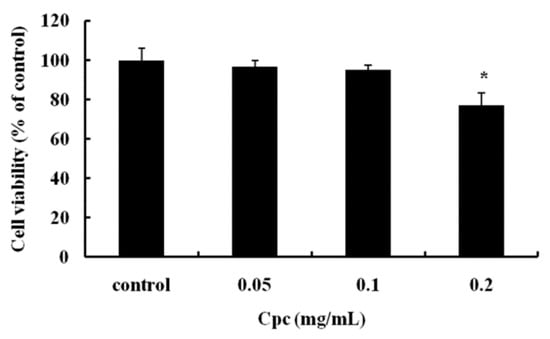
Figure 5.
Effect of C-phycocyanin (Cpc) on B16F10 murine melanoma cell viability. The asterisk (*) indicates a significant difference from control group (*, p < 0.05). Published by Ref. [35].
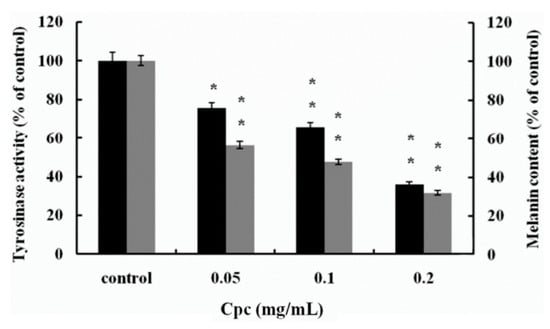
Figure 6.
Effect of C-phycocyanin (Cpc) on tyrosinase activity (black) and melanin content (grey). The asterisk (*) has been used to denote a significant difference from control group (*, p < 0.05; **, p < 0.01). Published by Ref. [35].
2.2. Wound Healing
Skin wound is a disruption of intact tissue, which leads to a loss in functional and anatomic continuity. Environmental conditions, accidents but also skin issues, like dryness and dermatitis, might be some of the trigger factors. Wound healing is, instead, a complex process involving inflammatory system, synthesis of structural proteins, migration and proliferation of both parenchymal and connective tissue cells. Full recovery is complex and, sometimes, chronic diseases or bacterial infections may further undermine the healing process.
In 2011, Spirulina was investigated for its effectiveness in wound healing, due to its flavonoids and triterpenoids, which act as astringent and antimicrobial agents [37]. The Spirulina wound healing effect of dry extracts, obtained in petroleum ether, chloroform and methanol was tested on rats and monitored for 16 days. Specifically, the wound contraction—as the percentage reduction in wound area—and its closure time were controlled. A significant improvement in the wound healing activity was noticed with the three extracts aforementioned. The best result was obtained in the ointment with Spirulina petroleum ether-based extract at 10% w/w. In 2013, Gur et al. studied the impact of the crude Spirulina extract and the phycocyanin isolated from the crude Spirulina extract on cultures of human keratinocyte, by using in vitro and in vivo models of wound healing [38]. They observed that Spirulina extract showed the best growth stimulation at 33.5 µg/mL dose of treatment, which declared a cell activity ranging from 100% to 270% after 72 h. Cell viability has also improved with phycocyanin and it was measured, even up to 213%. Cell activity and proliferation difference between Spirulina extract and phycocyanin were noted not to be important (p > 0.05) at the range of doses (33.5–0.0335 µg/mL) examined. It was also discovered that 1.25% of C-phycocyanin has a superior effect on the in vivo efficiency, compared to other preparations with Spirulina extract, on the 7th day. Overall, the proliferation and growth stimulation activities of Spirulina extract seem to be directly connected to the presence of both phycocyanin and carotenoids, which synergistically contribute to the wound healing and tissue regeneration. A few years later, Gunes et al. developed natural skin creams enriched with bioactive S. platensis extract, and studied its wound healing, genotoxic and immunoreactive effects in vitro to evaluate the potential use of Spirulina in biomedical and pharmaceutical sector [39]. The in vitro cell culture tests demonstrated that Spirulina extracts showed significant effects on fibroblast cell proliferation and migration. Fibroblasts are mesenchymal cells that enable tissue preservation by secreting extracellular matrix, and they are in charge of the inflammation and scar formation, during the wound healing process. A skin-care cream, which incorporates 1.125% of Spirulina extract, presented the biggest proliferative effect on skin cells with an increase of Type 1 collagen immunoreactivity. The micronucleus assay, which shows DNA damage, demonstrated that Spirulina based cream had no genotoxic effect on human peripheral blood cells. Additionally, Spirulina platensis also revealed a strong antioxidant property, due to its superoxide dismutase (SOD) activity with values up to 8.0 U/mL of SOD in Spirulina extract. All these features lead the blue-green microalga to be suitable for biomedical and cosmetic applications, particularly for wound dressings as well as sunburns, erythema and photoaging.
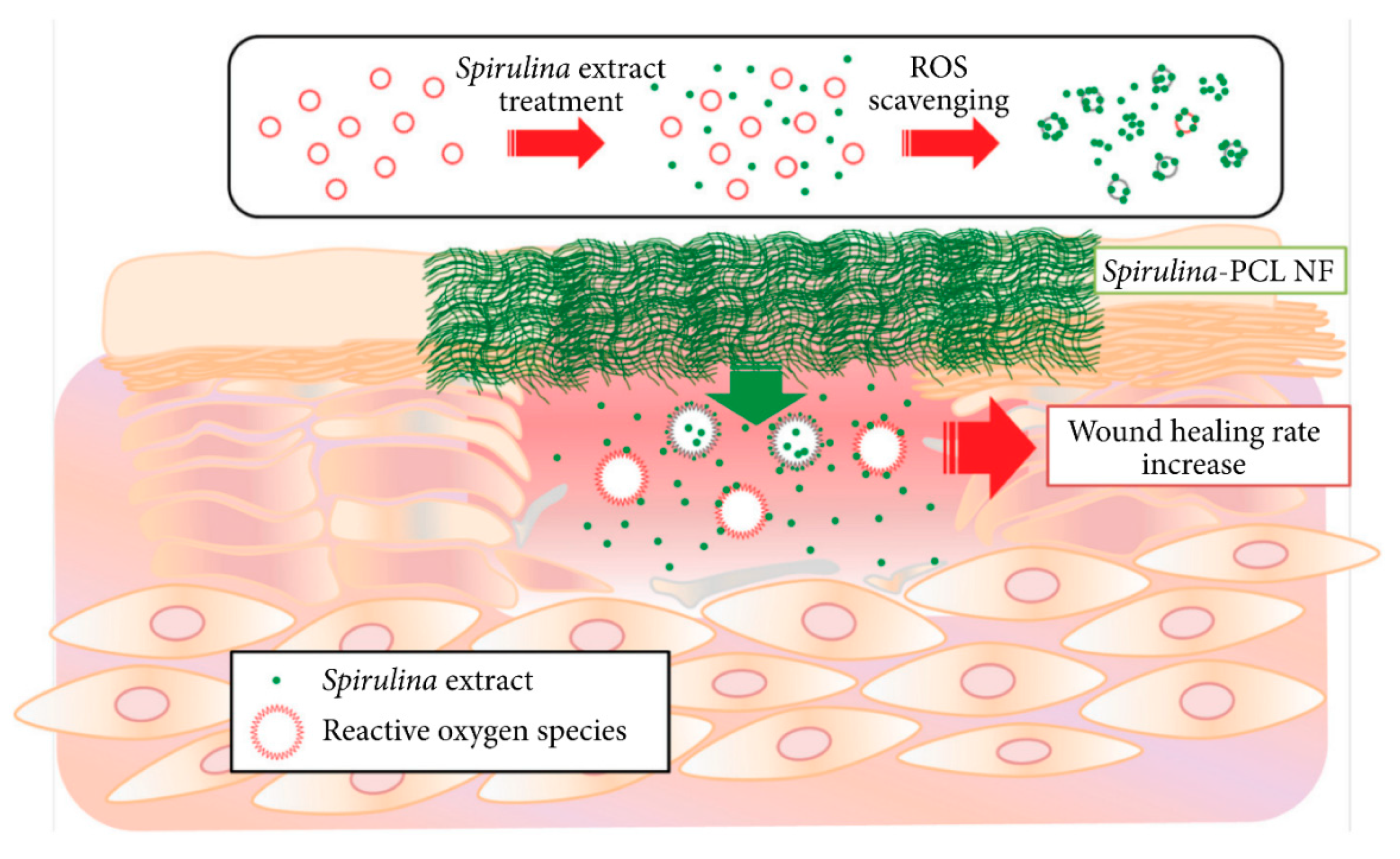
More recently a Korean research team absorbed Spirulina in an engineered-tissue, to evaluate its wound healing potential [40,41]. They selected nanofibers of polycaprolactone (PCL) as a supporting material suitable for tissue regeneration. PCL, which is an FDA-approved polymer, is also biocompatible, biodegradable and known to favor the oxygen absorptivity, the drainage capability and the water evaporative control, which are critical factors for the skin regeneration. In a study, Spirulina aqueous extract was absorbed on the nanomaterial and the wound regeneration was evaluated using an in vivo wound model [40]. In this specific regard and from a bioethical view, we contest such use of an animal for analysis in the cosmetic field and we strongly recommend the stakeholders to find other cruelty free alternatives to perform efficiency tests. In general, Spirulina-PCL helped to regenerate wounds and enhanced skin regeneration, by improving the antioxidant mechanism against the reactive oxygen species (ROS) of fibroblast under oxidative stress (Figure 7). Nevertheless, the developed nanofibers had a restricted capability to moisturize wounded skin because of the hydrophobicity of PCL.
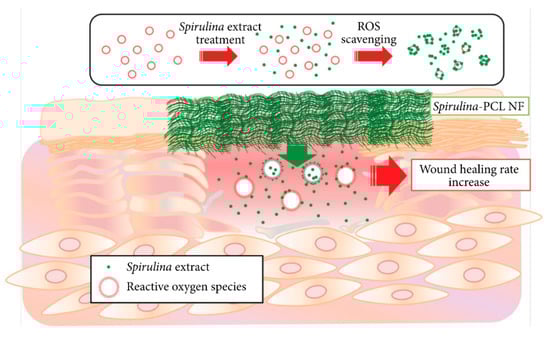
Figure 7.
Schematic design of the Spirulina-PCL nanofibers application to cutaneous wound. Published by Ref. [40].
To resolve the issue of the hydrophobic behavior of Spirulina-PCL nanofibers, the alginate was added in a following step due to its high hydrophilicity and absorbing capability [41]. Alginate (Alg) has a hydrophilic structure that consists of alpha-L- guluronic acid and beta-D-mannuronic acid, which can accommodate large amounts of water. The study revealed that Spirulina extract-alginate saturated polycaprolactone nanofibers (Spirulina-Alg/PCL) effectively accelerated the tissue regeneration in a rat model (3.7% w/v of Spirulina extract). When this patch was applied to the animal’s wounds, the extracellular matrices were rearranged faster than those treated with the simple patch support without Spirulina. In comparison to the earlier developed Spirulina-PCL nanofibers, alginate improved the moisture preservation and adhesiveness of the Spirulina-Alg/PCL nanofibers, in addition it accelerated the regeneration of full-thickness wounded skin in the rat model.
2.3. Antiacne
Acne is an epidermis disorder correlated to a sebum hypersecretion in deformed follicles, which implies inflammation and comedones formation. The anaerobic Cutibacterium acnes (also known as Propionibacteriumacnes) plays a role in the inflammation process because it hyperproliferates in the sebaceous lipid environment and produces reactive oxygen species (ROS) and proinflammatory compounds. This cytokine cascade also induces the follicular wall rupture of sebaceous glands and a consequently variation in the sebum composition. Acneic skins are low in linoleic acid and, therefore, their barrier skin function is compromised. Such a lesion pathway may also help the colonization of other bacteria like the Staphylococcus epidermis (S. epidermis). Indeed, although this Staphylococcus is a commensal skin microbiome bacterium, it was found in acne as well [55].
Acne disorder affects several people, mostly during adolescence, and it may lead to a lack of the self-confidence, resulting in body shame. Since acne-inducing bacteria shown side effects and an increasing resistance towards the synthetic drugs like tetracycline, many alternative approaches have been explored in the last decades. Among them, the topical applications of cosmetic formulas containing botanicals as safer active ingredients are the more suitable [56].
Currently, the cosmetic market is strongly interested in formulating antiacne products with a special focus on natural active ingredients, in addition to topical medication [57]. With this purpose, in 2018 Nihal et al. developed a topical antiacne formulation using Spirulina extract rich in phycocyanin protein [42]. The latter protein, as already mentioned, is known to be responsible for most of the natural Spirulina benefits. The phycocyanin was successfully extracted from the alga by using sonication and the cold-maceration process and then it was purified by the dialysis method. The authors thus studied its antimicrobial and anti-inflammatory activities. In particular, the antioxidant activity was found to be dependent on phycocyanin concentration in the range between 0.05 and 0.3 mg·mL−1.
The antimicrobial property was evaluated, both in an oily-based (FA) and water-based (FB) formula, against Cutibacterium acnes (C. acnes) and S. epidermis, by evaluating the minimal inhibitory concentration (MIC) and the dimension of the zone of inhibition (Table 5). The results shown that the water-based formulation was more effective in inhibiting bacteria proliferation than the oily-based one and confirmed the Spirulina antiacne property.
Table 5.
Composition, characteristic and activity of anti-acne formulations. Published by Ref. [42].
More recently, Setyaningsih’s research team further explored the antibacterial activity of a Spirulina-based face mask [43]. Spirulina used in this study was specifically grown to increase the amount of phycocyanins, flavonoids, alkaloids and phenolic compounds, to enhance his anti-inflammatory and antibacterial properties. As reported in Table 6, the formula composition includes polyvinyl alcohol and HPMC as polymers, and both extract of Spirulina platensis and its native biomass as active ingredients. During the study, three masks were formulated: the first one with Spirulina, the second one free from any active ingredients and the third one with clindamycin. The latter is a common antimicrobial topic drug and its antibacterial activity against C. acnes was evaluated in vitro. While the free-Spirulina face mask did not affect the bacteria proliferation, a similar inhibition behavior was observed with the alga extract and the synthetic antibacterial drug. Indeed, although the concentration of active ingredients incubated per well was different, the zone of inhibition was comparable: 10 ± 0.4 mm for the Spirulina mask and 12 ± 1.1 mm for the clindamycin one.
Table 6.
Composition, characteristic and activity of antiacne face mask. Published by Ref. [43].
Therefore, Spirulina is shown to be a promising natural cosmetic ingredient with high antibacterial activity against acne pathogens.
3. Spirulina Benchmark
Spirulina is the biggest cultivated microalga in the world and it gives rise to over 30% of the worldwide microalgal biomass production [58]. Spirulina is cropped in several countries, including various African States, Argentina, Burma, Chile, China, Cuba, India, Israel, Japan, Mexico, Myanmar, Pakistan, Thailand, the USA and Vietnam. Japan, the USA and Europe are the main importers of Spirulina powder. As a whole, over 128,000 tons of Spirulina was internationally consumed in 2016, and its revenues reached US$ 718.7 Mn [59]. In the upcoming years the global Spirulina market is expected to grow since its use is rising enormously across the world. The reason behind the overall Spirulina market growth might be to increase awareness about natural food products all over the world, to prefer plant protein sources and to follow the regulation on synthetic colors. Therefore, the market will be estimated at almost US$ 2000 Mn by 2026, with a global Spirulina consumption of more than 321,000 tons [59].
As for the emerging beauty industry, many Spirulina extracts/powders and Spirulina-based products are available on the market, and claim a wide variety of skin-benefits. Furthermore, it is likely that diversity, quality and topical type of applications of Spirulina will rapidly expand in the following years.
Considering Spirulina as an active ingredient in the cosmetic industry, dry or liquid concentrated extracts are generally preferred—but not exclusive—over the raw powder of the alga, due to final products functional and esthetical reasons. There is evidence that both properties and behaviors of the Spirulina extracts are strongly influenced by the extraction procedure and by the chosen solvent. Selected commercial suppliers of Spirulina extracts/powders are reported in Table 7.
Table 7.
Selected commercial Spirulina extracts/powders for skin care applications.
Bio-Botanica (USA) produces a liquid blend of Spirulina Platensis extract in glycerin and water. This extract offers skin conditioning benefits and can be used in a variety of personal care formulations [60]. NatPure® APX, developed by Sensient Cosmetic Technologies (Saint-Ouen-l’Aumône, France-headquarter), is instead a dry extract of Spirulina platensis supported in dextrin, sodium citrate and sodium phosphate, and has antioxidant potential with a radiant skin effect and revitalizing benefits [61]. Spiruline AP® is a water-soluble blue algae extract, supplied by SEPPIC (France-headquarter). This brand claims that its extract has excellent antiradical, anti-inflammatory, photoprotective and cells renewal effects. It may be used as an active ingredient for antiaging skin products [62]. In Italy, a water Spirulina platensis extract—stabilized by citric acid, sodium benzoate and potassium sorbate—is supplied by Phenbiox [63].
The fact that more Spirulina extracts/raw material for cosmetics are currently on the market further demonstrates that the interest of the sector in this alga is rising. Some relevant commercial examples of Spirulina-based cosmetic products are listed in Table 8.
Table 8.
Spirulina benchmark on skin care products.
Looking at the current beauty products available in the market, Spirulina—mainly S. platensis and S. maxima—is used either as a powder, generally in cheaper products, or as a phycocyanin-rich blue extract, particularly in the luxury market. Overall, most of the cosmetics available on the market claim a large range of Spirulina benefits, including antiaging, revitalizing, remineralizing, moisturizing, protecting alongside cleansing and shining action, for both hair and skin. Furthermore, while some of the claims like “mattifying” or “purifying” are probably due to the whole blend of the ingredients, the moisturizing and illuminating effects may be directly attributed to the Spirulina action instead.
4. Conclusions and Future Perspectives
As herein reviewed, Spirulina is a potential bioactive ingredient, for developing effective and safe cosmetics. In recent years the skin-care benefits of Spirulina products have been investigated by both academics and company researchers. Spirulina contains a set of synergistically acting components, such as peptides, polyunsaturated fatty acids, vitamins, minerals and antioxidant phytonutrients, which provide a full healthy action to the formulation.
Several Spirulina extracts/powders and alga-based skin care products are available on the market and this field is expected to further grow in the following years. As a formulating ingredient, Spirulina—S. platensis or S. maxima, as the major genes—is used as a dry or liquid concentrated phycocyanin-rich blue extract in the luxury products, or as raw powder in the cheaper formulations. A number of topical Spirulina-based formulations claim a large range of behaviors, including antioxidant, revitalizing, remineralizing, moisturizing, protecting alongside cleansing and shining action, for both hair and skin. Therefore, these products might be topically used like a booster of hydration, antiwrinkles, antiaging and antiacne agents. At the same time, Spirulina might be incorporated in skin-care formulations to promote healthy sunscreen protection, to treat skin pigmentation disorders and to achieve wound healing benefits.
Despite the recent progress, the topic should be further investigated: other skin benefits, actions or applications might occur and the role of the phytocomplex and its action pathways need a further exploration. In addition, the human health risks (skin-toxicity, allergies, etc.) should also be studied in greater depth to refine cosmetic spirulina-based products in the long-term.
For instance, the antibacterial activity of Spirulina might suggest to study how this alga affects the skin microbiome in deeper details. Taking care of skin commensal bacteria, thus avoiding skin dysbiosis, is an emerging topic in both cosmetic and dermatological fields. Skin dysbiosis is correlated to the incidence rate of skin disease, due to the hyperproliferation of some bacteria that normally colonize hair follicles and glands [73]. To conclude, there is a need to pursue research about Spirulina antimicrobial skin activity to further support the use of this microalga for the treatment of skin dysbiosis.
Author Contributions
Conceptualization, I.R., G.N.N., S.Z. and E.A.; writing—original draft preparation, I.R. and E.A.; writing—review and editing, I.R. and E.A.; project administration, E.A., W.B. and S.Z.; funding acquisition, W.B. All authors have read and agreed to the published version of the manuscript.
Funding
This research was funded by Labomar S.p.a.
Acknowledgments
The author would like to thank Alessia Marcato for her help in editing the manuscript.
Conflicts of Interest
The authors declare no conflict of interest.
References
- Hamed, I. The Evolution and Versatility of Microalgal Biotechnology: A Review. Compr. Rev. Food Sci. Food Saf. 2016, 15, 1104–1123. [Google Scholar] [CrossRef]
- Thomas, N.V.; Kim, S. Beneficial Effects of Marine Algal Compounds in Cosmeceuticals. Mar. Drugs 2013, 11, 146–164. [Google Scholar] [CrossRef] [PubMed]
- Nowicka-Krawczyk, P.; Mühlsteinová, R.; Hauer, T. Detailed Characterization of the Arthrospira Type Species Separating Commercially Grown Taxa into the New Genus Limnospira (Cyanobacteria). Sci. Rep. 2019, 9, 694. [Google Scholar] [CrossRef] [PubMed]
- Gershwin, M.; Belay, A. (Eds.) Spirulina in Human Nutrition and Health; CRC Press: Boca Raton, FL, USA, 2007. [Google Scholar]
- Bigagli, E.; Cinci, L.; Niccolai, A.; Tredici, M.R.; Biondi, N.; Rodolfi, L.; Lodovici, M.; D’Ambrosio, M.; Mori, G.; Luceri, C. Safety Evaluations and Lipid-Lowering Activity of an Arthrospira Platensis Enriched Diet: A 1-Month Study in Rats. Food Res. Int. 2017, 102, 380–386. [Google Scholar] [CrossRef] [PubMed]
- Niccolai, A.; Bigagli, E.; Biondi, N.; Rodolfi, L.; Cinci, L.; Luceri, C.; Tredici, M.R. In Vitro Toxicity of Microalgal and Cyanobacterial Strains of Interest as Food Source. J. Appl. Phycol. 2017, 29, 199–209. [Google Scholar] [CrossRef]
- Sharoba, A. Nutritional Value of Spirulina and Its Use in the Preparation of Some Complementary Baby Food Formulas. J. Food Dairy Sci. 2014, 5, 517–538. [Google Scholar] [CrossRef]
- Niccolai, A.; Chini Zittelli, G.; Rodolfi, L.; Biondi, N.; Tredici, M.R. Microalgae of Interest as Food Source: Biochemical Composition and Digestibility. Algal Res. 2019, 42, 101617–101626. [Google Scholar] [CrossRef]
- Tefera, G.; Hailu, D.; Tsegaye, Z. Importance of Arthrospira [Spirulina] in Sustainable Development. Int. J. Curr. Trends Pharm. Med. Sci. 2016, 1, 60–68. [Google Scholar]
- Ovando, C.A.; de Carvalho, J.C.; Vinícius de Melo Pereira, G.; Jacques, P.; Soccol, V.T.; Soccol, C.R. Functional Properties and Health Benefits of Bioactive Peptides Derived from Spirulina: A Review. Food Rev. Int. 2018, 34, 34–51. [Google Scholar] [CrossRef]
- Capelli, B.; Cysewski, G. Potential Health Benefits of Spirulina Microalgae: A Review of the Existing Literature. Nutrafoods 2010, 9, 19–26. [Google Scholar] [CrossRef]
- U.S. Department of Agriculture FoodData Central. Raspberries, Red, Raw. Available online: https://fdc.nal.usda.gov/fdc-app.html#/food-details/170091/nutrients (accessed on 30 September 2020).
- Monteverde, D.R.; Gómez-Consarnau, L.; Suffridge, C.; Sañudo-Wilhelmy, S.A. Life’s Utilization of B Vitamins on Early Earth. Geobiology 2017, 15, 3–18. [Google Scholar] [CrossRef] [PubMed]
- Rodriguez-Concepcion, M.; Avalos, J.; Bonet, M.L.; Boronat, A.; Gomez-Gomez, L.; Hornero-Mendez, D.; Limon, M.C.; Meléndez-Martínez, A.J.; Olmedilla-Alonso, B.; Palou, A.; et al. A Global Perspective on Carotenoids: Metabolism, Biotechnology, and Benefits for Nutrition and Health. Prog. Lipid Res. 2018, 70, 62–93. [Google Scholar] [CrossRef]
- Jiang, L.; Wang, Y.; Yin, Q.; Liu, G.; Liu, H.; Huang, Y.; Li, B. Phycocyanin: A Potential Drug for Cancer Treatment. J. Cancer 2017, 8, 3416–3429. [Google Scholar] [CrossRef] [PubMed]
- Kumar, V.; Sarantirumalai, P.; Singh, A.; Bhatnagar, A.K.; Shrivastava, J.N. Natural Compounds from Algae and Spirulina Platensis & Its Antimicrobial Activity. Indo Glob. J. Pharm. Sci. 2013, 3, 212–223. [Google Scholar]
- Hamouda Ali, I.; Doumandji, A. Comparative Phytochemical Analysis and in Vitro Antimicrobial Activities of the Cyanobacterium Spirulina Platensis and the Green Alga Chlorella Pyrenoidosa: Potential Application of Bioactive Components as an Alternative to Infectious Diseases. Bull. Inst. Sci. Sect. Sci. Terre 2017, 39, 41–49. [Google Scholar]
- El-Monem, A.M.A.; Gharieb, M.M. Effect of PH on Phytochemical and Antibacterial Activities of Spirulina Platensis. Int. J. Appl. Environ. Sci. 2018, 13, 339–351. [Google Scholar]
- McCarty, M.F.; DiNicolantonio, J.J. Nutraceuticals Have Potential for Boosting the Type 1 Interferon Response to RNA Viruses Including Influenza and Coronavirus. Prog. Cardiovasc. Dis. 2020, 79–81. [Google Scholar] [CrossRef]
- Rezaei, N.; Eftekhari, M.H.; Tanideh, N.; Mokhtari, M.; Bagheri, Z. Protective Effects of Honey and Spirulina Platensis on Acetic Acid-Induced Ulcerative Colitis in Rats. Iran. Red Crescent Med. J. 2018, 20, 62517–62528. [Google Scholar] [CrossRef]
- Wu, Q.; Liu, L.; Miron, A.; Klímová, B.; Wan, D.; Kuča, K. The Antioxidant, Immunomodulatory, and Anti-Inflammatory Activities of Spirulina: An Overview. Arch. Toxicol. 2016, 90, 1817–1840. [Google Scholar] [CrossRef]
- Vigliante, I.; Mannino, G.; Maffei, M.E. OxiCyan®, a Phytocomplex of Bilberry (Vaccinium myrtillus) and Spirulina (Spirulina platensis), Exerts Both Direct Antioxidant Activity and Modulation of ARE/Nrf2 Pathway in HepG2 Cells. J. Funct. Foods 2019, 61, 103508–103516. [Google Scholar] [CrossRef]
- Mourelle, M.L.; Gómez, C.P.; Legido, J.L. The Potential Use of Marine Microalgae and Cyanobacteria in Cosmetics and Thalassotherapy. Cosmetics 2017, 4, 46. [Google Scholar] [CrossRef]
- Costa, J.A.V.; Moro, G.M.B.; De Moraes Vaz Batista Filgueira, D.; Corsini, E.; Bertolin, T.E. The Potential of Spirulina and Its Bioactive Metabolites as Ingested Agents for Skin Care. Ind. Biotechnol. 2017, 13, 244–252. [Google Scholar] [CrossRef]
- Dini, I.; Laneri, S. Nutricosmetics: A Brief Overview. Phytother. Res. 2019, 33, 3054–3063. [Google Scholar] [CrossRef] [PubMed]
- García, J.L.; de Vicente, M.; Galán, B. Microalgae, Old Sustainable Food and Fashion Nutraceuticals. Microb. Biotechnol. 2017, 10, 1017–1024. [Google Scholar] [CrossRef]
- Campalani, C.; Amadio, E.; Zanini, S.; Dall, S.; Panozzo, M.; Ferrari, S.; De Nadai, G.; Francescato, S.; Selva, M.; Perosa, A. Supercritical CO2 as a Green Solvent for the Circular Economy: Extraction of Fatty Acids from Fruit Pomace. J. CO2 Util. 2020, 41, 101259–101265. [Google Scholar] [CrossRef]
- Campalani, C.; Chioggia, F.; Amadio, E.; Gallo, M.; Rizzolio, F.; Selva, M.; Perosa, A. Supercritical CO2 Extraction of Natural Antibacterials from Low Value Weeds and Agro-Waste. J. CO2 Util. 2020, 40, 101198–101205. [Google Scholar] [CrossRef]
- Labomar. Available online: https://labomar.com/ (accessed on 20 October 2020).
- Delsin, S.; Mercurio, D.; Fossa, M.; Maia Campos, P. Clinical Efficacy of Dermocosmetic Formulations Containing Spirulina Extract on Young and Mature Skin: Effects on the Skin Hydrolipidic Barrier and Structural Properties. Clin. Pharmacol. Biopharm. 2015, 4, 1000144–1000149. [Google Scholar] [CrossRef]
- De Lucia, A.; Zappelli, C.; Angelillo, M.; Langellotti, A.L.; Fogliano, V.; Cucchiara, M.; Colucci, G.M.; Apone, F. A novel biotechnological active ingredient, derived from the microalga Spirulina, increases hydration and reduces osmotic stress in skin cells. H&PC Today 2018, 13, 60. [Google Scholar]
- Bodeau, C. Preparing a Peptide Extract of Spirulina, Useful in Nutraceutical and Cosmetic Compositions for e.g., Controlling Aging of the Skin, Comprises Extraction of Lipids Then Enzymatic Hydrolysis. French Patent No. FR2857978, 27 October 2006. [Google Scholar]
- Lotan, A. Biologic Sunscreen Composition. World Patent No. WO 093388 A2, 12 July 2012. [Google Scholar]
- Souza, C.; Campos, P.M.B.G.M. Development and Photoprotective Effect of a Sunscreen Containing the Antioxidants Spirulina and Dimethylmethoxy Chromanol on Sun-Induced Skin Damage. Eur. J. Pharm. Sci. 2017, 104, 52–64. [Google Scholar] [CrossRef]
- Wu, L.; Lin, Y.; Yang, S.; Weng, Y.; Tsai, Y. Antimelanogenic Effect of C-Phycocyanin through Modulation of Tyrosinase Expression by Upregulation of ERK and Downregulation of P38 MAPK Signaling Pathways. J. Biomed. Sci. 2011, 18, 74–85. [Google Scholar] [CrossRef]
- Sahin, S.C. South African Journal of Botany the Potential of Arthrospira Platensis Extract as a Tyrosinase Inhibitor for Pharmaceutical or Cosmetic Applications. S. Afr. J. Bot. 2018, 119, 236–243. [Google Scholar] [CrossRef]
- Panigrahi, B.B.; Panda, P.K.; Patro, V.J. Wound Healing Activity of Spirulina Extracts. Int. J. Pharm. Sci. Rev. Res. 2011, 6, 132–135. [Google Scholar]
- Gur, C.S.; Erdogan, D.K.; Onbasılar, I.; Atilla, P.; Cakar, N. In Vitro and in Vivo Investigations of the Wound Healing Effect of Crude Spirulina Extract and C-Phycocyanin. J. Med. Plants Res. 2013, 7, 425–433. [Google Scholar]
- Gunes, S.; Tamburaci, S.; Dalay, M.C.; Gurhan, I.D. In Vitro Evaluation of Spirulina Platensis Extract Incorporated Skin Cream with Its Wound Healing and Antioxidant Activities. Pharm. Biol. 2017, 55, 1824–1832. [Google Scholar] [CrossRef] [PubMed]
- Jung, S.-M.; Min, S.K.; Lee, H.C.; Kwon, Y.S.; Jung, M.H.; Shin, H.S. Spirulina-PCL Nanofiber Wound Dressing to Improve Cutaneous Wound Healing by Enhancing Antioxidative Mechanism. J. Nanomater. 2016, 2016, 6135727. [Google Scholar] [CrossRef]
- Choi, J., II; Kim, M.S.; Chung, G.Y.; Shin, H.S. Spirulina Extract-Impregnated Alginate-PCL Nanofiber Wound Dressing for Skin Regeneration. Biotechnol. Bioprocess. Eng. 2017, 22, 679–685. [Google Scholar] [CrossRef]
- Nihal, B.; Vishal Gupta, N.; Gowda, D.V.; Manohar, M. Formulation and Development of Topical Anti Acne Formulation of Spirulina Extract. Int. J. Appl. Pharm. 2018, 10, 229–233. [Google Scholar] [CrossRef]
- Setyaningsih, I.; Sari, N.I.; Tarman, K.; Manurung, N.; Safithri, M. In Vitro Evaluation of Face Mask Containing Extract and Biomass of Spirulina Platensis and Its Antibacterial Activity. IOP Conf. Ser. Earth Environ. Sci. 2019, 404, 12054–12062. [Google Scholar] [CrossRef]
- Pereira, L. Seaweeds as Source of Bioactive Substances and Skin Care Therapy—Cosmeceuticals, Algotheraphy, and Thalassotherapy. Cosmetics 2018, 5, 68. [Google Scholar] [CrossRef]
- Villaret, A.; Ipinazar, C.; Satar, T.; Gravier, E.; Mias, C.; Questel, E.; Schmitt, A.; Samouillan, V.; Nadal, F.; Josse, G. Raman Characterization of Human Skin Aging. Ski. Res. Technol. 2019, 25, 270–276. [Google Scholar] [CrossRef]
- Michalek, I.M.; Lelen-Kaminska, K.; Caetano dos Santos, F.L. Peptides Stimulating Synthesis of Extracellular Matrix Used in Anti-Ageing Cosmetics: Are They Clinically Tested? A Systematic Review of the Literature. Australas. J. Dermatol. 2019, 60, e267–e271. [Google Scholar] [CrossRef] [PubMed]
- Donnola, G.; Zanella, S. Coloranti naturali? Si può fare! Make Up Technol. 2019, 122. Available online: https://www.ceceditore.com/makeup-technology-autunno-inverno-2019/ (accessed on 20 October 2020).
- Souza, C.; de Freitas, L.A.P.; Maia Campos, P.M.B.G. Topical Formulation Containing Beeswax-Based Nanoparticles Improved In Vivo Skin Barrier Function. AAPS PharmSciTech 2017, 18, 2505–2516. [Google Scholar] [CrossRef] [PubMed]
- Micali, G.; Innocenzi, D.; Fabbrocini, G.; Monfrecola, G.; Tosti, A.; Veraldi, S. (Eds.) Le Basi Della Dermatologia Anatomica; Springer Press: New York, NY, USA, 2011. [Google Scholar]
- Zolghadri, S.; Bahrami, A.; Tareq, M.; Khan, H.; Saboury, A.A. A Comprehensive Review on Tyrosinase Inhibitors. J. Enzyme Inhib. Med. Chem. 2019, 34, 279–309. [Google Scholar] [CrossRef] [PubMed]
- Cho, K.; Ryu, C.S.; Jeong, S.; Kim, Y. Potential Adverse Effect of Tyrosinase Inhibitors on Teleosts: A Review. Comp. Biochem. Physiol. Part C 2020, 228, 108655–108662. [Google Scholar] [CrossRef]
- Opperman, L.; De Kock, M.; Klaasen, J.; Rahiman, F. Tyrosinase and Melanogenesis Inhibition by Indigenous African Plants: A Review. Cosmetics 2020, 7, 60. [Google Scholar] [CrossRef]
- Goenka, S.; Simon, S.R. Inhibitory Effects of the Bioactive Thermorubin Isolated from the Fungus Thermoactinomyces Antibioticus on Melanogenesis. Cosmetics 2020, 7, 61. [Google Scholar] [CrossRef]
- Serra-Baldrich, E.; Tribô, M.J.; Camarasa, J.G. Allergic Contact Dermatitis from Kojic Acid. Contact Dermat. 1998, 39, 86–87. [Google Scholar] [CrossRef]
- Shehadeh, N.H.; Kligman, A.M. The bacteriology of acne. Arch. Dermatol. 1963, 88, 829. [Google Scholar] [CrossRef]
- Kanlayavattanakul, M.; Lourith, N. Therapeutic Agents and Herbs in Topical Application for Acne Treatment. Int. J. Cosmet. Sci. 2011, 33, 289–297. [Google Scholar] [CrossRef]
- Gervason, S.; Metton, I.; Gemrot, E.; Ranouille, E.; Skorski, G.; Cabannes, M.; Berthon, J.; Filaire, E. Rhodomyrtus Tomentosa Fruit Extract and Skin Microbiota: A Focus on C. Acnes Phylotypes in Acne Subjects. Cosmetics 2020, 7, 53. [Google Scholar] [CrossRef]
- Costa, J.A.V.; Freitas, B.C.B.; Rosa, G.M.; Moraes, L.; Morais, M.G.; Mitchell, B.G. Operational and Economic Aspects of Spirulina-Based Biorefinery. Bioresour. Technol. 2019, 292, 121946. [Google Scholar] [CrossRef] [PubMed]
- Global Market Study on Spirulina: Powder Product Form Segment Anticipated to Dominate the Global Market in Terms of both Value and Volume during 2016–2026. Available online: https://www.persistencemarketresearch.com/market-research/spirulina-market.asp (accessed on 20 October 2020).
- Spirulina Platensis Extract. Available online: http://www.bio-botanica.com/product/spirulina-spirulina-platensis-extract/ (accessed on 20 October 2020).
- Cosmetic Ingredients. Available online: https://www.sensient-cosmetics.com/product/natpure-axp/ (accessed on 20 October 2020).
- Beauty Care-Ingredient Book. Available online: https://www.seppic.com/sites/seppic/files/2020/03/17/2020-seppic_index-beauty-care.pdf.pdf/ (accessed on 20 October 2020).
- Phenbiox. Available online: https://www.phenbiox.it/en/s/index.jsp (accessed on 20 October 2020).
- PuroBIO Cosmetics. Available online: https://purobiocosmetics.it/ (accessed on 20 October 2020).
- Sante Naturels. Available online: https://www.santenaturels.it/ (accessed on 20 October 2020).
- Doni del Mare Cosmetica. Available online: https://www.donidelmarecosmetica.com/ (accessed on 20 October 2020).
- Ella Bache. Available online: https://www.ellabache.com/ (accessed on 20 October 2020).
- Esthe Derm. Available online: https://www.esthederm.com/fr/ (accessed on 20 October 2020).
- Ren Skin Care. Available online: https://www.renskincare.com/ (accessed on 20 October 2020).
- Zelens. Available online: https://www.zelens.com/ (accessed on 20 October 2020).
- Helena Rubinstein. Available online: https://www.helenarubinstein.com/int/ (accessed on 20 October 2020).
- Sukin Naturals. Available online: https://sukinnaturals.co.uk/ (accessed on 20 October 2020).
- Sfriso, R.; Egert, M.; Gempeler, M.; Voegeli, R.; Campiche, R. Revealing the Secret Life of Skin—With the Microbiome You Never Walk Alone. Int. J. Cosmet. Sci. 2020, 42, 116–126. [Google Scholar] [CrossRef] [PubMed]
Publisher’s Note: MDPI stays neutral with regard to jurisdictional claims in published maps and institutional affiliations. |
© 2021 by the authors. Licensee MDPI, Basel, Switzerland. This article is an open access article distributed under the terms and conditions of the Creative Commons Attribution (CC BY) license (http://creativecommons.org/licenses/by/4.0/).