
Systems for Mitochondria-Protective Cosmetic Actives: Opportunities in Post-Oncologic Skin Regeneration



Abstract
1. Introduction
2. Post-Oncologic Skin: Structural and Functional Characteristics
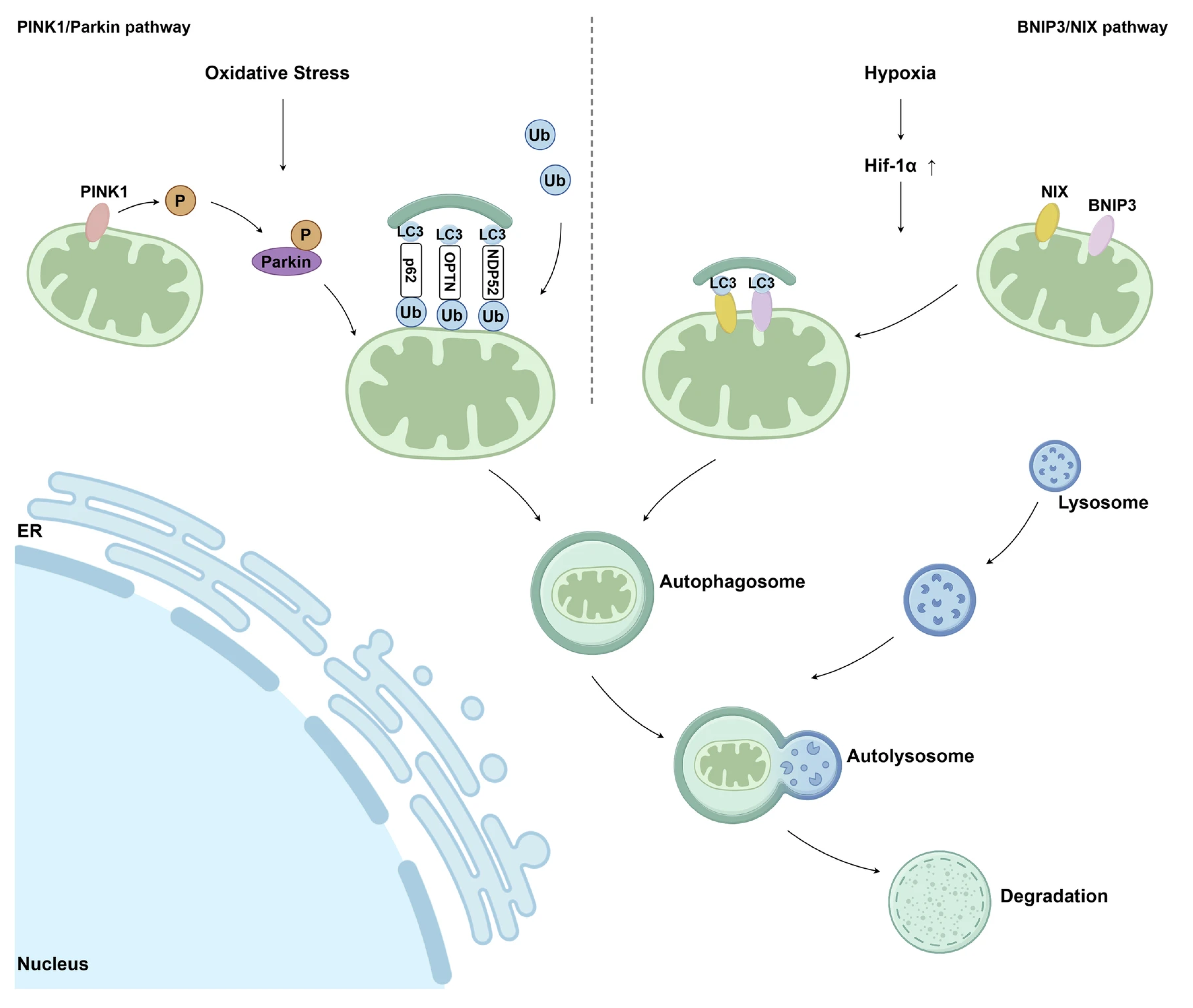
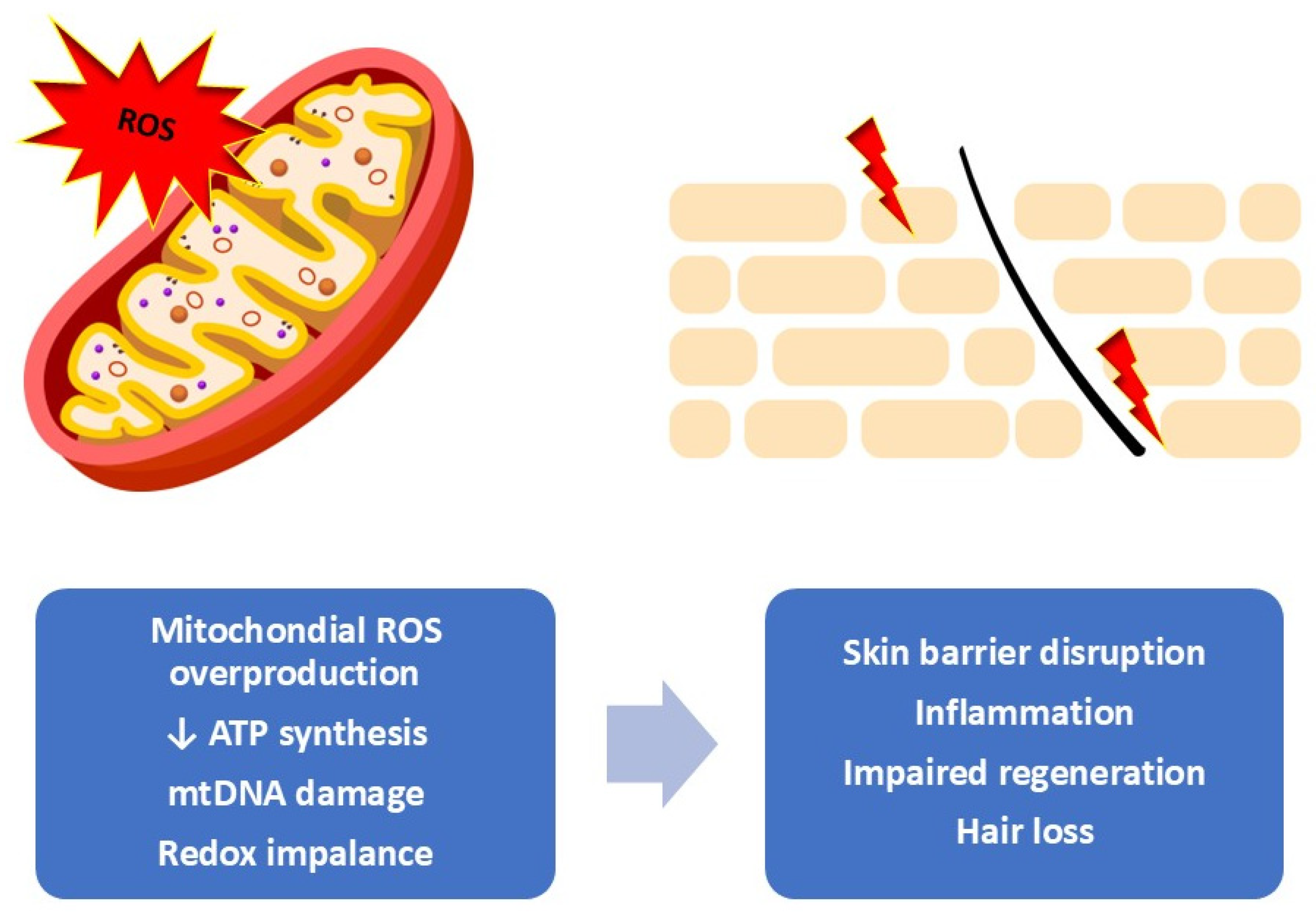
Mitochondrial Dysfunction and Protective Mechanisms in Skin
3. Dermocosmetics for Post-Oncologic Skin Care
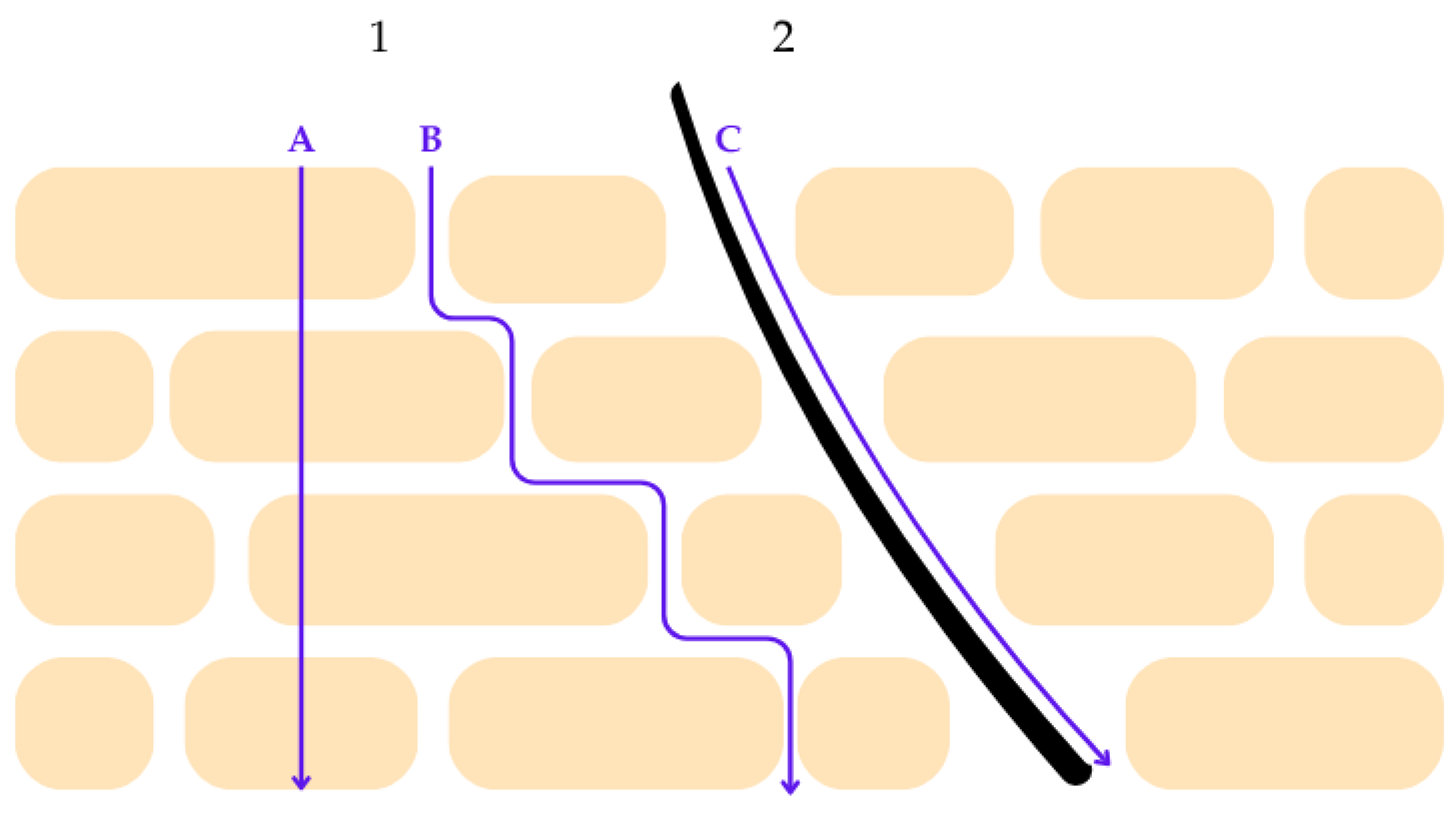
4. Active Ingredients Delivery Systems in Cosmetics
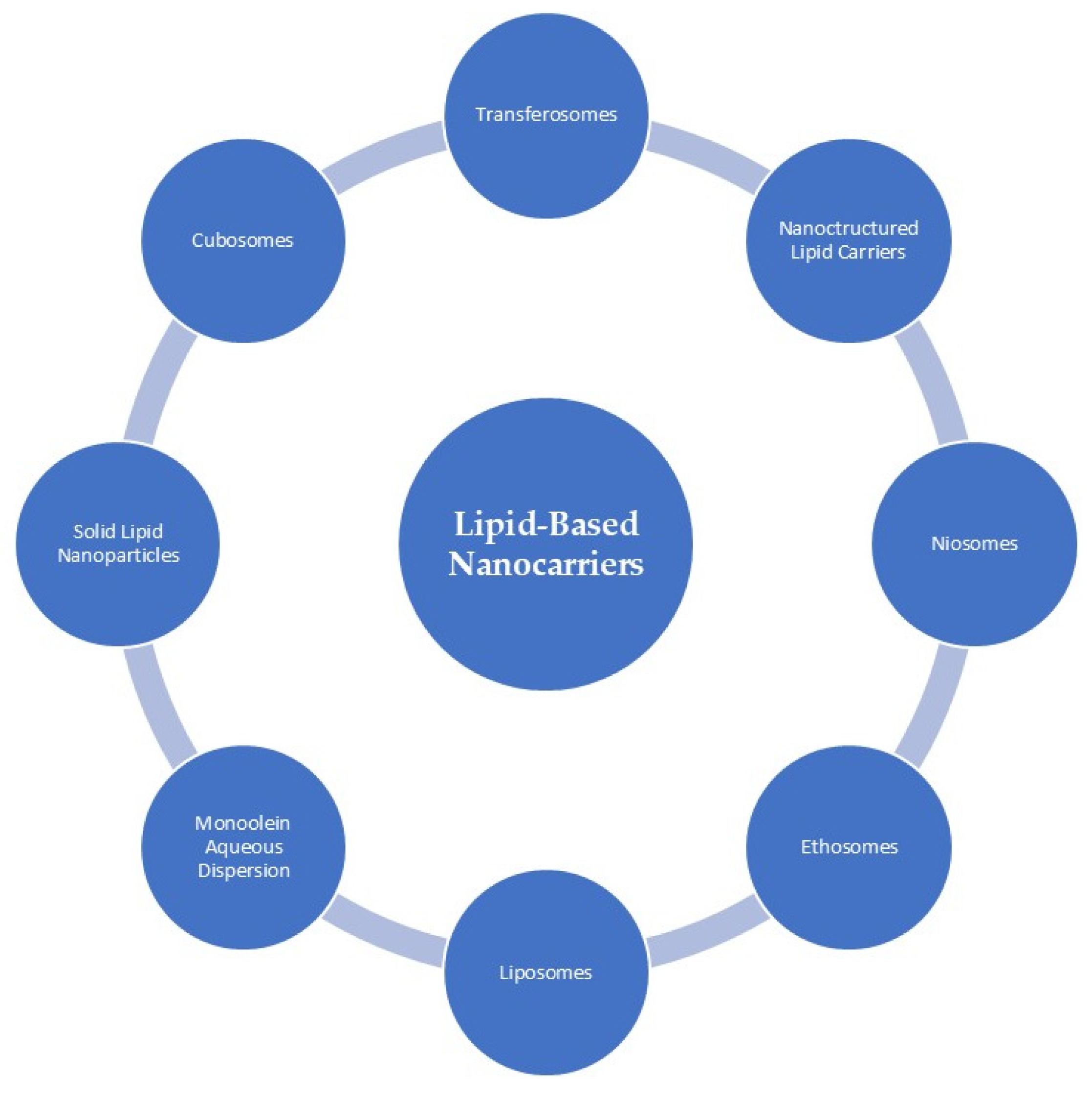
4.1. Lipid-Based Nano-Encapsulation Systems
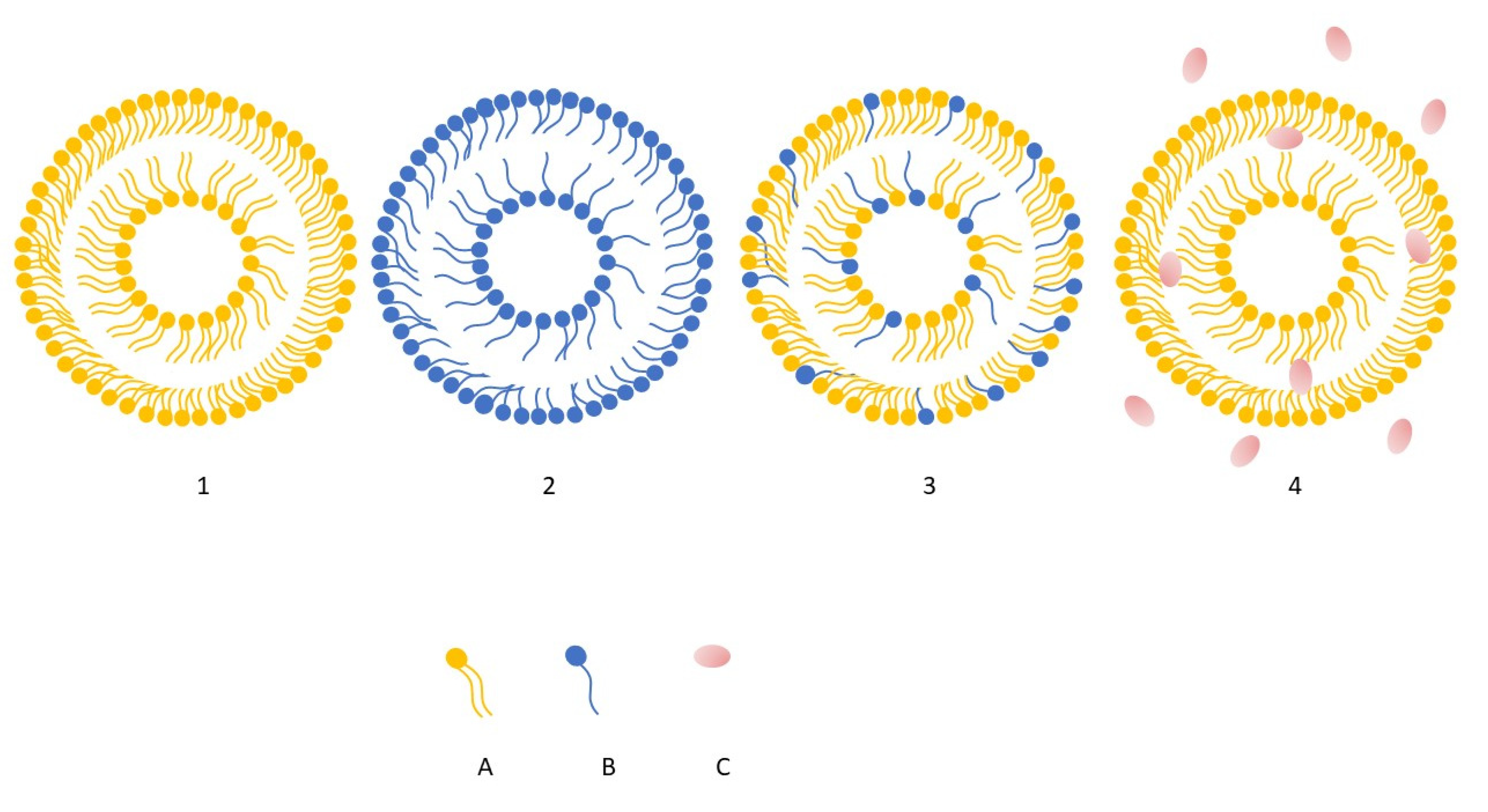
4.2. Liposomes
4.3. Niosomes
4.4. Transferosomes
4.5. Ethosomes
4.6. Lipid Nanoparticles
5. Encapsulation of Antioxidant Actives in Lipid-Based Carriers: Recent Evidence

| Delivery System | Active Antioxidant | Key Findings | References |
|---|---|---|---|
| LPS | Ectoin + Haematococcus pluvialis extract (astaxanthin) + tetrahexyldecyl ascorbate | Pro-inflammatory cytokine reduction | [78] |
| LPS | GHK-Cu | Inhibition of elastase, reduction in the rate of elastin degradation, support of epidermal integrity | [54] |
| LPS | Niacinamide | Superior skin penetration and enhanced whitening efficacy cationic liposoms compared with neutral or anionic liposomes | [111] |
| LPS, TFS, ETH, Cerosomes | Coenzyme Q10 (Co-Q10) | The best efficacy of transethosomes as carriers for local delivery of Co-Q10 in the treatment of male androgenetic alopecia | [112] |
| ETH | Tocopherol Acetate | Improved skin retention, higher enhancement ratio, and strong targeting efficiency | [113] |
| ETH | Rutin | Transethosomes showed favorable nanovesicle properties, enhanced drug release, improved skin permeation, and stronger antibacterial activity than rutin suspension | [114] |
| SLN | α-Tocopherol | SLNs increased α-Tocopherol permeation and hydration of skin | [115] |
| NLC | α-Tocopherol | Improved stability of vitamin E and enhanced moisturizing and anti-aging effects | [116] |
| NLC/SLN | Co-Q10 | Q10-SLN improved penetration; both systems lowered ROS. Q10-NLC reduced melanin via tyrosinase inhibition and was more effective than free co-Q10 and Q10-SLN | [117] |
| NLC | Astaxanthin | Encapsulation into NLC effectively improved the thermal stability of ASTA and enhanced its UV stability through the protective NLC barrier | [118] |
| NLC | Curcumin | Dual NLC–hydrogel enhanced curcumin’s antioxidant activity, improved dermal cell responses, and enabled membrane penetration | [119] |
| NLC | Tocopherol | Delayed radiodermatitis onset with vitamin E- containing nanocream | [47] |
| NLC, Nanoemulsion Gel (NEG) | Resveratrol | NLCs showed higher antioxidant activity and better safety than NEGs | [120] |
| NLC | Dihydrooxyresveratrol | Extended dihydroxyresveratrol release, improved lipophilic membrane penetration, and hyperpigmentation-brightening potential | [121] |
| NLC | Quercetin, Omega-3 Fatty Acid | Quercetin–omega-3 NLC hydrogels offered strong antioxidant protection and promise for preventing skin damage | [122] |
| NLC | Resveratrol | Controlled release and anti-inflammatory activity | [123] |
| NLC | Hesperidin | Sustained release and enhanced anti-psoriatic efficacy of optimized hesperidin-NLC gel | [124] |
| NLC | Quercitin | NLC-enriched hydrogels increased quercetin retention in the skin and showed significant photoprotective effects against UVB-induced damage | [125] |
| TFS | Quercitin | Sustained release, strong permeation, and synergistic anti-inflammatory effect of quercitin-loaded tranferosomes | [126] |
| TFS, NIS | Melatonin | Melatonin-loaded transfersomes exhibited significant anti-inflammatory activity and stimulated collagen synthesis in vitro | [127] |
| NIS | Curcumin | Encapsulation of curcumin in a niosomal formulation markedly enhanced its antioxidant and anticancer activity | [128] |
| NIS | Curcumin | Niosomes enhanced curcumin’s antinociceptive and anti-inflammatory efficacy by improving delivery to the target site | [129] |
| NIS | Apigenin | Enhanced permeation and superior antioxidant, antibacterial, and anti-inflammatory effects of NIS gel with apigenin | [130] |
6. Summary and Future Perspectives
Author Contributions
Funding
Institutional Review Board Statement
Informed Consent Statement
Data Availability Statement
Acknowledgments
Conflicts of Interest
Abbreviations
| ASX | Astaxanthin |
| ATP | Adenosine Triphosphate |
| CPP | Critical Packing Parameter |
| Co-Q10 | Coenzyme Q10 |
| Drp1 | Dynamin-related protein 1 |
| ER | Endoplasmic Reticulum |
| ETC | Electron Transport Chain |
| ETH | Ethosomes |
| GHK-Cu | Copper Trpeptide-1 |
| HLB | Hydrophilic-Lipophilic Balance |
| LC3 | Microtubule-associated protein light chain |
| LPS | Liposomes |
| MAA | Mycosporine-like amino acids |
| MFN1/2 | Mitofusins |
| mtDNA | Mitochondrial DNA |
| mtROS | Mitochondrial ROS |
| NAD+ | Precursor of nicotinamide adenine dinucleotide |
| NEG | Nanoemulsion gel |
| NIS | Niosomes |
| NLC | Nanostructured Lipid Carriers |
| Nrf2 | Nuclear Factor Erythroid 2-Related Factor 2 |
| OPA1 | Optic Atrophy Protein 1 |
| OXPHOS | Oxidative Phosphorylation Efficiency |
| P | Phosphorylation |
| PGC-1α | Peroxisome proliferator-activated receptor gamma coactivator 1-alpha |
| ROS | Reactive Oxygen Species |
| SC | Stratum Corneum |
| SLN | Solid Lipid Nanoparticles |
| TCA | Tricarboxylic Acid Cycle |
| TEWL | Transepidermal Water Loss |
| TFS | Transferosomes |
| UV A | Ultraviolet A |
| Ub | Ubiquitin |
References
- Słonimska, P.; Sachadyn, P.; Zielinski, J.; Skrzypski, M.; Pikuła, M. Chemotherapy-Mediated Complications of Wound Healing: An Understudied Side Effect. Adv. Wound Care 2024, 13, 187–199. [Google Scholar] [CrossRef]
- Dreno, B.; Khosrotehrani, K.; De Barros Silva, G.; Wolf, J.R.; Kerob, D.; Trombetta, M.; Atenguena, E.; Dielenseger, P.; Pan, M.; Scotte, F.; et al. The Role of Dermocosmetics in the Management of Cancer-Related Skin Toxicities: International Expert Consensus. Support. Care Cancer 2023, 31, 672. [Google Scholar] [CrossRef] [PubMed]
- Ladwa, R.; Fogarty, G.; Chen, P.; Grewal, G.; McCormack, C.; Mar, V.; Kerob, D.; Khosrotehrani, K. Management of Skin Toxicities in Cancer Treatment: An Australian/New Zealand Perspective. Cancers 2024, 16, 2526. [Google Scholar] [CrossRef] [PubMed]
- Almeida, V.; Pires, D.; Silva, M.; Teixeira, M.; Teixeira, R.J.; Louro, A.; Dinis, M.A.P.; Ferreira, M.; Teixeira, A. Dermatological Side Effects of Cancer Treatment: Psychosocial Implications—A Systematic Review of the Literature. Healthcare 2023, 11, 2621. [Google Scholar] [CrossRef] [PubMed]
- Mourelle, M.L.; Gómez, C.P.; Legido, J.L. Cosmeceuticals and Thalassotherapy: Recovering the Skin and Well-Being after Cancer Therapies. Appl. Sci. 2023, 13, 850. [Google Scholar] [CrossRef]
- Deutsch, A.; Leboeuf, N.R.; Lacouture, M.E.; McLellan, B.N. Dermatologic Adverse Events of Systemic Anticancer Therapies: Cytotoxic Chemotherapy, Targeted Therapy, and Immunotherapy. Am. Soc. Clin. Oncol. Educ. Book 2020, 40, 485–500. [Google Scholar] [CrossRef]
- Natarelli, N.; Gahoonia, N.; Aflatooni, S.; Bhatia, S.; Sivamani, R.K. Dermatologic Manifestations of Mitochondrial Dysfunction: A Review of the Literature. Int. J. Mol. Sci. 2024, 25, 3303. [Google Scholar] [CrossRef]
- Sguizzato, M.; Pepe, A.; Baldisserotto, A.; Barbari, R.; Montesi, L.; Drechsler, M.; Mariani, P.; Cortesi, R. Niosomes for Topical Application of Antioxidant Molecules: Design and In Vitro Behavior. Gels 2023, 9, 107. [Google Scholar] [CrossRef]
- Pandey, A.S.; Bawiskar, D.; Wagh, V. Nanocosmetics and Skin Health: A Comprehensive Review of Nanomaterials in Cosmetic Formulations. Cureus 2024, 16, e52754. [Google Scholar] [CrossRef]
- Ricci, A.; Stefanuto, L.; Gasperi, T.; Bruni, F.; Tofani, D. Lipid Nanovesicles for Antioxidant Delivery in Skin: Liposomes, Ufasomes, Ethosomes, and Niosomes. Antioxidants 2024, 13, 1516. [Google Scholar] [CrossRef]
- Sontheimer, R.D. Skin Is Not the Largest Organ. J. Investig. Dermatol. 2014, 134, 581–582. [Google Scholar] [CrossRef] [PubMed]
- Yousef, H.; Alhajj, M.; Fakoya, A.O.; Sharma, S. Anatomy, Skin (Integument), Epidermis; StatPearls Publishing: Treasure Island, FL, USA, 2025. [Google Scholar]
- Lotfollahi, Z. The Anatomy, Physiology and Function of All Skin Layers and the Impact of Ageing on the Skin. Wound Pract. Res. 2024, 32, 6–10. [Google Scholar] [CrossRef]
- Rübe, C.E.; Freyter, B.M.; Tewary, G.; Roemer, K.; Hecht, M.; Rübe, C. Radiation Dermatitis: Radiation-Induced Effects on the Structural and Immunological Barrier Function of the Epidermis. Int. J. Mol. Sci. 2024, 25, 3320. [Google Scholar] [CrossRef] [PubMed]
- Iwashita, K.; Suzuki, K.; Ojima, M. Recent Advances in Understanding of Radiation-Induced Skin Tissue Reactions with Respect to Acute Tissue Injury and Late Adverse Effect. J. Radiat. Res. 2025, 66, 437–450. [Google Scholar] [CrossRef] [PubMed]
- Moreira, A.L.; Forneck, H.R.; Portilho, L. Skin Alterations Caused by Chemotherapies and Cosmetic Strategies for Soothing These Effects: A Review. J. Clin. Cosmet. Dermatol. 2021, 5, 1–6. [Google Scholar] [CrossRef]
- Bouwstra, J.A.; Nădăban, A.; Bras, W.; McCabe, C.; Bunge, A.; Gooris, G.S. The Skin Barrier: An Extraordinary Interface with an Exceptional Lipid Organization. Prog. Lipid Res. 2023, 92, 101252. [Google Scholar] [CrossRef]
- Lefèvre-Utile, A.; Braun, C.; Haftek, M.; Aubin, F. Five Functional Aspects of the Epidermal Barrier. Int. J. Mol. Sci. 2021, 22, 11676. [Google Scholar] [CrossRef]
- Akiyama, F.; Takahashi, N.; Ueda, Y.; Tada, S.; Takeuchi, N.; Ohno, Y.; Kihara, A. Correlations between Skin Condition Parameters and Ceramide Profiles in the Stratum Corneum of Healthy Individuals. Int. J. Mol. Sci. 2024, 25, 8291. [Google Scholar] [CrossRef]
- Miyamae, N.; Ogai, K.; Kunimitsu, M.; Fujiwara, M.; Nagai, M.; Okamoto, S.; Okuwa, M.; Oe, M. Relationship between Severe Radiodermatitis and Skin Barrier Functions in Patients with Head and Neck Cancer: A Prospective Observational Study. Asia Pac. J. Oncol. Nurs. 2025, 12, 100625. [Google Scholar] [CrossRef]
- Pazdrowski, J.; Polańska, A.; Kaźmierska, J.; Kowalczyk, M.J.; Szewczyk, M.; Niewinski, P.; Golusiński, W.; Dańczak-Pazdrowska, A. The Assessment of the Long-Term Impact of Radiotherapy on Biophysical Skin Properties in Patients after Head and Neck Cancer. Medicina 2024, 60, 739. [Google Scholar] [CrossRef]
- Nicolaou, A.; Kendall, A.C. Bioactive Lipids in the Skin Barrier Mediate Its Functionality in Health and Disease. Pharmacol. Ther. 2024, 260, 108681. [Google Scholar] [CrossRef] [PubMed]
- Richardson, B.N.; Lin, J.; Buchwald, Z.S.; Bai, J. Skin Microbiome and Treatment-Related Skin Toxicities in Patients with Cancer: A Mini-Review. Front. Oncol. 2022, 12, 924849. [Google Scholar] [CrossRef] [PubMed]
- Yu, Z.; Xu, C.; Song, B.; Zhang, S.; Chen, C.; Li, C.; Zhang, S. Tissue Fibrosis Induced by Radiotherapy: Current Understanding of the Molecular Mechanisms, Diagnosis and Therapeutic Advances. J. Transl. Med. 2023, 21, 708. [Google Scholar] [CrossRef] [PubMed]
- Nan, L.; Guo, P.; Hui, W.; Xia, F.; Yi, C. Recent Advances in Dermal Fibroblast Senescence and Skin Aging: Unraveling Mechanisms and Pioneering Therapeutic Strategies. Front. Pharmacol 2025, 16, 1592596. [Google Scholar] [CrossRef]
- Pazdrowski, J.; Gornowicz-Porowska, J.; Kaźmierska, J.; Krajka-Kuźniak, V.; Polanska, A.; Masternak, M.; Szewczyk, M.; Golusiński, W.; Danczak-Pazdrowska, A. Radiation-Induced Skin Injury in the Head and Neck Region: Pathogenesis, Clinics, Prevention, Treatment Considerations and Proposal for Management Algorithm. Rep. Pract. Oncol. Radiother. 2024, 29, 373–390. [Google Scholar] [CrossRef]
- Hussein, F.A.; Manan, H.A.; Mustapha, A.W.M.M.; Sidek, K.; Yahya, N. Ultrasonographic Evaluation of Skin Toxicity Following Radiotherapy of Breast Cancer: A Systematic Review. Int. J. Environ. Res. Public Health 2022, 19, 13439. [Google Scholar] [CrossRef]
- Huynh Dagher, S.; Blom, A.; Chabanol, H.; Funck-Brentano, E. Cutaneous Toxicities from Targeted Therapies Used in Oncology: Literature Review of Clinical Presentation and Management. Int. J. Womens Dermatol. 2021, 7, 615–624. [Google Scholar] [CrossRef]
- Nepon, H.; Safran, T.; Reece, E.M.; Murphy, A.M.; Vorstenbosch, J.; Davison, P.G. Radiation-Induced Tissue Damage: Clinical Consequences and Current Treatment Options. Semin. Plast. Surg. 2021, 35, 181–188. [Google Scholar] [CrossRef]
- Ahmad Jamil, H.; Abdul Karim, N. Mitochondrial Homeostasis: Exploring Their Impact on Skin Disease Pathogenesis. Biomed. Pharmacother. 2025, 189, 118349. [Google Scholar] [CrossRef]
- Martic, I.; Papaccio, F.; Bellei, B.; Cavinato, M. Mitochondrial Dynamics and Metabolism across Skin Cells: Implications for Skin Homeostasis and Aging. Front. Physiol. 2023, 14, 1284410. [Google Scholar] [CrossRef]
- Rong, J.; Yu, Q.; Huang, G.; Wang, Y.; Zhang, N. Advances in Mitochondrial Dysfunction in Radiation Tissue Injury. Front. Physiol. 2025, 16, 1660330. [Google Scholar] [PubMed]
- Ibraheem, K.; Smith, A.; Collett, A.; Georgopoulos, N.T. Prevention of Chemotherapy Drug-Mediated Human Hair Follicle Damage: Combined Use of Cooling with Antioxidant Suppresses Oxidative Stress and Prevents Matrix Keratinocyte Cytotoxicity. Front. Pharmacol. 2025, 16, 1558593. [Google Scholar] [CrossRef] [PubMed]
- Hallan, S.S.; Ferrara, F.; Cortesi, R.; Sguizzato, M. Potential of the Nano-Encapsulation of Antioxidant Molecules in Wound Healing Applications: An Innovative Strategy to Enhance the Bio-Profile. Molecules 2025, 30, 641. [Google Scholar] [CrossRef] [PubMed]
- Yuan, X.; Li, H.; Lee, J.S.; Lee, D.H. Role of Mitochondrial Dysfunction in UV-Induced Photoaging and Skin Cancers. Exp. Dermatol. 2025, 34, e70114. [Google Scholar] [CrossRef]
- Quan, T.; Li, R.; Gao, T. Role of Mitochondrial Dynamics in Skin Homeostasis: An Update. Int. J. Mol. Sci. 2025, 26, 1803. [Google Scholar] [CrossRef]
- Golubnitschaja, O.; Sargheini, N.; Bastert, J. Mitochondria in Cutaneous Health, Disease, Ageing and Rejuvenation—The 3PM-Guided Mitochondria-Centric Dermatology. EPMA J. 2025, 16, 1–15. [Google Scholar] [CrossRef]
- Chan, D.C. Mitochondrial Dynamics and Its Involvement in Disease. Annu. Rev. Pathol. 2020, 15, 235–259. [Google Scholar] [CrossRef]
- Chen, G.; Kroemer, G.; Kepp, O. Mitophagy: An Emerging Role in Aging and Age-Associated Diseases. Front. Cell Dev. Biol. 2020, 8, 200. [Google Scholar] [CrossRef]
- Xu, X.; Pang, Y.; Fan, X. Mitochondria in Oxidative Stress, Inflammation and Aging: From Mechanisms to Therapeutic Advances. Signal Transduct. Target. Ther. 2025, 10, 190. [Google Scholar] [CrossRef]
- Fernández-Martín, M.E.; Tarazona, J.V.; Hernández-Cano, N.; Mayor Ibarguren, A. The Importance of Cosmetics in Oncological Patients. Survey of Tolerance of Routine Cosmetic Care in Oncological Patients. Cosmetics 2025, 12, 137. [Google Scholar] [CrossRef]
- Deantonio, L.; Borgonovo, G.; Caverzasio, S.; Piliero, M.A.; Canino, P.; Puliatti, A.; Zilli, T.; Valli, M.C.; Richetti, A. Hyaluronic Acid 0.2% Cream for Preventing Radiation Dermatitis in Breast Cancer Patients Treated with Postoperative Radiotherapy: A Randomized, Double-Blind, Placebo-Controlled Study. Breast 2025, 82, 104513. [Google Scholar] [CrossRef] [PubMed]
- Boo, Y.C. Mechanistic Basis and Clinical Evidence for the Applications of Nicotinamide (Niacinamide) to Control Skin Aging and Pigmentation. Antioxidants 2021, 10, 1315. [Google Scholar] [CrossRef] [PubMed]
- Cury-Martins, J.; Eris, A.P.M.; Abdalla, C.M.Z.; Silva, G.d.B.; Moura, V.P.T.d.; Sanches, J.A. Management of Dermatologic Adverse Events from Cancer Therapies: Recommendations of an Expert Panel. Bras. Dermatol. 2020, 95, 221–237. [Google Scholar] [CrossRef]
- Li, Y.; Fu, R.; Jiang, T.; Duan, D.; Wu, Y.; Li, C.; Li, Z.; Ni, R.; Li, L.; Liu, Y. Mechanism of Lethal Skin Toxicities Induced by Epidermal Growth Factor Receptor Inhibitors and Related Treatment Strategies. Front. Oncol. 2022, 12, 804212. [Google Scholar] [CrossRef] [PubMed]
- Kulawik-pióro, A.; Goździcka, W.J. Plant and Herbal Extracts as Ingredients of Topical Agents in the Prevention and Treatment Radiodermatitis: A Systematic Literature Review. Cosmetics 2022, 9, 63. [Google Scholar] [CrossRef]
- Queiroz Schmidt, F.M.; Serna González, C.V.; Mattar, R.C.; Lopes, L.B.; Santos, M.F.; Santos, V.L.C.d.G. Topical Application of a Cream Containing Nanoparticles with Vitamin E for Radiodermatitis Prevention in Women with Breast Cancer: A Randomized, Triple-Blind, Controlled Pilot Trial. Eur. J. Oncol. Nurs. 2022, 61, 102230. [Google Scholar] [CrossRef]
- Igielska-Kalwat, J.; Połoczańska-Godek, S.; Murawa, D.; Poźniak-Balicka, R.; Wachowiak, M.; Demski, G.; Cieśla, S. The Effect of the RadioProtect Cosmetic Formulation on the Skin of Oncological Patients Treated with Selected Cytostatic Drugs and Ionizing Radiation. Postep. Dermatol. Alergol. 2022, 39, 47–51. [Google Scholar] [CrossRef]
- Lacovelli, N.A.; Torrente, Y.; Ciuffreda, A.; Guardamagna, V.A.; Gentili, M.; Giacomelli, L.; Sacerdote, P. Topical Treatment of Radiation-Induced Dermatitis: Current Issues and Potential Solutions. Drugs Context 2020, 9, 1–13. [Google Scholar] [CrossRef]
- Golubnitschaja, O.; Kapinova, A.; Sargheini, N.; Bojkova, B.; Kapalla, M.; Heinrich, L.; Gkika, E.; Kubatka, P. Mini-Encyclopedia of Mitochondria-Relevant Nutraceuticals Protecting Health in Primary and Secondary Care—Clinically Relevant 3PM Innovation. EPMA J. 2024, 15, 163–205. [Google Scholar] [CrossRef]
- Waszkielewicz, A.M.; Mirosław, K. Peptides and Their Mechanisms of Action in the Skin. Appl. Sci. 2024, 14, 11495. [Google Scholar] [CrossRef]
- Ogórek, K.; Nowak, K.; Wadych, E.; Ruzik, L.; Timerbaev, A.R.; Matczuk, M. Are We Ready to Measure Skin Permeation of Modern Antiaging GHK–Cu Tripeptide Encapsulated in Liposomes? Molecules 2025, 30, 136. [Google Scholar] [CrossRef]
- Mortazavi, S.M.; Vadoud, S.A.M.; Moghimi, H.R. Topically Applied GHK as an Anti-Wrinkle Peptide: Advantages, Problems and Prospective. BioImpacts 2025, 15, 30071. [Google Scholar] [CrossRef] [PubMed]
- Dymek, M.; Olechowska, K.; Hąc-Wydro, K.; Sikora, E. Liposomes as Carriers of GHK-Cu Tripeptide for Cosmetic Application. Pharmaceutics 2023, 15, 2485. [Google Scholar] [CrossRef] [PubMed]
- Anastassakis, K. Androgenetic Alopecia from A to Z: Vol. 2 Drugs, Herbs, Nutrition and Supplements; Springer International Publishing: Berlin/Heidelberg, Germany, 2022; Volume 2, ISBN 9783031080579. [Google Scholar]
- Adnan, S.B.; Maarof, M.; Fauzi, M.B.; Fadilah, N.I.M. Exploring the Role of Tripeptides in Wound Healing and Skin Regeneration: A Comprehensive Review. Int. J. Med. Sci. 2025, 22, 4175–4200. [Google Scholar] [CrossRef] [PubMed]
- Fonseca, S.; Amaral, M.N.; Reis, C.P.; Custódio, L. Marine Natural Products as Innovative Cosmetic Ingredients. Mar. Drugs 2023, 21, 170. [Google Scholar] [CrossRef]
- Turrini, E.; Maffei, F.; Fimognari, C. Ten Years of Research on Fucoidan and Cancer: Focus on Its Antiangiogenic and Antimetastatic Effects. Mar. Drugs 2023, 21, 307. [Google Scholar] [CrossRef]
- Jing, R.; Guo, K.; Zhong, Y.; Wang, L.; Zhao, J.; Gao, B.; Ye, Z.; Chen, Y.; Li, X.; Xu, N.; et al. Protective Effects of Fucoidan Purified from Undaria Pinnatifida against UV-Irradiated Skin Photoaging. Ann. Transl. Med. 2021, 9, 1185. [Google Scholar] [CrossRef]
- Adamczyk-Grochala, J.; Wnuk, M.; Duda, M.; Zuczek, J.; Lewinska, A. Treatment with Modified Extracts of the Microalga Planktochlorella Nurekis Attenuates the Development of Stress-Induced Senescence in Human Skin Cells. Nutrients 2020, 12, 1005. [Google Scholar] [CrossRef]
- Öztürk, Y.; Öztürk, M.; Dörtbudak, M.B.; Mariotti, F.; Magi, G.E.; Di Cerbo, A. Astaxanthin Mitigates 5-Fluorouracil-Induced Hepatotoxicity and Oxidative Stress in Male Rats. Nutrients 2025, 17, 1230. [Google Scholar] [CrossRef]
- Zhan, H.; Sha, X.; Wang, Z.; Li, W.; Li, M.; Liu, S.; Liu, T. Multifunctional Astaxanthin/Camptothecin/Paclitaxel Nano-Inclusions for Synergistic Cancer Prevention and Therapy. J. Drug Deliv. Sci. Technol. 2025, 113, 107423. [Google Scholar] [CrossRef]
- Zhu, X.; Chen, X.; Wang, M.; Hu, H. Astaxanthin: A Compound in the Prevention of Chronic Diseases and as a Potential Adjuvant Treatment Agent. Antioxidants 2025, 14, 715. [Google Scholar] [CrossRef] [PubMed]
- Adamantidi, T.; Lafara, M.P.; Venetikidou, M.; Likartsi, E.; Toganidou, I.; Tsoupras, A. Utilization and Bio-Efficacy of Carotenoids, Vitamin A and Its Vitaminoids in Nutricosmetics, Cosmeceuticals, and Cosmetics’ Applications with Skin-Health Promoting Properties. Appl. Sci. 2025, 15, 1657. [Google Scholar] [CrossRef]
- Yao, Q.; Ma, J.; Chen, X.; Zhao, G.; Zang, J. A Natural Strategy for Astaxanthin Stabilization and Color Regulation: Interaction with Proteins. Food Chem. 2023, 402, 134343. [Google Scholar] [CrossRef] [PubMed]
- Zhang, L.; Dong, Z.; Liu, W.; Wu, X.; He, H.; Lu, Y.; Wu, W.; Qi, J. Novel Pharmaceutical Strategies for Enhancing Skin Penetration of Biomacromolecules. Pharmaceuticals 2022, 15, 877. [Google Scholar] [CrossRef]
- Lee, D.H.; Lim, S.; Kwak, S.S.; Kim, J. Advancements in Skin-Mediated Drug Delivery: Mechanisms, Techniques, and Applications. Adv. Healthc. Mater. 2024, 13, e2302375. [Google Scholar] [CrossRef]
- Brito, S.; Baek, M.; Bin, B.H. Skin Structure, Physiology, and Pathology in Topical and Transdermal Drug Delivery. Pharmaceutics 2024, 16, 1403. [Google Scholar] [CrossRef]
- Shaikh, S.; Ahmad, A.; Noman, S.; Khan, M.A.; Bakkar, S.; Mehmood, S.M.; Ayaz, M.M.K.M. Liposomes in Cosmetics: Formulation and Skin Delivery. Res. J. Pharm. Technol. 2025, 18, 4014–4023. [Google Scholar] [CrossRef]
- Hu, X.; He, H. A Review of Cosmetic Skin Delivery. J. Cosmet. Dermatol. 2021, 20, 2020–2030. [Google Scholar] [CrossRef]
- Mazayen, Z.M.; Ghoneim, A.M.; Elbatanony, R.S.; Basalious, E.B.; Bendas, E.R. Pharmaceutical Nanotechnology: From the Bench to the Market. Future J. Pharm. Sci. 2022, 8, 12. [Google Scholar] [CrossRef]
- Sahani, S.; Sharma, Y.C. Advancements in Applications of Nanotechnology in Global Food Industry. Food Chem. 2021, 342, 128318. [Google Scholar] [CrossRef]
- Dini, I.; Laneri, S. The New Challenge of Green Cosmetics: Natural Food Ingredients for Cosmetic Formulations. Molecules 2021, 26, 3921. [Google Scholar] [CrossRef] [PubMed]
- Ahmad, A.; Ahsan, H. Lipid-Based Formulations in Cosmeceuticals and Biopharmaceuticals. Biomed. Dermatol. 2020, 4, 12. [Google Scholar] [CrossRef]
- Sguizzato, M.; Esposito, E.; Cortesi, R. Lipid-based Nanosystems as a Tool to Overcome Skin Barrier. Int. J. Mol. Sci. 2021, 22, 8319. [Google Scholar] [CrossRef] [PubMed]
- Adnan, M.; Akhter, M.H.; Afzal, O.; Altamimi, A.S.A.; Ahmad, I.; Alossaimi, M.A.; Jaremko, M.; Emwas, A.H.; Haider, T.; Haider, M.F. Exploring Nanocarriers as Treatment Modalities for Skin Cancer. Molecules 2023, 28, 5905. [Google Scholar] [CrossRef]
- Popovici, V.; Boldianu, A.B.; Pintea, A.; Caraus, V.; Ghendov-Mosanu, A.; Subotin, I.; Druta, R.; Sturza, R. In Vitro Antioxidant Activity of Liposomal Formulations of Sea Buckthorn and Grape Pomace. Foods 2024, 13, 2478. [Google Scholar] [CrossRef]
- Min, M.; Egli, C.; Bartolome, R.A.; Sivamani, R.K. Ex Vivo Evaluation of a Liposome-Mediated Antioxidant Delivery System on Markers of Skin Photoaging and Skin Penetration. Clin. Cosmet. Investig. Dermatol. 2024, 17, 1481–1494. [Google Scholar] [CrossRef]
- Ricci, A.; Stefanuto, L.; Gasperi, T.; Bruni, F.; Tofani, D. Liposome-Based Antioxidant Delivery Systems for Skin Health. Preprints 2024, 2–18. [Google Scholar] [CrossRef]
- Alfei, S.; Spallarossa, A.; Lusardi, M.; Zuccari, G. Successful Dendrimer and Liposome-Based Strategies to Solubilize an Antiproliferative Pyrazole Otherwise Not Clinically Applicable. Nanomaterials 2022, 12, 233. [Google Scholar] [CrossRef]
- Athirojthanakij, W.; Rashidinejad, A. Delivery of Catechins from Green Tea Waste in Single- and Double-Layer Liposomes via Their Incorporation into a Functional Green Kiwifruit Juice. Molecules 2023, 28, 575. [Google Scholar] [CrossRef]
- Alrbyawi, H.; Poudel, I.; Annaji, M.; Boddu, S.H.S.; Arnold, R.D.; Tiwari, A.K.; Babu, R.J. PH-Sensitive Liposomes for Enhanced Cellular Uptake and Cytotoxicity of Daunorubicin in Melanoma (B16-BL6) Cell Lines. Pharmaceutics 2022, 14, 1128. [Google Scholar] [CrossRef]
- Luo, M.; Oomah, B.D.; Akoetey, W.; Zhang, Y.; Daneshfozoun, H.; Hosseinian, F. Liposomes as Sustainable Delivery Systems in Food, Cosmetic, and Pharmaceutical Applications. JAOCS J. Am. Oil Chem. Soc. 2025, 102, 547–568. [Google Scholar] [CrossRef]
- Radulescu, C.; Olteanu, R.L.; Buruleanu, C.L.; Stirbescu, R.M.; Banica, A.L.; Pavaloiu, R.-D.; Sha’at, F.; Petrescu, M.M.; Stanciu, G. Development and Characterization of Liposome-Based Dermocosmetic Formulations with Red Grape Pomace and Polygonum Cuspidatum Extracts. Antioxidants 2025, 14, 1182. [Google Scholar] [CrossRef] [PubMed]
- Păvăloiu, R.D.; Sha’at, F.; Neagu, G.; Deaconu, M.; Bubueanu, C.; Albulescu, A.; Sha’at, M.; Hlevca, C. Encapsulation of Polyphenols from Lycium Barbarum Leaves into Liposomes as a Strategy to Improve Their Delivery. Nanomaterials 2021, 11, 1938. [Google Scholar] [CrossRef] [PubMed]
- Jovanović, A.A.; Balanč, B.; Volić, M.; Pećinar, I.; Živković, J.; Šavikin, K.P. Rosehip Extract-Loaded Liposomes for Potential Skin Application: Physicochemical Properties of Non- and UV-Irradiated Liposomes. Plants 2023, 12, 3063. [Google Scholar] [CrossRef] [PubMed]
- Dhiman, N.; Awasthi, R.; Sharma, B.; Kharkwal, H.; Kulkarni, G.T. Lipid Nanoparticles as Carriers for Bioactive Delivery. Front. Chem. 2021, 9, 580118. [Google Scholar] [CrossRef]
- Paliwal, H.; Parihar, A.; Prajapati, B.G. Current State-of-the-Art and New Trends in Self-Assembled Nanocarriers as Drug Delivery Systems. Front. Nanotechnol. 2022, 4, 836674. [Google Scholar] [CrossRef]
- Yasamineh, S.; Yasamineh, P.; Ghafouri Kalajahi, H.; Gholizadeh, O.; Yekanipour, Z.; Afkhami, H.; Eslami, M.; Hossein Kheirkhah, A.; Taghizadeh, M.; Yazdani, Y.; et al. A State-of-the-Art Review on the Recent Advances of Niosomes as a Targeted Drug Delivery System. Int. J. Pharm. 2022, 624, 121878. [Google Scholar] [CrossRef]
- Chu, C.C.; Chew, S.C.; Nyam, K.L. Recent Advances in Encapsulation Technologies of Kenaf (Hibiscus Cannabinus) Leaves and Seeds for Cosmeceutical Application. Food Bioprod. Process. 2021, 127, 99–113. [Google Scholar] [CrossRef]
- Mawazi, S.M.; Ann, T.J.; Widodo, R.T. Application of Niosomes in Cosmetics: A Systematic Review. Cosmetics 2022, 9, 127. [Google Scholar] [CrossRef]
- Dhapte-Pawar, V.; Kadam, S.; Saptarsi, S.; Kenjale, P.P. Nanocosmeceuticals: Facets and Aspects. Future Sci. OA 2020, 6, FSO613. [Google Scholar] [CrossRef]
- Bilal, M.; Iqbal, H.M.N. New Insights on Unique Features and Role of Nanostructured Materials in Cosmetics. Cosmetics 2020, 7, 24. [Google Scholar] [CrossRef]
- Thongphachanh, I.; Kanpipit, N.; Thapphasaraphong, S. Development of Niosome-Entrapped Purple Waxy Corn Cobs (Zea Mays L.) Extracts to Enhance UVB-Protection and Anti-Melanogenesis Activities. Int. J. Mol. Sci. 2025, 26, 10586. [Google Scholar] [CrossRef] [PubMed]
- Witika, B.A.; Bassey, K.E.; Demana, P.H.; Siwe-Noundou, X.; Poka, M.S. Current Advances in Specialised Niosomal Drug Delivery: Manufacture, Characterization and Drug Delivery Applications. Int. J. Mol. Sci. 2022, 23, 9668. [Google Scholar] [CrossRef] [PubMed]
- Robijns, J.; Lodewijckx, J.; Claes, M.; Tuts, L.; Lenaerts, M.; Wessels, T.; Requilé, A.; Luyten, D.; Verheezen, J.; Joosens, E.; et al. Evaluation of a Novel Skin Care Product for the Management of Chemotherapy–Related Dermatologic Toxicities: A Quasi-Experimental Study. Eur. J. Oncol. Nurs. 2023, 63, 102278. [Google Scholar] [CrossRef]
- Matharoo, N.; Mohd, H.; Michniak-Kohn, B. Transferosomes as a Transdermal Drug Delivery System: Dermal Kinetics and Recent Developments. Wiley Interdiscip. Rev. Nanomed. Nanobiotechnol. 2024, 16, e1918. [Google Scholar] [CrossRef]
- Galinytė, D.; Aroffu, M.; Manconi, M.; Žilius, M.; Rysevaitė-Kyguolienė, K.; Karosienė, J.; Koreivienė, J.; Briedis, V.; Pauža, D.H.; Savickas, A.; et al. Cyano-Phycocyanin Loaded Enriched Transfersomes for Enhanced Topical Skin Delivery and Antioxidant Protection. Int. J. Pharm. 2025, 683, 126079. [Google Scholar] [CrossRef]
- Li, J.; Duan, N.; Song, S.; Nie, D.; Yu, M.; Wang, J.; Xi, Z.; Li, J.; Sheng, Y.; Xu, C.; et al. Transfersomes Improved Delivery of Ascorbic Palmitate into the Viable Epidermis for Enhanced Treatment of Melasma. Int. J. Pharm. 2021, 608, 121059. [Google Scholar] [CrossRef]
- Chen, M.; Shamim, M.A.; Shahid, A.; Yeung, S.; Andresen, B.T.; Wang, J.; Nekkanti, V.; Meyskens, F.L.; Kelly, K.M.; Huang, Y. Topical Delivery of Carvedilol Loaded Nano-Transfersomes for Skin Cancer Chemoprevention. Pharmaceutics 2020, 12, 1151. [Google Scholar] [CrossRef]
- Firoznezhad, M.; Castangia, I.; Tuberoso, C.I.G.; Cottiglia, F.; Marongiu, F.; Porceddu, M.; Usach, I.; Escribano-Ferrer, E.; Manca, M.L.; Manconi, M. Formulation and In Vitro Efficacy Assessment of Teucrium Marum Extract Loading Hyalurosomes Enriched with Tween 80 and Glycerol. Nanomaterials 2022, 12, 1096. [Google Scholar] [CrossRef]
- Sudhakar, K.; Fuloria, S.; Subramaniyan, V.; Sathasivam, K.V.; Azad, A.K.; Swain, S.S.; Sekar, M.; Karupiah, S.; Porwal, O.; Sahoo, A.; et al. Ultraflexible Liposome Nanocargo as a Dermal and Transdermal Drug Delivery System. Nanomaterials 2021, 11, 2557. [Google Scholar] [CrossRef]
- Shinde, P.; Page, A.; Bhattacharya, S. Ethosomes and Their Monotonous Effects on Skin Cancer Disruption. Front. Nanotechnol. 2023, 5, 1087413. [Google Scholar] [CrossRef]
- Riccardi, D.; Baldino, L.; Reverchon, E. Liposomes, Transfersomes and Niosomes: Production Methods and Their Applications in the Vaccinal Field. J. Transl. Med. 2024, 22, 339. [Google Scholar] [CrossRef] [PubMed]
- Gonçalves, C.; Ramalho, M.J.; Silva, R.; Silva, V.; Marques-Oliveira, R.; Silva, A.C.; Pereira, M.C.; Loureiro, J.A. Lipid Nanoparticles Containing Mixtures of Antioxidants to Improve Skin Care and Cancer Prevention. Pharmaceutics 2021, 13, 2042. [Google Scholar] [CrossRef] [PubMed]
- Safta, D.A.; Bogdan, C.; Moldovan, M.L. SLNs and NLCs for Skin Applications: Enhancing the Bioavailability of Natural Bioactives. Pharmaceutics 2024, 16, 1270. [Google Scholar] [CrossRef]
- Viegas, C.; Patrício, A.B.; Prata, J.M.; Nadhman, A.; Chintamaneni, P.K.; Fonte, P. Solid Lipid Nanoparticles vs. Nanostructured Lipid Carriers: A Comparative Review. Pharmaceutics 2023, 15, 1593. [Google Scholar] [CrossRef]
- Shahraki, O.; Daneshmand, S. Solid Lipid Nanoparticles as an Efficient Delivery System for Natural Skin Care Cosmetics: A Review. Res. Mol. Med. 2023, 11, 27–36. [Google Scholar] [CrossRef]
- Souto, E.B.; Baldim, I.; Oliveira, W.P.; Rao, R.; Yadav, N.; Gama, F.M.; Mahant, S. SLN and NLC for Topical, Dermal, and Transdermal Drug Delivery. Expert Opin. Drug Deliv. 2020, 17, 357–377. [Google Scholar] [CrossRef]
- Zhou, H.; Luo, D.; Chen, D.; Tan, X.; Bai, X.; Liu, Z.; Yang, X.; Liu, W. Current Advances of Nanocarrier Technology-Based Active Cosmetic Ingredients for Beauty Applications. Clin. Cosmet. Investig. Dermatol. 2021, 14, 867–887. [Google Scholar] [CrossRef]
- Lee, M.S.; Lee, J.W.; Kim, S.J.; Pham-Nguyen, O.V.; Park, J.; Park, J.H.; Jung, Y.M.; Lee, J.B.; Yoo, H.S. Comparison Study of the Effects of Cationic Liposomes on Delivery across 3D Skin Tissue and Whitening Effects in Pigmented 3D Skin. Macromol. Biosci. 2021, 21, 2000413. [Google Scholar] [CrossRef]
- El-Zaafarany, G.M.; Abdel-Aziz, R.T.A.; Montaser, M.H.A.; Nasr, M. Coenzyme Q10 Phospholipidic Vesicular Formulations for Treatment of Androgenic Alopecia: Ex Vivo Permeation and Clinical Appraisal. Expert Opin. Drug Deliv. 2021, 18, 1513–1522. [Google Scholar] [CrossRef]
- Akhtar, N.; Akhtar, N.; Menaa, F.; Alharbi, W.; Alaryani, F.S.S.; Alqahtani, A.M.; Ahmad, F. Fabrication of Ethosomes Containing Tocopherol Acetate to Enhance Transdermal Permeation: In Vitro and Ex Vivo Characterizations. Gels 2022, 8, 335. [Google Scholar] [CrossRef]
- Aldawsari, M.F.; Alam, A.; Imran, M. Rutin-Loaded Transethosomal Gel for Topical Application: A Comprehensive Analysis of Skin Permeation and Antimicrobial Efficacy. ACS Omega 2024, 9, 27300–27311. [Google Scholar] [CrossRef] [PubMed]
- Bozza, A.; Marengo, A.; Camisassa, E.; Valsania, M.C.; Ugazio, E.; Benetti, E.; Guglielmo, S.; Argenziano, M.; Pisani, M.; Sereno, A.; et al. Green Solid Lipid Nanoparticles by Coacervation of Fatty Acids: An Innovative Cosmetic Ingredient for the Delivery of Anti-Age Compounds through the Skin. Int. J. Pharm. 2025, 671, 125233. [Google Scholar] [CrossRef]
- Ijaz, M.; Akhtar, N. Fatty Acids Based α-Tocopherol Loaded Nanostructured Lipid Carrier Gel: In Vitro and in Vivo Evaluation for Moisturizing and Anti-Aging Effects. J. Cosmet. Dermatol. 2020, 19, 3067–3076. [Google Scholar] [CrossRef] [PubMed]
- Atapour-Mashhad, H.; Tayarani-Najaran, Z.; Golmohammadzadeh, S. Preparation and Characterization of Novel Nanostructured Lipid Carriers (NLC) and Solid Lipid Nanoparticles (SLN) Containing Coenzyme Q10 as Potent Antioxidants and Antityrosinase Agents. Heliyon 2024, 10, e31429. [Google Scholar] [CrossRef] [PubMed]
- Geng, Q.; Zhao, Y.; Wang, L.; Xu, L.; Chen, X.; Han, J. Development and Evaluation of Astaxanthin as Nanostructure Lipid Carriers in Topical Delivery. AAPS PharmSciTech 2020, 21, 318. [Google Scholar] [CrossRef]
- Calderon-jacinto, R.; Matricardi, P.; Gueguen, V.; Pavon-djavid, G.; Pauthe, E.; Rodriguez-ruiz, V. Dual Nanostructured Lipid Carriers/Hydrogel System for Delivery of Curcumin for Topical Skin Applications. Biomolecules 2022, 12, 780. [Google Scholar] [CrossRef]
- Samprasit, W.; Suriyaamporn, P.; Sriamornsak, P.; Opanasopit, P.; Chamsai, B. Resveratrol-Loaded Lipid-Based Nanocarriers for Topical Delivery: Comparative Physical Properties and Antioxidant Activity. OpenNano 2024, 19, 100211. [Google Scholar] [CrossRef]
- Mikled, P.; Chavasiri, W.; Khongkow, M. Development of Dihydrooxyresveratrol-Loaded Nanostructured Lipid Carriers for Safe and Effective Treatment of Hyperpigmentation. Sci. Rep. 2024, 14, 29211. [Google Scholar] [CrossRef]
- Lúcio, M.; Giannino, N.; Barreira, S.; Catita, J.; Gonçalves, H.; Ribeiro, A.; Fernandes, E.; Carvalho, I.; Pinho, H.; Cerqueira, F.; et al. Nanostructured Lipid Carriers Enriched Hydrogels for Skin Topical Administration of Quercetin and Omega-3 Fatty Acid. Pharmaceutics 2023, 15, 2078. [Google Scholar] [CrossRef]
- Lahan, M. Formulation and Characterization of Resveratrol-Loaded Nanostructured Lipid Carriers (NLC) with Mesua Ferrea Seed Oil as Liquid Lipid. Sci. Pharm. 2024, 3, 203–211. [Google Scholar] [CrossRef]
- Rani, A.; Kaur, R.; Aldahish, A.; Vasudevan, R.; Balaji, P.; Dora, C.P.; Chandrasekaran, B.; Singh, T.G.; Sharma, R. Nanostructured Lipid Carriers (NLC)-Based Topical Formulation of Hesperidin for Effective Treatment of Psoriasis. Pharmaceutics 2025, 17, 478. [Google Scholar] [CrossRef] [PubMed]
- Costa, R.; Nunes, C.; Lima, S.A.C.; Gameiro, P.; Reis, S. Nanostructured Lipid Carrier-Embedded Hydrogels for Enhanced Skin Delivery of Quercetin: Optimized Formulation with Pomegranate Oil for UVB Protection. Int. J. Pharm. 2025, 681, 125894. [Google Scholar] [CrossRef]
- Mali, A.J.; Kakade, S.; Khardekar, A.; Ganeshpurkar, A.; Kumari, A. Development of Novel Emulgel Comprising Quercetin-Loaded Transferosomes and Thuja Oil for Enhanced Anti-Inflammatory Efficacy. Next Nanotechnol. 2025, 8, 100246. [Google Scholar] [CrossRef]
- Phanphothong, P.; Kanpipit, N.; Thapphasaraphong, S. The Characteristics and Biological Activity Enhancements of Melatonin Encapsulations for Skin Care Product Applications. Int. J. Pharm. X 2023, 6, 100217. [Google Scholar] [CrossRef]
- Ghumman, S.A.; Ijaz, A.; Noreen, S.; Aslam, A.; Kausar, R.; Irfan, A.; Latif, S.; Shazly, G.A.; Shah, P.A.; Rana, M.; et al. Formulation and Characterization of Curcumin Niosomes: Antioxidant and Cytotoxicity Studies. Pharmaceuticals 2023, 16, 1406. [Google Scholar] [CrossRef]
- Akbari, J.; Saeedi, M.; Enayatifard, R.; Morteza-Semnani, K.; Hassan Hashemi, S.M.; Babaei, A.; Rahimnia, S.M.; Rostamkalaei, S.S.; Nokhodchi, A. Curcumin Niosomes (Curcusomes) as an Alternative to Conventional Vehicles: A Potential for Efficient Dermal Delivery. J. Drug Deliv. Sci. Technol. 2020, 60, 102035. [Google Scholar] [CrossRef]
- Alsaidan, O.A.; Zafar, A.; Al-Ruwaili, R.H.; Yasir, M.; Alzarea, S.I.; Alsaidan, A.A.; Singh, L.; Khalid, M. Niosomes Gel of Apigenin to Improve the Topical Delivery: Development, Optimization, Ex Vivo Permeation, Antioxidant Study, and in Vivo Evaluation. Artif. Cells Nanomed. Biotechnol. 2023, 51, 604–617. [Google Scholar] [CrossRef]


| Skin Layer | Biological/Structural Changes | Mechanism | Clinical Manifestation |
|---|---|---|---|
| Epidermis | Delayed keratinocyte turnover; apoptosis of basal cells | DNA damage, oxidative stress, impaired stem cell renewal | Erythema, oedema, hair loss, pigmentary alterations [14] |
| Impaired barrier repair and loss of sebaceous gland function | Chronic inflammation; damage to adnexal structures | Hypersensitivity, itching, increased TEWL [26] | |
| Microvascular impairment and premature cellular senescence | Reduced perfusion; ROS accumulation | Desquamation, ulceration, necrosis [25] | |
| Dermis | Decreased collagen I content; fibroblast senescence | ROS-mediated DNA damage | Erythema, oedema, fragility, fibrosis [26] |
| Reduced dermal echogenicity | Release of inflammatory mediators | Telangiectasia [27] | |
| Subcutaneous tissue | Decreased integrity of subcutaneous fat layer | Chronic inflammation | [27] |
| Fibrosis of subcutaneous tissue and adhesion to deeper structures | Pathological activation of fibroblasts, excess collagen deposition | Delayed wound Healing, induration, pain [29] |
Disclaimer/Publisher’s Note: The statements, opinions and data contained in all publications are solely those of the individual author(s) and contributor(s) and not of MDPI and/or the editor(s). MDPI and/or the editor(s) disclaim responsibility for any injury to people or property resulting from any ideas, methods, instructions or products referred to in the content. |
© 2025 by the authors. Licensee MDPI, Basel, Switzerland. This article is an open access article distributed under the terms and conditions of the Creative Commons Attribution (CC BY) license.
Share and Cite
Burzyńska, A.; Wawrzyńczak, A.; Feliczak-Guzik, A. Systems for Mitochondria-Protective Cosmetic Actives: Opportunities in Post-Oncologic Skin Regeneration. Cosmetics 2026, 13, 7. https://doi.org/10.3390/cosmetics13010007
Burzyńska A, Wawrzyńczak A, Feliczak-Guzik A. Systems for Mitochondria-Protective Cosmetic Actives: Opportunities in Post-Oncologic Skin Regeneration. Cosmetics. 2026; 13(1):7. https://doi.org/10.3390/cosmetics13010007
Chicago/Turabian StyleBurzyńska, Agata, Agata Wawrzyńczak, and Agnieszka Feliczak-Guzik. 2026. "Systems for Mitochondria-Protective Cosmetic Actives: Opportunities in Post-Oncologic Skin Regeneration" Cosmetics 13, no. 1: 7. https://doi.org/10.3390/cosmetics13010007
APA StyleBurzyńska, A., Wawrzyńczak, A., & Feliczak-Guzik, A. (2026). Systems for Mitochondria-Protective Cosmetic Actives: Opportunities in Post-Oncologic Skin Regeneration. Cosmetics, 13(1), 7. https://doi.org/10.3390/cosmetics13010007