Article

Systemic Lipid Dysregulation in Low-Hydration Skin: A Multi-Dimensional Analysis

1
Meyer Bio-Medicine Co., Ltd., Jinan 250022, China
2
National Glycoengineering Research Center, Shandong University, Jinan 250100, China
*
Author to whom correspondence should be addressed.
Cosmetics 2026, 13(1), 4; https://doi.org/10.3390/cosmetics13010004

Submission received: 24 November 2025 / Revised: 18 December 2025 / Accepted: 22 December 2025 / Published: 25 December 2025
(This article belongs to the Special Issue Lipids in Cosmetics)

Abstract

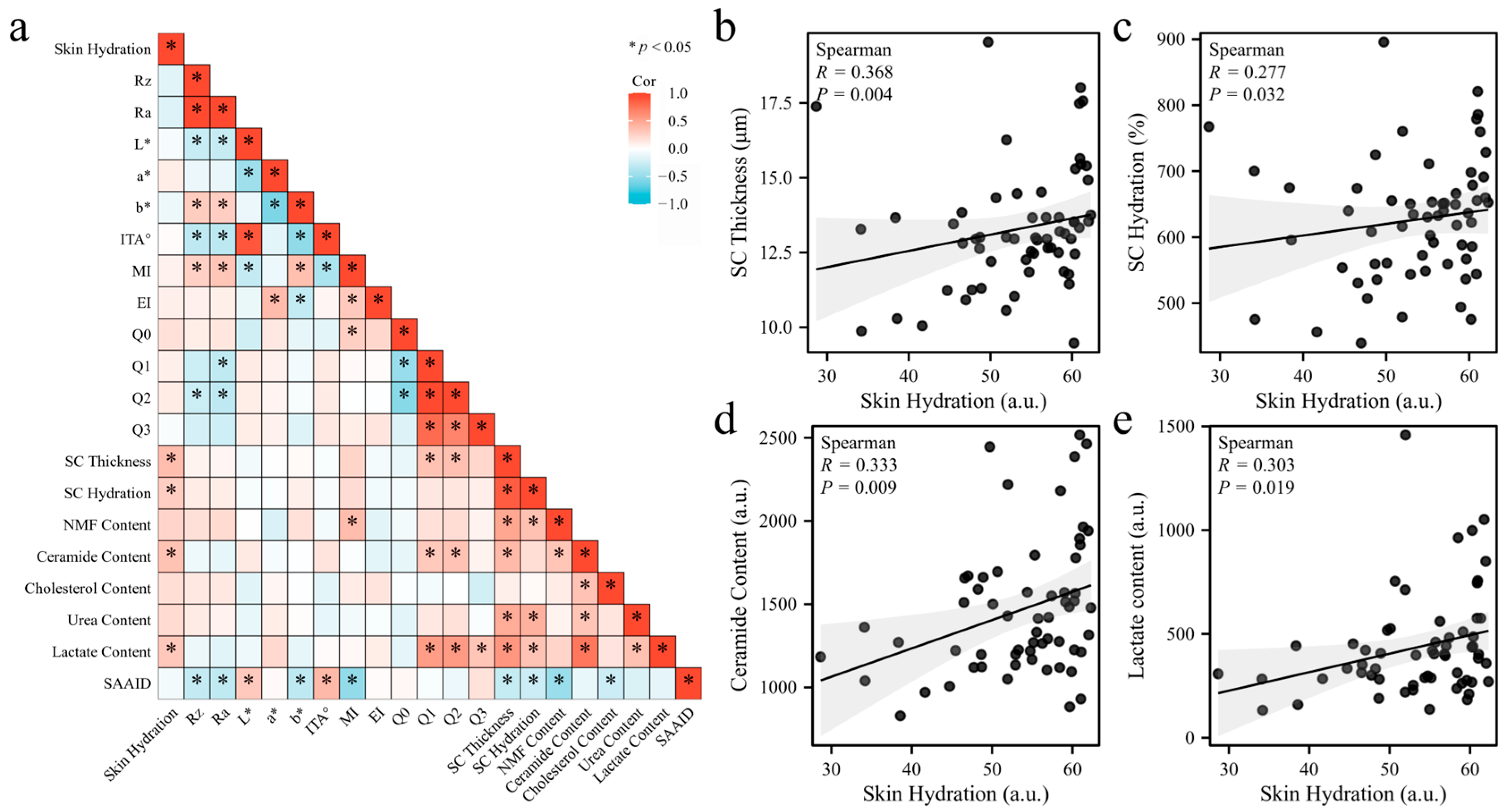
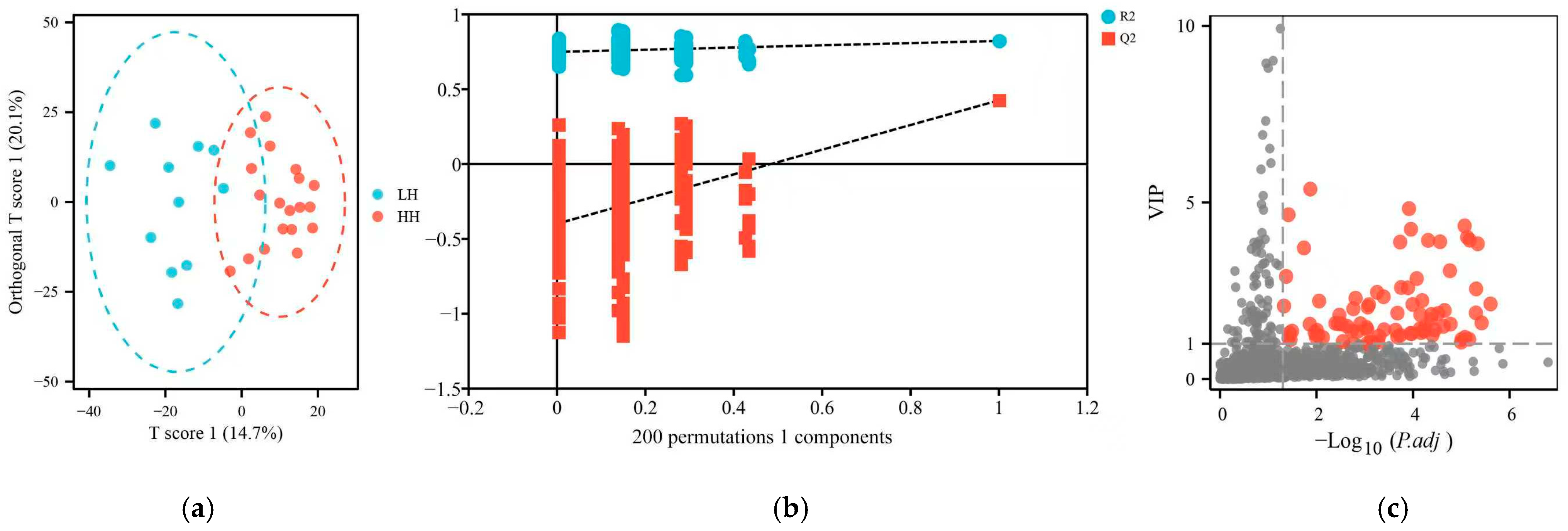
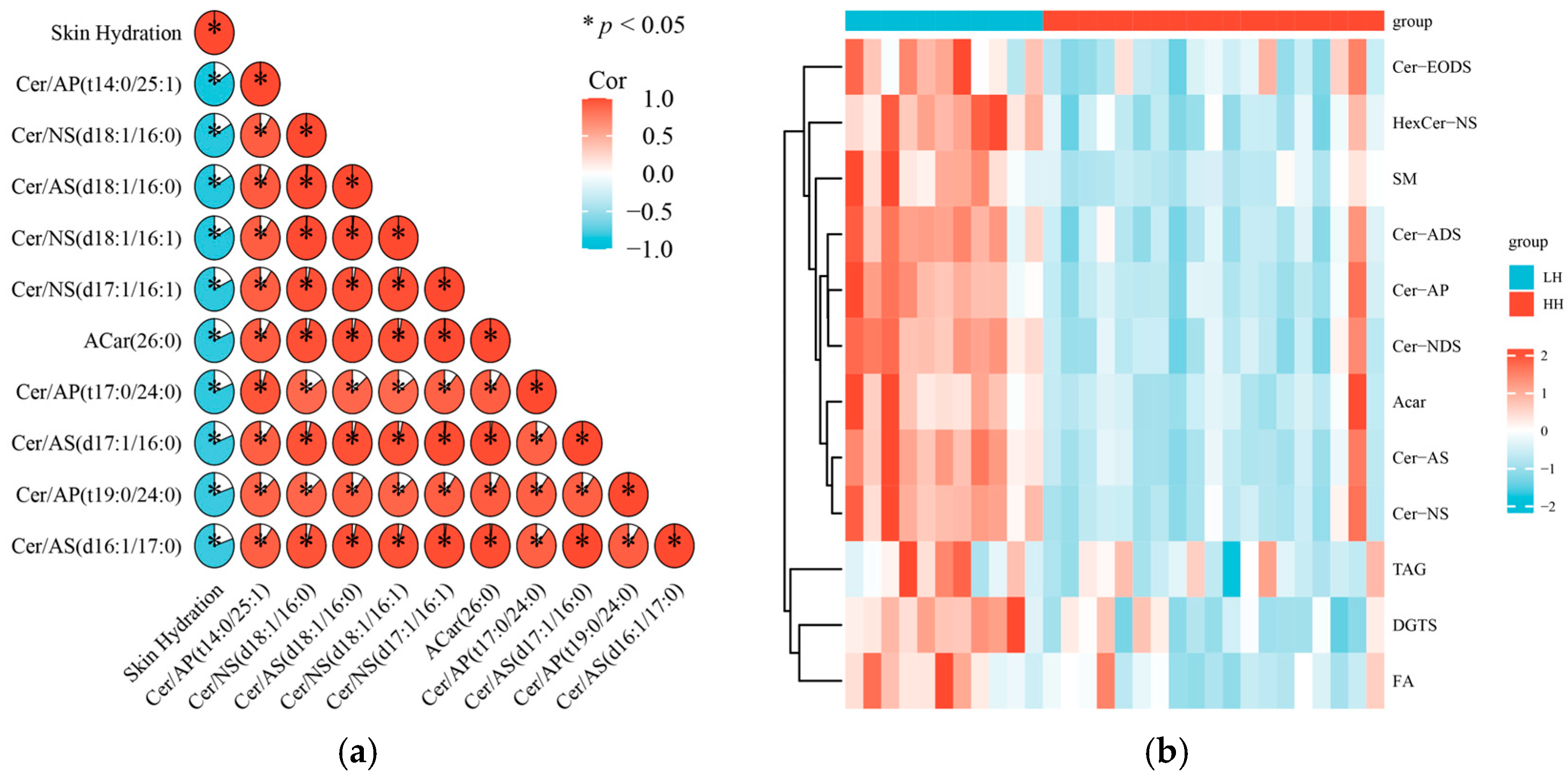
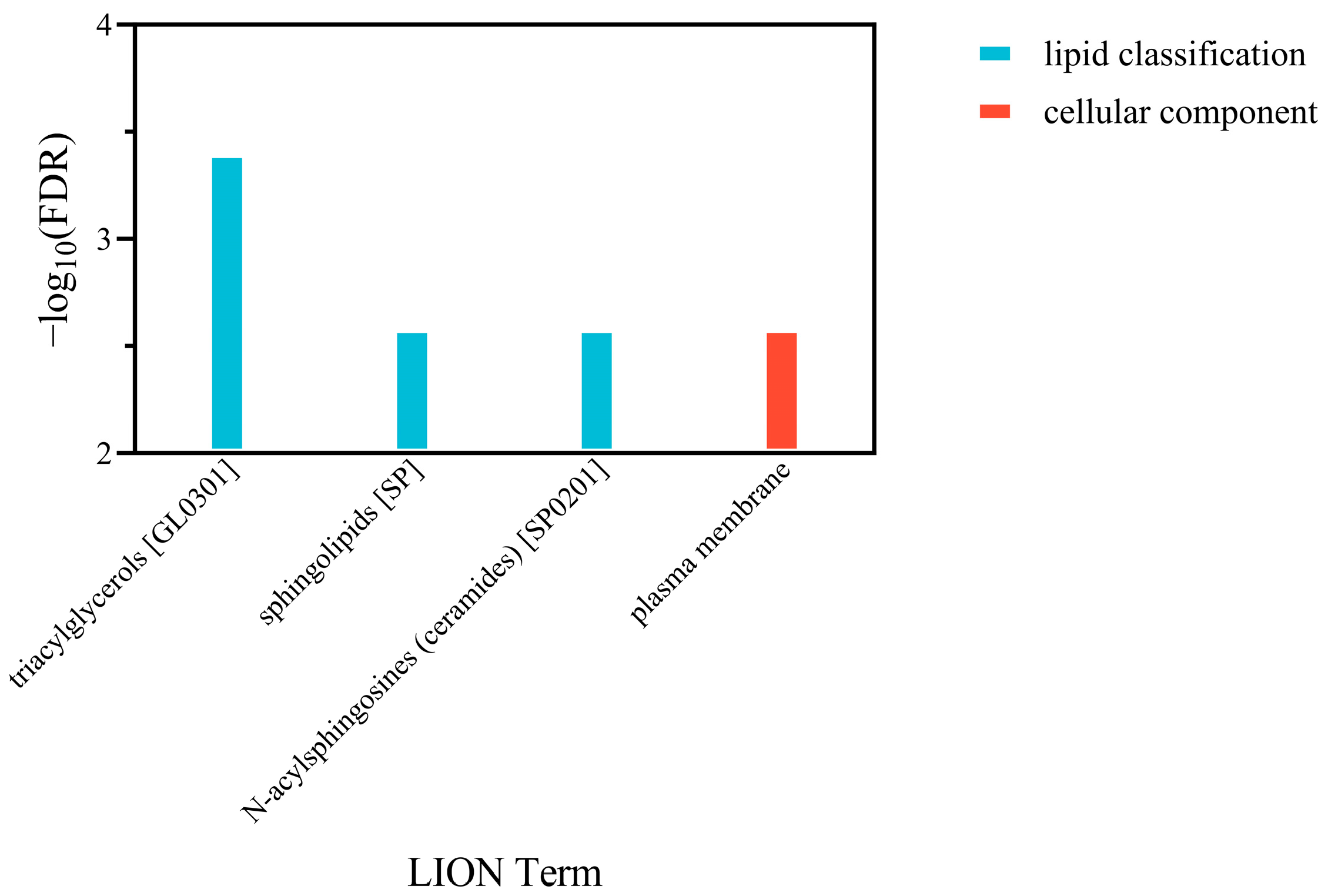
Skin hydration is a key indicator of skin health and stratum corneum (SC) integrity, yet its relationship with multi-dimensional physiological parameters remains incompletely understood. This study aimed to investigate the association between facial skin hydration and key physiological parameters and explored the lipidomic differences between individuals with high and low hydration levels. We enrolled 60 healthy Chinese women (aged 30–55), divided into a low-hydration (LH, n = 11) group and a high-hydration (HH, n = 19) group based on Corneometer measurements. An integrated methodology was employed, including confocal Raman spectroscopy, multiphoton laser tomography, biophysical instruments, and untargeted lipidomics. Our results demonstrated a positive correlation between skin hydration and SC thickness, ceramides, and lactate levels. However, no significant correlation was identified in relation to wrinkles, color, or elasticity. The lipidomic analysis revealed eighty-three significantly upregulated lipids (VIP > 1.0, p < 0.05) in LH skin, among which ten lipids, including nine ceramides, exhibited strong negative correlations with hydration (|r| > 0.8, p < 0.05). These lipids were predominantly associated with sphingolipid and triacylglycerol metabolic pathways. Together, our findings suggest that low-hydration skin is characterized by systemic lipidomic dysregulation, rather than a deficiency of individual lipids. These findings represent novel insights into the mechanisms underlying skin hydration and identify potential therapeutic targets for addressing skin dryness and aging.
Keywords: skin hydration; stratum corneum; lipidomics; ceramides; physiological parameters; correlation analysis skin hydration; stratum corneum; lipidomics; ceramides; physiological parameters; correlation analysis