


Abstract
This multidisciplinary paper contributes to political economy, social cybernetics, and philosophy by examining distinctions in market capitalist ideologies through a metacybernetic approach. It explores reflexive processes, akin to Adam Smith’s invisible and visible hands, and their impact on market ideologies. The study highlights the evolutifon of these ideologies in balancing egoism and altruism, revealing insights into sociocultural shifts. Some ideologies are more prone to pathologies like market hegemony, which disrupts market viability and social welfare. Diagnosing these ideologies is essential to address issues of market hegemony like platform capitalism, technofeudalism, and surveillance capitalism. After a comparative analysis of capitalist ideologies, the paper focuses on neoliberal and stakeholder capitalism, due to their dominance, contrasting philosophies, policy influence, and roles in global challenges. A metacybernetic perspective is adopted, modelling the market as a complex adaptive system with agency, using Mindset Agency Theory (MAT). MAT distinguishes agency into subagencies of affect and cognition. Recognising the role of spirit, a spirit subagency is configured into MAT to enable explicit consideration of attributes like ethics and the greater good within the market, relationally improving transparency and promoting sustainable and inclusive economic practices. MAT is applied to the evolution of capitalist ideologies, examining their viability and sustainability under changing conditions. With its now triadic interactive subagency structure, MAT identifies eight distinct types of mindset, each characterised by 21 parameters that combine to deliver unique variations, in neoliberal and stakeholder capitalism, of the market ideologies.
1. Introduction
This paper contributes to the fields of political economy, social cybernetics and philosophy by adopting a metacybernetic [1,2] approach to examine the distinctions and evolution of market capitalist ideologies. Metacybernetics is a theory of ontological levels reflected in orders of reflexivity, which occurs as part of cybernetics [3]. It distinguishes between first, second, third and higher orders of cybernetics underpinned by critical realism [4], a philosophical approach that seeks to reconcile the existence of an objective reality with the subjective nature of human understanding. First-order cybernetics deals with controlling and communicating within systems from an external viewpoint, treating systems as independent of the observer. Second-order cybernetics shifts focus to the symbolic observer as part of the system and its influencing imperatives. It is symbolic, since a personified observer may not exist as an autonomous entity. Third-order cybernetics extends this by examining the relationships between multiple systems and their observers, highlighting complex interactions and feedback loops, and is used to model living systems. It is also reflective of the rise of evolutionary economics [5]. Higher-order cybernetics further abstracts these concepts, exploring theoretical and philosophical aspects of cybernetic principles across complex, multi-layered systems. The distinction among these orders engages with philosophical discussions on epistemology, ontology, ethics, systems theory, and for the context here, political philosophy, to explore how reflexive processes shape and are shaped by market ideologies. As will be shown, this approach has an exceptional capacity to explore different paradigms of capitalism, and their ideologies.
The evolution of capitalism since the Industrial Revolution reflects adaptive responses to historical contexts and paradigms, including cultural values, norms, and ideologies [6]. These paradigms shape theoretical and structural manifestations that influence practice. This paper focuses on the ideological dimensions of capitalism, emphasising the role of philosophy in providing foundational frameworks for analysis. Examining capitalist ideologies involves exploring economic philosophy, which addresses the values and principles guiding these ideologies. Economic philosophies engage with epistemological, metaphysical, and ethical issues, revealing the assumptions, ethical implications, and value systems underlying capitalist paradigms [7].
Adopting a philosophical framework that distinguishes between attributes that are observable (e.g., socioeconomic factors) and those that are abstract (e.g., ideologies and spiritual values), validates Mindset Agency Theory (MAT) as a diagnostic model to comparatively analyse capitalist ideologies as complex adaptive systems. MAT is a third-order cybernetic approach that is used to model complex adaptive systems with “living system” agency. This is relevant, since capitalist systems are characterised by their complexity and adaptability [8]. They consist of interrelated components—such as markets, institutions, and societal norms—that interact dynamically and evolve in response to both internal and external changes. In these systems, feedback loops play an important role in maintaining balance and fostering adaptation, enabling the system to adjust to fluctuations and new conditions [9]. This dynamic nature mirrors the behaviour of biological systems (especially highlighted when representing them in terms of self-producing processes) which also rely on feedback mechanisms to survive and thrive [3]. MAT employs this framework to diagnose capitalist ideologies by conceptualising them as “living” [10] and with agency. This means that capitalist paradigms are not merely abstract constructs, but operate through a culture that can stabilise markets as they function, adapt, and influence their environment in a way that is consistent with living organisms [11]. MAT is capable of exploring not only the system itself, but also the relationships and interactions between different systems and their observers [12]. The MAT framework enables a comparative analysis of different capitalist paradigms, revealing how each system adapts to challenges, responds to internal dynamics, and shapes societal outcomes. This comparative approach highlights both the similarities and differences among various ideological frameworks.
MAT has two explicitly defined attributes of affect and cognition [13], which reflect how emotional and rational dimensions influence behaviour. To further enhance this framework, the attribute of spirit will be introduced. This new dimension relates to ethics and the greater good within the market [14], providing a deeper exploration of how values and moral considerations impact behaviour and decision-making. Incorporating the dimension of spirit into MAT enhances its ability to examine how historical contexts and ideological shifts shape capitalist paradigms [15]. Recognising that complex problems require complex models [16], MAT benefits from this expanded perspective, which goes beyond material considerations to include ethical and value-driven dimensions. Incorporating spirit enables MAT to address the multidimensional nature of capitalist ideologies, and acknowledge the role of money as both a measure of value and a neutral medium for trade. Capitalism functions as an indirect system of governance within institutional frameworks established by political authorities [17]. Including spirit in MAT provides a richer understanding of how these economic systems interact with ethical considerations and adapt over time. In essence, the addition of spirit aligns with the broader philosophy of living systems theory, emphasising the interplay of various dimensions of existence. This inclusion enhances MAT’s capacity to represent the less explicitly identified attributes of capitalist frameworks, offering a more detailed perspective on their potential functionality.
The core of MAT is the mindset. As we shall explain in due course, mindsets have three dimensions: affect, cognition and spirit, and each has seven formative traits, giving twenty-one traits in all to describe the possible character of an agency mindset. Trait value states lie on a continuum between the tangible and intangible, and may take values states that involve both. Two formative traits are cultural anchoring agency and promoting sustainability, three are dispositional, enabling regulation and activation of imperatives for behaviour, and two are operative, involving rules and information structures, through which agency and agent behaviour are enabled. Capitalist ideologies are responsible for promoting the different values states that mindset holders adopt. Given that capitalist ideology types are responsible for promoting given types of mindsets, there is a correspondence between a given capitalist ideology and the mindsets that support them.
Adam Smith’s [18] seminal work, The Wealth of Nations, is foundational in discussing the interplay between self-interest (egoism) and social welfare (altruism) in economic systems. Smith’s exploration of market dynamics underscores how different capitalist ideologies balance individual self-interest with societal benefits, shaping the ethical considerations central to the MAT framework’s new spirit dimension. The inclusion of spirit in MAT offers a deeper understanding of how these ideologies navigate the tension between egoism and altruism, reflecting the broader interplay of ethical and economic forces. At the core of capitalist ideologies lies the principle of market self-organisation, where multiple agents interact and adapt to evolving market demands and consumer behaviours. These interactions are shaped by economic, political, and sociocultural conditions [13,19]. The dynamic nature of this process not only fuels the evolution of capitalism into a complex concept, but also aligns with the MAT framework’s emphasis on understanding the multifaceted influences on mindsets. By integrating the spirit dimension, MAT is better equipped to analyse how capitalist ideologies, through the balance of altruism and egoism, influence the mindsets that drive economic and political discourse [20].
An analysis by Polanyi [6] recognises that Smith [18] championed classical/laissez-faire capitalism, advocating for free markets, private property, and minimal government intervention. However, the approach faced challenges during the Great Depression of the 1930s, leading to Keynes’s [21] proposal of economic theory, emphasising government intervention and fiscal stimulus. Stagflation (an economic cycle characterised by slow growth, high unemployment, and inflation/rising prices) in the 1970s undermined Keynesianism, leading to the resurgence of neoliberal theory, championed by economists like Friedman [22] and Hayek [23]. Neoliberalism, however, faced criticism for exacerbating inequality, environmental degradation, and financial instability, particularly highlighted by the global financial crisis of 2008 [24,25]. This crisis exposed the vulnerabilities of the neoliberal model, prompting calls for increased regulation and renewed interest in alternative market models promoting sustainability, inclusivity, and resilience [26,27].
MAT [13] offers a useful analytical approach to understanding market ideologies, emphasising reflexivity and providing a more complete description of markets and their processes than other perspectives [28]. This is because seeing the market from a cybernetic perspective emphasises reflexivity and provides a more complete description of markets [19]. Market failures under neoliberal capitalism highlight the market’s lack of inherent mechanisms for sustainability, leading to the emergence of other ideologies that account for environmental and social factors. Thus, for instance, green economics emphasises environmental sustainability and urges eco-friendly practices [29], while stakeholder capitalism expands the scope of capitalism to meet the needs of all stakeholders, promoting ethical business practices and sustainability [30,31].
Hegemony, a form of emergent despotism, arises when a few powerful entities control key resources and influence. This dominance disrupts power balance, reduces diversity, and undermines viability. Marginalised entities struggle to be visible, stifling innovation and progress. As reliance on dominant entities increases, smaller groups lose autonomy and agency. Reduced diversity results in biased decision-making and erodes transparency and accountability. The system also becomes vulnerable to failure and collapse if dominant entities lose power, with institutions often unable to effectively monitor and enforce fair practices.
Such hegemonic dominance challenges market dynamics by limiting self-organisation, adaptability, and sustainability, thereby diminishing competition, innovation, and consumer welfare. Diversity within the market is essential to counteract this phenomenon, fostering different viewpoints and enhancing market dynamics and viability [32]. The degree of autonomy in a market reflects different ideological beliefs about the role of the state and market dynamics. Various capitalist ideologies advocate for different levels of state intervention and market mechanisms [21,23,33]. Similarly, stakeholder capitalism exhibits variations acknowledging the interests of various stakeholders beyond shareholders and involving higher degrees of corporate responsibility, ethical considerations, and regulatory measures [34]. These changes may occur through inherent micro-controls or macro variations in models of governance observed in different countries [35].
This paper has three actions which are intended to provide context (action 1), intent and theory deficit and theory creation (action 2), and theory application (action 3). Action 1 creates context by relationally comparing the different market ideologies that have been proposed, and then shows that, among them, there has been a definitive ideological shift in market values, which creates a tendency that shifts perspective from tangible to intangible attributes, this being represented through the tendency for market ideologies to embrace more altruism, resulting in increased social good. As a consequence of discussing diversity, essential to the health of the market [36,37], consideration of market hegemony is also made, and of the pathologies that may result. Action 2 seeks to demonstrate that MAT has theory deficit, being unable to currently recognise that market hegemony is fundamentally damaging to market self-organisational processes, and which can lead to market failure with the consequential social pathologies. The third action is to show that certain forms of stakeholderism have different capacities to respond to the dangers of market hegemony, and as part of the diagnostic element, types of stakeholder capitalism are ranked according to their responsive ability.
To pursue these actions, the paper will explore and diagnose the market economy by focusing on capitalist ideologies, particularly comparing neoliberal capitalism and stakeholder capitalism, allowing for a comparative examination of these as dominant and alternative capitalist frameworks [25]. The comparison provides a basis for understanding how effectively different types of capitalism can address current socioeconomic challenges. Using MAT, the study aims to reveal the complexities and implications of these different capitalist models and assess their ability to address contemporary socioeconomic challenges like market hegemony.
To support the logical and comparative analysis employed in this study, AI technology will be utilised. Currently, many AI systems are built upon Large Language Models (LLMs). These LLMs represent a subset of AI technologies designed to process and generate human-like text based on vast numbers of data. Various AI systems operate through different platforms and use distinct protocols and probabilistic methods to access and organise public data. They rely on generative models with specific strategies for data interaction and output generation. Only those platforms able to access GPT-4 and above are able to access current publications. DeepAI and Copilot both have access to the mechanisms of GPT-4. Such AI systems excel in comparative analysis, and can therefore generate reliable outputs. However, they are recognised as being “clever zombies”, given their lack of true understanding and susceptibility to errors, and, in particular, any conceptual analysis they undertake requires further validation through additional inquiry and triangulation across different platforms. With specific reference to any conceptual analysis they may be asked to undertake, not only do they not understand what they are being asked, but they often fail to disclose specific sources other than in general terms, and so any results they produce are likely to be at best indicative.
As part of action 1, it will be recognised that capitalist ideologies embrace degrees of egoism and altruism. GPT-4 will be used to identify the decade each economic theory gained popularity, as this indicates its normative significance. In examining these capitalist ideologies, the study will consider the roles of egoism and altruism. Understanding these indicators provides an analysis of how psychological and behavioural dimensions impact market dynamics and societal outcomes. Since egoism and altruism are epistemologically independent, they can both be entertained simultaneously in a capitalist ideology, so examining how the content of these varies in the rise of capitalist ideologies since the late 1700s can be valuable. The paper will then continue by exploring the nature of the market, focusing on predominant ideologies and the problem of market hegemony under corporate domination. Next, it will consider approaches to modelling the market, starting with its ontology and eventually using MAT as a framework. Specifically, it will examine the formative traits that populate MAT and enable it to represent the parametric characteristics of the market.
Previously, MAT has been represented through affect and cognition dimensions [13], with these characteristics representing vertically interactive subagency phenomena. The affect and cognition subagencies exist in an interactive environment imbued with an essence of spirit [2]. This essence will be formulated as the third vertical subagency of spirit, enriching the analysis of agency phenomena like varieties of capitalism by incorporating ethical and transcendental dimensions. This will enable more local forms of analysis while simultaneously delivering a more holistic approach to aid agency modelling. This triadic subagency can perform an improved comparative analysis of market capitalism, particularly for neoliberal and stakeholder capitalism. Due to the complexity of the comparative task, Artificial Intelligence (AI) will be harnessed to assist in various processes. Using the MAT model with AI, a parametric portfolio will be generated, reliably enabling the creation of neoliberal and stakeholder variations of capitalism.
2. Action 1: Understanding Market Ideologies and Their Potential Pathologies
2.1. Some Prominent Ideologies of the Capitalist Market
In exploring some prominent ideologies of capitalist markets, the significance of altruism and egoism in economic discourse becomes particularly apparent. These are epistemologically independent, and they do not need to balance to zero in a capitalist ideology. Altruism and egoism, fundamental concepts in philosophy and psychology, offer distinct motivations for human action within economic systems. These principles are epistemically independent [13], allowing context-dependent degrees of altruism and egoism in agency to be simultaneously exhibited. They are used here as theoretical constructs when analysing capitalism, and serve as useful tools for framing discussions about the motivations and ethical considerations underlying different capitalist ideologies [38,39].
Altruism and egoism represent two contrasting motivational orientations, with distinct characteristics. Altruism is an intangible quality rooted in selfless motivations, and often involves helping others without anticipating personal gain, sometimes requiring significant sacrifice. Its essence lies in the ethical and moral drive to benefit others without regard for one’s advantage. In contrast, egoism has a more tangible and observable nature. It centres on self-interest, where individuals prioritise their personal gain and competitive advantage, sometimes at the expense of others. This orientation is fundamental to many market behaviours, as it drives agents to maximise profits and enhance their strategic positioning. Egoism motivates market agents to focus on their benefits and success, shaping the competitive dynamics within capitalist systems [40]. Frank [41] notes that egoism can lead to efficient market outcomes and spur innovation. However, it can also result in negative externalities such as increased inequality and environmental damage if not moderated by other factors [18]. In contrast, altruism reflects a concern for the well-being of others and motivates actions that extend beyond personal gain. In capitalist markets, altruism is evident in practices like corporate social responsibility, ethical business practices, and sustainability efforts [42]. Porter and Kramer [43] highlight the fact that altruistic motivations can enhance both competitive advantage and societal well-being by aligning business practices with social and environmental goals. So, egoism and altruism together offer a comprehensive view of the motivational forces shaping capitalist markets. Egoism reveals how self-interest drives market efficiency and innovation, while altruism underscores the importance of ethical values and social responsibility.
The promotion of egoism among market agents introduces altruism as an additional consideration [44]. Despite their contrast, the relationship between altruism and egoism is influenced by various social, psychological, and ethical factors. Some argue that pure altruism, devoid of agent benefit or motivation, is unattainable [45]. Others contend that acts of altruism can still be a benefit in terms of social recognition or personal satisfaction [46]. Additionally, some believe that egoism may lead to altruistic behaviour, as agents may help others enhance their social standing or reputation [47]. This concept is known as “egoistic altruism” or “strategic altruism”.
Neoliberal capitalism, which prioritises egoism, places individual self-interest and profit maximisation at the forefront [48]. This ideology advocates for minimal government intervention and regulation, allowing market forces to operate with minimal constraints. Proponents argue that this approach often leads to efficiency and innovation, as market suppliers compete to maximise profits in a free-market environment. However, unchecked self-interest in neoliberal capitalism can lead to profiteering, where individuals or businesses exploit market conditions to extract excessive profits, often at the expense of broader societal interests [32,49]. The pursuit of short-term gains may result in unethical practices, such as price gouging or environmental degradation, which undermine the sustainability and inclusivity of the economic system. In contrast, stakeholder capitalism embraces a more altruistic approach, recognising the importance of considering the interests of various stakeholders beyond just shareholders [30]. By prioritising the well-being of employees, customers, suppliers, and the community, stakeholder capitalism seeks to create value for society, fostering social cohesion and long-term prosperity.
Rand [48], commenting on Adam Smith’s promotion of egoism, has argued that self-interest is the only legitimate motive for action in a capitalist society. Rand believed that altruism is a form of self-sacrifice that negates one’s goals and interests, leading to the suppression and elimination of individualism. In her view, pursuing personal happiness and success should be the driving force of economic activity, with the market mechanism serving as a means to achieve this end. Rand’s philosophy of egoism emphasises that individuals should pursue their interests and values without regard for others, leading to a more competitive and individualistic capitalist system. However, Rand’s position has several issues. Her emphasis on the individual pursuit of self-interest at the expense of others’ needs and interests can lead to a lack of empathy and concern for others, which can result in social alienation and inequality [50]. Additionally, her philosophy overlooks the role of social structures and institutions in shaping economic activity, leading to a limited view of this which ignores how social structures shape individual economic opportunities [51]. Rand also has a focus on material success as the primary goal, but this supports a narrow view of success which ignores such attributes as personal growth and community involvement [52]. Finally, her emphasis on individualism and egoism overlooks the importance of cooperation and collaboration in achieving individual and social goals [53]. Curiously, Rand’s emphasis on egoism in capitalism denies the complexities of the market and the interrelationship between individual and collective interests [54].
In the 19th century, John Stuart Mill [55] promoted classical liberalism and free markets, advocating for the government’s role in safeguarding social welfare and mitigating harm to individuals. He underscored the necessity of balancing profit pursuit with societal well-being, emphasising the regulation of institutional and cultural factors shaping market dynamics. Mill believed that while individuals should be free to pursue their self-interest, unchecked egoism could lead to adverse social consequences. He recognised the interplay between egoistic and altruistic motivations in fostering social welfare, echoing a sentiment that would later resonate in discussions regarding the importance of considering broader societal welfare alongside individual self-interest, as will be elaborated upon in due course.
The ideology of Karl Marx [56] exposed the then capitalist systems as extracting surplus value from labour—the difference between the value a worker produces and the wages they receive, this being a form of exploitation that perpetuates a cycle of class struggle arising from economic disparities and conflicting interests. He envisioned this struggle as a catalyst for societal change, ultimately leading to a more equitable and just society. To achieve this transformation, he proposed measures like labour associations, precursors to what we now recognise as cooperative economics, which can be seen as existing on a spectrum with capitalism. Cooperative economics shares some characteristics with capitalism, such as operating within a market system. However, it differs from traditional capitalism in its emphasis on worker ownership, democratic decision-making, and fairer distribution of profits, as Deakin [57] points out. The alignment between Marxism and cooperative economics fosters an equitable distribution of resources and wealth, as explored by Draper [58], Harvey [59], and Tucker [60]. By reimagining production and exchange within a framework that emphasises collective ownership and distribution [56,61], Marxism inherently promotes collective well-being, prioritising societal welfare over individual gain.
Another ideology that arose in the 20th century was state capitalism, as proposed by Werner Sombart [62]. As he explains, this advocated for the state’s intervention in the economy to protect and advance the interests of large-scale businesses. In this system, the profit motive was equally relevant to the state and corporation, often closely linked or controlled by the state. Corporate coherence became essential for maintaining the state’s power and influence over the economy. Egoism dominated, as the state and corporations pursued their interests at the expense of workers, consumers, and the environment. Sombart’s state capitalism, which characterised many authoritarian and totalitarian regimes in the 20th century, was based on the principles of nationalism, corporatism, and militarism.
Milton Friedman [22], the American economist and Nobel laureate, advocated for free-market capitalism, limited government intervention, and monetarism. John Maynard Keynes [21], the 20th-century British economist, advocated for government intervention in the economy during times of economic crisis through spending and monetary policies, known as Keynesian economics. R. Edward Freeman [30], the American philosopher and professor of business ethics, developed stakeholder theory, which argues that businesses should consider the interests of all stakeholders, including employees, customers, suppliers, and the community, in their decision-making process. Together, the contributions of these philosophers provided diverse market perspectives, highlighting the intricacies and complexities of the economic system.
Wilhelm Röpke [63] suggested a social market economy that combined a free-market system with social policies promoting human dignity, social justice, and solidarity. While profit remained a motive, it was not the sole focus. The social market economy values social welfare, environmental protection, and human rights. Corporate coherence was desirable, as long as it did not come at the expense of competition, innovation, and diversity. Röpke’s social market economy, which influenced the economic and social development of Germany and other European countries after World War II, was based on the principles of ordoliberalism (balancing free market forces with state intervention for optimal market outcomes), subsidiarity (emphasising local decision-making for issue resolution), and the social market.
Concerning economic ideologies, Adam Smith’s laissez-faire capitalism is an extreme and idealised form of free-market capitalism. Here, the government’s role is confined to safeguarding property rights, enforcing contracts, and maintaining law and order [64]. However, a more pragmatic version of the free market emerged in the 1930s, gaining prominence in the 1970s through the advocacy of Milton Friedman and eventually becoming the dominant economic ideology of the 1980s and 1990s. This approach acknowledges the need for some level of regulation in the market to prevent failures and inequality, and to ensure the provision of public goods [25]. While the state’s involvement is acknowledged, its role is restricted to facilitating competition and providing a regulatory framework for businesses to operate efficiently.
These historical ideological considerations in economic philosophy show a gentle movement between tangible and intangible attributes in economic thought. The nature of this movement can be seen in Table 1, which summarises and compares various economic ideologies and theories proposed by influential philosophers and economists.
Table 1.
Ideological Positions of Market Capitalism.
The emergence of various capitalist ideologies in the 20th century had a variety of causes. Economic upheavals like the Great Depression, oil crises, and financial crashes exposed the limitations of existing models and spurred the development of new theories [24]. Rapid industrialisation and technological progress created new industries and shifted economic power, necessitating updated frameworks to manage these changes [67]. Global interconnectedness increased the need for theories addressing international trade, global finance, and transnational corporations [68]. Political populism, evident even in the Roman Empire through leaders like Julius Caesar, re-emerged in the late 19th and early 20th centuries, driven by dissatisfaction with industrialisation, urbanisation, and economic inequality [69]. Criticism of the failure of liberal capitalism to address social and economic issues led to the rise of alternative ideologies such as socialism, communism, and fascism, which emphasised greater government control and social welfare [26]. The ideological clash between capitalism and socialism during the Cold War influenced the development of new capitalist theories, reflecting advancements in economic thought by figures like John Maynard Keynes and Milton Friedman [21,22]. Evolving societal expectations around corporate responsibility, environmental sustainability, and social welfare further drove the creation of economic models aligning profit with broader social goals [70]. This evolution reflects a shift in cultural values that has shaped the diversity of capitalist ideologies.
2.2. Cultural Value Tendencies
Different cultural ideologies have arisen since Adam Smith, and these pose the question of why this might be. A response is provided by Pitirim Sorokin’s [71] theory of sociocultural dynamics. Sorokin’s framework offers valuable insights into the complexities inherent in cultural transitions as they have the potential to move from one cultural value state to another, over centuries. The shift from the tangible to the intangible value state carries the risk of instability and cynicism [13]. Societies navigating this transition must grapple with the erosion of old certainties, while forging new pathways informed by emerging values. Recognising this dynamic interplay between the tangible and intangible allows for a more subtle understanding of cultural change. Sorokin’s theory argues that cultural traits tend to take values that are not static, but rather develop, so that dominant cultural value states change between what amounts to a shift between polar tangible and intangible types. The tangible is characterised by material, empirical, and sensory experiences, and concerns observables, with values prioritising worldly pursuits and self-interest. The intangible emphasises immaterial, and transcendental values, prioritising altruism, compassion, and concern for others. In essence, Sorokin reminds us that cultural change is not a linear progression, but an interaction between the established and the emerging. As societies evolve a balance between tangible and intangible attributes, this shapes their trajectory and capacity to navigate periods of uncertainty and the potential for sociocultural cynicism.
To determine the degree of egoism and altruism that each capitalist ideology might be considered to have, GPT-4 will be harnessed to determine the decade in which each of the economic theories became popular. This means the period when each capitalist ideology gained significant acceptance, influence, and implementation within society, particularly among policymakers, intellectuals, and the general public. This popularity, indicated by the date range given in brackets {..} below, is characterised by the widespread adoption of the principles and practices associated with the ideology from which come economic policies, societal norms, and business practices. Thus, laissez-faire capitalism {1780–1840} became popular during the Industrial Revolution, when its principles of individual freedom and minimal government intervention were widely adopted, particularly in the UK and the US. This period saw significant economic growth and industrialisation driven by laissez-faire policies [18]. Liberalism {1830–1920} achieved popularity when ideas balancing individual freedom with social justice gained traction, influenced by thinkers like John Stuart Mill [65]. It was a period marked by reform movements advocating for free markets and social policies. Marxism {1848–1920} rose to prominence following the Russian Revolution in 1917 and the establishment of the Soviet Union, when Marxist principles relating to state ownership and wealth distribution were implemented on a large scale [56]. State Capitalism {1917–1950} became influential in the early to mid-20th century, especially in countries like the Soviet Union and China, where the state took control of major industries and directed economic activity [72]. Keynesian Capitalism {1936–1960} gained popularity during and after the Great Depression and World War II, when government intervention to stabilise the economy through fiscal and monetary policies became widely accepted and implemented [21]. Social Market Economy {1945–1960} achieved prominence in post-WWII Germany, combining free market principles with social policies aimed at promoting human dignity and justice, leading to significant economic recovery and growth [73]. Stakeholder Capitalism {1980–2000} became more recognised towards the end of the 20th century and into the 21st century, focusing on corporate social responsibility and the well-being of various stakeholders, not just shareholders [30]. Neoliberal Capitalism {1970–2000} gained influence with leaders like Margaret Thatcher and Ronald Reagan in the 1980s and 1990s; they emphasised deregulation, privatisation, and free-market principles, leading to widespread adoption of neoliberal policies [24]. Other capitalist ideologies like Mercantilism, Welfare Capitalism, Corporate Capitalism and Green Capitalism, have not been included, primarily because they either overlap significantly with the ones discussed or are deemed less central to the core comparative analysis of neoliberalism versus stakeholder capitalism. The theory of landmark values is relevant to these ranges of dates for each ideology, since they offer single quantitative values that can broadly represent the range [74,75].
Table 2, normalised to the (0, 1) range, compares the significance of egoism and altruism across ideologies over time. GPT-4 provides suggestive rather than conclusive analysis, due to its lack of data transparency. To evaluate the degree of altruism and egoism in different market ideologies, a multi-faceted approach grounded in historical, theoretical, and empirical analysis is required. The method of analysis involves several steps. First, historical documentation is reviewed to understand the emergence and evolution of each ideology. This includes examining key historical events, influential economic theories, and periods marking the adoption and impact of these ideologies. Understanding the historical context provides insights into how egoism and altruism are implemented and perceived within each ideology. Next, key theoretical works are examined to determine the foundational ideas underpinning each ideology. Influential texts by economists and political theorists such as Adam Smith, John Stuart Mill, and Karl Marx are essential for elucidating the core principles of each economic theory. These writings offer a framework for understanding how each ideology conceptualises and balances self-interest and social welfare. Finally, empirical observations are used to assess real-world applications of these ideologies. This involves analysing economic practices, policies, and their social impacts to determine how egoism and altruism manifest in practice. Observing the actual functioning of each ideology in economic and social environments provides a clearer picture of its theoretical claims. The AI analyses these data by contextualising each economic theory within its historical, economic, social, and political settings, consulting primary and secondary sources, and examining foundational texts such as Adam Smith’s The Wealth of Nations, Karl Marx’s Das Kapital, and John Maynard Keynes’ The General Theory of Employment, Interest, and Money. The analysis assesses the emphasis of each ideology on self-interest, individual freedom, profit maximisation (for egoism), and collective welfare, social justice, and equitable wealth distribution (for altruism). Variations in results from repeated analyses are minor, and are attributed to the probabilistic methods of the language model.
Table 2.
Tendencies in stressing Egoism or Altruism by Different Capitalist Ideologies.
Figure 1, derived from Table 2, normatively plots the percentage of egoism and altruism in each ideology, to assess their relative levels. The graph shows a nearly parallel upward trend, indicating that both egoism and altruism tend to increase together. The horizontal axis represents decades, while the vertical axis measures egoism between 0 and 1, with the range of 1 to 1.6 showing additive egoism and altruism values. As previously indicated, egoism and altruism are epistemically independent and do not form a zero-sum relationship, with their combined normalised range being 0 to 2. This allows for an analysis indicating how economic theories balance self-interest and altruistic considerations. A more formal analysis including all significant capitalist ideologies could provide a deeper understanding of these dynamics.
Figure 1.
Tendency towards egoism and altruism in popular capitalist ideologies over decades.
To explain this graph, we refer to Sorokin [84], who theorised in his sociocultural dynamics that cultural values shift between dominant tangible/sensate and intangible/ideational cultural values as a natural process in sociocultural change. When this occurs, particularly in the shift from tangible dominant values to intangible ones, cultural instabilities can occur with periods of cynicism [13]. Tangible cultures prioritise the material, the empirical, and the sensory. Grandiose architecture, technological advancements, and robust economic systems often characterise them. Stability occurs due to the adherence to established norms and traditions. Intangible cultures elevate values, beliefs, and the non-material realm. When a transition from dominant tangible values towards dominant intangible ones occurs, established norms lose their hold. New values and beliefs compete for dominance, leading to societal conflict and a period of adaptation. The lack of clear direction can breed sociocultural cynicism and scepticism towards the newly emerging cultural order. When intangible values clash or fail to provide clear guidance, disillusionment and distrust can take root. A cynical culture, then, becomes one characterised by a pervasive sense of doubt and a rejection of established authority, and during this period, a liquid society materialises [85]. This derives from the idea of liquid modernity [86], which serves as a metaphor to describe the condition of constant mobility and change in relationships, identities, and global economics within contemporary society.
It must be recognised that if Sorokin is correct, sociocultural turbulence occurs as cultural values tend from the sensate to ideational value states. This would suggest that one can expect ascending and declining values for altruism and egoism during the period of value transformation, until cultural stability is achieved. This means that one cannot simply look at local values, but rather that there is a need to examine possible trend lines. With respect to this, Figure 1 shows that modern societies and evolving economic systems can simultaneously maintain increases in egoism and altruism, reflecting their complex interplay. The trend line indicates a general rise in altruism, but the uneven nature of the data aligns with Sorokin’s theory that transitions from materialistic to value-driven cultures are unstable. This instability involves periods of regression and adjustment, as seen in the graph’s oscillations. The simultaneous rise in egoism and altruism can be attributed to heightened social consciousness, evolving economic systems, technological advancements, and global challenges. Although there is an indicative linear tendency towards more altruistic philosophies, the non-linear nature of this trend highlights the complexity and fluctuations inherent in balancing self-interest with social responsibility. The journey involves conflict and adaptation, not a straightforward progression.
Freeman’s [30] 20th-century stakeholder theory emphasises the importance of balancing business interests with broader societal welfare and recognising the role of stakeholders beyond corporate shareholders. He recognises that while the profit motive remains critical for businesses, serving as a key indicator of performance and providing incentives for economic activity, its pursuit can sometimes lead to unethical practices such as labour exploitation or environmental damage. Market forces, including supply and demand, influence the prices and quantities of goods and services. In a competitive market, businesses must reduce costs and boost revenues to grow and succeed. Institutional, cultural, sociopolitical, psychological, and behavioural factors also shape market dynamics and profit levels. Thus, while Freeman’s stakeholder theory emphasises the importance of societal welfare, it acknowledges the significant role of the profit motive in driving market success.
Examining altruism and egoism provides insights into neoliberal and stakeholder capitalism, highlighting core motivations for human action and their impact on market processes. This exploration emphasises the importance of ethical conduct, social justice, and shared prosperity in economic governance. The combined measure of egoism and altruism suggests a shift towards more integrated and holistic economic systems, recognizing the growing importance of social responsibility [87]. The apparent trend towards increasing values of both egoism and altruism indicates that future economic models will likely be more complex and adaptive, moving away from rigid theories towards frameworks that incorporate social wellness and cooperative economics. This evolution points to more equitable and resilient economic systems, with a focus on integrating various societal needs.
2.3. Market Cultural Diversity and Market Hegemony
Markets are vibrant economic ecosystems populated by diverse actors, including consumers, producers, and intermediaries like governments and financial institutions, each contributing a unique set of values that shape their interactions [88]. These values are broadly categorised as ideational (focused on ideas) or sensate (focused on material aspects), with alignment fostering a stable and mutually beneficial market environment. However, cultural instability, often arising from a profit-centric neoliberal approach, can disrupt market equilibrium and lead to failure [89]. This instability is frequently driven by an egoistic focus on short-term gains, overshadowing consumer needs and expectations, resulting in mistrust and dissatisfaction among consumers [90,91,92]. Such misalignment can manifest in various forms of market failure, including externalities, public goods issues, information asymmetry, and market power [93].
Market dysfunction arises when misaligned values cause inefficiencies between consumer demands and supplier offerings [94]. This can lead to surpluses or shortages of goods and services, wasting resources and causing negative social and economic impacts like unemployment and low income [95]. The global market, characterised by diverse participants and varying preferences, fosters innovation and accommodates societal values [96]. However, this diversity also creates opportunities for market hegemony, where dominant entities exert control over market outcomes [97]. Hegemonic behaviour involves dominance by a few entities that manipulate market regulations, norms, and outcomes, to their advantage. This often includes predatory practices like price-fixing and collusion, which can marginalise less powerful agents and distort market dynamics [96,98]. Predatory behaviour refers to actions taken to exploit or harm others for self-gain. An illustration is undercutting competitors to eliminate them or manipulating market mechanisms to favour specific agents [99]. Hegemonic and predatory behaviours are interconnected: hegemonic entities frequently engage in predatory practices to maintain dominance, and predatory actions contribute to establishing and reinforcing market hegemony [99].
The complexity perspective highlights the notion of market viability, which refers to the market’s ability to sustain functionality, diversity, and adaptability, despite challenges posed by hegemony [85]. Hegemonic practices can undermine market resilience by diminishing diversity and autonomy, creating imbalances and dependencies that hinder adaptability and equity. The dynamic underscores the need for a more democratic and just market system that benefits from agent heterogeneity and ensures market stability. Adam Smith’s concept of the market as a self-organising system emphasises agency autonomy in decision-making, leading to emergent behavioural patterns that coordinate market dynamics. However, when fuelled by egoistic self-interest, predatory behaviour poses significant challenges. The debate between weak and strong regulation becomes critical, as weak regulation may overlook emergent predatory behaviours, leading to systemic issues, as seen in the 2008 economic crisis [100]. Strong regulation aims to prevent predatory behaviour from escalating by setting rules and standards to curtail harmful actions. Yet, strong regulation can sometimes turn into over-regulation, stifling market dynamics and innovation by imposing excessive constraints on market participants [99]. The balance between regulatory frameworks and market dynamics is essential to understanding the macroeconomic concept of market hegemony, where dominant entities manipulate outcomes through unfair practices. Weak regulation creates a breeding ground for predatory actions that can evolve into systemic pathologies, while strong regulation seeks to pre-empt such issues through proactive oversight [101].
Market hegemony manifests in various forms, including platform capitalism, technofeudalism, and surveillance capitalism. Platform capitalism, characterised by major tech firms dominating data and economic activities, can lead to technofeudalism, where users become dependent on these platforms, and surveillance capitalism, where user data are extensively exploited. These forms represent interconnected stages in the evolution of the digital economy, reflecting increasing control, data exploitation, and societal impact [102,103,104,105,106]. Overall, understanding the interplay between hegemonic and predatory behaviours provides insight into the challenges facing market systems and the need for effective regulatory frameworks to foster a stable, equitable, and innovative economic environment.
3. Action 2: Modelling the Market
We will first address the role of ontology in developing models of complex adaptive markets, which effectively distinguishes between market substructure and superstructure. Then, neoliberal and stakeholder perspectives on capitalism will be contrasted. We will then adopt the MAT modelling approach, a cybernetic multi-ontology framework, to model the market as a complex adaptive system with agency attributes of cognition, affect, and spirit. This approach will provide a foundation for understanding different capitalist ideologies, leading to a detailed analysis of how the MAT framework can represent market complexity.
3.1. From the Epistemology to the Ontology of Market Modelling
There are various ways to model the market. Epistemology, the branch of philosophy concerned with knowledge, addresses what knowledge is, how it is acquired, and its scope, guiding model development by clarifying how knowledge can be structured and communicated [107]. It provides the groundwork for ontology, representing the nature of existence, and creating a framework for effective models. Karl Marx’s [56] theory explores the tangible–intangible duality, emphasising the interaction between physical and conceptual aspects of existence. This dynamic is not an ontological division, but a fluid interaction, where each aspect shapes the other, operating as a first-order cybernetic model. Deleuze and Guattari’s [108] concept of the plane of immanence complements this by describing a non-hierarchical field where material conditions and intangible forces interact to shape economic systems and agent behaviour. The plane of immanence represents how material conditions like labour relations intersect with intangible forces, including the spirit, influencing economic systems and behaviour. This approach deepens our understanding of Marx’s analysis of capitalism. Marx’s dialectic dualism distinguishes a tangible economic base from an intangible superstructure, with both interacting continuously, as noted by Kirschenmann [109]. This Marxian cybernetic model involves the reflexive relationship between the superstructure and base, creating a dynamic socio-economic whole. The interaction highlights the synthesis of material conditions and ideas, showing the interconnectedness of the tangible and intangible.
Adam Smith’s [18] invisible-hand metaphor represents how self-interested actions of individuals lead to beneficial social outcomes, even if unintended. The visible hand includes intentional actions of market participants, while the invisible hand refers to the unintended consequences impacting society. This metaphor suggests that self-interest can enhance efficiency but also risks market failures like environmental degradation and monopoly power. Building on Smith’s ideas, Scott [17] introduces an ontological framework that identifies three levels within market systems: (1) markets: physical/virtual spaces for exchanging goods and services, where supply and demand are managed through price mechanisms, observable through empirical methods; (2) institutions: rules, norms, and values that regulate market behaviour and expectations, shaping the socio-economic landscape at an intangible level; (3) political authority: the entity that creates, modifies, and enforces institutions, bridging the tangible and intangible aspects of the market system. Scott’s framework highlights the interdependence of these levels, influenced by international, national, and individual contexts, aiming to address market problems and solutions.
Whitley [110] and Dopfer [111] expand beyond Marx’s first-order cybernetic model, moving into second-order cybernetics. They effectively, if not actually, introduce the concept of a “symbolic observer” within the system, defining what Whitley refers to as a business system and Dopfer as a meso-economic structure. These frameworks explore how agent interactions and regulatory traits guide self-organisation and adaptive market processes. Whitley’s work emphasises the diversity of economic systems and the role of institutional contexts in shaping market behaviour, contrasting with Dopfer’s focus on the interaction between tangible economic processes and intangible regulatory structures. Dopfer distinguishes microeconomic (agent interactions), meso-economic (emergent norms), and macroeconomic (overall system) levels. Evolutionary economics, with its realist ontology, contrasts with mainstream economics by focusing on dynamic changes within the market. Yolles [19] presents a MAT model harmonising with Whitley and Dopfer, proposing that the substructure and superstructure are ontologically distinct but interwoven. A variation of this model will be considered in due course.
3.2. Modelling Market Substructure and Superstructure
Scott [17] defines market structure as the set of market participants and their interrelationships, determining the level and pattern of competition and cooperation in a given market. He conceptualises the superstructure as the set of markets constituting the economic system and the substructure as the institutional frameworks that underpin and regulate these markets. According to Scott, both the superstructure and substructure are indirectly governed by political authority, which administers and modernises these frameworks in response to changing conditions and societal needs.
Yolles [19] distinguishes between market superstructure and substructure, distinct from Marx’s model, and rather deriving as a metaphor from the distinction between ordinary and fundamental ontology [112]. The superstructure includes observable elements like transaction spaces and market practices, while the substructure encompasses less-visible factors such as institutional frameworks, cognitive norms, and cultural values shaping these practices. Yolles notes that substructural factors, like emergent patterns and norms, influence market behaviour. Scott’s view on institutions—encompassing both formal rules and informal norms—aligns with that of Yolles, emphasising the role of cultural norms and institutional arrangements in shaping market outcomes. Structural factors such as market power, information asymmetry, and transaction costs impact market efficiency and fairness. Market power affects pricing and output, information asymmetry can lead to inefficiencies and failures, and transaction costs influence market dynamics. Substructural processes like self-organisation and emergent patterns affect market interactions, while structural processes such as governance and policy regulate operations. This interplay underscores the need to analyse superstructural and substructural factors for comprehensive insights into market behaviour and strategies for innovation and growth. The distinction between the Scott and Yolles conceptualisation of substructure and superstructure is shown in Table 3, where Scott’s more traditional focus is on the institutional structures and how they are regulated by political authorities, while Yolles offers a more subtle, ontological approach, emphasising the interplay between observable practices and the deeper, less-visible factors that influence them.
Table 3.
Distinction between Scott’s and Yolles’ View of Substructure and Superstructure.
The distinction between Scott’s and Yolles’ conceptualisations of substructure and superstructure provides a framework for analysing various economic ideologies and their implications. For Yolles, the substructure is important not only for its foundational role but also for its regulatory and rule-defining capacities [19]. Institutions within the substructure, including cognitive norms, cultural values, and formal regulations, actively shape and enforce the rules that govern market behaviours and practices. This perspective underscores the fact that the substructure is instrumental in setting the standards and norms that influence how markets operate.
In the context of neoliberalism, which emphasises minimal state intervention and the self-regulating nature of markets, Scott’s focus on institutional frameworks highlights the essential role played in maintaining market efficiency. Despite the neoliberal ideal of markets functioning efficiently on their own, robust institutional frameworks are important for managing market power, information asymmetry, and ensuring overall market efficiency [22,113,114]. Conversely, stakeholder capitalism advocates for a balanced approach that values both market forces and state intervention. Here, the substructure, including institutional frameworks and cultural norms, is vital for creating a market environment that promotes not just efficiency but also equity and consideration of all stakeholders’ needs [82,115].
Globalisation complicates these dynamics by interconnecting national economies, impacting production, distribution, and consumption on a global scale. Globalisation is the process of increasing global interconnectedness and interdependence through the movement of goods, services, capital, agents, and ideas [116]. It encompasses economic integration, cultural exchange, political influence, social interactions, and technological advancements. While globalisation drives economic growth and cultural exchange, it also brings challenges like inequality, cultural homogenisation, and environmental issues [68]. The interconnectedness referred to affects both institutional and regulatory frameworks, presenting opportunities and challenges for market development [117,118,119]. Thus, understanding the interplay between superstructural and substructural factors is essential for crafting nuanced policies that address the complexities of modern market systems and promote sustainability, equity, and human flourishing [113,120,121].
3.3. Cybernetic Modelling of the Market
There is a significant connection between market ideology and practice, evident in a variety of economic paradigms [111,122]. This idea aligns with Dopfer’s [111] evolutionary economics framework, where the market is viewed as having a macroeconomic structure that both influences and is influenced by meso-level regulatory phenomena. These phenomena emerge from the interactions of market agents at the micro level. We may see the macroeconomic structure as having an operative dimension composed of the informational/organisational attributes of the market, including the rules, however they are created, which agents need to follow. Returning to Dopfer, micro-level activities occur among economic agents such as firms, consumers, and workers engaged in various economic activities. From these interactions, the meso-level emerges as a regulatory and activating phenomena that shapes and is shaped by market behaviour. Thus, just as micro agent interactions are responsible for meso-structures, meso-structures create micro-level imperatives that lead to the formation of broad patterns of behaviour, market structures, and strategic norms among agents.
The interplay between the meso- and macro levels drives the evolution of economic systems through a dual causative process that defines its cybernetic reflexivity. Meso-structures interact with macroeconomic operative structures, which directly influence economic behaviour. This dynamic relationship forms a complex network of influences where interactions among market agents lead to a continuous process of evolution and adaptation within the economic landscape.
One can elaborate on Dopfer by adopting theory from Yolles [123,124], where the meso-level constitutes a market disposition, and its reflexive interaction with the operative level creates an economic adaptive system. This system may not function stably, and for it to do so a meta-meso-structure is also required, defined in terms of cultural, and, in particular, ideological attributes of the capitalist paradigm. Dopfer conceptualises ideology as a cognitive framework that influences how agents and institutions perceive and interpret economic phenomena. Within evolutionary economics, ideologies shape economic behaviour and decision-making by providing a set of beliefs and values that guide perceptions of the economy and its mechanisms. This cognitive framework helps individuals and institutions make sense of economic changes, and guides their responses. For the paradigm of evolutionary economics, market structure is characterised by adaptive dynamics [125], where the interactions of agents lead to continuous evolution and adaptation of the market. The market structure is not fixed, but rather evolves as agents adapt their behaviours in response to changing conditions, leading to new patterns of behaviour, institutional forms, and economic practices.
Building on this understanding, Dopfer’s view of market structure emphasises adaptive dynamics [125]. According to this paradigm, the market structure is characterised by continuous evolution and adaptation, driven by the interactions of agents. The market is not static; rather, it evolves as agents adjust their behaviours in response to changing conditions, leading to new patterns of behaviour, institutional forms, and economic practices.
In this context, the Cultural Agency Theory (CAT) paradigm [13,124] extends the discussion by integrating both the substructural and superstructural elements of market analysis. Through CAT, it is recognised that the ideological, dispositional, and operative levels—rooted in intangible attributes—form the substructure of the market. These substructural elements influence the market’s functioning within the superstructure, which is characterised by tangible attributes. This interaction illustrates how intangible aspects (ideologies, dispositions) shape and are shaped by the tangible aspects (market behaviours, structures) in a dynamic system. Mindset Agency Theory (MAT), a trait theory extension of CAT [13], refines this approach. MAT emphasises that while the market operates with tangible attributes within the superstructure, the underlying intangible elements of the substructure—such as ideological frameworks and dispositional factors—play an important role in influencing market dynamics, and it can demonstrate this through assignment of its traits. This integrated view highlights the continuous interplay between intangible and tangible elements in shaping the evolution of market systems.
Unlike Marx’s superstructure–substructure framework, this relationship is grounded in philosophical ontology, as explored by Moltmann [112,126], where ordinary ontology corresponds to the observable superstructure, including market behaviours and transactions, while fundamental ontology aligns with the substructure, comprising intangible principles like cultural values [127]. The framework highlights how visible deeper abstract principles underpin market actions.
U-tantada et al. [128] contributes to this discourse by modelling the market as a complex adaptive system within the green market economy, further emphasising the role of cultural agency in sustainable development. This integrated approach offers a comprehensive understanding of market dynamics, incorporating both complex adaptive systems theory and philosophical insights into ontology. The superstructure–substructure relationship affects agency aspects such as goals, motivations, and constraints, illustrating how intangible elements influence tangible market interactions and behaviour. This underscores the significance of considering both tangible and intangible factors in analysing social and economic systems. The superstructure–substructure relationship is depicted in Table 4.
Table 4.
The Macroeconomic Structure Model of the Market.
Agency substructure includes causal agents and mechanisms such as dominant cultural values, norms and beliefs. It has been said that agency comprises a population of agents; these factors influence agent goals, interests, motivations, and the opportunities and constraints they encounter in the market. Substructure also affects agency efficacy, providing the dominant capacity to enable agents to achieve desired outcomes and address market difficulties. The tangible, directly observable aspects of the market that appear in the agency superstructure involve interactions influenced by the substructure through dominant attributes like attitudes, expectations, culture, and ideology. This model may be used to analyse interactions among market agents and their influence on market behaviour, particularly under different capitalist paradigms.
The model shown in Figure 2 transcends static analysis, capturing the dynamic reflexive and evolving interactions that constitute the essence of the market. Its antecedent derives from Eric Schwarz [129], who originally proposed a basic form in 1988, which then developed further [9,13,75,127,130]. The model may be conceived as a manifold, an abstract mathematical construct that encapsulates all conceivable states and interactions within the market, ultimately determined by a set of formative traits [13]. This metaphorically projects a fractal pattern for the market, fractals being self-similar patterns that recur within or across different scales, reflecting micro-level behaviours and interactions within the manifold at the macro level of the market, as theorised by Dopfer [111]. Where a recursive pattern across scales occurs, then this suggests that the principles governing individual agent behaviours are consistent across different scales (this reflects the idea of a system hierarchy, as discussed by Simon [131], thereby enabling the overall behaviour of the market to be influenced, potentially leading to emergent properties that may define its shifting character.
Figure 2.
Model of the market defined in terms of the market structure and the substructural potential.
Moreover, the fractal structure within the manifold indicates a bidirectional influence: micro-level interactions can give rise to new emergent structures at the macro level, where macro-level structures can also influence and shape micro-level interactions. This reflexive interplay is instrumental in shaping both the character of the market and the behaviours of agents within it. Fractals here have three systems, each with formative traits that define agency character. These are the sustentative, dispositional, and operative systems [13]. While each system can be depicted with fractals at a lower hierarchical level, the dispositional system garners primary interest, due to its regulatory significance to the market. Each system is associated with a formative trait, the values of which determine its character. These traits provide imperatives for market behaviour, deriving from Mindset Agency Theory.
This approach offers a transparent understanding of the market as a living system that continuously adapts and evolves in response to internal and external stimuli. It incorporates vertical and horizontally embedded fractals elucidating the dynamic nature of market interactions and providing a holistic view of market dynamics and agent behaviour.
In a sociocultural context, the sustentative system encompasses the core cultural elements of a society, including collective beliefs, values, norms, and symbols defining agency. This cultural framework influences how market agents perceive and interact with the marketplace. The operative system, shaped by sustentative norms, translates cultural values into actionable behaviours that drive market dynamics. This system includes the values and norms that guide market institutions and practices, ensuring sustainable processes and anchoring the market’s substructure through various ideologies. Ideologies can either stabilise the substructure through synergy or cause instability through antagonism, affecting the market’s self-sustainability. The dispositional system determined is a regulatory and imperative activation entity. It refers to how interactions and social relationships among market agents influence cognitive and behavioural outcomes. It involves proximate institutions like the state, financial system, and labour system, which provide formal and informal governance controls. Since disposition is regulatory, it determines how social structures, group dynamics, and power relations affect the market. It includes the role of political institutions, social norms, networks, and hierarchies in shaping and being shaped by market behaviours. Affective and spiritual aspects, concerned with the market’s greater good and viability, also influence cognitive trajectories.
Market viability relies on the sustentative system which reflects culture. This system forms the ideological basis—values, norms, and practices—which governs market institutions and anchors market adaptation. Disposition, shaped by agent interactions and social relationships, involves proximate institutions like the state, financial, and labour systems, which offer formal and informal governance. It affects how social structures, group dynamics, and power relations influence market cognition, including the role of political institutions, social norms, networks, and hierarchies in market behaviours. Affective aspects of disposition influence cognitive trajectories, while spiritual aspects emphasise the market’s greater good, promoting unity, resilience, and adaptability, ensuring alignment with collective well-being for long-term sustainability and positive societal impact.
Drawing from political sociology, this model provides a comprehensive understanding of the market by examining the interplay between culture, disposition, and society. It emphasises how cultural ideologies, agent behaviours, and social structures—shaped by their relationships—affect market functioning. This approach underscores that the market is embedded within broader social and political contexts. Institutions, including both formal rules and informal norms, play a crucial role in shaping economic activities. Proximate institutions [132], such as the state, financial systems, and the labour system, significantly impact the market. The state regulates through legislation, financial systems facilitate capital allocation, and the labour system influences labour supply and wage determination. These institutions shape market dynamics through their regulations, policies, and practices. This model has been used to represent economic processes within political sociology, focusing on power dynamics, political mechanisms, and social interactions within a socioeconomic framework [124]. It elucidates how political institutions, processes, and ideologies not only influence, but are also influenced by, social constructs, group dynamics, and individual actions. Sorokin recognised that the elements of culture, society, and disposition are intricately linked, each one essential to the existence of others. Taking a page out of Jeffries’ [133] referencing of Sorokin’s [88] sociocultural dynamics, this model is holistic in nature and predicated on the understanding that culture, disposition, and society are interconnected and interdependent facets of the market system. It is a trait model, and where it is deemed to represent the market, the sustentative system takes on the functionality of culture. In considering this, Sorokin’s [134] theory of sociocultural dynamics has been used as a trait template, where, through the value states that they take, and within their processes of interaction, agency character emerges.
According to Sorokin [71], culture can be classified into two types: Sensate and Ideational, depending on the dominant mode of perception and cognition of reality. Sensate culture is based on the tangible and sensory aspects of life, while ideational culture is based on the intangible and intuitive aspects of life. There is also a third type of culture, called idealistic, which is a balance of the Sensate and Ideational modes, but this normally only occurs as part of a dynamic process when culture shifts from Ideational dominance towards Sensate dominance. Dynamic processes in which a culture with the dominance of Sensate cultural values moves towards the Ideational tends rather to result in cultural instabilities, peppered with occasional periods of stability. This notion of trait instability is an important one, since it is central to any pathologies that might arise in agency character, and instability in one trait may have consequences for other traits. This is reflected in Figure 1.
In Simon’s [131] concept of system hierarchy, the market can be depicted as a complex adaptive living system with an ontologically hierarchical structure. This is illustrated in the MAT model shown in Figure 3, where the fractal is embedded in the disposition of Figure 2, illustrating the complexity of the market through different levels of abstraction and interaction [135]. Simon posited that such hierarchies emerge almost inevitably in complex systems through various evolutionary processes, because they provide stability and manageability to the system [136].
Figure 3.
Embedded fractal nature of agency.
As already implied, this model is essentially a template for a family of three autonomous subagencies which interact through their operative systems. For Yolles [124], it describes how complex markets can be perceived as adaptive systems arising through cognition (through information processing and rationality). Model complexification occurs when it is realised that markets operate not only through cognition, but also through affect (emotion, mood, and feeling) and spirit (transcendence, wholeness, interconnectedness, and the ethical pursuit of the greater good [137]). In living (complex adaptive) system agencies, cognition involves processing information to reduce uncertainty and guide action, while affect functions as a form of energy that modulates the intensity and direction of cognition and behaviour [138,139]. Accepting that spirit is an attribute of the market recognises that it is not an isolated element, but is deeply embedded in market operations, impacting market viability. Transcendence in the market allows for a vision that goes beyond immediate gains, fostering long-term strategies that benefit all participants [140]. Wholeness ensures that the market is seen as a complete entity, with each part functioning harmoniously with the others, leading to more efficient and sustainable outcomes [141]. Interconnectedness emphasises the importance of relationships within the market, recognising that no agent operates in isolation and that collaboration can lead to greater innovation and resilience [142]. The pursuit of the greater good is the ultimate aim of incorporating spirit into the market. It is about aligning individual aspirations with societal welfare, ensuring that the market’s activities contribute to the community’s overall well-being [143]. This pursuit encourages ethical conduct, social responsibility, and a balance between profitability and environmental sustainability.
In this model, cognition, affect, and spirit are interdependent, and interact to influence market dynamics. Cognition drives decision-making, affect energises behaviour, and spirit provides an ethical framework and sense of purpose. Together, they support market adaptability and viability. By including spirit, the market is viewed as a living system enriched by the collective values of its agents. This holistic approach underscores the market’s role in fostering a sustainable and equitable economic environment for current and future generations. Cognition processes data and guides decisions, affect fuels innovation and collaboration, and spirit directs the market towards fairness and the greater good. Integrating these elements highlights the market’s potential to evolve and thrive in a way that benefits all.
Each subagency takes the same fractal structure. The operative system, at the lowest ontology level, establishes the intangible structure, enabling superstructural behaviour. The disposition level, situated posterior to the environment, represents habitual patterns influencing trait expression across all subagencies. The sustentative system acts as a foundational layer, distinct from disposition and the operative system. All systems have formative traits. Yolles’ and Fink’s dual subagency model, which initially included cognition (Table 5) and affect (Table 6), has been extended [13,144]. The cognition operative system influences market behaviour, reflecting the level of coordination and cooperation among agents. The cognition dispositional system reflects rationality, logic, theory, and creative expression within the market, while the cognition sustentative system is cultural, and concerns values, knowledge and identity. The affect subagency includes emotional climate, which develops from normative affective values, its dispositional system reflects normative emotional attitudes, and is concerned with the expressiveness and sensitivity of the market, and the affect operative system manages emotional reactivity. Some forms of capitalism incorporate spiritual attributes, potentially creating a more sustainable and fulfilling economic system for agents (like consumers and producers) [145]. This integration of spirituality applied to capitalism creates explicit representation for well-being. Spiritual transcendence—enhancing cognition, understanding, and affective awareness—enables deeper connections with existential and ethical dimensions [146]. Capitalism, even laissez-faire profit-driven models of ethically conscious frameworks, can benefit from aligning with spiritual values [147]. Traditional capitalism often faces criticism for prioritising profit over social and environmental welfare. Integrating spiritual principles can address these critiques by fostering positive transformation and ethical practices. Spiritual capital, which encompasses beliefs and values from spiritual traditions, provides a transcendent purpose that guides economic behaviour beyond mere profit [146]. Empirical research shows that spiritual practices, like mindfulness, offer significant health benefits and enhance well-being and social cohesion, contributing to sustainable development [148]. Spiritual values such as compassion and empathy can positively influence economic systems, fostering balance and ethical practices in capitalism [140].
Table 5.
Cognition Subagency Traits and their Epistemically Independent Tangible and Intangible Extrema.
Table 6.
Affect Subagency Traits and their Epistemically Independent Tangible and Intangible Extrema.
3.4. Configuring Spiritual Subagency for MAT
Fractal properties in MAT enhance its analytical capabilities by capturing complex agent behaviours and interactions. Fractals, embodying self-similarity and scalability, align with Simon’s ideas on complexity [131], improving synergy and coherence within the model. Modelling vertical subagencies like affect and cognition ensures consistency and supports interdisciplinary insights, enriching MAT’s capacity to address challenges such as sustainable development and ethical decision-making [13].
The spiritual subagency traits, detailed in Table 7, were developed through multiple iterations using GPT-4 to ensure alignment with subagency functionality and the subagency-type meaning of spirit. The trait polar value states are each supported by relevant citations, which provide evidence and theories related to specific spiritual value states, like ethical behaviour, perseverance, wisdom, growth, collaboration, and responsiveness. These references contribute to a broader understanding of how these concepts are applied and validated in theoretical and practical contexts. The table thus offers a structured approach to understanding the dynamic interactions between tangible and intangible spiritual traits, thereby enhancing overall agency coherence and functionality within MAT [149,150]. Additionally, in line with the principle of constraint within the spirit subagency, its traits exhibit an intangible–tangible relationship in their polar value states. Intangible values, such as beliefs and commitments, drive the agency toward self-actualization and connect it to a transcendental source of meaning [151,152]. Tangible spirit principles manifest in agency actions and decision-making, influencing outcomes and contributing to viability. Spirit integrates processes that foster connections and wholeness among agents, balancing egoism and altruism, and guiding behaviour toward self-fulfilment and the greater good. It links observable behaviours with deeper values, enhancing understanding of how intellectual, emotional, and spiritual dimensions shape actions and character. Operative traits within the spirit subagency align with cognitive and affective subagencies, supporting ethical decision-making and resilience. Dispositional traits modulate these expressions, ensuring consistency with core values and creating a cohesive framework for understanding human agency within MAT. This holistic framework addresses the dynamic interplay of tangible and intangible traits, guiding behaviour and decisions [151,152].
Table 7.
Spirit Subagency Traits and their Epistemically Independent Tangible and Intangible Extrema.
One constraint of the spirit subagency was that its traits had an intangible–tangible relationship in their polar value states. Intangible values such as beliefs and commitments drive agency toward self-actualisation and connect to a transcendental source of meaning [151,152]. Tangible spirit principles manifest in agency actions and decision-making, influencing outcomes and contributing to viability. Spirit integrates processes that foster connections and wholeness among agents, balancing egoism and altruism, and guiding behaviour toward self-fulfilment and the greater good. It links observable behaviours with deeper values, enhancing understanding of how intellectual, emotional, and spiritual dimensions shape actions and character. Operative traits within the spirit subagency align with cognitive and affective subagencies, supporting ethical decision-making and resilience. Dispositional traits modulate these expressions, ensuring consistency with core values and creating a cohesive framework for understanding human agency within MAT. This holistic framework addresses the dynamic interplay of tangible and intangible traits, guiding behaviour and decisions [151,152].
Table 7 details how the interaction between tangible and intangible value states influences decision-making, emotional responses, and behaviour. It highlights scenarios where these states may align or conflict, affecting spiritual agency dynamics. Stability in these interactions fosters resilience and coherent spiritual expression, while instability can lead to incoherence and reduced autonomy [127]. A stable developmental market adapts to varying conditions and ideological frameworks, combining state and private-sector efforts [167,168]. It is influenced by governance, policy, and market factors, shaping behaviour and outcomes [24,119]. The table provides a framework for analysing how spiritual traits manifest through actions and beliefs, and their impact on decision-making and organisational behaviour. It is useful for understanding and evaluating spirituality in agency contexts and its implications within different economic models [169]. The interplay between tangible and intangible value states is central to the functioning of spiritual agency traits. This table serves as a key reference point for understanding how specific spiritual traits manifest through actions and beliefs, and how they are perceived and enacted within various contexts. It delineates the spiritual traits and their corresponding tangible and intangible value states, providing cues that can be observed in narrative texts or organisational behaviours. It illustrates the dynamic nature of these value states and their potential to either harmonise or conflict with one another. For instance, the table highlights ethicality as a tangible value state with cues such as actions aligned with integrity, honour, fairness, and justice, reflecting a harmony between one’s actions and their ethical beliefs. Conversely, it is also possible to postulate scenarios where there might be a misalignment, such as when actions driven by self-interest conflict with communal well-being. The conditions of harmony or conflict between these value states significantly influence the overall dynamics of spirit agency. When there is stability, as indicated by the alignment of tangible and intangible value states, agents exhibit resilience and adaptability. This stability allows for a coherent expression of spirit that bolsters autonomy, enabling independent decision-making and actions that are congruent with principles of spirit, even in complex environments.
Instability, which may arise from a discord between tangible and intangible value states, can lead to incoherence and a reduced capacity for independent action. Such instability can undermine the foundation of spirit agency, resulting in behaviours that are not aligned with professed values or principles. In essence, Table 7 not only categorises and provides cues for identifying spirit traits, but also offers a framework for analysing the consequences of their interactions. It is a useful tool for those seeking to understand or evaluate the presence and impact of spirit in agent contexts, especially when considering the implications of different economic models. The table underscores the importance of aligning actions (tangible values) with beliefs (intangible values) to maintain a stable and effective spiritual agency.
3.5. Characteristic Issues of the Market
MAT can be used to explain the distinction between neoliberalism and stakeholder capitalism. To do so, we examine the different assumptions about the nature of economic systems. Neoliberalism emphasises free markets and individual decision-making, with minimal government intervention [22,23]. This approach assumes that actors are rational and self-interested, and that markets self-regulate through supply and demand. Stakeholder capitalism, on the other hand, emphasises the importance of multiple stakeholders—including employees, customers, and the environment—in shaping economic outcomes [30,32]. This approach assumes that economic systems are complex and dynamic, requiring cooperation and collaboration among stakeholders.
Understanding the characteristics that impact market governance and structure is important to comprehend the cognitive, affective and spirit dimensions of different economic models. By studying the characteristics that may be assigned to capitalist ideologies, one can gain valuable insights into how different models shape the functioning of markets. In agency, each of the system traits have their own impact on its character and potential for behaviour, but operative traits and the value states that they take have a direct constraining or facilitating impact on behaviour. Here, operative trait value states define operative characteristics. These are important, because where an economic landscape is subject to change, an understanding of the operative characteristics and their effects can contribute to informed policy-making and effective decision-making in today’s global market, summarised in Table 8 for market governance, neoliberalism and stakeholderism.
Table 8.
Operative Traits and Functionality in the Market.
The Affect-Management Style in the affect system indicates the alignment or mismatch between an agency’s Reactivity Management (Physiological-Arousal or Cognitive-Interpretation) and Emotional Management (Empathetic or Missionary) [170,171]. This style reflects how agencies balance physiological and emotional responses, influencing their interactions and behaviour in various contexts. In governance, the Affect-Management Style plays an important role in shaping financial and political systems. The alignment or mismatch between Reactivity Management and Emotional Management impacts decision-making, risk management, and regulatory strategies. For example, agencies with empathetic management may enforce stricter regulations for market stability, while those with missionary management might prioritise innovation with less stringent oversight [170,171].
Similarly, the Sociocognitive Style—the interplay between Cognitive Style and Social Organisation—is essential for understanding how agencies process information and form social bonds [172,173]. A high degree of coherence in the Sociocognitive Style suggests compatibility between these elements, while a low degree indicates potential conflicts. Neoliberal capitalism often misaligns these traits by prioritising efficiency and short-term gains, leading to instability [170]. In contrast, stakeholder capitalism aims to align cognitive and emotional traits with diverse interests, promoting balanced, sustainable outcomes [82,115].
The model in Figure 3 underscores the importance of aligning Sociocognitive and Affect-Management Styles for resilient and equitable markets. Neoliberal ideologies tend toward tangible attributes, due to their sensate values, while collectivist ideologies like stakeholderism emphasise intangible ones, reflecting an ideational ideology. Understanding these dynamics is more than useful for analysing financial and political systems [118,119].
Integrating the Spirit Co-development Style into the model enhances our understanding of how operative governance is influenced. Spirit traits like trajectory emphasise direct action toward realising goals, demonstrating initiative, proactive behaviour, and directional focus. This trait aligns with intent-driven actions that concentrate on actualisation, dedication, determination, and self-reliance. Engagement, on the other hand, underscores observable actions that reflect adaptation to new circumstances, flexibility, and intuitive understanding applied in diverse contexts. The spiritual traits complement the sociocognitive and affect-management styles by adding depth to agency behaviours and interactions within the financial and political systems.
Table 9 provides a summary comparison of operative system traits in the contexts of neoliberal and stakeholder capitalism, highlighting their respective cognitive, affective, and spiritual orientations towards tangible and intangible values, individualism, and collectivism.
Table 9.
Comparing Operative System Traits of Neoliberal and Stakeholder Capitalism.
The market may operate coherently [174], when its agents (like buyers, sellers, investors, etc.) interact with each other smoothly, illustrated when supply and demand are balanced, prices are stable, information is transparent, and transactions are efficient and effective. In this state, the market can coherently shape the economic landscape, creating consistent patterns, trends, and opportunities for development and innovation. In contrast, incoherence occurs when the market does not work well and the agents that compose it face difficulties or conflicts in their interactions. Operative incoherence occurs when a market’s resource allocation fails to produce economic and social benefits. This misalignment can manifest in various ways, depending on the type of capitalism in the market. In neoliberal capitalism, characterised by minimal government intervention and a belief in a self-regulating market, operative incoherence can lead to several issues. These include violence, instability, regime changes, short-termism, loss of innovation and competitiveness, stakeholder alienation, and regulatory backlash [24]. In this framework, the misalignment between market principles and regulatory (and perhaps formally, if unrecognised, ethical) values can exacerbate these problems, disrupting the system’s effectiveness and stability [26].
In stakeholder capitalism, such misalignments can hinder decision-making, causing barriers to cooperation, difficulties establishing trust and stability among stakeholders, stakeholder dissatisfaction, and challenging market behaviour and outcomes [13]. Misalignment, such as ethical considerations and operational practices, can impair the system’s functionality and strategic coherence. Moreover, operative incoherence can lead to broader issues affecting both types of capitalism. These include decreased market participation, hindered market functioning, exacerbation of existing inequalities, social tensions, potential conflicts within society, exploitation of vulnerable groups, environmental degradation, and negative impacts on social well-being and sustainability [175]. Specifically, operative incoherence may arise from neglecting negative externalities like pollution or social costs, which are not accounted for in transactions [176], resulting in inefficient resource use and societal harm. Additionally, information asymmetry, where cognitive styles or social relationships are misaligned, can lead to imbalances in the information available to, for instance, buyers and sellers, causing inefficient transactions [26]. Lastly, a lack of collective action in stakeholder capitalism can hinder effective coordination on goals like sustainability, leading to insufficiently addressing broader societal needs [177]. Trait misalignments within each capitalist framework can thus lead to systemic problems affecting overall market stability and societal health, highlighting the importance of coherent alignment among all traits within the system.
One of the operative characteristics that significantly shape market governance and structure is the market governance and structure itself. This characteristic determines the allocation of roles, responsibilities, ownership, and resources in the market. Two prominent approaches that shape this characteristic are neoliberal and stakeholder capitalism. Under neoliberal capitalism, cognitive operative system traits prioritize individualism and limited government intervention, with decision-making often governed by self-interest and rationality [22,24]. In contrast, stakeholder capitalism emphasizes the equal consideration of stakeholders, promoting collaboration and empathy. The cognitive style associated with neoliberal capitalism focuses on rational, self-interested decision-making, while stakeholder capitalism takes into account a broader range of factors, aiming for more balanced outcomes [30,178]. Sociocognitive Styles reflect the dominant values, norms, and beliefs within these operative characteristics. In neoliberalism, self-interest and competition are emphasised, whereas stakeholderism incorporates stakeholder interests, striving for balanced economic, social, and environmental outcomes [179].
Affect-operative system traits play a crucial role in market governance and structure, particularly in emotional management. Emotional management, a subset of affective management, is essential in various economic models. In neoliberal capitalism, participants are expected to possess skills for coping with stress and competition, reflecting a need for agent adaptability [22,24]. Conversely, stakeholder capitalism emphasises trust and cooperation, achieved through effective emotional management [30,178]. Reactivity Management, another aspect of affective management, involves the ability to respond to crises. Neoliberal capitalism demands adaptability and coping skills to handle competitive pressures [179], whereas stakeholder capitalism focuses on proactive measures to prevent and mitigate potential issues [30]. Finally, affect management encompasses the ability to modulate emotional states adaptively. In neoliberal capitalism, skills to change one’s mood are valued, while stakeholder capitalism prioritises enhancing and maintaining mood and emotional tone [24,178].
While neoliberal capitalism and stakeholder capitalism differ in their operative characteristics and associated traits, both face unique challenges within market governance and structure. The former struggles with issues such as a lack of trust, increased inequality hindering the market’s functioning, operative incoherence, unresolved conflicts, and difficulties in establishing long-term relationships. On the other hand, the latter faces the challenge of balancing diverse stakeholder interests, potentially leading to conflicts that require effective coordination and cooperation among stakeholders. This can be recognised through spirit, which emphasises proactive approaches towards achieving collective goals, adaptive responses to changing circumstances, and intuitive insights applied in decision-making and governance processes. By incorporating spiritual values into their ideologies, both neoliberal and stakeholderism can potentially foster a deeper sense of purpose, ethical conduct, and sustainable practices within their respective market structures [180].
However, despite these differences and challenges, there are commonalities between the two models. Both neoliberal and stakeholder capitalism require mechanisms to ensure market stability, resilience, fairness, and the resolution of disputes. These mechanisms should also align interests, foster relationships, facilitate communication, and promote collaboration among market participants.
3.6. Stable, Likely Coupled, Affect and Cognition Mindsets
Different types of mindsets are shown, based on two dimensions: affect and cognition [13]. In Table 10 we divide each dimension into two categories: dispositional and sociocultural. Dispositional refers to the innate and stable traits of the mind, while sociocultural refers to the learned and variable traits influenced by the social and cultural environment. The table also classifies the mindsets into two orientations: stimulation and containment. Stimulation-oriented mindsets seek excitement, novelty, and challenge, while containment-oriented mindsets seek security, stability, and order. The table lists eight types of mindsets, each with a combination of affect and cognition traits, and a corresponding orientation. For example, the Dominant Sanguine (DS) mindset has Stimulation and Security as affect traits, and Intellectual Autonomy and Sensate and Dramatizing as cognition traits. It is Stimulation-oriented and Individualism-oriented. The table also provides some examples of how these mindsets manifest in different domains, such as physiological-arousal, Gesellschaft, Mastery, and so on.
Table 10.
Affect and Cognition Mindsets and their Likely Relationship [13].
The affect and cognition mindsets indicated in the table are likely stable and coupled, meaning that they are consistent and compatible with each other. They are grouped into two categories: Stimulation + Individualism and Containment + Collectivism. These categories reflect the dominant values and preferences of the mindsets, such as self-expression, autonomy, and innovation for Stimulation + Individualism, and conformity, harmony, and tradition for Containment + Collectivism. However, it should be realised that cognitive individualism is not always associated with affect stimulation, and cognitive collectivism is not always associated with affect containment. The relationship between them can vary, depending on the specific context and factors involved.
The theory of Physiological-Arousal and Cognitive-Interpretation derives from Schachter’s theory of emotion [170,181], which states that emotions are a combination of arousal and its interpretation, based on the environment. The theory explains how the mindsets acquire information and process emotions, depending on their cognitive style. The theory can be seen as an operative trait in the affect sub-agency that constitutes emotional reactivity management, with two possible values of Cognitive-Interpretation and Physiological-Arousal. According to Reisenzein [182] arousal feedback can intensify emotions, but the extent of its influence depends on the specific agency’s causal attributions. Additionally, different mindsets or even just cognitive styles can influence how individuals interpret arousal and experience emotions. He proposed that agencies with different mindsets may have different cognitive processes and strategies for interpreting their physiological arousal, leading to variations in emotional experiences.
The cognitive style trait has bipolar values of Patterning and Dramatizing. Patterning refers to the tendency to seek patterns, order, and logic in information, while dramatizing refers to the tendency to seek emotions, sensations, and impressions in information. The theory implies that the mindsets with patterning cognitive style are more likely to interpret arousal based on cognitive factors, such as rules, norms, and expectations, while the mindsets with dramatizing cognitive style are more likely to interpret arousal based on affective factors, such as feelings, moods, and impulses.
3.7. Configuring Spirit Mindsets
Mindsets within MAT adhere to the fractal structure discussed earlier, thereby reflecting both affective and cognitive dimensions. Including subagency mindsets, therefore, contributes to the holistic nature of any analysis undertaken. Just as affect categorises into the stimulation and containment orientations, and cognition into individualist and collectivist orientations, so we set spirit mindsets into the classifications of pragmatic and holistic sagacity orientations, similarly aligning with tangible and intangible dimensions (Table 11).
Table 11.
Tangible and Intangible Classes of Mindset.
These orientations are crucial for spiritual growth, balancing integration, stability, and self-exploration. Grounded in integrated wisdom, holistic sagacity (a form of wisdom) offers a structured foundation for navigating environmental challenges with clarity. Pragmatic-oriented mindsets support exploration, discovery, and personal evolution, fostering adaptability, learning, and increased wisdom and compassion. The interaction between integrated wisdom and pragmatic mindsets is essential for balanced spiritual development, harmonising stability with growth. Table 12 details spirit mindsets, categorising them into Holistic Sagacity-Oriented (intangible wisdom with insight, discernment, and judgment) and Pragmatic categories. This table helps us understand how different traits and values can be integrated across various cultural and social contexts. It also provides examples of institutions embodying these mindsets, whether through their core purposes or mission, operations, or societal impacts. The classifications provided are practical for evaluating how spiritual values can be applied within agencies, highlighting the role of spirit in sustainability, ethics, and societal well-being.
Table 12.
Examples of Institutions with Indicative Spirit Mindsets.
To explain Table 12, it illustrates how various institutions integrate spiritual values, dividing them into two primary orientations: Holistic Sagacity-Oriented and Pragmatic-Oriented. The former type of institutions, such as Plum Village and The Nature Conservancy, embed spiritual values into their core missions. They focus on wisdom, regulation, and growth, striving to balance stability with exploration. This approach supports continuous self-refinement and spiritual development, allowing these institutions to handle environmental challenges with clarity and harmony. They emphasise a harmonious blend of stability and exploration, fostering an environment conducive to deep spiritual growth and self-awareness. In contrast, the latter type of institution, like the Centre for Action and Contemplation and the Mayo Clinic, approach spirituality as an attribute integrated into their mission, operations, and social impacts. They prioritise practice, synergy, and regulation, which facilitates high-quality services and overall well-being. These institutions balance structured approaches with flexibility, promoting adaptability while achieving their goals. The distinction between these orientations impacts their approach to spiritual development. Holistic Sagacity-Oriented institutions, such as the Wisdom Cultivator, Insightful Innovator, Aligned Visionary, and Strategic Strategist, focus on cultivating wisdom, sagacity, and interconnectedness. They integrate spiritual values deeply into their practices, aiming for a harmonious alignment between personal growth and ethical living. On the other hand, Pragmatic-Oriented institutions, including the Balanced Practitioner, Compassionate Facilitator, Dedicated Contributor, and Disciplined Seeker, view spirituality as a means to enhance their effectiveness. They apply spiritual principles to practical actions and ethical considerations, fostering collaboration and resilience while maintaining a commitment to personal and communal growth. This classification underscores the significance of spiritual mindsets in shaping institutional approaches to sustainability, ethics, and societal impact. It highlights how agencies navigate their spiritual development through their dispositions and sociocultural influences. Understanding these distinctions offers valuable insights into how spiritual values are integrated within organisational frameworks, guiding individuals and institutions in their journey toward balance and harmony in their spiritual and operational practices.
4. Action 3: Variations in Market Capitalism
Here, we shall consider the variations in both neoliberal and stakeholder capitalism, and relate some of those variations determined by MAT to those identified elsewhere.
4.1. Neoliberal and Stakeholder Capitalism
The variations in neoliberal and stakeholder capitalism will be considered in more detail here. The various schools of neoliberalism and stakeholderism are related to the corresponding mindset types that derive from the MAT framework, using cognitive and affective mindsets. GPT-4 will be used to assist the logical process of connecting trait characteristics to deduced classes of neoliberal/stakeholder capitalism. Neoliberal schools of thought have been categorised into five distinct types according to Titus [199]: Chicago, Austrian, Ordoliberalism, Institutional Neoliberalism, Market Neoliberalism, and Social Neoliberalism. Using a comparative keyword analysis undertaken by ChatGPT, one can derive neoliberal mindset types based on corresponding affect and cognition traits. Such a selection should reasonably align with the characteristics identified by Titus, reflecting the specific theoretical elements and priorities of each neoliberal school.
The Chicago School [22,113,200], also here called Market Fundamentalism, is rooted in core neoliberal principles such as free trade, deregulation, and privatisation, advocating for the supremacy of the market over the state. The Minimalist State Neoliberalism mindset type takes a more moderate stance, involving the state in providing public goods and services with minimal interference. It emphasises individual responsibility and market-based solutions, navigating trade-offs between state intervention, protecting social rights, and global coordination. The Austrian School [23,201,202,203], which corresponds to the mindset type Competition Advocacy, emphasises individual liberty, free markets, and the role of sound money and entrepreneurship in driving economic prosperity. It recognises the impact of competition on innovation and consumer welfare, suggesting some state regulation to ensure fair markets. The school of Institutional Neoliberalism [119,204,205], corresponding to the Neoliberal Pluralism mindset type, focuses on creating and maintaining market-supporting institutions and rules that facilitate economic exchange and competition. It acknowledges the diversity of market actors influenced by preferences, values, and ethics [200]. The school of Ordoliberalism [63,73], equivalent to the State Paternalism mindset type, advocates for minimal state intervention and protection of individual rights. It emphasises a strong legal framework to ensure competition, prevent market abuses, and maintain stability, with recognition of the need for some state intervention to address market failures. The mindset type of Market Efficiency Focus prioritises efficient resource allocation and economic growth, aligning with the work of Jensen and Meckling [206]. The school of Market Neoliberalism [48], corresponding to the mindset type Socially Conscious Market, highlights the importance of market mechanisms in addressing social issues and promoting socially responsible outcomes through business practices. It balances market freedom with social and environmental concerns, resonating with ideas on corporate social responsibility. An extension of neoliberalism on the control continuum is that of Neo-Statism [33], which here is taken as a mindset type. It adopts free-market principles with strong state intervention for economic development that prioritises economic development while addressing challenges such as balancing market and state dynamics, protecting social and environmental rights, and adapting to global changes [207,208]. These variations of neoliberalism, along with their descriptions, dominant characteristics, and their implications for cognition and affect, are summarized in Table 13.
Table 13.
Neoliberal Types and their Relationship to Neoliberal Schools.
Neoliberal capitalism as a dominant economic ideology has faced extensive criticism, due to its adverse effects on social welfare, environmental sustainability, and economic disparities [209]. However, a more varied perspective emerges when we consider the spirit mindset—an encompassing framework that extends beyond religious or metaphysical beliefs. The spirit mindset, characterised by values, purpose, and interconnectedness, offers a broader lens through which to understand economic systems. It can be seen that the spirit mindset encompasses various traits, including ethicality, actualisation, dispositional attitude, and operative trajectory. These dimensions extend beyond material concerns, inviting us to consider the deeper implications of economic choices.
Klein [210] highlights a critical tension: neoliberalism’s emphasis on individualism and competition can erode collective values such as solidarity, cooperation, and social responsibility. These values, integral to spiritual traditions and communities, foster communal well-being. The spirit mindset, represented by sagacity and interconnectedness, seeks to bridge this gap. Eliade [211] critiques the reductionist lens of neoliberal capitalism. By focusing solely on economic metrics, it overlooks the complexities and mysteries of human experience. In doing so, it risks erasing the spiritual essence of existence—the intangible aspects that give life meaning.
In contrast, the spirit aspect of mindset acknowledges the need for growth, depth, and understanding. Thus, for instance, actions should be aligned with ethical principles, integrity, honour, fairness, and justice. Consistent with Brown [212], the emphasis on holistic sagacity and interconnectedness is also a key aspect of the spirit mindset. While Monbiot [213] critiques neoliberalism for its potential to undermine social cohesion and ethical behaviour, these are values often seen as foundational to a strong sense of community and purpose, which arguably contribute to a well-functioning society. They can be viewed as spiritual values in a broader sense, encompassing a sense of meaning, purpose, and connection that transcends individual gain and fosters a more ethical and collaborative society.
4.2. Variations in Stakeholder Capitalism
While it has been shown that there are different forms of neoliberal capitalism, a particular interest lies in the forms of stakeholder capitalism that exist, currently operating around the world. To illustrate this, Germany’s stakeholder capitalism model is based on co-determination, which allows employees to participate in corporate governance through works councils and board representation [35]. Japan has a form of stakeholder capitalism called keiretsu—the network of interlocking relationships among companies, suppliers, customers, banks, and other stakeholders, which fosters collaboration and loyalty among stakeholders, as well as risk-sharing and mutual support [214,215]. Nordic countries (Sweden, Norway, Denmark, and Finland) have a tradition of stakeholder-oriented corporate decision-making, which reflects their social democratic values and institutions. They have strong labour unions, employee involvement in corporate governance, and a high level of social responsibility and sustainability [216]. The Netherlands incorporates stakeholder interests in its corporate governance model, balancing the interests of shareholders, employees, customers, and the community. Dutch companies often have a two-tier board structure, with a separate supervisory board and management board, which allows for more stakeholder representation and oversight [217]. France has a stakeholder-oriented model emphasising labour rights, employee participation on boards, and social welfare, and the French government plays an active role in regulating corporate behaviour and promoting stakeholder interests [218].
In exploring corporate environments, Paine [34] has, by inspection, identified four classes of stakeholderism which we shall elaborate on. In stakeholder capitalism, the dynamics of market interactions unfold through the unique perspectives of Affect and Cognition Mindsets, shedding light on the diverse approaches that businesses adopt in managing relationships with stakeholders. Paine’s classifications categorise stakeholder capitalism into four distinctive classes, providing significant insights into the varied motivations that drive market participants under varying contexts. Beyond merely acknowledging these classes, a comprehensive examination of the mindsets allows for both the reproduction of Paine’s classifications and an extension to eight classes, offering a subtle exploration of the intricate fabric that shapes the market landscape. These are shown in Table 14.
Table 14.
Types of Stakeholderism, extending Paine’s (2023) four types with MAT four-type Mindsets.
As part of the diagnostic process of this inquiry, the AI was also asked to rank the different stakeholder capitalist ideologies according to how well they might respond to market hegemony, using MAT. These trait values, which encompass dimensions of affect, cognition and spirit, provided a framework to assess the dominant characteristics and underlying motivations of each ideology. By mapping these mindsets—such as Defensive Choleric, Egalitarian Individualism, and Insightful Innovator—against the traits and goals of each type of stakeholder capitalism, the AI evaluated how effectively each approach would navigate the pressures and challenges of market dominance. For example, ideologies like structural stakeholder capitalism, which combine traits such as Hierarchical Collectivism and Integrated Strategist, were ranked highly, due to their potential for transformative change and resilience against entrenched power structures. Conversely, more pragmatic and opportunistic approaches like instrumental stakeholder capitalism, characterised by Dominant Sanguine and Disciplined Inquirer mindsets, were ranked lower because their focus on short-term profit maximisation might limit their ability to challenge or adapt to market hegemony. This ranking process involved analysing how each ideology’s mindset traits align with or counteract the forces of market hegemony, leading to a structured comparison of their potential effectiveness in various economic and social contexts.
The types of stakeholder capitalism that are more radical, democratic, visionary, and altruistic, such as Structural and Beneficial, are better able to challenge and transform the existing system of shareholder capitalism, and create more value and impact for all stakeholders. On the other hand, the types of stakeholder capitalism that are more moderate, balanced, normative, and ethical, such as Balanced and Classic, are more likely to coexist and cooperate with shareholder capitalism, and create value and impact for both shareholders and other stakeholders. The types of stakeholder capitalism that are more pragmatic, opportunistic, coercive, and manipulative, such as Instrumental and Defensive, are more likely to conform and compete with shareholder capitalism, and create value and impact mainly for shareholders, at the expense of other stakeholders. The table also describes the approach of each type of stakeholder capitalism, based on their affect and cognition mindsets, which reflect their emotional and mental characteristics.
5. Conclusions
This paper provides three key diagnostic insights. Firstly, it identifies a trend in market ideologies towards embracing intangible, altruistic values, which simultaneously support egoistic benefits. Secondly, it demonstrates that this shift can counteract market hegemony and its associated despotic tendencies. Lastly, it reveals that various forms of stakeholder capitalism—emerging from this trend—differ in their effectiveness at challenging hegemonic market dominance. Historically, economic theories have evolved from emphasising tangible values, like material wealth, to incorporating intangible values, such as social welfare and environmental sustainability. Early ideologies like laissez-faire Capitalism focused on self-interest, while later theories, including Marxism and Keynesian Capitalism, incorporated more collective welfare approaches. Contemporary theories, such as stakeholder capitalism and green economics, further integrate altruistic values, reflecting a balance between self-interest and social responsibility. The paper uses philosophical frameworks to analyse how these ideologies adapt over time. By applying MAT, it reveals the complex interplay between egoism and altruism and the impact of affect and cognition on market dynamics. This approach highlights the potential of stakeholder capitalism to foster a more equitable market landscape, addressing the challenges posed by market hegemony.
In the first of the three actions that this paper pursued, different market ideologies were compared and contrasted, revealing an apparent trend toward adopting intangible, altruistic cultural values. This shift is accompanied by the recognition that increasing these values also yields egoistic benefits. The second action demonstrates that this trend, when reflected in market processes, can challenge and potentially overcome market hegemony and its disruptive tendencies. The third action explores how this trend, if it materialises within stakeholder capitalism, can manifest in various forms, some of which are more effective at countering hegemonic dominance than others.
The cultural shift in market perception has transitioned from focusing on tangible values, such as material wealth and economic output, to intangible values like social welfare, ethics, and environmental sustainability. This evolution is evident in the historical progression of economic theories, each reflecting changing cultural norms. Early ideologies, such as laissez-faire Capitalism and Liberalism, emphasised egoism, self-interest, and minimal government intervention. Over time, ideologies like Marxism, State Capitalism, and Keynesian Capitalism introduced a greater emphasis on collective welfare, government intervention, and economic stability. Contemporary theories, such as stakeholder capitalism and green economics, more prominently integrate altruistic values, advocating for sustainability and ethical business practices. This trend of integrating both egoistic and altruistic values in economic theories reflects a broader understanding of market dynamics. Modern capitalist ideologies recognise the need to balance self-interest with social responsibility, acknowledging that sustainable growth requires addressing both tangible outputs and intangible impacts on society and the environment. The paper employs philosophical frameworks to explore how economic ideologies evolve in response to historical and cultural shifts. By differentiating between observable socio-economic factors and abstract ideological attributes, it validates MAT, which views capitalist ideologies as complex adaptive systems. This perspective offers a deeper understanding of the interplay between egoism and altruism, highlighting how market ideologies adapt to evolving ethical and spiritual considerations. The paper traces the evolution of capitalist ideologies from the Industrial Revolution to the present, illustrating how historical events and socio-economic conditions have influenced shifts towards more altruistic values. For instance, the Great Depression led to Keynesian Capitalism’s rise, emphasizing government intervention, while the 1970s stagflation prompted a return to neoliberal policies, which faced criticism for their impact on inequality and sustainability. The discussion acknowledges that the market failures of neoliberal capitalism underscore the need for alternative models that incorporate environmental and social considerations. Emerging ideologies like green economics and stakeholder capitalism offer a more holistic approach, integrating altruistic values into the core principles of market operation.
The second action investigates hegemony as a form of emergent despotism. This occurs with the rise of a few powerful entities that control significant resources and create dominating influences. It leads to an imbalance of power, reducing diversity and viability in the market. Smaller and marginalised entities struggle to remain visible, stifling innovation and progress. As dependence on these dominant entities grows, autonomy and agency diminish, resulting in biased decision-making and reduced transparency. The market system becomes more susceptible to failure if dominant entities emerge that gain overwhelming power and influence. Hegemonic dominance challenges market dynamics by limiting self-organisation, adaptability, and sustainability, thereby reducing competition, innovation, and consumer welfare. Market diversity is essential to counteract this, fostering different viewpoints and enhancing market viability. Different capitalist ideologies advocate varying levels of state intervention and market mechanisms. Stakeholder capitalism, for example, involves higher corporate responsibility and ethical considerations, reflecting different degrees of autonomy and governance models.
Finally, in the third action of this paper, the use of the principles embedded in MAT enables distinct varieties of neoliberalism and stakeholderism to be identified, and their capabilities to respond to market pathologies.
The market is conceived to be a complex adaptive system with agency as an avatar of a living system. It has been modelled through a metacybernetic perspective in which Mindset Agency Theory has been employed. Initially, a number of capitalist market ideologies were considered, though particular attention was given to neoliberalism and stakeholderism, which are central to current economic and political discourse. Focusing on them allows for a strategic engagement with a subset of the vast existing literature in the field of political economy. Neoliberalism emphasises market freedom and efficiency, recognising egoism as central to the market, while stakeholder capitalism underscores altruism through social welfare and broader societal well-being, still acknowledging a role for egoism. A causal analysis of the egoistic and altruistic tendencies in the evolution of capitalist ideologies since the 18th century suggests a trend for both tendencies, this likely reflecting the increasing complexity of the international market environment where increasing altruism is not recognized as a means by which increased egoism is possible.
Market ideology analysis explores how these models can be used to diagnose the distinctions in neoliberal and stakeholder capitalism and the complexities that surround them. One key complexity lies in addressing market hegemony. Neoliberal models may prioritise market forces, potentially allowing dominant players to emerge and stifle competition. Stakeholder models, on the other hand, might emphasise regulations to promote a more decentralized and equitable market landscape. Furthermore, different forms of capitalism grapple with balancing economic efficiency and social equity. While neoliberal models often focus on maximizing efficiency and growth, stakeholder models may incorporate social welfare programs and income redistribution, to achieve a fairer outcome. The analysis also explores the tension between stability and adaptability. Neoliberal models might prioritise stable economic environments, potentially hindering innovation and responsiveness to changing circumstances. Stakeholder models, however, could emphasise flexibility and adaptability to navigate technological advancements and global economic shifts. The role of government intervention varies across capitalist models. Neoliberal models might advocate for minimal government involvement, while stakeholder models could emphasise regulations and interventions designed to achieve desired social and economic outcomes. Additionally, the impact of government intervention on long-term sustainability and resource allocation is crucial for consideration. Finally, the focus on short-term vs. long-term benefits deserves attention. Neoliberal models might incentivise short-term profits and shareholder value, potentially leading to unsustainable practices. Stakeholder models could prioritise long-term investments and environmental sustainability. Ultimately, this analysis through a metacybernetic lens seeks to identify which forms of capitalism promote greater societal well-being, by addressing these intricate complexities. This framework provides a view of how substructure and superstructure interact within different models, shaping their impact on market dynamics and, ultimately, societal well-being.
The paper has also adopted a perspective on market dynamics that moves beyond the classical economic assumptions of rationality and self-interest, and incorporates the role of affect and cognition in shaping the preferences, expectations, and behaviour of market agents. The two classes of substructure, affect and cognition, mutually interact and influence superstructure. Affect is the substructure that deals with the emotional and motivational aspects of the agency, while cognition is the substructure that deals with the cognitive, rational and logical aspects of the agency. Affect and cognition operate in a market plane of immanence that functions as a virtual space of potentiality, where all possible forms of existence are contained as differential relations and singularities. The plane is an underlying source of creativity and diversity, which enables the formation and transformation of substructure and superstructure. It is constantly actualised in concrete assemblages, which are heterogeneous compositions of bodies, affects, concepts, signs, and other elements that form a functional whole. In this plane, affect and cognition actualise in different ways and in different degrees, and play an important role in shaping the preferences, expectations, and behaviour of market agents, exerting influence on the outcomes and dynamics of market transactions. It should be noted that this plane is ontologically contoured, since affect and cognition possess an ontological hierarchy, indicating differing levels of influence and complexity in their contribution to agency behaviour and market dynamics.
Adopting an ontologically contoured plane of immanence within the context of market dynamics is justified by the need to reflect the layered nature of economic systems. While the plane of immanence, as originally conceptualised, is a space of pure potentiality without hierarchical distinction, the reality of markets reveals that certain factors, such as affect and cognition, have more significant roles in influencing economic behaviour. Introducing an ontological hierarchy within this plane allows for a nuanced understanding of the varying degrees of influence that different elements exert on market dynamics. This theoretical adaptation does not contradict Deleuze’s philosophy, but extends it to accommodate the complexities of real-world systems, acknowledging that some factors inherently carry more weight in their ability to shape market behaviours and outcomes. It enhances the explanatory power of the theory when applied to the study of market dynamics and the behaviour of economic agents. The more pragmatic outcome of this paper relates to its exploration of market capitalism, offering an in-depth examination of the transformative potential of stakeholder capitalism, which, with its emphasis on serving the interests of diverse stakeholders beyond shareholders, emerges as an effective alternative with a capability to foster prosperity, equity, and environmental responsibility.
Our analytical journey began by recognising the tendency for the plethora of capitalist ideologies that have arisen since the 1800s, to embrace a trajectory of increased egoism and altruism, together. The simultaneous rise of egoism and altruism in capitalist ideologies highlights the complex interplay between self-interest and social responsibility within a dynamic and evolving society. While the trajectory is not linear, its tendency is. The non-linearity arises from a tangled web of motivations, shaped by cultural shifts, individual agency, and evolving economic systems.
The paper then ventures into the area of market hegemony, an influential force where a few major corporations wield dominance over the market, potentially leading to societal disparities, exploitation, and environmental degradation. The exploration of market dynamics leveraged the lens of a complex adaptive system, unravelling the emergent and nonlinear behaviour of interdependent market agents. Employing the Mindset Agency Theory, affect and cognition mindsets of market agents were used to show their significant influence on market processes.
An important aspect of our argument lies in the comparative analysis between neoliberal and stakeholder capitalism, highlighting their contrasting approaches to value creation for stakeholders. Neoliberal capitalism, marked by pragmatism, opportunism and egoism, starkly contrasts with the more radical, democratic, and altruistic characteristics of stakeholder capitalism. Real-world instances of stakeholder capitalism, exemplified by companies like Patagonia, illustrate its viability through prioritising environmental sustainability, fair labour practices, and community engagement [219]. Our exploration has extended to comprehending the conditions conducive to market failure, including the potential degradation of market hegemony into technofeudalism, and the ensuing negative impacts on social welfare.
Using MAT, both neoliberal and stakeholder capitalism variations have been generated. The neoliberal types have extended the five schools of the ideology that can be found in the literature to eight. Similarly, the four classes of stakeholder capitalism in the literature have been extended to eight. This has been enabled through the use of both the affect and cognition mindsets. This type diversity enables varied responses to challenges posed by market hegemony, with our classification considering their potential to challenge and transform existing shareholder capitalism. Contributing to the literature on stakeholder theory and capitalism, we have built upon existing frameworks by Freeman and others, while expanding on the research of Yolles [19] and Yolles and Rautakivi [127], adding new insights connecting affect, cognition and spirit. Integrating spirit into MAT has required some significant configurative processes that have enriched the framework. Acknowledging the practical implications for managers and policymakers, our approach enables the evaluation and improvement of stakeholder relationships, thereby reducing potential risks. By identifying gaps between contributions and benefits, stakeholders can address sources of dissatisfaction and enhance loyalty and trust. Mapping stakeholder risks enables anticipation of potential conflicts and opportunities, fostering strategies for resolution or prevention. Adopting a stakeholder value perspective aligns goals and actions with principles of sustainable business development, encompassing social, environmental, and economic aspects.
Funding
This research received no external funding.
Data Availability Statement
Data are contained within the article.
Conflicts of Interest
The author declares no conflict of interest.
References
- Yolles, M. Metacybernetics: Towards a General Theory of Higher Order Cybernetics. Systems 2021, 9, 34. [Google Scholar] [CrossRef] [Scilit]
- Yolles, M. Consciousness, Sapience and Sentience—A Metacybernetic View. Systems 2022, 10, 254. [Google Scholar] [CrossRef] [Scilit]
- Wiener, N. Cybernetics: Or Control and Communication in the Animal and the Machine; MIT Press: Cambridge, MA, USA, 1948. [Google Scholar]
- Bhaskar, R. A Realistic Theory of Science; Routledge: Oxfordshire, UK, 2013. [Google Scholar]
- Hodgson, G.M. Economics and Evolution: Bringing Life Back into Economics; Polity Press: Cambridge, UK, 1991. [Google Scholar]
- Polanyi, K. The Great Transformation: The Political and Economic Origins of Our Time; Beacon Press: Boston, MA, USA, 1944. [Google Scholar]
- Reiss, J. Philosophy of Economics: A Contemporary Introduction; Routledge: Oxfordshire, UK, 2013. [Google Scholar]
- Holland, J.H. Complex adaptive systems. Daedalus 1992, 121, 17–30. [Google Scholar]
- Yolles, M. Organizations as Complex Systems: An Introduction to Knowledge Cybernetics; Information Age Publishing, Inc.: Charlotte, NC, USA, 2006. [Google Scholar]
- Bartenev, V. The Global Economy as a Living System, Warsaw; Scientific Publishing House of the Faculty of Management, University of Warsaw: Warsaw, Poland, 2024; Available online: https://papers.ssrn.com/sol3/papers.cfm?abstract_id=4901248 (accessed on 1 July 2024).
- Checkland, P. Systems Thinking, Systems Practice; Wiley: Hoboken, NJ, USA, 1981. [Google Scholar]
- Beer, S. The Heart of Enterprise; Wiley: Chichester, UK, 1979. [Google Scholar]
- Yolles, M.; Fink, G. A Configuration Approach to Mindset Agency Theory; Cambridge University Press: Cambridge, UK, 2021. [Google Scholar]
- Freeman, R.E.; Phillips, R.A. Stakeholder Theory: A Libertarian Defense. Bus. Q. 2002, 12, 339–348. [Google Scholar]
- Foucault, M. The Birth of Biopolitics: Lectures at the Collège de France, 1978–1979; Palgrave Macmillan: New York, NY, USA, 2008. [Google Scholar]
- Weaver, W. Science and complexity. Am. Sci. 1948, 36, 536–544. [Google Scholar]
- Scott, B.R. The Political Economy of Capitalism. Harvard Business School Working Paper, No. 07-037. 2006. Available online: https://www.hbs.edu/ris/Publication%20Files/07-037.pdf (accessed on 1 June 2024).
- Smith, A. An Inquiry into the Nature and Causes of the Wealth of Nations; History of Economic Thought Books; McMaster University Archive for the History of Economic Thought: Hamilton, ON, Canada, 1776. [Google Scholar]
- Yolles. Linking Business and Financial Systems in the Market Economy: The Case of China. Int. J. Mark. Bus. Syst. 2016, 2, 171–205. [Google Scholar] [CrossRef] [Scilit]
- Mason, M. What is complexity theory and what are its implications for educational change? Educ. Philos. Theory 2008, 40, 35–49. [Google Scholar] [CrossRef] [Scilit]
- Keynes, J.M. The General Theory of Employment, Interest and Mone; Macmillan: London, UK, 1936. [Google Scholar]
- Friedman, M. Capitalism and Freedom; University of Chicago Press: Chicago, IL, USA, 2002. [Google Scholar]
- Hayek, F.A. The Road to Serfdom; Routledge: London, UK, 1944. [Google Scholar]
- Harvey, D. A Brief History of Neoliberalism; Oxford University Press: Oxord, UK, 2005. [Google Scholar]
- Stiglitz, J. The Price of Inequality; Allen Lane: London, UK, 2012. [Google Scholar]
- Piketty, T. Capital in the Twenty-First Century; Harvard University Press: Cambridge, MA, USA, 2014. [Google Scholar]
- Rodrik, D. Straight Talk on Trade: Ideas for a Sane World Economy; Princeton University Press: Princeton, NJ, USA, 2018. [Google Scholar]
- Anderson, P.W. Complexity theory and organisation science. Organ. Sci. 1999, 10, 216–232. [Google Scholar] [CrossRef] [Scilit]
- Peattie, K. Towards Sustainability: The Third Age of Green Marketing. Mark. Rev. 2001, 2, 129–146. [Google Scholar] [CrossRef] [Scilit]
- Freeman, R.E. Strategic Management: A Stakeholder Approach; Cambridge University Press: Cambridge, UK, 1984. [Google Scholar]
- WEF World Economic Forum Annual Meeting. World Economic Forum, Davos-Klosters, Switzerland. 21–24 January 2020. Available online: https://www.weforum.org/events/world-economic-forum-annual-meeting-2020/ (accessed on 10 January 2024).
- Stiglitz, J.E. People, Power, and Profits: Progressive Capitalism for an Age of Discontent; W.W. Norton & Company: New York, NY, USA, 2019. [Google Scholar]
- McNally, C.A. Chaotic mélange: Neo-liberalism and neo-statism in the age of Sino-capitalism. Rev. Int. Political Econ. 2020, 27, 281–301. [Google Scholar] [CrossRef] [Scilit]
- Paine, L.S. What does “stakeholder capitalism” mean to you? A guide to the four main types. Harv. Bus. Rev. 2023, 101, 88–97. [Google Scholar]
- Jackson, G. Stakeholders under pressure: Corporate governance and labor management in Germany and Japan. Corp. Gov. Int. Rev. 2005, 13, 419–428. [Google Scholar] [CrossRef] [Scilit]
- Pottie-Sherman, Y. Markets and Diversity: An Overview; Max Planck Institute for the Study of Religious and Ethnic Diversity: Göttingen, Germany, 2011; Available online: https://pure.mpg.de/rest/items/item_1388612/component/file_1388611/content (accessed on 12 January 2024).
- Kramer, R.M.; Kahn, J.A. Diversity in markets: The role of diversity in fostering market innovation and resilience. J. Econ. Perspect. 2018, 32, 25–46. [Google Scholar]
- Frank, R.H. What Price the Moral High Ground? Ethical Dilemmas in Competitive Environments; Princeton University Press: Princeton, NJ, USA, 2004. [Google Scholar]
- Harsanyi, J.C. Rational behavior and bargaining theory. In Essays in Ethics and Social Philosophy; Springer: Berlin/Heidelberg, Germany, 1977; pp. 118–136. [Google Scholar]
- Harrison, J.L. Egoism, altruism, and market illusions: The limits of law and economics. UCLA Law Rev. 1985, 33, 1309. [Google Scholar]
- Frank, R.H. Passions within Reason: The Strategic Role of the Emotions; W.W. Norton & Company: New York, NY, USA, 1988. [Google Scholar]
- Carroll, A.B.; Buchholtz, A.K. Business and Society: Ethics, Sustainability, and Stakeholder Management; Cengage Learning: Boston, MA, USA, 2014. [Google Scholar]
- Porter, M.E.; Kramer, M.R. Strategy and Society: The Link Between Competitive Advantage and Corporate Social Responsibility. Harv. Bus. Rev. 2006, 84, 78–92. [Google Scholar]
- Aronson, E.; Wilson, T.D.; Akert, R.M. Altruism and prosocial behavior. In Social Psychology; Pearson: London, UK, 2016; pp. 379–413. [Google Scholar]
- Festinger, L. Cognitive Dissonance: A Theory of Cognitive Conflict; Stanford University Press: Stanford, CA, USA, 1962. [Google Scholar]
- Eisenberg, N.; Fabes, R.A. Prosocial development. In Handbook of Child Psychology: Vol. 3. Social, Emotional, and Personality Development; Wiley: Chichester, UK, 1998; pp. 701–778. [Google Scholar]
- Grant, A.M. Give and Take: A Revolutionary Approach to Success; Penguin: Hachette, UK, 2014. [Google Scholar]
- Rand, A. Atlas Shrugged; Penguin Books: Chicago, IL, USA, 1957. [Google Scholar]
- Angell, M. The Truth about the Drug Companies: How They Deceive Us and What to Do About It; Random House: New York, NY, USA, 2004. [Google Scholar]
- Rand, A. The Virtue of Selfishness; New American Library: New York, NY, USA, 1964. [Google Scholar]
- Mirowski, J. Education, Social Status, and Health; Routledge: New York, NY, USA, 2003. [Google Scholar]
- Stukas, A.; Dunlap, M. Community involvement: Theoretical approaches and educational initiatives. J. Soc. Issues 2002, 58, 411–427. [Google Scholar] [CrossRef] [Scilit]
- Erizioni, A. The Moral Effects of Economic Teaching. Siociological Forum 2015, 30, 228–233. [Google Scholar]
- Machan, T.R. The Morality of Business: A Profession for Human Wealthcare; Springer: Berlin/Heidelberg, Germany, 2000. [Google Scholar]
- Mill, J.S. The Spirit of the Age; University of Chicago: Chicago, IL, USA, 1942. [Google Scholar]
- Marx, K. Das Kapital. 1867. Available online: https://www.marxists.org/archive/marx/works/download/pdf/Capital-Volume-I.pdf (accessed on 1 July 2024).
- Deakin, S. Cooperatives and social entrepreneurship. Int. J. Entrep. Small Bus. 2011, 12, 34–53. [Google Scholar]
- Draper, H. Karl Marx’s Theory of Revolution; Monthly Review Press: New York, NY, USA, 1977. [Google Scholar]
- Harvey, D. The Enigma of Capital: And the Crises of Capitalism; Oxford University Press: Oxford, UK, 2010. [Google Scholar]
- Tucker, R.C. The Marx-Engels Reader, 2nd ed.; W.W. Norton & Company: New York, NY, USA, 1978. [Google Scholar]
- Marx, K.; Engels, F. The communist manifesto. In The Marx-Engels Reader; W.W. Norton & Company: New York, NY, USA, 1984; pp. 469–500. [Google Scholar]
- Sombart, W. Der Moderne Kapitalismus. Historisch-Systematische Darstellung des Gesamteuropäischen Wirtschaftslebens von seinen Anfängen bis zur Gegenwart. Finaler Band. Das Wirtschaftsleben im Zeitalter des Hochkapitalismus; Duncker & Humblot: Berlin, Germany, 1902. [Google Scholar]
- Röpke, W. International Economic Disintegration; William Hodge and Company Limited: London, UK, 1942. [Google Scholar]
- Lipford, J.W.; Slice, J. Adam Smith and the proper roles of government. Indep. Rev. 2007, 11, 165–178. [Google Scholar]
- Mill, J.S. On Liberty; J. W. Parker and Son: London, UK, 1959. [Google Scholar]
- Röpke, W. Die Gesellschaftskrisis der Gegenwart; Eugen Rentsch Verlag: Erlenbach-Zürich, Switzerland, 1949. [Google Scholar]
- Schumpeter, J.A. Capitalism, Socialism and Democracy; Harper & Brothers: New York, NY, USA, 1942. [Google Scholar]
- Stiglitz, J.E. Globalization and Its Discontents; W.W. Norton & Company: New York, NY, USA, 2002. [Google Scholar]
- Mounk, Y. The People vs. Democracy: Why Our Freedom Is in Danger and How To Save It; Harvard University Press: Cambridge, MA, USA, 2018. [Google Scholar]
- Sen, A. Development as Freedom; Alfred A. Knopf: New York, NY, USA, 1999. [Google Scholar]
- Sorokin, P. Social and Cultural Dynamics. In 4 Volumes; Bedminster Press: Somerville, MA, USA, 1962; pp. 1937–1941. [Google Scholar]
- Lenin, V.I. The State and Revolution. 1917. Available online: https://www.marxists.org/ebooks/lenin/state-and-revolution.pdf (accessed on 4 July 2024).
- Eucken, W. Grundsätze der Wirtschaftspolitik; Mohr Siebeck: Tübingen, Germany, 1952. [Google Scholar]
- Yolles, M. Changing Paradigms in Operational Research. Cybern. Syst. 1998, 29, 91–112. [Google Scholar] [CrossRef] [Scilit]
- Yolles, M. Management Systems: A Viable Approach; Financial Times Pitman: London, UK, 1999. [Google Scholar]
- George, V. The market, laissez-faire and welfare: Adam Smith (1723–90). In Major Thinkers in Welfare; Contemporary Issues in Historical Perspective; Policy Press Scholarship Online: Bristol, UK, 2012. [Google Scholar]
- Stephens, H.W. The Changing Context of British Politics in the 1880s: The Reform Acts and the Formation of the Liberal Unionist Party. Soc. Sci. Hist. 1977, 1, 486–501. [Google Scholar] [CrossRef] [Scilit]
- Pogátsa, Z. The State of Capitalism and the Rise of the Right in the 1930s and Today: Hungary as a Case Study. In Back to the ‘30s? Palgrave Macmillan: Cham, Switzerland, 2020. [Google Scholar]
- Yilamu, W. Neoliberalism and Post-Soviet Transition (Chapter_Neoliberalism and Post-Soviet Transition Understanding Neoliberalism: A Comprehensive Approach to the Concept of Neoliberalism); Palgrave Macmillan: Cham, Switzerland, 2018. [Google Scholar] [CrossRef] [Scilit]
- Spicka, M.E. Origins of the Social Market Economy and the Currency Reform of 1948. In Selling the Economic Miracle: Economic Reconstruction and Politics in West Germany, 1949–1957; Berghahn Books: Oxform, UK, 2018; pp. 26–48. [Google Scholar] [CrossRef] [Scilit]
- Schwab, K. Stakeholder Capitalism: A Global Economy That Works for Progress, People and Planet; Wiley: Hoboken, NJ, USA, 2020. [Google Scholar]
- Kaaba, O. Stakeholder Capitalism: A Global Economy that Works for Progress, People and Planet (Klaus Schwab with Peter Vanham). Digit. Policy Stud. 2022, 1, 77–79. [Google Scholar] [CrossRef] [Scilit]
- Carroll, T. Neoliberalism, Globalization, and Late Capitalism: Capital, Ideology, and Making the World Market. In The Oxford Handbook of Economic Imperialism; Oxford Academic: Oxform, UK, 2022. [Google Scholar]
- Sorokin, P. The Crisis of Our Age: The Social and Cultural Outlook; E. P. Dutton & Co., Inc.: New York, NY, USA, 1955. [Google Scholar]
- Přibáň, J. Liquid Society and Its Law, 1st ed.; Routledge: Oxfordshire, UK, 2007. [Google Scholar] [CrossRef] [Scilit]
- Bauman, Z. Liquid Modernity; Polity: Cambridge, UK, 2000. [Google Scholar]
- Koos, S. Social Responsibility in the Economy. In Handbook of Economic Sociology for the 21st Century. Handbooks of Sociology and Social Research; Springer: Cham, Switzerland, 2021. [Google Scholar] [CrossRef] [Scilit]
- Sorokin, P. Society, Culture, and Personality; Harper & Brothers: New York, NY, USA, 1947. [Google Scholar]
- Stiglitz, J.E. Survival of the Wealthiest: Joseph E. Stiglitz on the Dangerous Failures of Neoliberalism, Litrary Hub. Available online: https://lithub.com/survival-of-the-wealthiest-joseph-e-stiglitz-on-the-dangerous-failures-of-neoliberalism/ (accessed on 24 April 2024).
- Arrow, K.J. The Theory of Discrimination; Princeton University Press: Princeton, NJ, USA, 1974. [Google Scholar]
- Katona, G. Psychological Economics; Elsevier: Amsterdam, The Netherlands, 1975. [Google Scholar]
- Delehanty, J. Cultural Threat and Market Failure: Moral Decline Narratives on the Religious Right and Left. In Handbook of the Sociology of Morality; Springer: Cham, Switzerland, 2023. [Google Scholar] [CrossRef] [Scilit]
- Bator, F.M. The Anatomy of Market Failure. Q. J. Econ. 1958, 72, 351–379. [Google Scholar] [CrossRef] [Scilit]
- Silvestrov, S.; Zeldner, A.; Osipov, V. Introduction to the Theory of Economic Dysfunction. Mediterr. J. Soc. Sci. 2015, 6, 394–399. [Google Scholar]
- Bloom, D.E.; Canning, D.; Sevilla, J. The Effect of Health on Economic Growth: A Production Function Approach. National Bureau of Economic Research Working Paper 8587. 2001. Available online: https://www.nber.org/papers/w8587 (accessed on 24 April 2024).
- Tavani, D. Societal Values in Digital Innovation: Who, What, and How? KVAB Position Papers: Brussels, Belgium, 2020. [Google Scholar]
- Vallas, S.P. Workers, Firms, and the Dominant Ideology: Hegemony and Consciousness in the Monopoly Core. Sociol. Q. 1991, 32, 61–83. [Google Scholar] [CrossRef] [Scilit]
- Fox, E.M. Antitrust Regulation. In International Encyclopedia of the Social & Behavioral Sciences; Pergamon: Oxford, UK, 2002; pp. 1781–1807. Available online: https://www.nyulawreview.org/wp-content/uploads/2018/08/NYULawReview-75-6-Fox.pdf (accessed on 24 April 2024).
- Parker, E.; Gupta, M. Too Much Regulation Creates Bank Brain Drain. Financial Times. Available online: https://www.ft.com/content/4dfc4190-719f-11e5-9b9e-690fdae72044 (accessed on 18 October 2015).
- Simpson, D. Deregulation: What Is It and How Might It Affect You? Available online: https://www.perkbox.com/uk/resources/blog/what-is-deregulation (accessed on 26 October 2018).
- Niskanen, W.A. Bureaucracy and Representative Government; Aldine-Atherton: New York, NY, USA, 1971. [Google Scholar]
- Varoufakis, Y. Yanis Varoufakis: The Full Interview. UnHerd. Available online: https://unherd.com/thepost/yanis-varoufakis-the-full-interview/ (accessed on 25 November 2020).
- Zuboff, S. The Age of Surveillance Capitalism: The Fight for a Human Future at the New Frontier of Power; Public Affairs: New York, NY, USA, 2019. [Google Scholar]
- Denyer Willis, G. Platform capitalism and the digital protection gap. New Media Soc. 2023, 25, 5–22. [Google Scholar] [CrossRef] [Scilit]
- Srnicek, N. Platform Capitalism; Polity Press: Cambridge, UK, 2016. [Google Scholar]
- Boyer, R. Platform capitalism: A socio-economic analysis. Socio-Econ. Rev. 2021, 20, 1857–1879. [Google Scholar] [CrossRef] [Scilit]
- Steup, M. Knowledge, Truth, and Duty: Essays on Epistemic Justification, Responsibility, and Virtue; Oxford University Press: New York, NY, USA, 2021. [Google Scholar]
- Deleuze, G.; Guattari, F. What is Philosophy? Columbia University Press: New York, NY, USA, 1994.
- Kirschenmann, P. Information and Reflection: On Some Problems of Cybernetics and how Contemporary Dialectical Materialism Copes with Them; Sovietica; Springer Science & Business Media: Berlin/Heidelberg, Germany, 1970. [Google Scholar]
- Whitley, R. Business Systems in East Asia: Firms, Markets, and Societies; Sage: Newcastle upon Tyne, UK, 1992. [Google Scholar]
- Dopfer, K. The Evolutionary Foundations of Economics; Cambridge University Press: Cambridge, UK, 2005. [Google Scholar]
- Moltmann, F. Levels of Ontology and Natural Language: The Case of the Ontology of Parts and Wholes. In The Language of Ontology; Miller, J.T.M., Ed.; Oxford Academic: Oxford, UK, 2021. [Google Scholar] [CrossRef] [Scilit]
- Friedman, M.; Friedman, R. Free to Choose: A Personal Statement; HarperCollins: New York, NY, USA, 1990. [Google Scholar]
- Hofstede, G. Culture and organizations. Int. Stud. Manag. Organ. 1980, 10, 15–41. [Google Scholar] [CrossRef] [Scilit]
- Sundheim, D.; Starr, K. Stakeholder capitalism: A primer for leaders in the COVID era and beyond. McKinsey Q. 2020, 4, 1–8. [Google Scholar]
- Giddens, A.; Duneier, M.; Appelbaum, R.D.; Carr, D. Introduction to Sociology, 10th ed.; W.W. Norton & Company: New York, NY, USA, 2017. [Google Scholar]
- Daly, H. A further critique of growth economics. Ecol. Econ. 2013, 88, 20–24. [Google Scholar] [CrossRef] [Scilit]
- Werden, G.J.; Froeb, L.M. Correlation, causality, and all that jazz: The inherent shortcomings of price tests for antitrust market delineation. Rev. Ind. Organ. 1993, 8, 329–353. [Google Scholar] [CrossRef] [Scilit]
- North, D. Institutions, Institutional Change, and Economic Performance; Cambridge University Press: Cambridge, UK, 1990. [Google Scholar]
- Akerlof, G.A.; Shiller, R.J. Animal Spirits: How Human Psychology Drives the Economy, and Why It Matters for Global Capitalism; Princeton University Press: Princeton, NJ, USA, 2009; Available online: http://www.capitolreader.com/bonus/Animal%20Spirits.pdf (accessed on 24 April 2024).
- Seligman, M.E.; Csikszentmihalyi, M. Positive psychology: An introduction. Am. Psychol. 2000, 55, 5–14. [Google Scholar] [CrossRef] [PubMed]
- Hodgson, G.M.; Knudsen, T. The firm as an interactor: Firms as vehicles for habits and routines. J. Evol. Econ. 2004, 14, 391–413. [Google Scholar] [CrossRef] [Scilit]
- Yolles, M.; Frieden, B.R. Autopoiesis and Its Efficacy—A Metacybernetic View. Systems 2021, 9, 75. [Google Scholar] [CrossRef] [Scilit]
- Yolles, M. The complexity continuum, Part 1: Hard and soft theories. Kybernetes 2018, 48, 1330–1354. [Google Scholar] [CrossRef] [Scilit]
- Dopfer, K.; Foster, J.; Potts, J. Micro-meso-macro. J. Evol. Econ. 2004, 14, 263–279. [Google Scholar] [CrossRef] [Scilit]
- Yolles, M. The Cybernetics of Ecology, Reference Module in Earth Systems and Environmental Sciences; Elsevier: Amsterdam, The Netherlands, 2024. [Google Scholar] [CrossRef] [Scilit]
- Yolles, M.; Rautakivi, T. Diagnosong Complex Organisations with Diverse Cultures—Part 1: Agency Theory. Systems 2024, 12, 8. [Google Scholar] [CrossRef] [Scilit]
- U-tantada, S.; Yolles, M.; Mujtaba, B.G.; Shoosanuk, A.; Rautakivi, T. Green Market Economy and Emerging Market Environment: Sustainable Adaptive Complex Systems. Int. Rev. Res. Emerg. Mark. Glob. Econ. 2019, 5, 1296–1319. [Google Scholar]
- Schwarz, E. Where is the Paradigm? In the People’s Mind or in the Social System? Rev. Int. Syst. 1995, 7, 1–3. [Google Scholar]
- Guo, K.; Yolles, M.I.; Fink, G.; Iles, P.A. The Changing Organisation: An Agency Approach; Cambridge University Press: Cambridge, UK; New York, NY, USA, 2016. [Google Scholar]
- Simon, H.A. The architecture of complexity. Proc. Am. Philos. Soc. 1960, 6, 467–482. [Google Scholar]
- Whitley, R. The institutional structuring of innovation strategies: Business systems, firm types and patterns of technical change in different market economies. Organ. Stud. 2000, 21, 855–886. [Google Scholar] [CrossRef] [Scilit]
- Jeffries, V.; Pitirim, A. Sorokin’s integralism and public sociology. Am. Sociol. 2005, 36, 66–87. [Google Scholar] [CrossRef] [Scilit]
- Sorokin, P. The Reconstruction of Humanity; Beacon Press: Boston, MA, USA, 1948. [Google Scholar]
- Wu, J. Hierarchy theory: An overview. In Linking Ecology and Ethics for a Changing World; Values, Philosophy, and Action; Springer: Berlin/Heidelberg, Germany, 2013; pp. 281–301. Available online: https://www.researchgate.net/profile/Jianguo-Wu-8/publication/300652614_Hierarchy_Theory_An_Overview/links/587d241708a (accessed on 24 April 2024).
- Agre, P.E. Hierarchy and History in Simon’s Architecture of Complexity. J. Learn. Sci. 2003, 12, 413–426. [Google Scholar] [CrossRef] [Scilit]
- Coltea, A.R. Religions as Complex Adaptive Systems: Structure and Function. In Complexifying Religion; Springer Nature: Singapore, 2023; pp. 1–52. [Google Scholar]
- Forgas, J.P. Affect and Cognition. Perspect. Psychol. Sci. 2008, 3, 94–101. Available online: https://www.jstor.org/stable/40212235 (accessed on 24 April 2024). [CrossRef] [Scilit]
- Oatley, K.; Keltner, D.; Jenkins, J.M. Understanding Emotions; Blackwell Publishing: Malden, MA, USA, 2006. [Google Scholar]
- Goodchild, P. Capitalism and Religion: The Price of Piety; Routledge: Oxfordshire, UK, 2002. [Google Scholar]
- Lovins, H.; Lovins, A.; Hawken, P. Hawken, Natural Capitalism: Creating the Next Industrial Revolution; Little, Brown and Company: Boston, MA, USA, 1999. [Google Scholar]
- Capra, F. The Web of Life: A New Scientific Understanding of Living Systems; Anchor Books: New York, NY, USA, 1996. [Google Scholar]
- Sisodia, R.S.; Wolfe, D.B.; Sheth, J.N. Firms of Endearment: How World-Class Companies Profit from Passion and Purpose; Wharton School Publishing: Philadelphia, PA, USA, 2007. [Google Scholar]
- Yolles, M. Understanding Belief—A Mindset Agency Approach. 2024; preprint.
- Zohar, D.; Marshall, I. Spiritual Capital: Wealth We Can Live By; Berrett-Koehler Publishers: Oakland, CA, USA, 2004. [Google Scholar]
- Gorda, A.O.S.; Romayanti, K.N.; Anggreswari, N.P.Y. Social capital, spiritual capital, human capital, and financial capital in the management of child welfare institutions. Int. J. Soc. Sci. Humanit. 2018, 2, 12–22. [Google Scholar] [CrossRef] [Scilit]
- Schumacher, E.F. Small Is Beautiful: Economics as if People Mattered; Harper & Row: New York, NY, USA, 1973. [Google Scholar]
- Kabat-Zinn, J. Mindfulness-based interventions in context: Past, present, and future. Clin. Psychol. Sci. Pract. 2003, 10, 144–156. [Google Scholar] [CrossRef]
- Pargament, K.I.; Mahoney, A.; Shafranske, E.P. Spiritual values, including compassion and empathy, are instrumental in fostering social cohesion and promoting sustainable development. J. Appl. Soc. Psychol. 2011, 41, 2635–2657. [Google Scholar]
- Hill, P.C.; Dik, B.J. Toward a science of workplace spirituality: Contributions from the psychology of religion and spirituality. In Psychology of Religion and Workplace Spirituality; Charlotte, Information Age Publishing Inc.: Charlotte, NC, USA, 2012; pp. 1–22. [Google Scholar]
- Moltmann, J. The Spirit of Life: A Universal Affirmation; Fortress Press: Minneapolis, MN, USA, 2001. [Google Scholar]
- Giacalone, R.; Jurkiewicz, C. Handbook of Workplace Spirituality and Organizational Performance; M.E. Sharpe: New York, NY, USA, 2003. [Google Scholar]
- Göçen, A.; Özğan, H. Spirituality and ethics: A literature review. Gaziantep Univ. J. Soc. Sci. 2018, 17, 58–65. [Google Scholar] [CrossRef] [Scilit]
- Nolen, K.L. Spiritual Direction. In Encyclopedia of Psychology and Religion; Springer International Publishing: Cham, Switzerland, 2020; pp. 2260–2262. [Google Scholar]
- Duckworth, A.L.; Peterson, C.; Matthews, M.D.; Kelly, D.R. Grit: Perseverance and passion for long-term goals. J. Personal. Soc. Psychol. 2007, 92, 1087–1101. [Google Scholar] [CrossRef] [Scilit]
- Luthans, F.; Youssef, C.M. Emerging positive organizational behavior. J. Manag. 2007, 33, 321–349. [Google Scholar] [CrossRef] [Scilit]
- Schwartz, S.H. An overview of the Schwartz Theory of Basic Values. Online Read. Psychol. Cult. 2012, 2, 1. [Google Scholar] [CrossRef] [Scilit]
- Wattis, J.; Rogers, M.; Ali, G.; Curran, S. Bringing spirituality and wisdom into practice. In Practice Wisdom: Values and Interpretations; Higgs, J., Ed.; Brill: Leiden, The Netherlands, 2019; Volume 32, pp. 155–168. [Google Scholar]
- Bandura, A. Self-Efficacy: The Exercise of Control; Freeman: New York, NY, USA, 1997. [Google Scholar]
- Wilber, K. A Theory of Everything: An Integral Vision for Business, Politics, Science, and Spirituality; Shambhala Publications: Boston, MA, USA, 2000. [Google Scholar]
- Christensen, C.M.; Raynor, M.E. The Innovator’s Solution: Creating and Sustaining Successful Growth; Harvard Business Review Press: Brighton, MA, USA, 2003. [Google Scholar]
- Carroll, A.B. Corporate social responsibility: Evolution of a definitional construct. Bus. Soc. 1999, 38, 268–295. [Google Scholar] [CrossRef] [Scilit]
- Locke, E.A.; Latham, G.P. Building a practically useful theory of goal setting and task motivation: A 35-year odyssey. Am. Psychol. 2002, 57, 705–717. [Google Scholar] [CrossRef] [PubMed]
- Gollwitzer, P.M. Implementation intentions: Strong effects of simple plans. Am. Psychol. 1999, 54, 493–503. [Google Scholar] [CrossRef]
- Eisenhardt, K.M.; Martin, J.A. Dynamic capabilities: What are they? Strateg. Manag. J. 2000, 21, 1105–1121. [Google Scholar] [CrossRef] [Scilit]
- Kahneman, D. Thinking, Fast and Slow; Farrar, Straus and Giroux: New York, NY, USA, 2011. [Google Scholar]
- Chang, H.-J. 23 Things They Don’t Tell You about Capitalism; Bloomsbury Publishing: London, UK, 2011. [Google Scholar]
- Rodrik, D. The Globalization Paradox: Democracy and the Future of the World Economy; W.W. Norton & Company: New York, NY, USA, 2011. [Google Scholar]
- Aoki, M. Toward a Comparative Institutional Analysis; MIT Press: Cambridge, MA, USA, 2001. [Google Scholar]
- Schachter, S.; Singer, J.E. Cognitive, social and physiological determinants of emotional state. Phycol. Rev. 1962, 69, 379–399. [Google Scholar] [CrossRef] [Scilit]
- Fink, G.; Yolles, M. Collective emotion regulation in an organisation—A plural agency with Cognition and Affect. J. Organ. Chang. Manag. 2021, 28, 832–871. [Google Scholar]
- Tönnies, F. Gemeinschaft und Gesellschaft. Community and Society; Harper & Row: New York, NY, USA, 1964. [Google Scholar]
- Witkin, H.A.; Moore, C.A.; Goodenough, D.R.; Cox, P.W. Field-Dependent and Field-Independent Cognitive Styles and Their Educational Implications. Rev. Educ. Res. 1977, 47, 1–64. [Google Scholar] [CrossRef]
- Fama, E.F. Efficient capital markets: A review of theory and empirical work. J. Financ. 1970, 25, 383–417. [Google Scholar] [CrossRef] [Scilit]
- Baumol, W.J.; Oates, W.E. The Theory of Environmental Policy; Cambridge University Press: Cambridge, UK, 1988. [Google Scholar]
- Akerlof, G.A. The market for “lemons”: Quality uncertainty and the market mechanism. Q. J. Econ. 1970, 84, 488–500. [Google Scholar] [CrossRef] [Scilit]
- Freeman, R.E.; Harrison, J.S.; Wicks, A.C. Managing for Stakeholders: Survival, Reputation, and Success; Yale University Press: New Haven, CT, USA, 2007. [Google Scholar]
- Phillips, R.; Freeman, R.E.; Wicks, A.C. What stakeholder theory is not. Bus. Ethics Q. 2003, 13, 479–502. [Google Scholar] [CrossRef] [Scilit]
- Gigerenzer, G.; Todd, P.M. Simple Heuristics That Make Us Smart; Oxford University Press: Oxford, UK, 1999. [Google Scholar]
- Spretnak, C. Relational Reality: New Discoveries of Interrelatedness That Are Transforming the Modern World; Green Horizon Books: Traverse City, MI, USA, 2011. [Google Scholar]
- Cotton, J.L. A review of research on Schachter’s theory of emotion and the misattribution of arousal. Eur. J. Soc. Psychol. 1981, 11, 365–397. [Google Scholar] [CrossRef] [Scilit]
- Reisenzein, R. The Schachter theory of emotion: Two decades later. Psychol. Bull. 1983, 94, 239–264. [Google Scholar] [CrossRef] [PubMed]
- Plum Village Who We Are—Plum Village UK (Buddhist Monastery Established 1983). 1983. Available online: https://plumvillage.uk/who-we-are/ (accessed on 1 January 2023).
- Nature Conservancy the Nature Conservancy (Establihed 1951). 1951. Available online: https://www.nature.org/en-us/about-us/who-we-are/our-history/ (accessed on 1 January 2024).
- Esalen Institute Explore Your Pitential (Established 1962). 1962. Available online: https://www.esalen.org/index.html (accessed on 1 January 2024).
- MIT-ML MIT Media Lab (Established 1985). 1985. Available online: https://www.media.mit.edu/about/history/ (accessed on 1 January 2024).
- Findhorn Foundation Iona Retreats for the Findhorn Foundation (Estanlished 1962). 1962. Available online: https://www.findhorn.org/ (accessed on 1 January 2024).
- Tesla Tesla Inc. (Estanblished 2003). 2003. Available online: https://en.wikipedia.org/wiki/Tesla,_Inc (accessed on 1 January 2024).
- World Council of Churches World Council of Churches (Established 1948). 1948. Available online: https://en.wikipedia.org/wiki/World_Council_of_Churches (accessed on 1 January 2024).
- UN History of the United Nations (Established 1945). 1945. Available online: https://www.un.org/en/about-us/history-of-the-un (accessed on 1 January 2024).
- CAC Centre for Action and Contemplation (Established 1987). 1987. Available online: https://cac.org/daily-meditations/choosing-a-contemplative-path/ (accessed on 1 January 2024).
- Mayo Clinic Mayo Clinic (Established 1889). 1989. Available online: https://en.wikipedia.org/wiki/Mayo_Clinic (accessed on 1 January 2024).
- Tzu Chai Tzu Chai Foundation (Established 1066). 1966. Available online: https://global.tzuchi.org/about-us_who-we-are (accessed on 1 January 2024).
- Drs. without Borders Doctors without Bourders (Established 1971). 1971. Available online: https://en.wikipedia.org/wiki/M%C3%A9decins_Sans_Fronti%C3%A8res (accessed on 1 January 2024).
- Auroville Oroville City (Established 1968). 1968. Available online: https://auroville.org/page/auroville-city (accessed on 1 January 2024).
- Wiki Wikipedia the Free Encyclopedia (Estalished 2001). 2001. Available online: https://en.wikipedia.org/wiki/Main_Page (accessed on 1 January 2024).
- Quakers Religious Society of Friends (Established 1681). 1681. Available online: https://historicengland.org.uk/whats-new/news/quaker-meeting-houses-listed/ (accessed on 1 January 2024).
- Amnisty Amnisty International (Established 1961). 1961. Available online: https://www.amnesty.org/en/ (accessed on 1 January 2024).
- Titus, B.P. Neoliberalism Theory: Types of Neoliberal Theories. Financial Falconet. Available online: https://journals.sagepub.com/doi/pdf/10.1177/0725513614535965 (accessed on 23 February 2023).
- Becker, G.S. Human Capital: A Theoretical and Empirical Analysis; Columbia University Press: New York, NY, USA, 1964. [Google Scholar]
- Stigler, G.J. The Theory of Economic Regulation. Bell J. Econ. Manag. Sci. 1971, 2, 3–21. [Google Scholar] [CrossRef] [Scilit]
- Mises, L. Human Action: A Treatise on Economic; Liberty Fund: Indianapolis, IN, USA, 1949. [Google Scholar]
- Rothbard, M.N. Man, Economy, and State; D. Van Nostrand: New York, NY, USA, 1962. [Google Scholar]
- Ostrom, E. Governing the Commons: The Evolution of Institutions for Collective Action; Cambridge University Press: Cambridge, UK, 1990. [Google Scholar]
- Coase, R. The nature of the firm. Economica 1937, 4, 386–405. [Google Scholar] [CrossRef]
- Jensen, M.C.; Meckling, W.H. Theory of the firm: Managerial behaviour, agency costs and ownership structure. J. Financ. Econ. 1976, 3, 305–360. [Google Scholar] [CrossRef] [Scilit]
- Wade, R. Governing the Market: Economic Theory and the Role of Government in East Asian Industrialization; Princeton University Press: Princeton, IL, USA, 1990. [Google Scholar]
- Chang, H.-J. Bad Samaritans: The Myth of Free Trade and the Secret History of Capitalism; Bloomsbury Press: London, UK, 2007. [Google Scholar]
- Friedman, M.; Friedman, M. The social responsibility of business is to increase its profits. In Corporate Ethics and Corporate Governance; Springer: Berlin/Heidelberg, Germany, 1970. [Google Scholar] [CrossRef] [Scilit]
- Klein, N. This Changes Everything: Capitalism vs. the Climate; Simon & Schuster: New York, NY, USA, 2014. [Google Scholar]
- Eliade, M. The Sacred and the Profane: The Nature of Religion; Harper & Row: Manhattan, NY, USA, 1959. [Google Scholar]
- Brown, W. Undoing the Demos: Neoliberalism’s Stealth Revolution; MIT Press: Cambridge, MA, USA, 2015. [Google Scholar]
- Monbiot, G. The Age of Consent: The Shaping of Life and Death in an Age of Freedom; Verso Books: Brooklyn, NY, USA, 2013. [Google Scholar]
- Deloitte Technology. Futures Report 2021: Projecting the Possible. Navigating What’s Next. World Economic Forum. 2021. Available online: https://www.deloitte.com/global/en/issues/digital/world-economic-forum-technology-futures-report.html (accessed on 1 January 2024).
- Cutts, R.L. Capitalism in Japan: Cartels and Keiretsu. In Harvard Business Review; Harvard University Press: Cambridge, MA, USA, 1992. [Google Scholar]
- Olkkonen, L.; Quarshie, A. The Dawn of Stakeholder Thinking in Nordic Countries. In Corporate Social Responsibility in Finland; Palgrave Pivot: Cham, Switzerland, 2019. [Google Scholar] [CrossRef] [Scilit]
- Gelauff, G.; Den Broeder, C. Governance of Stakeholder Relationships—The German and Dutch Experience. SUERF—The European Money and Finance Forum, 1-103. 1997. Available online: https://www.semanticscholar.org/paper/Governance-of-stakeholder-relationships-The-German-Gelauff-Broeder/e383a4067b1e155c36397c8e50389e16f6215cac (accessed on 1 January 2024).
- Capron, L.; Petit, H. Reconfiguration: Adding, Redeploying, Recombining and Divesting Resources and Business Units. Strateg. Manag. J. 2016, 37, 54–62. [Google Scholar]
- Speyer, A.; Chen, R.; Belete, Y. Patagonia and the Case for Stakeholder Capitalism. National. 13 October 2022. Available online: https://www.national.ca/en/perspectives/detail/patagonia-stakeholder-capitalism/ (accessed on 1 January 2024).
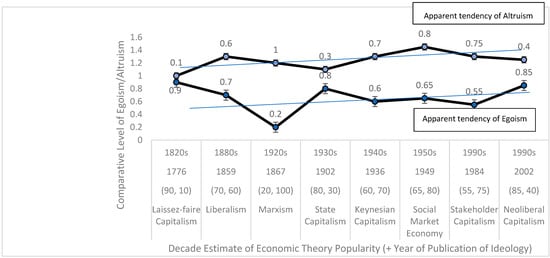
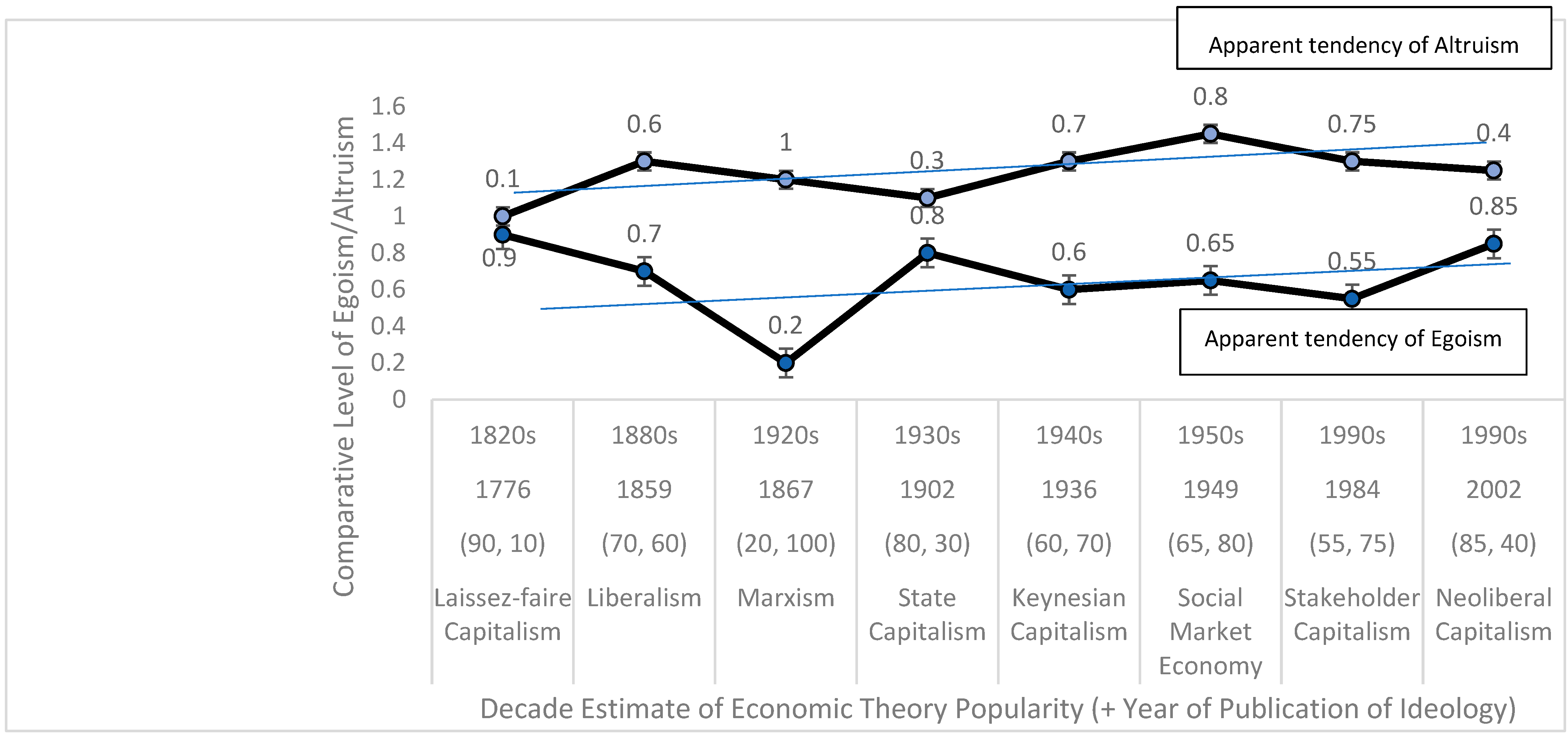
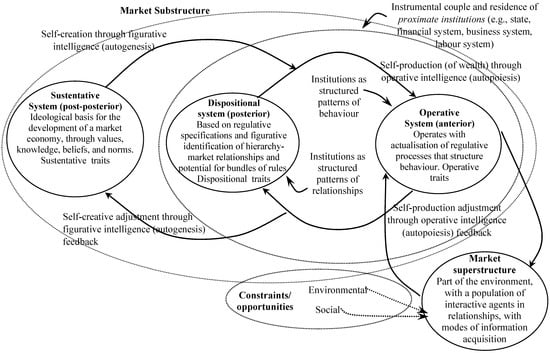
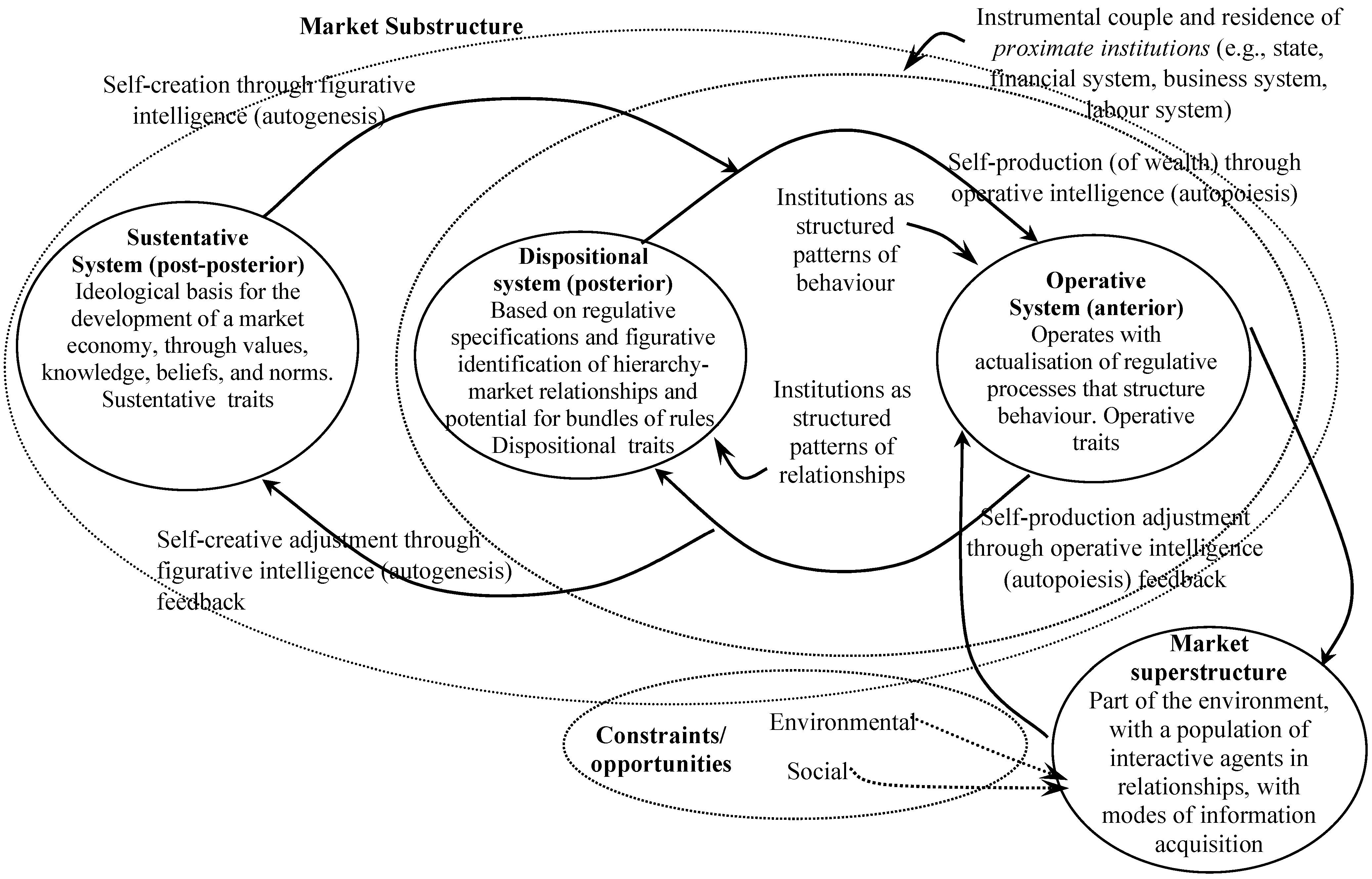
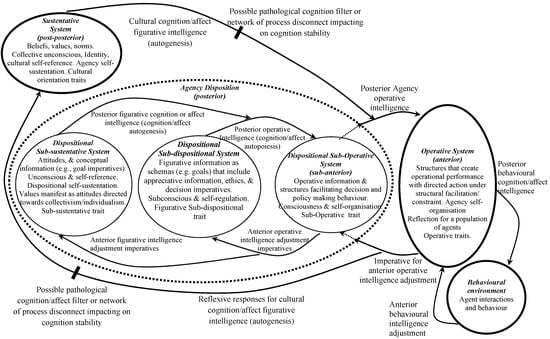
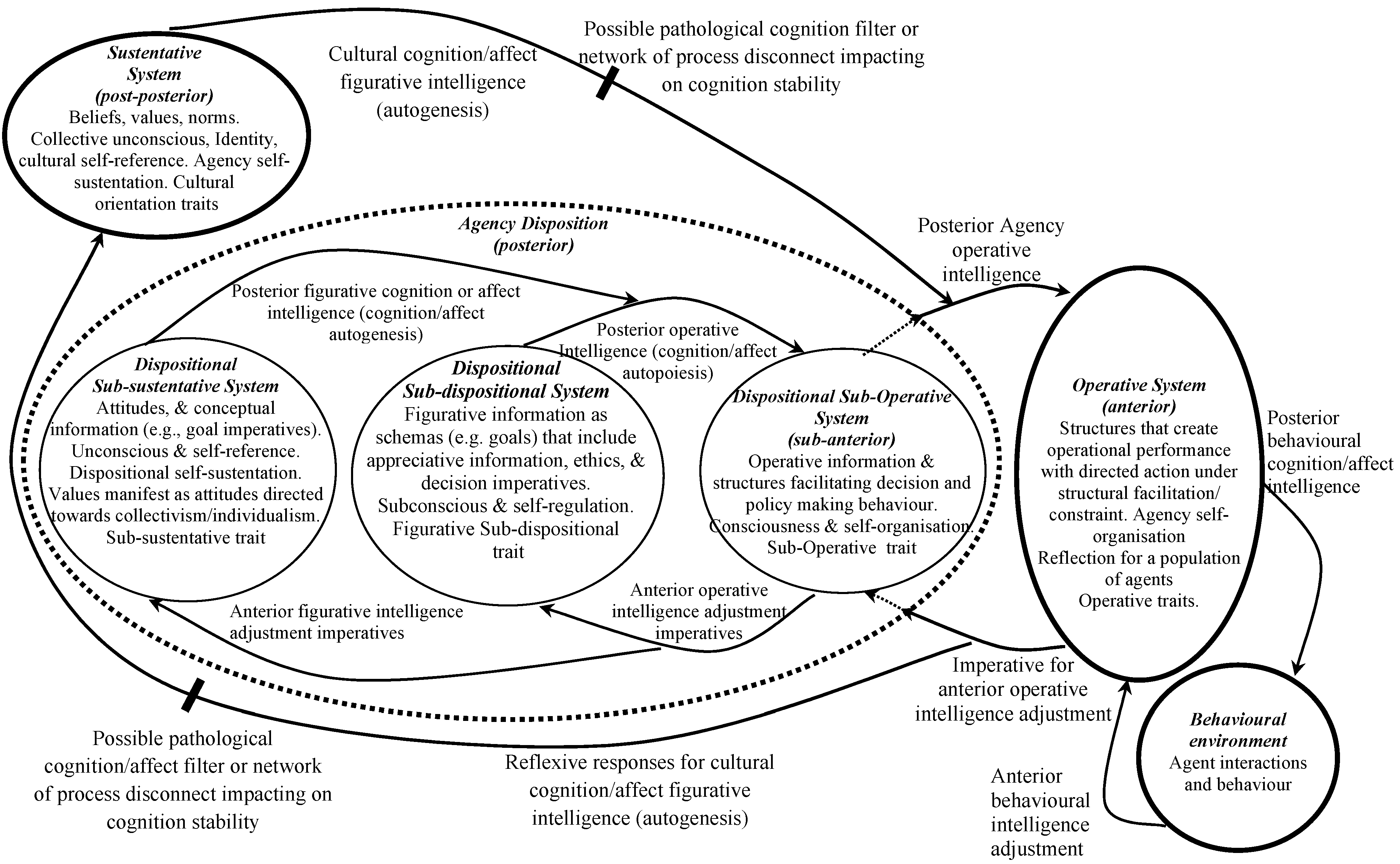

Disclaimer/Publisher’s Note: The statements, opinions and data contained in all publications are solely those of the individual author(s) and contributor(s) and not of MDPI and/or the editor(s). MDPI and/or the editor(s) disclaim responsibility for any injury to people or property resulting from any ideas, methods, instructions or products referred to in the content. |
© 2024 by the author. Licensee MDPI, Basel, Switzerland. This article is an open access article distributed under the terms and conditions of the Creative Commons Attribution (CC BY) license (https://creativecommons.org/licenses/by/4.0/).