
Steroidogenic Capacity of Ovarian Interstitial Tissue in the Koala (Phascolarctos cinereus): Morphological and Immunohistochemical Evidence



Simple Summary
Abstract
1. Introduction
2. Materials and Methods
2.1. Animals and Tissue Collection
2.2. Histological Processing
2.3. Phase of the Reproductive Cycle
2.4. Immunohistochemistry
3. Results
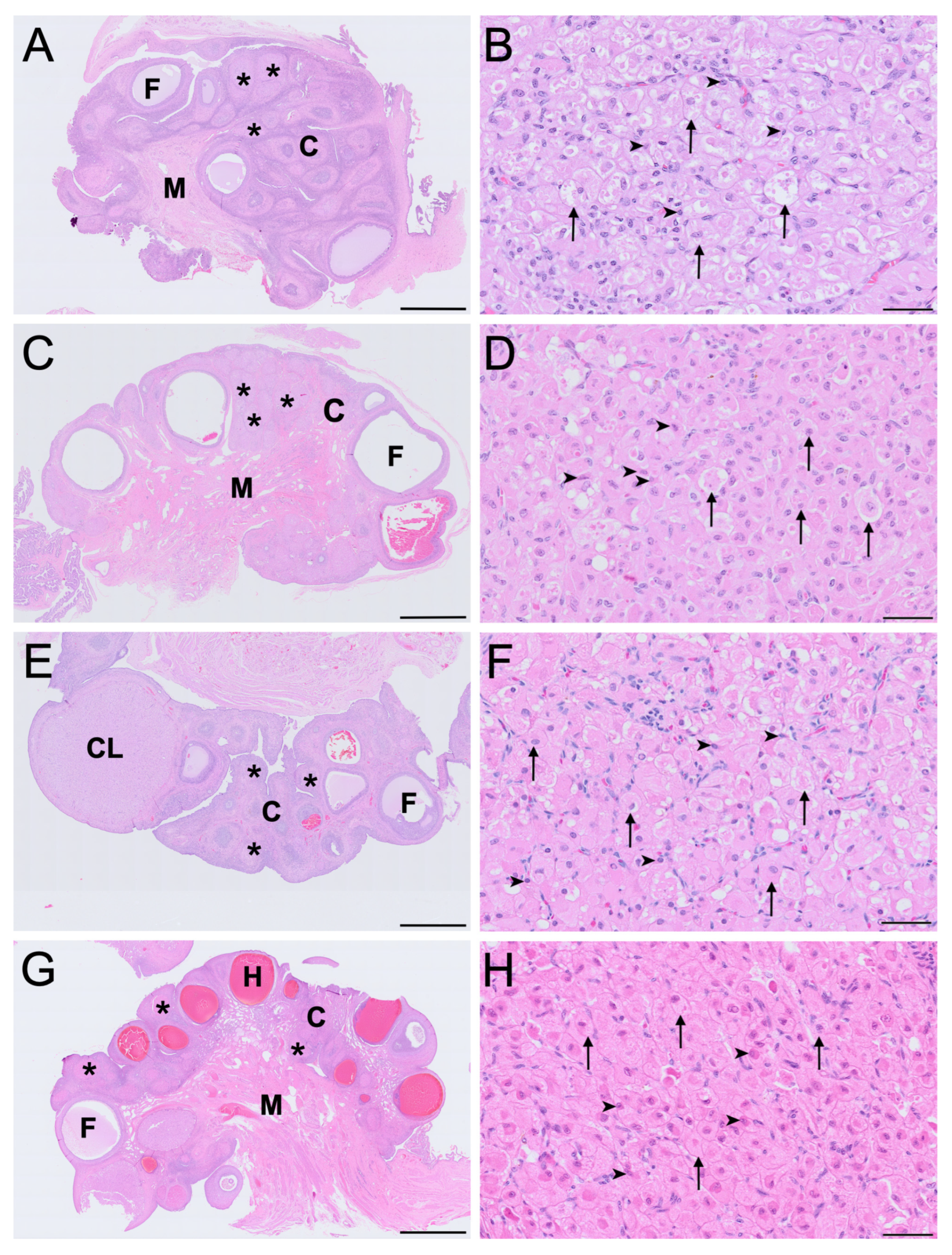
3.1. Interstitial Cell Morphology
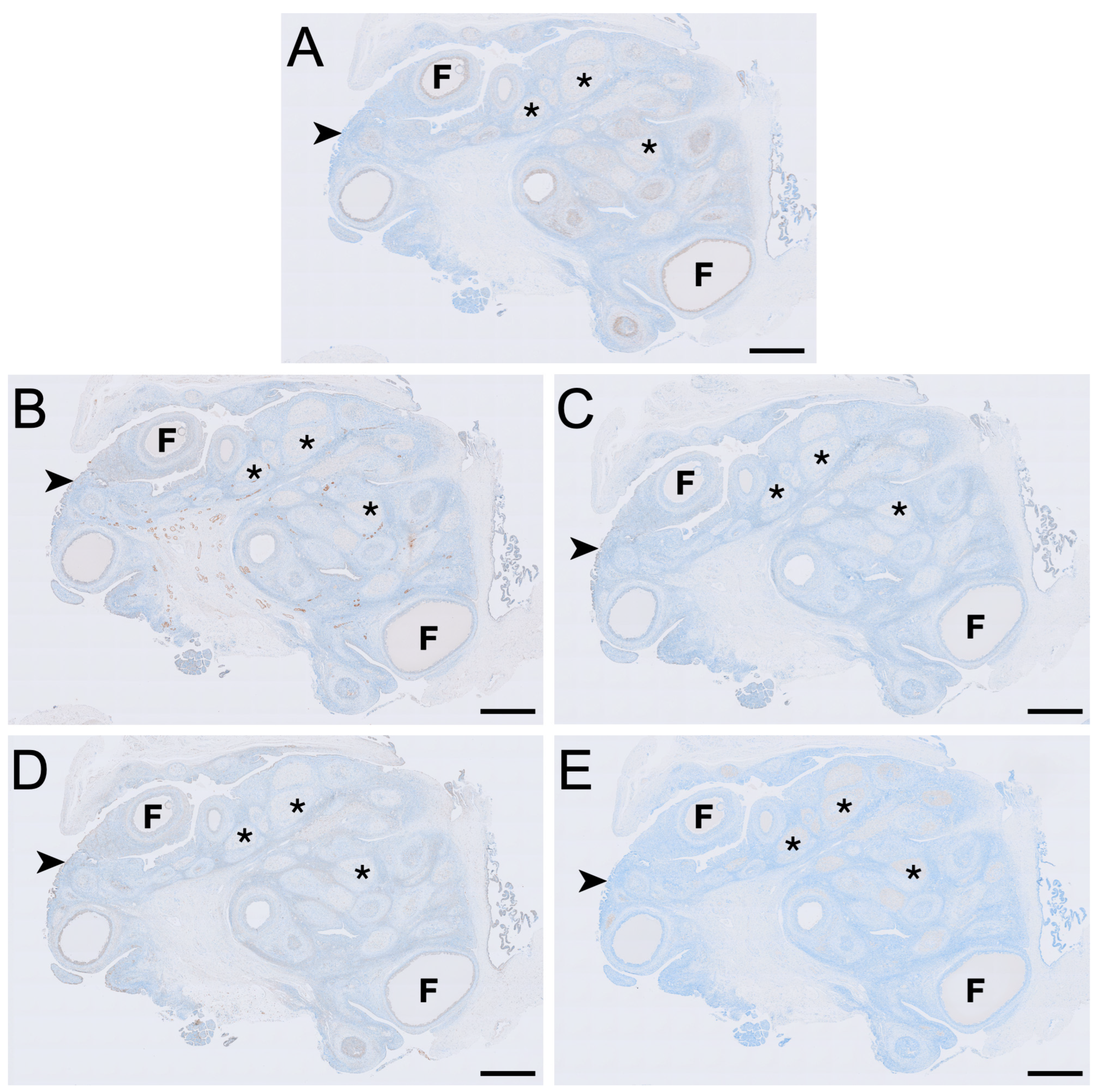
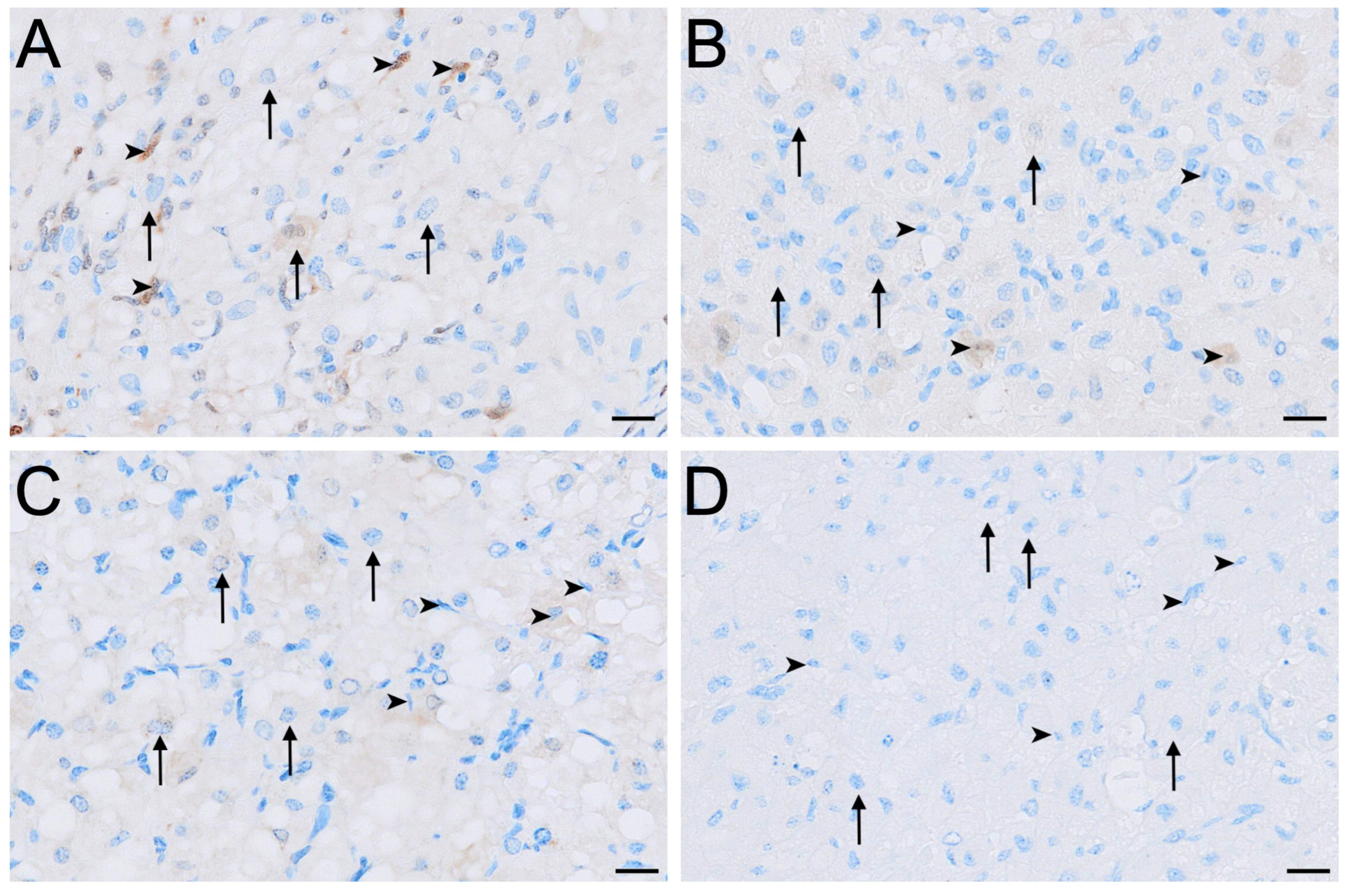
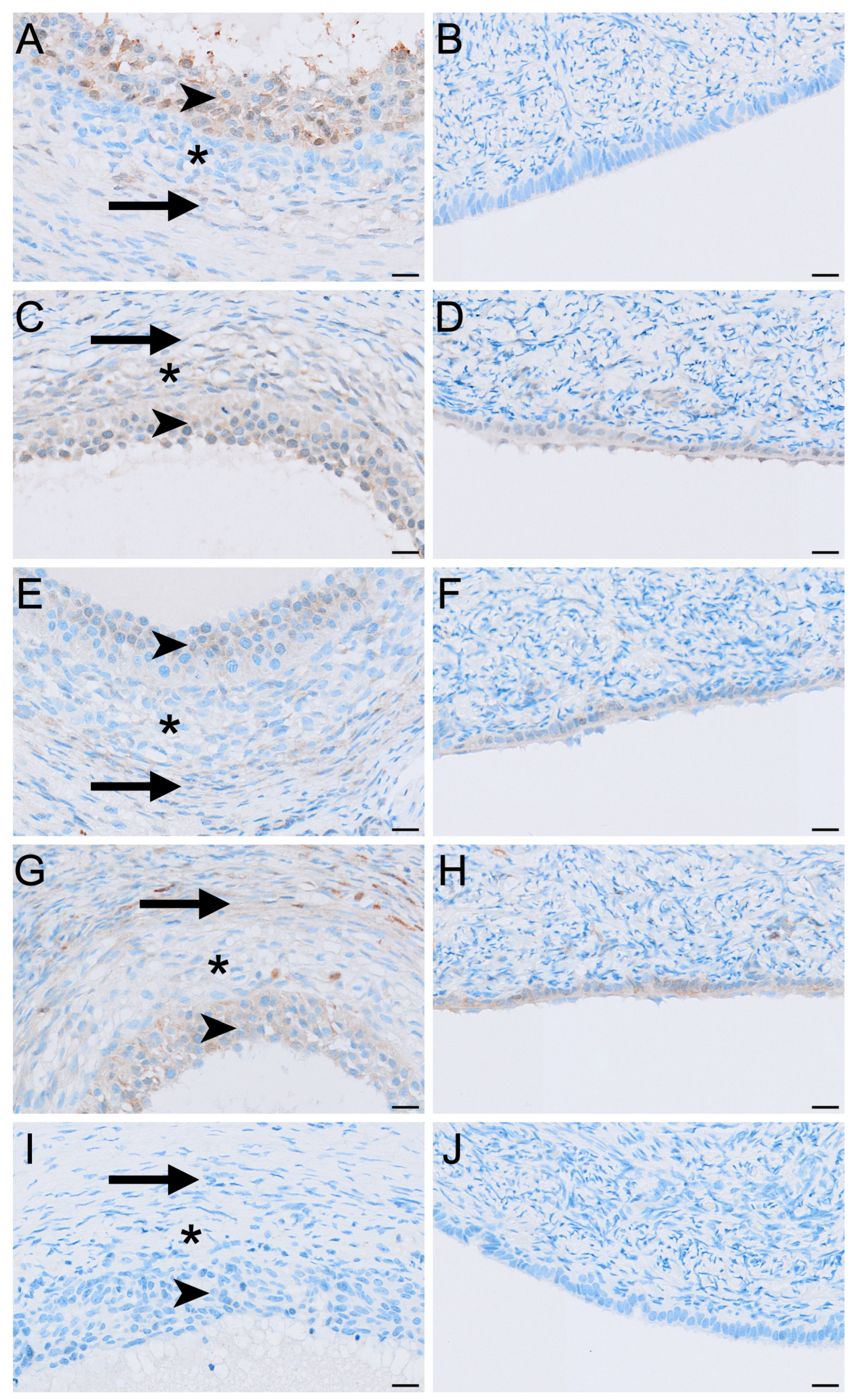
3.2. Immunohistochemistry
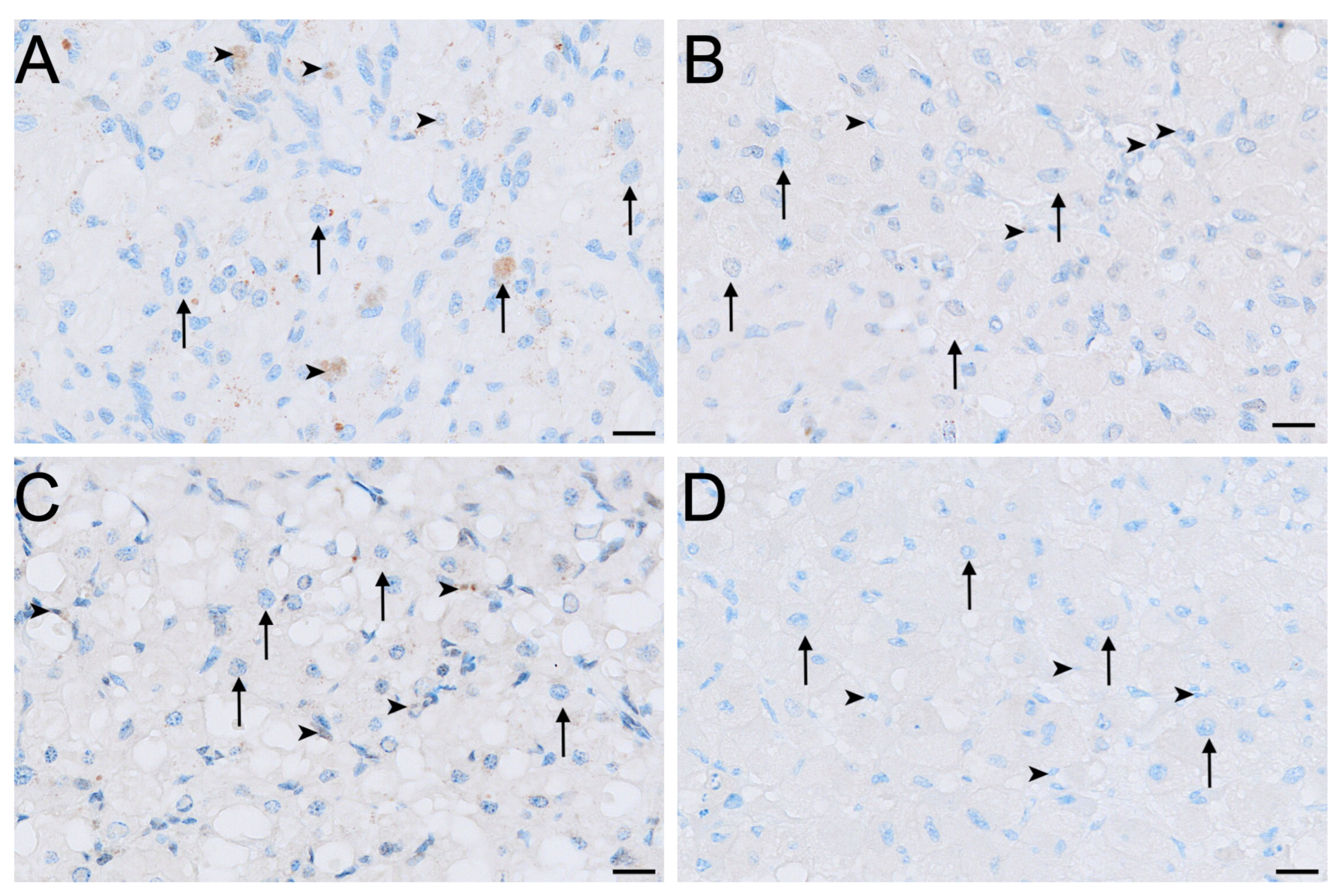
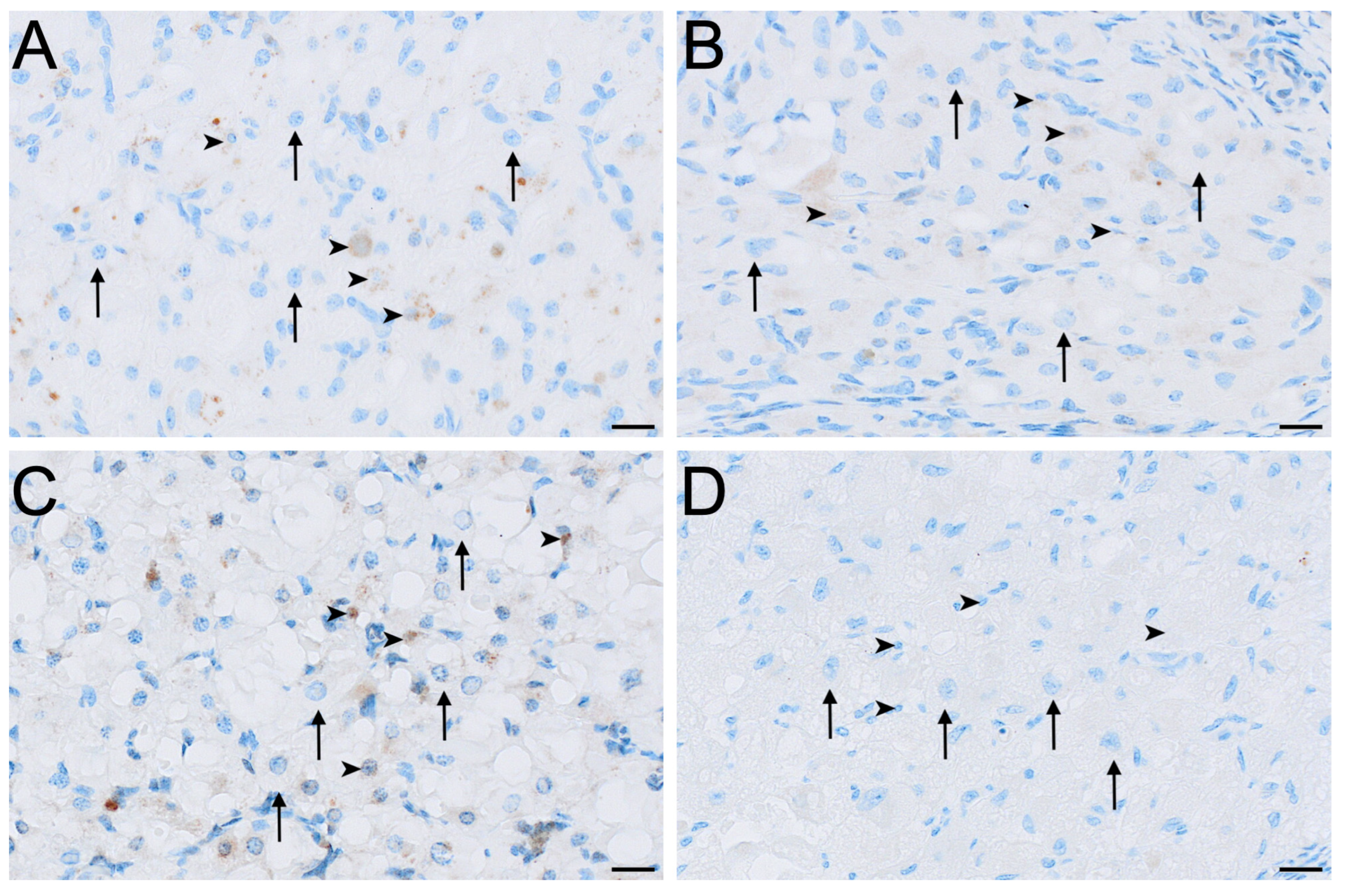
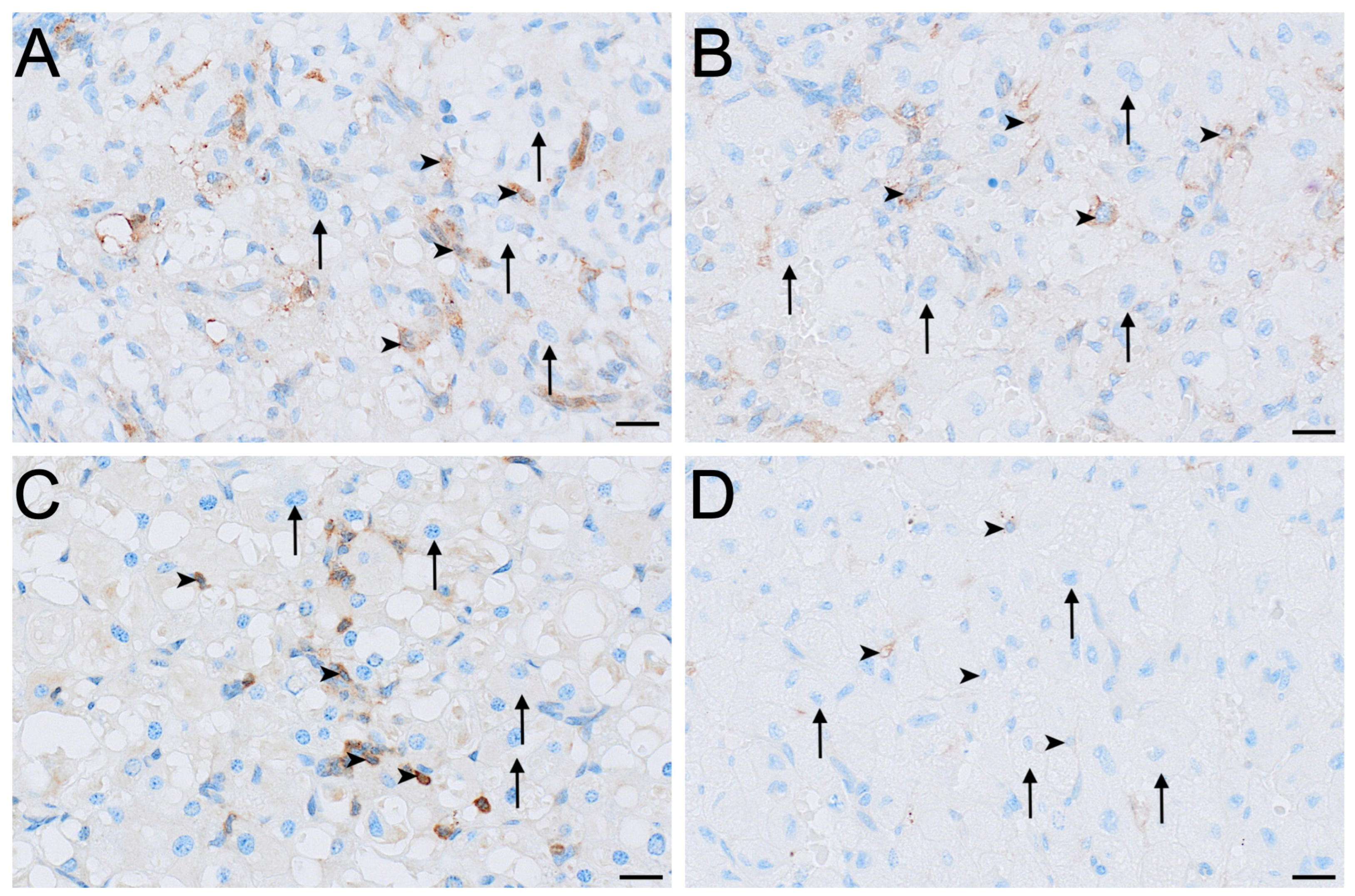
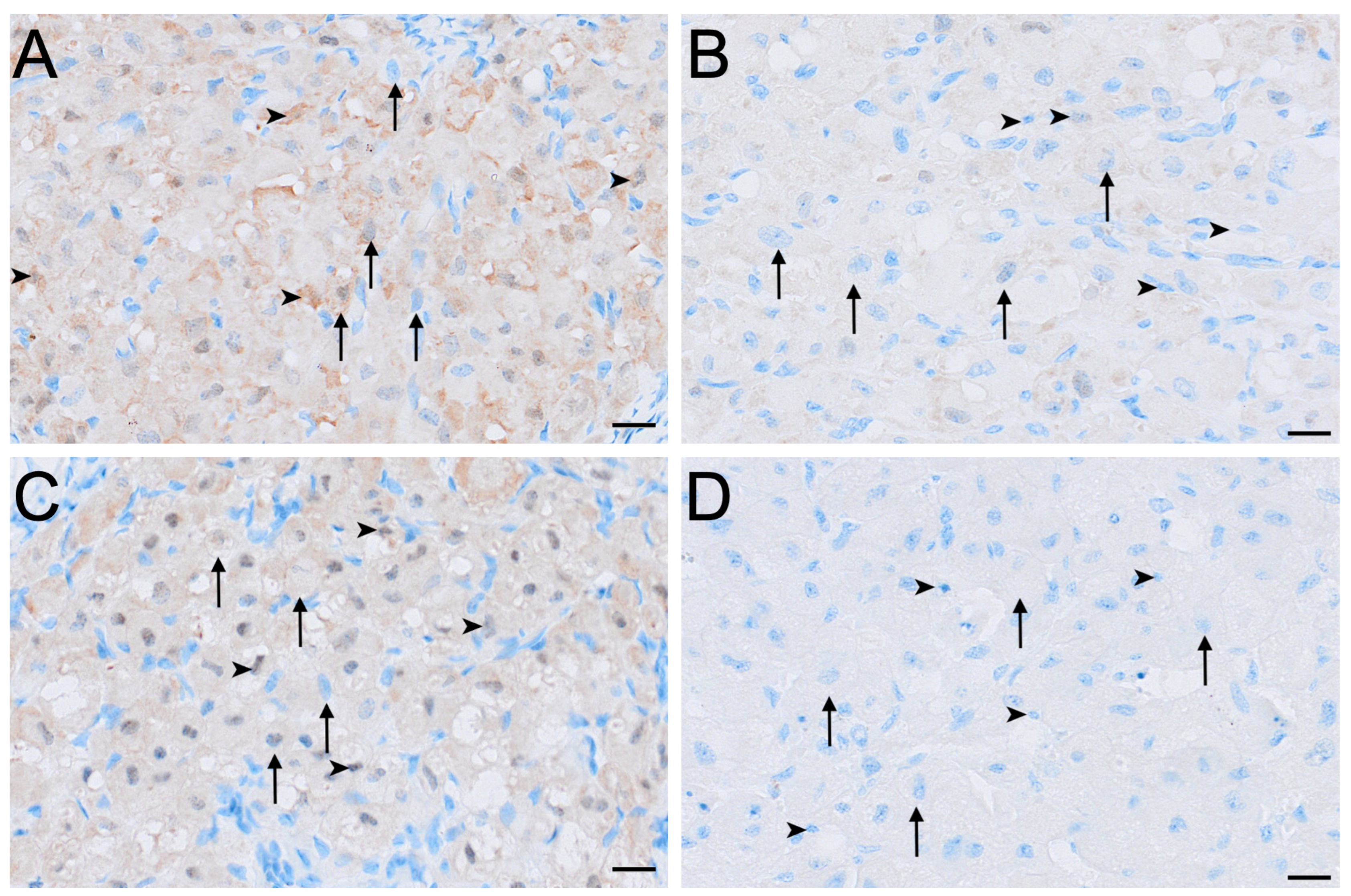
3.2.1. Luteinising Hormone Receptor
3.2.2. Follicle-Stimulating Hormone Receptor
3.2.3. Aromatase
3.2.4. HSD3B2
3.2.5. HSD17B1
4. Discussion
5. Conclusions
Supplementary Materials
Author Contributions
Funding
Institutional Review Board Statement
Data Availability Statement
Acknowledgments
Conflicts of Interest
Abbreviations
| IT | Interstitial tissue |
| LHR | Luteinising hormone receptor |
| CYP19A1 | Cytochrome P450 family 19 subfamily A member 1 |
| FSHR | Follicle-stimulating hormone receptor |
| HSD3B2 | 3β-hydroxysteroid dehydrogenase/Δ5à4-isomerase type 2 |
| HSD17B1 | 17β-hydroxysteroid dehydrogenase type 1 |
| G | Granulosa |
| TE | Theca externa |
| TI | Theca interna |
| LITC | Large interstitial cells |
| SITC | Small interstitial cells |
| GE | Germinal epithelium |
| HRP | Horseradish peroxidase |
| NBF | Neutral-buffered formalin |
| BLASTp | Basic protein local alignment search tool |
References
- Beyer, H.L.; Villiers, D.D.; Loader, J.; Robbins, A.; Stigner, M.; Forbes, N.; Hanger, J. Management of multiple threats achieves meaningful koala conservation outcomes. J. Appl. Ecol. 2018, 55, 1966–1975. [Google Scholar] [CrossRef]
- Department of Environment and Science. Koala Conservation. Available online: https://environment.des.qld.gov.au/wildlife/animals/living-with/koalas/facts (accessed on 16 April 2023).
- Johnston, S.D.; Holt, W.V. The Koala (Phascolarctos cinereus): A Case Study in the Development of Reproductive Technology in a Marsupial. In Reproductive Sciences in Animal Conservation; Advances in Experimental Medicine and Biology; Comizzoli, P., Brown, J.L., Holt, W.V., Eds.; Springer: New York, NY, USA, 2014; pp. 171–203. [Google Scholar]
- Johnston, S.D.; Holt, W.V. Using the Koala (Phascolarctos cinereus) as a Case Study to Illustrate the Development of Artificial Breeding Technology in Marsupials: An Update. In Reproductive Sciences in Animal Conservation, 2nd ed.; Advances in Experimental Medicine and Biology; Comizzoli, P., Brown, J.L., Holt, W.V., Eds.; Springer International Publishing: Cham, Switzerland, 2019; pp. 327–362. [Google Scholar]
- Pagliarani, S.; Palmieri, C.; McGowan, M.; Carrick, F.; Boyd, J.; Johnston, S.D. Anatomy of the Female Koala Reproductive Tract. Biology 2023, 12, 1445. [Google Scholar] [CrossRef] [PubMed]
- Johnston, S.D.; O’Callaghan, P.; Nilsson, K.; Tzipori, G.; Curlewis, J.D. Semen-induced luteal phase and identification of a LH surge in the koala (Phascolarctos cinereus). Reproduction 2004, 128, 629–634. [Google Scholar] [CrossRef] [PubMed]
- O’Donoghue, C.H. On the Corpora Lutea and Interstitial Tissue of the Ovary in the Marsupialia. J. Cell Sci. 1916, 61, 433–473. [Google Scholar] [CrossRef]
- Johnston, S.D. Studies Towards the Development of an Artificial Insemination Protocol in the Koala, Phascolarctos cinereus. Ph.D. Thesis, The University of Queensland, St Lucia, QLD, Australia, 1999. [Google Scholar]
- Pagliarani, S. Further Insights into the Pathogenesis of Chlamydiosis and Characterisation of Immune Cells in the Reproductive Tract of Koalas (Phascolarctos cinereus). Ph.D. Thesis, The University of Queensland, St Lucia, QLD, Australia, 2021. [Google Scholar]
- Guraya, S.S.; Greenwald, G.S. A Comparative Histochemical Study of Interstitial Tissue and Follicular Atresia in the Mammalian Ovary. Anat. Rec. 1964, 149, 411–433. [Google Scholar] [CrossRef]
- Guraya, S.S. Recent advances in the morphology, histochemistry, biochemistry, and physiology of interstitial gland cells of mammalian ovary. Int. Rev. Cytol. 1978, 55, 171–245. [Google Scholar] [CrossRef]
- Perez, J.F.; Conley, A.J.; Dieter, J.A.; Sanz-Ortega, J.; Lasley, B.L. Studies on the origin of ovarian interstitial tissue and the incidence of endometrial hyperplasia in domestic and feral cats. Gen. Comp. Endocrinol. 1999, 116, 10–20. [Google Scholar] [CrossRef]
- Deanesly, R. Origins and development of interstitial tissue in ovaries of rabbit and guinea-pig. J. Anat. 1972, 113, 251–260. [Google Scholar]
- Awad, M.M.; Mohamed, R.H.; Amin, Y.A.; Hussein, H.A. Histological and immunohistochemical investigations of ovarian interstitial glands during non-breeding season in camels (Camelus dromedarius). Reprod. Domest. Anim. 2018, 53, 872–879. [Google Scholar] [CrossRef]
- Mossman, H.W.; Koering, M.J.; Ferry, D. Cyclic changes of interstitial gland tissue of the human ovary. Am. J. Anat. 1964, 115, 235–255. [Google Scholar] [CrossRef]
- Eckery, D.C.; Juengel, J.L.; Whale, L.J.; Thomson, B.P.; Lun, S.; McNatty, K.P. The corpus luteum and interstitial tissue in a marsupial, the brushtail possum (Trichosurus vulpecula). Mol. Cell. Endocrinol. 2002, 191, 81–87. [Google Scholar] [CrossRef] [PubMed]
- Whale, L.J.; Eckery, D.C.; Juengel, J.L. Determination of steroidogenic potential of ovarian cells of the brushtail possum (Trichosurus vulpecula). Biol. Reprod. 2003, 69, 947–958. [Google Scholar] [CrossRef] [PubMed]
- Alcorn, G.T. Development of the Ovary and Urino-Genital Ducts in the Tammar Wallaby Macropus eugenii (Desmarest, 1817). Ph.D. Thesis, Macquarie University, Syndey, NSW, Australia, 1975. [Google Scholar]
- Hilliard, J.; Penardi, R.; Sawyer, C.H. A Functional Role for 20a-Hydroxypregn-4-en-3-one in the Rabbit. Endocrinology 1967, 80, 901–909. [Google Scholar] [CrossRef] [PubMed]
- Breed, W.G.; Pierce, E.J.; Leigh, C.M. Ovary of the southern hairy-nosed wombat (Lasiorhinus latifrons): Its divergent structural organisation. Reprod. Fertil. Dev. 2019, 31, 1457–1462. [Google Scholar] [CrossRef]
- Abhilasha, A.; Krishna, A. High androgen production by ovarian thecal interstitial cells: A mechanism for delayed ovulation in a tropical vespertilionid bat, Scotophilus heathi. J. Reprod. Fertil. 1996, 106, 207–211. [Google Scholar] [CrossRef]
- Hong, Y.; Li, H.; Yuan, Y.-C.; Chen, S. Sequence–function correlation of aromatase and its interaction with reductase. J. Steroid Biochem. Mol. Biol. 2010, 118, 203–206. [Google Scholar] [CrossRef]
- Thomas, J.L.; Duax, W.L.; Addlagatta, A.; Kacsoh, B.; Brandt, S.E.; Norris, W.B. Structure/function aspects of human 3β-hydroxysteroid dehydrogenase. Mol. Cell. Endocrinol. 2004, 215, 73–82. [Google Scholar] [CrossRef]
- He, W.; Gauri, M.; Li, T.; Wang, R.; Lin, S.-X. Current knowledge of the multifunctional 17β-hydroxysteroid dehydrogenase type 1 (HSD17B1). Gene 2016, 588, 54–61. [Google Scholar] [CrossRef]
- Bao, B.; Allen, G.H. Expression of steroidogenic enzyme and gonadotropin receptor genes in bovine follicles during ovarian follicular waves: A review. J. Anim. Sci. 1998, 76, 1903–1921. [Google Scholar] [CrossRef]
- Johnston, S.D.; McGowan, M.R.; O’Callaghan, P.; Cox, R.; Nicolson, V. Studies of the oestrous cycle, oestrus and pregnancy in the koala (Phascolarctos cinereus). Reproduction 2000, 120, 49–57. [Google Scholar] [CrossRef]
- Hanukoglu, I. Steroidogenic enzymes: Structure, function, and role in regulation of steroid hormone biosynthesis. J. Steroid Biochem. Mol. Biol. 1992, 43, 779–804. [Google Scholar] [CrossRef]
- Johnston, S.D.; Boyd, J.; Palacios, P.D.; Grosmaire, J.; Lee, A.; Hulse, L.; Vega, L.; Pyne, M.; Gambini, A.; Palmieri, C. Evidence of folliculogenesis and the potential of oocyte recovery from koalas with different levels of reproductive pathology. Biology 2025, 14, 1435. [Google Scholar] [CrossRef] [PubMed]
- Ballentyne, K.; Anderson, S.T.; Mucci, A.; Nicolson, V.; Johnston, S.D. Plasma prolactin concentrations during lactation, pouch young development and the return to behavioural oestrus in captive koalas (Phascolarctos cinereus). Reprod. Fertil. Dev. 2016, 28, 1838–1843. [Google Scholar] [CrossRef] [PubMed]
- Webster, J.D.; Solon, M.; Gibson-Corley, K.N. Validating immunohistochemistry assay specificity in investigative studies: Considerations for a weight of evidence approach. Vet. Pathol. 2021, 58, 829–840. [Google Scholar] [CrossRef] [PubMed]
- Scheerlinck, J.-P.Y. Functional and structural comparison of cytokines in different species. Vet. Immunol. Immunopathol. 1999, 72, 39–44. [Google Scholar] [CrossRef]
- Roncador, G.; Engel, P.; Maestre, L.; Anderson, A.P.; Cordell, J.L.; Cragg, M.S.; Šerbec, V.Č.; Jones, M.; Lisnic, V.J.; Kremer, L.; et al. The European antibody network’s practical guide to finding and validating suitable antibodies for research. MAbs 2016, 8, 27–36. [Google Scholar] [CrossRef]
- Bassi, G.; Sidhu, S.K.; Mishra, S. The intracellular cholesterol pool in steroidogenic cells plays a role in basal steroidogenesis. J. Steroid Biochem. Mol. Biol. 2022, 220, 106099. [Google Scholar] [CrossRef]
- Davies, J.; Broadus, C.D. Studies on the fine structure of ovarian steroid-secreting cells in the rabbit. I. The normal interstitial cells. Am. J. Anat. 1968, 123, 441–474. [Google Scholar] [CrossRef]
- Morrison, O.; Thankur, J. Molecular complexes at euchromatin, heterochromatin and centromeric chromatin. Int. J. Mol. Sci. 2021, 22, 6922. [Google Scholar] [CrossRef]
- Gil, E.; Forneris, M.; Domínguez, S.; Penissi, A.; Fogal, T.; Piezzi, R.S.; Scardapane, L. Morphological and Endocrine Study of the Ovarian Interstitial Tissue of Viscacha (Lagostomus maximus maximus). Reprod. Syst. 2007, 290, 788–794. [Google Scholar] [CrossRef]
- Guraya, S.S. Interstitial gland tissue of mammalian ovary. Eur. J. Endocrinol. 1973, 71, 5–27. [Google Scholar] [CrossRef]
- Andersen, C.Y.; Ezcurra, D. Human steroidogenesis: Implications for controlled ovarian stimulation with exogenous gonadotropins. Reprod. Biol. Endocrinol. 2014, 12, 128. [Google Scholar] [CrossRef] [PubMed]
- Zheng, M.; Andersen, C.Y.; Rasmussen, F.R.; Cadenas, J.; Christensen, S.T.; Mamsen, L.S. Expression of genes and enzymes involved in ovarian steroidogenesis in relation to human follicular development. Front. Endocrinol. 2023, 14, 1268248. [Google Scholar] [CrossRef] [PubMed]
- Ullmann, S.L.; Russel, A.J.; Mason, J.I.; Selwood, L. Species differences in the ovarian distribution of 3beta-hydroxysteroid dehydrogenase/delta5-->4 isomerase (3beta-HSD) in two marsupials: The brushtail possum Trichosurus vulpecula and the grey, short-tailed opossum Monodelphis domestica. Reproduction 2003, 125, 65–73. [Google Scholar] [CrossRef]
- Hillier, S.G.; Whitelaw, P.F.; Smyth, C.D. Follicular oestrogen synthesis: The ‘two-cell, two-gonadotrophin’ model revisited. Mol. Cell. Endocrinol. 1994, 100, 51–54. [Google Scholar] [CrossRef]
- Xiao, C.; Wang, J.; Zhang, C. Synthesis, regulatory factors, and signaling pathways of estrogen in the ovary. Reprod. Sci. 2023, 30, 350–360. [Google Scholar] [CrossRef]
- Moon, Y.S.; Tsang, B.K.; Simpson, C.; Armstrong, D.T. 17β-Estradiol Biosynthesis in Cultured Granulosa and Thecal Cells of Human Ovarian Follicles: Stimulation by Follicle-Stimulating Hormone. J. Clin. Endocrinol. Metab. 1978, 47, 263–267. [Google Scholar] [CrossRef]
- Armstrong, D.T.; Goff, A.K.; Dorrington, J.H. Regulation of follicular estrogen biosynthesis. In Ovarian Follicular Development and Function; Midgley, A.R., Salder, W.A., Eds.; Raven Press: New York, NY, USA, 1979; pp. 169–182. [Google Scholar]
- Ryan, K.J.; Petro, Z. Steroid Biosynthesis by Human Ovarian Granulosa and Thecal Cells. J. Clin. Endocrinol. Metab. 1996, 26, 46–52. [Google Scholar] [CrossRef]
- Channing, C.P.; Coudert, S.P. Contribution of Granulosa Cells and Follicular Fluid to Ovarian Estrogen Secretion in the Rhesus Monkey in Vivo. Endocrinology 1976, 98, 590–597. [Google Scholar] [CrossRef]
- Ryan, K.J.; Short, R.V. Formation of estradiol by granulosa and theca cells ofthe equine ovarian follicle. Endocrinology 1965, 76, 108–114. [Google Scholar] [CrossRef]
- Armstrong, D.T.; Weiss, T.J.; Selstam, G.; Seamark, R.F. Hormonal and cellular interactions in follicular steroid biosynthesis by the sheep ovary. J. Reprod. Fertil. 1981, 30, 143–154. [Google Scholar] [CrossRef]
- Shores, E.M.; Hunter, M.G. Immunohistochemical localization of steroidogenic enzymes and comparison with hormone production during follicle development in the pig. Reprod. Fertil. Dev. 1999, 11, 337–344. [Google Scholar] [CrossRef] [PubMed]
- Ivarsson, K.; Sundfeldt, K.; Brännström, M.; Janson, P.O. Production of steroids by human ovarian surface epithelial cells in culture: Possible role of progesterone as growth inhibitor. Gynecol. Oncol. 2001, 82, 116–121. [Google Scholar] [CrossRef] [PubMed]
- Rae, M.T.; Hillier, S.G. Steroid signalling in the ovarian surface epithelium. Trends Endocrinol. Metab. 2005, 16, 327–333. [Google Scholar] [CrossRef]
- Auersperg, N.; Wong, A.S.T.; Choi, K.-C.; Kang, S.K.; Leung, P.C.K. Ovarian surface epithelium: Biology, endocrinology, and pathology. Endocr. Rev. 2001, 22, 255–288. [Google Scholar] [CrossRef]
- Ben-Chetrit, A.; Gotlieb, L.; Wong, P.Y.; Casper, R.F. Ovarian response to recombinant human follicle-stimulating hormone in luteinizing hormone depleted women: Examination of the two cell, two gonadotropin theory. Fertil. Steril. 1996, 65, 711–717. [Google Scholar] [CrossRef]
- Lieberman, S. Are Estradiol-Producing Cells Incompletely Endowed? A Chronicle of the Emergence of Certitude from Conjecture. Gynecol. Obstet. Investig. 1996, 41, 147–172. [Google Scholar] [CrossRef]
- Mcneilly, A.S. Lactational control of reproduction. Reprod. Fertil. Dev. 2002, 13, 583–590. [Google Scholar] [CrossRef]
- Bradshaw, F.J.; Bradshaw, D. Progesterone and reproduction in marsupials: A review. Gen. Comp. Endocrinol. 2011, 170, 18–40. [Google Scholar] [CrossRef]
- Hinds, L.A.; Fletcher, T.P.; Rodger, J.C. Hormones of oestrus and ovulation and their manipulaiton in marsupials. Reprod. Fertil. Dev. 1996, 8, 661–672. [Google Scholar] [CrossRef]
- Noorden, C.J.F.V. Direct comparison of enzyme histochemical and immunohistochemical methods to localize an enzyme. Mar. Environ. Res. 2002, 54, 575–577. [Google Scholar] [CrossRef]
- Mebratie, D.Y.; Dagnaw, G.G. Review of immunohistochemistry techniques: Applications, current status, and future perspectives. Semin. Diagn. Pathol. 2024, 41, 154–160. [Google Scholar] [CrossRef]
- Lebbe, M.; Taylor, A.E.; Visser, J.A.; Kirkman-Brown, J.C.; Woodruff, T.K.; Arlt, W. The steroid metabolome in the isolated ovarian follicle and Its response to androgen exposure and antagonism. Endocrinology 2017, 158, 1474–1485. [Google Scholar] [CrossRef]
- Ramos-Vara, J.A. Technical aspects of immunohistochemistry. Vet. Pathol. 2005, 42, 405–426. [Google Scholar] [CrossRef]
- Campbell, Y.; Palmieri, C.; Pagliarani, S.; Gordon, J.; Johnston, S. The koala (Phascolarctos cinereus) prostate: A comprehensive histological and immunohistochemical investigation. Biol. Reprod. 2023, 109, 644–653. [Google Scholar] [CrossRef]



| Reproductive Phase | Corpus luteum (CL) | Pre-Ovulatory Graafian Follicle > 4 mm Diameter | Uterine Morphology |
|---|---|---|---|
| Interoestrus | No | No | Minimal or undeveloped and narrow endometrial glandular tissue characterised by sparsely ciliated, simple cuboidal or columnar epithelia. |
| Endometrium slightly thinner (≈0.75 mm) on average relative to myometrium (≈1.15 mm). | |||
| Proliferative | No | Yes | Significantly thickened endometrium characterised by highly vascular submucosa containing dense, open endometrial glandular tissue. |
| Endometrial glandular lumina lined with hyperplastic, simple ciliated columnar epithelial cells, interspersed with goblet cells. | |||
| Endometrium significantly thicker (≈2.36 mm) on average relative to myometrium (≈1.28 mm). | |||
| Luteal | Yes | No | Endometrial tissue characterised by a bi-layered appearance composed of basal and superficial layers, differentiated by increased density of glandular endometrial tissue in the superficial layer. |
| Endometrium significantly thicker (≈3.8 mm) on average relative to myometrium (≈0.4 mm). | |||
| Post-luteal uteri characterised by degenerative morphology and luminal sloughing. |
| Antibody | Product Number | Clonality | Host Species | Homology with Koala Protein | Predicated Localisation | Working Dilution | Antigen Retrieval Method |
|---|---|---|---|---|---|---|---|
| Aromatase (CYP19A1) | PA5-109235 | Polyclonal | Rabbit | 90.0% | Cytoplasm | 1:400 | Low pH |
| HSD3B2 | PA5-106895 | Polyclonal | Rabbit | 68.6% | Cytoplasm | 1:1200 | Low pH |
| HSD17B1 | PA5-42058 | Polyclonal | Rabbit | 78.0% | Cytoplasm | 1:200 | Low pH |
| LHR | PA5-79598 | Polyclonal | Rabbit | 88.2% | Membrane | 1:400 | Low pH |
| FSHR | PA5-99424 | Polyclonal | Rabbit | 72.6% | Membrane | 1:200 | Low pH |
| Reproductive Phase | Cell Type | LHR | FSHR | Aromatase | HSD3B2 | HSD17B1 |
|---|---|---|---|---|---|---|
| Interoestrus | G | ++ | +/++ | + | ++ | − |
| TI | − | + | −/+ | + | − | |
| TE | −/+ | + | + | +/++ | − | |
| LITC | + | + | + | + | ++ | |
| SITC | ++ | +++ | ++ | ++/+++ | +++ | |
| GE | − | ++ | +/++ | ++ | − | |
| Proliferative | G | +/++ | + | + | + | − |
| TI | −/+ | + | −/+ | −/+ | − | |
| TE | −/+ | + | − | +/++ | − | |
| LITC | + | + | − | + | +/++ | |
| SITC | +/++ | + | + | ++/+++ | ++ | |
| GE | − | + | +/++ | +/++ | − | |
| Luteal | G | −/++ | −/+ | +/++ | +/++ | − |
| TI | − | −/+ | + | −/+ | − | |
| TE | −/+ | −/+ | + | + | − | |
| LITC | −/+ | −/+ | −/+ | + | −/++ | |
| SITC | +/++ | −/+ | +/++ | ++/+++ | −/++ | |
| GE | − | −/+ | −/++ | +/+++ | − | |
| Lactational anoestrus | G | + | + | −/+ | + | − |
| TI | − | + | − | −/++ | − | |
| TE | − | +/++ | − | ++ | − | |
| LITC | − | + | − | − | + | |
| SITC | − | + | − | + | + | |
| GE | − | − | − | −/+ | − |
Disclaimer/Publisher’s Note: The statements, opinions and data contained in all publications are solely those of the individual author(s) and contributor(s) and not of MDPI and/or the editor(s). MDPI and/or the editor(s) disclaim responsibility for any injury to people or property resulting from any ideas, methods, instructions or products referred to in the content. |
© 2025 by the authors. Licensee MDPI, Basel, Switzerland. This article is an open access article distributed under the terms and conditions of the Creative Commons Attribution (CC BY) license.
Share and Cite
Boyd, J.; Johnston, S.D.; Palmieri, C. Steroidogenic Capacity of Ovarian Interstitial Tissue in the Koala (Phascolarctos cinereus): Morphological and Immunohistochemical Evidence. Biology 2026, 15, 47. https://doi.org/10.3390/biology15010047
Boyd J, Johnston SD, Palmieri C. Steroidogenic Capacity of Ovarian Interstitial Tissue in the Koala (Phascolarctos cinereus): Morphological and Immunohistochemical Evidence. Biology. 2026; 15(1):47. https://doi.org/10.3390/biology15010047
Chicago/Turabian StyleBoyd, Jackson, Stephen D. Johnston, and Chiara Palmieri. 2026. "Steroidogenic Capacity of Ovarian Interstitial Tissue in the Koala (Phascolarctos cinereus): Morphological and Immunohistochemical Evidence" Biology 15, no. 1: 47. https://doi.org/10.3390/biology15010047
APA StyleBoyd, J., Johnston, S. D., & Palmieri, C. (2026). Steroidogenic Capacity of Ovarian Interstitial Tissue in the Koala (Phascolarctos cinereus): Morphological and Immunohistochemical Evidence. Biology, 15(1), 47. https://doi.org/10.3390/biology15010047