Analysis of Composition, Structure, and Driving Factors of Root-Associated Endophytic Bacterial Communities of the Chinese Medicinal Herb Glycyrrhiza


College of Life Sciences, Shihezi University, Shihezi City 832003, China
*
Author to whom correspondence should be addressed.
Biology 2025, 14(7), 856; https://doi.org/10.3390/biology14070856
Submission received: 22 May 2025
/
Revised: 9 July 2025
/
Accepted: 11 July 2025
/
Published: 15 July 2025
(This article belongs to the Section Microbiology)
Simple Summary
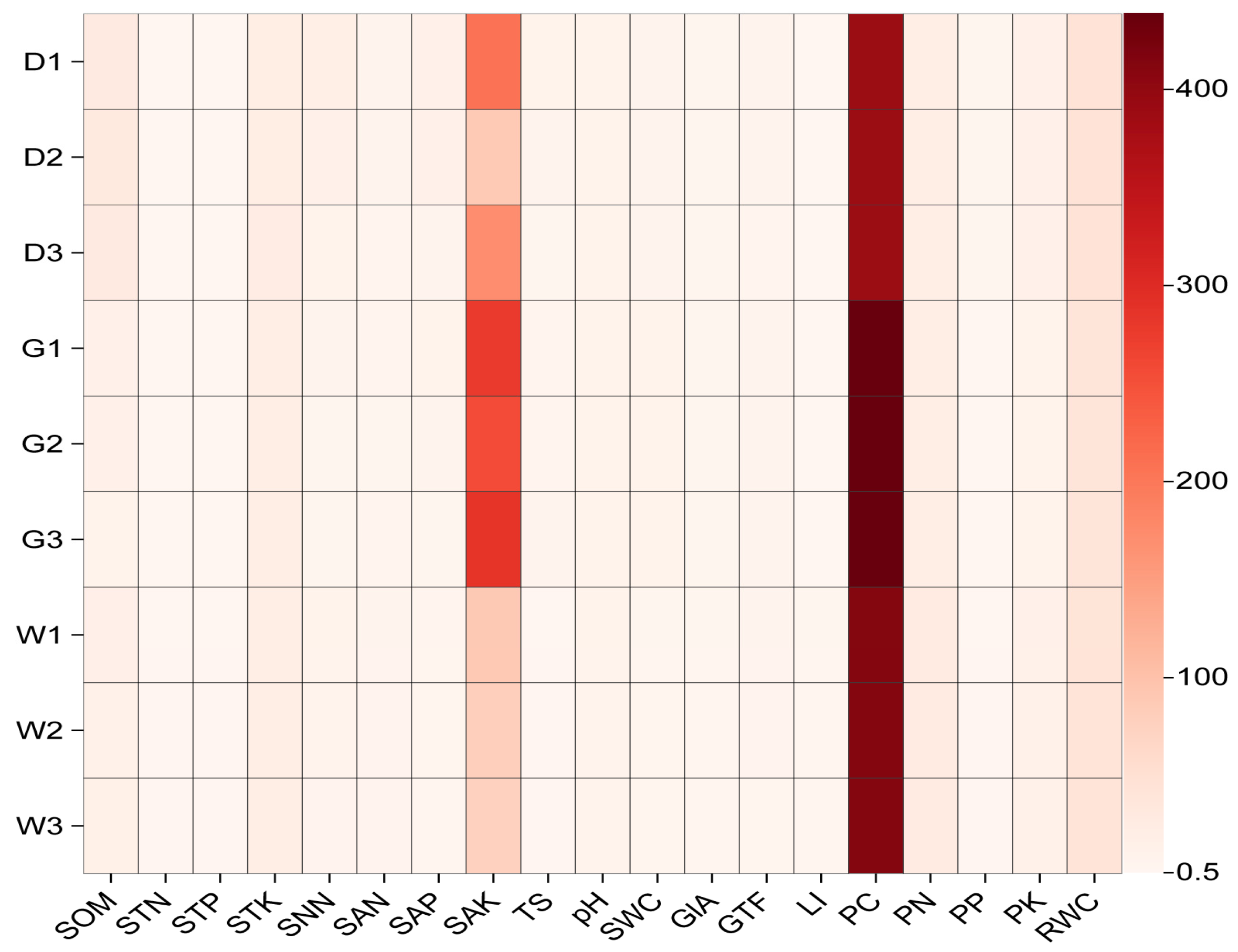
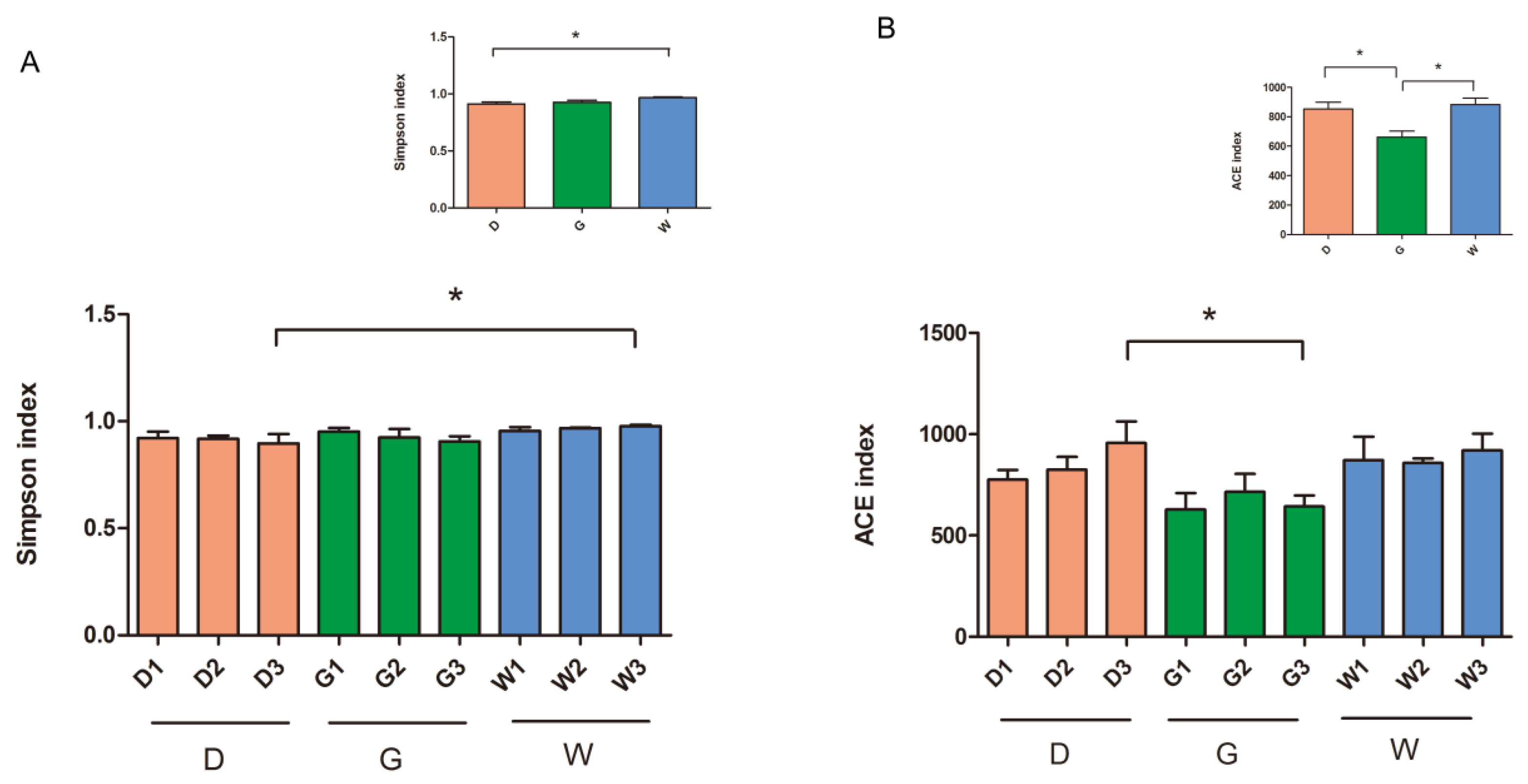
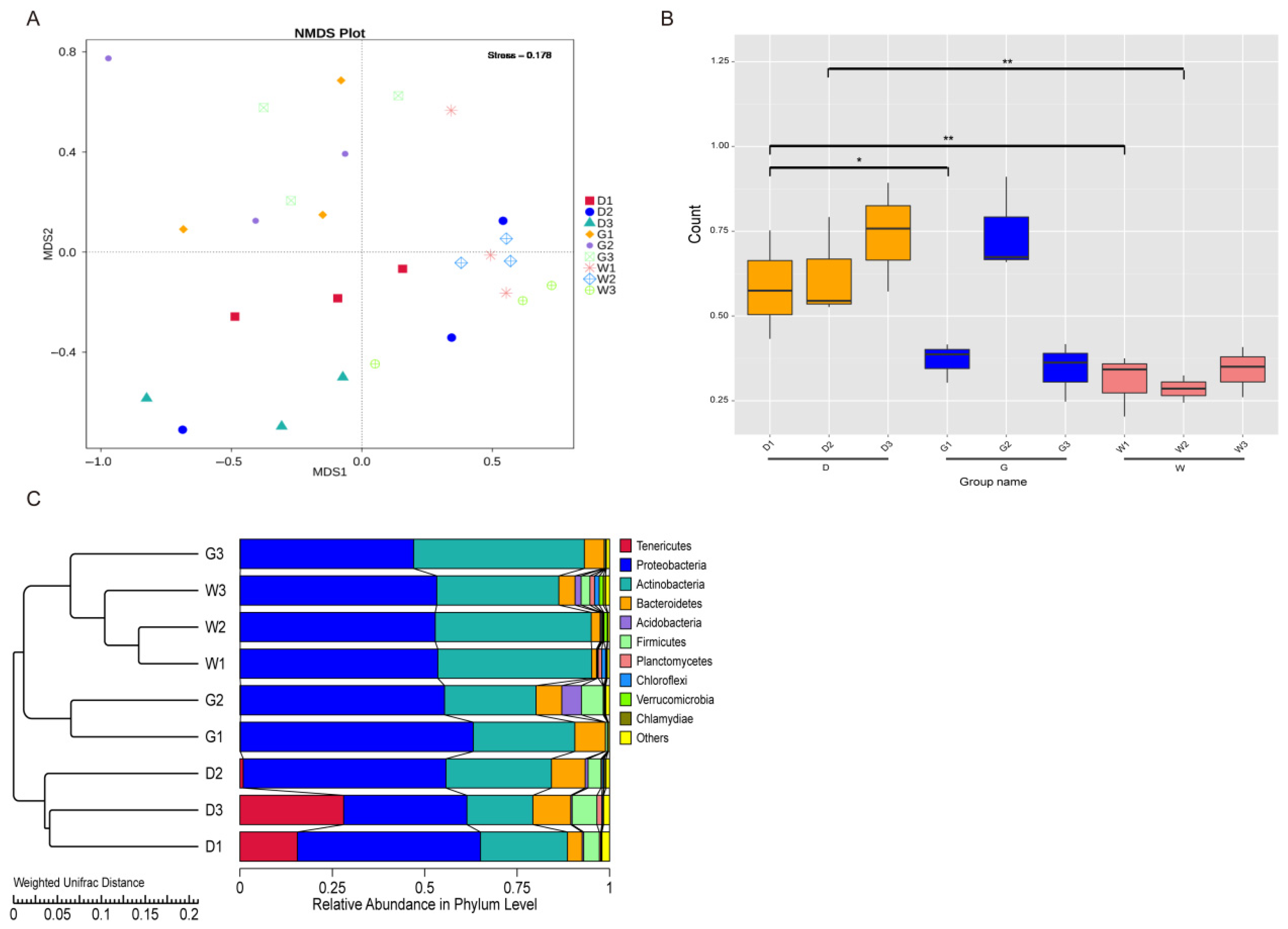
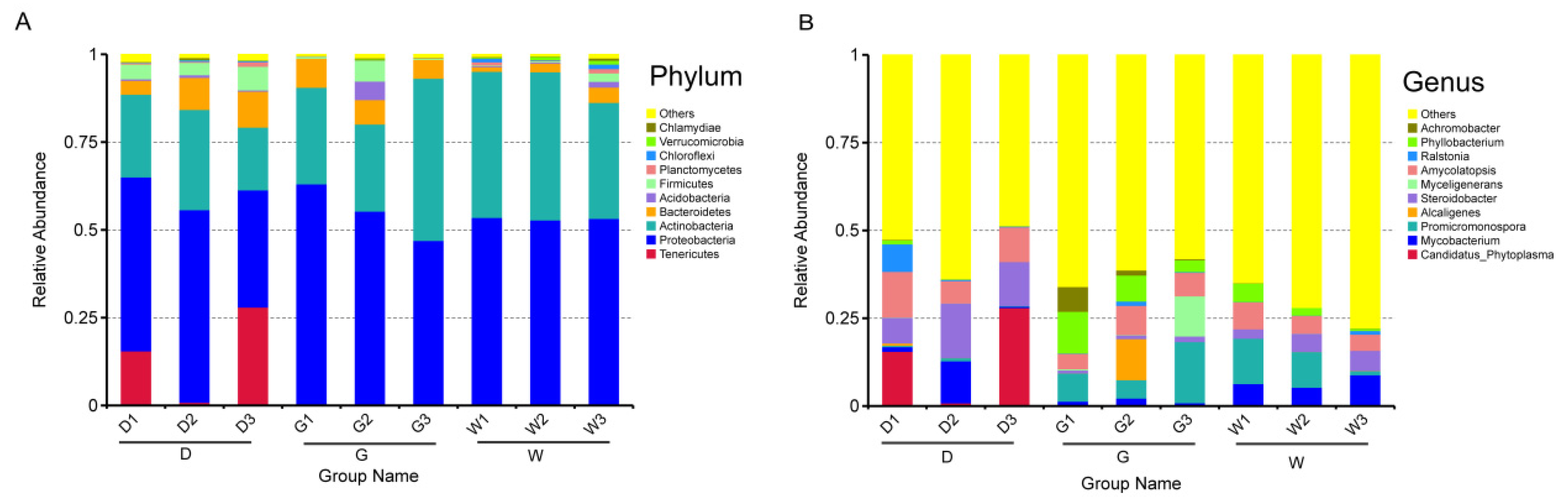
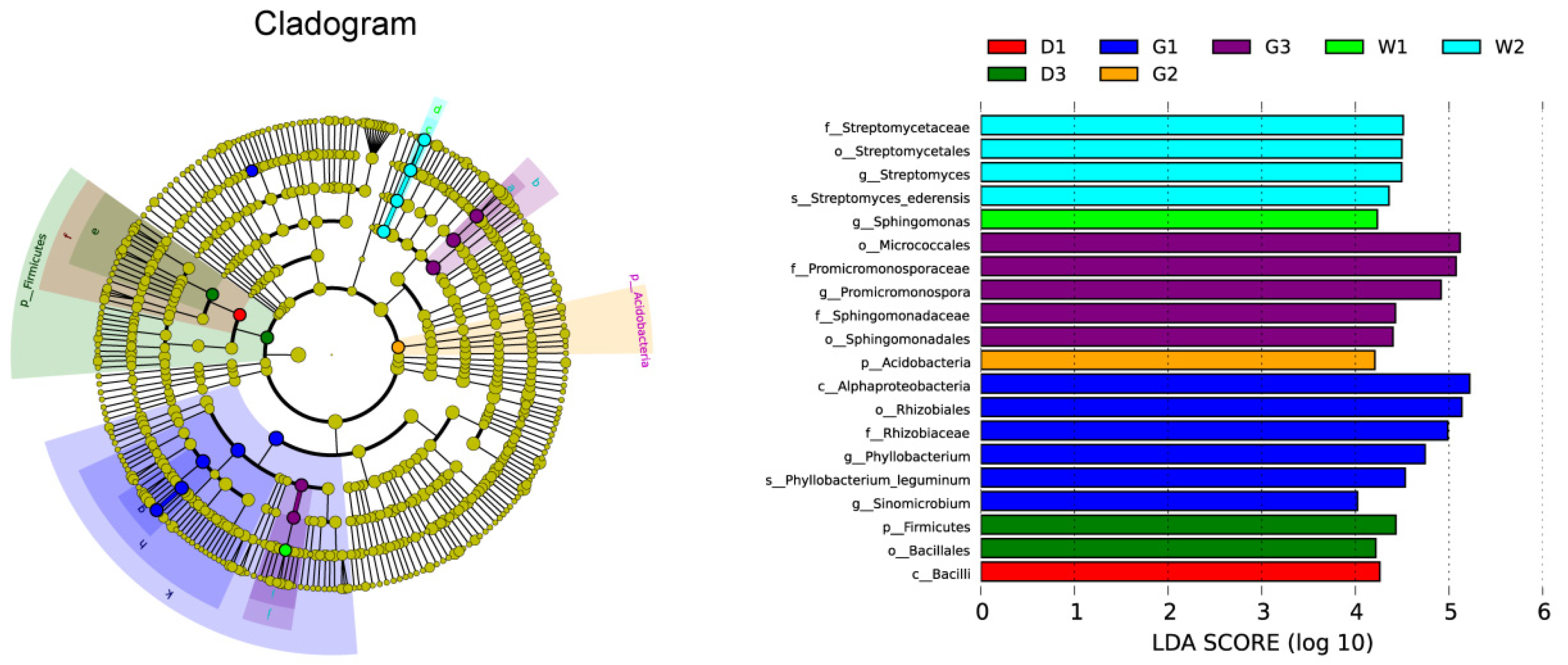
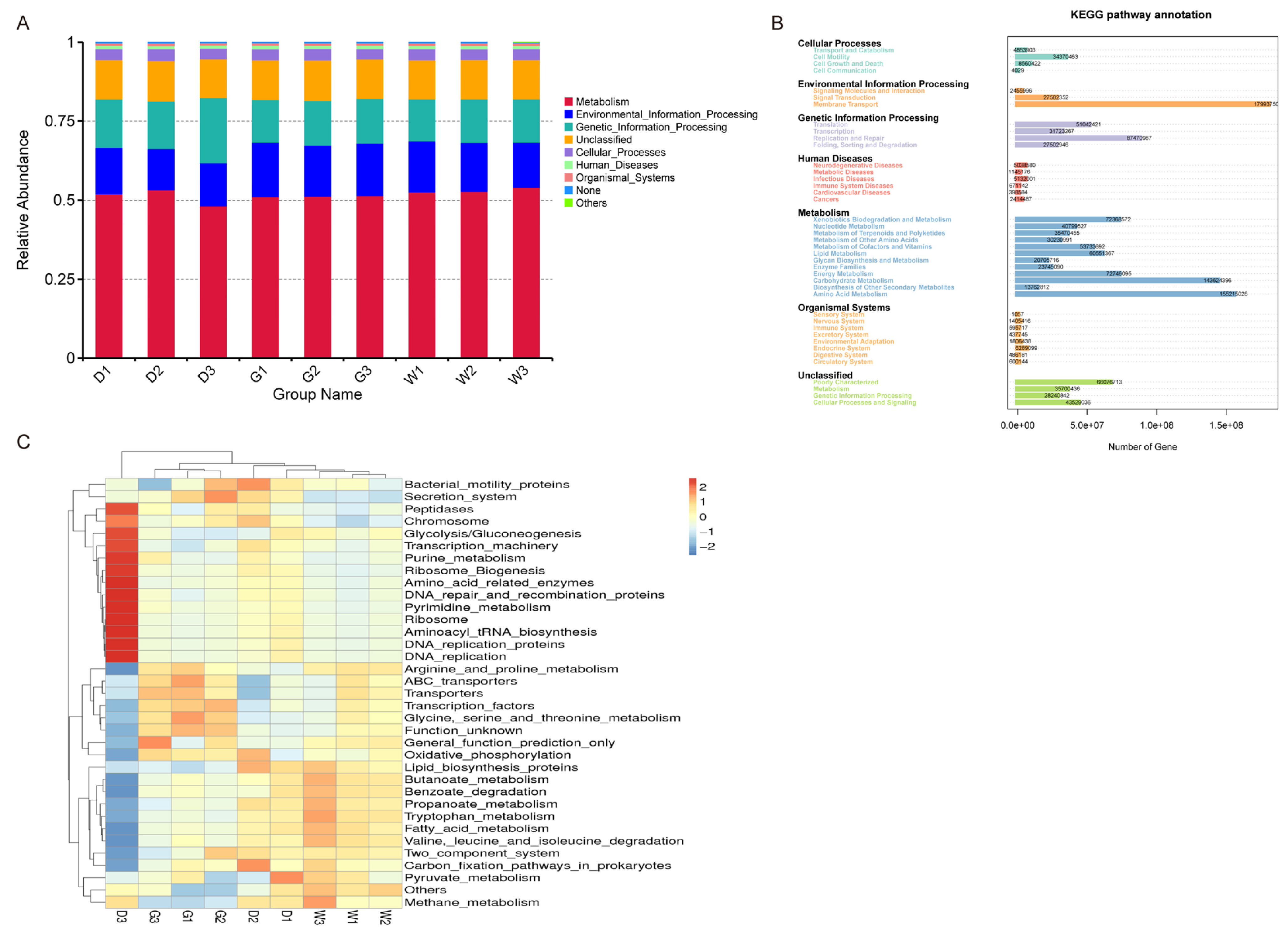
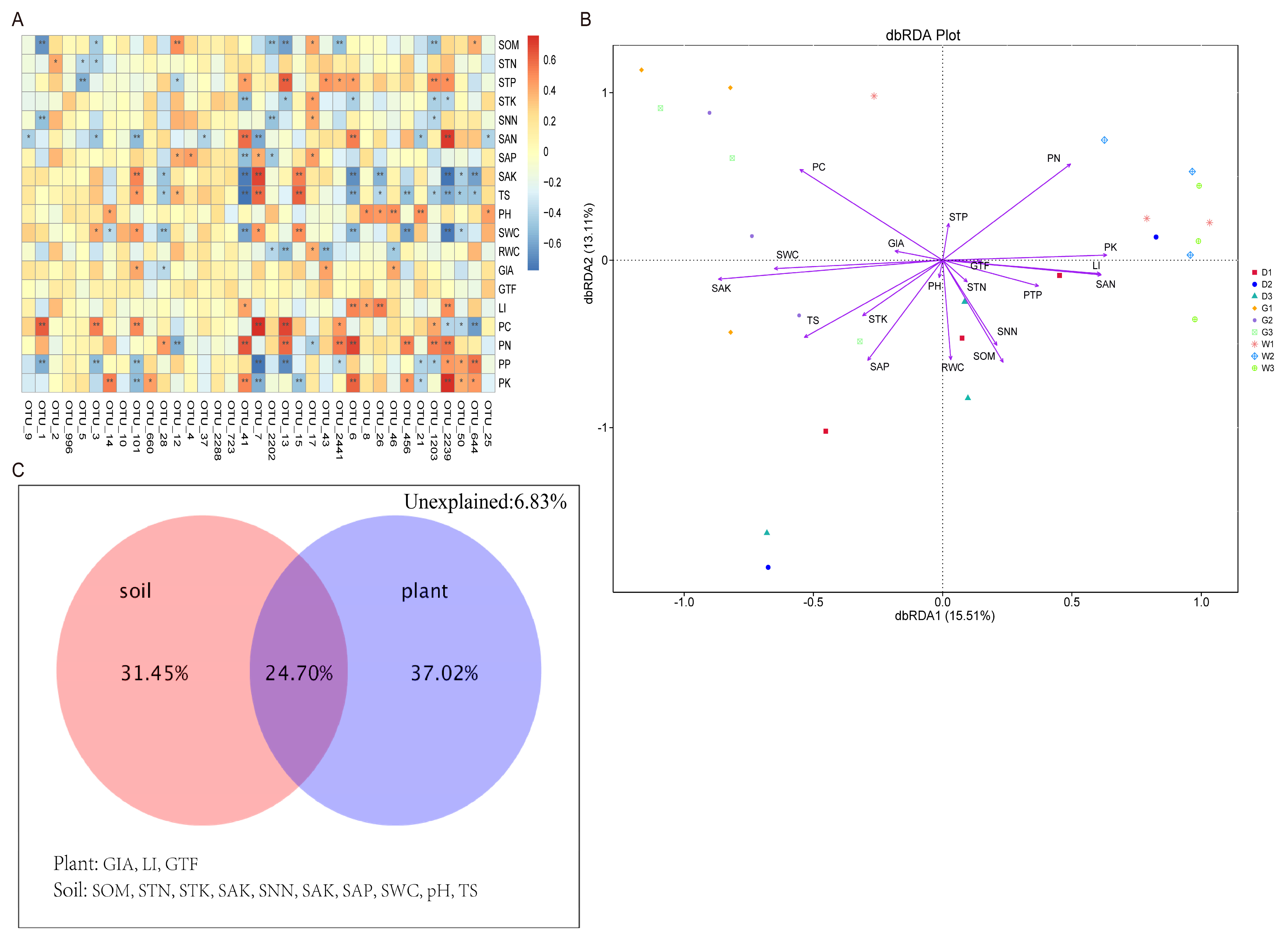
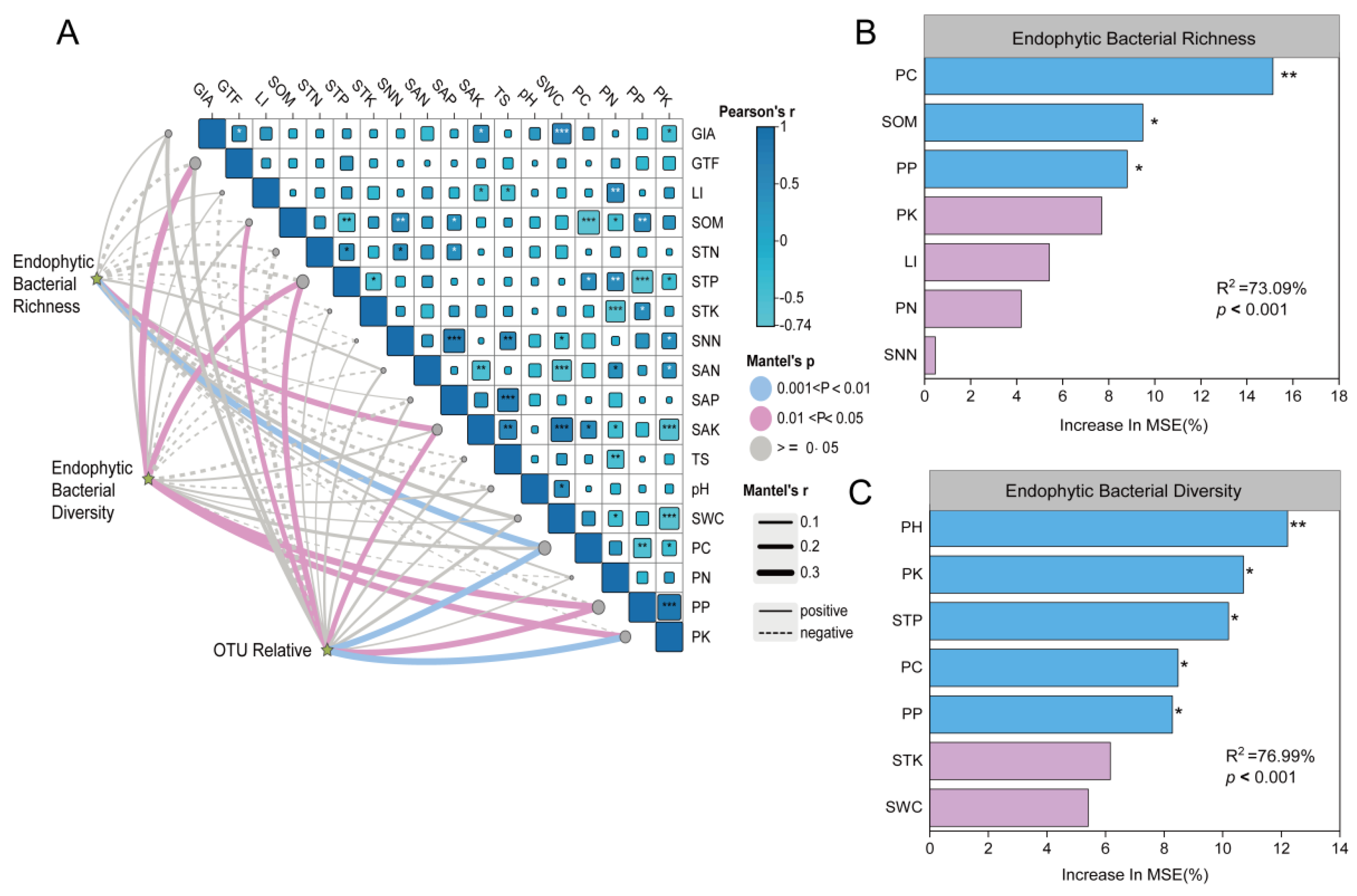
This study explores plant–soil–endophyte interactions in three licorice species, offering new insights for medicinal licorice development. It found significant differences in plant nutrients, secondary metabolites, and soil properties, influencing endophytic bacterial diversity. Licorice species had a greater impact on bacterial communities than root depth. The dominant bacterial phylum was Proteobacteria, followed by Actinomycetes. Functional genes related to metabolism were predominant. Environmental factors, particularly plant-related (37.02%) and soil-related (31.45%), drove bacterial distribution. pH and PC were identified as key factors affecting bacterial diversity and richness, suggesting that plant factors primarily influence bacterial community composition.
Abstract
The role of endophytic bacteria in the interaction between medicinal plants and microorganisms, secondary metabolite accumulation, plant nutrient changes, as well as their interactions with microbial communities, needs to be investigated in medicinal plants. In this study, 16S rRNA genes of endophytic bacterial communities in the root systems of three medicinal licorice species at different root depths (0–20, 20–40, and 40–60 cm) were sequenced using high-throughput sequencing technology, and their relationships with plant and soil factors were investigated. Our study indicated that the influence of Glycyrrhiza species on the structure of endophytic bacterial communities is significantly greater than that of root depth, and there are significant differences in the structure of endophytic bacterial communities at different sampling sites. At the phylum level, Proteobacteria and Actinobacteria are the dominant phylum. Functional gene prediction shows that functional genes related to metabolism dominate the endogenous bacterial community. Plant factors and soil physicochemical properties are important environmental drivers affecting the distribution of endophytic bacterial communities. This study will give new information on plant–soil–endophyte interactions and open up new possibilities for medicinal licorice development and use.