Design of a Multi-Epitope Vaccine Candidate Against Infectious Laryngotracheitis Virus Affecting Poultry by Computational Approaches
by
 , , ,
, , ,
Periyasamy Ponnusamy
1,* ,
,
Kuppannan Sukumar
1,
Angamuthu Raja
2,
Sellappan Saravanan
1,
Palani Srinivasan
3,
Kalaivanan Ramya
1 ,
,
Mani Selvaraju
4 and
Ramasamy Saravanan
5,* 1
Department of Veterinary Microbiology, Veterinary College and Research Institute, Namakkal 637002, Tamil Nadu, India
2
Department of Animal Biotechnology, Madras Veterinary College, Chennai 600007, Tamil Nadu, India
3
Department of Veterinary Pathology, Veterinary College and Research Institute, Namakkal 637002, Tamil Nadu, India
4
Veterinary College and Research Institute, Namakkal 637002, Tamil Nadu, India
5
Department of Animal Genetics and Breeding, Veterinary College and Research Institute, Tamil Nadu Veterinary and Animal Sciences University, Namakkal 637002, Tamil Nadu, India
*
Authors to whom correspondence should be addressed.
Biology 2025, 14(7), 765; https://doi.org/10.3390/biology14070765
Submission received: 27 May 2025
/
Revised: 19 June 2025
/
Accepted: 20 June 2025
/
Published: 25 June 2025
Simple Summary
The occurrence of infectious diseases has an impact on the poultry industry’s phenomenal growth rate. Infectious laryngotracheitis (ILT) is among the diseases that cause severe respiratory disease in chickens, which affects the poultry industry worldwide. The major drawbacks of conventional vaccines are inherent virulence, latency and low immunogenicity, which demands the need to generate alternative vaccines to combat ILT infection. In this study, a multi-epitope-based vaccine construct using envelope glycoproteins B and D of the ILTV was designed by computational approaches. The results of the study showed that the final vaccine candidate was antigenic, nonallergenic, stable, interacted with immune receptors, and able to produce cellular and antibody immune responses against ILTV infection, analyzed by immunoinformatic approaches. These findings offer a base for the development of alternatives to traditional vaccines to combat ILTV infection in poultry.
Abstract
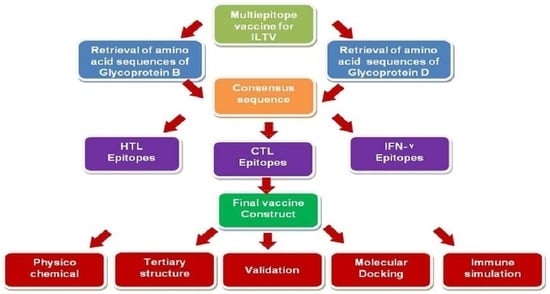
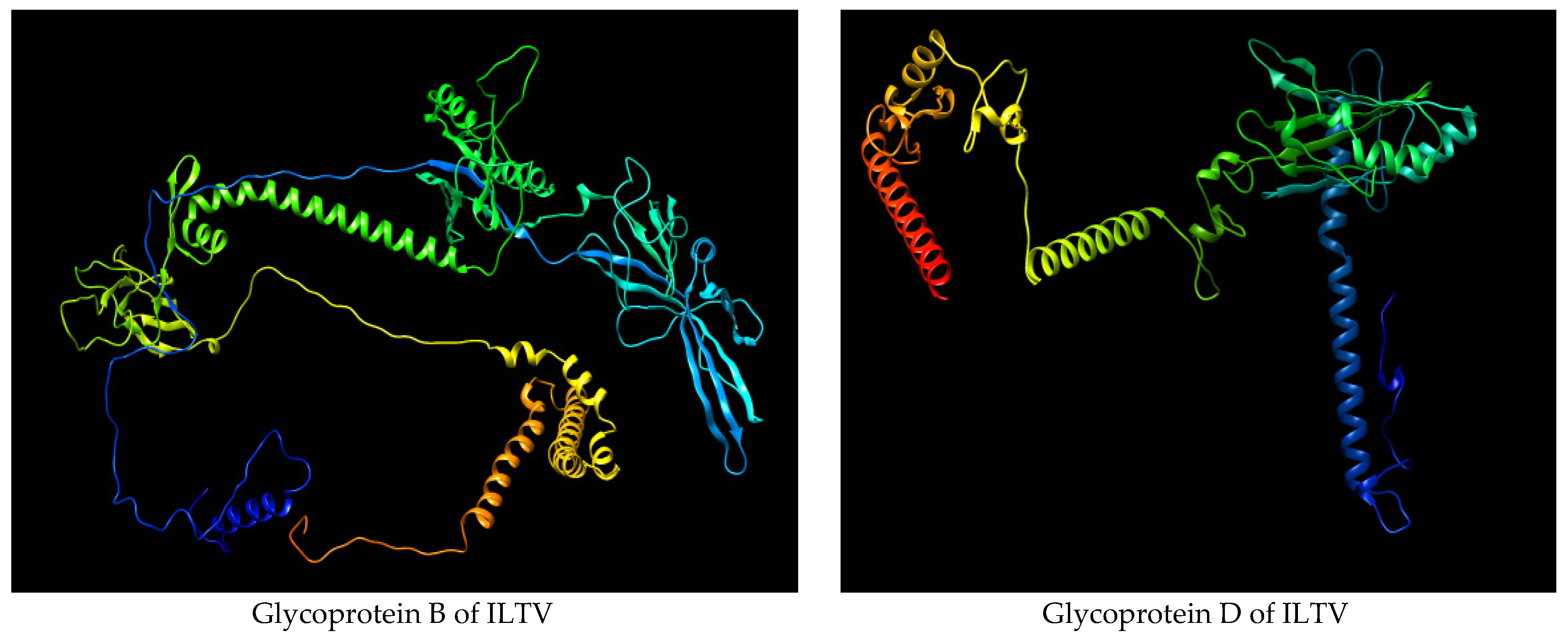
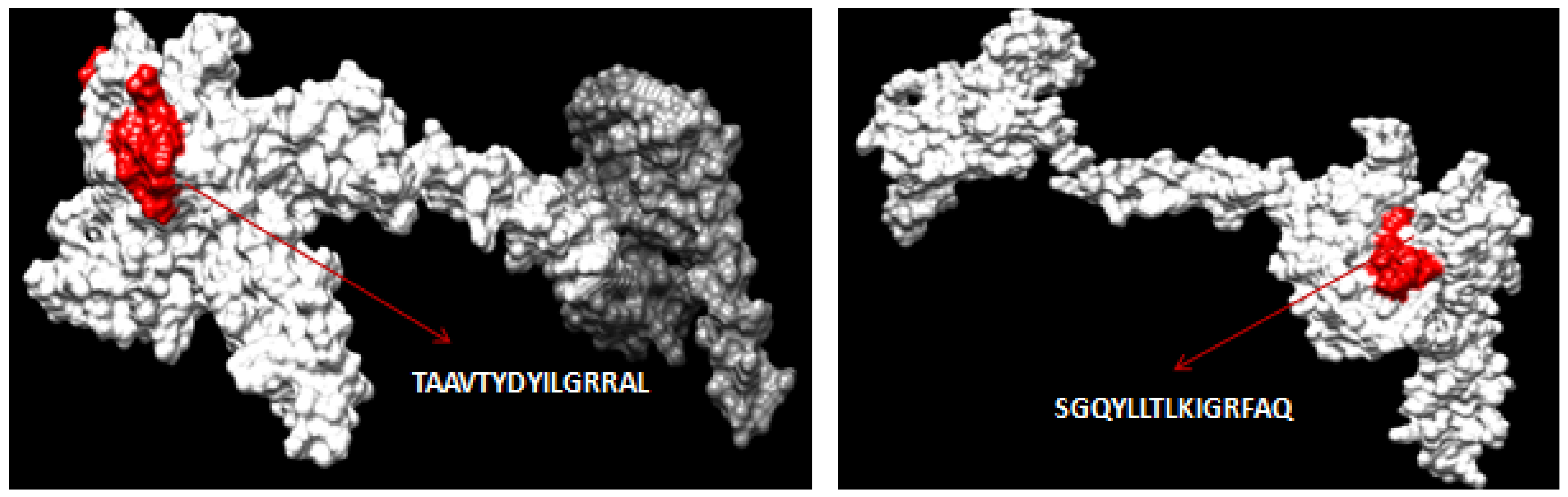
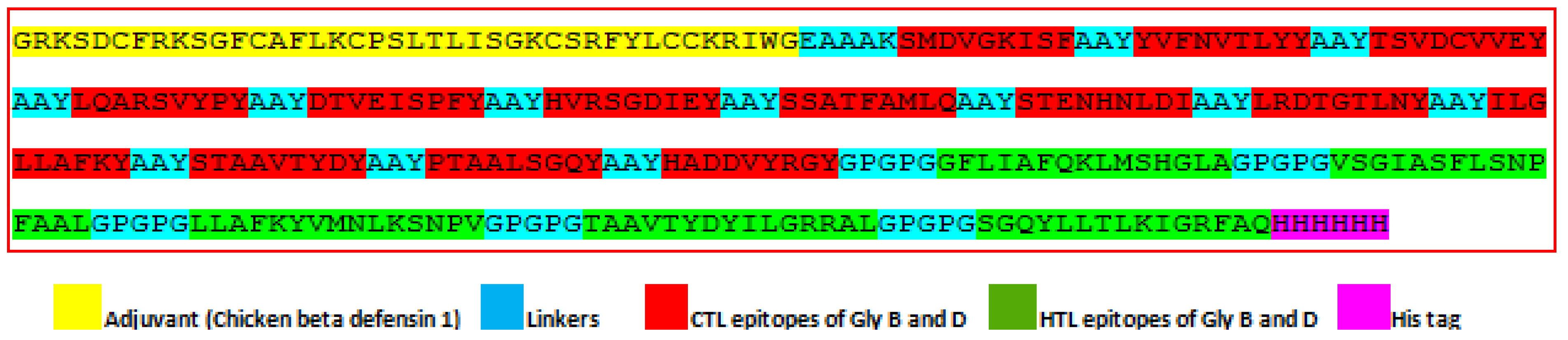
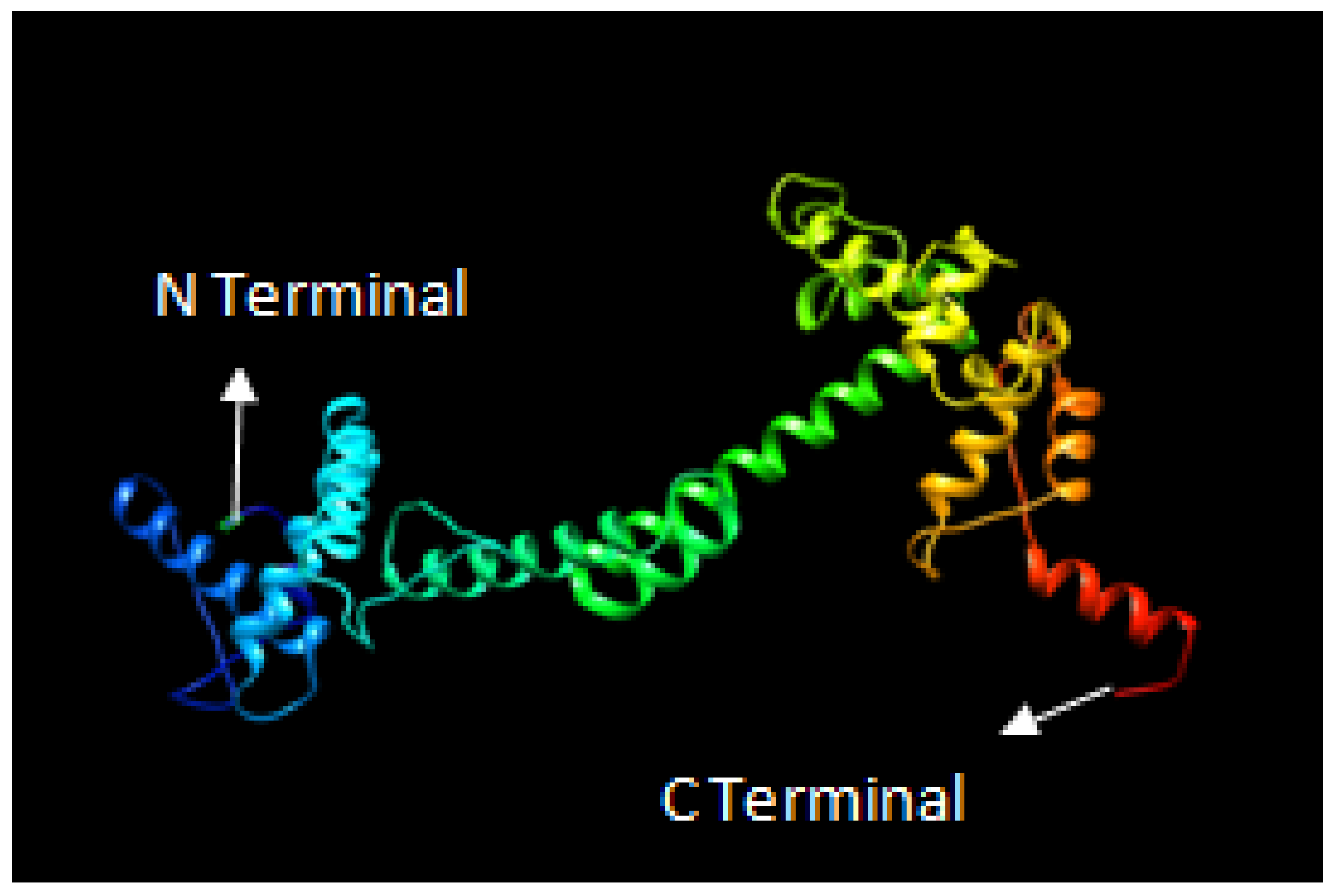
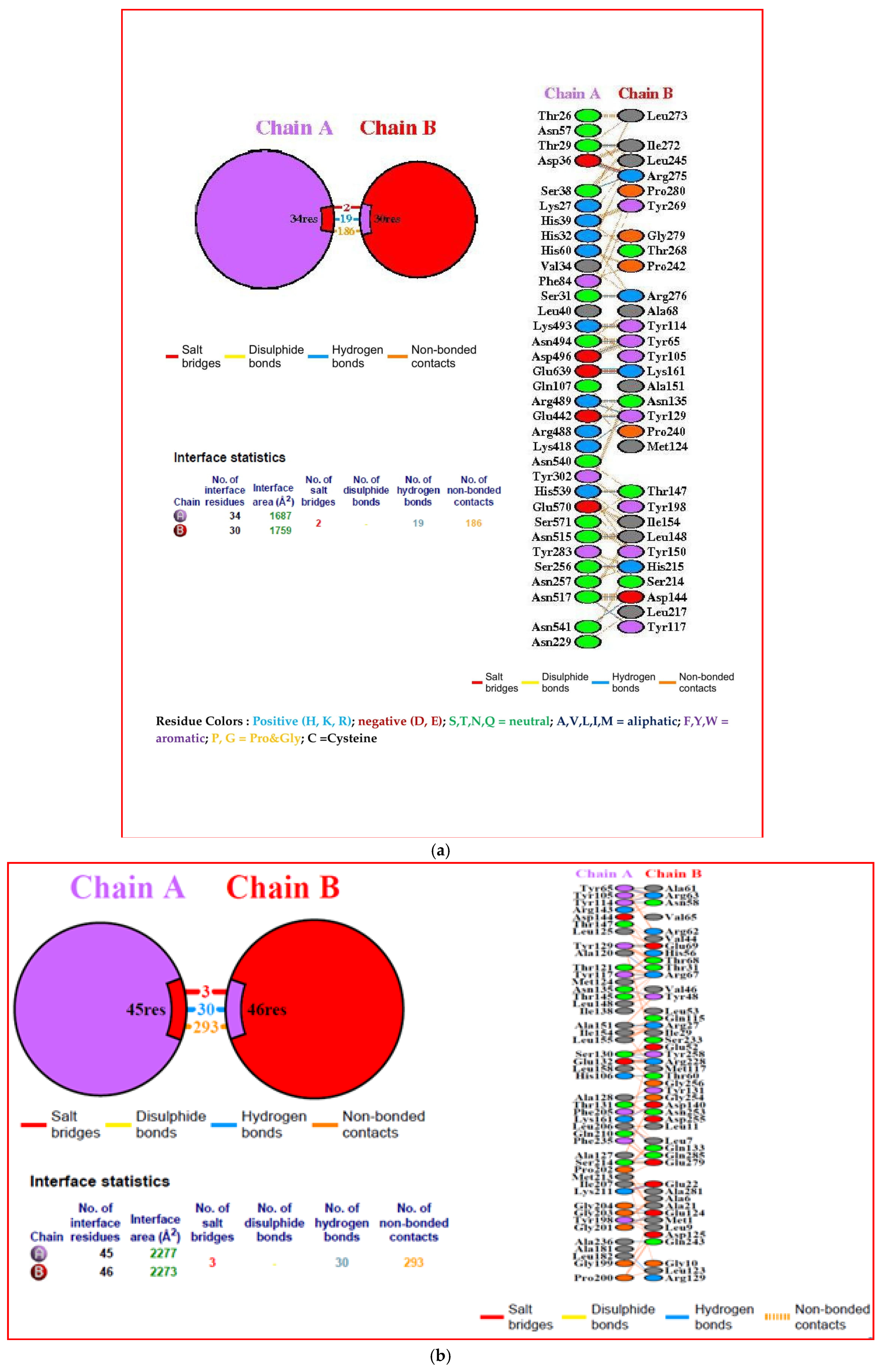
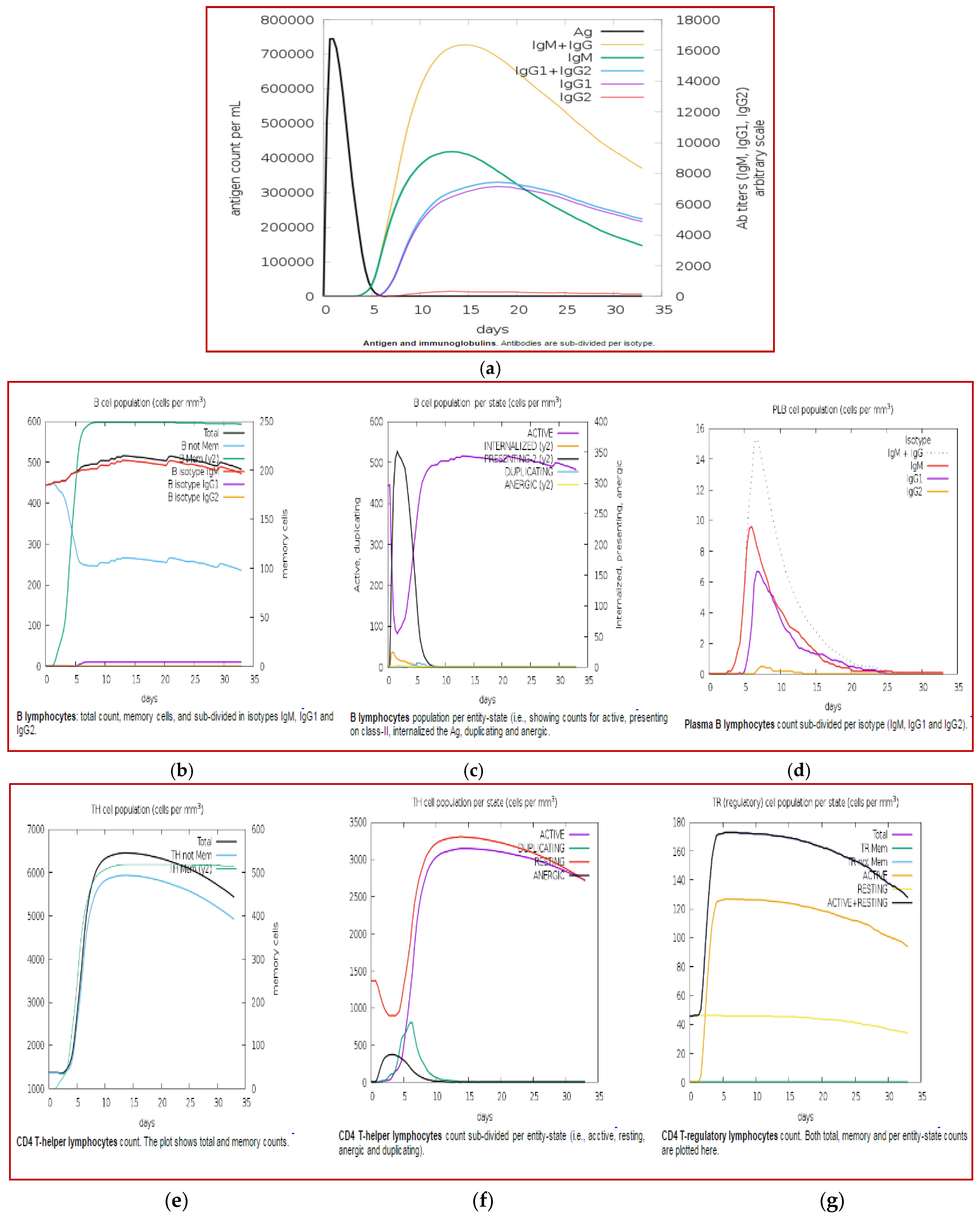
Infectious laryngotracheitis (ILT) is a severe upper respiratory disease highly contagious in chickens that causes a huge economic impact on the poultry industry all over the world. The current study aimed to design a multi-epitope-based vaccine candidate using envelope glycoprotein B and glycoprotein D of the ILT virus using an immune informatics approach. The glycoproteins B and D are crucial for attachment as well as entry of ILT virus inside the cell, which makes them a potential option for designing vaccine candidates. The prediction of epitopes, viz. helper T lymphocyte, cytotoxic T lymphocyte and interferon-gamma producing epitopes, was performed and high-scoring predicted epitopes were joined in an organized manner using suitable linkers to design the final vaccine candidate. The avian beta-defensin 1 was included as an adjuvant in the amino-terminal of the vaccine design that possesses antimicrobial activity and histidine residues at the carboxy-terminal for the purpose of purification. The final vaccine candidate was evaluated for its physicochemical characteristics, solubility, antigenicity, stability, and allergenicity and validated for its modeling. Molecular docking, binding affinity, and interacting residues between the vaccine candidate and immune receptors, viz. TLR 3, MHC Class I and Class II were assessed. Further, to assess the immune response profile generated by the final vaccine design, an insilico immune simulation study was also performed. The findings of this study revealed that the final vaccine candidate was antigenic, nonallergenic, stable, interacted with immune receptors, and able to produce antibodies as well as cellular immune responses against ILTV infection.