Comparative Analysis of the Venom Proteins from Two Eupelmid Egg Parasitoids Anastatus japonicus and Mesocomys trabalae


1
National Key Laboratory of Green Pesticide, Guizhou University, Guiyang 550025, China
2
Key Laboratory of Green Pesticide and Agricultural Bioengineering, Ministry of Education, Guizhou University, Guiyang 550025, China
*
Author to whom correspondence should be addressed.
Biology 2023, 12(5), 700; https://doi.org/10.3390/biology12050700
Submission received: 6 April 2023
/
Revised: 30 April 2023
/
Accepted: 8 May 2023
/
Published: 10 May 2023
(This article belongs to the Special Issue Insect Venoms: Molecular Diversity, Evolution and Function)
Simple Summary
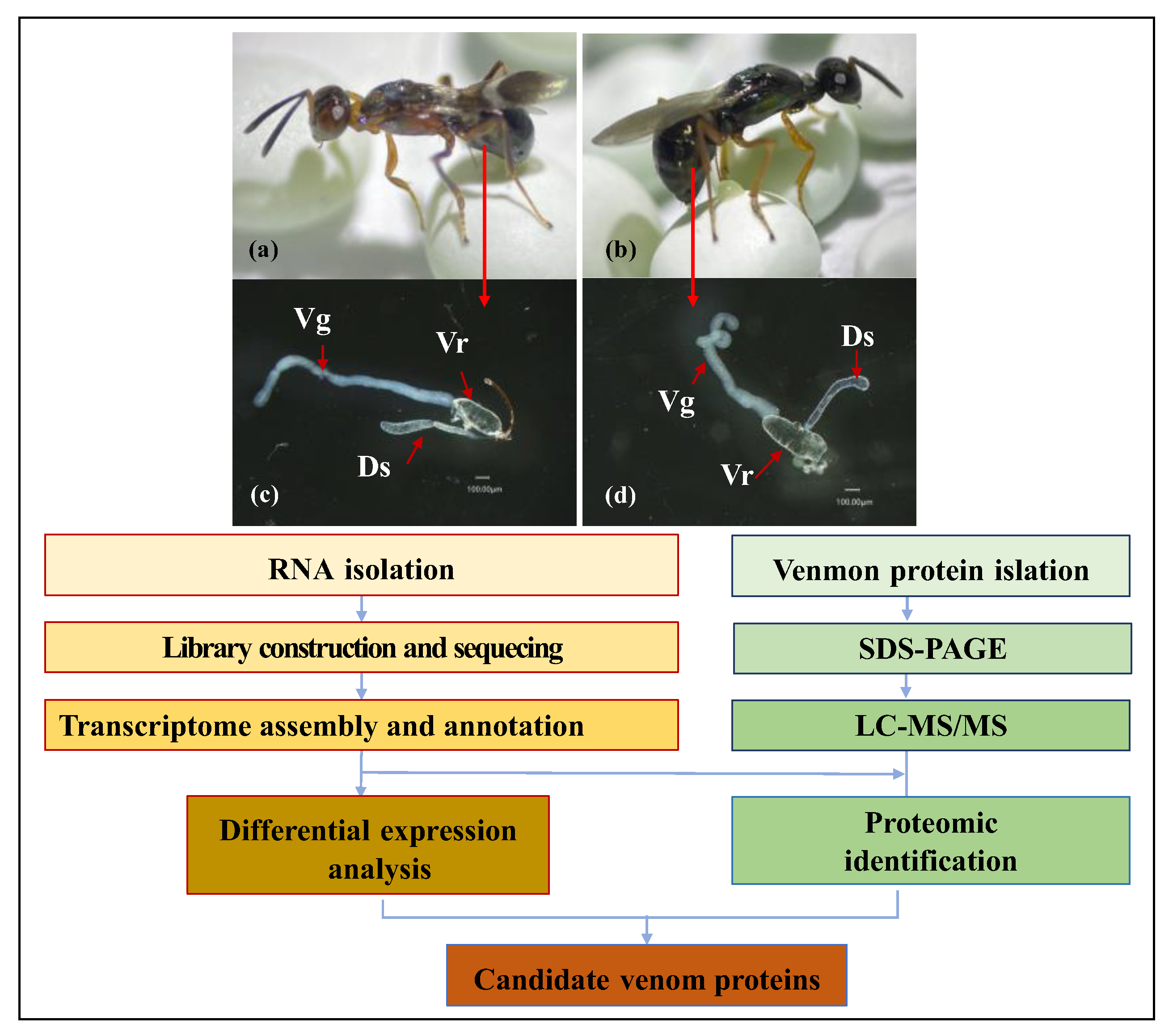
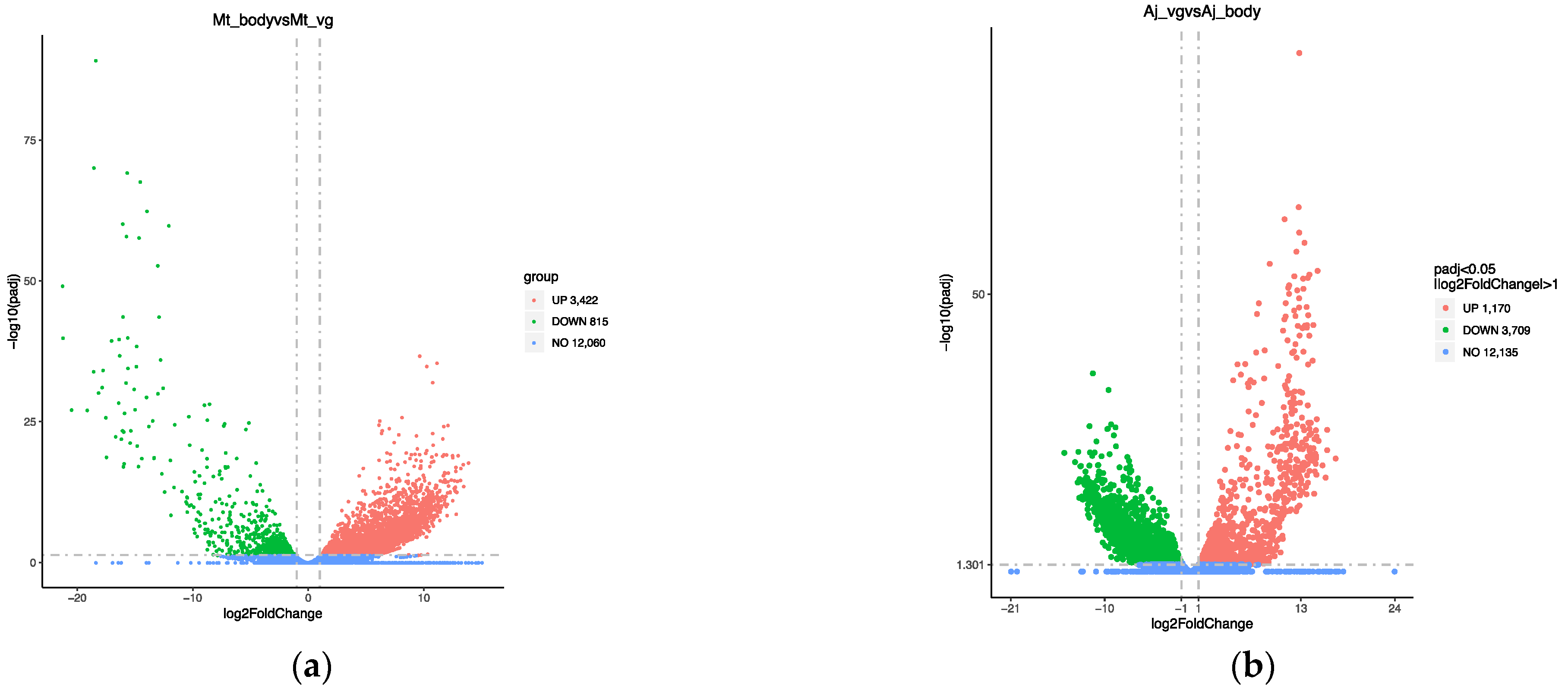
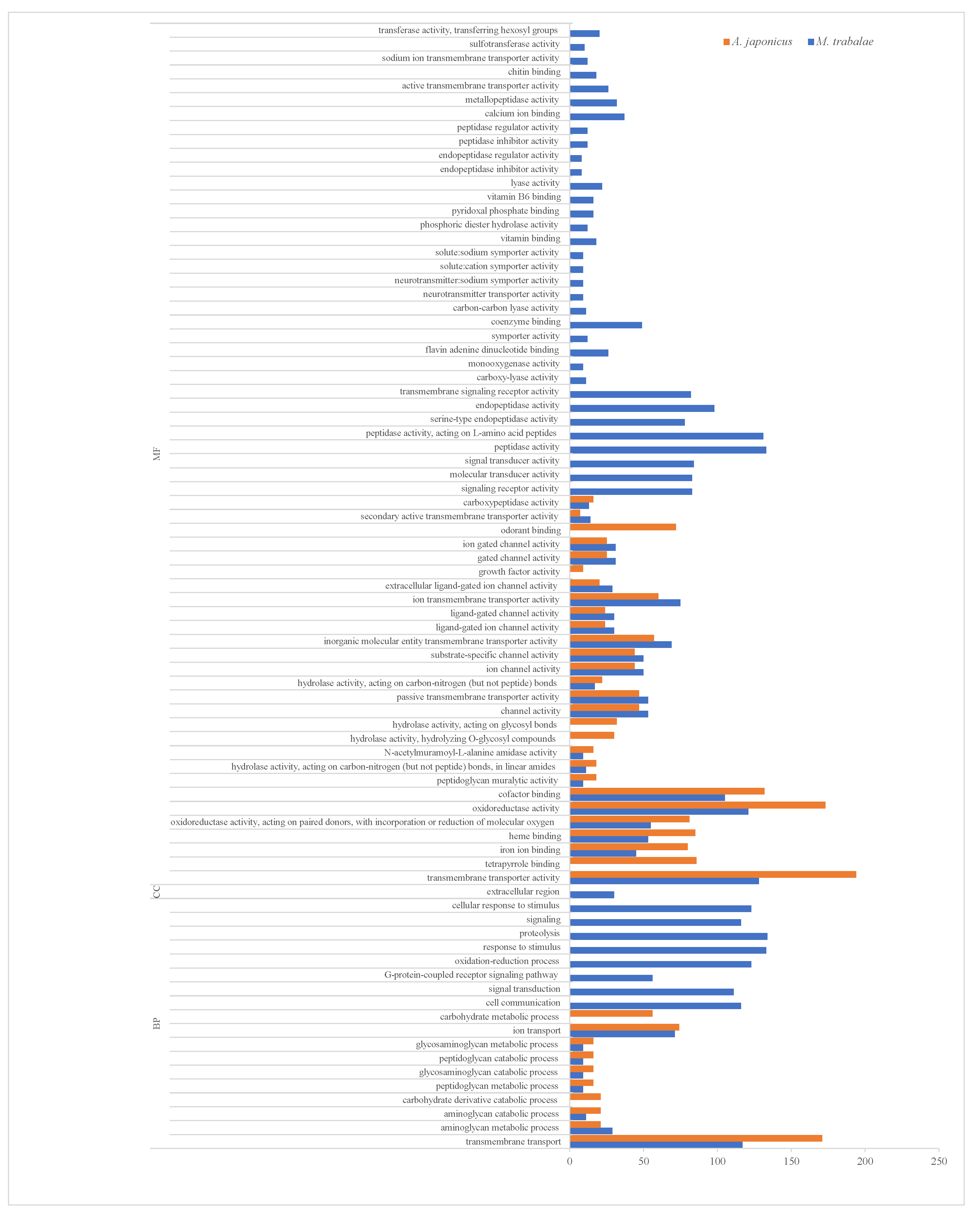
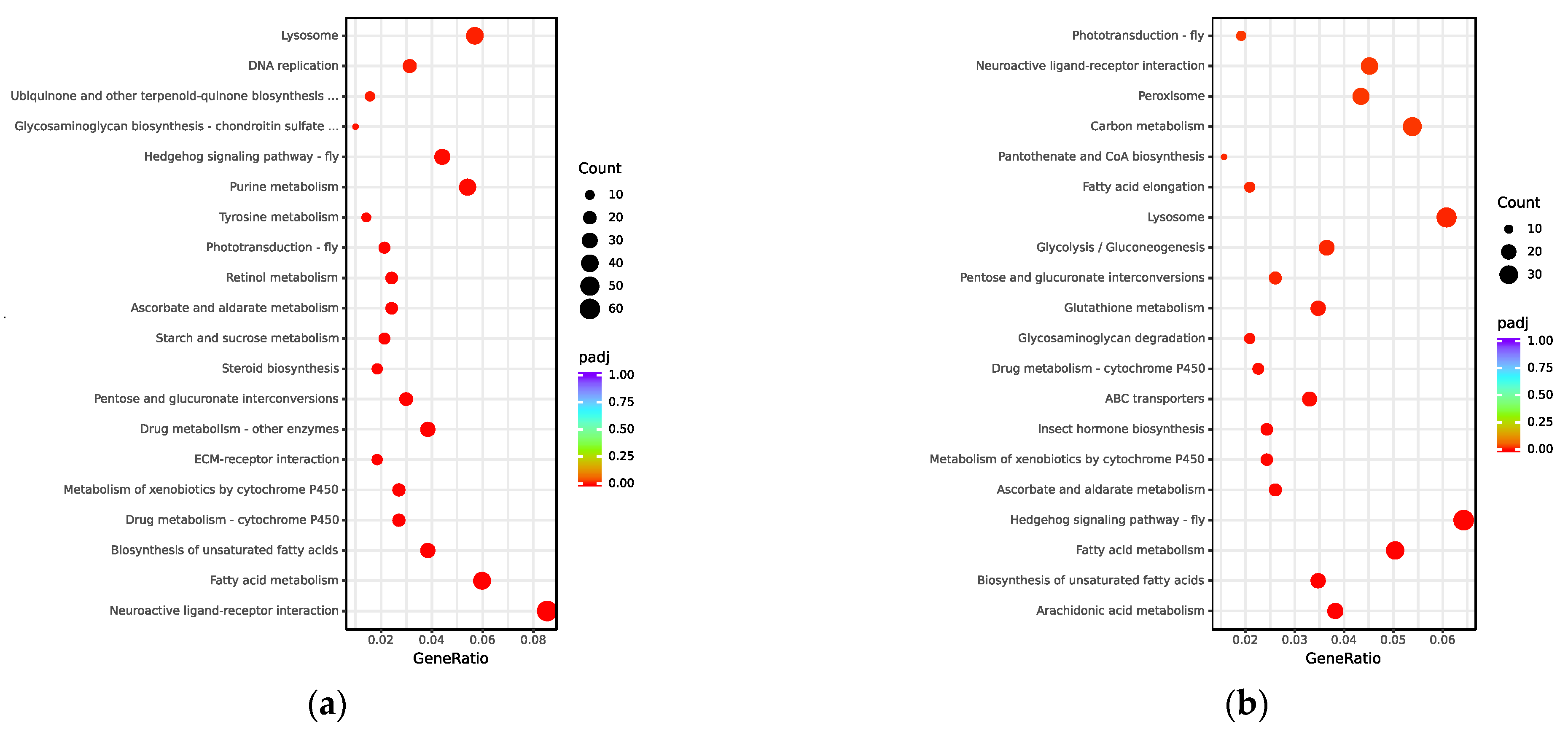
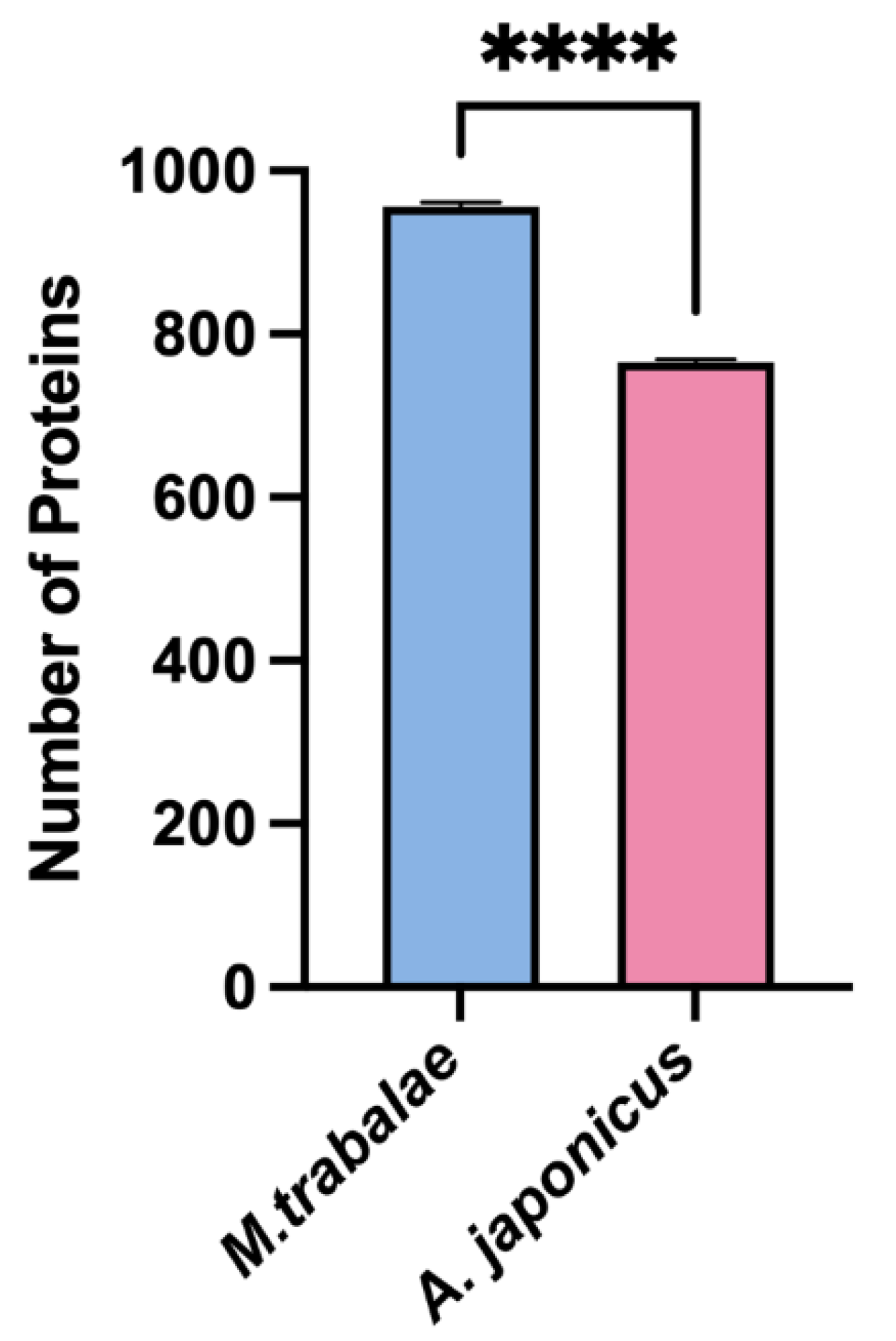
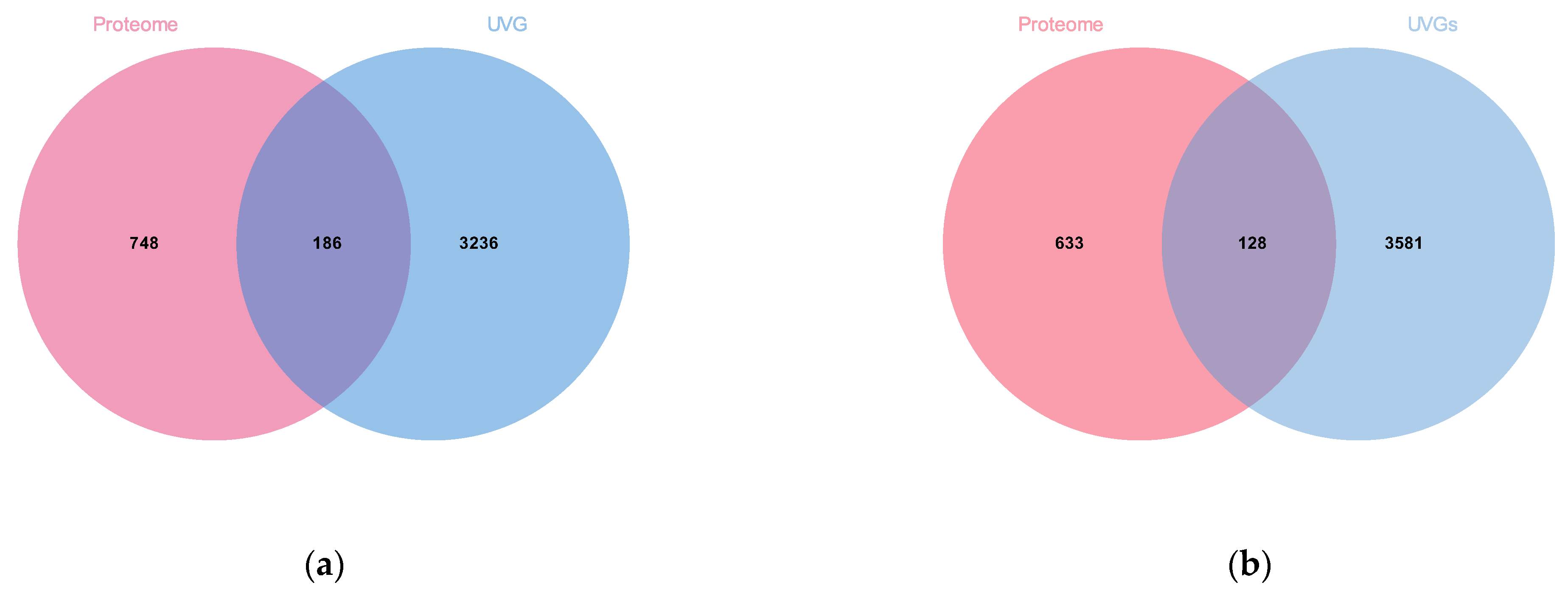
Research on the composition of egg parasitoid venom is very limited. In this study, we used a combination of transcriptomic and proteomic approaches to identify the protein fractions of the venom in both eupelmid egg parasitoids, Anastatus japonicus and Mesocomys trabalae. We identified 3422 up-regulated venom gland genes in M. trabalae and 3709 in A. japonicus and analyzed their functions comparatively. By proteome sequencing, we identified 956 potential venom proteins in the venom pouch of M. trabalae, of which 186 were contained in up-regulated genes simultaneously. A total of 766 proteins were detected in the venom of A. japonicus, of which 128 venom proteins were highly expressed in the venom glands. The results of functional analysis for these identified venom proteins indicated that the venom proteins in M. trabalae are well known but not in A. japonicus, which may be related to the host range. These results will provide a theoretical basis for studying the function of egg parasitoid venom and its parasitic mechanism.
Abstract
Parasitic wasps are abundant and diverse Hymenoptera insects that lay their eggs inside or on the external surface of the host and inject venom into the host to create a more favorable environment for the larvae to survive and regulate the host’s immunity, metabolism, and development. But research on the composition of egg parasitoid venom is very limited. In this study, we used a combination of transcriptomic and proteomic approaches to identify the protein fractions of the venom in both eupelmid egg parasitoids, Anastatus japonicus and Mesocomys trabalae. We identified 3422 up-regulated venom gland genes (UVGs) in M. trabalae and 3709 in A. japonicus and analyzed their functions comparatively. By proteome sequencing, we identified 956 potential venom proteins in the venom pouch of M. trabalae, of which 186 were contained in UVGs simultaneously. A total of 766 proteins were detected in the venom of A. japonicus, of which 128 venom proteins were highly expressed in the venom glands. At the same time, the functional analysis of these identified venom proteins was carried out separately. We found the venom proteins in M. trabalae are well known but not in A. japonicus, which may be related to the host range. In conclusion, identifying venom proteins in both egg parasitoid species provides a database for studying the function of egg parasitoid venom and its parasitic mechanism.
Keywords:
parasitic wasp; Eupelmidae; Caligula japonica; venom proteins