Primary-like Human Hepatocytes Genetically Engineered to Obtain Proliferation Competence as a Capable Application for Energy Metabolism Experiments in In Vitro Oncologic Liver Models
by

Andrea Scheffschick
1,2,†, 
Jonas Babel
1,†,
Sebastian Sperling
3,†,
Julia Nerusch
1,2,
Natalie Herzog
4,
Daniel Seehofer
1,3 and 
Georg Damm
1,2,3,*
1
Department of Hepatobiliary Surgery and Visceral Transplantation, University Hospital, Leipzig University, 04103 Leipzig, Germany
2
Saxonian Incubator for Clinical Translation (SIKT), Leipzig University, 04103 Leipzig, Germany
3
Department of General, Visceral and Transplantation Surgery, Charité University Medicine Berlin, 13353 Berlin, Germany
4
Faculty of Science, Brandenburg University of Technology Cottbus-Senftenberg, 01968 Senftenberg, Germany
*
Author to whom correspondence should be addressed.
†
These authors contributed equally to this work.
Biology 2022, 11(8), 1195; https://doi.org/10.3390/biology11081195
Submission received: 8 June 2022
/
Revised: 21 July 2022
/
Accepted: 3 August 2022
/
Published: 9 August 2022
(This article belongs to the Section Cancer Biology)
Simple Summary
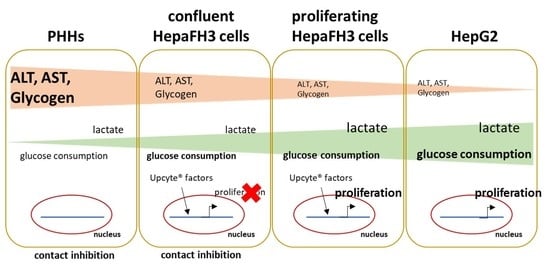
Fatty liver disease is an increasing health concern in Westernized countries. A fatty liver can lead to hepatocellular carcinoma (HCC), a type of liver cancer arising from hepatocytes, the major cells of the liver. How HCC may develop from the fatty liver is not known, and good cellular systems to investigate this are lacking. Recently, hepatocytes that can multiply continuously have been generated and suggested for hepatocyte research. In this study, we compared these continuously multiplying human hepatocytes to normal human hepatocytes and liver cancer cells, both within the state of fatty liver or not. We identified that these multiplying hepatocytes displayed many similarities to the liver cancer cells in terms of energy metabolism and concluded that these hepatocytes could be a pre-cancer model for liver cancer research and would be a valuable tool for HCC research.
Abstract
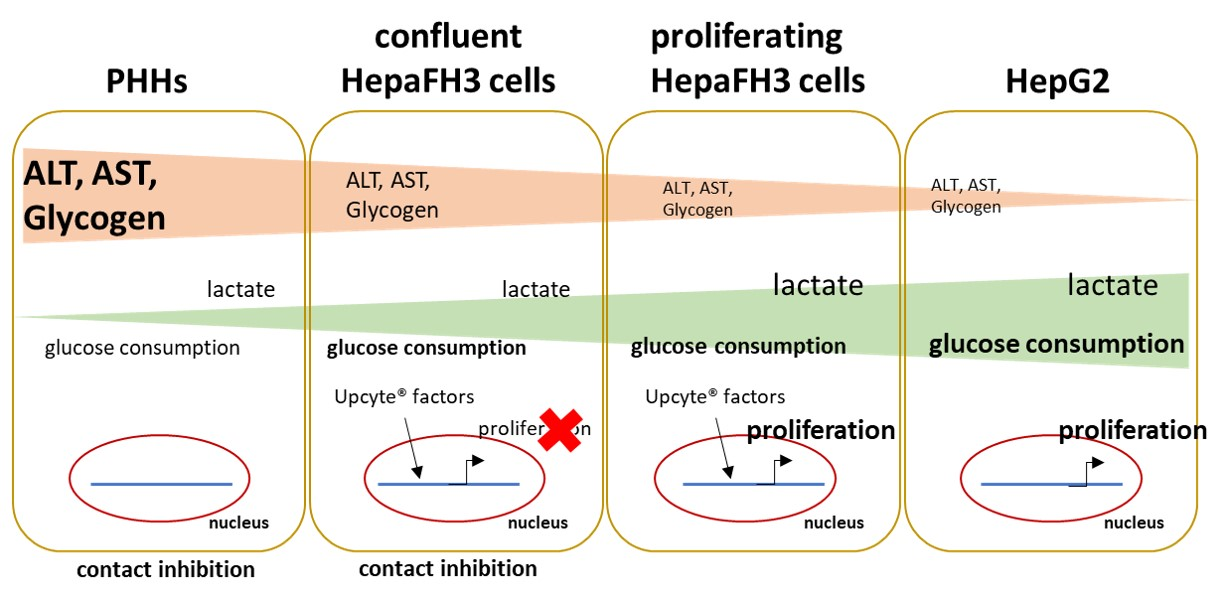
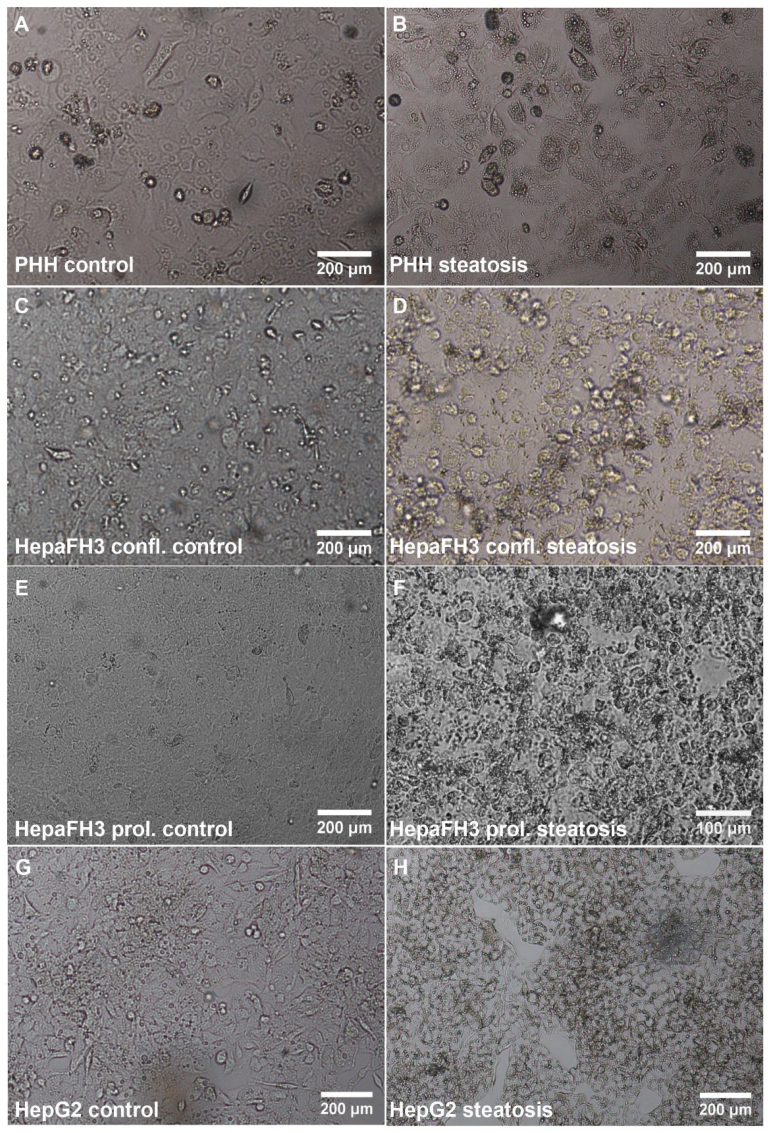
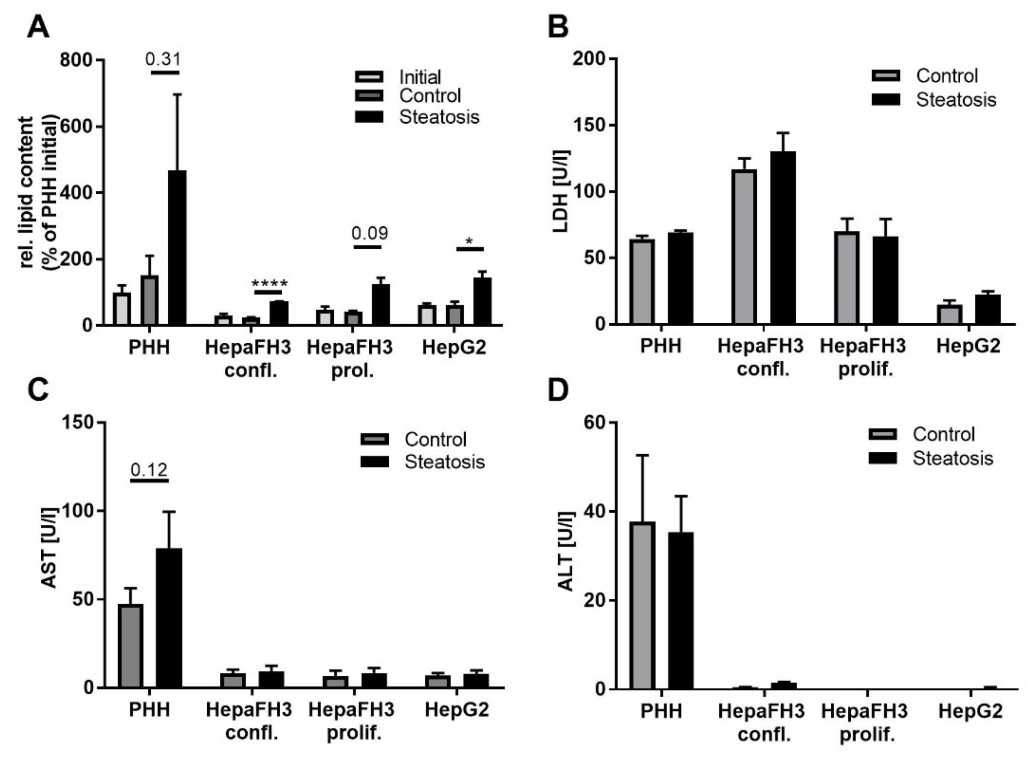
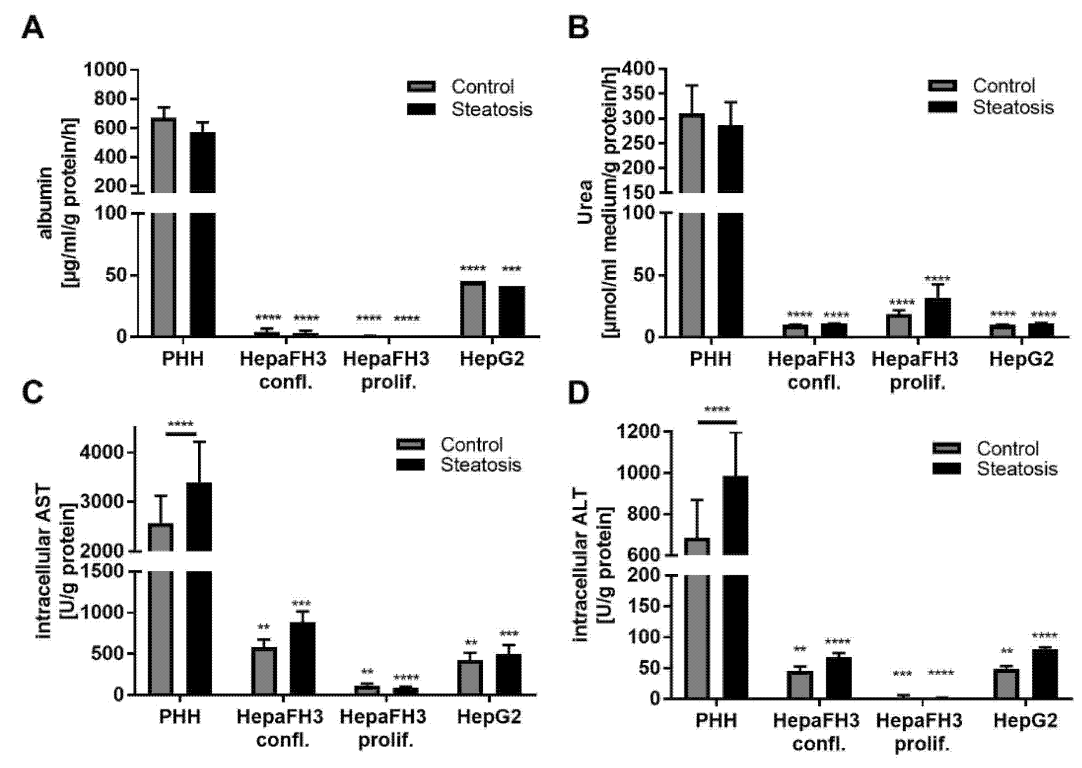
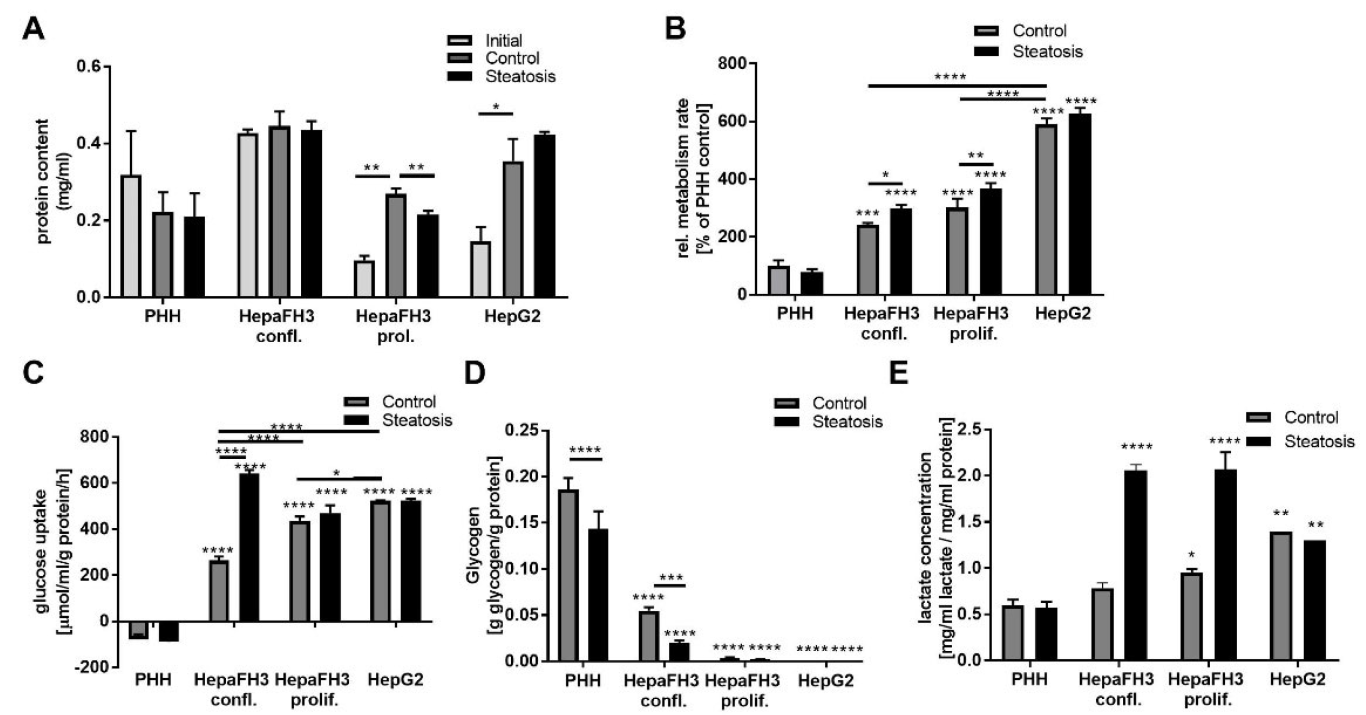
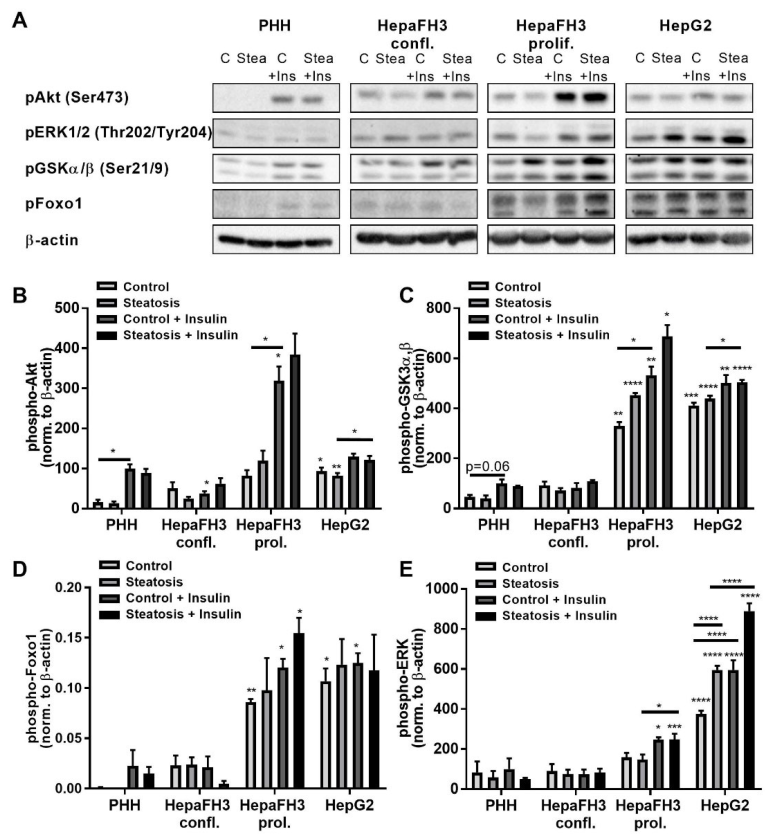
Non-alcoholic fatty liver disease (NAFLD), characterized by lipid accumulation in the liver, is the most common cause of liver diseases in Western countries. NAFLD is a major risk factor for developing hepatocellular carcinoma (HCC); however, in vitro evaluation of hepatic cancerogenesis fails due to a lack of liver models displaying a proliferation of hepatocytes. Originally designed to overcome primary human hepatocyte (PHH) shortages, upcyte hepatocytes were engineered to obtain continuous proliferation and, therefore, could be a suitable tool for HCC research. We generated upcyte hepatocytes, termed HepaFH3 cells, and compared their metabolic characteristics to HepG2 hepatoma cells and PHHs isolated from resected livers. For displaying NAFLD-related HCCs, we induced steatosis in all liver models. Lipid accumulation, lipotoxicity and energy metabolism were characterized using biochemical assays and Western blot analysis. We showed that proliferating HepaFH3 cells resemble HepG2, both showing a higher glucose uptake rate, lactate levels and metabolic rate compared to PHHs. Confluent HepaFH3 cells displayed some similarities to PHHs, including higher levels of the transaminases AST and ALT compared to proliferating HepaFH3 cells. We recommend proliferating HepaFH3 cells as a pre-malignant cellular model for HCC research, while confluent HepaFH3 cells could serve as PHH surrogates for energy metabolism studies.