Paenibacillus sp. Strain OL15 Immobilized in Agar as a Potential Bioremediator for Waste Lubricating Oil-Contaminated Soils and Insights into Soil Bacterial Communities Affected by Inoculations of the Strain and Environmental Factors

1
Department of Microbiology, Faculty of Science, Silpakorn University, Nakhon Pathom 73000, Thailand
2
Department of Microbiology, Faculty of Liberal Arts and Science, Kasetsart University, Nakhon Pathom 73140, Thailand
*
Author to whom correspondence should be addressed.
†
These authors contributed equally to this work.
Biology 2022, 11(5), 727; https://doi.org/10.3390/biology11050727
Submission received: 1 April 2022
/
Revised: 6 May 2022
/
Accepted: 7 May 2022
/
Published: 9 May 2022
(This article belongs to the Section Microbiology)
Simple Summary
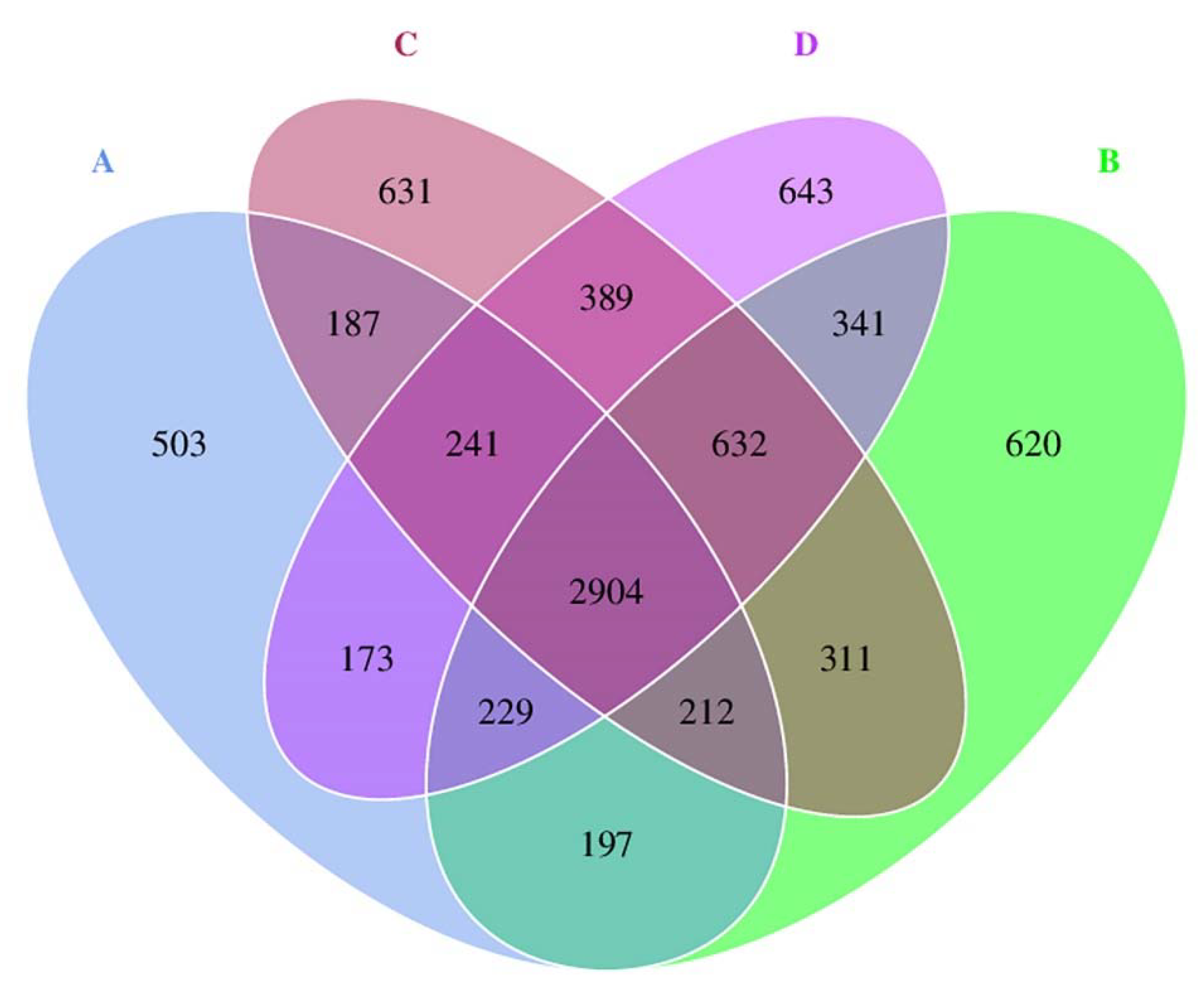
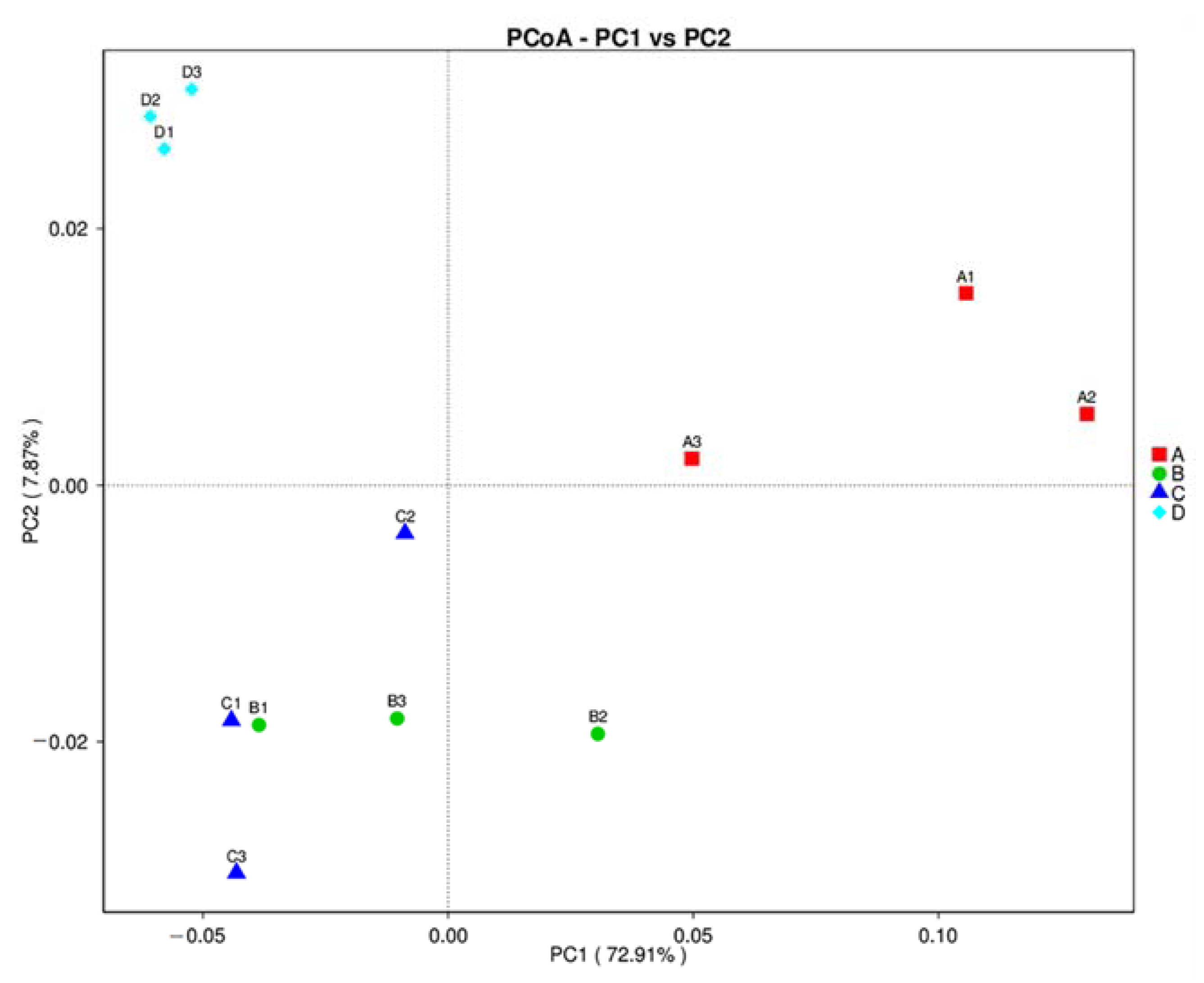
Waste lubricating oil contamination is a global environmental problem. This study demonstrates the potential of using agar as an immobilization material to maintain the survival and establishment of the bioremediator. We found that the Paenibacillus sp. strain OL15 was a promising bacterial strain which tolerated high concentrations of waste lubricating oil and exhibited high degradation ability. The inoculations of the strain increased total bacterial diversity in the oil-contaminated soils. Soil pH, electrical conductivity (EC), organic matter (OM), nitrogen, potassium, manganese, iron, and zinc were the factors determining the fertility of the oil-contaminated soil environments. Our work develops and implements an efficient bioremediation system employing the promising bioremediator and immobilization procedure for degradation of waste lubricating oil in the soil environments.
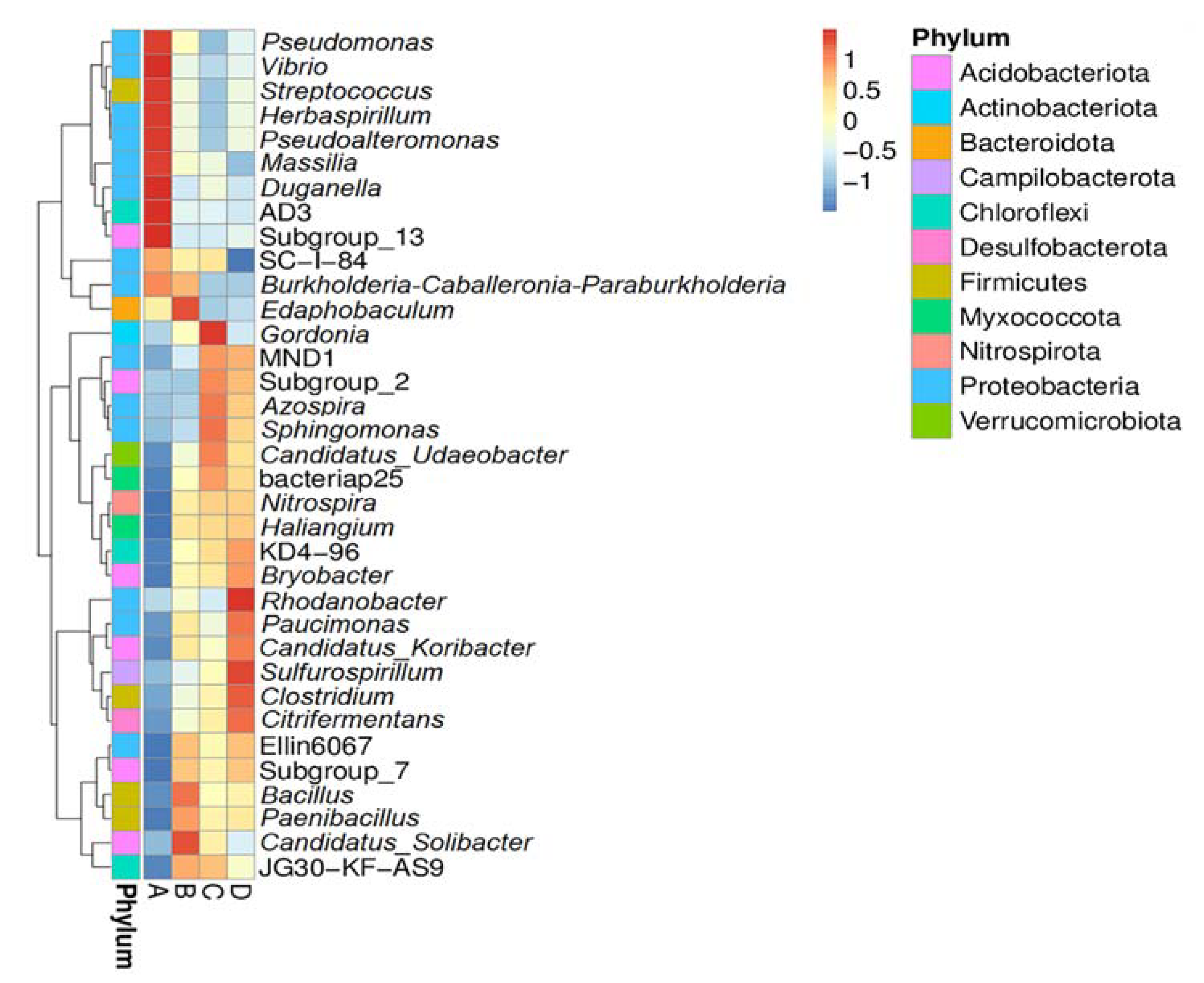
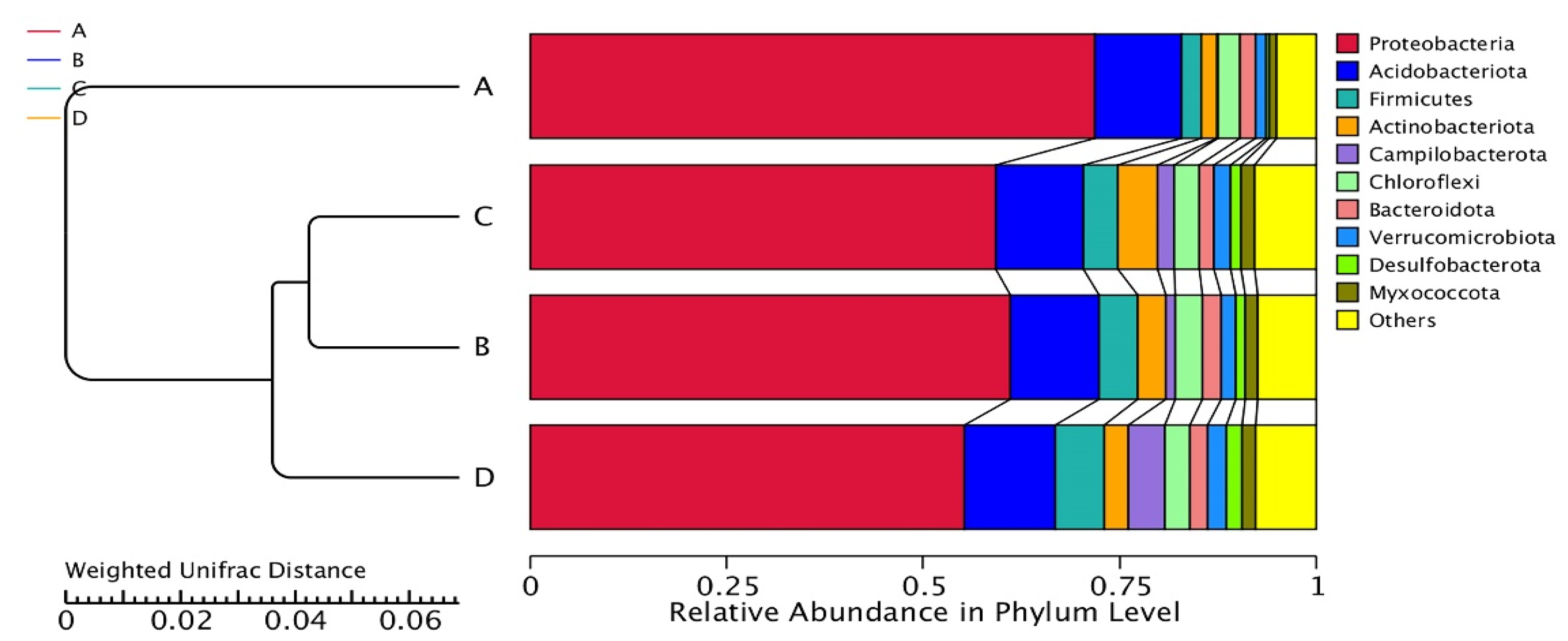
Abstract
Waste lubricating oil is a widespread common soil pollutant. In this study, the waste lubricating oil degraders were isolated from the oil-contaminated soil. The bacterial strains OL6, OL15, and OL8, which tolerated a high concentration (10%) of waste lubricating oil, presented the degradation efficiency values (measured in culture broth) of 15.6 ± 0.6%, 15.5 ± 1%, and 14.8 ± 1%, respectively, and belonged to the genera Enterobacter, Paenibacillus, and Klebsiella, respectively. To maintain long survival, immobilization of a promising bioremediator, Paenibacillus sp. strain OL15, in agar exhibited the significantly highest number of surviving cells at the end of a 30-day incubation period, as compared to those in alginate and free cells. Remarkably, after being introduced into the soil contaminated with 10% waste lubricating oil, the strain OL15 immobilized in agar conferred the highest degradation percentage up to 45 ± 3%. Due to its merit as a promising soil pollutant degrader, we investigated the effect of an introduction of the strain OL15 on the alterations of a bacterial community in the oil-contaminated soil environments using 16S rRNA amplicon sequencing. The result revealed that the Proteobacteria, Acidobacteriota, Firmicutes, and Actinobacteriota were predominant phyla. The introduction of the strain affected the soil bacterial community structures by increasing total bacterial diversity and richness. The proportions of the genera Pseudomonas, Vibrio, Herbaspirillum, Pseudoalteromonas, Massilia, Duganella, Bacillus, Gordonia, and Sulfurospirillum were altered in response to the strain establishment. Soil pH, EC, OM, total N, P, Mg, Fe, and Zn were the major factors influencing the bacterial community compositions in the oil-contaminated soils.