Article

Unraveling Microstructural Evolution and Mechanical Enhancements in LPBFed 316L Stainless Steel Under Ultrasonic Impact Treatment

School of Mechanical Engineering, Jiangsu University, Zhenjiang 212013, China
*
Authors to whom correspondence should be addressed.
Coatings 2026, 16(9), 1101; https://doi.org/10.3390/coatings16091101

Submission received: 22 July 2026 / Revised: 17 August 2026 / Accepted: 27 August 2026 / Published: 16 September 2026

Abstract

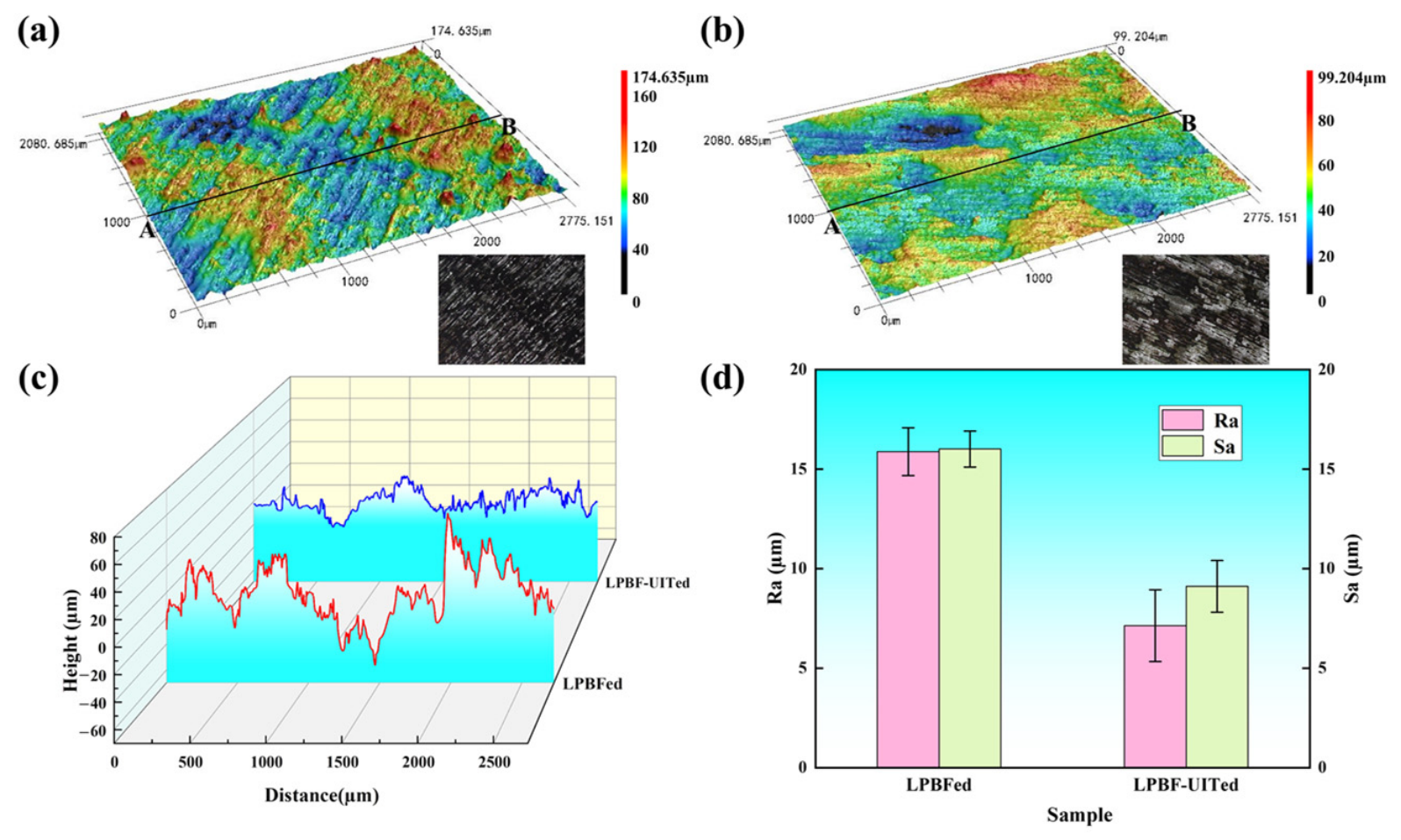
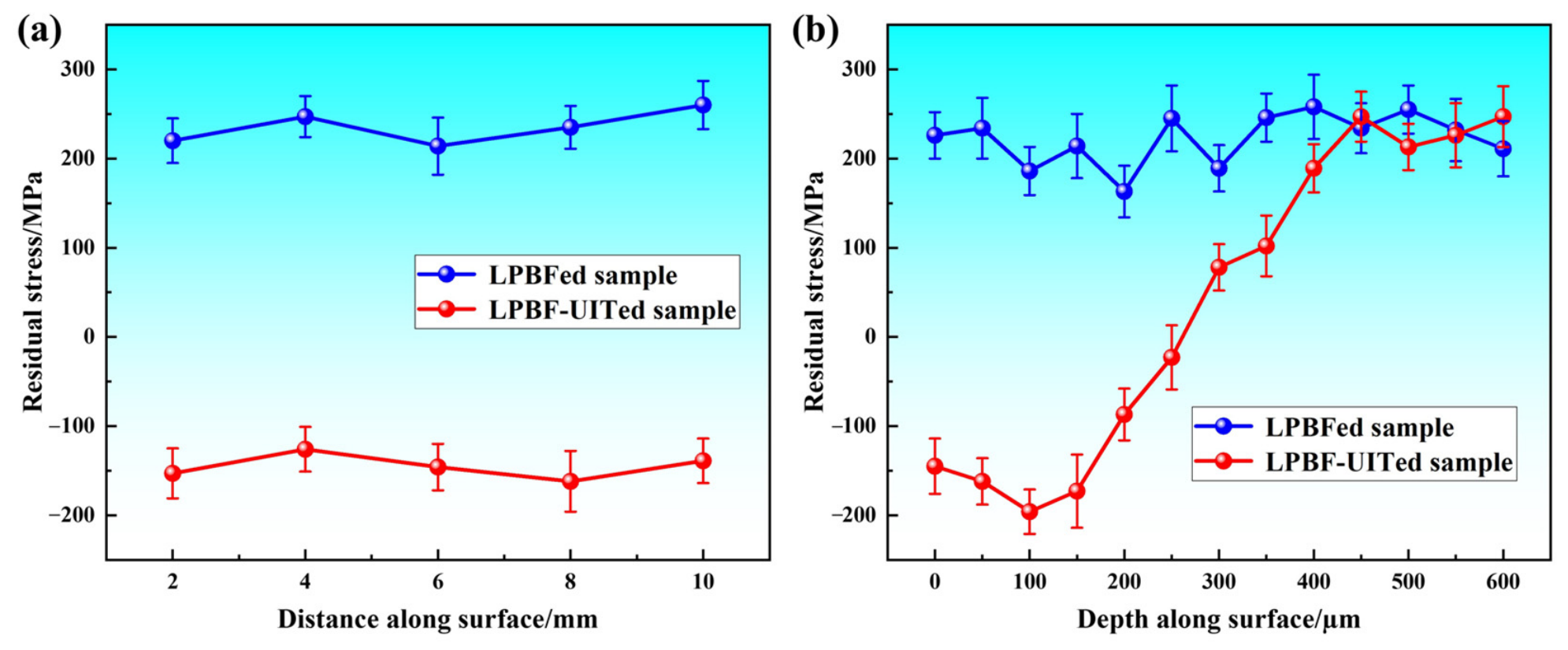
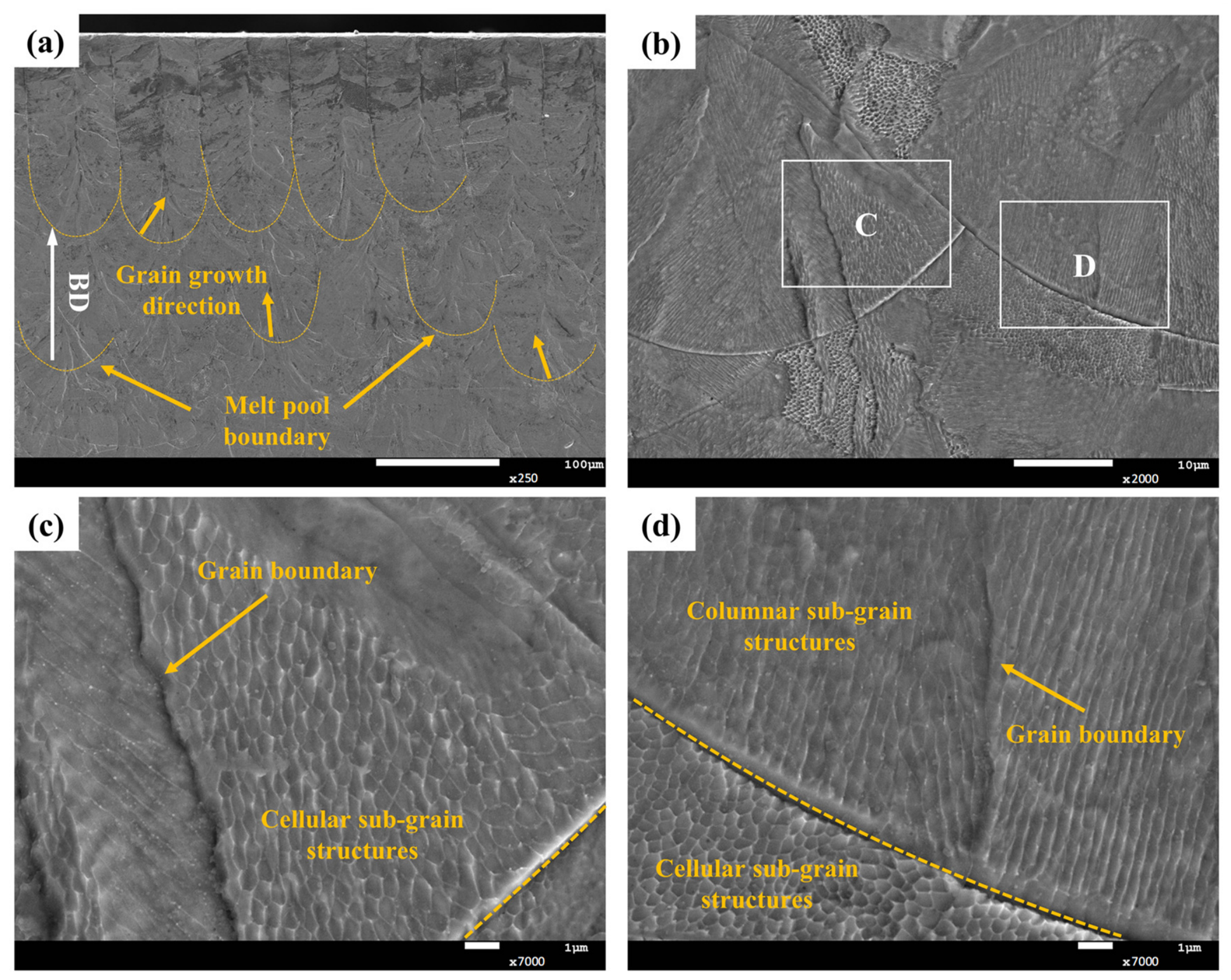
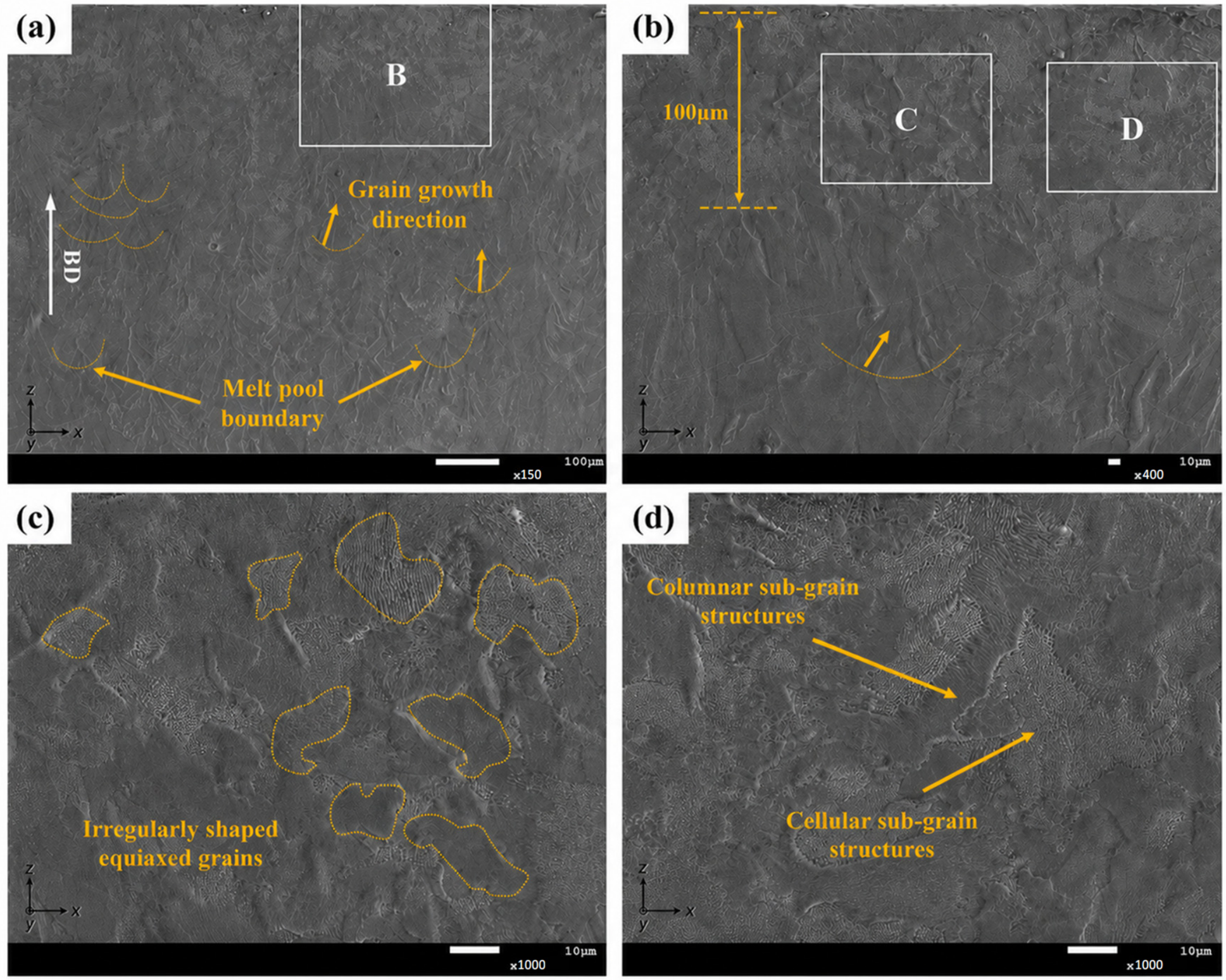
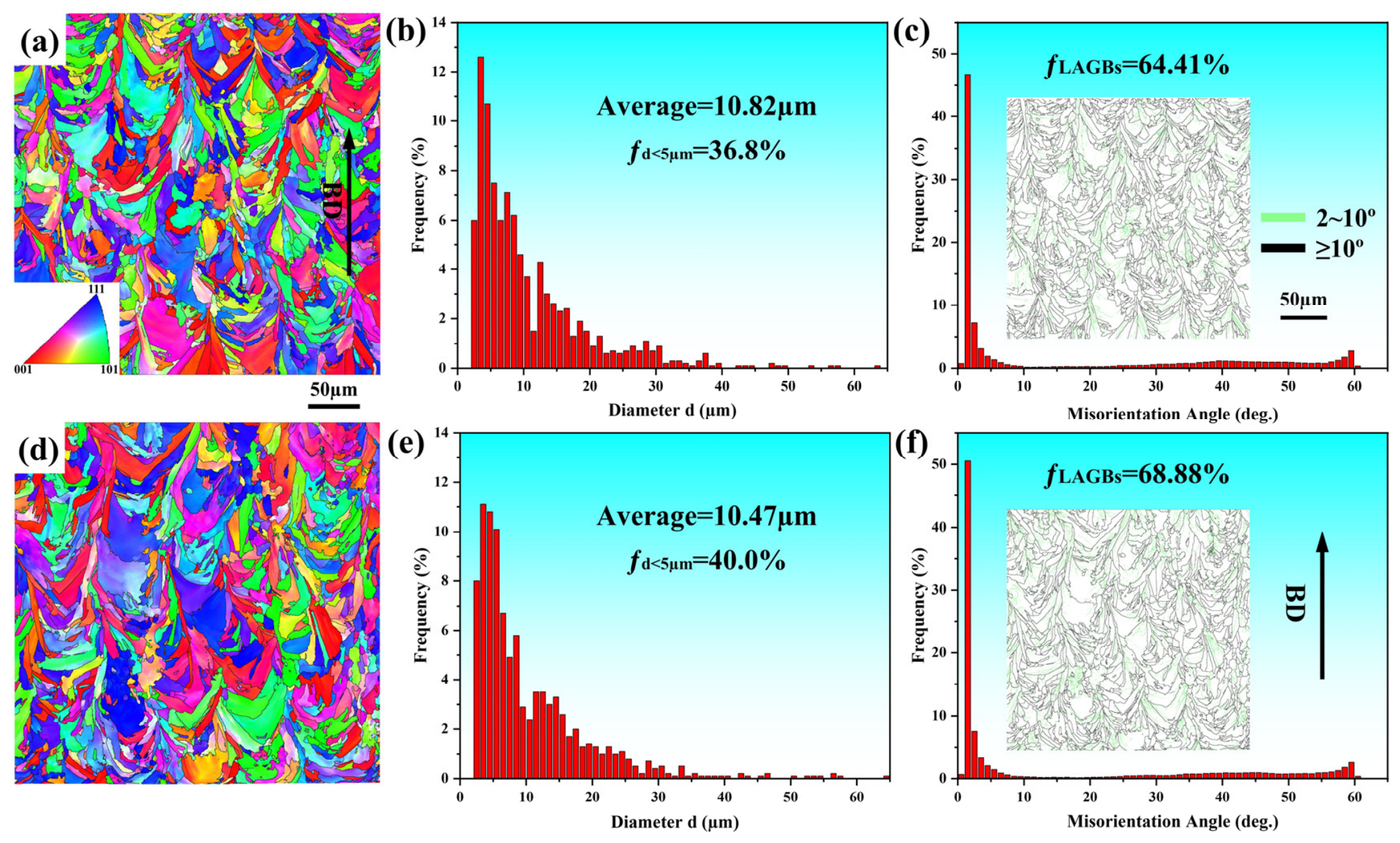
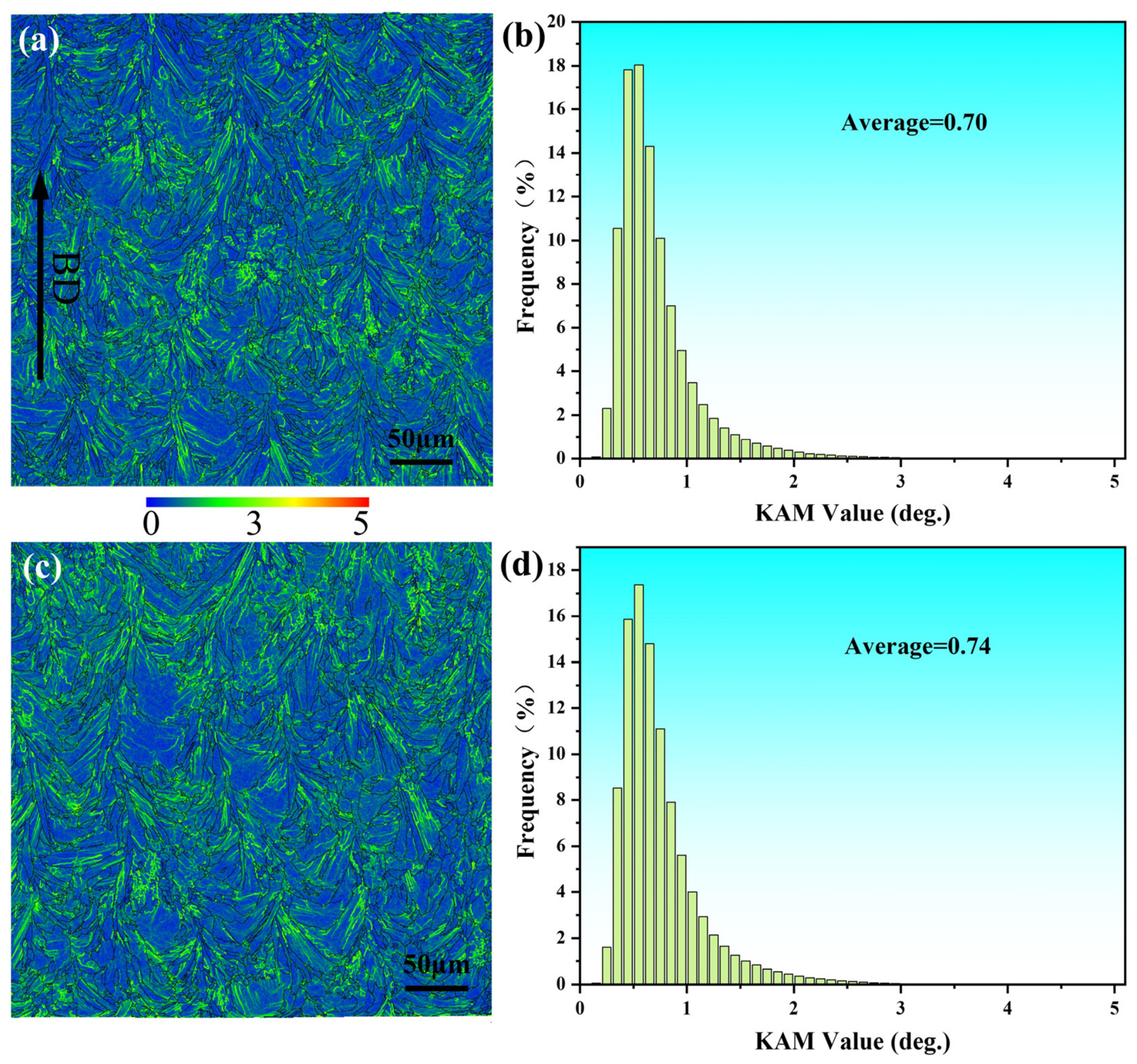
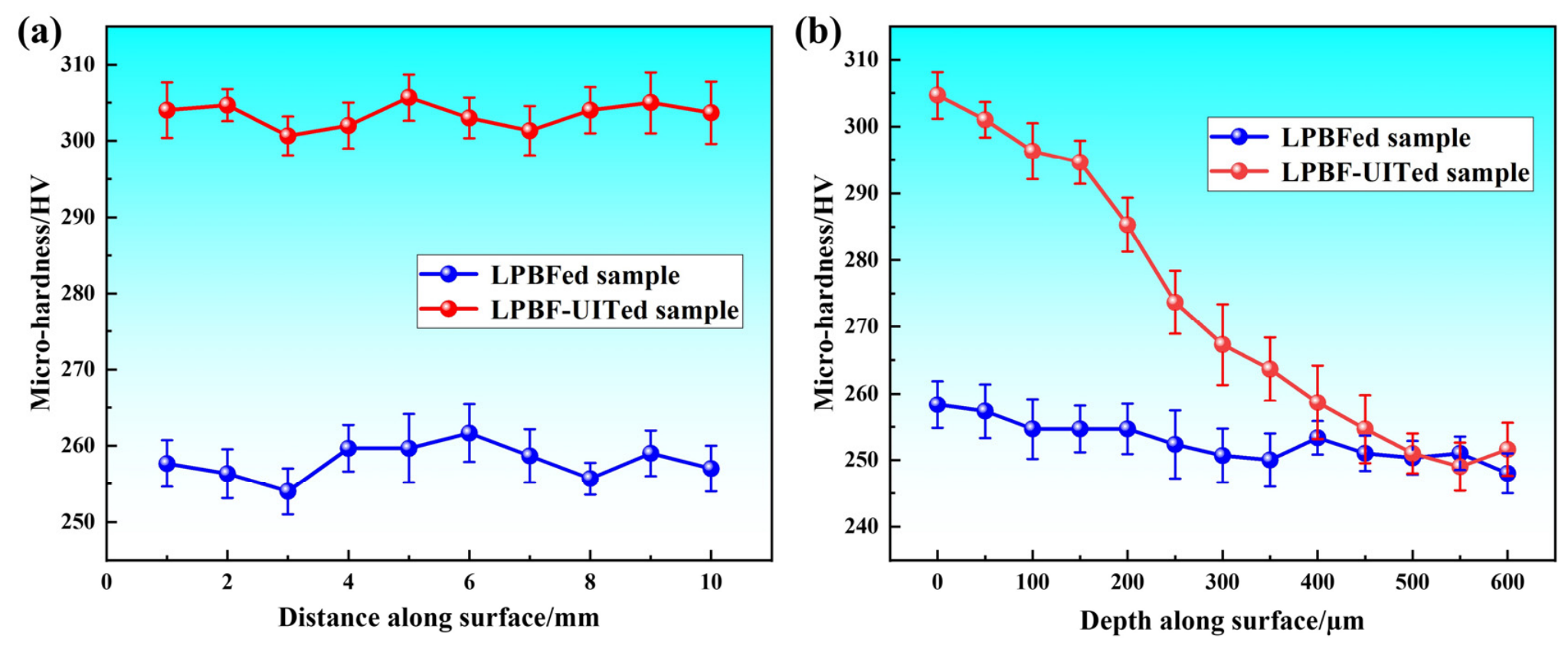
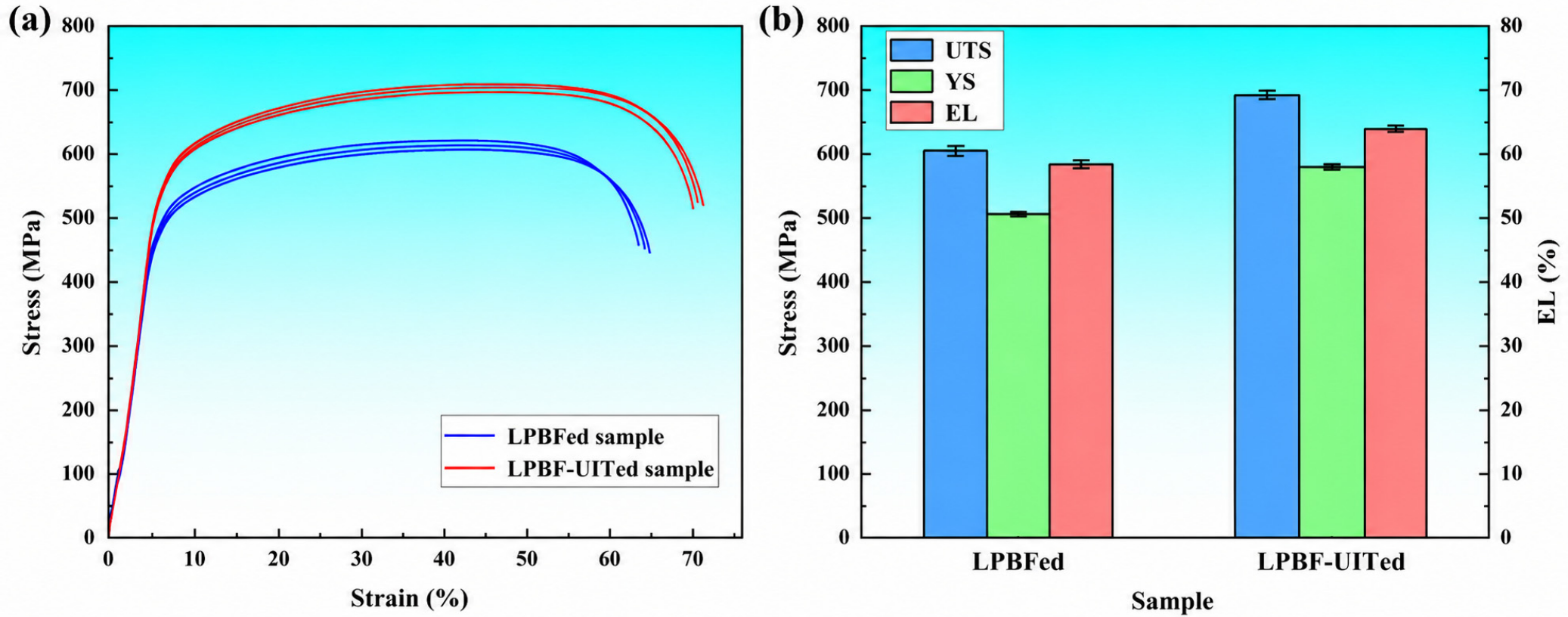
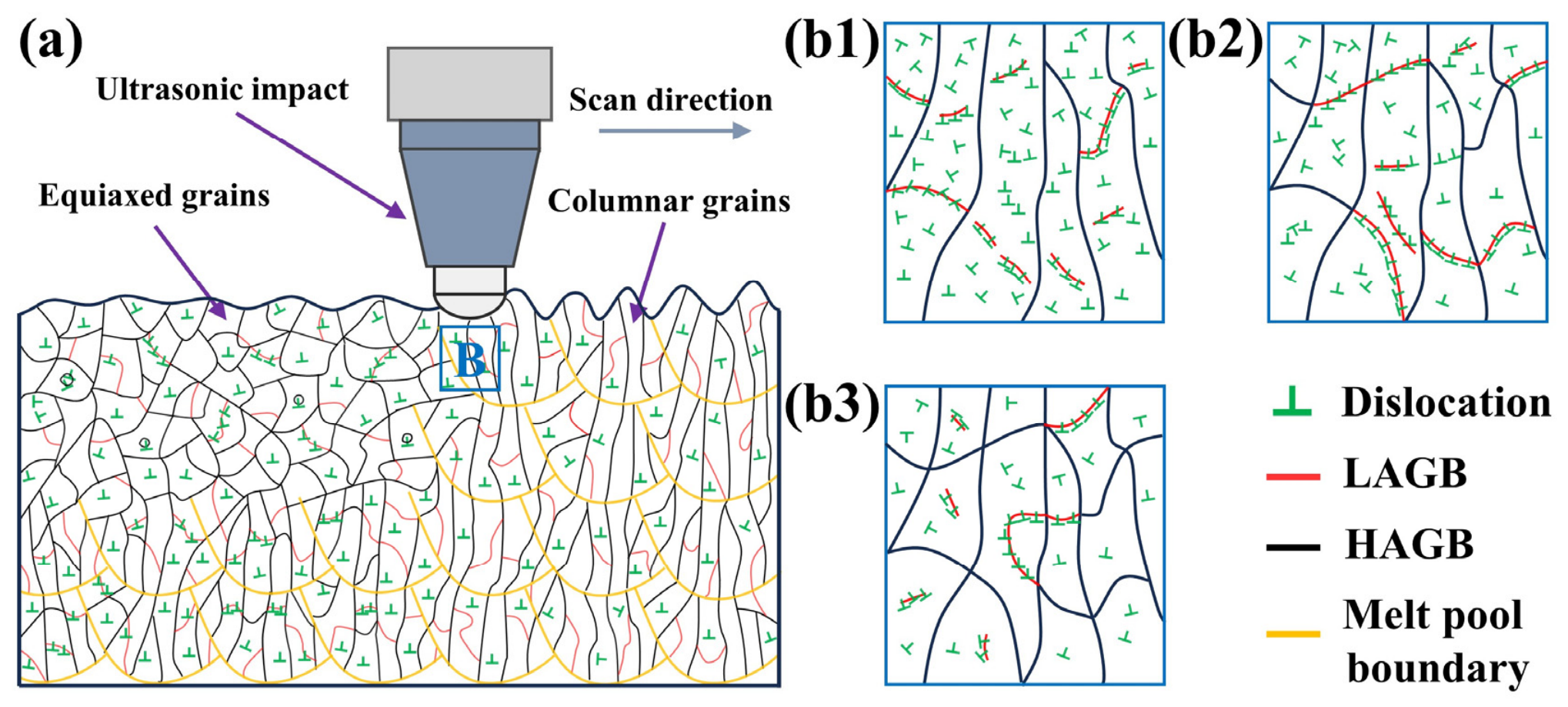
Laser powder bed fusion (LPBF) has emerged as a pivotal method for manufacturing intricate metal components using 316L stainless steel. Despite its effectiveness, LPBFed parts often suffer from coarse columnar grains, suboptimal surface finish, and mechanical properties. This study explores the transformative impact of ultrasonic impact treatment (UIT) on LPBFed 316L stainless steel, meticulously examining its effects on surface morphology, residual stress distribution, microstructure, and mechanical characteristics. The findings reveal a significant reduction in surface roughness due to UIT, accompanied by a remarkable conversion of residual tensile stress into compressive stress within the surface layer. Notably, the coarse columnar grains prevalent in the specimens undergo a substantial transformation, evolving into irregularly shaped equiaxed grains, characterized by reduced average grain size, elevated low-angle grain boundaries, and increased dislocation density. The ensuing microstructural evolution results in a substantial enhancement, with the maximum surface hardness reaching 303.4 HV, signifying a noteworthy 17.64% improvement compared to the original specimens. Additionally, significant improvements in both tensile strength and ductility are observed. These enhancements are primarily attributed to UIT-induced severe plastic deformation and dislocation strengthening, together with localized grain refinement and the conversion of tensile residual stress into compressive residual stress. This study not only unveils the underlying mechanisms of UIT but also underscores its pivotal role in augmenting the structural and mechanical integrity of LPBFed 316L stainless steel, offering valuable insights for advancing materials science and engineering applications.
Keywords: laser powder bed fusion; ultrasonic impact treatment; residual stress; tensile property laser powder bed fusion; ultrasonic impact treatment; residual stress; tensile property