


Abstract
Under the conditions of laser power of 1500 W, scanning speed of 5 mm/s, spot diameter of 3.5 mm, and powder feeding rate of 10 r/min, this study systematically investigated the influence of different tempering temperatures (200 °C and 600 °C) on the microstructure, friction and wear properties, and corrosion resistance of laser cladding Ni25 coatings, as well as the underlying mechanisms. The phase composition, microstructure, chemical composition, wear resistance, and corrosion resistance of the coatings were characterized and analyzed using X-ray diffraction (XRD), scanning electron microscopy (SEM), energy dispersive spectroscopy (EDS), pin-on-disk friction and wear tests, and electrochemical workstations. The results showed that the as-clad coating was composed of γ-Ni supersaturated solid solution and various metastable borides/carbides (such as Cr3B4), presenting fine-grained and non-equilibrium features. Tempering at 200 °C mainly achieved stress relaxation, enhancing and shifting the diffraction peaks to the left without changing the phase composition, while tempering at 600 °C drove significant diffusion-type phase transformation, leading to the decomposition of metastable Cr3B4 and the precipitation of stable phases such as Ni2Si, accompanied by grain growth and microstructure coarsening. Friction tests indicated that the coating tempered at 600 °C exhibited the lowest average friction coefficient (0.679) and wear volume (0.0582 mm3) due to stable microstructure and hard phase strengthening, demonstrating the best wear resistance. However, electrochemical tests revealed a “trade-off” effect: the fine-grained microstructure of the as-clad coating, with its uniform composition, had the lowest corrosion current density (8.10 × 10⁻⁵ A/cm2) in 3.5% NaCl solution, showing the best resistance to uniform corrosion, while tempering, especially at 600 °C, caused grain growth, coarsening of the second phase, and micro-galvanic effects, slightly reducing the anodic dissolution resistance and increasing the corrosion current. This study clarified that heat treatment can significantly enhance the mechanical and tribological properties of Ni25 coatings by regulating their transformation from metastable to stable states, but at the potential cost of some corrosion resistance, providing a theoretical basis for optimizing post-treatment processes for different service conditions (wear resistance or corrosion resistance).
1. Introduction
Laser cladding technology, as an advanced surface modification technique [1], can prepare coatings with excellent properties (such as high strength, high hardness, and good corrosion resistance) that are metallurgically bonded to the substrate through a high-energy laser beam. It has shown broad application prospects in the remanufacturing and performance improvement of key components of high-end equipment [2]. Among them, nickel-based alloy powders, especially high-hardness nickel-based alloys like Ni25, have become one of the commonly used material systems in laser cladding due to their good wettability, crack resistance, and comprehensive mechanical properties [3].
However, the inherent extreme non-equilibrium rapid solidification characteristics of the laser cladding process, while endowing the coating with fine-grained strengthening and solid solution strengthening effects, also inevitably lead to the generation of huge residual stresses within the coating, the formation of compositionally inhomogeneous supersaturated solid solutions, and metastable intermetallic compounds and hard phases [4,5]. Although this metastable microstructure initially has high hardness, under dynamic loading conditions such as friction and wear, its instability easily leads to the initiation of microcracks and the shedding of hard phases, thereby intensifying wear and restricting the further improvement of the coating’s long-term service performance [6].
Wu, J et al. [7]. revealed the decisive effect of laser power (1000–1800 W) on the performance of the Ni25 cladding layer on the surface of Q235 steel and found that 1400 W was the optimal process parameter, although at 1000 W, the highest hardness (442.52 HV) was obtained due to fine grains and diffused hard phases (e.g., Cr7C3, CrB2), but the microscopic inhomogeneity led to its wear resistance (weight loss of 0.3346 mm3) and corrosion resistance (Icorr = 2.75 × 10⁻⁴ A·cm−2) being the worst. In contrast, the uniform γ-Ni dendrite/eutectic network formed at 1400 W and the improved B solubility achieved the best balance of performance, and although the hardness is low (342.00 HV), it has the lowest wear (0.0685 mm3), the best corrosion resistance (Icorr = 2.34 × 10⁻⁵ A·cm−2) and a stable friction coefficient. The performance of 1800 W was degraded due to grain coarsening and hard phase decomposition.
Pedrizzetti, G et al. [8]. prepared high-phosphorus Ni-P coatings by chemical deposition method, modified by adding alumina and zirconia nanoparticles and then heat treated at different temperatures and times to explore the effects of dehydrogenation treatment (200 °C, 2 h) and its combination with crystallization heat treatment on the microstructure and wear resistance of the coating. It was found that the addition of nanoparticles did not change the amorphous structure of the coating, and ZrO2 of 1.5 g/L brought the highest microhardness due to the best dispersion. Dehydrogenation treatment can improve hardness through early grain growth, but the maximum increase in hardness (120%) comes from the microprecipitation of the Ni3P phase induced by annealing at 400 °C for 1 h. Although pre-dehydrogenation has no significant effect on hardness and microstructure under this annealing process, dehydrogenation reduces Young’s modulus, and for ZrO2-reinforced coatings, dehydrogenation prior to annealing at 400 °C is key to reducing the coefficient of friction (−14%) and wear rate (−97%) because the coating peels off completely in undehydrogenated samples, while dehydrogenation significantly improves wear resistance by forming a protective oxide layer.
The two studies regulated the microstructure of nickel-based coatings by optimizing laser power and heat treatment process, respectively, and then realized the synergistic improvement of mechanical properties and corrosion resistance.
To control the microstructure of laser cladding coatings, release residual stresses, and optimize their comprehensive properties, heat treatment is considered an effective post-treatment process [9]. Among them, tempering treatment, as a commonly used heat treatment method, aims to drive atomic diffusion through thermal activation, promoting the transformation of the microstructure from metastable to stable states, thereby improving the mechanical and tribological behaviors of the coating [10]. Currently, numerous studies have focused on the influence of heat treatment on the hardness and wear resistance of laser cladding coatings, but most have concentrated on the optimization of a single property. In fact, the wear resistance and corrosion resistance of coatings are often interrelated and mutually restrictive. The phase transformation process that enhances hardness and wear resistance may disrupt the chemical homogeneity of the microstructure, thereby adversely affecting corrosion resistance [11]. Therefore, systematically studying how tempering treatment simultaneously affects the microstructure, tribological performance, and electrochemical corrosion behavior of coatings is crucial for clarifying the performance regulation mechanism and promoting its industrial application.
Based on this, this study takes the laser cladding Ni25 coating as the research object and subjects it to vacuum tempering treatment at 200 °C and 600 °C. By comprehensively applying X-ray diffraction (XRD), scanning electron microscopy and energy dispersive spectroscopy (SEM/EDS), friction and wear tests, and electrochemical polarization curve tests, the evolution laws of the phase composition, microstructure, element distribution, tribological performance, and corrosion resistance of the coating under different heat treatment conditions are systematically investigated.
While previous studies have made significant progress in optimizing single properties—such as hardness, wear resistance, or corrosion resistance—of laser-clad Ni-based coatings through process parameter adjustment or post-heat treatment [7,8], a systematic investigation into the competitive relationship between wear and corrosion performance induced by tempering temperature remains limited. For instance, most reported works focus on the effect of annealing or aging on microstructural homogenization and hardness improvement, yet they rarely address how the transition from metastable to stable microstructures concurrently affects the electrochemical behavior in corrosive media. Recent studies by Deng et al. [12] on laser-cladded NiCoCrAlY coatings revealed that increasing heat treatment temperature decreased both friction coefficient and wear rate, while corrosion resistance deteriorated due to phase precipitation along grain boundaries—a trade-off phenomenon consistent with our findings. Similarly, Liu et al. [13] investigated the effect of iron content on Ni-Cr-Mo alloy coatings and established that microstructural heterogeneity directly impacts passive film stability and corrosion resistance. In particular, the trade-off mechanism between enhanced wear resistance and deteriorated corrosion resistance after high-temperature tempering has not been fully elucidated for Ni25 alloy coatings. Therefore, the present work not only characterizes the microstructural evolution of laser-clad Ni25 coatings after tempering at 200 °C and 600 °C but also provides a comparative analysis with the existing literature to clarify the underlying mechanisms governing the performance trade-off.
2. Experimental Materials, Methods, and Equipment
2.1. Materials
Q235 (China Baowu Steel Group Corporation Limited, Shanghai, China) low-carbon steel was selected as the substrate material for laser cladding in this study due to its excellent formability and weldability, making it a widely used structural steel in engineering applications. The substrate was processed into standardized specimens with dimensions of 100 mm × 50 mm × 3 mm. Prior to use, the surfaces of the specimens were sequentially ground using sandpaper ranging from 240# to 800#. The cladding material employed was Ni25 nickel-based (China Sichuan Tsuengyue Metal Materials Co., Chengdu, China) self-fluxing alloy powder, and its nominal chemical composition is listed in Table 1.
Table 1.
Chemical composition of Ni 25 powder (mass fraction, %) [7].
Figure 1a shows the SEM morphology of the Ni25 powder. It can be observed that the powder particles exhibit regular spherical or near-spherical shapes with a smooth surface. Such morphology facilitates good flowability of the powder during feeding, thereby ensuring stable and consistent powder flow in the laser cladding process, which serves as the foundation for obtaining a cladding layer with uniform composition. The statistical analysis of the particle size distribution in Figure 1b indicates that the distribution follows a normal distribution pattern. The particle size is concentrated within the range of 0.080–0.160 mm (80–160 µm), with an average particle size of approximately 0.130 mm (130 µm). This relatively narrow and suitable particle size distribution contributes to consistent and sufficient heat absorption and melting during laser cladding, reducing issues such as incomplete melting or overheating caused by excessive variations in particle size. This provides a prerequisite for forming a uniform and dense coating. The homogeneous characteristics of the initial powder represent a crucial starting point for the potential development of a coating with a uniform microstructure.
Figure 1.
Ni25 powder: (a) morphology of Ni25 powder [7]; (b) particle size distribution statistics of Ni25 powder.
2.2. Equipment and Methods
This study employed laser cladding technology to fabricate the Ni25 coating, followed by systematic characterization of its microstructure, tribological properties, and electrochemical behavior. The experimental equipment, testing methods, and specific operational procedures involved are described below.
2.2.1. Coating Fabrication and Sample Preparation
A laser cladding workstation (Model: SM-RF3000, Suiming Education Technology Co., Ltd., Anqing, China) was used to fabricate the Ni25 cladding layer on the substrate surface. This equipment is equipped with a coaxial powder feeding system and a high-power semiconductor laser, enabling the cladding process to be performed under an inert gas atmosphere. The specific process parameters were set as follows: laser power 1500 W, scanning speed 5 mm/s, powder feed rate 10 g/min, and spot diameter 3.5 mm. During cladding, high-purity argon was used as the shielding gas at a flow rate of 10 L/min to effectively suppress oxidation of the molten pool. The schematic of laser cladding is illustrated in Figure 2. The measured thickness of the cladding layer was 2.7 mm. After cladding, samples were cut into regular specimens with dimensions of 10 mm × 10 mm × 8 mm using a precision electrical discharge wire-cutting machine (Model: AR40-MA, Beijing ADT Digital Equipment Co., Ltd., Beijing, China). All specimens were sequentially ground using water abrasive papers from 240 to 2000 grit, followed by mirror polishing with diamond paste. Finally, they were ultrasonically cleaned with acetone and alcohol for 10 min each to remove surface contaminants, ensuring the accuracy of subsequent tests.
Figure 2.
Schematic of laser cladding principle.
2.2.2. Friction and Wear Test
The tribological performance of the coating was evaluated using a friction and wear testing machine (model: SFT-2M, Lanzhou Zhongke Kaihua Technology Development Co., Ltd., Lanzhou, China). Tests were conducted at room temperature in an atmospheric environment, with a SiC ceramic ball (diameter 6 mm, hardness ≥ 2800 HV) serving as the counterface. The experimental parameters were set as follows: normal load 10 N, total sliding time 30 min, sliding radius 2 mm, corresponding to an average linear speed of 6.28 mm/s. The friction coefficient was recorded in real time by the built-in sensor of the equipment.
Wear volume was quantified using a surface profilometer (Lanzhou Zhongke Kaihua Technology Development Co., Ltd., Lanzhou, China). For the single wear track of each sample, three parallel line scans were performed at different positions along the wear track with a unified scan length of 4 mm; the wear volume of each sample was calculated based on the average value of the three independent scans (the product of the average wear scar cross-sectional area and the sliding circumference). That is, the final wear volume result for each heat treatment state was derived from the average of three scans on the single sample of the corresponding state.
2.2.3. Microstructure and Phase Analysis
An X-ray diffractometer (Model: XRD-6100, Shimadzu, Kyoto, Japan) was employed for phase identification and crystal structure analysis of the coating. The test utilized Cu Kα radiation (λ = 0.15406 nm) with an operating voltage of 40 kV and current of 30 mA. The scanning range was set from 10° to 90° (2θ) with a step size of 0.02° and a scanning speed of 4°/min. The diffraction patterns were analyzed using Jade 9.0 software for phase identification, and the content of each phase was calculated via the Rietveld refinement method.
A thermal field emission scanning electron microscope (Model: TM4000Plus, Hitachi, Tokyo, Japan) was used to observe the surface morphology of the worn areas, with an accelerating voltage of 15 kV. Simultaneously, its equipped energy dispersive spectrometer (EDS, Bruker Quantax 75, Berlin, Germany) was utilized for micro-region composition analysis and element mapping analysis to reveal the wear mechanisms and elemental migration behavior.
2.2.4. Electrochemical Corrosion Performance Testing
A CS350H electrochemical workstation (Wuhan Corrtest Instruments Corp., Ltd., Wuhan, China) was used to evaluate the corrosion resistance of the coating. The test employed a classic three-electrode system: the coating sample as the working electrode (exposed area of 1 cm2), a platinum sheet as the counter electrode, and a saturated calomel electrode (SCE) as the reference electrode. The electrolyte was a 3.5 wt.% NaCl solution maintained at (25 ± 1) °C to simulate a typical marine atmospheric corrosion environment.
Before potentiodynamic polarization curve testing, the working electrode was stabilized at the open circuit potential for 30 min. The potential scanning range was set from −2 V to +2 V relative to the open circuit potential, with a scanning rate of 5 mV/s. Key electrochemical parameters, including the corrosion potential (Ecorr) and corrosion current density (Icorr), were extracted from the obtained polarization curves using the Tafel extrapolation method.
2.2.5. Hardness Testing
Vickers hardness measurements were conducted using a microhardness tester (Model: MHVD-1000AT, Shanghai Jingjing Precision Instrument Manufacturing Co., Ltd., Shanghai, China). Prior to testing, the coating surfaces under different heat treatment conditions were polished to a mirror finish. All tests were performed at room temperature. A constant load of 200 gf was applied with a dwell time of 10 s. After unloading, the diagonal lengths of the indentations were measured using the built-in microscopic system, and the hardness values were automatically calculated. For each sample, five different positions were selected to obtain an average hardness value.
3. Results and Analysis
3.1. Coating Surface Analysis
To investigate the phase evolution patterns of the as-fabricated laser-clad Ni25 coating and those subjected to tempering treatments at different temperatures, X-ray diffraction (XRD) phase analysis was conducted on the non-heat-treated coating and the coatings tempered at 200 °C and 600 °C prepared in this experiment. The results are shown in Figure 3.
Figure 3.
XRD patterns of Ni25 coatings under different heat treatment states.
Phase retrieval and analysis of the XRD patterns revealed that the non-heat-treated (as-clad) coating is primarily composed of the γ-Ni solid solution, the intermetallic compound Fe3C, and Cr7C3 [14]. This phase composition is characteristic of the rapid solidification process inherent to laser cladding. The high cooling rate inhibits sufficient diffusion of alloying elements, leading to the formation of an oversaturated solid solution with γ-Ni as the matrix, alongside the precipitation of various high-melting-point borides and carbides. Consequently, the coating exists in a non-equilibrium, thermodynamically metastable state.
After tempering at 200 °C, the types of phases present in the coating showed no significant change. However, its XRD pattern exhibited two notable features: first, the intensity of the main diffraction peaks (particularly those of the γ-Ni phase) increased significantly; second, these peaks shifted to varying degrees towards lower angles. The enhancement in peak intensity is attributed to the relaxation of residual stresses and a reduction in crystal defect density within the coating during the tempering process, which improves crystalline perfection and makes diffraction more effective. The shift of diffraction peaks to lower angles, according to Bragg’s law (2d sinθ = nλ), indicates an increase in the interplanar spacing (d-value). This is primarily due to the effective release of the substantial tensile stress generated during laser cladding, leading to a restorative increase in the lattice constant [15,16]. This stage is dominated by physical changes and can be regarded as a stress recovery stage.
When the tempering temperature was raised to 600 °C, a fundamental change occurred in the phase composition of the coating. Firstly, the diffraction peaks of major phases such as γ-Ni continued to intensify and shift to lower angles [17,18], indicating more thorough elimination of internal stress and the possible occurrence of recovery and recrystallization processes. More importantly, the diffraction peaks corresponding to the metastable phase Cr3B4, which was present after low-temperature tempering, were drastically weakened and became very weak diffuse peaks (barely detectable in the original XRD pattern, and only visible as a tiny residual signal under high-magnification observation), suggesting that the majority of Cr3B4 decomposed or transformed during high-temperature tempering with only a trace amount remaining. Simultaneously, new distinct diffraction peaks appeared at approximately 2θ = 31.6°, which were identified as corresponding to the Ni2Si and BNi3 phases. This indicates that at 600 °C, atoms acquire sufficient kinetic energy for diffusion, driving phase transformation and precipitation processes within the coating: the dominant part of metastable Cr3B4 decomposes or transforms, and the released B atoms promote the further formation and growth of the stable BNi3 phase; concurrently, Si elements supersaturated in the γ-Ni solid solution are able to precipitate, combining with Ni to form the intermetallic compound Ni2Si [19].
The original Ni25 powder exhibits a main diffraction peak corresponding to the Ni phase. For the as-clad coating, the main peak shifts to higher 2θ angles (rightward). Two factors account for this shift. First, rapid solidification forces alloying elements (Cr, Si, Fe) into the Ni lattice, forming a γ-Ni supersaturated solid solution. This substitution causes lattice contraction and reduces interplanar spacing. Second, rapid solidification generates substantial residual tensile stress, which further compresses the lattice. After tempering at 200 °C, the main peak shifts leftward to lower 2θ angles. No new diffraction peaks appear, indicating no phase transformation. The leftward shift results from relaxation of residual tensile stress and partial annihilation of lattice defects. These recovery processes allow the lattice to expand toward its equilibrium state. After tempering at 600 °C, the main peak angle shows no significant difference from that at 200 °C. This indicates that residual stress has been effectively eliminated and the lattice parameter has stabilized. Thus, the evolution of the γ-Ni peak position is governed primarily by stress relaxation and solute redistribution, rather than by the formation or disappearance of secondary phases.
As the tempering temperature increases, the phase evolution of the Ni25 coating follows the principle of transitioning from a metastable state to a stable state: tempering at 200 °C primarily induces stress relaxation and structural relaxation, while tempering at 600 °C triggers diffusion-controlled phase transformations, including the decomposition of metastable phases, the precipitation from supersaturated solid solutions, and the precipitation and growth of stable phases [20]. This series of microstructural evolution will inevitably have a significant impact on the macroscopic properties of the coating.
The average grain size of the γ-Ni phase in the coatings with different heat treatment states was calculated using the Scherrer formula (Equation (1)), which is a classic method for determining the crystallite size from X-ray diffraction (XRD) patterns:
D = Kλ/(βcosθ)
D: the average crystallite size of the γ-Ni phase (unit: nm, nanometer);
K: the Scherrer constant, a dimensionless shape factor, which is taken as 0.89 for spherical crystallites (the default value for most polycrystalline materials in XRD grain size calculation);
λ: the wavelength of the incident X-ray (Cu Kα radiation in this experiment, λ = 0.15406 nm);
β: the full width at half maximum (FWHM) of the main diffraction peak of the γ-Ni phase (unit: rad, radian), corrected for instrumental broadening;
θ: the Bragg diffraction angle of the corresponding γ-Ni diffraction peak (unit: rad, radian), half of the 2θ value obtained from the XRD pattern.
Calculation using the Scherrer formula applied to the XRD patterns determined that the average grain size of the γ-Ni phase in the non-heat-treated coating is approximately 29.06 nm. This indicates that the original coating possesses a nanocrystalline structure typical of rapid solidification, alongside high residual stresses and a high density of crystal defects. The enhancement and sharpening of diffraction peaks are attributed not only to stress relief but also directly to grain growth. The calculation results show that the grain size increased to 32.79 nm after tempering at 200 °C and further grew to 34.25 nm after tempering at 600 °C. This data confirms that the tempering process drives recovery and recrystallization, involving grain boundary migration where smaller grains gradually merge and grow, thereby reducing the number of grain boundaries and lowering the system energy. This directly leads to improved X-ray diffraction conditions (peak intensity enhancement) and increased microstructural stability.
3.2. Coating Interface Morphology and EDS Analysis
Observation of the Ni25 coating under different heat treatment conditions using a metallographic microscope revealed significant evolution patterns in its microstructure, as shown in Figure 4.
Figure 4.
Microstructure of Ni25 coatings under different heat treatment conditions: (a) cladding state; (b) 200 °C tempered state; (c) 600 °C tempered state.
Observations reveal that the as-fabricated laser-clad coating without heat treatment (Figure 4a) exhibits a typical rapidly solidified dendritic microstructure. The γ-Ni solid solution phase (dendrite core) appears relatively symmetrical with clearly discernible grain boundaries. This is attributed to the extremely high cooling rate, which suppresses sufficient elemental diffusion and grain growth, resulting in a fine cellular/dendritic structure [21].
Following tempering at 200 °C (Figure 4b), the coating’s microstructural morphology shows no significant change compared to the as-clad state. The γ-Ni solid solution phase retains its symmetry, and grain boundaries remain distinct [22]. This indicates that at this temperature, the thermal activation energy is primarily utilized for the annihilation of point defects and the rearrangement of dislocations, i.e., the relaxation of internal stress, and is insufficient to induce significant grain boundary migration or coarsening of phase morphology. This observation is entirely consistent with the XRD analysis results, which showed increased intensity and a leftward shift of diffraction peaks without changes in phase types, collectively confirming that this stage corresponds to a stress recovery process.
When the tempering temperature is raised to 600 °C, a fundamental transformation occurs in the coating’s microstructure (Figure 4c). Firstly, the γ-Ni solid solution phase undergoes noticeable grain growth, indicating that atoms have acquired sufficient kinetic energy for diffusion, leading to significant grain boundary migration and microstructural stabilization to reduce the system’s overall energy. Secondly, the grain boundaries become finer, which is often associated with the dissolution or morphological changes in secondary phases at the boundaries. The most critical feature is the appearance of isolated, white spherical or blocky precipitates within the matrix. This morphological characteristic strongly correlates with the subsequent EDS analysis results presented in Table 2. Spectrum G detected high Ni and C content in such white spherical phases. Combined with the new phases identified in the XRD analysis, it can be confirmed that these isolated phases are stable carbides (e.g., Cr7C3) or intermetallic compounds (e.g., Ni2Si) precipitated during the tempering process. The decomposition of the metastable Cr3B4 phase leads to elemental redistribution, promoting the nucleation and growth of these stable phases.
Table 2.
EDS analysis of Ni25 coating under different heat treatment conditions.
Metallographic observations visually demonstrate the microstructural evolution path of the coating with increasing tempering temperature, transitioning from a “metastable fine-grained structure” to a “stable coarse-grained structure accompanied by precipitated phases.” Tempering at 200 °C primarily facilitates recovery, while at 600 °C, it triggers recrystallization, grain growth, and secondary phase precipitation [22,23]. This evolution pattern provides direct morphological evidence for understanding the subsequent changes in phase composition and elemental distribution and collectively elucidates the micro-mechanisms underlying the variations in the coating’s macroscopic properties.
EDS analysis was conducted on typical micro-regions (including the solid solution matrix and grain boundaries) of the as-clad, 200 °C tempered, and 600 °C tempered coatings. The results are summarized in Table 2.
XRD results indicate the presence of various borides/carbides (e.g., BNi3, BFe3Ni3, CrB2, Cr7C3) within the coating [24]. EDS analysis provides direct elemental evidence for this: the B content is 0 at.% at all measured points, confirming that boron has an extremely low solid solubility in γ-Ni and is almost entirely consumed in forming the various borides detected by XRD.
Simultaneously, Cr and Fe, as the primary boride/carbide-forming elements, are present at very low levels (mostly <1.5 at.%) within the solid solution matrix. This strongly suggests that the vast majority of Cr and Fe have also precipitated from the matrix, forming strengthening phases such as CrB2, Cr7C3, and BFe3Ni3 identified in the XRD patterns. Grain boundaries are typically preferred nucleation sites for these compounds, which aligns with the EDS observation of lower Cr and Fe content at these boundaries.
The strongest diffraction peaks in XRD consistently originate from the γ-Ni solid solution. EDS analysis shows that this phase is primarily composed of Ni and contains a significant amount of dissolved C and Si. This is consistent with the absence of distinct Si or C compound phases in the XRD results, indicating that Si and supersaturated C are the primary strengthening elements within the γ-Ni solid solution matrix.
During tempering at 200 °C, XRD shows a leftward shift of the main peaks (indicating stress relaxation) without a change in phase composition. The EDS results corroborate this, as the elemental distribution across various micro-regions after 200 °C tempering shows no drastic reorganization compared to the as-clad state. This confirms that the primary process at this temperature is stress relief rather than diffusion-controlled phase transformation.
Phase Transformation and Coarsening at 600 °C Tempering: The disappearance of the metastable Cr3B4 phase and the appearance of the stable CrB phase in the XRD patterns serve as a key signal of phase transformation. EDS analysis provides corresponding micro-morphological evidence: the emergence of isolated, larger white spherical regions (Spectrum F). EDS composition of these regions shows the lowest Cr, Fe, and Si contents across the entire scan, indicating that these are highly purified regions of the γ-Ni solid solution. The formation of this structure is precisely due to the enhanced atomic diffusion capability at 600 °C, which drives the dissolution, coarsening, and transformation of secondary phases (including unstable Cr3B4 and other borides/carbides). This process causes the initially fine secondary phase particles to agglomerate and grow, simultaneously liberating the surrounding matrix regions and reducing their elemental concentration, leading to increased purity. This directly corroborates the process of metastable phase decomposition and transformation into stable phases observed via XRD.
After tempering at 600 °C, the compositional difference between the grain boundaries (E) and the solid solution matrix (F, G) decreases, indicating that the high temperature promotes elemental redistribution, driving the microstructure towards equilibrium. This is entirely consistent with the conclusions drawn from the XRD data—increased diffraction peak intensity and sharpening reflect improved crystallinity and structural stabilization.
The observations from micro-morphology and EDS analysis are highly self-consistent with the XRD phase analysis data. Together, they construct a complete picture of microstructural evolution: the non-equilibrium structure formed by laser cladding (containing metastable phases and elemental segregation) undergoes significant diffusion-controlled phase transformations during 600 °C tempering. These include the decomposition of metastable phases, precipitation of stable phases, coarsening of secondary phases, and purification of the matrix. Ultimately, this process endows the coating with a more stable and uniform microstructural state.
3.3. Friction and Wear Analysis
3.3.1. Friction Analysis
Figure 5a shows the friction coefficient versus time curves for the Ni25 coatings under different heat treatment conditions, with their average friction coefficients presented in Figure 5b. The tribological behavior of the coatings is closely related to the evolution of their microstructure.
Figure 5.
Friction coefficient of the coating. (a) Friction coefficient-time curves of Ni25 coatings under different heat treatment conditions. (b) Average friction coefficient.
The friction curve of the non-heat-treated (as-clad) coating exhibits two standard tribological stages: a short running-in period and a steady-state period with slight fluctuations. During the initial ~1 min (running-in period), the friction coefficient fluctuates sharply, which corresponds to the micro-mechanical interaction between the SiC ceramic counterface asperities and the coating surface asperities under normal load. The sharp asperities on the coating surface are rapidly sheared, plowed and flattened by the hard counterface, and the real contact area between the friction pairs increases rapidly from the initial discrete point contact to a continuous surface contact; this rapid change in contact state and the continuous removal of surface micro-asperities are the core causes of the sharp fluctuation of the friction coefficient in the short running-in period. After the running-in period, the friction coefficient enters the steady-state period (1~30 min): the plateau region with slight fluctuations is defined as the steady-state stage in this study, where the real contact area between the friction pairs tends to be stable, and the friction coefficient maintains a relatively constant level on the whole. However, in the late stage of the steady-state period (24 to 30 min), the friction coefficient oscillates drastically between 0.6 and 1.0. This behavior is directly linked to its non-equilibrium, metastable microstructure [25]. The significant residual tensile stress present in the coating reduces its load-bearing capacity [26]. Under cyclic frictional stress, metastable hard phases (e.g., Cr3B4) and the matrix in a high-stress state are prone to microcrack initiation and brittle spallation. These detached hard particles become entrapped in the friction interface as third-body abrasives, leading to intensified abrasive wear and consequently causing severe fluctuations and a higher average value (0.728) of the friction coefficient [27].
After tempering at 200 °C, the frictional behavior of the coating improves. Its running-in period was slightly prolonged to about 6 min, and upon entering the steady-state period, the curve becomes smoother without the severe late-stage fluctuations observed in the as-clad coating. The average friction coefficient decreases slightly to 0.721.
The average values with standard deviations are presented in Figure 5b. The as-clad coating exhibited an average friction coefficient of 0.728 ± 0.06212, while the coating tempered at 200 °C showed a similar value of 0.721 ± 0.08009. The small difference (Δ = 0.007) between these two conditions falls within the range of experimental error, indicating that the reduction after 200 °C tempering is not statistically significant. In contrast, the coating tempered at 600 °C exhibited a markedly lower average friction coefficient of 0.679 ± 0.05036, representing a reduction of approximately 7% compared to the as-clad state. This difference exceeds the respective standard deviations, confirming a statistically significant improvement. These results suggest that while 200 °C tempering primarily enhances the stability of the friction process (as evidenced by smoother friction curves and reduced fluctuations), it does not substantially reduce the average friction coefficient. Only after tempering at 600 °C, where significant microstructural evolution (recrystallization, precipitation of stable hard phases) occurs, is a clear and statistically valid reduction in friction achieved.
As indicated by XRD and metallographic analyses, tempering at 200 °C primarily achieves effective relaxation of internal stress, enhancing crystalline perfection and microstructural stability. Although the phase composition remains unchanged, the release of residual tensile stress reduces the lattice distortion and dislocation density of the coating, which effectively improves the plastic deformation capacity of the γ-Ni matrix; the improved plasticity enables the coating surface to form more conformal contact with the counterface during the friction process—this refers to the adaptive plastic deformation of the coating surface to the counterface asperity profile, rather than a simple increase in the macroscopic contact area. Conformal contact avoids stress concentration at the discrete point contact between sharp asperities, reduces the micro-plowing and micro-cutting effect of the counterface on the coating surface, and weakens the adhesive wear between the friction pairs; meanwhile, the improved stress state makes the coating less susceptible to crack initiation and spallation during friction. Consequently, the degree of abrasive wear and adhesive wear is reduced, resulting in a smoother friction curve. The slight decrease in the average friction coefficient is essentially attributed to the synergistic effect of stress relaxation-induced plastic improvement: the reduction in micro-mechanical damage at the friction interface and the weakening of adhesive wear, rather than the increase in contact area. This conclusion is consistent with the tribological mechanism that plastic deformation capacity improvement of the soft matrix can reduce the friction damage caused by the hard counterface [26].
The coating tempered at 600 °C exhibits significantly different frictional characteristics: its initial running-in period (1–10 min) shows the most severe fluctuations, ranging widely from 0.5 to 0.9, yet it possesses the lowest average friction coefficient (0.679) over the entire test cycle.
This seemingly contradictory phenomenon can be perfectly explained by its thorough microstructural evolution. Severe initial fluctuations: After tempering at 600 °C, the coating undergoes recrystallization, grain growth, and precipitation of stable phases (e.g., Ni2Si). At the beginning of friction, these newly formed, larger hard phases and the counterpart ball require a new, more complex run-in process to establish a stable transfer film and contact interface, thus causing severe initial fluctuations. Low average friction coefficient: Once past the run-in period, the microstructure composed of a coarsened γ-Ni solid solution matrix (after recovery and recrystallization) and uniformly dispersed stable hard phases (e.g., Cr7C3 and Ni2Si) exhibits optimal comprehensive properties. The γ-Ni matrix after recrystallization has lower internal stress and better plastic deformation capacity, which can form stable conformal contact with the counterface, while the chemically stable hard phases firmly bonded to the matrix can resist the plowing and cutting of the counterface and prevent direct contact between the matrix and the counterface to reduce adhesive wear. The stable matrix provides good toughness, while the hard phases effectively resist spallation. Working together, they form a durable and smooth friction surface during the stable wear stage, greatly suppressing abrasive wear and adhesive wear and thereby significantly reducing the average friction coefficient.
The friction test results demonstrate that heat treatment profoundly influences the tribological behavior of the Ni25 coating by altering its microstructure. Tempering at 200 °C primarily improves the stability of the friction process by eliminating internal stress and improving matrix plasticity, whereas tempering at 600 °C fundamentally optimizes the wear-resistant components of the coating by triggering recrystallization and precipitation of stable phases and further enhances the matching degree of matrix plasticity and hard phase strengthening. Although the run-in period is prolonged, it ultimately achieves the lowest and most stable friction state. This pattern is highly consistent with the aforementioned results of microstructure, phase, and composition analyses, collectively proving that appropriate high-temperature tempering is an effective approach to enhance the tribological performance of laser-clad Ni25 coatings.
In summary, the microstructural optimization induced by heat treatment first improves the wear resistance of the coating to suppress the damage and deformation of the sliding surface, which in turn reduces and stabilizes the effective contact area between the sliding surfaces; the reduced effective contact area further lowers the adhesive and shear friction between the friction pairs, and the two factors act synergistically to drive the gradual decrease in the friction coefficient with the increase in tempering temperature (Figure 5).
3.3.2. Wear Analysis
Based on the measurement of wear scar profiles and calculation of wear volume, the wear resistance of Ni25 coatings under different heat treatment states shows significant differences.
Figure 6a shows that although the wear depths of the three coating conditions are similar (approximately 13 μm), their wear volumes (Figure 6b) decrease sequentially: 0.0787 mm3 for the non-heat-treated coating, 0.0643 mm3 for the coating tempered at 200 °C, and a minimum of 0.0582 mm3 for the coating tempered at 600 °C. This phenomenon is closely related to the microstructure and mechanical behavior of the coatings. The specific wear rate (K) of the coatings was further calculated according to the Archard wear model: K = V/(F × S), where V is the wear volume (mm3), F is the applied normal load (N), and S is the total sliding distance (m). The total sliding distance in this experiment was calculated as S = 2πr × t × v (sliding radius r = 2 mm, sliding time t = 30 min, linear speed v = 6.28 mm/s), with a fixed value of 11.304 m. Based on the formula, the specific wear rates of the coatings were calculated as 1.109 × 10⁻³ mm3/(N·m) (as-clad), 9.045 × 10⁻⁴ mm3/(N·m) (200 °C tempered), and 8.190 × 10⁻⁴ mm3/(N·m) (600 °C tempered).
Figure 6.
Surface wear amount under different heat treatments. (a) Wear profile curve. (b) Wear amount.
The wear depth is primarily governed by the normal stress applied by the counterpart and the material’s resistance to plastic deformation. Under the experimental conditions of this study, the ability to resist plastic indentation and plowing caused by normal pressure appears macroscopically similar across the three coatings, as reflected in their comparable wear depths under identical load and test duration. This indicates that the plowing effect in the direction perpendicular to the surface is a dominant wear mechanism common to all three conditions. To further elucidate the wear behavior, Vickers microhardness tests were conducted on the coating surfaces, with the results shown in Figure 7. The as-clad coating exhibited an average hardness of 271.06 HV0.2 with a relatively high standard deviation of 15.8, indicating microstructural inhomogeneity and the presence of residual stress. After tempering at 200 °C, the hardness increased to 287.10 HV0.2, accompanied by a significant reduction in standard deviation to 6.8, suggesting that stress relief and defect annealing improved both the hardness and its uniformity. When the tempering temperature was further elevated to 600 °C, the hardness remained at a similar level (287.32 HV0.2, Std. = 7.3), despite the occurrence of grain coarsening and precipitation of stable phases. This indicates that the strengthening effect from precipitated hard phases (e.g., Ni2Si, Cr7C3) compensated for the softening typically associated with grain growth.
Figure 7.
Surface hardness.
Given the similar depths, the difference in wear volume directly stems from the varying wear widths. The wear width reflects the material’s propensity for lateral plastic flow, fracture, and spallation. This is precisely the key to the performance differences among the three coatings.
Non-heat-treated coating (Highest wear volume: 0.0787 mm3): This coating is in a metastable state with high internal stress. Under frictional shear forces, the hard phases within its non-equilibrium microstructure (e.g., metastable Cr3B4) have weak bonding with the matrix, making them prone to brittle fracture and spallation (as shown in Figure 8a). This spallation occurs not only in the vertical direction but also propagates laterally along the sides of the wear scar, leading to substantial material loss in the form of “debris.” Simultaneously, as mentioned earlier, severe fluctuations in the friction coefficient prove the generation of a large number of abrasive particles, which exacerbate lateral abrasive wear. This results in the widest wear scar and the greatest total material loss.
Figure 8.
SEM morphology of wear surfaces of Ni25 coatings under different heat treatment conditions. (a) Cladding state; (b) 200 °C tempered state; (c) 600 °C tempered state.
Tempered coating at 200 °C (reduced wear volume: 0.0643 mm3): Tempering at 200 °C significantly enhances the coating’s toughness and microstructural stability through stress relaxation. Although the phase composition remains unchanged, the elimination of internal stress strengthens the bonding between hard phases and the matrix, making it less susceptible to microcrack initiation and spallation (As shown in Figure 8b). Therefore, during friction, material removal manifests more as continuous, mild plastic plowing rather than severe brittle spallation. This effectively suppresses lateral expansion of the wear scar, reducing the wear width and consequently leading to a decrease in total wear volume.
Tempered coating at 600 °C (lowest wear volume: 0.0582 mm3): After tempering at 600 °C, the coating undergoes thorough optimization. The coarsened γ-Ni solid solution matrix provides better plastic deformation capability, while the stable and firmly bonded hard phases (e.g., Cr7C3, Ni2Si) effectively resist plowing and spallation. This “strong and tough” microstructure endows the coating with optimal resistance to shear deformation and fracture during friction. Material is removed in a more controlled and mild manner, almost completely suppressing lateral brittle spallation and resulting in the narrowest wear scar (466.73 μm, as shown in Figure 6a). Thus, despite having a wear depth comparable to the others, its cross-sectional area is the smallest, leading to the lowest total wear volume.
From as-clad to 200 °C, hardness increased from 271.06 HV to 287.10 HV. Wear volume decreased from 0.0787 mm3 to 0.0643 mm3. This aligns with the classical view that higher hardness enhances abrasive wear resistance. At 600 °C, hardness remained similar (287.32 HV). However, wear volume further decreased to 0.0582 mm3. This deviation from the Archard model indicates that factors beyond hardness influence wear resistance. Three microstructural factors explain this improvement. First, stable hard phases (Ni2Si, Cr7C3) precipitated, exhibiting strong interfacial bonding with the matrix and suppressing brittle spallation. Second, the recrystallized γ-Ni matrix had reduced internal stress and improved plasticity, promoting dense tribolayer formation (Figure 8c). Third, residual tensile stress was eliminated, minimizing crack initiation and fatigue-induced wear. Thus, the wear resistance improvement at 600 °C results from the synergy of hardness, microstructural stability, and tribolayer formation.
Tempered coating at 600 °C (lowest wear volume: 0.0582 mm3, lowest specific wear rate: 8.190 × 10⁻⁴ mm3/(N·m)): After tempering at 600 °C, the coating undergoes thorough optimization. The coarsened γ-Ni solid solution matrix provides better plastic deformation capability, while the stable and firmly bonded hard phases (e.g., Cr7C3, Ni2Si) effectively resist plowing and spallation. This “strong and tough” microstructure is the key to the formation of a high-density tribolayer: on the one hand, the good plastic deformation of the γ-Ni matrix enables the material at the friction interface to undergo continuous mild plastic flow and adhesion during sliding, providing sufficient material basis for tribolayer formation; on the other hand, the uniformly dispersed stable hard phases do not easily spall and fall off, avoiding the destruction of the initial formed tribolayer by loose abrasive particles and ensuring the tribolayer can grow continuously and form a dense, crack-free protective layer (Figure 8c). This “strong and tough” microstructure endows the coating with optimal resistance to shear deformation and fracture during friction. The dense tribolayer on the surface further isolates the friction pairs, inhibits the micro-plowing and micro-cutting effect of the SiC counterface on the coating substrate, and reduces the generation of third-body abrasive particles by preventing the brittle spallation of the matrix and hard phases. Material is removed in a more controlled and mild manner, almost completely suppressing lateral brittle spallation and resulting in the narrowest wear scar (466.73 μm, as shown in Figure 8c). Thus, despite having a wear depth comparable to the others, its cross-sectional area is the smallest, leading to the lowest total wear volume and specific wear rate.
The phenomenon of “similar depth but decreasing total volume and specific wear rate” clearly reveals the intrinsic mechanism behind the improved wear resistance of the Ni25 coating after heat treatment: a transition from destructive wear dominated by brittle spallation and severe abrasive wear towards stable wear characterized by uniform, mild plowing. This transition is also accompanied by the evolution of tribolayers from discontinuous, loose to dense, adherent with the increase in tempering temperature, which is an important micro-characteristic of the improved wear resistance of the coating.
Non-heat-treated state (brittle spallation): This leads to a wide wear scar of 613.57 µm (as shown in Figure 8a) and high total volume loss and specific wear rate. The metastable microstructure with high residual stress causes severe brittle spallation of the matrix and hard phases during friction; the large number of detached abrasive particles destroy the initial formed tribolayer, resulting in only a discontinuous, loose tribolayer on the wear surface, which cannot provide effective protective effect.
Tempered state of 200 °C (stress relaxation): The suppression of spallation narrows the wear scar to 560.35 µm (as shown in Figure 8b), reducing wear volume and specific wear rate. Stress relaxation improves the microstructural stability, reducing the spallation of the coating and the damage to the tribolayer; the wear surface forms a relatively continuous but low-density tribolayer (compared with 600 °C tempered sample), which provides a certain protective effect but is easily damaged by long-term sliding shear, leading to limited wear resistance improvement.
Tempered state of 600 °C (microstructural optimization): The realization of a strengthened and toughened structure minimizes lateral material loss, achieving the lowest wear volume and specific wear rate. The “strong and tough” microstructure ensures the formation of a high-density, adherent and crack-free tribolayer on the wear surface (Figure 8c); this tribolayer acts as a stable protective barrier during the entire wear process, effectively isolating the friction interface, reducing direct contact and abrasive wear, and thus becoming a key factor for the coating to obtain the optimal wear resistance.
The tribological behavior observed in this study is consistent with trends reported for other Ni-based laser-clad coatings subjected to post-heat treatment. For example, Deng et al. [27] reported that the average friction coefficients and wear rates of NiCoCrAlY coatings decreased with increasing heating temperature, with the wear mechanism transitioning from severe adhesive wear to mild abrasive wear. In the context of WC-reinforced Ni-based coatings, studies have shown that heat treatment promotes crystallization of WC particles and grain growth of the Ni matrix, leading to lower friction coefficients and wear rates in reciprocating wear tests [28]. Our work further distinguishes the wear mechanism transition from brittle spallation (as-clad) to mild plowing (600 °C tempered), revealing that the wear volume reduction is primarily attributed to the suppression of lateral material loss rather than a decrease in wear depth. In contrast, lower-temperature tempering (200 °C) primarily enhances friction stability without significantly reducing average friction coefficient, a nuance not explicitly discussed in previous studies. These comparisons highlight that the effectiveness of tempering on wear performance is not solely dependent on hardness changes but is closely tied to the evolution of phase stability and tribolayer formation.
3.4. Corrosion Resistance Analysis
To systematically investigate the effect of heat treatment on the service behavior of laser-clad Ni25 coatings in corrosive environments, potentiodynamic polarization curve testing was employed to evaluate their electrochemical corrosion performance. The results are shown in Figure 9. A comprehensive analysis of the polarization curve characteristics and fitted parameters (Table 3) reveals the intrinsic correlation between the heat treatment state and the coating’s corrosion resistance, along with the underlying microscopic mechanisms [29].
Figure 9.
Electrochemical test results of Ni25 coating in 3.5 wt.% NaCl solution under different heat treatment conditions. (a) Complete polarization curves of coatings under different heat treatment conditions. (b) Local magnification view. (c) Nyquist plot.
Table 3.
Electrochemical fitting parameters of Ni25 coatings under different heat treatment conditions.
Figure 9a shows that the overall shapes of the polarization curves for the as-clad, 200 °C tempered, and 600 °C tempered coatings are similar, and no significant differences are observed in their corrosion potentials. This indicates that, within the experimental medium (3.5% NaCl solution), the tempering treatments did not fundamentally alter the thermodynamic tendency or the dominant reaction mechanism of the corrosion process for the coatings. The foundation of the coatings’ corrosion resistance primarily stems from the passivation capability provided by the γ-Ni solid solution and its alloying elements such as Cr and Si.
However, a more subtle and crucial difference is revealed in the local magnification of Figure 9b. The current densities of the anodic polarization branches (corresponding to the active dissolution process of the metal) for the heat-treated samples are higher than that of the as-clad coating, with the 600 °C tempered sample being particularly notable. This phenomenon suggests that while heat treatment optimizes the mechanical and tribological properties of the coating, it also influences the kinetic parameters of its corrosion process, potentially leading to a slight decrease in its resistance to uniform corrosion [30].
The Nyquist diagram of electrochemical impedance spectroscopy (EIS) shown in Figure 9c shows that the corrosion resistance of samples without heat treatment (NO), or 200 °C and 600 °C heat treatment is different. The high-frequency region (Z’ smaller region) reflects the interface charge transfer process, and the semicircle diameter corresponds to Rct. The Rct of the NO sample is the highest, the Rct of the 200 °C sample is the lowest, and the Rct of the 600 °C sample is in the middle, indicating that the corrosion reaction of the NO sample is the slowest, and the corrosion reaction of the 200 °C sample is the fastest. The low-frequency region (Z’ arger region) reflects the ion diffusion process. The diffusion resistance of the NO sample is the largest, that of the 200 °C sample is the smallest, and that of the 600 °C sample is in the middle, which is consistent with the change trend of Rct. It can be seen that the corrosion resistance of the samples is NO > 600 °C > 200 °C.
The as-clad coating exhibited the best corrosion resistance, with the lowest corrosion current density (icorr) of 8.10 × 10⁻⁵ A/cm2 and the correspondingly lowest calculated corrosion rate of 0.969 mm/a. The corrosion rate (v, unit: mm/a, millimeters per year) was calculated based on the classic Faraday’s law of electrolysis combined with the corrosion current density (icorr) obtained by Tafel extrapolation, and the specific calculation formula is as follows:
where
K: the unit conversion factor, taking a fixed value of 3.27 × 10⁻³ mm·g/(C·cm) (derived from converting time (s→a), current (A→C/s), and length (cm→mm) units for electrochemical corrosion calculations);
icorr: corrosion current density (unit: A/cm2);
M: the equivalent molar mass of the Ni25 coating (unit: g/mol), calculated as 58.69 g/mol (based on the main constituent element Ni of the coating, consistent with the calculation standard of Ni-based alloy corrosion rate in relevant electrochemical studies [31]);
n: the number of electrons transferred in the anodic dissolution reaction of Ni (Ni→Ni2+ + 2e−), taking a fixed value of 2;
ρ: the density of the Ni25 coating (unit: g/cm3), measured as 8.8 g/cm3 (consistent with the physical property parameters of commercial Ni25 nickel-based self-fluxing alloy);
F: Faraday’s constant, taking the international standard value of 96,485 C/mol. This characteristic of compositional homogeneity and microstructural denseness provides a uniform chemical basis for the formation of passive film: the Cr, Si and other passivation-forming elements are uniformly distributed in the γ-Ni matrix, enabling the rapid and synchronous formation of a continuous, defect-free and highly protective passive film on the entire coating surface in the NaCl solution. Meanwhile, the nanocrystalline fine-grained structure (γ-Ni grain size ~29.06 nm) increases the grain boundary density, which provides more nucleation sites for the formation of passive film and promotes the rapid growth of a compact passive film with small crystal grains and low porosity [31]. This compact and uniform passive film can effectively block the penetration of chloride ions into the coating substrate, significantly inhibiting the anodic dissolution process. Furthermore, its exceptionally high cathodic Tafel slope (bc = 3378 mV/dec) indicates a strongly suppressed kinetic process for the cathodic reaction (e.g., oxygen reduction reaction), which also contributes to the lower overall corrosion rate.
This is primarily attributed to the unique microstructure formed by the rapid solidification during laser cladding: a highly uniform, supersaturated γ-Ni solid solution matrix with finely dispersed hard phases. The three parallel electrochemical measurements for each heat treatment state showed that the relative errors of key parameters (Icorr, corrosion rate) were all ≤8%, and the polarization curves exhibited consistent shape characteristics and trend changes, which confirmed the good repeatability of the electrochemical corrosion test results. This characteristic of compositional homogeneity and microstructural denseness facilitates the formation of a complete, stable, and highly protective passive film on the coating surface, thereby significantly inhibiting the anodic dissolution process [31]. Furthermore, its exceptionally high cathodic Tafel slope (bc = 3378 mV/dec) indicates a strongly suppressed kinetic process for the cathodic reaction (e.g., oxygen reduction reaction), which also contributes to the lower overall corrosion rate.
After tempering at 200 °C, the corrosion resistance of the coating decreased notably. The corrosion current density increased to 1.24 × 10⁻⁴ A/cm2, and the corrosion rate rose to 1.483 mm/a, the highest among the three conditions. As discussed in Section 3.1 and Section 3.2, tempering at 200 °C primarily achieved relaxation of internal stress without triggering significant phase transformation. However, the rearrangement of crystal defects and recovery of lattice distortion during stress relief may render the γ-Ni solid solution matrix more “active” or susceptible to uniform anodic dissolution. Concurrently, this process might increase the reactivity of the originally metastable phase interfaces, providing more potential initiation sites for corrosion. Its significantly increased anodic Tafel slope (ba = 795.8 mV/dec) likely corresponds to the formation of a layer of corrosion product film during the process. However, the protective efficacy of this film is inferior to the initial passive film of the as-clad state, ultimately resulting in an increased net corrosion current.
Following tempering at 600 °C, the corrosion resistance of the coating fell between the aforementioned two states. Its corrosion current density (1.08 × 10⁻⁴ A/cm2) and corrosion rate (1.288 mm/a) were lower than those of the 200 °C tempered state but remained significantly higher than the as-clad state. This phenomenon stems from the dual, opposing effects on corrosion resistance induced by the complex microstructural evolution triggered by high-temperature tempering.
The Rp value is calculated by using the Stern–Geary equation:
where ba and bc are the anodic and cathodic Tafel slopes, respectively, and icorr is the corrosion current density.
To quantitatively compare the corrosion resistance, the polarization resistance (Rp) was calculated using the Stern–Geary equation based on the Tafel slopes and corrosion current densities obtained from the potentiodynamic polarization tests. As shown in Table 3, the as-clad coating exhibits the highest Rp value of 1.23 × 10⁵ Ω·cm2, confirming its superior resistance to uniform corrosion. This is attributed to its homogeneous, fine-grained microstructure and the formation of a highly protective passive film. After tempering at 200 °C, Rp decreases to 0.98 × 10⁵ Ω·cm2, indicating a deterioration in corrosion resistance, consistent with the increased corrosion current density. For the coating tempered at 600 °C, the Rp value recovers slightly to 1.08 × 10⁵ Ω·cm2, yet remains lower than that of the as-clad coating. This trend aligns well with the corrosion current density results and further supports the conclusion that the microstructural evolution induced by tempering—particularly grain growth, second-phase coarsening, and increased micro-galvanic effects—adversely affects corrosion resistance, despite the beneficial effects on mechanical and tribological properties.
On the detrimental side, as indicated by XRD and EDS analyses, the precipitation of stable second phases (e.g., Ni2Si, Cr7C3), significant grain growth (from ~29.06 nm to ~34.25 nm), and the formation of purified matrix regions disrupted the compositional and structural homogeneity characteristic of the as-clad microstructure. This enhanced the electrochemical potential difference between the matrix and the precipitates, introducing more microscopic galvanic couples and thereby promoting localized corrosion.
On the beneficial side, the complete elimination of internal stresses and the overall stabilization of the microstructure reduced the corrosion susceptibility associated with stress concentrations. Its extremely high cathodic Tafel slope (bc = 6795 mV/dec) indicates that the cathodic reaction was severely suppressed, which is likely the primary reason its corrosion rate was lower than that of the 200 °C tempered state. However, the dominant role of micro-galvanic corrosion effects prevented its overall corrosion resistance from recovering to the level of the as-clad state.
The influence of heat treatment on the corrosion resistance of the laser-clad Ni25 coating reveals a clear pattern: the non-equilibrium, fine-grained microstructure inherently obtained through the rapid cooling of laser cladding exhibited the best resistance to uniform corrosion under the conditions of this study. Tempering treatments, particularly at 600 °C, induced a significant trade-off effect on the coating’s comprehensive properties during the process of driving the microstructure from a metastable to a stable state.
On one hand, as described in Section 3.3, tempering at 600 °C significantly optimized the mechanical state and tribological performance of the coating by thoroughly eliminating internal stress and promoting recrystallization and the precipitation of stable hard phases. This endowed the coating with superior wear resistance and load-bearing stability.
On the other hand, this microstructural stabilization and strengthening, achieved through grain growth, coarsening of second phases, and elemental redistribution, compromised the inherent compositional and structural homogeneity of the as-clad state to some extent. It increased the micro-electrochemical heterogeneity, leading to a measurable decrease in resistance to anodic dissolution and a consequent attenuation in uniform corrosion resistance within the chloride-containing environment of this experiment.
Overall, the heterogeneous structure and element depletion induced by 600 °C tempering are the dominant factors leading to the decline of passive film quality, while the stress elimination and structural stability improve the integrity of the passive film, making its corrosion resistance better than that of the 200 °C tempered sample. The above analysis fully proves that heat treatment regulates the passive film formation by changing the microstructure, element distribution and stress state of the coating, and the 600 °C tempering has a dual regulatory effect on the passive film characteristics.
The corrosion mechanisms of the coatings with different heat treatment states in 3.5% NaCl solution were deduced and clarified based on the key electrochemical polarization curve characteristics and microstructural evolution laws, with the corrosion type dominated by uniform corrosion (no obvious pitting corrosion characteristic peaks or current fluctuations were observed in the anodic polarization branches of all coatings). For the as-clad coating, the highly uniform supersaturated γ-Ni solid solution matrix and finely dispersed hard phases contributed to the formation of a complete and stable passive film, resulting in typical uniform corrosion with extremely low dissolution rate (lowest Icorr = 8.10 × 10⁻⁵ A/cm2). The 200 °C tempered coating exhibited intensified uniform corrosion due to the increased anodic activity of the γ-Ni matrix and enhanced reactivity of metastable phase interfaces after stress relaxation, which was reflected in the significantly increased corrosion current density and corrosion rate [32]. For the 600 °C tempered coating, the corrosion behavior was characterized by uniform corrosion as the main body accompanied by slight micro-galvanic corrosion; the precipitation of stable second phases (Ni2Si, Cr7C3) and grain growth led to an electrochemical potential difference between the second-phase particles and the γ-Ni matrix, forming micro-galvanic couples at the phase interface and increasing the anodic dissolution current, but no obvious localized corrosion characteristics (e.g., pitting, intergranular corrosion) were indicated by the electrochemical data.
The corrosion behavior of the tempered coatings in this study follows a trend similar to that reported by Liu et al. [10] for Ni-Cr-Mo laser-clad coatings, where the as-clad fine-grained microstructure exhibited the best corrosion resistance due to rapid passivation and high film uniformity. However, our work reveals a distinct trade-off: while the 600 °C tempered coating achieves the best wear resistance, its corrosion resistance deteriorates compared to the as-clad state. This phenomenon is consistent with the findings of Deng et al. [9] on NiCoCrAlY coatings, where high-temperature heat treatment led to the precipitation of phases along grain boundaries, increasing micro-galvanic effects and reducing corrosion resistance. In contrast, He et al. [30] demonstrated that refined grain structures in Ni3Al-based superalloy coatings could simultaneously improve both corrosion and wear resistance through precise control of laser energy density, achieving a corrosion current density as low as 3.79 × 10⁻⁶ A/cm2 and a wear rate of 7.34 × 10⁻⁵ mm3/Nm at 600 °C. This divergence underscores the material-dependent nature of post-heat treatment effects and emphasizes the importance of tailoring tempering conditions according to the dominant service environment—wear-dominated or corrosion-dominated. Furthermore, the role of passive film stability, as discussed by Liu et al. [10], indicates that elemental segregation and second-phase precipitation can lead to cationic vacancy accumulation in the passive film, reducing its protective capability—a mechanism that likely contributes to the decreased corrosion resistance observed in our 600 °C tempered coating.
4. Conclusions
- Tempering drives microstructural evolution: 200 °C relieves stress; 600 °C induces recrystallization and stable phase precipitation (e.g., Ni2Si).
- Wear performance improves with tempering temperature. The 600 °C tempered coating achieves optimal wear resistance (lowest friction coefficient and wear volume).
- Heat treatment induces a trade-off: the as-clad coating exhibits superior corrosion resistance (lowest current density: 8.10 × 10⁻⁵ A/cm2) due to its homogeneous fine-grained structure. Tempering at 600 °C disrupts this homogeneity via grain growth and second-phase coarsening, increasing micro-galvanic effects and reducing uniform corrosion resistance.
Author Contributions
Conceptualization, X.W.; methodology, J.W.; software, X.W.; validation, X.W.; formal analysis, X.W. and B.C.; investigation, X.W. and B.C.; resources, B.C.; data curation, J.W.; writing—original draft preparation, X.W.; writing—review and editing, X.W. and B.C.; visualization, J.W.; supervision, B.C.; project administration, X.W. and B.C.; funding acquisition, J.W. and B.C. All authors have read and agreed to the published version of the manuscript.
Funding
The Zhanjiang Science and Technology Plan Project (No. 2021A05171), the Laser Processing Team Project of Guangdong Ocean University (No. CCTD201823), Zhanjiang Science and Technology Program (No. 2025B01138), Guangdong Ocean University Education Reform Project (NO. PX-972025125), Zhanjiang Science and Technology Program (No. 2024B01107), and Ministry of Education Industry-Academia Cooperation and Collaborative Education Project (NO. 231104082170913).
Institutional Review Board Statement
Not applicable.
Informed Consent Statement
Not applicable.
Data Availability Statement
Data are contained within the article.
Conflicts of Interest
The authors declare no conflicts of interest.
References
- Wang, K.; Zhang, Z.; Xiang, D.; Ju, J. Research and Progress of Laser Cladding: Process, Materials and Applications. Coatings 2022, 12, 1382. [Google Scholar] [CrossRef] [Scilit]
- Xu, Z.; Yuan, J.; Wu, M.; Arif, A.F.M.; Li, D. Effect of laser cladding parameters on Inconel 718 coating performance and multi-parameter optimization. Opt. Laser Technol. 2023, 158, 108850. [Google Scholar] [CrossRef] [Scilit]
- Chen, Y.; Yu, H.; Di, H.; Xu, W. Multi-scale theoretical design and experimental validation of self-healing Ni-based superalloys. J. Mater. Res. Technol. 2025, 39, 6001–6013. [Google Scholar] [CrossRef] [Scilit]
- Jiaoxi, Y.; Zhiyong, W.; Tiechuan, Z. High power diode laser cladding aggregate tungsten carbide-nibased superhard composites. Chin. J. Lasers 2009, 36, 3262–3266. [Google Scholar] [CrossRef] [Scilit]
- Wang, R.; Chen, C.; Cao, T.; Zhao, R.; Hou, Y.; Xu, S.; Ren, Z. Thermal distortion evolution and residual stress characteristics of Ti-6Al-4 V alloy by laser-directed energy deposition: In-situ monitoring, contour method, and XRD. Thin-Walled Struct. 2025, 211, 113131. [Google Scholar] [CrossRef] [Scilit]
- Han, J.; Cui, C.; Jie, D.; Li, Y.; Zhu, K.; Ge, Y.; Li, P. Preparation of FeCoNiCrMo High-Entropy Alloy Coatings by Laser Cladding on Ti6Al4V Surface: Study on Molten Pool Dynamic Behavior and Defect Initiation. J. Therm. Spray Technol. 2025, 34, 3269–3293. [Google Scholar] [CrossRef] [Scilit]
- Wu, J.; Zhang, J.; Chen, B.; Wang, G.; Huang, J.; Shi, W.; An, F.; Wu, X. Effect of Laser Power on the Microstructure and Wear and Corrosion Resistance of Ni25 Alloy Coatings. Lubricants 2025, 13, 549. [Google Scholar] [CrossRef] [Scilit]
- Pedrizzetti, G.; Baroni, E.; Gragnanini, M.; Bottacchiari, R.; Merlin, M.; Pulci, G.; Marra, F. Effect of Dehydrogenation and Heat Treatments on the Microstructure and Tribological Behavior of Electroless Ni-P Nanocomposite Coatings. Materials 2024, 17, 5657. [Google Scholar] [CrossRef] [Scilit]
- Kermani, F.; Momeni, H.; ShojaRazavi, R.; Borhani, M. Laser Cladding of IN625 on Rene125 Superalloy: Effect of Tailored Post-Heat Treatments on Interfacial Properties. Results Eng. 2025, 28, 107345. [Google Scholar] [CrossRef] [Scilit]
- Yan, Z.; Liu, K.; Eckert, J. Effect of tempering and deep cryogenic treatment on microstructure and mechanical properties of Cr–Mo–V–Ni steel. Mater. Sci. Eng. A 2020, 787, 139520. [Google Scholar] [CrossRef] [Scilit]
- Wang, G.; Wu, Q.; Guo, M.; Zhang, S.; Luo, Q.; Yu, H.; Krit, B. Construction of superhydrophobic CoZnAl-LDH coating on anodized aluminum surfaces to enhance corrosion and wear resistance. Appl. Clay Sci. 2026, 279, 108025. [Google Scholar] [CrossRef] [Scilit]
- Deng, Y.; Yang, C.; Kong, D. Microstructure, Corrosive-Wear, and Electrochemical Properties of Laser Cladded NiCoCrAlY Coatings by Heat Treatment. Adv. Eng. Mater. 2024, 26, 2401663. [Google Scholar] [CrossRef] [Scilit]
- Liu, Q.; Liu, Z.; Shen, Y.; Kong, Y.; Li, J.; Zhang, Y.; Ning, H. Effect of Iron Content on the Pitting Corrosion Behavior of Laser-Cladded Ni-Cr-Mo Alloy Coating in a Simulated Seawater Environment. Coatings 2024, 14, 459. [Google Scholar] [CrossRef] [Scilit]
- Zhang, T.; Yang, K.; Zhu, Z.; Xu, L.; Chen, G.; Fang, N.; Kou, S. Effect of Cr and W on microstructure and wear resistance of arc additive manufactured flux-cored wire for railway wheels. J. Mater. Res. Technol. 2024, 30, 3438–3447. [Google Scholar] [CrossRef] [Scilit]
- Chen, N.; Zheng, D.; Niu, P.; Li, R.; Yuan, T. Laser powder bed fusion of GH3536 nickel-based superalloys: Processing parameters, microstructure and mechanical properties. Mater. Charact. 2023, 202, 113018. [Google Scholar] [CrossRef] [Scilit]
- Sun, S.; Teng, Q.; Xie, Y.; Liu, T.; Ma, R.; Bai, J.; Wei, Q. Two-step heat treatment for laser powder bed fusion of a nickel-based superalloy with simultaneously enhanced tensile strength and ductility. Addit. Manuf. 2021, 46, 102168. [Google Scholar] [CrossRef] [Scilit]
- Lei, M.K.; Liang, J. X-ray diffraction of high nitrogen face centred cubic phase formed on nitrogen modified austenitic stainless steel. Surf. Eng. 2010, 26, 305–311. [Google Scholar] [CrossRef] [Scilit]
- Wu, B.D.; Yang, X.S.; Zhou, Y.Z. Laser melting deposited self-passivating 90W-10Cr coatings on reduced activation ferritic/martensitic steel using 90W-7Ni-3Fe interlayers. J. Nucl. Mater. 2021, 553, 153029. [Google Scholar] [CrossRef] [Scilit]
- Liu, X.; Guo, Z.; Wu, S.; Liu, W. Effects of Si on the precipitate of MNSPs in Fe-Mn-Ni-Si Quinary System: A phase-field simulation. Nucl. Instrum. Methods Phys. Res. Sect. B Beam Interact. Mater. At. 2025, 566, 165755. [Google Scholar] [CrossRef] [Scilit]
- Hearn, W.; Goel, S.; Pauzon, C.; Shaikh, A.S.; Casati, N.; Hryha, E.; Van Petegem, S. Phase Transformations in Hypo-Eutectoid Carbon Steel During Laser Powder Bed Fusion. Addit. Manuf. 2025, 113, 105020. [Google Scholar]
- Wu, X.; Chen, J.; Huang, J.; Shi, W.; Wang, Q.; An, F.; Wu, J. Laser-Melted Wc/Ni-Based Coating Remelting Study on Q235 Steel Surface. Coatings 2024, 14, 1172. [Google Scholar] [CrossRef] [Scilit]
- Yan, N.; Wang, Z.; Ruan, Y.; Wei, B. Solute redistribution and micromechanical properties of rapidly solidified multicomponent Ni-based alloys. Sci. China Technol. Sci. 2019, 62, 472–477. [Google Scholar] [CrossRef] [Scilit]
- Zhang, H.; Chen, K.; Lin, S.; Fu, R.; Zhang, B.; Ding, J.; Ma, E. Recovery facilitated by interphase boundary motion circumvents recrystallization in superalloy single crystals. Mater. Res. Lett. 2024, 12, 180–189. [Google Scholar] [CrossRef] [Scilit]
- Li, Y.; Xie, G.; Ke, Y.; Lu, Y.; Huang, Y.; Zhang, J. In situ small-angle neutron scattering study of precipitation and evolution behavior of secondary phases in Ni-based superalloys. Acta Met. Sin. 2024, 60, 1100–1108. [Google Scholar]
- Morris, D.; Sadeghi, F.; Chen, Y.C.; Wang, C.; Wang, B. Effect of residual stresses on microstructural evolution due to rolling contact fatigue. J. Tribol. 2018, 140, 061402. [Google Scholar] [CrossRef] [Scilit]
- Mahdavi, H.; Poulios, K.; Niordson, C.F. Determination of optimal residual stress profiles for improved rolling contact fatigue resistance. In MATEC Web of Conferences; EDP Sciences: Les Ulis, France, 2019; Volume 300, p. 06002. [Google Scholar]
- Wang, J.; Huang, Z.; Shi, W.; Yang, J.; Yu, C.; Shen, J.; Han, G. Very high cycle fretting fatigue of Nimonic 80A modified by laser cladding with Stellite X-40 and In625/20% WC. Surf. Coat. Technol. 2022, 441, 128596. [Google Scholar] [CrossRef] [Scilit]
- Liu, Z.; Liu, E.; Du, S.; Li, C.; Du, H.; Bai, Y. Effect of Heat Treatment on Microstructure and Tribocorrosion Performance of Laser Cladding Ni-65 WC Coating. Scanning 2020, 2020, 4843175. [Google Scholar] [CrossRef] [Scilit]
- Zhang, J.; Wang, G.; Wu, J.; Huang, J.; Shi, W.; An, F.; Wu, X. Study on Secondary Remelting Modification of Laser Cladding Ni60/WC Composite Coatings. Lubricants 2025, 13, 222. [Google Scholar] [CrossRef] [Scilit]
- Yilbas, B.S.; Toor, I.H.; Patel, F.; Baig, M.A. Effects of laser re-melting on the corrosion properties of HVOF coatings. J. Mater. Eng. Perform. 2013, 22, 1505–1511. [Google Scholar] [CrossRef] [Scilit]
- Wang, J.; Liu, X.; Xi, X.; Xu, N.; Lin, J.; Qin, Z.; Hu, J. Improving corrosion resistance associated with martensite in austenitic stainless steel by modulating variant selection. Corros. Sci. 2026, 265, 113792. [Google Scholar] [CrossRef] [Scilit]
- He, R.; Cui, C.; Miao, X.; Wu, M.; Kim, H.S. Improvement on Corrosion and Wear Resistance of Ni3Al-Based Superalloy Coatings through Laser Energy Density Regulation. J. Mater. Res. Technol. 2025, 36, 4585–4601. [Google Scholar] [CrossRef] [Scilit]
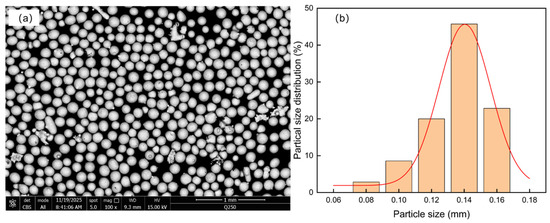
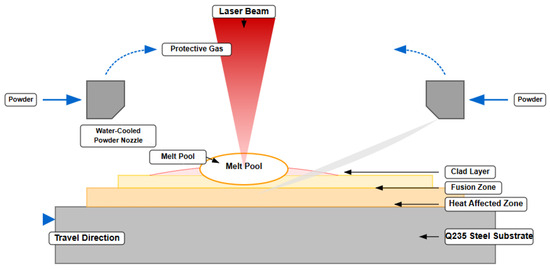
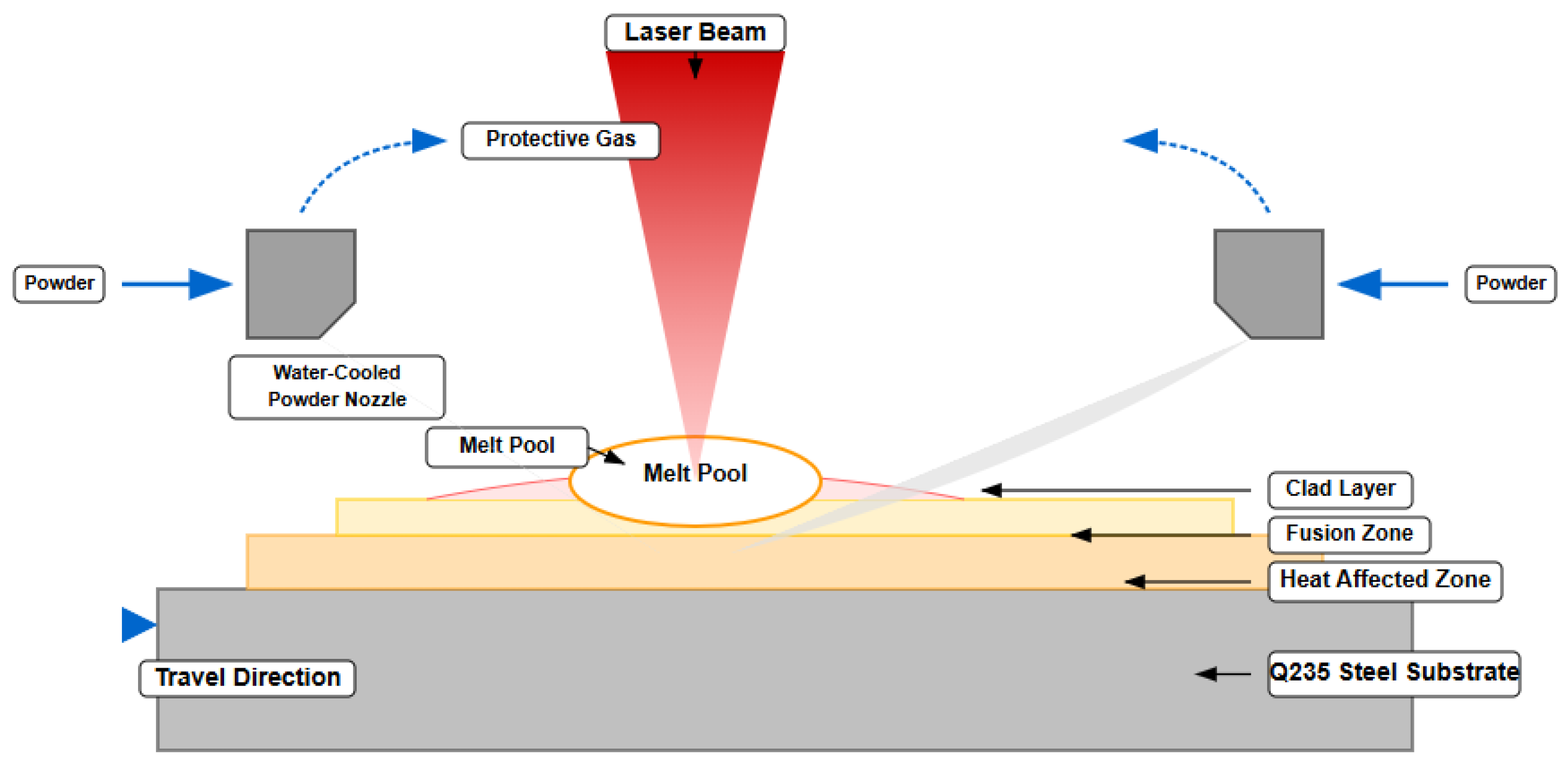
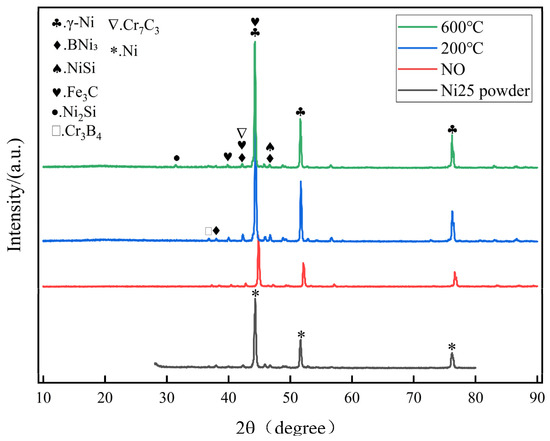
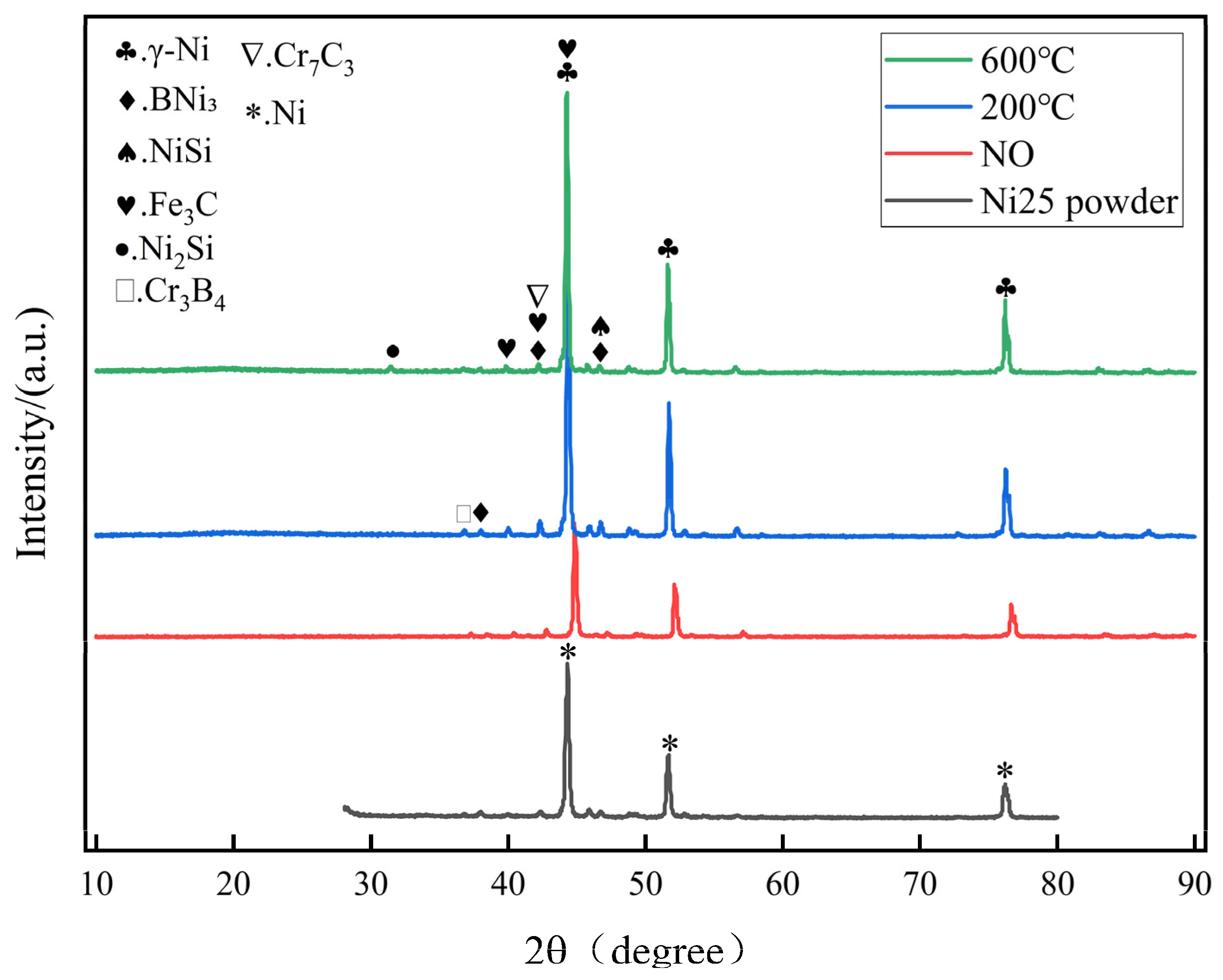
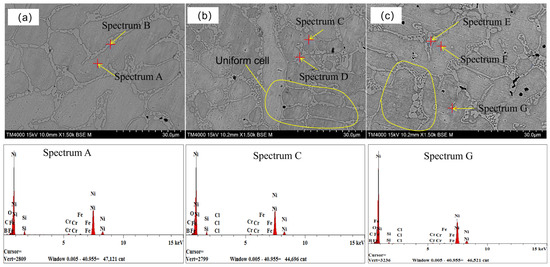
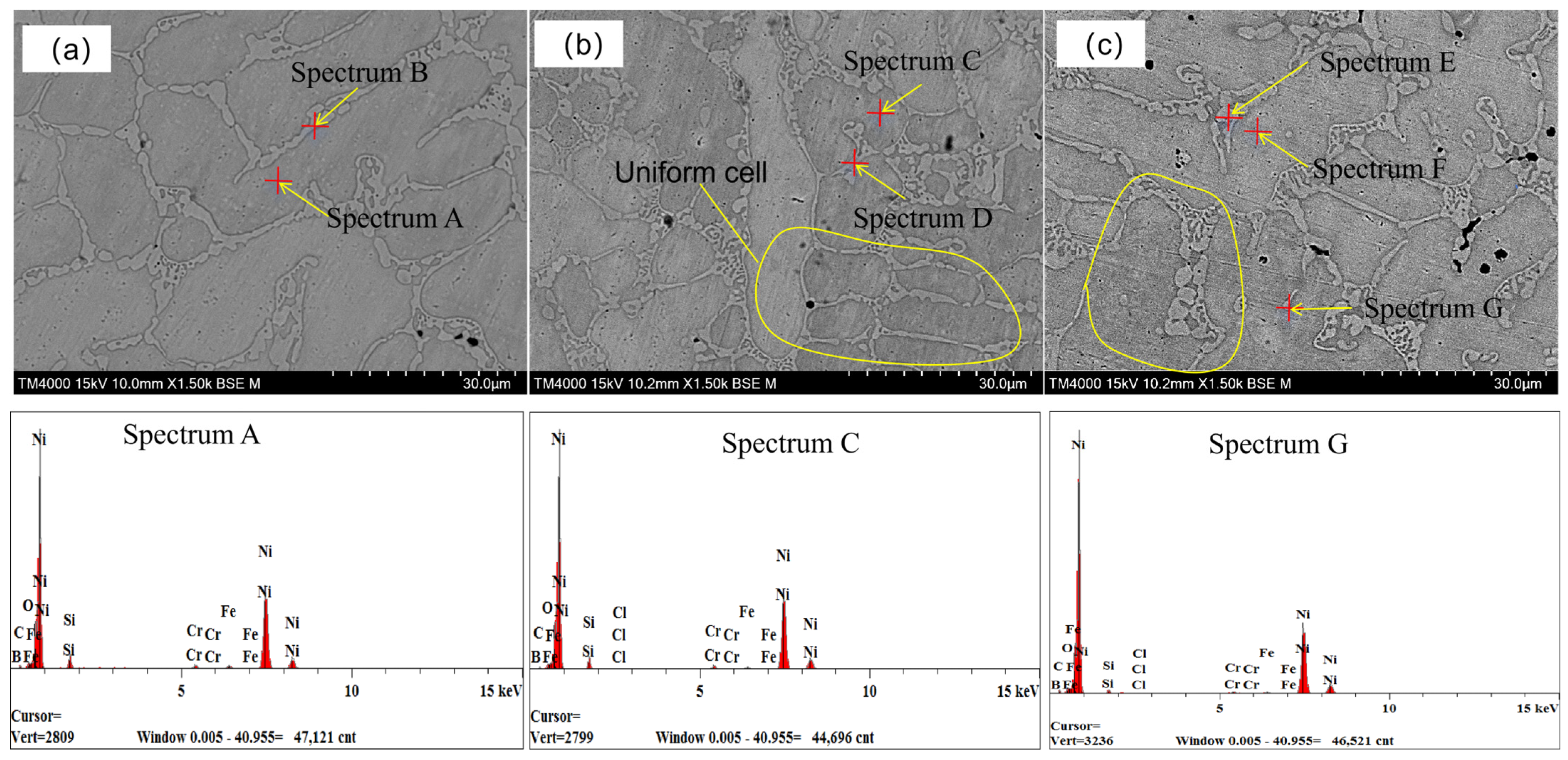
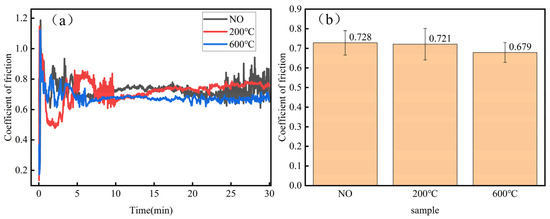
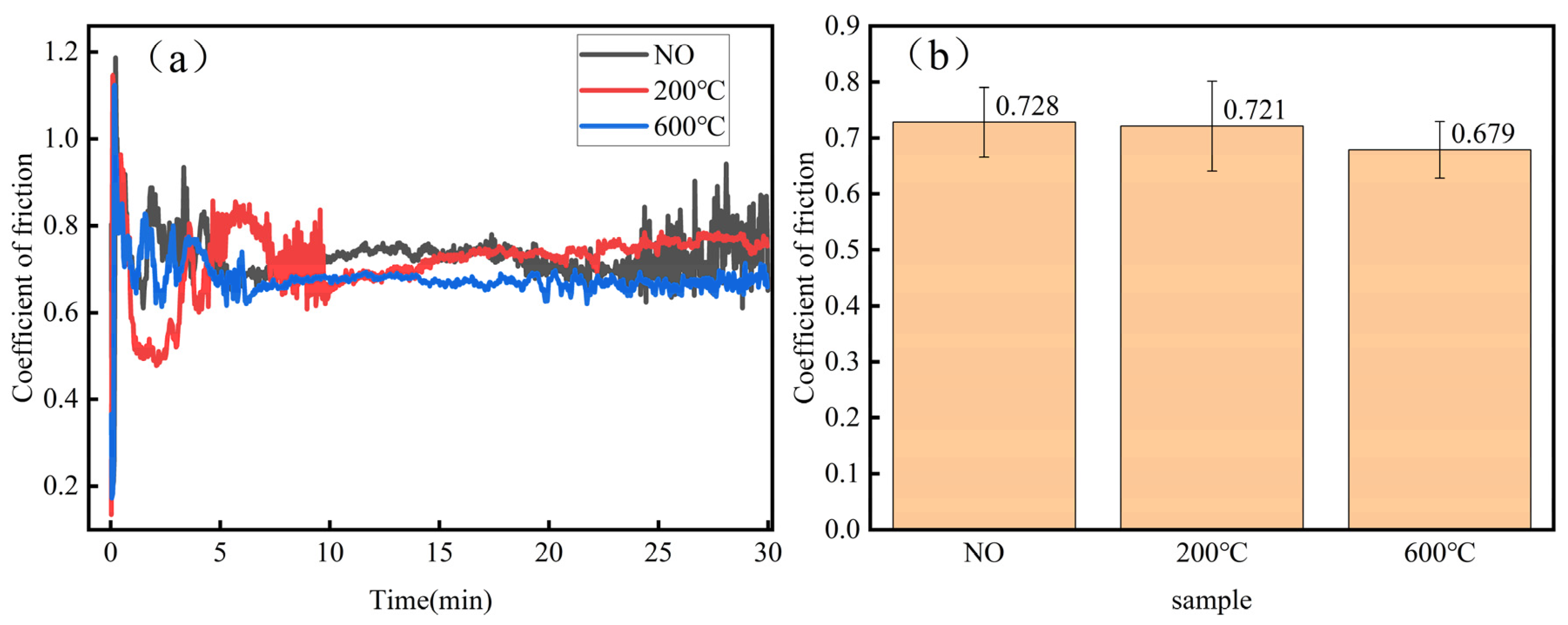
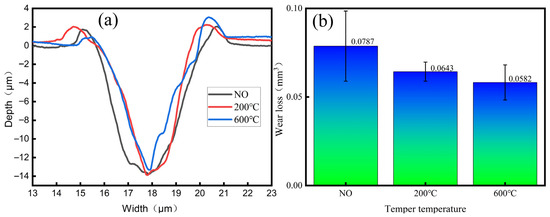
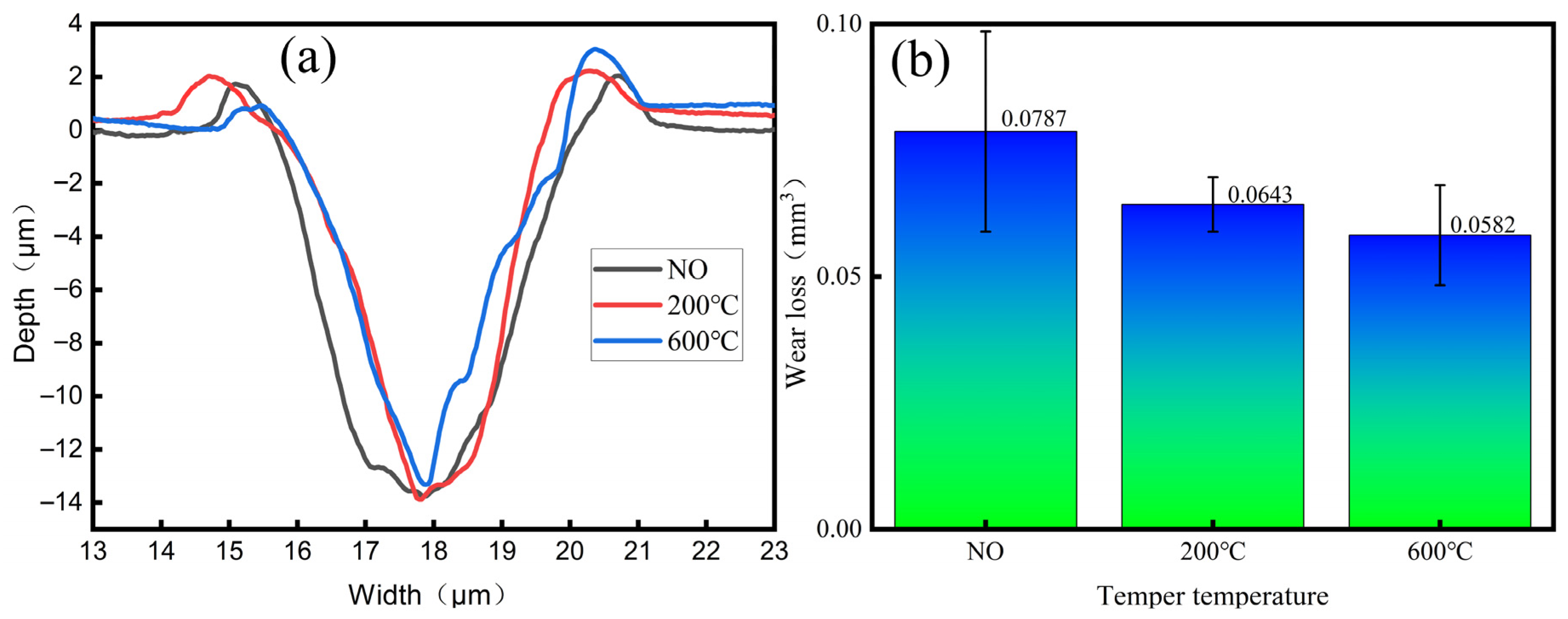
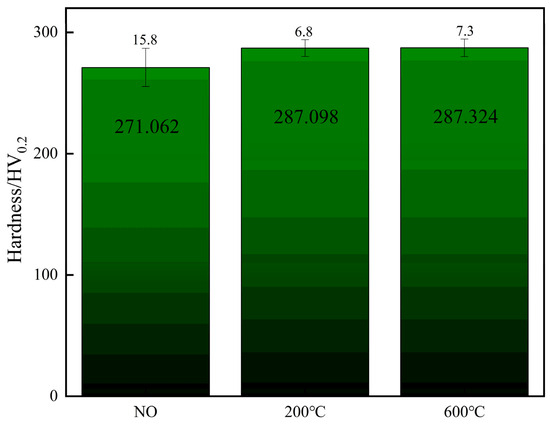
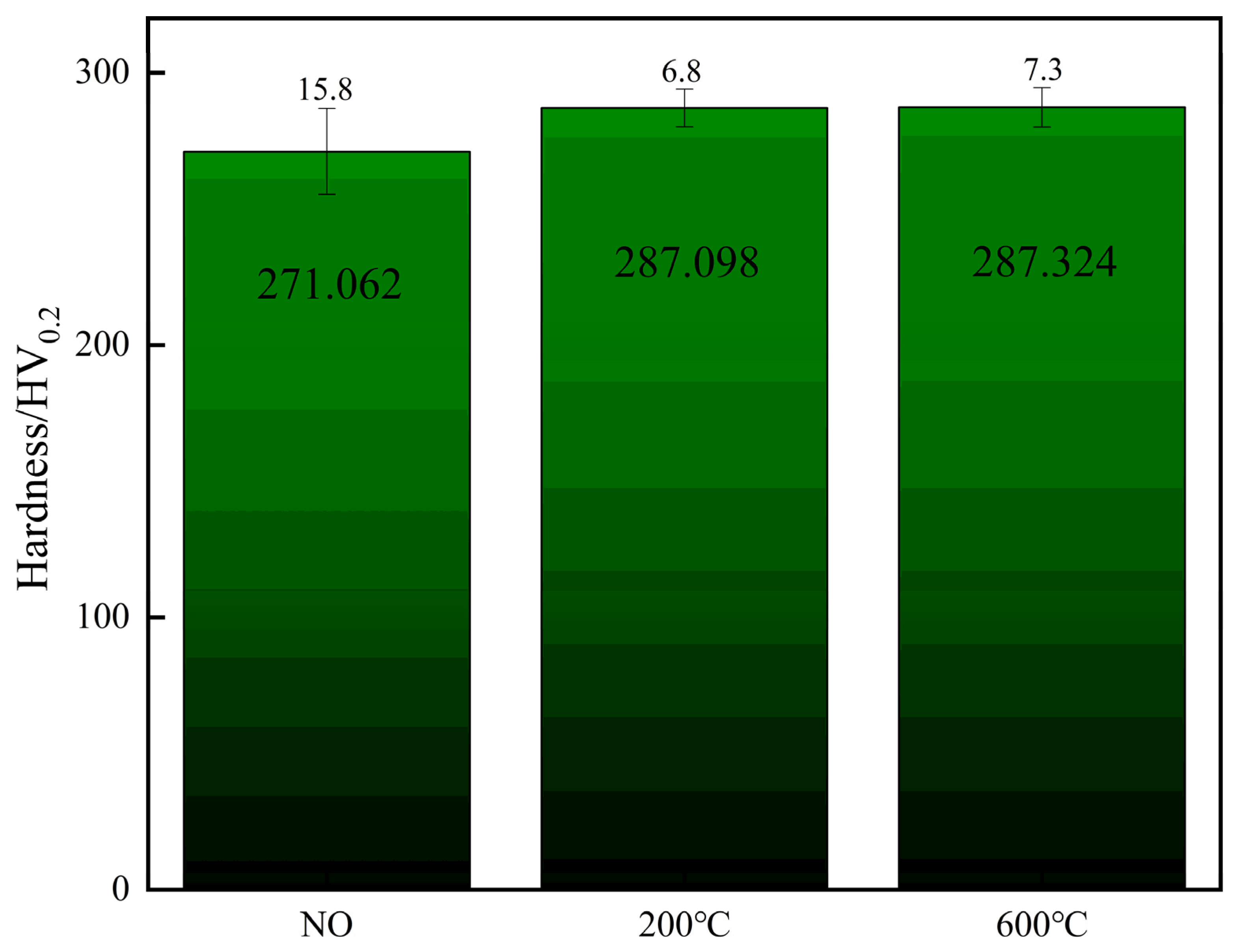
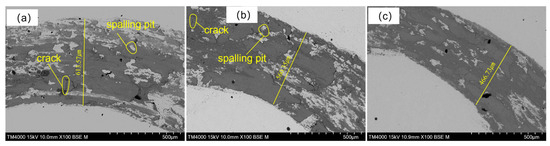
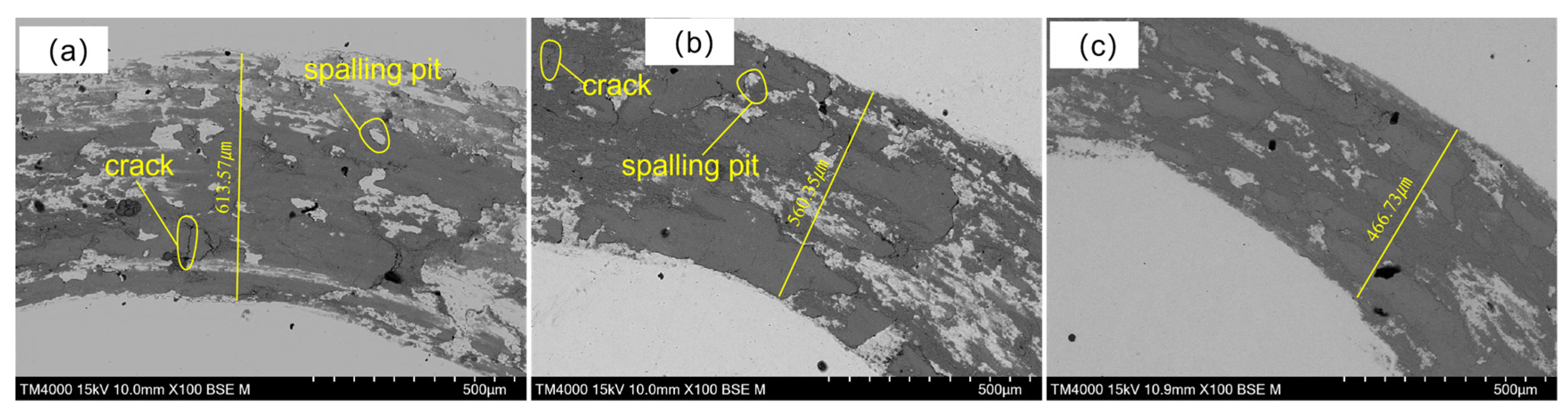
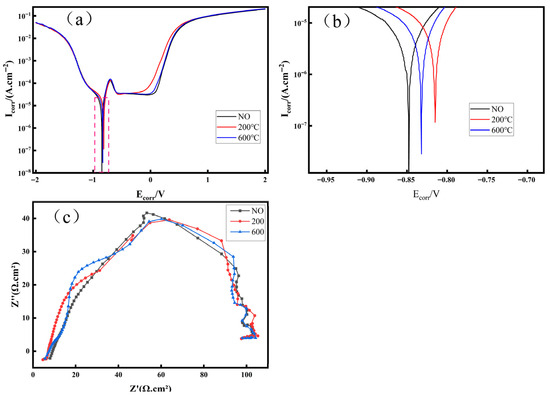
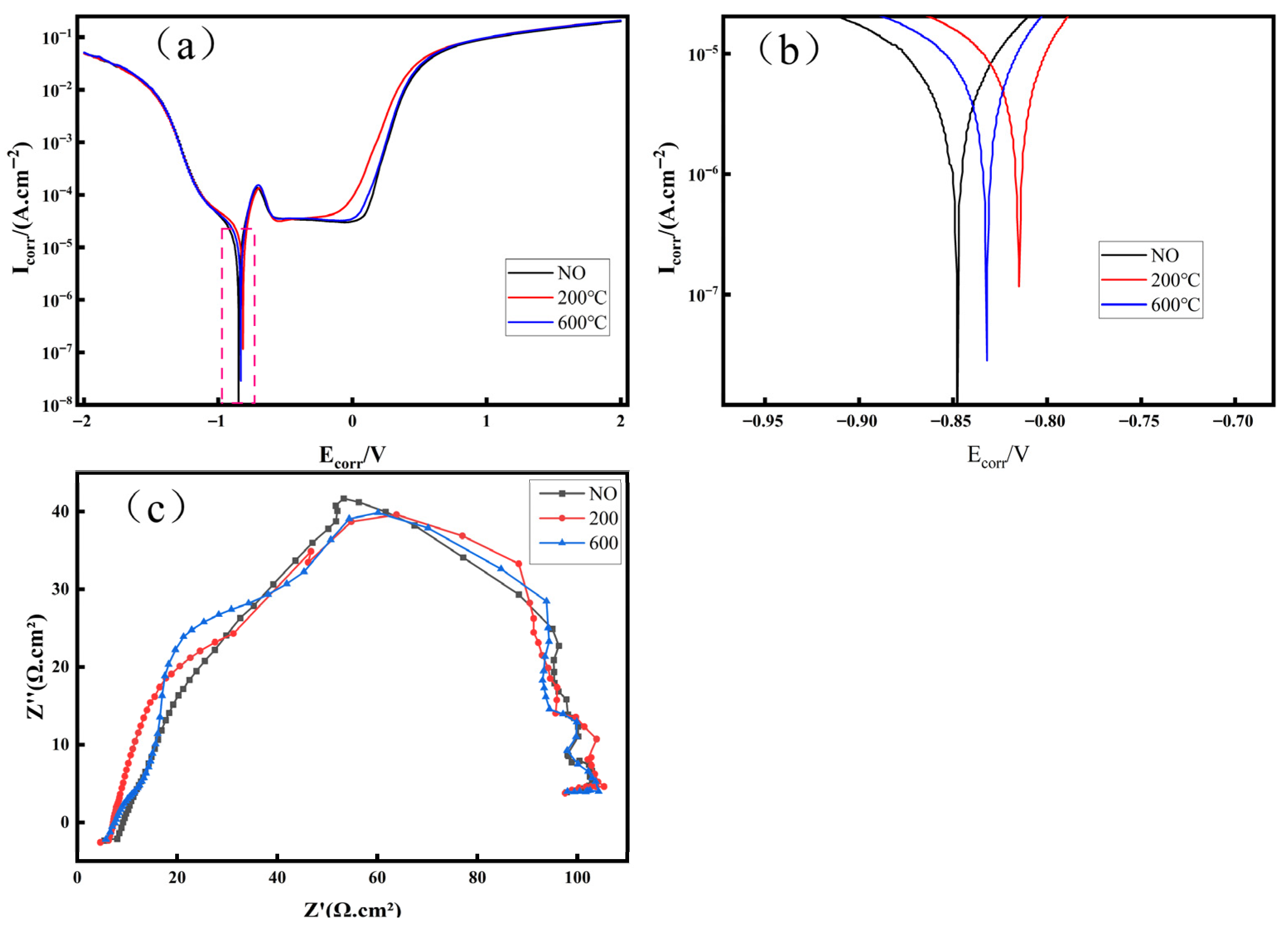

Disclaimer/Publisher’s Note: The statements, opinions and data contained in all publications are solely those of the individual author(s) and contributor(s) and not of MDPI and/or the editor(s). MDPI and/or the editor(s) disclaim responsibility for any injury to people or property resulting from any ideas, methods, instructions or products referred to in the content. |
© 2026 by the authors. Licensee MDPI, Basel, Switzerland. This article is an open access article distributed under the terms and conditions of the Creative Commons Attribution (CC BY) license.