Review

Insulation Design of Gas–Solid Interface at HVDC Condition-Part I: The Research Progress on Surface Charge Accumulation and Dissipation


1
China Southern Power Grid Electric Power Research Institute, Guangzhou 510080, China
2
National Engineering Research Center of UHV Technology and New Electrical Equipment Basis, Guangzhou 510080, China
3
School of Electrical and Electronic Engineering, Hubei University of Technology, Wuhan 430068, China
*
Author to whom correspondence should be addressed.
Coatings 2026, 16(2), 154; https://doi.org/10.3390/coatings16020154
Submission received: 18 December 2025 / Revised: 8 January 2026 / Accepted: 22 January 2026 / Published: 24 January 2026
(This article belongs to the Section Functional Polymer Coatings and Films)

Abstract

High voltage direct current (HVDC) gas-insulated equipment (GIE) has become a critical component in long-distance power transmission projects, owing to its advantages such as compact structure and high reliability. However, the gas–solid interface insulation of DC GIE under long-term operation faces charge accumulation phenomenon, which will distort the electric field distribution and cause insulation flashover. Due to the lack of technical guidelines for the insulation design of DC gas-insulated equipment, the method of insulation design usually adopts increasing the insulation structure size to ensure sufficient creepage along the surface, which greatly increases the dimensions and manufacturing costs of the final equipment, and fails to fully leverage the unique advantages of GIE in compactness and lightness. Therefore, it is of importance to clarify the mechanism of charge accumulation on the surface of insulators under HVDC, and to propose an insulation design method that can effectively inhibit the charge accumulation and adjust the electric field distribution at the gas–solid interface, which holds practical significance for the safe application of large-scale DC GIE projects. In view of this, this paper firstly summarizes the characteristics of surface charge accumulation at gas–solid interface, and then reviews the existing research progress from two perspectives: surface charge suppression of insulation structure and gas–solid interface electric field regulation, providing theoretical and technical support for optimizing the design of GIE insulation structure, formulating scientific operation and maintenance measures.

1. Introduction

Climate change and ecological environment protection have become hot topics of global concern, and the utilization of clean and renewable energy has become increasingly important. Renewable energy is experiencing a leapfrog development, with a significant increase in wind power capacity in recent years [1,2]. Among them, offshore wind farms have attracted widespread attention due to their huge, untapped wind energy resources and superior wind conditions [2,3]. However, with the large-scale development and utilization of nearshore resources and technological progress, offshore wind power development is gradually expanding into deeper seas. The collection and transmission methods of large-capacity and long-distance offshore wind power and technical equipment have become critical to the large-scale development and utilization of wind energy in the deep-sea areas [4,5].
Due to the characteristics of long distance, large dispersion, and limited single-unit capacity of offshore wind power, it has become a consensus that using HVDC system to collect and transmit electric energy has the outstanding advantages of lower cost, higher efficiency, better reliability and stronger applicability. When the transmission distance exceeds 80 km and the transmission capacity is over 500 MW, an HVDC transmission system is the most effective way to develop, collect, absorb, and transmit offshore wind power energy [6,7]. Therefore, with the promotion of huge social and economic benefits, DC transmission technology has developed rapidly, reaching the ultra-high voltage direct current (UHVDC) grid level of large capacity and ultra-long distance transmission. Meanwhile, the main equipment constituting of HVDC transmission system has also achieved rapid development; in particular, gas-insulated equipment (GIE) has gradually occupied the dominant position of HVDC transmission equipment due to its compact structure, small footprint, excellent insulation performance, and high reliability.
Different from alternating current (AC) equipment, the internal insulating gas and basin type solid insulators that constitute the main insulation of GIE exhibit a unique charge accumulation phenomenon at the gas–solid insulation interface under the long-term effect of DC voltage. In severe cases, it will distort the distribution of the original electric field and lead a critical accident of gas–solid insulation surface flashover resulting in insulation failure, which has also become a unique challenge restricting the development and wide application of HVDC gas insulation equipment [8,9]. In 2018, during the operation of a 420 kV GIS offshore wind power DC transmission line converter station in northern Germany, free metal particles attached to the surface of the basin insulators triggered a penetrating flashover, resulting in a sudden single-phase grounding trip during operation. In 2020, in a UHVDC converter station in Nei Mongolia, China, metal particles left over from installation accumulated charge under the DC electric field for a long time on the pot insulators of the 500 kV GIS line side gas chamber, leading to surface electric field distortion and ultimately triggering a penetrating surface flashover. Other similar accidents indicate that improper or even problematic insulation design can have a significant impact on the normal operation of GIE. To avoid insulation failure caused by charge accumulation, DC GIE has adopted the design of increasing the structure dimension to increase the insulation margin, thereby the advantage of compactness has not been fully reflected [10]. The main reason lies in the lack of theoretical basis and technical specifications for the surface electric field control method of gas–solid interface, which resulted in the factors of charge accumulation are not scientifically considered in the field strength design criteria of DC GIE internal gas–solid interface insulation.
In review of the charge accumulation problem, we categorize relevant research in the following two aspects: 1. surface charge suppression method; 2. gas–solid interface electric field regulation methods and control criteria. This review aims to bridge the gap between fundamental charge behavior research and applied insulation design methodologies for HVDC GIS/GIL systems. In this review, the existing research results are summarized from the aspects of functional coating materials and structural optimization design for the coordinated regulation of surface charge accumulation characteristics, and the existing research deficiencies and future research directions are also pointed out for providing theoretical and technical support in DC GIE insulation design.

2. Characters of Charge Accumulation

Compared with an AC system, the surface charge accumulation of insulator under DC condition is significantly more severe. On one hand, after the application of DC voltage, the electric field distribution requires a relaxation process to reach the steady state. Due to the significant difference in permittivity and conductivity between solid and gas dielectric, the charge will inevitably accumulate on the surface of the insulator in this process. On the other hand, since the polarity of voltage remains constant under DC conditions, charges will move in the same direction under the action of electric field, which causes difficulty for charges in the equipment to dissipate after gathering on the gas–solid interface.

2.1. Sources of Surface Charge and Its Accumulation Pathways

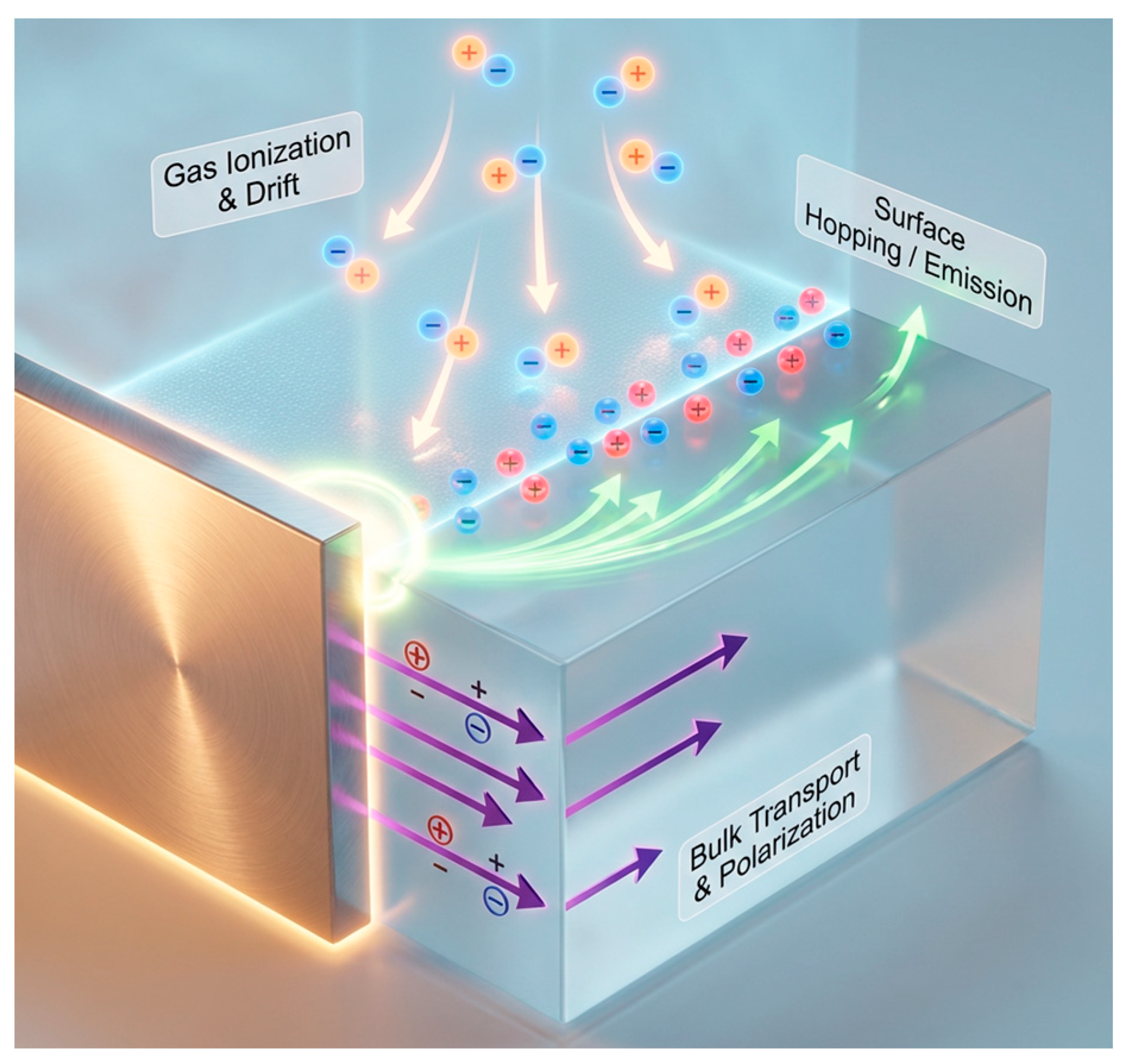
The sources of surface charge mainly include gas ionization, electrode field emission, dielectric polarization, non-uniformity conductivity of insulation materials and charge injection from electrodes [11]. The initial charge is mainly accumulated on the surface through three pathways: gas side conductance, solid side conductance, and surface conductance at the gas–solid interface, as shown in Figure 1 [12].
These three accumulation pathways correspond to different researchers’ understanding of the source of surface charge. Different experimental conditions and influencing factors have also led to variations in the dominant accumulation pathways of surface charge. The view on which the gas conductance is a leading factor in charge accumulation on surface suggests that the charge accumulated on the surface mainly comes from the micro discharge [13,14], partial discharge [15,16] caused by burrs on the electrode surface of the gas side or the small protrusion on the insulator surface, the natural ionization of the gas [17], and field emission [18]. These processes generate charged particles that subsequently accumulate on the insulator surface. The view on which the bulk conductance is a leading factor suggests that the surface charge originates from space charges within the insulator [19,20]. While there is also a view that the charge accumulation on the insulator surface is determined by the surface conductivity from surface conductance view.

2.2. Influence Factors of Surface Charge Accumulation

Current studies indicate that the surface charge accumulation characteristics of the surface are affected by many factors, which have an important impact on the way of surface charge accumulation. The direct factors affecting the surface charge accumulation are the applied voltage, the dielectric parameters of the dielectric and the shape of the insulator and electrode. In fact, the change in operating conditions, gas environment, insulator surface state, and other indirect factors will also affect the accumulation of surface charge.
The most direct impact of changing operating conditions is the temperature inside the GIE. When the transmission load changes, the variation in current will lead to different temperature gradients in GIE, and conductivity of insulator will increase with temperature, thus affecting the surface charge distribution of insulator. The research conducted by Tang, Kumada, and Zhang et al. have suggested that increase in temperature enhances the bulk side charge accumulation process [21,22,23].
Gas characteristics include the influence of gas pressure, type, humidity, and other factors. Although the gas pressure does not affect the solid dielectric itself, it can affect the surface charge accumulation of gas–solid insulation through the ionization process of different kinds of gases. The impact of humidity on surface charge is relatively complex, and the most susceptible factor is the surface conductivity of insulator, and different materials exhibit varying degrees of sensitivity to humidity. For example, epoxy resin is more susceptible to humidity than silicone rubber [24,25].
The surface state of insulators mainly includes the surface roughness of insulators and metal particle pollution, etc. On the one hand, the surface roughness mainly affects the surface conductivity, surface trap energy level, and density of insulators [26]. On the other hand, the small protrusions on the surface may lead to electric field distortion, cause micro discharge, and intensify charge accumulation. Metal particle pollution is one of the common issues in GIE. In equipment, there are inevitably a small number of micro-sized metal particles. The metal particles attached to the insulator surface will cause partial discharge, resulting in the charge accumulation near the metal particles on the insulator surface.
In addition to the aforementioned factors, other significant influences on surface charge include the electrode surface condition and insulator shape. The tiny protrusions or metal particles on the electrode surface will lead to the distortion of the electric field on the electrode surface, which will induce partial micro discharge or corona discharge, leading to the change in the surface charge distribution. The shape of insulator mainly affects the distribution of electric field to change the dominant way of surface charge accumulation, which is also a common method of regulating surface charge accumulation.
Table 1 synthesizes both material-level and structural-level charge suppression approaches. Table 2 summarizes the pathways for surface charge accumulation and the primary influencing factors.

3. Surface Charge Suppression Method

The surface charge accumulation pathways are gas side conductance, bulk side conductance in solid insulation material, and surface conduction on gas–solid interface [27,28]. The contribution of the three pathways to the surface charge density can be expressed as [8]
σ s t = J I n J G n J S = γ i E I n γ g E G n ( γ s E t )
where σs is the surface charge density, JIn and JGn represent the normal component of the current density at the bulk side and gas side of the gas–solid interface, respectively, Js is the surface current generated by the surface conductance of solid dielectric, γi, γg, and γs represent gas conductivity, insulation material bulk conductivity and insulation material surface conductivity, respectively, EIn and EGn represent the normal component of the electric field at the bulk side and the gas side of the gas–solid interface, respectively, Es is the tangential electric field on the surface of insulating material.
The idea and method of surface charge suppression can be obtained. Under the condition that the bulk side conductance of insulation material is the main accumulation mode, reducing the bulk conductivity to reduce JIn or increasing the surface conductivity to increase Js can effectively reduce the surface charge accumulation. In addition, the structure of insulation materials can be adjusted to optimize the distribution of electric field on the surface of insulating materials to inhibit the accumulation of surface charges.

3.1. Ideas and Methods of Bulk Doping Modification

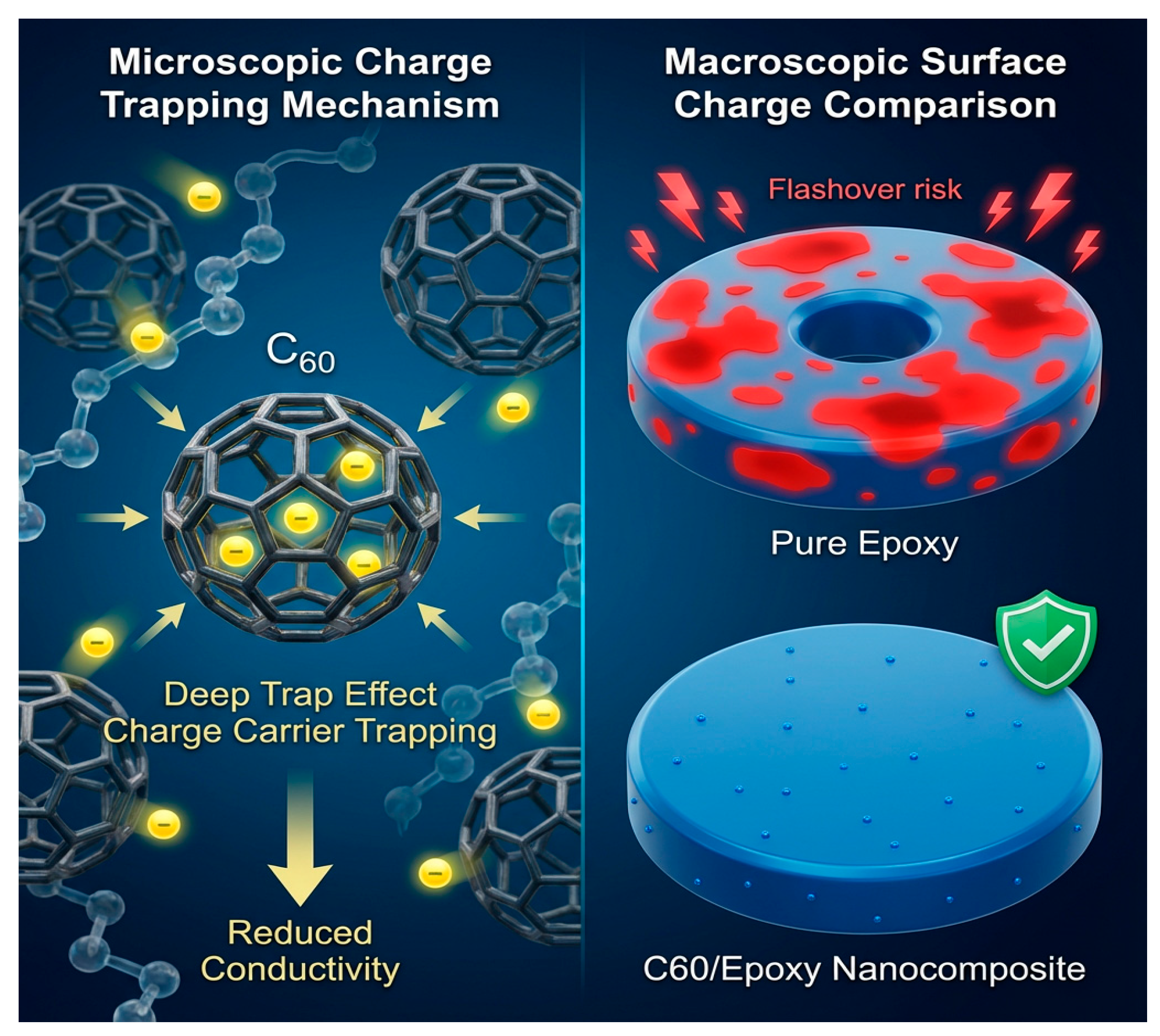
Insulation doping modification refers to doping functional fillers into insulation materials to inhibit surface charge accumulation by changing the electrical properties of insulating materials. By doping metal nanoparticles into epoxy resin, Zhang et al. [29] studied the surface charge accumulation characteristics and flashover characteristics under different particle sizes, filler types, and contents. It was discovered that the surface charge suppression effect and flashover voltage increased first and then decreased with the increase in filler content, which was attributed to the agglomeration of filler at high concentration [29]. Zhang et al. have studied the effect of fullerene doping on the surface charge accumulation of insulators and found that the surface charge accumulation level of insulators after doping is significantly lower than that without doping. It is preliminarily considered that fullerene hollow cage structure can effectively limit the internal charge migration of materials and significantly reduce the bulk conductivity of insulators, which effectively inhibits the surface charge accumulation, as shown in Figure 2 [30]. Meanwhile, MXene, a two-dimensional nano material with layered structure, is also doped into the epoxy insulator. It is found that the surface charge of insulator is also significantly lower than that of undoped. It is considered that the doping of nano material MXene introduces a large number of deep traps into the epoxy resin, which can capture the charge and make it difficult to detrap. The doping of MXene also reduces the bulk conductivity, reduces the solid side conductance, and achieves the purpose of suppressing the surface charge [31]. Du et al. doped different concentrations of graphene oxide in LDPE, and found that compared with undoped LDPE, the bulk conductivity decreased to varying degrees, thus inhibiting the surface charge and improving the flashover voltage [32].
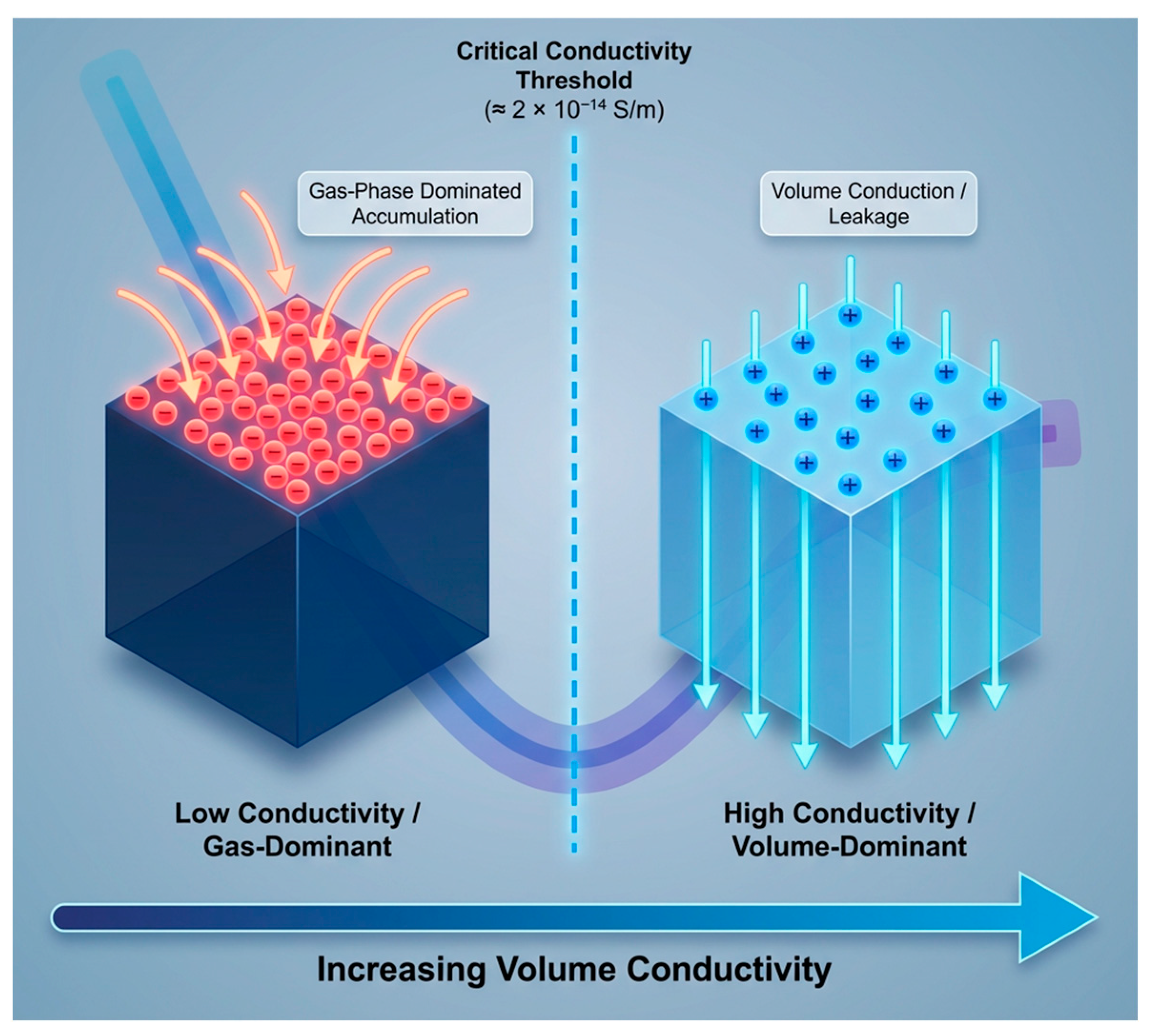
It is worth noting that reducing the bulk conductivity of insulating materials does not always have a charge suppression effect. B. Lutz and other scholars from Technical University of Munich, Germany, simulated the surface charge accumulation under different bulk conductivity of insulation materials. It is found that when the bulk conductivity is greater than 2 × 10⁻¹⁴ S/m, the bulk conductance of the material is the main pathway of surface charge accumulation. When the bulk conductivity is less than 2 × 10⁻¹⁴ S/m, the charge accumulation mode is dominated by the gas side conductance, as shown in Figure 3 [33]. This also indicates that for bulk doping modification, doping needs to be considered with the actual charge dominated accumulation mode. When the bulk conductivity of materials is greater than the critical bulk conductivity value, doping functional fillers to reduce its bulk conductivity can effectively inhibit the accumulation of surface charges. However, when the bulk conductivity is less than the critical value, it may be necessary to add an appropriate amount of high conductivity fillers to increase the bulk conductivity to approach the critical value.

3.2. Methods for Surface Modification

The surface modification of insulating materials usually adopts three methods, using high-energy radiation, active fluorination, and physical coating to treat the insulating surface, thereby changing the surface conductivity of the insulating material or adjusting its surface trap distribution to suppress surface charge accumulation. This method only changes the surface characteristics of the insulating material without any harm to the mechanical and electrical properties of the insulating body.

3.2.1. High-Energy Radiation Treatment

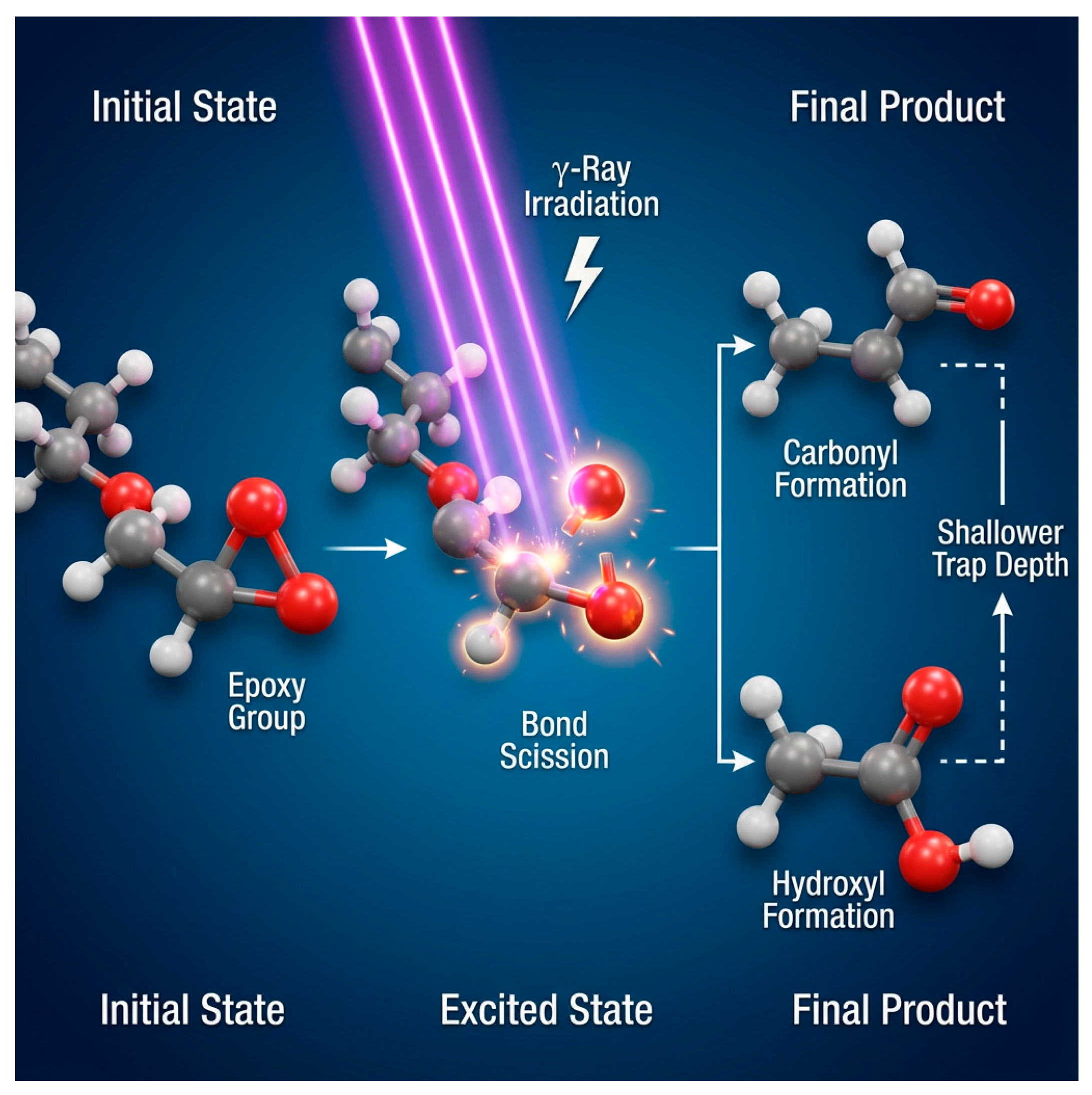
High-energy radiation treatments, such as γ-ray and X-ray irradiation, can effectively suppress surface charge accumulation and accelerate its dissipation on insulating materials. Du et al. demonstrated that 60Co γ-ray irradiation reduces surface charge density and increases the dissipation rate on epoxy resin, with both effects enhancing at higher irradiation doses. This improvement is attributed to the radiation-induced breakage of epoxy groups, forming hydroxyl and carbonyl structures that create shallower surface traps, thereby facilitating charge release (Figure 4) [34,35]. Similarly, Wang et al. reported that direct X-ray irradiation significantly lowers surface charge density. They explained that the high photon energy enables trapped charges to readily escape into the conduction band, forming free carriers that rapidly migrate, thus greatly enhancing the surface charge dissipation rate [36].

3.2.2. Active Fluorination Treatment

Due to the strong chemical activity and oxidation ability of fluorine, it can directly react with the surface of the insulating material to form a carbon–fluorine (C-F) bond structure without changing the performance of the insulating material. Zhang et al. carried out surface fluorination treatment on tapered insulators and found that the surface charge of the insulator was significantly suppressed after fluorination. Therefore, they believed that this was because a carbon–fluorine surface layer was formed on the surface of the insulating material after fluorination, which reduced the surface trap energy level and accelerated the surface charge to dissipate along the surface [37]. An et al. also found that the surface trap energy level of the fluorinated epoxy resin became shallower, which suppressed the accumulation of surface charge [38]. Further experimental tests confirmed that the fluorination treatment led to an effective improvement in surface flashover performance [39].

3.2.3. Surface Coating Treatment

The surface coating treatment is to change the surface dielectric and physical and chemical parameters of the insulator by coating a layer of micron material with specific functions on the surface of the insulator, so as to regulate the surface charge distribution and improve the surface flashover voltage. Compared with high-energy radiation and active fluorination, the surface coating operation is simple, and the coating process does not involve complex electrode structure, which is easier to be promoted in practical engineering. Among them, nonlinear conductance coating has attracted wide attention because of its advantages of adaptive regulation of resistive electric field and suppression of local high field strength [40,41,42,43,44].
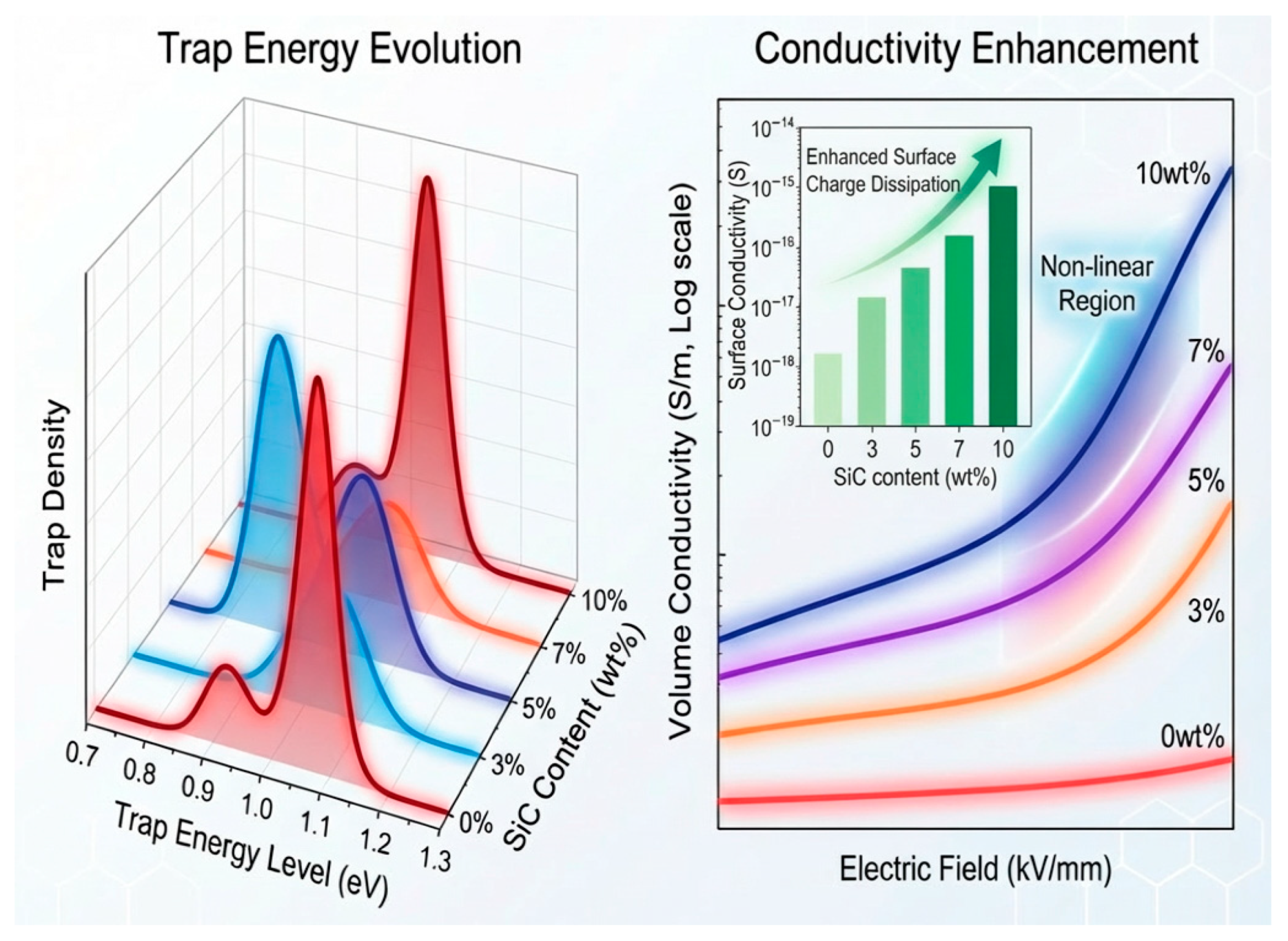
Wang et al. coated a nano-ZnO/epoxy resin composite coating on the surface of a conical insulator. They found that as the filler content increased, the surface charge accumulation of the insulator decreased, and the flashover voltage increased [45]. Xue et al. studied the micron SiC/epoxy resin coating and found that with the increase in filler content, the surface charge accumulation showed a trend of increasing first and then decreasing, and the flashover voltage showed a trend of decreasing-increasing-decreasing [46]. Tang et al. studied the nano-SiC/epoxy resin composite coating and found that the coating can suppress the accumulation of surface charge and promote the dissipation of surface charge, thus increasing the DC flashover voltage. They believed that this is because the SiC coating improves the surface conductivity of the insulating material. While introducing nonlinear conductivity characteristics, the trap distribution on the insulating surface is improved, thereby exerting an excellent charge suppression effect as shown in Figure 5 [47,48,49,50]. Du et al. deposited ZnO films onto insulator surfaces via magnetron sputtering and this deposited ZnO coating exhibits nonlinear conductivity, which helps regulate the electric field distribution [51]. By further controlling the sputtering duration in different regions, the researchers fabricated a ZnO coating with a gradient in conductivity. This gradient coating was shown to significantly homogenize the surface electric field and enhance the flashover voltage [52].
Many studies have shown that surface coating is an effective method to suppress surface charge accumulation, but the current research mainly focuses on electrical properties. For real application, it is necessary to study the long-term operation stability of the coating, including the interface bonding force between the coating and the substrate and the influence of long-term temperature gradient on the performance of the coating.

3.3. Insulation Structure Optimization Methods

Insulation structure optimization represents a key method to field regulation. It typically involves constructing a simulation model that accurately represents the insulator geometry, followed by an iterative design process aimed at optimizing the electric field distribution and suppressing surface charge accumulation.
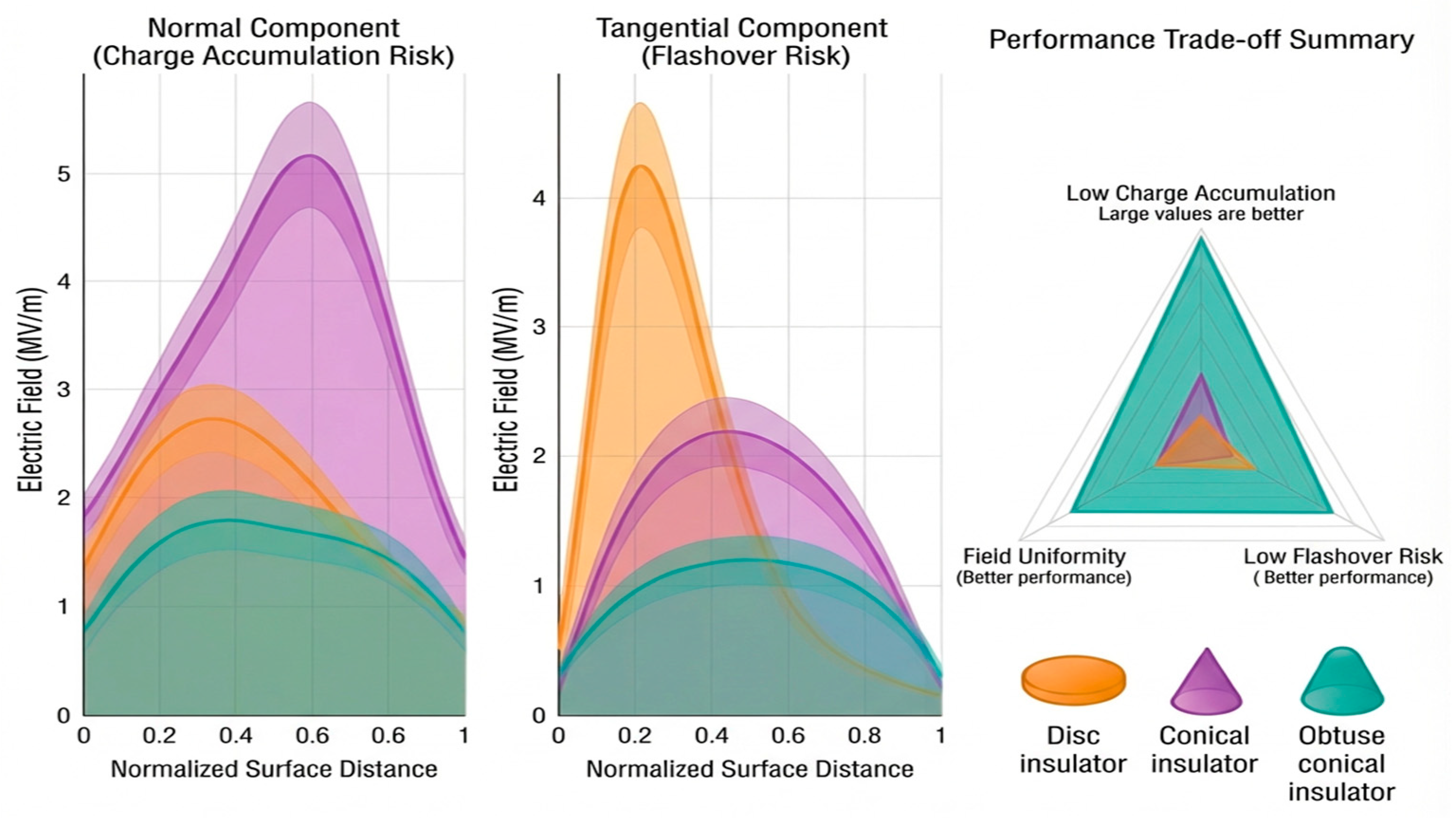
As surface charge accumulation generally correlates positively with the normal electric field, the general approach to optimizing insulator shape is to minimize the normal electric field component. Jia et al. simulated the surface charge accumulation of PTFE insulators with cylindrical, concave and shed-shaped structures and found that the change in surface charge was basically consistent with the distribution of normal field strength on the surface of insulators. They considered that shed-shaped insulators perform best among the three types of insulators [53]. Ma et al. simulated the surface electric field distribution of three different structures, including disc-shaped, cone-shaped and rounded-head conical insulators under DC voltage, as shown in Figure 6 [54]. They believed that the accumulation of surface charge is related to the normal component of surface electric field at the initial time, so the surface charge accumulation on the cone-shaped insulator is the most serious. Moreover, flashover is closely related to the tangential component of surface electric field. The average tangential component of surface electric field of disc-shaped insulator is the highest, so the probability of flashover is relatively high. Therefore, the rounded-head conical insulator offers the most outstanding overall performance among these three insulator shapes.
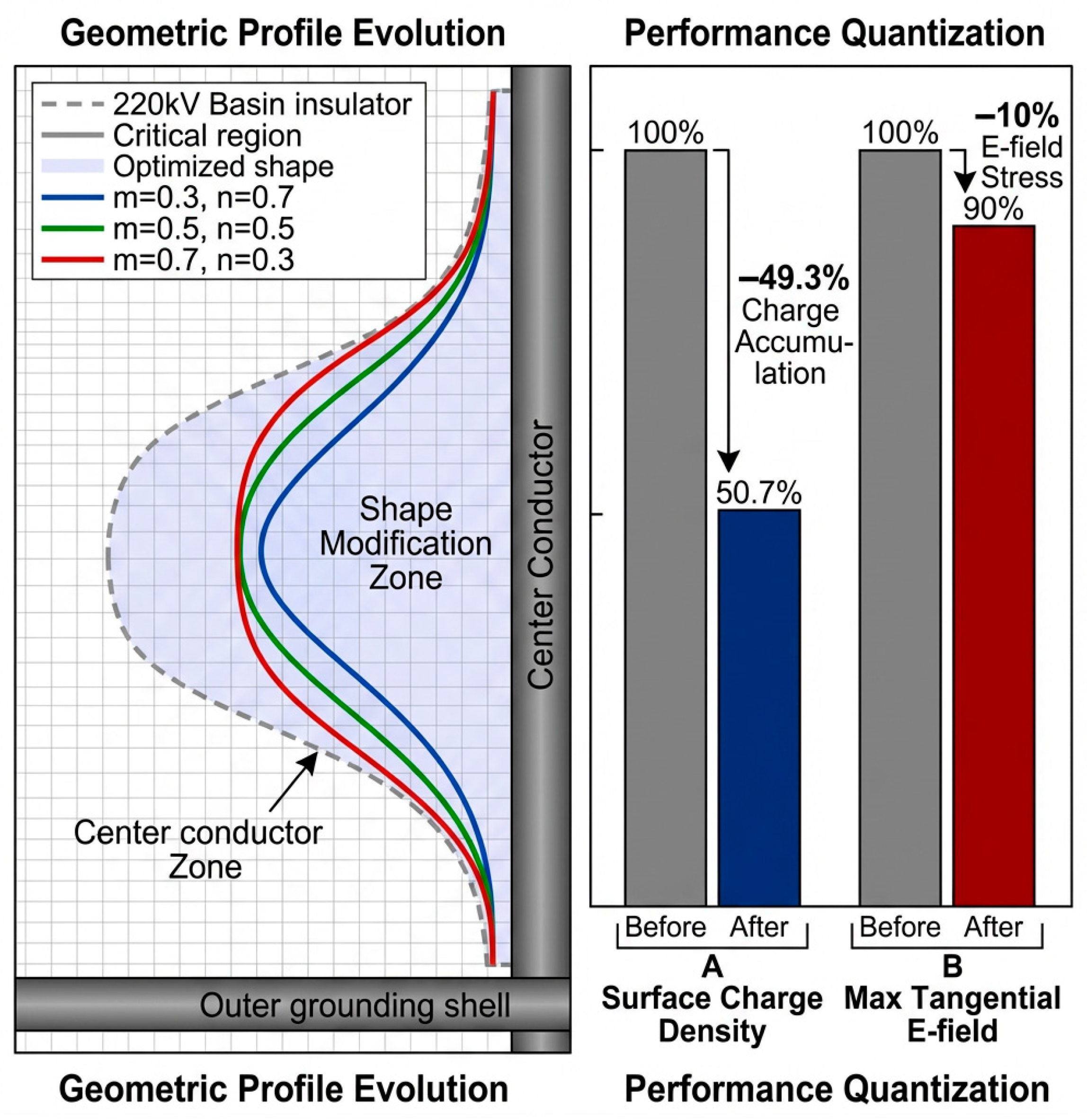
Tang et al. established a basin insulator shape optimization model based on surface charge accumulation model and artificial bee colony algorithm and constructed a minimum optimization objective function based on capacitive electric field (CE) distribution and resistive electric field (RE) distribution. The model structure is based on the actual AC 220 kV basin insulator. The CE calculation took the minimum weighted sum of the tangential and normal components of the surface electric field as the objective function, while the RE calculation took the minimum surface charge accumulation as the objective function. The optimization process is shown in Figure 7. The final optimization results showed that the surface charge density of the insulator could be reduced by 49.3%, and the maximum tangential electric field could be reduced by 10% [55].
It can be seen that the optimization of insulation structure can effectively improve the electric field distribution along the insulator surface by means of simulation calculation, but its charge suppression effect may not be as significant as that of surface modification and other methods. The reliability of the simulation results also needs to be verified by practical engineering.

4. Electric Field Regulation at Gas–Solid Interface

4.1. The Effect of Charge on Electric Field Distribution

The electric field distribution along the insulator is significantly different under AC and DC voltages. The electric field distribution under AC voltage mainly depends on the dielectric constant of the insulating material, that is, the capacitive electric field distribution. The electric field distribution under DC voltage mainly depends on the conductivity parameters of the insulating material, that is, the resistive electric field distribution [56,57]. In the transition from capacitive electric field to resistive electric field, charge will accumulate at the gas–solid interface of insulation. With the increase in charge accumulation, the distortion degree of surface electric field is also serious, which leads to flashover accident at the gas–solid interface [8,58,59].
The Chalmers’s team studied the influence of surface electric field distribution and flashover of surface charge insulators under impulse voltage conditions, and found that the charge accumulated on the surface of cylindrical insulators had a great influence on the pulse flashover voltage in SF6 atmosphere. At a negative charge with a density of about 50 μC/mm2, the flashover voltage was reduced by 20% and the electric field strength was increased by 12% [60]. Yuriy Serdyuk et al. studied the influence of surface charge accumulation on the surface electric field distribution of insulating materials through simulation. The simulation results showed that the charge accumulation under positive voltage enhanced the electric field intensity near the high voltage electrode and weakened the electric field intensity near the ground electrode, while the charge accumulation under negative voltage weakened the electric field intensity near the high voltage electrode and enhanced the electric field intensity near the GND electrode [61]. The scholars from North China Electric Power University studied the surface electric field distribution of insulating materials such as silicone rubber(SiR), epoxy resin(EP) and polymethyl methacrylate (PMMA) under the influence of charge accumulation and found that the surface charge formed a self-built electric field on the surface of the insulating material, which would cause significant distortion of the original electric field generated by the applied voltage, thus enhancing the local surface electric field intensity and inducing the surface flashover of the insulating material [62].
In summary, when the charge accumulates on the surface of the insulating material to form a self-built electric field, the electric field generated by the applied voltage will be significantly distorted, thus inducing surface flashover. Therefore, some researchers hope to propose effective interface electric field control methods to optimize the surface tangential electric field distribution to ensure the surface tolerance of insulators. The following will briefly review several gas–solid interface electric field control methods.

4.2. Regulation Method for Electric Field at Gas–Solid Interface

4.2.1. Functional Gradient Materials

The Functional Gradient Materials (FGM) refer to functional materials whose chemical composition, microstructure, and atomic arrangement exhibit continuous gradient changes from one side to the other, thereby promoting their properties and functions to exhibit continuous gradient changes [63]. Recently, the application of FGM to insulation components to improve their field strength distribution and enhance their insulation performance has received increasing attention from researchers.
Muneaki Kurimoto et al. from Nagoya University, used centrifugal force to control the concentration of TiO2 and Al2O3 fillers in different regions of EP to prepare ε-FGM insulators with a gradient distribution of dielectric constant. The difference in electric field distribution between ε-FGM insulators and normal insulators was calculated, and the simulation results show that the electric field distribution of the ε-FGM insulator is more uniform, especially at the triple junction, where the electric field strength is reduced by about 30% [64].
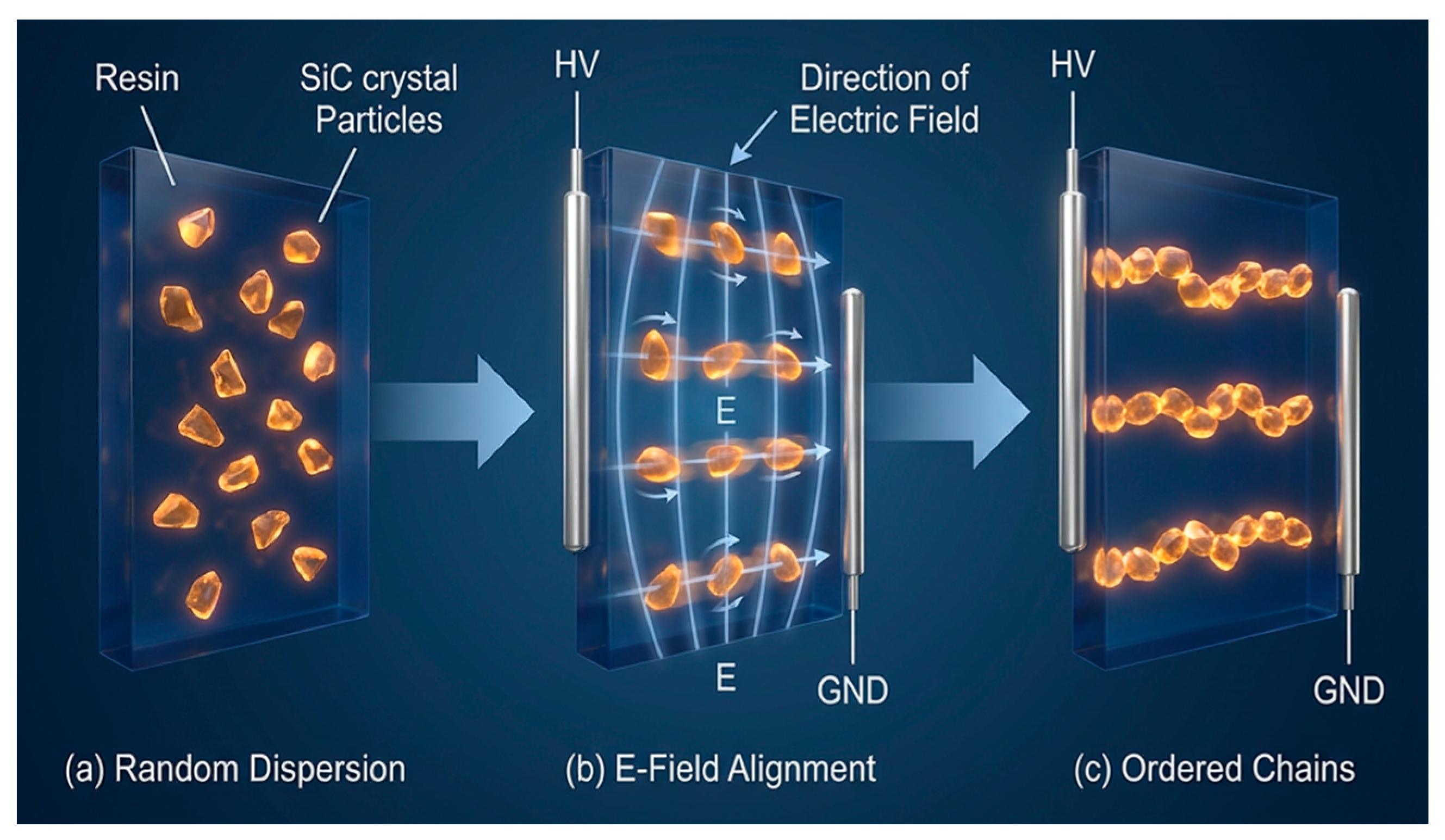
The Du et al. from Tianjin University calculated the improvement effect of gas–solid interface FGM coating on the surface electric field. They found that when using “inverse proportional” gradient coating and “linear” gradient coating, the electric field strength at the triple junction points decreased by about 65% and 40%, respectively [52]. Xue et al. applied coatings near the high-voltage electrode to improve the tangential electric field strength along the surface and enhance its surface flashover performance [65]. In addition, Tang et al. used an electric field induced self-assembly method to orderly chain SiC fillers in the direction of the induced electric field. This helps the coating to achieve significant nonlinear conductive characters at lower filler concentrations, promoting the improvement of charge dissipation ability at the gas–solid insulation interface, as shown in Figure 8 [66].

4.2.2. Shape Optimization of Insulator

Optimizing the insulation structure can not only suppress charge accumulation but also regulate the electric field distribution along the gas–solid interface. Volpov et al. from Israel Electric Power Company have conducted extensive research on optimizing the electric field distribution of insulation structures under DC high voltage. They believe that compared with normal electric fields, the surface conduction process caused by tangential electric fields is more complex. It is suggested that the design of insulator structures should meet the control threshold of En < 1 kV/mm for normal electric fields along the surface and Et < 3.5 kV/mm for tangential electric fields [67]. Li et al. have studied the capacitive and resistive electric field distribution characteristics of bowl type, flat disc type, cone disc type, and cone bowl type insulators and three pillar insulators, and optimized the design of the insulators with the above structures. At the same time, suggestions for the design field strength control threshold and structural shape of high-voltage DC insulators have been provided [68].
The shape optimization of insulators typically follows a structured, simulation-driven methodology. This process begins with parameterizing the insulator’s geometric profile (e.g., inclination, curvature) using mathematical models. Clear evaluation metrics, such as the maximum surface electric field strength or charge accumulation density, are then defined as optimization constraints and objectives. Finally, computational algorithms are employed to iteratively search for the optimal geometry that satisfies these criteria.
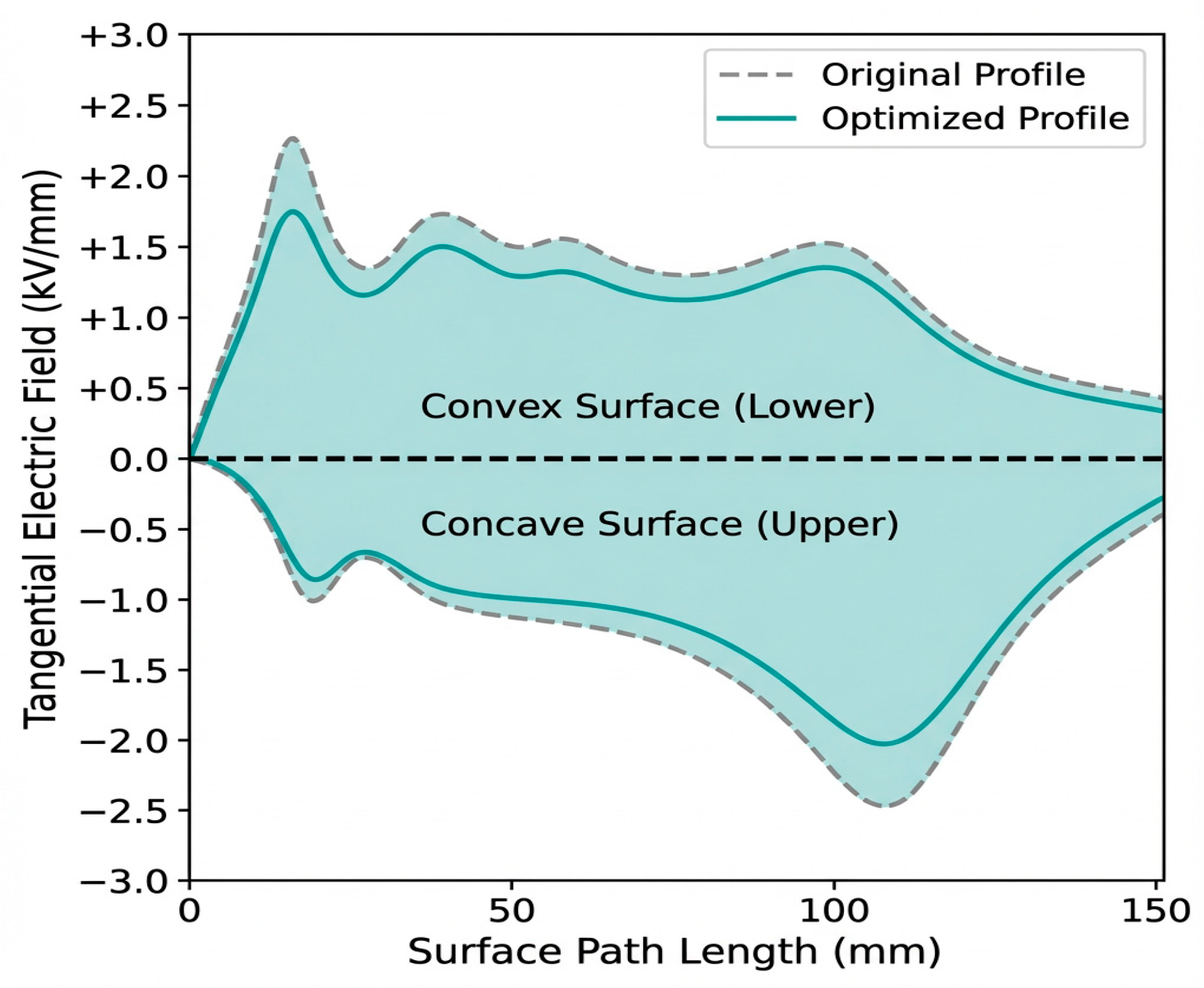
Several studies exemplify this approach. For instance, Wang et al. integrated both electric field distribution and mechanical stress as constraints in their optimization. The resulting design achieved a 25.4% reduction in the maximum surface electric field strength compared to the original insulator [10]. Luo et al. parameterized their bowl-type insulator using five control points on its concave and convex surfaces. By applying an artificial bee colony algorithm with dual constraints on electric field and charge accumulation, they optimized the insulator for both capacitive and resistive field distributions. Their optimized design reduced the tangential field strength along the surface by up to 10% (Figure 9) [55]. In another study, Jia Yunfei et al. utilized a genetic algorithm to optimize a bowl-shaped insulator structure, with the boundary conditions derived from standard lightning impulse and power frequency withstand voltage requirements [69].
Traditional optimization of basin insulators requires the use of finite element calculation methods to analyze and calculate the optimization objectives, but this method demands significant computational resources. Recent research has begun to adopt advanced computational methods to achieve resource conservation and improve optimization efficiency. Zhang et al. utilized response surface methodology (RSM) for modeling, significantly enhancing the efficiency of optimization calculations [70]. Urazaki et al. provided an interpretable and computationally efficient alternative for numerical simulation of high-voltage direct current (HVDC) systems based on symbolic regression (SR) and sparse identification of nonlinear dynamics (SINDy) algorithms [71].

4.2.3. Optimization of Interface Electric Field Under Electric Thermal Stress

Generally, a certain amount of heat is generated inside the GIE, while the external environment also faces unfavorable conditions such as high and low temperature differences, inevitably resulting in temperature gradients inside the GIE equipment. For insulation, temperature gradients can affect parameters such as bulk conductivity, surface conductivity, gas density, and gas pressure, thereby altering the internal electric field distribution of the equipment. At present, studies have shown that temperature gradients can lead to a decrease in the effective insulation distance of insulators, resulting in a decrease in the DC surface flashover voltage [72]. Therefore, some researchers have turned their attention to improving the control of gas–solid interface electric fields under temperature gradients.
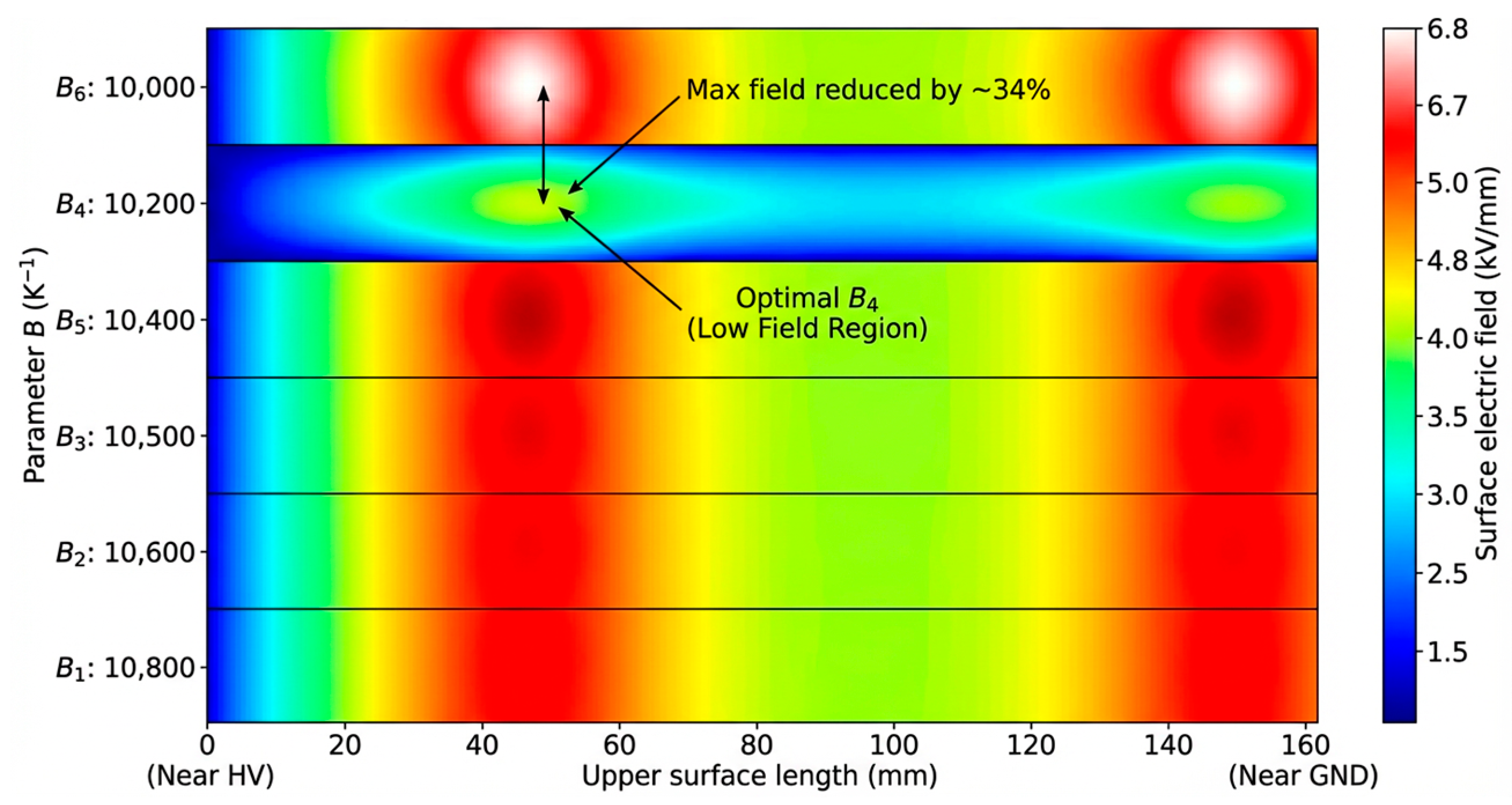
On the one hand, Li et al. not only analyzed the electric field distribution characteristics of insulators with different shapes but also studied the electric field distribution characteristics of insulators with different shapes under temperature gradients. They found that the tangential and normal field strengths on the insulator surface increased significantly compared to at room temperature [68]. Wan et al. studied the electric field distribution characteristics of three pillar insulators under the electric thermal air flow coupling field through simulation methods and found that the existence of temperature gradients can lead to an increase in the DC electric field strength of insulators far away from metal conductors [73]. Xue et al. have designed a temperature adaptive conductive coating for electric field control under electric thermal coupling field through simulation. After using the coating, the maximum electric field strength along the surface of the insulator can be reduced to 34% of the original, as shown in Figure 10 [74].
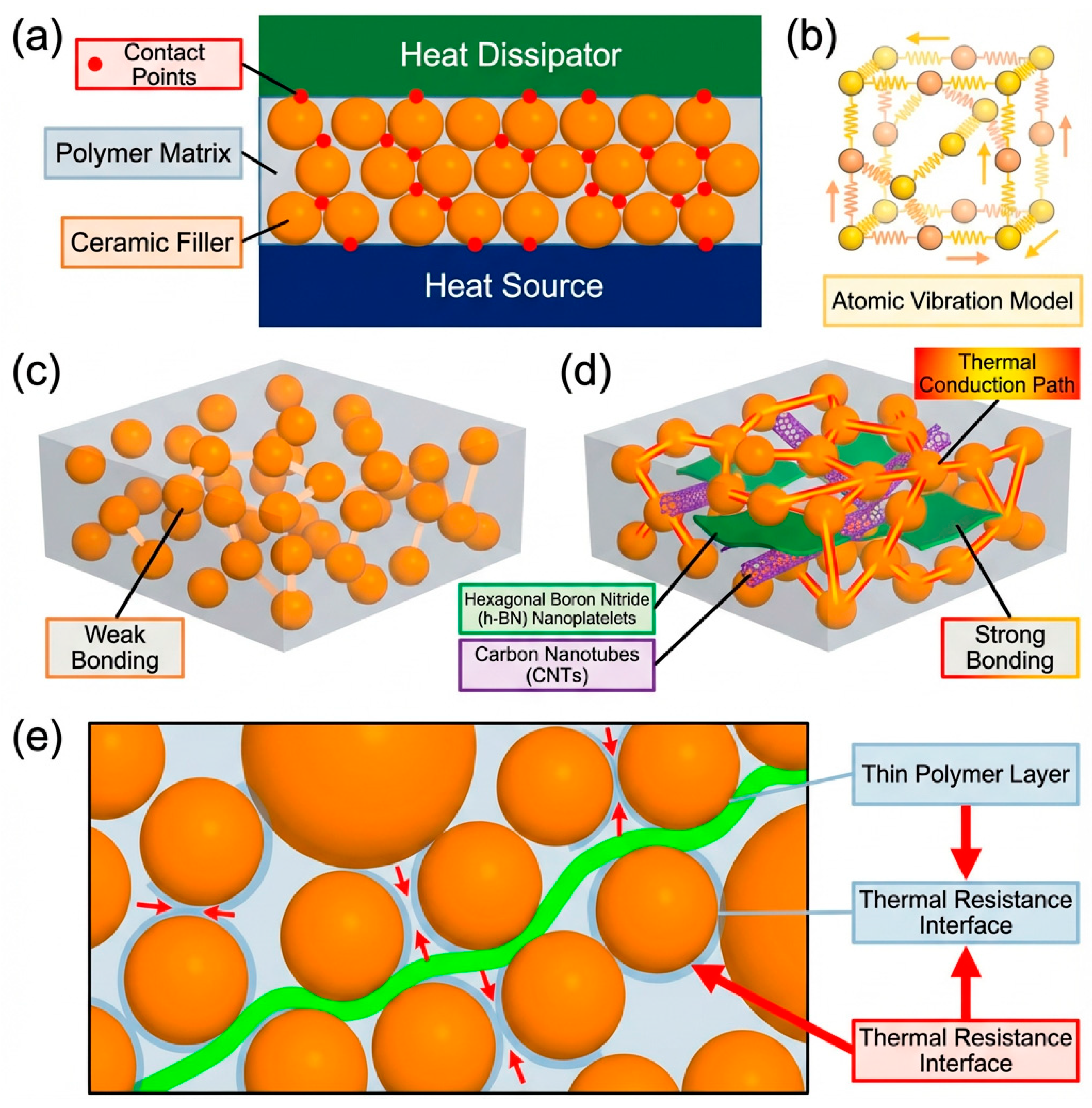
On the other hand, some scholars have attempted to regulate the electrical and thermal parameters of insulation materials by modifying them, improving the electric field distribution under temperature gradients, such as epoxy nanocomposites (EPNC) [75], and thermally conductive insulating ceramic fillers [76], as shown in Figure 11.
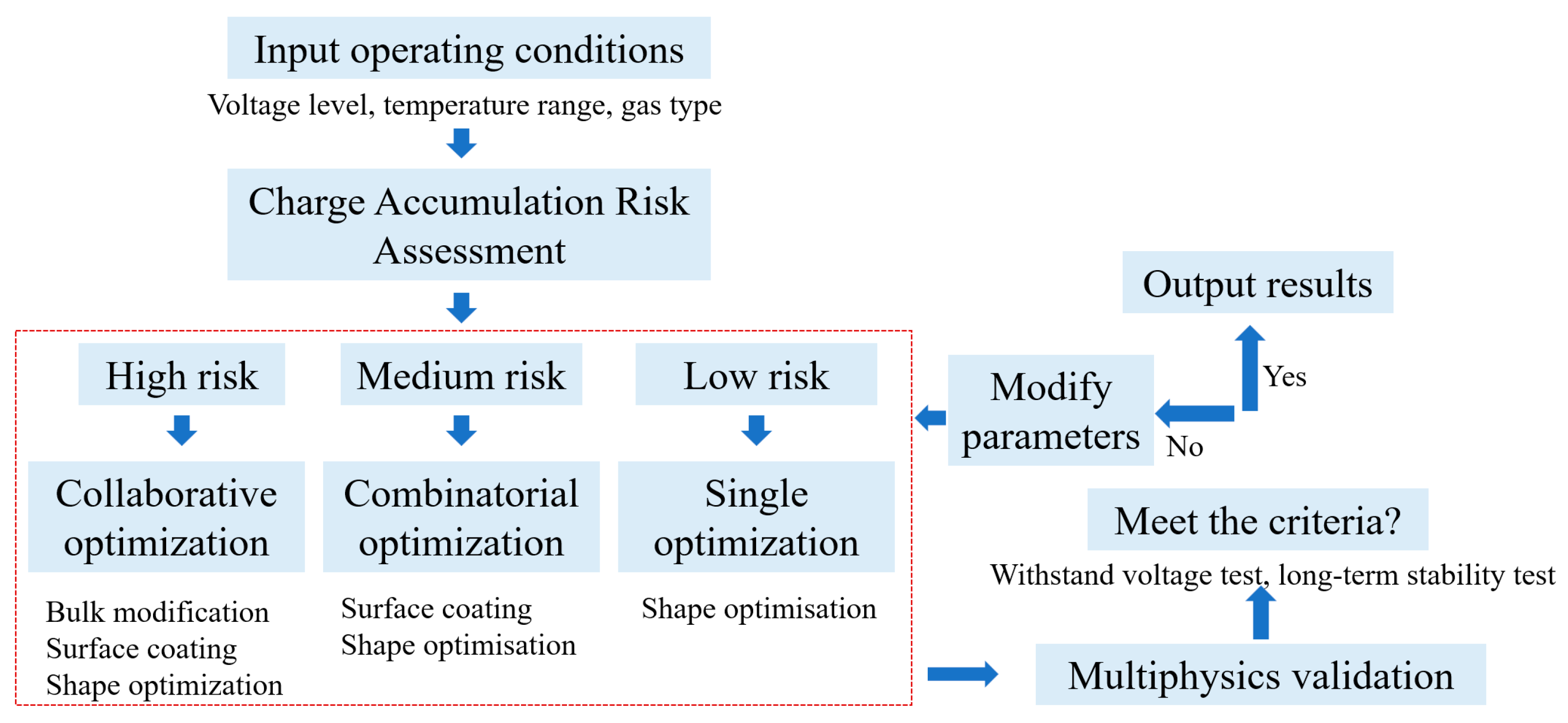
The insulation design process is illustrated in Figure 12. The framework initiates by assessing operational conditions—voltage level, temperature range, and gas type—to determine the risk level of surface charge accumulation (Low, Medium, High). Risk level dictates the mitigation strategy: Low-risk scenarios use basic structural optimization; Medium-risk employs combined strategies (e.g., coating + structure); High-risk demands comprehensive integration of material modification, structure optimization, functional coating, and field regulation. Core design modules are activated based on the selected strategy, including bulk doping for conductivity/trap control, geometric optimization for minimizing normal field (En) and homogenizing tangential field (Et), application of nonlinear/gradient coatings, and FGM design for field control. All designs undergo mandatory multi-physics validation simulating electro–thermal–magnetic coupling effects and long-term stability assessment. The process iterates via parameter adjustments until the design meets critical thresholds (En < 1 kV/mm, Et < 3.5 kV/mm, surface charge density limits, flashover margin), ensuring reliability before final implementation.

5. Conclusions and Outlook

5.1. Conclusions

The advancement of offshore wind power integration necessitates reliable and compact High Voltage Direct Current Gas-Insulated Equipment (HVDC GIE). However, the persistent challenge of surface charge accumulation at the gas–solid interface under sustained DC stress critically undermines equipment compactness and safety by distorting the electric field and precipitating insulation flashover. This comprehensive review synthesizes the fundamental mechanisms and mitigation strategies surrounding this phenomenon. The surface charge accumulation arises from complex interactions governed by three primary pathways: gas-side conduction, bulk conduction through the solid dielectric, and surface conduction along the interface. The dominance of a specific pathway is critically influenced by material properties, operational conditions, gas environment, and insulator geometry/surface state.
Significant progress has been made in surface charge suppression: 1. Bulk Doping Modification: Incorporation of functional fillers can effectively reduce bulk conductivity and introduce deep traps, suppressing charge injection and migration. However, efficacy is highly sensitive to filler type, concentration, dispersion, and the initial conductivity regime relative to critical thresholds. 2. Surface Modification: Techniques like high-energy radiation and active fluorination reduce surface trap depth and enhance surface conductivity, accelerating dissipation. They adaptively regulate surface conduction, suppress accumulation, promote dissipation, and crucially homogenize the tangential electric field, resulting in measurable increases in DC flashover voltage. The long-term stability and adhesion of these coatings remain key practical hurdles. 3. Insulation Structure Optimization: Computational shape optimization enables designs that minimize the normal electric field component and improve tangential field uniformity, reducing flashover propensity. Validation with physical prototypes is essential.
In the regulation of electric fields, 1. Functionally Graded Materials (FGM): Simulations show ε-FGM and σ-FGM coatings hold great potential for homogenizing both capacitive and resistive field distributions, particularly reducing stress at critical triple points. Scalable manufacturing of complex FGM geometries is a significant challenge. 2. Shape Optimization Under Multifield Stress: Design must account for the shift from capacitive (AC) to resistive (DC) field distribution and the profound impact of operational temperature gradients on conductivity and resultant field distortion. Proposed field control thresholds require broader validation.
While substantial knowledge has been accrued, limitations in applicability ranges for single regulatory methods and the gap between laboratory results and industrial implementation highlight the need for integrated approaches.

5.2. Outlook

  • Future research should prioritize:
Synergistic charge management combining material modifications (doping/coatings) with structural optimization. Industrial translation of advanced methods (FGM, tailored coatings) focusing on scalability, robustness, and long-term stability. Multi-physics coupling effects, especially the critical impact of strong magnetic fields (near converter valves) on charge generation, transport (Lorentz force), and flashover. Dedicated studies on charge dynamics and failure mechanisms in ultra-deep conical insulators under complex electro–thermal–magnetic stresses. Refined insulation design criteria incorporating validated field thresholds and real-world multi-stress operational scenarios. It should be noted that the current research predominantly focuses on short-term electrical performance, often overlooking the mechanical reliability of modified materials. There exists a competitive relationship between charge suppression efficacy and mechanical integrity; for instance, high filler loading in coatings may improve electrical properties but degrade adhesion strength or increase brittleness. Future work must investigate the long-term aging mechanisms and thermal cycling stability of these materials. It is essential to establish a multi-objective optimization strategy that balances electrical functionalization with mechanical durability to ensure the reliability of DC GIE insulators in practical engineering applications.
  • Limitations:
This review acknowledges potential geographical bias toward prominent research groups in Asia and Europe, and the scarcity of long-term field validation for proposed charge-suppression solutions (e.g., functional coatings, FGM).

Author Contributions

B.T.: Conceptualization (lead); Methodology (lead); Funding acquisition (lead); Literature search and screening (supporting); Writing—original draft (lead); Writing—review and editing (supporting). Y.X.: Literature search and screening (lead); Data extraction (lead); Formal analysis (supporting); Visualization (lead). R.Z.: Formal analysis (lead); Interpretation (lead); Visualization (supporting); Writing—review and editing (supporting). J.X.: Formal analysis (supporting); Interpretation (lead); Writing—review and editing (supporting). J.T.: Resources (supporting); Supervision (lead); Writing—review and editing (lead). All authors have read and agreed to the published version of the manuscript.

Funding

This study is funded by National Engineering Research Center of UHV Technology and New Electrical Equipment Basis, China [grant ID: NERCUHE-2024-KF-08].

Institutional Review Board Statement

Not applicable.

Informed Consent Statement

Not applicable.

Data Availability Statement

The data that support the findings of this study are available from the corresponding author upon reasonable request.

Conflicts of Interest

The authors have no conflicts to disclose.

References

  1. Song, D.; Shen, G.; Huang, C.; Huang, Q.; Yang, J.; Dong, M.; Joo, Y.; Duić, N. Review on the application of artificial intelligence methods in the control and design of offshore wind power systems. J. Mar. Sci. Eng. 2024, 12, 424. [Google Scholar] [CrossRef]
  2. Yang, B.; Liu, B.; Zhou, H.; Wang, J.; Yao, W.; Wu, S.; Shu, H.; Ren, Y. A critical survey of technologies of large offshore wind farm integration: Summary, advances, and perspectives. Prot. Control Mod. Power Syst. 2022, 7, 233–264. [Google Scholar] [CrossRef]
  3. Korompili, A.; Wu, Q.; Zhao, H. Review of VSC HVDC connection for offshore wind power integration. Renew. Sustain. Energy Rev. 2016, 59, 1405–1414. [Google Scholar] [CrossRef]
  4. Cai, X.; Yang, R.; Zhou, J.; Fang, Z.; Yang, M.; Shi, X.; Chen, Q. Review on offshore wind power integration via DC transmission. Autom. Electr. Power Syst. 2021, 45, 2–22. (In Chinese) [Google Scholar]
  5. Wang, Q.; Yao, W.; Fang, J.; Ai, X.; Wen, J.; Yang, X.; Xie, H.; Huang, X. Dynamic modeling and small signal stability analysis of distributed photovoltaic grid-connected system with large scale of panel level DC optimizers. Appl. Energy 2020, 259, 114132. [Google Scholar] [CrossRef]
  6. Li, Z.; Guo, X.; Shen, X.; Tang, H. Summary of technologies for the development of offshore wind power industry in China. Power Gener. Technol. 2022, 43, 186–197. (In Chinese) [Google Scholar]
  7. Zhao, G.; Chen, W.; Deng, Z.; Yu, H.; Xu, Y.; Zhao, Z. Key technologies and application of flexible low-frequency AC transmission. Autom. Electr. Power Syst. 2022, 46, 1–10. (In Chinese) [Google Scholar]
  8. Tang, J.; Pan, C.; Wang, D.; Fu, L.; Zhuo, R. Development of studies about surface charge accumulation on insulating material under HVDC. Trans. China Electrotech. Soc. 2017, 32, 10–21. (In Chinese) [Google Scholar]
  9. Zhang, B.; Zhang, G. Review of charge accumulation characteristics at gas-solid interface in DC GIL, part I: Meas-urement and mechanisms. Trans. China Electrotech. Soc. 2018, 33, 4649–4662. (In Chinese) [Google Scholar]
  10. Wang, C.; Li, W.; Chen, T.; Li, W.; Gong, R.; Zhang, G. Compact design of 550 kV basin-type spacer in gas insulated switchgear (part I) —— structure optimization. Trans. China Electrotech. Soc. 2022, 37, 1847–1855. (In Chinese) [Google Scholar]
  11. Wang, D. The Aggregation and Dispersion of Surface Charges on Polytetrafluoroethylene Under DC Voltage and Their Influence on Flashover Characteristics. Ph.D. Thesis, Chongqing University, Chongqing, China, 2015. [Google Scholar]
  12. Straumann, U.; Schuller, M.; Franck, C.M. Theoretical investigation of HVDC disc spacer charging in SF6 gas insulated systems. IEEE Trans. Dielectr. Electr. Insul. 2012, 19, 2196–2205. [Google Scholar] [CrossRef]
  13. Schueller, M.; Gremaud, R.; Doiron, C.B.; Franck, C.M. Micro discharges in HVDC gas insulated systems. IEEE Trans. Dielectr. Electr. Insul. 2015, 22, 2879–2888. [Google Scholar] [CrossRef]
  14. Wang, Q.; Zhang, G.; Wang, X. Characteristics and mechanisms of surface charge accumulation on a cone-type insulator under DC voltage. IEEE Trans. Dielectr. Electr. Insul. 2012, 19, 150–155. [Google Scholar] [CrossRef]
  15. Cheng, P.; Kai, W.; George, C.; Gao, Y.; Florkowski, M. Understanding Partial Discharge Behavior from the Memory Effect Induced by Residual Charges: A Review. IEEE Trans. Dielectr. Electr. Insul. 2020, 27, 1951–1965. [Google Scholar] [CrossRef]
  16. Kai, W.; Cheng, P.; You, M.; Cheng, Y. Dynamic behavior of surface charge distribution during partial discharge sequences. IEEE Trans. Dielectr. Electr. Insul. 2013, 20, 612–619. [Google Scholar] [CrossRef]
  17. Schueller, M.; Straumann, U.; Franck, C. Role of ion sources for spacer charging in SF6 gas insulated HVDC systems. IEEE Trans. Dielectr. Electr. Insul. 2014, 21, 352–359. [Google Scholar] [CrossRef]
  18. Jing, T. Surface Charge Accumulation in SF6: Mechanisms and Effects; Delft University of Technology: Delft, The Netherlands, 1993. [Google Scholar]
  19. Cooke, C.M.; Wootton, R.E.; Cookson, A.H. Influence of particles on AC and DC electrical performance of gas insulated systems at extra-high-voltage. IEEE Trans. Power Appar. Syst. 1977, 96, 768–777. [Google Scholar] [CrossRef]
  20. Cooke, C.M. Charging of insulator surfaces by ionization and transport in gases. IEEE Trans. Electr. Insul. 1982, 2, 172–178. [Google Scholar] [CrossRef]
  21. Cheng, P.; Ju, T.; Dibo, W.; Zhuo, R.; Yang, D.; Ye, G. Influence of temperature on the characteristics of surface charge accumulation on PTFE model insulators. IEEE Trans. Dielectr. Electr. Insul. 2017, 24, 1210–1219. [Google Scholar] [CrossRef]
  22. Rossi, F.; Opat, I.; Cimmino, A. Modified Kelvin technique for measuring strain-induced contact potentials. Rev. Sci. Instrum. 1992, 63, 3736–3743. [Google Scholar] [CrossRef]
  23. Zhang, G.; Zhang, B.; Wang, Q.; Li, J. Experiment Study of Surface Charge Accumulation and Decay on a Cone-type Insulator in HVDC GIL. High Volt. Technol. 2015, 41, 1430–1436. [Google Scholar]
  24. Amer, M.; Laninga, J.; Mcdermid, W.; Swatek, D.R. New experimental study on the DC flashover voltage of polymer insulators: Combined effect of surface charges and air humidity. High Volt. 2019, 4, 316–323. [Google Scholar] [CrossRef]
  25. Tschentscher, M.; Graber, D.; Franck, C.M. Influence of humidity on conduction processes in gas-insulated devices. High Volt. 2020, 5, 143–150. [Google Scholar] [CrossRef]
  26. Xue, J.; Wang, H.; Chen, J.; Li, K.; Liu, Y.; Song, B.; Deng, J.; Zhang, G. Effects of surface roughness on surface charge accumulation characteristics and surface flashover performance of alumina-filled epoxy resin spacers. J. Appl. Phys. 2018, 124, 083302. [Google Scholar] [CrossRef]
  27. Volpov, E. Electric field modeling and field formation mechanism in HVDC SF6 gas insulated systems. IEEE Trans. Dielectr. Electr. Insul. 2003, 10, 204–215. [Google Scholar] [CrossRef]
  28. Li, C.; Li, C.; Zhang, B.; Li, Q.; Liu, W.; Hu, J. Understanding surface charge accumulation and surface flashover on spacers in compressed gas insulation. IEEE Trans. Dielectr. 2018, 25, 1152–1166. [Google Scholar] [CrossRef]
  29. Wang, T.; Zhang, B.; Li, D.; Hou, Y.; Zhang, G. Metal nanoparticle-doped epoxy resin to suppress surface charge accumulation on insulators under DC voltage. Nanotechnology 2020, 31, 324001. [Google Scholar] [CrossRef]
  30. Zhang, B.; Gao, W.; Hou, Y.; Zhang, G. Surface charge accumulation and suppression on fullerene-filled epoxy-resin insulator under DC voltage. IEEE Trans. Dielectr. Electr. Insul. 2018, 25, 2011–2019. [Google Scholar] [CrossRef]
  31. Wang, T.; Zhang, G.; Li, D.; Hou, Y.; Zhang, B. MXene-doped epoxy resin to suppress surface charge accumulation on insulators in a DC gas-insulated system. IEEE Trans. Dielectr. Electr. Insul. 2020, 27, 939–946. [Google Scholar] [CrossRef]
  32. Du, B.; Han, C.; Li, Z.; Li, J. Effect of graphene oxide particles on space charge accumulation in LDPE/GO nanocomposites. IEEE Trans. Dielectr. Electr. Insul. 2018, 25, 1479–1486. [Google Scholar] [CrossRef]
  33. Lutz, B.; Kindersberger, J. Surface charge accumulation on cylindrical polymeric model insulators in air: Simulation and meas-urement. IEEE Trans. Dielectr. Electr. Insul. 2011, 18, 2040–2048. [Google Scholar] [CrossRef]
  34. Gao, Y.; Du, B. Effect of gamma-ray irradiation on surface charge decaying characteristic of epoxy resin. High Volt. Eng. 2012, 38, 824–830. (In Chinese) [Google Scholar]
  35. Gao, Y.; Du, B. Effect of gamma-ray irradiation on surface charge accumulation of epoxy resin. Polym. Mater. Sci. Eng. 2012, 28, 46–49. (In Chinese) [Google Scholar]
  36. Wang, F.; Liang, F.; Zhong, L.; Chen, S.; Xie, Y. Active Charge Dissipation Method for Surface Charge on the Surface of DC GIS/GIL Insulator Based on Short-Time X-Ray Irradiation. Trans. China Electrotech. Soc. 2020, 35, 3147–3151. (In Chinese) [Google Scholar]
  37. Zhang, B.; Zhang, G.; Wang, Q.; Li, C.; He, J.; An, Z. Suppression of surface charge accumulation on Al2O3-filled epoxy resin insulator under dc voltage by direct fluorination. AIP Adv. 2015, 5, 127207. [Google Scholar] [CrossRef]
  38. An, Z.; Yin, Q.; Liu, Y.; Zheng, F.; Lei, Q.; Zhang, Y. Modulation of surface electrical properties of epoxy resin insulator by Changing fluorination temperature and time. IEEE Trans. Dielectr. Electr. Insul. 2015, 22, 526–534. [Google Scholar] [CrossRef]
  39. Que, L.; An, Z.; Ma, Y.; Xie, D.; Zheng, F.; Zhang, Y. Improved DC flashover performance of epoxy insulators in SF6 gas by direct fluorination. IEEE Trans. Dielectr. Electr. Insul. 2017, 24, 1153–1161. [Google Scholar] [CrossRef]
  40. Wang, T.; Zhang, G.; Zhang, B.; Liu, S.; Li, D.; Liu, C. Oriented boron nitride nanosheet films for thermal management and electrical insulation in electrical and electronic equipment. Acs Appl. Nano Mater. 2021, 4, 4153–4161. [Google Scholar] [CrossRef]
  41. Xue, J.; Li, Y.; Dong, J.; Chen, J.; Li, W.; Deng, J.; Zhang, G. Surface charge transport behavior and flashover mechanism on alumina/epoxy spacers coated by SiC/epoxy composites with varied SiC particle size. J. Phys. D Appl. Phys. 2020, 53, 155503. [Google Scholar] [CrossRef]
  42. Xue, J.; Chen, J.; Dong, J.; Sun, G.; Deng, J.; Zhang, G. A novel sight for understanding surface charging phenomena on downsized HVDC GIL spacers with non-uniform conductivity. Int. J. Electr. Power Energy Syst. 2020, 120, 105979. [Google Scholar] [CrossRef]
  43. Tu, Y.; Zhou, F.; Cheng, Y.; Jiang, H.; Wang, C.; Bai, F. The control mechanism of micron and nano SiO2/epoxy composite coating on surface charge in epoxy resin. IEEE Trans. Dielectr. Electr. Insul. 2018, 25, 1275–1284. [Google Scholar] [CrossRef]
  44. Qi, B.; Gao, C.; Lv, Y.; Li, C.; Tu, Y.; Xiong, J. The impact of nano-coating on surface charge accumulation of epoxy resin insulator: Characteristic and mechanism. J. Phys. D Appl. Phys. 2018, 51, 245303. [Google Scholar] [CrossRef]
  45. Wang, T.; Liu, C.; Li, D.; Hou, Y.; Zhang, G.; Zhang, B. Nano ZnO/epoxy coating to promote surface charge dissipation on insulators in DC gas-insulated systems. IEEE Trans. Dielectr. Electr. Insul. 2020, 27, 1322–1329. [Google Scholar] [CrossRef]
  46. Xue, J.; Chen, J.; Dong, J.; Wang, H.; Li, W.; Deng, J.; Zhang, G. The regulation mechanism of SiC/epoxy coatings on surface charge behavior and flashover performance of epoxy/alumina spacers. J. Phys. D Appl. Phys. 2019, 52, 405502. [Google Scholar] [CrossRef]
  47. Pan, Z.; Pan, C.; Tang, B.; Han, P.; Mao, S.; Qiu, Y. Dynamic evolution of surface charge on Sic/epoxy coating and its effect on surface withstand ability at DC voltage. IEEE Trans. Dielectr. Electr. Insul. 2024, 31, 1151–1160. [Google Scholar] [CrossRef]
  48. Han, P.; Pan, Z.; Mao, S.; Ye, Y.; Tang, J.; Pan, C. Understanding the effect of SiC/epoxy coating on surface flashover under DC voltage: From surface charge accumulation. J. Phys. D Appl. Phys. 2023, 56, 405106. [Google Scholar] [CrossRef]
  49. Pan, Z.; Pan, C.; Tang, J.; Hu, B.; Luo, Y.; Serdyuk, Y.V. Influence of SiC/epoxy coating on surface charging phenomenon at DC volt-age—Part I: Charge accumulation. IEEE Trans. Dielectr. Electr. Insul. 2022, 29, 1333–1342. [Google Scholar] [CrossRef]
  50. Pan, Z.; Pan, C.; Tang, J.; Hu, B.; Luo, Y.; Serdyuk, Y.V. Influence of SiC/epoxy coating on surface charging phenomenon at DC volt-age—Part II: Charge dissipation. IEEE Trans. Dielectr. Electr. Insul. 2022, 29, 1343–1352. [Google Scholar] [CrossRef]
  51. Du, B.; Liang, H.; Li, J. Novel spacer coatedwith functionally graded ZnO film for HVDC gas insulated line. IEEE Trans. Dielectr. Electr. Insul. 2020, 27, 231–239. [Google Scholar] [CrossRef]
  52. Li, J.; Du, B.; Liang, H. Surface Functional Graded Spacer for Compact HVDC Gaseous Insulated System. IEEE Trans. Dielectr. Electr. Insul. 2019, 26, 664–667. [Google Scholar] [CrossRef]
  53. Jia, Z.; Zhang, B.; Fan, J.; Li, J.; Li, P.; Zhang, Q. Study of charge accumulation along the insulator surface in the DC GIL. Proc. CSEE 2010, 30, 112–117. (In Chinese) [Google Scholar]
  54. Ma, G.; Zhou, H.; Li, C.; Jiang, J.; Chen, X. Designing epoxy insulators in SF6-filled DC-GIL with simulations of ionic conduction and surface charging. IEEE Trans. Dielectr. Electr. Insul. 2015, 22, 3312–3320. [Google Scholar] [CrossRef]
  55. Luo, Y.; Mao, S.; Tang, J.; Pan, Z. Shape optimisation of basin insulator for DC gas insulated switchgear/gas insulated transmission lines based on artificial bee colony algorithm. High Volt. 2024, 9, 275–286. [Google Scholar] [CrossRef]
  56. Winter, A.; Kindersnerger, J. Transient Field Distribution in Gas-Solid Insulation Systems under DC Voltages. IEEE Trans. Dielectr. Electr. Insul. 2014, 21, 116–128. [Google Scholar] [CrossRef]
  57. Winter, A.; Kindersnerger, J. Stationary resistive field distribution along epoxy resin insulators in air under DC voltage. IEEE Trans. Dielectr. Electr. Insul. 2012, 19, 1732–1739. [Google Scholar] [CrossRef]
  58. Qi, B.; Gao, C.; Li, C.; Zhao, L.; Sun, X. Effect of surface charge accumulation on flashover voltage of GIS insulator in SF6 under DC and AC voltages. In Proceedings of the 2015 IEEE Conference on Electrical Insulation and Dielectric Phenomena (CEIDP), Ann Arbor, MI, USA, 18–21 October 2015; pp. 848–851. [Google Scholar]
  59. Sudarshan, T.S.; Dougal, R.A. Mechanisms of surface flashover along solid dielectrics in compressed gases: A review. IEEE Trans. Electr. Insul. 1986, EI-21, 727–746. [Google Scholar] [CrossRef]
  60. Jun, X.; Chalmers, I.D. The influence of surface charge upon flash-over of particle—Contaminated insulators in SF6 under impulse voltage conditions. J. Phys. D Appl. Phys. 1997, 30, 1055–1063. [Google Scholar] [CrossRef]
  61. Kumara, S.; Alam, S.; Hoque, I.R.; Serdyuk, Y.V.; Gubanski, S.M. DC flashover characteristics of a polymeric insulator in presence of surface charges. IEEE Trans. Dielectr. Electr. Insul. 2012, 19, 1084–1090. [Google Scholar] [CrossRef]
  62. Xie, Q.; Liang, S.D.; Fu, K.X.; Liu, L.; Huang, H.; Lü, F. Distribution of polymer surface charge under DC voltage and its influence on surface flashover characteristics. IEEE Trans. Dielectr. Electr. Insul. 2018, 25, 2157–2168. [Google Scholar] [CrossRef]
  63. Ma, T.; Zhao, Z.; Liu, L.; Gao, C.; Huang, X. The research development and future application of functionally gradient material. Sci. Technol. Chem. Ind. 2012, 20, 71–75. (In Chinese) [Google Scholar]
  64. Kurimoto, M.; Kato, K.; Hanai, M.; Hoshina, Y.; Takei, M.; Okubo, H. Application of functionally graded material for reducing electric field on electrode and spacer interface. IEEE Trans. Dielectr. Electr. Insul. 2010, 17, 256–263. [Google Scholar] [CrossRef]
  65. Xue, J.Y.; Chen, J.H.; Dong, J.H.; Deng, J.H.; Zhang, G.J. Enhancing flashover performance of alumina/epoxy spacers by adaptive surface charge regulation using graded conductivity coating. Nanotechnology 2020, 31, 364002. [Google Scholar] [CrossRef] [PubMed]
  66. Mao, S.Y.; Pan, Z.J.; Ye, Y.H.; Han, P.; Tang, J.; Pan, C. Electric-field-induced assists fabrication of micro-SiC/Epoxy coating with low additive amount to improve surface insulating performance of HVDC insulator. Compos. Sci. Technol. 2024, 255, 110696. [Google Scholar] [CrossRef]
  67. Volpov, E. HVDC gas insulated apparatus: Electric field specificity and insulation design concept. IEEE Electr. Insul. Mag. 2002, 18, 7–14. [Google Scholar] [CrossRef]
  68. Li, B.; Liu, L.; Liang, Z.; Li, L.; Cao, S.; Liang, F.; Li, C.; He, J.; Zhang, C. Insulation structure design and research of UHV DC GIL. High Volt. Appar. 2024, 60, 1–25. (In Chinese) [Google Scholar]
  69. Jia, Y.; Gao, L.; Ji, S.; Cheng, Y.; Liu, W.; Li, Z. Comprehensive optimization of electrical and mechanical performance of 1100 kV basin-type insulator based on genetic algorithm and finite element simulation. High Volt. Eng. 2019, 45, 3844–3853. (In Chinese) [Google Scholar]
  70. Zhang, B.; Tao, H.; Li, Y.; Li, X.; Nan, Z.; Luo, W. Insulation Structure Design for±550 kV DC GIS Based on Multi-objective Optimization Algo-rithm. IEEE Trans. Dielectr. Electr. Insul. 2025, 32, 1064–1073. [Google Scholar] [CrossRef]
  71. Urazaki, K.; Lucchini, F.; Marconato, N. Data-Driven Dynamics Learning on Time Simulation of SF6 HVDC-GIS Conical Solid Insulators. Electronics 2025, 14, 616. [Google Scholar] [CrossRef]
  72. He, S.; Zheng, Y.; Lin, C.; Sun, Z.; Chen, G.; Tu, Y.; He, J. Relation between charge behavior and DC surface flashover under temperature gradient. High Volt. Eng. 2020, 46, 3597–3604. (In Chinese) [Google Scholar]
  73. Wan, D. Study on Electric Field Characteristics of DC/AC GIL Tri-Post Insulators Under Electrothermal Coupled Field. Master’s Thesis, Shenyang University of Technology, Shenyang, China, 2023. [Google Scholar]
  74. Xue, J.Y.; Zhang, Z.; Li, B.B.; Zhao, Y.S.; Ding, L.J. Temperature-dependent adaptive conductivity coating for surface charge release and electric field control under electro-thermal coupling field. High Volt. 2023, 8, 1082–1092. [Google Scholar] [CrossRef]
  75. Paul, S.K.; Maur, S.; Biswas, S.; Pradhan, A.K. Review on Thermal and Electrical Properties for Condition Assessment of Epoxy Nano- Composites by Advanced Techniques. IEEE Trans. Dielectr. Electr. Insul. 2024, 31, 230–245. [Google Scholar] [CrossRef]
  76. Yang, D.; Yao, Y.; Jiang, L. Research Progress in Thermally-conductive and Insulating Ceramic Fillers for Thermal Interface. J. Ceram. 2024, 45, 58–71. (In Chinese) [Google Scholar]
Figure 1. Sources of surface charge and its accumulation pathways.
Coatings 16 00154 g001
Figure 2. Schematic diagram of the charge trapping mechanism and surface charge suppression in fullerene/epoxy nanocomposites.
Coatings 16 00154 g002
Figure 3. Schematic illustration of the transition in charge accumulation modes governed by bulk conductivity.
Coatings 16 00154 g003
Figure 4. Gamma radiation surface reaction.
Coatings 16 00154 g004
Figure 5. Charge control principle of SiC epoxy coating [49].
Coatings 16 00154 g005
Figure 6. Calculation of electric field distribution of three types of insulator (disc insulator, conical insulator, and obtuse conical insulator).
Coatings 16 00154 g006
Figure 7. The shape of basin insulator under different weight coefficients [55].
Coatings 16 00154 g007
Figure 8. Evolution of SiC particle distribution under an electric field: (a) random dispersion, (b) field-induced alignment and rotation, and (c) formation of ordered particle chains.
Coatings 16 00154 g008
Figure 9. The original and optimized steady-state tangential electric fields on the surface of bowl insulators [55].
Coatings 16 00154 g009
Figure 10. Surface electric field distribution with different coating thermal parameters. The temperature-dependent conductivity is varied by changing the parameters B. The larger B brings about the lower conductivity [74].
Coatings 16 00154 g010
Figure 11. Schematic diagram of heat transfer based on thermal conductive insulating ceramic filler: (a) Heat transfer through thermal interface material; (b) Atomic vibration in ceramic fillers; (c) Weak bonding with voids; (d) Strong bonding by interconnected fillers; (e) Interfacial thermal resistance from agglomeration.
Coatings 16 00154 g011
Figure 12. Insulation design process.
Coatings 16 00154 g012
Table 1. Charge suppression approaches framework.
Suppression
Approaches
Specific MethodsKey TechniquesExamplesPros and Cons
Material LevelDoping Modification
  • Inorganic filler doping
  • Organic functional group doping
  • Conductive particle doping
SiC, Al2O3, TiO2 nanoparticles; conductive carbon black; functionalized epoxy resinAdvantages: Simple preparation process, good compatibility with matrix materials, stable long-term performance.
Disadvantages: Doping amount is difficult to control (excessive doping may reduce insulation strength), uneven dispersion of fillers easily causes local electric field distortion.
Surface Coating
  • Conductive gradient coating
  • Two-dimensional material coating
  • Semi-conductive shielding coating
Graphene/MXene-based coatings; SiC/epoxy gradient coatings; semi-conductive polymer coatingsAdvantages: Targeted charge suppression, flexible design of coating properties, low impact on insulator bulk performance.
Disadvantages: Poor interface bonding (easy to peel off under thermal cycle), high requirements for coating uniformity and thickness control.
Structural LevelShape Optimization
  • Profile design of the insulator surface
  • Optimization of electrode curvature
Curved surface profile OptimizationAdvantages: Fundamental improvement of electric field distribution, no additional material modification, high mechanical stability.
Disadvantages: Complex mold design and manufacturing process, high cost for prototype development, difficult to adapt to existing insulator structures.
Table 2. Surface charging pathways and their main influencing factors.
Surface Charging PathwaysBulk ConductionSurface ConductionGas Side Conduction
Voltage parameter
Arrangement of insulator and electrode
Bulk conductivity--
Temperature gradient
Surface conductivity-
Surface roughness-
Adhesion of metal particles-
Gas type--
Gas pressure--
Note: √ indicates that it will be affected; - indicates that it will not be affected.
Disclaimer/Publisher’s Note: The statements, opinions and data contained in all publications are solely those of the individual author(s) and contributor(s) and not of MDPI and/or the editor(s). MDPI and/or the editor(s) disclaim responsibility for any injury to people or property resulting from any ideas, methods, instructions or products referred to in the content.