Article

Oligocarbonate Diols as Modifiers of Polyurethane Coatings

by
Mariusz Ł. Mamiński
1,2,*,
Paweł G. Parzuchowski
3 and
Magdalena Mazurek-Budzyńska
3
1
Institute of Wood Sciences and Furniture, Warsaw University of Life Sciences—WULS, 159 Nowoursynowska St., 02-776 Warsaw, Poland
2
Rejs Sp. z o.o., 61 Mławska St., 87-500 Rypin, Poland
3
Faculty of Chemistry, Warsaw University of Technology, 3 Noakowskiego St., 00-664 Warsaw, Poland
*
Author to whom correspondence should be addressed.
Coatings 2026, 16(2), 155; https://doi.org/10.3390/coatings16020155 (registering DOI)
Submission received: 18 December 2025 / Revised: 22 January 2026 / Accepted: 23 January 2026 / Published: 24 January 2026

Abstract

Carbon dioxide-derived oligocarbonate diols (OCDs) represent a promising class of sustainable raw materials that can enhance the environmental profile of polyurethane (PUR) coatings without compromising their performance. In this work, six oligocarbonate diols, differing in chemical structure (aromatic, aliphatic, and cycloaliphatic), were employed as modifiers in solvent-based PUR coatings designed for wood substrates. The study evaluates the influence of OCD’s chemical nature on the mechanical and optical properties of the resulting coatings. The results demonstrate that the structure of the oligocarbonate diol plays a decisive role in determining coating performance. PUR systems containing aliphatic soft segments exhibited the most favorable mechanical response, particularly in terms of wear resistance, outperforming coatings modified with cycloaliphatic and aromatic OCDs—wear reduction ranged between 43% and 71%. In contrast, the highest hardness values (0.46 and 0.41) were observed for the coatings incorporating aromatic moieties, indicating increased rigidity associated with aromatic structures. Importantly, adhesion at the wood–coating interface remained excellent and unaffected by the type of OCD used (cross-cut class I or II), confirming the compatibility of all investigated formulations with wooden substrates. Overall, the findings clearly show that newly developed CO2-based oligocarbonate diols are effective and versatile modifiers for polyurethane wood coatings, enabling the tuning of functional properties while supporting more sustainable coating technologies.

1. Introduction

Polyurethane (PUR) coatings play a pivotal role in modern materials engineering owing to their versatility, durability, and the ability to tailor their mechanical and chemical properties. Their performance is strongly governed by the molecular architecture of the polyol component, which influences crosslink density, flexibility, hydrophobicity, and resistance to environmental stress factors. With the growing demand for high-performance and environmentally compliant coatings, increasing attention has been directed toward polyols that provide precise structural control and tunable functionality [1,2].
Oligocarbonediols have emerged as a promising class of polyols capable of addressing these evolving requirements. Featuring carbonate linkages within their polymer backbone, these oligomers offer distinct advantages over conventional polyether and polyester polyols. The presence of carbonate groups confers enhanced hydrolytic stability, improved oxidative resistance, and superior mechanical strength [3,4,5]. Additionally, their well-defined oligomeric structure facilitates precise control over molecular weight and functional end-groups, which is critical for designing high-performance PUR networks [6,7].
In polyurethane coatings, the incorporation of oligocarbonate diols enables the design of materials with an improved balance between rigidity and elasticity. Their backbone architecture facilitates the formulation of PURs that retain flexibility while demonstrating enhanced scratch resistance, solvent resistance, and thermal stability [5,8]. These attributes are critical for coatings subjected to harsh environments, such as those used in automotive clearcoats, industrial equipment, and architectural exterior wooden structure protection.
An additional advantage of oligocarbonediols lies in their compatibility with sustainability objectives. Oligocarbonate polyols can be produced via more environmentally benign routes, including phosgene-free processes, CO2-based chemistry, and the use of bio-derived carbonate precursors [9,10,11]. Coatings derived from such polyols may offer reduced volatile organic compound content, improved lifecycle metrics, and compliance with emerging environmental regulations [12].
The utilization of CO2 as a feedstock in the synthesis of oligocarbonate diols provides several notable environmental benefits. Through catalytic copolymerization—most commonly with epoxides—captured CO2 is incorporated directly into the polymer backbone, thereby partially substituting fossil-derived carbon sources and mitigating overall greenhouse gas emissions. In contrast to conventional carbonate production routes based on toxic phosgene or energy-intensive esterification processes, CO2-based methodologies offer higher atom economy, proceed under milder reaction conditions, and substantially reduce the use of hazardous chemicals. Life-cycle assessment studies consistently indicate that CO2-derived polycarbonate polyols possess a lower global warming potential and superior environmental performance, particularly with respect to reduced human toxicity and primary energy demand [13,14,15].
These sustainability advantages position CO2-derived oligocarbonate diols as attractive building blocks for polyurethane coatings aimed at improving environmental performance without sacrificing material properties. Partial replacement of fossil-derived carbon with captured CO2 leads to a quantifiable reduction in life-cycle emissions, while advances in heterogeneous and organometallic catalysis—such as zinc glutarate and chromium–salen complexes—have enabled efficient, phosgene-free synthesis routes. Consequently, CO2-based production pathways support broader circular-carbon strategies by converting industrial CO2 streams into long-lived, high-value materials. Recent studies underscore the significant potential of CO2-derived oligocarbonate diols in advancing sustainable polymer chemistry, particularly when incorporated into high-performance polyurethane coating systems [15,16,17,18].
In view of these functional and environmental advantages, oligocarbonediols are increasingly recognized as next-generation building blocks for polyurethane coating technologies. Nevertheless, their successful implementation in commercial formulations requires a more comprehensive understanding of structure–property relationships, reaction kinetics with different isocyanates, and long-term performance under real-world service conditions [19].
In contrast to a typical approach [20], we used oligocarbonate diols as modifiers of 2-component PUR coatings instead of using them as reagents in the synthesis of PURs. In this work, six oligocarbonate diols were synthesized by transesterification of commercially available (UBE Corp.) oligo(carbonate diol)s with various diol species. Their detailed synthesis and characterization were reported by Mamiński et al. [21]. The synthesized oligocarbonate diols were then incorporated into polyurethane (PUR) coating formulations as soft segment precursors. The influence of their molecular architecture on the resulting PUR coatings was examined in terms of hardness, flexibility, and adhesion, as well as color and gloss change after UV aging, providing valuable insights into the correlation between polycarbonate diol structure and coating performance.
Despite growing interest in sustainable polyurethane (PU) coatings, the existing literature on the specific role of oligocarbonate diols in these systems remains limited and fragmented. Most studies tend to focus broadly on polyol chemistry or model aliphatic and polyester diols, with relatively few systematic investigations isolating how variations in oligocarbonate diol molecular weight, functionality, and microstructure influence critical properties such as hydrolytic stability, mechanical performance, adhesion, and weathering resistance in final PU coatings [3,4,8]. Moreover, data on reaction kinetics with isocyanates and phase separation behavior are sparse or inconsistent across different studies [22,23,24,25]. To partially address these gaps, the present study was undertaken to investigate how blending of standardized coating formulations with oligocarbonate diols affects physical and mechanical properties of resultant coatings. Such work would enable clearer structure–property correlations and provide the polymer data to design oligocarbonate diol-based next-generation PU coatings.

2. Materials and Methods

The studied OCDs were synthesized according to the procedures described elsewhere, and their structure and physiochemical characterization were presented in the reference [21]. The OCDs selected as coating modifiers were cycloaliphatic (OCDs 01 and 02), aliphatic (OCDs 03 and 04) and aromatic (OCDs 05 and 06) (Figure S1). Hydroxyl numbers, LOH, and molecular weights are shown in Table 1. LOH was determined according to [26].
Polyurethane 2-component transparent coating was purchased from a local wood product wholesaler. All liquid OCDs were added at 3%wt level based on total coating mixture weight and mixed until complete dissolution. All were found readily miscible with the other components. Ready-to-use mixtures were applied by paint spraying on solid beech wood sanded with 220-grit sandpaper in two layers with 4 hrs between drying.
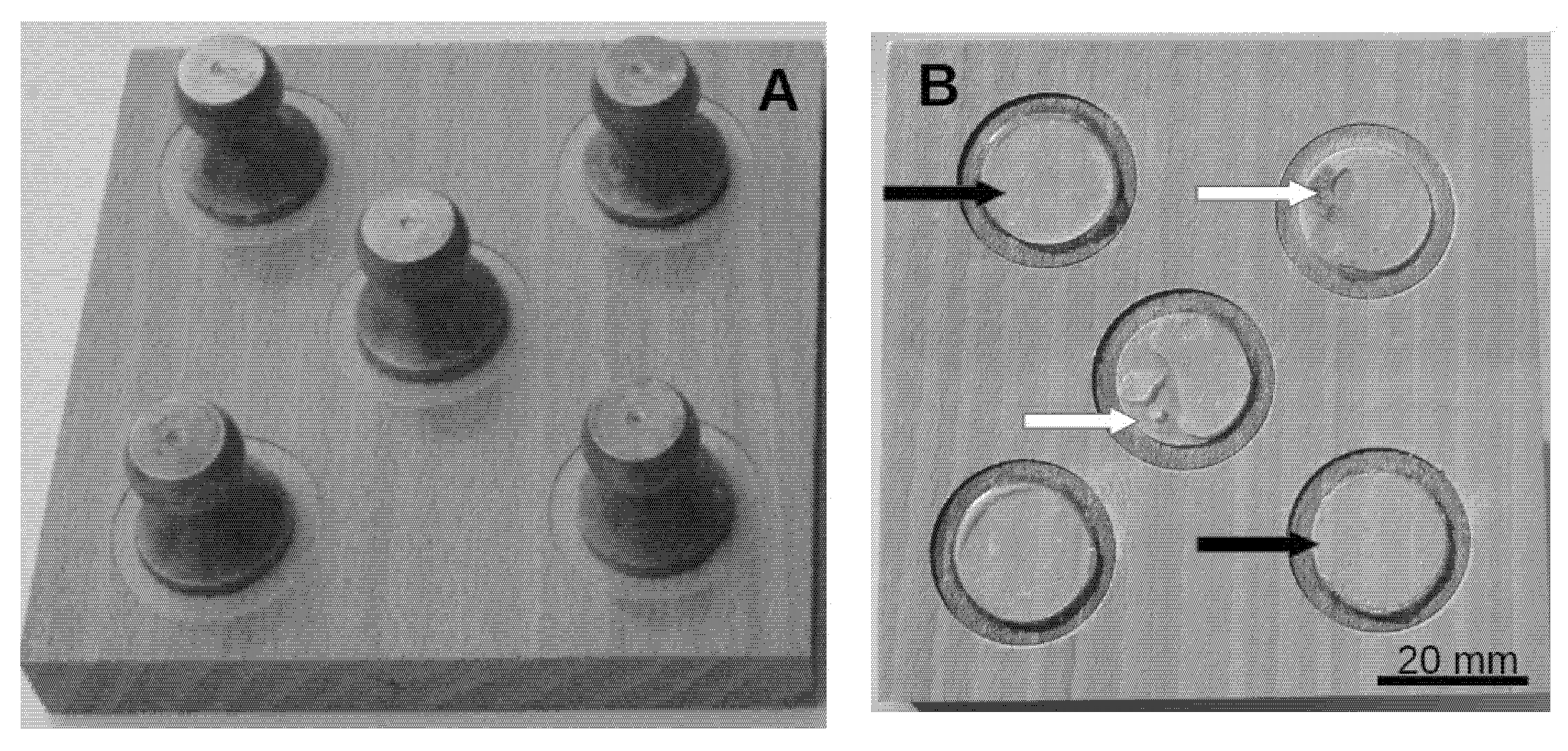
The adhesion of the tested coating systems was determined in accordance with [27]. Test dollies with a diameter of 20 mm were bonded to the coatings using an epoxy adhesive. After 7 days of conditioning of the samples, circular cuts around the measuring dollies were made using an annular cutter. The pull-off test was carried out using a PosiTest AT-A (DeFelsko Corp., Ogdensburg, NY, USA) device. Ten tests were performed for each tested system at a pull rate of 0.2 MPa/s (Figure 1).
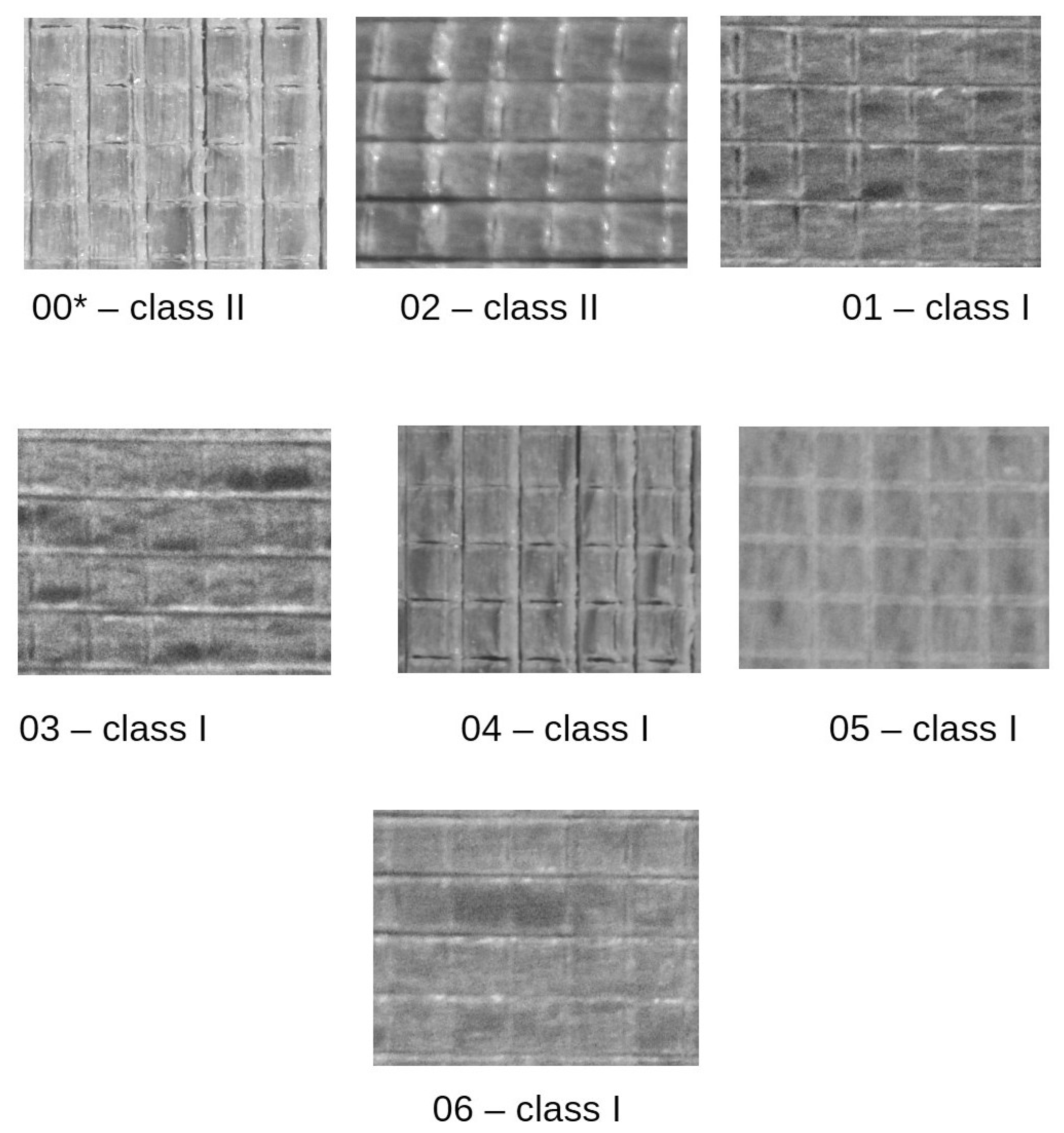
Additionally, the adhesion of the coating to the substrate was evaluated using the cross-cut test method in accordance with ISO 2409 [28]. The cross-cut method involves making a series of cuts with a circular cutting knife, forming a grid of lines intersecting at right angles, followed by the application and removal of an adhesive tape. The coating adhesion is assessed visually at the area of intersection, and the result is compared with the reference classification specified in ISO 2409.
The hardness testing of coating systems was conducted in accordance with ISO 1522 [29], which is based on counting the number of oscillations of a pendulum resting on the tested coating. The test was carried out on coatings applied to beech wood. Three replicates were tested in each series. A Persoz pendulum (AWS-9, POL-ZAF S.C., Wrocław, Poland) was used, intended for coatings with a hardness lower than 0.5 of glass hardness. The initial deflection angle was set to 12°.
Resistance of the coating to UV aging was performed as follows: the gloss and color were measured before and after exposure to UV radiation according to ISO 16474-3 [30]. Method B (ISO 16474): 24 h, 0.76 W/m2/nm at 340 nm, 50 ± 3 °C. Gloss was determined and reported in accordance with ISO 2813 [31] at a 60° angle along the fiber direction and expressed in gloss units (GU). The gloss of the coating was measured using a PICO GLOSS 503 glossmeter (Erichsen GmbH & Co. KG, Hemer, Germany) [31]. Provided values are means of ten measurements.
The color space CIE L*a*b* is a color model comprising three parameters: the lightness L* (from 0 to 100), the coordinate a* for determining color shift between red (+a) and green (−a), and the coordinate b* for determining the color shift between yellow (+b) and blue (−b). The coordinates L*, a* and b* were automatically measured by the spectrometer. Ten measurements were performed on each tested surface, and average values were used in calculations.
Color changes were determined in the CIEL*a*b* system as ΔE using a spherical spectrophotometer SP-60 (X-Rite Inc., Grand Rapids, MI, USA). Color changes were assessed in accordance with EN 722 [32] from Equation (1),
Δ E = Δ L 2 + Δ a 2 + Δ b 2 ,
where ΔE—total color change; ΔL—lightening/darkening of the sample (L = 100 black, L = 0 white); Δa—shift toward red (+a)/green (−a); Δb—shift toward yellow (+b)/blue (−b).
The abrasion resistance test was carried out on 3 samples measuring 10 cm × 10 cm with a centrally placed hole of 7 mm diameter for mounting in the Taber Abraser 5130 testing device (Taber Industries, North Tonawanda, NY, USA). Measurements were performed according to the procedure specified in ISO 7784-1 [33]. The coating was subjected to the device arms loaded with 1 kg. The cleaned samples were weighed on an analytical balance with an accuracy of 0.001 g and then subjected to abrasion for 200 revolutions. The coating was dusted and weighed after completing 200 revolutions.

3. Results and Discussion

The effect of the studied OCDs on the modified mechanical and physical properties of PUR coatings was apparent and beneficial, which remains in accordance with general knowledge on the use of OCDs as modifiers in PURs [34,35]. Also, their positive influence on an increase in resistance to weathering and wear of coatings has been reported in the literature [4,5]. These enhancements are attributed to the ability of OCDs to interact at the molecular level with the polymer chains, improving the overall network structure and mechanical stability of the coatings. In addition to mechanical improvements, OCDs also demonstrated a beneficial effect on the durability and longevity of the coatings. Specifically, the presence of these modifiers contributed to increased resistance against environmental factors such as UV radiation [8,36]. Unlike the conventional approaches reported in the literature, where poly- or oligocarbonate diols (OCDs) act as stoichiometric components in PUR formulations, here they were introduced as additives.

3.1. Adhesion to Wood Substrate

The results of the coating adhesion measurements obtained via the pull-off test are presented in Table 2. No instances of coating detachment from the substrate, cohesive failure within the substrate, or cohesive failure within the coating were observed. In all cases, failure occurred either at the interface between the adhesive and the topcoat (-/Y) or between the adhesive and the test dolly (Y/Z), in accordance with the failure classification specified in ISO 4624 [27].
As indicated by the data in Table 2, no topcoat adhesive delamination from the substrate or cohesive failure in the substrate was observed in any case, which seems rational due to the inherent strength of solid wood. Anyway, the results show that the weakest interface was adhesive/topcoat (white arrows in Figure 1B) or adhesive/dolly (black arrows in Figure 1B), while wood/topcoat interface adhesion remained intact and was proven to be sufficient and fully acceptable from the practical point of view. Pelit et al. [37] obtained pull-off strengths for polyurethane coatings on beech wood ca. 2.9–3.5 MPa, which values remain below our results from the present study. For comparison, the pull-off strengths of waterborne coatings on wood-plastic composites range between 1.4 MPa and 2.3 MPa [38], while cohesive failure in solid wood can reach 5.7 MPa [39]. It is also reported in the literature that solid beech wood strength in a pull-off test can reach 5.4 MPa [40]. Hence, the highest adhesion between the adhesive and the topcoat was found for OCDs 05 and 06, which bear aromatic moieties in the structure. The phenomenon can be explained by stronger intermolecular π–π interactions between aromatic subunits present in the epoxy adhesive and the investigated topcoat [41].
ISO 2409 [28] classifies the adhesion of a coating after a cross-cut test on a scale from 0 to 5. Class 0: no detachment of the coating. Class 1: Small flakes of the coating are detached at the intersections of the cuts (area ≤ 5%). Class 2: The coating has flaked along the edges and at the intersections of the cuts (area from 5% to ≤15%). Class 3: The coating has flaked along the edges of the cuts partly or wholly in large ribbons and/or at intersections (area from >15% to ≤35%). Class 4: The coating has flaked along the edges of the cuts in large ribbons, and/or some squares have detached partly or wholly (area from >35% to ≤65%). Class 5: Any degree of flaking that cannot be classified as Class 4, e.g., complete detachment.
The cross-cut test method according to ISO 2409 [28] proved and confirmed high adhesion to the substrate (Table 2). In all cases, neither Class IV nor Class V was observed (Figure 2).

3.2. Hardness of the Coatings

Coating hardness is a measure of a coating’s resistance to mechanical deformation, such as scratching or indentation, and is an important indicator of its durability and protective performance. In practice, hardness reflects to what extent a coating can maintain its integrity and surface appearance as well as dissipate under mechanical stress during use [40,42]. Glass is often employed as a reference material due to its high and well-defined hardness. Relating coating hardness to that of glass enables the results to be presented on a relative scale, facilitating the evaluation of whether a given coating exhibits lower or higher hardness than a standardized benchmark material.
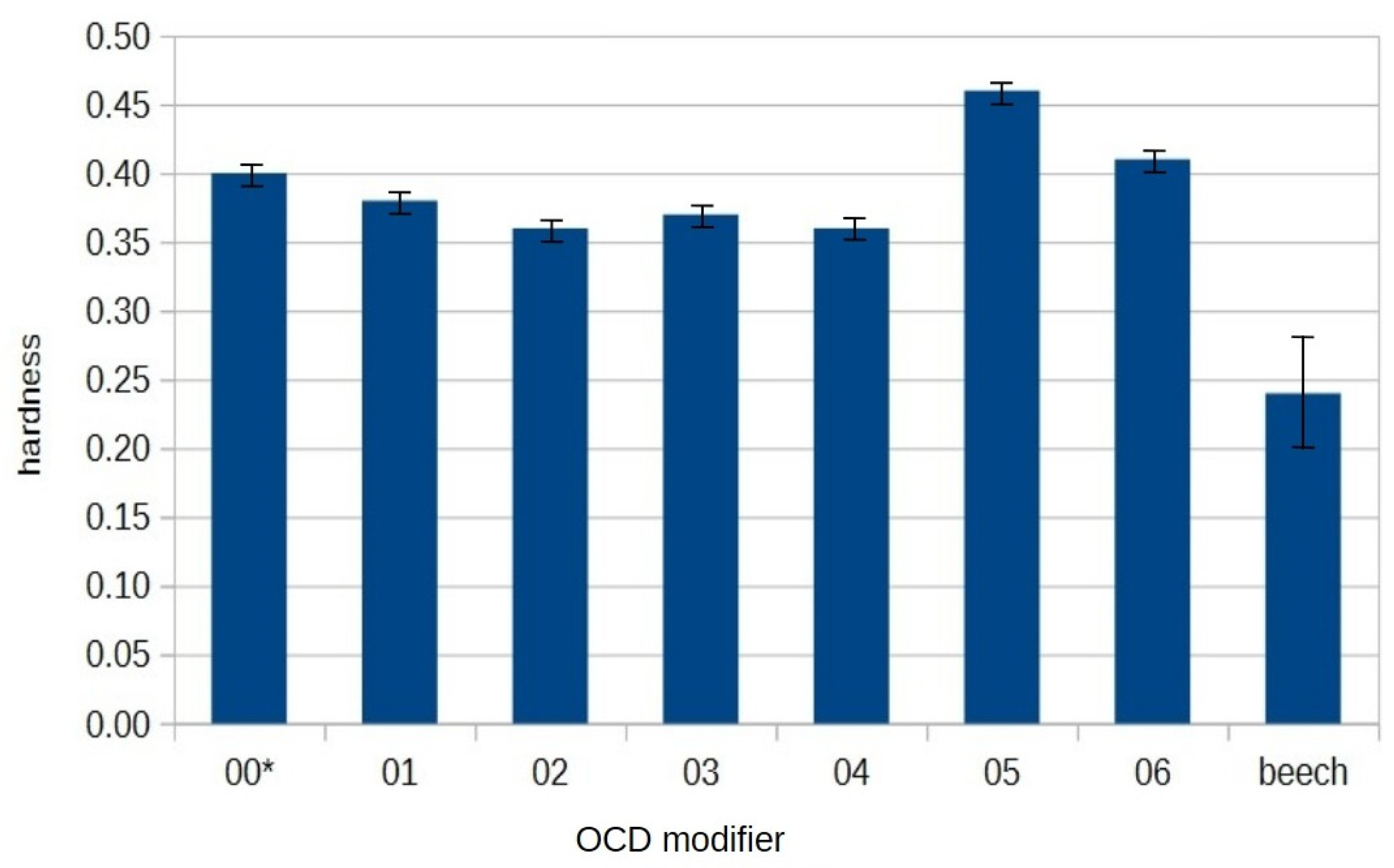
Figure 3 presents the results of measurements of coating hardness relative to glass. The results indicate that the compositions doped with cycloaliphatic (OCDs 01 and 02) or aliphatic (OCDs 03 and 04) exhibit lower hardness than that for the pure commercial reference (0.40 ± 0.01). In this case, segmented polyurethanes were obtained in which the soft segments were derived from long-chain OCDs containing aliphatic moieties, resulting in enhanced flexibility and pronounced elastomeric properties. Such an effect of long-chain diols is commonly agreed [43]. But the results indicated increased hardness for OCDs 05 and 06 in comparison to the reference coating 00 *. It can be assigned to aromatic moieties, which are recognized as hard segments in polyurethanes. Intermolecular interaction via hydrogen bonds between aromatic and urethane moieties contributes to the formation of high cohesion energy of these hard segments at room temperature [44]. Zhang et al. investigated coatings comprising aromatic and cycloaliphatic subunits [41]. The observed enhancement in hardness was attributed to the incorporation of aromatic moieties within the polymer matrix, a reinforcement further amplified by the rigid segments derived from phthalic anhydride. Moreover, aromatic polyols were found to interact with urethane groups, promoting hard-domain cohesion. Concurrently, π–π stacking interactions contributed to an increased resistance of the polymer to mechanical deformation. Although the pendulum damping test showed 0.46 ± 0.01 hardness of glass for OCD 05, that value is still lower than 0.65–0.68 reported by Huang et al. [45] for hydroxyl-functional acrylic-based PUR coating. Due to the excellent repeatability of the results in each series, standard deviations were comparable, with the exception of beech wood, whose hardness was determined to be 0.24 ± 0.03.

3.3. The Effect of UV Aging on Color and Gloss of Coatings

Table 3 presents the total color change (ΔE) and the change in gloss (ΔGU) of the coatings after aging in a UV chamber. The observed ΔE values indicate moderate, distinct, or large color changes. Moderate color changes (2 < ΔE ≤ 3.5) were observed for the coating doped with cycloaliphatic OCD 02. Distinct color changes (3.5 < ΔE ≤ 5) were observed for the following coatings: reference 00 *, OCDs 01, 03 and 04. In contrast, large color changes (ΔE > 5) were observed for aromatic OCDs 05 and 06. It should be noted, however, that a large color change was also observed for uncoated beech wood (ΔE = 6.62). Therefore, when the results are referenced to the color change in uncoated beech wood, they indicate that the beech/coating layer systems exhibit greater color stability than uncoated beech wood. This suggests that the coatings act as a protective barrier for the substrate against UV radiation, and that the observed changes should be attributed mainly to color changes in the beech substrate.
Gloss measurements of coatings after UV aging are shown below. Table 3 presents the gloss value change (ΔGU) of the tested coatings after UV exposure. Measurements were carried out at a 60° angle of light incidence. GU values in the range of 60–80 indicate gloss, while GU ≥ 80 indicates high gloss. It is apparent that the highest loss in GU was found for pure control coating 00 * and the coating modified with OCD 05, but, in general, addition of the OCDs did not affect the glossy character of the coatings.
The presented results are in accordance with the literature data, where a color difference of ΔE = 7.7 after UV exposure was found in uncoated beech, while the coated specimens exhibited significantly limited color change [46]. A comparable level of color change (ΔE > 8) was observed by Li and co-workers for the uncoated wood; however, doping the coating with 1,4-butanediol:2-hydroxyethyl disulfide reduced total color change to 2.4 < ΔE < 7.5 [47]. Thus, it has been evidenced that our approach can be effective for color retention as long as cycloaliphatic or aliphatic modifiers are used.

3.4. Abrasion Resistance

According to the PN-ISO 7784-1 standard, the measure of a coating’s abrasion resistance is the mass loss per measurement cycle. The abrasion resistance of the coatings is shown in Table 4. The mean values range from 0.006 g to 0.021 g. The highest mass loss after 200 revolutions (0.021 g) was observed for the reference 00 * coating. The results indicate that the efficiency of the OCDs is apparent since wear reduction ranged between 43% and 71% in comparison to the pure control 00 *. However, OCDs 05 and 06 bearing aromatic moieties in the molecule were less effective than aliphatic OCDs 03 and 04. That phenomenon is in accordance with Kwiatkowski and Nachman’s results, who proved that the higher the content of the soft segments in a PUR, the higher the wear resistance that can be achieved [48,49]. Moreover, coatings doped with aromatic OCDs 05 and 06 exhibited the highest hardness (Figure 3). However, the relationship between hardness and wear resistance has not yet been fully explained and remains an open issue [50,51].
The literature data indicate that the addition of polycarbonate of 1,6-hexanediol and 1,5-pentanediol of molecular weight 500 Da can result in the reduction in mechanical properties after 15 days of water immersion at 70 °C by 40% vs. 70% for polyurethane without polycarbonate diol [8]. That can be explained by the polycarbonate diol carbonate group forming strong interactions between the soft segments in the polyurethanes.

4. Conclusions

This study demonstrates that the chemical nature of oligocarbonate diols (OCDs)—aromatic, aliphatic, or cycloaliphatic—has a decisive influence on the mechanical and optical performance of polyurethane (PUR) coatings applied to wood substrates. Distinct structure–property effects were identified, confirming that the selection of OCD type is a critical parameter in tailoring coating performance.
Aliphatic soft segments were shown to provide the most favorable mechanical response—wear reduction ranged between 43% and 71% in comparison with aromatic- or cycloaliphatic-modified coatings—resulting in superior wear resistance among the investigated systems, while the highest hardness (0.46 and 0.41 that of glass) was found for the coatings bearing aromatic moieties. In parallel, the use of aliphatic and cycloaliphatic OCD modifiers proved effective in enhancing color retention, evidencing the suitability of this approach for applications where long-term optical stability is required.
Importantly, the adhesion at the wood/topcoat interface remained intact across all formulations. Pull-off tests confirmed that adhesion was sufficient and fully acceptable from a practical application standpoint, indicating that the incorporation of new OCDs does not compromise interfacial performance. Only cross-cut class I or II was observed.
Overall, the results clearly demonstrate that newly developed OCDs are effective modifiers of PUR coatings for wood. By appropriate selection of OCD structure, it is possible to balance mechanical durability, optical stability, and adhesion, thereby offering a versatile strategy for the design of high-performance wood coating systems.
Incorporation of OCDs in polyurethane coatings not only contributes to durability but also influences their sustainability and environmentally benign character. Involving greener monomers—like ethylene carbonate or dimethyl carbonate—highlights potential environmental benefits and aligns with green chemistry principles in production. The approach gives way to precise design of coating systems for specific end-use demands by oligocarbonate structure tailoring, resulting in its target technical properties. Additional benefits can be lower volatile organic compound (VOC) formulations and waterborne systems, contributing to improved environmental performance. As the coatings industry continues to prioritize sustainability and long-term performance, oligocarbonate diols are likely to play a pivotal role in next-generation polyurethane technologies.

Supplementary Materials

The following supporting information can be downloaded at https://www.mdpi.com/article/10.3390/coatings16020155/s1, Figure S1: Structures of the OCDs used in the studies.

Author Contributions

Conceptualization, P.G.P. and M.Ł.M.; methodology, M.M.-B. and P.G.P.; validation, P.G.P. and M.Ł.M.; investigation, M.M.-B., P.G.P. and M.Ł.M.; resources, M.Ł.M.; data curation, P.G.P.; writing—original draft preparation, M.M.-B., P.G.P. and M.Ł.M.; writing—review and editing, P.G.P. and M.Ł.M.; visualization, P.G.P. and M.Ł.M.; project administration, M.Ł.M.; funding acquisition, P.G.P. and M.Ł.M. All authors have read and agreed to the published version of the manuscript.

Funding

This research was funded by The National Centre of Research and Development (NCBR) grant number POIR.01.01.01-00-1246/19 awarded to Rejs Sp. z o.o., Rypin, Poland.

Institutional Review Board Statement

Not applicable.

Informed Consent Statement

Not applicable.

Data Availability Statement

The original contributions presented in this study are included in the article/Supplementary Materials. Further inquiries can be directed to the corresponding author.

Acknowledgments

The authors acknowledge technical support from the Warsaw University of Life Sciences—WULS (Institute of Wood Sciences and Furniture) and from Research & Development Centre for Wood-Based Panels Ltd. in Czarna Woda.

Conflicts of Interest

Author Mariusz Ł. Mamiński was employed by Rejs Sp. z o.o. The remaining authors declare that the research was conducted in the absence of any commercial or financial relationships that could be construed as a potential conflict of interest.

Abbreviations

The following abbreviations are used in this manuscript:
OCDOligocarbonate diol
PURPolyurethane

References

  1. Hepburn, C. Polyurethane Elastomers, 2nd ed.; Elsevier Applied Science: New York, NY, USA, 2012; pp. 19–27. [Google Scholar]
  2. Sonnenschein, M.F. Polyurethanes: Science, Technology, Markets, and Trends; John Wiley & Sons, Inc.: Hoboken, NJ, USA, 2015; pp. 11–58. [Google Scholar]
  3. Le Ma, L.; Song, L.; Wang, H.; Fan, L.; Liu, B. Synthesis and characterization of poly(propylene carbonate) glycol-based waterborne polyurethane with high solid content. Prog. Org. Coat. 2018, 117, 10–18. [Google Scholar]
  4. Tan, J.; Li, F.; Chen, H.; Yan, H.; Zhou, Y. Amine resin-crosslinked waterborne polyurethane with excellent mechanical properties and water resistance for automotive middle coating. Prog. Org. Coat. 2025, 200, 109071. [Google Scholar] [CrossRef]
  5. García-Pacios, V.; Colera, M.; Iwata, Y.; Martín-Martínez, J.M. Incidence of the polyol nature in waterborne polyurethane dispersions on their performance as coatings on stainless steel. Prog. Org. Coat. 2013, 76, 1726–1729. [Google Scholar] [CrossRef]
  6. Rivero, G.; Nguyen, L.T.T.; Hillewaere, X.K.D.; Du Prez, F.E. One-pot thermo-remendable shape memory polyurethanes. Macromolecules 2014, 47, 2010–2018. [Google Scholar] [CrossRef]
  7. Yilgör, I.; Yilgör, E.; Wilkes, G.L. Critical parameters in designing segmented polyurethanes and their effect on morphology and properties: A comprehensive review. Polymer 2015, 58, A1–A36. [Google Scholar] [CrossRef]
  8. Jofre-Reche, J.A.; Fuensanta, M.; Yáñez-Pacios, A.; Colera, M.; Rodriguez, F.; Iglesias, I.; Costa, V.; Martín-Martínez, J.M. Improvement in adhesion, abrasion resistance, and aging of polyurethane coatings prepared with polycarbonate diol for internal pipelines. J. Mater. Civ. Eng. 2017, 29, 06017009. [Google Scholar] [CrossRef]
  9. Darensbourg, D.J.; Yeung, A.D. A concise review of computational studies of the carbon dioxide–epoxide copolymerization reactions. Polym. Chem. 2014, 5, 3949–3962. [Google Scholar] [CrossRef]
  10. Langanke, J.; Wolf, A.; Hofmann, J.; Böhm, K.; Subhani, M.A.; Müller, T.E.; Leitner, W. Carbon dioxide (CO2) as sustainable feedstock for polyurethane production. Green Chem. 2014, 16, 1865–1870. [Google Scholar] [CrossRef]
  11. Blattmann, H.; Fleischer, M.; Bähr, M.; Mülhaupt, R. Isocyanate- and phosgene-free routes to polyfunctional cyclic carbonates and green polyurethanes by fixation of carbon dioxide. Macromol. Rapid Commun. 2014, 14, 1238–11254. [Google Scholar] [CrossRef]
  12. Wicks, Z.W., Jr.; Jones, F.N.; Pappas, S.P.; Wicks, D.A. Organic Coatings: Science and Technology, 3rd ed.; Wiley-Interscience: Hoboken, NJ, USA, 2007; pp. 515–521. [Google Scholar]
  13. Monica, F.D.; Brandolese, A.; Di Carmine, G.; Selva, M.; Fiorani, G.; Izzo, L. En Route Toward Sustainable Polycarbonates via Large Cyclic Carbonates. ChemSusChem 2025, 18, e202500030. [Google Scholar] [CrossRef] [PubMed]
  14. von der Assen, N.; Jung, J.; Bardow, A. Life-cycle assessment of carbon dioxide capture and utilization: Avoiding the pitfalls. Energy Environ. Sci. 2013, 6, 2721–2734. [Google Scholar] [CrossRef]
  15. Zhang, X.; Fevre, M.; Jones, G.O.; Waymouth, R.M. Catalysis as an Enabling Science for Sustainable Polymers. Chem. Rev. 2018, 118, 839–885. [Google Scholar] [CrossRef]
  16. Darensbourg, D.J. Making plastics from carbon dioxide: Salen metal complexes as catalysts for the production of polycarbonates from epoxides. Chem. Rev. 2007, 107, 2388–2410. [Google Scholar] [CrossRef] [PubMed]
  17. Stößer, T.; Li, C.; Unruangsri, J.; Saini, P.K.; Sablong, R.J.; Meier, M.A.R.; Williams, C.K.; Koning, C.E. Bio-derived polymers for coating applications: Comparing poly(limonene carbonate) and poly(cyclohexadiene carbonate). Polym. Chem. 2017, 8, 6099–6105. [Google Scholar] [CrossRef]
  18. Alagi, P.; Ghorpade, R.; Choi, Y.J.; Patil, U.; Kim, I.; Baik, J.H.; Hong, S.C. Carbon Dioxide-Based Polyols as Sustainable Feedstock of Thermoplastic Polyurethane for Corrosion-Resistant Metal Coating. ACS Sustain. Chem. Eng. 2017, 5, 3871–3881. [Google Scholar] [CrossRef]
  19. Mudri, N.H.; Abdullah, L.C.; Aung, M.M.; Salleh, M.Z.; Awang Biak, D.R.; Rayung, M. Comparative Study of Aromatic and Cycloaliphatic Isocyanate Effects on Physico-Chemical Properties of Bio-Based Polyurethane Acrylate Coatings. Polymers 2020, 12, 1494. [Google Scholar] [CrossRef]
  20. Luo, Q.; Wen, X.; Xu, R.; Liu, Z.; Xiang, H.; Li, Z.; Liu, X. Preparation and Properties of Novel Modified Waterborne Polyurethane Acrylate. Coatings 2022, 12, 1135. [Google Scholar] [CrossRef]
  21. Mamiński, M.Ł.; Parzuchowski, P.G.; Wołosz, D.; Zimny, A. Synthesis and Structural Characterization of Oligo(carbonate diol)s and Oligo(urethane-carbonate diol)s via a Transesterification-Polycondensation Route. Materials 2026, 19, 434. [Google Scholar] [CrossRef]
  22. Prasad, C.; Choi, S.M.; Govinda, V.; Sangaraju, S.; Choi, H.Y.; Shin, E.J. Kinetic Study of Different Tin-Free Catalysts for an Efficient Synthesis of Bio-Based Thermoplastic Polyurethanes. J. Polym. Sci. 2025, 63, 2422–2439. [Google Scholar] [CrossRef]
  23. He, H.; Shao, Z.; Hu, S.; Lu, Y.; Li, F. Comparative study on curing kinetics of MDI-based polyurethanes with different chain length diol curing agents. Polymer 2024, 290, 126541. [Google Scholar] [CrossRef]
  24. Paez-Amieva, Y.; Martín-Martínez, J.M. Understanding the Interactions between Soft Segments in Polyurethanes: Structural Synergies in Blends of Polyester and Polycarbonate Diol Polyols. Polymers 2023, 15, 4494. [Google Scholar] [CrossRef]
  25. Yaseen, A.; Umair, M.; Rehan, Z.A.; Alosaimi, E.H. Synthesis of catalyzed polyurethane films using varying content of isocyanates, glycols, and chain extenders. Results Chem. 2024, 7, 101357. [Google Scholar] [CrossRef]
  26. ASTM E1899-16; Standard Test Method for Hydroxyl Groups Using Reaction with p-Toluenesulfonyl Isocyanate (TSI) and Potentiometric Titration with Tetrabutylammonium Hydroxide. ASTM International: West Conshohocken, PA, USA, 2016.
  27. ISO 4624:2016; Paints and Varnishes—Pull-Off Test for Adhesion. International Organization for Standardization: Geneva, Switzerland, 2016.
  28. ISO 2409:2013; Paints and Varnishes—Cross-Cut Test. International Organization for Standardization: Geneva, Switzerland, 2013.
  29. ISO 1522:2017; Paints and Varnishes—Pendulum Damping Test. International Organization for Standardization: Geneva, Switzerland, 2017.
  30. ISO 16474-3:2013; Paints and Varnishes—Exposure of Coatings to Artificial Weathering—Part 3: Fluorescent UV Lamps. International Organization for Standardization: Geneva, Switzerland, 2013.
  31. ISO 2813:2014; Paints and Varnishes—Determination of Gloss Value at 20°, 60° and 85°. International Organization for Standardization: Geneva, Switzerland, 2014.
  32. EN 722-3:2003; Paints and Varnishes—Determination of Color—Part 3: Calculation of Color Differences. European Committee for Standardization (CEN): Brussels, Belgium, 2003.
  33. ISO 7784-1:2013; Paints and Varnishes—Determination of Resistance to Abrasion. Part 1: Method with Abrasive-Paper Covered Wheels and Rotating Test Specimen. International Organization for Standardization: Geneva, Switzerland, 2013.
  34. Mazurek, M.; Parzuchowski, P.G.; Rokicki, G. Propylene carbonate as a source of carbonate units in the synthesis of elastomeric poly(carbonate-urethane)s and poly(ester-carbonate-urethane)s. J. App. Polym. Sci. 2014, 131, 39764. [Google Scholar] [CrossRef]
  35. Anitha, S.; Vijayalakshmi, K.P.; Unnikrishnan, G.; Santhosh Kumar, K.S.S. CO2 derived hydrogen bonding spacer: Enhanced toughness, transparency, elongation and non-covalent interactions in epoxy-hydroxyurethane networks. J. Mater. Chem. A 2017, 5, 24299–24313. [Google Scholar] [CrossRef]
  36. Hwang, H.-D.; Park, C.-H.; Moon, J.-I.; Kim, H.-J.; Masubuchi, T. UV-curing behavior and physical properties of waterborne UV-curable polycarbonate-based polyurethane dispersion. Prog. Org. Coat. 2011, 72, 663–675. [Google Scholar] [CrossRef]
  37. Pelit, H.; Koc, E.; Cakicier, N. Adhesion Strength and Pendulum Hardness of Some Coatings in Wood Heat-treated by Different Methods. BioResources 2023, 18, 7353–7366. [Google Scholar] [CrossRef]
  38. Sauerbier, P.; Köhler, R.; Renner, G.; Militz, H. Surface activation of polylactic acid-based wood-plastic composite by atmospheric pressure plasma treatment. Materials 2020, 13, 4673. [Google Scholar] [CrossRef]
  39. Mamiński, M.Ł.; Novák, I.; Mičušík, M.; Małolepszy, A.; Toczyłowska-Mamińska, R. Discharge Plasma Treatment as an Efficient Tool for Improved Poly(lactide) Adhesive–Wood Interactions. Materials 2021, 14, 3672. [Google Scholar] [CrossRef]
  40. Aykan, R.; Kesik, H.I. Effect of Hygiene and Nano-Color Pigment Modification on Hardness, Glossiness, and Adhesion Strength of Some Surface Coating Materials. Coatings 2025, 15, 1334. [Google Scholar] [CrossRef]
  41. Zhang, Z.; Ni, N.; Xu, Y. Effects of Different Polyols with Functions on the Properties of Polyester Polyol-Based Polyurethane Coatings. Coatings 2025, 15, 61. [Google Scholar] [CrossRef]
  42. Panjan, P.; Miletić, A.; Drnovšek, A.; Terek, P.; Čekada, M.; Kovačević, L.; Panjan, M. Cracking Resistance of Selected PVD Hard Coatings. Coatings 2024, 14, 1452. [Google Scholar] [CrossRef]
  43. Puszka, A.; Sikora, J.W.; Nurzyńska, A. Influence of the Type of Soft Segment on the Selected Properties of Polyurethane Materials for Biomedical Applications. Materials 2024, 17, 840. [Google Scholar] [CrossRef]
  44. Li, D.; Yu, L.; Lu, Z.; Kang, H.; Li, L.; Zhao, S.; Shi, N.; You, S. Synthesis, Structure, Properties, and Applications of Fluorinated Polyurethane. Polymers 2024, 16, 959. [Google Scholar] [CrossRef]
  45. Huang, Z.; Ma, X.; Qiao, Z.; Wang, S.; Jing, X. Pendulum hardness of polyurethane coatings during curing. Pigment. Resin Technol. 2014, 43, 271–276. [Google Scholar] [CrossRef]
  46. Slabejová, G.; Vidholdová, Z.; Šmidriaková, M. Effect of Two Different Ageing Exposures on the Colour Stability of Transparent Polyurethane Finishing. Polymers 2023, 15, 3313. [Google Scholar] [CrossRef] [PubMed]
  47. Li, G.; Duan, B.; Leng, G.; Liu, J.; Zhang, T.; Lu, Z.; Wang, S.; Qu, J. Preparation of Yellowing-Resistant Waterborne Polyurethane Modified with Disulfide Bonds. Molecules 2024, 29, 2099. [Google Scholar] [CrossRef]
  48. Kwiatkowski, K.; Nachman, M. The Abrasive Wear Resistance of the Segmented Linear Polyurethane Elastomers Based on a Variety of Polyols as Soft Segments. Polymers 2017, 9, 705. [Google Scholar] [CrossRef] [PubMed]
  49. Nachman, M.; Kwiatkowski, K. The effect of thermal annealing on the abrasion resistance of a segmented block copolymer urethane elastomers. Wear 2013, 306, 113–118. [Google Scholar] [CrossRef]
  50. Sokolska, J.; Ptak, A. Abrasive and Erosive Wear Behavior of Elastomeric Polyurethane Coatings: Effect of Grain Size. Coatings 2024, 14, 1611. [Google Scholar] [CrossRef]
  51. Ding, C.; Xing, Z.; Wang, Z.; Qin, Z.; Wang, J.; Zhao, X.; Yang, X. The comprehensive effect of tensile strength and modulus on abrasive wear performance for polyurethanes. Tribol. Int. 2022, 169, 107459. [Google Scholar] [CrossRef]
Figure 1. Specimens for pull-off adhesion testing: (A)—before testing, (B)—after testing. Arrows point adhesive/topcoat (white) or adhesive/dolly failure (black).
Coatings 16 00155 g001
Figure 2. Specimens after cross-cut adhesion testing. * pure control coating.
Coatings 16 00155 g002
Figure 3. Glass-relative hardness of the coatings. Beech wood was used for comparison. 00 *—pure control coating. Error bars denote 0.01, with the exception of beech wood, 0.03.
Coatings 16 00155 g003
Table 1. Selected properties of the studied OCDs.
OCDLOH [mgKOH/g]m.w. [g/mol]Structure Type
01131860cycloaliphatic
02114980cycloaliphatic
03354000aliphatic
04711600aliphatic
05621800aromatic
06383000aromatic
Table 2. Adhesion of the studied coatings to beech wood substrate in the pull-off test.
OCDMPaDelamination LocusCross-Cut Class Acc. ISO 2409
00 *4.13 ± 0.4850% -/Y; 50% Y/ZII
012.73 ± 0.3050% -/Y; 50% Y/ZI
023.31 ± 0.1380% -/Y; 20% Y/ZII
034.58 ± 0.3660% -/Y; 40% Y/ZI
044.33 ± 0.23100% -/YI
055.38 ± 0.2290% -/Y; 10% Y/ZI
064.90 ± 0.26100% -/YI
* pure control coating.
Table 3. Total color change (ΔE) and gloss change (ΔGU) before after UV aging.
Before UV AgingAfter UV AgingΔEBefore UV AgingAfter UV AgingΔGU
OCDLabLabGU
00 *64.77 ± 0.7012.62 ± 0.2225.21 ± 0.4761.06 ± 0.9614.05 ± 0.2126.12 ± 0.374.0873.9 ± 1.0669.9 ± 2.044.0
0170.61 ± 0.759.83 ± 0.1525.10 ± 0.3366.82 ± 1.0411.29 ± 0.3026.48 ± 0.424.2999.5 ± 1.1798.5 ± 1.801.0
0267.03 ± 0.6710.57 ± 0.1125.71 ± 0.3664.73 ± 0.7711.41 ± 0.3126.71 ± 0.192.6484.9 ± 1.5585.3 ± 1.330.4
0369.79 ± 0.709.52 ± 0.1023.70 ± 0.4065.62 ± 0.7410.86 ± 0.3724.77 ± 0.854.581.5 ± 2.1184.8 ± 2.603.3
0470.31 ± 0.749.79 ± 0.1324.11 ± 0.3766.54 ± 0.9711.63 ± 0.2526.72 ± 0.644.9481.6 ± 1.7483.3 ± 1.921.7
0569.08 ± 0,8510.46 ± 0.1824.35 ± 0.3164.24 ± 0.8312.87 ± 0.2126.23 ± 0.445.7284.4 ± 1.4976.7 ± 2.077.7
0671.77 ± 0.649.72 ± 0.2324.59 ± 0.3366.35 ± 0.8012.16 ± 0.4126.71 ± 0.556.3173.2 ± 1.2373.5 ± 1.880.3
beech76.08 ± 1.116.73 ± 0.7017.88 ± 0.6772.05 ± 1.147.78 ± 0.6223.02 ± 0.616.62
* pure control coating; GU—gloss units.
Table 4. Weight loss after abrasion resistance testing.
OCDWeight Loss [g]
00 *0.021 ± 0.003
010.007 ± 0.001
020.012 ± 0.002
030.006 ± 0.002
040.007 ± 0.002
050.012 ± 0.002
060.011 ± 0.003
* pure control coating.
Disclaimer/Publisher’s Note: The statements, opinions and data contained in all publications are solely those of the individual author(s) and contributor(s) and not of MDPI and/or the editor(s). MDPI and/or the editor(s) disclaim responsibility for any injury to people or property resulting from any ideas, methods, instructions or products referred to in the content.