Article

Structural Evolution and Fracture Mechanism of WC-Particle-Reinforced FeCoCrNiMn High-Entropy Alloy Coatings


1
School of Material Science and Engineering, Taiyuan University of Science and Technology, 66 Waliu Road, Taiyuan 030024, China
2
School of Mechanical Engineering and Automation, University of Science and Technology, Anshan 114051, China
*
Authors to whom correspondence should be addressed.
Coatings 2024, 14(4), 403; https://doi.org/10.3390/coatings14040403

Submission received: 20 February 2024 / Revised: 23 March 2024 / Accepted: 25 March 2024 / Published: 29 March 2024
(This article belongs to the Section Surface Characterization, Deposition and Modification)

Abstract

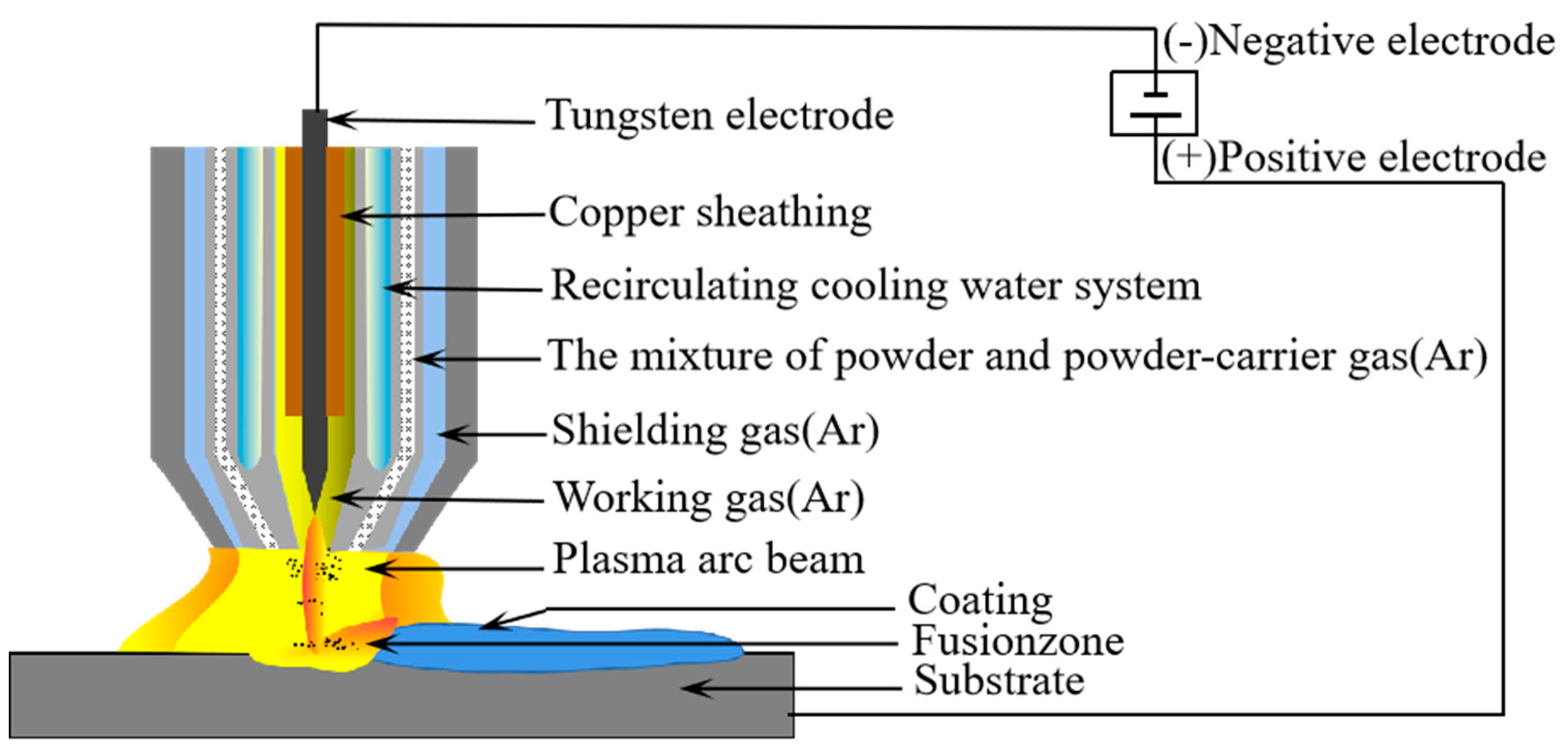
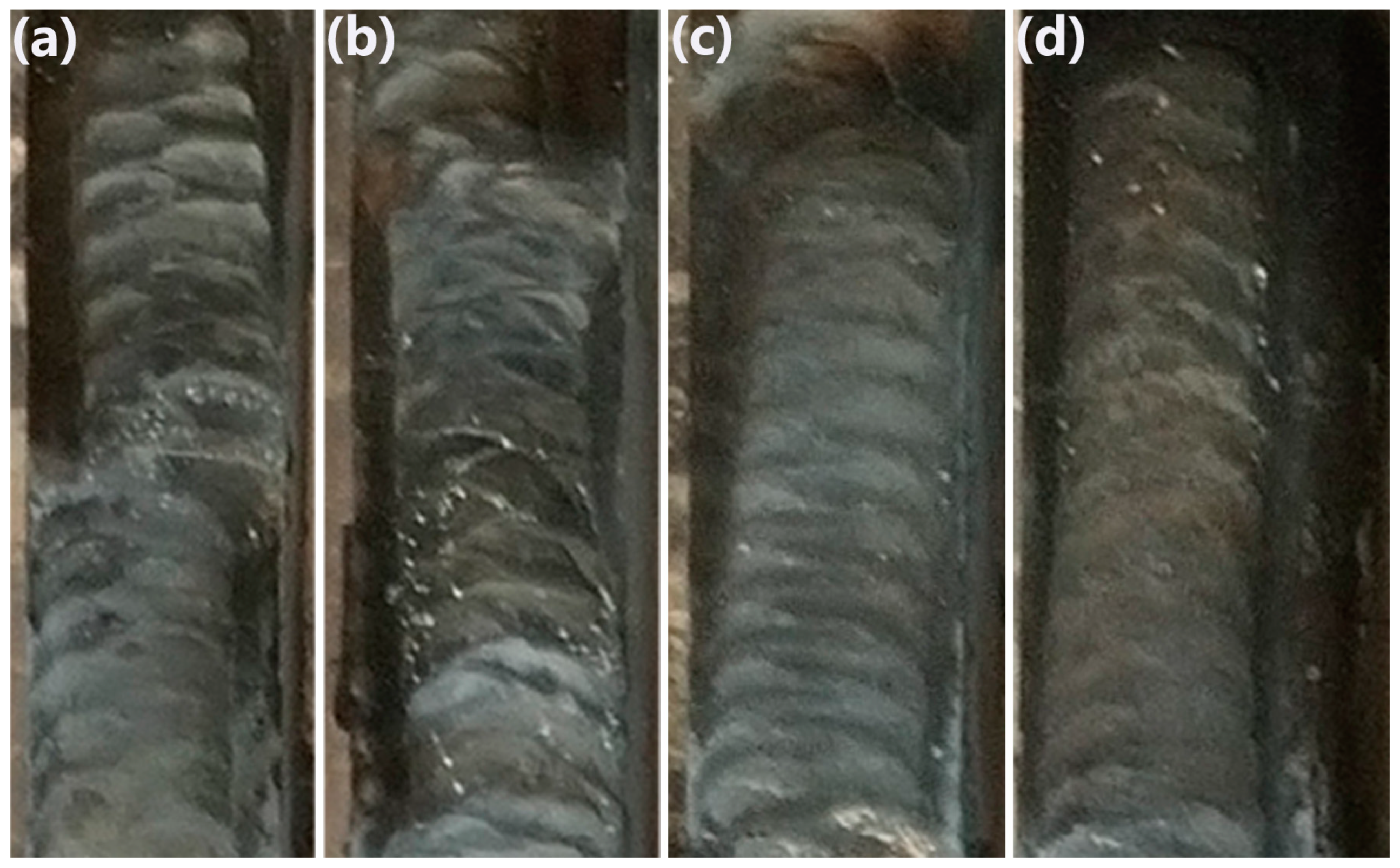
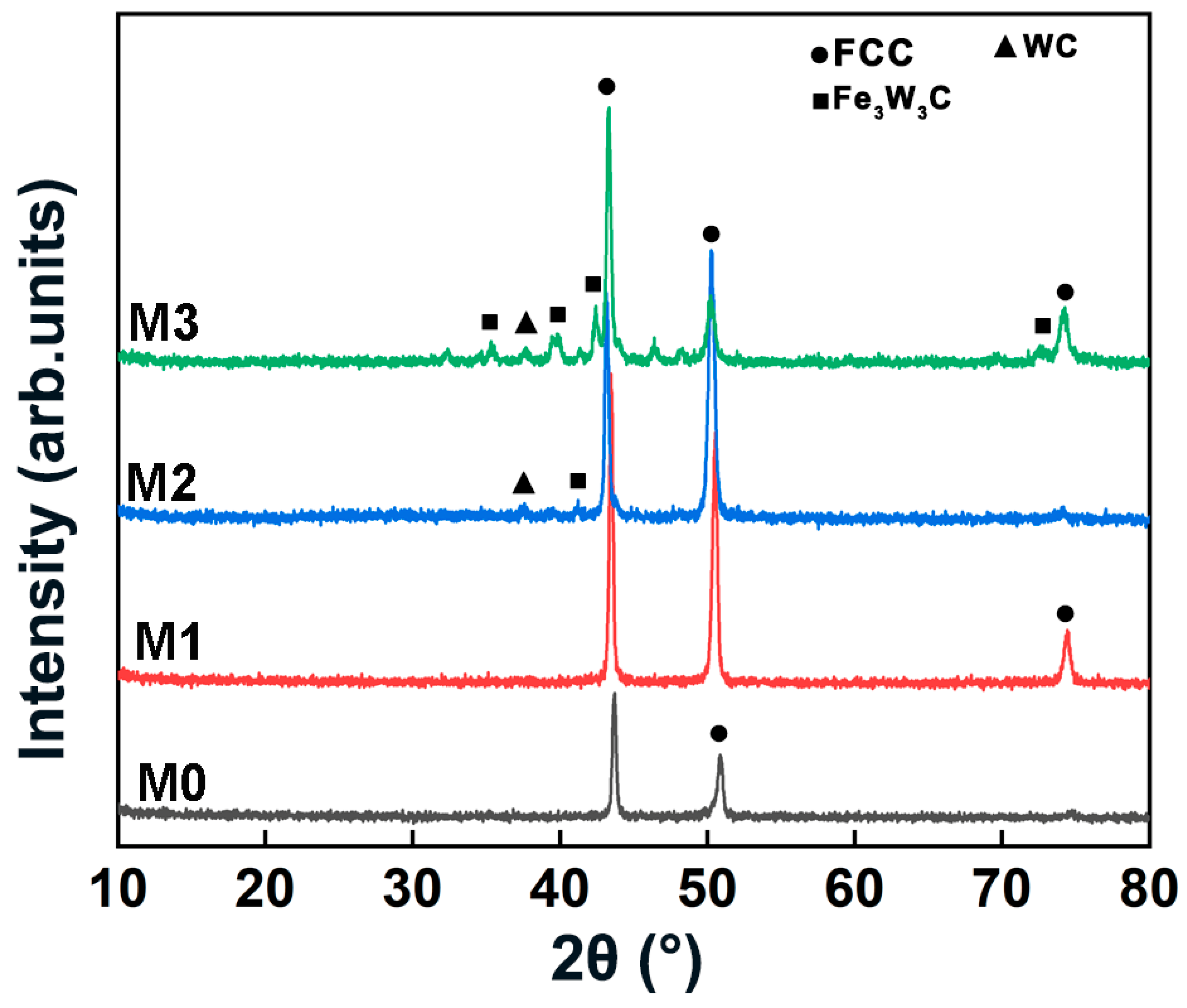
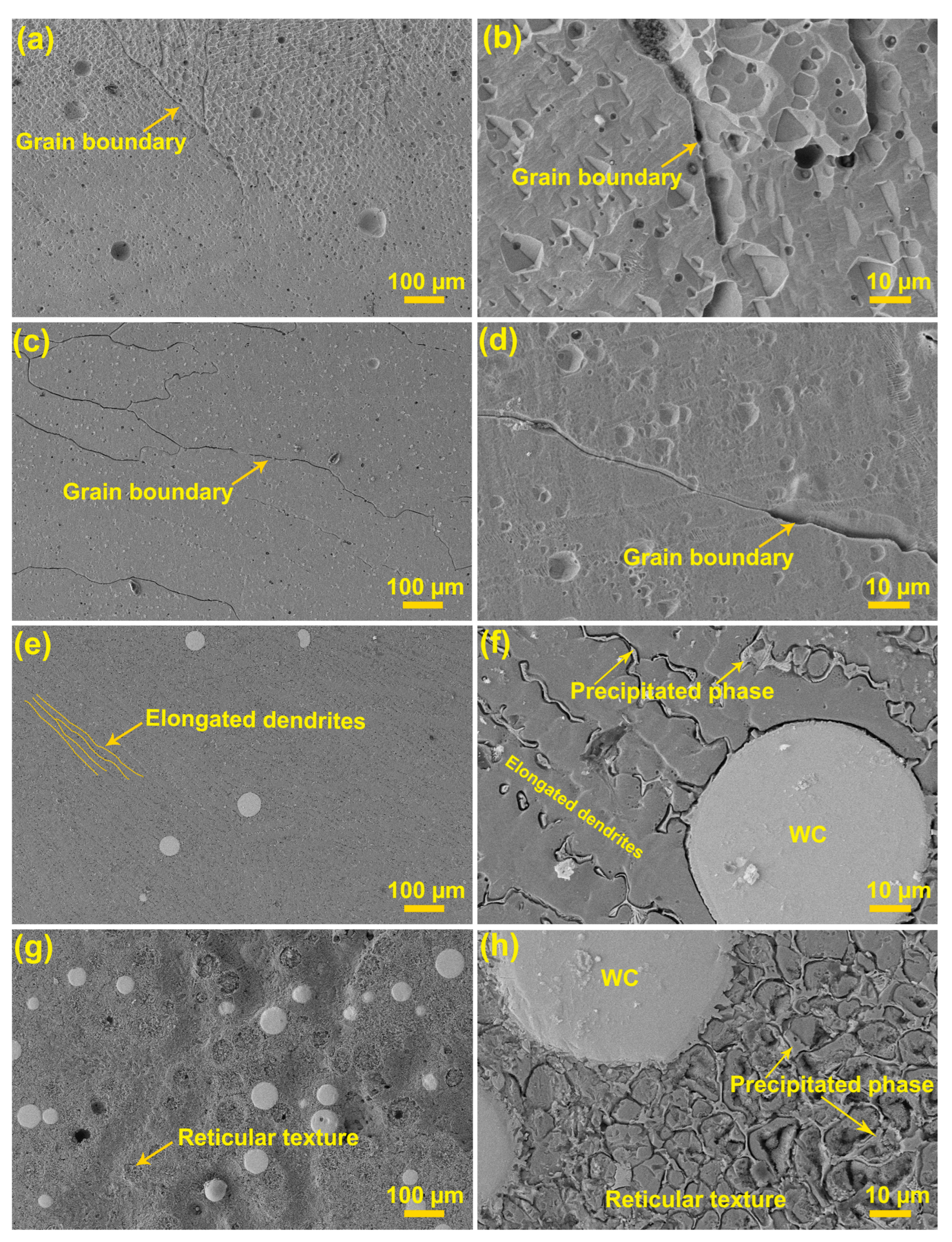
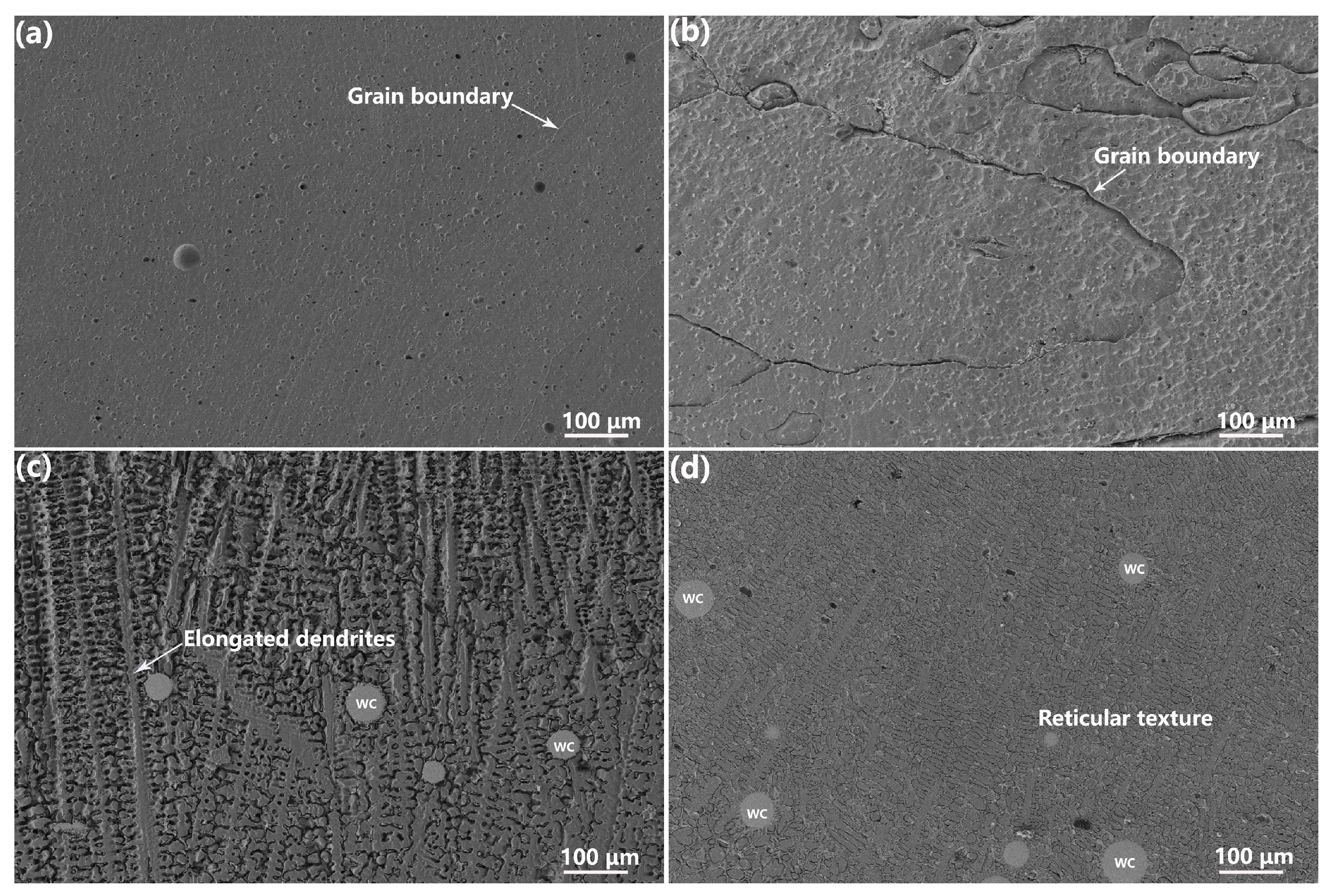
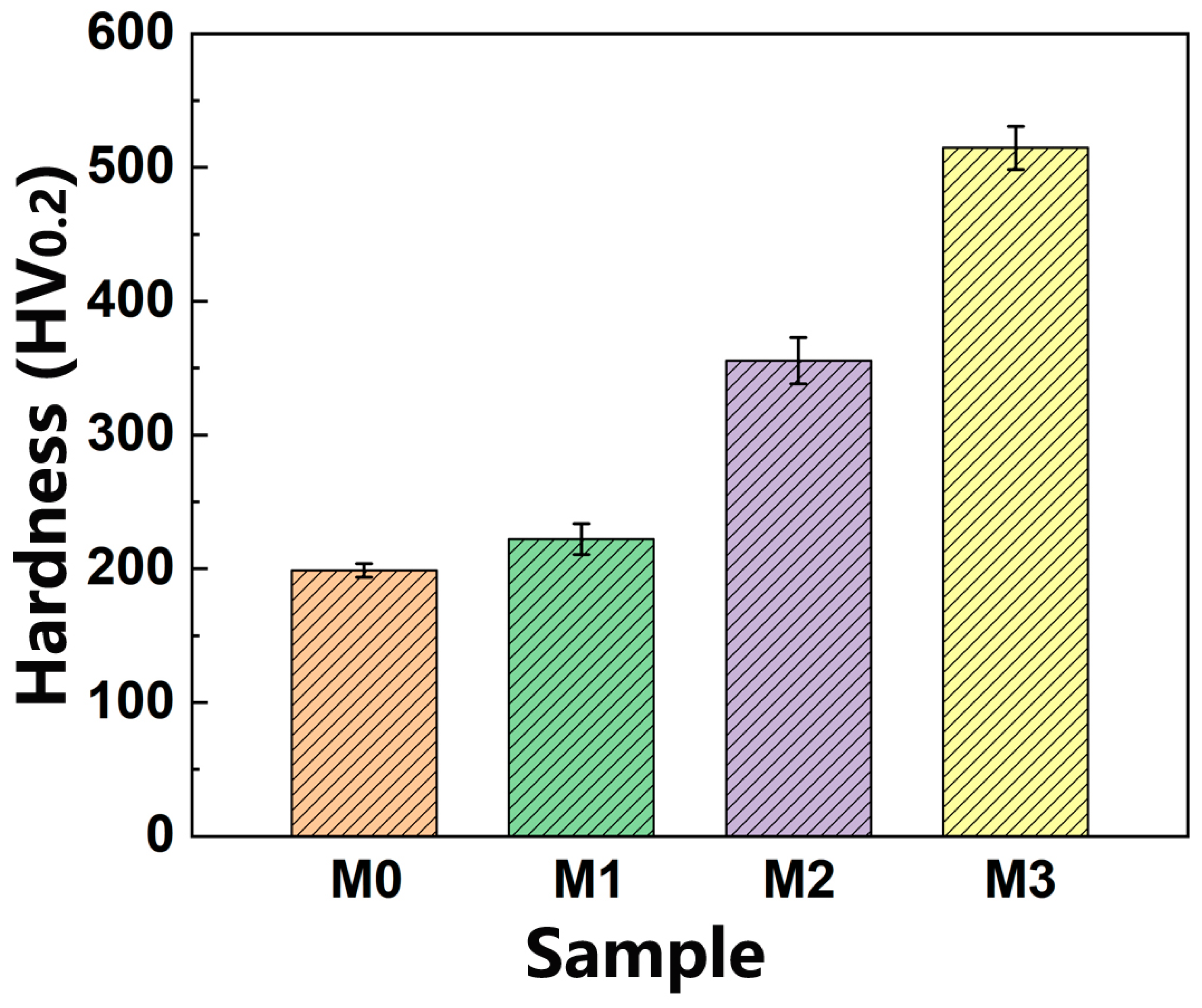
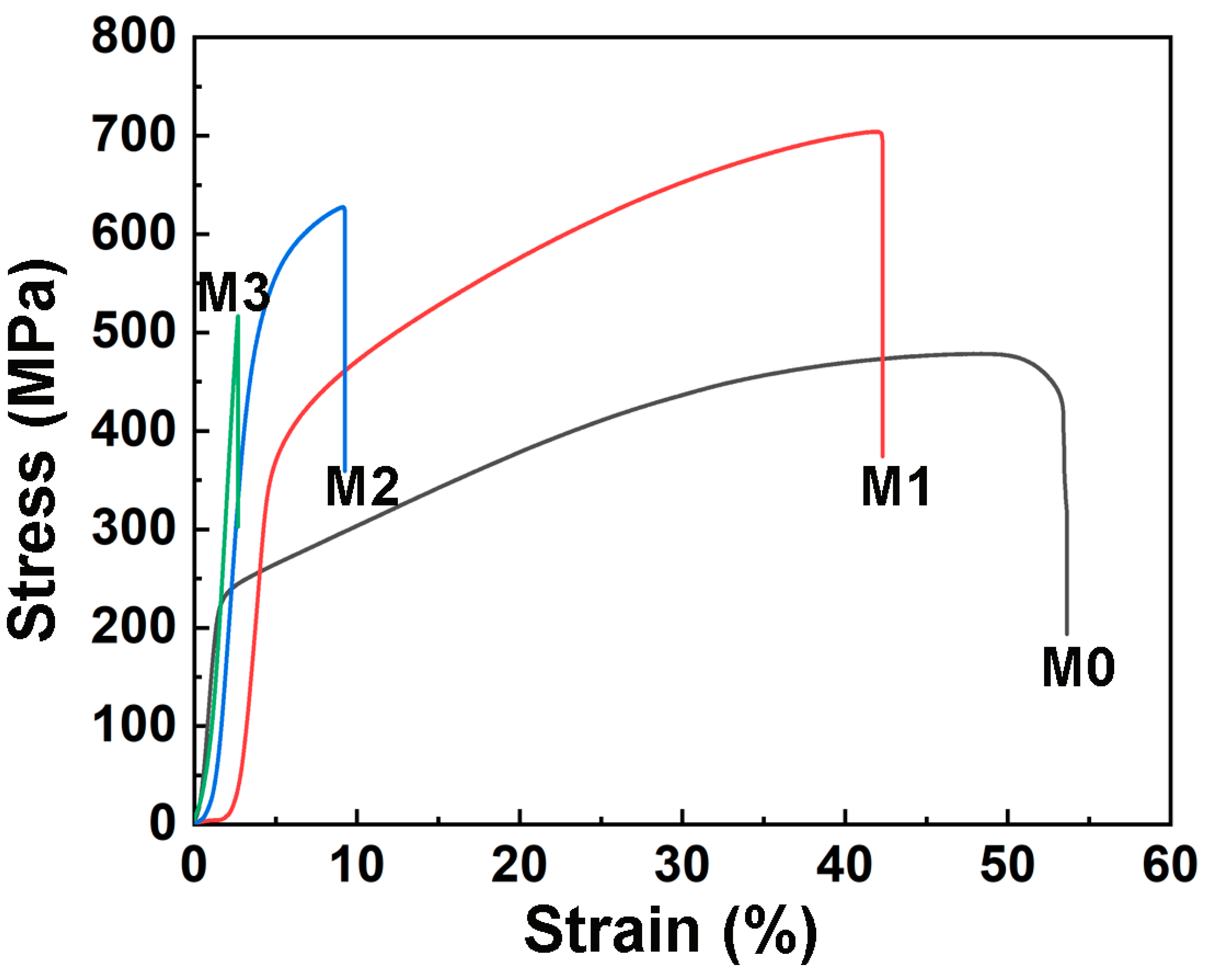
A hard-particle-reinforced high-entropy alloy (HEA) coating shows significant potential for tribological applications, but relatively little work on the fracture mechanism of the coating has been reported. In this work, the FeCoCrNiMn HEA coatings, doped with varying contents of WC, were fabricated using a plasma surfacing technique. The structure, mechanical properties, and fracture behaviors of these coatings were investigated through X-ray diffraction (XRD), scanning electron microscopy (SEM), and hardness and tensile tests. The addition of WC particles significantly altered the growth mode of the coating texture from large coarse grains to fine grains. The coating without WC doping had a hardness of 198.8 ± 15.6 HV, a yield strength of 225 MPa, a tensile strength of 478 MPa, and a strain of 53.7%. The hardness, yield strength, tensile strength, and strain were 222.3 ± 34.4 HV, 353 MPa, 704 MPa, and 42.6% for the coating with 10% WC doping and 355.6 ± 51.6 HV, 454 MPa, 627 MPa, and 9.4% for the coating with 20% WC doping. Meanwhile, the coating with 40% WC doping showed the greatest hardness of 514.9 ± 48.1 HV and had the highest yield strength of 457 MPa, but its tensile strength and strain decreased to 517 MPa and 2.7%, respectively. In this article, the detailed structural evolution, strengthening, and fracture failure mechanisms of the coatings are discussed systematically.
Keywords: high-entropy alloy coatings; WC particle doping; structural evolution; fracture failure mechanisms high-entropy alloy coatings; WC particle doping; structural evolution; fracture failure mechanisms