Article

Assessment of Efficiency and Anilox-Roll Condition after Ultrasonic Cleaning

1
Natural Fibers Advanced Technologies, 42A Blekitna Str., 93-322 Lodz, Poland
2
Institute of Wood Sciences and Furniture, Warsaw University of Life Sciences—SGGW, 159 Nowoursynowska Str., 02-787 Warsaw, Poland
*
Author to whom correspondence should be addressed.
Coatings 2023, 13(10), 1699; https://doi.org/10.3390/coatings13101699

Submission received: 14 August 2023 / Revised: 20 September 2023 / Accepted: 26 September 2023 / Published: 27 September 2023
(This article belongs to the Special Issue Advanced Surface Technology and Application)

Abstract

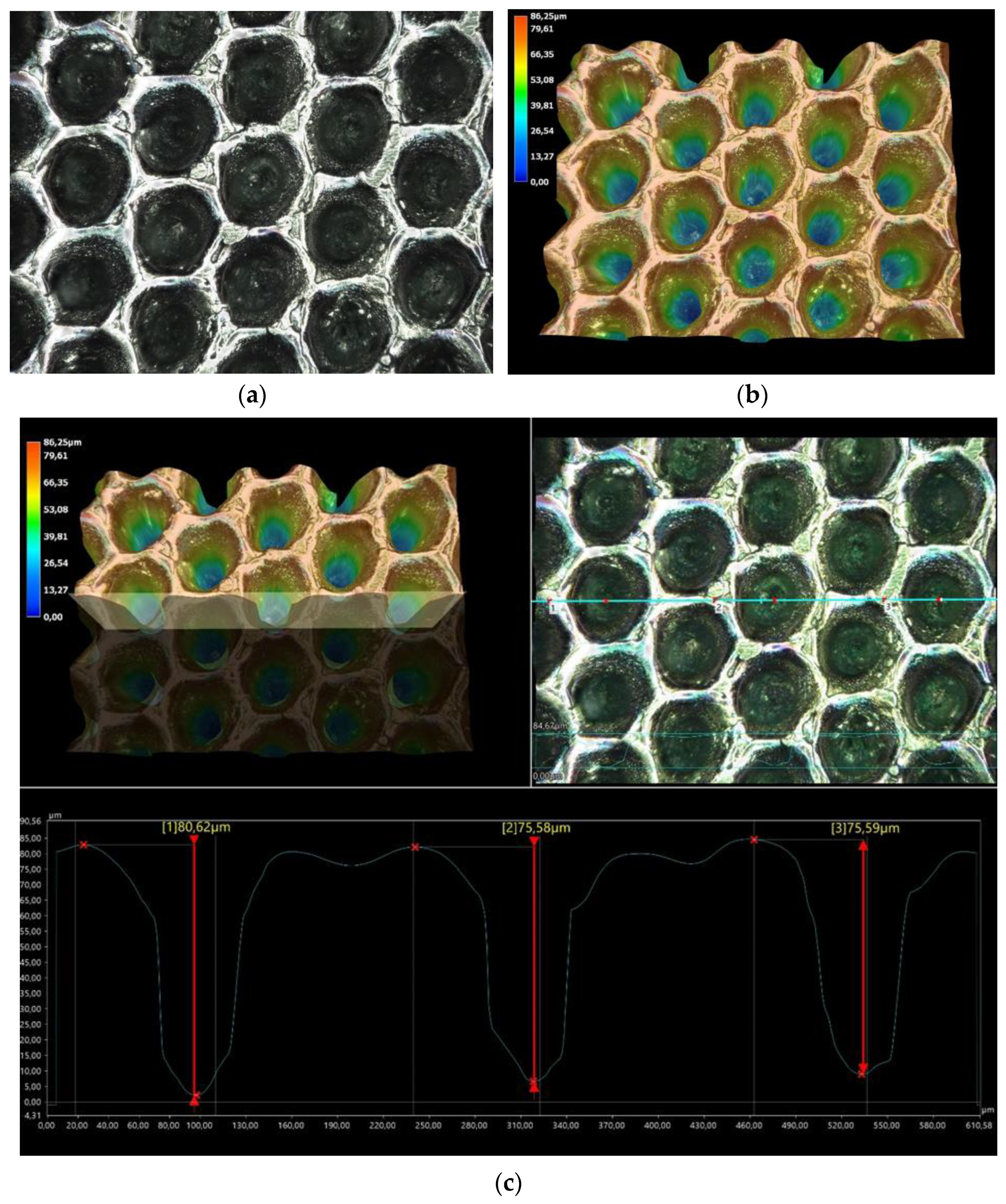
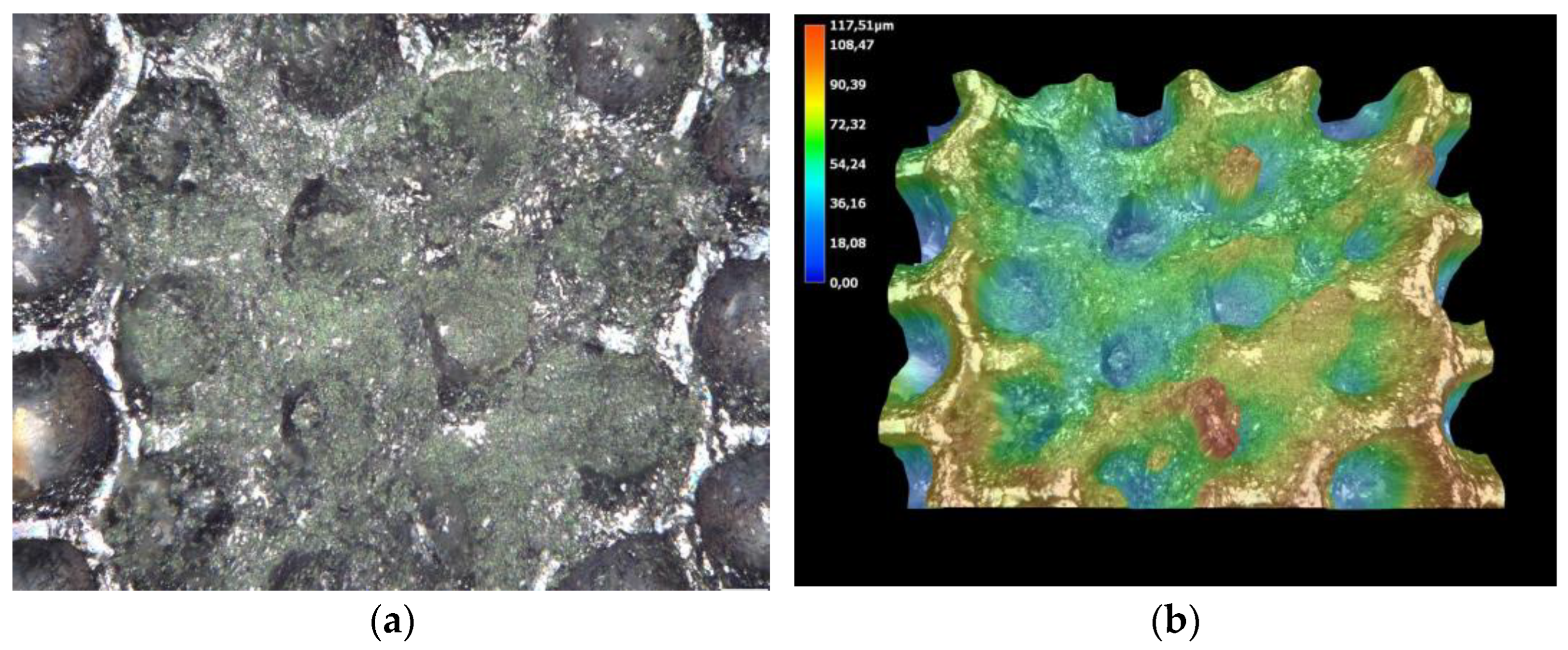
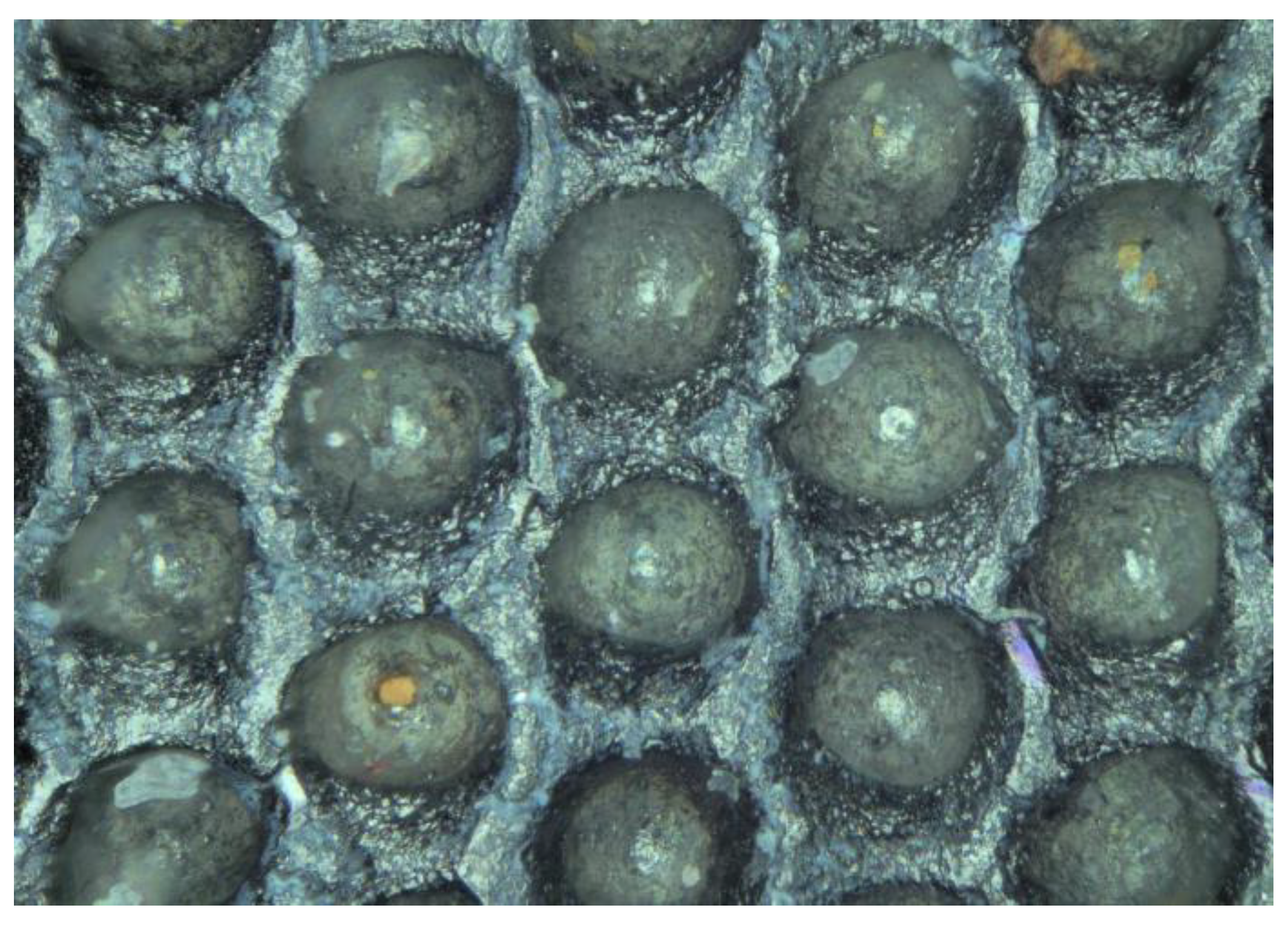
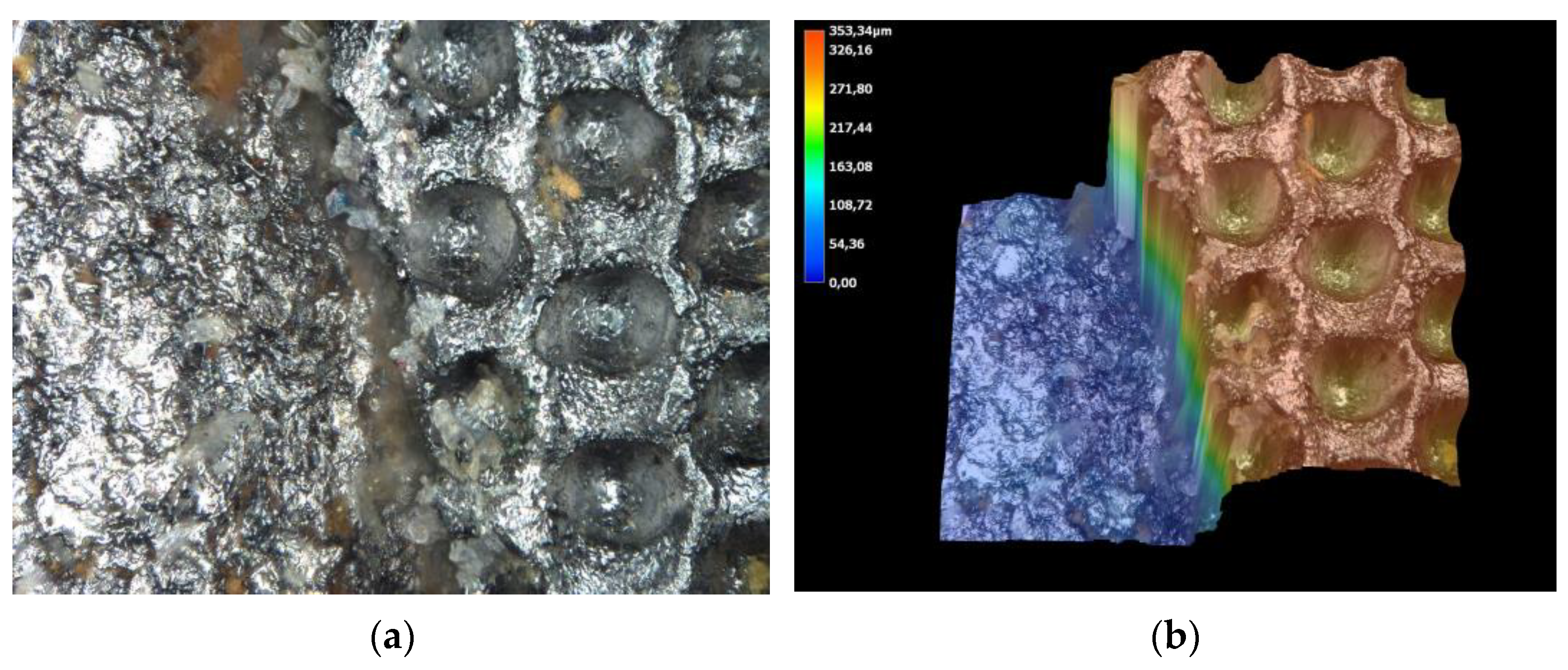
In the flexographic printing industry, anilox rolls play a pivotal role in determining ink usage. These rolls are characterized by anilox cells, which transfer ink to the final printed material. However, these rolls face wear and potential damage during their operational life, largely due to improper cleaning or debris accumulation in the ink duct. Such contamination compromises the ink capacity, impacting print quality. With the industry’s need for consistent and high-quality prints, there is a growing emphasis on the development and consistent implementation of optimal anilox-roll operation methodologies. One cleaning method gaining traction is ultrasonic cleaning. This method employs ultrasonic waves in conjunction with a cleaning agent, providing a quick, efficient, and environmentally conscious cleaning alternative. Yet, there is limited scientific data on the actual condition of anilox rolls after ultrasonic cleaning. In this study, the surface of anilox rolls post-ultrasonic-cleaning was comprehensively examined using microscopic analysis. This assessment provided insights into the method’s efficacy and potential for causing roll damage. The results showed that post-printing, rolls lost approximately 20% of their ink capacity, and ultrasonic cleaning effectively restored the ink capacity of the undamaged rolls. However, for rolls with pre-existing damage, the ultrasonic cleaning process exacerbated the damages, leading to complete delamination in some instances. This study underscores the potential of ultrasonic cleaning in restoring anilox-roll efficiency but also highlights the need for caution with damaged rolls.
Keywords: anilox roll; flexography; ink duct; raster mesh; ultrasonic anilox-roll cleaning machine anilox roll; flexography; ink duct; raster mesh; ultrasonic anilox-roll cleaning machine