Article

TEOS-Based Superhydrophobic Coating for the Protection of Stone-Built Cultural Heritage
by
Fotios G. Adamopoulos
1,2,
Evangelia C. Vouvoudi
1,
Eleni Pavlidou
3,
Dimitris S. Achilias
1,* and
Ioannis Karapanagiotis
2,*
1
Laboratory of Polymers and Dyes Chemistry and Technology, Department of Chemistry, Aristotle University of Thessaloniki, GR-54124 Thessaloniki, Greece
2
Department of Management and Conservation of Ecclesiastical Cultural Heritage Objects, University Ecclesiastical Academy of Thessaloniki, GR-54250 Thessaloniki, Greece
3
Department of Physics, Aristotle University of Thessaloniki, GR-54124 Thessaloniki, Greece
*
Authors to whom correspondence should be addressed.
Coatings 2021, 11(2), 135; https://doi.org/10.3390/coatings11020135

Submission received: 17 December 2020 / Revised: 16 January 2021 / Accepted: 21 January 2021 / Published: 27 January 2021
(This article belongs to the Special Issue Advanced Coatings for Cultural Heritage Preservation)

Abstract

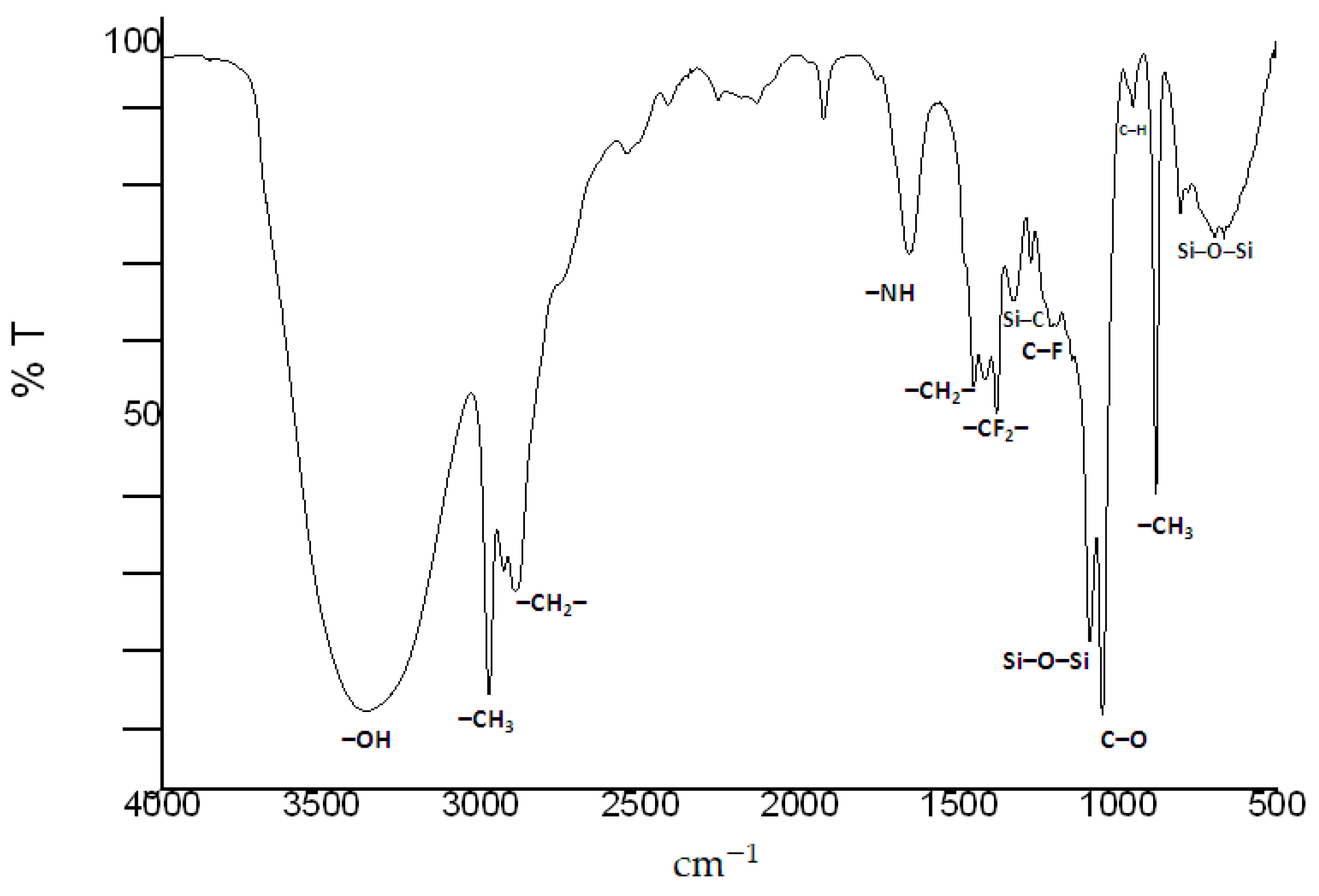
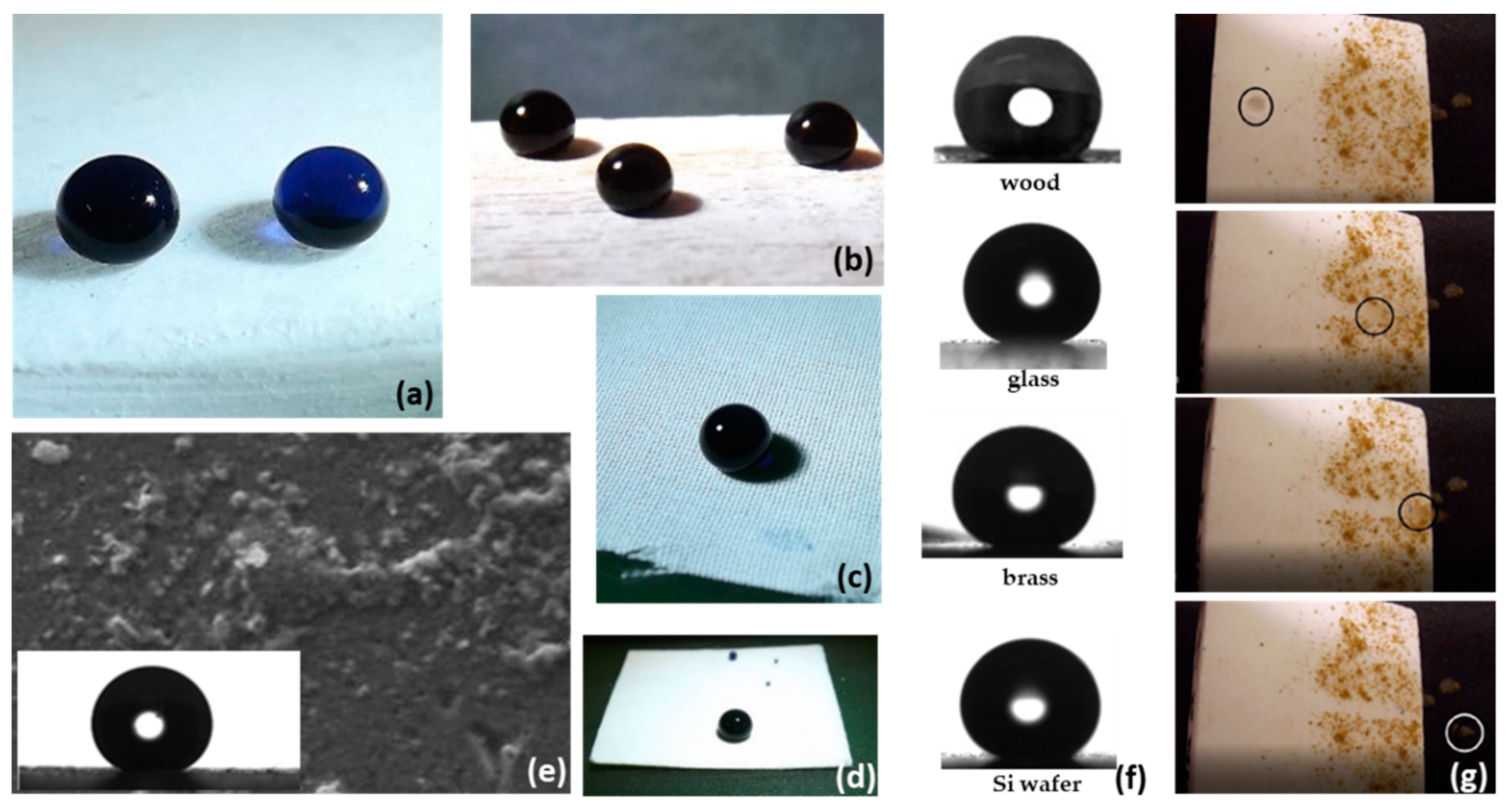
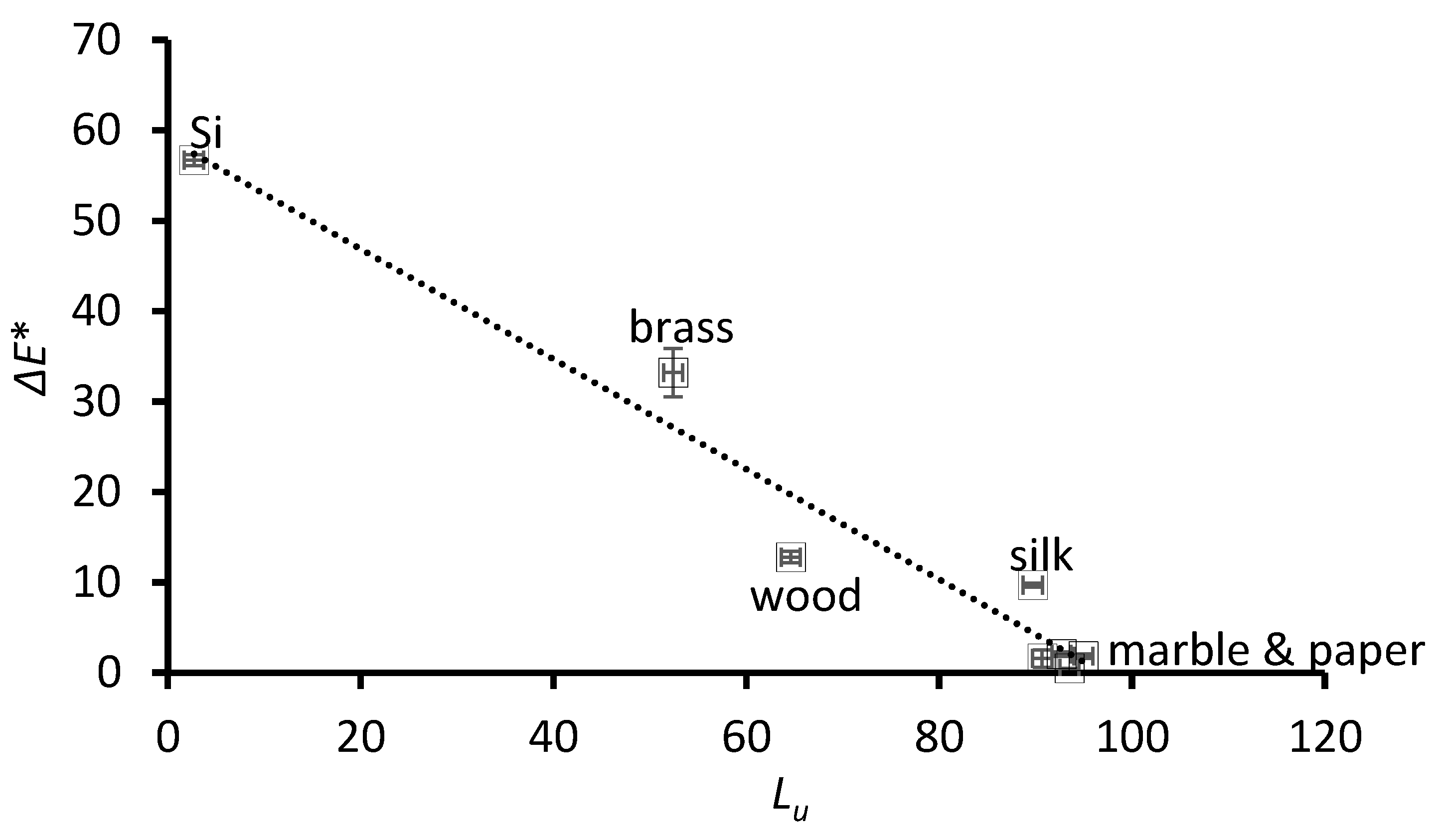
Tetraethyl orthosilicate (TEOS) is extensively used in the conservation of stone-built cultural heritage, which is often subjected to water-induced degradation processes. The goal of this study was to produce and study a TEOS-based material with the ability to repel liquid water. A sol solution of TEOS and 1H,1H,2H,2H-perfluorooctyl triethoxysilane (FAS) was prepared and deposited on marble. The static contact angles (CAs) of water drops on the coated marble surface were >170° and the sliding angles (SA) were <5°, suggesting that superhydrophobicity and water repellency were achieved on the surface of the synthesized TEOS-based coating. FTIR and SEM-EDS were employed to characterize the produced coating. The latter offered good protection against water penetration by capillarity, reducing the breathability of marble only by a small extent and with practically no effect on its aesthetic appearance. The durability of the coating was evaluated through various tests that provided very promising results. Finally, the versatility of the method was demonstrated as the TEOS-based coating was successfully deposited onto glass, brass, wood, silicon, paper and silk, which obtained extreme wetting properties.
Keywords: superhydrophobic; TEOS; silane; cultural heritage; marble; conservation superhydrophobic; TEOS; silane; cultural heritage; marble; conservation