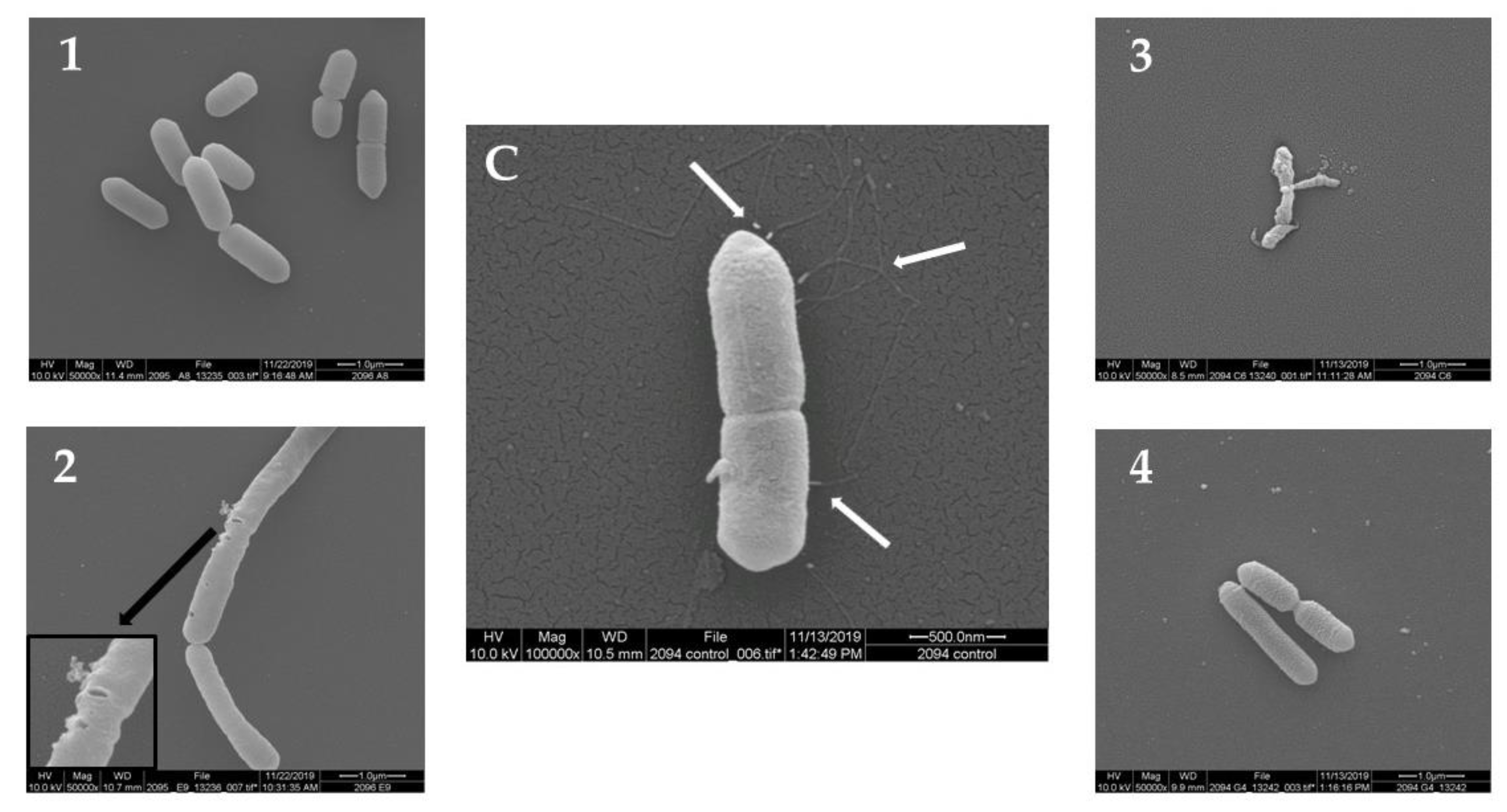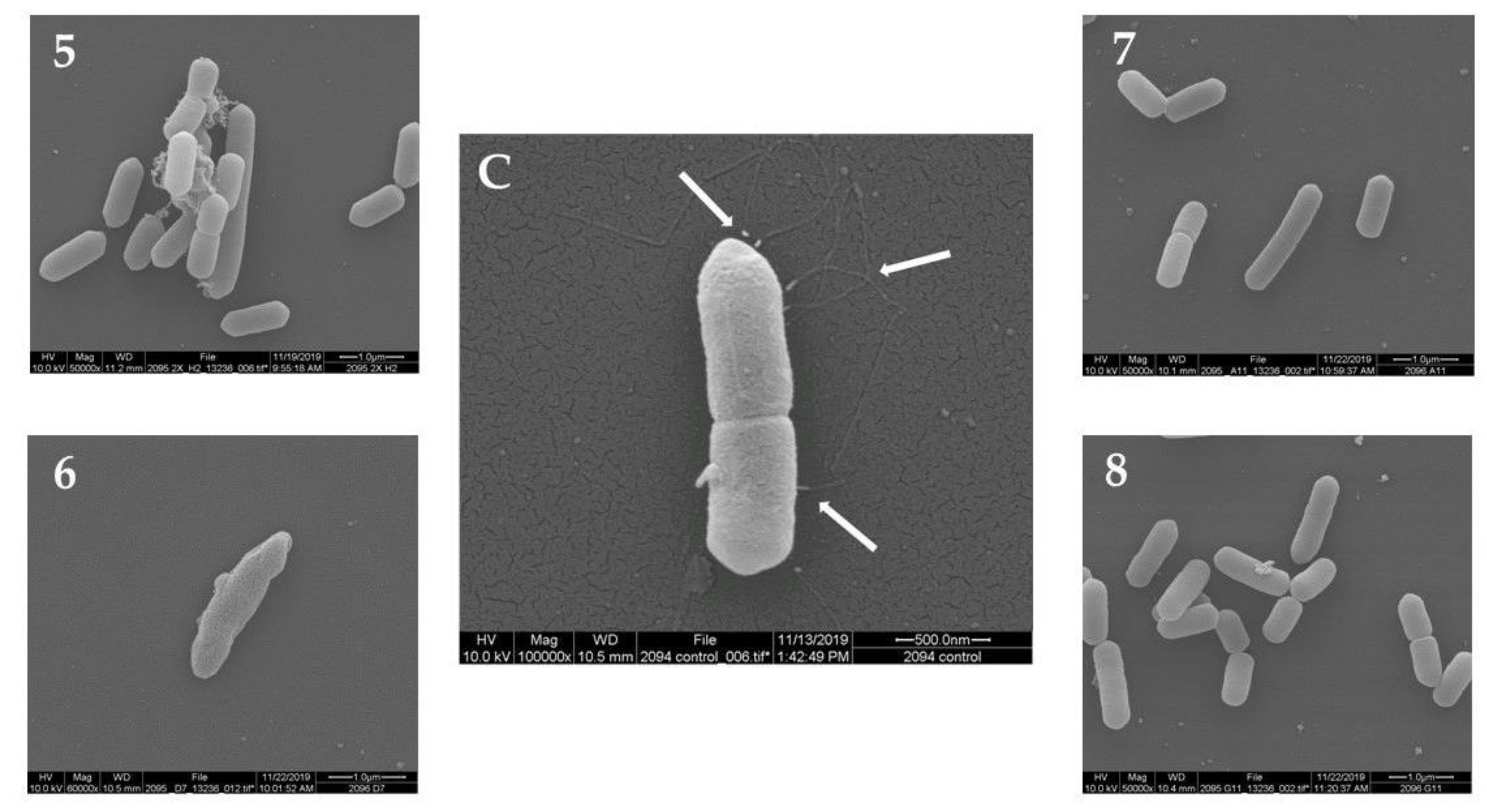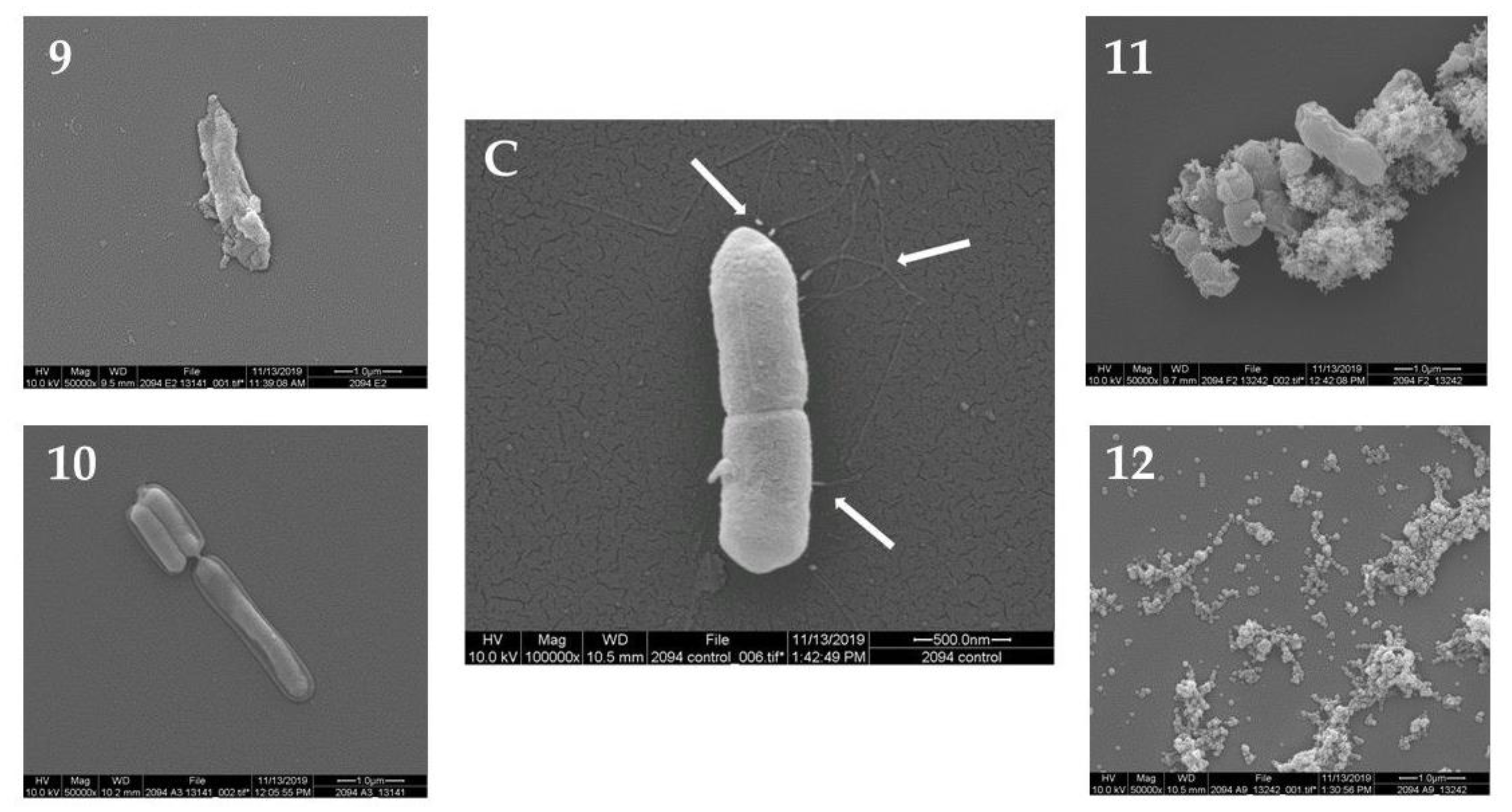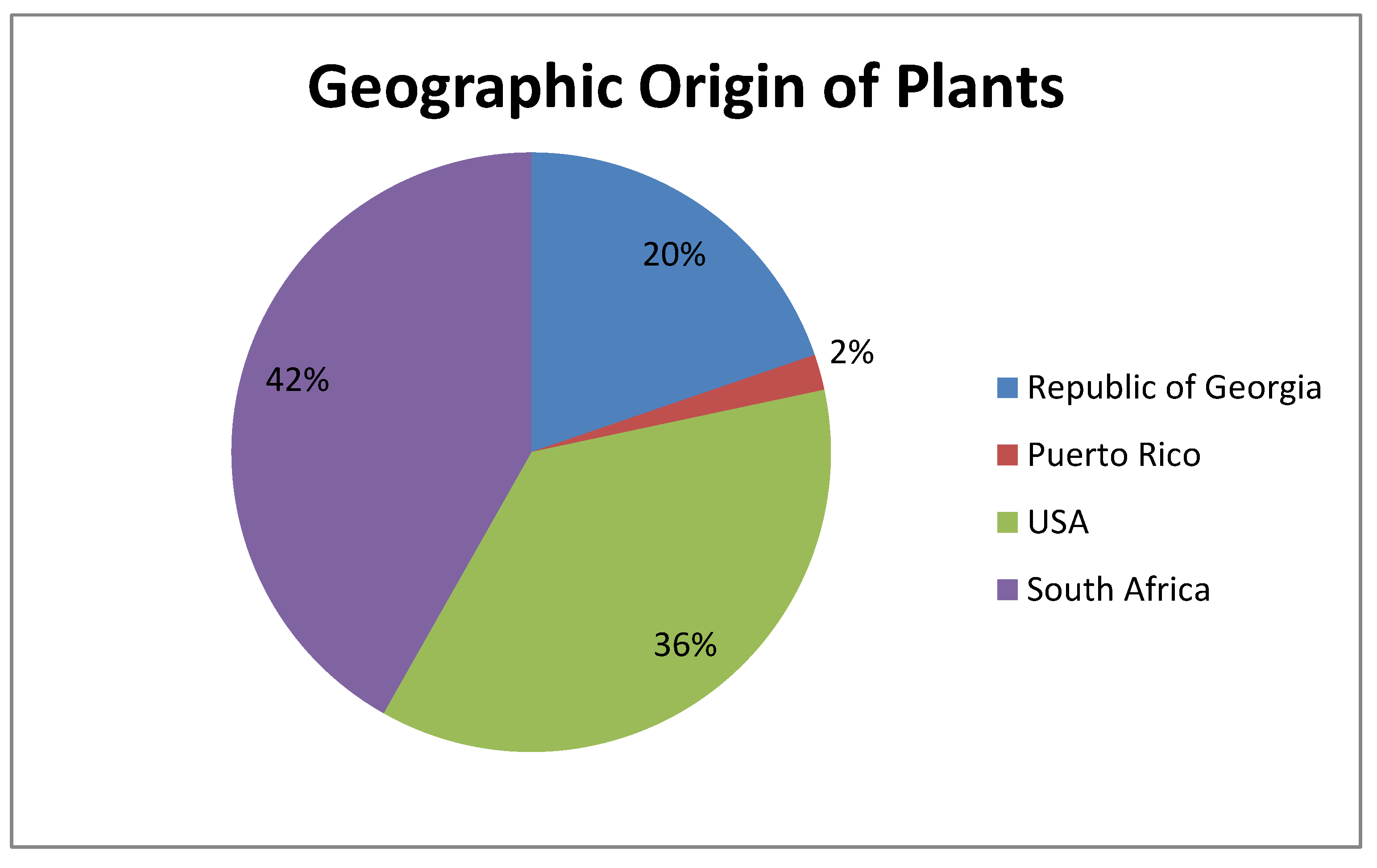
The Inhibitory Effect of Plant Extracts on Growth of the Foodborne Pathogen, Listeria monocytogenes





Abstract
Share and Cite
Ceruso, M.; Clement, J.A.; Todd, M.J.; Zhang, F.; Huang, Z.; Anastasio, A.; Pepe, T.; Liu, Y. The Inhibitory Effect of Plant Extracts on Growth of the Foodborne Pathogen, Listeria monocytogenes. Antibiotics 2020, 9, 319. https://doi.org/10.3390/antibiotics9060319
Ceruso M, Clement JA, Todd MJ, Zhang F, Huang Z, Anastasio A, Pepe T, Liu Y. The Inhibitory Effect of Plant Extracts on Growth of the Foodborne Pathogen, Listeria monocytogenes. Antibiotics. 2020; 9(6):319. https://doi.org/10.3390/antibiotics9060319
Chicago/Turabian StyleCeruso, Marina, Jason A. Clement, Matthew J. Todd, Fangyuan Zhang, Zuyi Huang, Aniello Anastasio, Tiziana Pepe, and Yanhong Liu. 2020. "The Inhibitory Effect of Plant Extracts on Growth of the Foodborne Pathogen, Listeria monocytogenes" Antibiotics 9, no. 6: 319. https://doi.org/10.3390/antibiotics9060319
APA StyleCeruso, M., Clement, J. A., Todd, M. J., Zhang, F., Huang, Z., Anastasio, A., Pepe, T., & Liu, Y. (2020). The Inhibitory Effect of Plant Extracts on Growth of the Foodborne Pathogen, Listeria monocytogenes. Antibiotics, 9(6), 319. https://doi.org/10.3390/antibiotics9060319