1. Introduction
Dental caries remains one of the most prevalent and persistent oral health problems worldwide, affecting both children and adults [
1]. It is a multifactorial disease arising from the complex interplay among acidogenic bacteria, dietary carbohydrates, and host-related factors [
2,
3,
4]. The microbial etiology of caries is now well established, with
Streptococcus mutans (
S. mutans) recognized as a principal causative agent in the initiation and progression of the disease [
5,
6]. According to the plaque hypothesis,
S. mutans acts as a key driver of tooth decay through several virulence mechanisms, notably its ability to form biofilms, produce acids, and survive in low-pH environments [
7,
8,
9].
The virulence of
S. mutans is mediated mainly by glucosyltransferases (Gtfs) that synthesize extracellular polysaccharides (EPS), enhancing adhesion and promoting biofilm maturation, and retaining acids within the matrix, thereby accelerating enamel demineralization [
10,
11]. Glucan-binding proteins reinforce bacterial aggregation, while mutacins inhibit commensal competitors, facilitating ecological dominance [
12,
13,
14]. These factors are regulated by the competence-stimulating peptide (CSP) via the ComDE two-component regulatory system [
15], which also influences genetic competence through the ComRS–ComX pathway [
16,
17,
18].
Adhesion is further mediated by the surface protein SpaP (P1), strongly associated with caries risk. Stress tolerance is supported by (p)ppGpp synthetases (
relA,
relP,
relQ), which enable bacterial survival under nutrient limitation and acidity via the ComRS–ComX pathway [
16,
17,
18]. Adhesion to the tooth surface also involves sucrose-independent mechanisms mediated by surface adhesins such as P1 (SpaP/AgI/II) [
19,
20,
21,
22,
23]. The
spaP gene has been strongly associated with caries risk, particularly in children [
24]. Furthermore,
S. mutans displays remarkable stress tolerance and survival ability under nutrient deprivation or acidic conditions, partly regulated by (p)ppGpp synthetases encoded by
relA,
relP, and
relQ genes [
25]. These enzymes mediate the stringent response, which enables bacterial persistence under unfavorable conditions.
Despite significant advances in understanding
S. mutans virulence, current caries prevention strategies still rely heavily on conventional antimicrobials, including chlorhexidine and fluoride [
26]. However, these approaches face several limitations: the rise in antimicrobial resistance, limited discovery of new antibiotic classes, and ecological disruption of the oral microbiota [
27]. Chlorhexidine, although widely used, may induce resistance in
S. mutans and alter microbial balance [
28], while excessive fluoride exposure poses health risks [
29,
30]. Consequently, there is an urgent need for safer, more sustainable alternatives that effectively inhibit cariogenic bacteria without compromising oral ecology.
Natural products have gained growing attention as promising antimicrobial agents [
31,
32,
33]. The World Health Organization has recognized the importance of phytotherapy in primary healthcare, advocating research into plant-derived compounds with therapeutic potential [
34,
35]. Among these, phenolics, a diverse group of plant secondary metabolites [
34], exhibit potent antioxidant, anti-inflammatory, and antimicrobial properties [
36,
37,
38,
39]. Green tea (
Camellia sinensis) and pomegranate (
Punica granatum) are particularly rich in phenolic compounds, including catechins, tannins, ellagic acid, and anthocyanins, which have demonstrated antibacterial activity against oral pathogens [
40]. Green tea catechins, especially epigallocatechin-3-gallate (EGCG) and epicatechin-3-gallate (ECG), are known to disrupt bacterial cell membranes [
41] and inhibit glucosyltransferase activity, while pomegranate extracts reduce bacterial adhesion and modulate inflammatory responses in oral tissues [
42,
43].
Based on these complementary bioactivities, we developed Viroelixir, a novel formulation combining green tea and pomegranate extracts, designed to enhance antimicrobial efficacy while maintaining biocompatibility. The present study aimed to evaluate the antibacterial, anti-biofilm, and anti-virulence effects of Viroelixir against S. mutans, with a particular focus on its potential as a natural cavity disinfectant and preventive agent in restorative dentistry.
2. Results
2.1. Phytochemical Characterization of Viroelixir by LC–MS Analysis
The phytochemical composition of
Viroelixir was determined using liquid chromatography–mass spectrometry (LC–MS) to identify its major bioactive constituents and confirm its phenolic profile [
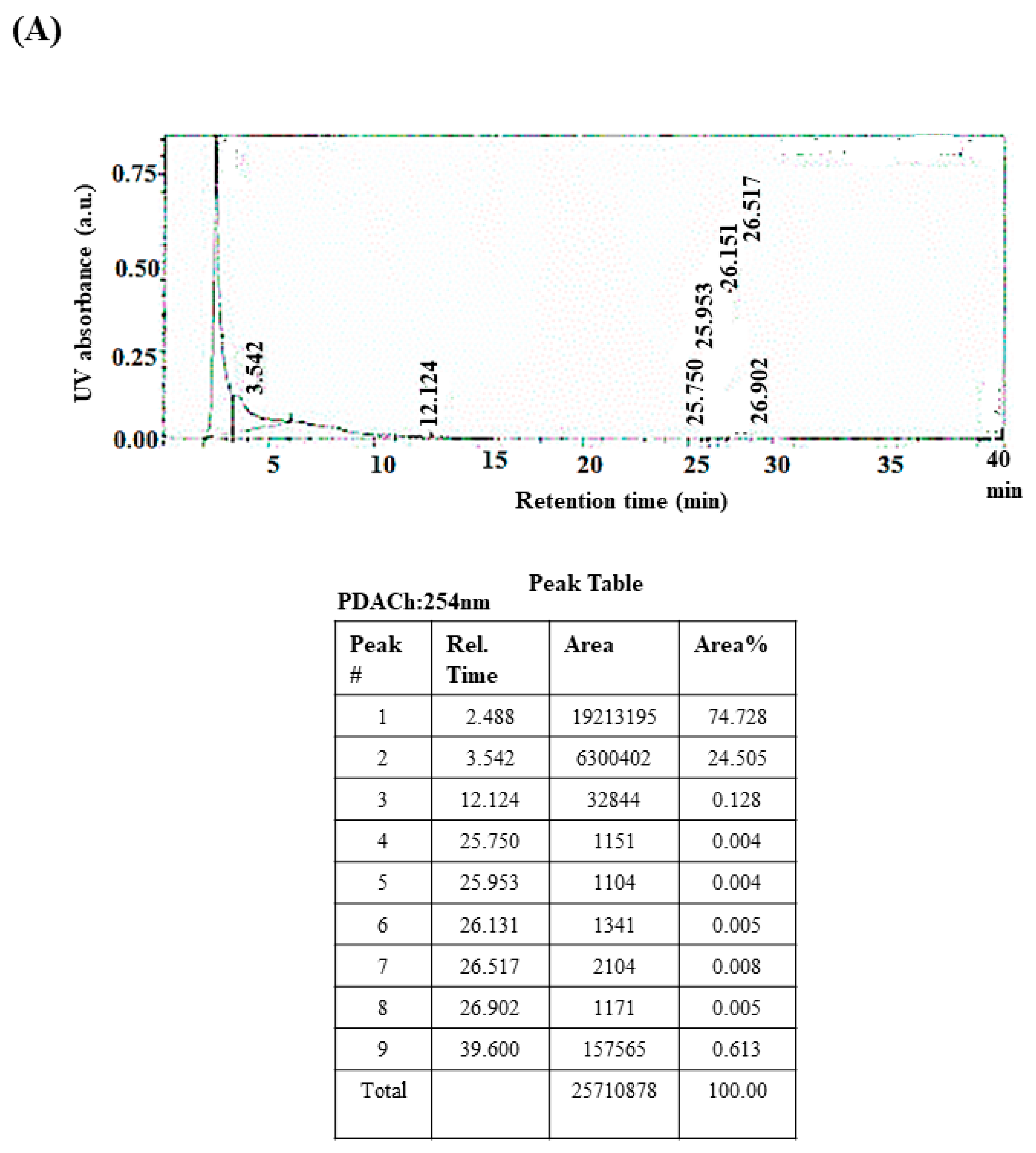
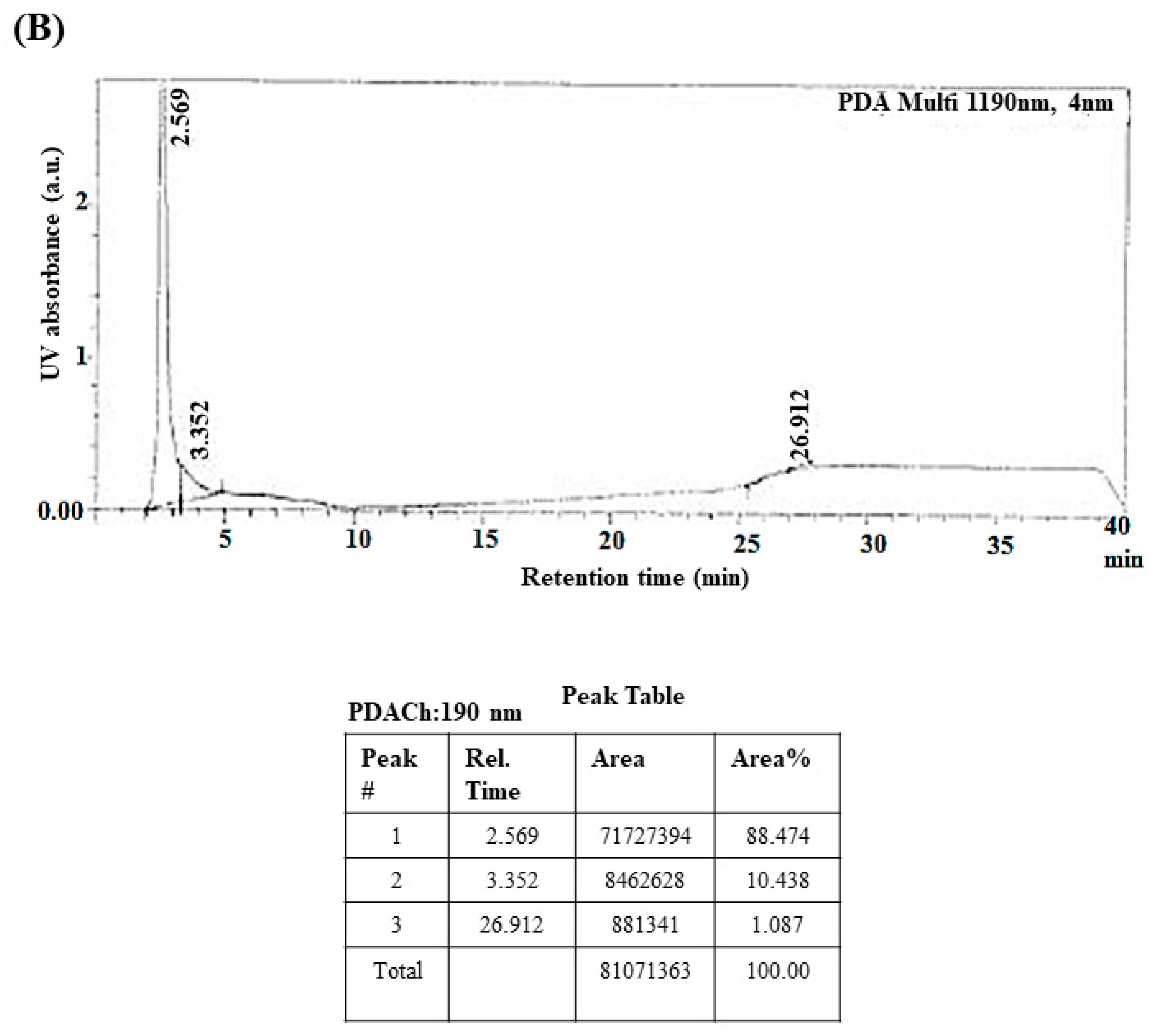
44]. The UV chromatograms recorded at 254 nm and 190 nm revealed two dominant peaks eluting at approximately 2.5 min and 3.5 min, respectively (
Figure 1A,B), indicating the predominance of two major phytochemical families. These peaks accounted for most of the chromatographic signal intensity, consistent with the presence of abundant phenolic compounds derived from green tea and pomegranate.
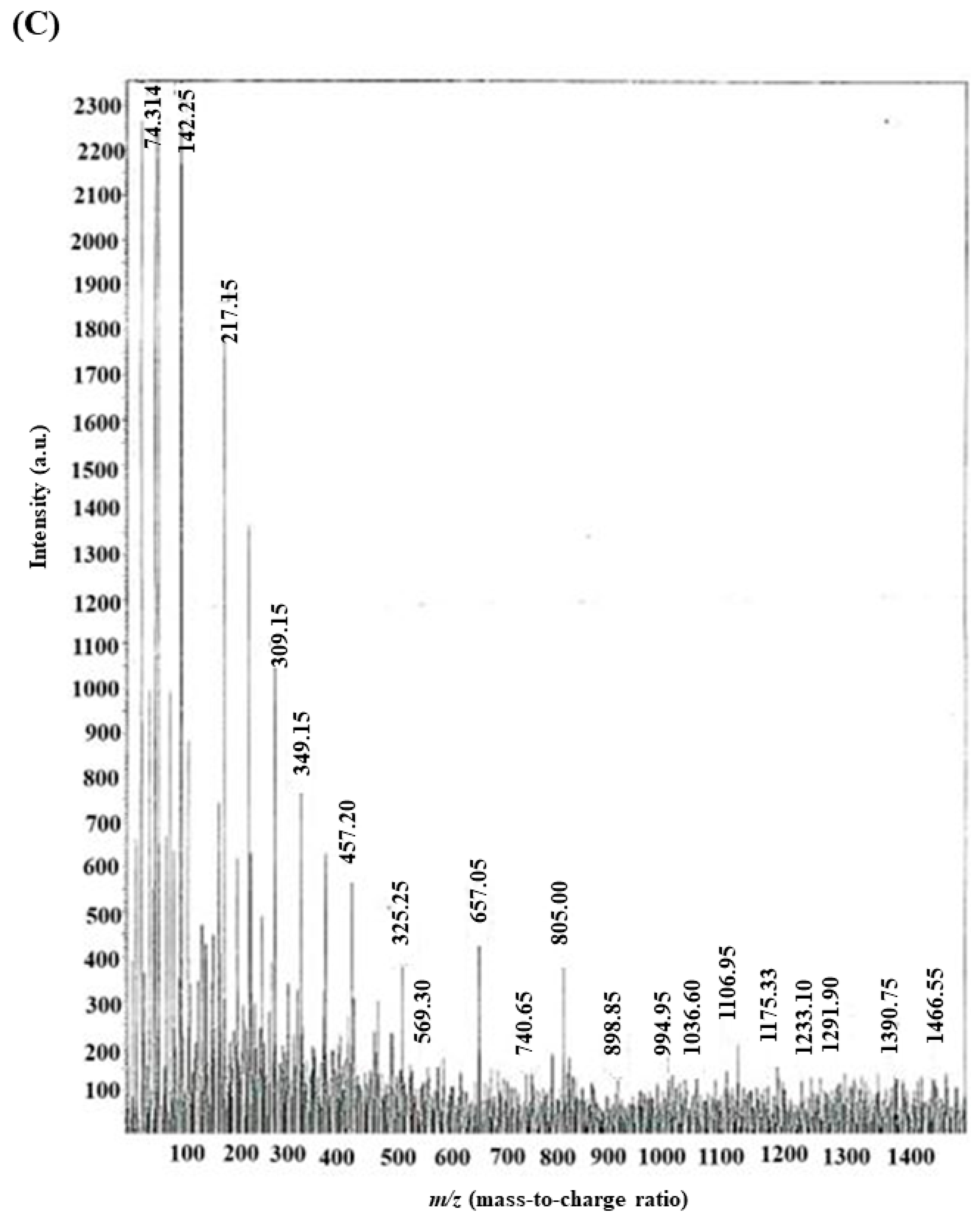
Mass spectrometry analysis revealed a broad molecular mass distribution ranging from
m/
z 74 to 1400 (
Figure 1C), characteristic of structurally diverse phenolic compounds. Based on the observed mass range and the known phytochemical composition of green tea (
Camellia sinensis) and pomegranate (
Punica granatum), several major bioactive compounds were tentatively identified.
Compounds with molecular masses between m/z 290 and 460 are consistent with catechins originating from green tea, including catechin (m/z 290), epicatechin (m/z 290), epigallocatechin (m/z 306), epicatechin gallate (m/z 442), and epigallocatechin gallate (m/z 458), which represent the dominant antimicrobial constituents of green tea extracts. These compounds typically elute at early retention times due to their polar nature and likely correspond to the peak observed at approximately 2.5 min.
Higher molecular weight compounds detected between m/z ~600 and 1100 were consistent with hydrolysable ellagitannins such as punicalagin and punicalin. In contrast, lower molecular weight compounds, including gallic acid (m/z 170) and ellagic acid (m/z 302), were correctly classified as phenolic acids. Compound identification was considered tentative and based on mass spectral range, chromatographic behavior, and comparison with literature data. Definitive compound confirmation will require targeted MS/MS fragmentation and comparison with authentic standards. UV peak-area normalization provides qualitative and semi-quantitative information but does not reflect absolute compound abundance due to class-dependent molar absorptivity differences. Importantly, these compounds were further suggested through molecular docking analysis, where the major phenolics identified in Viroelixir—including punicalagin, punicalin, catechin, epigallocatechin, ellagic acid, and caffeic acid—were selected and structurally characterized. These identified compounds were subsequently used for in silico docking against key Streptococcus mutans virulence proteins, including glucosyltransferase B (GtfB), the quorum-sensing enzyme LuxS, and the adhesion protein SpaP.
Docking compounds were selected based on LC-MS profile consistency and literature-reported major polyphenols in green tea and pomegranate extracts. These analyses provide mechanistic hypotheses rather than definitive proof of direct molecular interaction. These docking results suggested potential interactions directly with virulence-associated proteins. This integrative approach combining LC–MS identification and molecular docking suggest a molecular basis that the phytochemical constituents of Viroelixir are responsible for its anti-virulence activity.
Collectively, the LC–MS analysis, supported by docking-based compound identification, confirms that Viroelixir contains a complex mixture of bioactive phenolics derived from green tea and pomegranate, predominantly including:
Catechins (catechin, epicatechin, epigallocatechin, epigallocatechin gallate)
Ellagitannins (punicalin)
Phenolic acids (ellagic acid, gallic acid, caffeic acid)
Flavonoid derivatives
These compounds are well known for their antibacterial, anti-biofilm, and anti-virulence activities and provide a molecular basis for the inhibitory effects of Viroelixir observed in subsequent biological and molecular experiments.
The association between chromatographic peaks and detected m/z signals was established by combining retention time behavior, accurate mass measurements, and comparison with previously reported phytochemical profiles of green tea and pomegranate extracts. Early-eluting peaks observed at approximately 2.5–3.5 min correspond to relatively polar phenolic compounds, particularly catechins and related flavonoids, which are known to elute rapidly under reversed-phase conditions. Lower m/z signals (≈290–460) are therefore consistent with catechin-type flavonoids, whereas higher m/z values detected in the spectra correspond to larger ellagitannin derivatives typically found in pomegranate extracts. Because MS/MS fragmentation and authentic standards were not used, these assignments should be considered tentative.
2.2. Antibacterial Activity of Viroelixir Against S. mutans
The antibacterial activity of Viroelixir against S. mutans was assessed using complementary assays evaluating growth kinetics, bacterial viability, and biomass formation.
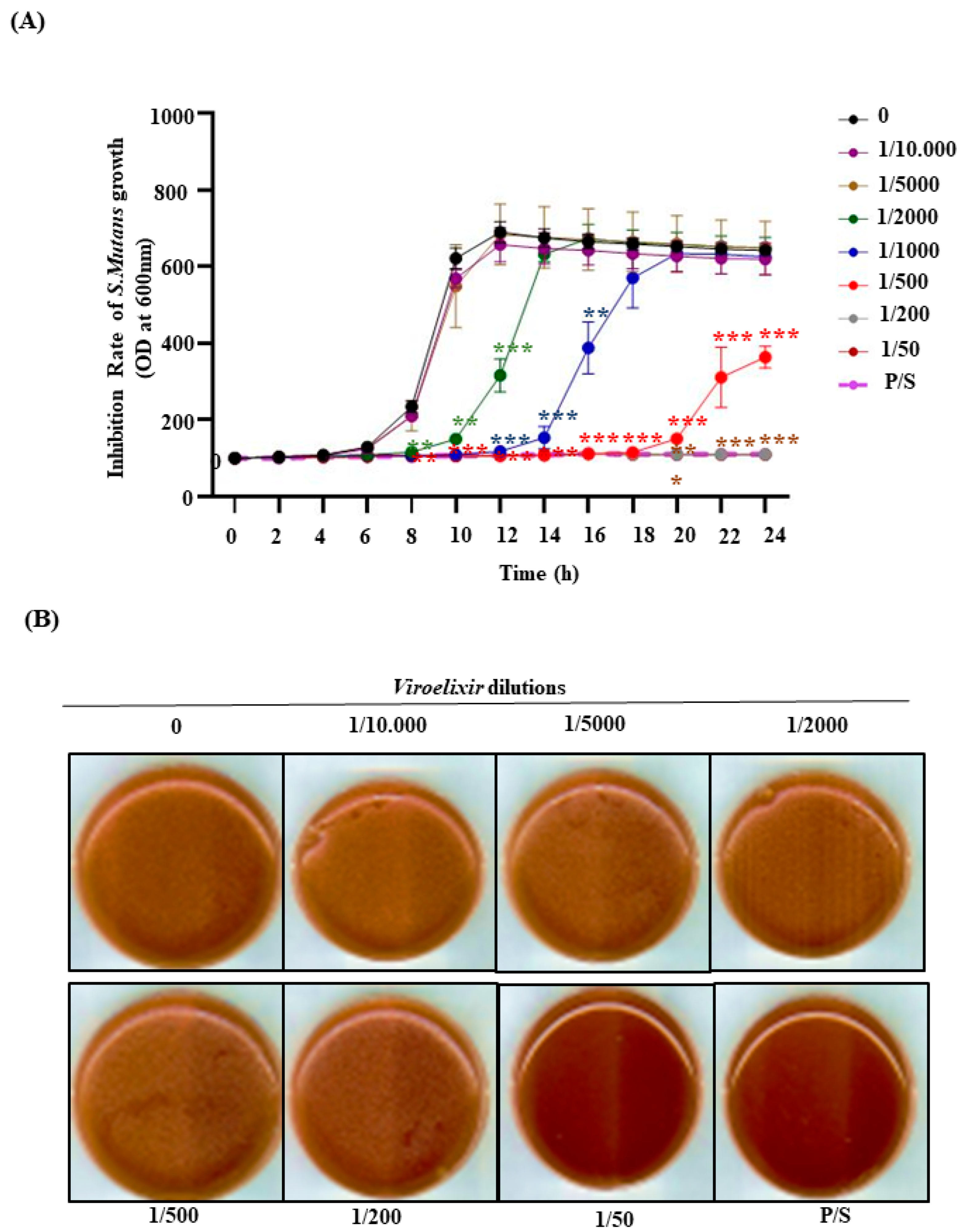
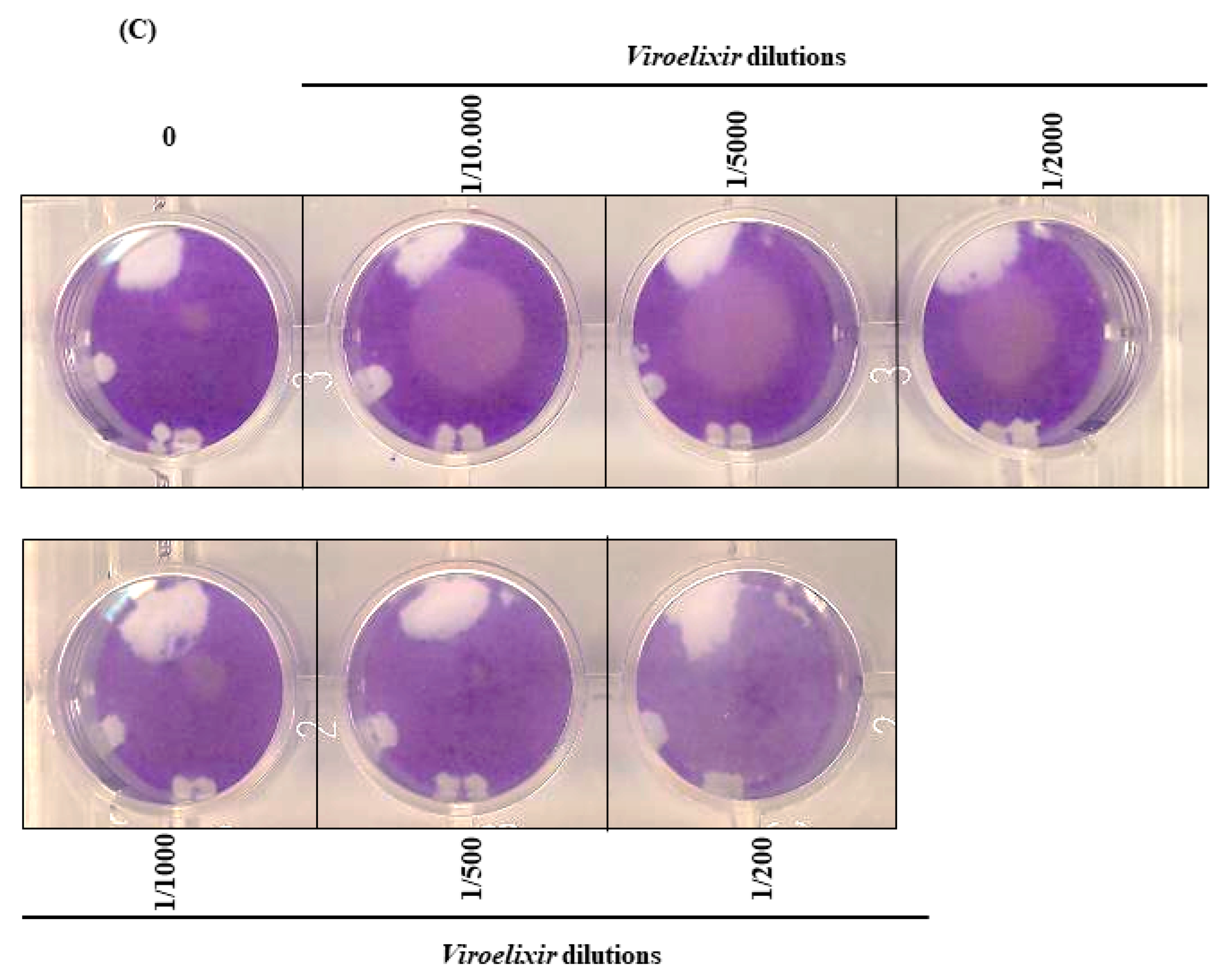
Viroelixir markedly inhibited
S. mutans growth in a concentration- and time-dependent manner (
Figure 2A). Complete growth suppression was observed at the 1/50 dilution, defining the minimum inhibitory concentration (MIC). At intermediate dilutions (1/200 and 1/500),
Viroelixir induced a pronounced bacteriostatic effect during the early incubation phase, whereas sustained inhibition without regrowth was only achieved at the highest concentration.
To confirm whether growth inhibition reflected bactericidal activity, treated bacterial suspensions were plated on BHI agar. No colony formation was detected at the 1/50 dilution (
Figure 2B), indicating that this concentration also corresponds to the minimum bactericidal concentration (MBC), while partial colony recovery was observed at higher dilutions.
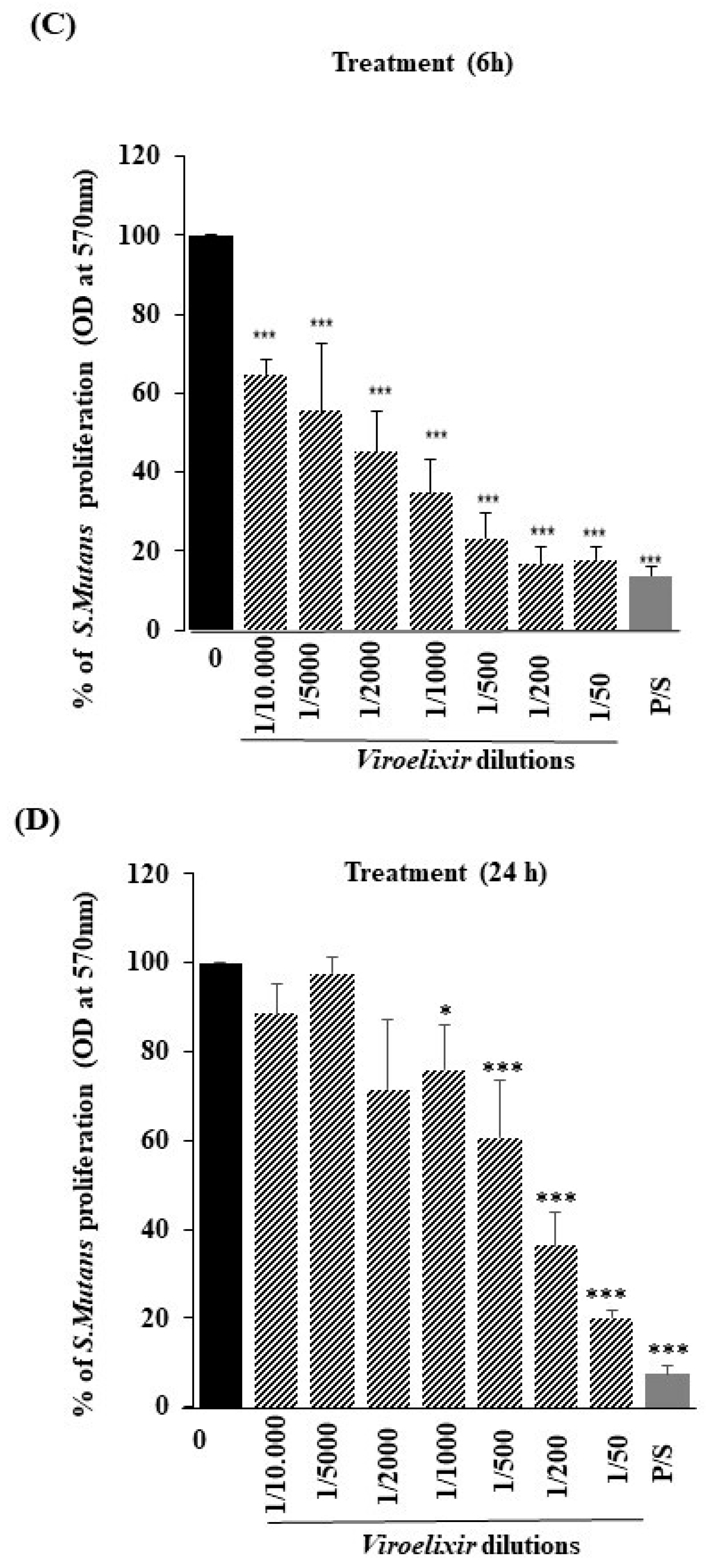
Consistent with these findings, crystal violet staining revealed a significant reduction in bacterial biomass following
Viroelixir treatment (
Figure 2C,D). After 6 h, biomass was reduced by approximately 70% at 1/500 and by nearly 80% at 1/200 and 1/50. After 24 h, inhibition remained pronounced, exceeding 80% at the MIC/MBC concentration and remaining significant at intermediate dilutions.
Taken together, these results demonstrate that Viroelixir exerts potent antibacterial activity against S. mutans, with concordant inhibitory and bactericidal effects suggested across independent experimental approaches.
2.3. Inhibition of Acidogenicity in S. mutans
The ability of
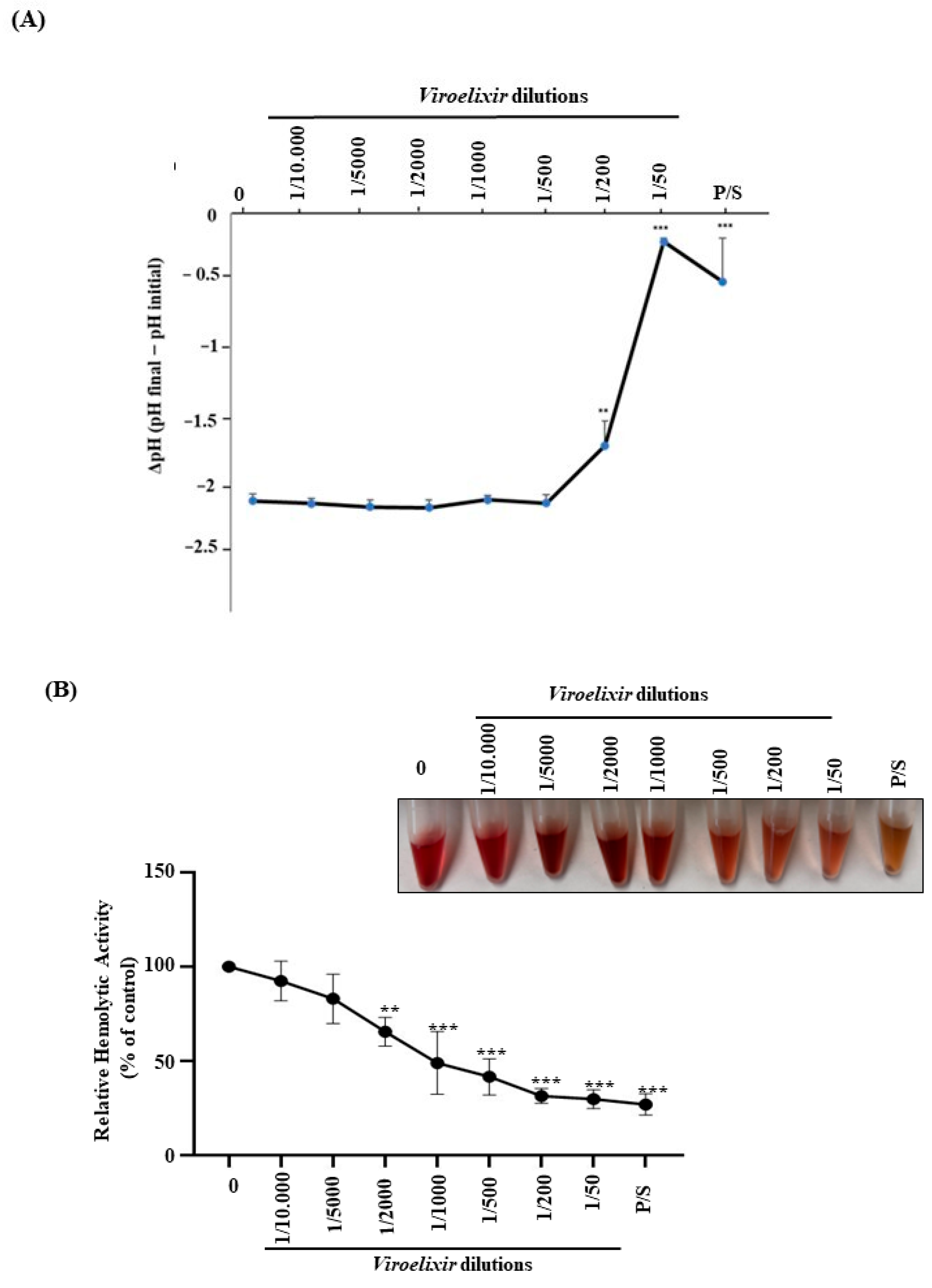
S. mutans to produce acid is a key virulence trait contributing to enamel demineralization. As shown in
Figure 3A, untreated
S. mutans cultures exhibited marked acidification (ΔpH ≈ −2.09), indicative of active lactic acid production.
Viroelixir treatment reduced acid production in a concentration-dependent manner. At high dilutions (1/10,000 to 1/500), ΔpH values remained close to those of the untreated control (≈−2.1), while a moderate inhibition was observed at 1/200 (ΔpH = −1.69). At the highest concentration (1/50), acid production was almost completely inhibited (ΔpH = −0.21), comparable to the positive control (ΔpH = −0.49). These findings indicate that
Viroelixir effectively suppresses
S. mutans’s acidogenic potential, thereby reducing its cariogenic capacity.
As shown in
Figure 3B, the hemolytic activity of
S. mutans was strongly affected by increased dilution of
Viroelixir. Untreated
S. mutans exhibited high hemolytic activity, set as 100% relative activity. Exposure to highly diluted
Viroelixir (1/10,000 and 1/5000) produced only slight changes, indicating that low concentrations do not markedly alter hemolysin-related mechanisms. However, beginning at 1/2000, hemolytic activity significantly decreased and continued to drop with increasing
Viroelixir concentration. At 1/1000 and 1/500, hemolytic activity was reduced by approximately 40–50%, with statistically significant differences compared with the untreated control. The strongest inhibition was observed at the highest concentrations (1/200 and 1/50), where hemolytic activity fell to around 20% of the control, reaching levels comparable to the positive control (P/S). These findings demonstrate that
Viroelixir markedly suppresses the hemolytic potential of
S. mutans, indicating an inhibitory effect on extracellular virulence factors involved in host cell damage and cytotoxicity.
2.4. Inhibition of Biofilm Formation
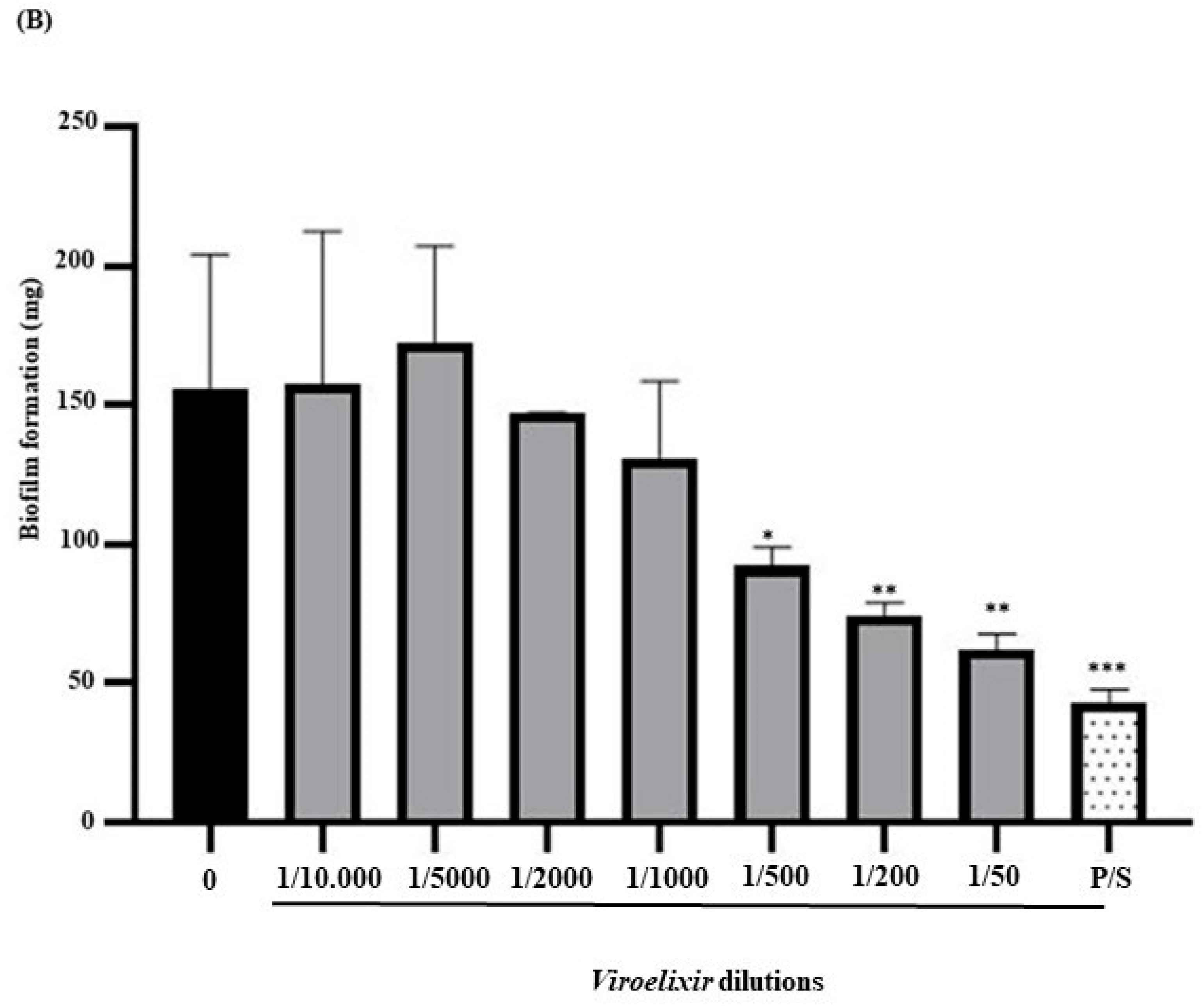
Biofilm biomass quantification and morphological analyses were used to evaluate the anti-biofilm activity of
Viroelixir. Quantitative measurements (
Figure 4B) revealed a significant dose-dependent reduction in biofilm formation. Compared with untreated controls, biofilm mass decreased by approximately 50% at the 1/200 dilution (
p < 0.05) and by ≈63% at the 1/50 dilution (
p < 0.005), values comparable to those of the antibiotic control.
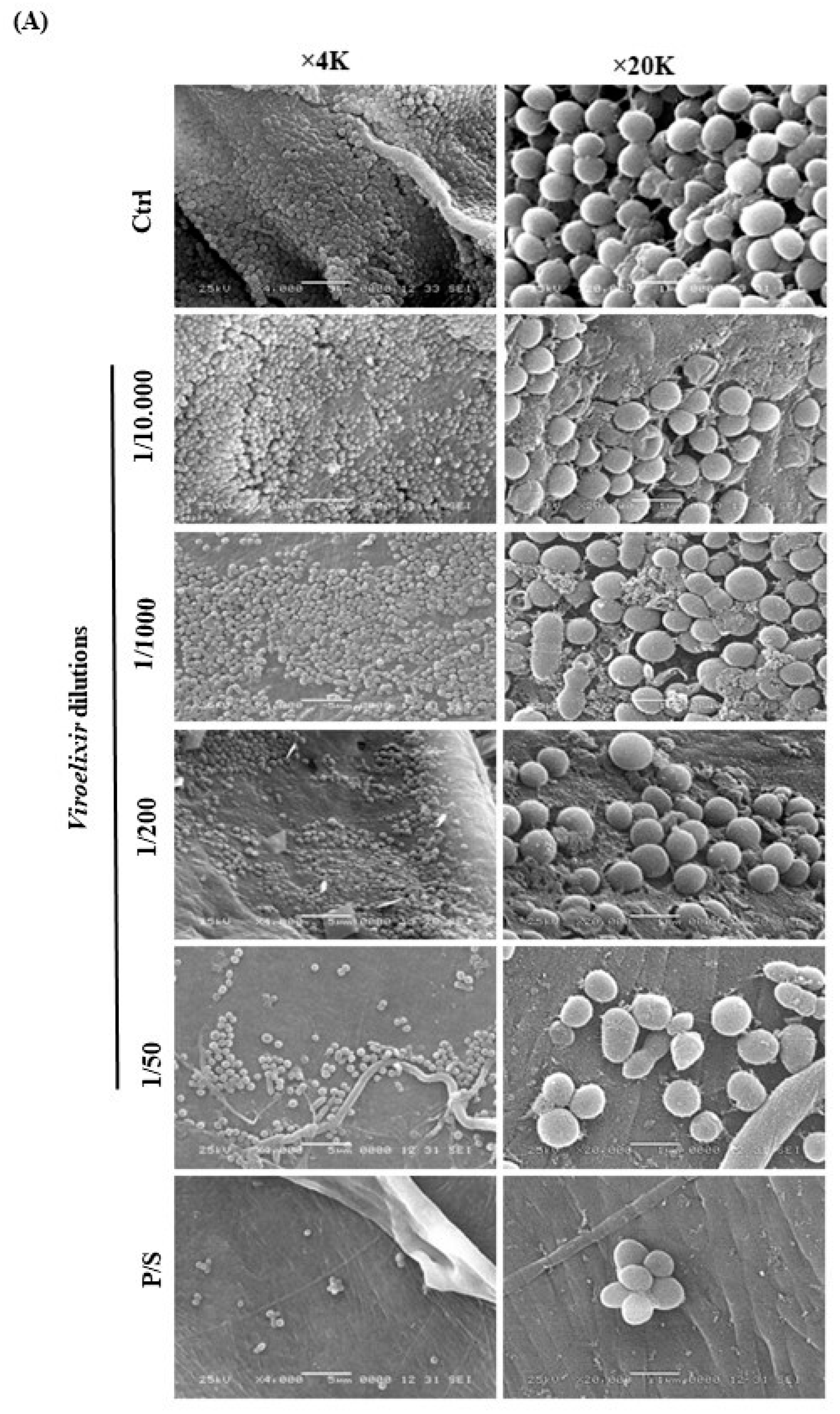
SEM observations (
Figure 4A) suggested these findings. Untreated biofilms displayed dense, multilayered structures of coccoid cells embedded in a thick extracellular polymeric substance (EPS) matrix.
Viroelixir treatment progressively disrupted this architecture: at 1/1000, clusters appeared less compact with reduced EPS; at 1/200, surface coverage decreased substantially; and at 1/50, only a few scattered or lysed cells remained, with minimal EPS. These data demonstrate that
Viroelixir strongly interferes with bacterial adhesion and EPS synthesis, thereby preventing mature biofilm development.
2.5. Downregulation of S.mutans Virulence Gene Expression
To investigate the molecular basis of
Viroelixir’s anti-virulence effects, the expression of ten major
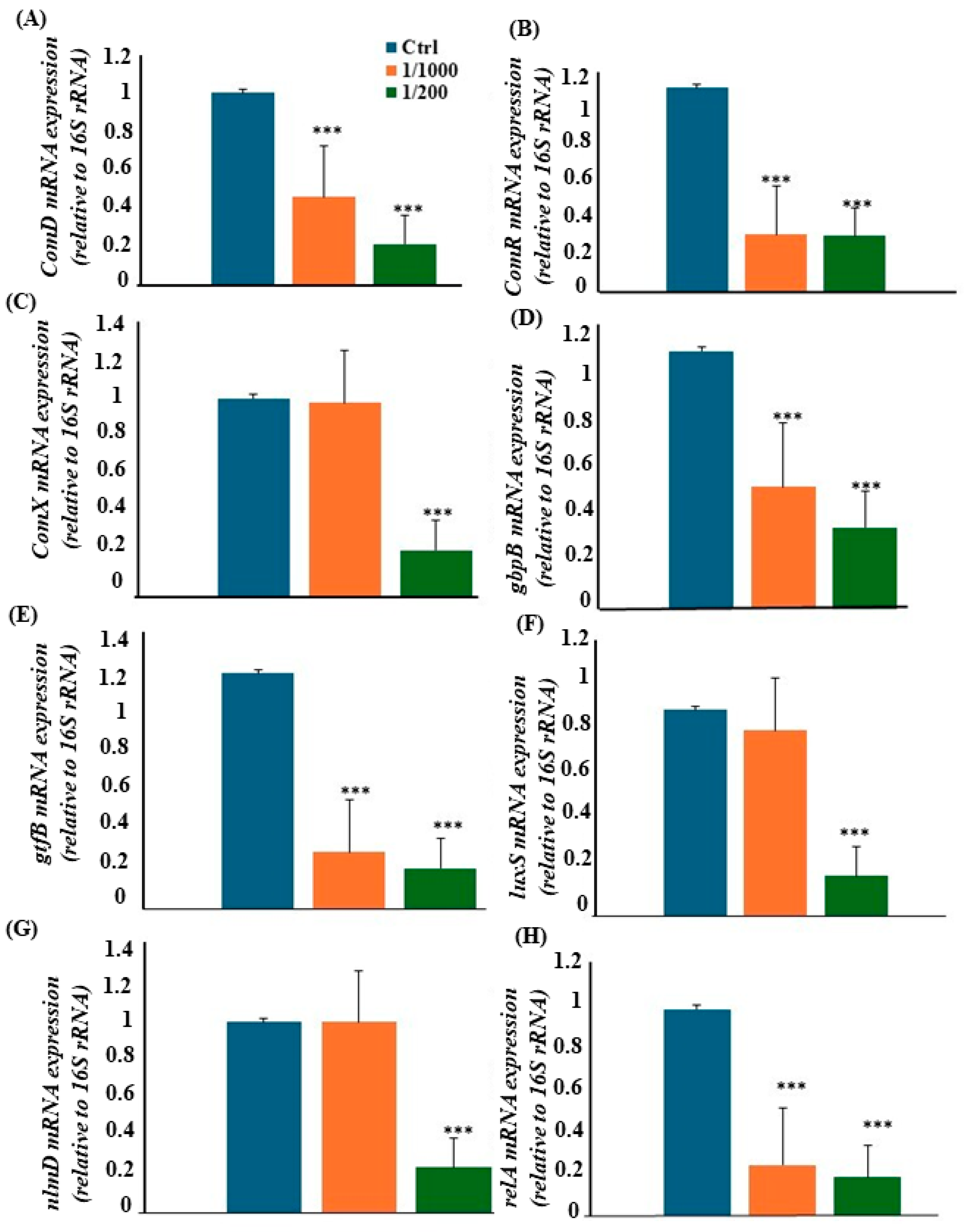
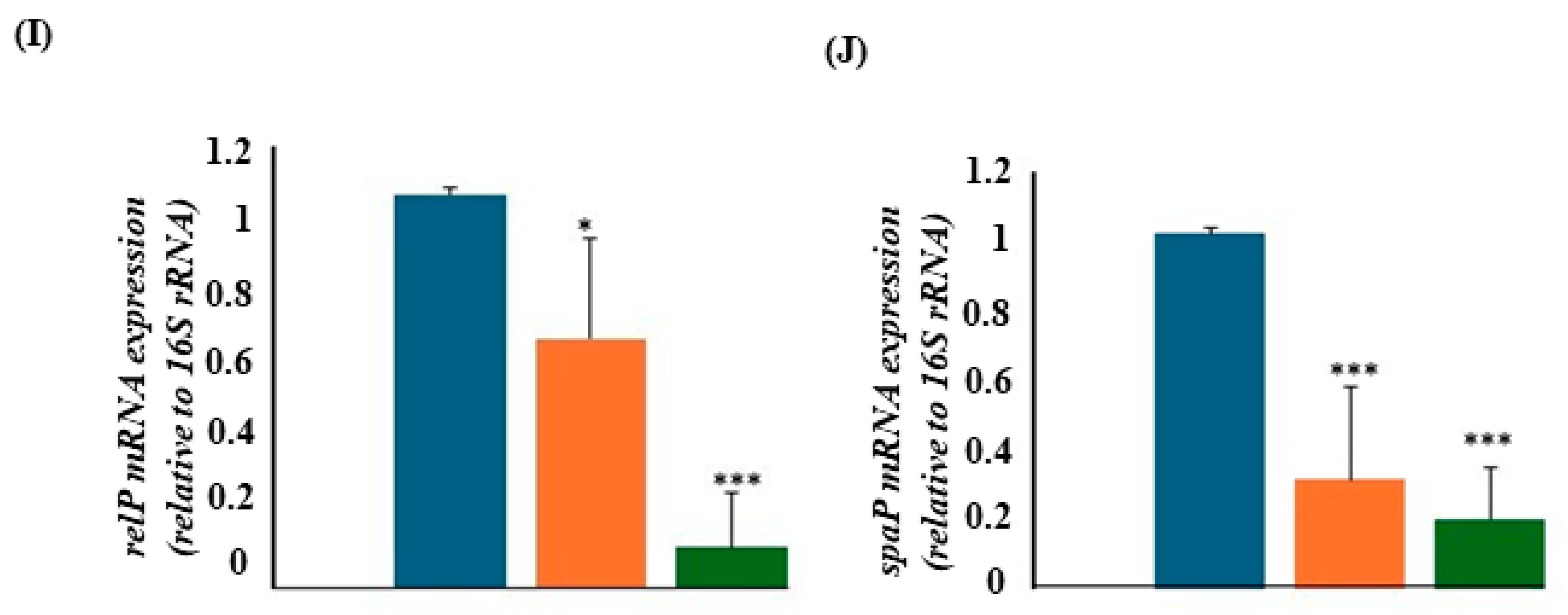
S. mutans genes associated with quorum sensing, adhesion, biofilm formation, and stress tolerance was analysed by RT-qPCR. As shown in
Figure 5, all tested genes were significantly downregulated in
S. mutans treated with
Viroelixir (1/200 dilution) compared with untreated controls (
p < 0.001).
Genes encoding quorum-sensing regulators (comR, comD, comX) were suppressed by approximately fivefold, indicating inhibition of the ComRS–ComDE signalling cascades. Similarly, gbpB (glucan-binding protein) and gtfB (glucosyltransferase) showed 2–5-fold reductions, consistent with impaired EPS synthesis and biofilm formation. The quorum-sensing genes luxS and nlmD were also significantly downregulated at 1/200, while stress-response genes (relA, relP) and the adhesin gene spaP showed ≈fivefold decreases. Collectively, these results demonstrate that Viroelixir markedly suppresses multiple virulence pathways, thereby weakening S. mutans’s overall pathogenic potential.
2.6. Molecular Docking Reveals Direct Targeting of Key Virulence Proteins
To elucidate the molecular basis of
Viroelixir’s anti-virulence activity, in silico docking analyses were performed between major phenolic constituents and three critical
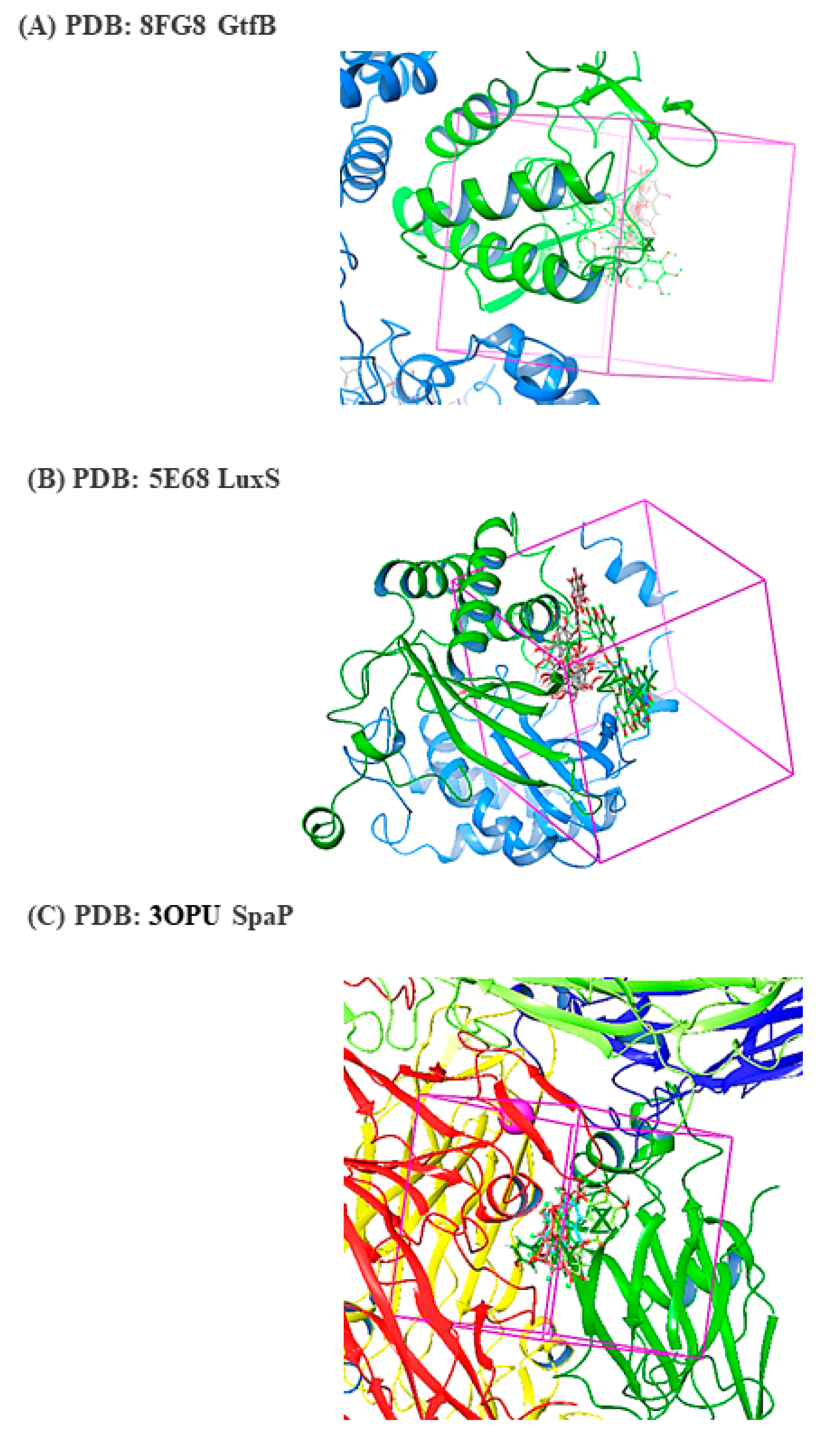
S. mutans virulence-associated proteins: glucosyltransferase B (GtfB), the LuxS quorum-sensing enzyme, and the surface adhesin SpaP. Docking simulations revealed stable and energetically favorable binding of multiple
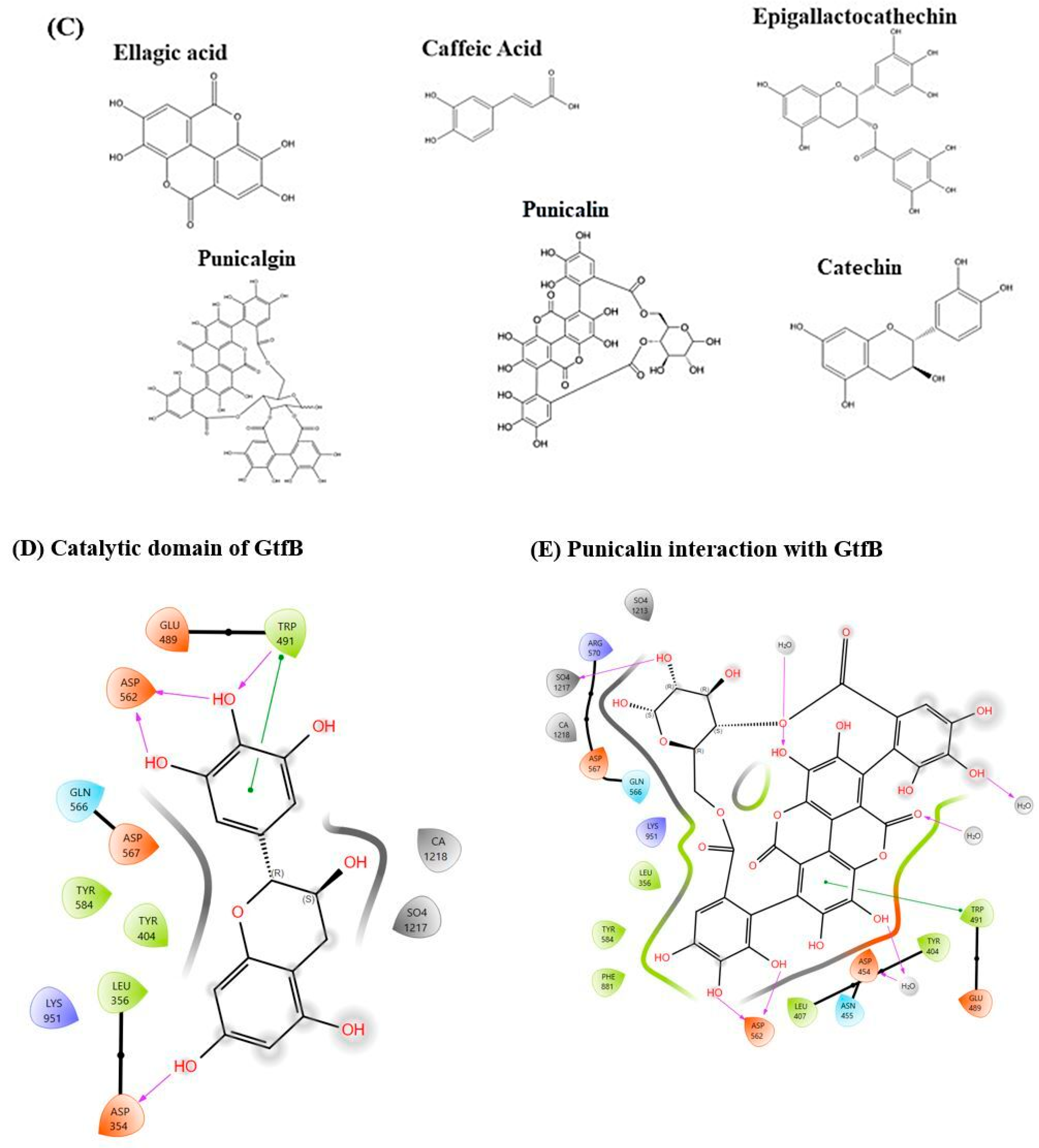
Viroelixir phenolics within the catalytic or functional domains of all three targets (
Figure 6). Among them, punicalagin, catechin, epigallocatechin, ellagic acid, and caffeic acid consistently displayed the highest docking scores (
Figure 7B,
Figure 8B and
Figure 9B).
For GtfB, several compounds occupied the catalytic pocket and interacted with conserved acidic residues (Asp354, Asp562, Asp567) and aromatic residues such as Trp491, which are essential for glucosyltransferase activity. These interactions were stabilized by extensive hydrogen-bonding networks and π–π stacking, suggesting steric and electrostatic interference with substrate binding and EPS synthesis.
Docking against LuxS revealed that most phenolics bound within the active site region involved in AI-2 synthesis, forming hydrogen bonds with key catalytic residues (Asp77, His58, Glu122) and hydrophobic interactions with surrounding residues. These binding modes are consistent with potential inhibition of quorum-sensing signaling pathways.
Similarly, docking to the C-terminal domain of SpaP demonstrated stable ligand accommodation along the adhesion interface, mediated by hydrogen bonding with Glu1375 and Asp1448 and supportive hydrophobic contacts. These interactions suggest a direct impairment of SpaP-mediated bacterial adhesion.
Docking analyses suggest potential molecular interactions between selected Viroelixir phenolic compounds and key virulence-associated proteins. These findings provide predictive insight rather than definitive mechanistic proof and require further experimental validation through enzyme inhibition assays and binding studies.
2.6.1. Interaction of Viroelixir Components with GtfB
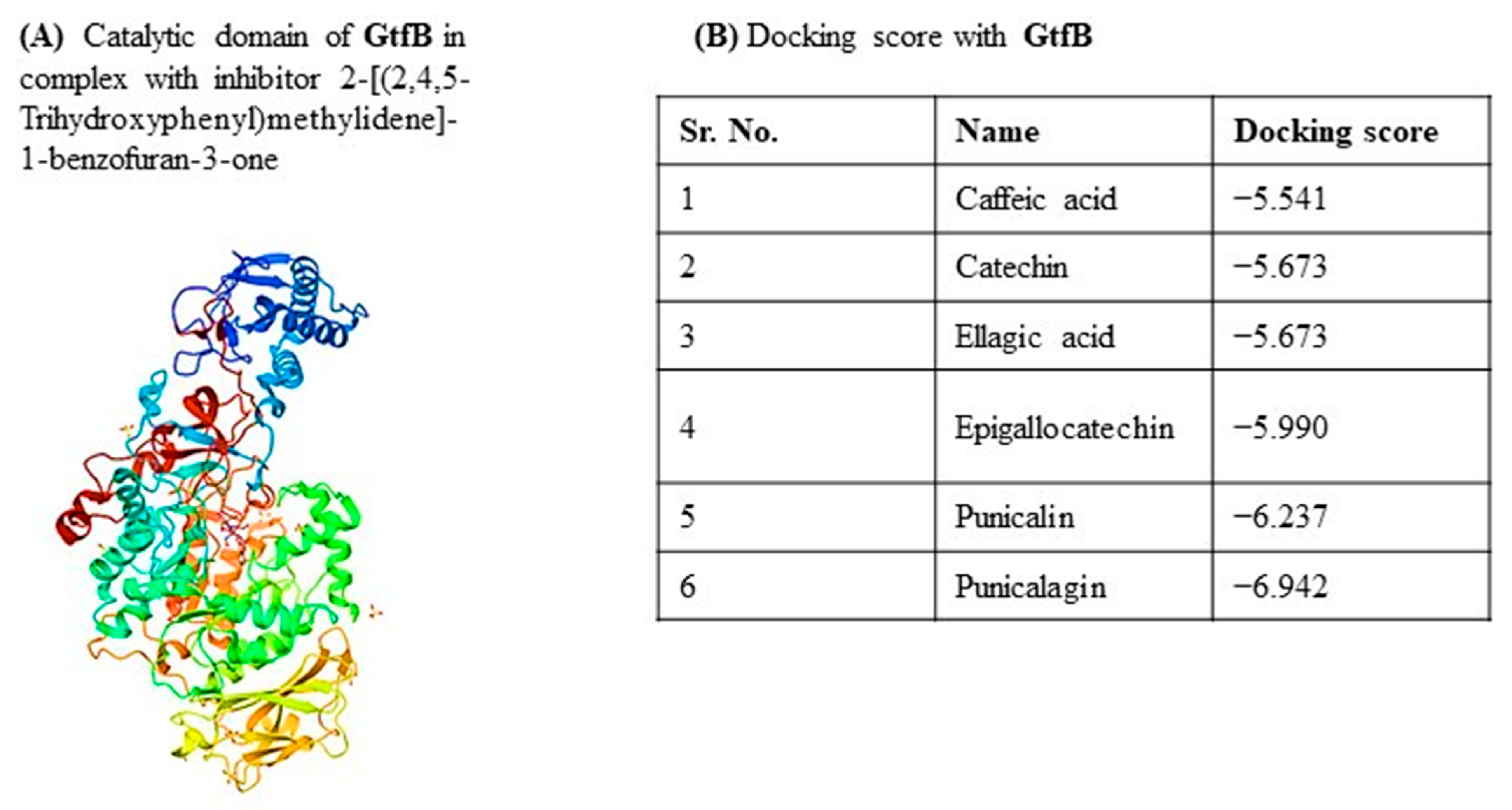
Based on the catalytic domain structure of glucosyltransferase B (
GtfB) (
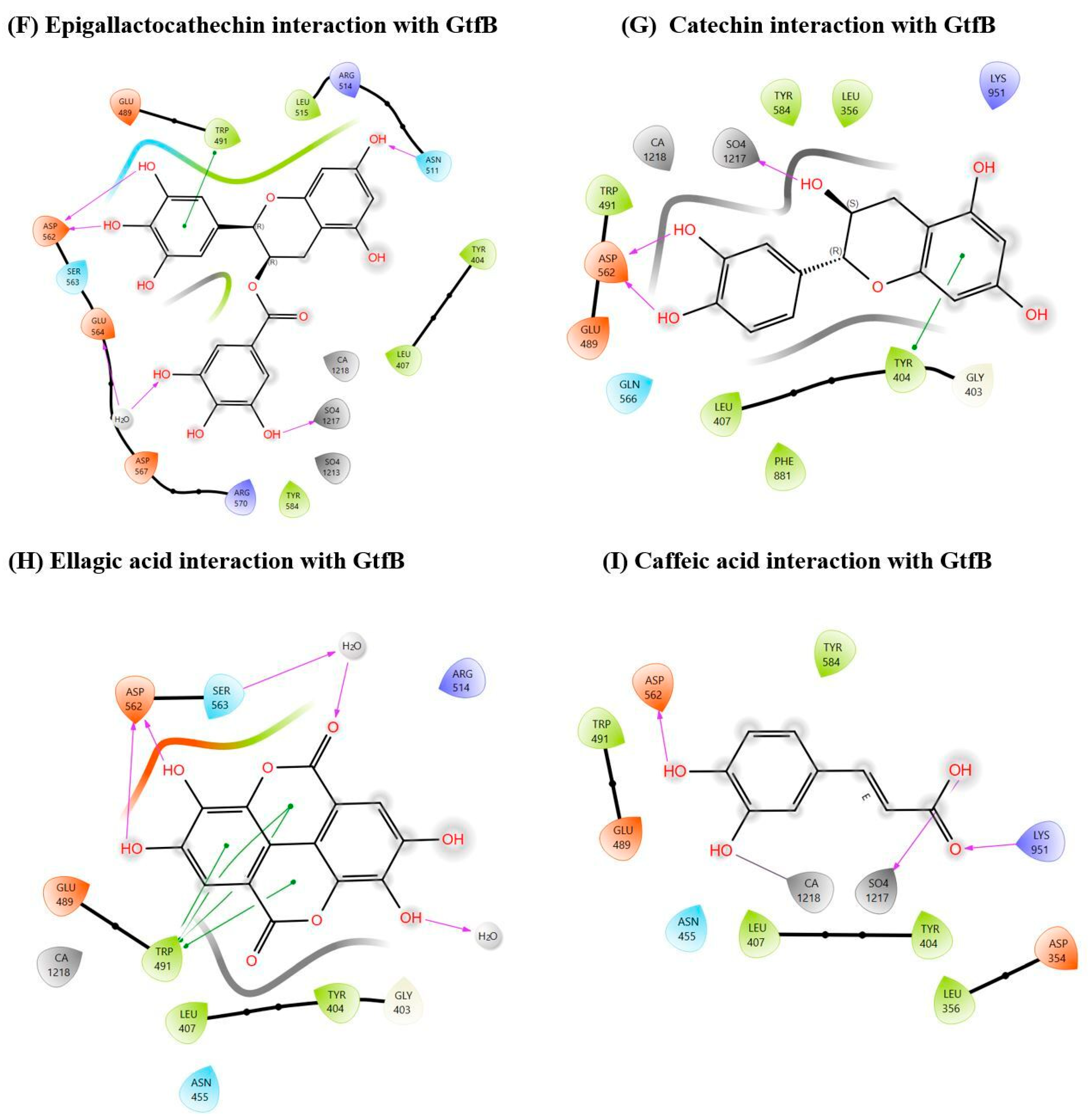
Figure 7A,D), molecular docking analyses revealed that all major
Viroelixir phenolics interact favorably with
GtfB, displaying docking scores ranging from −5.332 to −9.942 (
Figure 7B). Among the tested compounds (
Figure 7C), punicalagin exhibited the strongest binding affinity (−9.942), followed by punicalin (−6.237), epigallocatechin (−5.990), catechin (−5.673), ellagic acid (−5.673) and caffeic acid (−5.541).
Overall, docking poses showed that Viroelixir components consistently occupy the GtfB catalytic pocket and interact with residues essential for enzymatic activity. Binding was predominantly stabilized by extensive hydrogen-bonding networks involving conserved acidic residues (Asp354, Asp562, Asp567), complemented by π–π stacking interactions with Trp491 and hydrophobic contacts with residues such as Leu356, Leu407, Tyr404, and Tyr584. These interactions position the ligands in close proximity to the catalytic region, suggesting potential interference with substrate binding and glucan synthesis.
Among the compounds, Punicalin exhibits tight binding within the active site via a dense hydrogen-bonding network involving Asp562, Asp567, Asp454, Arg570, Glu489, and Asn455, together with π–π interactions with Trp491 and Tyr404 and hydrophobic contacts with Leu356, Leu407, and Phe881 (
Figure 7E). This binding mode is compatible with effective steric hindrance of substrate access.
Epigallocatechin binds within the GtfB catalytic cavity through extensive hydrogen bonds involving Asp562, Asp567, Glu564, Ser563, and Asn511, reinforced by π–π interactions with Trp491 and hydrophobic contacts with Leu407, Leu515, Tyr404, and Tyr584 (
Figure 7F). This multivalent binding likely restricts substrate accessibility and catalytic turnover.
Catechin adopts a stable binding conformation supported by hydrogen bonding with Asp562 and Glu489, π–π stacking with Trp491, and hydrophobic interactions with Tyr404, Leu356, Leu407, and Phe881 (
Figure 7G), suggesting effective anchoring within the catalytic region.
Ellagic acid is stabilized within the active site by strong hydrogen bonds with Asp562 and Ser563, supplemented by water-mediated interactions, π–π stacking with Trp491, and hydrophobic contacts involving Leu407, Tyr404, and Gly403 (
Figure 7H). These interactions secure the rigid aromatic scaffold in a position likely to obstruct substrate binding.
Finally, caffeic acid binds through hydrogen bonding between its catechol hydroxyl groups and Asp562, electrostatic interactions involving its carboxylate moiety and Lys951, and π–π interactions with Trp491, supported by hydrophobic contacts with Leu356, Leu407, and Tyr404 (
Figure 7I).
Collectively, these docking results suggest that Viroelixir phenolics engage GtfB through conserved and functionally relevant interactions, providing a molecular basis for the observed inhibition of EPS synthesis and biofilm matrix formation.
2.6.2. Interaction of Viroelixir Components with LuxS Virulence Gene
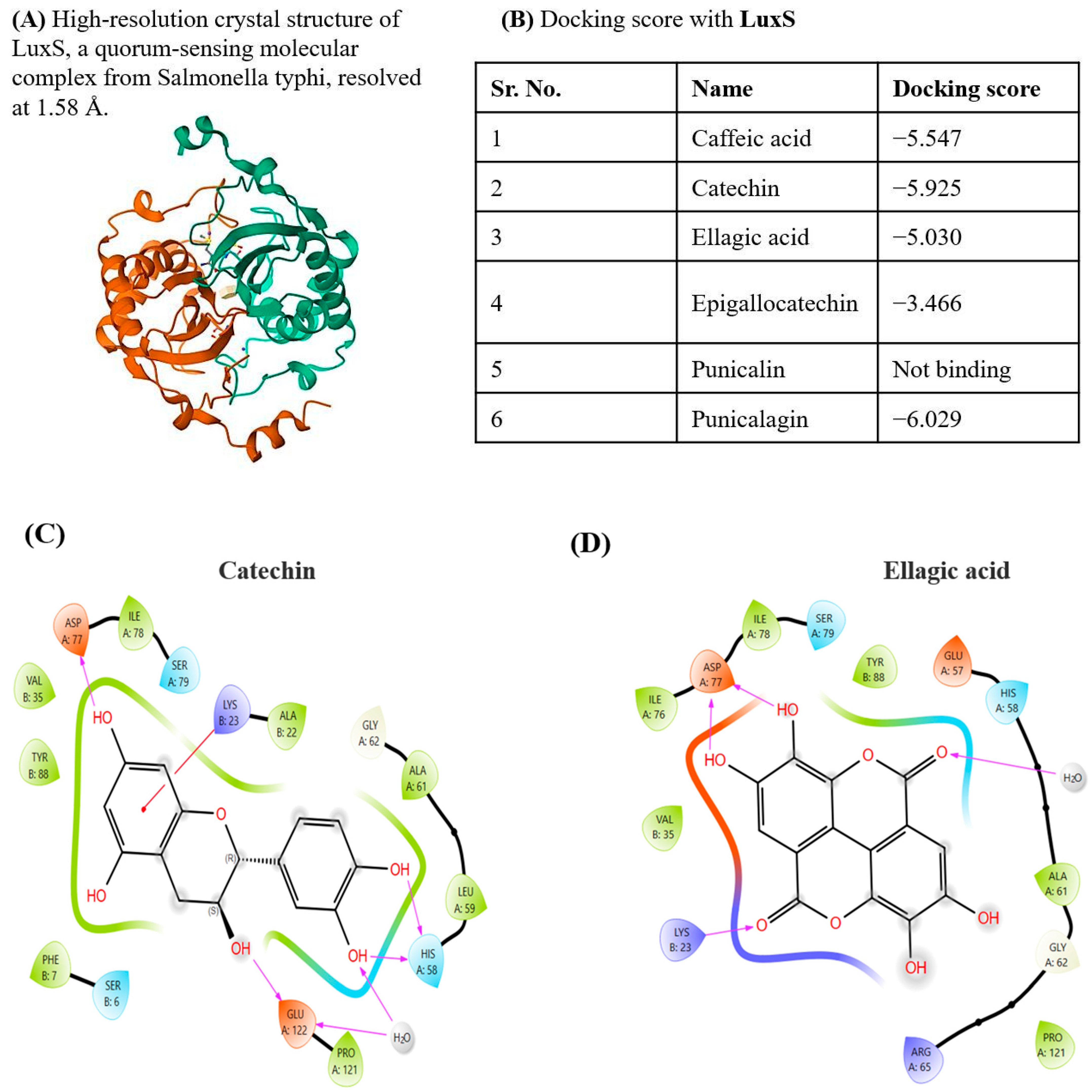
Based on the crystal structure of the LuxS quorum-sensing enzyme (
Figure 8A), molecular docking analyses demonstrated that 7 out of the 8
Viroelixir phenolic compounds interact favorably with LuxS, exhibiting docking scores ranging from −3.466 to −6.949 (
Figure 8B). Among these compounds, punicalgin showed the strongest predicted binding affinity (−6.029), catechin (−5.925), caffeic acid (−5.547), ellagic acid (−5.030), and epigallocatechin (−3.466). Punicalgin could not be accommodated within the LuxS binding pocket due to steric constraints.
Overall, docking poses revealed that Viroelixir components preferentially occupy the LuxS catalytic region, engaging residues essential for AI-2 synthesis. Ligand binding was stabilized by extensive hydrogen bonding with conserved catalytic and polar residues, including Asp77, His58, Glu122, and Ser79, complemented by electrostatic interactions involving Lys23 and Arg20 and hydrophobic contacts with residues lining the active-site pocket, such as Ile76, Ile78, Phe7, Tyr88, Ala61, and Val35. These interactions suggest potential interference with LuxS catalytic activity and quorum-sensing signaling.
Among the compounds, Catechin binds stably within the
LuxS catalytic cavity through extensive hydrogen bonding with Asp77, His58, Glu122, and Ser79, reinforced by a water-mediated interaction with Glu122 (
Figure 8C). Electrostatic interaction with Lys23 and hydrophobic contacts involving Ile78, Leu59, Ala61, Val35, Phe7, and Tyr88 further contribute to ligand stabilization and optimal positioning.
Ellagic acid is accommodated within the
LuxS active site through a dense network of hydrogen bonds involving Asp77, His58, Glu57, and Ser79, supported by water-mediated interactions near His58 (
Figure 8D). Electrostatic interaction with Lys23 anchors the negatively polarized oxygen atoms, while hydrophobic residues (Ile76, Ile78, Val35, Tyr88, Ala61, and Pro121) stabilize the rigid phenolic scaffold.
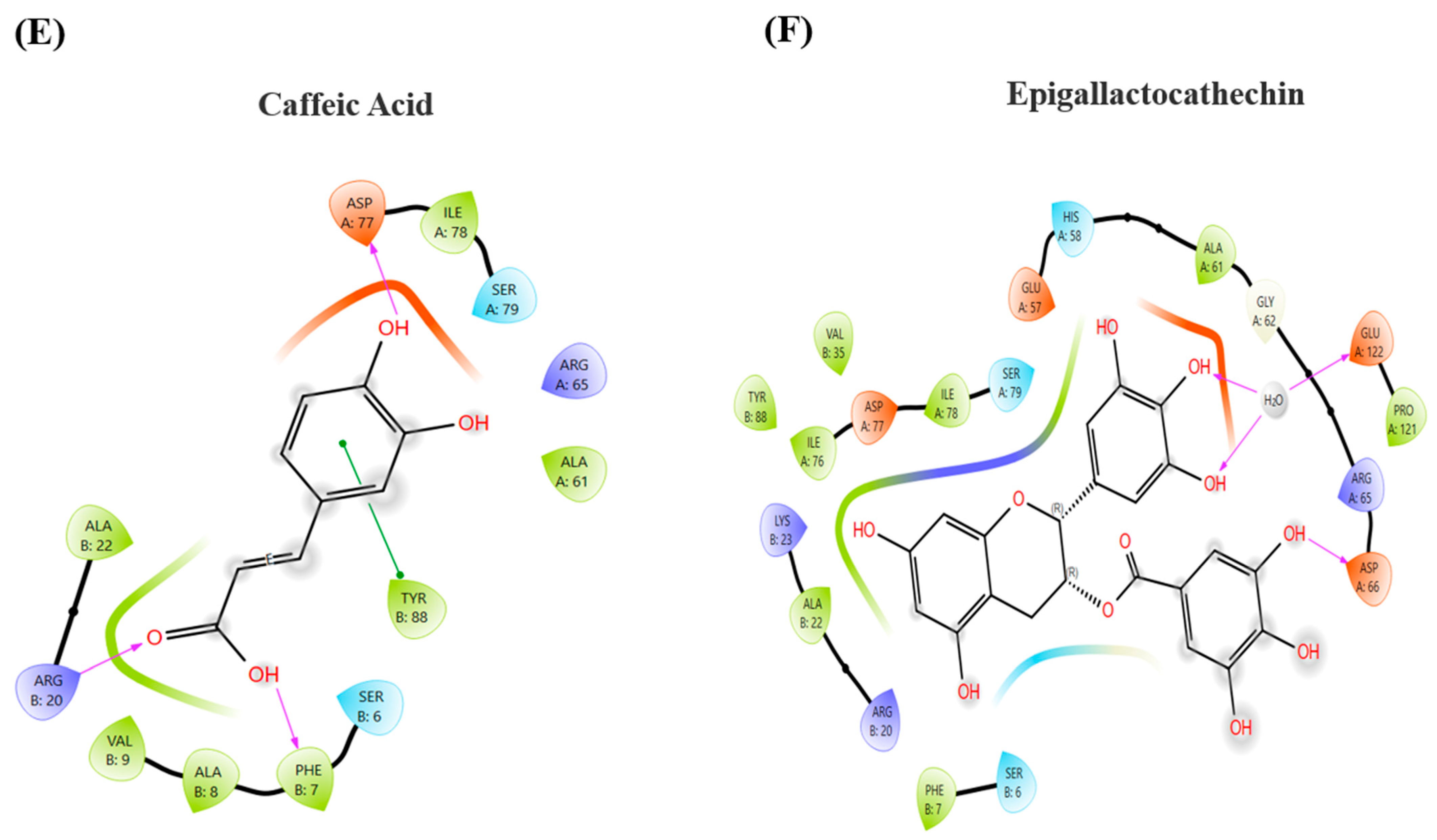
Caffeic acid binds within the
LuxS active pocket via hydrogen bonding between its phenolic hydroxyl groups and Asp77 and Ser79, complemented by electrostatic interaction between its carboxylate moiety and Arg20 (
Figure 8E). Additional hydrogen bonding with Phe7 and Ser6, together with π–π stacking with Tyr88 and hydrophobic contacts involving Ile78, Ala61, Val9, and Ala8, further stabilizes the complex.
Epigallocatechin displays extensive binding within the
LuxS active-site region, driven by multiple hydrogen bonds with Asp77, Ser79, His58, Glu57, Glu122, and Asp66, as well as several water-mediated interactions near Glu122 (
Figure 8F). Electrostatic interactions with Arg65, Arg20, and Lys23, combined with hydrophobic contacts involving Ile76, Ile78, Ala61, Phe7, and Tyr88, contribute to strong ligand anchoring within the catalytic groove.
Collectively, these docking results indicate that Viroelixir phenolics can directly engage the LuxS catalytic site through conserved and functionally relevant interactions, providing a molecular basis for the observed inhibition of AI-2–mediated quorum sensing and the downregulation of LuxS-associated virulence pathways.
2.6.3. Interaction of Viroelixir Components with SpaP Virulence Gene
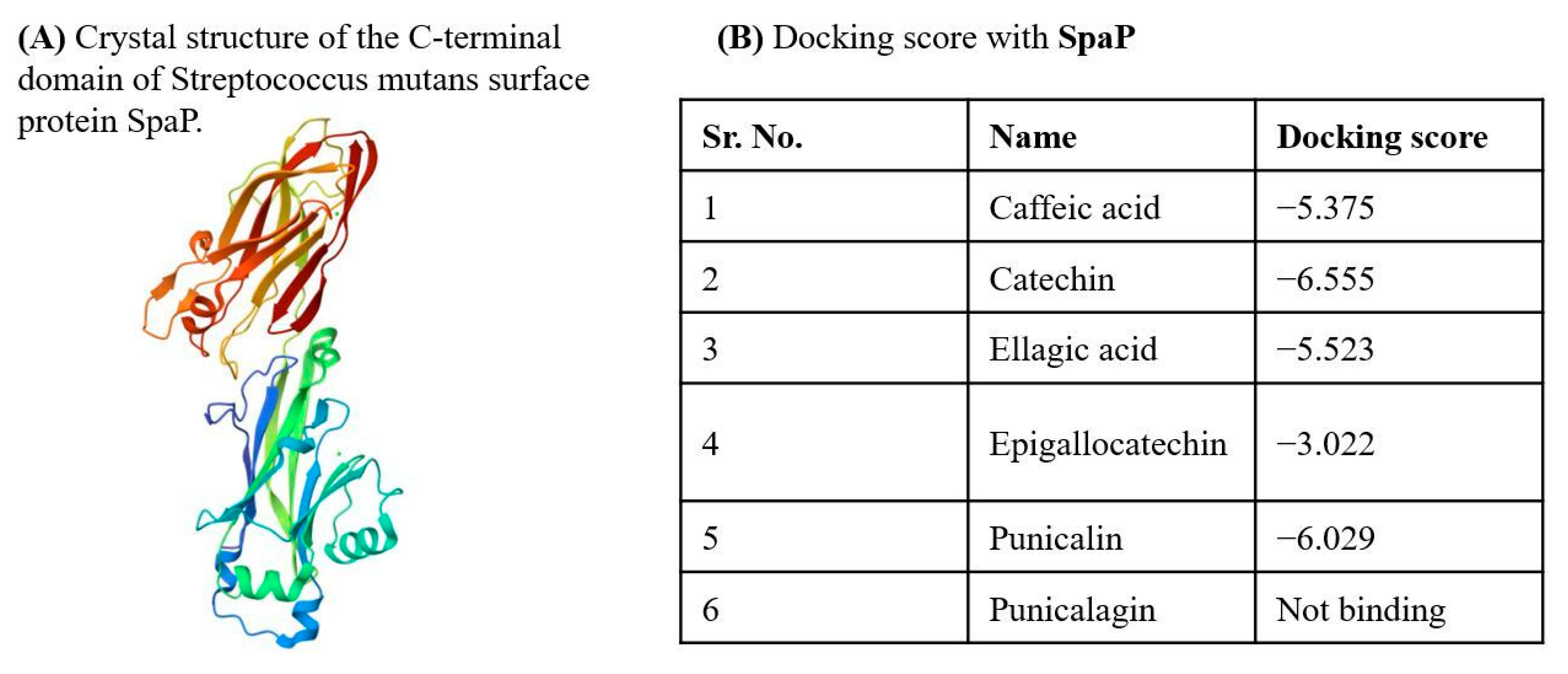
Based on the crystal structure of the C-terminal domain of the surface adhesin SpaP (
Figure 9A), molecular docking analyses demonstrated that 7 out of the 8
Viroelixir phenolic compounds interact favorably with
SpaP, with docking scores ranging from −3.022 to −6.556 (
Figure 9B). Among these compounds, catechin (−6.555), and punicalin (−6.029) exhibited the strongest predicted binding affinities, followed by ellagic acid (−5.523), caffeic acid (−5.375), and epigallocatechin (−3.022).
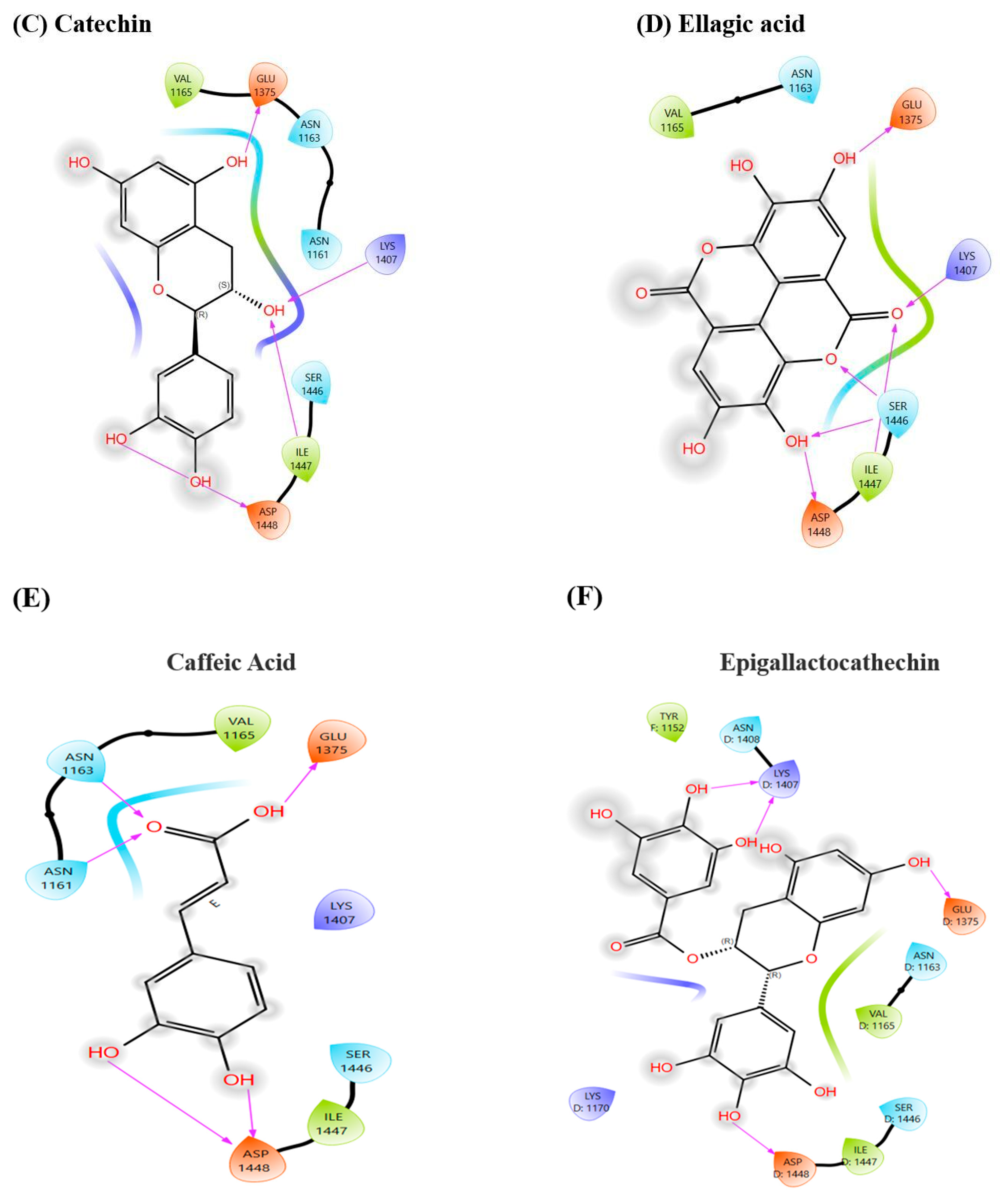
Overall, docking poses revealed that Viroelixir components bind within the SpaP adhesion groove via conserved, functionally relevant interactions. Ligand stabilization was primarily driven by extensive hydrogen bonding with acidic residues Glu1375 and Asp1448, supported by polar contacts with Asn1161 and Asn1163 and hydrophobic interactions involving Val1165 and Ile1447. Electrostatic contributions from Lys1407 further enhanced ligand anchoring in several complexes. These interactions suggest that Viroelixir phenolics may directly interfere with SpaP-mediated adhesion.
Among the compounds, Catechin adopts a well-defined binding conformation driven by hydrogen bonding with Glu1375, Asp1448, and Lys1407, reinforced by polar contacts with Asn1161 and Asn1163 (
Figure 9E). Hydrophobic interactions with Val1165 and Ile1447 and polar support from Ser1446 further stabilize the ligand within the adhesion groove.
Ellagic acid binds firmly within the
SpaP pocket through strong hydrogen bonds with Glu1375 and Asp1448, supplemented by additional interactions with Ser1446 and electrostatic stabilization via Lys1407 (
Figure 9F). Hydrophobic contacts involving Val1165 and Ile1447 contribute to stabilization of the rigid phenolic scaffold.
Caffeic acid is accommodated within the
SpaP binding region through hydrogen bonding of its carboxylate and hydroxyl groups with Asn1161, Asn1163, Glu1375, and Asp1448 (
Figure 9G). These interactions are reinforced by hydrophobic contacts with Val1165 and Ile1447 and polar support from Ser1446 and Lys1407.
Epigallocatechin displays a dense interaction network dominated by hydrogen bonding with Lys1407, Glu1375, and Asp1448, supported by polar contacts with Asn1408 and Asn1163 and hydrophobic interactions with Val1165, Ile1447, and Tyr1152 (
Figure 9F). This multivalent binding suggests high complementarity within the
SpaP binding pocket.
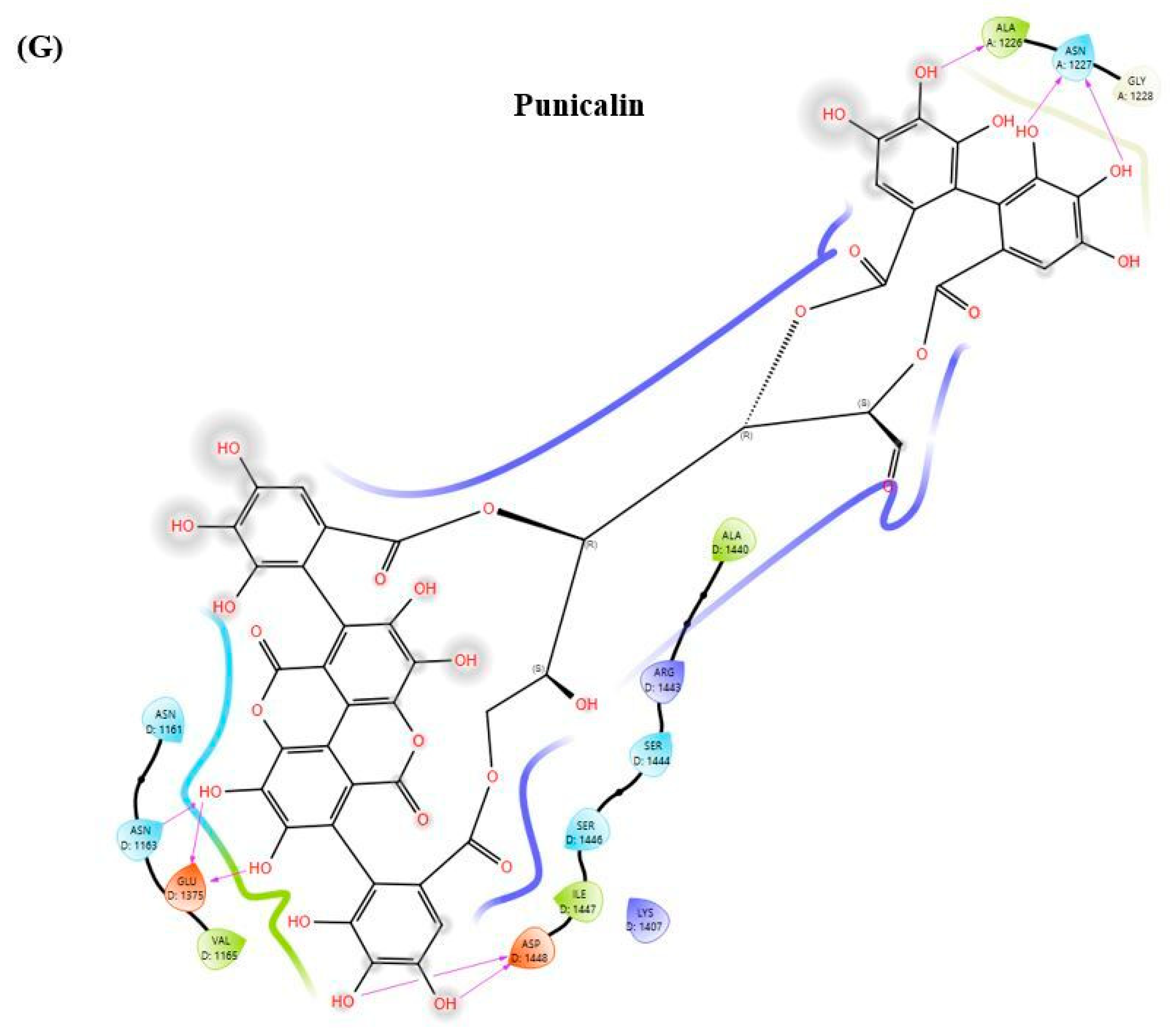
Finally, punicalin exhibits extensive polar and hydrophobic interactions along the
SpaP surface (
Figure 9G). Multiple hydroxyl groups form hydrogen bonds with Asn1227, Asn1161, Asn1163, Gly1228, Glu1375, and Asp1448, while additional stabilization is provided by interactions with Ser1444, Ser1446, Arg1443, and hydrophobic residues such as Ala1226, Ala1440, Val1165, and Ile1447. The extended aromatic scaffold allows cooperative interactions across the binding groove, consistent with strong affinity and effective
SpaP inhibition.
Collectively, these docking results suggest that Viroelixir phenolics engage SpaP through conserved adhesion-related residues, providing a molecular basis for impaired bacterial attachment and reduced virulence observed experimentally.
2.7. Evaluation of Cytotoxicity on Human Gingival Epithelial Cells
The cytotoxicity of
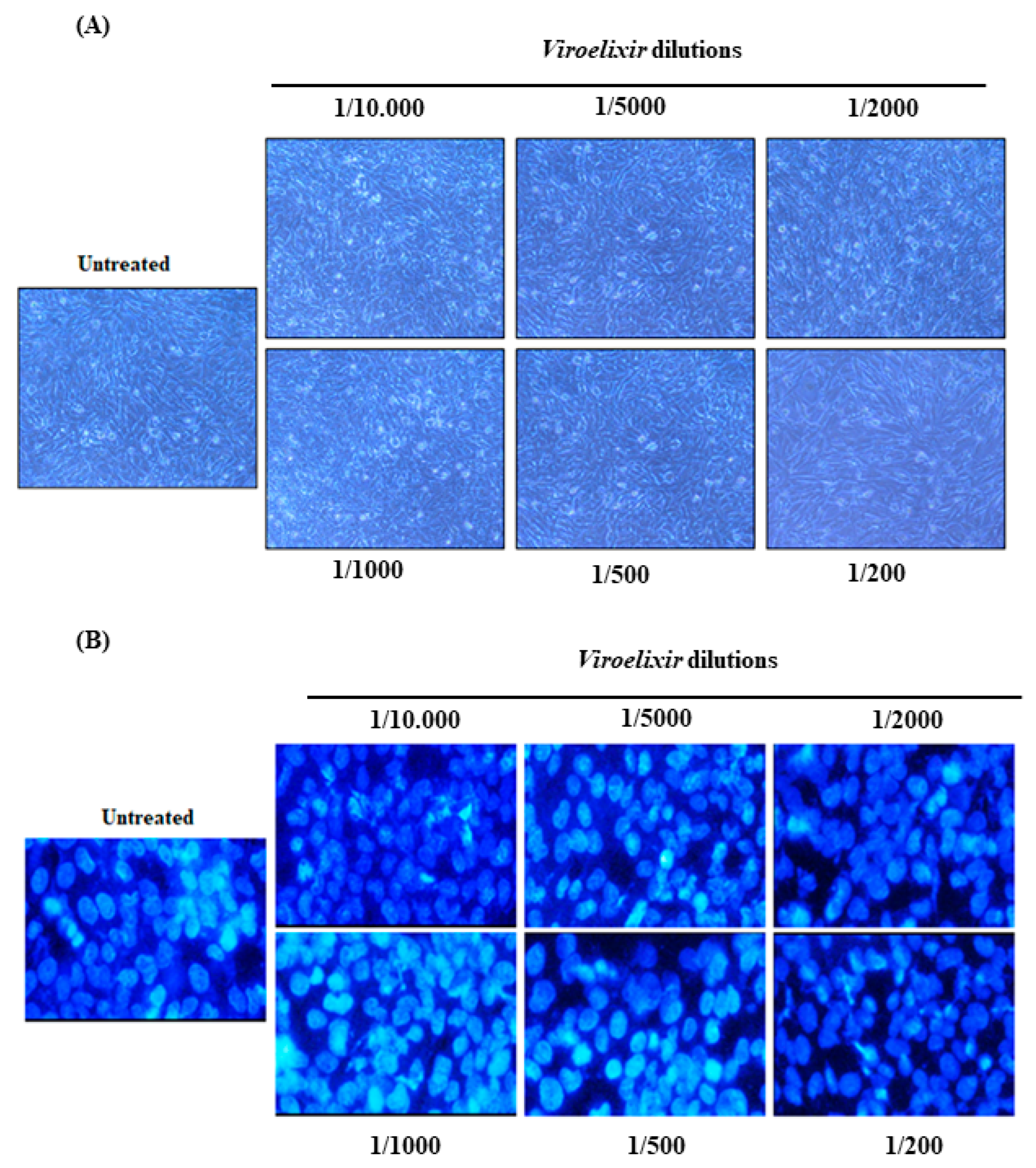
Viroelixir was assessed in human gingival epithelial cells (GMSMK) using morphological evaluation, Hoechst nuclear staining, and crystal violet staining. As shown in
Figure 10A–C,
Viroelixir exhibited no detectable cytotoxicity at any tested dilution. Phase-contrast microscopy (
Figure 10A) revealed that cell morphology, adhesion, and confluence remained indistinguishable from those of untreated controls, with no evidence of shrinkage, detachment, or structural alterations. Hoechst staining (
Figure 10B) suggested nuclear integrity, showing uniformly stained, round nuclei without chromatin condensation or fragmentation, indicative of the absence of apoptotic or necrotic processes. Crystal violet staining (
Figure 10C) further supported these findings, showing comparable staining intensity and cell coverage among all conditions, reflecting unchanged viability and proliferation. Collectively, these results demonstrate that
Viroelixir is non-cytotoxic to oral epithelial cells, supporting its suitability for therapeutic or preventive dental applications.
3. Discussion
This present study suggests that Viroelixir exerts potent antibacterial and anti-virulence effects on S. mutans while remaining non-toxic to oral epithelial cells. By integrating microbiological, transcriptional, and in silico docking analyses, our data provide mechanistic insights into how Viroelixir attenuates carcinogenicity through simultaneous targeting of bacterial growth, metabolism, quorum sensing, adhesion, and biofilm formation.
Chemical characterization by LC–MS revealed that Viroelixir contains a complex mixture of phenolic compounds, dominated by two major chromatographic peaks and a wide molecular mass distribution. This chemical diversity is consistent with the presence of green tea catechins and pomegranate-derived ellagitannins, compounds known for their antimicrobial and anti-inflammatory activities. Green tea catechins, particularly EGCG, EGC, ECG, and EC, are relatively polar compounds that elute within comparable retention times under reversed-phase LC conditions and exhibit intense UV absorption. Their molecular masses fall within the lower region of the observed mass spectrum, making them strong candidates for one of the dominant peaks. Pomegranate-derived phytochemicals, especially ellagitannins such as punicalagin, ellagic acid derivatives, and galloylated phenolics, also display strong UV absorbance and produce MS fragmentation patterns compatible with the TIC profile. It is therefore plausible that the second major peak represents an ellagitannin or related galloylated phenolic acid. Together, these analytical observations suggest that Viroelixir’s biological effects arise from the combined activity of green tea catechins and pomegranate ellagitannins acting in a complementary or synergistic manner. Although targeted MS/MS analysis will be required for definitive phenolic compound identification, the current data strongly support the interpretation that these two phytochemical families are the main contributors to the extract’s potent antibacterial and anti-virulence activities. Their presence correlates directly with the phenotypic and transcriptional effects observed in S. mutans throughout this study.
The antibacterial activity observed is consistent with known effects of phenolics, including membrane disruption, interference with metabolic enzymes, and metal ion chelation. The strong reduction in acid production suggests impairment of glycolytic flux, potentially through inhibition of enolase or lactate dehydrogenase. Phenolic compounds are known to alter membrane permeability, inhibit energy metabolism, and interfere with protein synthesis in Gram-positive bacteria [
40,
41,
43]. Catechins, particularly epigallocatechin-3-gallate (EGCG) and epicatechin-3-gallate (ECG), can penetrate Gram-positive bacterial cell walls and disrupt the cytoplasmic membrane, leading to leakage of intracellular ions, proteins, and nucleotides [
40] Ellagic acid and hydrolysable tannins complement these effects by binding to cell wall proteins, restricting nutrient transport, and inducing mild oxidative stress [
41] within bacterial cells, leading to damage of DNA, proteins, and lipids, further contributing to cell death [
36,
37,
43]. These combined mechanisms may explain the delayed regrowth of
S. mutans observed at sub-MIC concentrations.
Green tea catechins such as EGCG have been shown to inhibit
S. mutans glucosyltransferase activity, reduce biofilm formation, and cause leakage of intracellular components [
40,
43]. Similarly, pomegranate ellagitannins disrupt bacterial membranes and inhibit metabolic enzymes [
41,
42]. Acid production by
S. mutans is a major virulence determinant that leads to enamel demineralization [
7,
8]. The observed reduction in ΔpH following
Viroelixir treatment indicates an inhibition of glycolytic metabolism and lactic acid synthesis [
34,
36,
43].
Biofilm formation is a key virulence trait of
S. mutans, conferring protection against environmental stress and antimicrobial agents [
10,
11]. Quantitative and ultrastructural analyses demonstrated that
Viroelixir markedly reduced biofilm biomass and disrupted biofilm architecture. These phenotypic effects were supported at the transcriptional level by significant downregulation of
gtfB and
gbpB, genes encoding enzymes essential for extracellular polysaccharide (EPS) synthesis and biofilm matrix stabilization [
10,
11]. Importantly, the docking analyses provide a molecular rationale for these observations.
Viroelixir phenolics displayed strong and stable binding within the catalytic pocket of glucosyltransferase B (
GtfB), engaging conserved acidic residues (Asp354, Asp562, Asp567) and aromatic residues such as Trp491 that are critical for enzymatic activity. These interactions suggest direct steric and electrostatic interference with substrate binding and glucan synthesis, thereby impairing EPS production and biofilm maturation.
Quorum sensing plays a central role in coordinating
S. mutans virulence, competence development, and stress adaptation [
12,
13,
14,
15,
16,
17,
18]. In this study,
Viroelixir significantly downregulated quorum-sensing–related genes, including
comR,
comD,
comX,
luxS, and
nlmD. Docking analyses further revealed that multiple
Viroelixir phenolics bind favorably within the active site of
LuxS, interacting with key catalytic residues such as Asp77, His58, and Glu122. These findings suggest that
Viroelixir may directly inhibit AI-2 synthesis, thereby disrupting
LuxS-mediated intercellular communication. Such interference with quorum sensing likely contributes to the observed suppression of virulence gene expression and biofilm development.
Adhesion to the tooth surface is an early and critical step in
S. mutans colonization and the establishment of cariogenic biofilms [
19,
20,
21,
22,
23,
24]. The major surface adhesin
SpaP (AgI/II) mediates sucrose-independent attachment and is strongly associated with caries risk [
24]. In the present study,
spaP expression was markedly downregulated following
Viroelixir treatment. Consistently, docking analyses showed that several
Viroelixir phenolics bind along the SpaP adhesion groove through conserved interactions with acidic residues Glu1375 and Asp1448, supported by polar and hydrophobic contacts. These interactions suggest direct impairment of
SpaP-mediated adhesion, providing a mechanistic explanation for reduced biofilm formation and bacterial attachment observed experimentally.
Although docking simulations suggest plausible interactions between
Viroelixir phenolics and virulence-associated proteins, these in silico observations remain predictive and hypothesis-generating. Biochemical and biophysical validation studies will be necessary to establish direct enzymatic inhibition and binding specificity. Stress tolerance is another critical factor contributing to
S. mutans persistence in the acidic and nutrient-limited oral environment [
25]. The observed downregulation of
relA and
relP indicates that
Viroelixir may impair the stringent response, weakening bacterial survival under adverse conditions. This effect likely acts synergistically with the inhibition of quorum sensing and EPS synthesis to further attenuate virulence.
Importantly, unlike conventional antiseptics such as chlorhexidine, which may induce cytotoxicity and disrupt oral microbial homeostasis [
28].
Viroelixir exhibited no detectable cytotoxic effects on human gingival epithelial cells. This favorable biocompatibility profile supports its potential for long-term use in preventive and restorative dental applications.
Taken together, our findings indicate that
Viroelixir acts through a multi-target anti-virulence mechanism, combining (i) inhibition of bacterial growth and acid production [
40,
41], (ii) transcriptional suppression of key virulence genes [
40,
43], (iii) direct molecular interference with essential virulence proteins, including
GtfB,
LuxS, and
SpaP [
12,
15,
17]. and weakening of stress response pathways [
25]. These multi-target effects reduce the probability of resistance development and highlight the potential of
Viroelixir as a safe, natural antimicrobial for caries prevention.
Several limitations should be acknowledged. First, LC–MS compound identification remains tentative, as targeted MS/MS fragmentation and calibration with authentic standards were not performed. Second, quantitative profiling of individual phenolic compounds was not conducted. Third, docking analyses are predictive and hypothesis-generating in nature and require biochemical validation. Finally, in vitro findings may not fully replicate the complexity of the oral microbiome environment.
While phenotypic assays provide direct evidence of anti-virulence activity, docking analyses serve to generate mechanistic hypotheses regarding potential ligand–protein interactions. These computational findings should be interpreted cautiously and validated experimentally. Future studies including enzymatic inhibition assays and direct binding validation will be necessary to confirm these predicted interactions




 ,
,