Article

Non-Invasive and Long-Term Electrophysiological Monitoring Sensors for Cerebral Organoids Differentiation


1
College of Sciences, Shanghai Institute of Technology, Shanghai 201418, China
2
State Key Laboratory of Transducer Technology, Shanghai Institute of Microsystem and Information Technology, Chinese Academy of Sciences, Shanghai 200050, China
3
Center of Materials Science and Optoelectronics Engineering, University of Chinese Academy of Sciences, Beijing 100049, China
4
Shanghai Frontier Innovation Research Institute, Shanghai 201108, China
*
Authors to whom correspondence should be addressed.
Biosensors 2025, 15(3), 173; https://doi.org/10.3390/bios15030173
Submission received: 3 February 2025 / Revised: 27 February 2025 / Accepted: 4 March 2025 / Published: 7 March 2025
(This article belongs to the Special Issue Microelectrode Array for Biomedical Applications)

Abstract

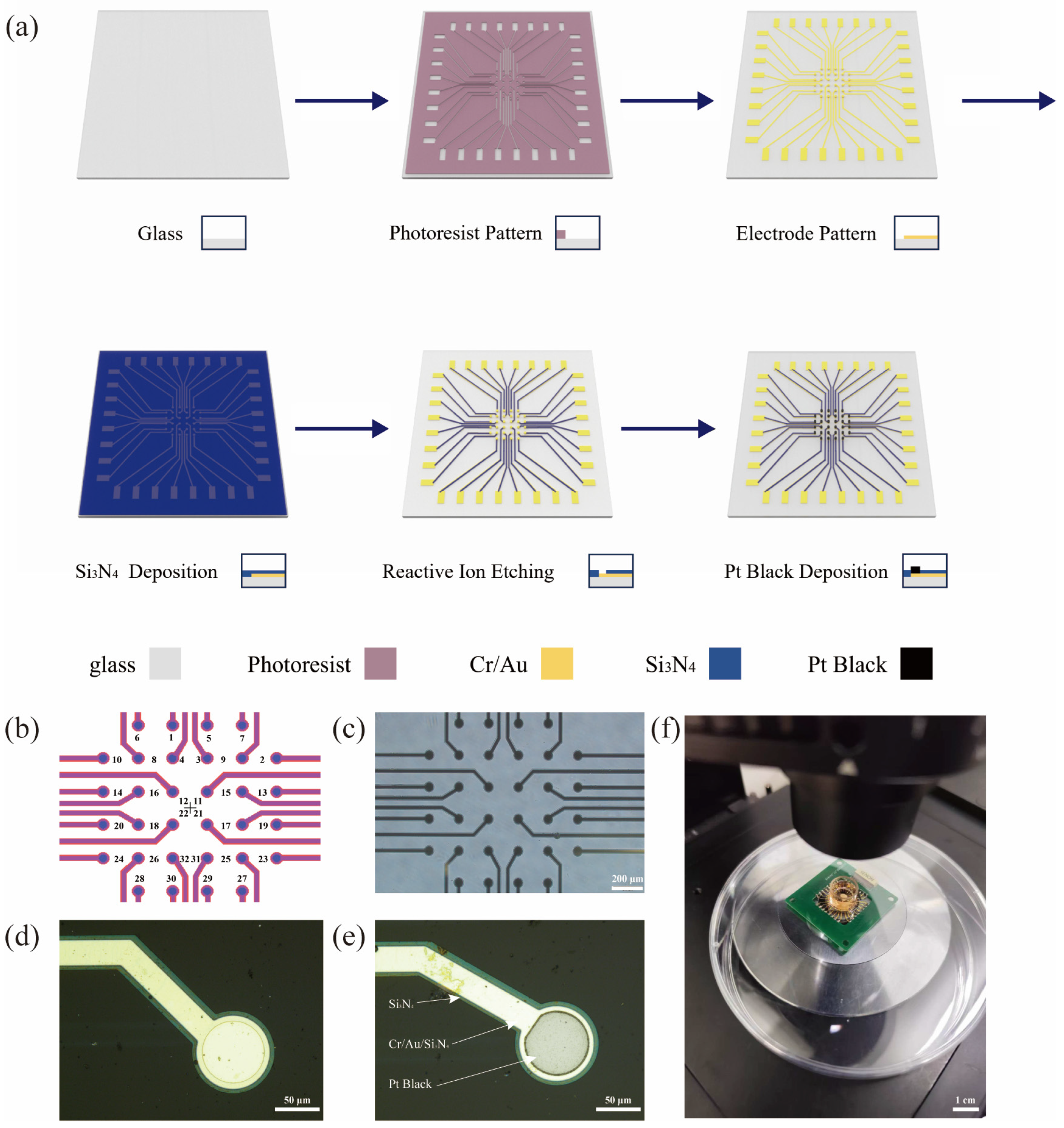
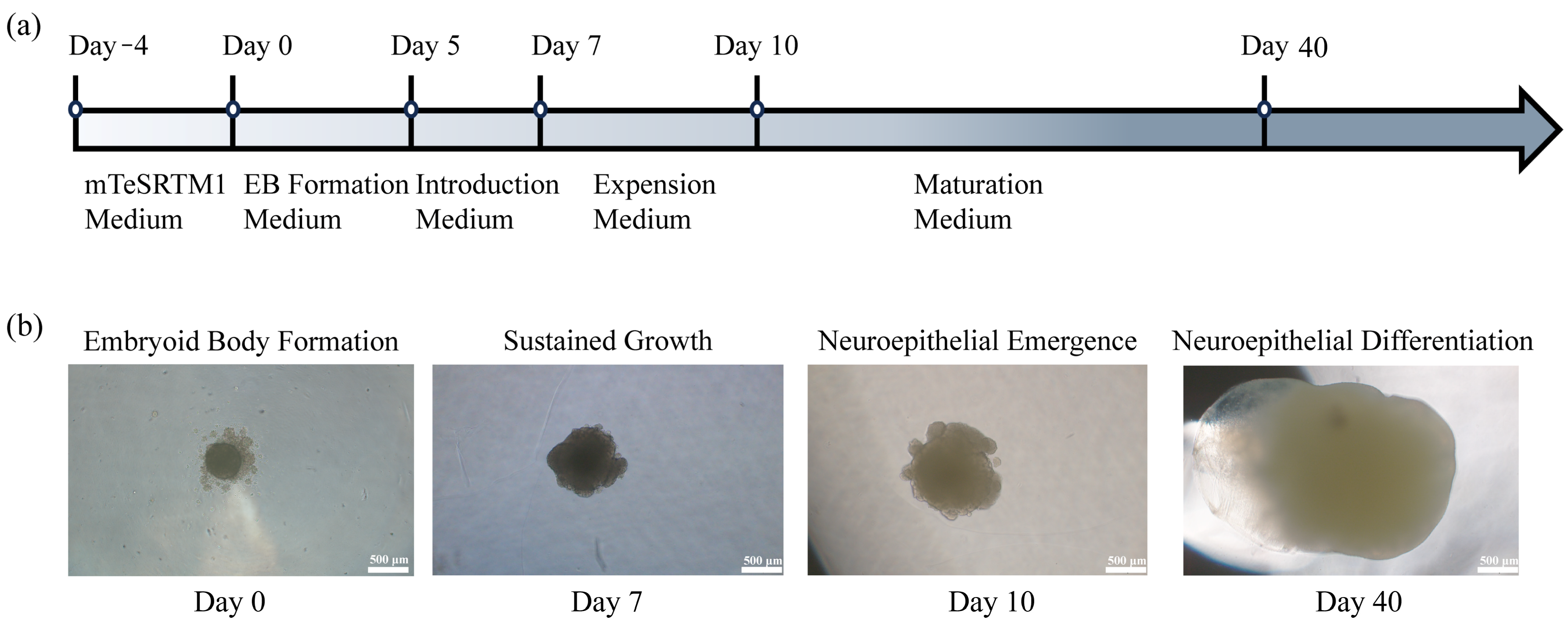
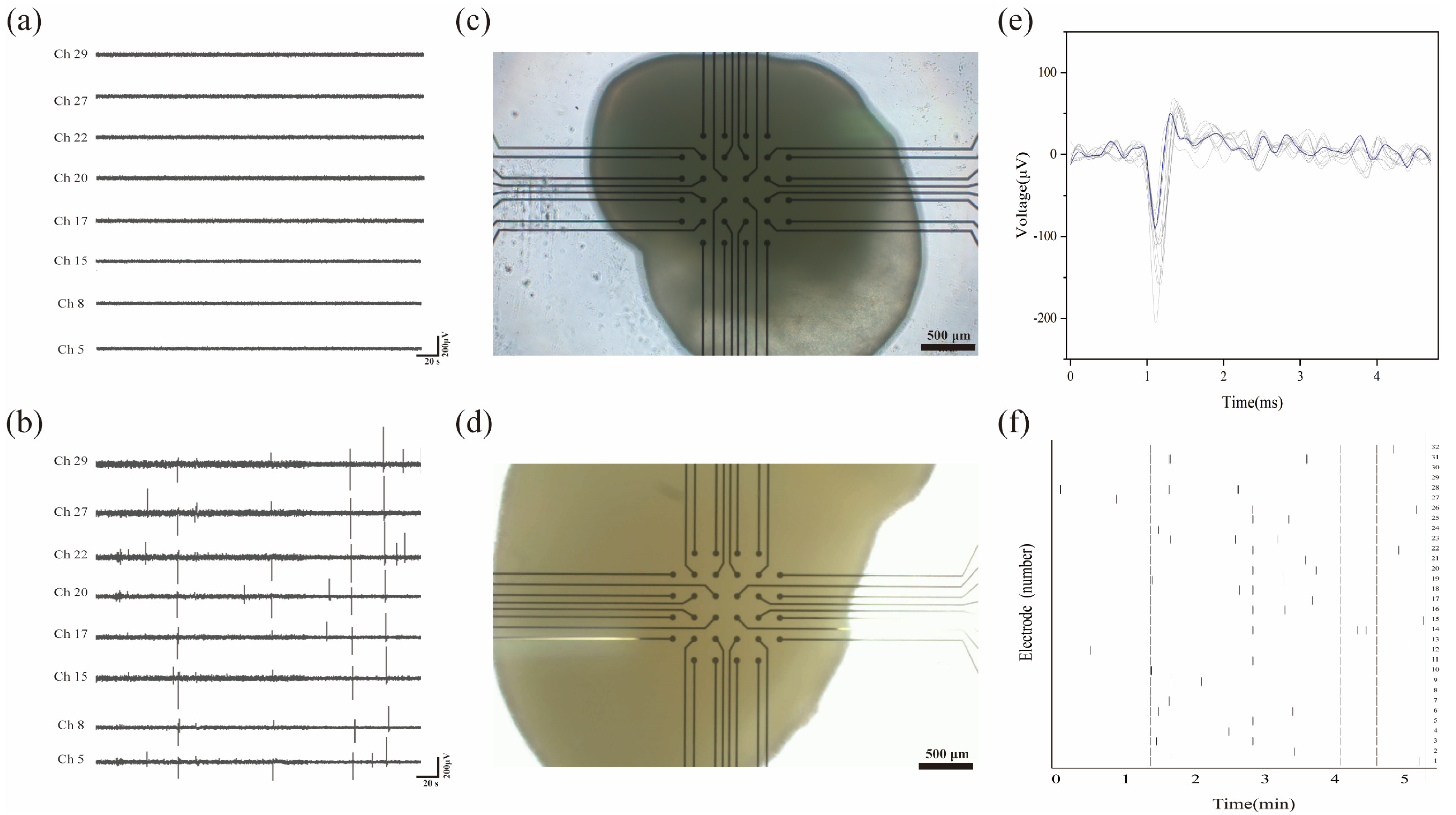
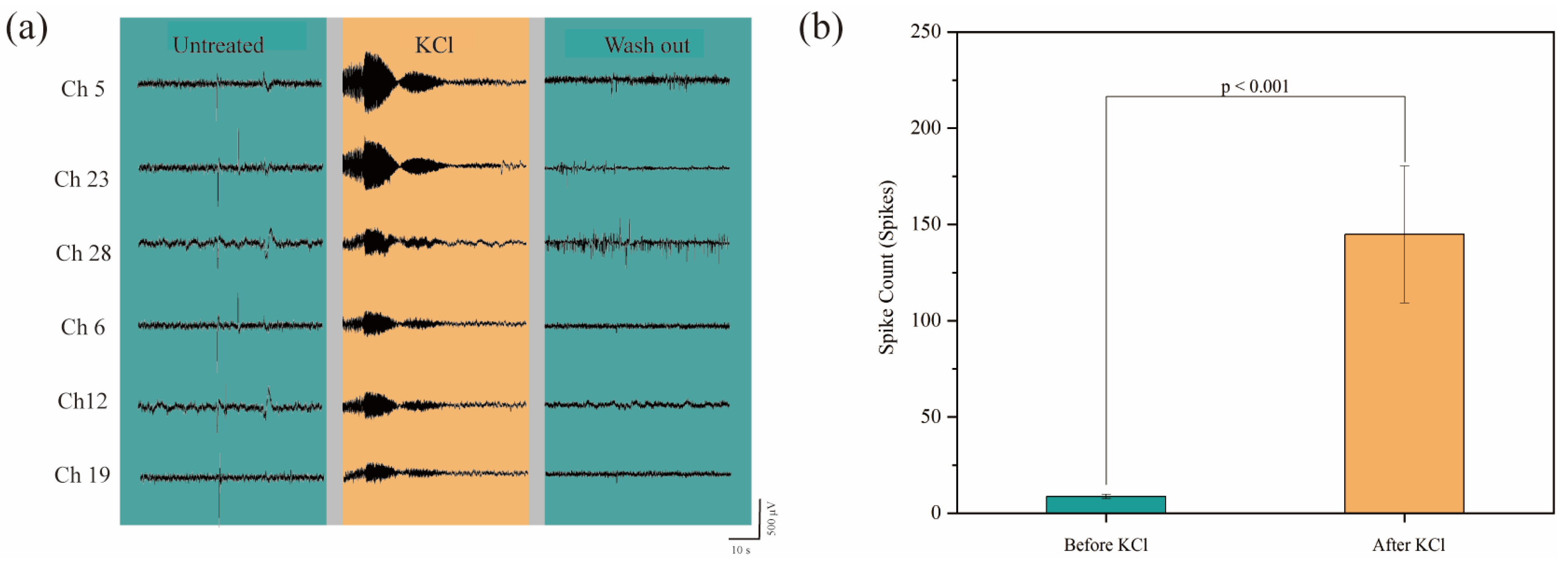
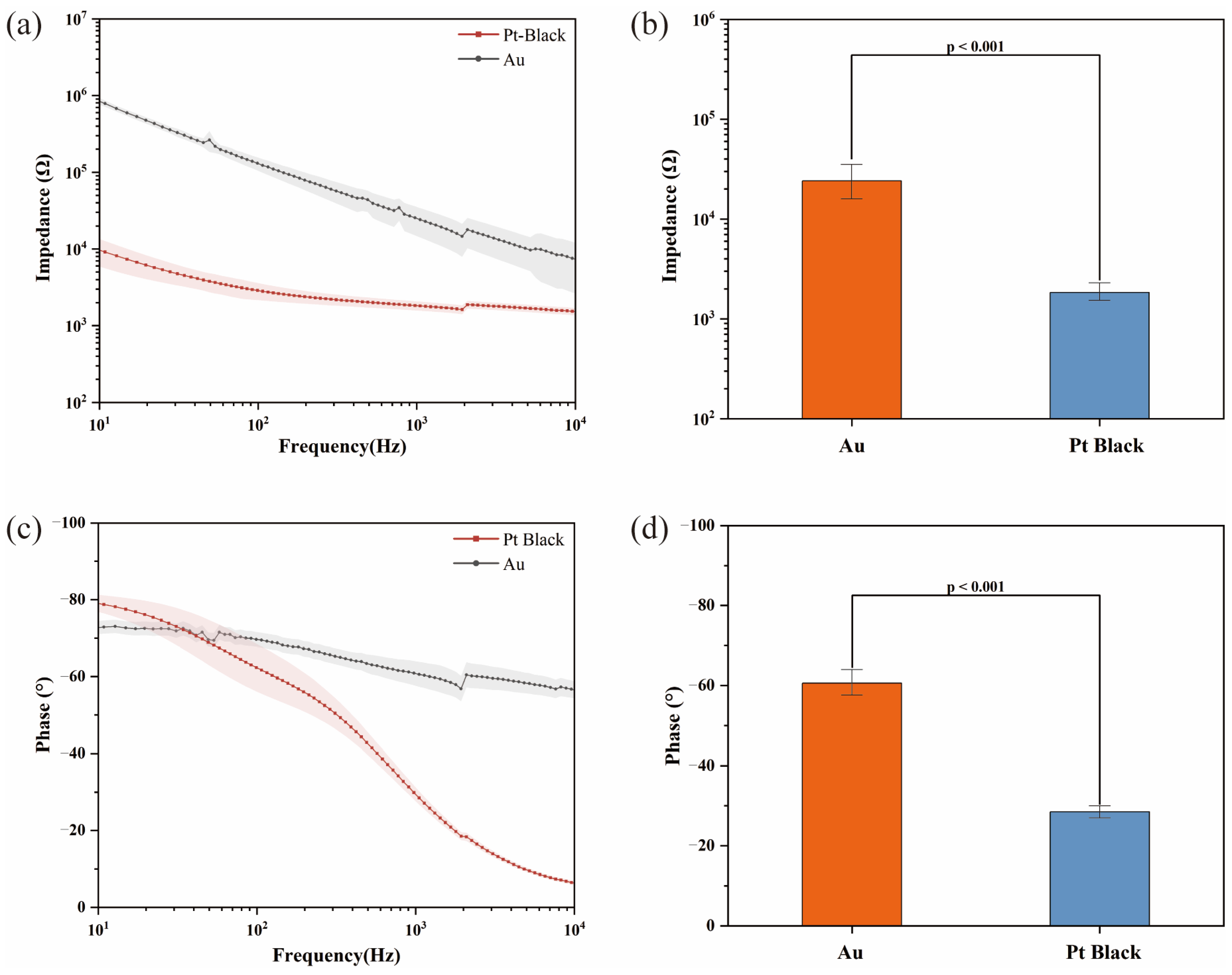
Cerebral organoids derived from human induced pluripotent stem cells (iPSCs) have emerged as powerful in vitro models for studying human brain development and neurological disorders. Understanding the electrophysiological properties of these organoids is crucial for evaluating their functional maturity and potential applications. However, the differentiation and maturation of stem cells into cerebral organoids is a long, slow, and error-prone process. Hence, it is vitally crucial to establish a non-invasive method of monitoring the process over a long period of time. In this study, a planar microelectrode array (MEA) with platinum (Pt) black electroplating is designed to monitor the electrophysiological activities and pharmacological responses of cerebral organoids using an external neural signal acquisition system interfaced with the MEA. The planar MEA with Pt black electroplating has a significantly reduced electrode impedance and exhibits a robust capability for the real-time detection of spontaneous neural activities, including extracellular spikes and local field potentials. Distinct electrophysiological signal strengths in cerebral organoids were observed at early and late developmental stages. Further pharmacological stimulations showed that 30 mM KCl would induce a marked increase in spike rate, indicating an enhancement of neuronal depolarization and an elevation of network excitability. This robust response to KCl stimulation in mature networks serves as a reliable indicator of neural maturity in cerebral organoids and underscores the platform’s potential for drug screening applications. This work highlights the integration of MEA technology with cerebral organoids, offering a powerful platform for real-time electrophysiological monitoring. It provides new insights into the functional maturation of neural networks and establishes a reliable system for drug screening and disease modeling, facilitating future research into human brain physiology and pathology.
Keywords: microelectrode array; electrophysiological activities; cerebral organoids; Pt black microelectrode array; electrophysiological activities; cerebral organoids; Pt black