Review

Novel Lead Halide Perovskite and Copper Iodide Materials for Fluorescence Sensing of Oxygen

1
Institute of Analytical Technology and Smart Instruments, College of Environment and Public Health, Xiamen Huaxia University, Xiamen 361024, China
2
Information Center, Xiamen Huaxia University, Xiamen 361024, China
3
Department of Chemistry, College of Chemistry and Chemical Engineering, Xiamen University, Xiamen 361005, China
*
Author to whom correspondence should be addressed.
These authors contributed equally to this work.
Biosensors 2025, 15(3), 132; https://doi.org/10.3390/bios15030132
Submission received: 20 December 2024 / Revised: 9 February 2025 / Accepted: 18 February 2025 / Published: 21 February 2025
(This article belongs to the Special Issue State-of-the-Art Biosensors in China (2nd Edition))

Abstract

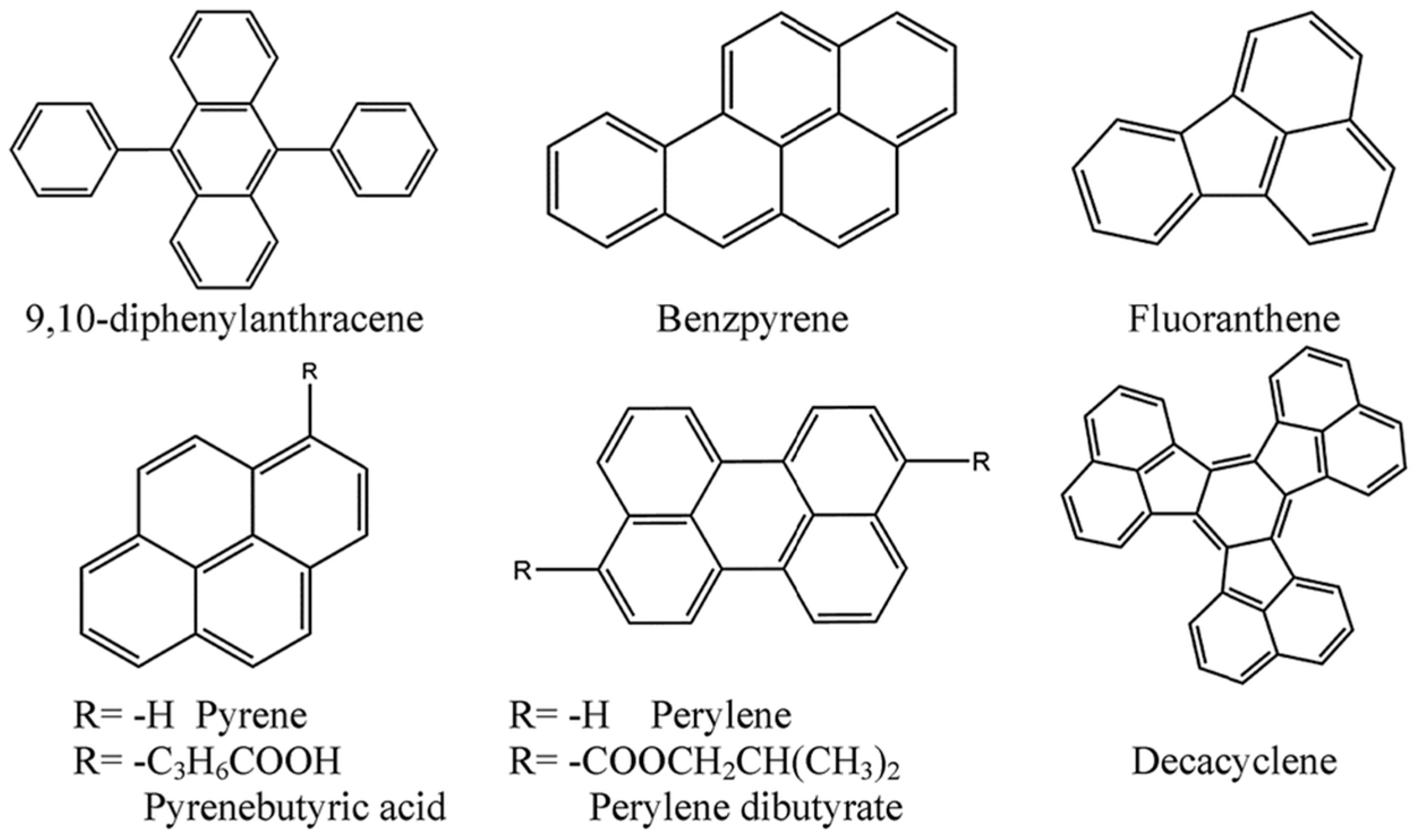
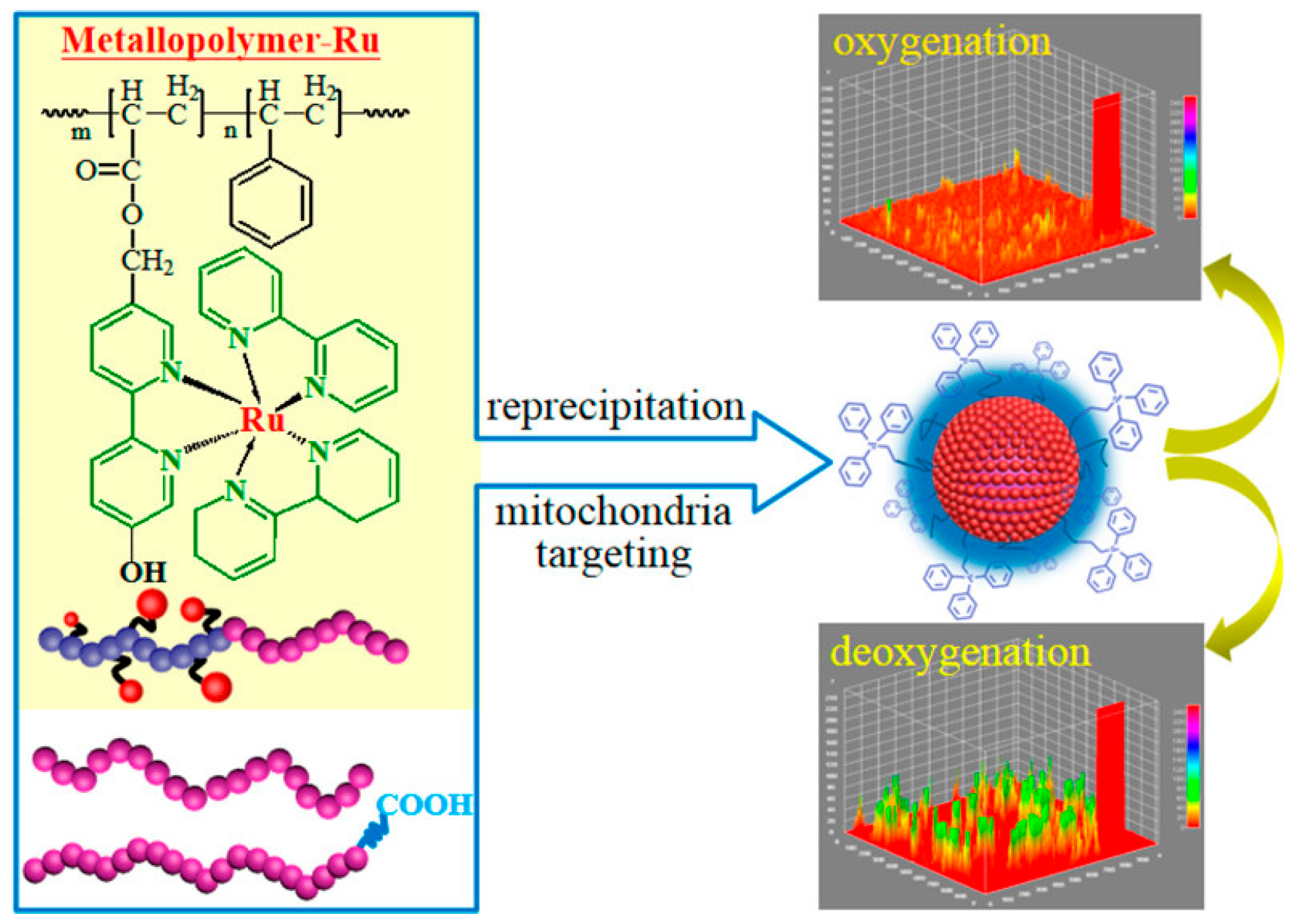
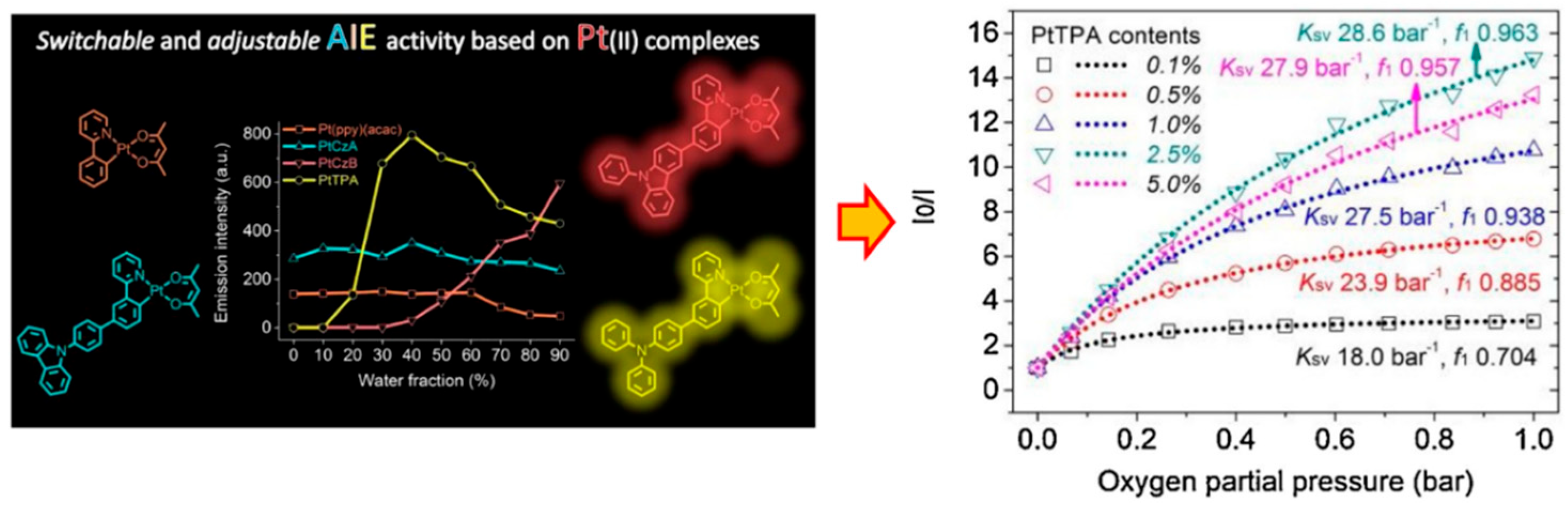
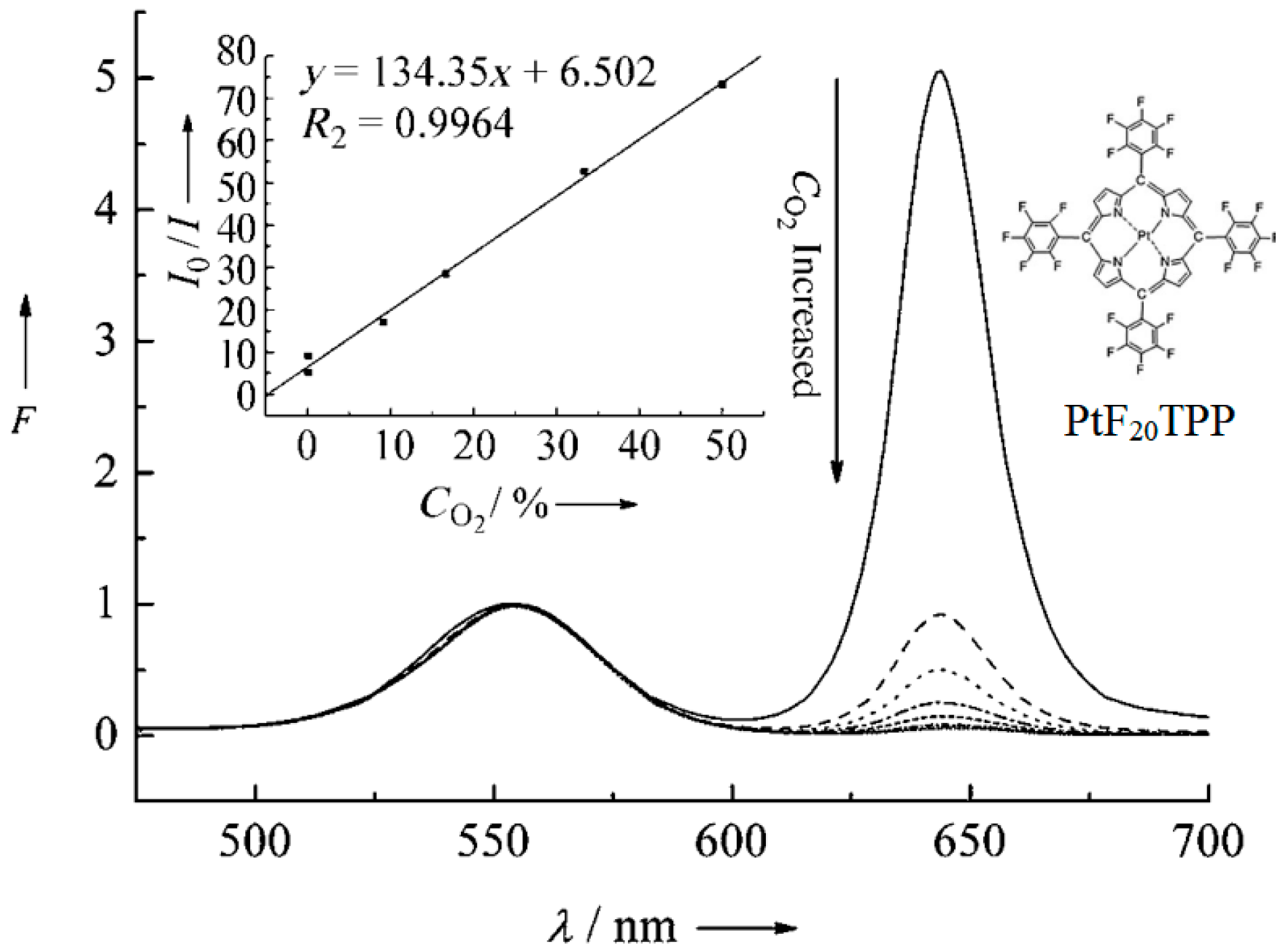
The most commonly used optical oxygen sensing materials are phosphorescent molecules and functionalized nanocrystals. Many exploration studies on oxygen sensing have been carried out using the fluorescence or phosphorescence of semiconductor nanomaterials. Lead halide perovskite nanocrystals, a new type of ionic semiconductor, have excellent optical properties, making them suitable for use in optoelectronic devices. They also show promising applications in analytical sensing and biological imaging, especially manganese-doped perovskite nanocrystals for optical oxygen sensing. As a class of materials with diverse sources, copper iodide cluster semiconductors have rich structural and excellent luminescent properties, and have attracted attention in recent years. These materials have adjustable optical properties and sensitive stimulus response properties, showing great potential for optical sensing applications. This review paper provides a brief introduction to traditional oxygen sensing using organic molecules and introduces research on oxygen sensing using novel luminescent semiconductor materials, perovskite metal halides and copper iodide hybrid materials in recent years. It focuses on the mechanism and application of these materials for oxygen sensing and evaluates the future development direction of these materials for oxygen sensing.
Keywords: oxygen sensing; fluorescence; doping; lead halide perovskite; copper–iodine clusters; copper-doped nanocrystals oxygen sensing; fluorescence; doping; lead halide perovskite; copper–iodine clusters; copper-doped nanocrystals