1. Introduction
Thermal batteries are a class of high-temperature reserve batteries based on molten salt electrolytes [
1,
2,
3]. They are activated within milliseconds by an internal heat source that melts the electrolyte, enabling ionic conductivities (>1 S·cm
−1) at elevated temperatures (≥500 °C) and thereby delivering instantaneous high-power output [
4,
5,
6]. In contrast to conventional chemical batteries, thermal batteries remain inert under natural conditions, while offering ultralong storage life (>20 years), rapid activation, a wide operating temperature range, and high reliability, making them indispensable for missile guidance, spacecraft emergency power supply, and deep-sea exploration in extreme environments [
7,
8,
9].
The discharge performance of thermal batteries largely depends on the cathode materials [
10,
11,
12,
13]. Commercial cathode materials (FeS
2, NiS
2, and CoS
2) are typically synthesized by the mechanical mixing and high-temperature solid-state method [
14]. The precursor powders are ball-milled and subsequently sintered at >500 °C to achieve phase formation and crystallization [
15]. Although the solid-state method is simple and cost-effective, the broad particle size distributions and severe agglomeration limit interfacial contact between active materials and electrolyte, thereby slowing interfacial reaction kinetics [
16,
17]. High-temperature sintering also promotes excessive grain growth, undermining structural stability. The limited morphological control leads to low tap density, which is unfavorable for powder pressing in cathode electrode of thermal batteries. The hydrothermal method has been explored to synthesize uniform, nanoscale cathode materials, which partially mitigates the particle growth and dispersion limitations associated with the solid-state route [
18,
19,
20]. However, the prolonged reaction times (typically 12–48 h) and high equipment costs hinder large-scale production [
21]. The process generates substantial wastewater, posing environmental concerns. Although transition metal sulfides are suitable for long-life thermal batteries, their relatively low open-circuit voltage makes it difficult to meet the requirements of high-power thermal batteries. To satisfy the power-density requirements of extreme environment applications, halide cathode materials (NiCl
2 and FeF
3) have attracted increasing attention owing to their high redox potentials [
8]. The mainstream synthesis method for these materials is based on the thermal decomposition of commercially available hydrated crystalline precursors (e.g., NiCl
2·6H
2O, FeF
3·3H
2O) [
22,
23]. The process involves controlled heating rate (usually 5–10 °C min
−1) to gradually remove crystallization water (200–300 °C) in an inert atmosphere, followed by further heating to 500–800 °C to induce sublimation–recrystallization, yielding high-purity amorphous or microcrystalline NiCl
2 and FeF
3 cathode materials. The advantages of the method include the availability of raw materials and a simple process route. However, high-temperature dehydration may induce localized overheating, leading to impurity formation (NiO, Fe
3O
4). Furthermore, sublimation–recrystallization generates large plate-like particles with low tap density.
Recent studies on MOF-based electrode materials have demonstrated that rational structural engineering plays a crucial role in optimizing electrochemical performance. The enhanced ion/electron transport achieved through tailored porous architectures highlights the importance of morphology control in electrode design [
24,
25]. As shown in
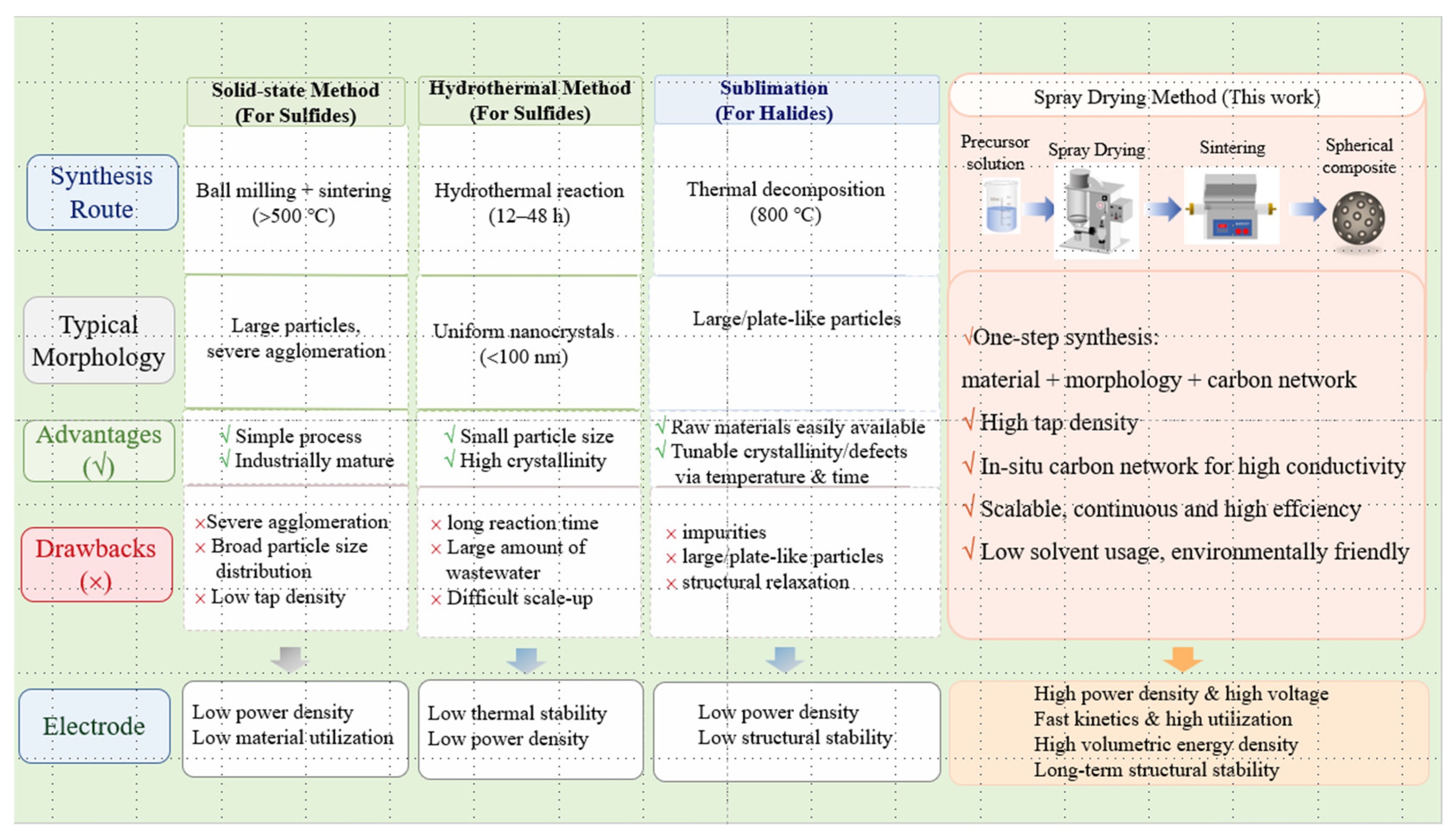
Figure 1, spray drying has attracted increasing attention for electrode powders owing to its versatility in material design [
26,
27]. This technique atomizes precursor solutions into micron-sized droplets, which are rapidly dried in a high-temperature airflow, thereby enabling material synthesis, morphology control, and microstructural optimization in a single step [
28]. Spherical architectures with large surface areas can be obtained by tailoring precursor concentration, atomization conditions, and drying temperature, thereby providing abundant electrochemically active sites [
29]. The process also enables the formation of homogeneous carbon networks, which improve electronic conductivity and structural integrity. In addition, the high tap density of spray-dried powders facilitates electrode compaction and contributes to high volumetric energy density.
Vanadium pentoxide (V
2O
5), a low-cost and abundant layered transition metal oxide, has a theoretical capacity of up to 440 mAh g
−1, and a moderate redox potential (~3.0 V vs. Li/Li
+), showing unique advantages in high-power thermal battery [
30]. The cost of V
2O
5 is significantly lower compared to traditional sulfides (such as FeS
2) or novel nickel-based materials (such as NiCl
2), further enhancing its commercialization potential [
31]. However, commercial V
2O
5 powders are produced through industrial wet metallurgy processes, which leads to their flaky or blocky morphology and low tap density and their low electronic conductivity results in pronounced polarization during high-rate discharge [
32]. Studies combining spherical structural engineering and carbon network construction in a scalable fabrication process remain scarce for thermal battery applications. Therefore, developing high-tap-density spherical V
2O
5/C cathodes with enhanced conductivity and structural stability represents an important yet insufficiently explored research direction.
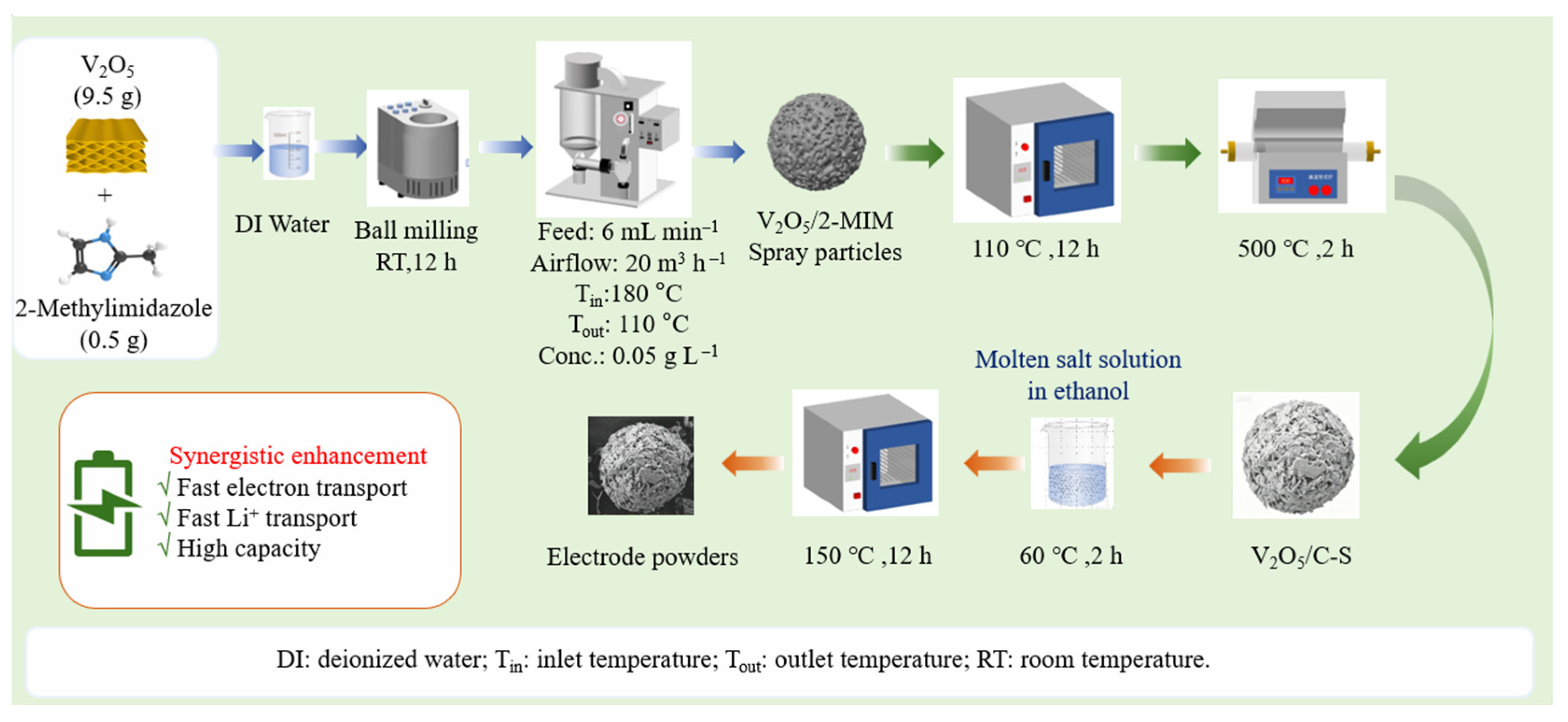
In this study, commercial V2O5 powders were used as the raw material, and spray drying technology was employed to fabricate spherical V2O5 particles with regular morphology, enhancing the formability and tap density, thus improving its power output characteristics in thermal batteries. To further improve the conductivity and structural stability of V2O5 cathode material, 2-Methylimidazole was introduced as a structure modifier and carbon source. 2-Methylimidazole improves precursor cohesion and promotes spherical particle formation, while its carbonization during heat treatment generates a conductive carbon network uniformly distributed throughout the particles. This work aims to reveal the underlying mechanisms of multi-scale structure regulation and performance enhancement in V2O5 cathode materials prepared via the spray drying method combined with carbon modification, thereby advancing the development and engineering of cathode materials in high-power thermal batteries through systematic characterization of the phase structure, morphological evolution, and electrochemical performance of the products under various preparation parameters.
3. Results
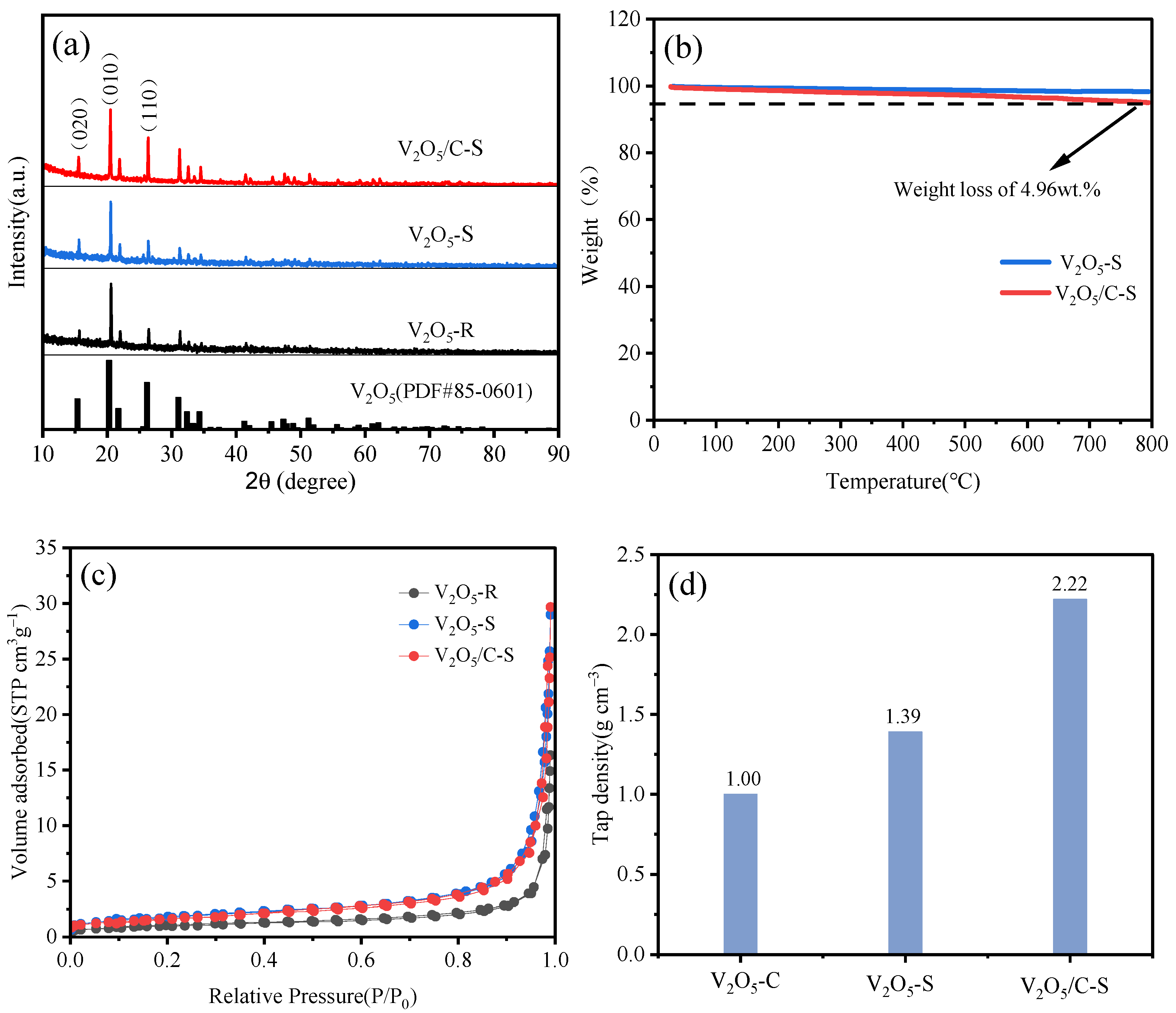
Figure 3a presents the X-ray diffraction (XRD) patterns of commercial (raw materials) V
2O
5 (V
2O
5-R), spray-dried V
2O
5 (V
2O
5-S), and spray-dried carbon-modified V
2O
5 composite (V
2O
5/C-S). The diffraction peaks at 15.37°, 20.29°, and 26.15° correspond to the (020), (010), and (110) planes of V
2O
5 (PDF#85-0601). The diffraction peaks of all samples are well matched with the reference data, exhibiting sharp profiles and high intensities, which indicate good crystallinity and high phase purity of the obtained materials. Notably, V
2O
5/C-S powders show neither peak shifts nor additional peaks, confirming that carbon incorporation does not induce lattice distortion or secondary phase formation, thereby preserving the integrity of the V
2O
5 structure.
Figure 3b displays thermogravimetric (TG) curves of V
2O
5-S and V
2O
5/C-S. V
2O
5-S exhibits almost no weight loss in the range of 25–800 °C and demonstrates excellent thermal stability. In contrast, V
2O
5/C-S shows a weight loss of approximately 4.96 wt.% within the same temperature window, which can be attributed to the oxidative decomposition of amorphous carbon species in air. The pyrolytic carbon content in V
2O
5/C-S composite is approximately 4.96 wt.%.
Figure 3c shows the N
2 adsorption–desorption isotherms and the corresponding Brunauer–Emmett–Teller (BET) surface areas of V
2O
5-R, V
2O
5-S, and V
2O
5/C-S. All samples exhibit typical type-IV isotherms, suggesting the presence of mesoporous structures. Specifically, BET surface area of V
2O
5-S reaches 6.71 m
2 g
−1, which is ~74.7% higher than that of V
2O
5-R (3.84 m
2 g
−1), indicating that spray drying facilitates the formation of a looser particle packing structure with more exposed active surfaces. The surface area of V
2O
5/C-S powders decreases slightly to 5.42 m
2 g
−1 (18.9% lower than that of V
2O
5-S powders), likely due to partial particle aggregation and the presence of a carbon coating layer. The cathode electrode of thermal batteries is fabricated by the powder compaction process, and the tap density serves as a critical performance parameter. A low tap density can lead to insufficient densification of the pressed electrode, resulting in structural degradation and hindered charge transport pathways. These could reduce the utilization efficiency of active materials and may even cause catastrophic battery failure in severe cases.
Figure 3d shows that commercial V
2O
5 exhibits the lowest tap density of approximately 1.00 g cm
−3. V
2O
5-S shows an increased tap density of about 1.39 g cm
−3 after simple spray drying treatment, which can be attributed to the agglomeration of particles and optimized particle size distribution during the spray drying process, leading to improved packing efficiency and space-filling ability. The conventional carbon incorporation generally reduces tap density due to the introduction of low-density carbon phases. Remarkably, the spray drying combined with pyrolytic carbon modification yields V
2O
5/C-S with the highest tap density (2.22 g cm
−3), indicating that the synergistic structural densification and uniform carbon modification can enhance electronic conductivity while maintaining efficient particle packing.
X-ray photoelectron spectroscopy (XPS) is employed to elucidate the chemical states of elements in the V
2O
5-S and V
2O
5/C-S cathode materials. As shown in
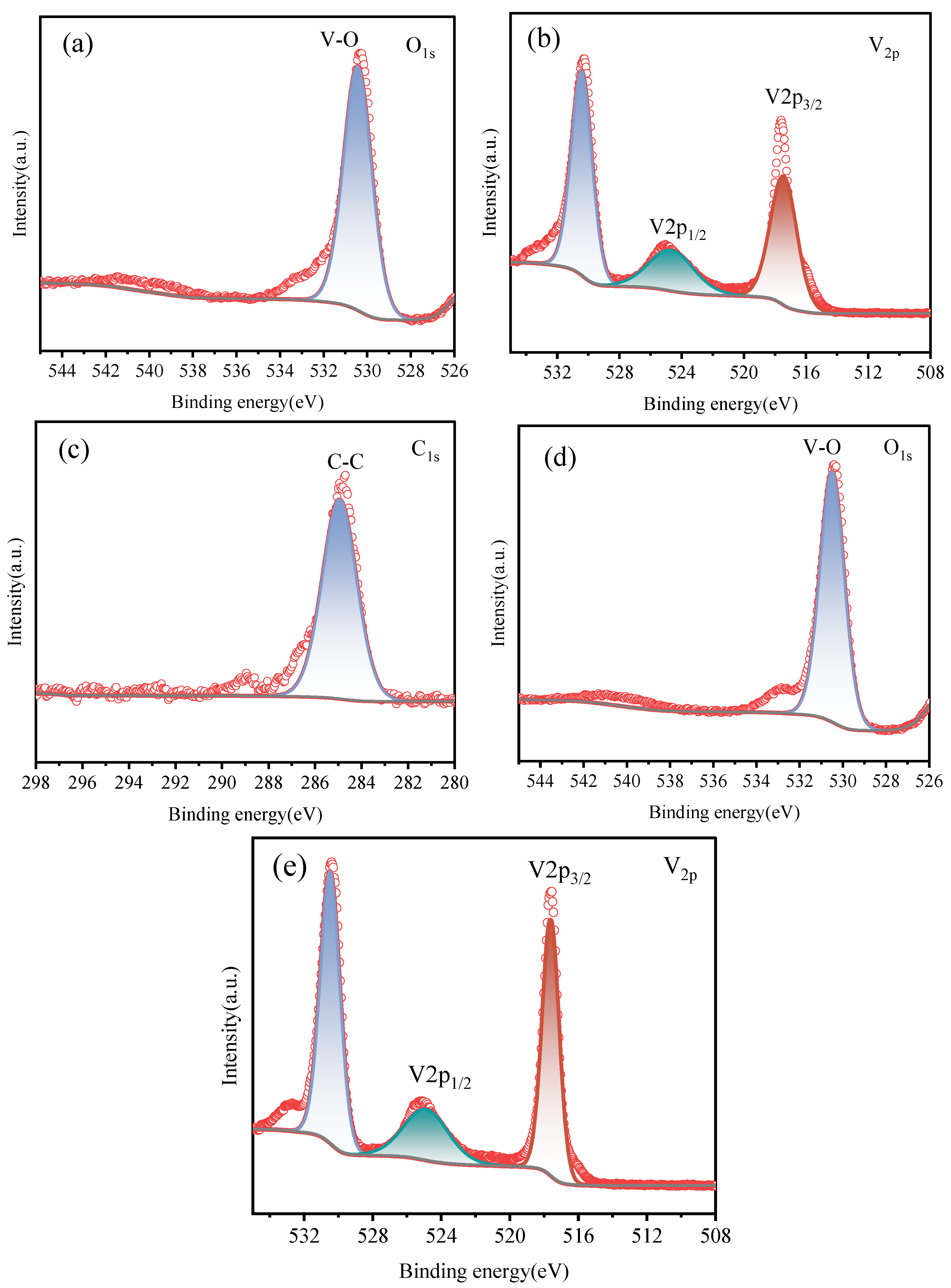
Figure 4a, the O 1s spectrum of the V
2O
5-S sample exhibits a characteristic peak at 530.2 eV, corresponding to V–O bonds, confirming the formation of vanadium oxide framework.
Figure 4b presents the V 2p high-resolution spectrum, which can be deconvoluted into two peaks located at 517.65 eV (2p
3/2) and 525.75 eV (2p
1/2), indicating that vanadium predominantly exists in the +5 oxidation state. For the V
2O
5/C-S cathode,
Figure 4c shows the C 1s spectrum with a prominent peak at 284.47 eV, attributed to C–C bonds derived from carbonization of the organic precursor during synthesis.
Figure 4d presents the O 1s spectrum, which also shows a peak at approximately 530.35 eV corresponding to V–O bonds, indicating that the introduction of carbon does not alter the fundamental vanadium oxide structure. Finally,
Figure 4e displays the V 2p spectrum of the V
2O
5/C-S sample, which is well consistent with that of pristine V
2O
5, confirming that vanadium remains in the +5 oxidation state after carbon modification.
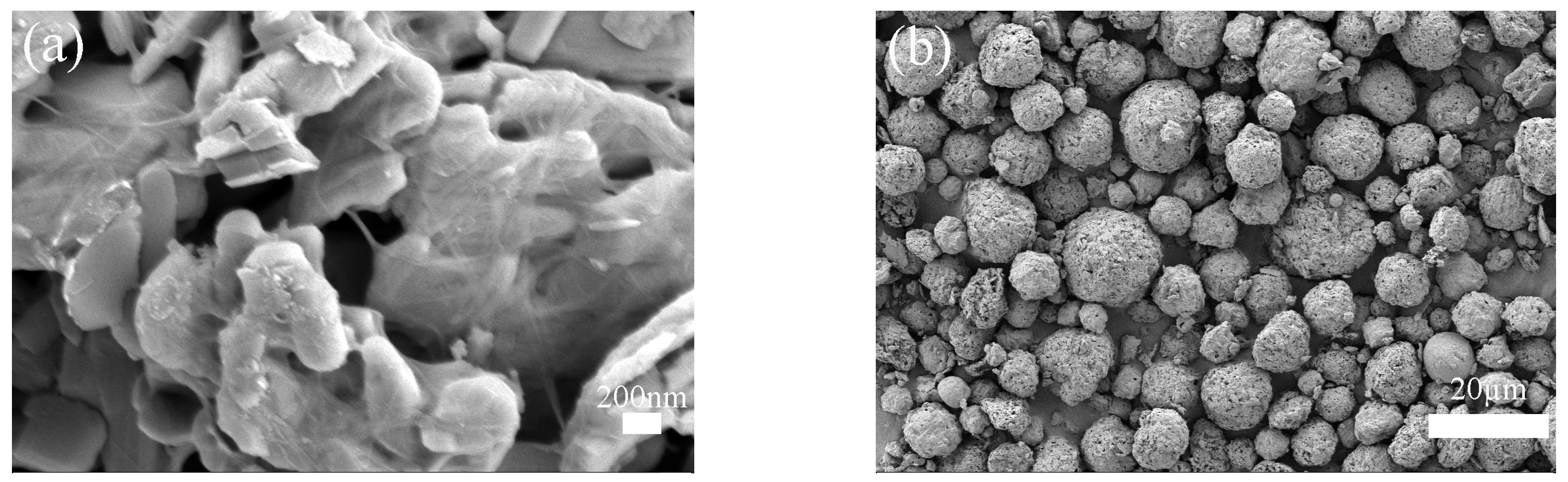
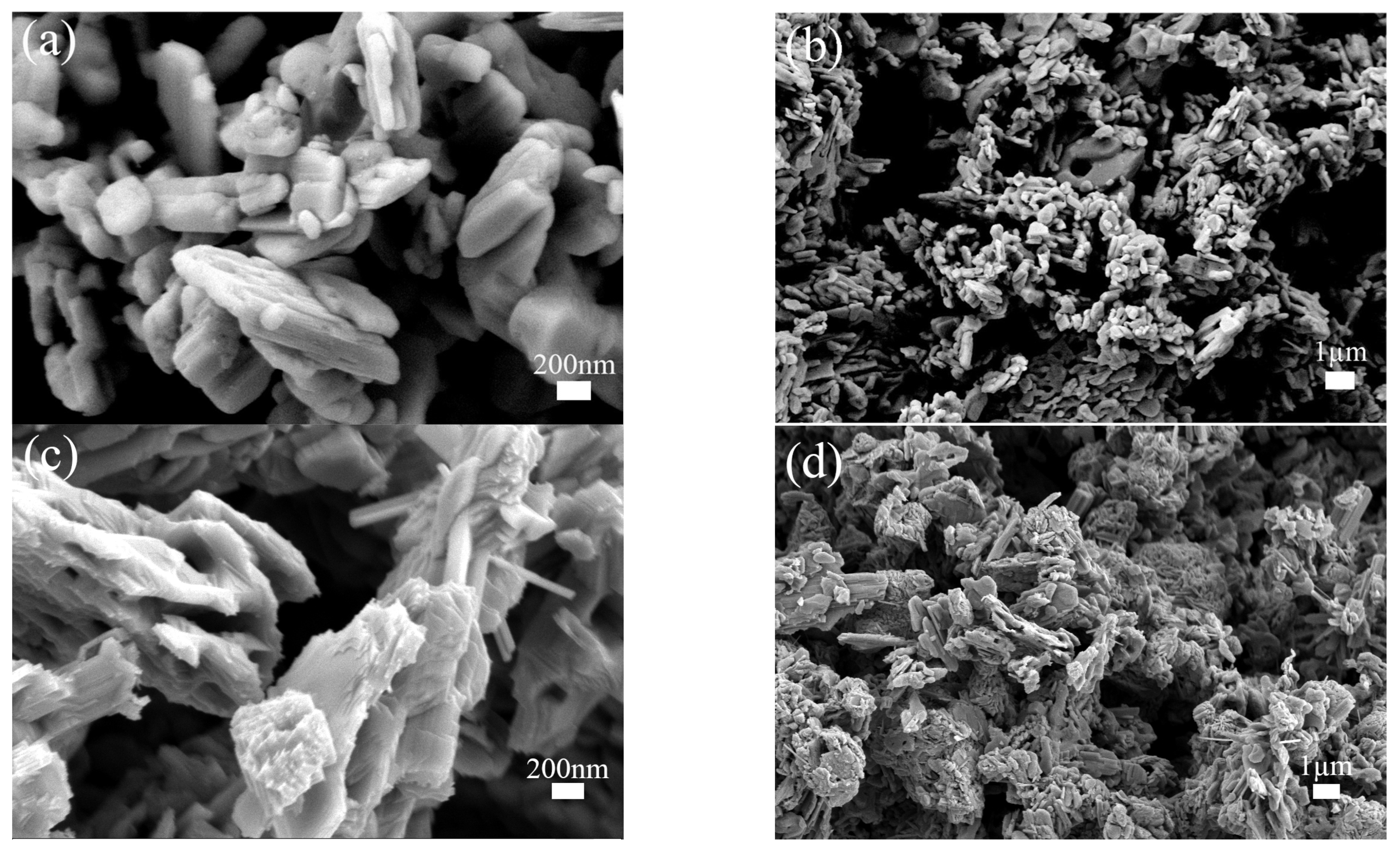
Figure 5a,b present the typical morphology of commercial V
2O
5 powders, which consists of irregularly aggregated short rod-like and plate-like particles forming a relatively dense structure. In contrast,
Figure 5c,d show the morphology of V
2O
5-S obtained after spray treatment, exhibiting more uniform distribution with well-defined plate-like and rod-like structures. It can also be observed that the spray drying alone is insufficient to induce the formation of spherical secondary particles when using pure V
2O
5 as the precursor without any binder or additional additives. The morphology remains anisotropic rather than being fully spheroidized in the spray drying process.
Figure 6 presents morphological features and elemental distribution of V
2O
5/C-S characterized by SEM and energy-dispersive X-ray spectroscopy (EDS).
Figure 6a shows that V
2O
5/C-S powders exhibit a complex layered or sheet-like structure, with particles interconnected through a carbon network framework. The sample evolves into uniform spherical or quasi-spherical particles in
Figure 6b, which is favorable for enhancing packing density and structural stability. The EDS indicates that O and V are homogeneously distributed within the particles with a high degree of overlap in
Figure 6c, while the network structure is identified as pyrolytic carbon. The C element is predominantly enriched at the particle surfaces and edges, which may originate from the decomposition or reaction of 2-Methylimidazole during the sintering process. The organic ligand serves as both a structure-directing agent and a carbon precursor. It promotes the formation of uniform spherical precursor particles through coordination and improved droplet stability during the spray drying process. The organic ligand is converted into an amorphous carbon network that is uniformly distributed within the secondary particles upon sintering, enhancing electronic conductivity and contributing to the structural integrity of the spherical V
2O
5/C cathodes. Collectively, these results demonstrate that V
2O
5/C-S forms a composite material with uniform spherical morphology, while maintaining a homogeneous spatial distribution of V
2O
5 and C elements.
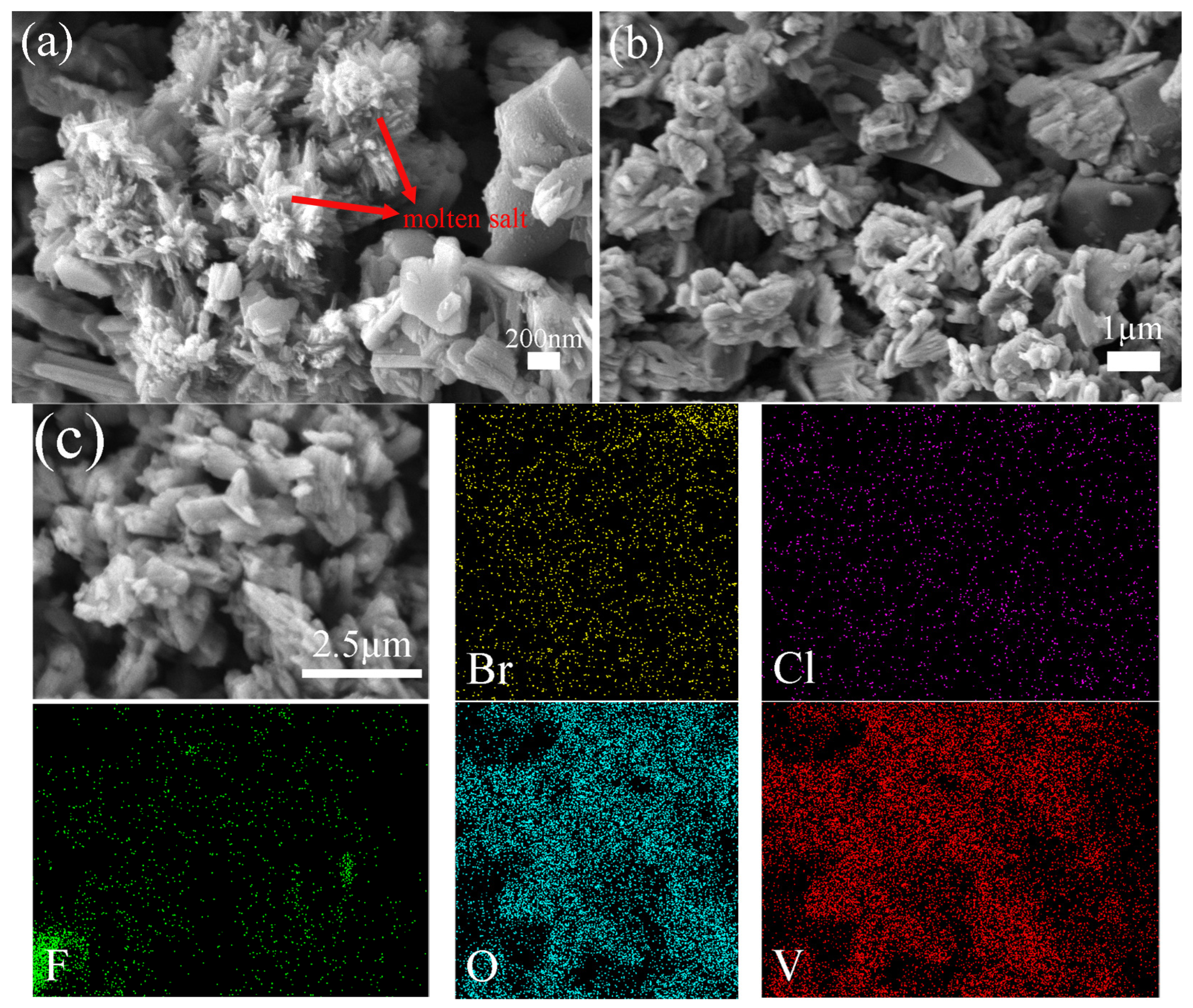
The mixing homogeneity between molten salt electrolytes and cathode active materials plays a critical role in determining ionic transport performance in cathode electrodes.
Figure 7a,b show SEM images of V
2O
5-S/molten salt cathode electrode powders. V
2O
5-S retains the original layered structure, but heterogeneous deposition of molten salt appears on its surface after molten salt treatment. The EDS elemental distribution map reveals the distribution of Br, Cl, F, O, and V elements in V
2O
5-S after molten salt impregnation. The results indicate that the V/O elements maintain a high degree of spatial coupling, while the distribution of Br, Cl, and F elements is uneven, with enrichment primarily occurring at the edges of aggregates or cracks on the layered surfaces. This suggests that the molten salt did not effectively adhere to the V
2O
5-S surface and failed to significantly improve ion transport properties.
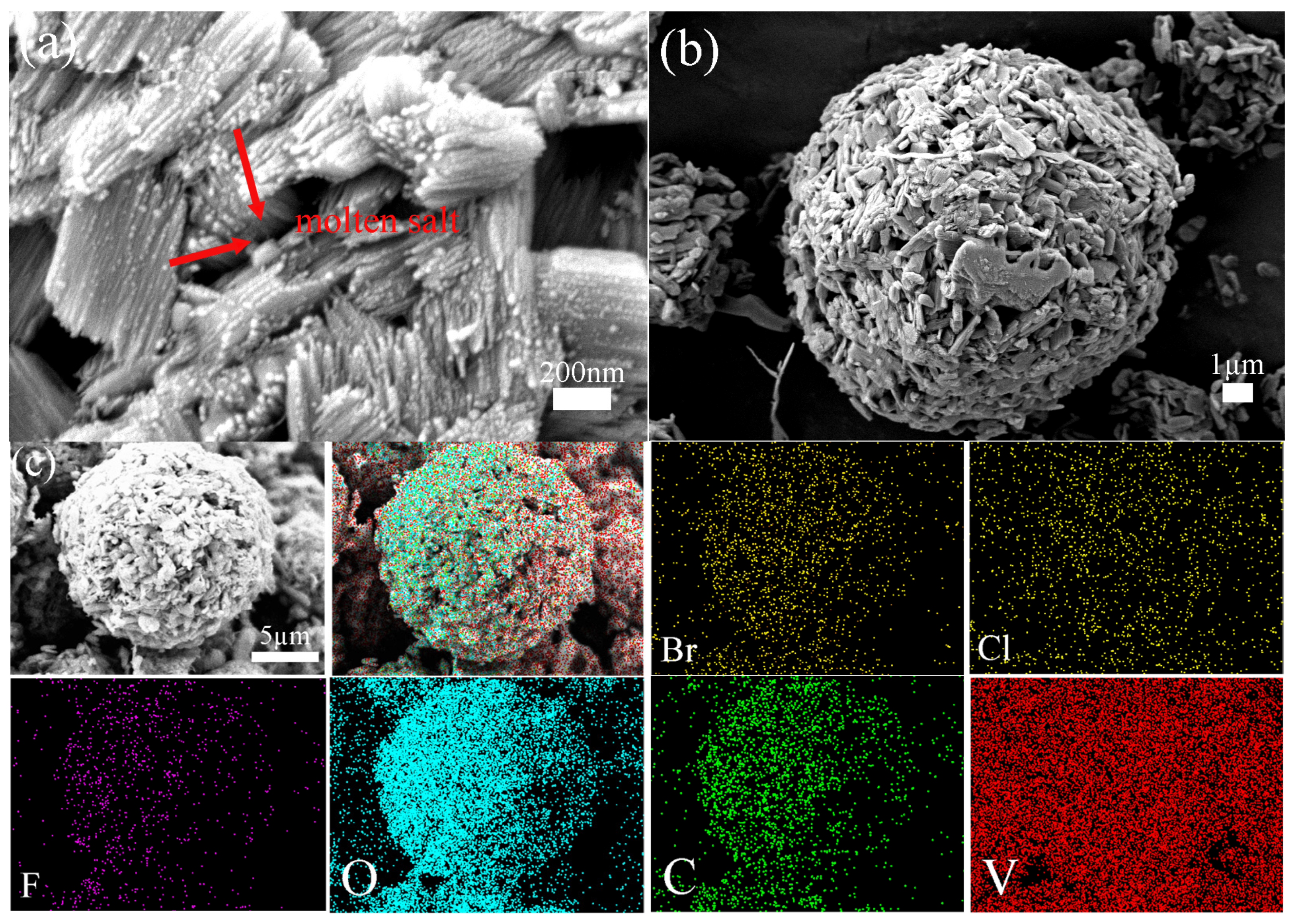
Figure 8 presents SEM images of V
2O
5/C-S after molten salt impregnation. The molten salt in V
2O
5/C-S is more uniform distribution than that in V
2O
5-S powders, with finer particles and no evident agglomeration. V
2O
5/C-S exhibits a structure formed by stacked nanosheets at the nanoscale (200 nm), and it shows spherical particles with rough surfaces and distinct porosity at the microscale (1 µm). The EDS elemental mapping further reveals the spatial distribution of Br, C, Cl, F, O, and V within the composite. The results indicate that V and O, as the principal constituents of V
2O
5, are highly consistent with both spherical and sheet-like structures, confirming V
2O
5 as the primary framework of the material. Meanwhile, C is uniformly distributed and partially overlaps with V and O, suggesting homogeneous and effective carbon incorporation. Additionally, Br, Cl, and F exhibit significant overlap and are mainly concentrated in the spherical particle regions, confirming the uniform dispersion of molten salts within the V
2O
5/C-S cathode electrode powders.
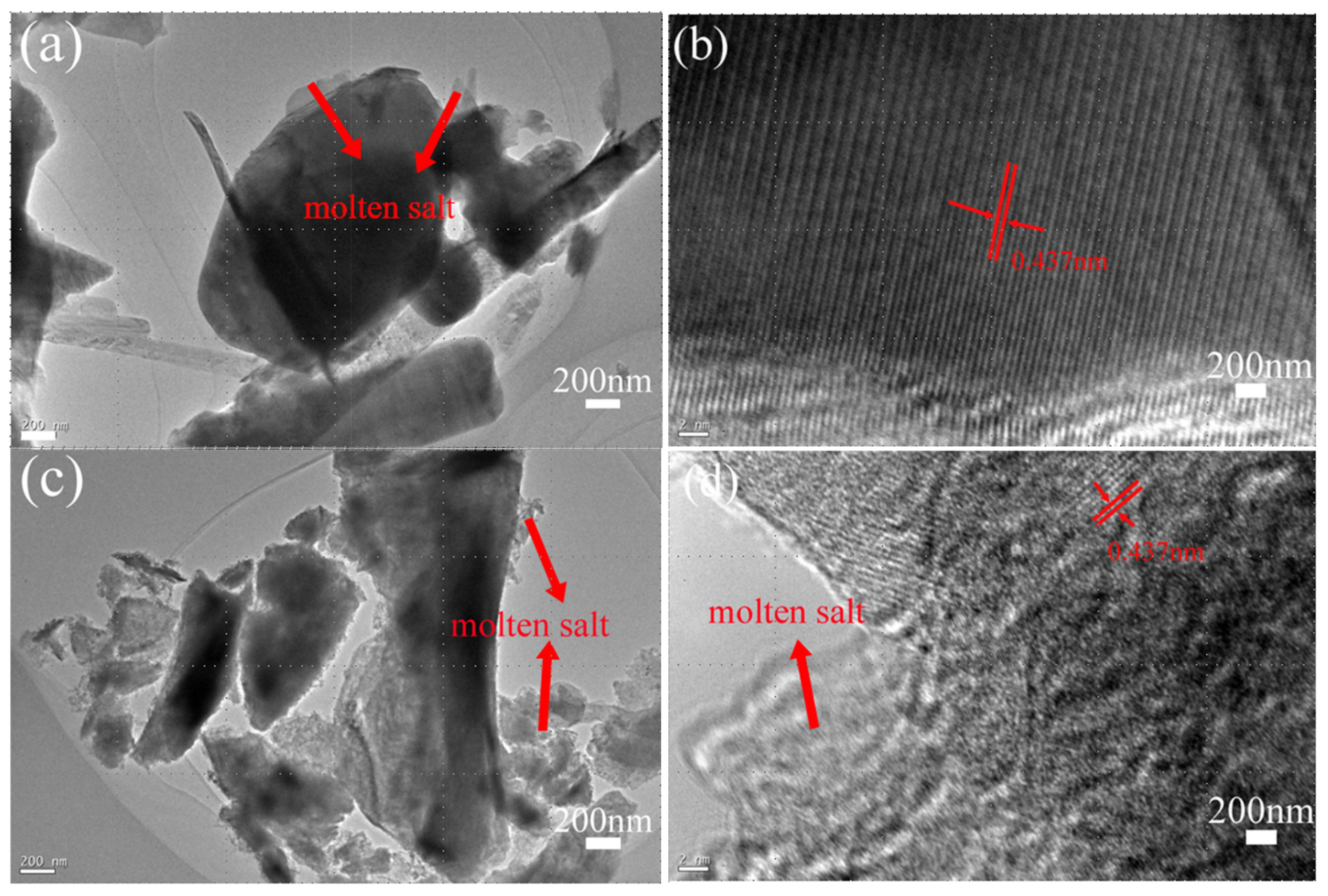
Figure 9a,b show that a small amount of molten salt is attached to the surface of the V
2O
5-S nanosheets. Clear lattice fringes with an interplanar spacing of 0.437 nm can be attributed to the characteristic crystal planes (001) of V
2O
5, indicating insufficient molten salt coverage on the active material surface. The contact area between V
2O
5 and the molten salt is limited, which could restrict the formation of efficient ionic transport pathways.
Figure 9c,d show the TEM and HRTEM images of V
2O
5/C-S after mixing with molten salt. A large amount of molten salt is uniformly distributed on the surface of the V
2O
5 nanosheets and infiltrates the inter-nanosheet voids, forming a continuous and intimate interfacial contact layer. The lattice fringes of V
2O
5 become significantly weaker or are partially obscured in HRTEM, suggesting the formation of a highly covered molten salt coating layer on the active material surface. Such a homogeneous molten salt network facilitates the construction of continuous Li
+ transport pathways, thereby promoting interfacial ion migration and enhancing the electrochemical reaction kinetics of the electrode.
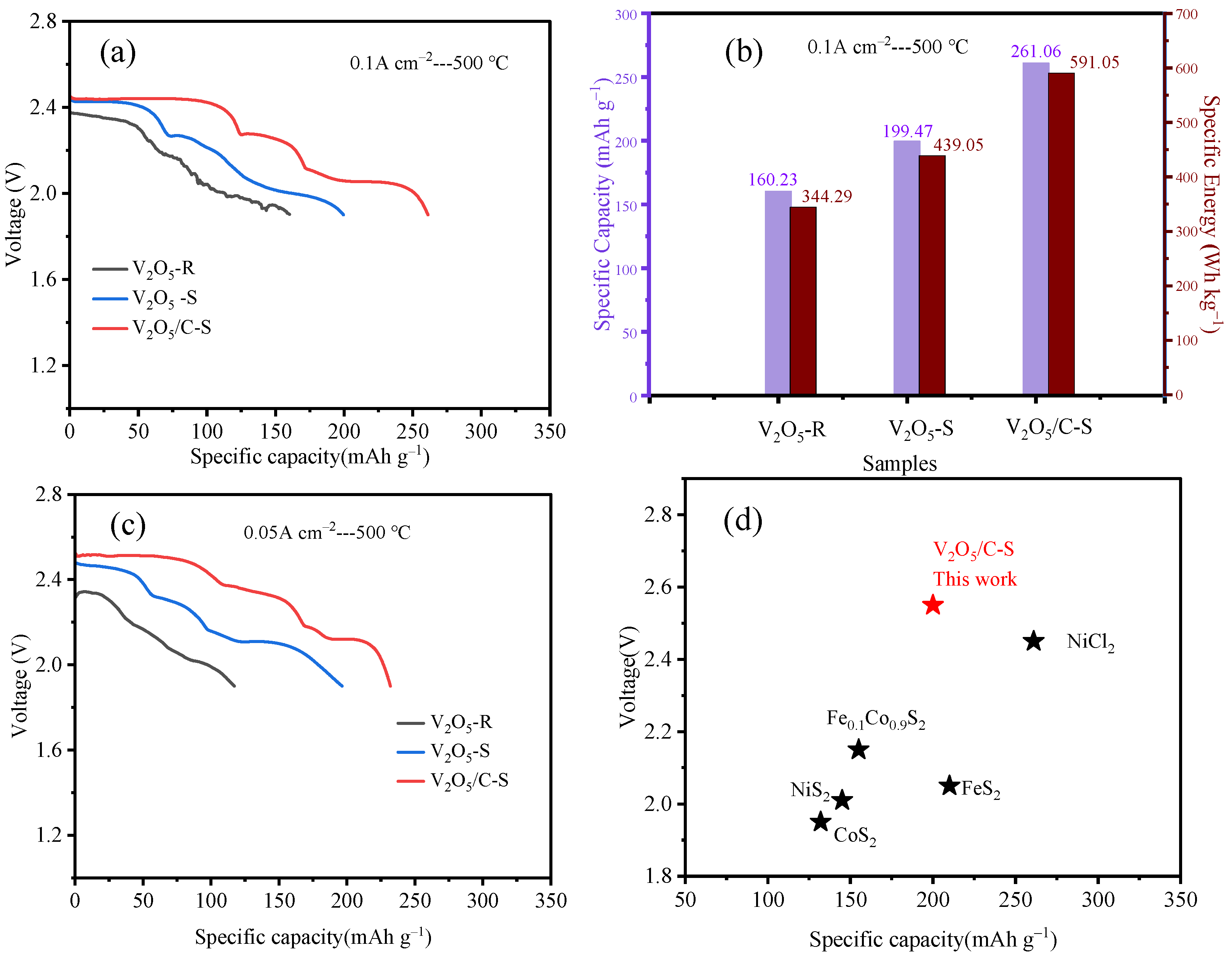
To systematically investigate the correlation between spherical structure and discharge performance, discharge tests are conducted at 0.1 A cm
−2 and 0.05 A cm
−2. The initial discharge voltage of V
2O
5/C-S cathode reaches 2.45 V at 500 °C and 0.1 A cm
−2 in
Figure 10a, which is significantly higher than 2.37 V of V
2O
5-R cathode and 2.43 V of V
2O
5-S cathode. The V
2O
5/C-S cathode exhibits two distinct discharge plateaus at 2.43 V and 2.05 V, whereas neither V
2O
5-R nor V
2O
5-S displayed such features. The discharge profile of V
2O
5/C-S cathode remains more stable prior to the cut-off voltage of 1.9 V, indicating a reduced polarization effect. These results demonstrate that spray drying not only enables the formation of spherical particles but also facilitates the construction of continuous electron pathways and ion diffusion channels, thereby mitigating polarization and enhancing discharge voltage, plateau stability, and specific capacity. Both the specific capacity and specific energy of V
2O
5/C-S cathode are significantly improved compared with the other samples in
Figure 10b. V
2O
5/C-S cathode delivers a specific capacity of 261.06 mAh g
−1 at a cut-off voltage of 1.9 V, much higher than 160.23 mAh g
−1 of the V
2O
5-R cathode and 199.47 mAh g
−1 of the V
2O
5-S cathode. The specific energy of V
2O
5/C-S cathode reaches 591.05 Wh kg
−1, which is also markedly superior to 344.29 Wh kg
−1 of V
2O
5-R cathode and 439.05 Wh kg
−1 of V
2O
5-S cathode. To further evaluate the structural stability of the spherical morphology under prolonged exposure to high temperatures and molten salts, discharge tests are conducted at a low current density of 0.05 A cm
−2 (longer discharge durations,
Figure 10c). The results reveal that the V
2O
5/C-S cathode still exhibits outstanding discharge performance, maintaining a specific capacity of 232.02 mAh g
−1 and a specific energy of 543.5 Wh kg
−1. Spherical V
2O
5/C-S architecture uniquely integrates structural robustness, continuous conductive pathways, and scalable manufacturability. So V
2O
5/C-S prepared in this work exhibits superior electrochemical performance compared with transition metal sulfide cathodes at a high-voltage platform (with a cut-off voltage of 1.9 V) in
Figure 10d. A V
2O
5/C-S cathode prepared via spray drying demonstrates superior discharge performance, characterized by higher discharge voltages, more stable plateaus, and enhanced specific capacity and energy density, highlighting its significant potential as a cathode material for thermal batteries [
33,
34].
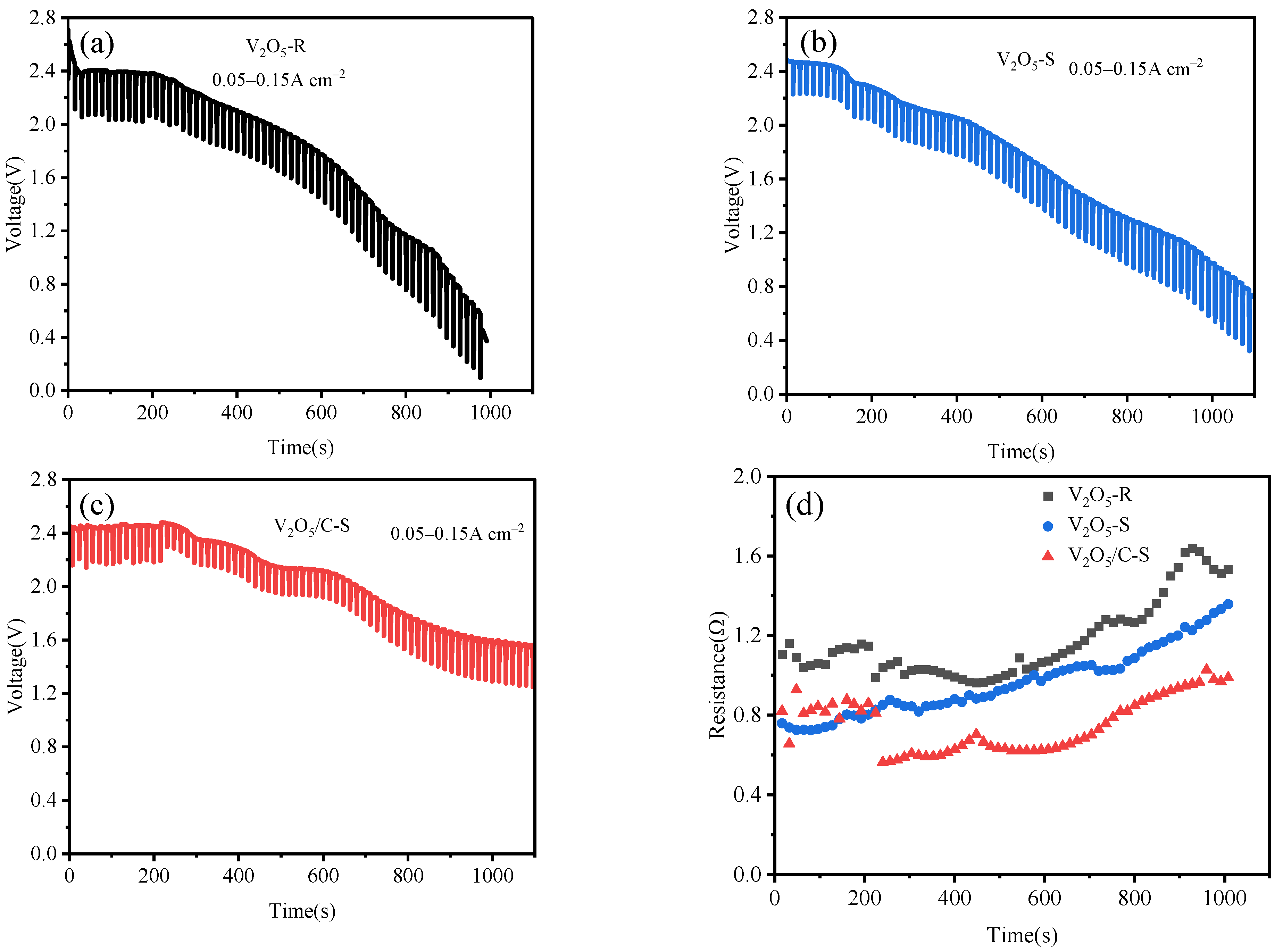
Figure 11 presents the pulse discharge curves and resistance evolution of V
2O
5-R, V
2O
5-S, and V
2O
5/C-S cathodes at 500 °C under current densities alternating between 0.05 A cm
−2 (15 s) and 0.15 A cm
−2 (1 s). All samples exhibit typical stepped voltage responses, indicating the periodic polarization and depolarization processes during pulse loading. However, distinct differences in voltage stability and polarization behavior can be observed among the three cathodes. The V
2O
5/C-S cathode maintains a higher and more stable discharge voltage throughout the pulse cycling, with low voltage fluctuations, demonstrating superior voltage stability and lower polarization. In contrast, V
2O
5-S cathode shows a relatively faster voltage decay, while V
2O
5-R cathode exhibits pronounced voltage drops and larger oscillations, suggesting that plate-like structure is insufficient to simultaneously ensure interfacial stability. The pulse resistance of all cathodes gradually increases with discharge time due to the accumulation of reaction products and elongation of ion diffusion paths. Notably, the V
2O
5/C-S cathode exhibits the lowest and most stable resistance throughout the entire process, confirming its improved interfacial charge transfer and structural integrity. The synergistic effects of carbon modification and the spherical architecture derived from spray drying significantly enhance electron/ion transport continuity, suppress polarization, and ensure stable high-power output. These results demonstrate that the V
2O
5/C-S cathode possesses high electrochemical kinetics and voltage retention, making it a promising candidate for thermal batteries.
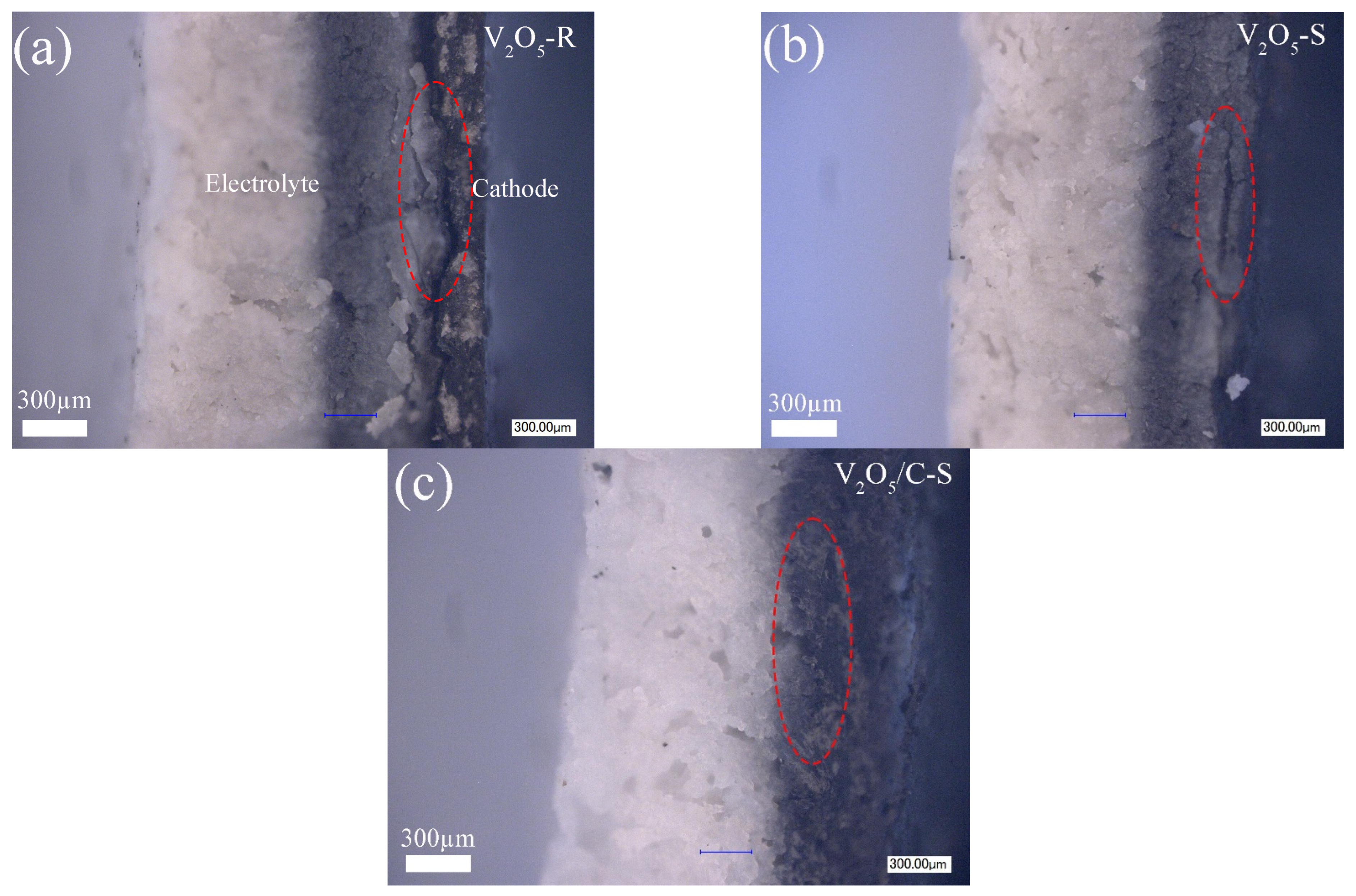
Figure 12 presents the optical microscopy images of the cathode/molten salt electrolyte interface after discharge. A pronounced interpenetration phenomenon is observed between the V
2O
5-R cathode and molten salt electrolyte in
Figure 12a, resulting in a blurred interface boundary. In addition, obvious cracks and structural degradation are present within the cathode layer, indicating poor structural stability during discharge and the potential deterioration of interfacial transport pathways. After particle refinement and spray drying treatment, the V
2O
5-S cathode (
Figure 12b) exhibits a significantly reduced degree of cathode/electrolyte interpenetration, accompanied by a clearer interface boundary and a stable cathode structure. The V
2O
5/C-S cathode (
Figure 12c) maintains a distinct and intact cathode/electrolyte interface after discharge, with no obvious interpenetration or erosion caused by molten salt. Meanwhile, the cathode layer remains structurally intact and compact without noticeable cracking or collapse, demonstrating superior structural stability. The result could be attributed to the pyrolytic carbon-assisted spherical architecture, which not only promotes homogeneous molten salt distribution but also enhances structural robustness among particles, thereby effectively suppressing interfacial degradation and cathode cracking during discharge and improve discharge performance.




 ,
,