Article

Effect of Nanosilica on the Undrained Shear Strength of Organic Soil

by
Carlos Solórzano-Blacio
1 and
Jorge Albuja-Sánchez
1,2,*
1
Multidisciplinary Engineering Research Hub (MER Hub), Faculty of Habitat, Infrastructure, and Creativity, Pontificia Universidad Católica del Ecuador (PUCE), Quito 170143, Ecuador
2
International Faculty of Innovation PUCE-Icam, Pontificia Universidad Católica del Ecuador (PUCE), Quito 170143, Ecuador
*
Author to whom correspondence should be addressed.
Nanomaterials 2025, 15(9), 702; https://doi.org/10.3390/nano15090702
Submission received: 5 April 2025 / Revised: 26 April 2025 / Accepted: 1 May 2025 / Published: 7 May 2025
(This article belongs to the Special Issue Nanomaterials and Nanotechnology in Civil Engineering)

Abstract

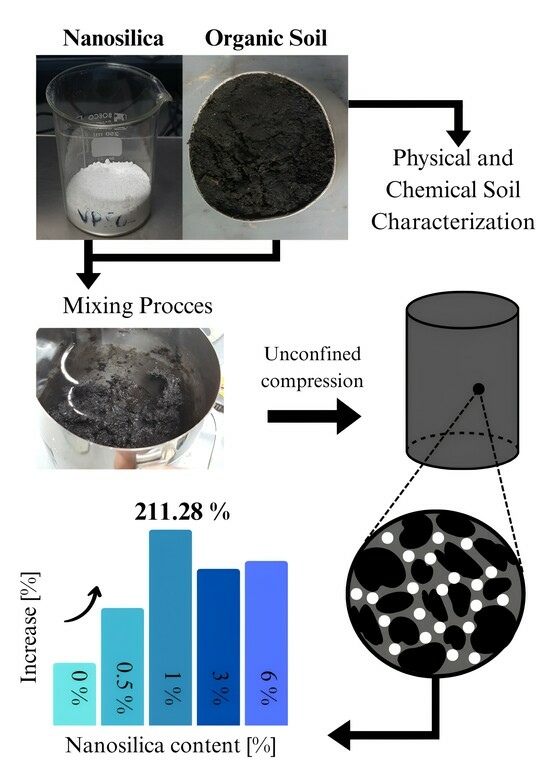
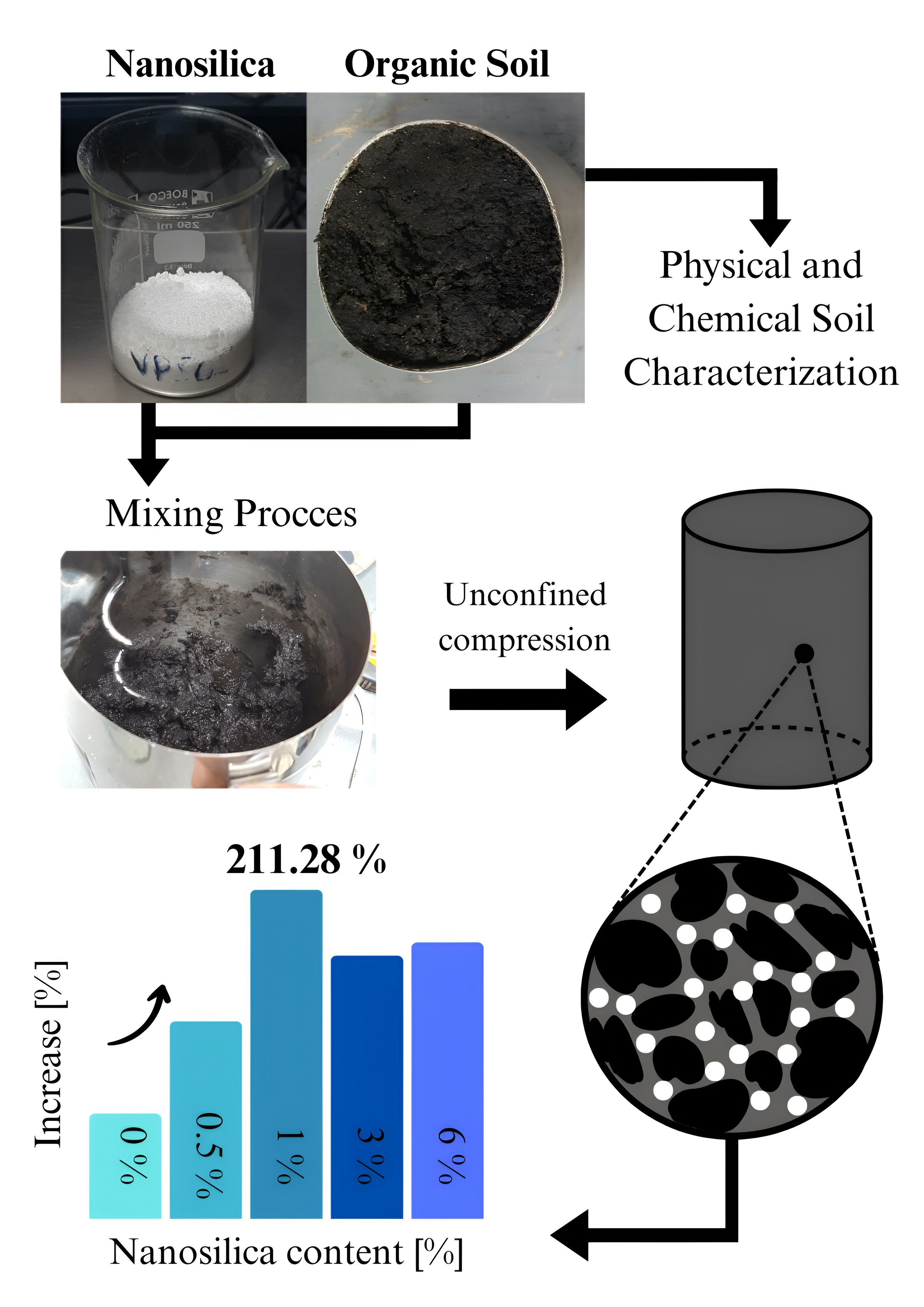
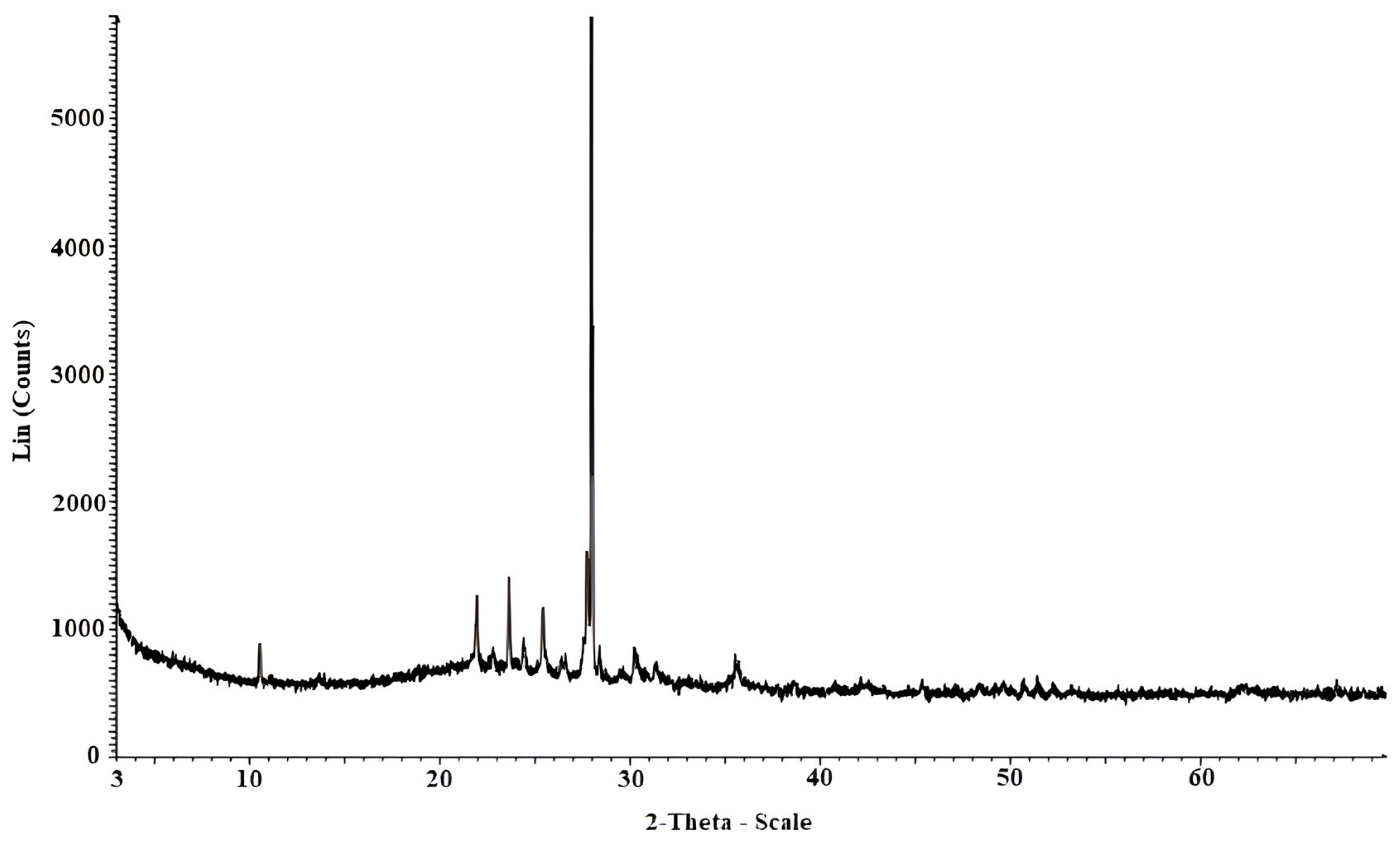
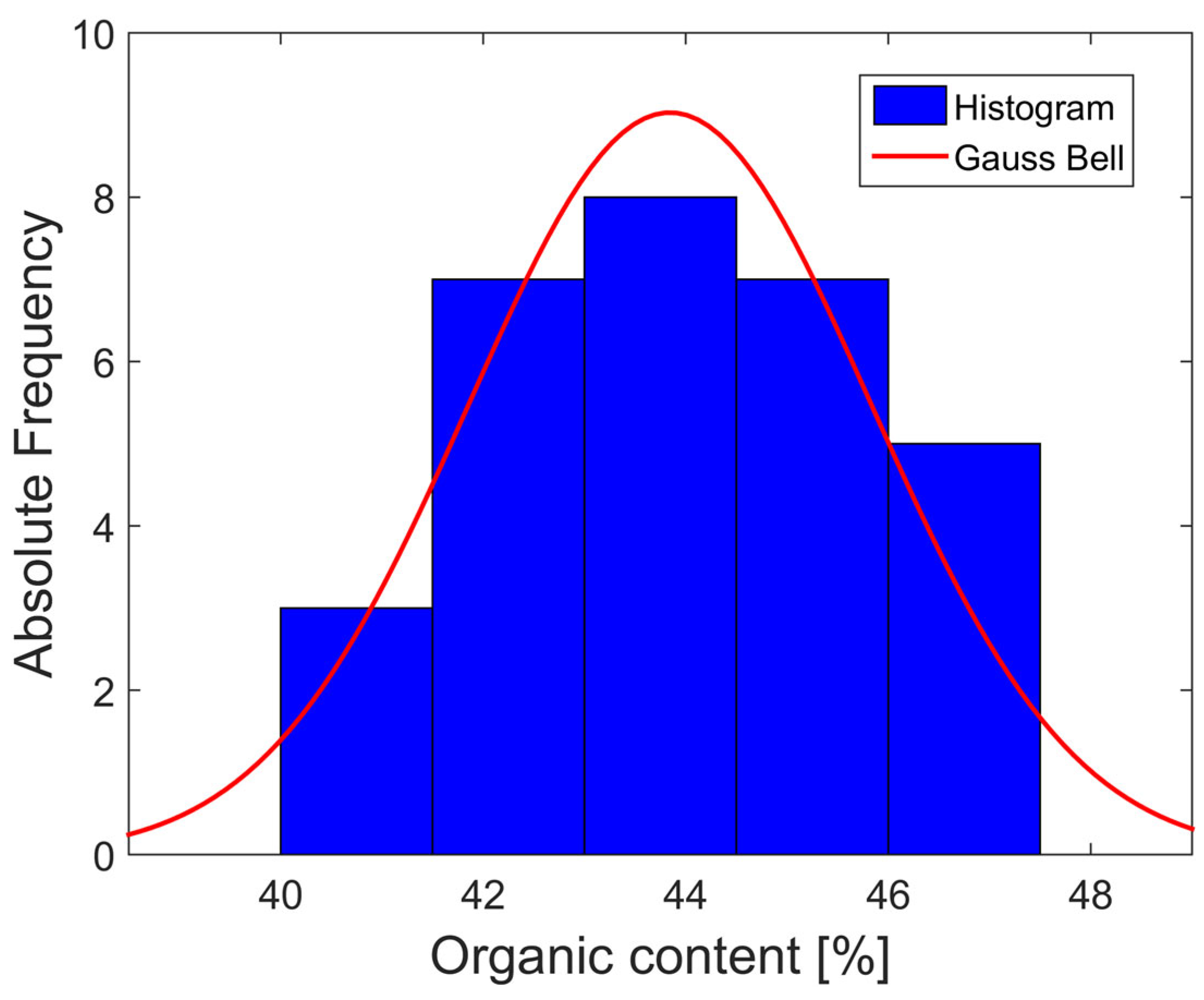
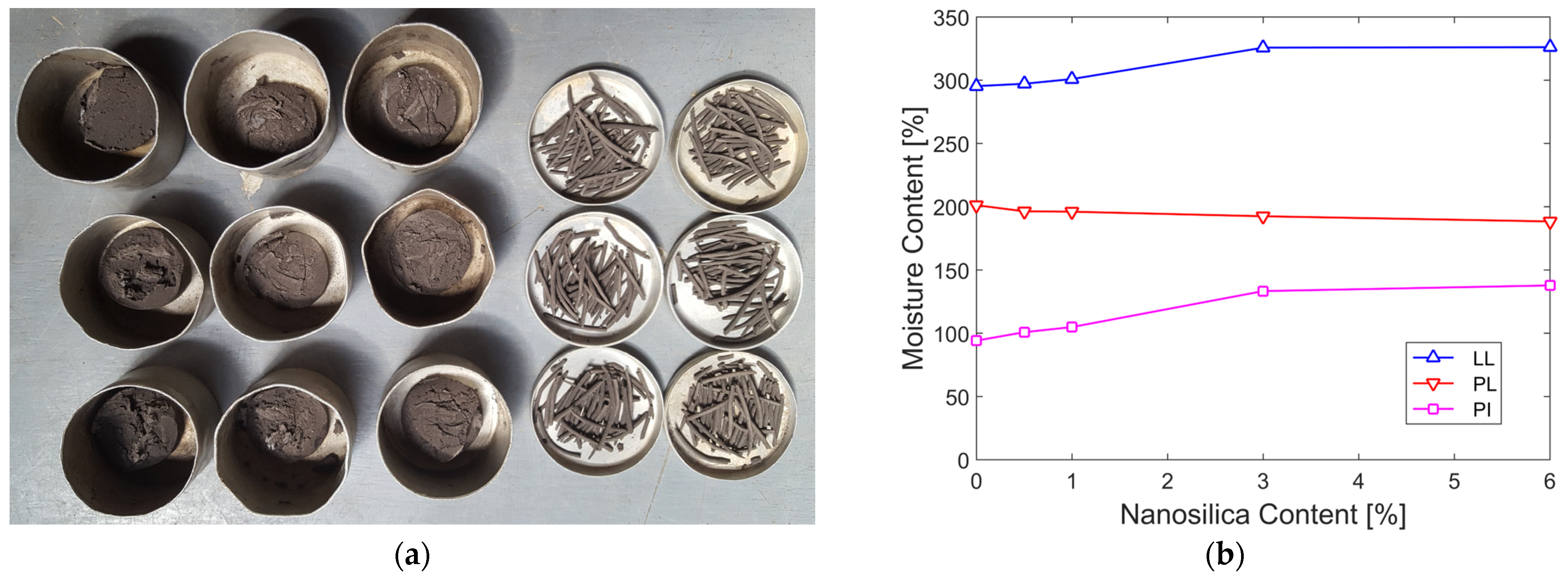
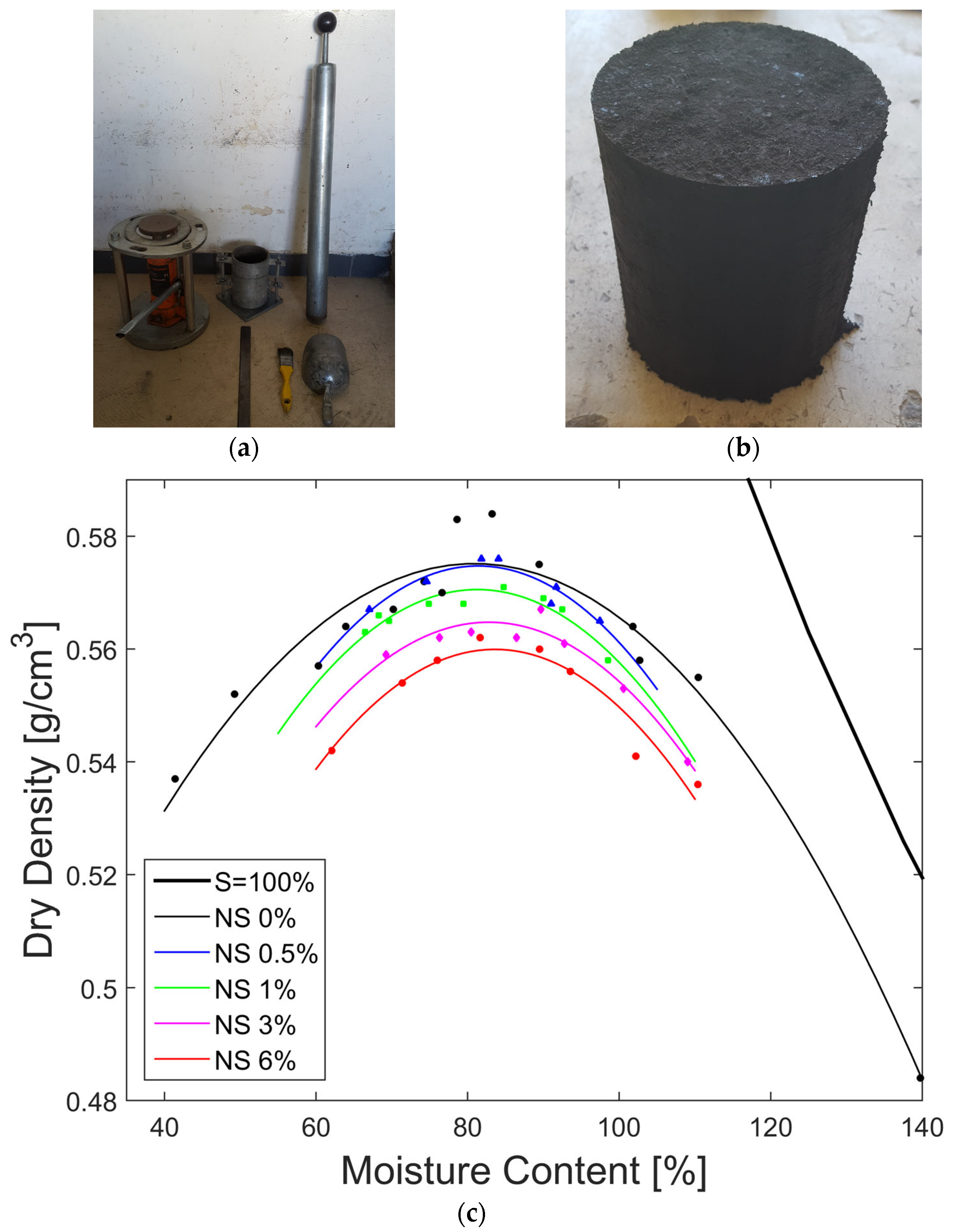
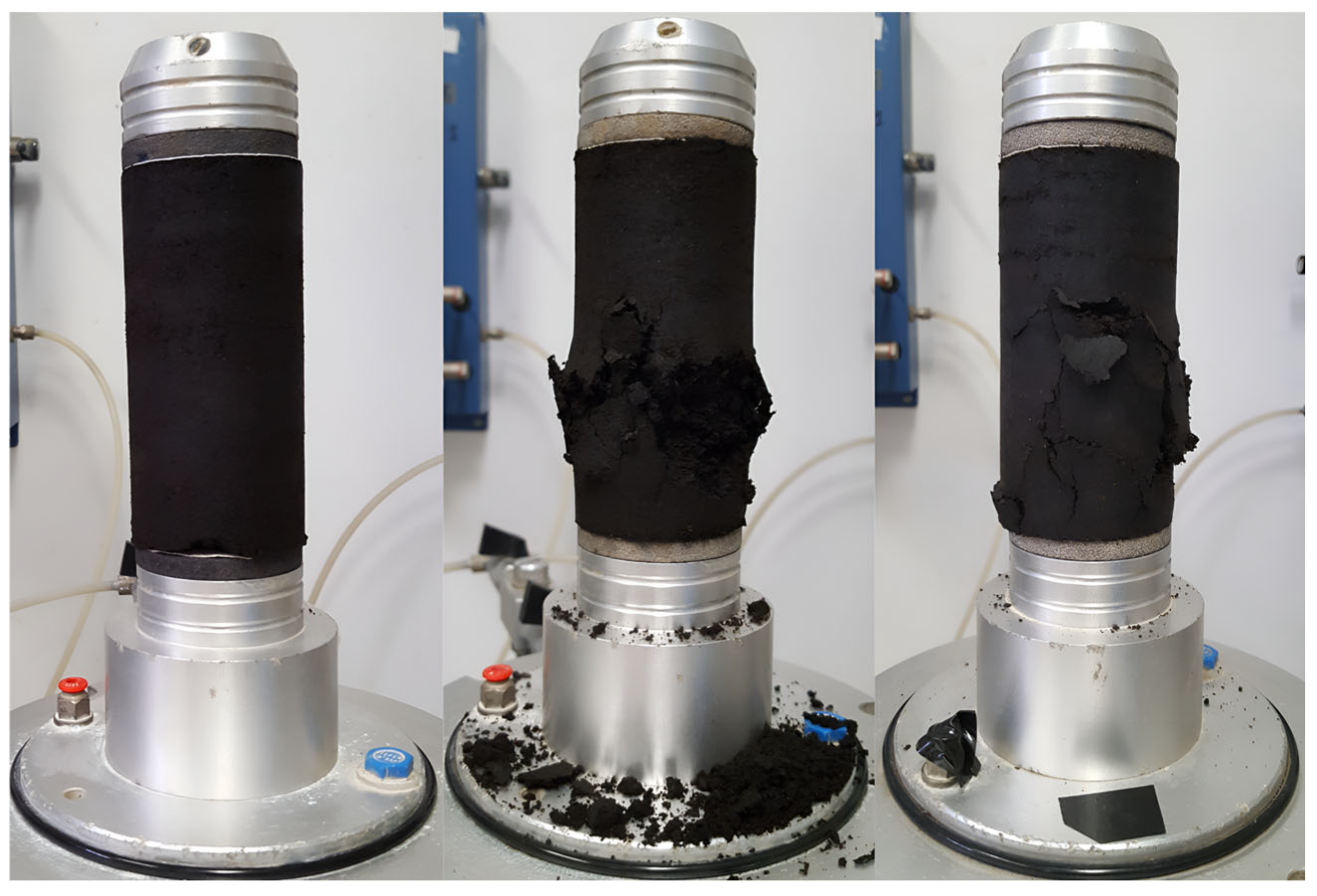
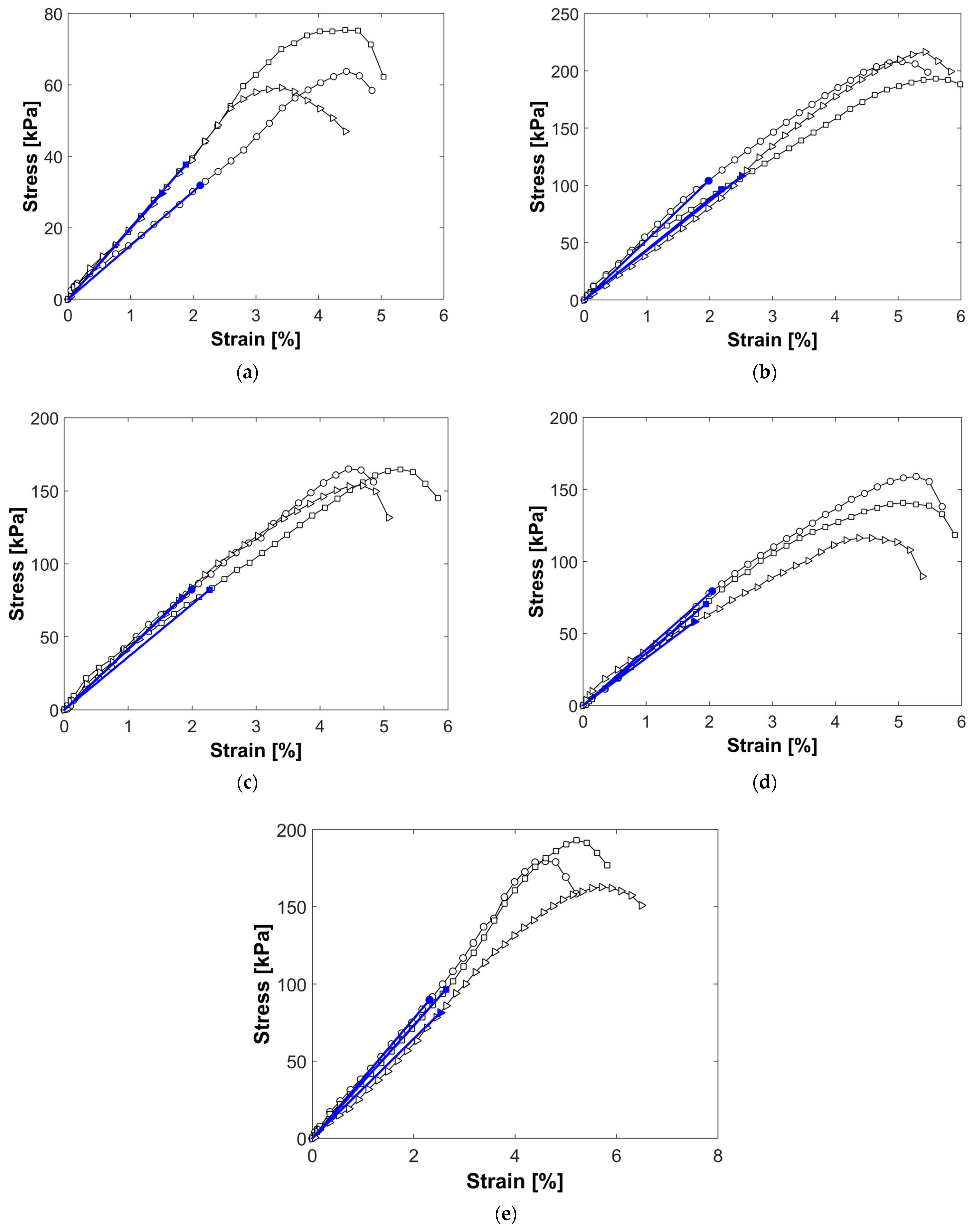
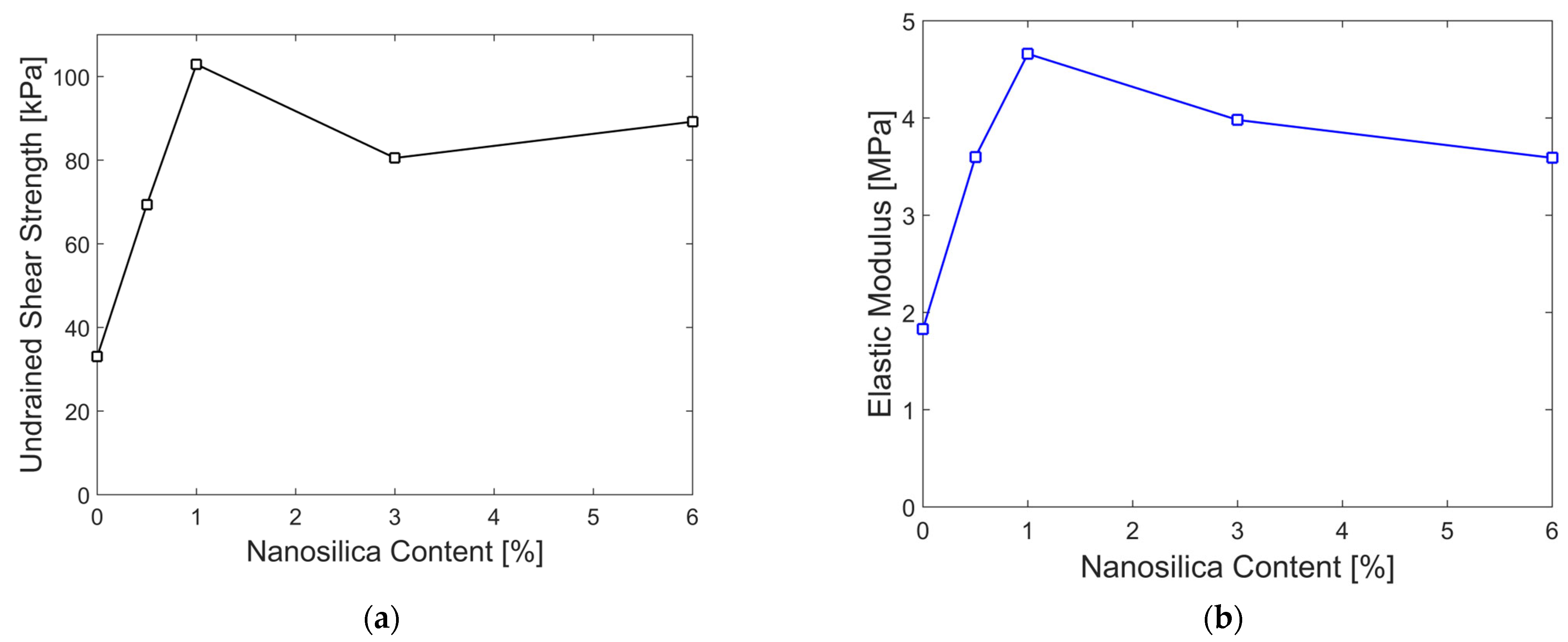
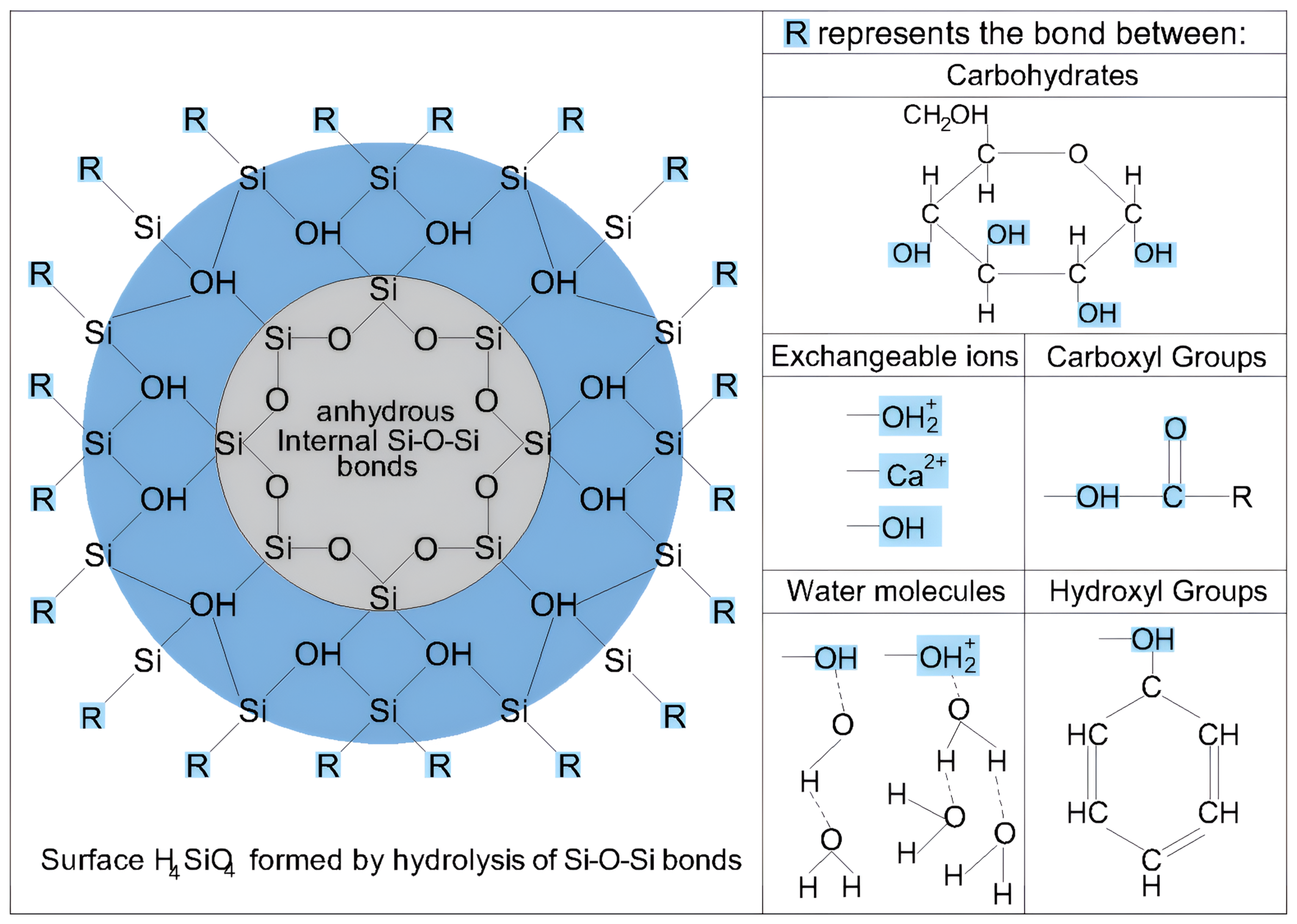
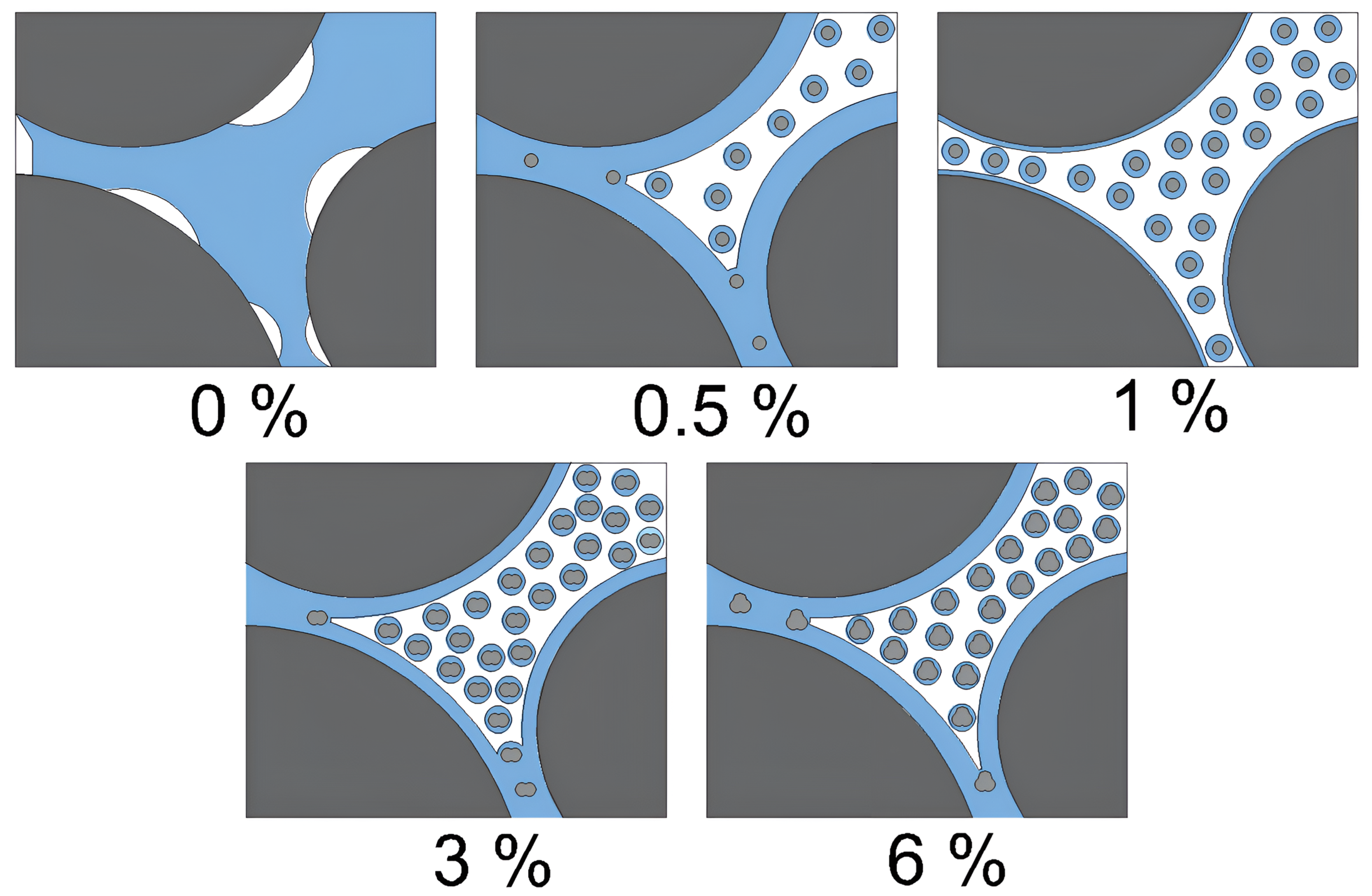
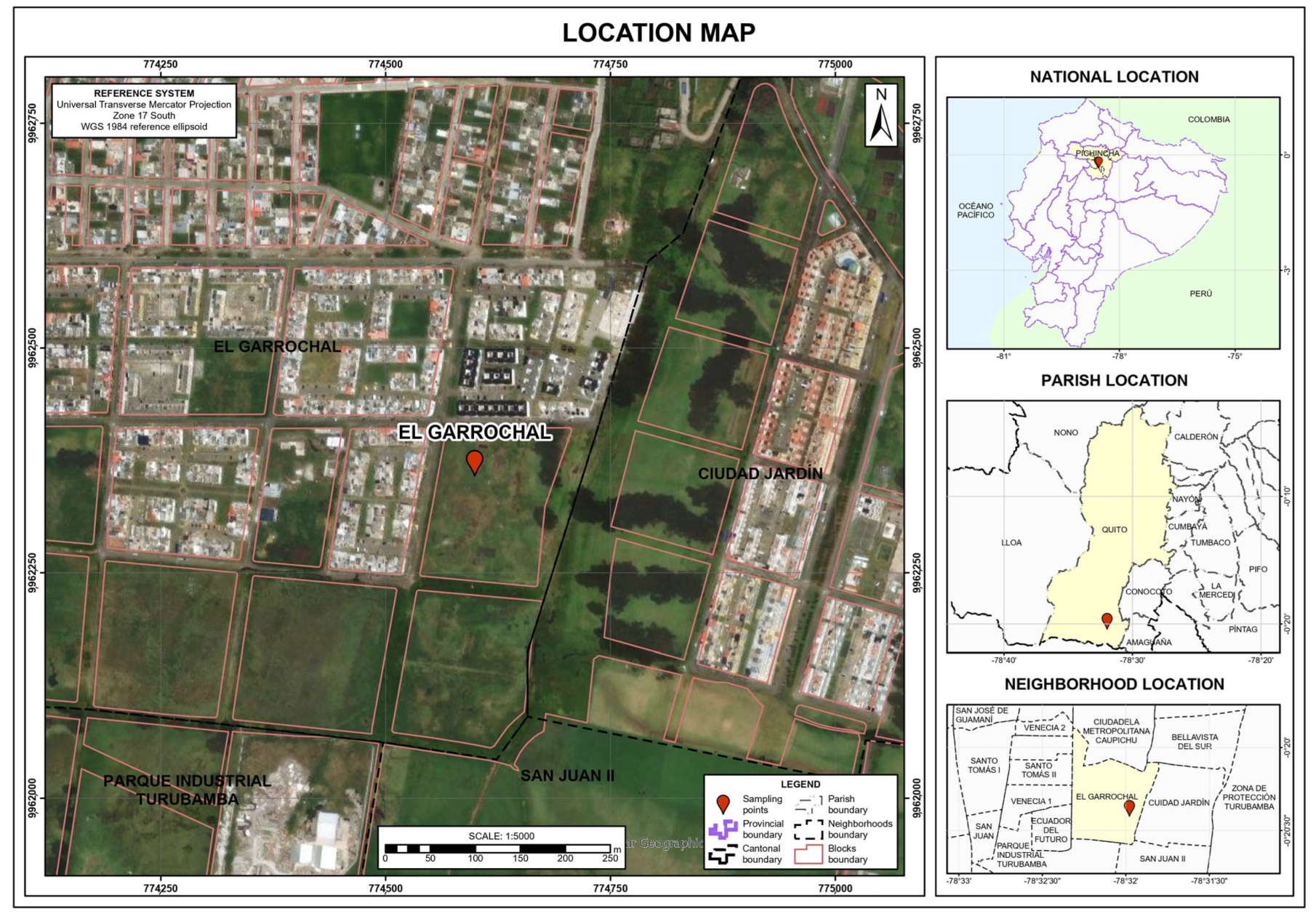
Organic soil is widely recognized for its low shear strength and high compressibility, which pose challenges for construction projects. One of the most commonly used methods for enhancing the mechanical properties of soil is chemical stabilization using various additives. In this study, the undrained shear strength of organic soil from Quito, Ecuador, with an average organic content of 43.84%, was reinforced using 0.5, 1, 3, and 6% nanosilica. A series of tests, including Atterberg limit, specific gravity, compaction, and unconfined compression tests, were conducted on specimens cured for 28 days. The results indicate that increasing the nanosilica content leads to higher plasticity, lower maximum dry density, and higher optimum moisture content. In addition, the modulus of elasticity and undrained shear strength improved. The optimal nanosilica content was found to be 1%, resulting in a 211.28% increase in the undrained shear strength. The mechanisms of soil improvement driven by the chemical interactions between nanosilica, mineralogical components (analyzed via XRD), and soil organic matter are discussed in detail.
Keywords: soil stabilization; organic soil; nanosilica; undrained shear strength; elastic modulus soil stabilization; organic soil; nanosilica; undrained shear strength; elastic modulus
Graphical Abstract