Article

Testing and Analysis of MOSFET-Based Absorber Integrated Antenna for 5G/WiMAX/WLAN Applications
by
Elliot O. Omoru
and
Viranjay M. Srivastava
*,‡
Department of Electronic Engineering, Howard College, University of KwaZulu-Natal, Durban 4041, South Africa
*
Author to whom correspondence should be addressed.
Student Member, IEEE.
Senior Member, IEEE.
Nanomaterials 2022, 12(17), 2911; https://doi.org/10.3390/nano12172911
Submission received: 4 August 2022 / Revised: 19 August 2022 / Accepted: 22 August 2022 / Published: 24 August 2022
(This article belongs to the Special Issue Two-Dimensional Semiconductor Nanomaterials and Nanodevices)

Abstract

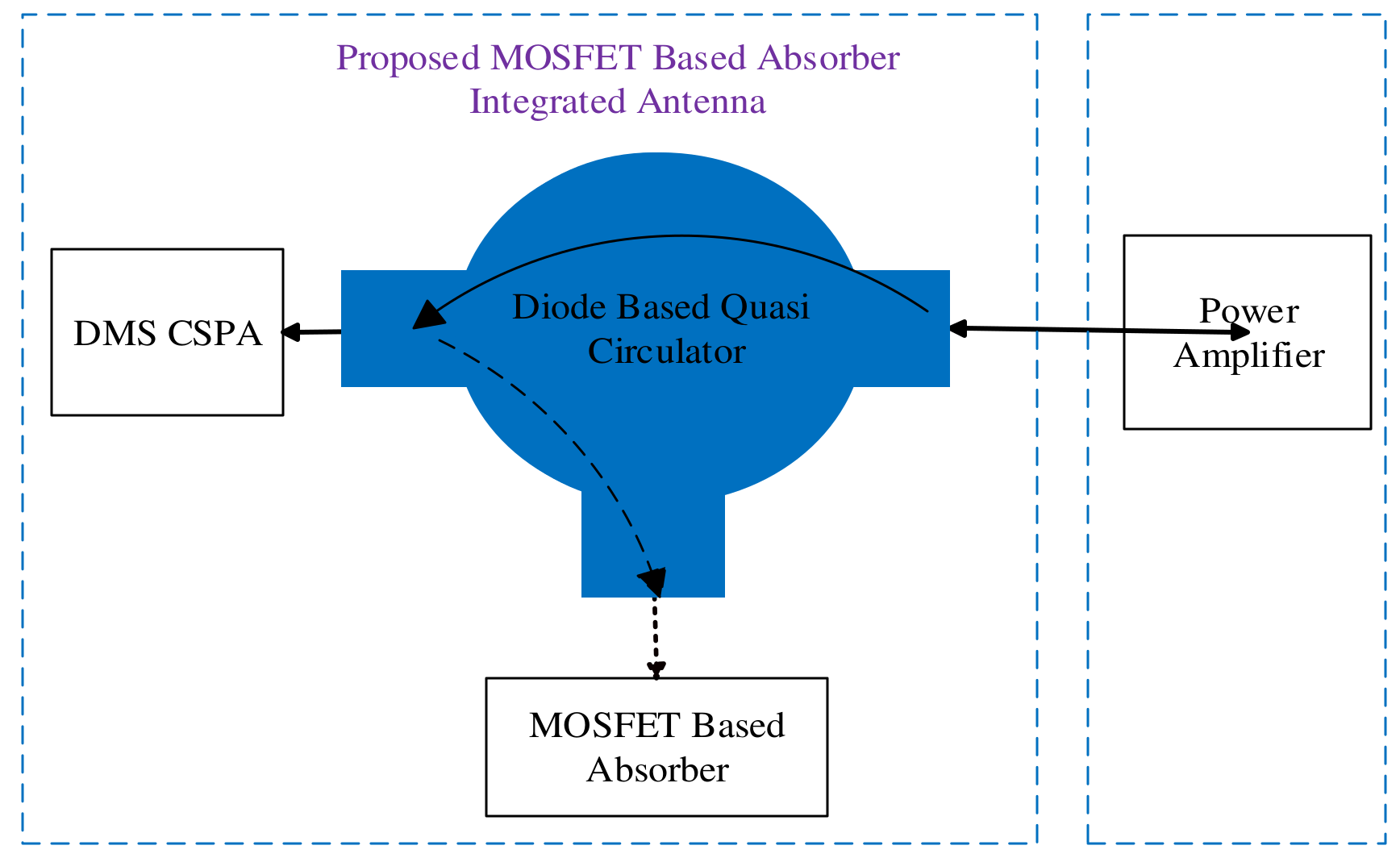
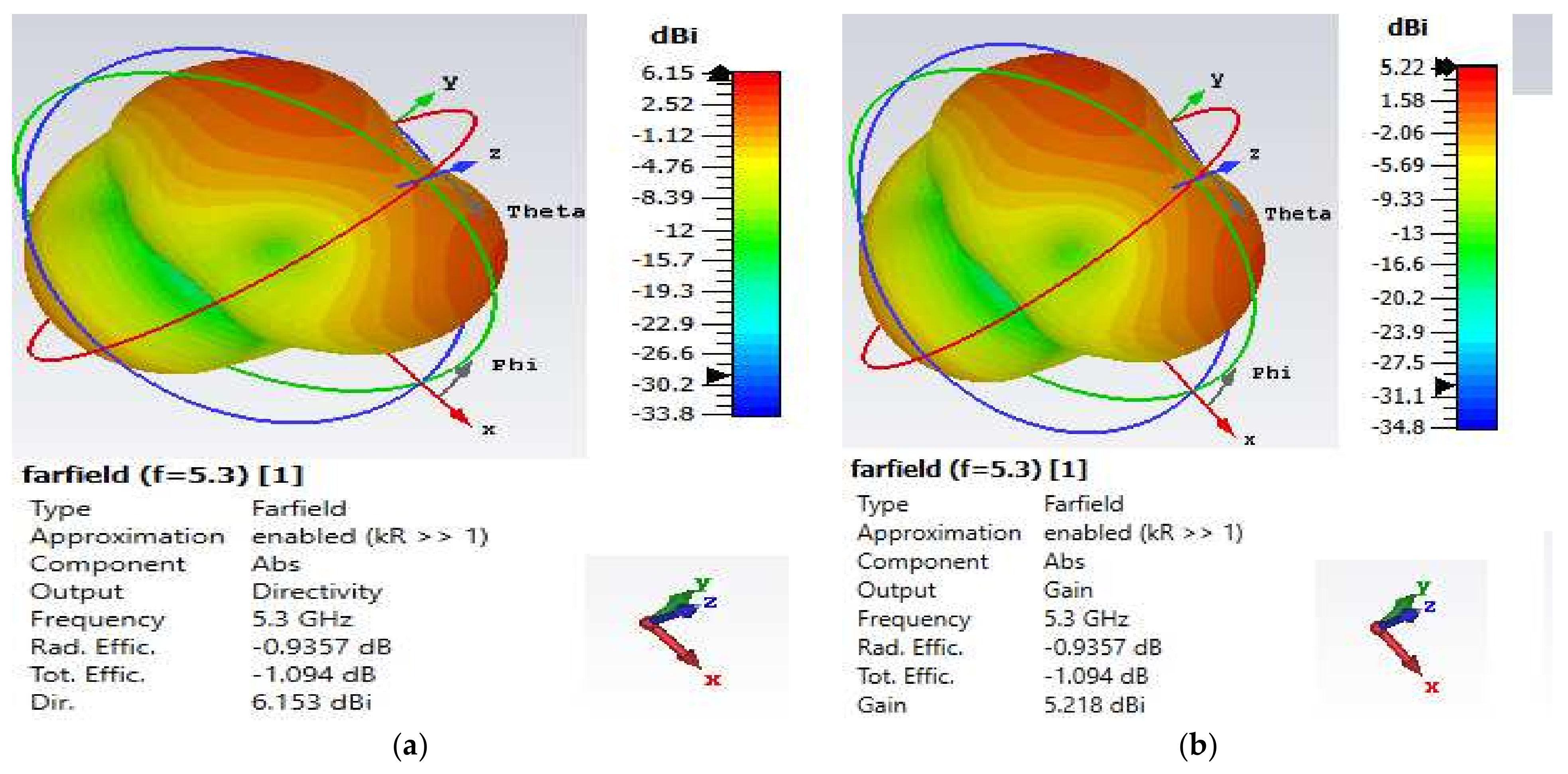
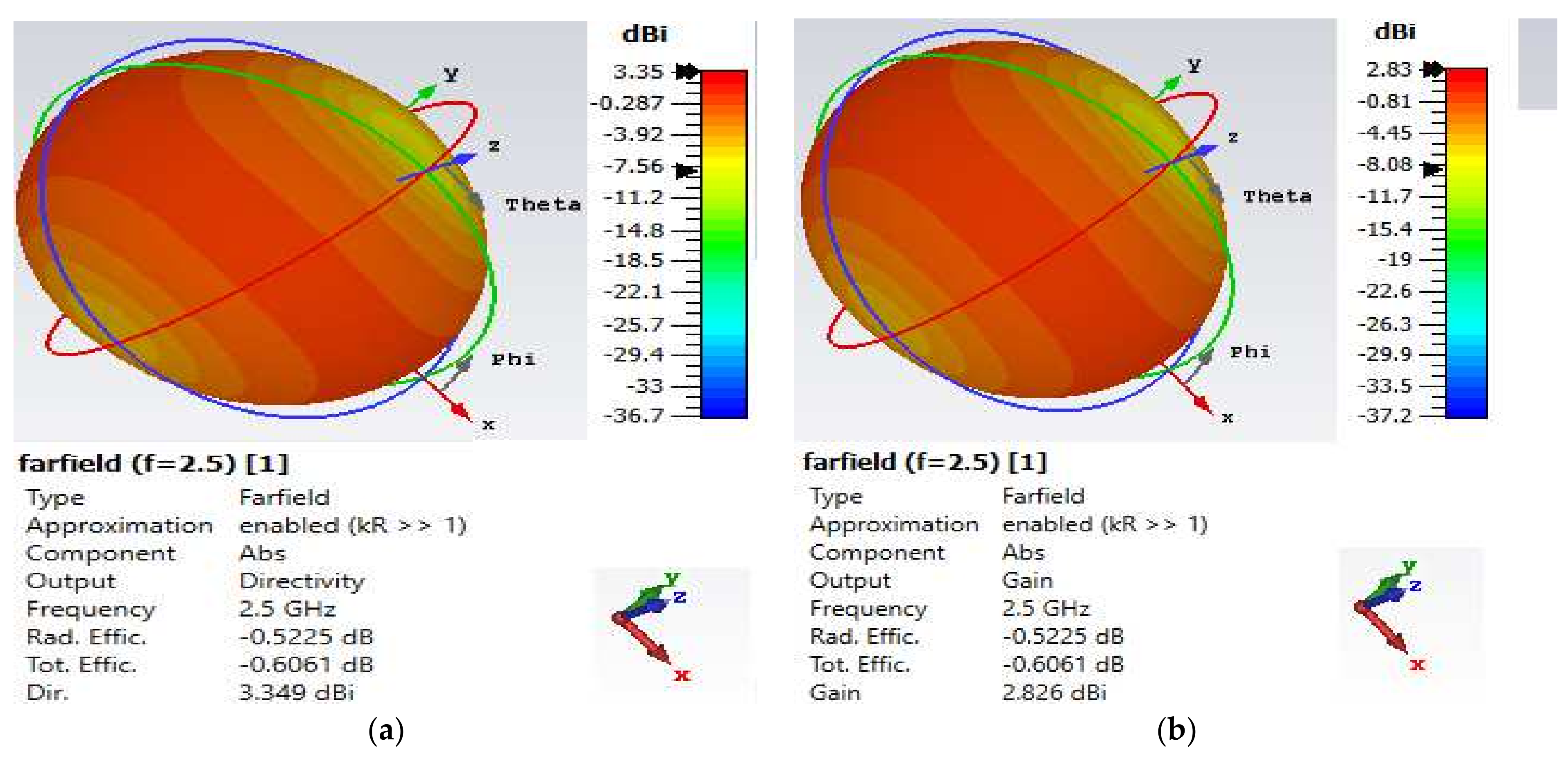
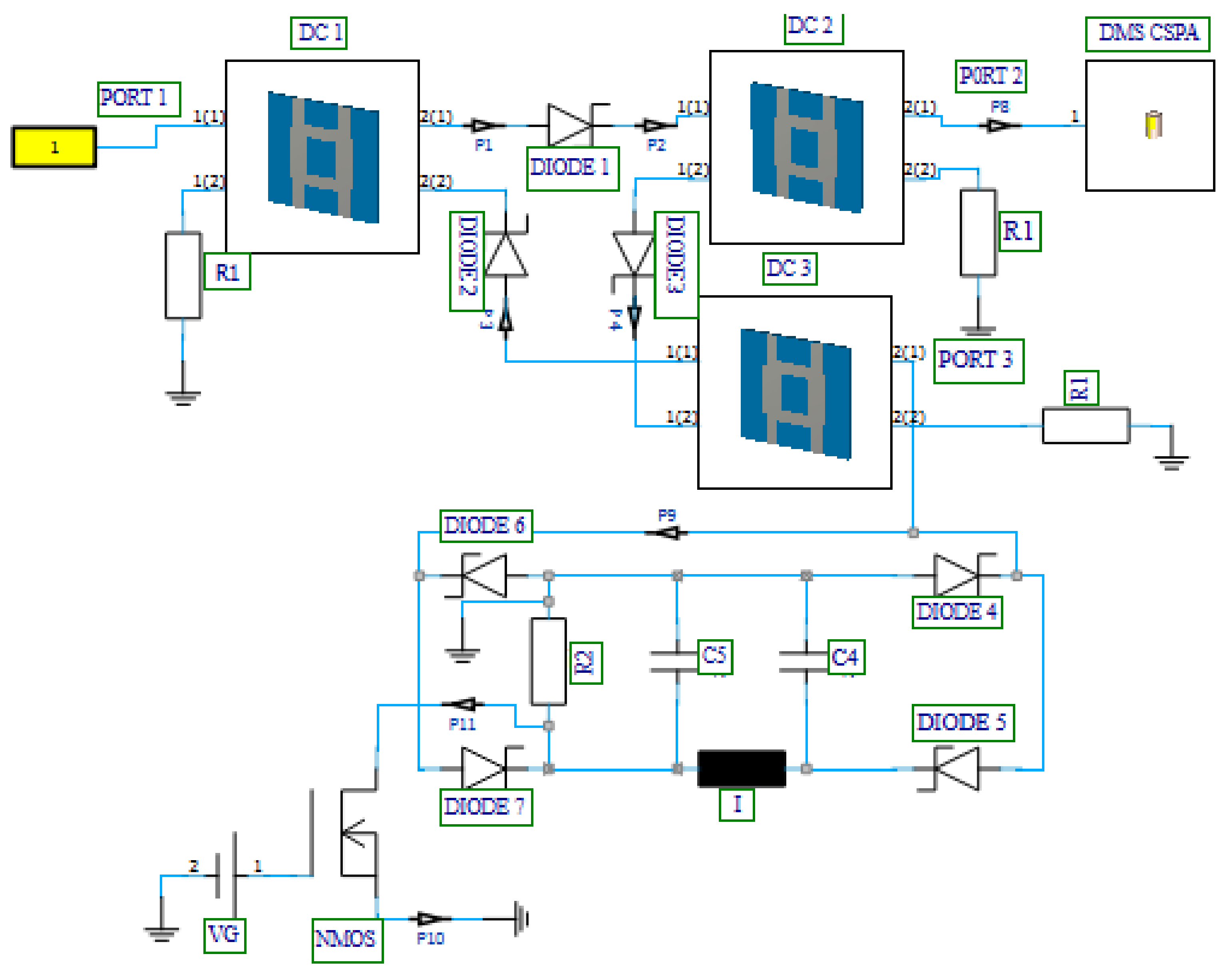
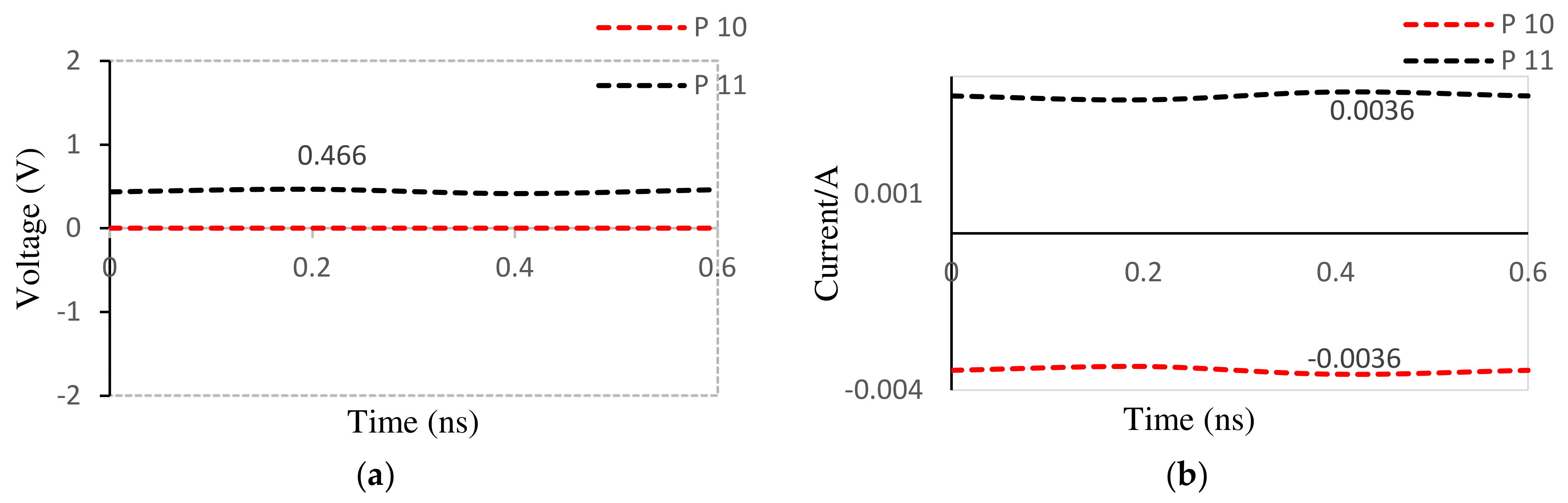
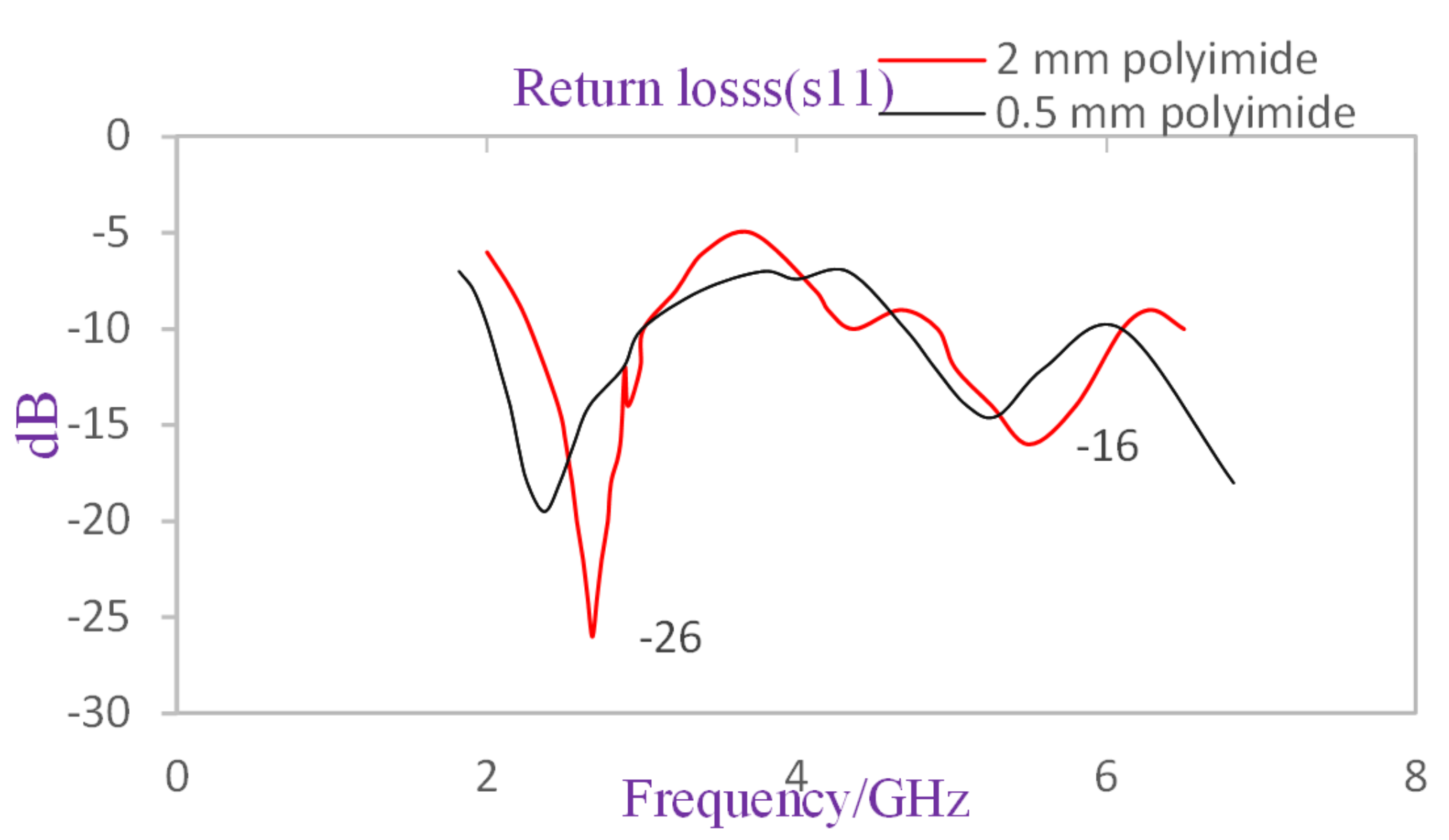
A 3D electromagnetic circuit design and analysis of a MOSFET-based absorber active integrated antenna has been performed. It integrates a transmitting dual-band double material substrate (DMS) cylindrical surrounding patch antenna (CSPA) with a MOSFET-based absorber of reflected radio frequency power. It is a solution to the problem of performance degradation in the power amplifier (PA) resulting from antenna and PA impedance mismatch. This fully integrated MOSFET-based absorber antenna can absorb reflected RF power with a diode-based quasi-circulator as part of the integrated design circuitry. The antenna used for the proposed integrated design will operate at frequencies ranging from 2 GHz to 3 GHz and from 4.6 GHz to 6.1 GHz, thus providing a bandwidth of 1 GHz and 1.5 GHz at a resonance frequency of 2.5 GHz and 5.3 GHz, respectively. This makes it suitable for use in lower and upper bands of WLAN/WiMAX medium RF front-end applications. Furthermore, the condition for MOSFET connected to the absorber (ISID and VDS = 0) has been satisfied at both instances of resonance. In this proposed design, an antenna radiation efficiency of 84% has been observed.
Keywords: absorber; antenna; circulator; MOSFET; pulse generator; microelectronics; solid-state electronics absorber; antenna; circulator; MOSFET; pulse generator; microelectronics; solid-state electronics