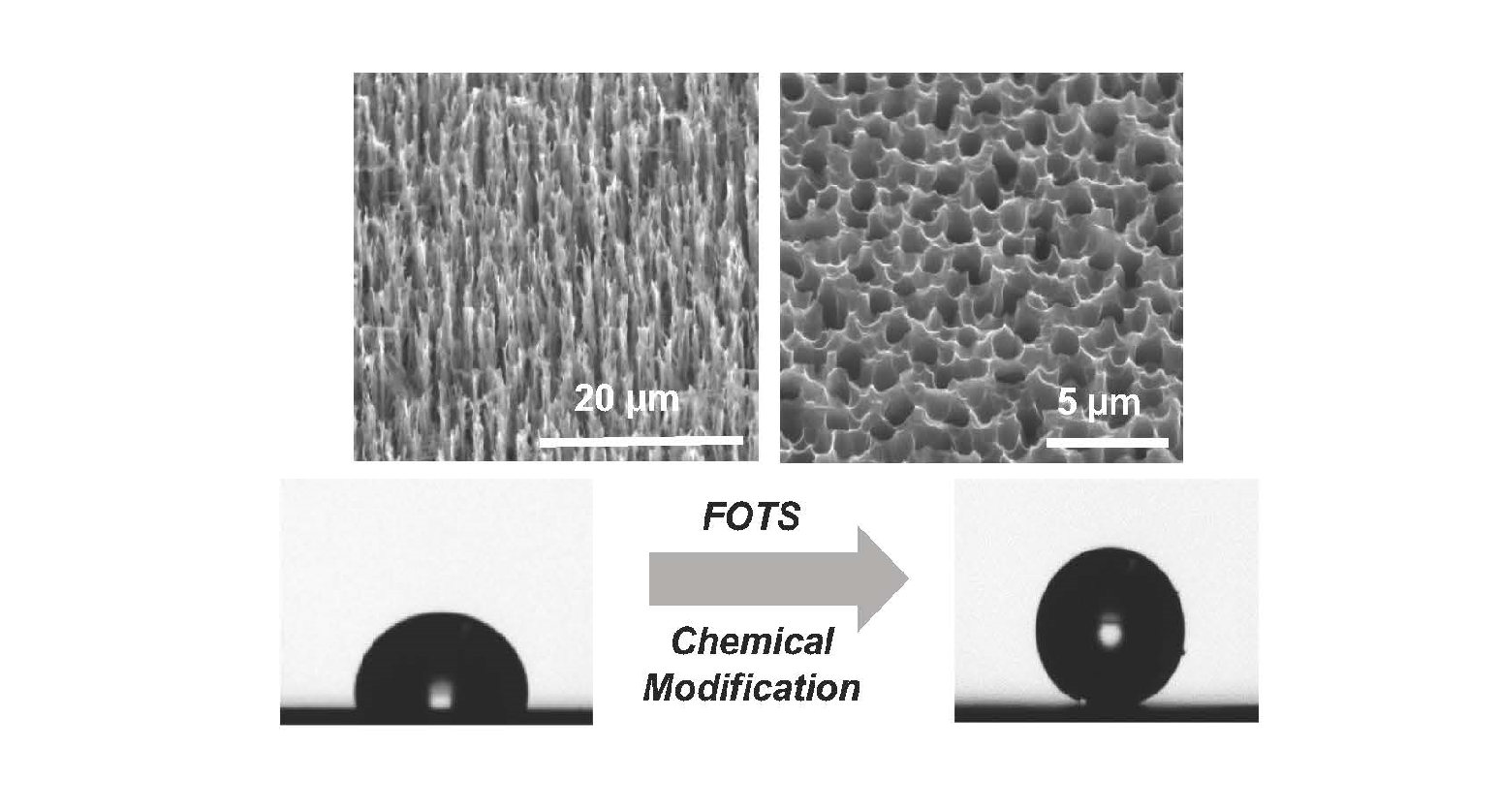
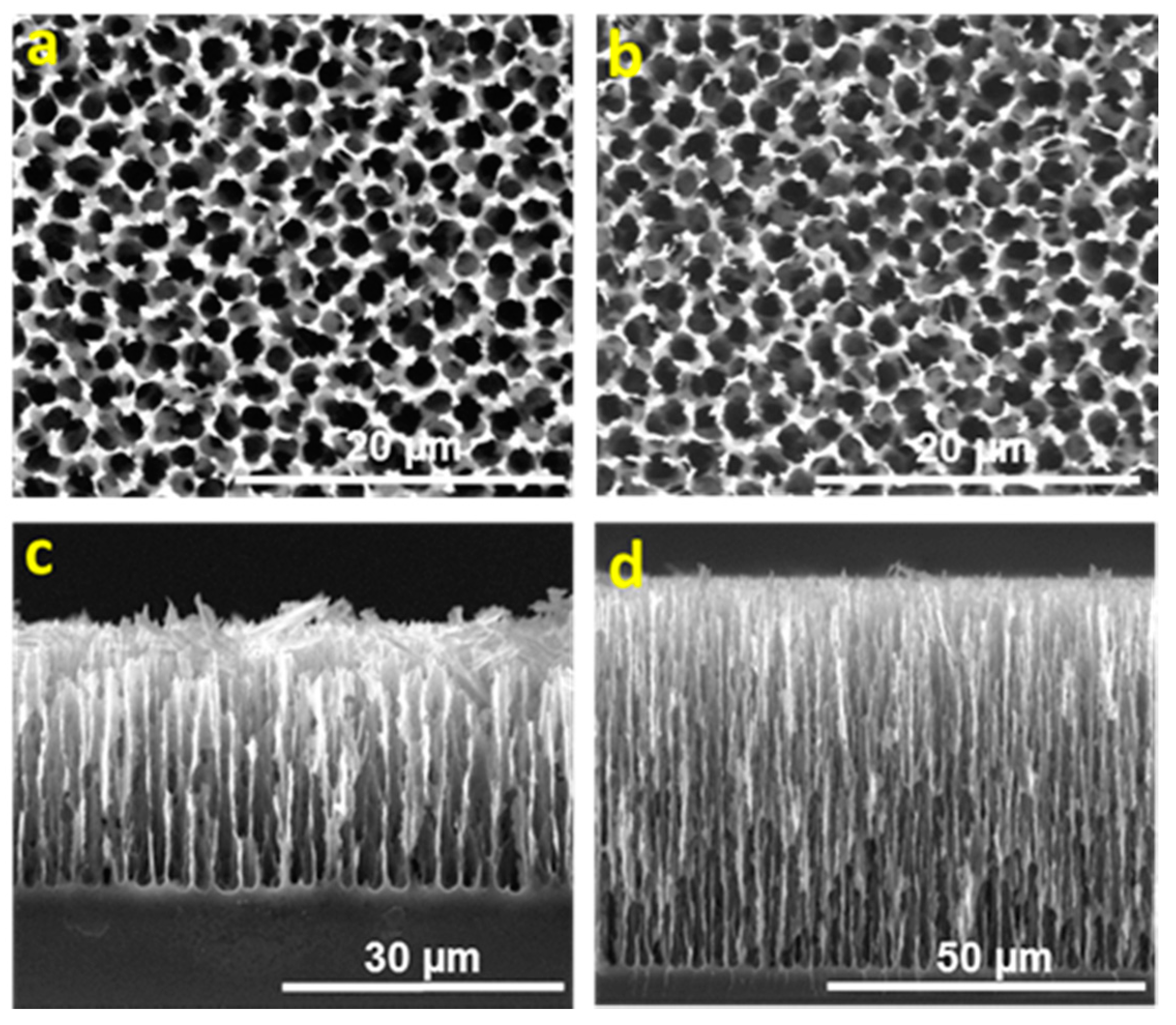
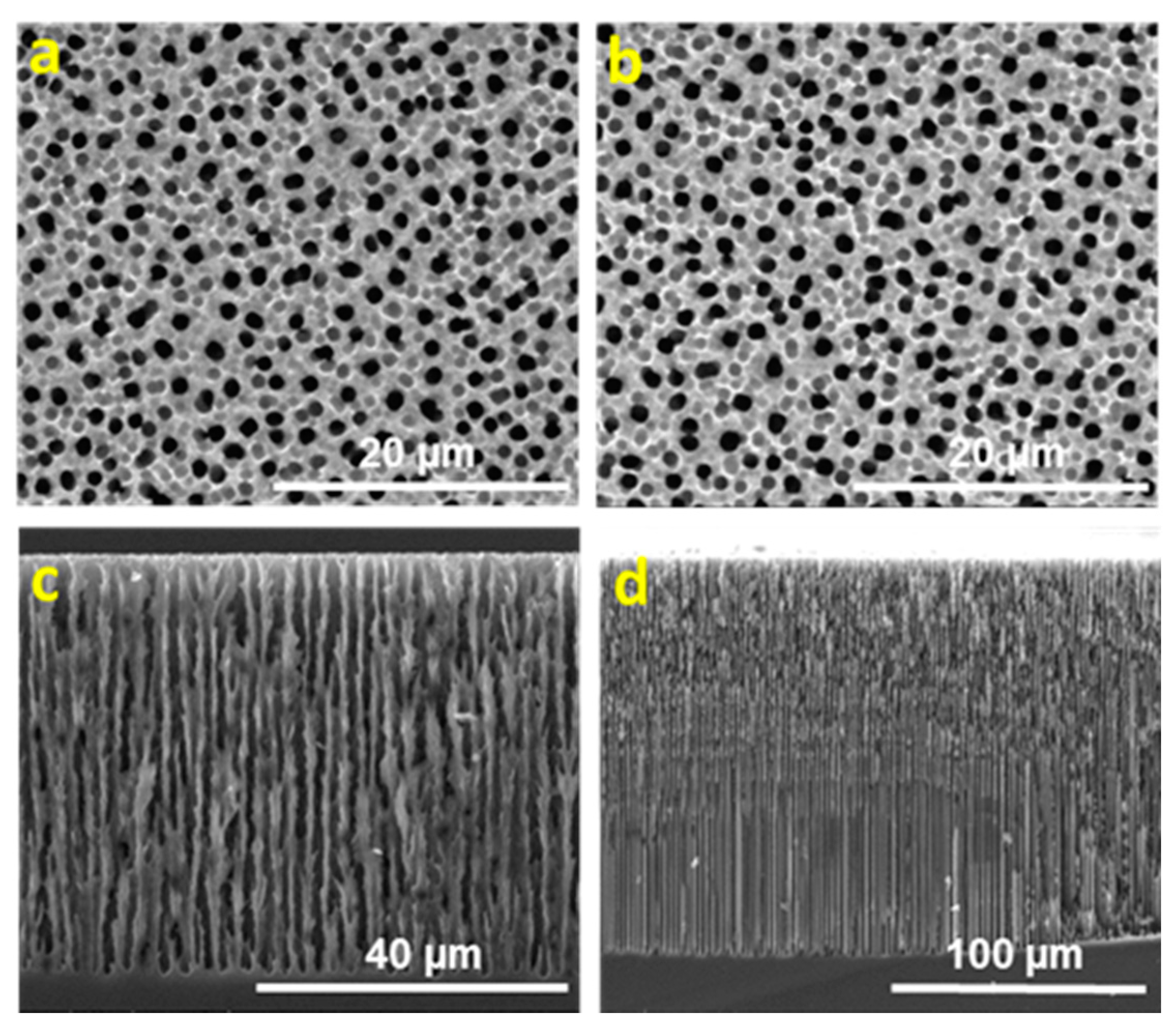
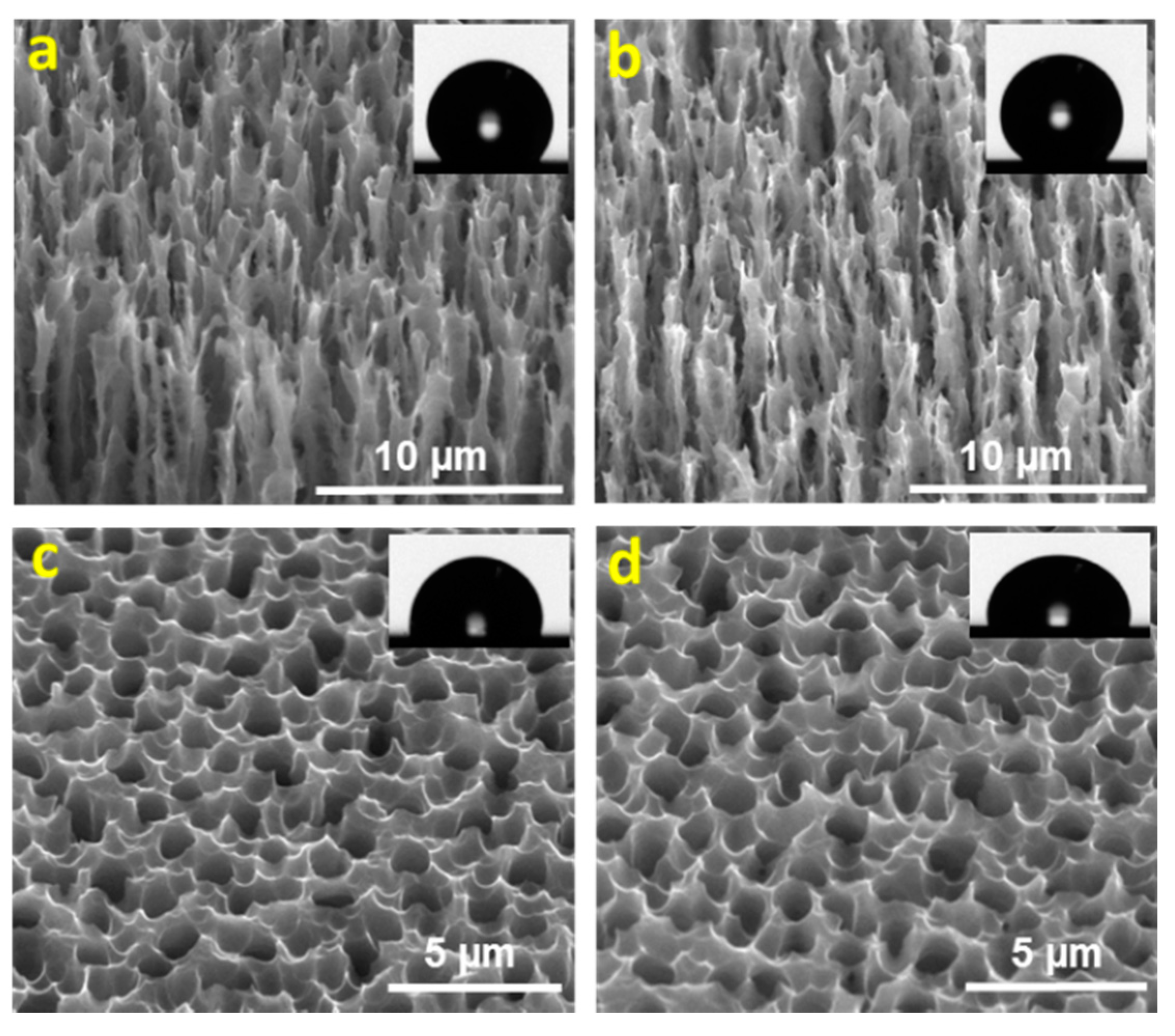
Hydrophobic/Oleophilic Structures Based on MacroPorous Silicon: Effect of Topography and Fluoroalkyl Silane Functionalization on Wettability



Abstract
Share and Cite
Formentín, P.; Marsal, L.F. Hydrophobic/Oleophilic Structures Based on MacroPorous Silicon: Effect of Topography and Fluoroalkyl Silane Functionalization on Wettability. Nanomaterials 2021, 11, 670. https://doi.org/10.3390/nano11030670
Formentín P, Marsal LF. Hydrophobic/Oleophilic Structures Based on MacroPorous Silicon: Effect of Topography and Fluoroalkyl Silane Functionalization on Wettability. Nanomaterials. 2021; 11(3):670. https://doi.org/10.3390/nano11030670
Chicago/Turabian StyleFormentín, Pilar, and Lluís F. Marsal. 2021. "Hydrophobic/Oleophilic Structures Based on MacroPorous Silicon: Effect of Topography and Fluoroalkyl Silane Functionalization on Wettability" Nanomaterials 11, no. 3: 670. https://doi.org/10.3390/nano11030670
APA StyleFormentín, P., & Marsal, L. F. (2021). Hydrophobic/Oleophilic Structures Based on MacroPorous Silicon: Effect of Topography and Fluoroalkyl Silane Functionalization on Wettability. Nanomaterials, 11(3), 670. https://doi.org/10.3390/nano11030670