Article

The NOx Degradation Performance of Nano-TiO2 Coating for Asphalt Pavement


1
National Engineering Laboratory for Highway Maintenance Technology, Changsha University of Science & Technology, Changsha 410114, China
2
School of Traffic and Transportation Engineering, Changsha University of Science & Technology, Changsha 410114, China
3
Hunan International Scientific and Technological Innovation Cooperation Base of Advanced Construction and Maintenance Technology of Highway, Changsha University of Science & Technology, Changsha 410114, China
4
Guangdong Communication Planning & Design Institute Co., Ltd, Guangzhou 510507, China
5
Automobile and Traffic Engineering, Wuhan University of Science and Technology, Wuhan 430081, China
*
Author to whom correspondence should be addressed.
Nanomaterials 2020, 10(5), 897; https://doi.org/10.3390/nano10050897
Submission received: 29 March 2020 / Revised: 4 May 2020 / Accepted: 6 May 2020 / Published: 8 May 2020

Abstract

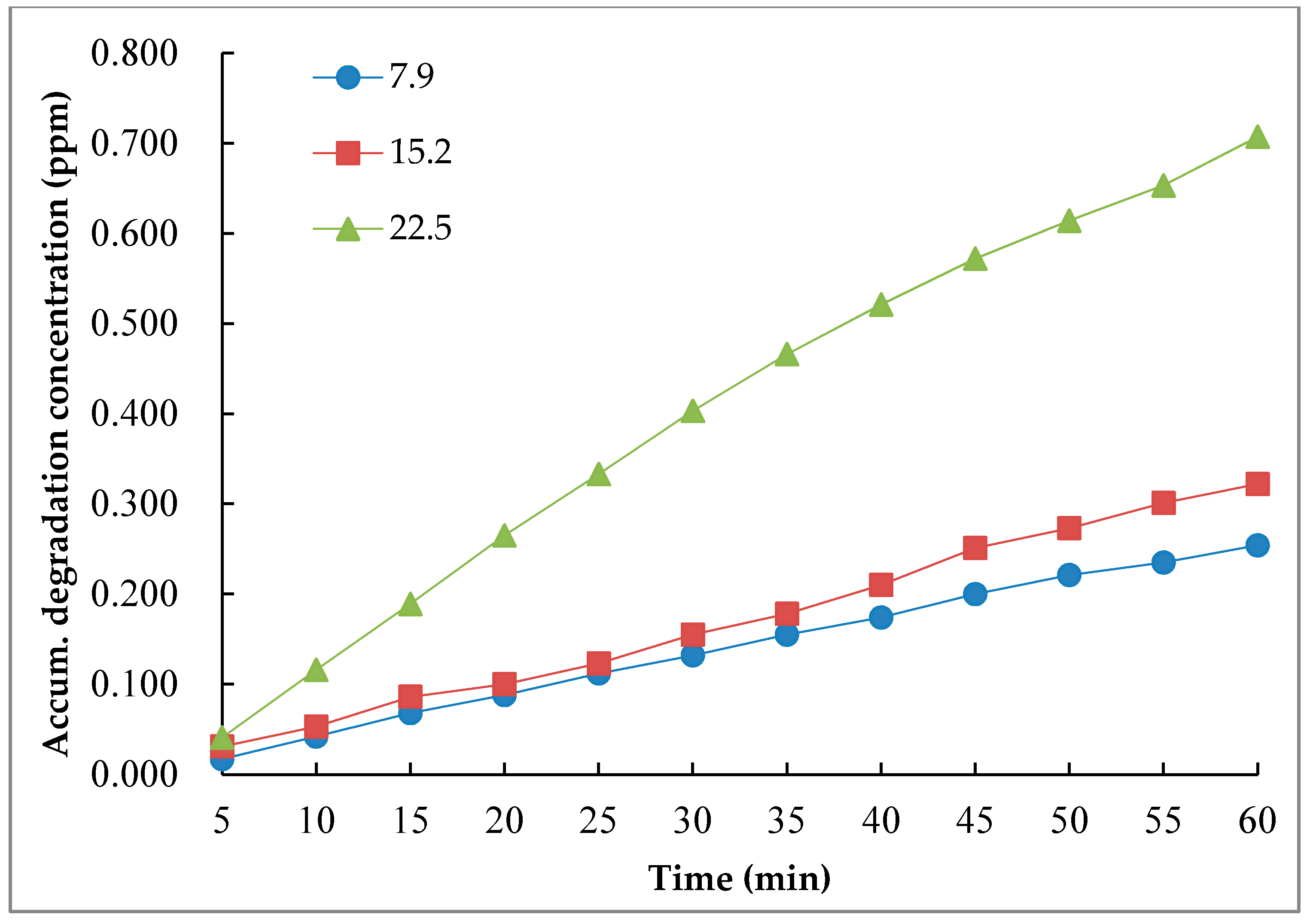
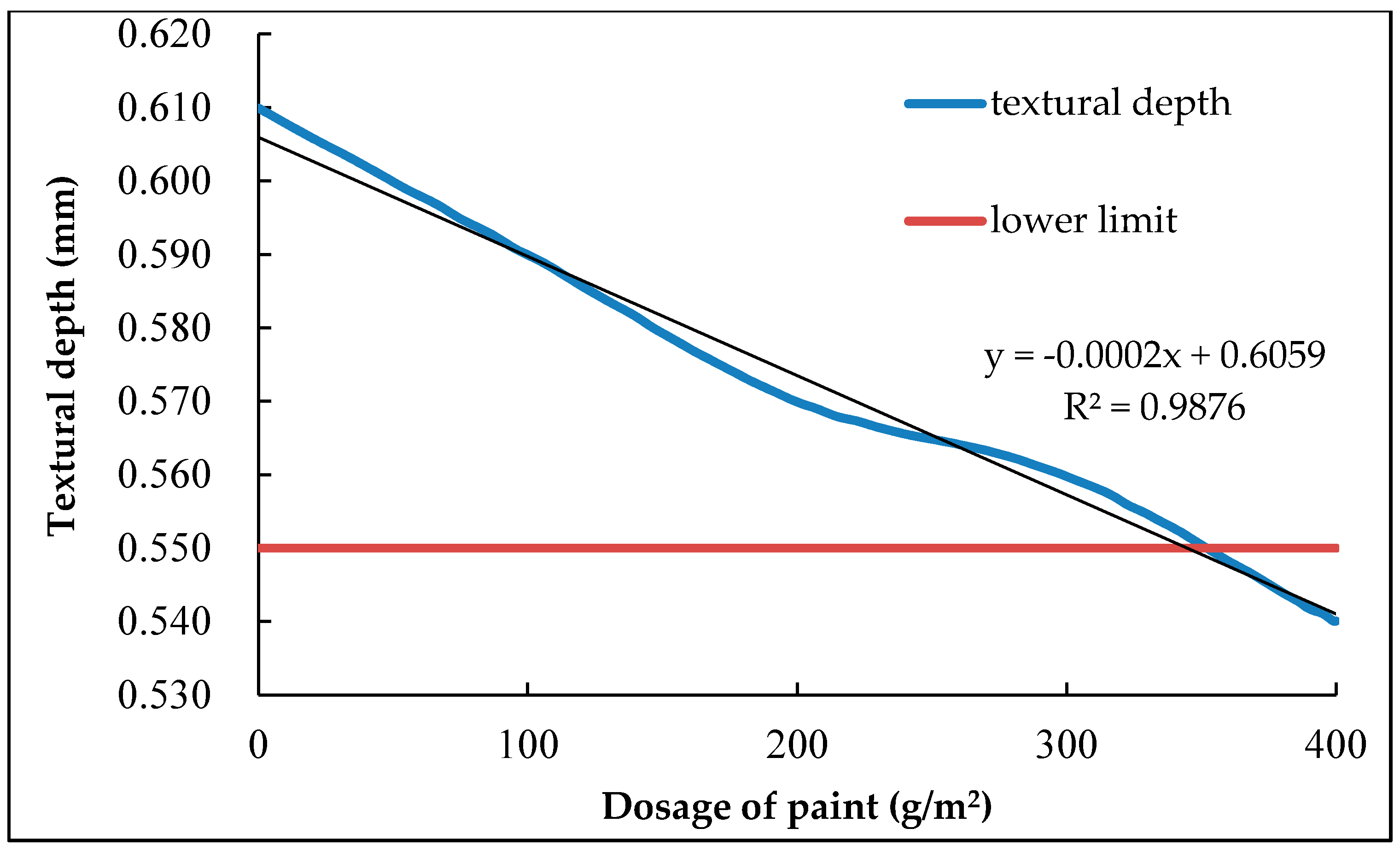
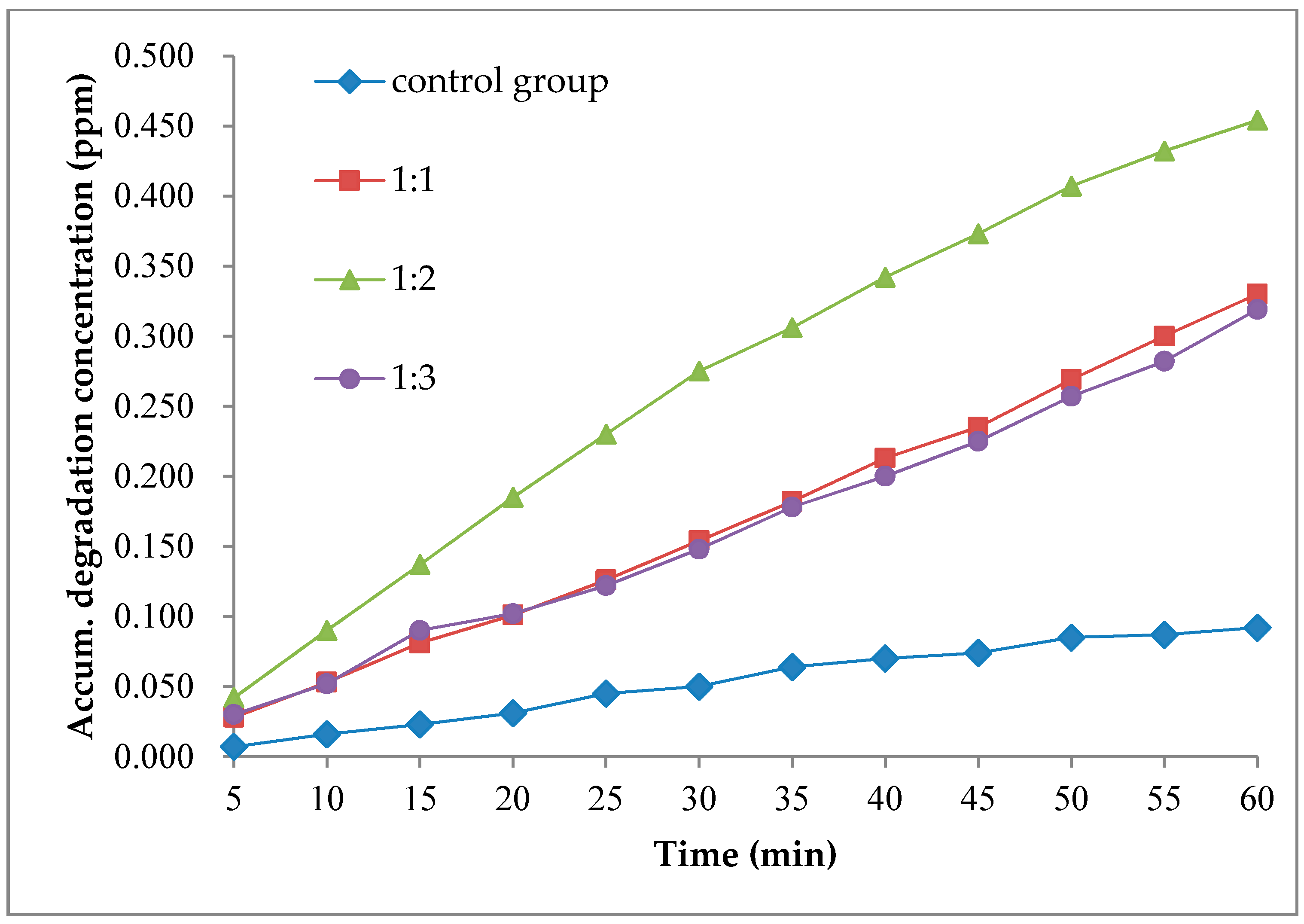
The NOx degradation performance of nano-TiO2 as a coating material for the road environment was evaluated in this research. The nano-TiO2 coating materials for both road surface and roadside were prepared by using anatase nano-TiO2, activated carbon powder, silane coupling agent and deionized water. The impact of varying amounts of coating material and silane coupling agent were evaluated. The road environment of NOx degradation was simulated by the photocatalytic test system designed by the research team. For the road surface coating, the photocatalytic degradation experiments of NO under different radiation intensities were carried out. The results show that the material has good photocatalytic degradation performance, and the proper amount of silane coupling agent can enhance the bonding performance of the material and asphalt mixture. For the roadside coating, sodium dodecylbenzene sulfonate was selected as the surfactant to carry out the photocatalytic degradation experiment of NO2 with different dosages of surfactant. The results showed that when the mass ratio of nano-TiO2 and surfactant was about 1:2, the catalytic degradation effect of the material was the best.
Keywords: pavement coating; photocatalytic material; NOx degradation; silane coupling agent pavement coating; photocatalytic material; NOx degradation; silane coupling agent