Brief Report

Evaluating the Feasibility of Hydrogel-Based Neural Cell Sprays

by
Daisy Evans
1,
Aina Mogas Barcons
2,
Raja Haseeb Basit
3,
Christopher Adams
4 and
Divya Maitreyi Chari
4,*
1
Keele University School of Medicine, Keele University, Staffordshire ST5 5BG, UK
2
Department of Physiology, Anatomy and Genetics, Oxford Parkinson’s Disease Centre, University of Oxford, Oxford OX1 3AZ, UK
3
Department of General Surgery, Queen Elizabeth Hospital, Birmingham B15 2GW, UK
4
Neural Tissue Engineering, School of Life Sciences, Keele University, Staffordshire ST5 5BG, UK
*
Author to whom correspondence should be addressed.
J. Funct. Biomater. 2023, 14(10), 527; https://doi.org/10.3390/jfb14100527
Submission received: 2 September 2023 / Revised: 5 October 2023 / Accepted: 11 October 2023 / Published: 19 October 2023
(This article belongs to the Special Issue Collagen-Based Materials for Biomedical Applications)

Abstract

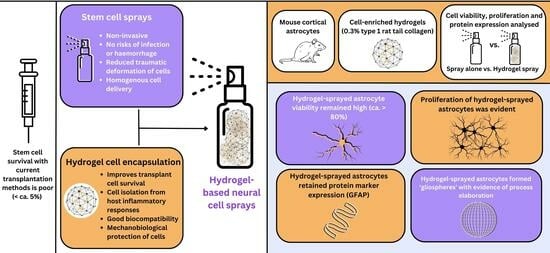
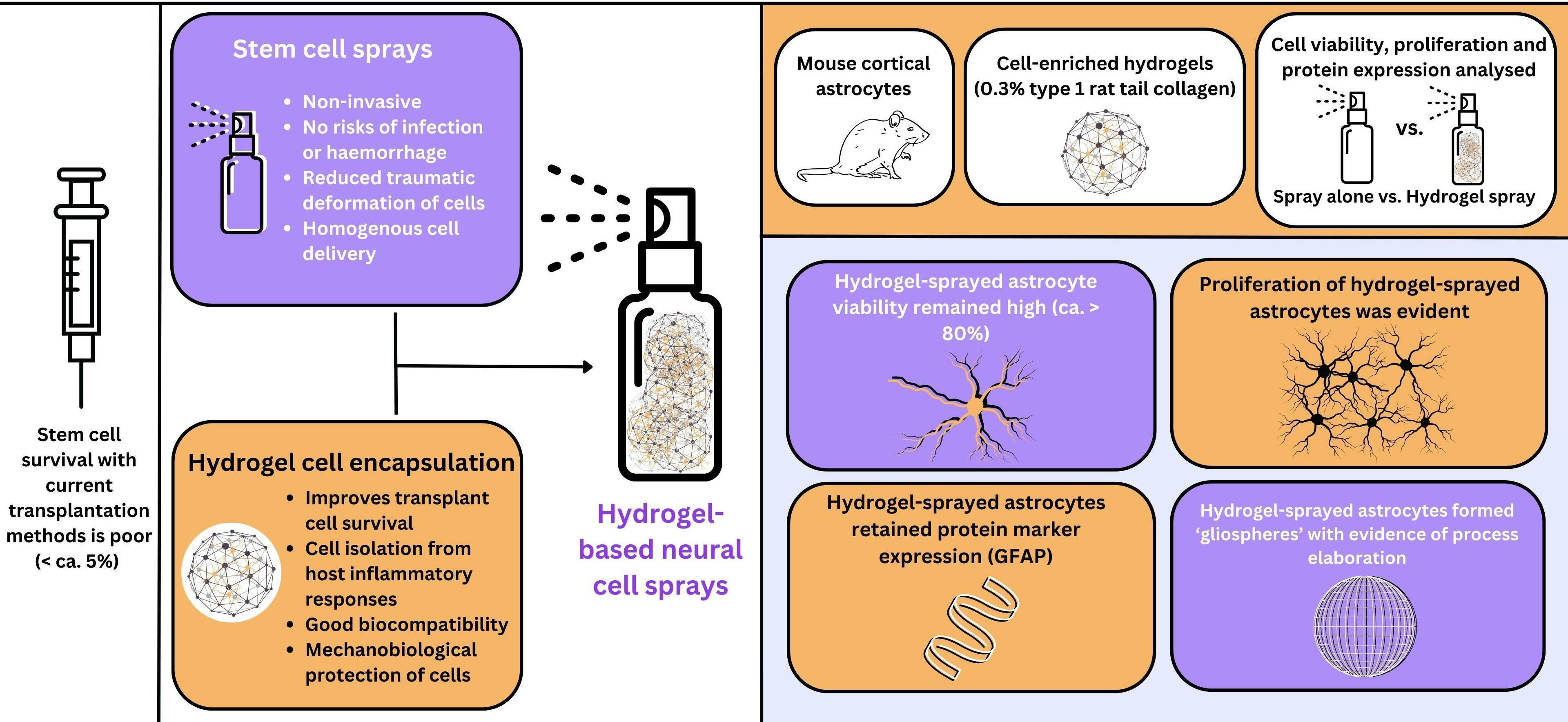
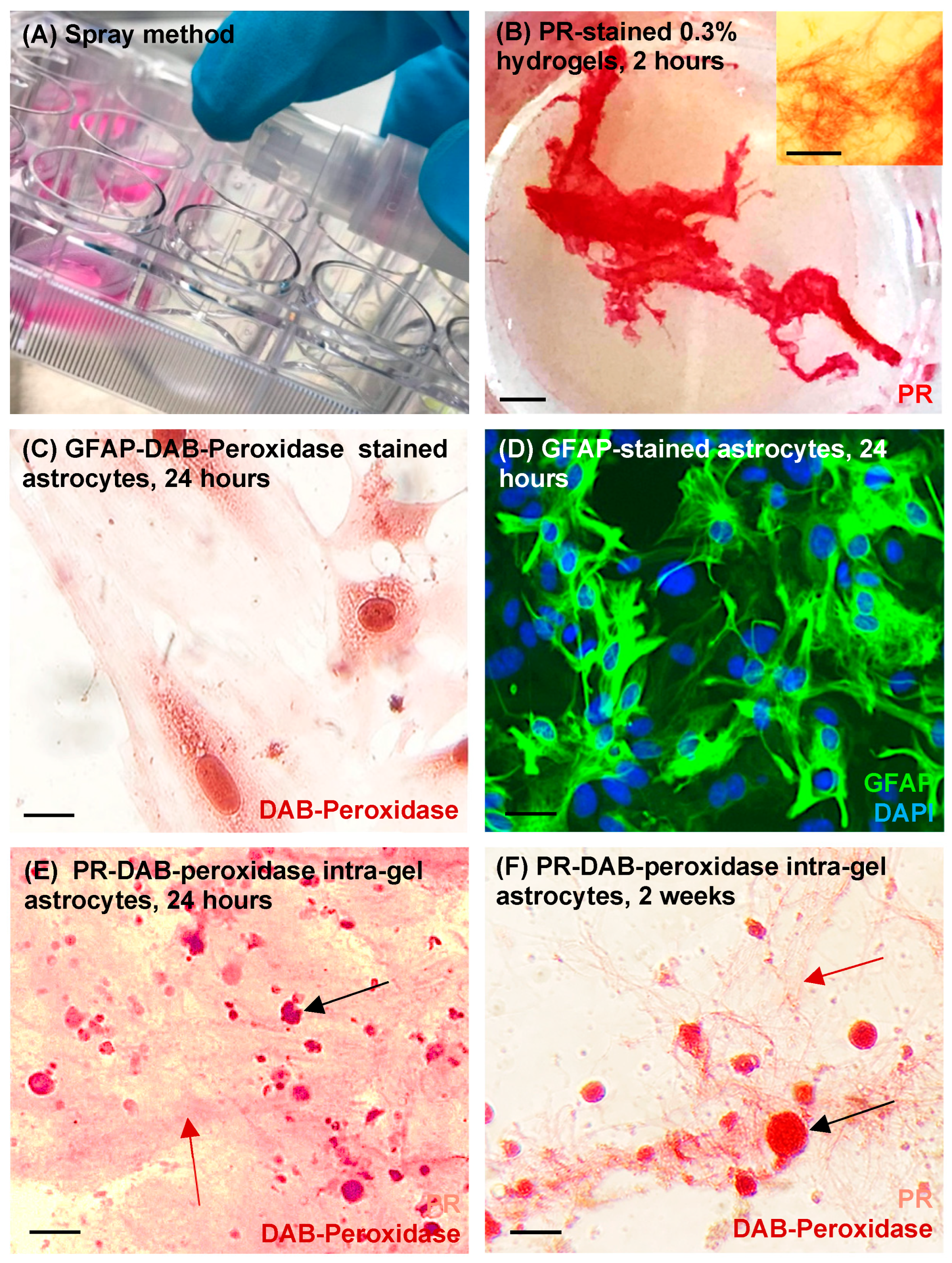
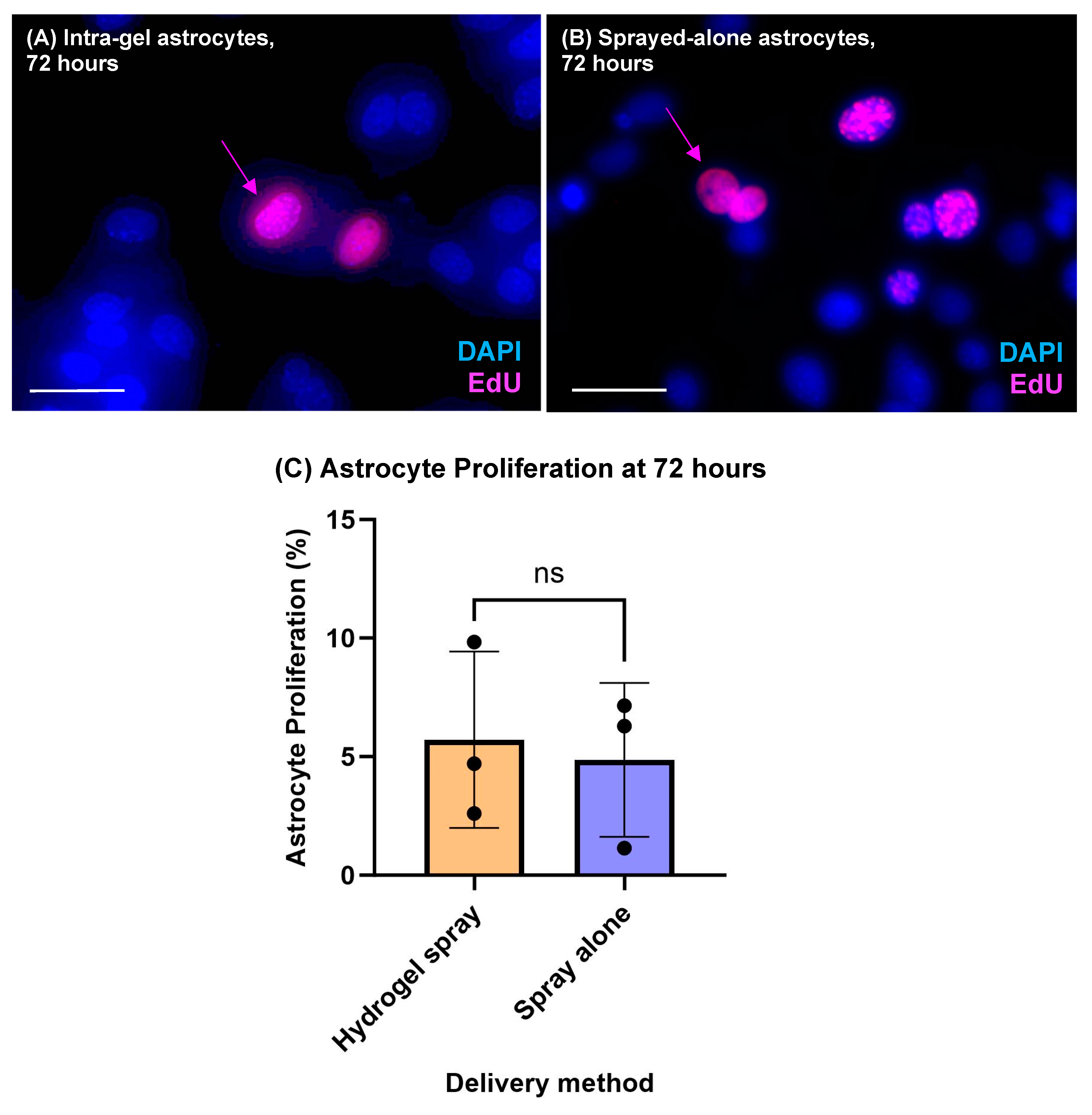
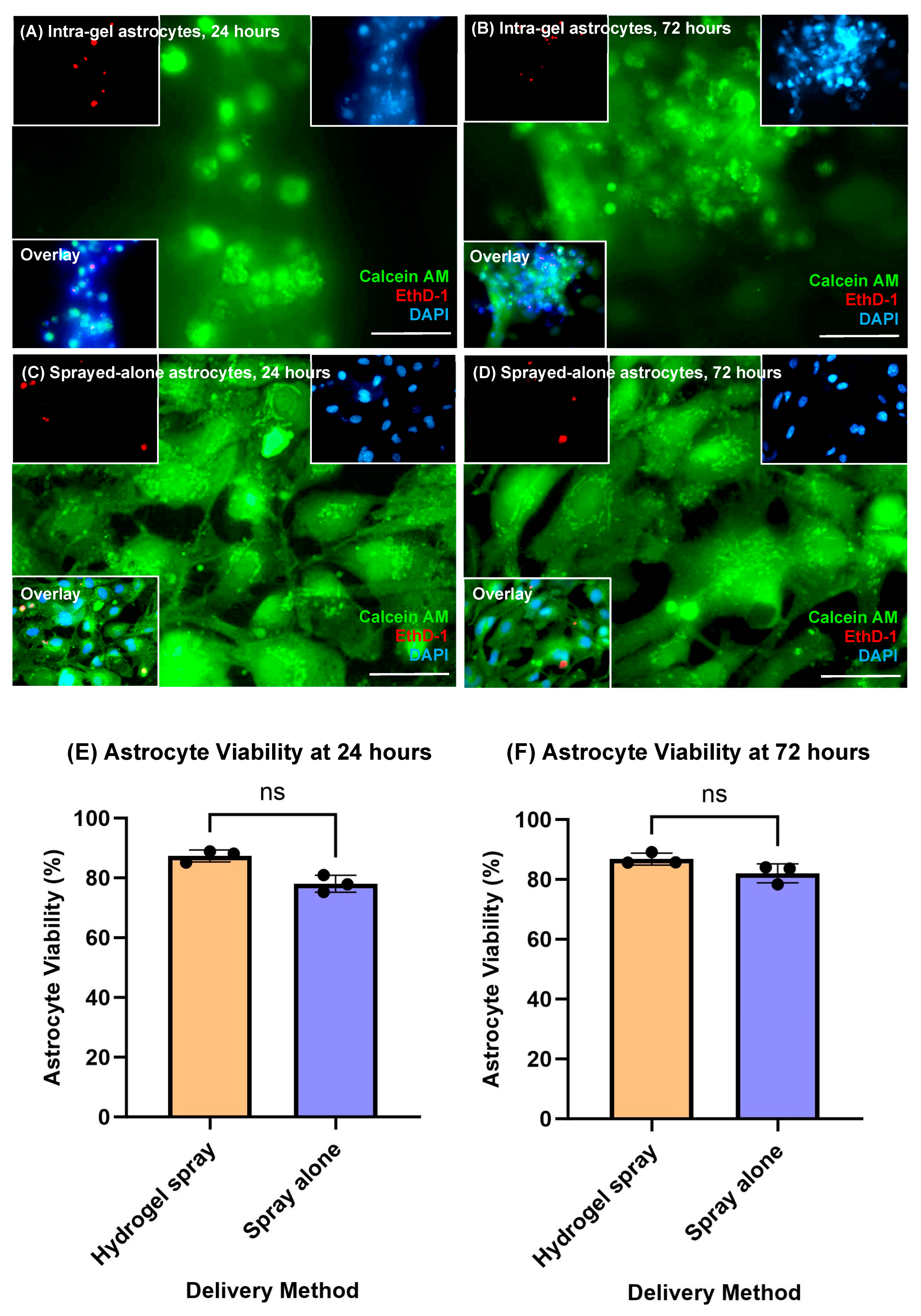
Neurological injuries have poor prognoses with serious clinical sequelae. Stem cell transplantation enhances neural repair but is hampered by low graft survival (<ca. 5%), necessitating the development of approaches to enhance post-transplant cell viability. Intracerebral injection exerts high mechanical forces on transplant cells with risks of haemorrhage/infection. Transplant cell sprays can offer a non-invasive alternative. This study has assessed if the addition of protective, encapsulating polymer hydrogels to a cell spray format is feasible. Hydrogels (0.1% (1 mg/mL), 0.3% and 0.6% type I rat tail collagen) were trialled for spray deliverability. Cell-enriched hydrogels (containing mouse cortical astrocytes) were sprayed onto culture substrates. Astrocyte viability, cell-specific marker expression, morphology and proliferation were assessed at 24 h and 72 h post spraying. Intra-gel astrocytes and hydrogels could be co-stained using a double immunocytological technique (picrosirius red (PR)/DAB-peroxidase co-labelling). Astrocyte viability remained high post spraying with hydrogel encapsulation (>ca. 80%) and marker expression/proliferative potential of hydrogel-sprayed astrocytes was retained. Combining a cell spray format with polymer encapsulation technologies could form the basis of a non-invasive graft delivery method, offering potential advantages over current cell delivery approaches.
Keywords: collagen hydrogel; transplant cell; spray delivery; cell delivery; neural transplantation collagen hydrogel; transplant cell; spray delivery; cell delivery; neural transplantation
Graphical Abstract