Article

The Art Nouveau Path: From Gameplay Logs to Learning Analytics in a Mobile Augmented Reality Game for Sustainability Education


by
João Ferreira-Santos
* and
Lúcia Pombo
*
CIDTFF—Research Centre on Didactics and Technology in Education of Trainers, Department of Education and Psychology, University of Aveiro, 3810-193 Aveiro, Portugal
*
Authors to whom correspondence should be addressed.
Information 2026, 17(1), 87; https://doi.org/10.3390/info17010087

Submission received: 28 November 2025 / Revised: 29 December 2025 / Accepted: 9 January 2026 / Published: 14 January 2026
(This article belongs to the Collection Augmented Reality Technologies, Systems and Applications)

Abstract

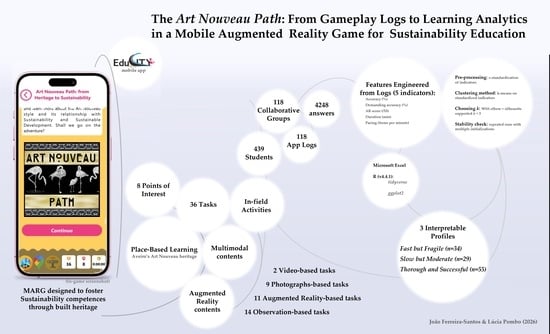
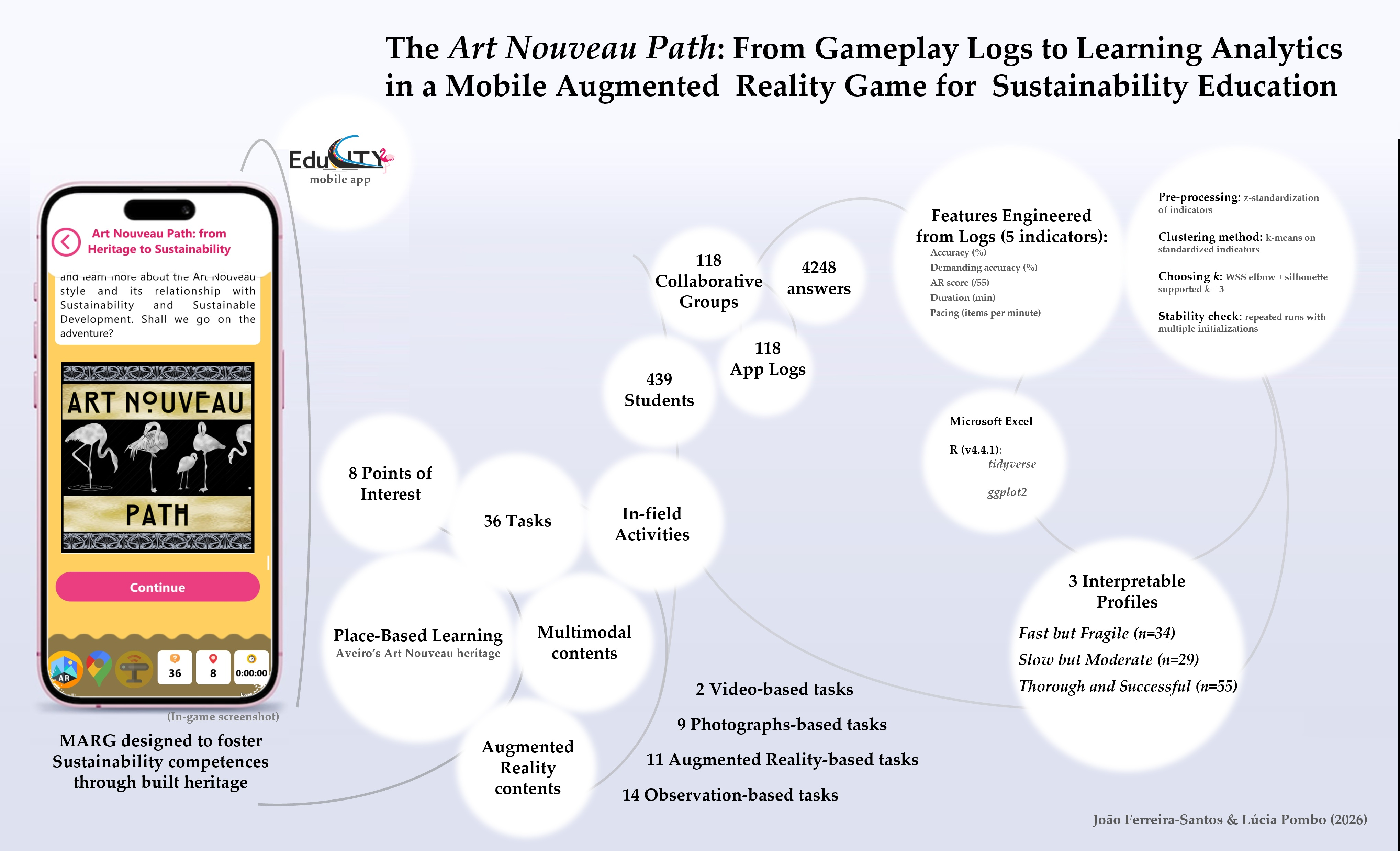
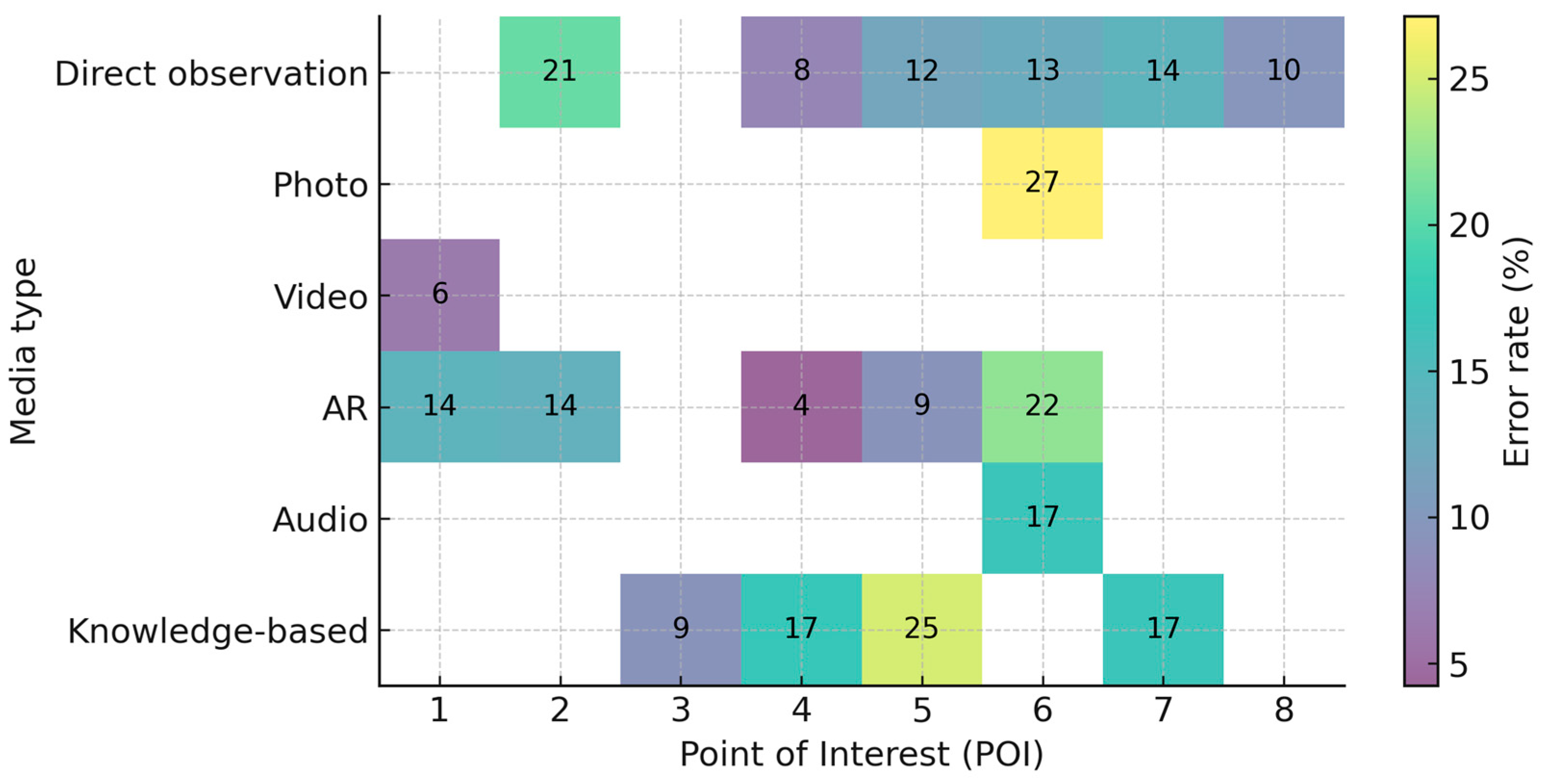
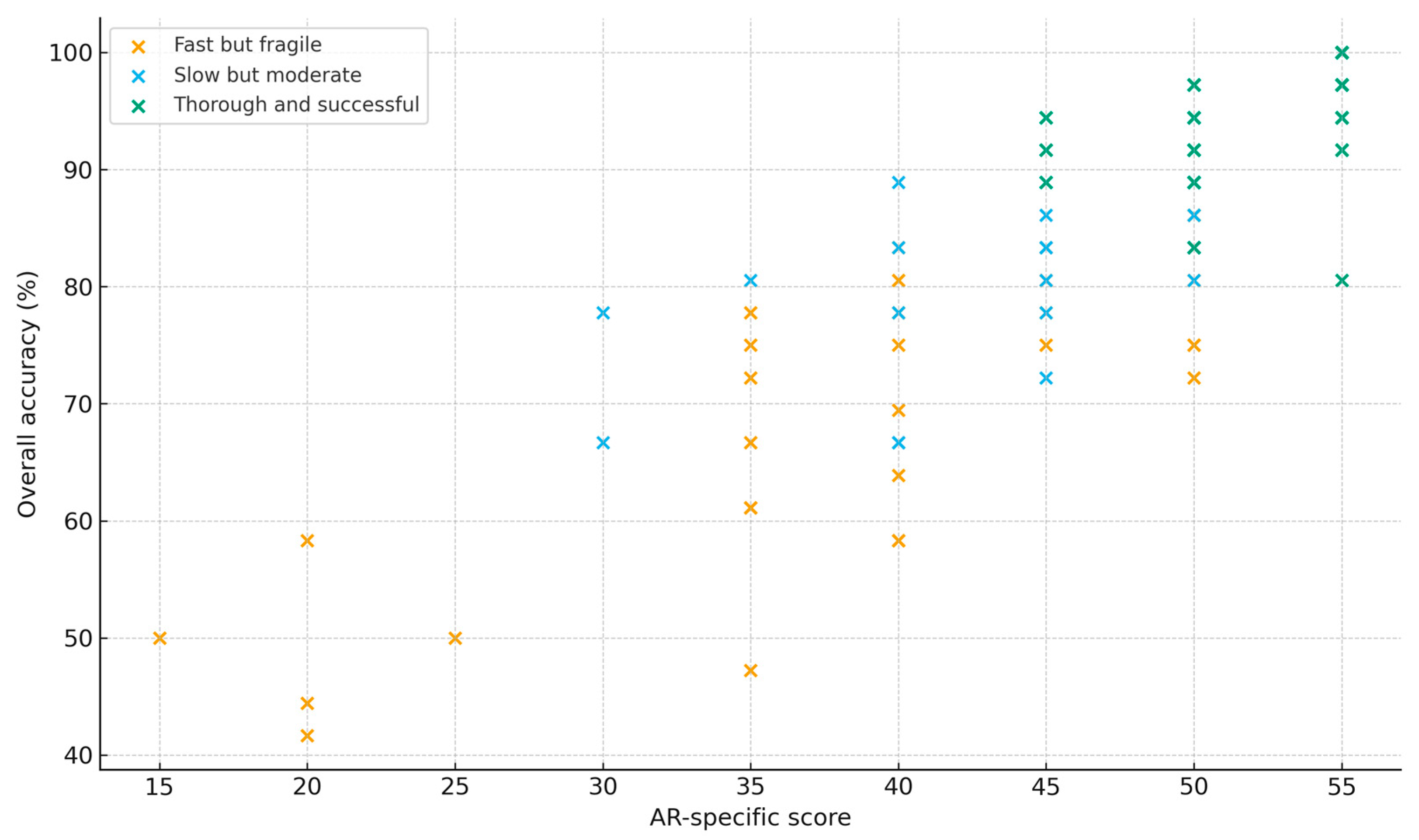
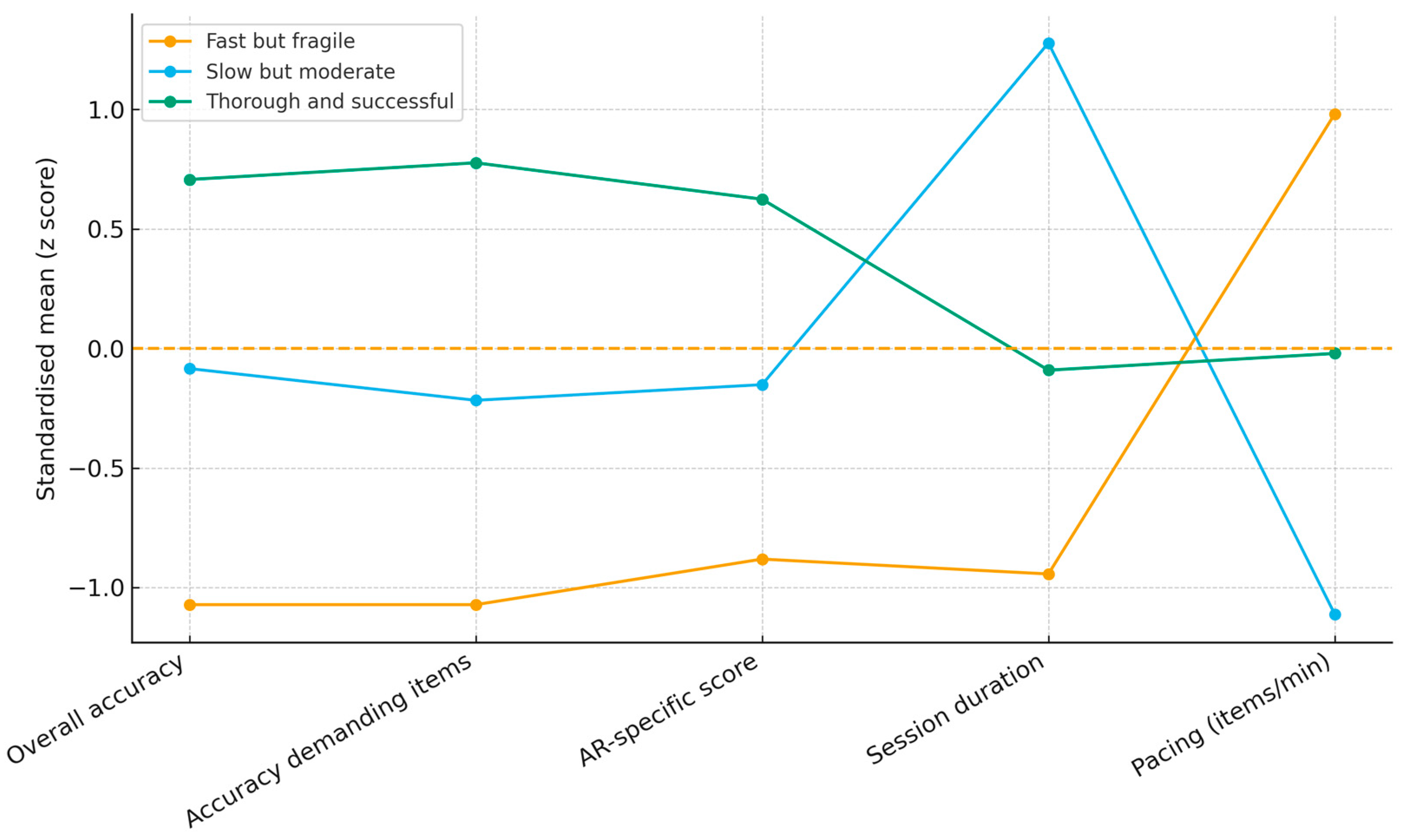
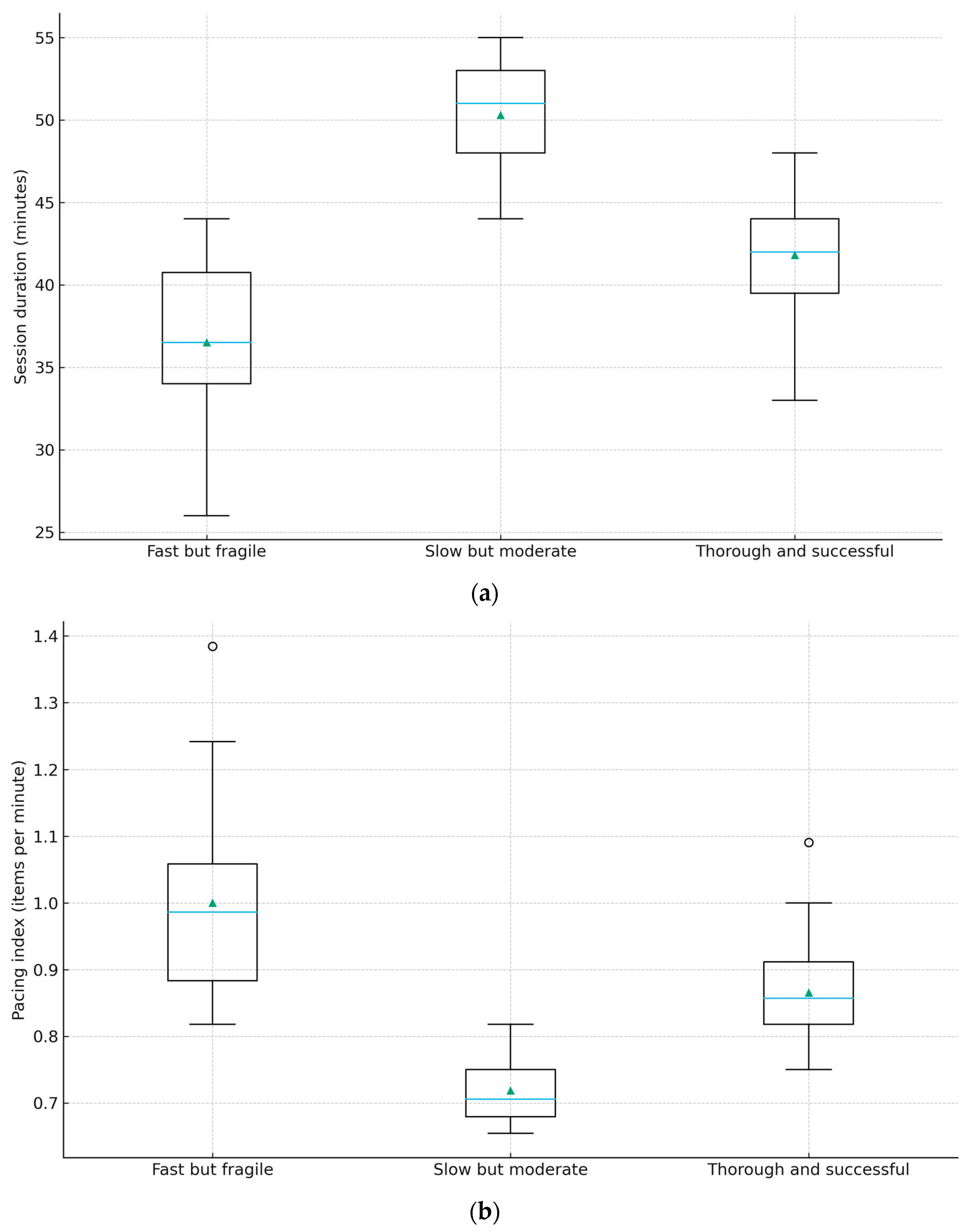
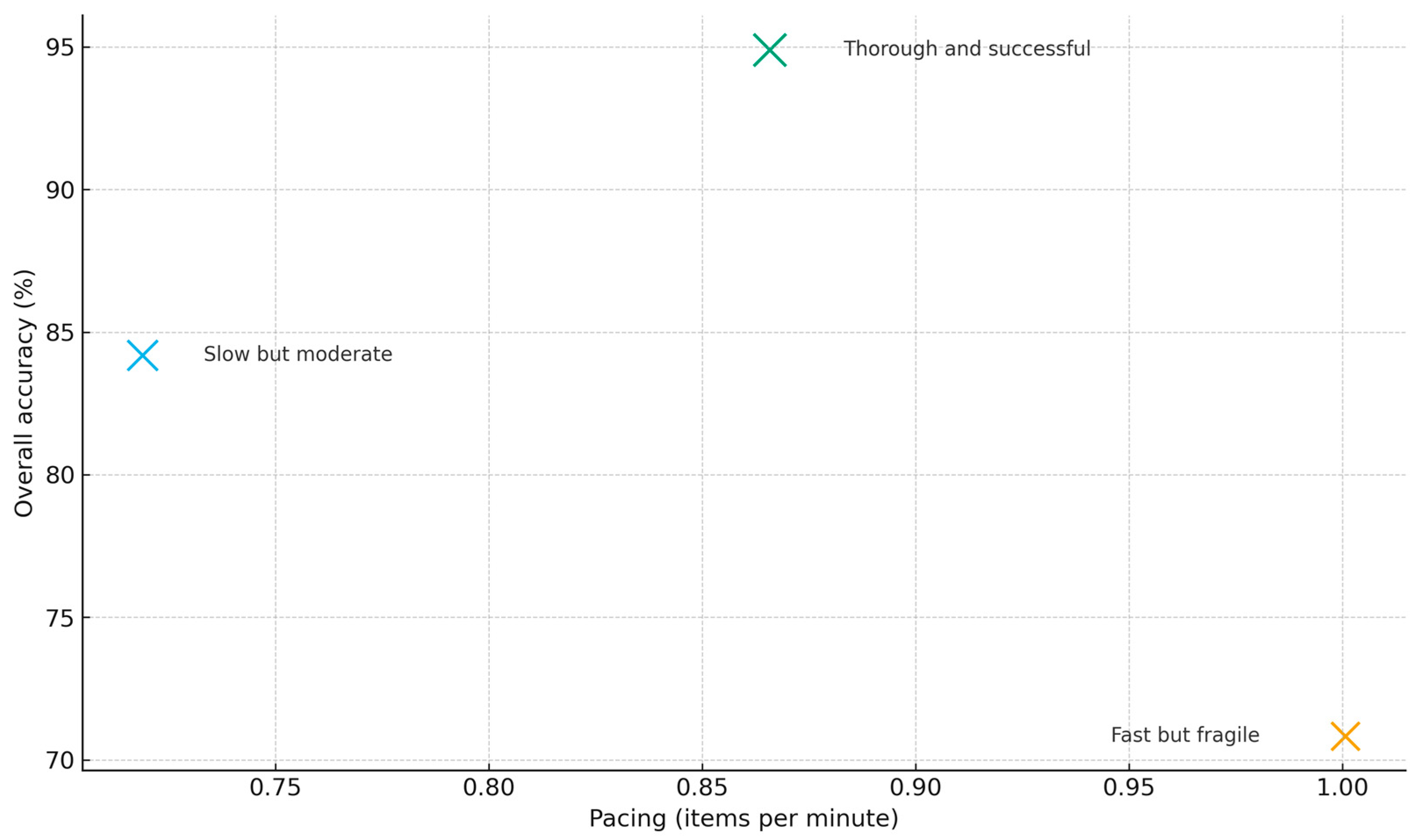
Mobile augmented reality games (MARGs) generate rich digital traces of how students engage with complex, place-based learning tasks. This study analyses gameplay logs from the Art Nouveau Path, a location-based MARG within the EduCITY Digital Teaching and Learning Ecosystem (DTLE), to develop a learning analytics workflow that uses detailed gameplay logs to inform sustainability-focused educational design. During the post-game segment of a repeated cross-sectional intervention, 439 students in 118 collaborative groups completed 36 quiz tasks at 8 Art Nouveau heritage Points of Interest (POI). Group-level logs (4248 group-item responses) capturing correctness, AR-specific scores, session duration and pacing were transformed into interpretable indicators, combined with error mapping and cluster analysis, and triangulated with post-game open-ended reflections. Results show high overall feasibility (mean accuracy 85.33%) and a small subset of six conceptually demanding items with lower accuracy (mean 68.36%, range 58.47% to 72.88%) concentrated in specific path segments and media types. Cluster analysis yields three collaborative gameplay profiles, labeled ‘fast but fragile’, ‘slow but moderate’ and ‘thorough and successful’, which differ systematically in accuracy, pacing and engagement with AR-mediated tasks. The study proposes a replicable event-based workflow that links mobile AR gameplay logs to design decisions for heritage-based education for sustainability.
Keywords: mobile augmented reality game; location-based augmented reality; game learning analytics; learning analytics; cultural heritage education; sustainability competences; digital learning ecosystem mobile augmented reality game; location-based augmented reality; game learning analytics; learning analytics; cultural heritage education; sustainability competences; digital learning ecosystem
Graphical Abstract