Article

Suppression of Tip Vortex Cavitation Noise of Propellers using PressurePoresTM Technology


1
Department of Naval Architecture, Ocean and Marine Engineering, University of Strathclyde, Glasgow G1 1XQ, UK
2
Naval Architecture and Marine Engineering Department, Maritime Faculty, Bursa Technical University, 152 Evler Mahallesi, Eğitim Caddesi, 16330 Bursa, Turkey
3
Oscar Propulsion Ltd, West Sussex RH12 3EH, UK
*
Author to whom correspondence should be addressed.
J. Mar. Sci. Eng. 2020, 8(3), 158; https://doi.org/10.3390/jmse8030158
Submission received: 21 January 2020 / Revised: 5 February 2020 / Accepted: 6 February 2020 / Published: 1 March 2020

Abstract

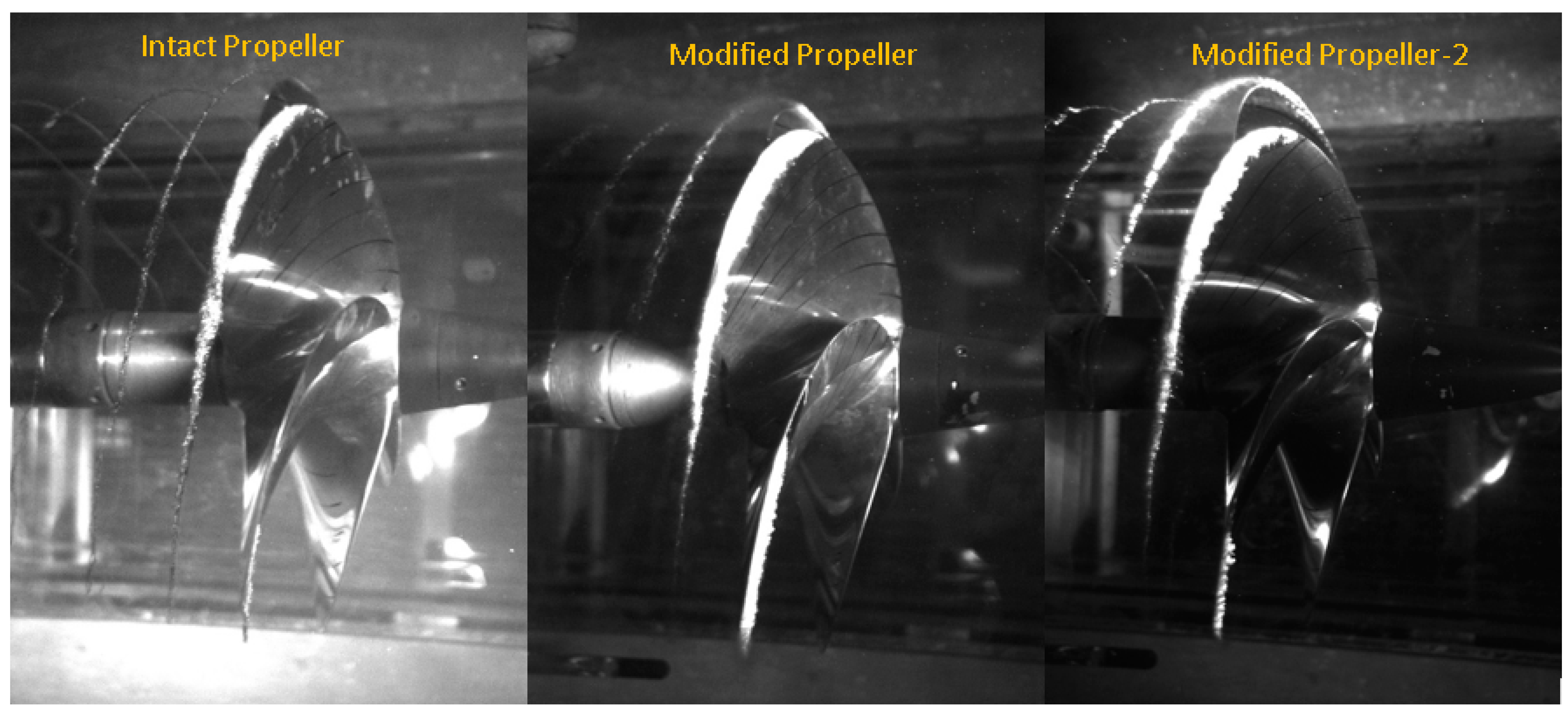
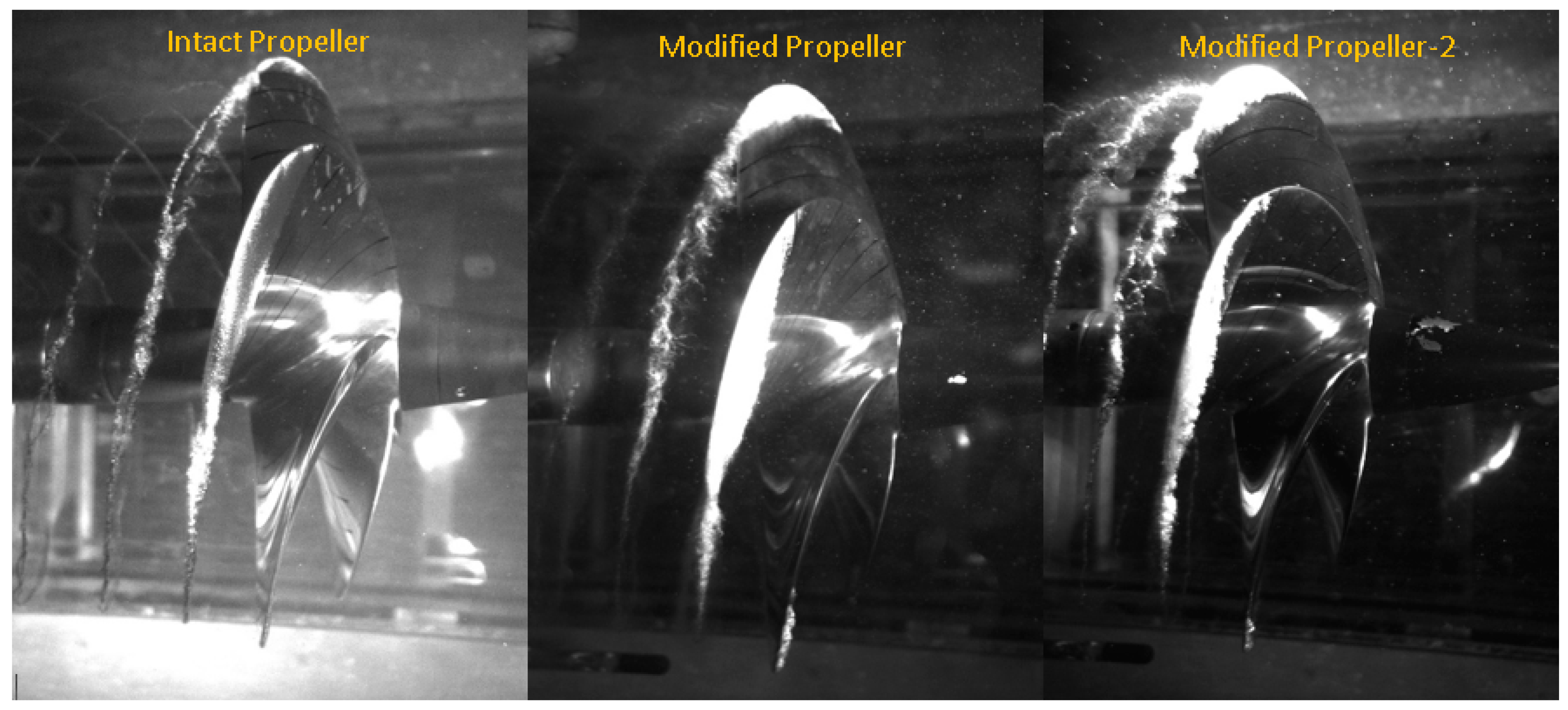
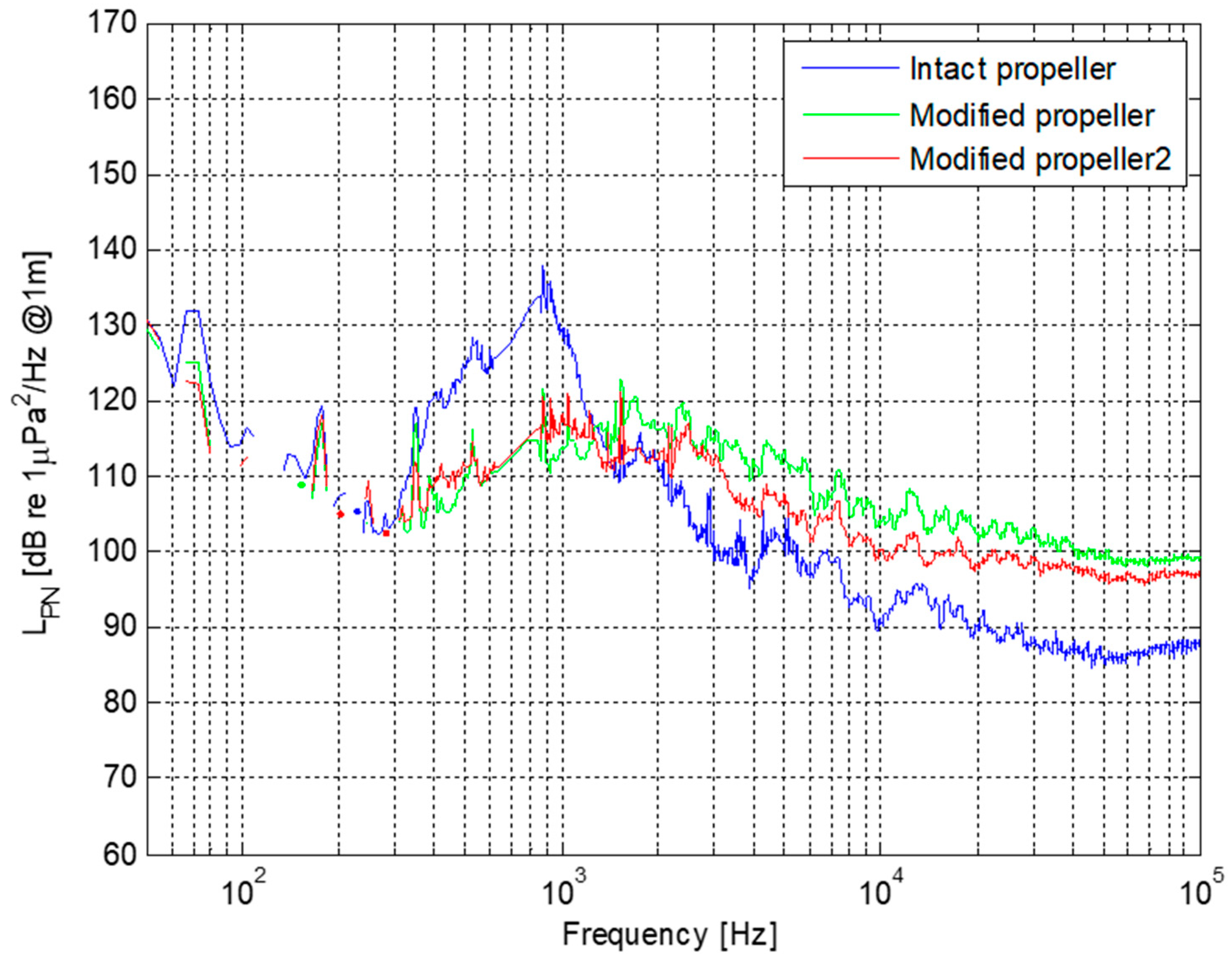
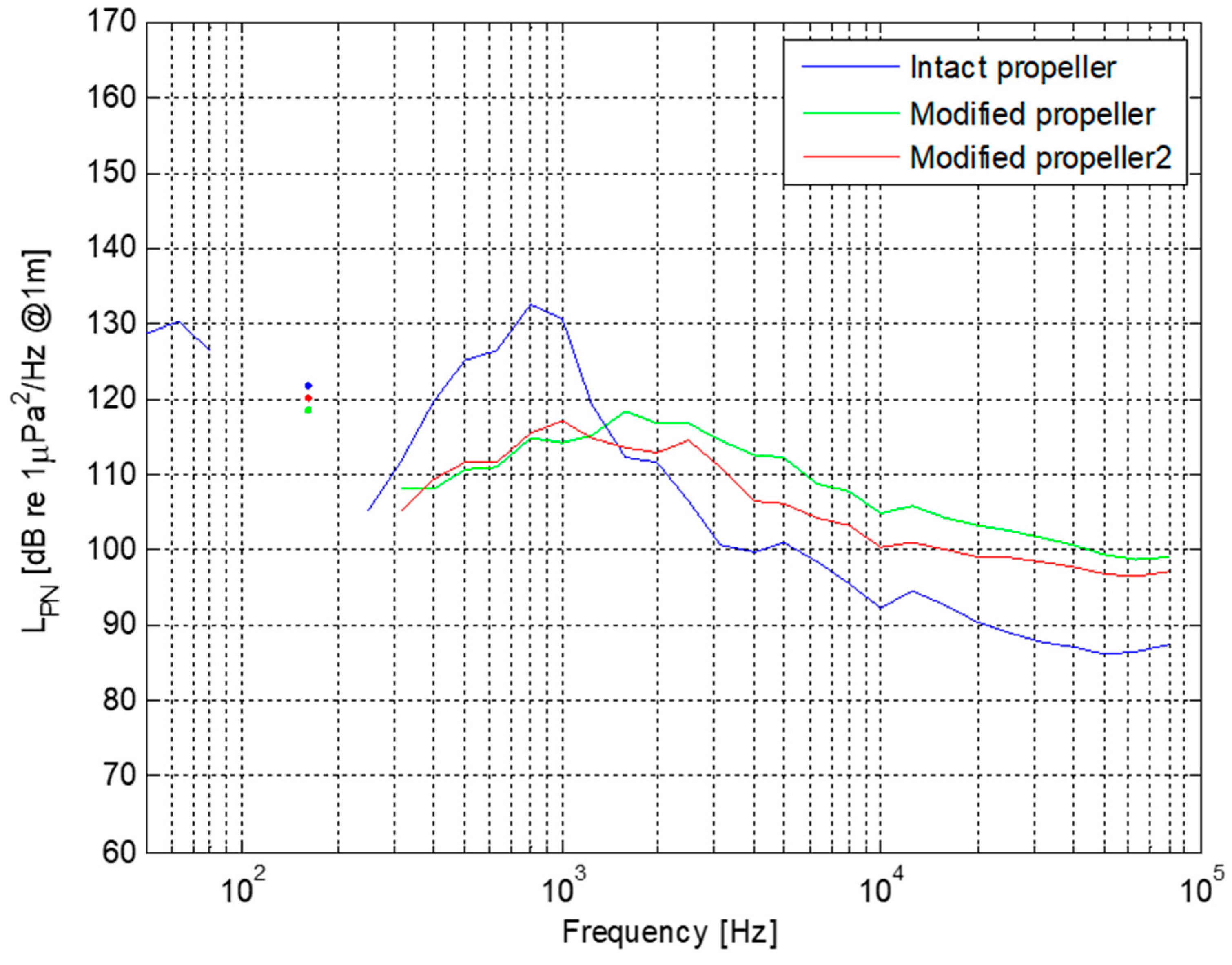
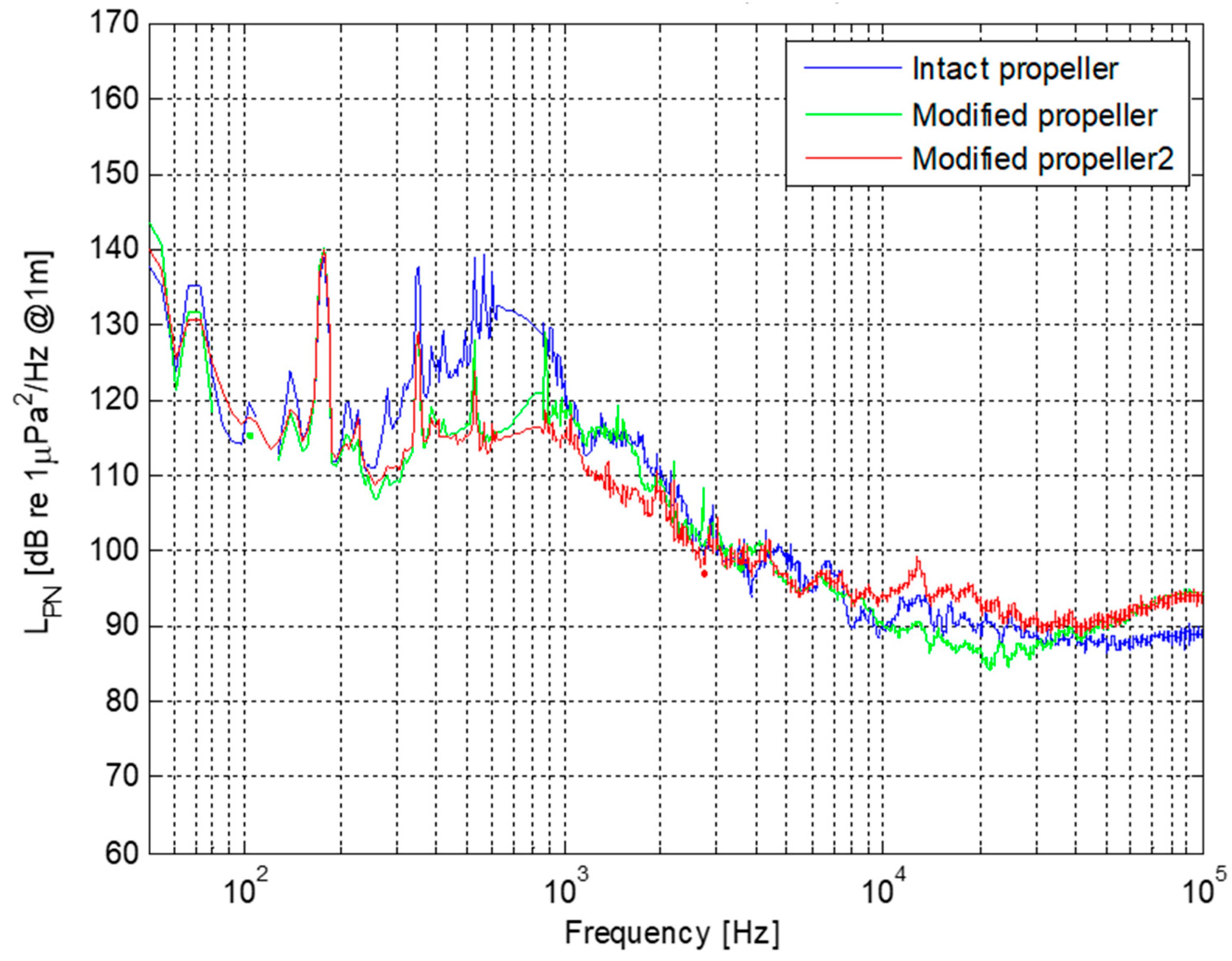
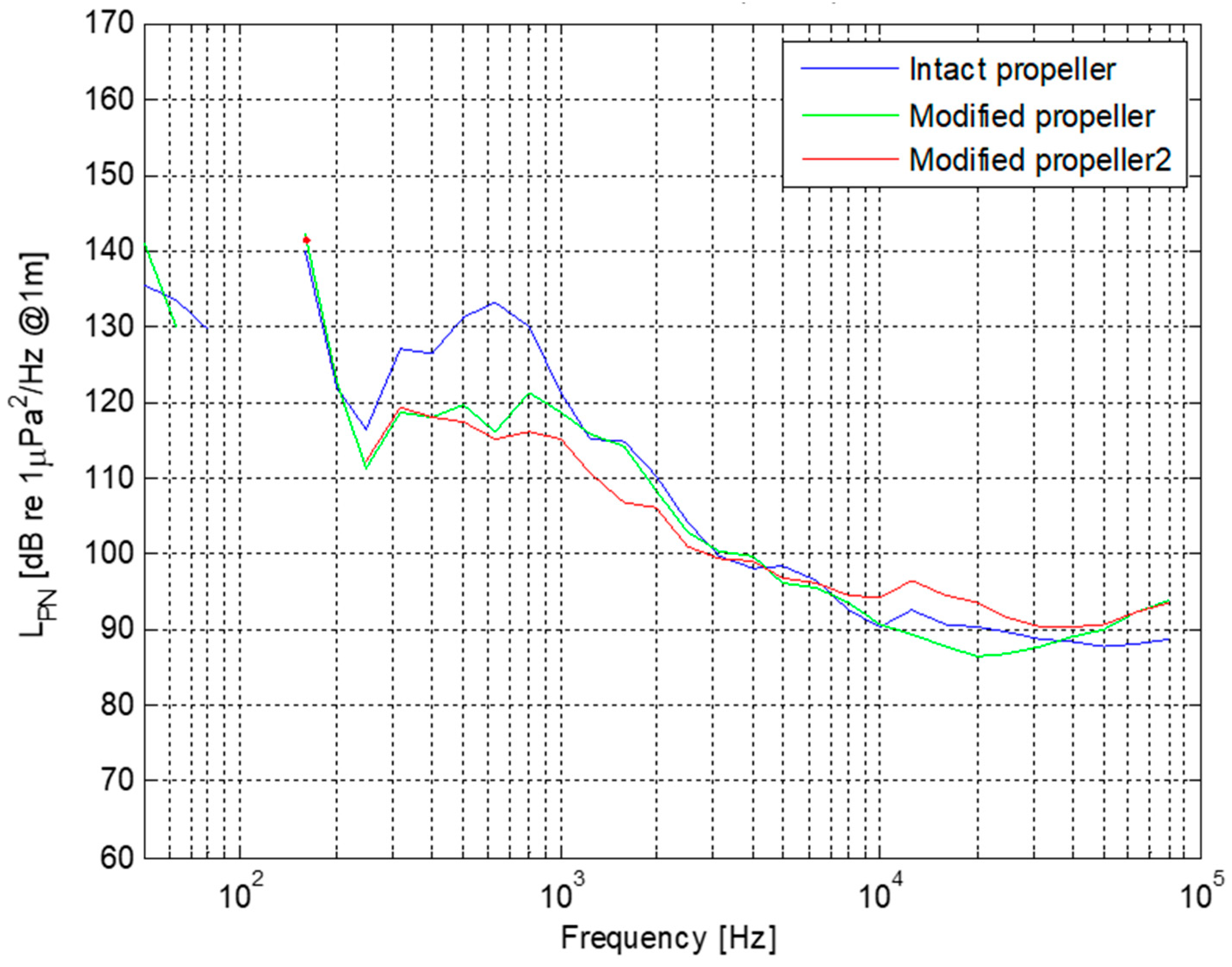
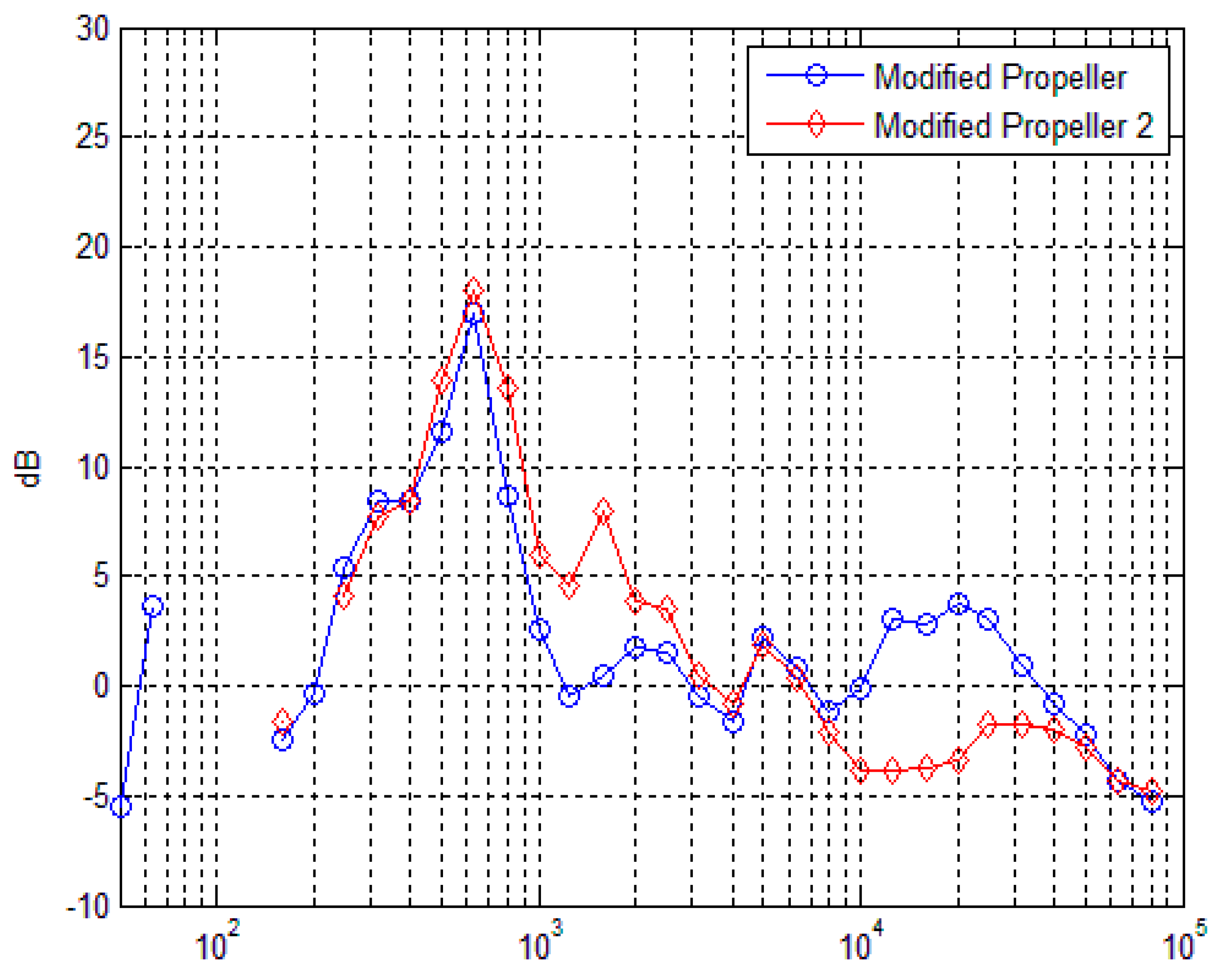
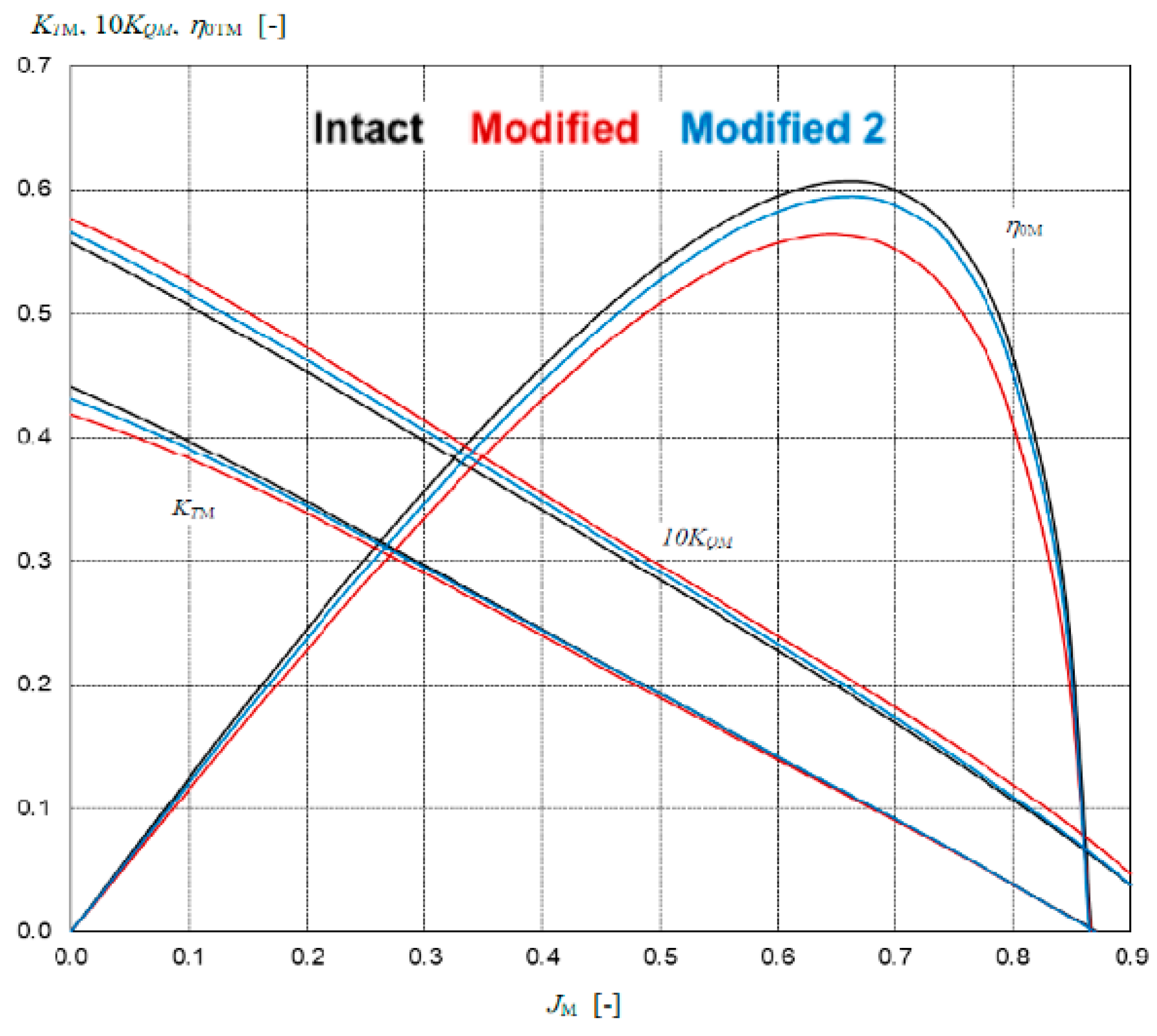
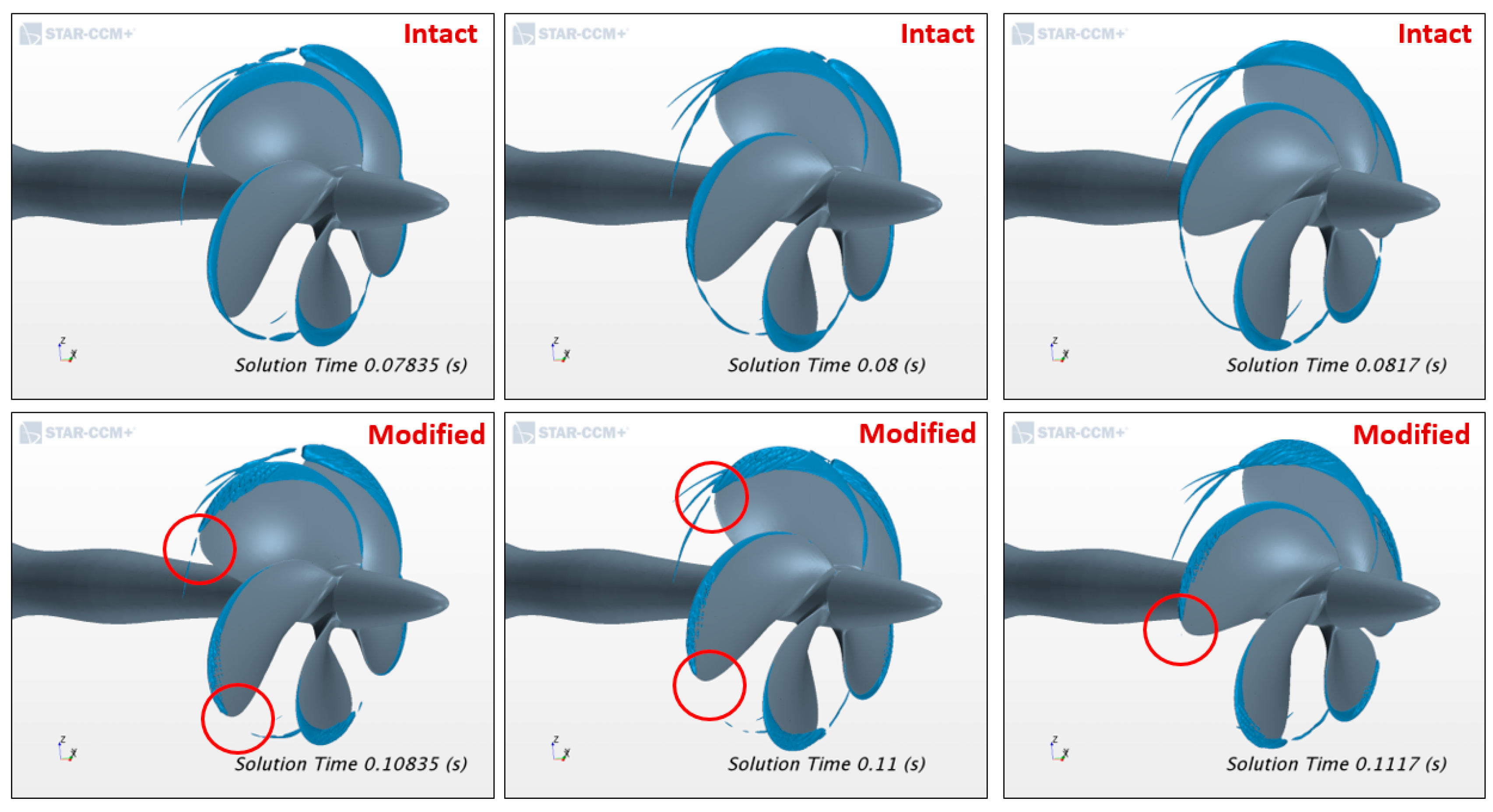
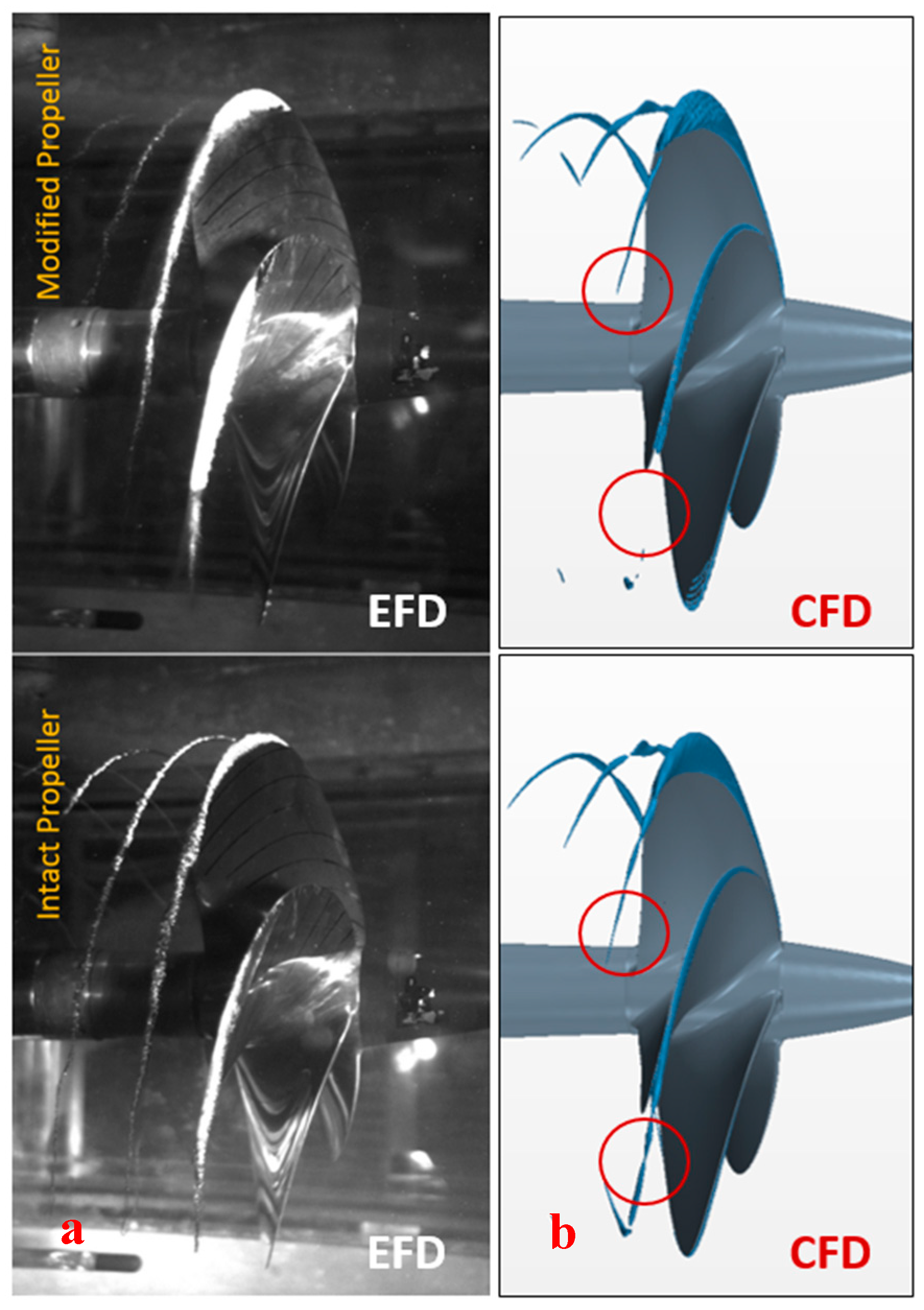
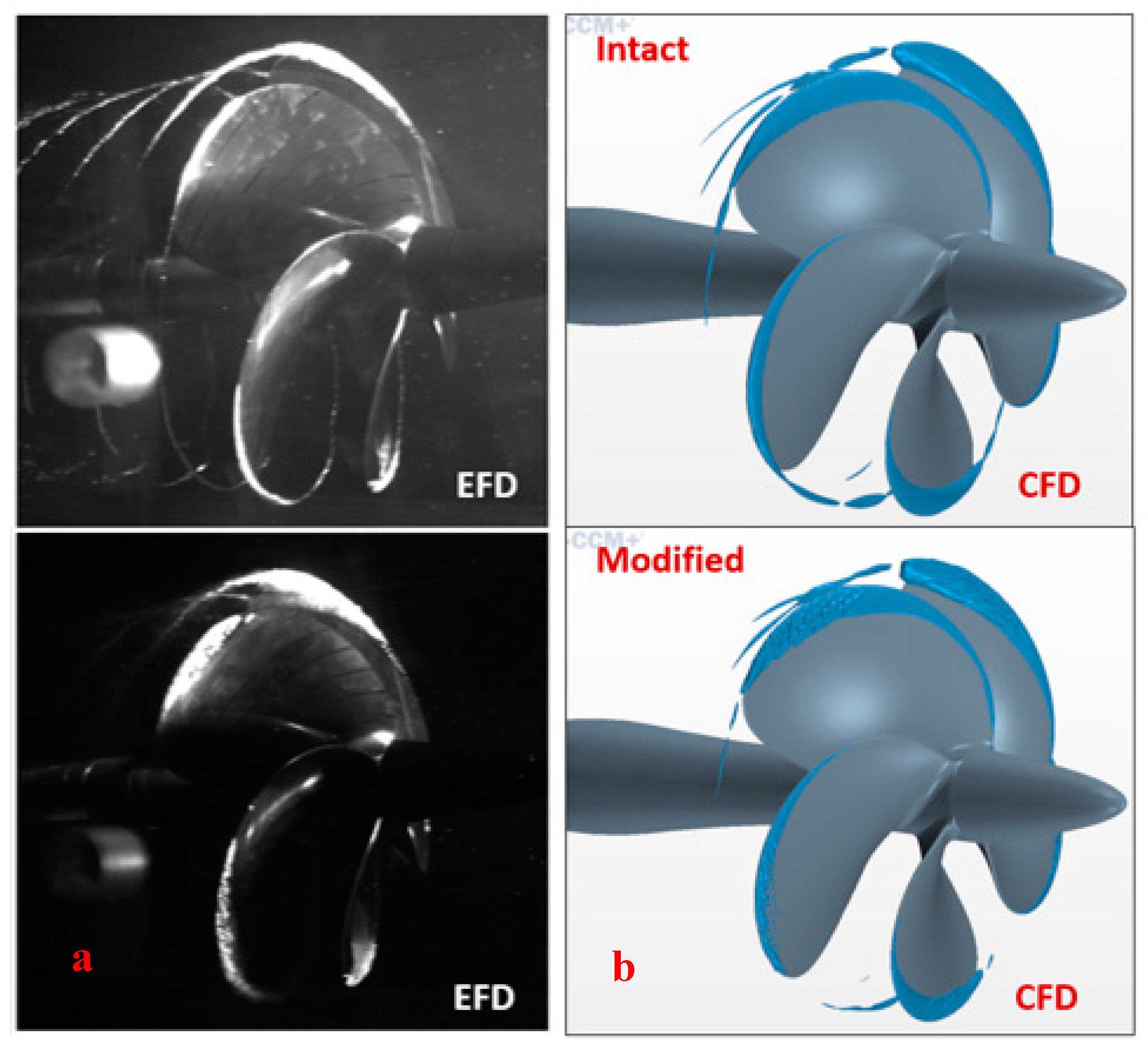
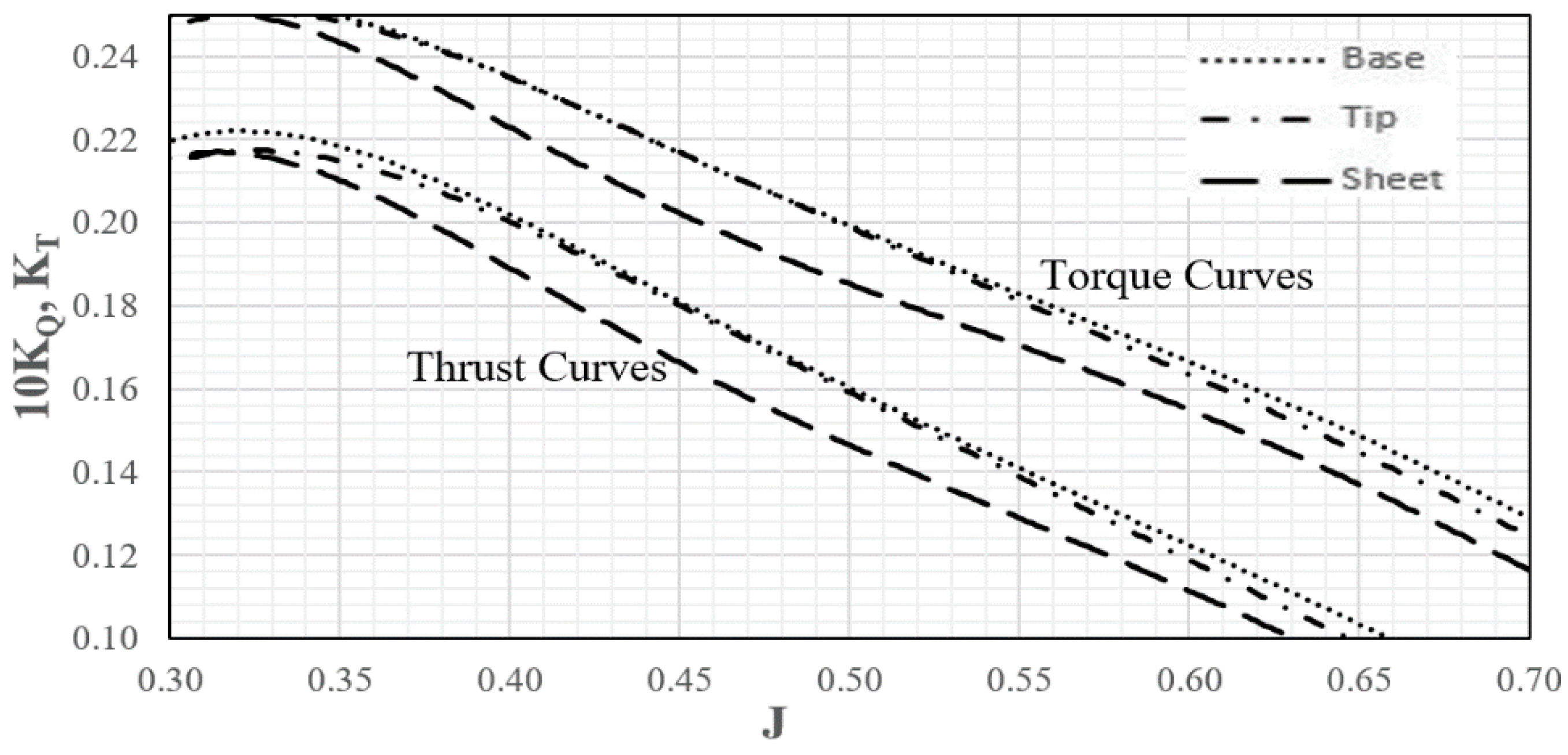
This study aims to demonstrate the merits of pressure-relieving holes at the tip region of propellers, which is introduced as “PressurePoresTM” technology as a retrofit on marine propellers to mitigate tip vortex cavitation noise for a quieter propeller. Shipping noise originates from various sources on board a vessel, amongst which the propeller cavitation is considered to dominate the overall radiated noise spectrum above the inception threshold. Thus, by strategically introducing pressure-relieving holes to modify the presence of cavitation, a reduction in the overall cavitation volume can be achieved. This mitigation technique could consequently result in a reduction of the radiated noise levels while maintaining the design efficiency as much as possible or with the least compromise. The strategic implementation of the holes was mainly aimed to reduce the tip vortex cavitation as this is one of the major contributors to the underwater noise emissions of a ship. In this paper, the details and results of a complementary numerical and experimental investigation is presented to further develop this mitigation concept for underwater radiated noise (URN) and to validate its effectiveness at model scale using a research vessel propeller. An overall finding from this study indicated that a significant reduction in cavitation noise could be achieved (up to 17 dB) at design speed with a favourable strategic arrangement of the pressure pores. Such a reduction was particularly evident in the frequency regions of utmost importance for marine fauna while the propeller lost only 2% of its efficiency.
Keywords: PressurePoresTM; pressure relief holes; underwater radiated noise (URN); cavitation noise mitigation; experimental hydrodynamics; computational fluid dynamics (CFD) PressurePoresTM; pressure relief holes; underwater radiated noise (URN); cavitation noise mitigation; experimental hydrodynamics; computational fluid dynamics (CFD)