Article

Control of Synthetic Hairpin Vortices in Laminar Boundary Layer for Skin-Friction Reduction


1
Department of Naval Architecture and Marine Engineering, Changwon National University, 20 Changwondaehak-ro, Uichang-gu, Changwon-si, Gyeongsangnam-do 51140, Korea
2
Department of Naval Architecture and Ocean Engineering, Dong-Eui University, 176 Eomgwangro, Busanjin-gu, Busan 47430, Korea
*
Author to whom correspondence should be addressed.
J. Mar. Sci. Eng. 2020, 8(1), 45; https://doi.org/10.3390/jmse8010045
Submission received: 14 December 2019 / Revised: 31 December 2019 / Accepted: 9 January 2020 / Published: 15 January 2020
(This article belongs to the Special Issue Ship Hydrodynamics)

Abstract

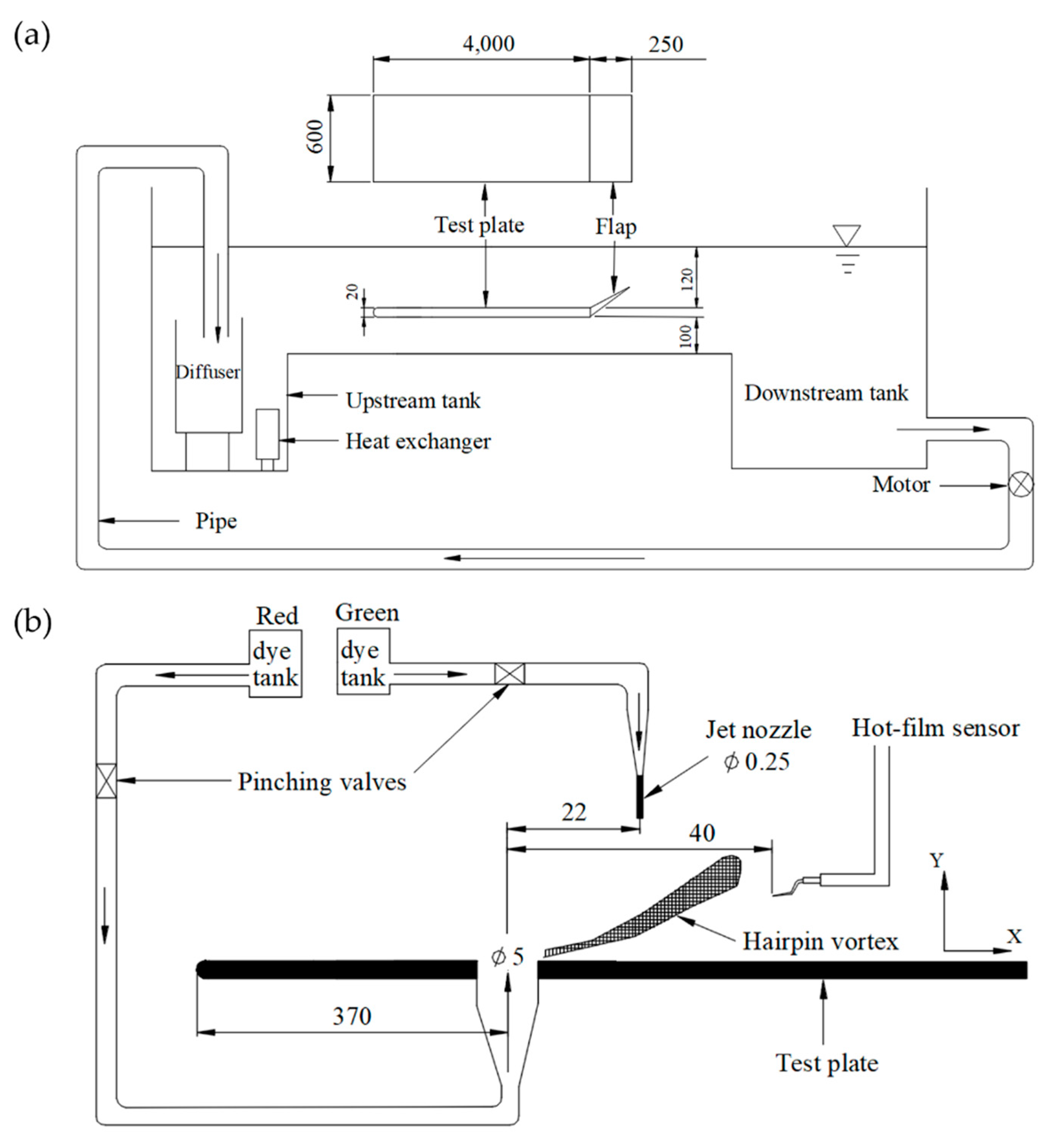
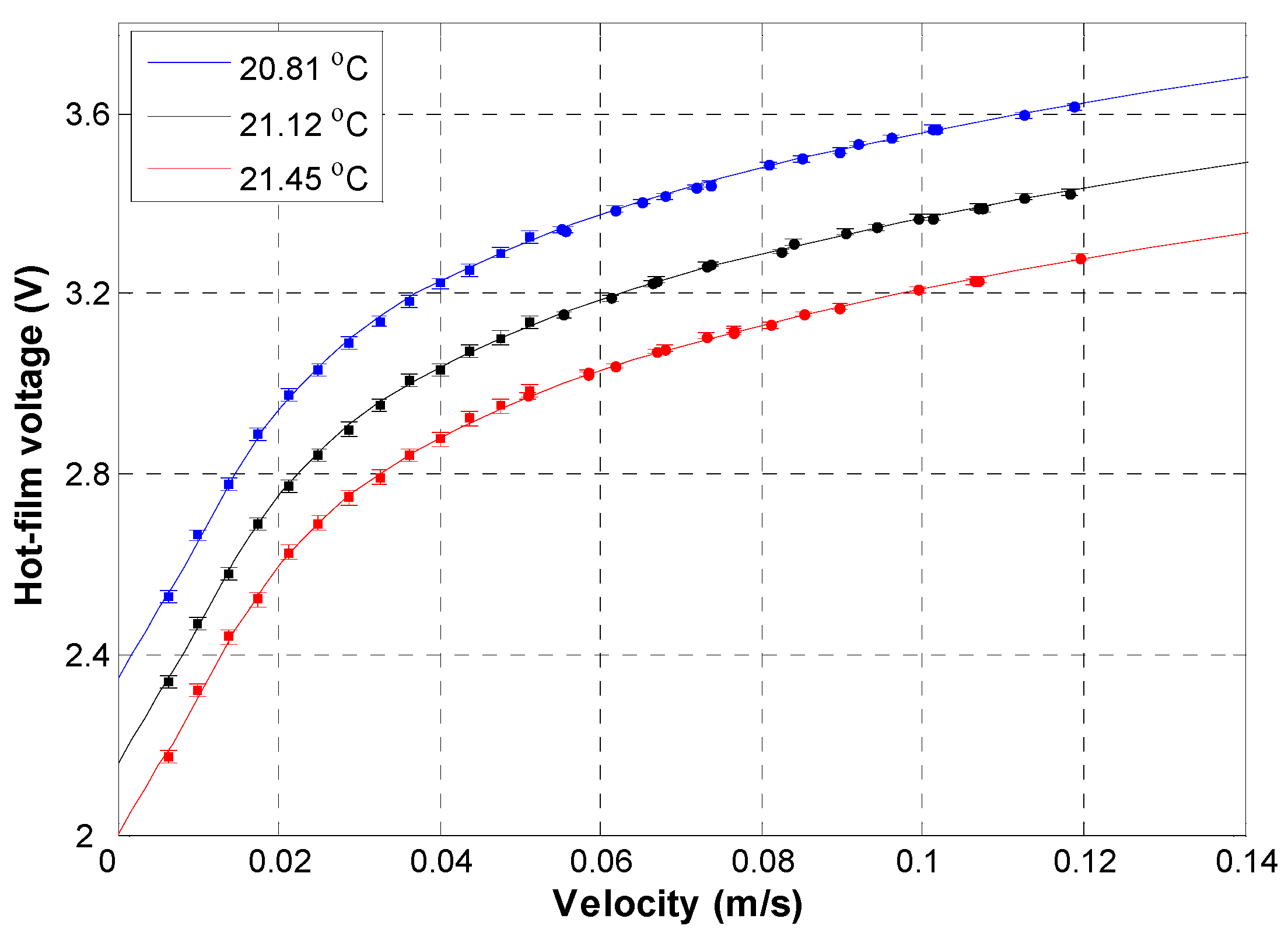
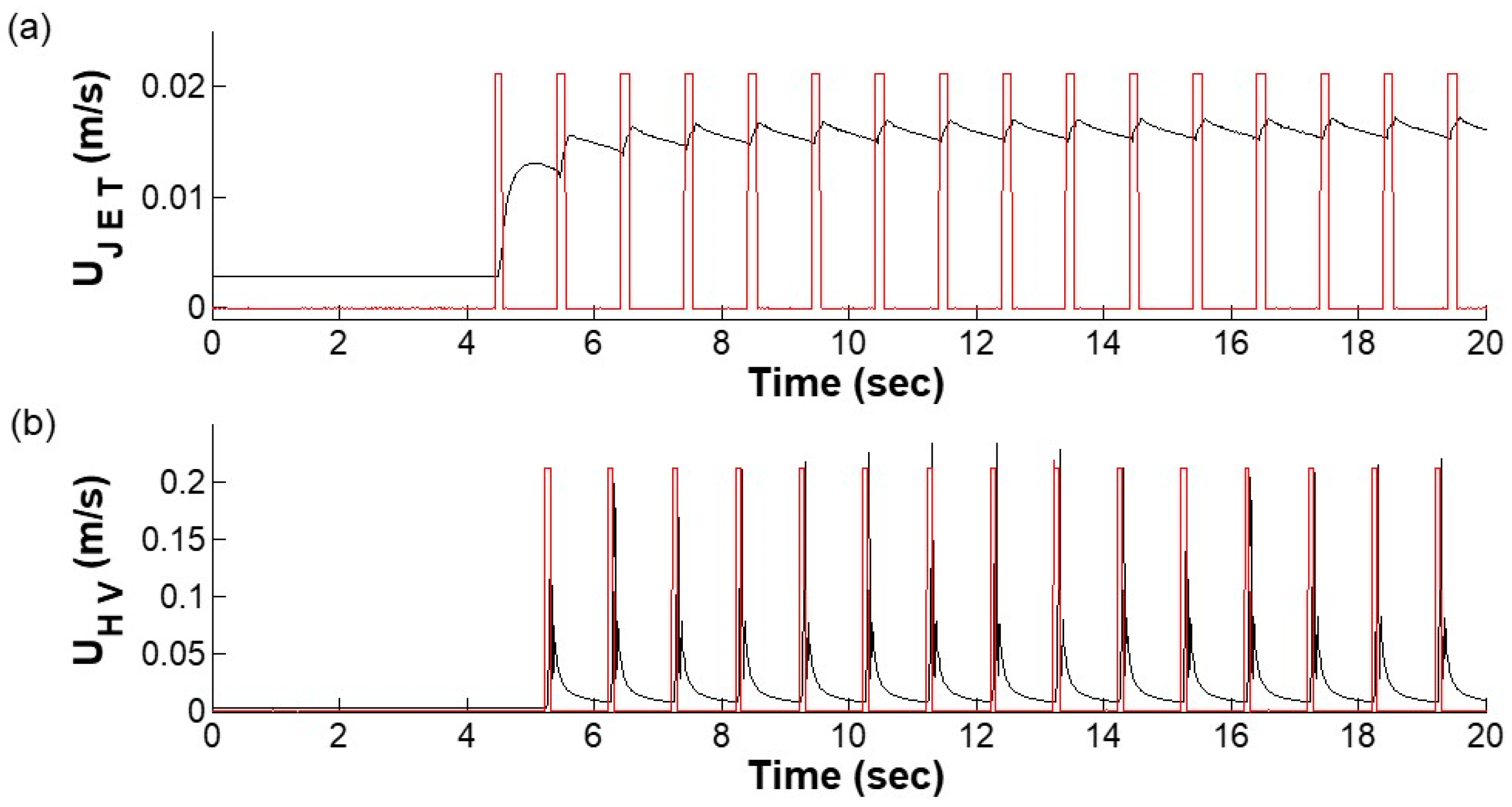
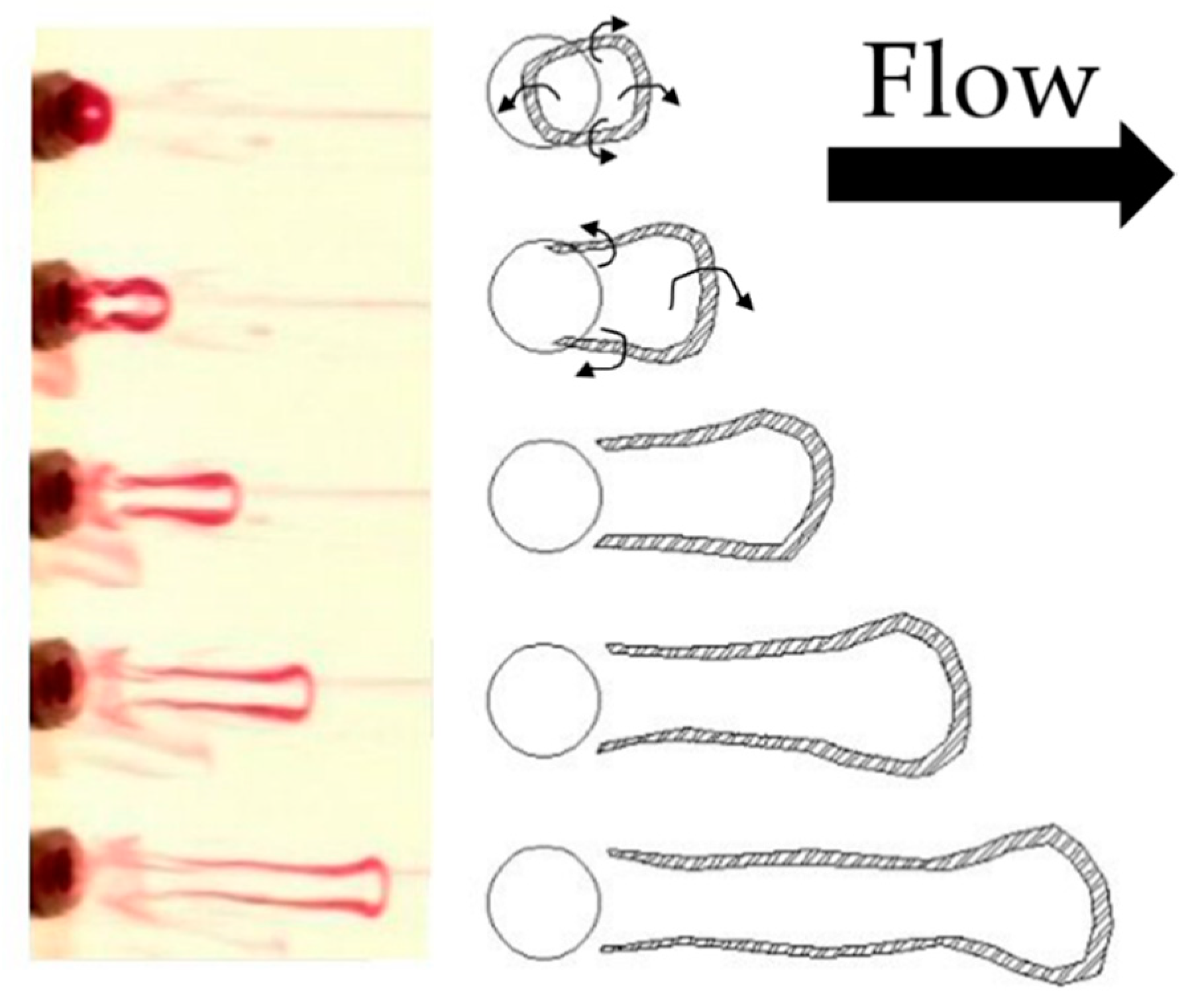
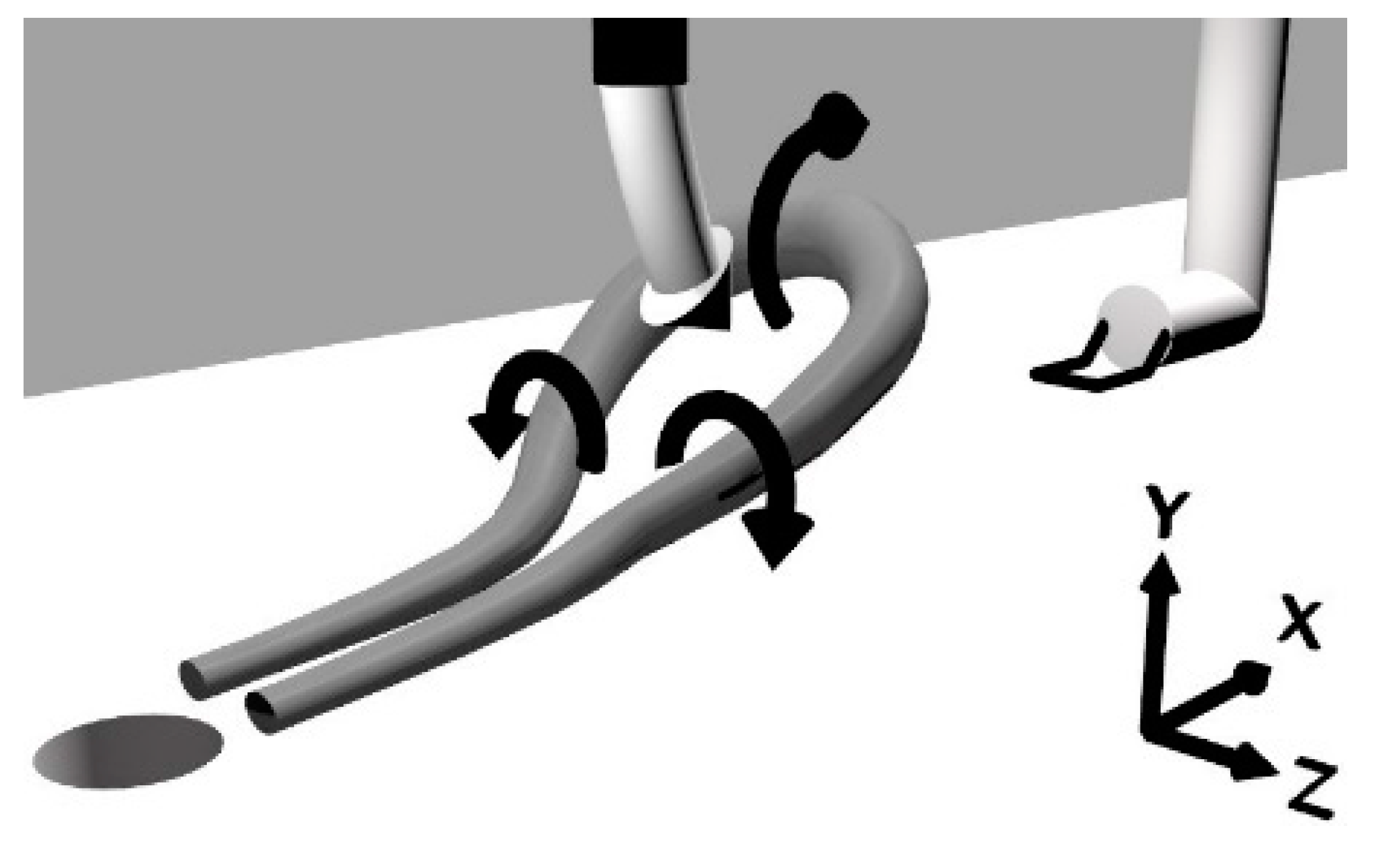
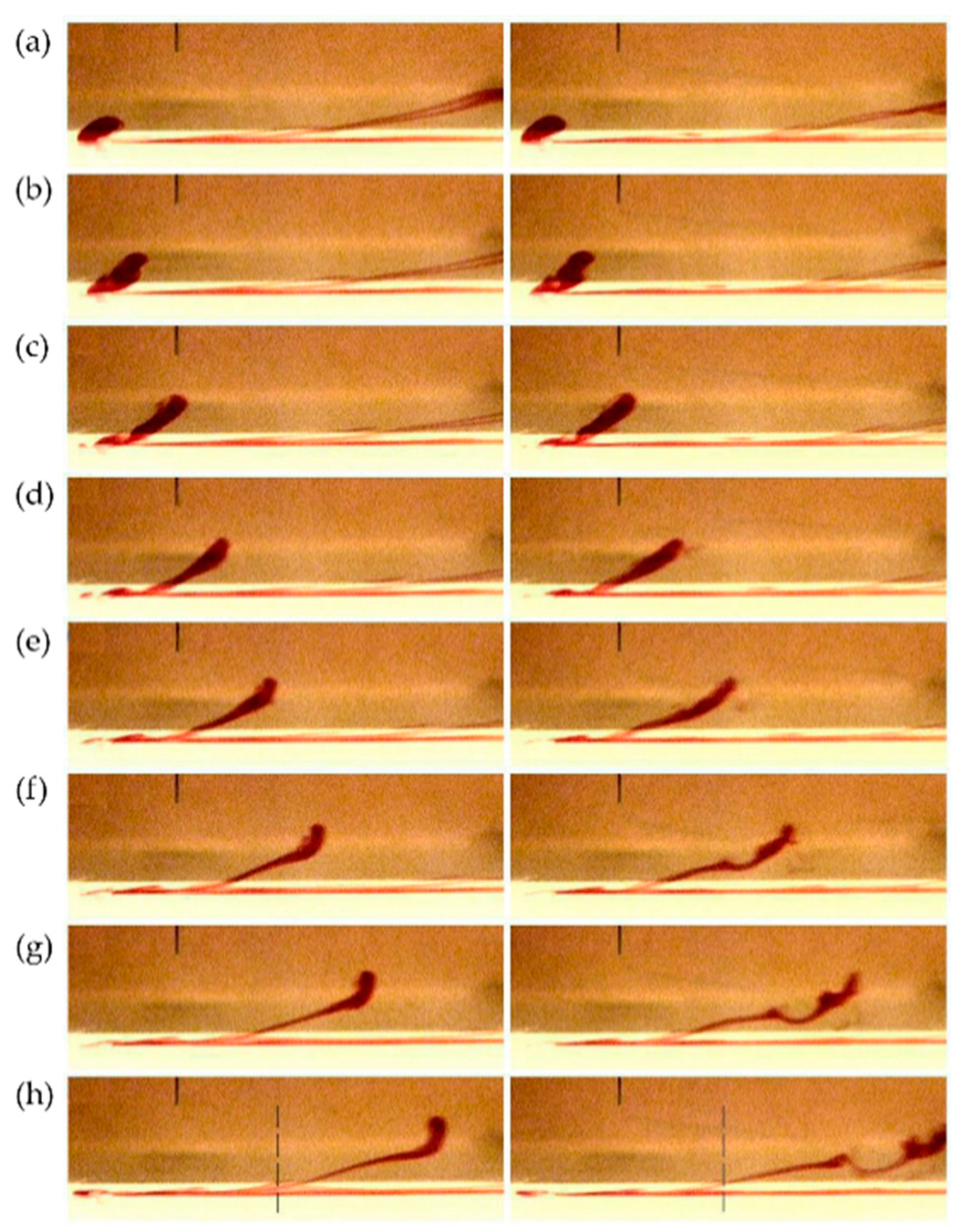
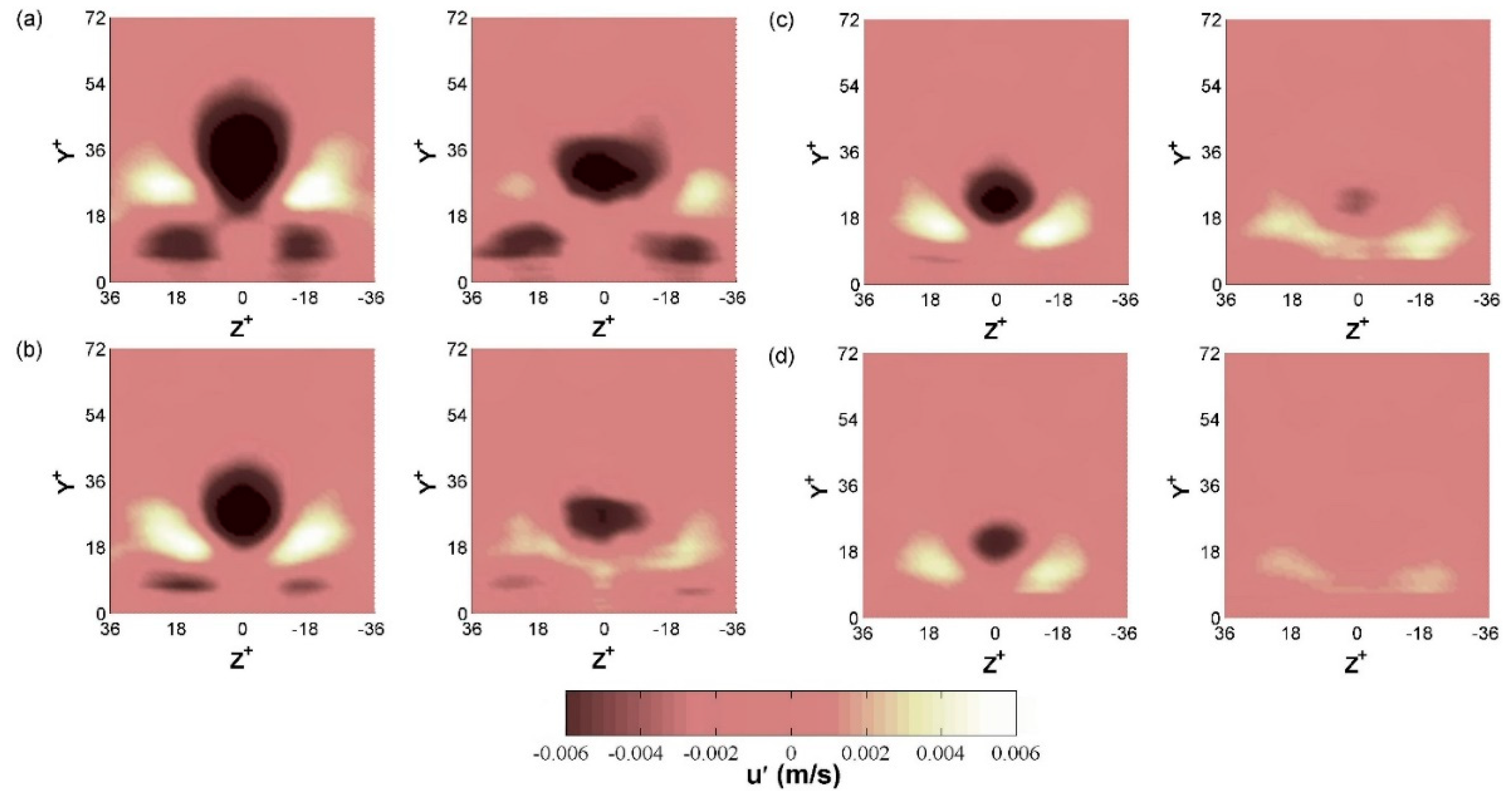
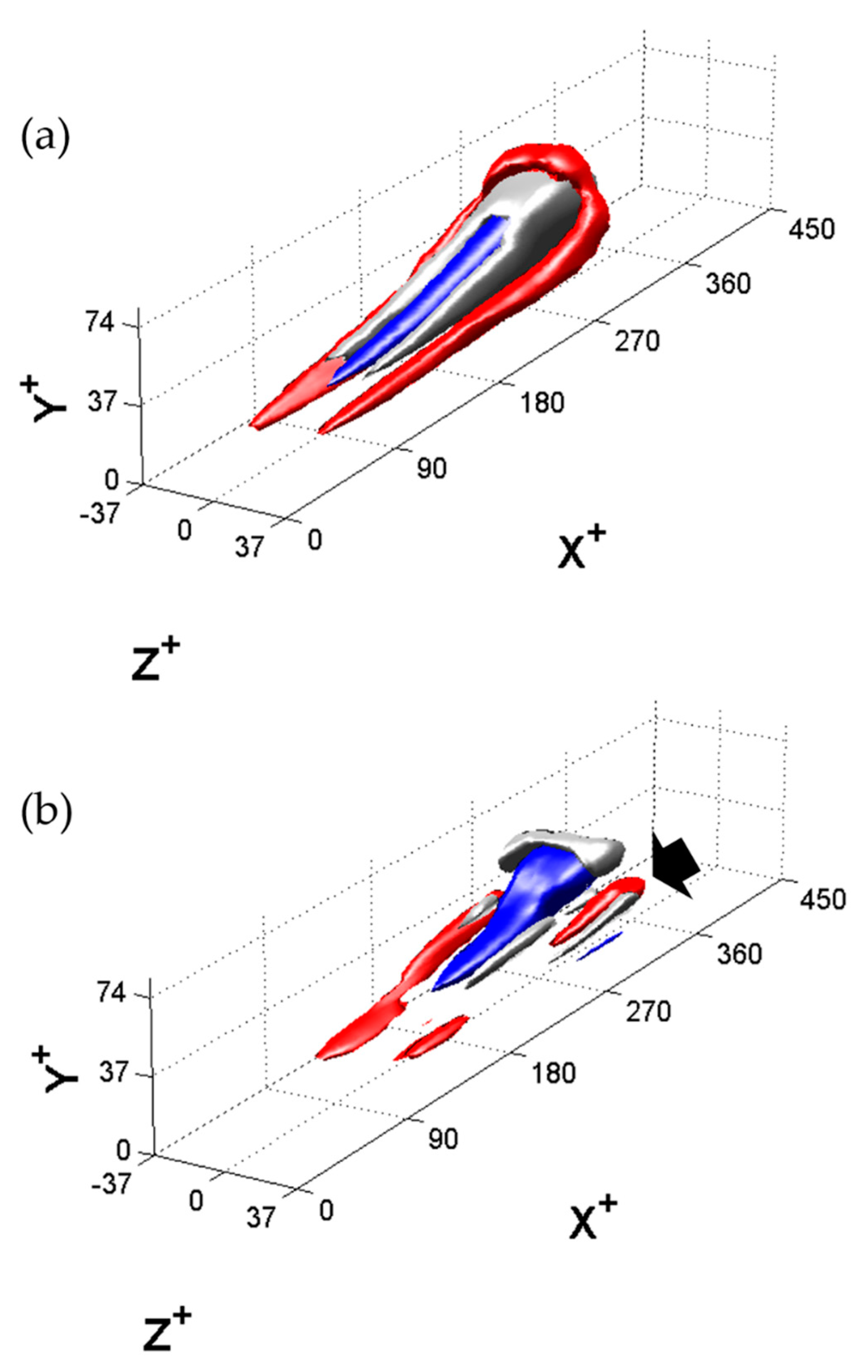
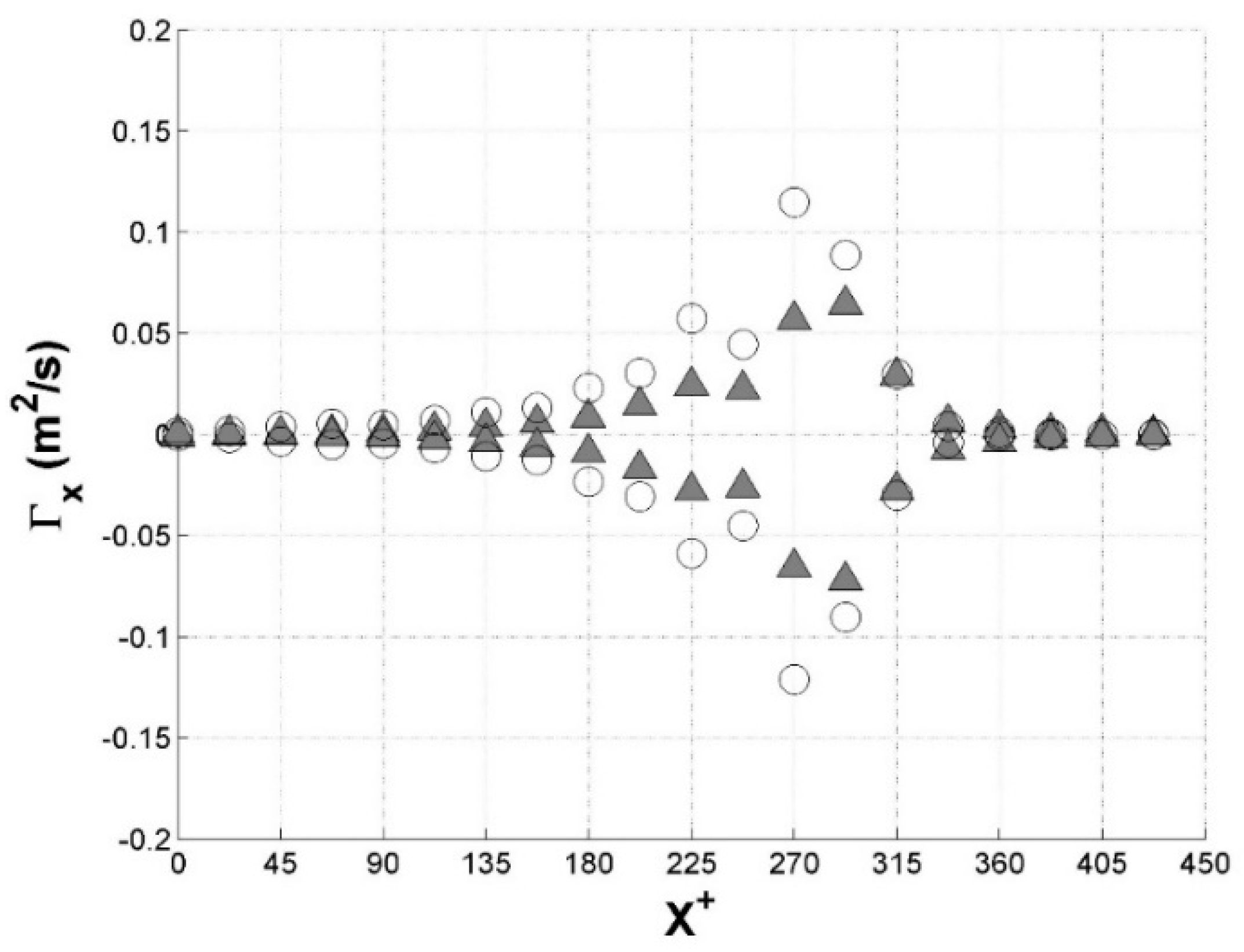
The results of flow visualization and hot-film measurement in a water channel are presented in this paper, in which the effectiveness of controlling synthetic hairpin vortices in the laminar boundary layer is examined to reduce skin friction. In this study, hairpin vortices were generated by periodically injecting vortex rings into a cross flow through a hole on a flat plate. To control the hairpin vortices, jets were issued from a nozzle directly onto the head of the hairpins. The results of the flow visualization demonstrated that the jets destroyed the hairpins by disconnecting the heads from their legs, after which the weakened hairpin vortices could not develop. Therefore, the circulation around the legs was reduced, which suggests that the direct intervention on the hairpin heads resulted in the reduction of streamwise stretching. Data obtained by a hot-film sensor showed that the high-speed regions outside the hairpin legs were reduced in speed by this control technique, leading to a decrease in the associated local skin friction.
Keywords: fuel efficiency; frictional resistance reduction; hull-fluid interaction; hairpin vortex; jet control fuel efficiency; frictional resistance reduction; hull-fluid interaction; hairpin vortex; jet control