2.1. Bearing Fault Diagnosis Methods
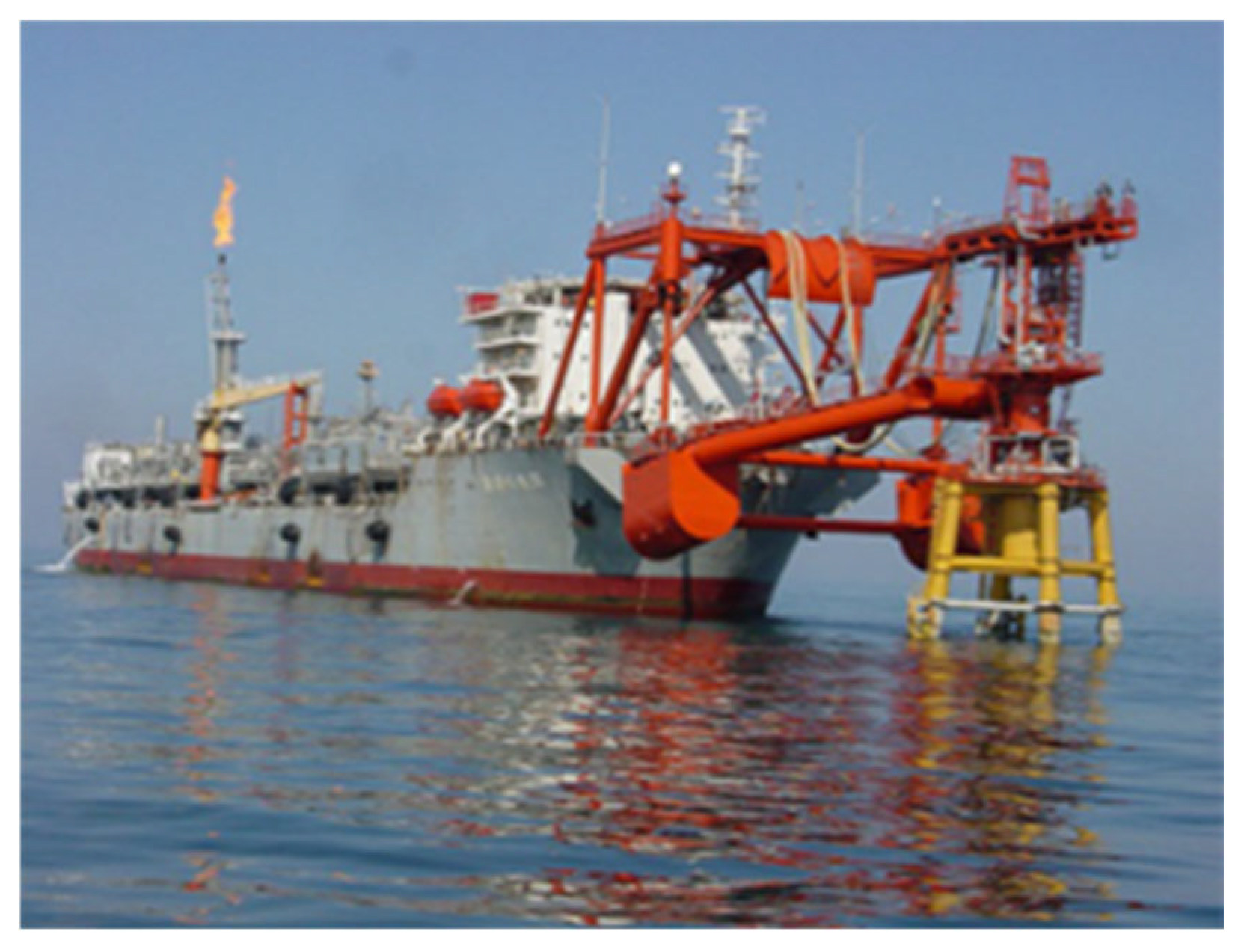
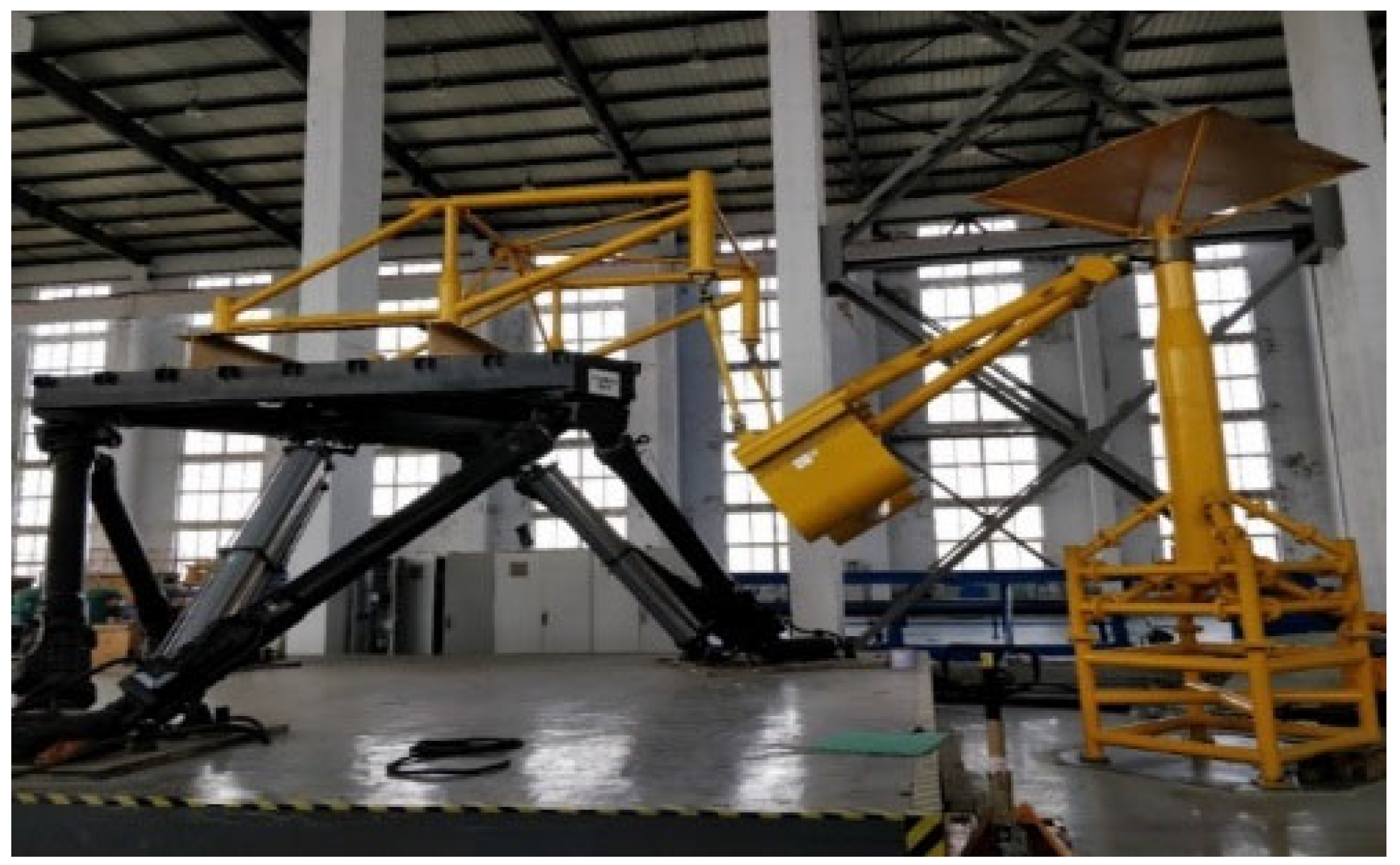
The SYM is one of the more commonly used mooring methods. For example, the Mingzhu FPSO, shown in
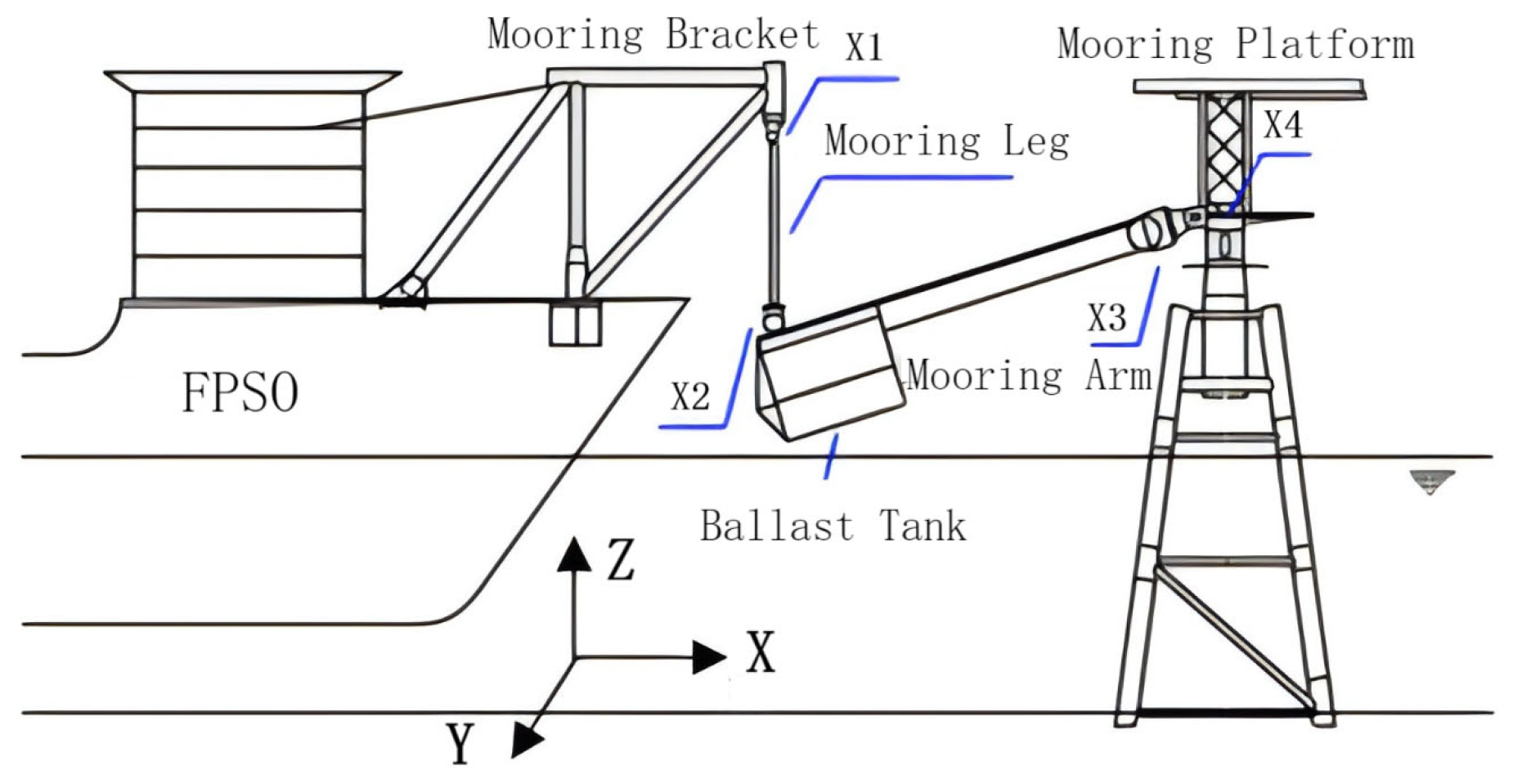
Figure 1, utilizes the SYM. The SYM is suitable for shallow waters less than 50 m deep and generally consists of a mooring platform, yoke arm, mooring leg, ballast tank, and mooring bracket, as illustrated in
Figure 2. The SYM connects the mooring platform and the vessel, maintaining the vessel’s relative position. All components of the SYM are rigid parts, with universal joints between the mooring legs and yoke arms, as well as between the mooring legs and brackets, to ensure the FPSO vessel can perform normal rolling and pitching movements [
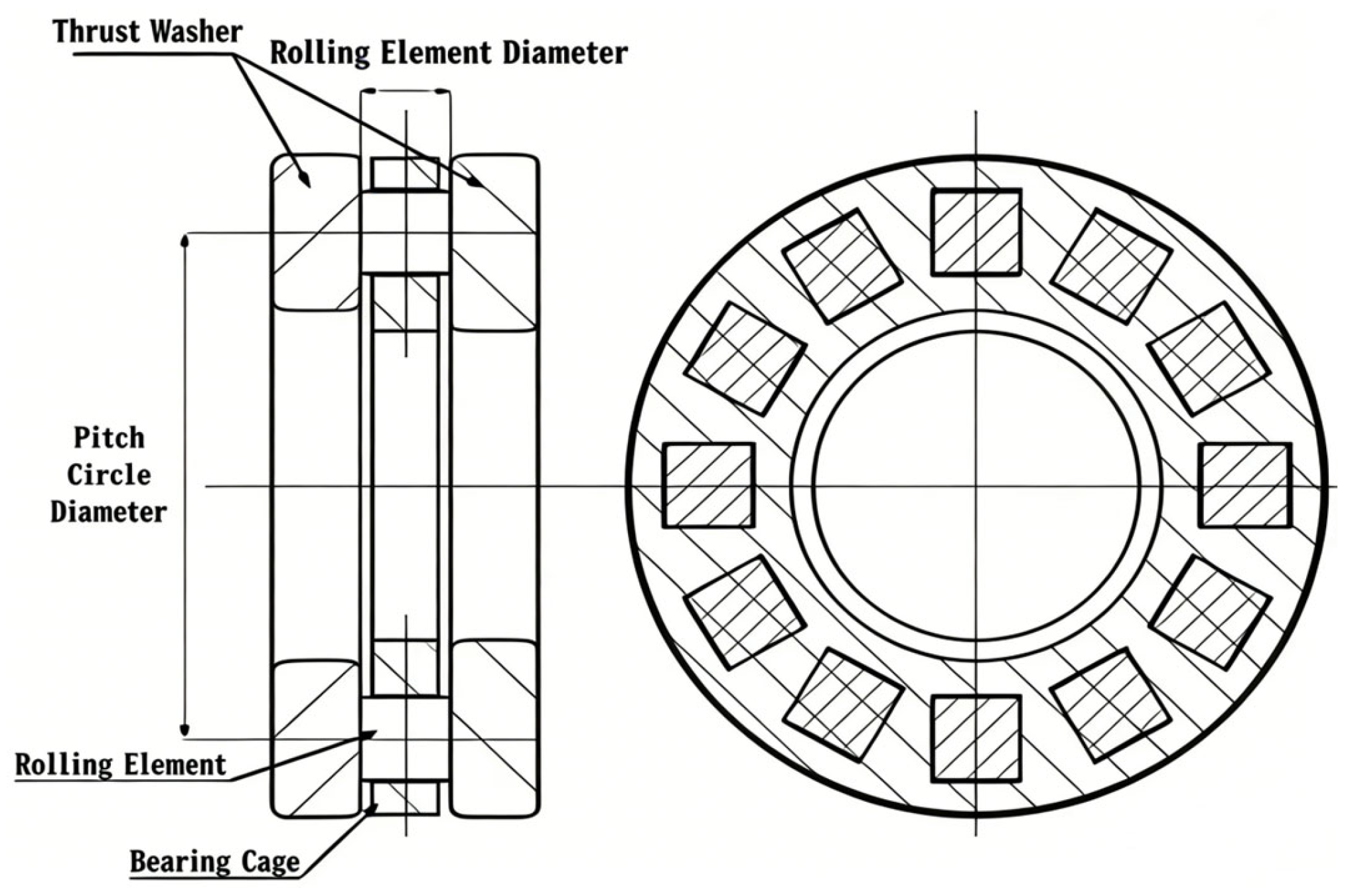
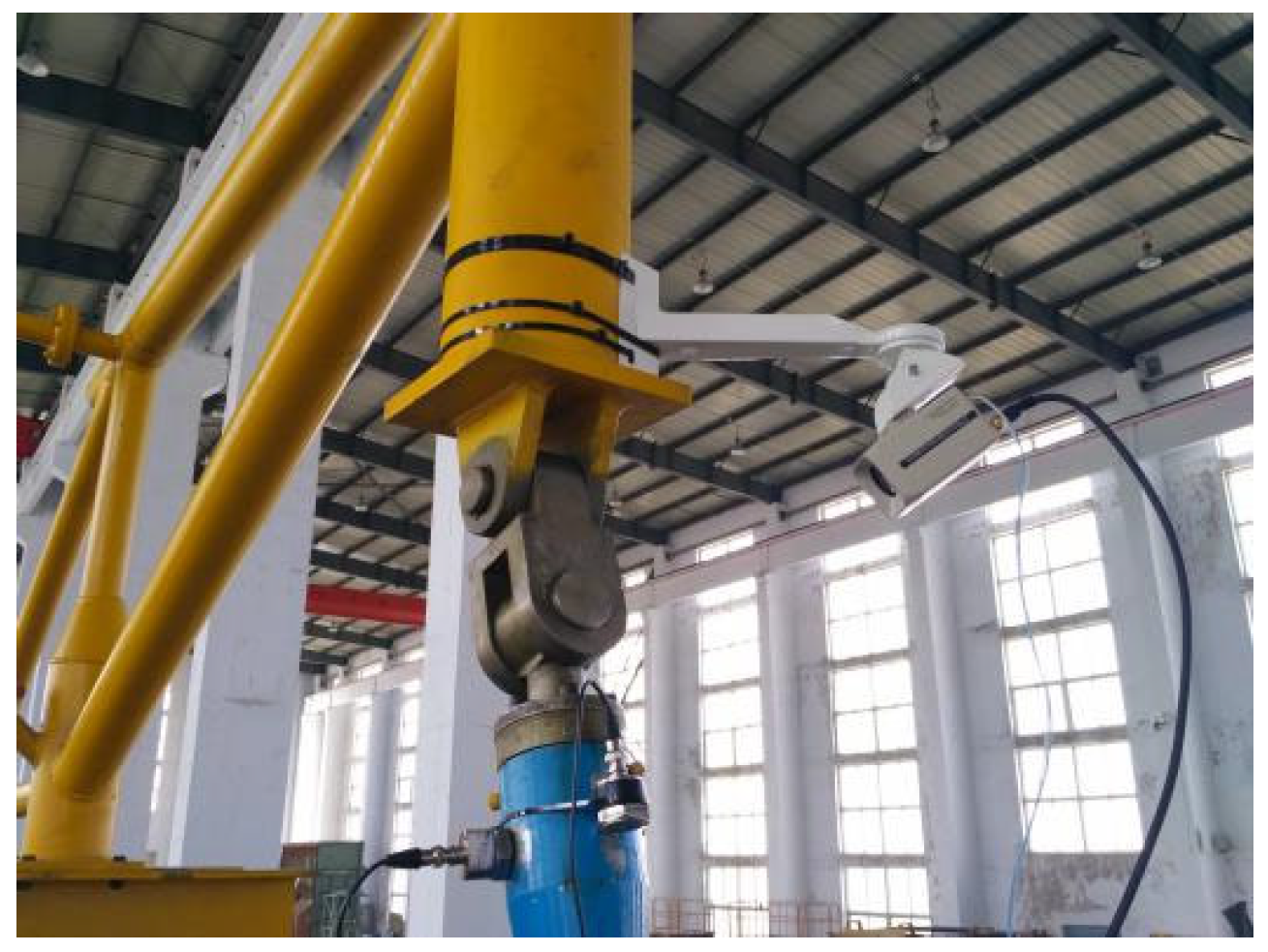
15]. This prevents excessive loads from being exerted on the mooring platform. These universal joints consist of sliding bearings and thrust roller bearings. The thrust roller bearing at the upper hinge point of the mooring leg (shown as hinge X1 in
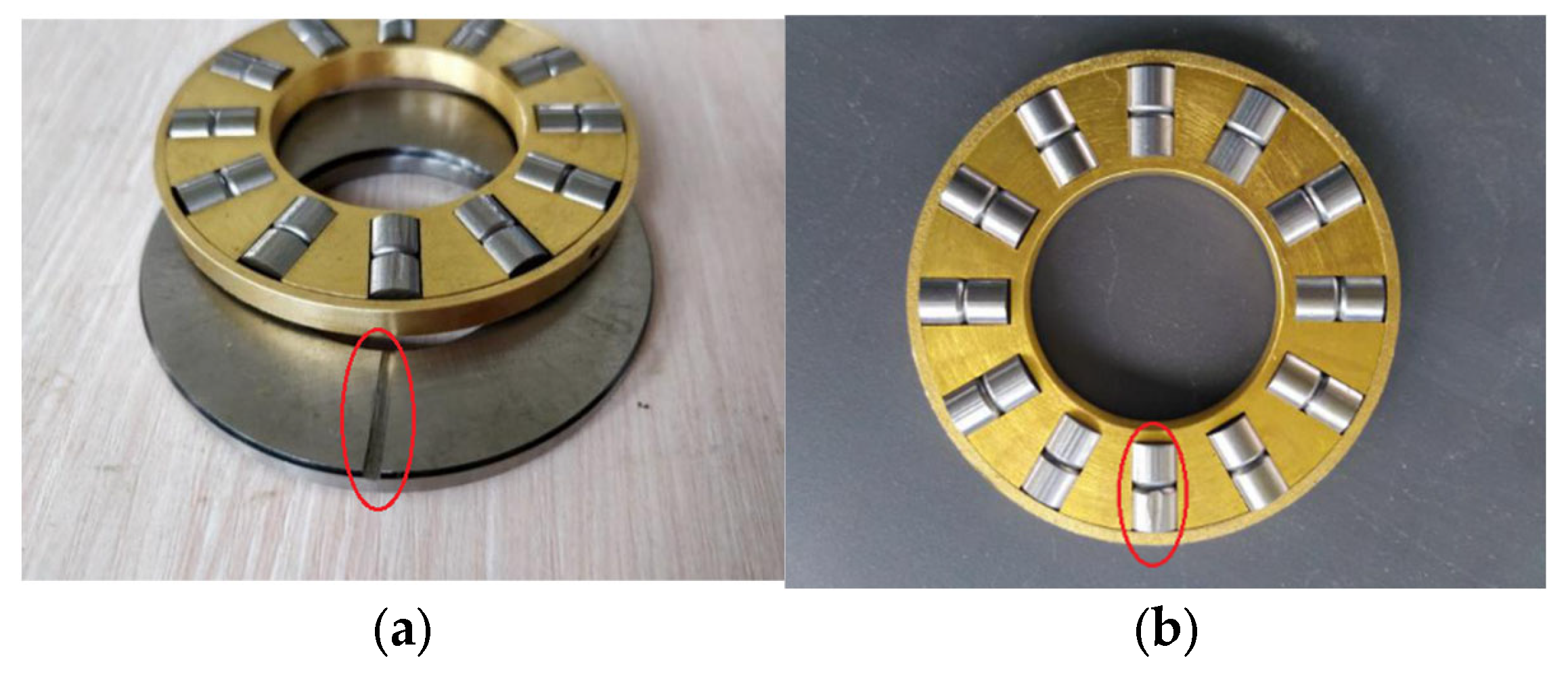
Figure 2) is the core component of the SYM (as shown in
Figure 3). It not only bears the enormous vertical load generated by the ballast tank but also allows the FPSO vessel structure to rotate around the mooring leg, minimizing the resultant force acting on the mooring platform. Therefore, if a fault occurs in this component, the FPSO cannot perform normal pitching, potentially leading to excessive force on the mooring platform, which could cause structural damage or failure, severely impacting the stability and safety of the FPSO [
16].
This paper focuses on the damage diagnosis of thrust roller bearings in FPSO soft yoke mooring systems, with its research basis primarily derived from the special working conditions and critical role of such bearings in marine engineering. First, as the core load-bearing component of the articulated joint in the soft yoke, the thrust roller bearing operates long-term in a harsh marine environment characterized by high loads, strong corrosion, and variable conditions. Its motion pattern is non-rotational oscillatory swinging, which fundamentally differs from the working conditions of traditional rotating bearings. Under this motion mode, the bearing is subjected to alternating stresses and impact loads, making it prone to damage such as fatigue pitting, wear, or even spalling on the raceways and rolling elements. Second, once damage occurs in the bearing, it directly affects the kinematic coordination of the soft yoke system. In mild cases, it causes abnormal vibrations and noise, accelerating structural fatigue; in severe cases, it may lead to the locking of local degrees of freedom, triggering load redistribution and stress concentration, thereby threatening the safety of the entire mooring system and even the FPSO itself. Therefore, conducting damage diagnosis research on such special bearings is not only a practical requirement for ensuring the reliable operation of the system but also an important subject for improving the theoretical framework of fault diagnosis for non-rotational moving components in marine engineering.
The methods for diagnosing rolling bearing faults are numerous. Among these, vibration-based bearing fault diagnosis methods are particularly effective at identifying and extracting features related to the fault impact characteristics of bearing structures. For example, time-frequency signal analysis methods like Short-Time Fourier Transform [
17] and wavelet techniques [
18,
19] are widely used in monitoring and diagnosing various mechanical equipment due to their simplicity and efficiency. However, in a marine environment, the complex motion characteristics of FPSOs and the high-noise environment can cause fault signals to be submerged in noise signals. Therefore, it is necessary to filter and denoise the signal to highlight the fault pulse impact components within the signal before performing vibration signal analysis. The basic principle is as follows:
The original signal is received by the sensor through a certain path, a process known as convolution in engineering signal processing. Given the input signal
and the linear transmission system
, the output signal
is the convolution of the two:
If the output signal is known, solving for the input signal involves a process called deconvolution. When a fault occurs in the mooring leg thrust roller bearing of the FPSO, pulse impact signals
are generated at the fault site due to contact between the rolling elements and the raceways. After passing through a linear transmission system
, the output
is
where
is the signal received by the sensor.
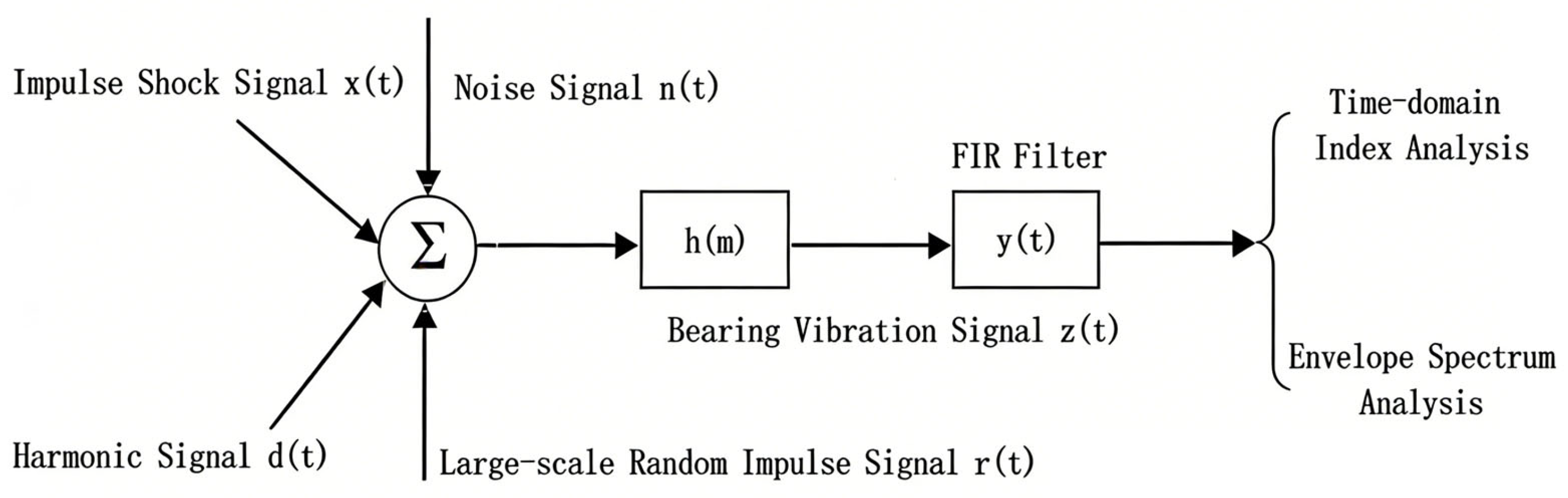
The actual collected bearing vibration signal is often a convolution of the bearing fault pulse impact signal
, large-scale random pulse signals
, harmonic signals
, and random noise signals
with the transmission path
:
where
is the system’s output signal received by the sensor. After isolating the bearing fault pulse impact signal from the system output signal, time-domain index analysis and envelope spectrum analysis methods can be used to extract relevant fault features.
Time-domain indices, as the simplest and most direct method, are widely used in diagnosing bearing vibration signals [
20]. In this paper, the root mean square (RMS) value, crest factor, and kurtosis factor are used to evaluate the bearing condition [
21], where:
Root mean square (RMS) value:
where
N is the number of sampling points. For the vibration signal of a normal bearing, its mean value should be close to zero. The RMS value, also known as the effective value, represents the energy of the bearing signal and is an important indicator for judging the bearing’s operating condition. When the bearing is fault-free, it operates smoothly without impact, and the RMS value is relatively small. As the bearing fault worsens, the RMS value increases accordingly [
22].
Peak value reflects the maximum amplitude of the bearing vibration signal; however, its application has inherent limitations. If the signal contains impact sequences caused by other factors not related to bearing faults, using the peak value as a diagnostic indicator can lead to distortion or even misjudgment.
Crest factor is defined as the ratio of the signal’s peak value to its RMS value. A higher ratio indicates more severe short-duration, high-amplitude vibrations within the acoustic signal.
Kurtosis factor:
where
is the arithmetic average of all observations in the dataset and
is the sample standard deviation. The kurtosis factor reflects the degree to which the waveform deviates from a normal distribution. When the bearing is in the initial stage of a fault, the time-domain statistical indicators of the corresponding vibration signal increase. The kurtosis indicator reflects the degree of deviation from a normal distribution. When the bearing is operating normally, the vibration signal is approximately normally distributed, with a kurtosis value of about 3. A higher kurtosis value indicates a greater deviation from a normal distribution and is one of the most commonly used indicators in bearing diagnosis.
Envelope spectrum analysis is a frequency-domain analysis method that is insensitive to sinusoidal motion but sensitive to events related to impacts. This characteristic makes envelope demodulation analysis widely applicable in diagnosing mechanical equipment faults with impact characteristics. Currently, the main method for envelope analysis is using the Hilbert transform.
The Hilbert transform of a signal
is defined as follows:
The envelope
of the signal
is defined as follows:
Envelope spectrum analysis focuses on short-duration impact signals, and its characteristics concerning the distribution of fault frequencies make it advantageous for bearing fault diagnosis [
23,
24]. However, since fault signals are submerged in noise, random pulses, and other harmonic components, directly performing envelope demodulation analysis on the signal is not very effective. Therefore, before envelope spectrum analysis, the signal must be processed to extract the fault impact signal from the original signal. Then, the diagnosis is conducted using time-domain indices and envelope spectrum analysis by considering changes in the effective values of time-domain indices before and after the fault and comparing the peak frequencies in the envelope spectrum after the fault with the bearing fault characteristic frequencies.
This study did not directly employ general statistical methods for fault diagnosis, primarily for the following reasons. First, the bearing vibration signals collected in the marine environment are characterized by strong noise, non-stationarity, and multiple interferences. The assumptions underlying general statistical methods regarding signal distribution (such as normality and stationarity) are difficult to satisfy with such signals, limiting the effectiveness of feature extraction. Second, the “non-rotational oscillatory” motion mode of the thrust roller bearing results in non-fixed fault characteristic frequencies, making traditional statistical diagnostic models based on rotational frequency directly inapplicable. Furthermore, general statistical methods are often insensitive to transient impact components within the signal, whereas bearing damage precisely manifests as periodic or aperiodic impact events, necessitating more targeted signal enhancement and feature highlighting techniques. Therefore, this study adopts a strategy combining MED with time-domain indicators and envelope spectrum analysis. This approach aims to extract and enhance fault impact components from strong noise, thereby enabling effective identification of damage in non-stationary, non-rotational bearings. This method does not rely on prior statistical assumptions and is better suited to meet the practical diagnostic needs under complex marine working conditions.
2.2. Application of MED in Bearing Fault Diagnosis
This paper employs the MED method to isolate the bearing fault pulse impact signal from the output signal received by the sensor, which contains various noise signals and harmonic signals.
Since the entire process is one of entropy increase, the principle of minimum entropy deconvolution is to find an
L-order inverse filter
that makes the output signal after passing through the inverse filter as deterministic as possible. This minimizes the amplitude spectrum entropy of the signal, thereby achieving the highest similarity between the obtained output signal and the original signal while retaining the main features of the original signal [
25]. The relevant relationship is described as follows:
where:
| Order of the inverse filter; |
| Time index of the signal; |
| Coefficient index of the inverse filter; |
| Amplitude correction factor; |
| Time delay correction factor. |
| Output signal of the inverse filter at time k; |
| The sampled value of the distorted observed signal; |
| The original bearing fault impulse signal. |
In the design of the inverse filter, blind deconvolution is required. The common methods mainly include the objective function method and the eigenvector method, with the objective function method being more widely used. Nandi and Lee et al. proposed using the
m-th order cumulant as the objective function for deconvolution [
26]:
where:
| Total number of sampling points in the observed signal; |
| Objective function based on the m-th order cumulant. |
Generally, the cumulant order
= 4 is chosen, and considering that the entropy of the filtered signal should be minimized, the first derivative of the objective function is zero, that is,
From Equation (13), we can obtain the following:
where:
| Coefficient index of the inverse filter. |
Equation (15) can be rewritten as
, where
is the cross-correlation vector between the input and output of the inverse filter,
is the Toeplitz autocorrelation matrix of the input signal of the inverse filter, and
is the parameter of the inverse filter. In this paper, an FIR filter is used as the inverse filter. The relevant parameters are the filter order, passband cutoff frequency, stopband cutoff frequency, attenuation rate, etc. The design steps are as follows: first, initialize the FIR filter parameters
, and calculate the corresponding output signal
using the known signal and the FIR filter. Second, compute the filter parameter
via the formula. Finally, use the following formula:
where:
| Number of iterations; |
| Iteration weight adjustment factor. |
Then, compare it with the convergence tolerance: when the error is greater than the convergence tolerance (), repeat the previous steps until the error is smaller than the convergence tolerance to terminate the loop. At this point, the final filter parameter can be obtained; can then be calculated using this parameter, ultimately realizing the minimum entropy deconvolution algorithm.
This paper designs an FIR filter using the principle of minimum entropy deconvolution, selecting different filter orders, iteration counts, and termination conditions to examine the influence of filter parameters on the performance of the minimum entropy deconvolution method. The final filter parameters are set as follows: the filter order is set to 30, the maximum number of iterations is set to 30, and the iteration termination condition is set to 0.01. The selection of the aforementioned FIR filter parameters is based on the following considerations: First, the filter order needs to be sufficiently long to capture the fault impact response, but an excessively long order may easily lead to overfitting. Pre-liminary tests have shown that when the order is around 30, the optimal balance between impact enhancement and waveform smoothness can be achieved. Second, the algorithm usually converges rapidly within 20 iterations, so setting the maximum number of iterations to 30 is sufficient to ensure convergence with a margin. The iteration termination condition is set to 0.01 based on empirical values, which can improve computational efficiency while ensuring convergence accuracy. This set of parameters is a stable operating point determined by comprehensively considering the effectiveness and computational efficiency of the algorithm, and its rationality has been supported by relevant research [
27]. After filtering, random noise, harmonic signals, and large random pulse signal interference in the original signal are excluded. Considering the attenuation factors of the transmission path, the filter also highlights the pulse impact components in the signal. On this basis, mainly time-domain statistical parameters are used to compare the changes in time-domain indices before and after the fault, while envelope spectrum analysis is performed to consider frequency concentration phenomena or to find the characteristic frequency of the fault, comprehensively reflecting the type of fault in the bearing. The specific process is shown in
Figure 4.
2.4. Simulation Signal Analysis of Raceway Faults
To verify the feasibility of the aforementioned method for bearing fault diagnosis, a vibration signal model for pitting faults of FPSO mooring leg bearings was first established. Subsequently, an FIR filter designed based on MED was utilized for signal filtering and denoising to highlight the impulse impact signals. Finally, combined with time-domain indicators and envelope spectrum analysis, the fault diagnosis capability of the MED method for the thrust roller bearings of FPSO mooring legs was comprehensively evaluated.
The simulated vibration signal for pitting faults of FPSO mooring leg bearings was constructed based on Equation (19). Among the parameters, the time-domain distribution law of the fault impulse signal was set in accordance with the yaw motion of the FPSO and the motion law of the mooring leg bearings. Since the bearing motion is not unidirectional rotation, the rotational frequency is uncertain, and thus the fault characteristic frequency cannot be predetermined. The other parameters are set as follows: sampling frequency , natural frequency of the system , and attenuation coefficient .
To investigate the performance of the MED method, large random impulse signals with an attenuation coefficient
and a natural frequency
were superimposed on the aforementioned signal, aiming to verify the method’s ability to resist random impacts. Additionally, a harmonic signal with a frequency
and zero-mean stationary random noise were added, controlling the signal-to-noise ratio (SNR) to
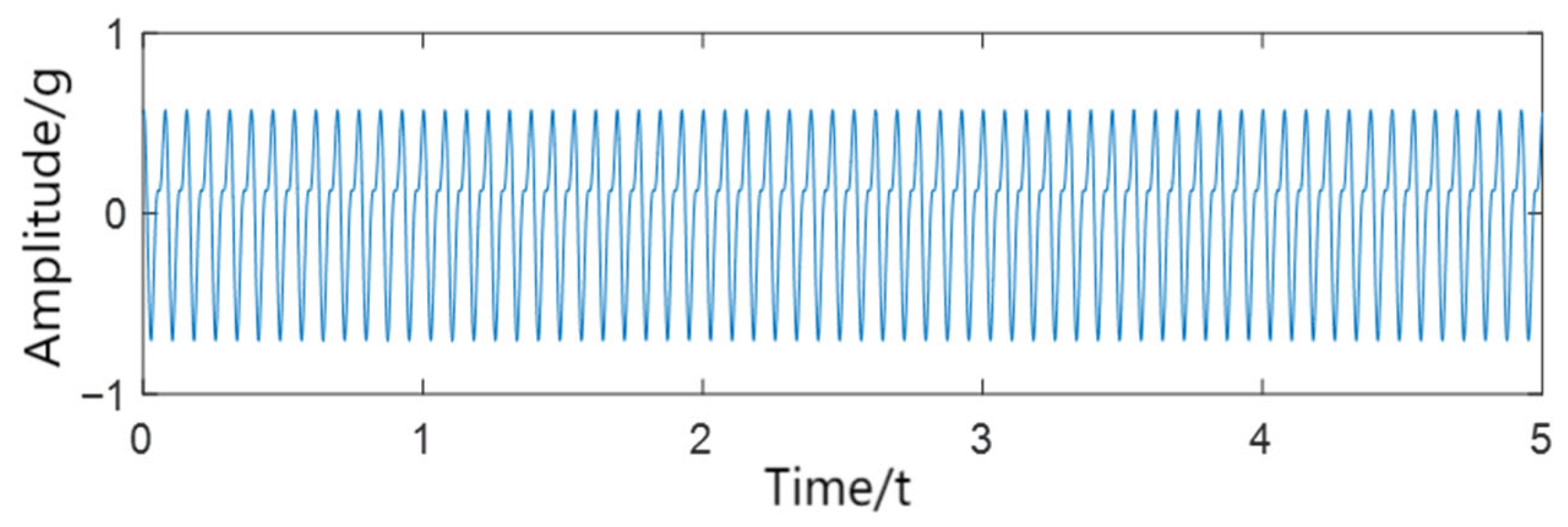
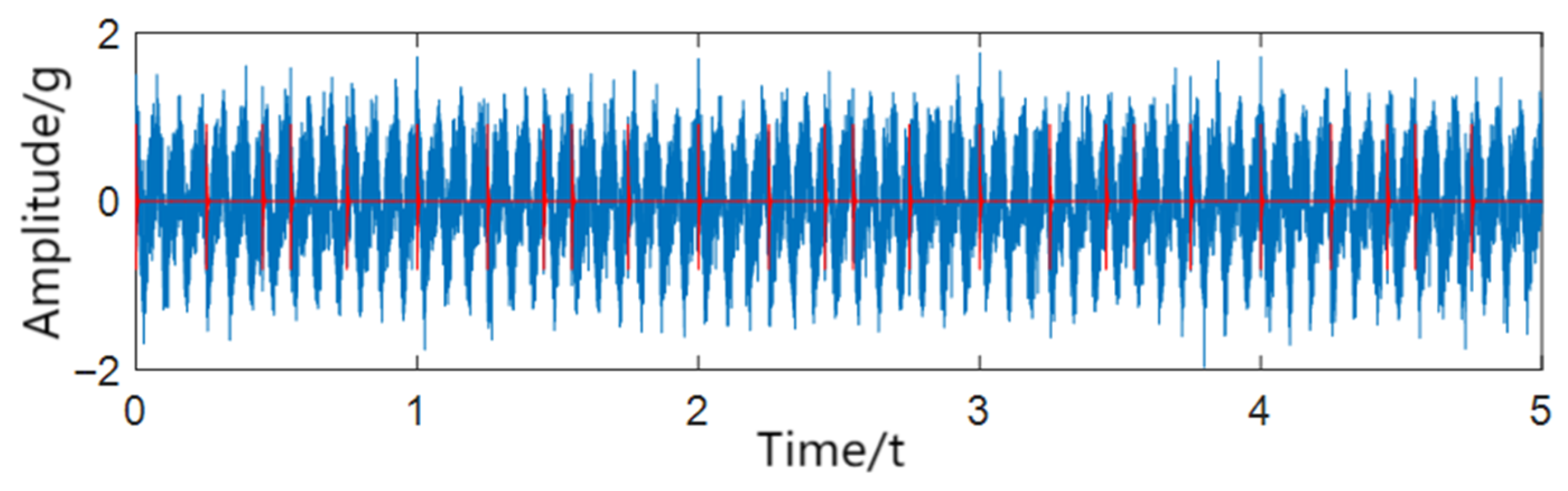
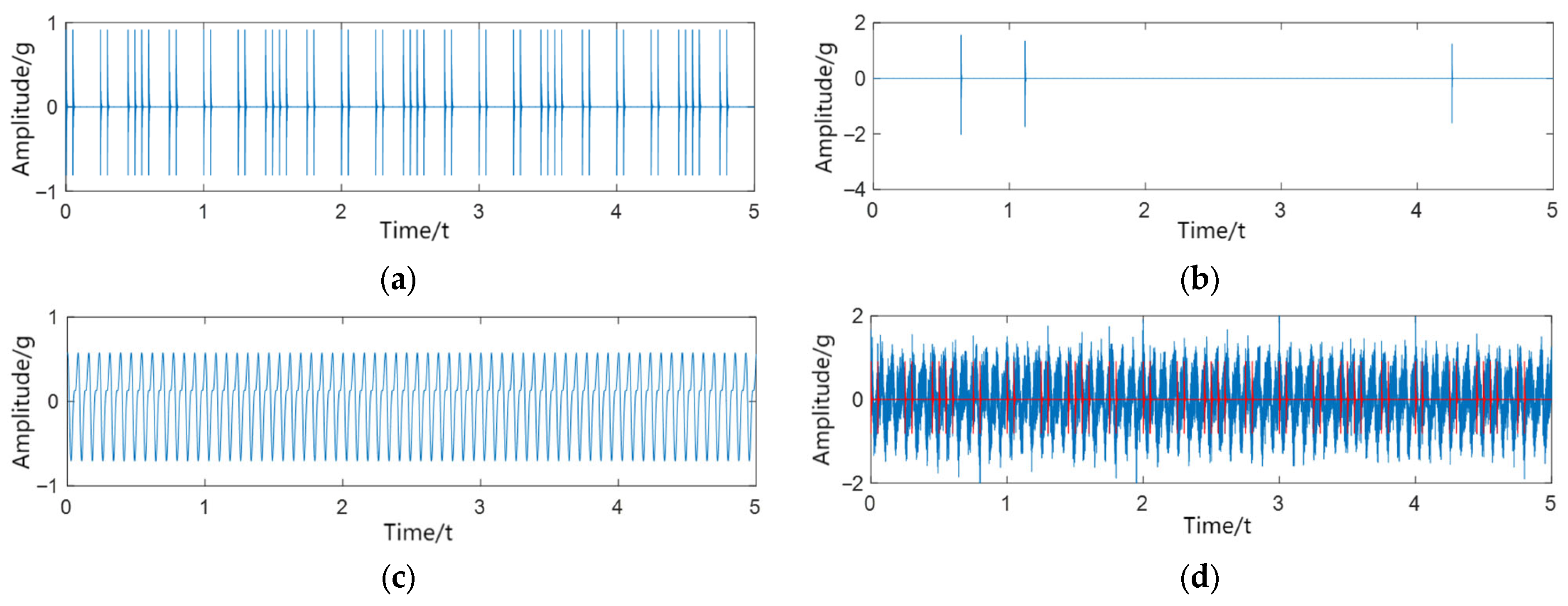
. The composite signal and its respective components are illustrated in
Figure 5 and
Figure 6.
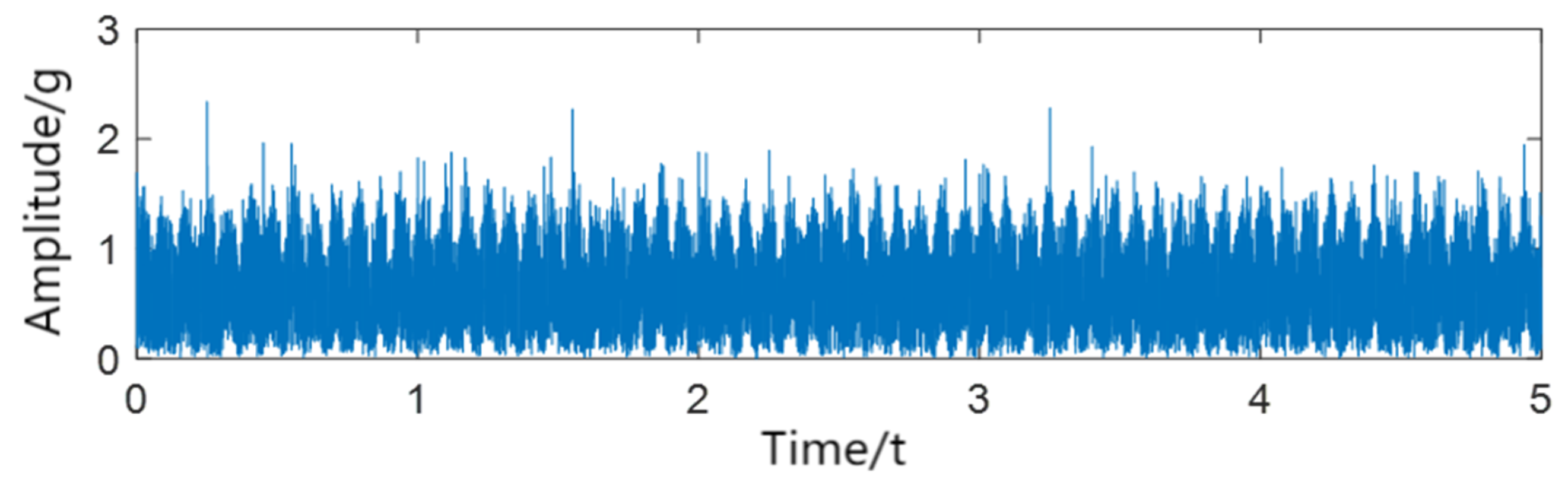
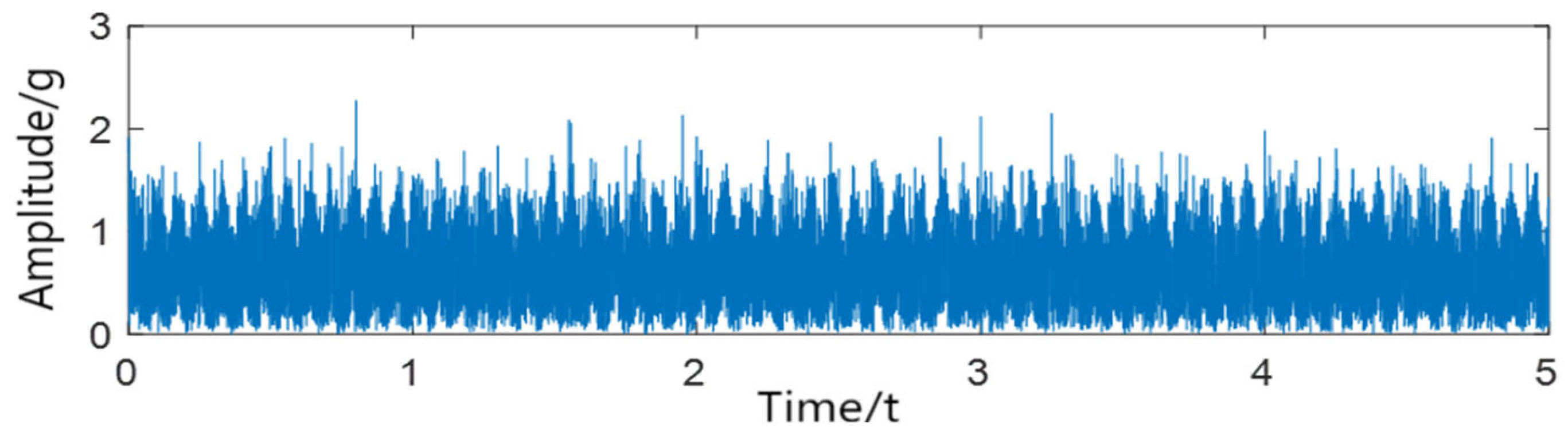
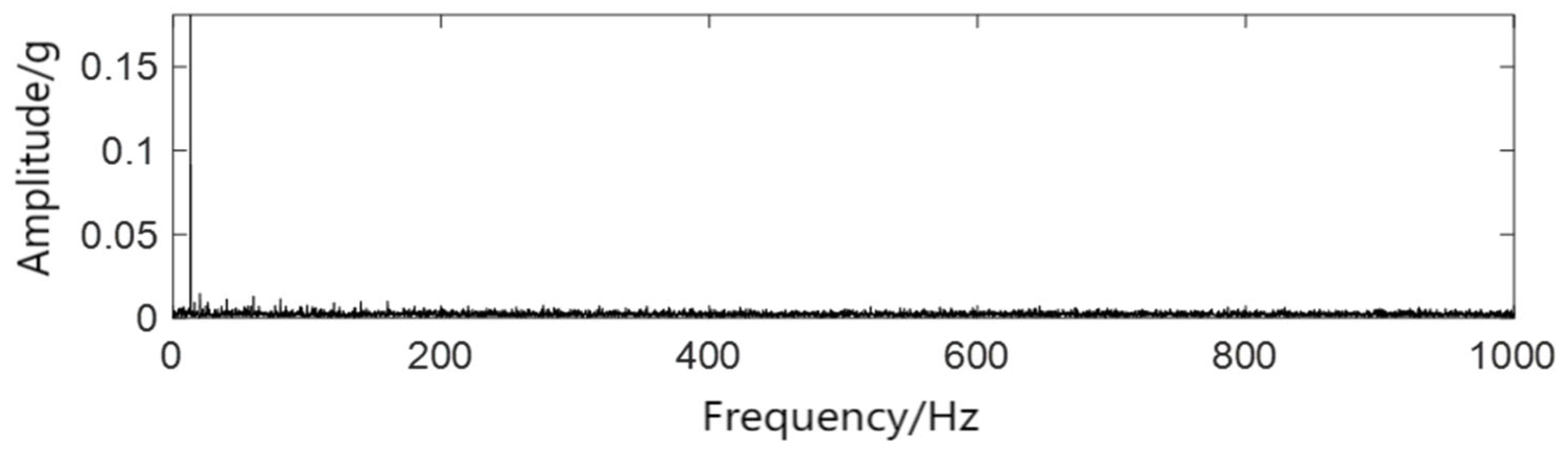
The parameters of the FIR filter are set as follows: the filter order is set to 30, the maximum number of iterations is set to 30, and the iteration termination condition is set to 0.01. Time-domain waveform diagram of the original signal with zero-mean stationary random noise added is shown in
Figure 7, and its signal envelope is illustrated in
Figure 8. It can be observed that the original signal waveform is submerged in noise and other interfering signals, with no obvious impulse impact waveform present. As can be seen from
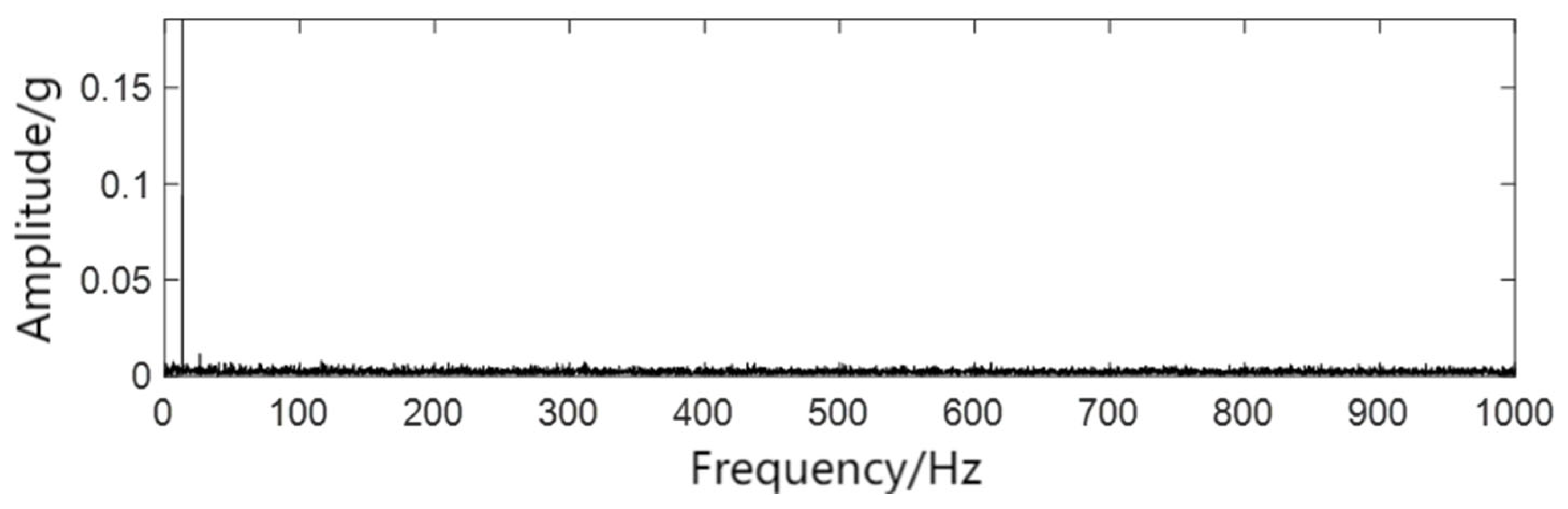
Figure 7, the impulse impact components of any fault signals cannot be directly identified from the envelope of the original signal. In the signal envelope spectrum shown in
Figure 9, the phenomenon of frequency and energy concentration is not prominent; the peak frequencies include the harmonic signal frequency and some frequencies related to faults. However, the latter are not the main components in the envelope spectrum, making effective diagnosis impossible.
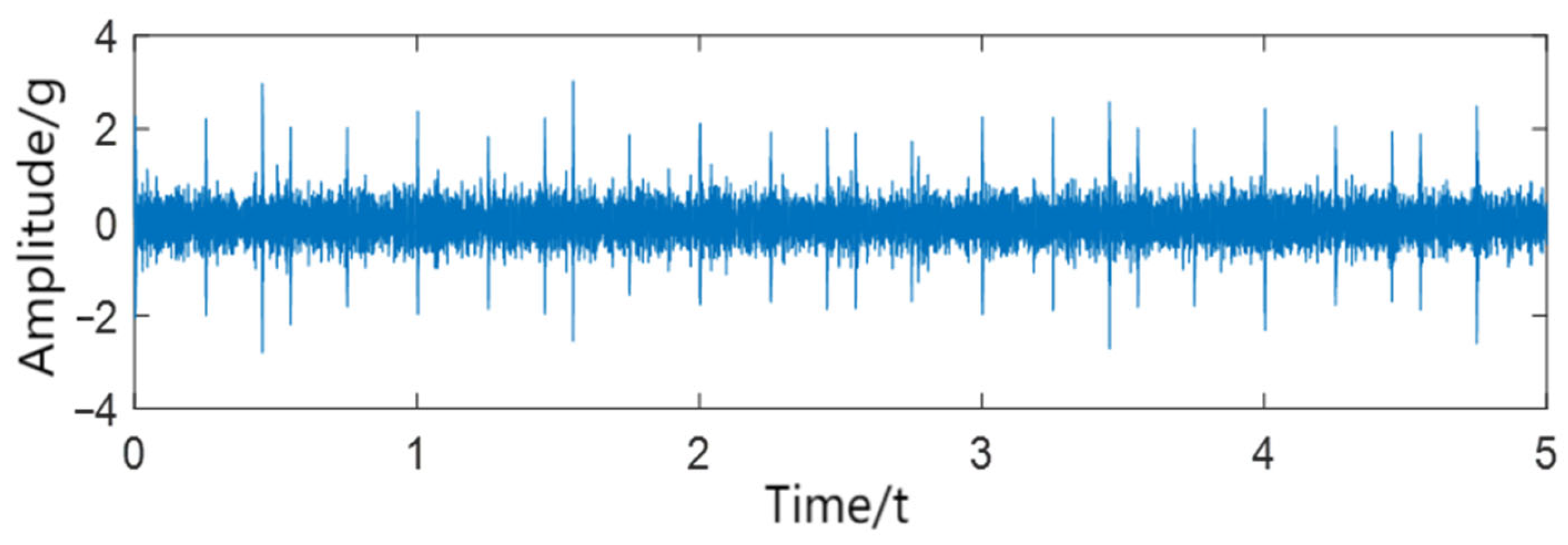
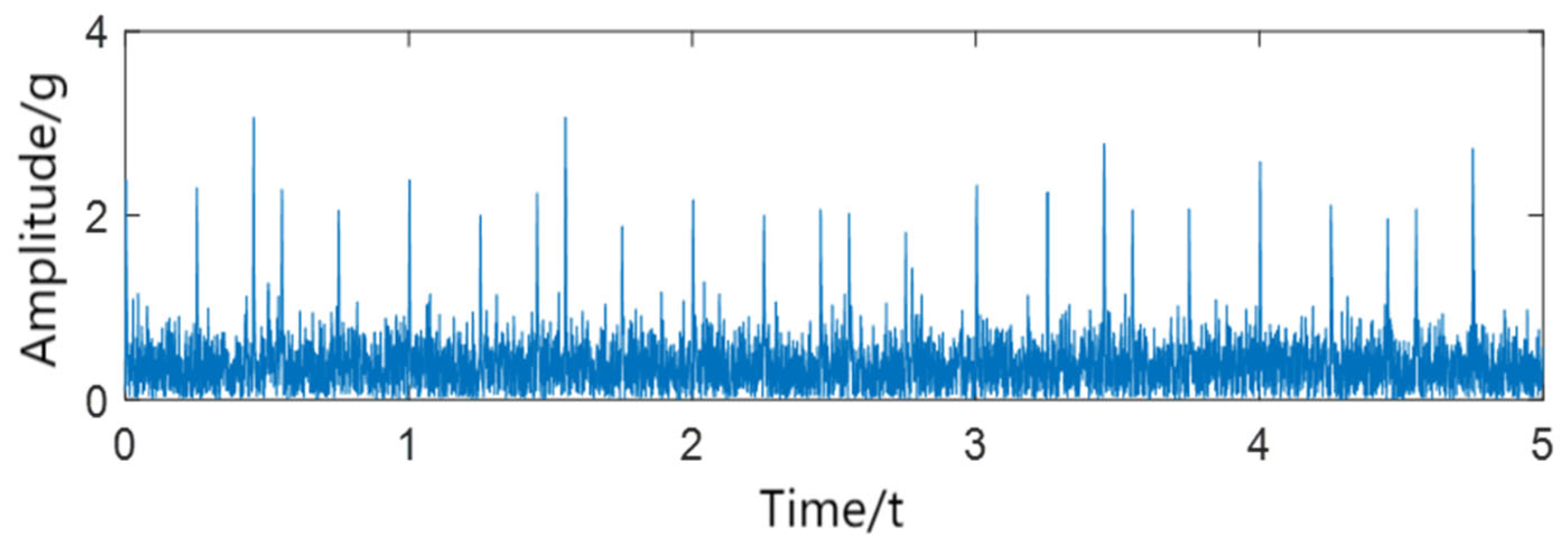
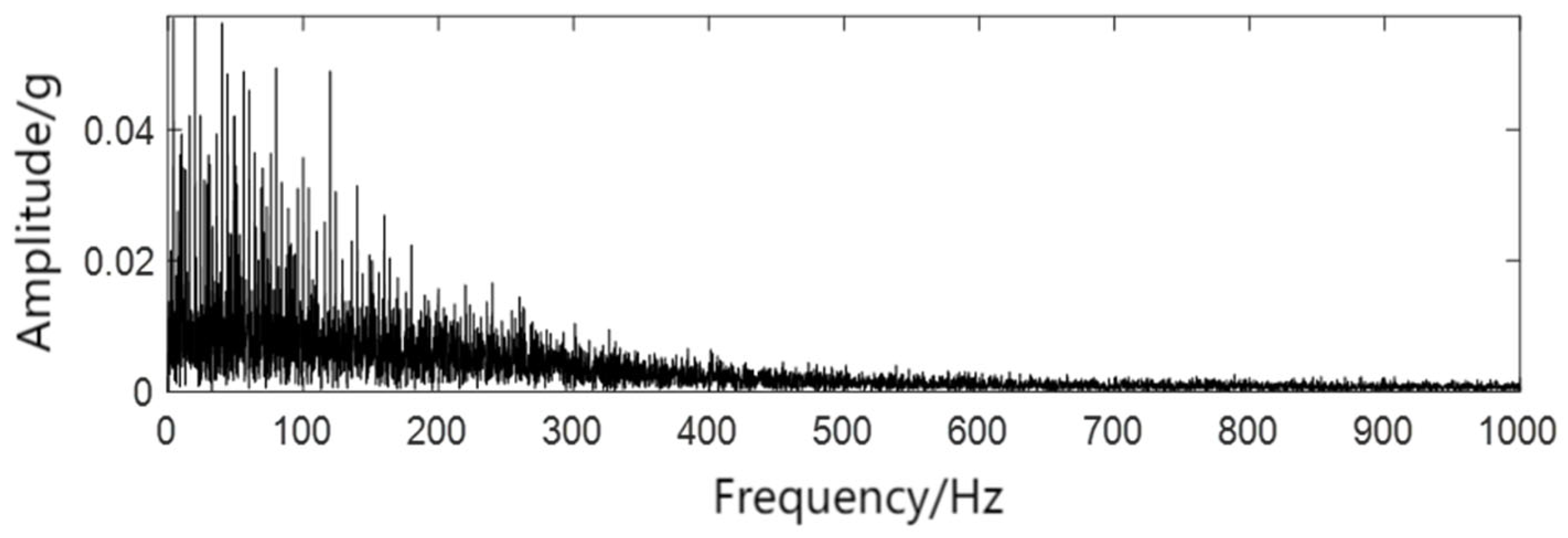
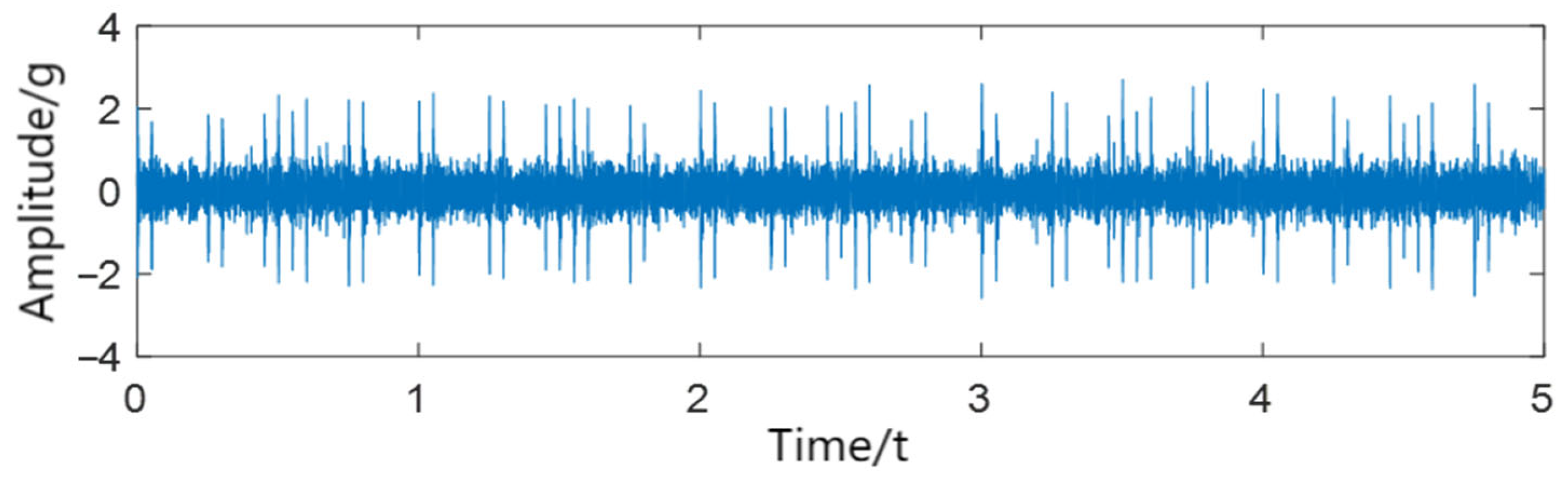
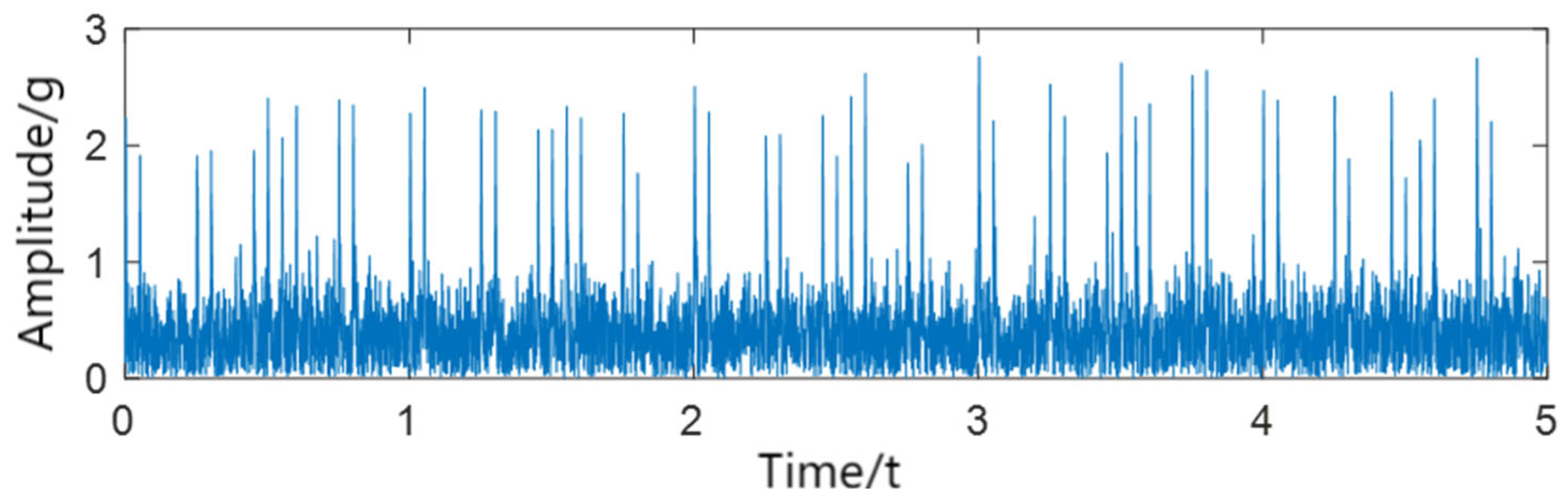
After denoising and filtering the original signal using the FIR filter designed based on the principle of Minimum Entropy Deconvolution, the time-domain waveform diagram is presented in
Figure 10, and the signal envelope is shown in
Figure 11. It can be seen that the fault impact components in both figures are enhanced and highlighted to varying degrees, and the impact components can even be directly observed from the envelope of the signal filtered by the FIR filter. In the signal envelope spectrum depicted in
Figure 12, the signal frequency and energy are mainly concentrated below 500 Hz. Since the fault frequency is related to the impulse impact law, the impulse impact signal in this simulation is not set with significant periodicity, resulting in a “blurred” envelope spectrum of the signal. Nevertheless, some frequency components can still be obtained.
To achieve comprehensive diagnosis, time-domain statistical indicators are integrated into the analysis, covering five key parameters: kurtosis, peak factor, root mean square value, impulse factor, and margin factor. A comparative analysis of these time-domain statistical indicators before and after filtering with the FIR filter designed based on the principle of Minimum Entropy Deconvolution is presented in
Table 1.
As shown in
Table 1, among the five time-domain statistical indicators, the RMS value exhibits no significant variation, while other indicators such as kurtosis undergo substantial changes. In the process of bearing fault diagnosis, the greater the difference in time-domain statistical indicators of vibration signals between faulty and healthy bearings, the more conclusive it is that the bearing has developed a fault. Notably, after filtering with the FIR filter proposed in this study, the time-domain indicators of fault signals are effectively amplified, which facilitates the identification and diagnosis of bearing operating conditions.
2.5. Simulation Signal Analysis of Rolling Element Faults
To verify the diagnostic capability of the aforementioned method for bearing faults, this section mainly establishes a vibration signal model for rolling element faults of FPSO mooring leg bearings. Among them, the time-domain distribution law of the fault impulse signal is set in accordance with the yaw motion of the FPSO and the motion law of the mooring leg bearings. The time-domain indicators and envelope spectrum of the simulated normal vibration signal after denoising by the FIR filter designed based on the principle of MED are investigated, with the aim of realizing a comparison with the simulated fault signal.
The simulated signal incorporates harmonic signals, large random impulse signals, and zero-mean stationary random noise signals in addition to the fault impulse impact signal, and the parameters of the FIR filter remain unchanged: the filter order is set to 30, the maximum number of iterations is set to 30, and the iteration termination condition is set to 0.01.
Figure 13 illustrates the composition of the simulated signal.
Figure 13,
Figure 14 and
Figure 15 show in sequence the time-domain waveform, time-domain envelope, and envelope spectrum of the rolling element fault signal after adding zero-mean stationary random noise. In the envelope spectrum shown in
Figure 15, the harmonic signal frequency
can be clearly observed as the peak frequency, which is consistent with the harmonic frequency of the fault signal.
Figure 16,
Figure 17 and
Figure 18 present the time-domain waveform, time-domain envelope, and envelope spectrum after denoising by the MED filter. Due to the uncertainty of the rotational frequency, there is no amplitude modulation of the fault impulse signal. In the envelope spectrum shown in
Figure 18, the harmonic signal frequency
exists, but the main components are related to the bearing fault characteristic frequencies, thereby verifying the reliability of the envelope detection method. As can be seen from
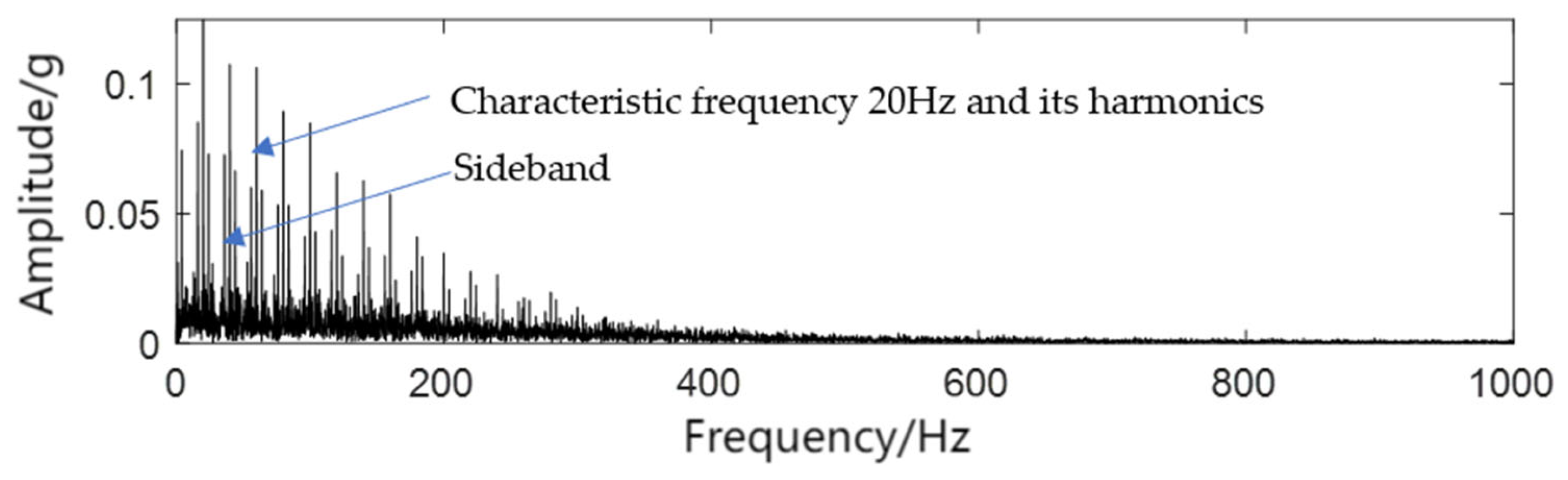
Figure 18, the envelope spectrum after MED filtering exhibits a prominent spectral peak at 20 Hz, accompanied by equally spaced sideband components around it. The formation mechanism of this feature is directly related to the timing of the fault impacts set in the simulation model: within a single motion cycle, the fault pulses occur at 0.25 s, 0.5 s, 0.75 s, and 1.0 s, i.e., the impact interval is 0.25 s, corresponding to a fault-induced impact repetition frequency of 4 Hz. When this 4 Hz periodic impact acts on the bearing-support system, it excites a resonant response at the system’s natural frequency. In this simulation, that resonant frequency is manifested as 20 Hz. Therefore, the structure observed in the envelope spectrum—centered at 20 Hz with 4 Hz sidebands distributed on both sides—accurately conforms to the fault characteristic pattern of “periodic impact—system resonance—amplitude modulation.” Thus, 20 Hz can be clearly identified as the characteristic frequency of this rolling element fault. The simulation results clearly verify the identifiability of this diagnostic feature.
The time-domain statistical indicators of the vibrational simulation signal for the bearing with rolling element fault are presented as follows.
As shown in
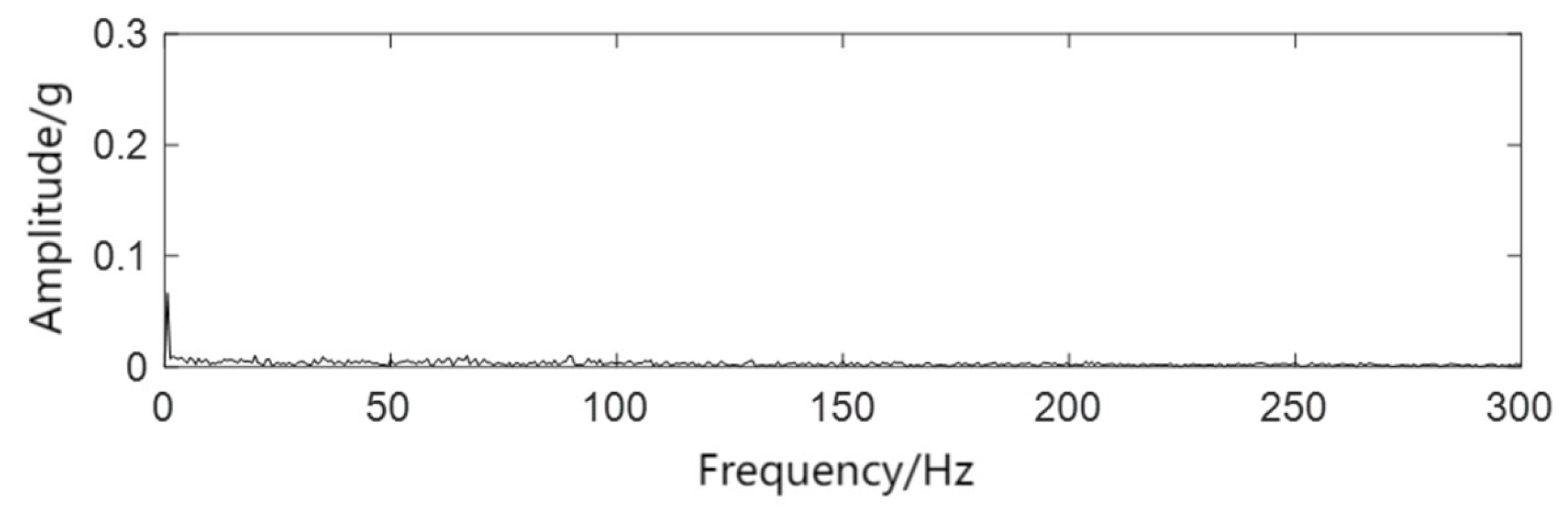
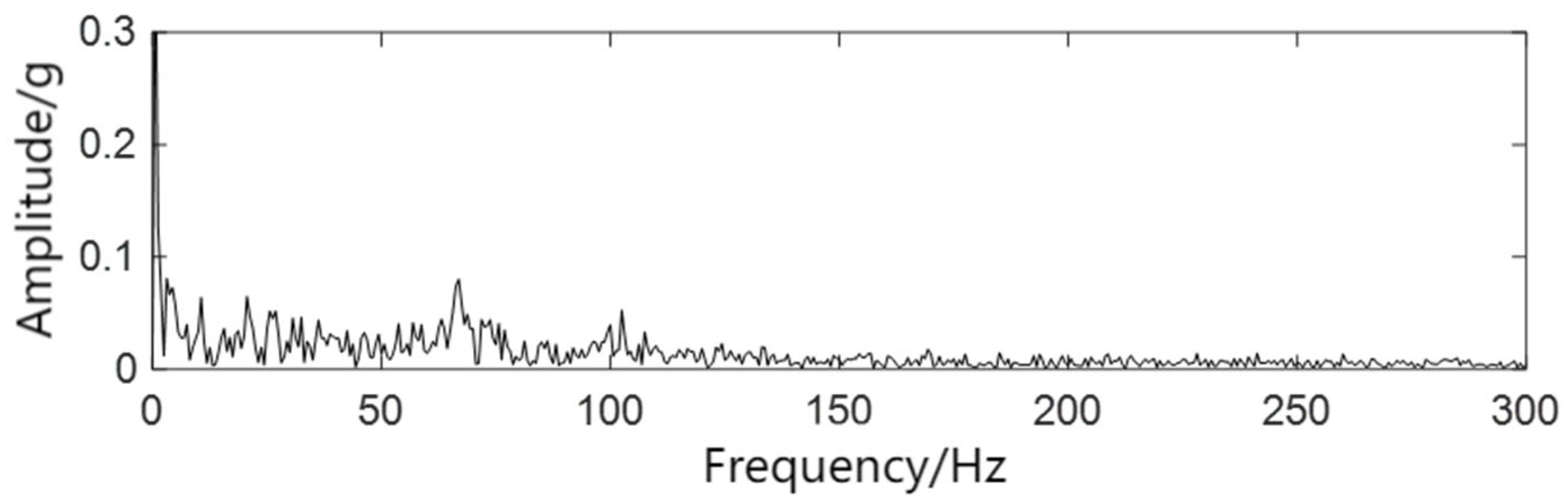
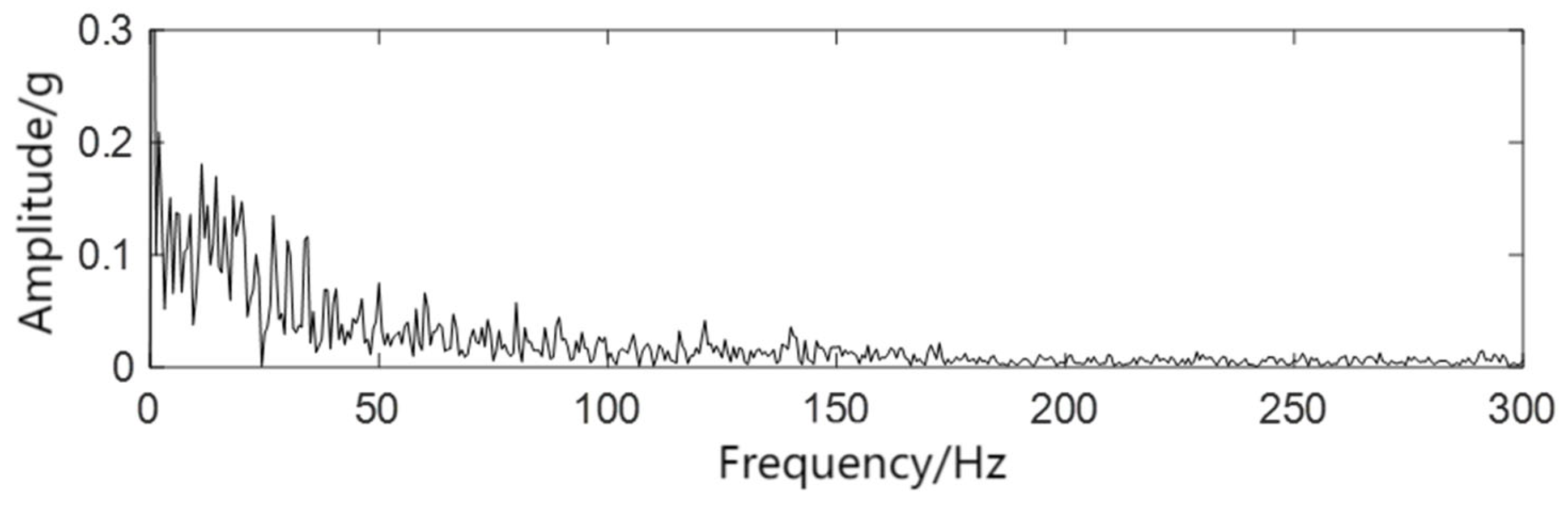
Table 2, after processing with the MED filter, the corresponding time-domain statistical parameters have undergone significant changes, which indirectly reflects that these time-domain indicators possess a certain degree of stability in responding to fault characteristics. However, due to variations in the severity of bearing faults, the magnitudes of the time-domain indicators differ accordingly. Thus, time-domain statistical indicators can only be used to determine the severity of bearing faults, but not to identify the specific location of the faults.
Table 2 also demonstrates the good stability of the FIR filter designed based on the principle of MED: its function is merely to highlight the impulse components in the signal, rather than excessively altering other characteristic parameters.
This section has completed the validity verification of the core diagnostic methods and key technologies. Specifically, this section has elaborated on two core diagnostic methods, namely time-domain statistical indicators and envelope spectrum analysis. On this basis, the feasibility of the proposed analysis and diagnostic methods has been systematically verified by constructing vibration signal simulation models for both normal and fault conditions. Simulation results confirm that the FIR filter designed based on the principle of MED exhibits excellent filtering, noise reduction, and deconvolution performance. Even under complex working conditions with strong noise interference and mixed large-scale random impact pulses, it can still effectively separate the original fault impact signals, providing reliable data support for subsequent fault feature extraction and diagnostic analysis.




 ,
,