Article

Hygrothermal Aging and Thermomechanical Characterization of As-Manufactured Tidal Turbine Blade Composites


1
Energy Conversion and Storage Systems, National Renewable Energy Laboratory, Boulder, CO 80007, USA
2
National Wind Technology Center, National Renewable Energy Laboratory, Boulder, CO 80007, USA
3
Renewable Resources and Enabling Sciences Center, National Renewable Energy Laboratory, Golden, CO 80401, USA
4
Engineering Sciences Center, Sandia National Laboratories, Albuquerque, NM 87185, USA
5
Mechanical and Industrial Engineering Department, Montana State University, Bozeman, MT 59771, USA
*
Author to whom correspondence should be addressed.
J. Mar. Sci. Eng. 2025, 13(9), 1790; https://doi.org/10.3390/jmse13091790
Submission received: 13 August 2025 / Revised: 10 September 2025 / Accepted: 12 September 2025 / Published: 16 September 2025

Abstract

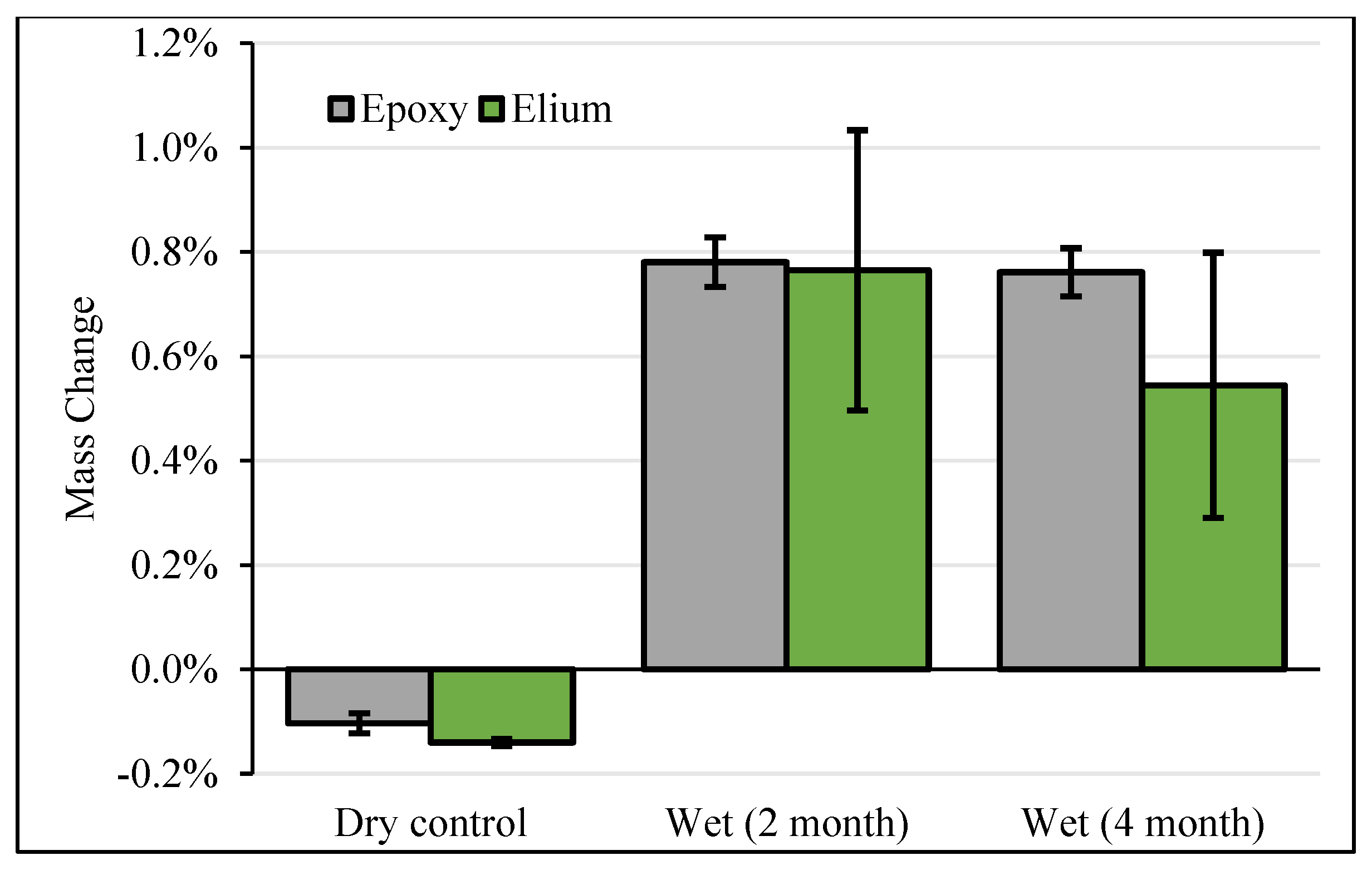
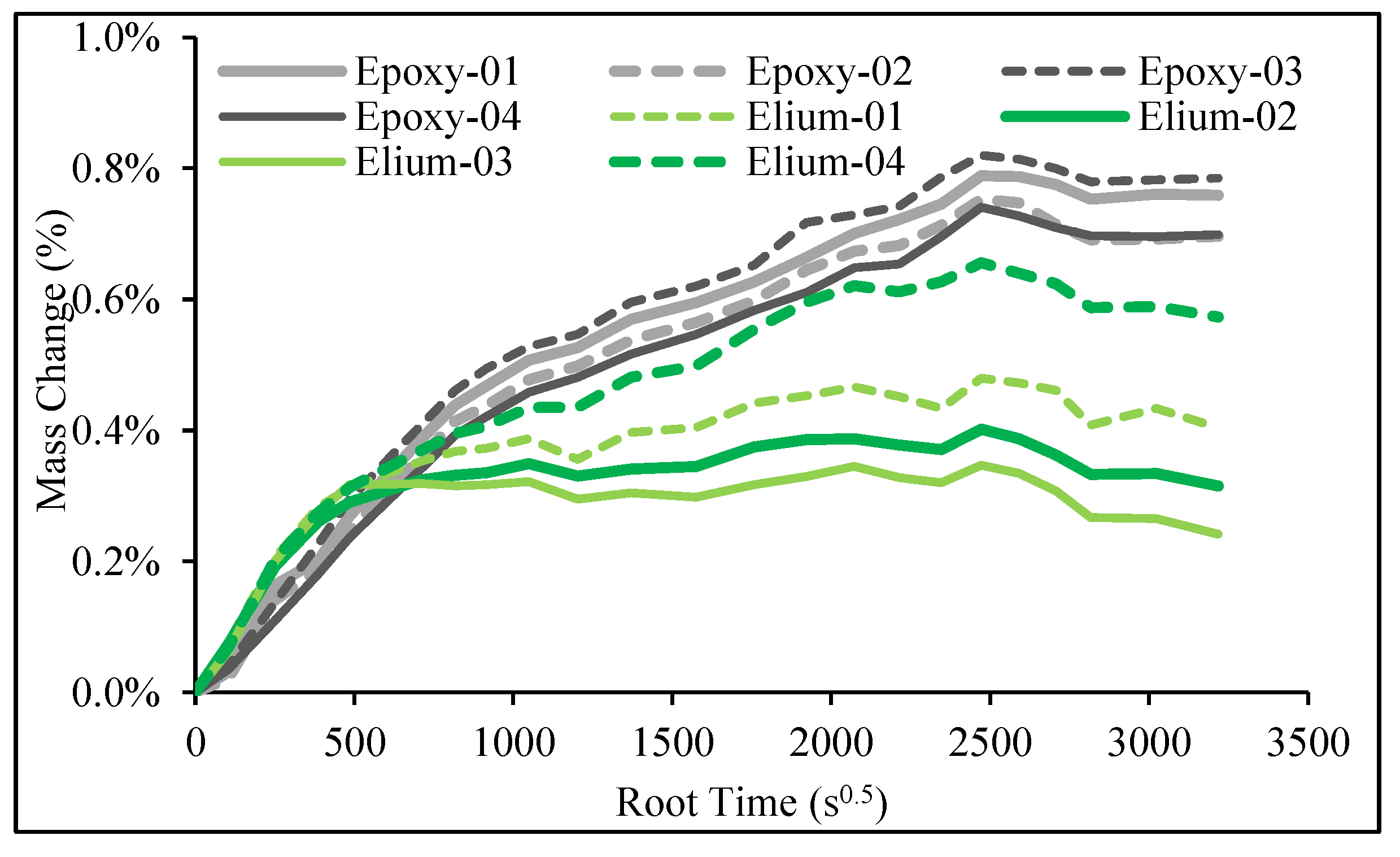
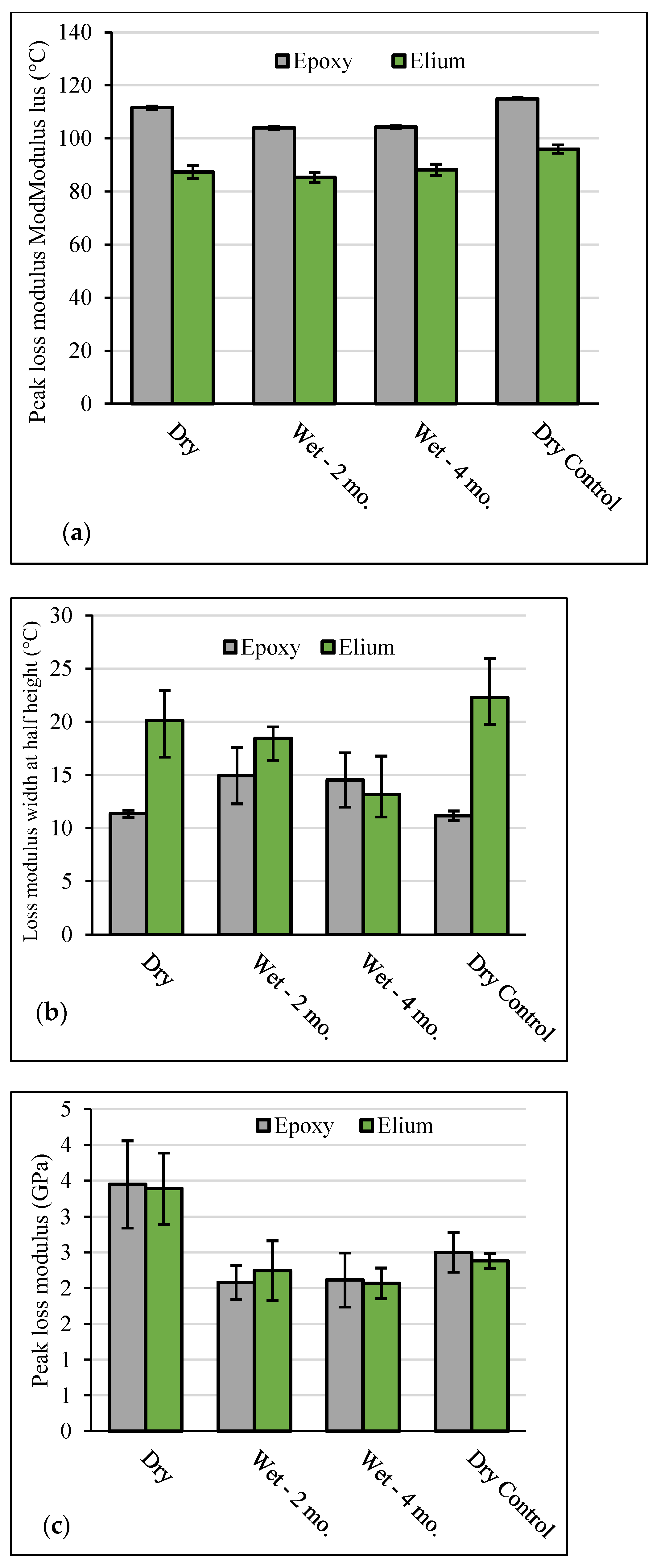
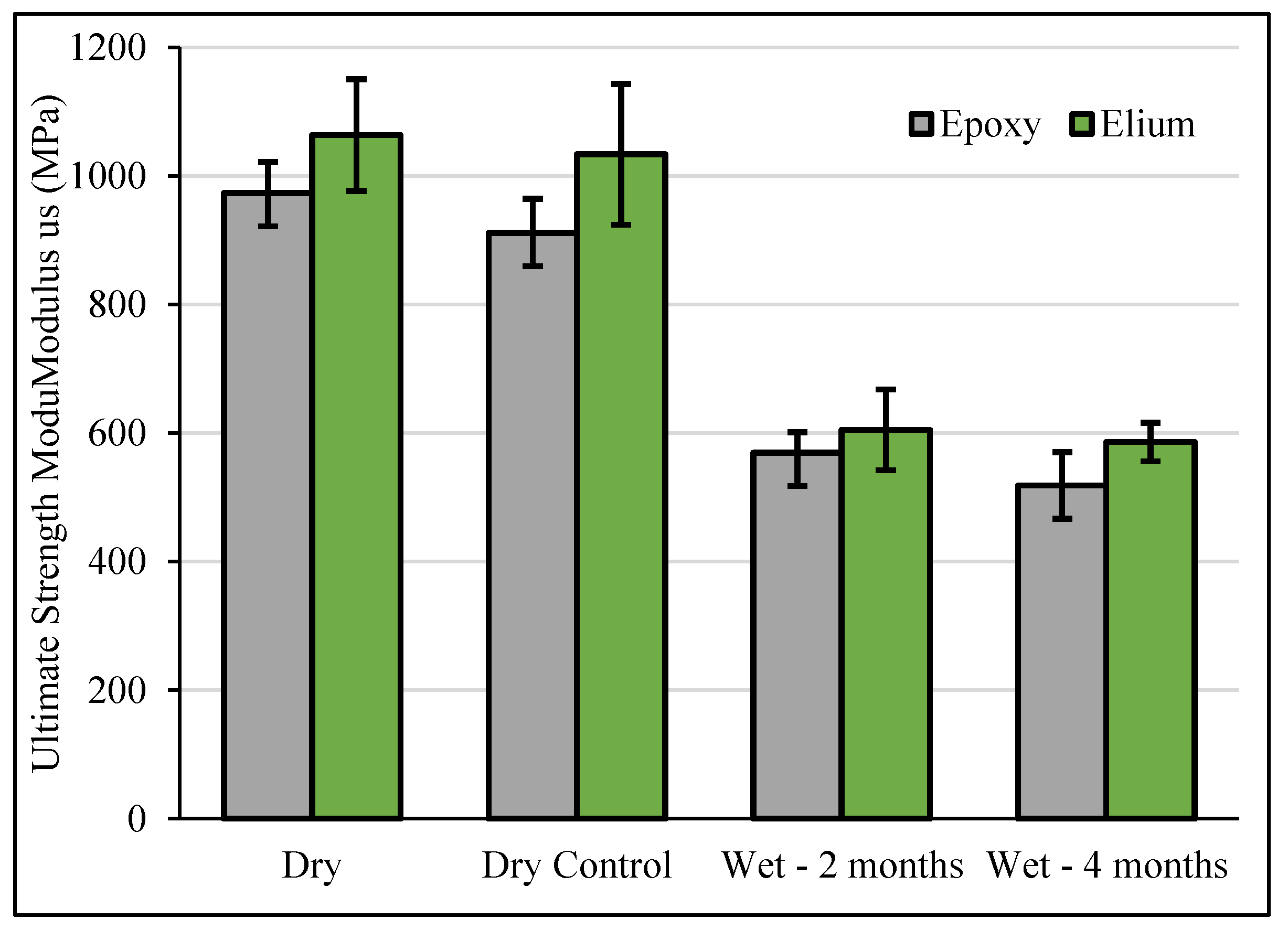
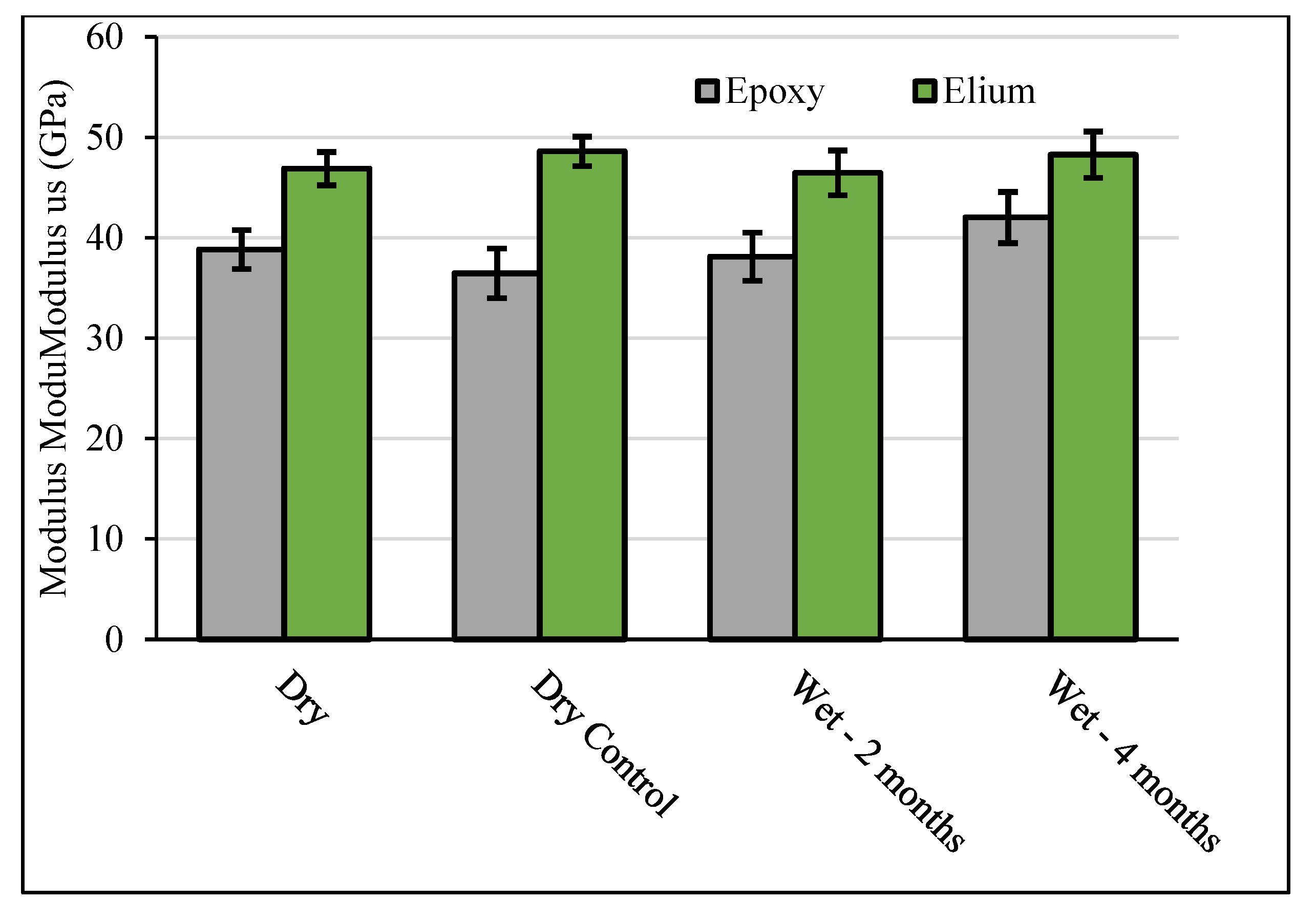
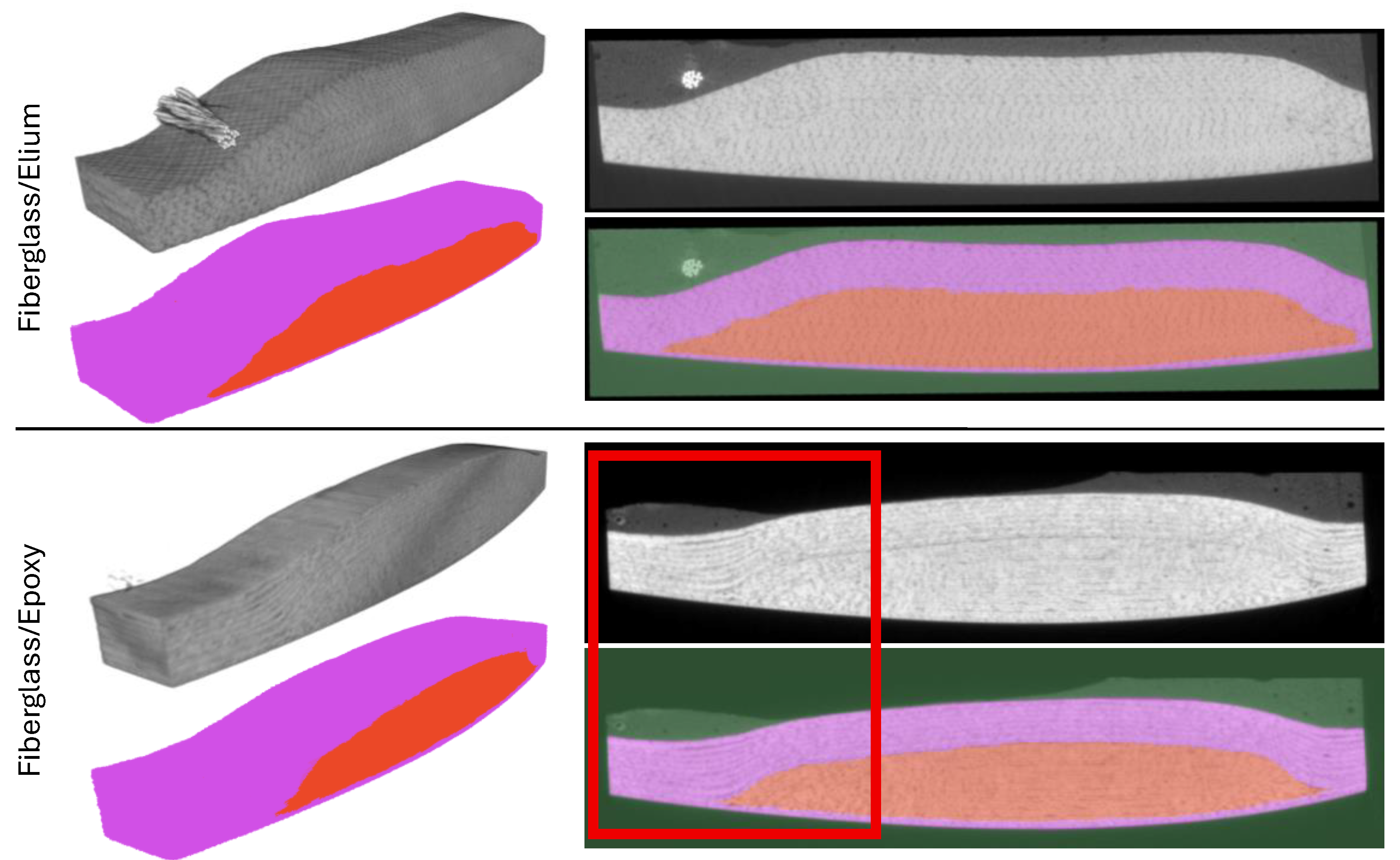
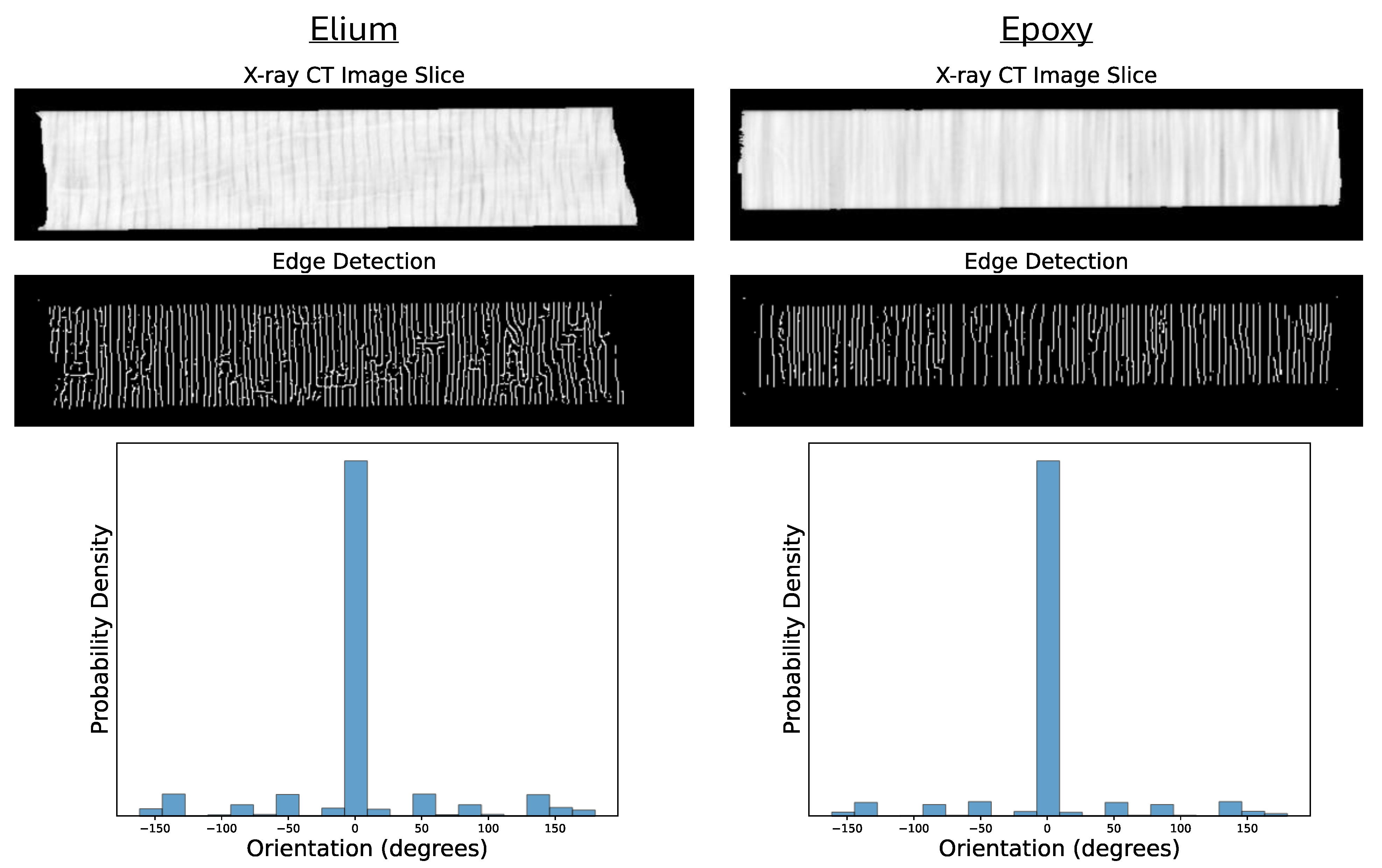
This study investigates the hygrothermal aging behavior and thermomechanical properties of as-manufactured glass fiber-reinforced epoxy and thermoplastic composite tidal turbine blades. The blades were previously deployed in a marine environment and subsequently analyzed through a comprehensive suite of material characterization techniques, including hygrothermal aging, dynamic mechanical analysis (DMA), tensile testing and X-ray computed tomography (XCT). Hygrothermal aging experiments revealed that while thermoplastic composites exhibited lower overall water absorption (0.78% vs. 0.47%), they had significantly higher diffusion coefficients than epoxy (2.1 vs. 12.1 × 10⁻¹³ m2s−1), suggesting faster saturation in operational environments. DMA results demonstrated that water ingress caused plasticization in epoxy matrices, reducing the glass transition temperature and increasing damping (112 °C to 104 °C), while thermoplastic composites showed more stable thermal behavior (87 °C glass transition temperature). Tensile testing revealed substantial reductions in ultimate strength (>40%) for both materials after prolonged water exposure, with minimal change in elastic modulus, highlighting the role of matrix degradation over fiber reinforcement. XCT image analysis showed that both composites were manufactured with high quality: no large voids or cracks were present, and the degree of misalignment was low. These findings inform future marine renewable energy composite designs by emphasizing the critical influence of moisture on long-term structural integrity and the need for optimized material systems in harsh marine environments. This work provides a rare real-world comparison of epoxy and recyclable thermoplastic tidal turbine blades, showing how laboratory aging tests and advanced imaging reveal the influence of material and manufacturing choices on long-term marine durability.
Keywords: hygrothermal aging; ultimate strength; failure; marine composites; epoxy resin; thermoplastic resin; degradation; material characterization hygrothermal aging; ultimate strength; failure; marine composites; epoxy resin; thermoplastic resin; degradation; material characterization