3.2.2. Synthesis of the Hybrid Elite and Attribute Hierarchy Model
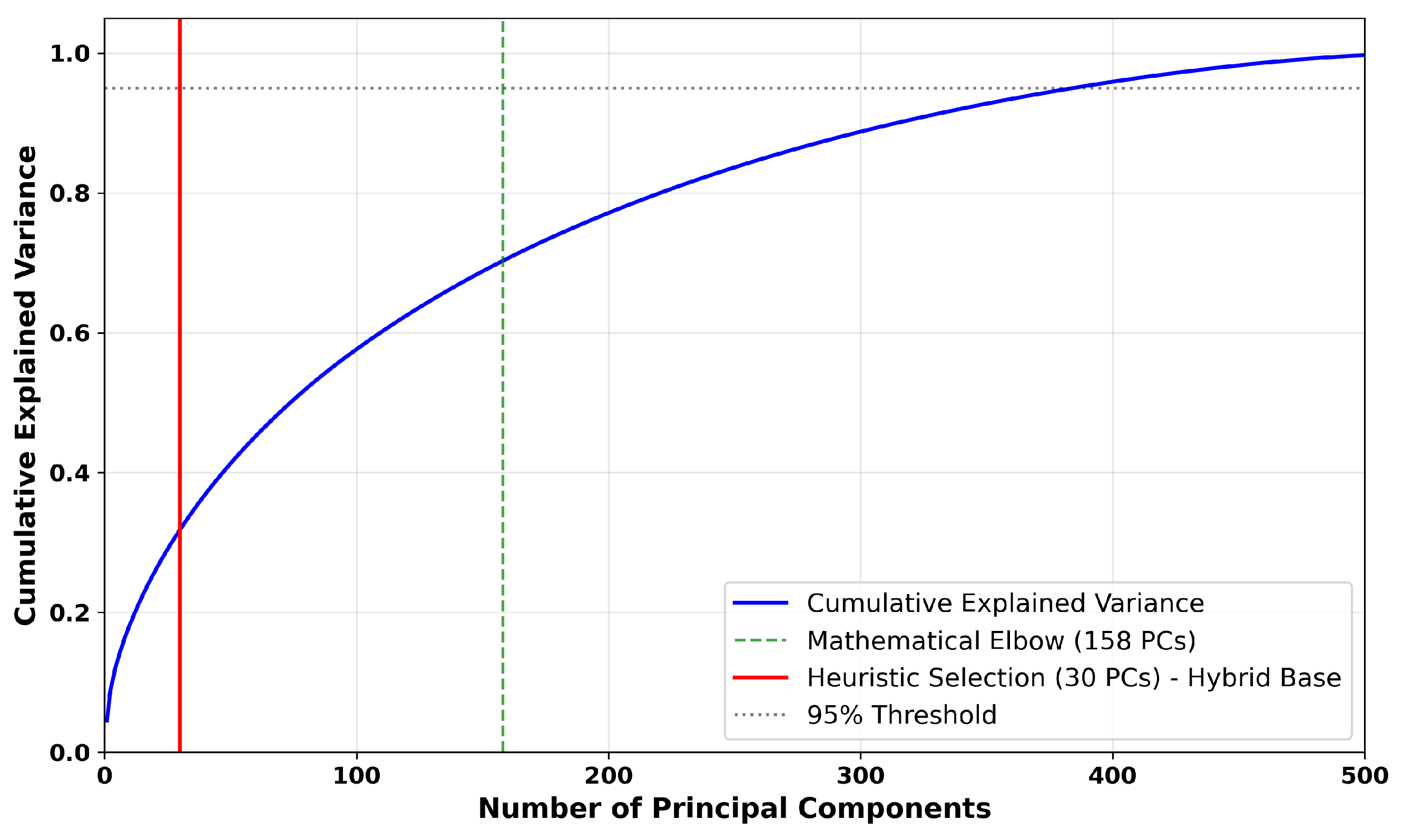
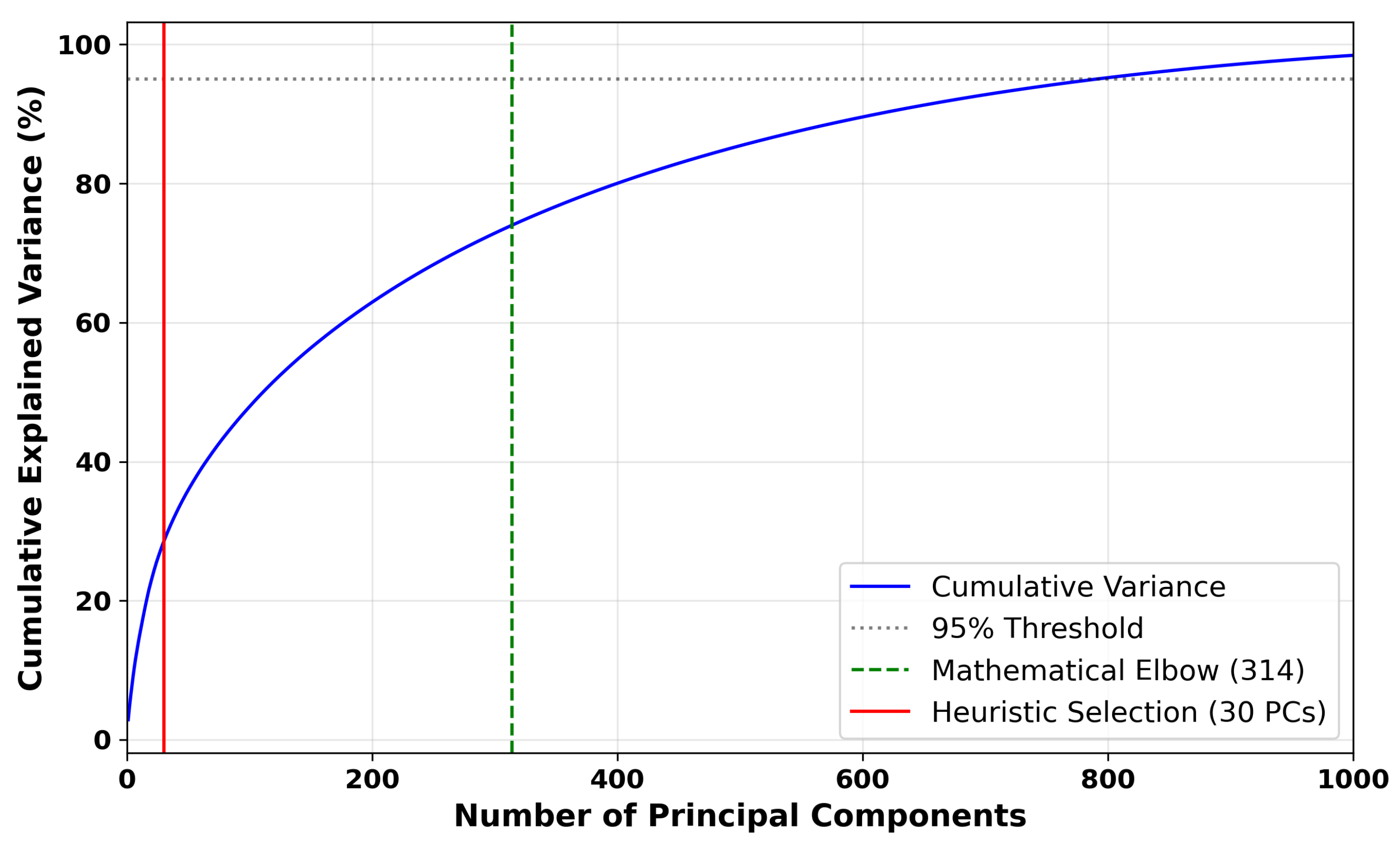
To maximize computational efficiency and diagnostic accuracy in the transcontinental environment, a two-stage attribute selection was performed using a wrapper approach with the RF algorithm. This strategy enabled a drastic reduction in dimensionality, reducing the feature space from 390 features to an optimal subset of 18 elite descriptors (8 handcrafted and 10 CNN). This reduction represents a 95.4% decrease in problem complexity by eliminating redundant variables that caused errors at the decision boundaries. Among the 8 selected handcrafted descriptors, Patch 24 contained a critical concentration of information, contributing six of the eight handcrafted features. The standard deviation (V286) and kurtosis (V288) in the blue channel are particularly noteworthy. The persistence of these fourth-order moments suggests that the model relies on peak detection of chromatic intensity to distinguish black spot necrotic lesions from chlorotic mottling of HLB.
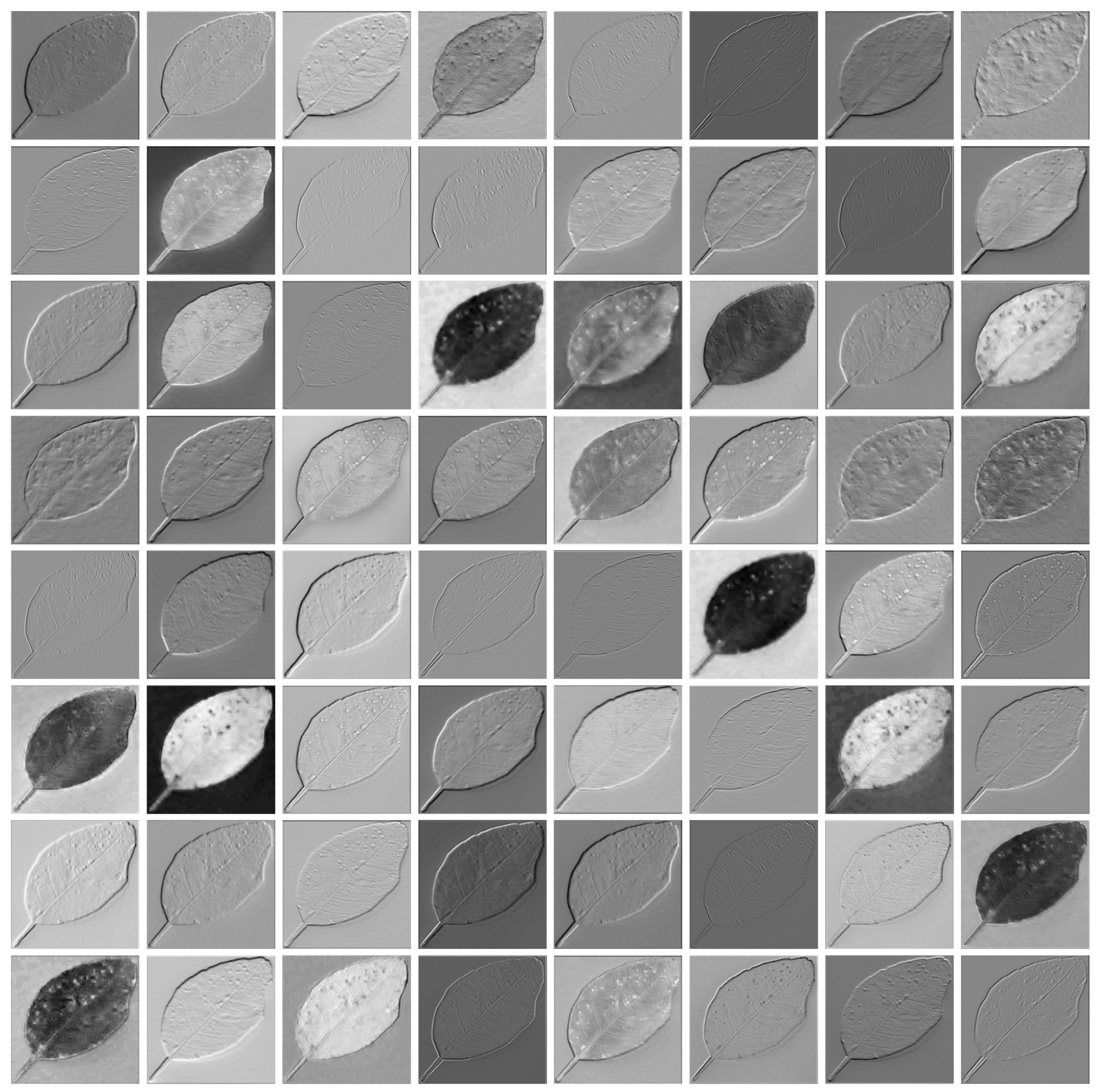
On the other hand, integrating the 10 CNN components with the highest statistical merit (
) provided the necessary structural robustness. Components
PC_CNN_10,
PC_CNN_2, and
PC_CNN_5 ranked highest in Gini importance, capturing overall leaf morphology and enabling flawless detection of melanose (
). This simplified 18-feature model retained 99.5% of the predictive capacity of the full model, achieving 87.4% accuracy. However, minor errors in discriminating between HLB and black spot persist, suggesting symptomatic overlap in the early stages of these diseases in the Pakistani phytosanitary context. This finding indicates that the remaining confusion does not depend on the number of features but rather on subtle shared morphological variance that even challenges deep texture descriptors and higher-order statistical moments. Finally, the 10-fold cross-validation for attribute selection showed strong consistency in the feature space. Textural components from the deep backbone (VGG16-PCA) exhibited the highest stability, with
PC_CNN_2,
PC_CNN_22, and
PC_CNN_23 selected in 90% of the runs. This consistent pattern indicates that these specific components reliably capture textural features across different stratified partitions of the Pakistan dataset (see
Table 10). Conversely, although handcrafted chromatic features had lower individual selection frequencies (e.g.,
for
V282), their occasional selection indicates redundancy among color descriptors, as the wrapper algorithm alternates between highly correlated features to optimize classification performance.
The comparative analysis of the optimized subset of 18 attributes shown in
Table 11 indicates that the RF model has the most robust architecture for diagnosing citrus diseases under low-dimensional conditions. Although effective (83.5% accuracy), the MLP model showed greater sensitivity to errors in distinguishing between HLB and black spot, suggesting that the loss of redundant descriptors affects the neural network’s ability to converge on stable decision boundaries for these pathologies. However, both models significantly outperformed SVM (74.3%), demonstrating that ensemble-based and neural network techniques are preferable to SVM for future mobile implementations that prioritize parsimony and computational efficiency.
Furthermore, a significant divergence in classifier performance was observed after dimensionality reduction. While RF maintained remarkable robustness (87.3%) with only 18 features, the SVM model’s overall accuracy decreased to 74.3%. This phenomenon suggests that SVMs rely on redundancy in high-dimensional spaces to compensate for the overlap in symptomatology between HLB and black spot, especially in the early stages, when both diseases can present irregular chlorosis and mottling on the leaf blade. Conversely, the RF model demonstrated greater efficiency in leveraging elite descriptors, making it the most suitable architecture for low-computation implementations.
Table 12 presents the class-wise performance of the RF classifier on the optimized hybrid dataset of 18 descriptors. In pathologies such as HLB, the characteristic symptom is chlorosis, manifested as irregular mottling, with chlorophyll loss occurring heterogeneously across the leaf blade. Statistically, this translates into a high dispersion of intensity values and a heterogeneous distribution of chlorophyll and photosynthetic pigments, associated with phloem alteration and physiological deterioration of leaf tissue. The RF-based model uses these second- and fourth-order moments to distinguish HLB from healthy leaves, achieving a recall of
in this category. This confirms that the hybrid approach captures both the chromatic alterations associated with chlorophyll degradation and the structural changes resulting from pathogen-induced physiological stress. Furthermore, the RF model relies on global structural information (leaf margins and morphology captured by VGG16) and employs BGR statistical moments to refine the diagnosis through fine chromatic analysis.
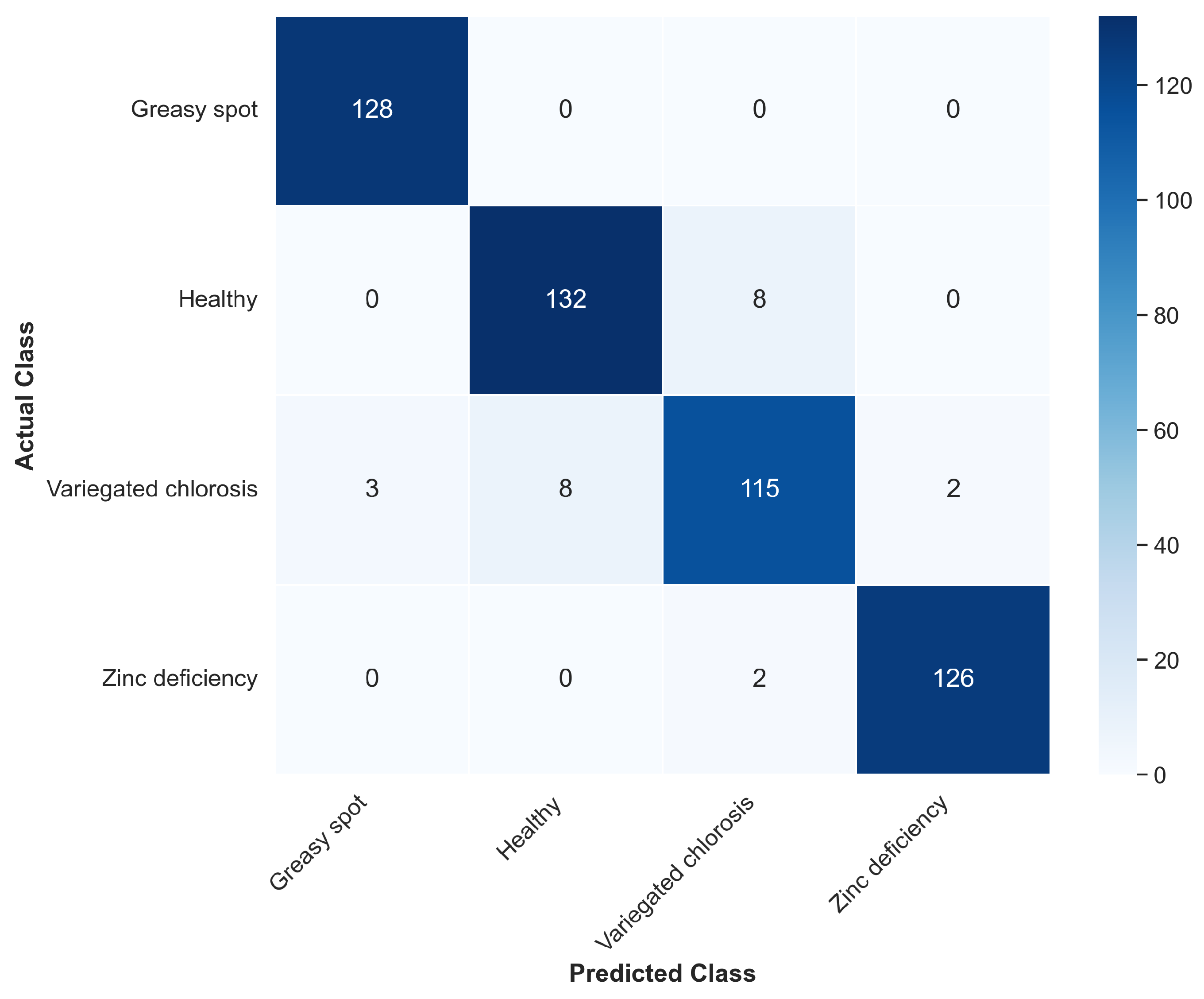
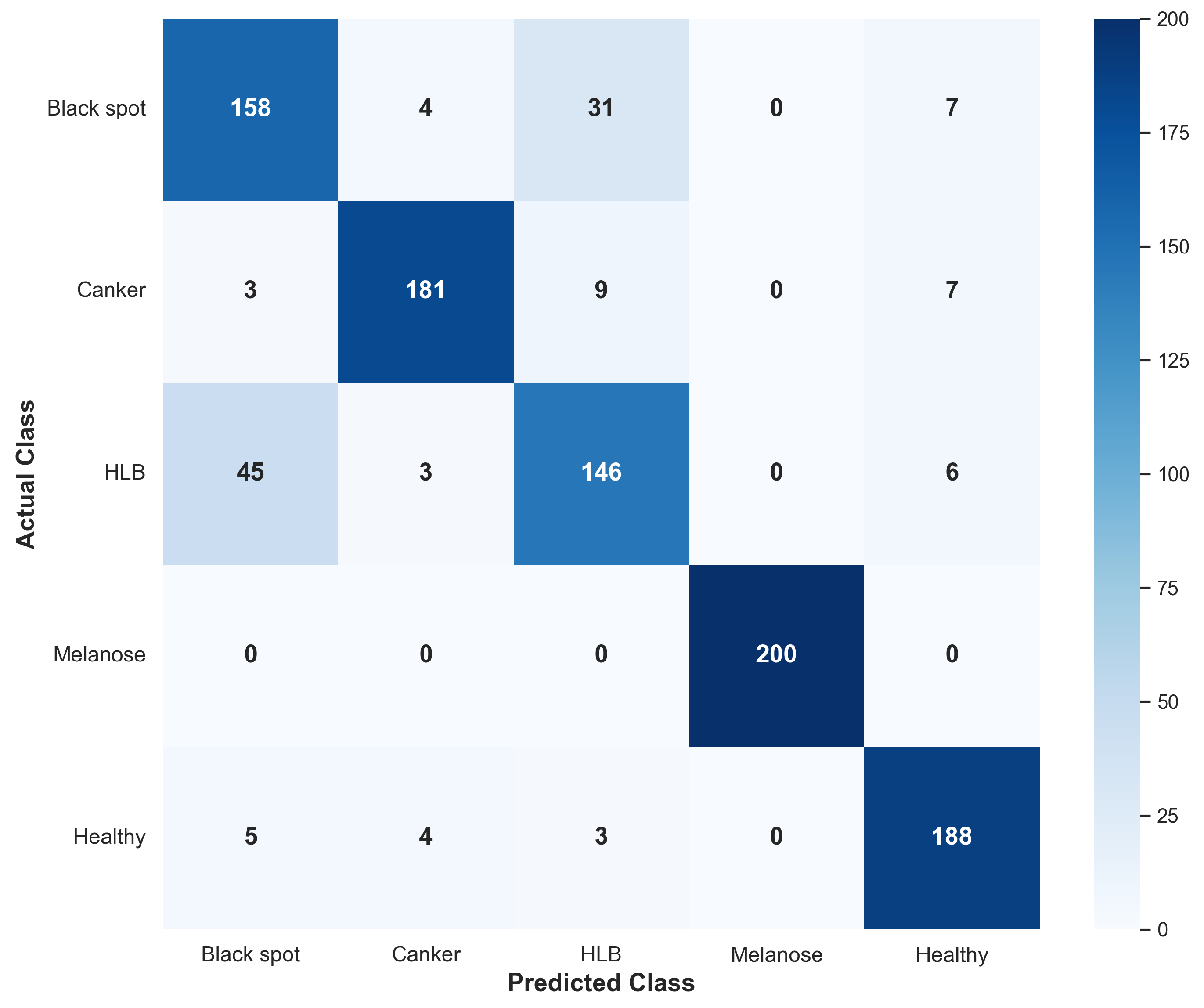
Figure 6 shows the confusion matrix from cross-validation in the classification analysis of the Experiment 2 dataset. A strong classification diagonal is evident, confirming the effectiveness of the selected 18-feature subset. The classification model stands out for its high performance in identifying critical pathologies, particularly in the canker and melanose classes, where the highest accuracy was achieved (
and
, respectively). Lesions in these classes exhibit distinctive morphological characteristics, including well-defined necrotic areas, suberized tissue, and high-contrast patterns that facilitate visual and spectral differentiation. This result is particularly relevant to precision agriculture, as early diagnosis of these diseases is vital to preventing massive economic losses. Despite the high efficiency of the 18-feature subset, persistent overlap between the HLB and black spot classes was observed (45 cases of confusion), yielding a recall of
, which reflects the partial similarity in their symptomatology, particularly in the early stages of symptom development. This phenomenon is attributed to the convergence of the kurtosis and standard deviation statistical signatures in the green and blue channels. From a phytopathological perspective, HLB is characterized by diffuse, asymmetric mottling resulting from the irregular degradation of chlorophyll. In black spot, the lesions are angular, brown to purple, and surrounded by a yellow halo. It also produces localized necrotic lesions that alter the structural and chromatic integrity of the leaf surface. Hence, by reducing the model’s dimensionality, fine-texture descriptors that distinguish the stochastic irregularity of mottling from the defined geometry of necrotic lesions are eliminated, thereby establishing an intrinsic limit on the accuracy of parsimonious models for these two diseases.
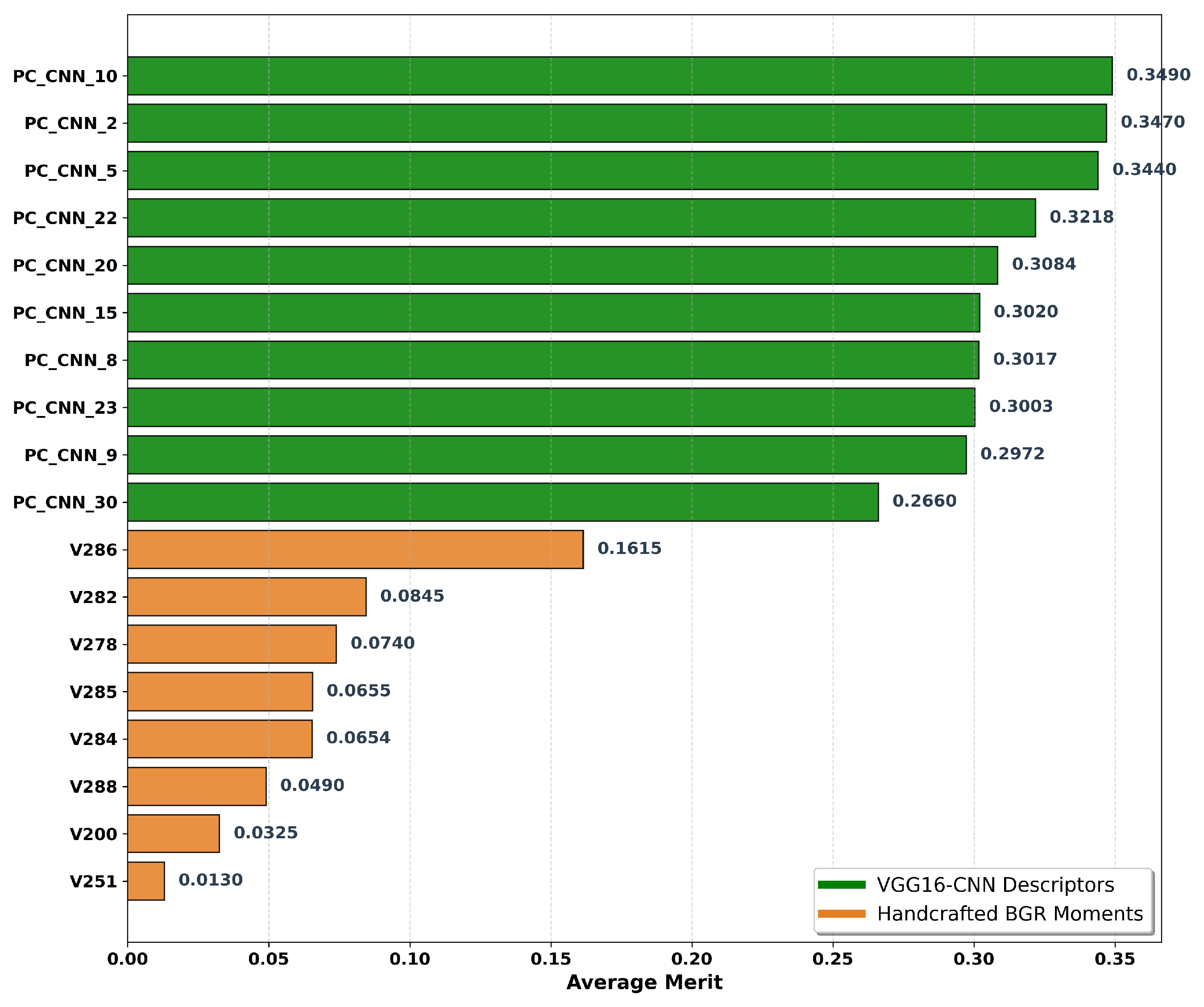
The optimized hybrid space of 18 descriptors was evaluated using attribute importance analysis based on the Gini impurity index (
Figure 7). The results reveal a clear hierarchy where deep spatial abstractions from the CNN architecture (
PC_CNN_10, 2, and
5) rank highest, with importance values exceeding
. This highlights the significance of structural hierarchy in identifying eruptive pustules and complex morpho-textural patterns, such as those found in canker. However, the hierarchy also demonstrates a compensatory synergy: the prominence of CNN components is supported by handcrafted descriptors that prevent texture bias, a common limitation in DL where pooling operations average out subtle chromatic signals.
A key discovery in attribute ranking is the high importance of the blue-channel statistical moments, especially the standard deviation (V286). From a biophysical viewpoint, this descriptor’s significance arises from the scattering characteristics of short-wavelength light; as blue light is highly responsive to refractive-index changes in deteriorated cells and structural modifications in the cuticular layer, V286 acts as an important indicator for detecting cellular necrosis in black spot and greasy spot. Moreover, the combination of V286 and the blue-green contrast (V282) is crucial for distinguishing the problem boundary between HLB and black spot. While traditional texture descriptors often mistake early necrotic spots for the asymmetric mottling seen in HLB, these second-order chromatic moments effectively represent the diffuse pigment gradients related to phloem dysfunction.
The importance of this hybrid architecture is supported by the ablation study: while a standalone CNN reached a performance limit of in this transcontinental scenario, incorporating these 18 elite descriptors resulted in a relative increase, raising the final accuracy to . This shows that the model does not depend on a single dominant feature but rather on the combination of a deep spatial hierarchy and detailed spectral descriptors, ensuring robustness in diagnostics despite optical variability under field conditions.
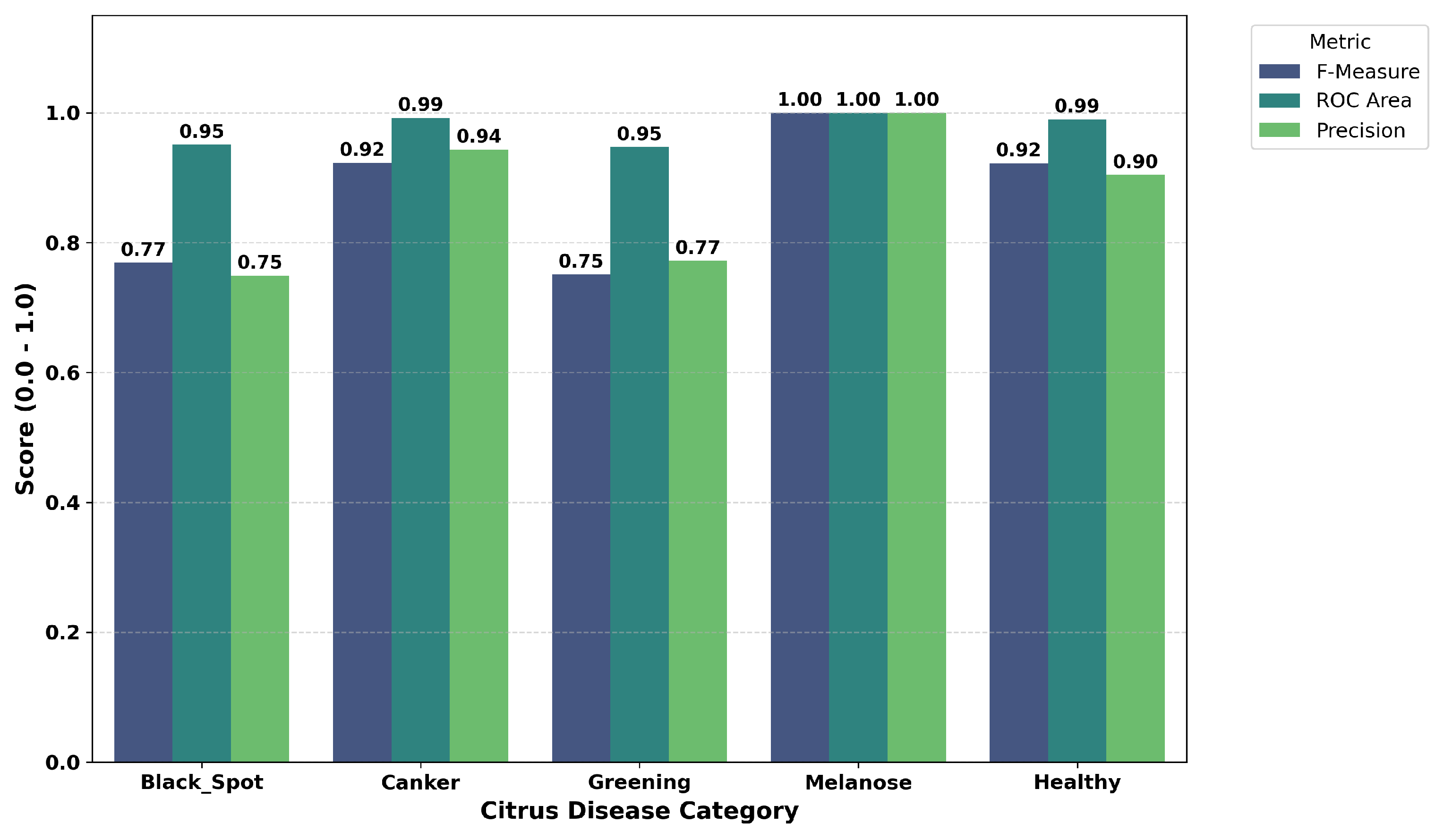
Figure 8 summarizes the
,
, and
metrics by category. This analysis indicates that the model has strong discriminative power, with a weighted average AUC of
. All classes exceed the
threshold, indicating that the hybrid architecture (BGR + CNN) is highly effective at separating the classes. With the exception of black spot and HLB, all pathologies maintained
above
, underscoring the model’s role as a balanced diagnostic tool. This metric stability on a dataset with reduced resolution (
px) and variable lighting conditions validates the robustness of the proposed methodology. Therefore, it can be considered an ideal model because of its potential as a support tool for early phytosanitary monitoring in the field, particularly in precision agriculture systems and real-time monitoring devices. In this regard, the melanosa class shows a near-perfect balance across the three metrics, and the canker class displays a near-perfect balance (>0.92). This suggests that the 18 selected features (especially the colored BGR moments) accurately capture the morphology of necrotic lesions characteristic of this disease. Importantly, despite reducing the number of features from 390 to 18,
across all classes remains consistently above
, with a minimum of
in the black spot class. This confirms that no critical information was lost during the CNN’s PCA compression.
To validate the need for the hybrid architecture, an ablation study was conducted to compare the performance of statistical color descriptors (handcrafted), deep texture descriptors (CNN), and the optimized hybrid model (see
Table 13). The results show that although BGR moments provide an acceptable diagnostic basis (
), integrating latent deep vision features via the CNN model increases accuracy by
. Notably, this improvement is attained while reducing overall dimensionality, confirming that the latent synergy between color and texture enables a more robust decision boundary at lower computational cost. Furthermore, the hybrid model’s superiority over the pure DL approach is demonstrated by analyzing the black spot class. The model based exclusively on latent CNN descriptors (10 features) failed to diagnose 57 cases of this pathology (
). Integrating BGR moments increased discrimination by over
. This result suggests that chromatic information complements structural features, since many citrus diseases manifest through alterations in the distribution of chlorophyll and pigments before producing evident structural changes. Thus, deep neural networks, despite their capacity for textural abstraction, exhibit a texture bias toward pathologies whose lesions share similar textural signatures but different colorimetric profiles. Therefore, the hypothesis that the
fusion produces a feature space superior to those of its individual components is validated, with a
increase in overall accuracy and a
improvement in statistical stability (kappa) compared to CNN alone. This improvement demonstrates that handcrafted features are not redundant but essential for compensating for the loss of spectral information in deep convolutional layers.
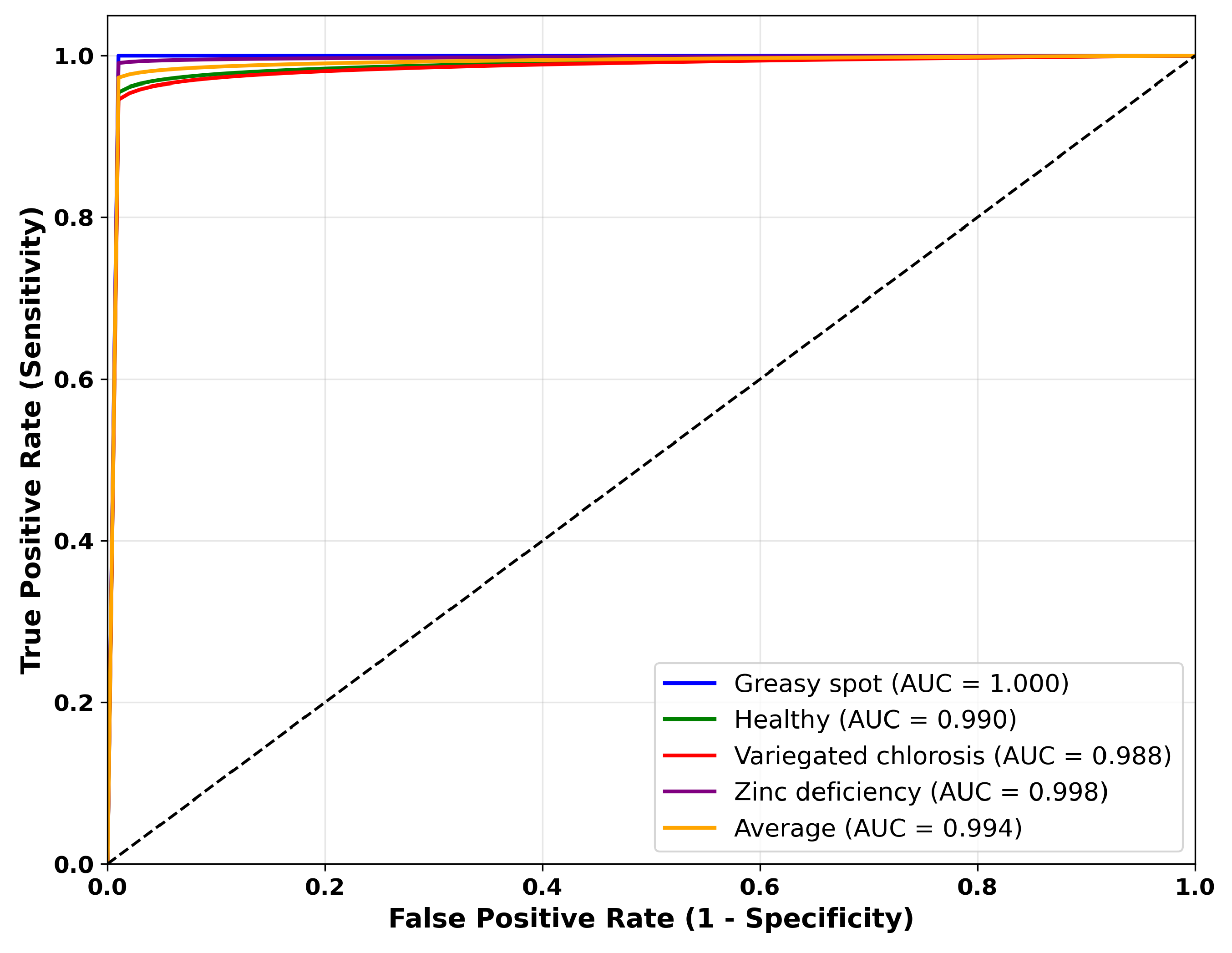
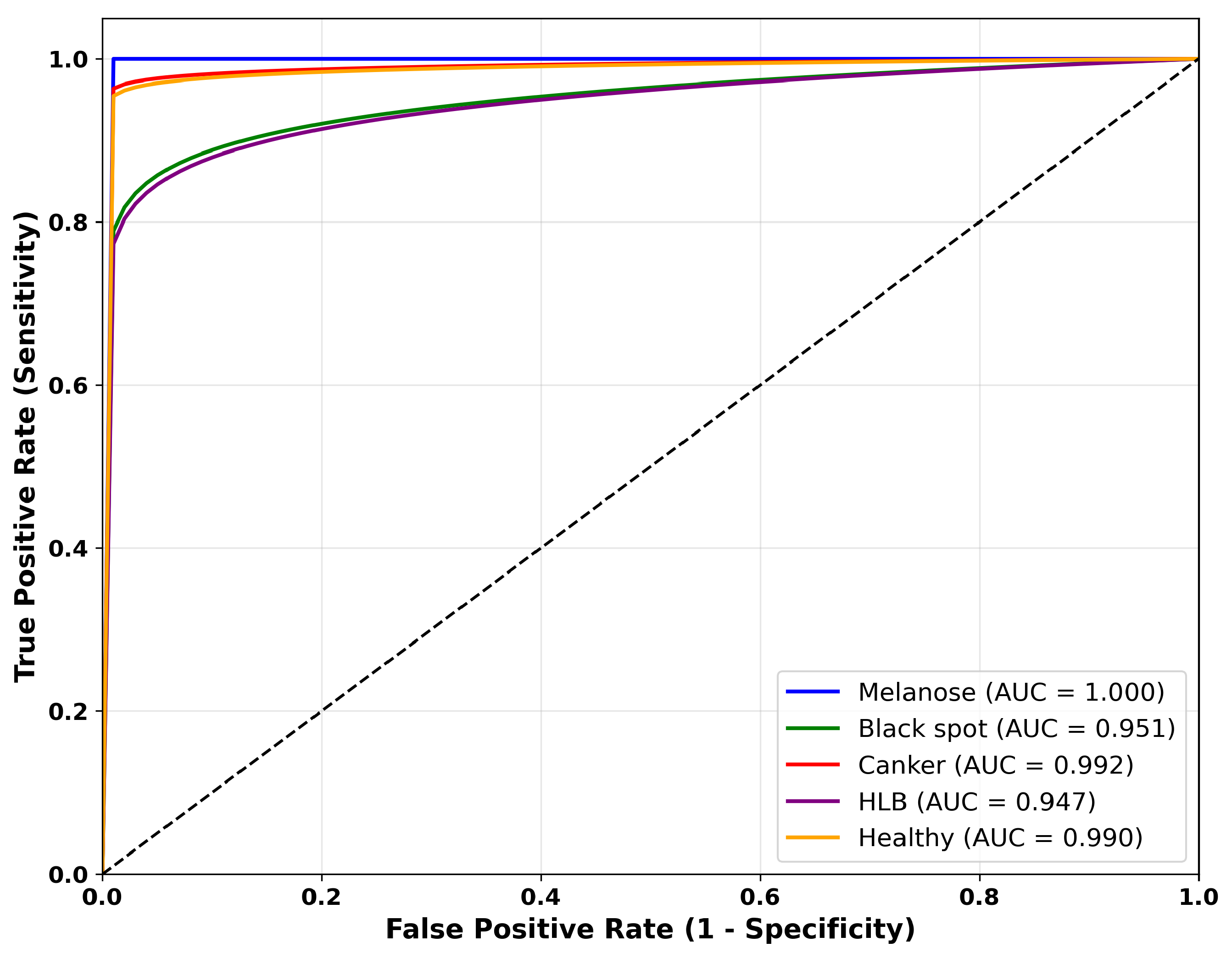
The diagnostic robustness of the 18-descriptor subset is confirmed through a multi-class AUC analysis (
Figure 9). The model achieves an
for melanose and scores above
for canker and healthy leaves, demonstrating that the hybrid space effectively captures the most distinctive features of these conditions. The slight decrease in
for HLB (
) and black spot (
) aligns with the convergence of kurtosis descriptors in the green and blue channels, pinpointing the exact boundary where chromatic signatures overlap. This high discriminatory ability is further demonstrated by the reduction in false-positive rates, which is crucial for cutting down unnecessary phytosanitary interventions in real field conditions. Additionally, including the standard deviation of the green channel was key to achieving a
recall for HLB, solving ambiguities that are usually hard to distinguish with traditional computer vision methods.



 ,
,