Review

Assessing the Potential for Modifying Certain Eradication Measures for Xylella fastidiosa subsp. pauca in Olive Groves of Apulia (Italy)

by
Marco Scortichini
Independent Researcher, 00118 Roma, Italy
Agriculture 2026, 16(2), 145; https://doi.org/10.3390/agriculture16020145
Submission received: 21 November 2025 / Revised: 1 January 2026 / Accepted: 5 January 2026 / Published: 6 January 2026
(This article belongs to the Section Crop Protection, Diseases, Pests and Weeds)

Abstract

Sometimes, mandatory rules for eradicating pathogens specifically target crops that hold intrinsic economic value, cultural heritage, and are a lucrative tourist attraction as well as an appealing part of the landscape due to their historical presence in the region. An example of this is the introduction of Xylella fastidiosa subsp. pauca (Xfp), mainly vectored by Philaenus spumarius to olive groves in Apulia. Twelve years after the first official report on its presence and numerous studies, this review aims to reconsider some of the quarantine measures in place to prevent the spread of Xfp. Surveys carried out within the demarcated areas have shown a low incidence of Xfp over the years ranging from 0.06% to 0.70%. Furthermore, the bacterium is now present throughout the region, from the south to the north, potentially suggesting that the bacterium may be endemic in the region. Epidemiological models have indicated low or negligible infectivity for asymptomatic trees. Rigorous vector control, achieved through the mechanical removal of eggs and juvenile forms, coupled with the contemporary reduction in the Xfp load within the olive crown using bactericidal compounds, could effectively reduce the spread of Xfp in both infected and demarcated areas. These actions could also serve as preventive measures in current free areas. Once the prevalence of both vectors and Xfp is low, only olive trees in demarcated areas that test positive for the bacterium should be uprooted. Trees within a 50 m radius of an Xfp-positive olive tree should not be removed if they test negative for Xfp upon detection.

1. Introduction

Globally, the swift elimination of alien and harmful pests and pathogens from new colonization areas is crucial for the protection and sustainability of agricultural crops. In Europe, a unified strategy established by the European and Mediterranean Plant Protection Organization, along with the European Community, has implemented mandatory regulations to quickly contain initial outbreaks caused by any of the entities listed on the A1 quarantine pests and pathogens list (https://food.ec.europa.eu/plants/plant-health-and-biosecurity/plant-health-rules_en, as accessed on 31 December 2025). Generally, the faster the entire infected area is identified, the greater the chances for effective eradication of the alien pathogen. Furthermore, these chances are particularly higher for herbaceous crops, which can be promptly and efficiently removed from cultivation sites [1,2]. This success of eradication is largely due to the annual cultivation cycle of many herbaceous crops, which reduces the likelihood of pathogen survival in the environment compared to woody crops. Despite very intensive eradication programs lasting many years, indeed, an effective elimination of the quarantine bacterium Xanthomonas axonopodis pv. citri (Hasse) Constantin et al. from citrus orchards of Florida and Brazil has not been reached [3,4]. Eradicating a pathogen can be further complicated when it is exclusively transmitted through the feeding activities of insect vectors, which have lifecycles that may include non-cultivated host plants. Additionally, the absence of management strategies designed to lower the pathogen load within the plant and vector can pose another challenge in controlling its spread [5]. However, due to effects of climate change, the global circulation of plants and plant parts, the pathogen spillover, and the evolution of new pathogen lineages, the mandatory application of quarantine rules have remained fundamental for global food security [6].
Sometimes, mandatory rules for eradicating pathogens specifically target certain crops that not only have intrinsic economic value but also embody cultural heritage due to their historical presence in the region. These crops serve as a lucrative resource for tourism and contribute to a unique and appealing landscape [7]. An example of this is the introduction of Xylella fastidiosa subsp. pauca Schaad et al., (Xfp) into the olive groves of Apulia. In this region, there are both olive groves that host centuries-old trees and younger trees that serve as a valuable economic resource [8]. The Xfp outbreak in Apulia region (Italy) had a negative impact on the overall economy of the region resulting in an economic loss of 135 million Euros and a total loss of working hours amounting to about 1,050,000 during the years 2017–2021 [9].
In this case, the late detection of the quarantine bacterium, the inability to effectively eradicate it, the presence of a highly prolific and widespread insect vector, and the confusion between “cure” and “eradication” of the disease coincide with a crop that is integral to the cultural identity of the area. Over time, these factors have led to the abandonment of cultivation and the degradation of a significant portion of the landscape [10,11].
Twelve years after the initial official report of 2013 on the Xfp occurrence in Salento (Southern Apulia, Italy) [12] and the associated syndrome, known as “olive quick decline syndrome” (OQDS) [13], many studies have been carried out. These studies have focused on the bacterium’s molecular characteristics and detection methods, its presence in specific areas, vector biology and control, epidemiological models, field management of OQDS, and the occurrence of other phytopathogens contributing to the olive decline [14]. Taking together, these new achievements now make it possible to propose a change to some of the most severe and mandatory rules for Xfp containment in olive groves of Apulia in the demarcated areas. Specifically, this change would involve removing all olive trees and other Xfp host plants present in the “buffer” area within a 50 m radius starting from the detected Xfp-positive olive tree as showed by the Commission Implementing Regulation 2020/1201 (https://eur-lex.europa.eu/eli/reg_impl/2020/1201/oj/eng; as accessed on 20 November 2025). This is performed regardless of whether the bacterium is present in those trees. Recently, only olive trees officially designated as “monumental” by the Apulia region through the regional law 2007/14 (https://trasparenza.regione.puglia.it/sites/default/files/provvedimento_amministrativo/44507_14_04-06-2007_L_14_04_06_2007.pdf; as accessed on 20 November 2025) could avoid being uprooted in the demarcated areas.
The aim of this paper is to illustrate the rationale for eliminating this rule by following epidemiological models and data on the actual occurrence of the bacterium in the demarcated areas. If applied, this change would not reduce the efficacy of bacterium containment but would aim to preserve the significant value of olive trees in the current and future demarcated areas of Apulia.

2. A Brief Account of the Outbreak of Xylella fastidiosa subsp. pauca in Apulia, Italy

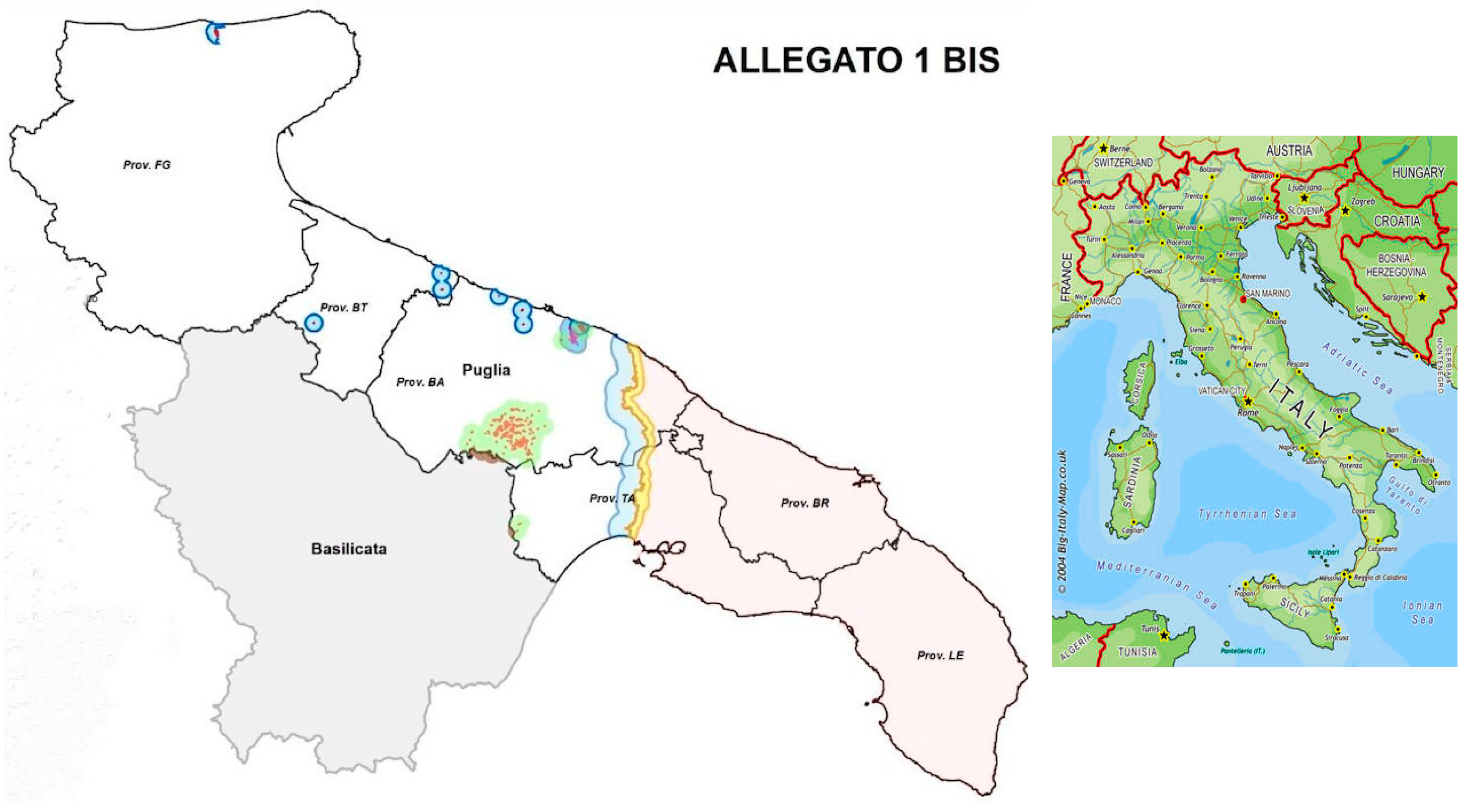
The first report of Xfp occurring in olive groves in Salento (southern Apulia, Italy) dates back to October 2013 [12]. However, initial signs of leaf and branch wilting were observed as early as 2007–2008 [15]. At that time, X. fastidiosa, including the subspecies pauca, was listed as quarantine pest and pathogen in category A1 by the European and Mediterranean Plant Protection Organization. This classification called for eradication measures to be implemented in order to eliminate the pathogen from the area. However, by October 2013, Xfp associated with the ‘olive quick decline syndrome’ had already spread to around 8000–10,000 hectares of olive groves, affecting approximately 1,000,000 olive trees [15]. This significant spread of the disease was deemed too extensive for an effective eradication plan, which would have required the complete elimination of the bacterium from the area [16]. Consequently, regional phytosanitary measures were adopted to reduce the further spread of the bacterium from the southern part of the Salento peninsula to northern Apulia and other regions. To this end, the phytosanitary service of Apulia has demarcated “infected”, “containment” and “buffer” areas since 2015 and has regularly carried out extensive monitoring surveys to identify olive trees infected by Xfp within the “containment” and “buffer” areas. Despite significant effort, the bacterium has spread from the Lecce province in southern Salento to the provinces of Brindisi, Taranto, Bari, and Foggia over the past 12 years. The demarcated areas have been updated to reflect the latest infection hotspots in an attempt to prevent further spread. Currently, the demarcated areas extend to Bari, including some enclaves in the Barletta-Andria-Trani and Foggia provinces (Figure 1).

3. The Epidemiological Context of the “Olive Quick Decline Syndrome”

The term ‘syndrome’ aptly describes the complex nature of olive decline in Apulia. Several factors play an important role in causing the final death of the tree, either contemporaneously or sequentially. To analyze the phenomenon more complexly, it is interesting to observe the official data referring to analyses performed in demarcated areas since 2014. During monitoring surveys in the ‘containment’ and ‘buffer’ areas, phytosanitary inspectors from the Apulia region take samples from olive trees showing clear symptoms of wilting (i.e., leaf withering and twig and branch dieback) for subsequent molecular analysis to detect Xfp.
These symptoms are clearly associated with the presence of Xfp within the tree [17] and the inspectors purposely search for them within the olive grove for subsequent sampling. However, apparently healthy leaves collected from symptomatic trees do not always host the bacterium [18,19], despite its ability to rapidly colonize the olive tree upon release from the vector Philaenus spumarius L. [20,21,22].
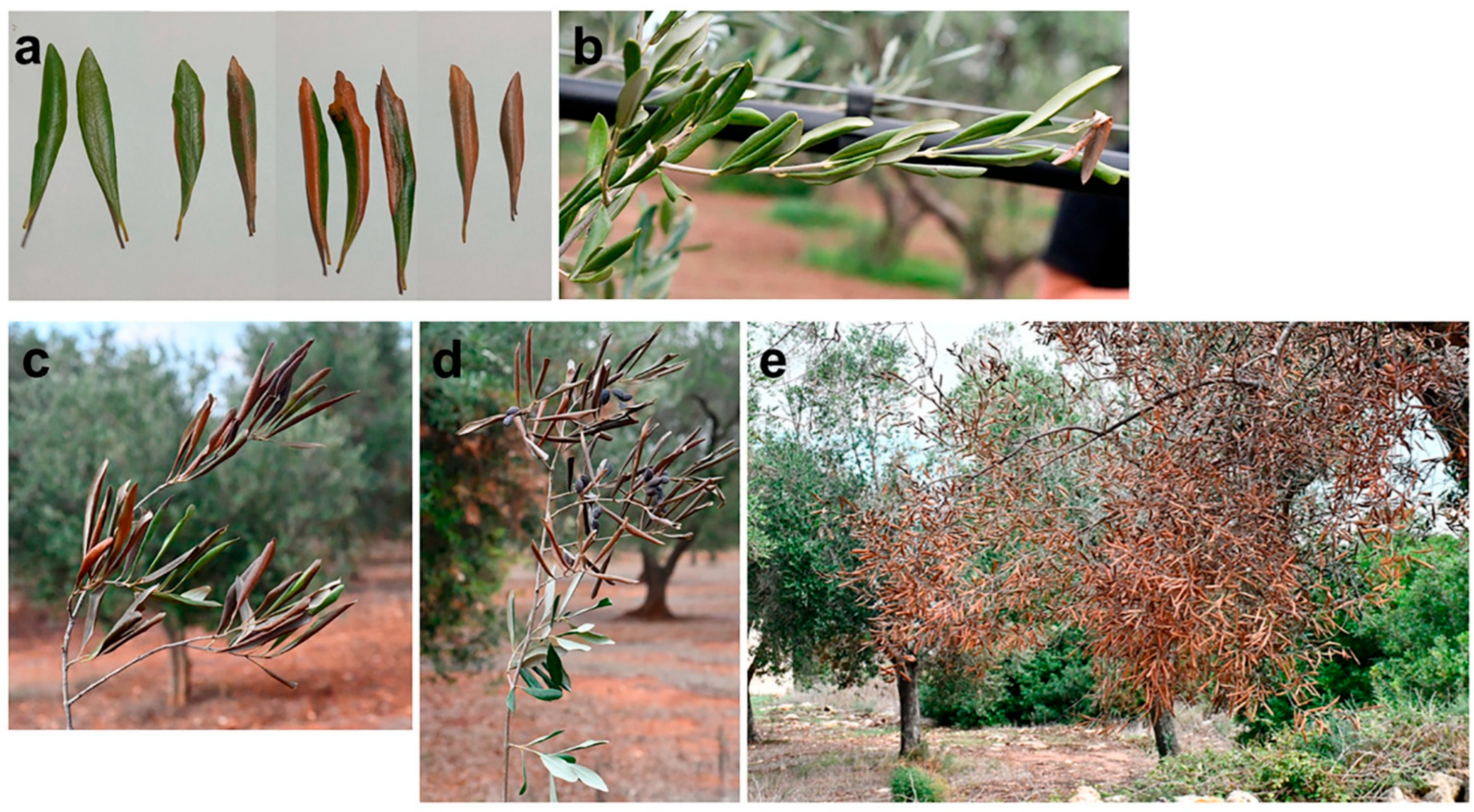
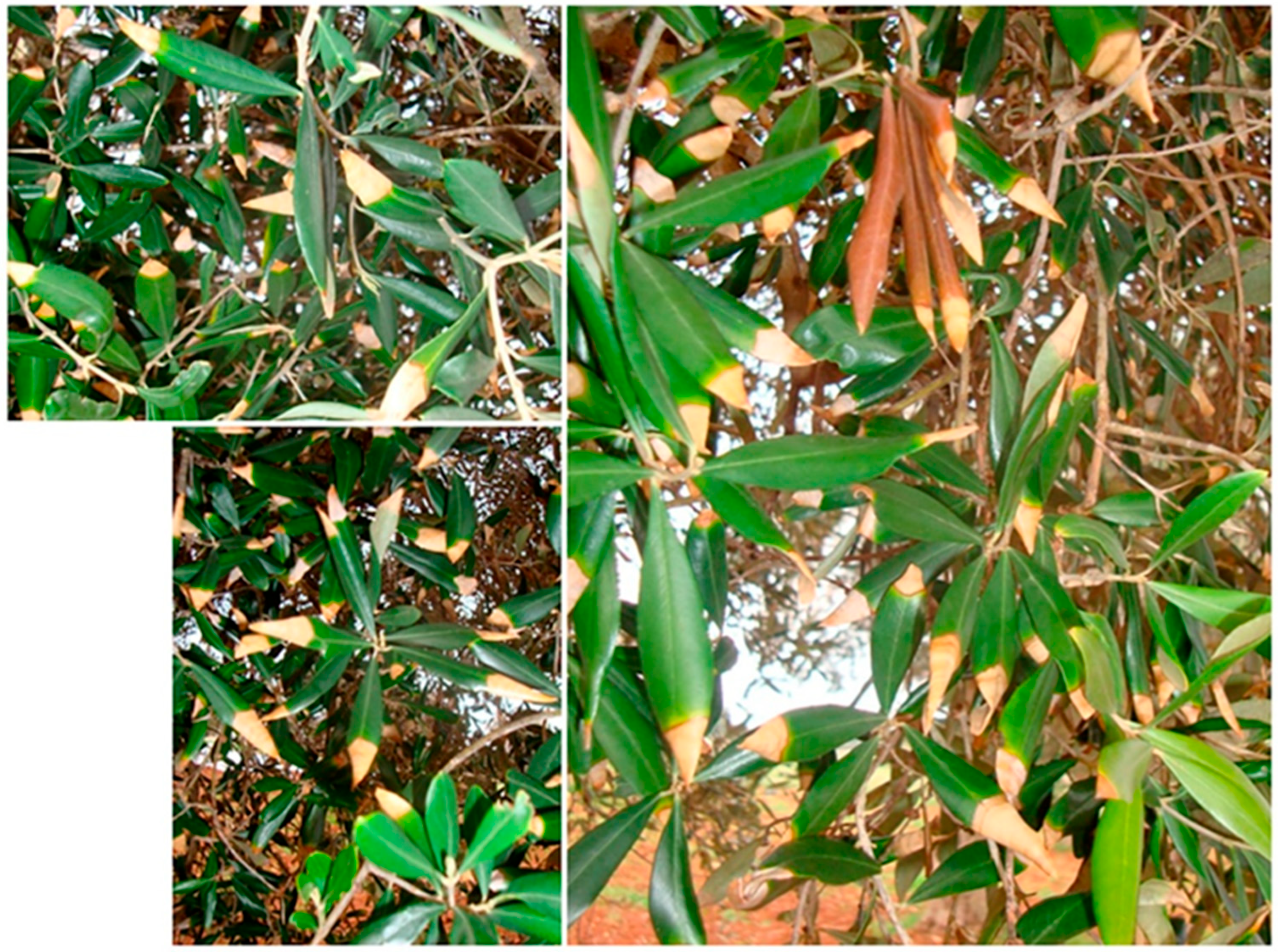
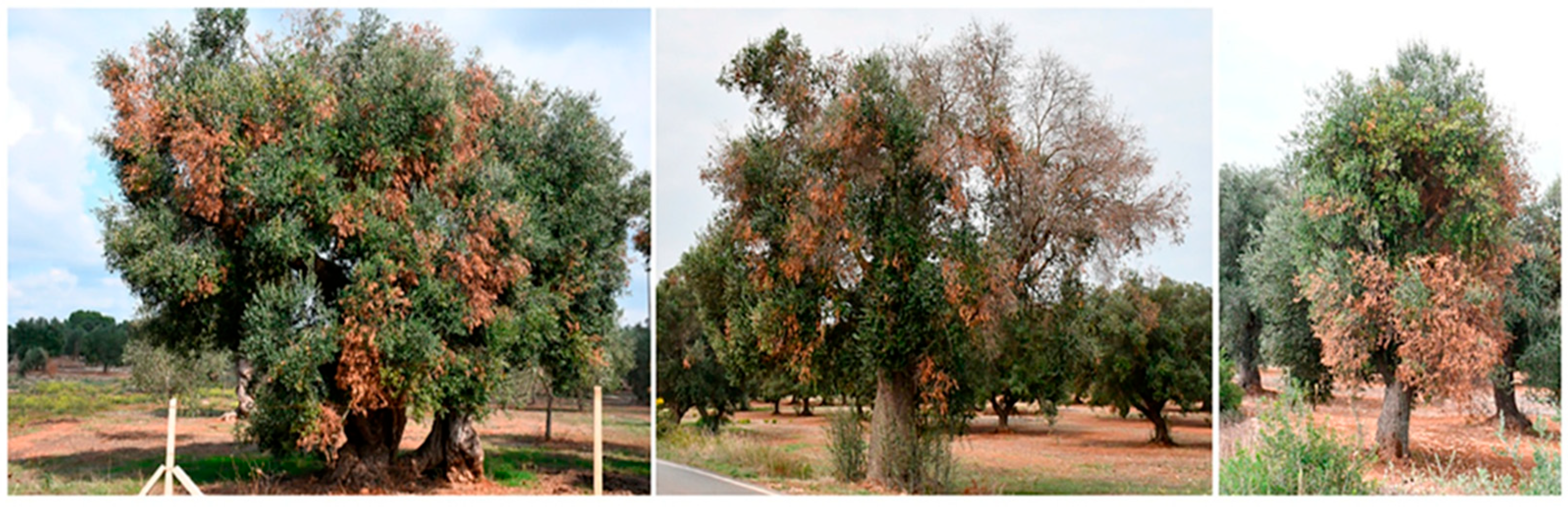
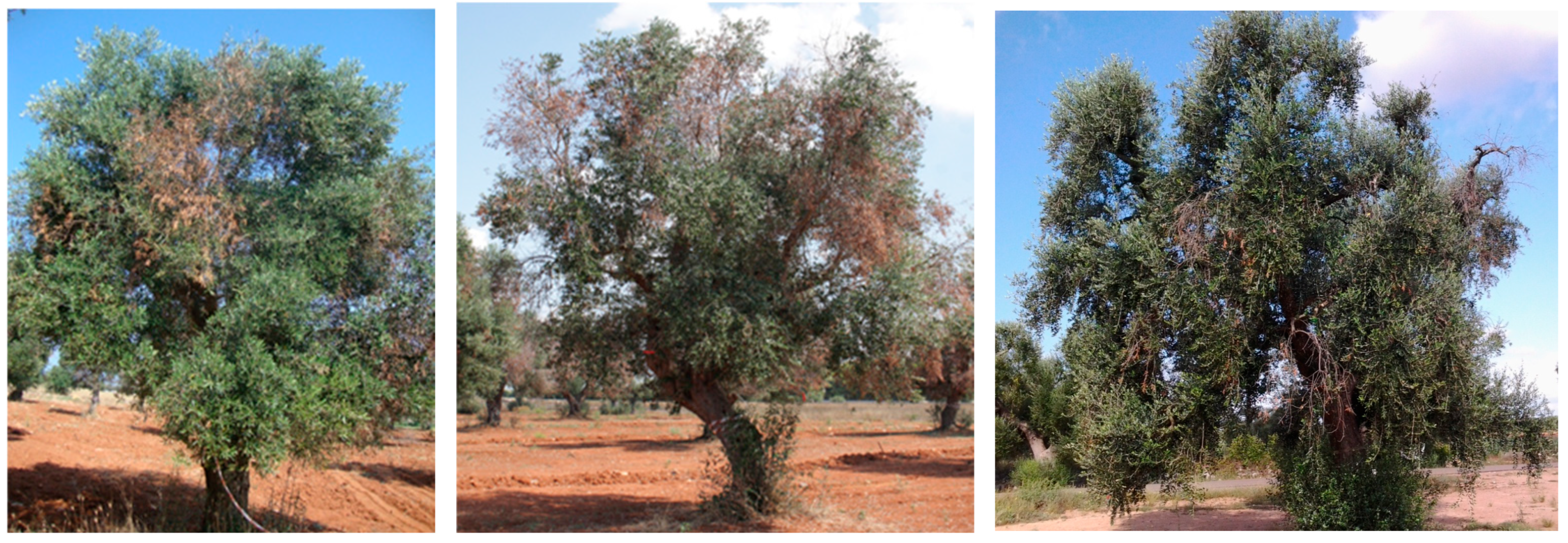
During the monitoring surveys carried out in the demarcated areas from 2014 to 2022, the percentage of Xfp-positive olive trees observed among all symptomatic trees as observed in the olive orchards ranged from 3.21% to 69.56% [19] (Table 1). In the same period, the overall percentage of Xfp-positive olive trees detected through sampling and subsequent molecular analysis was consistently low, ranging from 0.06% to 8.15%, and during 2020–2022 this percentage ranged from 0.06% to 0.70% (Table 1). It should be noted that these percentages refer to a very large number of sampled trees that ranged from 50,967 to 225,014 trees per campaign. These consistent results suggest that other phytopathogens can induce similar symptoms in olive trees in the demarcated areas. Recent studies have revealed that it is possible to frequently isolate some aggressive phytopathogenic fungi, namely Neofusicoccum Crous et al., spp. belonging to the Botryosphaeriaceae Theis & H. Syd. family, in the whole area where the OQDS has been observed (i.e., the Salento peninsula) [23,24]. At first glance, the symptoms induced by the bacterium and the fungi seem very similar, although the symptoms affecting the leaves at the beginning of their appearance are different. Xfp causes the tip leaf to wither, while Neofusicoccum spp. causes a reddening of the external leaf blade and then leads to leaf rolling (Figure 2 and Figure 3). As the disease progresses, it becomes more difficult to visually distinguish between the symptoms caused by the two causal agents as both pathogens result in twig and branch diebacks (Figure 4 and Figure 5).
The data strongly suggests a very low incidence of Xfp within the demarcated areas, as well as a widespread occurrence of phytopathogenic fungi on the Salento peninsula, which can co-exist with the bacterium in the same tree. It should be noted that the fate of olive trees infected by Xfp and Neofusicoccum spp. is quite different: whereas Xfp usually takes two to five years to completely wilt the tree [25,26], the fungi are much quicker than the bacterium at withering the tree, killing it within a few weeks [23,24].
The adjective ‘quick’ is more pertinent to the fungi in the case of OQDS that appears as a complex disease. At the beginning of the OQDS outbreak, Botryospheriaceae and other phytopathogenic fungi, such as Phaeoacremonium Gams et al., and Phaemoniella Crous & Gams spp., were consistently found to be associated with this syndrome in Salento [27]. It should be noted that the disease was later found to be solely attributed to Xfp [15].
To analyze the risk of further spread of the bacterium in free areas posed by the low incidence of Xfp within the demarcated areas, the data should be framed by epidemiological studies analyzing the possibility of Xfp dissemination from infected olive trees. Studies indicate that a symptomatic tree can potentially spread the bacterium to 19 other trees, whereas an asymptomatic olive tree has a very low to negligible chance of disseminating Xfp [22]. In the ‘buffer’ area, the surrounding trees are usually asymptomatic, and the Xfp-positive trees often do not exhibit any visible symptoms either.
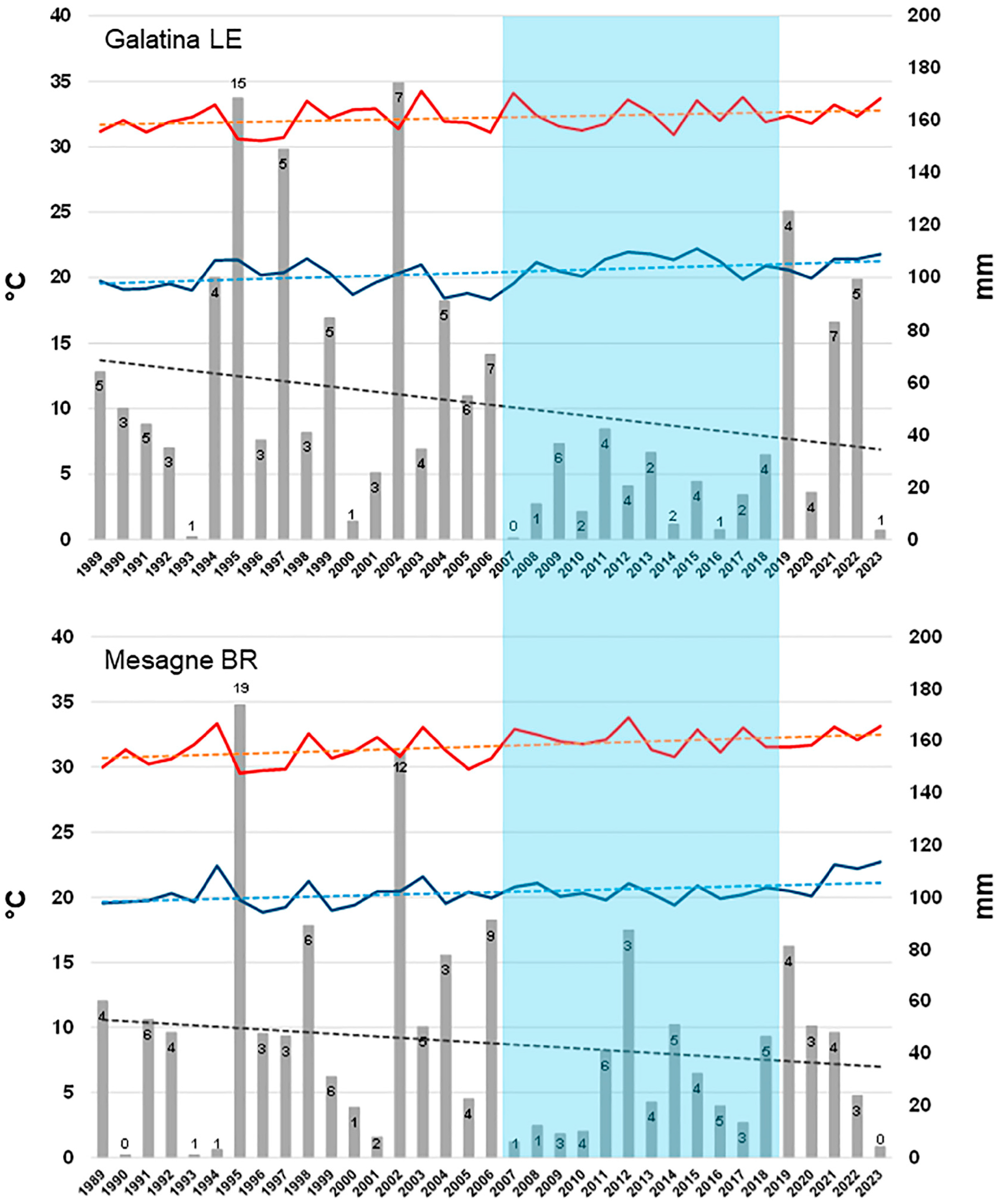
Some abiotic factors can also play a fundamental role in the olive decline complex. Drought and high air temperatures throughout the summer can strongly influence the outcome of OQDS [28]. During the years when the first signs of olive decline were observed (i.e., 2007–2010), summers in Salento were characterized by a very low number of rainy days (Figure 6). This situation could have caused stress for the trees and favored the subsequent outbreak. Drought events are becoming increasingly common in Apulia [29], and apart from directly damaging the trees, they can also promote the virulence of certain phytopathogenic fungi that thrive in such conditions. The mild fungus Diplodia seriata, for example, only becomes aggressive towards olive trees during periods of drought and high air temperatures [30].
Moreover, sudden rainfall can cause an excess of water, which exceeds the normal amount of precipitation in a small area. This leads to waterlogging, which predisposes the tree roots to anaerobic conditions, which are detrimental to metabolism [31]. Occasional soil fertilization, irregular pruning, and few phytosanitary treatments are the main agronomical practices usually carried out in Salento. However, the excessive use of herbicides for decades [32] could have weakened olive trees’ ability to withstand various stresses by depleting the soil of macro- and micronutrients [33]. These predisposing factors can therefore trigger a series of metabolic events that lead the tree to prolonged stress, which in turn may favor the outcome of various pathogens, including Xfp. OQDS appears to be a complex disease in which biotic factors (i.e., Xfp and Botryospheriaceae) and abiotic factors (e.g., drought, high air temperatures, excess rain and herbicide use) act alone or in combination to cause the final death of the tree [33].

4. The Vector Philaenus spumarius and Its Control

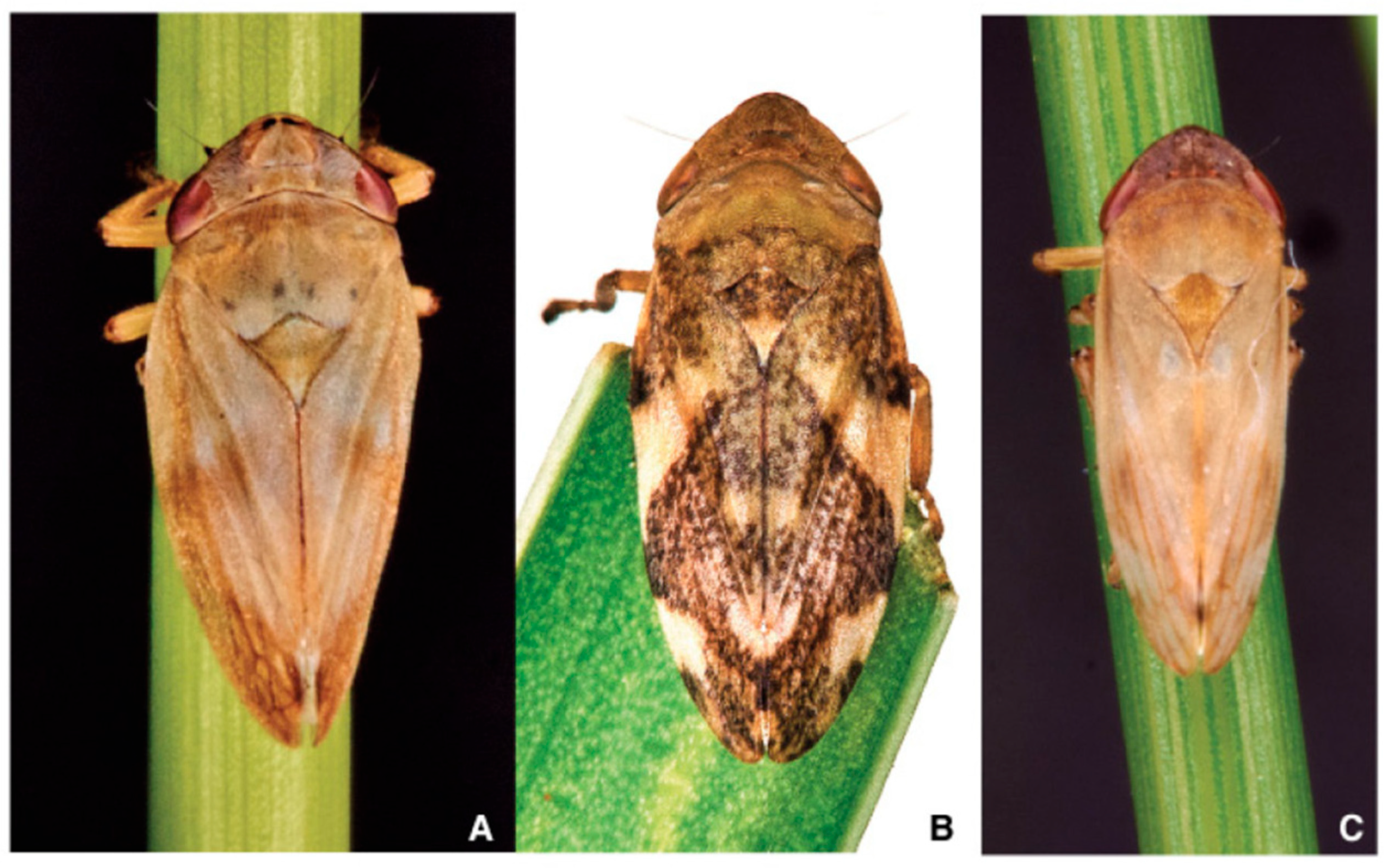
The adults of the polyphagous, univoltine species P. spumarius (Hemiptera: Aphrophoridae) are effective vectors for Xfp in Apulia (Figure 7), as well as for the other X. fastidiosa subspecies multiplex and fastidiosa in other European regions [34]. Additionally, less predominant vectors of Xfp in Apulia include Neophilaenus campestris and Philaenus italosignus [35]. In Apulia’s olive groves, 25–71% of P. spumarius adults can host Xfp cells during the feeding season (May–October) [36]. The Xfp load in the heads of P. spumarius ranges from 35 to 400 and up to 67,000 colony-forming units (CFU equivalents) [36,37]. However, the Xfp transmission efficiency of this vector varies depending on the cultivar tested [36]. For Ogliarola salentina, the total transmission efficiency throughout the season was 43%, whereas for Coratina it was 32% [36]. The bacterium persists within the insect for the entire feeding period; however, the season can strongly influence the Xfp transmission rate. Autumn (late September to November) is more conducive to transmission than summer (late June to July) [38]. In the short term (i.e., three days after Xfp acquisition by the vector), the transmission rate to olive leaves is approximately 6% [38]. Furthermore, P. spumarius can acquire Xfp cells from host plants other than olive, such as Polygala myrtifolia L. and Acacia saligna (Labill.) Wendl. [39]. Many wild Mediterranean plant species such Cistus criticus L., Lavandula angustifolia Miller, Lavandula stoechas L., Phyllirea latifolia L., and Spartium junceum L., have tested positive for Xfp [17], suggesting that they could play a significant role as a ‘reservoir’, facilitating the spread of pathogen among olive groves of Apulia [40].
The peak occurrence in the olive crown is usually observed in May and June, after which the adults move towards the surrounding wild shrubs and trees [42]. During periods of high abundance, adult dispersal within and between olive groves is quite variable: 100 m per day [43], 200–400 m over two months [38], although flights of more than 5 km in a single day have been observed [44]. Based on the biological activity of P. spumarius in Salento, which indicates adult dispersal of 200–400 m within a single olive grove during peak activity, and given its low potential for passive wind transport [38], the rate of OQDS spread in infected areas was estimated at 5 km [45], 10 km [46] and 20 km [25] per year. However, long-distance dispersal of the vector is also possible through passive transport by various means [47,48]. This last possibility could explain the recent detection of Xfp on a few olive trees north of Bari and outside the current demarcated areas.
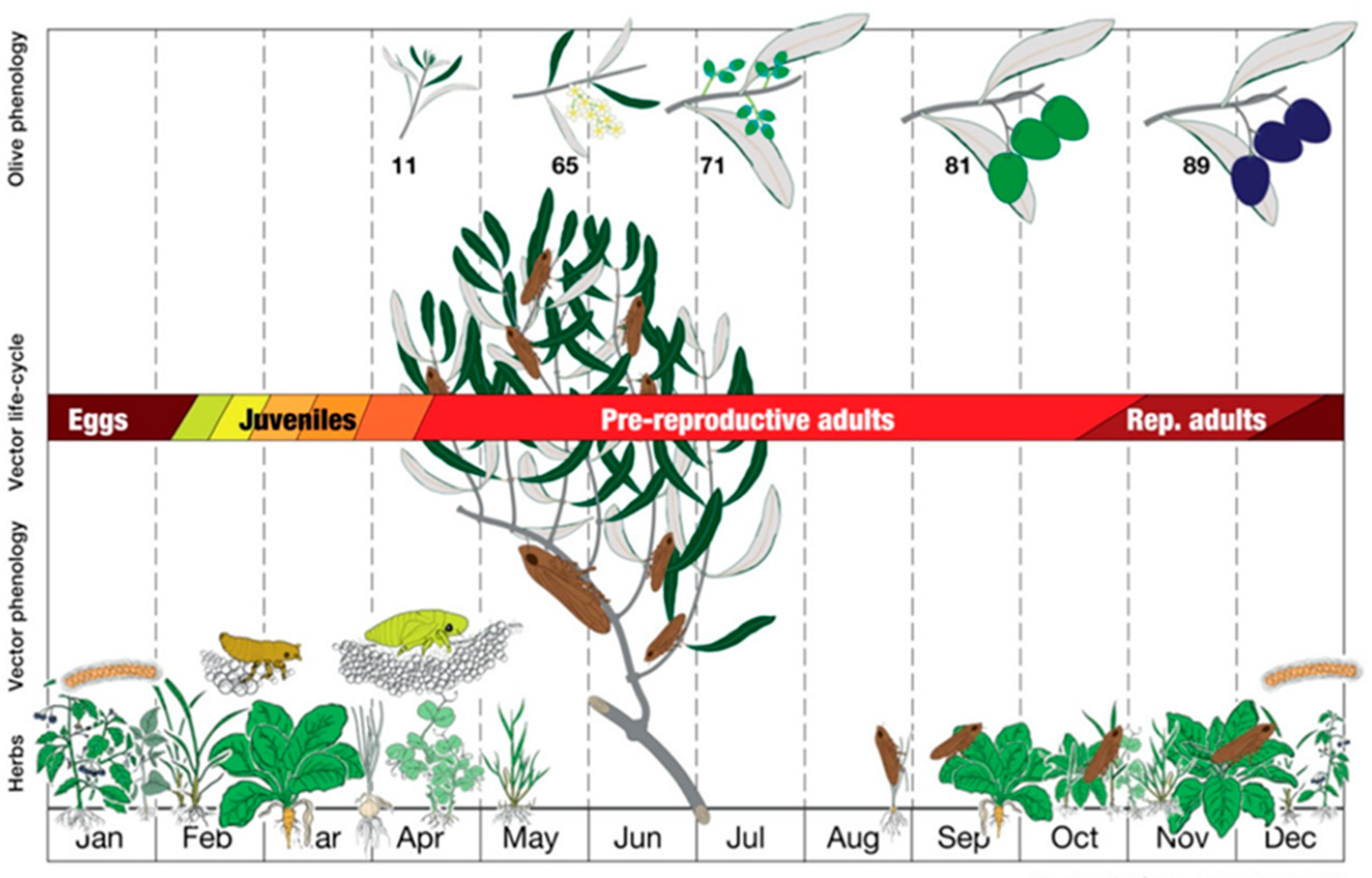
The juvenile stages of P. spumarius (i.e., nymphs) prefer plant species from families such as Asteraceae Martinov (i.e., Sonchus L., Crepis L., Picris L.), Fabaceae Lindl. (i.e., Medicago L., Vicia L., Lathyrus L.), Rubiaceae Juss. (i.e., Galium L.) and Apiaceae Lindl. (i.e., Daucus L., Foeniculum mill.). Galium album mill. and Foeniculum vulgare Mill. are particularly favored [49]. Taraxacum officinale and Lavandula angustifolia were also found to be favored plant species for the development of juvenile forms [38]. Other species were found to be ‘non-preferred’ or ‘avoided’, including Poaceae (R. Br.) Barnhart (Avena L., Lolium L., Hordeum L.), Brassicaceae Burnett (Raphanus L.), Papaveraceae Juss. (Papaver L.), Fumariaceae DC. (Fumaria L.) and Oxalidaceae R. Br. (Oxalis L.) [44]. In late autumn/early winter, P. spumarius lays its eggs in slits in the ground or on fallen plant parts [49] (Figure 8).
To reliably control P. spumarius in Apulia, studies on its lifecycle indicate three key phases: (a) eggs laid on the ground or plant parts; (b) juvenile stages (i.e., nymphs), which are protected by herbs; (c) adults. The first two phases can be controlled through agronomic techniques that eliminate the eggs and the juvenile forms that have colonized the herbs within the olive groves by means of light, superficial tillage. Light tillage should be carried out in full winter (December and January) to eliminate the eggs, and at the end of winter/early spring to eliminate the herbs [39]. Tillage has been found to be more effective than repeated mowing for containing the juvenile forms and can reduce the occurrence of P. spumarius nymphs in olive groves by 50–60% [50]. Furthermore, a more elaborate strategy could potentially exploit the nymphs’ “preference” or “non-preference” for the host plant. This involves sowing an ad hoc ground cover comprising repellent and trap plants to deter the vector from entering the olive grove and to attract it outside the grove [34]. So far, adult control relies on the use of synthetic pyrethroids and neonicotinoids such as deltamethrin and acetamiprid, which are, however, characterized by low persistence [51]. These insecticides should be applied as soon as adults emerge [25]. Apart from the danger to beneficial insects posed by insecticides [52,53], studies on Xfp vectors have indicated that controlling the juvenile stages is more effective than controlling the adults [54]. To effectively reduce the likelihood of further Xfp spread in olive groves, it is crucial to implement vector control strategies in both infected and demarcated areas [34].

5. The Field Management of Xylella fastidiosa subsp. pauca and OQDS

According to the general principles for the ‘control of plant diseases’, chemical methods aim to ‘cure’ an existing infection, whereas ‘eradication’ measures aim to eliminate, destroy or inactivate the source(s) of inoculum in the area [55]. At a scientific and political level, the confusion between ‘cure’ and ‘eradication’ has caused significant problems in managing Xfp in the ‘infected’ areas of Apulia. The dogmatic assertion that “there is no cure for Xfp”, where “cure” is intended to mean “eradication”, has strongly favored the abandonment of olive groves by farmers, resulting in the spread of the disease and the collapse of olive groves across a large part of the Salento region. Clearly, it is not possible to eliminate all Xfp cells that have systemically colonized the xylem tissue of the olive tree through spray or endotherapy treatments although there are efforts to find potential alternative strategies to reduce Xfp density within the tree (i.e., tolerant cultivars, plant defense stimulators, endophytic microorganisms, quorum sensing disturbance, nanoparticles). It should also be noted that the complete elimination of a pathogen from a plant through treatment is not the objective of plant disease management. The aim of plant protection is to reduce the pathogen load and enable the crops to produce a yield year on year [56], or, according to the International Plant Protection Convention, to ‘minimize the impact of disease’ [57].
In this context, effectively reducing the Xfp population size in the canopies of infected olive trees in Apulia while maintaining the olive grove productivity has produced positive results [58,59,60]. Spraying a biofertilizer containing zinc, copper and citric acid onto the olive crown from spring to early autumn significantly lowers the Xfp load in the foliage, which ranges from 102 to 104 CFU equivalents/g of leaf in susceptible cultivars such as Ogliarola Salentina and Cellina di Nardò, as well as in tolerant cultivars such as Leccino [58,59,61]. This Xfp load is similar to that found in the tolerant Leccino cultivar [62] and in some spontaneous olive germplasm proposed for new plantations [63]. These Xfp loads usually do not correspond to visible symptoms of the disease (i.e., twig dieback), whereas olive trees containing more than 104 CFU equivalents/g of leaf start to show extensive dieback. Untreated olive trees in the infected area exhibit a notably higher Xfp load ranging from 106 to 107 CFU equivalents/g of leaf [59,62].
It should be noted that treated olive groves regularly produce oil year after year. The rate of Xfp containment that can be achieved through these spray treatments is the same as that offered by tolerant cultivars, which host the bacterium’s cells. Reduction in the Xfp load within olive trees has also been obtained through spray treatments using a natural detergent derived from a blend of medicinal plants [64], as well as through other fertilizers containing zinc or copper combined with phosphites, or silicic acid, zinc, and molybdenum [65]. However, as mentioned above regarding the OQDS, some phytopathogenic fungi play an important role in causing the final collapse of the trees, so control measures should also be applied to contain them [60]. Other facets to consider for better management of Xfp and OQDS include regular pruning of the trees and maintaining good soil fertility [56].

6. The Rationale for Eliminating the “50 m” Rule

It seems quite unlikely that the spread of Xfp can be reduced to zero in both the infected and demarcated areas of southern Apulia and the northern areas of the region. The dispersal of Xfp through an insect vector that can move passively over long distances by means of vehicle transportation [47] and acquire the bacterium from several host plants other than olive represents a continuous and unavoidable risk of bacterium displacement northwards in the long term [66]. This means that over time, there will always be a possibility of finding isolated foci of Xfp outside the demarcated areas. Recent cases of Xfp occurring in the province of Foggia outside the ‘buffer’ area depicted in Figure 1 confirm this scenario. This would mean that quarantine measures could not be ceased in the region and that the eradication of olive trees and other host plants in the demarcated areas according to the ‘50 m’ rule would have to continue for an undetermined period. It should be noted that Xfp incidence in these areas is low, ranging from 0.06% to 0.70% according to recent surveys (Table 1), and that most surrounding trees are asymptomatic [19]. Furthermore, many olive trees that were assessed as Xfp-positive many years ago and were not uprooted due to legal objections are still alive and symptom-free, as are the surrounding olive trees [19].
It should also be noted that, according to statistical models correlating climate parameters recorded in Apulia, such as summer and autumn-winter rainfall and frost events, the potential distribution of Xfp in Apulia could have reached its maximum [67,68]. However, the bacterium’s adaptation to new areas and the impact of climate change could modify the expected distribution to some extent. Other models suggest that the environment is less conducive for Xfp in areas north of the current demarcated zones [69]. Furthermore, the regions north of Apulia would seem less suitable for P. spumarius [70]. Taken together, these features suggest that Xfp may have potentially reached a state of endemism or commensalism in areas where its prevalence is low [71], or that traits of its overall virulence could be different and less severe than in the past because of an adaptation to the environment [72].
Consequently, rigorous vector control achieved through the removal of eggs and juvenile forms, and the contemporary reduction in Xfp load within the olive crown using bactericidal compounds, are key methods for effectively reducing Xfp spread in both infected and demarcated areas. Mathematical models assessing vector–plant–pathogen dynamics within olive groves also support the effectiveness of implementing good agronomic practices, such as weed removal, instead of resorting to tree uprooting to control Xfp in Apulia [73]. Once the presence of both vectors and Xfp is minimized, only the olive trees in the demarcated areas that test positive for the bacterium should be uprooted. The surrounding Xfp host plants in the ‘buffer’ area falling within the ‘50 m’ radius should not be removed. Alternatively, within the ‘50 m’ area, only host plants that test positive for the presence of Xfp in additional laboratory analyses should be removed. This approach would help preserve many healthy olive trees in place. While this strategy may not eliminate the possibility of further northward spread of Xfp, it would prevent the uprooting of healthy olive trees in an already damaged area. Rational vector control combined with spraying the olive crown with bactericidal compounds to reduce the potential occurrence of Xfp could also serve as a preventive measure in unaffected areas.

7. Concluding Remarks

Twelve years after the first report of Xfp occurrence in the olive groves of Apulia and the subsequent efforts aimed at eradicating the bacterium from the region, some reflections on the results obtained suggest changing at least one mandatory rule of the quarantine strategy applied so far. This would be desirable since the unnecessary uprooting of olive trees causes significant damage to a territory that is strictly and historically connected with the crop. Official data from recent monitoring surveys performed in the demarcated areas, indeed, strongly indicate a very low occurrence of the bacterium within olive trees that show OQDS symptoms, pointing to a very low presence of Xfp in those areas. However, it continues to be found in some locations far from the demarcated areas, possibly indicating an endemic occurrence of the bacterium in Apulia region.
In the “buffer” area, and in the new foci of the disease, the “50 m” rule is still applied, which requires the eradication of all olive trees and other Xfp host plants within that radius from the infected ones. It should be stressed that some epidemiological models suggest that trees surrounding an Xfp-positive one represent a negligible source for further spreading of the bacterium, making their uprooting unnecessary. Additionally, with the sensitive and specific detection techniques recently developed for Xfp, it would be possible to test all the trees within that radius and only uproot the positive ones. This would help preserve centennial and millenary olive trees without reducing the effectiveness of the containment strategy.

Funding

This research received no external funding.

Data Availability Statement

Not applicable.

Conflicts of Interest

The author declares no conflicts of interest.

References

  1. Persson, P. Successful eradication of Ralstonia solanacearum from Sweden. Bull. OEPP/EPPO Bull. 1998, 28, 113–119. [Google Scholar] [CrossRef] [Scilit]
  2. EPPO. Eradication of an outbreak of Ralstonia solanacearum on Pelargonium in France. EPPO Report. Serv. 2004, 6, 84. [Google Scholar]
  3. Schubert, T.S.; Rizbi, S.A.; Gottwald, T.R.; Graham, J.H.; Dixon, W.N. Meeting the challenge of eradicating citrus canker in Florida—Again. Plant Dis. 2001, 85, 340–356. [Google Scholar] [CrossRef] [Scilit] [PubMed]
  4. Behlau, F.; Fonseca, A.E.; Belasque, J., Jr. A comprehensive analysis of the Asiatic citrus canker eradication programme in São Paulo state, Brazil, from 1999 to 2009. Plant Pathol. 2016, 65, 1390–1399. [Google Scholar] [CrossRef] [Scilit]
  5. De la Fuente, L.; Navas-Cortés, J.A.; Landa, B.B. Ten challenges to understanding and managing the insect-transmitted, xylem-limited bacterial pathogen Xylella fastidiosa. Phytopathology 2024, 114, 869–884. [Google Scholar] [CrossRef] [Scilit]
  6. Ristaino, J.B.; Anderson, P.K.; Bebber, D.P.; Brauman, K.A.; Cunniffe, N.J.; Fedoroff, N.V.; Finegold, C.; Garrett, K.A.; Gilligan, C.A.; Jones, C.M.; et al. The persistent threat of emerging plant disease pandemics to global food security. Proc. Natl. Acad. Sci. USA 2021, 118, e2022239118. [Google Scholar] [CrossRef] [Scilit]
  7. Tartaglini, N.; Calabrese, G.; Servadei, L. Ancient olive orchards as high nature value farmland; a shared vision at euro-mediterranean level. In A Multi-Scale and Multi-Level Approach for Conservation of Ancient Olive Orchards in the Euro-Mediterranean Region; La Posta, A., Lacirignola, C., Mimiola, G., Eds.; CIHEAM Mediterranean Agronomic Institute: Bari, Italy, 2012; pp. 27–39. [Google Scholar]
  8. Mohamad, R.S.; Bteich, M.R.; Cardone, G.; Marchini, A. Economic analysis in organic olive farms: The case of the ancient olive trees in the rural parkland in Apulia. New Medit 2013, 4, 55–61. [Google Scholar]
  9. Calderoni, F.; Petrontino, A.; Frem, M.; Fucilli, V.; Bozzo, F. Economic and social impacts of olive quick decline syndrome: Analysing data from the Italian farm accountancy network. Plant Pathol. 2025, 74, 1010–1023. [Google Scholar] [CrossRef] [Scilit]
  10. Scortichini, M. The multi-millenial olive agroecosystem of Salento (Apulia, Italy) threatened by Xylella fastidiosa subsp. pauca: A working possibility of restoration. Sustainability 2020, 12, 6700. [Google Scholar] [CrossRef] [Scilit]
  11. Cremaschi, S.; Bariletto, N.; De Vries, C.E. Without roots: The political consequences of collective economic shocks. Am. Political Sci. Rev. 2025, 119, 1963–1982. [Google Scholar] [CrossRef] [Scilit]
  12. Saponari, M.; Boscia, D.; Nigro, F.; Martelli, G.P. Identification of DNA sequences related to Xylella fastidiosa in oleander, almond and olive trees exhibiting leaf scorch symp-toms in Apulia (southern Italy). J. Plant Pathol. 2013, 95, 659–668. [Google Scholar]
  13. Cariddi, C.; Saponari, M.; Boscia, D.; De Stradis, A.; Loconsole, G.; Nigro, F.; Porcelli, F.; Potere, O.; Martelli, G.P. Isolation of Xylella fastidiosa strain infecting olive and oleander in Apulia, Italy. J. Plant Pathol. 2014, 96, 425–429. [Google Scholar]
  14. Serio, F.; Imbriani, G.; Girelli, C.R.; Miglietta, P.P.; Scortichini, M.; Fanizzi, F.P. A decade after the outbreak of Xylella fastidiosa subsp. pauca in Salento (Apulia, Italy): Methodical literature analysis of research strategies. Plants 2024, 113, 1433. [Google Scholar]
  15. Martelli, G.P.; Boscia, D.; Porcelli, F.; Saponari, M. The olive quick decline syndrome in south-east of Italy: A treathenong phytosanitary emergency. Eur. J. Plant Pathol. 2016, 144, 235–243. [Google Scholar] [CrossRef] [Scilit]
  16. EFSA Panel on Plant Health (PLH). Scientific Opinion on the risks to plant health posed by Xylella fastidiosa in the EU territory, with the identification and evaluation of risk reduction options. EFSA J. 2015, 13, 3989. [Google Scholar] [CrossRef] [Scilit]
  17. Saponari, M.; Giampetruzzi, A.; Loconsole, G.; Boscia, D.; Saldarelli, P. Xylella fastidiosa in olive in Apulia: Where we stand. Phytopathology 2019, 109, 176–186. [Google Scholar] [CrossRef] [Scilit]
  18. Scortichini, M.; Cesari, G. An evaluation of the monitoring surveys of the quarantine bacterium Xylella fastidiosa performed in containment and buffer areas of Apulia, southern Italy. Appl. Biosaf. 2019, 24, 96–99. [Google Scholar] [CrossRef] [Scilit]
  19. Ciervo, M.; Scortichini, M. A decade of monitoring surveys for Xylella fastidiosa subsp. pauca in olive groves of Apulia (Italy) reveals a low incidence of the bacterium in the demarcated areas. J. Phytopathol. 2014, 172, e13272. [Google Scholar] [CrossRef] [Scilit]
  20. Petit, G.; Bleve, G.; Gallo, A.; Mita, G.; Montanaro, G.; Nuzzo, V.; Zambonini, D.; Pitacco, A. Susceptibility to Xylella fastidiosa and functional xylem anatomy in Olea europea: Revisiting a tale of the plant-pathogen interaction. AoB Plants 2021, 13, plab027. [Google Scholar] [CrossRef] [Scilit]
  21. Dos Santos, B.N.G.; Anguita-Maeso, M.; Coletta-Filho, H.D. Transmission and distribution of Xylella fastidiosa subsp. pauca in olive trees as a parameter for managing olive quick decline syndrome. Plant Pathol. 2022, 71, 1849–1858. [Google Scholar] [CrossRef] [Scilit]
  22. Camposeo, S.; Vivaldi, G.A.; Saponari, M. Attempts to reduce the systemic spread of Xylella fastidiosa in olive trees by pruning. Agronomy 2022, 12, 2917. [Google Scholar] [CrossRef] [Scilit]
  23. Brunetti, A.; Matere, A.; Lumia, V.; Pasciuta, V.; Fusco, V.; Sansone, D.; Marangi, P.; Cristella, N.; Faggioli, F.; Scortichini, M.; et al. Neofusicoccum mediterraneum is involved in a twig and branch dieback of olive trees observed in Salento (Apulia, Italy). Pathogens 2022, 11, 53. [Google Scholar] [CrossRef] [Scilit]
  24. Manetti, G.; Brunetti, A.; Lumia, V.; Sciarroni, L.; Marangi, P.; Cristella, N.; Faggioli, F.; Reverberi, M.; Scortichini, M.; Pilotti, M. Identification and characterization of Neofusicoccum stellenboschiana in branch and twig dieback-affected olive trees in Italy and comparative pathogenicity with N. mediterraneum. J. Fungi 2023, 9, 292. [Google Scholar] [CrossRef] [Scilit]
  25. Fierro, A.; Liccardo, A.; Porcelli, F. A lattice model to manage the vector and infection of the Xylella fastidiosa in olive trees. Sci. Rep. 2019, 9, 8723. [Google Scholar] [CrossRef] [Scilit]
  26. White, S.M.; Navas-Cortés, J.A.; Bullock, J.M.; Boscia, D.; Chapman, D.S. Estimating the epidemiology of emerging Xylella fastidiosa outbreaks in olives. Plant Pathol. 2020, 69, 1403–1413. [Google Scholar] [CrossRef] [Scilit]
  27. Nigro, F.; Boscia, D.; Antelmi, I.; Ippolito, A. Fungal species associated with a severe decline of olive in southern Italy. J. Plant Pathol. 2013, 95, 668. [Google Scholar]
  28. Scortichini, M. Similarities and differences among factors affecting complex declines of Quercus spp, Olea europea, and Actinidia chinensis. Horticulturae 2025, 11, 325. [Google Scholar] [CrossRef] [Scilit]
  29. Ronco, P.; Zennaro, F.; Torresan, F.; Critto, A.; Santini, M.; Trabucco, A.; Zollo, A.L.; Galluccio, G.; Marcomini, A. A risk assessment framework for irrigated agriculture under climate change. Adv. Water Res. 2017, 110, 562–578. [Google Scholar] [CrossRef] [Scilit]
  30. Manetti, G.; Brunetti, A.; Sciarroni, L.; Lumia, V.; Bechini, S.; Marangi, P.; Reverberi, M.; Scortichini, M.; Pilotti, M. Diplodia seriata isolated from declining olive trees in Salento (Apulia, Italy): Pathogenicity trials give a glimpse that it is more virulent to drought-stressed olive trees and in warmth-conditioned environment. Plants 2024, 13, 2245. [Google Scholar] [CrossRef] [Scilit] [PubMed]
  31. Navarro, C.; Parra, M.A. Plantacíon. In El Cultivo del Olivo; Barranco, D., Fernández-Escobar, R., Rallo, L., Eds.; Junta de Andalucía y Mundi-Prensa: Madrid, Spain, 2008; pp. 163–195. [Google Scholar]
  32. Ciervo, M. The olive quick decline syndrome (OQDS) diffusion in Apulia region: An apparent contradiction according to the agricultural model. Belgeo 2016, 4. [Google Scholar] [CrossRef] [Scilit]
  33. Serra, A.P.; Marchetti, M.E.; Da Silva Candido, A.C.; Ribero Dias, A.C.; Christoffoleti, P.J. Glyphosate influence on nitrogen, manganese, iron, copper and zinc nutritional efficiency in glyphosate resistant soybean. Cienc. Rural 2011, 41, 77–84. [Google Scholar] [CrossRef] [Scilit]
  34. Morente, M.; Ramirez, M.; Lago, C.; De las Heras-Bravo, D.; Benito, A.; Moreno, A.; Fereres, A. Habitat manipulation for sustainable management of Philaenus spumarius, the main vector of Xylella fastidiosa in Europe. Pest Manag. Sci. 2022, 78, 4183–4194. [Google Scholar] [CrossRef] [Scilit] [PubMed]
  35. Cavalieri, V.; Altamura, G.; Fumarola, G.; di Carolo, M.; Saponari, M.; Cornara, D.; Bosco, D.; Dongiovanni, C. Transmission of Xylella fastidiosa subspecies pauca sequence type 53 by different insect species. Insects 2019, 10, 324. [Google Scholar] [CrossRef] [Scilit]
  36. Cornara, D.; Cavalieri, V.; Dongiovanni, C.; Altamura, G.; Palmisano, F.; Bosco, D.; Porcelli, F.; Almeida, R.P.P.; Saponari, M. Transmission of Xylella fastidiosa by naturally infected Philaenus spumarius (Hemiptera, Aphrophoridae) to different host plants. J. Appl. Entomol. 2017, 141, 80–87. [Google Scholar] [CrossRef] [Scilit]
  37. Ranieri, E.; Zitti, G.; Riolo, P.; Isodoro, N.; Ruschioni, R.; Brocchini, M.; Almeida, R.P.P. Fluid dynamics in the functional foregut of xylem-sap feeding insects: A comparative study of two Xylella fastidiosa vectors. J. Ins. Physiol. 2020, 120, 103995. [Google Scholar] [CrossRef] [Scilit]
  38. Bodino, N.; Cavalieri, V.; Dongiovanni, G.; Simonetto, A.; Saladini, M.A.; Plazio, E.; Gilioli, G.; Molinatto, G.; Saponari, M.; Bosco, D. Dispersal of Philaenis spumarius (Hemipetra; Aphrophoridae), a vector of Xylella fastidiosa, in olive grove and meadow agroecosystems. Environ. Entomol. 2021, 50, 267–279. [Google Scholar] [CrossRef] [Scilit]
  39. Cornara, D.; Saponari, M.; Zeilinger, A.R.; De Stradis, A.; Boscia, D.; Loconsole, G.; Bosco, D.; Martelli, G.P.; Almeida, R.P.P.; Porcelli, F. Spittlebugs as vectors of Xylella fastidiosa in olive orchards. J. Pest Sci. 2017, 90, 521–530. [Google Scholar] [CrossRef] [Scilit] [PubMed]
  40. Cornara, D.; Panzarino, O.; Santoiemma, G.; Bodino, N.; Loverre, P.; Mastronardi, M.G.; Mattia, C.; De Lillo, E.; Addante, R. Natural area sas reservoirs of candidate vectors for Xylella fastidiosa. Bull. Insectology 2021, 74, 173–180. [Google Scholar]
  41. Picciotti, U.; Lahbib, N.; Sefa, V.; Porcelli, F.; Garganese, F. Aphrophoridae role in Xylella fastidiosa subsp. pauca ST53 invasion in southern Italy. Pathogens 2021, 10, 1035. [Google Scholar] [CrossRef] [Scilit]
  42. Cornara, D.; Bosco, D.; Fereres, A. Philaenus spumarius: When an old acquaintance becomes a new threat to European agriculture. J. Pest Sci. 2018, 91, 957–972. [Google Scholar] [CrossRef] [Scilit]
  43. Plazio, E.; Bodino, N.; Cavalieri, V.; Galetto, L.; Saponari, M.; Boscia, D. Investigations on dispersal capability of Philaenus spumarius by mark-release-recapture method. In Proceedings of the European Conference on Xylella fastidiosa: Finding Answers to a Global Problem, Palma de Maiorca, Spain, 13–15 November 2017. [Google Scholar]
  44. Lago, C.; Garzo, E.; Moreno, A.; Barrios, L.; Marti-Campoy, A.; Rodriguez-Ballester, F.; Fereres, A. Flight performance and the factors affecting the flight behaviour of Philaenus spumarius the main vector of Xylella fastidiosa in Europe. Sci. Rep. 2021, 11, 17608. [Google Scholar] [CrossRef] [Scilit]
  45. EFSA Panel on Plant Health (PLH). Update of the Scientific Opinion on the risks to plant health posed by Xylella fastidiosa in the EU territory. EFSA J. 2019, 17, 5665. [Google Scholar] [CrossRef] [Scilit]
  46. Kottelenberg, D.; Hemerik, L.; Saponari, M.; van der Werf, W. Shape and rate of movement of the invasion front of Xylella fastidiosa spp. pauca in Puglia. Sci. Rep. 2021, 11, 1061. [Google Scholar] [CrossRef] [Scilit] [PubMed]
  47. Mazzi, D.; Dorn, S. Movement of insect pests in agricultural landscapes. Ann. Appl. Biol. 2012, 160, 97–113. [Google Scholar] [CrossRef] [Scilit]
  48. Bajocco, S.; Raparelli, E.; Bregaglio, S. Assessing the driving role of the anthropogenic landscape on the distribution of the Xylella fastidiosa-driven “olive quick decline syndrome” in Apulia (Italy). Sci. Total Environ. 2023, 896, 165231. [Google Scholar] [CrossRef] [Scilit]
  49. Dongiovanni, C.; Cavalieri, V.; Bodino, N.; Tauro, D.; Di Carolo, M.; Fumarola, G.; Bosco, D. Plant selection and population trend of spittlebug immatures (Hemiptera: Aphrophoridae) in olive groves of the Apulia region of Italy. J. Econ. Entomol. 2019, 112, 67–74. [Google Scholar] [CrossRef] [Scilit] [PubMed]
  50. Sanna, F.; Mori, N.; Santoiemma, G.; D’Ascenzo, D.; Scotillo, M.A.; Marini, L. Ground cover management in olive groves reduces populations of Philaenus spumarius (Hemipetra; Aphrophoridae), vector of Xylella fastidiosa. J. Econ. Entomol. 2021, 114, 1716–1721. [Google Scholar] [CrossRef] [Scilit]
  51. Dongiovanni, D.; Altamura, G.; Di Carolo, M.; Fumarola, G.; Saponari, M.; Cavalieri, V. Evaluation of efficacy of different insecticides against Philaenus spumarius L., vector of Xylella fastidiosa in olive orchards in Southern Italy, 2015–2017. Arthr. Manag. Tests 2018, 43, tsy034. [Google Scholar]
  52. Kadala, A.; Kaabeche, M.; Charreton, M.; Mutterer, J.; Pélissier, M.; Cens, T.; Rousset, M.; Chahine, M.; Collet, C. Unravelling impacts of the insecticide deltamethrin on neural sodium channels in honey bees: Molecular insights and behavioural outcomes. Chemosphere 2024, 369, 143852. [Google Scholar] [CrossRef] [Scilit]
  53. Zhang, J.; Huang, P.; Pan, Y.; Zhao, Y.; Yao, J.; Yu, D. Imidacloprid soil drenches indirectly weaken the selection and predatory ability of the coccinellid predator Propylea japonica (Coleoptera, Coccinellidae). Sci. Rep. 2025, 15, 28316. [Google Scholar] [CrossRef] [Scilit]
  54. Bodino, N.; Cavalieri, V.; Pegoraro, M.; Altamura, G.; Canuto, F.; Zicca, S.; Fumarola, G.; Almeida, R.P.P.; Saponari, M.; Dongiovanni, C.; et al. Temporal dynamics of the transmission of Xylella fastidiosa subsp. pauca by Philaenuis spumarius to olive plants. Entomol. Gen. 2021, 41, 463–480. [Google Scholar] [CrossRef] [Scilit]
  55. Agrios, G.N. Plant Pathology, 5th ed.; Elsevier; Academic Press: Burlington, MA, USA, 2004. [Google Scholar]
  56. European and Mediterranean Plant Protection Organization. Principles of good plant protection practices. Bull. OEPP/EPPO Bull. 2003, 33, 91–97. [Google Scholar] [CrossRef] [Scilit]
  57. FAO. International Plant Protection Convention. 2022. Available online: www.ippc.int (accessed on 20 November 2025).
  58. Scortichini, M.; Chen, J.; De Caroli, M.; Dalessandro, G.; Pucci, N.; Modesti, V.; L’Aurora, A.; Petriccione, M.; Zampella, L.; Mastrobuoni, L.; et al. A zinc, copper and citric acid biocomplex shows promise for control of Xylella fastidiosa subsp. pauca in olive trees in Apulia region (southern Italy). Phytopath. Medit. 2018, 57, 48–72. [Google Scholar]
  59. Tatulli, G.; Modesti, V.; Pucci, N.; Scala, V.; L’Aurora, A.; Lucchesi, S.; Loreti, S. Further in vitro assessment and mid-term evaluation of control strategy of Xylella fastidiosa subsp. pauca in olive groves of Salento (Apulia, Italy). Pathogens 2021, 10, 85. [Google Scholar] [CrossRef] [Scilit]
  60. Blonda, P.; Tarantino, C.; Scortichini, M.; Maggi, S.; Tarantino, M.; Adamo, M. Satellite monitoring of bio-fertilizer restoration in olive groves affected by Xylella fastidiosa subsp. pauca. Sci. Rep. 2023, 13, 5695. [Google Scholar] [CrossRef] [Scilit] [PubMed]
  61. Scortichini, M.; Loreti, S.; Scala, V.; Pucci, N.; Pilotti, M.; Tatulli, G.; Cesari, E.; L’Aurora, A.; Reverberi, M.; Cristella, N.; et al. Management of the olive decline disease complex caused by Xylella fastidiosa subsp. pauca and Neofusicoccum spp. in Apulia, Italy. Crop Prot. 2024, 184, 106782. [Google Scholar] [CrossRef] [Scilit]
  62. Giampetruzzi, A.; Morelli, M.; Saponari, M.; Loconsole, G.; Chiumenti, M.; Boscia, D.; Savino, V.N.; Martelli, G.P.; Saldarelli, P. Transcriptome profiling of two olive cultivars in response to infection by the CoDiRO strain of Xylella fastidiosa subsp. pauca. BMC Gen. 2016, 17, 475. [Google Scholar] [CrossRef] [Scilit] [PubMed]
  63. La Notte, P.; Saponari, M.; Mousavi, S.; Mariotti, R.; Abou Kubaa, R.; Nikbakht, R.; Melcarne, G.; Specchia, F.; Alrtamura, G.; Ligorio, A.; et al. A survey in natural olive resources exposed to high inoculum pressure indicates the presence of traits of resistance to Xylella fastidiosa in Leccino offspring. Front. Plant Sci. 2024, 15, 1457831. [Google Scholar] [CrossRef] [Scilit]
  64. Bruno, G.L.; Cariddi, C.; Botrugno, L. Exploring a sustainable solution to control Xylella fastidiosa subsp. pauca on olive in the Salento peninsula, Southern Italy. Crop. Prot. 2021, 139, 105288. [Google Scholar] [CrossRef] [Scilit]
  65. Del Grosso, C.; Saponari, M.; Saldarelli, P.; Palmieri, D.; Altamura, G.; Abou Kubaa, R.; De Curtis, F.; Lima, G. Use of commercial fertilizers in an IPDM protocol to mitigate olive quick decline syndrome caused by Xylella fastidiosa subsp. pauca in Southern Italy. Plant Dis. 2025, 109, 1657–1667. [Google Scholar] [CrossRef] [Scilit]
  66. White, S.M.; Bullock, J.M.; Hooftman, D.A.P.; Chapman, D.S. Modelling the spread and control of Xylella fastidiosa in the early stages of invasion in Apulia, Italy. Biol. Invasions 2017, 19, 1825–1837. [Google Scholar] [CrossRef] [Scilit]
  67. Bosso, L.; Russo, D.; Di Febbraro, M.; Cristinzio, G.; Zoina, A. Potential distribution of Xylella fastidiosa in Italy: A maximum entropy model. Phytopath. Medit. 2016, 55, 62–72. [Google Scholar]
  68. Bosso, L.; Di Febbraro, M.; Cristinzio, G.; Zoina, A.; Russo, D. Shedding light on the effects of climate change on the potential distribution of Xylella fastidiosa in the Mediterranean basin. Biol. Invasions 2016, 18, 1759–1768. [Google Scholar] [CrossRef] [Scilit]
  69. Godefroid, M.; Cruaud, A.; Streito, J.-C.; Rasplus, J.-Y.; Rossi, J.-P. Forecasting future range shifts of Xylella fastidiosa under climate change. Plant Pathol. 2022, 71, 1839–1848. [Google Scholar] [CrossRef] [Scilit]
  70. Cruaud, A.; Gonzalez, A.-A.; Godefroid, M.; Nidelet, S.; Streito, J.-C.; Thuillier, J.-M.; Rossi, J.-P.; Santoni, S.; Rasplus, J.-Y. Using insects to detect, monitor and predict the distribution of Xylella fastidiosa: A case study in Corsica. Sci. Rep. 2018, 8, 15628. [Google Scholar] [CrossRef] [Scilit]
  71. Roper, C.; Castro, C.; Ingel, B. Xylella fastidiosa: Bacterial parasitism with hallmarks of parasitism. Curr. Opin. Plant Biol. 2019, 50, 140–147. [Google Scholar] [CrossRef] [Scilit] [PubMed]
  72. Morris, C.E.; Barny, M.-A.; Berge, O.; Kinkel, L.L.; Lacroix, C. Frontiers for research on the ecology of plant-pathogenic bacteria: Fundamentals for sustainability. Mol. Plant Pathol 2016, 18, 308–319. [Google Scholar] [CrossRef] [Scilit] [PubMed]
  73. Brunetti, M.; Capasso, V.; Montagna, M.; Venturino, E. A mathematical model for Xylella fastidiosa epidemics in the Mediterranean regions. Promoting good agronomic practises for their effective control. Ecol. Model. 2020, 432, 109204. [Google Scholar] [CrossRef] [Scilit]
Figure 1. The current demarcated areas for monitoring surveys concerning Xylella fastidiosa subsp. pauca, fastidiosa and multiplex are shown in Apulia (Italy). The light blue areas related to X. f. subsp. pauca also include some foci and the buffer areas located north of Bari (BA), and in the province of Foggia (FG). Note the extent of the ‘infected’ area (light red) in the provinces of Lecce (LE), Brindisi (BR), Taranto (TA) and Bari. Red dots indicate the sites where X. f. subsp. fastidiosa was found. Orange-red dots indicate the sites where X. f. subsp multiplex was found while the light green area represents the “buffer” area (left). A map of Italy that shows the geographic position of Apulia region (right).
Agriculture 16 00145 g001
Figure 2. Foliar symptoms induced by Neofusicoccum spp. to olive trees in Apulia where the “olive quick decline syndrome” has been observed. Reproduced from Ref. [23]. (a) Reddening of the leaf blade; (b) leaf rolling; (c) leaf withering; (d) twig dieback; (e) branch dieback.
Agriculture 16 00145 g002
Figure 3. Foliar symptoms induced by Xylella fastidiosa subsp. pauca to olive leaves in Apulia. Reproduced from Ref. [23].
Agriculture 16 00145 g003
Figure 4. Wilting leaves and branches caused by Neofusicoccum spp. to olive trees in Apulia where the “olive quick decline syndrome” has been observed. Reproduced from Ref. [23].
Agriculture 16 00145 g004
Figure 5. Wilting leaves and branches caused by Xylella fastidiosa subsp. pauca to olive trees in Apulia.
Agriculture 16 00145 g005
Figure 6. Meteorological trends, temperature and rainfall, over the last 35 years (1989–2023) in summer (July and August) in two different locations in Salento (Apulia, Italy), Galatina, in the province of Lecce (LE), and Mesagne in the province of Brindisi (BR). For each year they represent the average maximum (continuous red line) and minimum (continuous blue line) temperatures of the period July–August, as well as the total amount of the rainfall that occurred in the same period (gray bars, with numerical values representing the number of rainy days). The dashed lines are their trend lines. The azure-shaded area evidences the period of time (2007–2018) when outbreaks of the OQDS were first observed, in which rainfall was constantly scarce in July–August, thus defining a prolonged period of drought. Reproduced from Ref. [30].
Agriculture 16 00145 g006
Figure 7. Adults of (A) Philaenus spumarius, (B) Philaenus italosignus, and (C) Neophilaenus campestris. P. spumarius is the main vector for Xylella fastidiosa subsp. pauca in Apulia (Italy). Reproduced from [41].
Agriculture 16 00145 g007
Figure 8. Philaenus spumarius life cycle related to herb and olive tree phenology. Olive phenology numbers refer to the phenological phases of olive: 11: first leaves completely separated; 65: full flowering, at least 50% of flowers open; 71: fruit size about 10% of the final size; 81: beginning of fruit coloring. 89: harvest maturity. Reproduced from Ref. [41]. Egg (December–January) and juvenile form (February–April) elimination is the most effective way to reduce the population of the vector within the olive groves.
Agriculture 16 00145 g008
Table 1. Results of the official monitoring surveys carried out in the ‘containment’ and ‘buffer’ areas of Apulia from 2014 to 2022, which identified olive trees that tested positive for Xylella fastidiosa subsp. pauca (Xfp). Reproduced from Ref. [19].
Years of the Monitoring SurveysNumber of Olive Trees Sampled for Molecular AnalysesPercentage of Xfp-Positive Trees/Number of Analyzed TreesPercentage of Xfp-Positive Trees/Number of Symptomatic Trees Analyzed
2014–201551,4098.1569.56
2016–2017159,1091.0022.56
2017–2018198,7681.9320.58
2018–201968,5001.5715.33
2019–202050,9672.7419.00
2020–2021172,0060.7012.04
2021–2022225,0140.063.21
Disclaimer/Publisher’s Note: The statements, opinions and data contained in all publications are solely those of the individual author(s) and contributor(s) and not of MDPI and/or the editor(s). MDPI and/or the editor(s) disclaim responsibility for any injury to people or property resulting from any ideas, methods, instructions or products referred to in the content.