Article

Anthocyanin Degradation Drives Heat-Induced Petal Fading in Chrysanthemum morifolium at Full Bloom: A Multi-Omics Analysis

by
Ge Zhao
1,2,
Yanan Li
1,2,
Jialin Peng
1,2,
Xiuge Li
1,2,
Wenhao Xia
1,2,
Yuhe Tian
1,2,
Yukun Li
1,2 and
Lijie Zhou
1,2,*
1
State Key Laboratory of Crop Genetics & Germplasm Enhancement and Utilization, Key Laboratory of Landscaping, Key Laboratory of State Forestry and Grassland Administration on Biology of Ornamental Plants in East China, Ministry of Agriculture and Rural Affairs, College of Horticulture, Nanjing Agricultural University, No. 666, Binjiang Avenue, Jiangbei New Area, Nanjing 210014, China
2
Zhongshan Biological Breeding Laboratory, No. 50 Zhongling Street, Nanjing 210014, China
*
Author to whom correspondence should be addressed.
Agriculture 2025, 15(9), 950; https://doi.org/10.3390/agriculture15090950

Submission received: 10 March 2025 / Revised: 24 April 2025 / Accepted: 24 April 2025 / Published: 27 April 2025
(This article belongs to the Special Issue Genetics, Breeding and Transcriptomic Analysis of Chrysanthemum)

Abstract

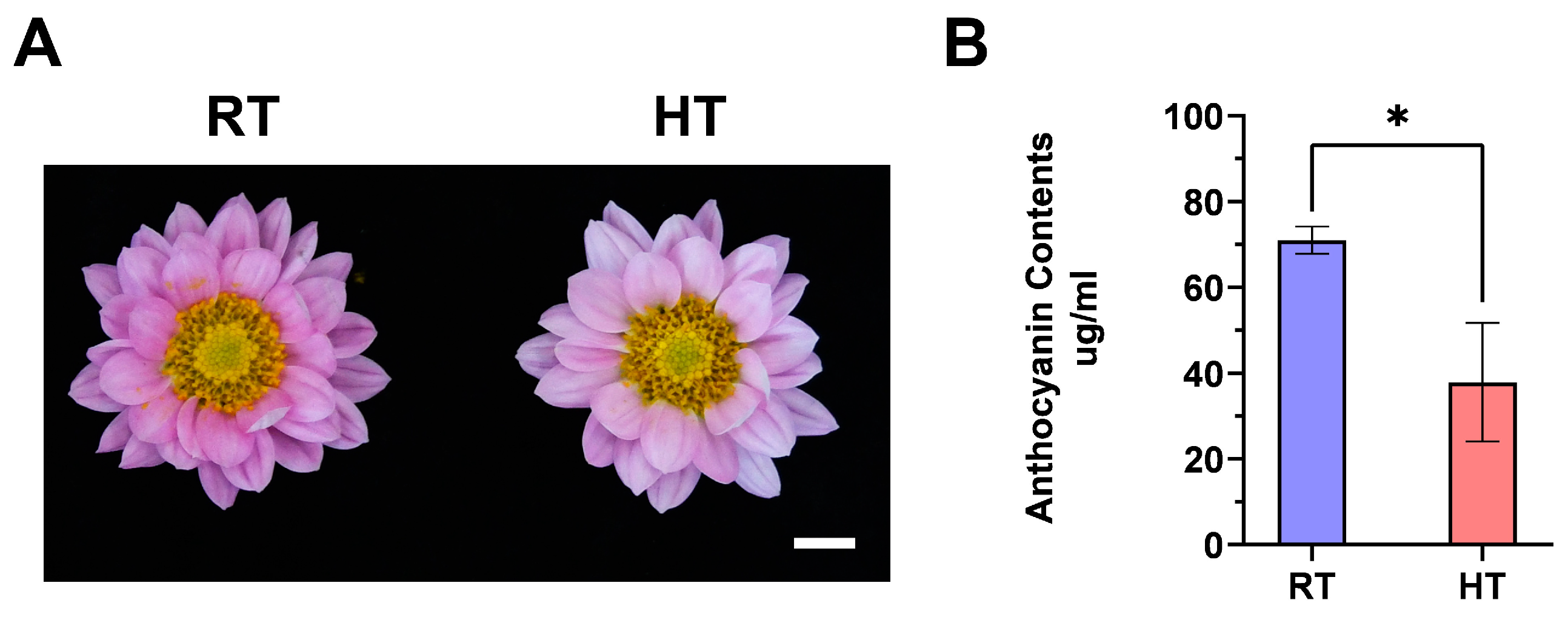
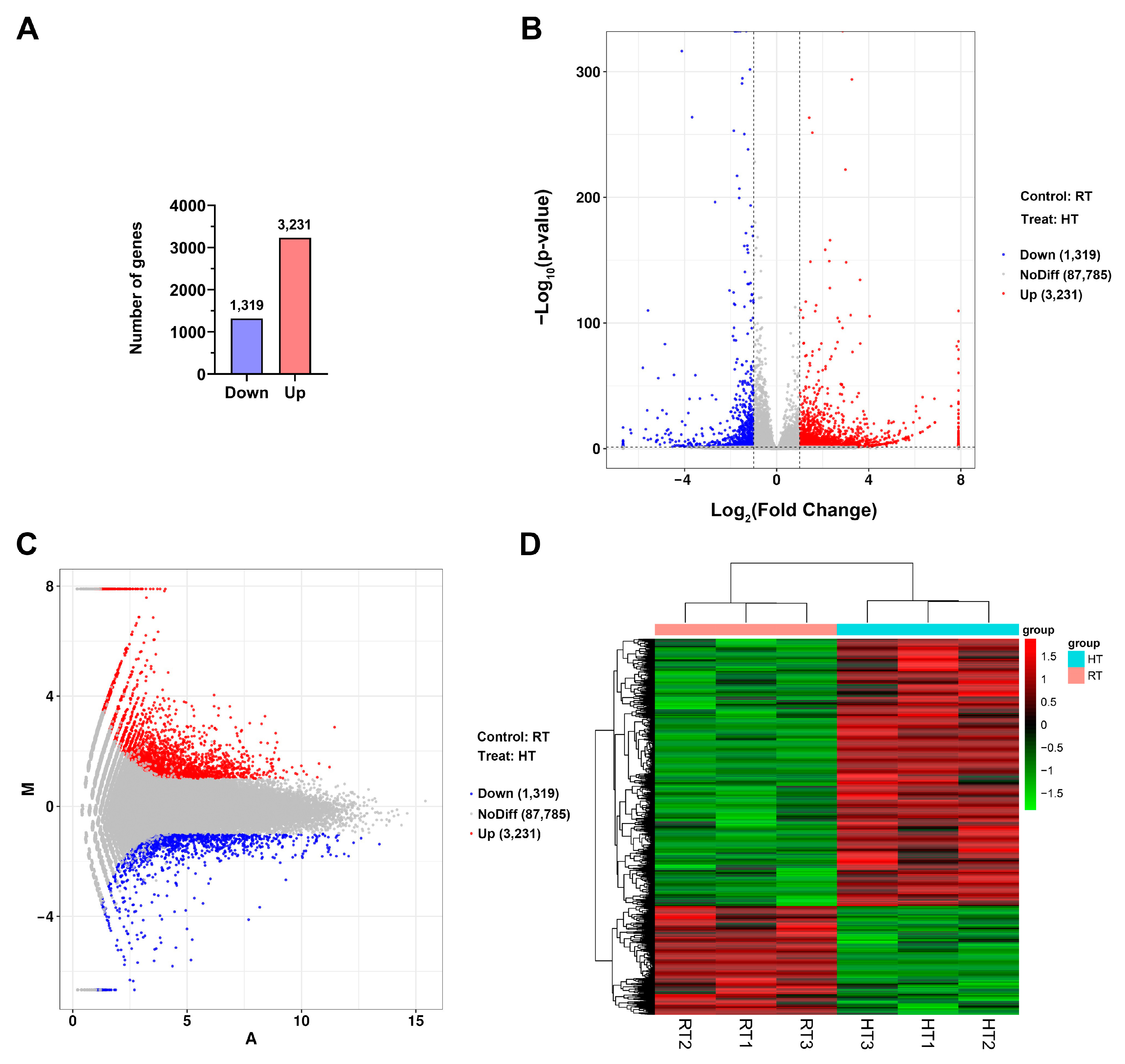
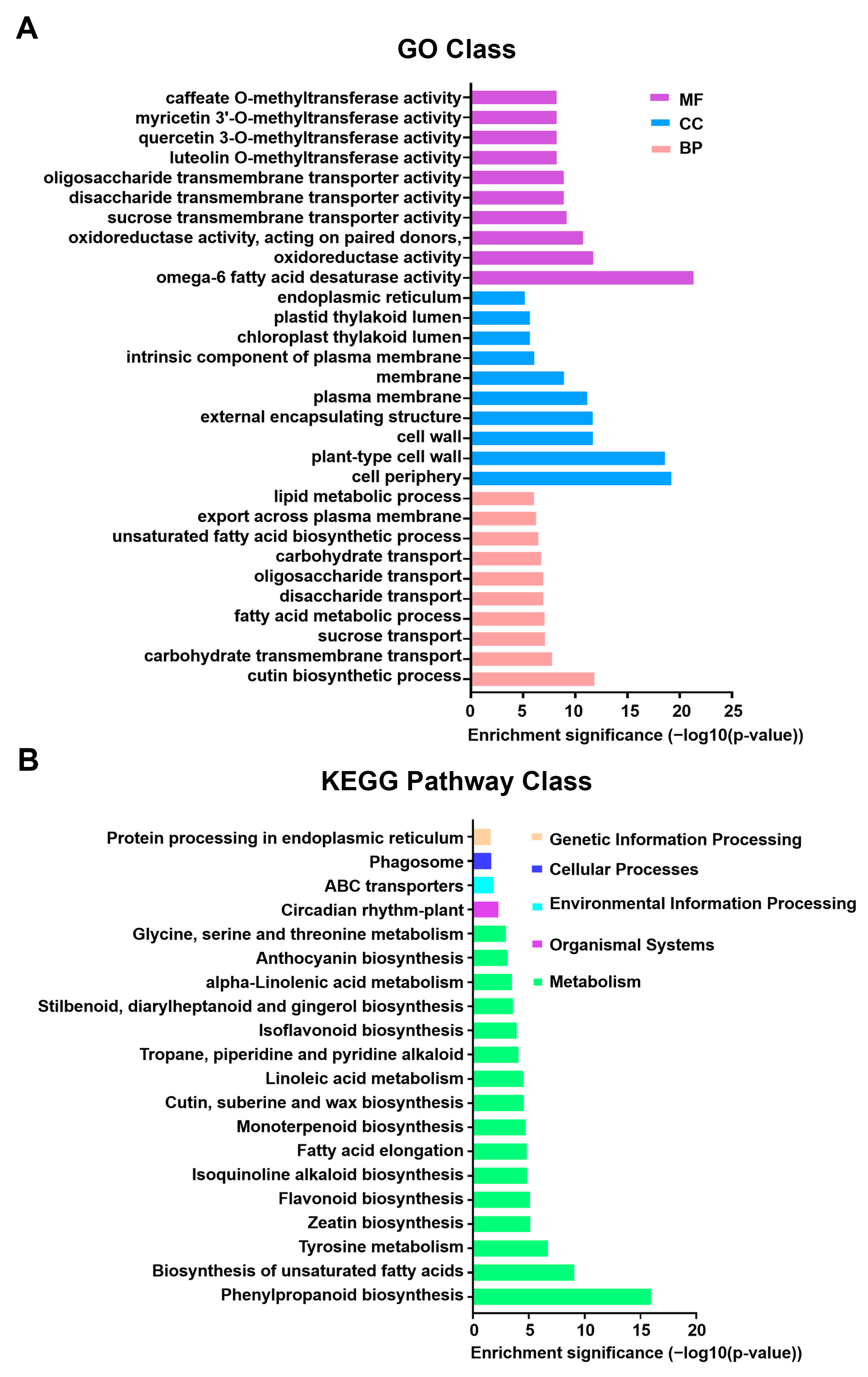
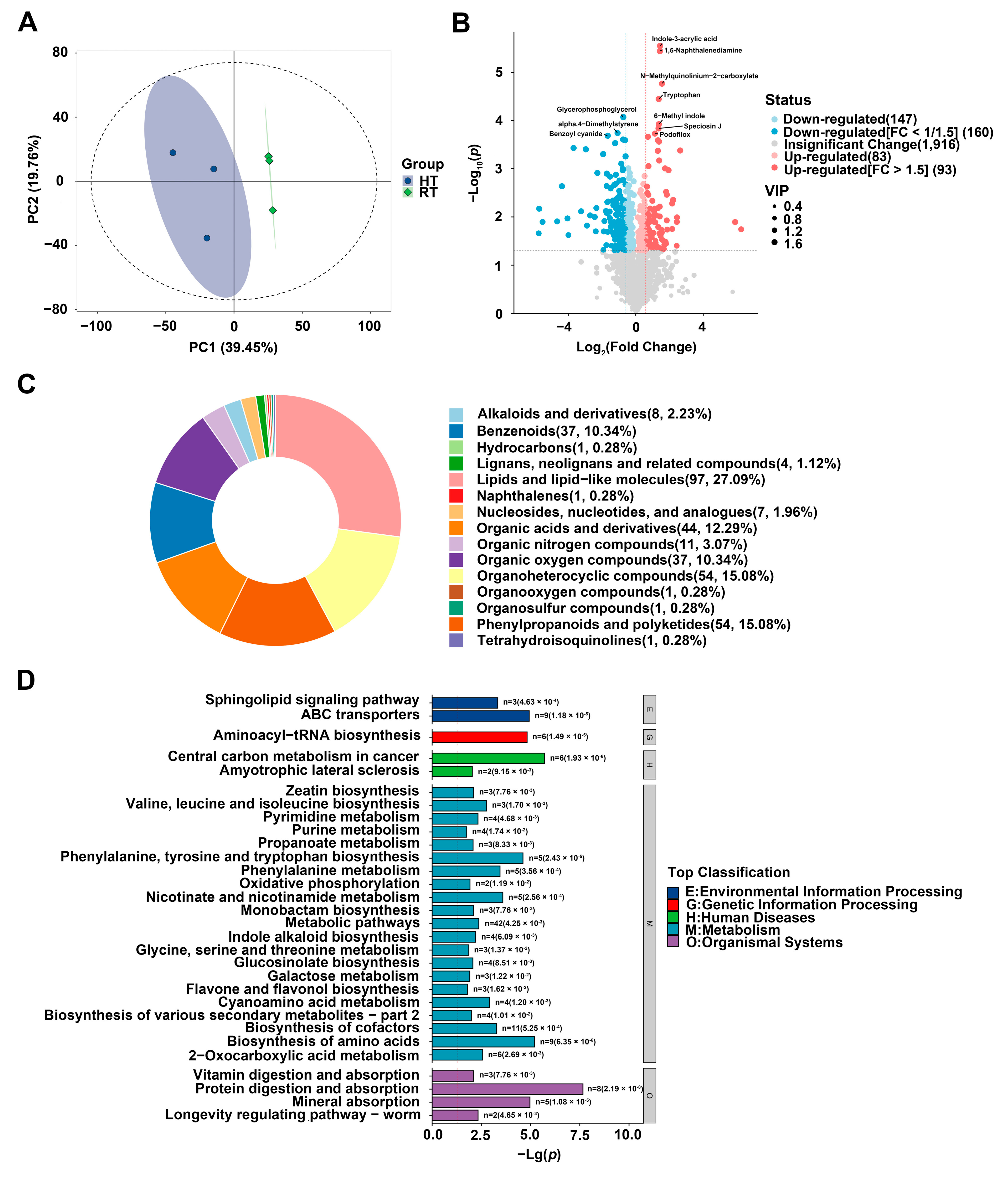
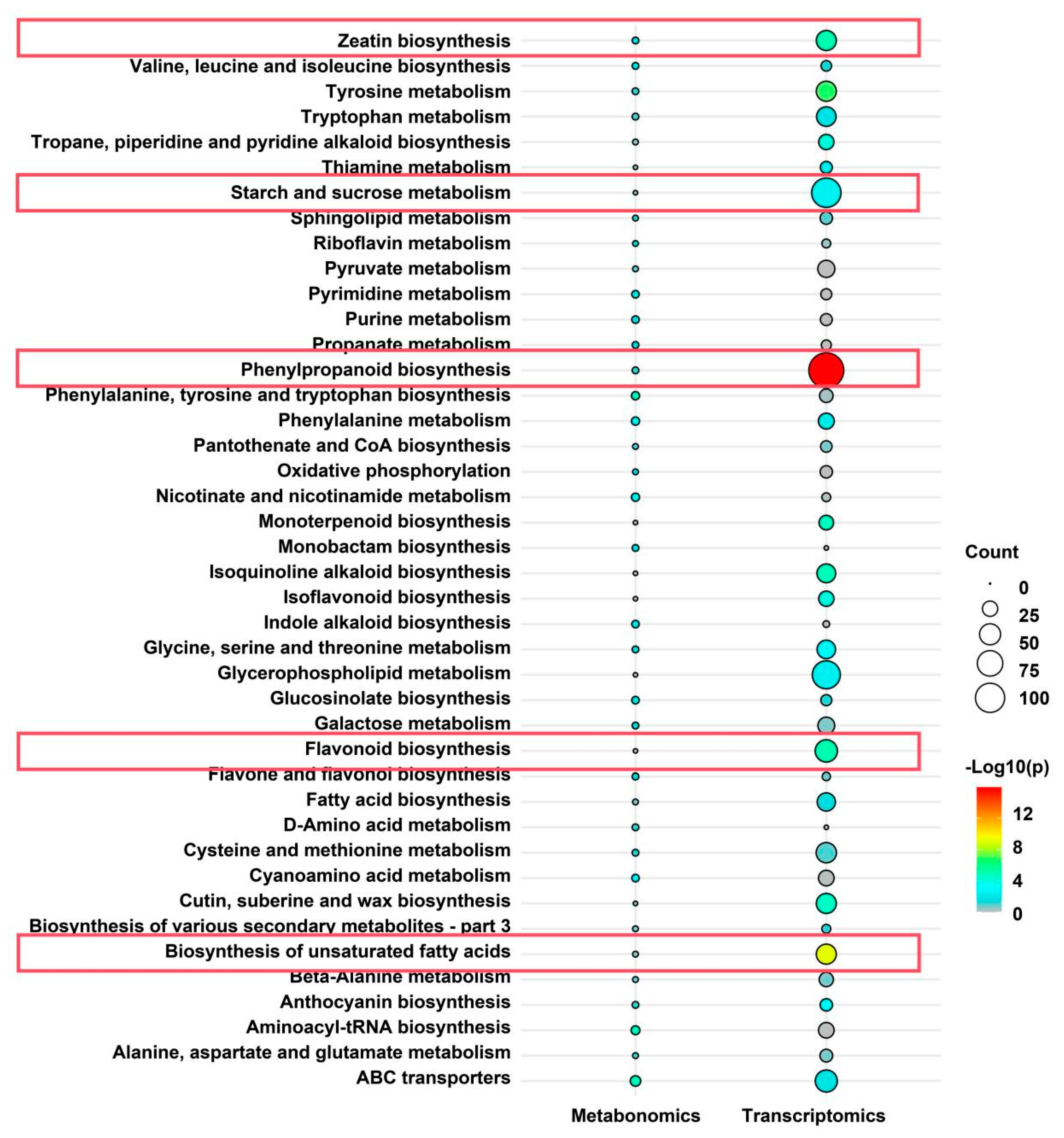
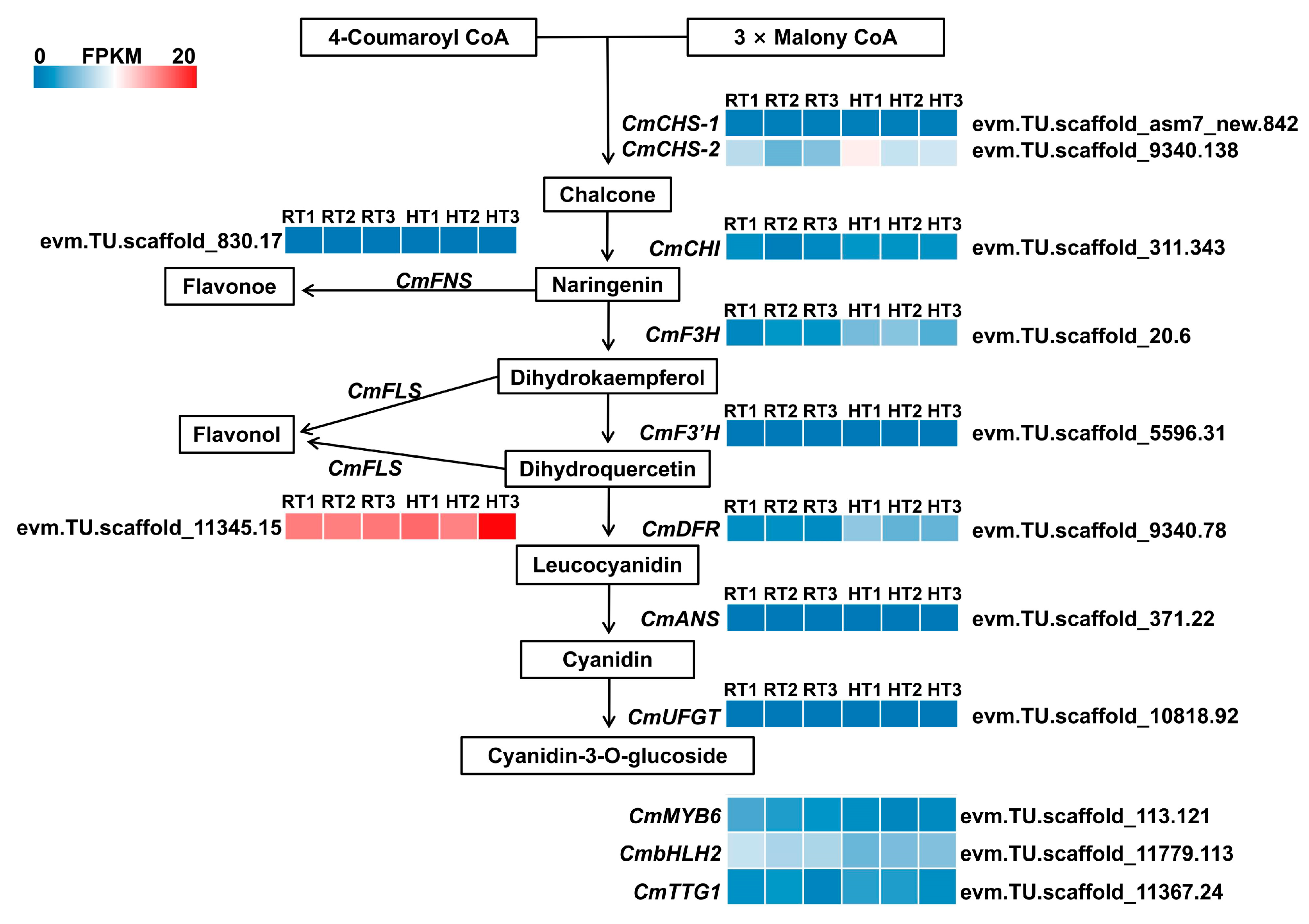
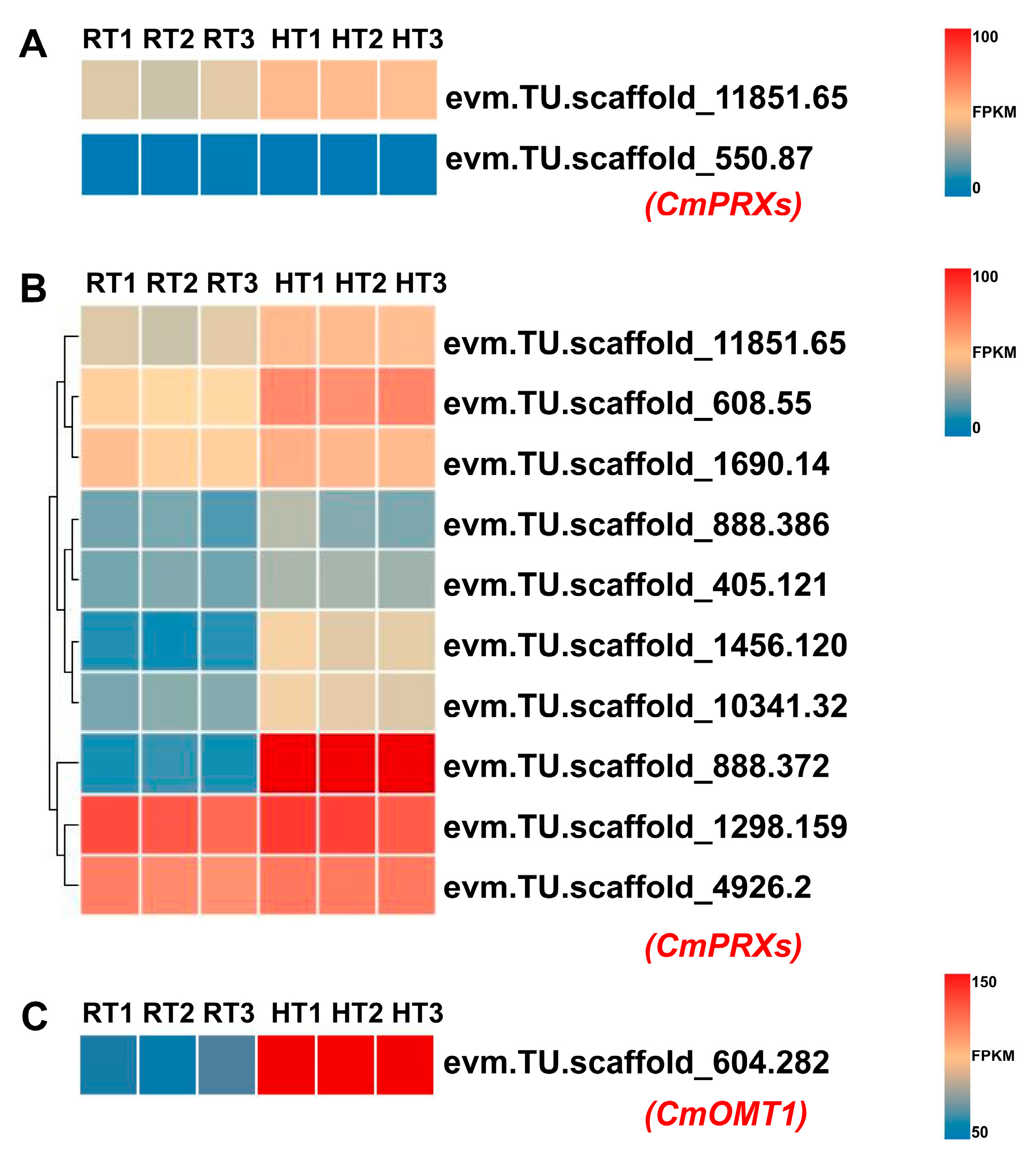
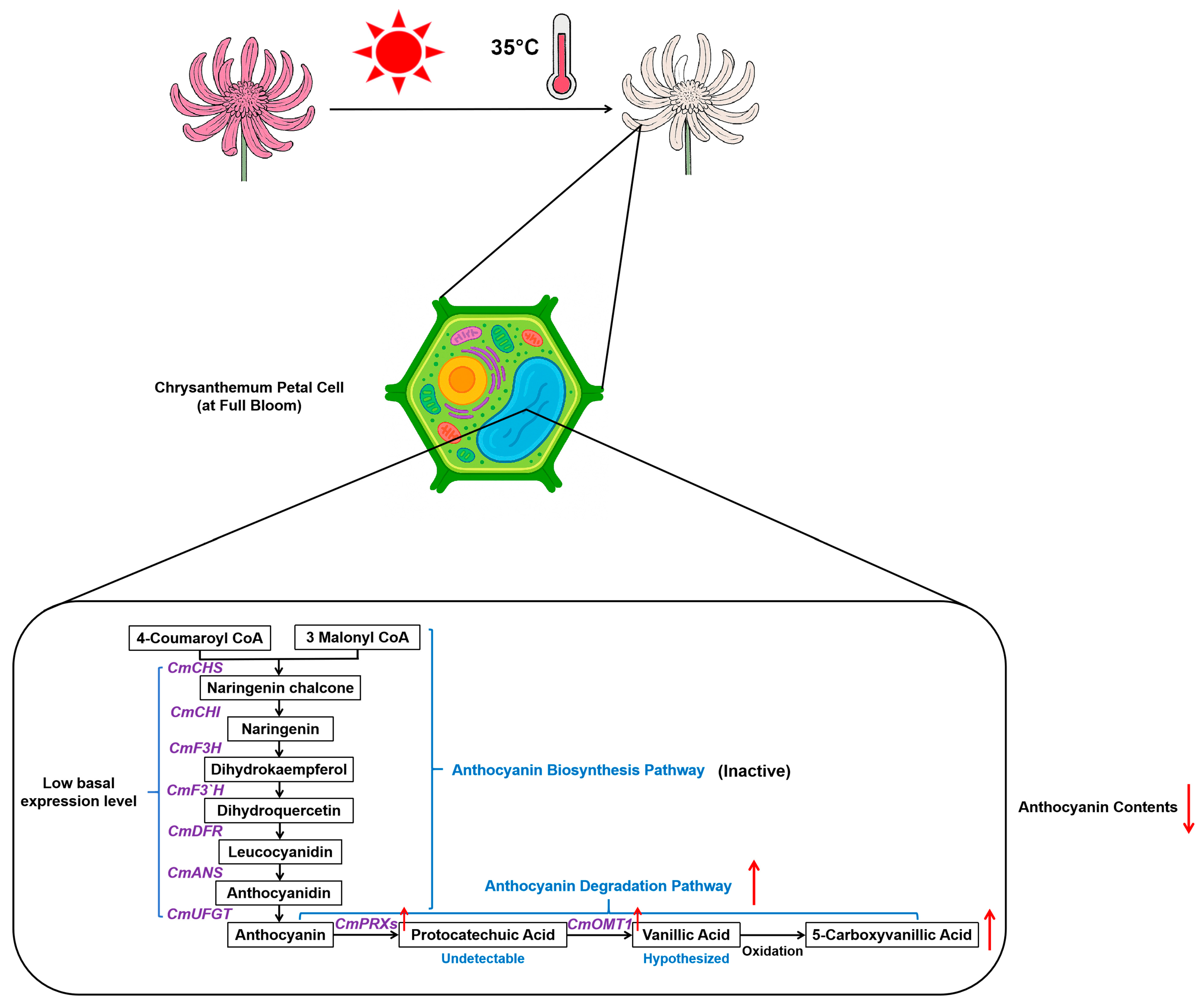
Chrysanthemum morifolium, a major cut flower worldwide, undergoes petal fading under heat stress due to reduced anthocyanin accumulation, significantly compromising its ornamental value. While previous studies have focused on heat-induced inhibition of anthocyanin biosynthesis, the mechanisms governing anthocyanin degradation remain unclear. In this study, ‘Nannong Fencui’ chrysanthemums at full bloom—when anthocyanin accumulation peaks—were exposed to 35 °C, while a control group was maintained at 22 °C, to assess heat stress effects on anthocyanin metabolism, including both biosynthesis and degradation. Transcriptomic analysis identified nine core structural genes and three key transcription factors involved in anthocyanin biosynthesis, along with twelve core genes linked to enzymatic anthocyanin degradation. Notably, the FPKM values of structural genes for anthocyanin biosynthesis were extremely low in both groups, indicating that anthocyanin biosynthesis was largely inactive at full bloom. Untargeted metabolomic analysis identified the 30 most significantly enriched metabolic pathways. Compared to the control, heat treatment led to a significant increase in 93 metabolites (FC > 1.5, p < 0.05, VIP > 1) and a significant decrease in 160 metabolites (FC < 1/1.5, p < 0.05, VIP > 1). Cyanidin glucoside, the primary anthocyanin in chrysanthemum petals, significantly decreased under heat treatment, while its potential degradation product, protocatechuic acid, was undetectable. Meanwhile, 5-carboxyvanillic acid levels significantly increased in heat-treated groups, suggesting that protocatechuic acid may have been converted into 5-carboxyvanillic acid via an O-methylation pathway. These findings provide new insights into the metabolic regulation of anthocyanins in chrysanthemums under heat stress and offer potential strategies for maintaining flower color quality during summer production, highlighting key candidate genes (CmPRXs and CmOMT1) for future functional validation and breeding efforts aimed at improving heat tolerance and color stability.
Keywords: heat stress; multi-omics analysis; anthocyanin metabolism; Chrysanthemum morifolium heat stress; multi-omics analysis; anthocyanin metabolism; Chrysanthemum morifolium